Whisky traditionalists would not appreciate WhistlePig’s new Boss Hog Rye.
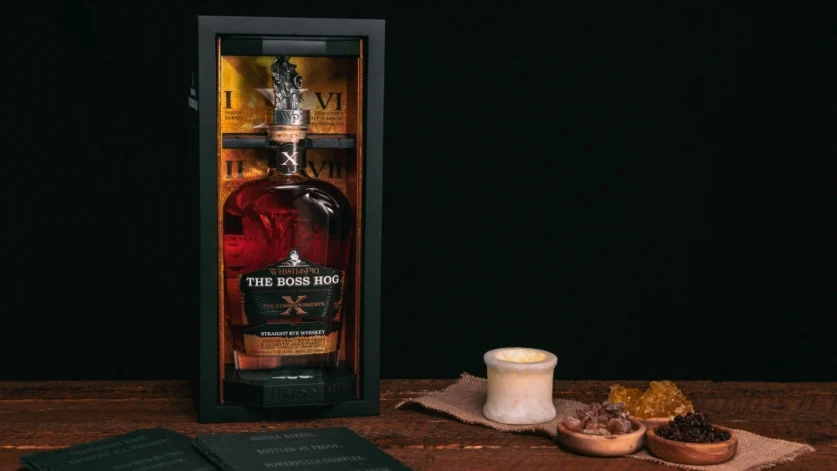
Do you ever wonder what unique cask finish the annual release of WhistlePig’s Boss Hog rye whiskey will have? Well, wonder no more. The newest edition, The Boss Hog X: The Commandments, has a completely one-of-a-kind finish, using mead barrels and casks seasoned with frankincense and myrrh-infused spirit. Now, before we dive into the details, let’s talk about the inconstant constants of the Boss Hog. There are 10 key points, ranging from marketing phrases to important facts. We’ve got the usual bottle being a single barrel release, bottled at barrel-proof, and even the promise of it being “Distinctly Unique From Anything We’ve Done Before.”
Now, let’s get into the nitty-gritty of The Commandments. It’s a sourced straight rye whiskey from Alberta Distillers in Canada, and although there is no age statement, the brand’s representative claims it’s one of their oldest age statements. The whiskey starts its maturation process in new charred American oak barrels. But here’s where things get interesting – it’s then finished in two “unorthodox” barrels for about a week each. The first barrels are seasoned with an experimental spirit made by WhistlePig using whey and rye infused with Boswellia and Commiphora resin, or frankincense and myrrh. The second set of barrels previously held mead, which is an ancient alcoholic beverage made from fermenting honey.
In the past, WhistlePig has played it relatively safe with cask finishes like rum barrels. But they’ve also dabbled in more adventurous finishes, such as tentura and fig nectar casks. The seventh release even had a secondary maturation in amburana casks, which seems to have garnered some hesitation from whiskey enthusiasts. But fear not, The Boss Hog X: The Commandments falls into the realm of the weirder side of WhistlePig without going completely overboard.
When we had the chance to sample The Commandments, we discovered a fascinating combination of scents and flavors. On the nose, we detected rye and honey aromas. As we took a sip, a delightful sweet and sour mix revealed itself on the palate. Notes of incense subtly came through without overpowering everything. The rye character was still present, but there were also flavors like baking spice, perfume, sweet cherry and grape, honeycomb, orange sherbet, molasses, bubblegum, and even a hint of balsamic vinegar. Head blender Meghan Ireland explained that the team experimented with the resins used for seasoning the finishing barrels, and she herself was unsure if it would work until they crafted the rye and whey spirit.
Now, it’s important to note that The Boss Hog X: The Commandments might not be everyone’s cup of tea. Traditionalists and those who have had their fill of WhistlePig’s lychee-infused whiskeys and sunglasses collaborations might want to skip this one. But if you’re looking to try something irreverent and truly unique, go ahead and grab yourself a bottle. You can purchase The Commandments from the WhistlePig website or check out the rest of their lineup on ReserveBar. Be warned though, it comes with a price tag of $600.
So, there you have it, the story remains the same, but the narrative is presented in a slightly different way.
If you’re striving to become a connoisseur of French wine, make sure to check out these 14 wineries worth visiting.
Do you love wine? Do you want to experience the magic and history of one of the world’s great wine-producing nations firsthand? Well, look no further than France! Whether you’re a casual wine lover or a serious collector, France offers countless opportunities to indulge in their amazing wines.
Let’s start our journey in the charming village of Eguisheim, where one producer stands out from the rest. They offer tastings, tours, and even a 90-minute introduction course to wine analysis. And if that’s not enough, you can also enjoy a delicious lunch in town. Trust me, once you’ve experienced the wines of Alsace, you may never want to leave.
Next, let’s head to a producer that offers free tastings to visitors. But if you’re willing to spend a little more, they also offer affordable tours that range from a basic visit to a thrilling adventure. Imagine driving through the vineyard in a 4×4 vehicle, visiting the cellar, and tasting 11 different wines. It’s a truly enlightening experience that showcases why their Riesling, Pinot Gris, and Gewurztraminer are so special.
Now, let’s move to Bordeaux’s Left Bank, where we find a standout Château that was ranked a Third Growth in the famous 1855 classification. Today, they offer a variety of options for visitors, including classic tours with tastings, guided blind tastings, and even blending workshops where you can create your own wine. It’s an opportunity to immerse yourself in the rich history and tradition of Bordeaux wines.
On the Right Bank of Bordeaux, we find another esteemed producer that specializes in Merlot-driven wines. From classic tours to exclusive tastings of legendary vintages, they offer a range of experiences for wine enthusiasts. Just make sure to book in advance as these experiences are highly sought after.
If you’re a fan of Chablis, then you have to visit Domaine Laroche. They offer unique experiences such as e-bike tours, guided tastings followed by lunch at a local restaurant, and even a two-day immersive experience called “The Magic of Chablis.” It’s an opportunity to explore the history and heritage of this renowned wine region.
For a truly unique experience, visit Europe’s first wine theme park, Le Parc du Hameau Duboeuf. With exhibits on winemaking, interactive rides, and of course, wine, this park is a wine lover’s dream. Don’t miss the chance to enjoy classic French dishes at the Café des Deux Horloges, housed in a recreated early-20th-century train station.
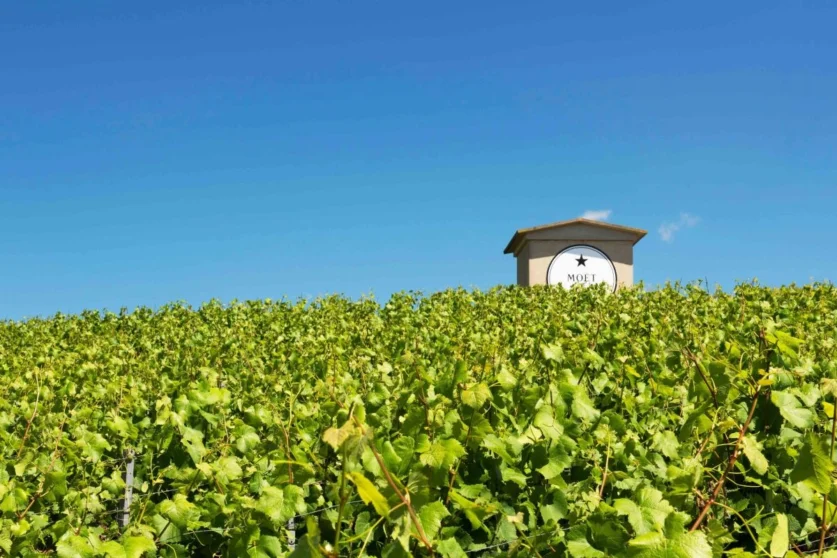
If you’re a fan of Champagne, you can’t miss a visit to Moet. With a range of experiences to choose from, you can taste their sparkling wines and even witness the disgorging process. It’s an opportunity to indulge in the finest Champagne and immerse yourself in the luxury of the estate.
Finally, we have Billecart, known for their iconic rosé Champagne. But they also offer a variety of other fantastic Champagnes to satisfy every palate. A visit to the estate includes tastings, a tour of the vineyard and gardens, and a glimpse into their rich history.
So, whether you’re a wine aficionado or just starting your wine journey, France offers the best trips filled with wine. With these incredible producers and their unique experiences, you’ll truly appreciate the magic and history of French wine. Cheers!
Discover the Hidden Gems of French Wine Country
When it comes to French wine, there is no shortage of breathtaking destinations to explore. From centuries-old cellars to picturesque châteaux, the country offers a plethora of wine experiences that are sure to leave a lasting impression. And the best part? Many of these experiences are absolutely free!
One such hidden gem can be found in the Loire Valley, a region known for its stunning châteaux and exceptional wines. If you find yourself in the area, a visit to the magnificent Chateau de Sancerre is an absolute must. Immerse yourself in the region’s rich history as a knowledgeable sommelier guide leads you through the château’s vineyards and wine production process. And for a truly unique experience, rent an e-bicycle and explore the beautiful grounds at your own pace. As you indulge in a tasting of their exquisite wines, savor the perfect pairing of regional cheeses, ham, and charcuterie.
Another renowned producer in the Loire Valley is Domaine Huet. While a visit to this prestigious winery requires booking in advance, it is well worth the effort. Their comprehensive tours offer a glimpse into the full range of Huet wines, from sparkling to still, dry to sweet, and even include older vintages. To arrange a more in-depth cellar tour, simply reach out to them at contact@domainehuet.com.
Venture further south and you’ll find Gérard Bertrand, not only the largest biodynamic grape grower in France but also an incredibly hospitable wine professional. Take your pick from a range of experiences, including 90-minute tours, half-day excursions, and wine master classes. To truly immerse yourself in the world of Gérard Bertrand wines, consider booking a stay at the luxurious Château l’Hospitalet, a wine resort fit for royalty.
In the famous Châteauneuf-du-Pape appellation, wine enthusiasts flock to one particular stalwart: Château de Beaucastel. Here, visitors have the option of a self-guided tour, providing essential grape education, followed by a tasting led by a knowledgeable team member. If you’re looking for a more guided experience, a tour and tasting can be arranged for just 10 euros. Whichever option you choose, you’re guaranteed to come away with a deeper appreciation for this beloved region among collectors and sommeliers.
If you’re eager to stay updated on the latest Food & Wine news, be sure to sign up for our newsletter. And remember, the world of French wine is waiting to be discovered – so start planning your journey today!
The Clay County Sheriff’s office is seeking individuals involved in a theft at Circle K; stay alert for beer burglars.

Help Solve a Crime in Clay County!
Imagine this: It’s the early hours of the morning on October 22, 2023. A peaceful Circle K store in Clay County, Florida, becomes the setting for an unexpected act of thievery. A group of individuals, captured on surveillance footage, enter the store located at US 17 and Hibernia on Fleming Island.
Their actions were anything but innocent. The group, consisting of several individuals, brazenly snatched four cases of beer and a case of Dr. Pepper soda around 5:10 a.m., leaving no time for the store’s staff to react. It was a swift operation, their intentions clear. But they didn’t stop there.
Fleeing from the scene as fast as they had arrived, the culprits made their getaway in a gray Honda Civic with a Texas license plate, specifically identified as BLS0551. With the stolen goods now securely in their possession, they vanished into the dawn, leaving the quiet store in their wake.
However, the Clay County Sheriff’s Office is not giving up so easily. They need your help in bringing these thieves to justice. The office has released surveillance photos of the suspects, hoping that someone may recognize them and provide valuable information that leads to their arrest.
If you have any information that can assist in identifying these individuals, please reach out to Deputy Halpin at 904-237-8305. You can also submit tips via email to bhalpin@claysheriff.com. Make sure to mention the case number (2023027318) when providing any information. Remember, your tips could be the missing pieces needed to solve this case!
If you wish to remain anonymous, you can still play your part in making Clay County a safer place. Submit a SaferWatch tip or contact First Coast Crime Stoppers at 1-866-845-TIPS (8477). By doing so, you will be eligible to receive a cash reward of up to $3,000 if the information you provide leads to an arrest.
Let’s join forces and help our local law enforcement ensure that justice is served. Together, we can make a difference and uphold the values of our community. Join us in the fight against crime by staying informed and staying vigilant.
Stay connected with the latest news and weather updates by downloading the free Action News Jax news and weather apps. Additionally, for an immersive experience, download the Action News Jax Now app on your smart TV. If you prefer to stay updated in real-time, stream Action News Jax live and be part of the action.
Remember, a small act of kindness can go a long way. Let’s show the world that Clay County is a place where people stand up for what’s right, supporting law enforcement in their quest to protect and serve.
Together, we can make a difference.
From bourbon to books, discover the top 19 gifts perfect for whiskey enthusiasts.
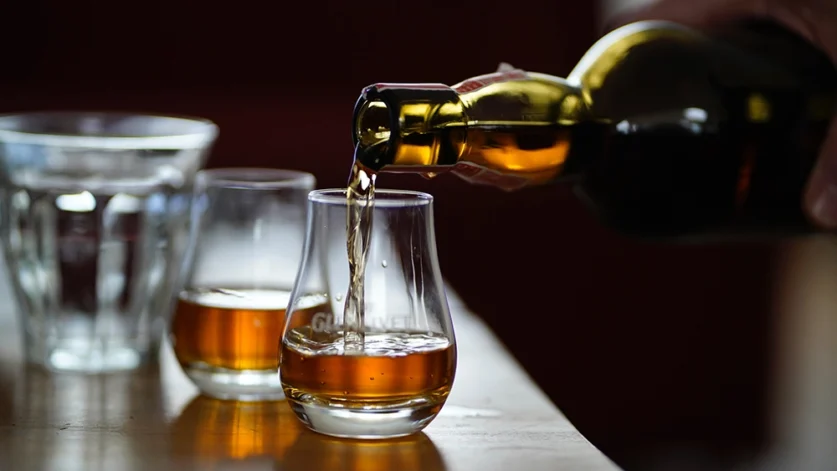
Looking for gift ideas for your loved ones? Look no further than the timeless and always appreciated gift of whiskey. Regardless of style or category, whiskey is a crowd-pleaser that many people above the age of 21 enjoy. Whether it’s a bottle of the finest whiskey, unique whiskey-themed accessories, or items to enhance their home bar, we’ve got you covered with 21 whiskey gift ideas.
When it comes to scotch whisky, Highland Park offers a superb choice with its 18-year-old Viking Pride expression. This whiskey strikes a perfect balance between various styles, featuring a strong but not overpowering sherry cask and peat influence on the palate. With notes of spice, dried fruit, blackberry, vanilla, and smoke, this is our top pick for the best scotch whisky overall.
Decanters are a must-have for any whiskey collection, and the Tom Dixon decanter combines function and style. Inspired by scientific glassware, this beautiful decanter allows you to showcase a particular expression without a label obscuring the liquid. It’s a stunning piece to have on your home bar, perfect for pouring and sharing your favorite whiskey.
If you’re looking for a cask-finished American whiskey, Angel’s Envy is widely known and available. Their core expression is a four to six-year-old bourbon finished in port wine barrels, giving it a dark color and syrupy notes of candied fruit. For an exceptional choice, their annual cask strength expression is highly sought after. The 2023 release, marking 12 years of cask strength bourbon, is still an extremely popular choice that sells out quickly.
Buffalo Trace’s WL Weller bourbon gained immense popularity as an alternative to the elusive Pappy. A bottle of Weller Special Reserve is a great find, offering the same wheated bourbon profile as Pappy but at a more affordable price. Bottled at 90 proof, this bourbon has a pleasant fruitiness, vanilla creaminess, and a subtle spice that appeals to both beginners and enthusiasts.
Improve the whiskey drinking experience with lead-free crystal tumblers. These handmade glasses are perfect for savoring whiskey neat, on the rocks, or in classic cocktails like an Old Fashioned. The heavy base ensures stability, while the tapered top allows the aroma to develop. Add a touch of elegance to your home bar with these exquisite tumblers.
If your friends and relatives already have a collection of whiskey, consider exploring other whiskey-adjacent gifts. From unique accessories to enhance their whiskey appreciation, to items that elevate their home bar setup, there are plenty of options to choose from.
Whether you opt for a bottle of the finest whiskey, stylish decanters, limited edition releases, or elegant glassware, a whiskey gift is sure to make someone’s day. So raise a glass and toast to the joy of giving and enjoying the best whiskey has to offer.
Discover the Best Cocktail Books and Whiskies for Every Home Bartender
Are you tired of staring at your liquor cabinet, unsure of what to do with all those bottles? Don’t worry, we’ve got you covered. In this blog post, we’ll be sharing some of the best cocktail books out there to help you figure out how to create elevated and exciting drinks right at home. Plus, we’ll introduce you to some incredible whiskies that you simply can’t miss out on. So, let’s dive in!
1. Cocktail Books for the Home Bartender
If you’re looking to expand your cocktail-making skills, then you need to get your hands on these three must-have books: Death & Co: Modern Classic Cocktails, Cocktail Codex, and Death & Co: Welcome Home. Not only are these books signed by the authors, but they also contain hundreds of recipes that are both complex and manageable for at-home bartenders. Say goodbye to your usual cocktail routine and get ready to impress your guests with a whole new level of mixology. This bundle is priced at $102 and is a worthwhile investment for any cocktail enthusiast.
2. Discover the Whiskey Gems
When it comes to Northern Irish whiskey, the Bushmills distillery is renowned for its affordable workhorse blend. However, don’t overlook their single malt expressions. The 21-year-old Bushmills whiskey is a true gem, aged in bourbon and sherry casks before being finished in Madeira barrels. This intricate aging process brings out flavors of fig, spiced apple, lemon, and buttery caramel. Priced at $265, it’s a whiskey worth splurging on.
For Scotch drinkers who appreciate sherry cask-matured single malts, The GlenDronach is a name to remember. With its whisky matured in Oloroso and Pedro Ximenez sherry casks, this Highland distillery creates exceptional expressions. The 15-year-old Revival whisky shines as a standout choice, perfect for enjoying neat or in a classic Rob Roy cocktail. This bottle is priced at $97, offering excellent value for its quality.
3. Elevate Your Whiskey Experience with the Right Glassware
The Glencairn glass may be a classic choice for whiskey enthusiasts, but consider trying out the beautifully designed glass from Schott Zwiesel. Its minimal and tasteful design allows the aromas and flavors of your whiskey to concentrate without overwhelming your senses. The price of this elegant and effective glass is $84, offering a new way to appreciate the complexities of your favorite whiskey.
4. Indulge in a Special Bourbon Experience
If you’re a bourbon lover, you can’t miss out on the limited-edition 12-year-old Knob Creek. Building upon the success of the original nine-year-old bourbon, this expression offers the same complex flavor profile of vanilla, caramel, and spicy notes. However, the additional three years of barrel aging bring extra depth and complexity. Priced at $69, it’s a bourbon that falls into the sweet spot between the 15 and 18-year-old releases, making it one of the best options out there.
5. Explore Bob Dylan’s Whiskey Range
Bob Dylan’s Heaven’s Door whiskey brand has gained immense popularity since its launch in 2018. While they’ve released collectible limited-edition expressions, their core range remains a reliable source of tasty whiskey. Treat yourself or a loved one to a gift set of small bottles, featuring their Straight Bourbon, Double Barrel, and Straight Rye. Pour yourself a glass, put on some Bob Dylan tunes like “Nashville Skyline,” and compare the different styles of whiskey. The price for this gift set is $190.
6. Carry Your Whiskey in Style
When you’re on the go, why settle for a regular flask? The luxury Weekender flask from Jacob Bromwell is the perfect companion for any high-end whiskey. With its 22 gauge copper construction, reflective finish, and leak-free screw top, this flask holds seven ounces of your favorite liquid. Priced at $300, it’s a stylish and high-quality flask that any whiskey connoisseur would appreciate.
7. Uncut and Unfiltered Whiskey Delight
Booker’s is one of the original barrel-proof bourbons, known for its high ABV and full flavor. Part of the Jim Beam Small Batch Collection, this whiskey is released in four batches per year. The latest release, priced at $90, offers an uncut and unfiltered experience with a proof of approximately 125 and an age of around seven years. If you’re a fan of bold and robust whiskies, Booker’s is a must-try.
Conclusion
Whether you’re a novice home bartender looking for guidance or a whiskey lover in search of the next great sip, these recommendations are sure to satisfy your desires. From the best cocktail books to elevate your mixology skills to exceptional whiskies that deserve a spot in your liquor collection, there’s something for everyone to enjoy. So, grab a glass, open a book, and embark on an unforgettable journey of flavors and craftsmanship. Cheers!
Enhance Your Whiskey Experience with these Extraordinary Accessories
Bourbon lovers, rejoice! We have carefully curated a collection of exceptional accessories that will take your whiskey enjoyment to a whole new level. From exquisite crystal tumblers to unique bottles and ice presses, these items are perfect for enhancing the flavors and aromas of your favorite spirits.
1. Mighty Fine Batch Bourbon ($89)
First up, we have the Mighty Fine Batch Bourbon, a sensational release that boasts a delightful age of over seven years and a bold 126.6 proof. Whether you prefer to sip it neat or with a splash of water, this bourbon will surely impress your palate. Don’t miss out on the opportunity to experience its unrivaled quality.
2. Baccarat Crystal Tumblers ($276)
It’s no secret that the vessel in which you drink your whiskey can greatly impact your overall experience. These stunning crystal tumblers from Baccarat are designed to help you fully savor the flavors and aromas of your favorite whiskey. Not only are they functional, but they also make for an incredible addition to any home bar. Treat yourself or a loved one to the gift of elegance.
3. Ardbeg Peated Whisky Bundle ($293)
For those who appreciate the smokey allure of peated whisky, this bundle of bottles from Ardbeg is a dream come true. Known for their intensely peated expressions, Ardbeg offers three core whiskies: the 10 Year Old, Corryvreckan, and Uigeadail. These bottles will provide you with exceptional sipping experiences throughout the winter season.
4. “Impossible Collection” of Whiskeys Book ($1,200)
If you’re a whiskey enthusiast, you’ve probably heard of rare and collectible bottles that seem almost unattainable. Luckily, this beautifully designed book has compiled 100 of the most sought-after whiskeys from around the world. From Pappy Van Winkle to Midleton Very Rare 45 Year Old, this “Impossible Collection” will satisfy your craving for whiskey knowledge and make for a remarkable gift.
5. Starward Australian Single Malt Whisky ($164)
For the whiskey drinker who prides themselves on exploring new frontiers, the Starward Australian Single Malt Whisky is a must-have addition to your collection. This limited-edition bottle, commemorating 15 years of whisky-making, is matured in red wine casks. It offers a unique flavor profile that will captivate both single malt and wine lovers alike.
6. Cirrus Ice Press ($770)
The quality and size of your ice cubes can significantly impact the taste of your whiskey. With this press from Cirrus, you can create perfectly sized, six-ounce clear ice balls that melt slowly in your glass, allowing for controlled dilution and maximum enjoyment while sipping. Elevate your whiskey experience with these beautifully crafted cubes.
7. Barrell Craft Spirits Seagrass Whiskey ($84)
Lastly, we have the Seagrass Whiskey from Barrell Craft Spirits. This cask-strength blend of rye from America and Canada is finished in three different types of barrels—Martinique rhum, madeira wine, and apricot brandy. The result is a whisky that boasts fruity, spicy flavors with notes of raisin and dried fruit. Treat yourself to a unique and unforgettable sipping experience.
In conclusion, these extraordinary accessories are guaranteed to elevate your whiskey enjoyment to new heights. From impeccable glassware to rare and collectible bottles, each item has been meticulously chosen to enhance your drinking experience. Choose one or all, and indulge yourself or a loved one in the world of exceptional whiskies. Cheers!
Tsingtao beer is being disposed of by South Koreans due to a viral video showing a man urinating into the brewery tank.

Title: A Shocking Incident Shakes Trust in Tsingtao Beer, Prompting Concerns About Chinese Food Safety
Introduction:
Over the weekend, a video of a man urinating into an ingredient container at Tsingtao Brewery in China went viral. The incident, which took place at “Brewery No. 3” in Pingdu, Shandong province, has caused an uproar among South Korean customers, leading to widespread concern about hygiene standards and quality control.
Fallout in South Korea:
Tsingtao Brewery, the second-largest beer producer in China, is now facing the consequences of this shocking incident. Despite the company’s assurance that the contaminated products were solely for the Chinese domestic market, South Korean consumers remain skeptical and express fears over the potential risks posed by Tsingtao beer.
Decrease in Tsingtao Sales:
The impact of the incident is evident in the declining sales of Tsingtao beer. Many South Korean restaurants are seeking refunds, but Tsingtao’s Korean importer has refused their requests. Moreover, convenience stores have reported significant drops in sales, with one chain experiencing a 26.2% decrease and two others witnessing declines of 20% and 13% respectively compared to the previous week.
Concerns About Chinese-Made Food Products:
This incident has further fueled existing concerns about Chinese food safety. China has a notorious history of food safety issues, such as the 2008 deadly milk scandal involving melamine contamination in infant milk powder. Consequently, South Korean consumers are increasingly cautious about purchasing Chinese-made food products.
Experts highlight substandard working conditions and inadequate monitoring as contributing factors to such incidents in Chinese food factories. This incident underscores the importance for consumers to be vigilant and conduct thorough research before purchasing products made in China.
Conclusion:
The viral video capturing the unacceptable act at Tsingtao Brewery has sent shockwaves throughout South Korea. The incident has not only impacted Tsingtao’s sales and reputation but has also further eroded trust in Chinese-made food products. As consumers, it is crucial to remain informed and make informed choices to ensure our safety and well-being.
Tad Dorda, the founder of Chopin, has been continuously redefining the vodka category even after 30 years.
Why Vodka Deserves More Respect: The Story of Chopin Vodka
When it comes to alcoholic beverages, certain spirits have gained a reputation for being complex and highly regarded. Think of bourbon, with its enthusiasts discussing the details of barrel chars and mash-bills. Vodka, on the other hand, often falls victim to being reduced to a “neutral spirit” with no distinct taste, and is frequently mixed with soda or cranberry juice. But what if we told you that vodka can be both seriously flavorful and serious business?
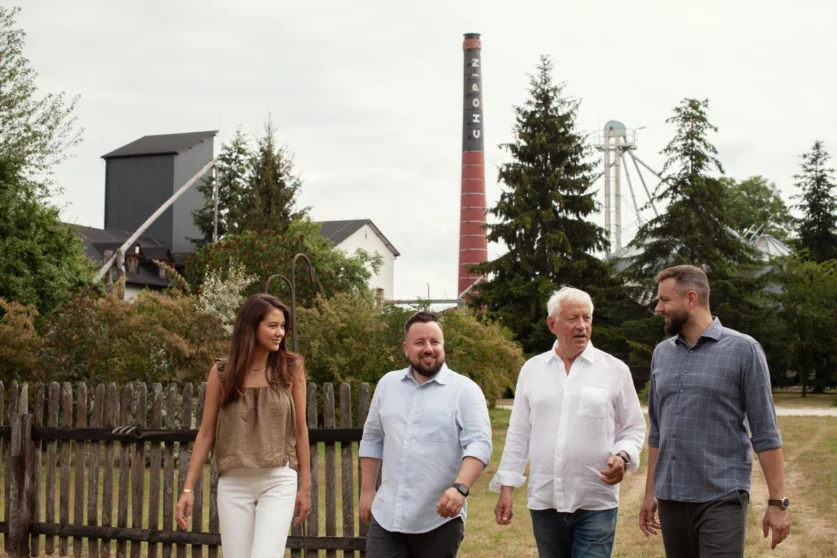
Meet Tad Dorda, the founder of Chopin Vodka, who is on a mission to change the perception of vodka. Thirty years ago, Dorda established the world’s first super premium vodka brand in his native Poland. Today, Chopin remains a family-run company that continues to produce award-winning vodkas that challenge and redefine the category.
Dorda strongly believes that vodka should not only be enjoyed, but also appreciated. According to him, vodkas “should be sipped and savored,” rather than mindlessly consumed. This passion for the craft of vodka-making shines through in every bottle produced by Chopin.
Founded in 1993, Chopin remains a small, family-run company committed to using quality ingredients and handcrafting their vodka. The distillery, located in Dorda’s homeland of Poland, is where all of Chopin’s vodka expressions are meticulously made. Unlike many larger brands that source their neutral grain spirit from industrial distilleries, Chopin stays true to its roots by using only potatoes, rye, and wheat sourced from Chopin-farmed crops and family farms nearby.
Although vodka can technically be distilled from a variety of ingredients, Dorda differentiates between what vodka can be and what it should be. In his pursuit of excellence, Dorda has dedicated his life to achieving an appellation of origin for vodka, similar to the distinctions of origin seen in cognac, Scotch, and tequila. He believes that consumers understand the concept of appellation of origin in other categories, but unfortunately, vodka lags behind.
Dorda argues that vodka can and should only be classified as such if it is made from a specific set of traditional ingredients found in the “vodka belt” of Eastern Europe—vodka’s homeland. These ingredients include potato, rye, wheat, barley, oats, and sugar beets. According to Dorda, the best and most authentic vodka comes from these ingredients and this part of the world.
While many people associate vodka with potatoes, potato vodka only represents 3 percent of all vodka sold. However, Chopin has made a name for itself in the potato vodka realm. Dorda has gone above and beyond, experimenting with over 60 different potato varietals to create the ultimate expression of the spirit. The result? Chopin’s potato vodka has received the highest accolades in the world for its creamy flavor profile and viscous, full-bodied texture—making it the perfect choice for a martini.
In the pursuit of new, distinctive, and delicious flavor profiles, Dorda continues to experiment with his micro-distillery equipped with small, 200-liter stills. Not all of these experiments make it to commercial release, but Chopin has unveiled some intriguing and mouthwatering bottlings over the years. From the Chopin Family Reserve, distilled from young potatoes harvested earlier in the season, to a collaboration with renowned designer Vera Wang using the rare Augusta potato, and even the Young Potato vodka, distilled from a variety of young potatoes spanning from 2009 to 2022—each expression boasts its own distinct aroma and flavor profile, proving that vodka can indeed possess nuance and terroir.
Chopin’s commitment to quality is evident in their production process. More than 11 million pounds of potatoes are distilled into vodka each year, with approximately 7 pounds used to create each bottle. The leftover potato mash is returned to local farmers to be used as fertilizer or feed for their animals—a sustainable approach that emphasizes Chopin’s connection to the land.
Dorda doesn’t stop at potatoes; he also places equal importance on Chopin’s wheat and rye expressions. Understanding that vodka’s complexity and flavor profile stem from the raw ingredients and their origin, Dorda ensures that every aspect of production is held to the highest standards.
Vodka deserves more respect. It is not just a neutral spirit to be blended with mixers—it can be a spirit that demands appreciation. Chopin Vodka, through its commitment to craftsmanship and dedication to traditional ingredients, is leading the way in redefining what vodka can and should be. So the next time you reach for a bottle of vodka, consider savoring it rather than simply consuming it. You might be surprised at the nuance and complexity that awaits.
The Power of Vodka: How Chopin Vodka is Making a Difference
When it comes to vodka, most people might think of it as just a clear, flavorless spirit. But Chopin Vodka is on a mission to change that perception. With a deep appreciation for the art of distilling and a commitment to philanthropy, Chopin Vodka is proving that vodka can be more than just a delicious drink – it can be a force for good in the world.
Chopin Vodka is known for its dedication to quality and craftsmanship. Made in Poland, the birthplace of vodka, Chopin Vodka takes pride in using the finest ingredients and traditional distillation methods. What sets Chopin Vodka apart is its variety of base ingredients – rye, wheat, and potato.
In a recent tasting session, the differences in flavor profiles were evident. The rye vodka had a spicier and bold taste, making it a perfect choice for cocktails like Bloody Mary. On the other hand, the wheat vodka was softer and sweeter, with a velvety mouthfeel that made it ideal for a refreshing Spritz. These variations showcase the versatility and range of flavors that vodka can offer.
But Chopin Vodka is not just concerned with creating exceptional spirits. The brand’s founder and master distiller, Tad Dorda, also believes in giving back to the community and supporting causes that are close to his heart. In September 2023, Chopin Vodka participated in the Robb Report Culinary Masters event, a philanthropic function aimed at raising funds for the V Foundation for Cancer Research.
As part of the event, Chopin Vodka donated a package that included a bottle of their recently launched Chopin Vintage Vault 30-year-old Vodka, along with a VIP distillery tour led by Dorda himself. The package raised an impressive $21,000, all of which was donated to the V Foundation.
This act of generosity demonstrates how vodka can be more than just a drink – it can be a catalyst for positive change. Dorda believes that vodka, as a national heritage of Poland, deserves the same level of recognition and protection as other renowned spirits like tequila and Scotch. Through his work, he hopes to elevate the perception of vodka and its importance in Polish culture.
Even after 30 years since its founding, Chopin Vodka remains a family affair. Dorda’s daughter and nephews work alongside him to run the business, ensuring that the brand’s commitment to quality and philanthropy continue to thrive.
In conclusion, Chopin Vodka is not your ordinary spirit. It is a symbol of craftsmanship, flavor, and philanthropy. Through their dedication to creating exceptional vodkas and supporting charitable causes, Chopin Vodka is making a difference in the world. So, the next time you raise a glass of Chopin Vodka, remember that you are not only enjoying a delicious drink but also contributing to a positive impact. Cheers to vodka and its power to do good!
With the launch of Fraser & Thompson Whiskey, Michael Bublé raises a glass to celebrate his family and have a great time.

Rolling Stone may receive a commission if you purchase a product or service through a link on their website. Michael Bublé, the Grammy-winning singer, is currently filming a whiskey commercial. However, he is struggling with his lines. It’s a cloudy morning in Vancouver, where Bublé is brainstorming catchphrases for Fraser & Thompson, his new North American whiskey. He collaborated with his long-time friend and award-winning Master Distiller, Paul Cirka, to create this blend of Canadian whiskey and Kentucky bourbon. The whiskey offers a flavorful and smooth experience with hints of fig, blood orange, vanilla, raw honey, and maybe even a touch of maple syrup.
During the filming of the commercial, Bublé becomes increasingly exasperated. But his frustration isn’t due to the script; it’s because he is dying to take a sip of his own whiskey. Unfortunately, there is only a small sample bottle on set, and it’s the only one available. After the filming wraps up, Bublé heads to his trailer with the precious sample bottle in hand. He playfully asks if anyone wants to try it, adding, “I like this a lot, and I will get hammered if I drink too much.”
Fraser & Thompson launches today, with limited availability in select stores in the U.S. and Canada. It will also be available on Reserve Bar for $29.99. This approachable whiskey, bottled at 42% ABV in 750ml bottles, is designed to be enjoyed by both whiskey enthusiasts and casual drinkers. Bublé describes it as a smooth and enjoyable drink, and he prefers to have it on the rocks or in a cocktail.
The creation of Fraser & Thompson was a lengthy process that began more than three years ago. Bublé experimented with various iterations until he achieved the perfect balance of subtle sweetness and bold flavor. The singer recalls that even the marketing campaign poked fun at the whiskey, suggesting that F&T stood for “fun and tingly.” However, Bublé wanted to focus on creating a high-quality product that drinkers could trust. He believes that no matter how successful your marketing is, the product itself must be excellent.
Despite receiving offers to endorse numerous other products, Bublé chose to launch Fraser & Thompson because it holds personal significance to him. The name pays homage to the Fraser and Thompson Rivers in his home province of British Columbia. Bublé fondly remembers camping with his grandfather near the confluence of these rivers when he was younger.
In conclusion, Michael Bublé’s journey to create Fraser & Thompson whiskey has been a labor of love. With its unique blend of Canadian and Kentucky whiskeys, this approachable and enjoyable spirit is now available for whiskey enthusiasts and casual drinkers alike. So, if you’re curious, grab a bottle and give it a try – just remember to drink responsibly!
A Whiskey with a Personal Touch
When Michael Bublé thinks about his favorite memories, one that stands out is a breathtaking view of the Thompson and Fraser Rivers. The crystal teal, blue waters of the Thompson River merge with the muddy “Mighty Fraser” River, creating a stunning blend that captivates Bublé’s heart. It is a view that has inspired him and holds a special place in his heart.
As Bublé reflects on his journey to create a whiskey, he realizes that he wanted it to be personal. It wasn’t just about coming up with a catchy name, but rather a way to honor his beloved grandfather, who played a significant role in shaping his love for music. Bublé wanted to create something meaningful, something that would pay tribute to his grandfather’s influence.
Whiskey has always played a role in Bublé’s life, especially when he’s on tour with his band. It is their way of decompressing and debriefing after a show, a moment to unwind and reflect on the performance. Bublé fondly recalls walking offstage to find a glass of whiskey waiting for him, a tradition that has become a part of his routine.
Now, as a father of four young children, Bublé admits that he has to be more disciplined when it comes to his whiskey indulgence. However, he still considers it his “happy place,” finding joy in both the taste and the experience of drinking whiskey. His preferred style is a couple of ice cubes followed by a generous pour, allowing him to savor each sip.
Bublé is partnering with spirits incubator WES Brands to launch Fraser & Thompson, a whiskey that showcases a different side of himself to his fans and a new audience. While some may see it as a vanity project, Bublé sees it as an opportunity to grow personally and have fun along the way. He compares the experience to when he started working with Bubly, a sparkling water brand, and realized that people saw him in a different light.
Seeking advice and guidance, Bublé turned to fellow Canadian and celebrity entrepreneur Ryan Reynolds. Reynolds reassured Bublé that he didn’t have to be an expert in the whiskey industry; all he needed to do was be genuine and have fun. Reynolds’ words gave Bublé the confidence to embark on this new endeavor and enjoy every step of the process.
As Bublé transitions from his successful “Higher Tour” to potentially exploring the world of movies, his focus remains on Fraser & Thompson. He wants to create a product that he and his team can be proud of, one that embodies trust, respect, and quality. It’s not just about protecting a brand; it’s about honoring the people who have played significant roles in his life, from his grandfather to his first manager and supporters.
Fraser & Thompson is more than just a whiskey; it is a tribute to the past and a celebration of the present. Through this endeavor, Bublé hopes to share a different side of himself and bring joy to others, just as his music has done throughout his career. So, raise a glass of Fraser & Thompson whiskey, and toast to memories, music, and the passion that fuels us all.
Title: Celebrating the Power of Whiskey, Friendships, and Unconventional Victories
Introduction:
In a world driven by materialistic pursuits, it’s refreshing to stumble upon an insightful story that emphasizes more than just profits. Recently, Rolling Stone featured an interview with an individual who showcased the extraordinary phenomenon of how whiskey can bring people together, forge strong friendships, and ultimately lead to triumphs worth celebrating. Today, we take a dive into this heartwarming tale that highlights the importance of relationships and the joy of shared accomplishments.
The Essence of Whiskey:
The interviewee enthusiastically begins by describing the allure of whiskey, acknowledging its ability to appeal to vast audiences and drive significant sales. Nevertheless, their focus lies beyond the monetary gains it offers; rather, they find true fulfillment in the communal experience that emerges from building connections and fostering lifelong friendships. It is through these relationships that the true essence of whiskey is brought to life.
Building Relationships and Friendships:
Instead of fixating on the conventional approach of pure marketing tactics, the story revolves around the extraordinary friendships that blossomed through a shared love for whiskey. These connections serve as the foundation for a collective journey towards a common goal – one that elicits the expression of genuine excitement and awe-inspiring pride upon reaching their objective.
Reflecting on Achievements:
Sitting together with dear friends, the protagonists take a moment to appreciate the fruits of their labor. The feeling of accomplishment resonates deeply within them as they bask in the glory of what they’ve collectively achieved. It is in these instances that their success transcends the mere production and consumption of whiskey; it becomes a testament to their dedication and unyielding spirit.
The Best Audiophile Turntables:
While the article may initially focus on whiskey and camaraderie, it would be remiss not to mention the other sparkling gem found within its depths: the best audiophile turntables for your home audio system. By including this information, Rolling Stone ensures that readers interested in enhancing their listening experience have a comprehensive resource at their disposal, reflecting the magazine’s commitment to catering to various tastes and preferences.
Conclusion:
The Rolling Stone article captures a captivating narrative that intertwines whiskey, friendships, and the fulfillment derived from achieving shared goals. It reminds us that true success lies not only in the wealth amassed or the products sold but in the rich tapestry of relationships we weave along the way. So let’s toast to the extraordinary power of whiskey, the bonds it forges, and the collective triumphs that remind us how cool life can truly be. Cheers!
The Gurjaani Wine Festival in Georgia is a celebration of the birthplace of wine.
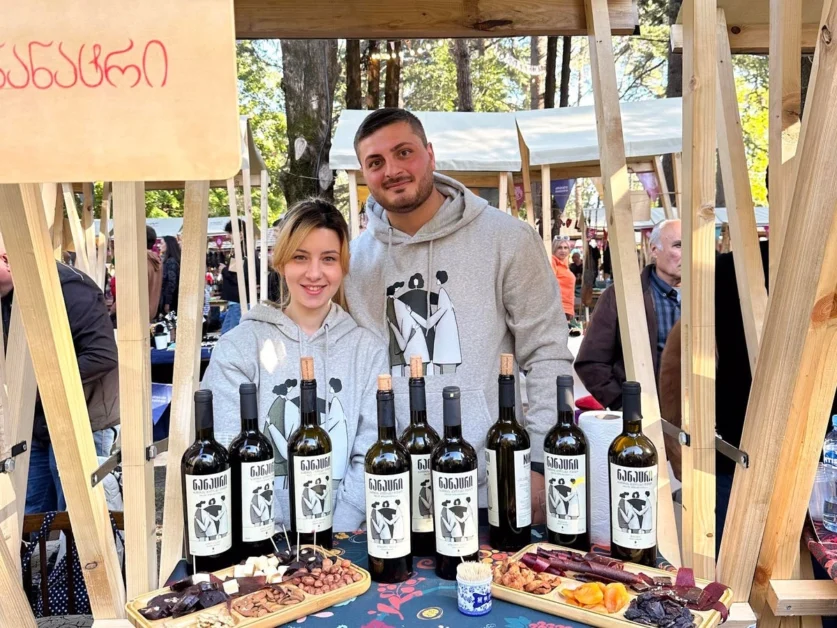
of life in Georgia, deeply rooted in its culture, history, and traditions. The country’s long-standing love affair with wine has not only survived but thrived, even under the Soviet regime that lasted over six decades.
Visiting Georgia and attending the Gurjaani Wine Festival provided me with a firsthand understanding of the integral role wine plays in Georgian society. It was an opportunity to immerse myself in the local customs, experience the vibrant atmosphere, and truly appreciate the connection between the people and their wine.
Unlike simply visiting wineries, the festival offered a more comprehensive insight into Georgian culture. It was akin to attending a county fair, where one can observe everyday life, witness interactions between people, and get a taste of the traditional foods and wines that define the region. It was a feast for the senses, allowing me to witness the artistry of winemaking and sample some of the best wines from local producers.
As a guest of the Georgian National Tourism Administration, I had the privilege of being part of the Gurjaani Wine Festival, which celebrated the rich heritage and diversity of Georgian wine. With over 500 indigenous grape varieties, Georgia offers a playground for wine enthusiasts seeking to expand their repertoire. The festival was a perfect platform for those ambitious enough to join the Wine Century Club, where one aims to taste at least 100 different grape varieties.
The festival took place in Akhtala Park, a sprawling forested area that served as a backdrop for cultural exhibitions, musical performances, art and handicraft vendors, and culinary pavilions. It was a melting pot of Georgian traditions, where locals and tourists alike could come together to celebrate their shared love for wine.
Wandering through the festival, I indulged in not only the wines but also traditional Georgian delicacies. From the churchkhela, a candied walnut treat dipped in grape must and flour, to the freshly baked Kakhetian shoti bread, every bite was a testament to the country’s culinary creativity and heritage.
At the festival, there was a wide range of wines, from small homemade productions to those ready for export. However, the focus was not solely on assessing the quality of the wines but rather on embracing the overall experience. It was about savoring grilled meat, sampling local cheeses, engaging in conversations with fellow wine enthusiasts, and surrendering to the lively energy that permeated the event.
As the night drew to a close, I found myself drinking wine from a traditional khantsi, an ornamental goat horn, alongside the designated tamada, the toastmaster responsible for leading the festivities. While I may have paid the price the next morning with a throbbing headache, the joy and warmth of Georgian hospitality made it all worth it.
Georgia’s claim to being the birthplace of wine is backed by scientific evidence, including fossilized grape pips and ancient Qvevri remains dating back thousands of years. The tradition of winemaking, coupled with the unique Qvevri vessels used in the fermentation process, has earned Georgia the prestigious UNESCO title of Intangible Cultural Heritage.
In conclusion, my visit to the Gurjaani Wine Festival gave me a profound appreciation for the deep connection between wine and Georgian culture. It reinforced the notion that experiencing a place firsthand, engaging with its people, and embracing its traditions are essential to truly understanding and appreciating its essence. Georgia’s wines may not be mainstream in America yet, but they have undoubtedly made a lasting impression on those fortunate enough to taste the rich heritage and passion behind each bottle.
Step into Gurjaani, a vibrant town nestled in the heart of the picturesque Kakheti region of Georgia. Known for its rich winemaking heritage, Gurjaani offers a unique experience for wine enthusiasts seeking a deeper connection to the local culture. And what better way to delve into this world than by attending the renowned Gurjaani Wine Festival?
Picture this: a sunny day, the air filled with the sweet aroma of grapes, and the streets buzzing with excitement. As you step foot in Gurjaani, you can feel the energy and passion that radiates from every corner. This is a place that takes great pride in its winemaking traditions, and the Wine Festival is the perfect embodiment of that.
The festival itself is a magnificent celebration of all things wine. Vineyards and wineries, both big and small, gather to showcase their finest vintages. As you stroll through the festival grounds, you’ll be captivated by the myriad of flavors and aromas that waft through the air. From crisp whites to bold reds, there is a glass for every palate.
But the Gurjaani Wine Festival is not just about sampling exceptional wines. It’s a journey that will immerse you in the history, culture, and traditions of winemaking in Georgia. Take a moment to appreciate the craftsmanship that goes into every bottle. Learn about the unique qvevri method, an ancient winemaking technique that involves fermenting wine in clay pots buried underground.
As you explore the festival, you’ll have the opportunity to engage with local winemakers and hear their stories. Their passion for their craft is infectious, and you’ll find yourself drawn into conversations that go beyond mere tasting notes. They will regale you with tales of generations-old winemaking secrets handed down through their families, a true testament to the deep-rooted winemaking heritage of the region.
One highlight of the festival is the traditional Georgian feast, known as supra, where you’ll have the chance to experience the famous tamada. The tamada is like the conductor of a symphony, leading the toasts and keeping the spirits high. This ancient tradition of toasting is ingrained in Georgian culture, and it’s a beautiful way to bond with new friends over a glass of wine.
As the festival draws to a close, and you bid farewell to the picturesque town of Gurjaani, a sense of enchantment lingers. The memories made, the connections forged, and the flavors experienced will stay with you long after you leave. And you’ll find yourself already planning for more toasts in the year ahead, eagerly anticipating your next journey to this wine lover’s paradise.
So, if you’re a wine enthusiast seeking more than just a taste, make your way to Gurjaani and immerse yourself in its truly unique winemaking culture. Join the Gurjaani Wine Festival and let the spirit of Georgia’s winemaking heritage enchant your senses. Cheers to a memorable experience that will leave you with a newfound appreciation for the art of winemaking.
The Las Vegas Global Spirit Awards has declared the World’s Best Vodka.
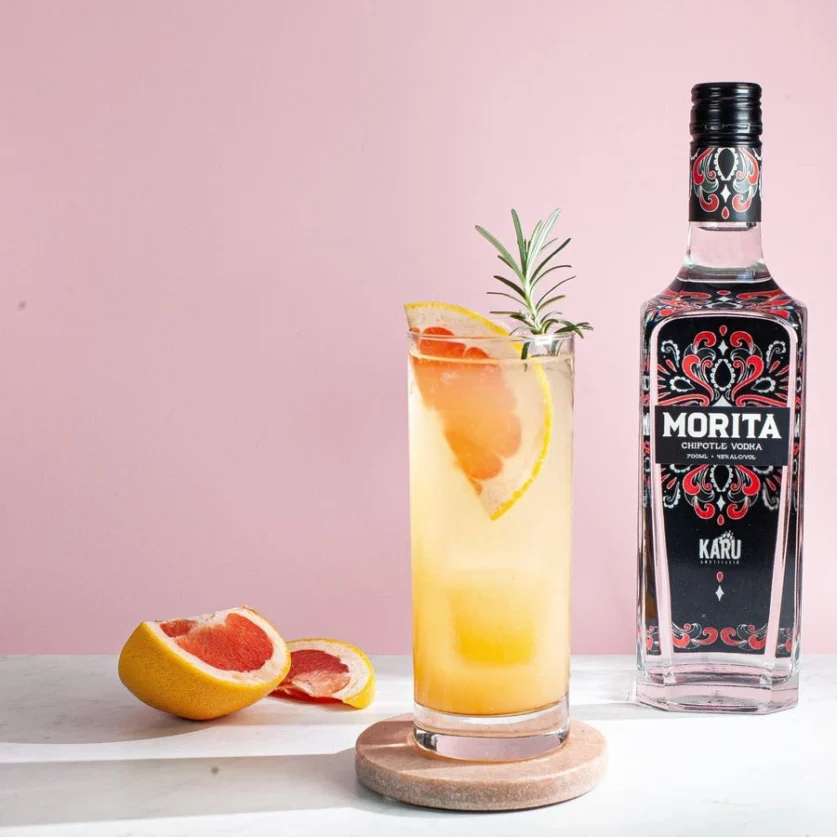
Craft distillers are making waves in the vodka industry, as evidenced by the recent winners at the 2023 Las Vegas Global Spirit Awards. While major vodka brands still dominate sales, it is clear that craft distillers are gaining recognition and success in international competitions.
The Las Vegas Global Spirit Awards, now in its seventh year, holds significant influence in the industry. Las Vegas, with its vibrant restaurant and mixology scene, is at the forefront of innovation and national trends. Winning a medal at this prestigious competition often leads to distribution opportunities in Nevada, a crucial step for craft distillers looking to expand nationally.
One standout brand at this year’s awards was Karu Distillery, whose Morita Chipotle Vodka took home the platinum medal and the Best Flavored/Infused Vodka award. Founded in 2018 by husband-and-wife team Nick and Ally Ayres, Karu Distillery is based in a suburb of Sydney called The Devil’s Wilderness. Known for their consistent success in international competitions, Karu Distillery’s Morita Chipotle Vodka offers a unique and complex flavor profile. Infused with Australian limes, Mexican chipotles, and agave syrup, this vodka stands out among the typical flavored vodkas with its smoky undertones and botanical infusion.
Another notable winner was Hawaii Sea Spirits, whose Ocean Organic Vodka claimed the top-ranked (neutral) vodka award. Founded by Shay Smith and his family, this family-owned craft distillery cultivates over 30 different species of Polynesian sugar cane on their 80-acre organic farm in Maui. What sets Hawaii Sea Spirits apart is their use of desalinated deep ocean mineral water obtained off the Kona coast. This distinct water source gives their vodka a clean and slightly mineral taste, with hints of lemon-lime and a touch of pepperiness.
Two other gold medal winners were recognized in the competition. The Hidgate’s Broken Clock Lingering Vodka, an English-style wheat vodka, stood out for its aromatic and fruity nose, with subtle notes of apples and rose petals. OVO Vodka, an American craft vodka, also impressed the judges with its commitment to ocean conservation. For every bottle of OVO Vodka purchased, the company funds the removal of 12 plastic bottles from the ocean.
These awards highlight the growing prominence of craft distillers in the vodka industry. With their dedication to innovation, unique flavor profiles, and commitment to social and environmental causes, craft brands are gaining recognition and market share. As consumers continue to seek out new and exciting spirits, it is clear that craft distillers have something special to offer. The Las Vegas Global Spirit Awards provide a platform for these talented distillers to showcase their craft and secure distribution opportunities, ensuring that their innovative creations reach a wider audience.
**Dive into the World of Vodka: An Exploration of the 2023 LVGSA Winners**
When it comes to vodka, there is a wealth of options available in the market for aficionados and cocktail enthusiasts alike. However, among the myriad of choices, one brand has consistently stood out and impressed both consumers and experts – an exquisite vodka made from a mash bill of corn and distilled in a column still. Its excellence has been recognized time and again in international spirit competitions, making it a persistent winner and a staple on many vodka lovers’ shelves.
Just recently, the 2023 Las Vegas Global Spirits Awards (LVGSA) took place, showcasing an outstanding array of craft vodkas that appealed to a variety of taste profiles. Among these exceptional spirits, our favorite brand once again surpassed expectations, solidifying its position as a top contender in the vodka realm. Described by the esteemed LVGSA Judging Panel as “neutral, spirity, with prominent lemon-lime notes,” this vodka provides a delightful sensory experience. Its smoothness and sweetness on the palate are followed by a long finish, leaving a slight, lingering pepperiness that adds a captivating twist to the overall taste profile.
For vodka enthusiasts who appreciate the simplicity of sipping their favorite spirit straight or those who prefer to experiment with cocktails, exploring the offerings from the 2023 LVGSA winners will undoubtedly be a delight. The curated selection of award-winning vodkas caters to a wide range of preferences, ensuring that there is something for everyone. Whether you enjoy the refreshing zest of citrus or prefer a more mellow, understated flavor, the winners of the Las Vegas Global Spirits Awards have got you covered.
To discover the full range of exceptional vodkas honored at the 2023 LVGSA, we encourage you to visit the company’s website. There, you will find a comprehensive listing that unveils a world of possibilities, waiting to be explored and savored. So why wait? Join us in raising a glass to the incredibly talented distillers who have poured their hearts and souls into crafting these award-winning vodkas. Cheers to innovation, excellence, and the magic that each bottle holds!
This acquisitive player in the wine industry aims for market leadership by adding to its offerings before the gifting season in Q4.

Join Splash Wines on its mission bringing wine to every door by investing in them here!
EAGLE, ID / ACCESSWIRE / October 25, 2023 /
In the vast landscape of the wine industry, one company is making huge strides towards becoming a market leader – Splash Wines. With a strategy of acquiring key competitors, Splash Wines aims to solidify its position as a dominant force in the industry. The current wine market is fragmented, with no clear leader, which presents an opportune space for Splash Wines to consolidate its presence and emerge as a frontrunner.
Founded in 2014, Splash Wines is a family business with three generations of experience in the wine industry. Over the past 15 years, the company has been at the forefront of the internet wine industry, establishing itself as a prominent player in the Direct-to-Consumer (D2C) space. By selling directly to consumers, Splash Wines eliminates the need for middlemen and offers wines at competitive prices.
With a customer base of over 800,000 and exceptional TrustPilot ratings, Splash Wines prioritizes customer satisfaction and loyalty. The company distinguishes itself from others by providing exceptional customer service. It values personal interactions and does not rely on chatbots or automated messages when communicating with customers.
Splash Wines has experienced significant growth in recent years, tripling its revenue in just three years. In 2022, the company reached $30 million in revenue and has set an ambitious goal of reaching $50 million by 2025.
In its quest for market consolidation, Splash Wines made its first major move by acquiring Wine Awesomeness last year. This acquisition not only added $1.5 million in annual revenue but also expanded Splash Wines’ reach into new markets, creating fresh opportunities for growth and innovation.
Building upon this success, Splash Wines recently announced the acquisition of Vine Oh!, a company specializing in wine gifting. This strategic partnership enhances Splash’s offerings by tapping into the lucrative gift subscription box space. With Vine Oh!’s expertise and connections, Splash can leverage its consumer-facing approach and integrate it with its operations, enhancing areas such as ready-made gifting.
Another significant acquisition by Splash Wines is JA Imports. By acquiring JA Imports, a company that is an importer, national wholesaler, and holder of a California Winery License, Splash Wines strengthens its compliance position and gains the flexibility to expand its production facilities within the United States. This highlights the company’s commitment to domestic growth in the upcoming year. Additionally, the acquisition unlocks various partnership opportunities, including potential collaborations with QVC and other partners, further expanding Splash’s network.
These acquisitions mark significant milestones in Splash’s journey towards becoming an industry leader. By integrating companies like Wine Awesomeness, Vine Oh!, and JA Imports, Splash aims to unlock new synergies, tap into untapped markets, and elevate its offerings to a wider customer base. The company’s commitment to making acquisitions a key focus of its Start Engine raise further emphasizes its vision for growth and innovation as it solidifies its position within the industry.
Splash Wines is trailblazing a path in the wine industry with its strategic acquisitions, consolidating the market, and positioning itself as a leading player. Each acquisition contributes unique value to the company, whether it’s in terms of revenue generation, market expansion, compliance strength, or the ability to unlock key partnerships. As Splash Wines integrates these companies into its operations, it strengthens its position as an innovative force in the wine industry.
If you’d like to be a part of Splash Wines’ growth journey, bringing wine directly to the doorstep, click here to invest in Splash Wines.
Featured photo by Hermes Rivera on Unsplash.
Contact:
Garrett Imeson
garrett@splashwines.com
SOURCE: Splash Wines, Inc
View source version on accesswire.com: https://www.accesswire.com/796258/consolidation-in-the-wine-industry–this-acquisitive-player-has-added-to-its-offerings-ahead-of-q4s-gifting-season-as-it-aims-for-market-leadership