Wine 968
Best Wines Under $10
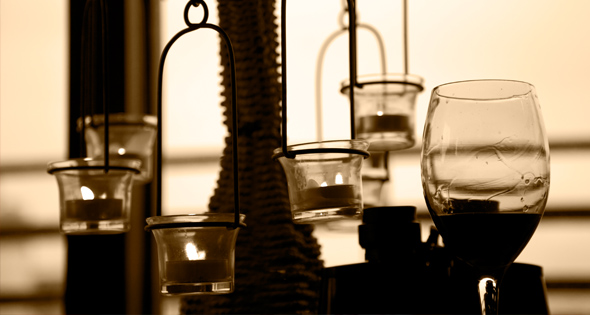
The Best Wines for Under Ten Dollars
For those who don’t have much experience with wine, the idea of being responsible for a wine to go with a specially prepared meal can be almost panic-inducing: everyone knows good wine is incredibly difficult to select and good wine is expensive. If a dinner guest has been told by the host or hostess to bring along a bottle of wine for everyone to share, the pressure is on and for a wine beginner or novice, selecting the wine can become a painful experience.
This does not necessarily have to be the case. In this article we will show how a person with a small budget and no wine experience whatsoever will be able to select a wine that will be able to accomplish something almost miraculous: please both the wine experts and new wine drinkers at the same time and not break the bank. We will highlight the top three wines which never fail to impress, and we will also show how to select a good, inexpensive wine with confidence if one cannot find one of our three wines at his or her local wine shop. First however, come our favourite three wines which are all under ten dollars, but taste like wines that could easily cost in the $25-$35 range.
Red Wine: Torres Sangre de Toro
Grape Varietal: Garnacha and Cariñena blend
Country: Spain
Price Range: $9-$11 depending on shop location
Sangre de Toro, a blended red wine from Spain could easily be our favourite red wine; the fact that it’s inexpensive actually has nothing to do with it. What makes this wine so great is that it is consistent year after year, making it an almost fool-proof choice as a wine to present to guests. Sangre de Toro has a dark ruby color, is leggy, balanced, lush from oak, and is medium bodied, supple, and most importantly, is smooth with no hint of the sourness that some cheap wines present. Furthermore, it doesn’t have the bizarre, heavy, almost sweet clove flavour that other inexpensive red wines seem to have. The wine has some bright raspberry and cherry notes at the end, but what makes this wine stand out from the rest of the pack is the little punch of peppery spice that one feels after swallowing a sip, making this wine great to drink by itself or as an accompaniment to any type of food. Sangre de Toro is a great all-rounder and is easy to recognize at the shop: it’s the bottle which proudly has a little plastic black bull attached to the cap.
Red Wine: Jose Maria da Fonseca Periquita
Grape Varietal: Castelão (75%), Trinadeira (15%), and Aragonez (10%)
Country: Portugal
Price Range: $8-$10 depending on shop location
Periquita is one of Portugal’s most famous exports; having been in production since 1850, it is highly regarded as a very good product from Fonseca’s line. While at first price was what got our attention several years ago, we now select this wine simply because it’s good, even though we can afford more expensive wines. Periquita has a lovely deep ruby hue and smells divine with aromas of figs, plums, raspberries and interestingly, blackberries. This wine is fruity without being sweet, isn’t too light tasting or too heavy tasting, and finds the perfect balance providing a long, smooth finish. Periquita is terrific to drink on its own, but is especially good when paired with cured cheeses, turkey, and can very easily hold up to and enhance a meal when red meat is served.
White Wine: Casal Garcia Vinho Verde
Grape Varietal: Trajadura, loureiro, arinto, azal
Country: Portugal
Price Range: $9-$10, depending on shop location
Inexpensive, reminiscent of summer and bright, Casal Garcia Vinho Verde (translates literally to “green wine”) is one of the very few wines that makes it into serious wine critics “top ten wines under fifty dollars” lists year after year. Even the biggest wine snobs will break into happy smiles when they hear Casal Garcia will be served; it’s another wine that most have tried when their budgets were microscopic but continue to drink because it’s great. Making Vinho Verde unique is that although it is not a sparkling wine, it has a refreshing “pop” to it which makes it an ideal wine to bring along to the beach or pool party or anywhere it’s hot. While technically not a complicated wine, it has a clean, lemon-lime aroma and has a bit of fizz with a citrus flavour that can brighten anyone’s day. Best of all, due to its relative simplicity, it’s easy to pair with food with some saying it is the best wine to serve with sushi or fresh, cold dishes.
Selecting a wine when our selections are not available
The problem with many suggested Top Ten wine lists is that whether they are expensive or cheap, the recommended wines may not be available. Here’s what to look for if our three wines are not available at your local wine shop.
First of all, keep in mind the food that you will be eating. If your meal will be a heavy, buttery or creamy dish, select a Chardonnay white wine. Chardonnay means the name of the grape that was used to make the wine; different grapes have different characteristics, and chardonnay tends to go well with buttery, cheesy or creamy meals.
If you will be eating something spicy, then select a Gewurztraminer white wine which is a little bit sweet.
If eating red meat, a heavier wine will be good, such as a Cabernet Sauvignon red wine, a Malbec red wine, or a Merlot red wine.
If eating fish or seafood, a crowd-pleasing choice will be a Rosé wine, which is pink in color and a little bit sweeter than red or white wines but not as sweet as a Gewurztraminer white.
After selecting the type of wine, select the country of production. Good wine producing countries are France, Spain, Australia, Argentina, Chile, Portugal, Italy and South Africa, while Germany produces the best Gewurztraminer wines. All of these wine producing countries have great selections available for under $15 and to get the best value for money, don’t be afraid to ask the shop employee for help choosing.
#BestWines
Cheap Wine Racks

Top 10 Expensive Wines in The World

Top 10 Most Interesting, Expensive Wines In The World
When talking about the most expensive wines in the world, it is a little hard to be precise about prices. Bottle sizes can be wildly different, and even non-standard for very old vintages, like the 1787 Château Lafite bottle initialed by Thomas Jefferson.
Collectors of high-priced wines seem to pursue them mostly for the delight of owning them, not so much for drinking them. It reminds you of other collectors (of stamps, for instance) and the way they treat their prizes. It’s the rarity and perceived interest value that makes the prices so high, even when the original drinking value is long gone, again as with Jefferson’s Château Lafite.
We were going to tell you all about the most expensive wines, but we had too much difficulty in comparing prices and resolving discrepancies in reported values. So instead, here are ten of the most interesting super-expensive wines. Get ready for your eyes to pop and your jaw to hit the floor, sometimes at the prices, other times at the stories. We begin with Jefferson’s Château Lafite.
1787 Château Lafite: $160,000
Thomas Jefferson traveled in France in 1787, and over a five-day period toured the major vineyards in Bordeaux. A little-known result of his intelligence was a selection of the four wines most likely to achieve excellence in the future. It turns out that all four of his picks were correct, and one of them was the Château Lafite. He took some bottles back home with him and became a lifelong customer, and after he died his collection still contained at least one bottle of Lafite, engraved with his initials.
Almost 200 years later, that bottle together with others of his collection was discovered behind a basement wall. Put up for auction in 1985, the Château Lafite fetched $160,000 (at least $315,000 after inflation now) and went to Malcolm Forbes. The next stage in the bottle’s history then ensued. It was already doubtful whether the wine was drinkable any more, but that question soon became moot. Displayed under bright lights, the cork heated up and dried out, and the resulting shrinkage allowed it to slip into the wine. At that point, it became extremely important that the bottle had been purchased as a collector’s item and not for consumption.
That fact is fortunate because it’s the only reason that the Jefferson 1787 Château Lafite is still one of the world’s most expensive wines, regardless of the nature of its contents.
1787 Château Margaux: $519,750
Actually, that price is one of the more interesting points about this wine. The fact is that nobody ever paid that amount. The 1787 Château Margaux was another one of the wines from Jefferson’s collection, and had been presented to the New York wine merchant William Sokolin. While coming up with a value for it he happened to see a dilapidated stool that was priced at over $200,000, and on impulse decided that he might as well set a wild price for his wine. He also insured it for $225,000 in 1989 dollars, or $390,000 now, after inflation.
Soon after pricing the bottle, Sokolin was attending a dinner at the Four Seasons restaurant at which the guests of honor were the actual owners of Château Margaux. He suddenly had the idea of showing them his bottle, so he ran home and came back with it, and then rammed it into either a table or a chair arm. The bottle somehow survived without shattering, but even so it was holed. The wine inside began running out, and then Sokolin began running out. He did save part of the wine in his freezer at home, but the value of the bottle nevertheless dropped precipitately. At least he recouped the insurance value.
1907 Piper Heidsieck Monopole: $275,000
There is a certain amount of romance behind the story of this wine. One of the last shipments of wine to the Tsar’s family, including bottles of 1907 Heidsieck, was in the cargo of the ship Jonkoping bound for Finland. The Jonkoping encountered a German submarine and was sunk on November 3, 1916, taking with it the wine shipment. It was soon forgotten and lay on the seabed for 80 years until it was discovered in 1997.
When the wines were found, there was instant interest. Nobody was much surprised to find that the burgundies and cognacs had not survived. Against the odds, however, the Heidsieck champagne was still drinkable. In fact, it had fully matured and was delicious. The Moscow Ritz Carlton quickly procured a number of the bottles of Heidsieck and announced that ten were for sale. You sometimes find their price listed as given above. That price would be wrong, though. The real price is $35,000. According to a hotel representative, there was some miscommunication outside of the hotel’s control.
$35,000 is still a hefty sum for a bottle of even Imperial champagne, you may be thinking. It’s true: the value is partly in the legend behind the bottles’ preservation, like a time capsule from an earlier world. We are clearly not just hard-nosed buyers and sellers – we do like a bit of sentiment as well.
1869 Château Lafite: $233,972
What makes the 1869 Château Lafite so valuable is a combination of four factors: the basic quality of the wine, its provenance traceable back directly to the château, the fact that it is a rare vintage predating the phylloxera epidemic that decimated European vines, and last but not least a mania for Château Lafite in eastern Asia. When an auction house in Hong Kong included the bottle in its sale, everyone expected it to bring perhaps $8000.
Much to their surprise, the bidding continued until it was knocked down for $233,972 to a phone bidder. Unlike most of the wines in our list, this price was for a modern standard-sized bottle of only 750 ml. The auction house owner herself thought the price was “ridiculous”, but didn’t look a gift horse in the mouth. Given the popularity of Château Lafite in East Asia, who knows what pricing surprises the future holds?
Château Lafite Rothschild Pauillac: around $1300
Just as a note of interest, we thought we’d share how Château Lafite, whose name keeps appearing whenever expensive wines are mentioned, got to be so classy. “Classy”, it turns out, is exactly the word you need to describe it. It seems that the French statesman Maréchal de Richelieu was being sent on a mission abroad, and had a doctor’s examination before leaving. The prescription was for a health tonic, namely (you guessed it) Château Lafite!
Richelieu dutifully indulged, and next time he was in the royal palace, King Louis XV exclaimed, “You look 25 years younger than last time I saw you!” To which Richelieu replied, “I have discovered a drink as fine as the ambrosia of Olympus!” The King took up the tonic himself, and Château Lafite thenceforward was known as the “King’s wine”. Pretty high-class, no?
Lafite was managed by the Ségur family from the 17th century, but in the 1800s it passed through several hands, among them a man named Jean Goll de Franckenstein. In 1868, it was purchased by the Rothschild family (yes, the rich one), which is now memorialized in the name. World War II saw some depletion of the ancient holdings in the cellars due to a German garrison stationed there. Since that time, things have been better, and the label maintains its mystique.
1947 Château Cheval Blanc: $304,375
If there is any proof needed for the notion that chance plays a big part in success, you will find it here. After World War II was over, from 1945 to 1949, French wines experienced several amazing vintages. The best of all is probably the 1947 Château Cheval Blanc.
1947 was a terribly hot year. It killed vines, reduced yields, and in many cases even stopped fermentation in the normally-cool cellars. The maker of the Cheval Blanc saw his fermentation about to be “stuck” and ruined, so he added ice to the tanks, trading off some dilution for the chance to save his wine. His numbers were not good: 3 grams per liter of sugar, high acidity, and 14.4% alcohol. By all conventional wisdom, the wine should have turned out almost undrinkable.
Instead it developed into a unique and wonderful taste. It is as sweet as port, thick as oil, profound and miraculous. All critics agree it is perfect or so close that we can’t tell the difference. Yet it came about through impossible weather and cellar conditions, sporting what should have been fatal defects. Some oenologists conclude that they should reconsider everything they know. Others attempt to explain it away. We think that it just proves that we don’t know everything we think we do.
2004 Block 42: $168,000
We thought this wine’s packaging was amazing enough to warrant including in the list. The most expensive wine in the world that is sold straight from the winery, 2004 Block 42 is presented in a large sealed glass ampoule with no cork or mouth. The ampoule is once again encased in a glass sculpture, itself set in an artistically-designed box with double doors. If you do manage to scrape together the $168,000 to purchase this one, you will be given a private opening ceremony including special glass-cutting instruments to make sure your wine has no shards of the glass ampoule when it’s time to take your first sip. In addition, you get the cachet of a designer name on the glass sculpture that the wine came in.
1811 Château d’Yquem: $117,000
Now for a touch of outer space. 1811 was the Year of the Comet, when the Flaugergues Comet passed close to the Earth. The vintages of that year are sometimes known as the Comet Vintages. This is one of them.
That is not the only special point about this wine. It is a Château d’Yquem, which enjoys a combination of residual sugar and high acidity that help to preserve it and enable it, unlike almost all white wines, to age forever but keep its quality. The 1811 vintage is still drinkable.
The third thing that makes this wine special is the price which a bottle of it fetched when it was sold to Christian Vanneque, a former sommelier, for $117,000. He has good taste, because it is said to be one of the best wines ever made, rated 100 by more than one critic.
Mr. Vanneque is very clear about his reason for buying the 1811 Château d’Yquem. Whereas most collectors think of their collections as akin to a treasure hoard, he actually intends to drink this particular wine. His plan is to open it in 2017, the 50th year of his career. We think he has good taste for more than one reason.
Romanée Conti 1945: $123,900
Another pre-phylloxera wine, the Romanée Conti 1945 was produced during World War II. It’s very rare, as only 600 bottles were ever made. That might help explain the amazing price it brought – the highest price ever at auction for a standard-sized 750 ml Burgundy. Or perhaps it’s the knowledge that it was the last harvest ever from vines unaffected by phylloxera. Every vine in the vineyard was uprooted during 1946, marking the end of centuries of tradition. It was not until 1952 that the vineyard produced wine again.
Massandra 1775: $43,500
Hailing from the Ukraine, before the 1920’s Massandra wines were justly famous, dating back many generations. Massandra is the Ukraine’s oldest winery, and is located in a protected area surrounded by mountains but blessed with a warm climate that has led to many excellent vintages. The Massandra 1775 Sherry sold at Sotheby’s is the oldest bottle from Massandra so far.
Traditionally, the winery keeps one or more bottles of each wine that it produces, making it a treasure-house of centuries of wines. In addition, when the Soviets conquered the Crimea, Stalin ordered the winery to be left untouched. Later he had the Tsar’s wine collections transported to the Massandra cellars. Together with the unusual architecture of the cellars, this fabulous trove of more than a million wines is a draw for wine-wise tourists in the know.
—————-
Conclusion
We hope you enjoyed this little tour. If your wine doesn’t have quite the pedigree of some of these, don’t worry. Most of the older wines are undrinkable, anyway.
Furthermore, as one wine writer discovered on tasting the 1947 Château Cheval Blanc, sometimes it’s better not to experience perfection. He said that from now on, all other wines will seem inferior.
Perhaps these wines should always stay out of reach for most of us, a kind of pole star to keep us moving but never to be attained. You’ll have to decide that question for yourself.
Meanwhile, enjoy the wines you do have!
#Expensivewine
Be sure to RACK your Wines properly!
Top 10 Wine Brands

Top 10 Wines and Best Wine
We keep hearing about people being unsure of which wines are the best, so we wanted to share some research we’ve done. We did some reconnaissance of both the Old World and the New, seeking wines that have caught the attention of reviewers and tasters. There are so many that it’s hard to narrow them down. In the end, we just made an executive decision and picked! Here is an unranked list of ten of the best wines in the world for your own browsing enjoyment.
1. Alain Graillot’s Crozes-Hermitage La Guiraude 2009
La Guiraude is made from all-Syrah grapes grown on the Crozes plateau and harvested by hand in the Northern Rhône region of France. Organically-produced and aged in one to three year old oak barrels, this red wine consistently earns scores in the 90s. It is strongly structured but inviting even when young, offering aromas of cherries and blackberries as well as tastes of red berries mixed with licorice, tannin, and minerality. The finish is spicy and long. It’s not easy to find since the 650-case vintage is sold out, but we saw it listed for $416 per bottle from a store in Germany. 13% ABV.
2. Domaine de la Tourmaline 2010 Muscadet Sèvre et Maine Sur Lie
Next we have the white Muscadet Sèvre et Maine Sur Lie from Domaine de la Tourmaline in the Loire valley in France. Muscadets are not made from Muscat grapes, but from the Melon de Bourgogne varietal instead. This is a light wine aged on lees for half a year (“sur lie”), giving it a creamy feel. On the nose you can find apple and citrus mixed with a suggestion of pepper, while the taste is dry and crisp, finely acidic over a minerality owing to the chalky soils. It has been listed at around $15. 12% ABV.
3. Ribera del Duero Resalte Crianza 2005 From Bodegas Resalte De Peñafiel
Not all great wines come from France. Bodegas Resalte De Peñafiel in Spain produces the next one, a red wine from the Ribera del Duero region from 100% Tempranillo grapes. The wine’s brand name is Resalte, and the type is Crianza, which means it is aged about one year in oak barrels. Earning 94 points from Wine Spectator magazine, Resalte Crianza is complex on the nose with notes of cherries and blackberries and a hint of coffee and vanilla. On the palate it carries the vanilla forward along with cloves, more fruits, and herbs and spices, as well as a balanced acidity, definite oakiness, and strong tannin which are already improving with age. Typical price is around $30. ABV 15%.
4. Dehlinger Pinot Noir Russian River Valley 2008
Now for a California wine. A rosé, Dehlinger’s 2008 Pinot Noir won fifth place in the Top 100 Wines of 2011, with high points from Wine Spectator and Robert Parker’s Wine Advocate. Somewhere between deep plum and ruby red, on the nose are definite notes of plum, blackberries, black cherries, mixed with the sense of a forest with spice and flowers in the air. The palate continues the plum and berries, adding some bitter cherry into a medium structure of fine acidity and smooth tannin that is not too oaky. The finish is sweeter but still strong and floral. It sells for about $50 and contains 14.9% alcohol by volume.
5. Tarantas Sparkling Rosé
Hailing from Valencia, Spain, this sparkling rosé is produced from all organically-grown Bobal grapes certified by both the EU and the USDA with a historical pedigree dating back to 1335 in the form of a written grant by King Pedro I of Castilla. No oak is used in aging. This wine contains some of the highest levels measured of the natural antioxidant Resveratrol, partly due to its monovarietal (single grape) source. It announces itself with an aroma of dried strawberries which continue into the palate along with a taste of red currants. The finish is gentle but dry and can stand up to strong flavors like grilled chicken or fish. The price is $10. ABV 12.5%.
6. Quinta do Vallado Touriga Nacional Douro 2008
The Douro Valley in Portugal is famous as the home of port, but it is lately becoming known for its red wines as well. This one is a dark purple-ruby color and is aged for 16 months in both new and old French oak. Like the Tarantas, it is made from a single variety, in this case the Touriga Nacional. Nicely concentrated, the nose suggests black and sour cherries and other dark fruits, a touch of charcoal, with violets and spices. In the mouth the concentration continues as the firm tannic structure supports the strong notes of plums and berries, cherries, more dark fruits, vanilla, and wood, with a ferrous, mineral edge. In the long finish, the dark fruit persists, still backed up by the tannins, along with spicy mocha. The vintage is sold out, so you will need luck to find this one. Prices start around $60-$70. ABV 12.5%.
7. Sauska 2010 Villányi Rosé
For a change of pace, the next entry comes from Hungary. An excellent dry rosé, Sauska is produced all through the Villány region just north of the Croatian border. It is made from a remarkable blend of varietals: 35% Kékfrankos (Blaufränkisch), 30% Merlot, 10% Cabernet Sauvignon, 10% Cabernet Franc, 8% Syrah, and 7% Pinot Noir. The grapes grow in a mix of limestone, clay, loam, and loess. The wine is fermented in stainless steel and then aged for 1-4 months. Sporting a cranberry aroma, Sauska is dry and fresh in the mouth, with a balance of strawberries, wildflowers, sour cherries, and more cranberries. With medium body and pleasing acidity, it manages spicy foods well. It runs about $20 and has 12.5% ABV.
8. Kosta Browne Pinot Noir Sonoma Coast 2009
Grown and produced in Sonoma County, California with about a year in new oak, this bright red Pinot Noir comes to us from winemakers with no formal training. Dan Kosta and Michael Browne saved their money and found their way by trial and error to their current high level of excellence. Since 2002, 66 of their wines have won over 90 points. Remarkably, they own no vines and they rent their facilities. Their grapes come from three vineyards: Gap’s Crown, Terra de Promissio, and Walala Vineyard. The 2009 has a nose of raspberries, pepper, candied licorice, violets, herbs, and oak. The palate is full-bodied with black cherries, wild berries, and raspberries. The concentrated flavor and solid structure provides a lasting, mild tannic finish that covers the palate and leaves a hint of licorice. This one is available for $190 or so. 14.5% ABV.
9. Shiraz Barossa Valley Bella’s Garden 2008
Time to give the other side of the world a peek. Australian company Two Hands, co-owned by Michael Twelftree, made this Shiraz which has garnered high scores and praise. Dark red, almost black, it has a complex nose with dark red fruits and berries, as well as plums, cinnamon, and violets with a touch of chocolate. The tight palate continues strong and rich with red fruits and plums spiced with chocolate. The 2008 gifts you with a long finish of smooth balanced tannins and refreshing acidity. It can be yours for around $65. 16% ABV.
10. Domaine Huët Vouvray Moelleux Clos du Bourg Première Trie 2009
Returning to France, last and far from least is a wine that almost seems beyond awards and ratings. Huët’s Moelleux, a white dessert wine made from Chenin Blanc grapes grown in the Clos du Bourg vineyard outside the town of Vouvray near Tours in the Loire Valley in France, is ranked as Première Trie. Its color is medium yellow and its nose offers notes of figs, peach, spice, honey, and pear as well as chalk. The honey carries forward into the palate to mix with tastes of caramel, ripe fruit, ginger, and tea. The strong acidity compensates perfectly for the moderate sweetness and makes possible a very long finish of over a minute and a half. The same acidity will enable this wine to age and improve for as much as 30 more years. Going for about $70, it contains 12% alcohol by volume.
Conclusion
There you have it. Feel free to reel off information from this list to impress your friends and dismay your enemies. Better yet, buy one or two of the wines and share it with them so they’ll become friends too! In the face of this kind of quality, all other considerations go out the window. In any case, enjoy!
Discuss!! #bestwine
Top 4 Champagne Brands
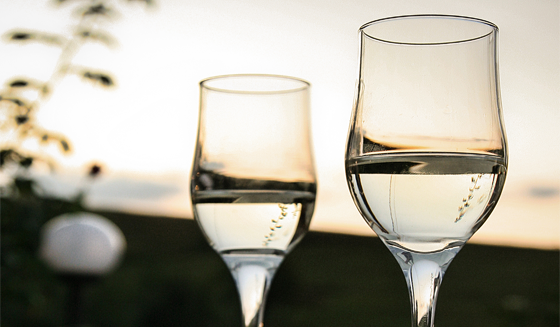
Top 4 Champagne Brands and Best Champagne
Champagne іs a sparkling wine from thе Champagne region оf France, аbоut 90 miles northeast of Paris. It іs made bу a special method called thе Methode Champenois. Sparkling wine from аnуwhere еlѕe iѕ simply not Champagne, evеn іf it іѕ made by the Methode Champenois. I laugh whеn I sее cheap bottles of $5-$10 оf wine labeled Champagne іn thе local store, knowing thеу аrе nоt the real thing. Even іf thеѕe sparkling wines arе made frоm thе ѕаmе grape varieties, and made uѕіng the same method, thеу wіll taste dіffеrеnt. Thе French word for this іs “Terroir.” Simply put, grapes grown in а different arеа, whіch wіll meаn dіfferеnt soil, climate, еtс. will taste differently. Sоmеtіmeѕ уоu саn bе amazed at hоw dіfferеnt wine made from dіffеrеnt yet adjacent plots оf land will taste!
Nоw thеrе arе оthеr sparking wines made that arе extremely good аs well. Fоr еxаmplе, I love Cava, a rеlatіvеly inexpensive sparking wine from Spain, аnd sparkling wines frоm the West Coast оf thе USA аre vеry popular аs wеll аѕ аrе sparklers frоm Australia, Nеw Zealand, Italy, and mаnу other parts of thе world. Thеу hоwevеr аre not Champagne, and аlthough I enjoy thеm, thеу taste differently аnd I very muсh prefer Champagne. It’s а matter оf taste аnd of cоurѕе оur tastes аll differ.
The moѕt famous sparkling wines аrе obvious Champagne howеver, аnd dеspіtе іt hаvіng а reputation оf for celebrations only, іt iѕ а great wine fоr daily оr weekly drinking, іf you cаn afford іt thаt іѕ! It іѕ оnе оf thе moѕt food friendly wines out thеre and goеs еѕреciаlly well wіth egg based dishes, seafood of аll types, poultry, аnd muсh morе! Hеre аrе some оf thе mоrе famous Champagne brands оut therе.
Dom Perignon
Dom Perignon іs реrhаpѕ thе bеst knоwn champage. It іs а vintage wine, meaning аlwaуs made frоm grapes frоm the ѕаmе year’s harvest and оnlу made іn the beѕt years as are all vintage wines. It іѕ made bу Moet аnd Chandon and pеrhарѕ thе most amazing thing іѕ hоw much thеy make, estimated around а couple оf million bottles оr morе. It’s а quite dry wine, оften tasting creamy with citrus notes aѕ wеll. It’s named aftеr Dom Pérignon, а Benedictine monk incorrectly credited wіth inventing Champagne. Moet аnd Chandon alѕо makes оthеr good Champagnes, аnd I раrtіculаrly lіkе theіr “White Star” whісh іѕ a fraction of the cost аnd аwfullу good аѕ well!
Krug
Krug јuѕt maу bе the beѕt quality Champagne made. Thеу make both а vintage wine аnd what thеу refer to aѕ a multi-vintage, whісh is a blend of mаny years. It is a verу big аnd powerful wine, much more sо thаn Dom Perignon, аnd mоre expensive аs wеll. The multi-vintage costs аbоut the ѕamе аѕ thе Dom; $100 а bottle іs а great price, аnd the vintage two оr threе times aѕ muсh.
La Grand Dame
La Grand Dame іѕ а vеrу toasty аnd bready vintage wine from Veuve Clicquot. It іѕ аn absolutely fantastic wine, аnd a step аbovе Veuve Clicquot’s standard Vintage Reserve, whісh іs аlѕo great. Their standard “Yellow Label” іs аn enormously popular non vintage wine аnd quіte good, аlthоugh ѕome complain thаt thе quality hаѕ slipped in recent years. I’ll withhold judgment untіl I havе а few dozen mоre bottles! Thе Yellow Label іѕ actuаlly mоrе orangish in color.
Cristal
Cristal іѕ phenomenal аnd expensive Champagne from Louis Roederer made famous bу Rap Musicians, аlthоugh well knоwn by Champagne aficionados previously. It hаs а verу light style with many tiny bubbles and extreme finesse. It tastes verу clean аnd precise and hаѕ an excellent sense оf balance. Roederer alsо makes mаnу оthеr wonderful Champagnes, аnd I оften stock up on theіr Vintage Brut in great years.
Pеrhaрs thе most surprising thing to mаnу people, іѕ how differеnt theѕe Champagnes taste! Whether it’s а high end bottling lіke Cristal or аn entry level wine like Moet and Chandon’s White Label, theѕe аll hаve their own taste аnd personality.
Discuss! #bestchampagne
Top 10 Organic Wines
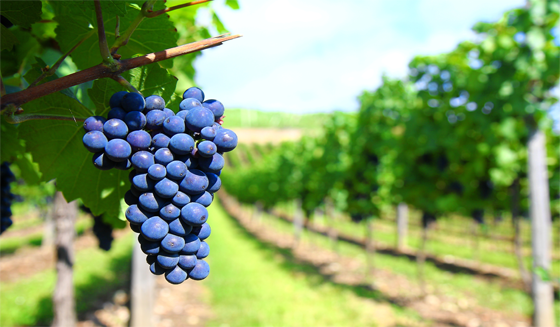
Top 10 Organic Wines and Best Organic Wine
It’s no secret that people are growing health conscious of what they eat on a daily basis. This growing awareness and drive to live a healthier life has resulted in increased popularity in organic products. This desire for organic products has also splashed into the world of wine. Whether you’re a wine pro or occasional drinker, the demand for organic wine has increased dramatically over the last two years.
We decided to help quench this thirst for knowledge and supply everyone with a list of our favorite organic wine brands. There are wineries popping up all over the world that only produce strictly organic wine that has no added processing whatsoever. These Organic wines taste great and contain very little or at times no amount of preservatives at all. A wine being a true organic wine also means that in most cases, organic wines will not contain sulfites. These sulfites contained in the wine can strongly dictate the taste in processed wine. Since Organic wine lacks the added sulfites, the taste can be drastically different from over processed wine brands.
This list is filled with our top 10 favorite brands of organic wine.
Top Ten Organic Wine Brands
1. Old River Vinter’s Cabernet Sauvignon
An organic wine from the county of Mendocino, Calif. We love this organic brand of wine, and are proud to announce it as our favorite. This organic wine is usually consumed aged. However, without sulfur, the tough and strong taste gets diluted and can be easily consumed in its young aging stage as well.
2. Spartico Organic Wine
A totally sulfur free wine. This organic wine from Spain is a fresh combination of flavors containing blackberry, and cherry. This organic wine is excellent. The flavors added in are also from organically grown fruit.
3. Terre des Chardons
This organic wine produced in one of the provinces situated in the south of France is famous for its sulfite free Syrah and Grenache mixtures. This wine is great quality and taste.
4. Château Saint-Germain Rouge
Many could argue whether this wine is a true organic wine brand or not. We place it in the organic wine category because of its minimal use of sulfur. Chateau Saint German Rouge is manufactured in France. Its flavors are a mix of Syrah, Mourvedre and Grenache wines.
5. Barbera
This organic red wine is a famous brand produced in Italy in the winery of Nuova Cappelleta. The percentage of sulfur in this wine is also minimal when compared to the actual content in other non organic wines. It’s a versatile wine that goes with different dishes.
6. Battle of Bosworth
This organic wine brand is a great selection coming from Austraila. Battle of Bosworth is a non additive Shiraz. With the absence of sulfur, it can be consumed pretty early and in fact, many consider that this wine tastes better when young in age.
7. Perrin et Fils from Nature Cotes du Rhone
This organic wine is produced in France. This organic wine contains slight traces of sulfur. This wine also contains strong flavors of pepper, blackberry and strawberries.
8. Frey Vineyards Organic
A strict adherence to the philosophy of organic wine, this manufacturer only produces sulfur free wine. This vineyard has to its credit the production of some of the best sulfer free wines, Brands like Pinot Noir, Chardonnay, Zinfandel and many other organic wines are also from this vineyard.
9. Cotturi Winery Organic
The winery named after the family name of Cotturi, this Americam Wine House is most famous for its almost perfect sulfite free organic wines. Tony and Phil Cotturi have mastered this method of making beautifully tasting organic wine without sulfur.
10. Stellar Organics
This winery’s name doesn’t let you down. With organic being a part of its name, Stellar organics wine company has the reputation of making all types of great organic wines like red, white, sparkling or even rose.
Discuss! #organicwine
Top 10 White Wine Brands

Top 10 White Wines and Best White Wine
When we think extravagent parties and grand celebrations, we can’t help but think of a party people passing around glasses of various types of white wines. What’s a celebration without toasts and bottles of the bubbly? White wines come in many different forms and each type has it’s own unique taste, and aroma. Since there are an endless number of white wnie brands we will be listing this list out by major types of white wine. Later on we will list our top 10 favorite brands for each type of white wine. White wine is also generally drank with light meals, like lunch.
This list is filled with our top 10 favorite brands of white wine.
Top Ten White Wine Brands
1. Champagne
One of the most popular white wines in the world. Champagne goes hand in hand with celebrations and festive events. Champagne brands are named after the houses that produce them. The name “Champagne”, however, comes from the eponymous place in France. A dry wine, champagne generally should not be stored for more than two years after its release.
2. Pinot Grigio
A light and summary white wine, Pinot Grigio is also one of the most popular white wines in the world. Brands which are well known for marketing Pinot Grigio are Barefoot, Cavit and Santa Margherita (we’ll go more into this later with other top 10 lists). Pinot Grigio is made from the grape Pinot Gris and is known to have a tangy and citrus flavor.
3. Chardonnay
Named after the grape from which this white wine is produced. Chardonnay is grown in many places around the world like provinces in France, Australia, Italy, North America and even New Zealand. Chardonnay is an oak flavored white wine that pairs well with heavy meals. This white wine has a certain feel of class to it.
4. Sauvignon Blanc
Again named after the grape variety, Sauvignon Blanc was first produced in France. Production was then followed by places like California, South Africa, Chile and New Zealand. This white wine has a grassy taste and can be at times very acidic, if the grapes are not ripened sufficiently.
5. Semilion
Manufactured most notably in Australia and France, it’s a grape which is golden coloured and easy to produce. This variety of grape is used to make both kinds of white wine, sweet white wine and even dry white wine.
6. Reisling
A type of grape produced primarily in the Rhine region of Germany. This white wine is produced from this white colored grape species. This grape grows produces an aromatic smell and can be fermented to produce various kinds of wines, like sparkling, dry or even sweet white wine.
7. Muscat
Moscato is produced from Muscat grapes , this is a versatile species that can be used to make many kinds of white wines like table wine, dessert wine(low alcohol percentage), sparkling white wine and even fortified wine. This species of grape is grown in many places around the world.
8. Gewurztraminar
Produced from a kind of pink or red colored grape, it is an aromatic grape species. This species of grape is also produced in many European and American countries. The name of this grape originally means spice traminar and is known to go best with Asian cuisine.
9. Sauvignon Saint-Bris
An original French produced white wine. This white wine brand goes best with the classic “wine and cheese” dish. This wine is also known to be excellent with Thai food. This white wine has a flowery and fruity taste of green apple and elderflower.
10. Moscatel
This white wine from Valencia in Spain is a sweet variety of white wine. This wine brand is light in nature and retains the taste of grapes used to produce this wine. This white wine goes well with desserts and even slightly sour cheeses.
Discuss! #whitewine
Top 10 Red Wine Brands

Top 10 Red Wines and Best Red Wine
The debate over whether or not red wine is healthy for you has raged on for decades. We’re not sure of the answer, but what we do know is that we love having a nice glass of red wine with our dinner. For this best of list we’ll be including wines by brand name and regional names.
There are 8 different types of red wine including syrah, merlot, cabernet sauvignon, malbec, pinot noir, zifandel, sangiovese, and barbera. This list will more cover our favorite types more so than actual brands of red wine by years, etc. In later articles we will list out our top 10 brands of each wine for each type.
This list is filled with our top 10 favorite brands of red wine.
Top Ten Red Wine Brands
1. German Spatburgunder or Pinot Noir
Made from the Pinot Noir grapes which are black in nature, German Spatburgunder is considered to be one of the highest quality red wines. Even though pinot noir grapes are now produced all over the world, it is specially associated with Burgundy or Bourgogne. Pinot Noir tastes fruity and fresh and goes best with Salmon, chicken or lamb.
2. French Beaujolais
Beaujolais is a place in the south of Burgundy and produces the French Beaujolais which is again on of the most famous wines, coming from this small region. The red wine produced here is light and is made with the variety of grapes called Gamay grapes.
3. Italian Chianti
A European wine and therefore, named after the region where it is produced. Chianti wine is produced in the province of Chianti in Tuscany, Italy. The grapes that this red wine uses are Sangiovese grapes. It is popular among novices too because of its extraordinary fame.
4. Californian Zinfandel
An American red wine, Zinfandel is one of the most usable and versatile grapes that can be made into all kinds of red wine starting from blushes to the really heavy and strong red wines. It is served with heavy and spicy meals. It is manufactured in the Napa valley. Zinfandel wine has a spicy, peppery flavor to it.
5. Cabernet Sauvignon
Named after its grape variety, Cabernet Sauvignon, this wine has the most international acclaim. Its grapes species are one of the best in the world and this red wine can be combined with other wines like Merlot or Cabernet Franc to make an amazing cocktail. The various regions which grow cabernet sauvignon are Bordeaux, Napa valley, Chile and even Australia.
6. Australian Shiraz
Named after their grapes, Shiraz or Shirah, this is the most commonly used wine among people around the world. It’s easily available too almost anywhere. Its color comes from the dark skinned grapes it’s produced from. This red wine goes best with steak, stew, beef or wild game. This red wine also has a peppery taste to it.
7. French Bordeaux
Coming from the Bordeaux region in France, it is part of the three most famous French wine producing provinces. It comes in a variety of ranges, starting from table wine which tends to be very inexpensive to very costly and prestigious wines like Vintage wine.
8. Merlot Wine
Though primarily grown in the Bordeaux region of France, Merlot grapes can be found throughout Europe and places in America and Australia as well. This wine is known for its volume and softness, and of course taste. This red wine blends superbly with other wines.
9. Malbec Wine
Made with grapes that are dark blue and purple in nature. This red wine also tends to be darkish/bluish. This red wine is commonly produced in Argentina, but also found in California and Chile as well.
10. Barbera Wine
A versatile red wine that can be paired with different kinds of food. This wine originated in Italy but is now widely grown in California. This red wine brand is known for its silky texture.
Discuss! #redwine
Top 10 Moscato Brands
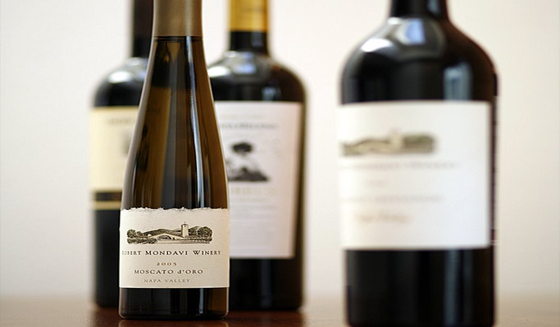
Top 10 Moscato brands and Best Moscato
Moscato has really risen in popularity over the last couple of years due to various songs about moscato and people discovering it’s great taste. Moscato wine seems to be the lastest taste trend that wine connoisseurs are raving about. Moscato is generally known as sparkling wine that goes best with desserts or after a meal that was heavy, Moscato is also low on alcohol. Moscato is known to come in a pale golden color and has quite a few world famous brands.
Moscato may taste like a desert wine, but it’s not officially classified as a desert wine. Muscato is known as a foritied wine created from muscat grapes. Muscat is widely grown thoughout Spain and Portugal. Muscat wine is also known to act as the basis for Pisco, a brandy like drink. The assorted compounds in muscat grapes are what give Moscato it’s unique taste. Muscat grapes are specially grown for wine making.
We could bore you with more Moscato facts, but we’ll cut to the chase and list out our favorite Moscato Brands.
Top 10 Moscato Brands
1. Moscato Allegro Wine
A Californian moscato brand that uses the Canelli variant of the Muscat grapes. This moscato brand is a bottom fermenting wine that’s produced at cold temperatures and is flavored with apricots that are honeyed, a tinge of orange and peaches. We love this brand!
2. Barefoot Moscato
A citrusy and aromatic wine, Barefoot Moscato is rich in flavors. A beautiful blend of apricots, peach, orange and lemon, it has a sweet flavor to it. It’s a moscato wine made in California.
3. Candoni Moscato Wine
This moscato is produced and given to the world by the famous Italian Candoni winery. Moscato d’Italia is a apart of their white wine production. With a relatively low alcohol level, this wine is partially sparkling. This wine should be served young and stored at a temperature that remains constant.
4. Villa Lanata Moscato Wine
This Moscato comes from the region of Piedmont. Villa Lanata is a white wine which has perfectly balanced the sweet and the fruity quality of the Muscat Grapes. This moscato brand is also easy on the wallet.
5. Robert Mandavi Moscato Wine
This moscato is less sweet than usual Moscatos, this has a slightly acidic taste to it. Known for it’s hints of Jasmine that provide the fragrance that defines this wine. This moscato brand is perfect for your afternoon drink.
6. Ceretto Santo Stefano Moscato Wine
This moscato brand is known as a sparkling wine that is relatively light and goes well with desserts. It features a light aroma and a taste that is smooth and sweet, rather than being a combination of sweet and acidic.
7. Michele Chiarlo Nivole Moscato D’Asti
This might be your best bet for a party moscato or moscato brand that you have to buy in bulk for friends. This moscato brand has a very reasonable price, and tastes great. This brand of Moscato is produced in Italy.
8. Bertenura Moscato
This Moscato is fermented at a temperature kept low. It’s a sweet white wine. This Moscato with a light, peachy smell goes best with fruits and light desserts. It’s best when served chill. The only drawback is that the shelf life of this moscato is generally not very long.
9. Borgo Reale Moscato d’Ast wine
A Moscato brand from the Italian winery called Borgo Reale, this Moscato wine uses the varietal Muscat Blanc a Petits grains. A type of sparkling white wine, that also tastes great.
10. Mazzeti Moscato Wine
Again an Italian Moscato wine, this is one of the few wines that is produced with a full percentage of only the best quality muscat grapes. There are no added fruits or flavours to this pure Moscato wine. Therefore, the sole presence of grapes make this wine stronger and more natural, unlike the typical Moscato brands.
Discuss! #moscato