Wine 1106
Photographs demonstrate the contents of an ancient Roman ‘fridge’ including wine and animal bones that have been discovered.

Unearthing the Past: An Astounding Discovery in Bulgaria
Archaeologists have recently made a remarkable discovery in Bulgaria while excavating an ancient Roman military camp. Amongst the ruins of Novae, a Roman-era military fortress, they stumbled upon something unexpected—an intact and well-stocked refrigerator. This finding provides an intriguing glimpse into the daily lives and culinary habits of Roman soldiers.
Lead and ceramic water pipes were initially uncovered at the site, indicating the presence of a developed infrastructure. But it was the sight of an ancient fridge, constructed with ceramic plates, that captured the attention of lead archaeologist Piotr Dyczek. To their astonishment, the fridge still contained a meal, complete with wine drinking vessels, bowls, and animal bones.
Determining the exact age of the refrigerator and its contents is yet to be established, but it is undoubtedly a valuable piece of history. Interestingly, this is not the first time such a discovery has been made at Novae. Last October, another similar fridge, containing traces of cooked meat, animal bones, and dish fragments, was found. However, these refrigerators are uncommon, as they usually do not survive the ravages of time and the subsequent reconstructions of buildings.
The military camp, constructed in the first century A.D., was designed as a permanent base for Roman troops stationed along the lower Danube River. It served as a home for Italian military recruits until the middle of the fifth century. Excavations at Novae have also revealed the ruins of a wooden barracks, believed to be associated with the camp’s first permanently stationed Roman troops, as well as the camp’s oldest known well and a fourth-century furnace.
In addition to the fascinating refrigerator find, archaeologists uncovered other significant artifacts. A set of wine drinking vessels characterized by their black coloring was among them, along with a small, intricately designed mouse-shaped pendant made of silver.
Novae is situated in the enchanting northern Bulgarian city of Svishtov, approximately 155 miles northeast of Sofia, near the border with Romania. The University of Warsaw provided detailed accounts of the excavation, with their news release translated using Google Translate.
The uncovering of this ancient refrigerator provides a unique window into the customs and daily routines of Roman soldiers stationed at Novae. It also serves as a reminder of the countless hidden treasures waiting to be discovered beneath the surface of our world. The journey into our past continues to captivate and inspire, pushing us to delve even deeper into the mysteries of history.
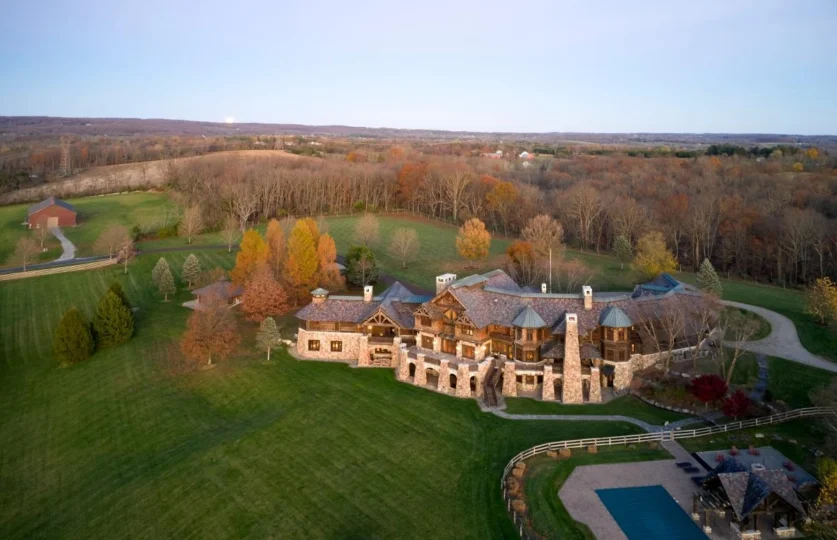
Take a look at these six incredible home listings in Central Jersey that feature wine cellars, indoor pools, and elevators.
Finding Dream Homes in the Insane Real Estate Market
For many of us, the current real estate market is a daunting obstacle course. With low inventory, high mortgage rates, and sky-high prices, it can feel nearly impossible to find a home that meets all our needs. However, for those with deep pockets, the real estate market offers a different set of challenges. Luxury estates with unique amenities are a dime a dozen, presenting a tantalizing array of options for those seeking exclusivity.
Let’s take a look at some of these stunning properties in Somerset, Hunterdon, Middlesex, and Union counties that will make just about anyone’s jaw drop. While the rest of us wait for the market to cool down, we can at least indulge in the fantasy.
One of the crown jewels in Hunterdon County is Windward Farm, located at 191 Miller Park Road in Alexandria. This sprawling estate, with an asking price of $18 million, features 125 acres of Napa Valley-esque paradise. It boasts a vineyard with five grape varieties, a fig orchard, 18th-century barns, an apiary, a saltwater pool, basketball and tennis courts, and meticulously manicured gardens. The centerpiece is a stunning 19,000-square-foot lodge-style home, complete with seven bedrooms, seven full bathrooms, and three half-bathrooms. The property also offers a separate apartment, home theater, gym, sauna, arcade room, wine cellar, indoor basketball court, and music room. It truly is a wine-lover’s dream come true.
For history buffs, Headquarters Hill Farm at 280 Lambertville Headquarters Road in Delaware Township is a slice of heaven. Dating back to 1732, this $7.5 million estate seamlessly blends the past and present. Stone fireplaces adorn the bedrooms, and exposed wood beams add rustic charm. Set upon 200 acres, this hidden gem provides absolute privacy, surrounded by rolling hills and woodlands. The property includes a four-bedroom, 2½-bathroom house, a guest house, a greenhouse, a pond, an office with a loft, and two climate-controlled barns.
If modernism is your style, Ravinn Estate at 6 Ravinn Lane in Warren is sure to catch your eye. Priced at $4 million, this sleek and futuristic estate boasts all the modern amenities one could ask for. An indoor pool, floor-to-ceiling windows, an elevator, tennis courts, two-story waterfalls, and a pond create an atmosphere of opulence. Inside the eight-bedroom, 12-bathroom home, buyers will find high-end details like a wow-worthy staircase in the foyer, a wet bar, dance floor, wine cellar, and private theater downstairs. The primary suite offers a sauna, study with a gas fireplace, and direct access to the pool and gym below.
For wine enthusiasts, the estate at 00 Private Lane in Bernardsville is a haven of sophistication. This Georgian Mansion perched atop the Bernardsville Mountain boasts its own wine cellar capable of housing over 16,000 bottles, as well as a tasting room. Each room exudes luxury, with soaring libraries, exposed wood beams, and colossal chandeliers. On the lower level of the six-bedroom, 14-bathroom home, residents can enjoy a spa, sauna, card room, billiard room, media room, and access to the pool. The property offers stunning views and promises an elevated lifestyle.
Moving closer to downtown Summit, we find a classic and timeless home at 67 Tulip St. Offering six bedrooms, five bathrooms, and listed at $2.77 million, this property combines charm and the perfect location. Custom mahogany libraries, marble bathrooms with soaking tubs, and elegant facades with two massive patios create a picturesque setting. In addition to a home theater, Turkish sauna, and sound-proof office, there is an entertainment deck above the garage, allowing for relaxed lounging while enjoying the sunset.
For those with an international outlook, the French Normandy-style estate at 1639 Woodland Ave. in Edison is the epitome of sophistication. Priced at $3.2 million, this home features grand columns, a wood-lined private office, four fireplaces, and a dumb waiter for seamless service from the kitchen to the finished basement. The current owners have left their mark with numerous custom details throughout the property, making it truly unique.
While these luxury estates may seem like a dream to most of us, they provide a glimpse into the world of high-end real estate in today’s market. It’s exciting to see the range of unique amenities and exquisite features that are available to those with the means to indulge. Whether you’re a wine connoisseur, a history enthusiast, a modernist, or simply in search of a stunning home, the options are endless. The real estate market may be insane, but at least we can take solace in knowing that these extraordinary properties exist.
Imagine finding a slice of serenity in the midst of a bustling county like Middlesex. This property, sitting on 1.5 acres of land, provides just that. As you step onto the grounds, you are greeted with a sense of calm and spaciousness that is hard to come by in such a crowded area. And if that wasn’t enough, this property also boasts its own tennis court, allowing you to unleash your inner athlete and enjoy a game or two.
What sets this property apart even further is its location on one of the first private streets in the area. This means that not only do you have the luxury of space, but you also have the added bonus of privacy. No need to worry about noisy neighbors or intrusive passersby, as you can enjoy your own little corner of paradise undisturbed. It’s like having your own secret hideaway in the heart of Middlesex County.
If you’re interested in learning more about this property or any other listings in Central Jersey, reach out to JIntersimone@MyCentralJersey.com. Jenna Intersimone, a valued member of the USA TODAY NETWORK New Jersey, has been sharing her expertise on real estate since 2014. Her passion for homes and her extensive knowledge of the area make her the perfect person to guide you through the process of finding your dream home.
And if you can’t get enough of Jenna’s insights, make sure to subscribe or activate your digital account today. By doing so, you’ll gain unlimited access to her stories about food, drink, and all things fun. Follow her on Instagram at @seejennaeat and on Twitter at @JIntersimone to stay up to date with her latest adventures and recommendations.
In conclusion, don’t miss out on these incredible Central Jersey home listings. From the spaciousness and tranquility of this Middlesex County property to Jenna Intersimone’s expert guidance, it’s an opportunity that is too good to pass up. Take the first step towards finding your dream home today.
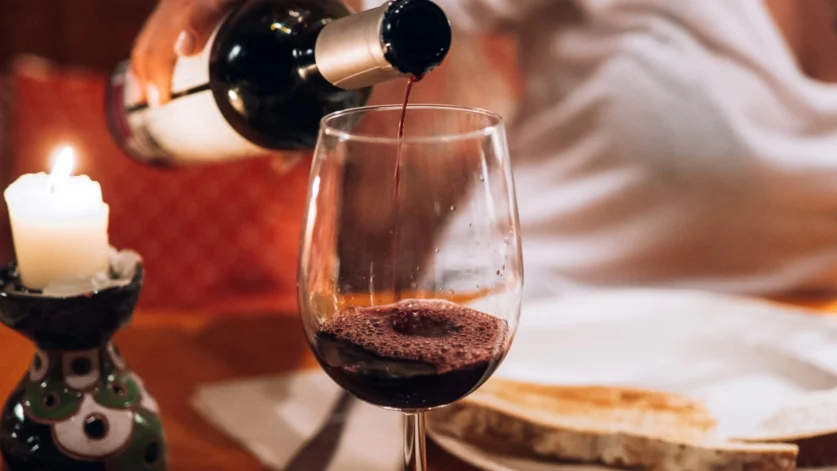
Where does your area rank in terms of the amount of time it takes Brits to choose a bottle of wine, as revealed in a recent study?
Choosing the Perfect Bottle of Wine: A Journey of Taste and Time
When it comes to choosing a bottle of wine, there are those who take their time, carefully deliberating over the perfect selection, and then there are those who make a quick decision without much thought. According to a recent study, Geordies, residents of the North East city, take the longest time to choose their plonk, with 14% spending a minimum of 15 minutes selecting their wine.
However, Geordies are not alone in their leisurely wine choosing habits. People in the South West and West Midlands also tend to take their time when it comes to this important decision. On the other end of the spectrum, a staggering 73% of people choose their wine within ten minutes, with 41% doing so in less than five minutes. It seems that only a small percentage, 8%, are willing to dedicate a quarter of an hour or more to the wine selection process.
But what could possibly take so long? Are these select few wine aficionados or simply indecisive? It appears that men are more likely to fall into the category of being fussy wine choosers, with 11% spending more than 15 minutes deciding compared to only 5% of women. This statistic challenges the stereotype that women are the more indecisive gender.
Interestingly, the study also revealed that those aged 55 and above were more likely to know exactly what they wanted, making their wine selection process quicker and more decisive. This goes against the stereotype that older individuals are set in their ways and less willing to try new things. Perhaps they have just had more time to refine their palate and discover their preferences.
Fred Sirieix, the famous First Dates star and M&S wine ambassador, believes that wine does not need to be intimidating or exclusive. He reminds us that being a wine connoisseur is not a prerequisite for enjoying a good glass of wine. Sirieix encourages people to experiment and explore different styles and flavors, while assuring them that the world of wine is far easier to navigate than they may think.
Dispelling the myths surrounding wine, Sirieix guarantees that even the biggest wine worries can be put to rest. While he cannot tell us exactly which wine we will love the most, as everyone’s taste differs, he can guide us on our journey to discovering new and exciting wines.
In conclusion, while Geordies may take their time, and men may be more fussy, the important thing is to enjoy the process of choosing a bottle of wine. It is an opportunity to explore new flavors, experiment with different styles, and ultimately find what we love. So, whether you spend 5 minutes or 50 minutes, embrace the adventure and raise a glass to the wonderful world of wine.
Tank Garage Winery has partnered with Blundstone to provide support and empower individuals from BIPOC communities in the wine industry.
**Living the Dream: Tank Garage Winery and Blundstone Collaboration**
Remember that famous line from The Notorious B.I.G.’s hit song? “It Was All A Dream.” Well, hold on to that thought because we’re about to take you on a journey that brings dreams to life.
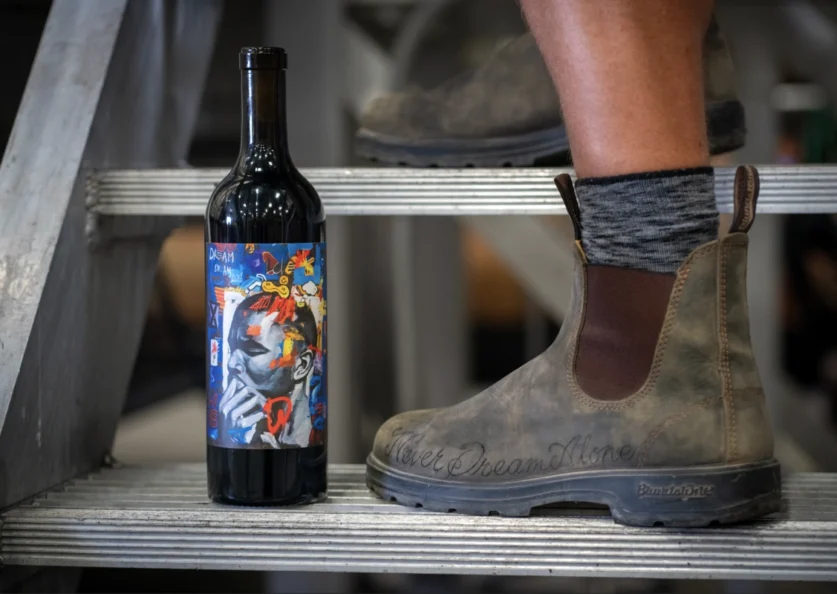
Imagine an old gas station in Calistoga, Napa Valley, transformed into a captivating winery with a tasting room that takes you back in time. Tank Garage Winery, known for their unique limited-edition wines, has partnered with Blundstone, the original Chelsea boot brand, to create a one-of-a-kind collaboration. Believe it or not, these two iconic brands are the perfect match, and you’ll soon see why.
If you’ve ever paid attention to the footwear of winemakers, vineyard managers, and anyone else in the industry, you may notice a trend. They’re often sporting Blundstone boots. It’s like a secret code among those in the know. So, it only made sense for Tank Garage Winery, deeply embedded in the wine community, to join forces with Blundstone and commemorate this partnership with an extraordinary release.
Introducing “It Was All A Dream,” a limited-edition wine that is set to make waves. Not only does this wine boast blend comprised of 39% Shiraz, 32% Petite Syrah, 10% Mourvèdre, 7% Grenache, 6% Viognier, 3% Cabernet Sauvignon, 2% Valdiguié, and 1% Négrette, but it also supports a cause close to their hearts.
Tank Garage Winery and Blundstone share a passion for helping others achieve their dreams, and their collaboration doesn’t stop at the bottle. For every purchase of “It Was All A Dream,” $2 will be donated to The Roots Fund – a nonprofit organization dedicated to empowering underrepresented individuals in the wine industry. This partnership has a higher purpose, and it’s inspiring to see two influential brands working together to make a difference.
Tank Garage Winery’s co-founder, James Harder, understands the importance of this collaboration beyond the delicious wine and artwork by Dwight White II. It’s an opportunity to highlight The Roots Fund and demonstrate their commitment to supporting a vital organization in the wine industry. Through their Tank Cares initiative, Tank Garage Winery has been actively helping people live better lives and pursue their dreams since 2019.
Blundstone’s Head of U.S. Marketing, Kate Shevack, recognizes the brand’s treasured history in wineries. From the groves to the cellars, winemakers have sought out Blundstone boots for their durability and unrivaled comfort. The partnership with Tank Garage Winery allows them to celebrate their shared community and give back to The Roots Fund, who are making significant strides in promoting accessibility and inclusivity in the wine industry.
“It Was All A Dream” is not just a wine; it’s a symbol of unity, support, and celebrating dreams. Retailing at $70 per bottle, every purchase goes a long way in assisting The Roots Fund. The red blend is a testament to the craftsmanship and dedication that both Tank Garage Winery and Blundstone represent. This extraordinary wine will be available for purchase on tankgaragewinery.com and at Tank Garage Winery’s location in Calistoga, CA.
So, next time you find yourself sipping on a glass of wine, take a moment to think about the dreams it represents. Pour yourself a glass of “It Was All A Dream” and toast to the power of collaboration, community, and making dreams a reality.
Title: A Journey through Hip Hop’s Unprecedented Growth
Introduction:
In the words of the iconic rapper, Biggie Smalls, “The Red and Black Lumberjack with the hat to match, remember rappin’ Duke, Duh-Ha, Duh-Ha?” This line from his renowned track, Juicy, beautifully encapsulates the unexpected rise and far-reaching influence of hip hop. Today, we delve into the evolution and profound impact of this genre, which has not only propelled artists to unprecedented fame but also shaped the cultural landscape worldwide.
Hip Hop’s Humble Beginnings:
Once considered a niche art form emerging from predominantly African-American communities in the 1970s, hip hop slowly gained traction as a way to express the frustrations and aspirations within these marginalized neighborhoods. Ranging from spoken poetry to breakdancing and beatboxing, hip hop quickly became a conduit for many to share their stories, struggles, and dreams.
Expansion into Mainstream Culture:
As the ’80s unfolded, hip hop’s infectious beats and poetic verses started to transcend racial and cultural barriers. With the advent of technological advancements and the rise of music video culture, artists like Run-D.M.C, Beastie Boys, and Public Enemy captivated audiences worldwide. Suddenly, rap and hip hop were at the forefront of popular culture, breathing new life into the music industry.
The Golden Era and the Rise of Legends:
By the ’90s, hip hop had matured into a golden era, marking the emergence of some of the genre’s most iconic figures. The Notorious B.I.G, also known as Biggie Smalls, represented the epitome of lyrical mastery, effortlessly painting vivid pictures of his upbringing and aspirations. His hit, Juicy, served as a testament to hip hop’s transformative power.
Hip Hop’s Global Dominance:
With the turn of the millennium, hip hop’s influence expanded globally, progressively transcending language barriers and inspiring artists from diverse cultures. Jay-Z, Dr. Dre, and Eminem became household names, impacting not only the music industry but also fashion, art, and entrepreneurial ventures. The genre had firmly established its dominance in popular culture.
Controversies and Challenges:
Nevertheless, hip hop experienced its share of controversies and challenges. Critics raised concerns about explicit lyrics, glorification of violence, and overt materialism present within certain sub-genres. However, the underlying authenticity and storytelling abilities of numerous artists continue to shape the genre positively, ensuring its resilience and relevance.
The Present and Future of Hip Hop:
In the present day, hip hop continues to evolve, with groundbreaking artists such as Kendrick Lamar, J. Cole, and Cardi B garnering both critical acclaim and commercial success. Moreover, the genre’s widespread popularity has sparked conversations on social issues, empowering marginalized communities and providing a platform for voices that may have otherwise been ignored.
Conclusion:
Hip hop’s journey from its humble beginnings to mainstream dominance is a testament to the power of music to bridge divides, provoke thought, and inspire change. While its growth faced challenges and controversies along the way, artists have consistently pushed the boundaries of creativity and lyrical excellence, ensuring hip hop’s enduring legacy in shaping popular culture. As Biggie Smalls once said, “And if you don’t know, now you know.”
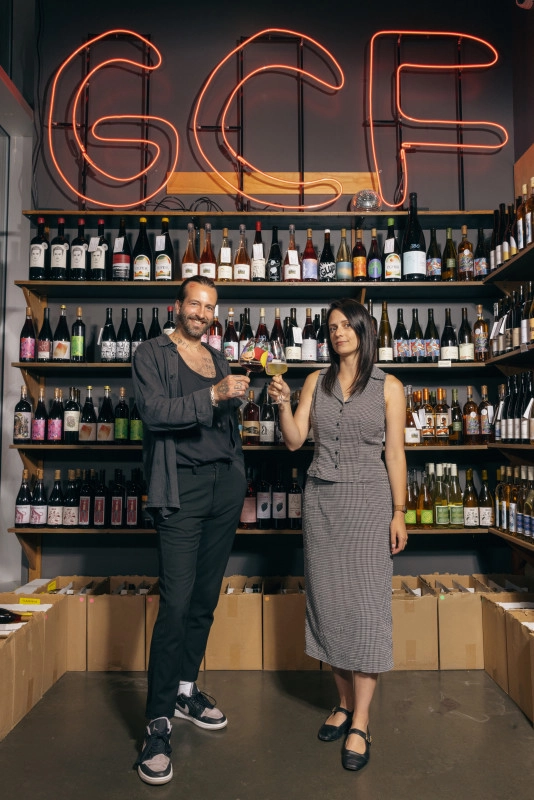
Circular sustainability and natural wine are at the core of Good Clean Fun.
Logistics is the unsung hero in the wine industry. With vineyards spread across the world, wine has to travel long distances to reach the consumers who eagerly wait to savor its taste. The history of wine bottles goes back thousands of years, but it was only in the 17th Century that glass bottles became widely used. However, the large-scale production of wine bottles has inadvertently contributed to a significant environmental issue – waste.
It is an irony that an industry that prides itself on caring for vineyards and producing quality wine is responsible for creating a large amount of waste through discarded glass bottles. But amidst this, Good Clean Fun (GCF), a natural wine bar and store in Downtown Los Angeles, has found a solution. Their mission to promote sustainability led them to partner with OOM Earth, a packaging recycling company dedicated to environmental sustainability.
Together, GCF and OOM Earth have pioneered a circular bottle recycling model, which aims to tackle the environmental challenges posed by wine bottle waste. This innovative initiative is a first-of-its-kind in the United States, setting a new standard for eco-friendly practices in the wine industry. It has caught the attention of many wine enthusiasts who are passionate about supporting environmentally conscious businesses.
Wine bottles, particularly glass ones, have long been a significant contributor to environmental waste. The carbon footprint of wine production is staggering, with glass bottles being the biggest source of emissions. With this alarming revelation in mind, GCF and OOM Earth felt compelled to take action.
Under this new circular sustainability model, GCF and OOM Earth will work closely together to establish a seamless process for recycling and reusing wine bottles. The vision behind this initiative can be likened to Tesla’s Cybertruck and its circular car economy concept. Just as Tesla has revolutionized the automobile industry’s approach to sustainability, GCF and OOM Earth are leading the charge in transforming the wine industry by reimagining how wine bottles are produced, consumed, and recycled.
This partnership not only showcases GCF’s dedication to environmental stewardship but also emphasizes their commitment to delivering exceptional wines that resonate with both wine connoisseurs and sustainability enthusiasts. By taking the lead in implementing this circular sustainability model, GCF is proactively addressing the wine industry’s impact on the environment.
With GCF’s location in the heart of Los Angeles, this initiative has the potential to make a significant impact on the local community and inspire others to follow suit. It serves as a reminder that sustainability is not just a buzzword but a responsibility that we all share.
Next time you indulge in a glass of wine, take a moment to appreciate the efforts made by businesses like GCF and OOM Earth to reduce waste and promote sustainability. By recycling, reducing, and reusing, we can all rejoice in knowing that we are contributing to a healthier and more eco-friendly wine industry.
If you’re in the Los Angeles area, be sure to visit Good Clean Fun at 868 S Olive St, Los Angeles, CA 90014 in the LEVEL Building. They are open daily from Noon-10pm, with happy hour everyday from 3pm-6pm. Cheers to a sustainable and delightful wine experience!
The possibilities for Ginger Wine are endless, making it a refreshing and versatile drink.
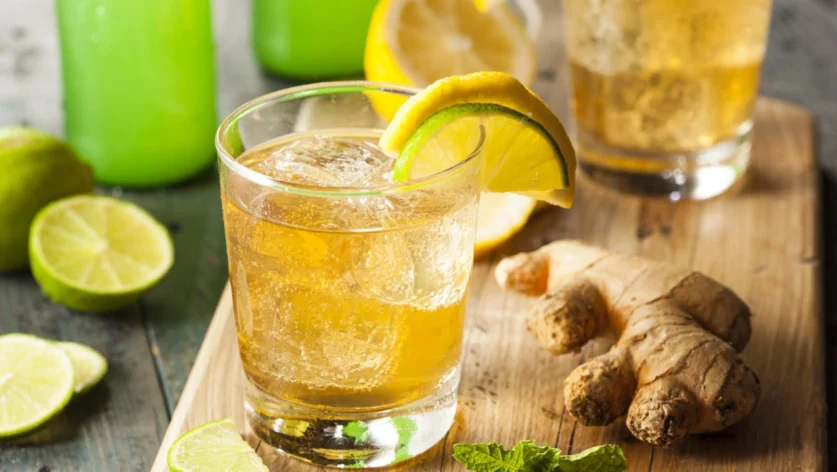
Who doesn’t love a good drink that can be enjoyed year-round? It’s even better when that drink is not only refreshing, but also warming and bracing, with flavors that can adapt to any season. Well, look no further, because ginger wine is here to fulfill all your drinkability needs. Originating in India in the early 1900s, this sweet and spicy beverage became popular thanks to “The East Indian Cookery Book,” a rare cookbook edition.
Now, don’t be fooled by the name. Ginger wine contains no alcohol whatsoever, despite its association with the term “wine.” It is believed that the homemade version of this drink was created to mimic a temperance soft drink from that era called O.T. ginger wine. Some even refer to it as ginger pop. But what makes this drink so special, you ask?
Apart from its delightful taste, ginger wine claims to have various medicinal benefits, and its supporters have plenty of anecdotal evidence to back it up. But unlike traditional homemade wines that ferment ginger with raisins and sugar to create an alcoholic concoction, O.T. ginger wine is made with fresh ginger, sugar, chilies, lime, water, and a blend of spices like cinnamon, cardamom, and cloves.
Each household may have its own unique methods for putting these ingredients together, but the general recipe goes something like this: Start by caramelizing the sugar in a pan until it turns golden brown. Then, add water, ginger, lime juice, and spices. Bring it all to a boil, and then let it simmer until you achieve the desired flavor and consistency. Once it’s ready, strain out the solids and serve after the drink has cooled completely.
The resulting tonic is a harmonious blend of sweetness, tanginess, spiciness, and warmth. The intensity of these flavors may vary depending on who makes it and where you enjoy it. Due to the inclusion of caramelized sugar, ginger wine tends to be a bit thicker and syrupy in texture. While many people prefer to enjoy it on its own, it can also be diluted with seltzers or sodas like ginger ale to add some fizz. Interestingly, some people even use it as a mixer with alcoholic spirits like gin or brandy to create unique cocktails.
But the versatility of ginger wine doesn’t end there. You can get creative and incorporate it into a wide range of dishes, from appetizers to desserts. Use it as a syrup to top off a bowl of ice cream or drizzle it over seasonally-spiced gingerbread waffles. Take it a step further and use ginger wine to fill cinnamon rolls or spice up your coffee cake. You can even experiment with adding it to savory foods, like charcuterie boards, to enhance the flavors of your favorite meats and cheeses.
One of the major reasons behind the popularity of ginger wine is its reputation as a medicinal supplement. While there hasn’t been any scientific studies specifically on this drink, anecdotal evidence has shown its ability to ease indigestion, alleviate cold symptoms, and soothe sore throats. It’s not surprising when you consider the ingredients present in ginger wine. Ginger itself is known for its powerful anti-inflammatory properties, which can combat all of the aforementioned ailments. Limes and cinnamon also contain compounds with anti-inflammatory effects, while hot peppers and cloves have antimicrobial properties that can inhibit bacterial growth. As a result, the science behind these beliefs is quite solid.
So, the next time you’re in the mood for a drink that can be enjoyed throughout the year, give ginger wine a try. With its exceptional flavor profile and potential health benefits, it’s no wonder this drink has stood the test of time. Whether you sip it straight, mix it with other beverages, or incorporate it into your favorite dishes, there’s no denying the versatility and appeal of ginger wine.
Tired of feeling under the weather? Looking for a natural remedy that has been trusted for generations? Look no further than the incredible powers of ginger wine. This delicious beverage has been a favorite among people from all walks of life, and its ability to provide genuine relief is more than just a rumor.
Now, you may be wondering how a simple drink can make such a big difference. Well, let’s take a step back and dive into the fascinating world of ginger and its medicinal benefits. Ginger has been used for centuries in traditional medicine for its anti-inflammatory and immune-boosting properties. It’s no wonder that this powerhouse ingredient has stood the test of time.
Through the ages, ginger wine has been treasured for its ability to alleviate various ailments. From soothing an upset stomach to easing headaches, this beverage offers a holistic approach to wellness. There’s something about sipping on a glass of ginger wine that brings comfort and relief when you need it the most.
But don’t just take our word for it; let’s hear from those who have personally experienced the wonders of ginger wine. Countless individuals have testified to its effectiveness in combating cold and flu symptoms, providing that much-needed relief during those miserable days. These real-life experiences only reinforce the belief that ginger wine truly holds healing powers.
So, why not give it a try yourself? Instead of reaching for over-the-counter medication with potential side effects, opt for a natural alternative that has been cherished for generations. Ginger wine is readily available in stores or can even be made at home with the right ingredients and a little patience.
Remember, though, that ginger wine is not a magical cure-all. It should be used as a complementary therapy to your overall health routine and is not intended to replace professional medical advice. If you’re experiencing severe symptoms or have an underlying health condition, it’s always best to consult with a healthcare professional.
In conclusion, ginger wine is more than just a tasty beverage; it’s a centuries-old remedy that has provided relief and comfort to countless individuals throughout time. Its natural healing properties and delicious flavor make it a safe bet for anyone feeling under the weather. So, grab a glass of ginger wine, sit back, and let the soothing warmth wash away your ailments. Here’s to good health!
The definition of a wine being ‘smooth’
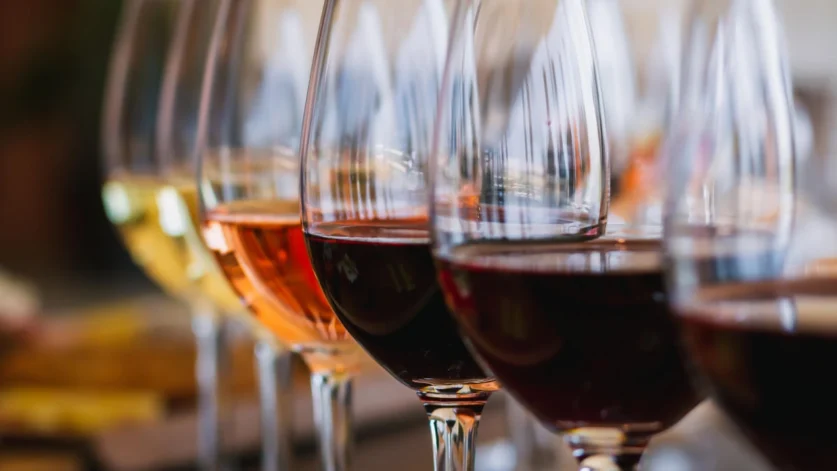
In the realm of wine, the phrase “smooth” is often tossed around casually. Though it may appear to be a mysterious quality, it’s actually quite straightforward to comprehend. A smooth wine is basically one that is effortless to drink, effortlessly gliding over your palate and leaving behind a trail of delightful flavors. But what truly defines a wine as smooth, and why do we desire this characteristic in our glasses? To grasp the concept of wine smoothness, we must delve into the world of tannins. These natural compounds are present in grape skins, seeds, and stems. Tannins play a vital role in wine, contributing to a dryness sensation similar to that experienced when drinking strong black tea, which leaves your mouth slightly parched. These tannins determine a wine’s structure and aging potential, but when they become overly aggressive, they can also hinder smoothness. Conversely, a smooth wine strikes a harmonious balance between tannins and acidity. While acidity brings a refreshing zing and brightness to the wine, tannins provide texture and complexity. However, excessive tannins and acidity can dry out the mouth, reducing smoothness. This dryness can overshadow the subtle nuances of the wine’s flavors, making it difficult to fully appreciate, particularly for newcomers to the world of wine. So, what exactly constitutes a smooth wine? It all comes down to achieving the perfect equilibrium. Smooth wines typically possess a moderate level of tannins and acidity, ensuring that neither component dominates the palate. This delicate balance allows the wine to gently caress the tongue rather than grip it tightly. Picture the difference between a friendly handshake and a vice-like grip. The former invites you in, while the latter can be off-putting. Smoothness is also closely tied to the quality of the winemaking process. Well-crafted and carefully aged wines tend to be smoother because the winemaker has meticulously ensured that all elements – fruit, tannins, acidity, and oak – are in perfect harmony. When you sip a smooth wine, you’ll notice that it effortlessly glides across your tongue, leaving behind a luxurious and velvety texture. The flavors are seamlessly integrated, and the drinking experience is characterized by a sense of ease. Whether it’s a supple merlot, a silky pinot noir, or a mellow chardonnay, smooth wines are your gateway to an enjoyable and relaxing journey through the world of wine. So, the next time you find yourself savoring a glass of wine and admiring its smoothness, know that it is the result of a delicate balance of tannins, acidity, and expert craftsmanship – a true testament to the artistry of winemaking and the sheer pleasure of sipping.
Influenced by South America, an Italian wine producer is transforming their Tuscan estate from a commercial perspective to a mindset focused on growing.

by the traditional ways of farming but also struggling with the limited resources and knowledge available to them. He saw an opportunity to make a difference and contribute to the community.
Francesco invited the local farmers to his vineyard and shared his expertise and knowledge with them. He organized workshops and training sessions to teach them modern farming techniques and introduced them to new grape varietals. It was a collaborative effort, with the locals sharing their ancestral wisdom and Francesco bringing in new techniques. Together, they worked to improve the quality of the grapes and the wines produced in the region.
Santiago grew up witnessing this beautiful exchange between his father and the local farmers. He saw the transformative power of education and collaboration. It inspired him to pursue a career in winemaking and carry on his family’s legacy. He knew that for the vineyards to flourish, it was essential to have a community that was not only passionate but also knowledgeable about grape cultivation and winemaking.
As Santiago grew older, he studied viticulture and enology, delving deep into the science and artistry of winemaking. He traveled to different wine regions around the world, learning from renowned winemakers and gaining valuable experience. But his heart was always in Caliboro, where he wanted to make a difference.
When Santiago returned to Caliboro, he brought back not only his knowledge but also a vision for the future. He collaborated with local universities and institutions to establish educational programs focused on viticulture and winemaking. He encouraged young people in the community to pursue careers in the wine industry, offering scholarships and internships at his vineyard. Santiago firmly believed that empowering the local community was the key to unlocking the true potential of the region.
Over the years, Caliboro emerged as a thriving wine region, with its wines gaining recognition and appreciation worldwide. The collaboration between Francesco, Santiago, and the local farmers had borne fruit, quite literally. The vineyards flourished, producing grapes of exceptional quality, and the wines crafted from these grapes were a true reflection of the region’s unique terroir.
But more than the success of the wines, it was the transformation of the community that brought the most joy to Santiago and his family. The once-isolated village had become a hub of innovation and knowledge, attracting winemakers from around the world who sought to learn from the unique practices developed in Caliboro.
The story of Santiago, Francesco, and the small village of Caliboro is a testament to the power of collaboration and the impact one person can have on a community. It reminds us that even in the world of wine, tradition can be preserved while embracing new ideas and methods.
So, the next time you raise a glass of Chilean wine, remember the journey it has taken from the hands of the local farmers in Caliboro to your table. And toast to the spirit of innovation and collaboration that makes every sip a celebration of tradition and progress.
Exploring the Connection Between Organic and Biodynamic Farming
In a world dominated by modern farming practices, it is refreshing to hear stories of farmers who have been able to achieve success through traditional methods. One such example can be found in the Maule Valley of Chile, where a group of farmers have been practicing biodynamic farming for generations.
These farmers, much like their fathers and grandfathers before them, learned the art of biodynamic farming through oral traditions, passed down through the generations. They had never read a book on biodynamics, but they knew the practices by heart. And despite the seeming primitiveness of their methods in comparison to modern farming techniques, their vineyards thrived.
One winemaker, Francesco, noticed the remarkable health and disease resistance of these biodynamic vines. The wines he produced under the label Erasmo showcased a beautiful balance and overall quality that couldn’t be matched by many of his contemporaries.
Francesco, however, wasn’t the only one in his family yearning for a different kind of life. His father, Santiago, had a similar desire for a change. In 1973, he purchased a historic Tuscan wine estate named Col d’Orcia. The estate, one of the founding members of the Consorzio Brunello di Montalcino, had been bottling renowned wines since the late 1800s.
Santiago’s decision to acquire Col d’Orcia stemmed from his love for the region of Montalcino in Tuscany. Everything that someone could desire seemed to flourish there effortlessly, from olive trees to truffles, and, of course, the incredible Sangiovese grape vines. In 2005, Santiago was called back to Italy to take over the estate, and he relocated his family to Tuscany.
Under Santiago’s leadership, Col d’Orcia underwent a transformation. The art of biodynamic farming was embraced, with Santiago officially obtaining organic certification in 2010. The vineyards became a reflection of his commitment to sustainable and holistic practices, incorporating biodynamic principles like the use of cow horns filled with manure to enhance the natural cycle of life.
Col d’Orcia, known as the third-largest owner of vineyards classified as Brunello di Montalcino, not only produces exceptional wines but also operates as a fully functioning farm. The estate is home to various animals and boasts preserved woodland where even wild boars roam freely.
Looking ahead, Santiago and his son Santiago Marone Cinzano are already planning for the next 20 to 30 years. They understand the importance of adapting to the changing climate, which increasingly brings warmer vintages. To ensure their wines continue to shine, they have selected specific vineyards for single vineyard bottlings, tailoring their approach to the unique traits of the Sangiovese clones.
One such vineyard is Nastagio, known for its resistance to heat and planted with clones that thrive in warmer temperatures. The clay-dominated soil retains water, providing crucial support to the vines during scorching, dry conditions. The Cinzano family sees Nastagio as a living experiment, a potential future gem within the realm of Brunello di Montalcino.
Another vineyard cherished by the Cinzano family is Poggio al Vento, planted almost five decades ago by Santiago’s late grandfather. At the time, it was an unconventional choice due to the sandy soil, which produces more delicate and elegant wines. However, in today’s wine world, it stands as a tribute to craftsmanship, showcasing a remarkable finesse and nuance that are highly sought after.
Reflecting on his family’s journey, Santiago realizes that time is a fleeting luxury. He laments not having more opportunities to learn from his father and understand the motivations behind planting Poggio al Vento. Sadly, his grandfather passed away in a car accident back in 1989, leaving the question forever unanswered.
As Santiago walks through the vineyards and visits Poggio al Vento, he feels a deep connection, understanding that his father and grandfather shared a grower’s mentality. This shared love for the land drives them to protect and preserve it for future generations.
The story of Col d’Orcia and the Cinzano family highlights the profound connection between organic and biodynamic farming. By embracing these traditional practices, the farmers have reaped the rewards of healthier vines and higher quality wines. Their deeply rooted appreciation for the land and commitment to sustainability serve as an inspiration for winemakers around the world.
A Journey Through the Timeless Wines of Col d’Orcia
When it comes to Brunello di Montalcino, few wineries can match the excellence and consistency of Col d’Orcia. Known for their meticulous attention to detail and unwavering commitment to quality, Col d’Orcia has crafted a lineup of wines that showcase the true essence of Sangiovese.
Let’s start our journey with the 2018 Col d’Orcia Brunello di Montalcino DOCG. This wine captivates the senses with its bright red cherry fruit and vibrant minerality. It dances gracefully on the palate, leaving behind a hint of toasted spices. The body of this wine is perfectly balanced, with a good amount of flesh that complements its marked acidity. Truly a delight for any wine enthusiast.
Moving on, we come across the 2018 Col d’Orcia Brunello di Montalcino DOCG, Nastagio Vineyard. This particular wine takes a bit more time to reveal its true character, but once it does, it is a revelation. Complex notes of smoldering earth and Mediterranean herbs come to life, accompanied by dark, brooding fruit on the palate. The tannins of this wine are muscular and robust, evolving over time to reveal hidden gems such as underbrush, black licorice, and wildflowers. Each sip offers a sustained, powerful explosion of flavors.
Next up, we have the 2016 Col d’Orcia Brunello di Montalcino Riserva DOCG, Poggio al Vento Vineyard. From a single vineyard cru, this wine is a true masterpiece. An intriguing sandalwood aroma entices the senses, while the multi-layered fruit delivers a nuanced and captivating experience. Finely etched tannins and crisp acidity add depth and structure, leading to a long and expressive floral finish. This wine is nothing short of stunning.
Moving back a vintage, we find ourselves transported to the 2015 Col d’Orcia Brunello di Montalcino Riserva DOCG, Poggio al Vento Vineyard. Ripe and juicy fruit takes center stage in this wine, with a plush mid-palate and hints of baking spice. The round texture and overall generosity make it incredibly delicious, leaving no doubt as to why Col d’Orcia has earned its reputation.
As we delve deeper into history, we arrive at the 2004 Col d’Orcia Brunello di Montalcino Riserva DOCG, Poggio al Vento Vineyard. This wine offers an exciting array of developed notes, including tar, black truffles, and crushed rose petals. Silky tannins bring a touch of plushness to the palate, while the juicy red and black fruit still shines through. The overall texture of this wine is simply lovely.
Finally, we conclude our journey with a true gem from the past – the 1995 Col d’Orcia Brunello di Montalcino DOCG. This multifaceted wine has aged gracefully, offering a myriad of aromas and flavors. From tapenade to dried porcini mushrooms, cigar box to broken earth, every sip reveals a new layer of complexity. Despite its age, this wine remains remarkably soft on the palate, with a lingering concentration of fruit on the finish. An impressive testament to the longevity of Brunello di Montalcino.
In conclusion, Col d’Orcia has crafted a lineup of wines that stand the test of time. From the vibrant and fresh expressions of the 2018 vintage to the mature and complex notes of the 1995 vintage, each wine tells a unique story. With every sip, we are transported to the vineyards of Montalcino, experiencing the passion and craftsmanship that goes into each bottle. Col d’Orcia truly is a treasure trove for wine lovers, and their wines deserve a place in every cellar.
A Wine Country Retreat in Northern California, worth $22 million, that defies convention.

A Unique Napa Valley Home: Modern and Artistic Architecture
Tucked away on the picturesque landscape of Napa Valley’s Mount Veeder rests a one-of-a-kind home, available on the market for an astounding $22 million. This striking residence, encompassing 130 rolling acres, blends elements of modernism, art deco, and deconstructivism to create an architectural masterpiece. Originally designed for the late Thomas Lundstrom, an heir to the Wasa Swedish crisp bread fortune, this unconventional home is a testament to his unique taste.
As you approach the property, you are greeted by a front entrance that echoes the grandeur of the Temple of Dendur. This impressive entrance sets the tone for the rest of the dwelling. Inside, a cantilevered second floor creates a sense of architectural intrigue, while the primary bedroom boasts a distinctive triangular shape. It’s rumored that Lundstrom hosted the Dalai Lama at this mountaintop hideaway, where they practiced yoga together atop a five-story tower adjacent to the pool.
Originally known as Villa Zapu, this stark-white home has garnered significant attention, being featured in the esteemed architectural publication, “Twentieth-century Architecture: The Structures That Shaped the Century,” back in 1998. Since 1999, the property has been owned by San Francisco political consultant, Clint Reilly, and his wife, Janet. The Reillys were captivated by the unconventional nature of the house, standing out amidst the sea of Tuscan-style villas that dot the Napa Valley landscape.
In their time as owners, the Reillys transformed the home into a sanctuary of art and sophistication. Pop Art icons such as Andy Warhol and Roy Lichtenstein adorn the walls, filling each room with vibrant energy. A sculpture by Fletcher Benton graces the expansive front lawn, adding an artistic touch to the outdoor space. This unique artwork, along with an extensive wine library, comes with the property.
As you wind your way up the long driveway, traversing the estate’s eight acres of vineyards that produce approximately 500 cases of wine each year, the path leads you to a circular motor court and the front door. The home itself boasts four bedrooms, four and a half bathrooms, and spans approximately 6,300 square feet. Inside, you’ll find a fireside living room, an inviting paneled library, a modern kitchen, and a gym.
Step outside to the backyard, and you’ll be greeted with breathtaking views and emerald carpets of lawn that cascade toward the sparkling swimming pool. Adjacent to the pool, a tower houses two additional bedrooms, two baths, a kitchen, and a lounge. As you ascend higher, the panoramic vistas become even more awe-inspiring. At the very top, a crow’s nest provides the perfect spot to soak in the stunning surroundings or savor a glass of the estate’s own wine.
This immensely private property consists of two parcels, showcasing the owner’s commitment to exclusivity and privacy. Additionally, there is an updated two-bedroom caretaker’s home, a cozy log cabin, and a detached two-car garage.
If you’re searching for a home that embodies art, architecture, and tranquility, look no further than 3000 Mount Veeder. This unique Napa Valley residence offers an extraordinary living experience, harmonizing modern design with the natural beauty of its surroundings. Don’t miss the opportunity to own a true masterpiece.
1. Tips for organizing a wine-tasting tour in Champagne 2. Steps to plan a memorable wine-tasting tour in Champagne 3. A guide on arranging a Champagne wine-tasting tour 4. Planning a wine-tasting tour in Champagne made easy 5. Discover the perfect itinerary for a Champagne wine-tasting tour

In this picturesque winemaking region, tradition collides with innovation, creating a unique and captivating experience. Nestled between Paris and the Ardennes, this French region is a delightful blend of history and charm. The locals take great pride in their Pinot and Chardonnay fields, which are believed to have ancient origins, tracing back to the time of the Romans. As the region embraces sustainable practices and bans the use of pesticides, a vibrant greenness can be seen everywhere.
Reims, the vibrant regional hub, is just a short 45-minute train ride from Paris. Here, you’ll find bustling bars, delightful bistros, and beautiful wine gardens offering a wide variety of local blends. In recent years, even the Champagne houses have joined in on the excitement, opening tasting rooms and taverns on their prestigious estates. One such place is Epernay, where the iconic Avenue de Champagne comes alive with a lively after-work crowd. It’s a wonderful place to indulge in the Champagne experience, but always remember to enjoy responsibly (and don’t forget that spitting is encouraged!).
To fully savor the essence of the region, embark on a journey through the heart of Champagne. Choose a designated driver and begin your day by driving through the enchanting Marne Valley, famous for its vine-covered slopes. In the village of Vincelles, you’ll discover a Roman road and a revered Champagne house that has been producing organic wines since 2013. On a sunny day, the Blin family invites wine lovers to their hilltop tasting room, where you can sip your glass while taking in the breathtaking views of the surrounding landscape and explore their extensive 10,000-bottle cellar.
Continue following the river to Damery, where you’ll find the stylish Champagne Telmont compound. Managed sustainably by its president, Ludovic du Plessis, this estate offers cellar tours, a welcoming bar, and a delectable food and wine pairing menu at their communal table. Don’t miss the photographs showcasing Ludovic’s collaboration with Leonardo DiCaprio, who has invested in Telmont’s green initiatives.
Make your way to the charming town of Épernay, where prestigious Champagne houses like Perrier-Jouët and Moët et Chandon reign supreme on the Avenue de Champagne. Take a break for lunch at a sophisticated bistro that serves an enticing menu of terrines and fricassées. If you’re visiting on a weekday, you’ll be pleased to know that corkage is free (or €12/£10 from Friday evening to Sunday), allowing you to enjoy a bottle of Champagne you’ve picked up along your travels. Alternatively, treat yourself to a half-bottle from the wine list, priced at €25 (£22).
Another gem to explore is the tranquil town of Aÿ, known for its picturesque half-timbered cottages. In 2021, the old pressing center was transformed into a captivating Champagne museum that engages visitors in a multisensory experience. Immerse yourself in a virtual wine harvest, wander through rooms delicately scented with blossom, participate in a simulated vintage press, and witness the fascinating fermentation process on IMAX-style screens. The journey culminates in a tasting room that offers a breathtaking view of the surrounding vineyards.
For a unique detour, venture into the Montagne de Reims nature park. A 30-minute drive through the rugged terrain will lead you to a forested path and a whimsical treehouse wine bar accessible only via a wobbly suspension bridge. With hanging armchairs and Champagne buckets suspended from the ceiling, it’s the ideal spot to marvel at the sunset while enjoying a glass of Champagne. Don’t forget to order a plate of biscuits roses de Reims, a traditional pink biscuit that pairs perfectly with Champagne.
Conclude your Champagne odyssey at the magnificent Vranken-Pommery estate, characterized by its impressive gothic towers along the road to Reims. Explore the ancient Champagne cellars on a guided tour and treat yourself to a delightful dinner in the dining room located in the old refectory, which stays open late. Indulge in the risotto with leek fondue accompanied by a glass of one of Pommery’s more affordable Bruts (priced at €15/£13). Finally, satisfy your sweet tooth with some delicious profiteroles.
As you reflect on your Champagne adventure, you’ll cherish the memories of tradition blending harmoniously with innovation, picturesque vineyards, and the delightful flavors of this remarkable region. Cheers to an unforgettable journey through Champagne!