Wine 1106
RareWine Executives Offer Insights into Building a Successful Wine Investment Portfolio.
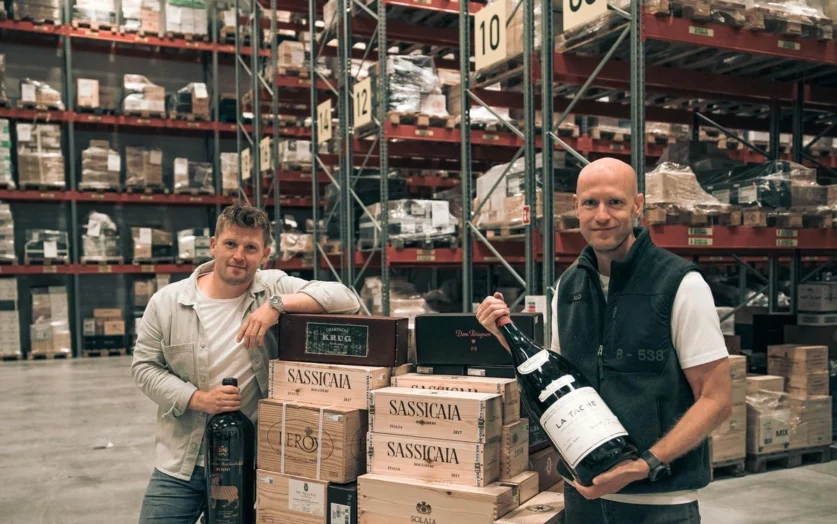
RareWine Invest: Expanding Opportunities for Wine Enthusiasts
In a recent virtual interview, top executives at RareWine Invest, CEO Mads Lund Jensen and CMO Lars Granat Jensen, shared their insights on the best investment strategies in the wine industry. With impressive average returns and a meticulous approach to selecting wines, RareWine Invest has established itself as a leader in the field.
Mads Lund Jensen emphasized the importance of building a portfolio of the correct types of wine for success. He revealed that RareWine Invest achieved a performance of 22.5% for the wines under their management in 2022, with an annualized performance of 12.88% over the past five years. These results are significantly higher than the average return for fine wine, which stands at around 10% according to the Liv-Ex index.
However, Lars Granat Jensen pointed out that the true test of a wine investment is realized when the wine is sold and positions are closed. In this regard, RareWine Invest has proven its expertise, with last year’s 1,115 positions under management realizing an average return of 88%.
With a minimum investment of €10,000 ($10,752), RareWine Invest caters to a diverse range of customers. The average portfolio size is €67,000 ($72,042), contributing to the total value of wine under their administration, which exceeds €165 million ($177 million). Notably, RareWine Invest is part of the larger RareWine Group, founded in 2006, and offers additional assistance through their trading arm, RareWine Trading.
The success of RareWine Invest lies in their meticulous approach to selecting wines for their portfolios. Assisting their investors in making informed decisions, the company focuses on safe bets with proven track records. At present, they are bullish on Burgundy, Champagne, and Italy, while cautioning against investments in Bordeaux due to the current En primeur system.
A typical RareWine Invest portfolio consists of 25% to 40% Burgundy, 20% to 40% Champagne, 10% to 20% Italian wine, and 10% covering other regions such as Napa Valley, the Northern Rhone, and Australia. To make these selections, Mads and Lars evaluate approximately 4,000 different wines each quarter, relying on trading prices, databases, and critic scores from reputable sources.
In a recent development, RareWine Invest has also entered into the world of fine whisky investments. Given the significant increase in whisky prices, with a 373% surge over the past 10 years, the company recognizes the potential in this market.
Ensuring the authenticity of the wines they purchase is a top priority for RareWine Invest. They employ cutting-edge authentication methods, including the analysis of high-resolution images and a comparison with their extensive collection of fine wines.
While wine lovers are naturally drawn to the world of fine wine investing, Mads and Lars advise against letting emotions guide investment decisions. They encourage investors to separate personal enjoyment from investment choices, as consuming even a single bottle from a case can diminish its value. Instead, they recommend purchasing individual bottles from trading houses or reputable retail establishments.
Contrary to popular belief, wine investment is not solely for experts in the field. RareWine Invest is making it increasingly accessible to a wider audience, allowing more individuals to experience the potential advantages of wine investment.
As RareWine Invest continues to expand its reach, wine enthusiasts and investors alike have a unique opportunity to enter the world of fine wine investment and benefit from the expertise and success of this leading company.
Investing in Fine Wine: More Than Just a Matter of Taste
When it comes to investing, most people would not consider wine as a viable option. After all, how can a beverage that is consumed and enjoyed have any monetary value? But according to Mads and Lars, two executives from RareWine Invest, fine wine investment is all about the value and the timing to sell, and not about the taste.
In a recent interview, Mads explained the rationale behind investing in fine wine, stating, “It’s not about the taste of the wine, it is about the value and the time to sell.” This sentiment was echoed by Lars, who added, “We only predict the future based on data.”
Despite the challenges posed by the Covid pandemic, both Mads and Lars remain positive about the future of fine wine investing. They shared that during the pandemic, people turned to drinking better quality wine, resulting in a surge in wine prices. However, with inflation and higher interest rates, people now have less discretionary income to spend on luxury items like fine wine, leading to a decline in prices.
But Lars remains optimistic, stating, “We believe that for the next couple of months, the market will not have large demand, but then will go back up.” To take advantage of this, RareWine Invest has been strategic in their investment choices. Lars shared, “Therefore, we bought lots of Champagne when prices were down. We know that the price of land in Champagne has gone up 25%, and we believe Champagne is undervalued.”
In addition to traditional markets, both executives also see potential in emerging markets such as China, the Middle East, and India. Mads believes that China will continue to play a large part in the fine wine world, while Lars sees the Middle East as an increasingly recognized market, despite religious beliefs. And let’s not forget about India, the biggest whisky market in the world, which has recently reduced import taxes, making it an attractive market for investment.
So, what is the ultimate goal for Mads and Lars in terms of RareWine Invest? They aim to become the biggest fine wine investing company in the world. “We aim to move from the #2 top global company in wine and spirits investing to #1,” said Mads with a confident smile.
In conclusion, investing in fine wine may not be the conventional choice, but as Mads and Lars have shown, it is all about understanding the value and timing the market correctly. With strategic investments and a positive outlook, RareWine Invest is poised to make its mark in the world of fine wine investing.
Inside Kim Jong-un’s train, there were live lobsters, cases of wine, and bulletproof carriages as he prepared to meet Putin.

North Korea’s Kim Jong-un has arrived in Russia for a meeting with Vladimir Putin using an unconventional mode of transportation – a luxurious and heavily armored train. The train, painted a distinctive shade of green, is the dictator’s preferred means of travel, continuing a tradition started by his grandfather, Kim Il-sung.
On Sunday, Mr. Kim boarded the train alongside officials from Pyongyang’s arms industry, military officers, and the country’s defense minister. The train is said to offer an abundance of luxuries, and pictures from state media showcase the opulent interiors, including glossy white rooms with long tables for meetings and red leather armchairs. The train also features conference rooms, audience chambers, and bedrooms equipped with satellite phones and flat-screen televisions for briefings.
According to Russian official Konstantin Pulikovsky, who traveled with Kim Jong-il, the train offers a gourmet menu with a wide variety of dishes from various cuisines. Pulikovsky’s book, Orient Express, describes cases of Bordeaux and Burgundy wines, live lobsters, and entertainment provided by young female singers referred to as “lady conductors.”
The train is reported to consist of a total of 90 rail cars and carries armored Mercedes cars for the leader’s use. These railcars have undergone extensive modifications and employ armoured sheets for increased protection. The train’s maximum speed is believed to be around 55 miles per hour, with a cruising speed below 40 mph.
While traveling by train can be inconspicuous compared to air travel, this particular train faces challenges due to the difference in gauge size between Russia’s rail network and the Korean Peninsula. When Kim reached Khasan station, which serves as the main rail gateway to Russia’s far east, the train would have needed a lengthy stop to change wheels.
Security measures are also strict, with approximately 100 security agents dispatched to railway stations in advance to conduct security sweeps. Power is deliberately shut off at these stations to prevent other trains from departing. Additionally, the train operates in conjunction with two other trains – one dedicated to security checks and another for bodyguards and personnel.
This unique mode of transportation allows Kim Jong-un to travel discreetly, away from the prying eyes of flight-tracking data or radar. However, the slow speed and logistical complications associated with the train demonstrate the lengths North Korea goes to ensure the safety and comfort of its leader.
As the North Korean and Russian leaders convene, the world watches to see what discussions will transpire regarding Russia’s need for more weapons and ammunition to supply its war machine in Ukraine. While the specifics of their meeting are unknown, one thing is certain – Kim Jong-un’s preferred mode of transport makes quite the statement.
After a distillery’s tanks break, a river of wine is flowing through the streets of a city in Portugal (video).
Welcome to SAO LOURENCO de BAIRRO, Portugal — the town where the streets flow with wine! In an extraordinary incident, over 580,000 gallons of wine spilled from two storage tanks at Levira Distillery, transforming the town into a stunning river of wine. Imagine the sight! This unexpected event was enough to fill almost 3 million bottles of wine, providing an abundance that wine enthusiasts can only dream of.
Thankfully, despite this wine spectacle, there were no injuries reported. However, the wine did manage to seep into the cellar of a nearby residence. Quick thinking firefighters swiftly took action and diverted the crimson flow into nearby fields, ensuring that it did not contaminate the nearby river. Talk about firefighters on a unique rescue mission!
Levira Distillery, the responsible party, took immediate accountability for the incident. In a statement released by the distillery to USA Today, they acknowledged their responsibility for the costs associated with the cleanup and repair of the damage. They assured the public that they had already deployed teams to mitigate the situation and were fully committed to resolving it as swiftly as possible. It’s good to know that they are taking this incident seriously and focusing on rectifying the damage caused.
The cause of the tanks’ failure is currently under investigation. It seems like an unfortunate and unexpected accident. Hopefully, the investigation will provide some insights into what transpired to prevent similar incidents in the future. We’ll keep an eye out for updates on this front.
In the meantime, let’s appreciate the uniqueness of this situation. Can you imagine walking down a street that has turned into a river of wine? It would be like living in a whimsical fairytale! And for all the wine enthusiasts out there, this unexpected incident is the stuff dreams are made of. You won’t find wine flowing down the streets every day!
As always, please note that by browsing this site, you may come across links that lead to the purchase of various products or the registration for different accounts. If you choose to engage with these links, we may receive compensation. Additionally, we assure you that any information shared with our social media partners complies with our Privacy Policy.
So, cheers to SAO LOURENCO de BAIRRO, Portugal, the town that temporarily enjoyed the whimsy of wine flowing down its streets. Let’s hope that the cleanup and restoration efforts are successful, and that this incident serves as a reminder to appreciate the unexpected beauty that can arise from even the oddest of situations.
Oversized wine bottles present a novelty that is impractical.
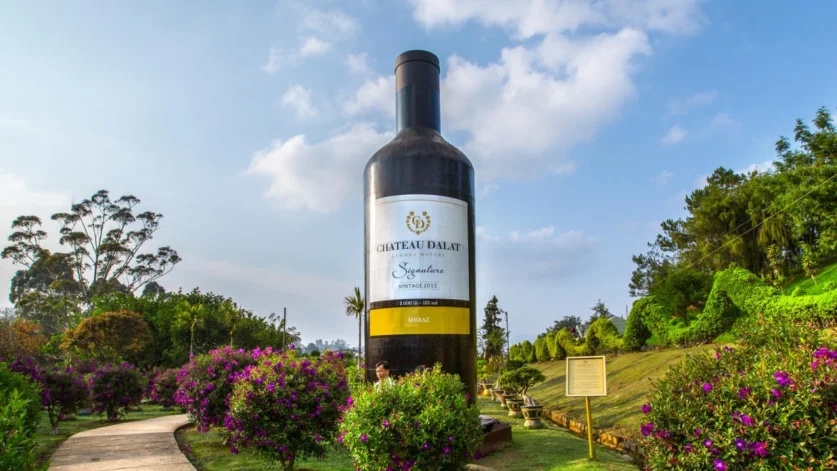
In Praise of Oversized Wine Bottles
Rudyard Kipling once famously said, “A man can never have too much red wine.” And who are we to disagree? That’s why we have a special admiration for large format wines. They’re not only immensely enjoyable and indulgent but also the perfect accompaniment to parties and celebratory gatherings. And perhaps, just perhaps, they hold the promise of an ample supply of wine.
These magnificent bottles come in a range of sizes, each with a name that could be straight out of the bible: Magnum (1.5 liters), Jeroboam or Double Magnum (3 liters), Rehoboam (4.5 liters), Bordeaux Jeroboam (5 liters), Imperial (6 liters), Methuselah (6 liters), Salmanazar (9 liters), Balthazar (12 liters), Nebuchadnezzar (15 liters), Melchior (18 liters), Solomon (20 liters), Sovereign (25 liters), Primat or Goliath (27 liters), and Melchizedek (30 liters).
But while these oversized vessels certainly meet the requirement for quantity in group settings, some experts argue that they lean towards impracticality due to their sheer size and other factors. Mashed spoke with Mathew Woodburn-Simmonds, an ex-sommelier and the creator of Decoding Wine, to delve into the practicality of large wine formats like the Nebuchadnezzar. According to Woodburn-Simmonds, they score a big zero in terms of practicality. “It’s purely for show. Trying to pour even a 3l bottle of wine is really hard. Most of these bottles are made specifically for parties or events to make an impression. They’re utterly pointless from a practical perspective,” he remarked.
The pain of opening a bottle of wine, only to discover that it has gone bad, is unparalleled. Once a bottle of wine is uncorked, there’s no turning back. The lifespan of an open bottle of wine depends on its type and the way it is stored. When stored correctly, a bottle of red wine can last up to five days. But why does wine go bad once uncorked? In the case of large format wines, they oxidize more slowly than regular wines when corked, resulting in a better retention of flavors and complexity. This makes them ideal candidates for long-term aging. However, once opened and exposed to air, wine begins to oxidize. If not consumed in a timely manner, the wine becomes overly oxidized, leading to an altered taste and color. This is precisely why it’s risky to reseal a larger bottle. “You can recork a larger bottle, but be cautious about how much wine is left. If there’s only 1/3 of the bottle remaining, you’ll be trapping a significant amount of oxygen inside, which will spoil the wine,” advised Woodburn-Simmonds. While having a 750-milliliter bottle go bad is disappointing enough, just imagine the heartbreak of a 20-liter Solomon being spoiled.
So, as much as we may adore the grandeur and allure of oversized wine bottles, it’s crucial to be aware of their practical limitations. They might make a stunning statement at a celebration, but when it comes to everyday use and ensuring the longevity of our beloved wine, it’s best to stick with more manageable sizes. After all, no one wants to waste a drop of that precious nectar.
Some of the best wine values in Italy can be found by searching in these locations.

Exploring Hidden Gems: A Wine Shopping List from Italy
Italy, the land of vineyards and winemaking traditions, is a treasure trove for wine enthusiasts. With close to 1.7 million acres of vine and 2000 grape varieties, the scope of winemaking in Italy is awe-inspiring. Compared to Napa’s 45,000 acres, it becomes evident that Italy’s passion for wine runs deep throughout the entire country. From the tip of the boot to the alpine foothills, Italy offers a staggering range of wines waiting to be discovered and savored.
While renowned wines like Barolo, Chianti, and Brunello have rightfully earned their place as standard bearers, Italy’s lesser-known wine regions have their own hidden gems. By venturing beyond the familiar, you can uncover exceptional wines from Calabria, Trentodoc, and Tuscany’s Montecucco. So, let’s embark on an exciting shopping list that will introduce you to unique Italian wines worth exploring.
1. **Ippolito 1845 ‘Colli del Mancuso’ Ciro Classico Superiore Riserva 2019**: This single vineyard wine hails from Calabria, the southern part of Italy. Made from the signature grape Gaglioppo and grown in Ciro, a winemaking region dating back to the ancient Greeks, this wine boasts a robust flavor profile of black cherry, black pepper, and rustic tannins. Price: $19.
2. **Perla Terra Barolo DOCG, 2018**: This complex and delicious Barolo wine is a testament to the decades-long commitment of Dalla Terra Direct’s owner, Brian Larky, and company President Scott Ades. Their mission to create a high-quality Barolo at an affordable price led them to collaborate with small growers in the Piemonte region. Enjoy the silky, polished expression of Nebbiolo exclusively offered to the US market. Price: $40.
3. **Fattoria Talosa “Filai Lunghi” Vin Nobile di Montepulciano, 2018**: Once the favorites of kings and nobles, Vin Nobile di Montepulciano wines fell out of favor in the 19th century. However, they have recently regained their regal status, exemplified by this silky wine. With dark red cherry fruit layered with spice and earth notes, this wine pairs perfectly with grilled dishes. Its ability to age for 15 years makes it a great investment for the future. Price: $49.
4. **Tenuta L’Impostino ‘Viandante’ Montecucco Sangiovese Riserva, DOCG 2016**: Montecucco, a lesser-known region in Tuscany, offers full-bodied and structured wines at incredible value. This 100% Sangiovese wine showcases elegance, polish, and aging potential. Additionally, the majority of the fruit comes from organic vineyards, reflecting the region’s commitment to sustainable practices. Price: $35.
5. **Mattia Vezzola Brut Rose, NV**: This elegant sparkling wine, produced in the classic Champagne Method, combines Chardonnay and Pinot Noir. Its refined red fruit notes, minerality, and well-structured palate make it a versatile choice for various culinary pairings. Grown in Italy’s northern Valtènesi region, nestled on the hillsides of Lake Garda, this wine truly captures the essence of the Italian terroir. Price: $22.
6. **Trentodoc Maso Martis Blanc de Blancs**: Maso Martis, one of the pioneers of organic farming in the Trentodoc region, continues to impress with their dedication to quality. This Blanc de Blancs sparkling wine is a testament to their craftsmanship. Pioneering organic farming since the 1990s, Maso Martis produces wines that truly reflect the region’s distinct character. Price: $24.
7. **Pio Cesare Barbera d’Alba DOC, 2020**: Pio Cesare, known for minimal intervention winemaking, showcases the individual expression of each varietal. Their Barbera d’Alba exhibits richness, medium-bodied texture, bright savory red fruit, and a spicy edge. Enjoy it now or allow it to age gracefully for a few years. Price: $27.99.
8. **“Volpolo” Rosso Bolgheri DOC 2021**: This second label from the winery showcases fruit from organic vineyards, consisting of 70% Cabernet Sauvignon, 15% Merlot, and 15% Petit Verdot. With a textured and rich palate, accompanied by aromas of black cherry and hints of cedar, this wine pairs wonderfully with a wide range of dishes, from roasted chicken to grilled steak. Price: $36.
Embrace the spirit of exploration and broaden your wine horizons with these exceptional Italian wines. From the ancient winemaking traditions of Calabria to the emerging regions reclaiming their regal status, there is a world of flavors waiting to be discovered in Italy. So, raise a glass and toast to the diversity and depth of Italian winemaking!
Discover exceptional Argentinian wines, besides malbec, at the Wine Press.

Argentinian Wine: Beyond Malbec
When we think of Argentinian wine, the first grape that comes to mind is undoubtedly malbec. This rich red wine varietal has put Argentina on the global wine map, with nearly 40% of all red wines produced in the country being made from malbec grapes. But there is so much more to discover in the world of Argentinian wine.
While malbec originated in France and is still widely grown in the Cahors region, Argentina has claimed the title of the world’s largest producer of malbec wines, accounting for nearly 70% of global malbec production. However, it would be unfair to overlook the other great wines that Argentina has to offer, made with a variety of different grapes.
Argentina’s winemaking prowess extends beyond just red wines, although the majority of their production falls into this category. The country also produces exceptional white wines that deserve recognition. This week, let’s delve into the wide range of wines from Argentina and explore the tasting notes for two reds and two whites, all made by talented women winemakers from Argentina. And the best part? These bottles are all available for under $35, with one even priced at a reasonable $17.
Malbec may have put Argentina on the wine world’s radar, but there is a myriad of other popular wine grapes in the country. According to a report from the Argentinian Wine Association in 2022, malbec grapes account for 22% of all wines produced in Argentina. However, the other notable wine grapes in Argentina include varieties such as:
– Cabernet Sauvignon
– Cabernet Franc
– Merlot
– Syrah
– Bonarda
– Torrontés
Now that we know the different wine grapes grown in Argentina, let’s explore the wine regions that contribute to the country’s diverse winemaking landscape.
Unsurprisingly, Mendoza takes the lead as Argentina’s dominant wine-producing region, accounting for 71% of all Argentine wine production. Located near the foothills of the Andes Mountains, Mendoza benefits from the unique climatic conditions and high altitude that contribute to the region’s exceptional wines. The second most popular wine-producing region in Argentina is San Juan, located just north of Mendoza, and it contributes 19% of the country’s wine production. Other notable wine-producing areas in Argentina include:
– Salta
– La Rioja
– La Pampa
– Neuquén
Now that we have a basic understanding of the wine grapes and regions in Argentina, let’s dive into the tasting notes for two reds and two whites made by talented women winemakers from the country.
First up is the 2020 Piattelli Reserve Cabernet Sauvignon from the Cafayate Valley in Salta. Head winemaker Valeria Antolin showcases the difference altitude can make in winemaking, creating a subtle, silky, and smooth red wine. With flavors of cherry, blackberry, and a delightful dash of black pepper, this wine exudes elegance.
Next, we have the 2020 Casarena Lauren Single Vineyard Cabernet Franc from Mendoza. Head winemaker Martina Galeano proves that cabernet franc deserves more attention. With vibrant fruit flavors, hints of dark chocolate, roasted cherries, and dried blackberries, this wine is an understated gem that pairs perfectly with grilled meats.
Moving on to the white wines, we have the 2021 Pyros Appellation Chardonnay from San Juan, crafted by head winemaker Paula Gonzalez. This mineral-like chardonnay breaks the stereotype of overly oaked and buttery chardonnays. Instead, it offers light, bright, and refreshing flavors of fresh lemon, green apple, peach, and pear. A truly delightful experience.
Finally, we have the 2022 Susana Balbo Signature Brioso White Blend from Valle De Uco, Mendoza. Head winemaker Susana Balbo showcases her expertise in blending with this wine, which is a blend of three white grape varieties. This wine offers a unique combination of flavors, presenting a harmonious mix of fruit, acidity, and complexity.
In conclusion, while malbec may have put Argentina on the wine stage, there is much more to explore in the world of Argentinian wine. From the various popular wine grapes to the diverse wine regions, Argentina offers a plethora of exceptional wines. So, the next time you reach for an Argentinian wine, remember that there is more beyond malbec waiting to be discovered and enjoyed.
Title: A Symphony of Flavors: Exploring the Magic of Wine Grapes
Introduction:
In the vast world of wines, there are some hidden gems that captivate our senses in the most enchanting ways. Today, we delve into the magical realm of a unique blend of wine grapes, where three varieties – Semillon, Sauvignon Blanc, and Torrontes – join forces to create an unforgettable experience. So grab a glass and join us on a journey filled with floral aromas, crisp fruits, and a perfect harmony of flavors.
Unveiling the Aromas:
Imagine stepping into a blooming garden, where the air is filled with delicate scents of wildflowers. As you raise your glass to your nose, the first wave of fragrance reminds you of a fresh bouquet, enticing your senses. The light, floral aromas immediately transport you to a serene and captivating world.
A Symphony of Flavors:
Upon the first sip, you are embraced by the intricate dance of flavors that unfolds on your palate. The initial encounter reveals the crispness of green apples and the juiciness of pears, creating a symphony of fruity delights. Each taste feels like biting into the perfect piece of fruit, capturing the essence of its freshness.
A Subtle Citrus Tale:
Just as you think the journey has reached its peak, a subtle twist takes place. Notes of citrus linger on your tongue, gently intertwining with the initial fruitiness. Hints of lemon and peach emerge, adding a delicate tang that enhances the overall complexity of the wine. The unexpected citrus twist is like a secret ingredient that elevates this blend to new heights.
The Perfect Harmony:
What makes this particular blend truly extraordinary is the seamless fusion of its components. The flavors of green apples, fresh pears, and citrus notes harmoniously intertwine, creating a balanced symphony that dances across your taste buds. With each sip, you discover a new layer of complexity, proving that this wine is a masterpiece born from the careful combination of grapes.
Conclusion:
As we come to the end of our journey through the enchanting world of wine grapes, it becomes evident that this unique blend is nothing short of extraordinary. The floral aromas, combined with the crisp fruits and subtle citrus notes, provide a sensory experience that lingers long after the last sip. So raise your glass and toast to the perfect harmony found within this captivating wine. Cheers to the magic of wine grapes!
Celebrate this holiday season with corporate gifts from the Wine and Champagne Gifts selection and raise a toast.

Elevate your corporate gift-giving game this holiday season with the perfect pairing of Wine and Champagne gifts. These exquisite gifts are sure to impress your business associates from coast to coast and leave a lasting impression. Wine And Champagne Gifts, a renowned online gift store, is poised to redefine the corporate gift-giving scene for its esteemed corporate clientele throughout the United States. Their unwavering commitment to enhancing every aspect of gift-giving ensures a seamless and enjoyable experience for both the sender and the recipient.
One of the key improvements made by Wine And Champagne Gifts is their focus on better packaging. Each gift item is now safely delivered with high-quality packaging that adds a touch of charm and elegance. This attention to detail ensures that your gift will make a lasting impression on the recipient.
In addition, Wine And Champagne Gifts has expanded their selection of wines and gift baskets. With a wide variety of wines, there is something to suit every taste and budget. The store also offers delectable gift baskets, sets, and boxes that pair perfectly with their selection of wines. This allows businesses to find the ideal corporate wine gifts for all of their valued associates.
Recognizing the value of a personal touch, Wine And Champagne Gifts offers the option to customize gifts by imprinting company logos and special messages on bottles and boxes. This not only deepens the corporate bond but also strengthens the brand image.
Ordering and delivery have also been made seamless and hassle-free. The store has improved their website configuration and streamlined the checkout process, making it easier than ever to place an order. Additionally, their customer support team is experienced in handling bulk orders, ensuring that every item on the list is meticulously taken care of.
So, this holiday season, discover the joy of stress-free gift-giving with Wine And Champagne Gifts. Celebrate in style and show your appreciation for those who matter with elegant gifts that leave a lasting impression. Wine And Champagne Gifts is dedicated to providing an exquisite selection of wines and delightful assortments that are perfect for celebrating special occasions and cherished relationships.
For more information, visit Wine And Champagne Gifts’ website at https://www.wineandchampagnegifts.com or contact them directly at +1 2024598489 or contact@wineandchampagnegifts.com.
What’s next after the appeals court deems Rhode Island’s prohibition on out-of-state wine home delivery as discriminatory?

Wine lovers in Rhode Island have reason to celebrate after a recent appeals court ruling deemed the state’s ban on out-of-state wine shipments discriminatory. The ruling, made by a full panel of the Rhode Island 1st U.S. Circuit Court of Appeals, stated that the state’s law “facially discriminates” against retailers from outside the state. The court highlighted two key aspects of the law that it found to be discriminatory: the restriction of retail licenses exclusively to state residents or in-state businesses, and the requirement for license holders to have a physical presence in Rhode Island.
As a result of this ruling, the case has been sent back to U.S. District Court Chief Judge John J. McConnell Jr. for further examination. The court wants to determine whether the state can prove that these discriminatory laws are necessary for the health and safety of Rhode Islanders. This decision overturns parts of a previous ruling by McConnell, which had upheld the state’s wine sales framework on grounds of public health and safety.
National wine retailers have welcomed this ruling, seeing it as a step towards the ability for consumers to legally obtain the wines they desire. David Parker, president of the National Association of Wine Retailers, praised the court’s decision for recognizing the need for concrete evidence to support the state’s claims about health and safety. He expressed confidence that this ruling, along with previous ones requiring evidence-based assessments of state alcohol laws, will eventually lead to greater access to wines from across the country.
The lawsuit challenging Rhode Island’s wine shipping laws was filed in 2019 by Kambis Anvar and Michelle Drum, who argued that the laws discriminated against out-of-state retailers. Rhode Island, like many states, follows a “three-tier system” for alcohol distribution, which aims to protect local businesses from competition by national retailers and e-commerce. However, Anvar and Drum contended that the laws limited their ability to purchase wines without any valid reason other than protectionism.
In opposition to the consumers’ lawsuit, the Rhode Island Responsible Beverage Alcohol Coalition, a nonprofit group representing alcohol wholesalers, argued that the state’s enforcement of these laws was a valid exercise of its police powers. This case is part of a larger effort backed by national retailers to challenge state laws that prevent direct alcohol sales across the country. Similar lawsuits have been filed in New Jersey, Indiana, Illinois, Mississippi, and Kentucky.
The recent ruling from the 1st Circuit has brought renewed hope to wine lovers in Rhode Island. While the outcome of the case is yet to be determined, it has opened up possibilities for greater access to a wider range of wines for consumers in the state. As the legal battle continues, wine enthusiasts eagerly await a future where they can enjoy their favorite wines hassle-free.
Title: Celebrating a Milestone for Consumers: Appeals Court Ruling on Out-of-State Wine Delivery
Introduction:
In a groundbreaking decision, the appeals panel has sent a strong message, highlighting a discriminatory aspect of a state’s version of the three-tier system. The ruling challenges the state’s regulations surrounding the delivery of out-of-state wine to consumers, emphasizing the need to prioritize concrete evidence and public interest over protectionist measures. This blog post aims to shed light on this significant development and its potential implications for the retail industry and consumers alike.
The Three-Tier System and Discrimination:
One cannot deny that the three-tier system, despite its historical significance, has inherent flaws that can be perceived as discriminatory. However, the recent appeals court ruling has questioned the notion that such discrimination can be justified by either the virtues of three-tier systems generally or the theoretical benefits to public health and safety.
A Call for Concrete Evidence:
The appeals panel, spearheaded by Judge Selya, has emphasized the importance of concrete evidence in supporting any requirement that discriminates against out-of-state retail deliveries. This requirement, if it is to be sanctioned, must demonstrate its predominant effect in advancing the goals of the Twenty-first Amendment, rather than merely protecting in-state business interests, the ruling stated. This landmark decision shifts the burden onto the states to provide concrete evidence showcasing the need for restrictions on out-of-state wine deliveries.
The Impact on Consumers:
This ruling serves as a glimmer of hope for consumers who have long faced limitations in accessing out-of-state wines. It recognizes the consumers’ assertions that states allowing such deliveries do not experience a corresponding erosion in public health and safety. By questioning the state’s arguments in favor of restrictions, the appeals panel paves the way for an examination of whether these limitations truly serve the public interest or merely safeguard in-state business interests.
Understanding the Judicial Panel:
The panel of esteemed judges presiding over this case adds significance to the ruling. Rhode Island’s Senior 1st Circuit Judge O. Rogeriee Thompson, 1st U.S. Circuit Court of Appeals Judge Lara Montecalvo, and Judge Selya constitute a panel representing the interests of the Ocean State. Their collective expertise and diverse backgrounds contribute to a comprehensive examination of the issue.
Conclusion:
The appeals court ruling on the home delivery of out-of-state wine marks a significant milestone for both retailers and consumers. By challenging the discriminatory aspects of the three-tier system, the decision encourages states to reevaluate their regulations surrounding out-of-state wine delivery. As the case returns for further examination, there is hope for a fairer and more inclusive system that prioritizes concrete evidence and public interest. The journey towards a more consumer-oriented and equitable retail industry has just begun.
Watermelon wine is an excellent beverage choice for summer, serving as a refreshing alternative to traditional grape wine.

is key. You want to make sure that all of your equipment is clean and free from any potential contaminants. This will help ensure the success of your fermentation process and prevent any unwanted flavors or aromas in your finished product.
To begin, you’ll want to cut up your ripe watermelon into small chunks. Remove any seeds and place the fruit into a blender or food processor. Blend until you have a smooth puree. You can strain the puree if you prefer a clearer wine, but this is not necessary.
Transfer the watermelon puree into your fermenter bucket and add in your sweetener of choice. This will help balance out the natural tartness of the watermelon and provide fuel for the yeast during fermentation. Next, add in your tannin powder, yeast nutrient, and acid blend (or lime/lemon juice). These ingredients will help enhance the flavor and ensure a complete fermentation.
Now it’s time to add in your wine yeast. Sprinkle it evenly over the surface of the watermelon puree and give it a gentle stir. Place the lid on the fermenter bucket and attach an airlock. This will allow gases to escape without allowing any potential contaminants to enter.
Allow the watermelon wine to ferment for about 1-2 weeks, or until the specific gravity reaches around 1.000. This will indicate that fermentation is complete. At this point, you can transfer the wine into a carboy for the second fermenting stage. This will help clarify the wine and allow any remaining sediment to settle.
Attach an airlock to the carboy and let the watermelon wine sit for an additional 2-3 weeks. During this time, the flavors will continue to develop and the wine will become clearer. You can also perform a gravity reading to determine the alcohol by volume (ABV) percentage of the wine.
After the second fermentation stage is complete, it’s time to bottle your watermelon wine. You can use sterilized wine bottles or mason jars, making sure to leave a small amount of headspace at the top. Cork or seal the bottles tightly to prevent any oxidation.
Store your watermelon wine in a cool, dark place for at least 3-6 months to allow it to age and mellow. This will help balance out the flavors and create a smoother, more enjoyable drinking experience.
When the time comes to enjoy your homemade watermelon wine, make sure to serve it chilled. It pairs well with summer dishes such as grilled seafood or fruit salads. The light and refreshing flavors of the watermelon will complement these dishes perfectly.
In conclusion, while making watermelon wine can be a bit challenging due to the fruit’s high water content, the end result is definitely worth the effort. With the right ingredients, tools, and a little bit of patience, you can create a delicious and unique beverage that captures the essence of summer. So why not give it a try and explore the world of fruit wines? Cheers to a summer filled with refreshing sips and good company!
You may think that making watermelon wine is a complex and time-consuming process, but I’m here to tell you that it’s actually quite simple and can be a fun project to tackle. Before you get started, however, it’s important to ensure that all of your equipment is properly sanitized to avoid any contamination. Home brewers often use an acid-based sanitizer spray solution like Star San to clean their brewing kit and surfaces.
Once your equipment is ready, it’s time to purify the juice. Some brewers have found that the natural bacteria growth in watermelons can be difficult to work with, so they choose to sterilize the juice with a Camden tablet for 24 hours. While this step is optional, it can help ensure a smooth fermentation process. After thoroughly rinsing everything, you can begin the watermelon wine-making process without any worries about contamination.
Start by cubing up your watermelon and mashing it by hand. If you prefer less pulp in your wine, you can strain the mashed watermelon, but keep in mind that it will eventually boil down to a liquid anyway. In a large pot, combine your watermelon puree with your choice of sugar or honey. If using honey, make sure to stir it well to ensure it fully dissolves. Once the mixture is heated and almost boiling, remove it from the heat and let it cool slightly before adding in the other ingredients.
Cover the pot with a sanitized lid and let it sit for another 24 hours. After this time, sprinkle both forms of yeast into the mixture, ensuring that they are mixed in well. Allow the watermelon wine to ferment for 5-6 days. By this point, the fermentation process will have done the majority of its job, and you can check the gravity reading with a hydrometer to ensure the optimal result. A reading just above 0.990 is ideal.
Now it’s time to move on to phase two of the watermelon winemaking process. Carefully siphon the wine into a glass carboy with a narrow neck, leaving behind any leftover pulp from the fermentation. Seal the bottle with an airlock to allow for the release of gases during the fermentation process. At this point, you’ve done the heavy lifting, and it’s time to let time do its thing.
Store your watermelon wine in a dark, cool environment and let it ferment for a few months. If you desire a clearer appearance, you can siphon the wine into another carboy once or twice, but it’s not necessary. The length of time you let your wine ferment will depend on your personal taste preferences, so feel free to taste-test the wine after a few months to see if it’s ready to be served.
Watermelon wine may not be as popular or widely known as other fruit-based beverages, but with the right balance of sugar levels and flavors, it can be a delightful and lightly sweet drink to enjoy during the summertime. And the best part? You can proudly say that you’ve made it yourself, which is a truly satisfying achievement. So why not give it a try and discover the joys of homemade watermelon wine?
The Swiss keep such good wine for themselves.

Discovering the Hidden Gems of Swiss Wine
When I first arrived in Switzerland, I was prepared to be captivated by the picturesque landscapes, the impeccable cleanliness, and the delectable culinary delights the country had to offer. However, there was one aspect of Swiss culture that caught me completely by surprise – their incredible wines.
Switzerland, known for its dedication to quality and tradition, produces nearly 150 million bottles of wine each year. Yet, shockingly, less than two percent of this output is exported to other countries. For a nation praised for its innovative gadgets and proud ownership of multifunctional knives, you would expect them to be more forthcoming about their wine offerings. However, the Swiss have established a time-honored tradition of consuming the majority of their wine domestically.
During my time in Switzerland, I had the pleasure of sampling some of this locally cherished wine. Sitting by the scenic Rhine River with friends, I savored a glass of white wine that was one of the lightest and crispest I have ever tasted. It made me wonder why I had never considered the possibility that a country nestled among the wine powerhouses of France, Germany, and Italy would have its own vinous treasures.
According to Jeremy Sells, Chief Operating Officer of Rosenthal Wine Merchant, the Swiss take immense pride in their own wine production. With roughly 20 cantons in Switzerland, each boasting its own winemaking prowess, the locals have easy access to fresh bottles without having to venture far. This cultural connection to their wine is reminiscent of a bygone era when people primarily consumed wine produced in their immediate vicinity, allowing them to naturally pair their local wines with local cuisine.
Contrary to their loyalty to Swiss wines, Sells notes that the Swiss don’t consume a significant amount of wine from other European countries. However, this insularity is not unique to Switzerland; many countries across Europe exhibit a similar allegiance to their own regional wines. It is rather difficult to find Italian wines in France, for example, unless you actively seek them out. The only exception seems to be champagne, which has gained worldwide popularity.
Chandra Kurt, a Swiss wine writer and consultant, believes her country’s insular attitude towards its wines is characteristic of its national identity. Switzerland has always maintained its distinctiveness, standing apart from the European Union. This uniqueness lends itself to the hidden nature of their wines, which have remained somewhat of a secret due to the relatively low exportation rate. Furthermore, being surrounded by renowned wine regions may have contributed to the modesty with which Swiss wines are perceived. Kurt emphasizes the reliability, quality, and surprise elements present in Swiss wines, mainly due to the abundance of indigenous grape varieties.
Unfortunately, the limited production and popularity of Swiss wines mean that by the end of the season, the best bottles are often sold out. However, it is precisely this scarcity that makes discovering these hidden gems all the more exciting for wine enthusiasts around the world.
So, the next time you find yourself in Switzerland, be sure to explore the fascinating world of Swiss wine. Step away from the Swiss chocolates and delve into the diverse vineyards and fairytale chateaus that offer a truly unique wine tasting experience. You may just uncover a wine culture deeply rooted in tradition, craftsmanship, and a touch of Swiss charm.
Swiss Wine: A Hidden Delight Worth Discovering
When it comes to wine, Switzerland may not be the first country that comes to mind. It’s often overshadowed by wine powerhouses like France and Italy. But let me tell you, Swiss wine is a hidden delight that is definitely worth discovering.
One of the reasons why Swiss wine is not well-known internationally is its price. Compared to wines from countries like Chile, Swiss wines can be seen as expensive for their basic quality. The cost of labor in Switzerland is relatively high, as the growers work under challenging conditions – think steep slopes and high altitudes. In fact, some of these growers have to use helicopters to transport the baskets of grapes down the hills, adding to the overall cost. Moreover, the strength of the Swiss franc doesn’t help either.
But don’t let the price tag discourage you just yet. Despite the barriers, there is something truly special about experiencing Swiss wine. As someone who had never encountered Swiss wine before, discovering its delightful offerings was one of the greatest joys of my time in Switzerland. It felt like being in on a secret that not many people knew about.
To raise awareness of Swiss wine and showcase its diversity, Swiss Wine Week was held in June in New York. The event aimed to introduce wine professionals, journalists, and consumers to the various flavors that Switzerland has to offer. The organizers believe that Switzerland needs more diversity in the wine industry, and they are certainly making a compelling case.
If you’re eager to try Swiss wine but don’t know where to start, there are a few options. Jeremy Sells, an expert in Swiss wine, suggests visiting a well-curated or serious wine shop and asking for recommendations. There’s a good chance they will have something from Switzerland or will be able to source it for you. Pinot noir is a popular choice, and it serves as a great entry point into the world of Swiss wine. Another option is Dôle, a red blend that is known for its easy-drinking and friendly nature. This wine typically retails around $20 to $30, making it accessible for many wine enthusiasts.
However, Chandra Kurt, another expert in Swiss wine, has a different idea. She recommends visiting the country itself for the ultimate Swiss wine experience. Exploring the beautiful lake regions, with their charming villages that bear the same names as the wine labels, can really enhance your appreciation for Swiss wine. It’s a chance to fall in love with the wine immediately, surrounded by the picturesque landscapes that inspired its creation.
So, whether you decide to explore Swiss wine through a well-curated wine shop or by embarking on a trip to Switzerland, there’s no doubt that this hidden gem is waiting to be discovered. Don’t miss out on the unique pleasure of experiencing Swiss wine before the secret gets out. Cheers to new discoveries and a toast to Swiss wine!