Wine 1106
Savor the Season: Summer Preview Week Delights at the Fredericksburg Food and Wine Festival

Summertime is arriving in Texas wine country, heralded by an exciting lineup of events during the Fredericksburg Food & Wine Festival. A noteworthy highlight is the upcoming “preview week” from July 21 to 27, which acts as a precursor to the main festival scheduled for October 22 to 26.
This week-long celebration promises a diverse array of food and wine experiences, including lavish black-tie cellar dinners, underground silent discos, and even a queso throwdown. Promotional materials boast a blend of innovative culinary creations and unique beverage pairings designed to tantalize taste buds and bring the community together.
Festival organizers describe the event as "a week-long celebration filled with crave-worthy events, creative sips, and unforgettable foodie experiences all around town,” offering something for everyone.
Tickets for these events are now available, with pricing varying according to the specific events and accompanying food pairings. For more details on the event schedule and ticket purchases, visit the Fredericksburg Food & Wine Festival’s official website.
Celebrating Flavor: Everything You Need to Know About the North Coast Wine and Food Fest

The North Coast Wine & Food Festival showcased an impressive array of over 115 wineries and chefs, bringing together wine aficionados and food lovers at the Luther Burbank Center for the Arts. Attendees enjoyed a beautiful Saturday in June while sampling award-winning wines recognized from the North Coast Wine Challenge, alongside delectable bites prepared by talented local chefs. The event was a delightful experience, celebrating the culinary arts and the wine culture of the region.
Unveiling the Essence of Terroir: The Luxury Champagne Wine That Redefines Sense of Place

Champagne Cristal, produced by the family-owned Louis Roederer, stands out for its remarkable expression of terroir, rooted in the nutrient-poor, chalk-dominant soils of its vineyards. This Champagne is a testament to the land and the meticulous care taken in its production, showcasing a unique sense of place that is often lost in the world of mass-produced wines.
The vineyards of Champagne Cristal have a storied past, dating back to 1816 when André Jullien classified vital vineyards in the region. Roederer’s distinct approach began in 1876 with the creation of Cristal, focusing on the specific vineyards that could showcase the terroir’s depth. The crisp acidity and delicate structure found in the wine can be attributed to the vineyard’s challenging conditions, which mean the vines grow more like “bonsai” trees—small but mighty, struggling yet thriving.
Jean-Baptiste Lécaillon, the chef de caves, has dedicated himself to exploring innovative practices to maintain the vineyards’ health and longevity while respecting their unique characteristics. Adopting methods such as permaculture and organic farming, he has observed a positive shift in the wines’ pH levels, resulting in heightened acidity and complexity.
Champagne Cristal is not merely about luxury branding; it embodies a philosophy rooted in the land. The house resists the trends of corporate acquisition commonly seen in the wine industry, opting to cultivate its heritage and focus on quality. This commitment is evident in the multiple vineyard sites contributing to Cristal’s blend, each bringing distinct qualities based on their soil structures and climatic influences.
When tasting Cristal, connoisseurs often experience an initial shock. It’s not the bold fruitiness they may expect; instead, the wine impresses through its sheer intensity and complexity derived from the terroir. The nuances of the chalk, minerals, and the very essence of the vine create a multidimensional profile that encourages wine drinkers to embrace a more profound appreciation of what Champagne can be.
Among the notable vintages, the 2002 is highlighted for its remarkable balance and evolution, while the 2012 offers an intriguing combination of minerality and fruit. Tasting the 2016 vintage, shaped by a challenging year, reveals a breathtaking purity that defies expectations.
Champagne Cristal Rosé also deserves mention for its exceptional character, expressing both power and finesse. Through innovative techniques, Lécaillon enhances the rosé’s terroir expression, allowing nuances of cherry blossoms and wild strawberries to dance on the palate, complemented by a mineral backbone.
In a crowded field of luxury Champagnes, Cristal carves its own niche, representing not just a drink, but a story of heritage, craftsmanship, and an unwavering commitment to showcasing the beauty of its origins.
7 Rosé Wines That Redefine the Blush Stereotype

Rosé wine has often been seen as a light, seasonal option that lacks depth and seriousness. However, this stereotype is rapidly changing as winemakers around the globe, particularly in regions like France and California, are redefining what rosé can be. The global rosé wine market was valued at about $3.2 billion in 2023, with projections to reach $5.2 billion by 2032, indicating a growing consumer appreciation for the versatility of this wine.
Today, rosé is produced with the same level of care and precision as red and white wines. Winemakers are focusing on specific grape plots, managing harvest timings, and controlling fermentation to create wines that are complex and structured. This evolution means that rosé now embodies a range of styles—from bone-dry to sparkling and even surprisingly age-worthy varieties.
Here are seven rosé wines that exemplify this new standard, showcasing depth and character beyond their color:
-
Belle Glos ‘Oeil de Perdrix’ Rosé
This California rosé, with its traditional copper hue, is crafted specifically for this style using a careful winemaking approach. It features stone fruit and citrus flavors layered over bright acidity, demonstrating that rosé can offer structure and complexity. -
Champagne Billecart-Salmon Brut Rosé
Known for its elegance, this rosé champagne combines chardonnay, pinot noir, and meunier. With extended aging on lees, it achieves a refined texture and a balance of red berry notes, proving that rosé can be both celebratory and sophisticated. -
Chateau D’Esclans ‘Whispering Angel’ Rosé
A pioneer in the global rosé market, this wine is celebrated for its smooth and dry profile, created from a blend of grenache, cinsault, and rolle. It helps illustrate that rosé can achieve popularity without sacrificing quality. -
Château Gassier Côtes de Provence ‘Esprit Gassier’ Rosé
This wine showcases a vibrant mix of red berries, citrus, and tropical notes like mango, alongside a refreshing menthol finish, breaking the mold of overly simple rosés. -
Château Minuty Prestige Rosé
Dominated by grenache, this floral wine offers flavors of yellow peach and a salty edge, with a clean finish that speaks to its quality and care in production. -
Gerard Bertrand ‘Gris Blanc’ Rosé
Almost colorless, this granache rosé presents minerality and a faint sparkle, delivering a fresh approach and a lean finish that challenges preconceptions about the sweetness of rosés. -
Souleil Vin de Bonté Le Rosé
This organic blend evokes brightness and salinity, with a delicate maceration process that preserves the wine’s freshness, proving that rosé can be both light and complex.
This selection of rosé wines illustrates the category’s potential for serious enjoyment, moving beyond its traditional image to reveal a variety of intricate flavors and textures.
Top Wine-Country Resorts in California for an Unforgettable 2025 Getaway

Sometimes, a little extravagance is just what you need to rejuvenate. For those looking to indulge in luxurious travel, particularly across California’s famed wine country, the latest guide from Conde Nast Traveler highlights the “25 Best Resorts in California, from Malibu to Napa Valley.” This collection is perfect for planning a lavish getaway filled with exquisite meals, breathtaking views, and pampering experiences.
Travel journalist Maxwell Williams from the magazine notes, “The beauty of California is that there’s so much, well, beauty to behold.” For an immersive experience in the state, he emphasizes the importance of connecting with nature—whether it’s through forests, gardens, or beaches. Travelers can find a plethora of fabulous resorts that cater to these desires, no matter where they are located in California.
The selection includes both iconic destinations and hidden gems, reflecting the diverse offerings in Napa and Sonoma. Here are the top ten resorts that made the list:
- Bardessono Hotel and Spa, Yountville
- Stanly Ranch, Auberge Resorts Collection, Napa
- Meadowood Napa Valley, St. Helena
- Carneros Resort and Spa, Napa
- Dawn Ranch, Guerneville
- The Farmhouse Inn, Sonoma
- Casa Palmero at Pebble Beach, Monterey County
- Carmel Valley Ranch, Carmel Valley
- Alila Ventana Big Sur, Big Sur
- Post Ranch Inn, Big Sur
For those looking to explore the complete list of recommended resorts and further details, visit the Conde Nast Traveler here. Get ready to treat yourself to an unforgettable California getaway!
Exploring Global Flavors: New Cookbooks from Soviet Diaspora to African Wine Pairings

New cookbooks and food literature from New England are enhancing the dining experience with vibrant stories and cultural insights. They explore diverse cuisines, from African pairings to Eastern European heritage, making meals more than just sustenance.
These recent titles are particularly engaging for culinary enthusiasts keen on discovering new flavors and stories behind the dishes. Here are some highlights:
Wine Pairing for the People: The Communion of Wine, Food, and Culture from Africa and Beyond
Authors: Cha McCoy (certified sommelier) and Layla Schlack (food writer)
This upcoming book offers an extensive guide on pairing wine with various dishes, featuring menus and wines that complement foods like Jamaican jerk chicken and Mexican elote. It’s set for release in early November and promises to broaden culinary horizons. Pre-order it here.
Chesnok: Cooking from My Corner of the Diaspora
Author: Polina Chesnakova
Chesnakova’s work acts as a heartfelt tribute to her childhood in the Soviet diaspora, offering recipes like Ukrainian varenyky and honey cake. Scheduled for mid-September release, this book represents a fusion of rich traditions shared in her family’s cooking. Pre-order here.
Sex and the City Cocktails: Fall in Love with 60 Fabulous Cocktail Recipes Inspired by the Show
Author: Thea Engst
Engst captures the flair of Manhattan’s cocktail culture through a stylish collection of recipes inspired by the iconic series. It aims to transport readers to the high-society gatherings reminiscent of Carrie Bradshaw and her friends. This book is set for a November release. Pre-order here.
Umma: A Korean Mom’s Kitchen Wisdom and 100 Family Recipes
Publisher: America’s Test Kitchen
This comprehensive guide to Korean cooking features recipes passed down from the author’s mother, including comforting classics like kimchi jjigae and Korean fried chicken. It’s a celebration of family traditions in culinary form. Order it now.
Rhode Island Food Crawls: Touring the Neighborhoods One Bite & Libation at a Time
Author: Jamie Coelho
As the editor-in-chief of Rhode Island Monthly, Coelho presents a delightful guide to food crawls across the state. Readers can look forward to exploring the culinary landscape one delicious bite at a time, with a release date of July 15. Pre-order now.
Practical Pomology: A Field Guide
Author: Sean Turley
Turley’s guide is dedicated to New England’s apples, offering an insightful look at apple varieties, terminology, and identification tips, paired with beautiful illustrations. Essential reading for those interested in local fruit cultivation. Order it here.
These titles are more than just cookbooks; they are narratives that elevate the cooking experience by connecting food with personal histories and cultural legacies.
A Kitchen Staple That Will Revolutionize Your Wine Storage: Discover the Brilliant Hack!

Struggling to finish a whole bottle of wine is a common dilemma for many, especially if you live alone or have leftovers after a dinner party. After re-corking a bottle and placing it in the fridge, the challenge remains: how to ensure the wine stays fresh? One popular solution has emerged thanks to a TikTok from sommelier Warner Boin Dowlearn, who suggests an innovative use of a household item to extend the life of your wine.
The primary issue with preserving wine after opening is oxidation, primarily caused by exposure to air. While corks are meant to seal bottles, they are porous enough to allow oxygen to seep in, leading to undesirable changes in flavor and aroma. This often results in a wine that tastes flat or has unpleasant notes if left open for too long.
Dowlearn’s solution utilizes a Mason jar. By transferring the leftover wine into a jar with a tight-sealing lid, you significantly reduce the contact between the wine and the air. The lesser oxygen exposure can help maintain the wine’s integrity for a more extended period.
While any glass container can work, Dowlearn emphasizes using glass over plastic, as the latter may affect the wine’s taste. After pouring the leftover wine into the jar, simply seal it tightly. For white wine, it’s best to return the jar to the fridge right away. For red wine, you may want to refrigerate it if not consumed the next day, allowing it to return to room temperature before drinking.
To test this method, the Senior Editor Paulina Jayne Isaac used it on a half-open bottle of malbec. The results were promising, reinforcing the effectiveness of this simple hack.
Though vacuum pumps are another option for preserving wine, the Mason jar method stands out as a cost-effective and efficient solution — plus, it makes it easy to enjoy the rest of your favorite bottle even days later.
For those interested in obtaining the jars, they are easily accessible at stores like Walmart. This simple kitchen hack not only saves your wine but also reduces waste in an effective and practical way.
Miss Manners Guidance: Navigating Unmarked Wine Gifts from Neighbors When You Don’t Drink

Dear Miss Manners:
I maintain a cordial relationship with my neighbors across the street. While we’re not close friends, we are friendly. Occasionally, when they’re away for an extended time, they ask me to collect their mail. As a gesture of thanks, they always gift me an unmarked bottle of wine.
The catch? I don’t drink wine. There’s never been a time when anyone has seen me enjoy a glass, and as a result, I’ve accumulated a cabinet full of these bottles. After receiving countless gifts over the years, I’m uncertain how to kindly inform my neighbors that we’re not interested in their gifts. I can’t even pass them along to someone else because they lack any identifying labels. What should I do?
Gentle Reader:
It’s wise to be cautious about unmarked bottles of wine, much like you would be with unmarked white vans. Miss Manners suggests that you graciously continue to accept these bottles and then simply pour the wine down the drain. Remember to dispose of the empty bottles discreetly, perhaps by leaving them in another town.
Also, you should reconsider any frustration regarding your neighbors’ ignorance of your drinking habits. It adds little sympathy to your situation. They are attempting to express gratitude, even if their method misses the mark. Not scrutinizing your habits from a distance is, in fact, a positive thing.
New York Lawmakers Push to Allow Wine Sales in Grocery Stores
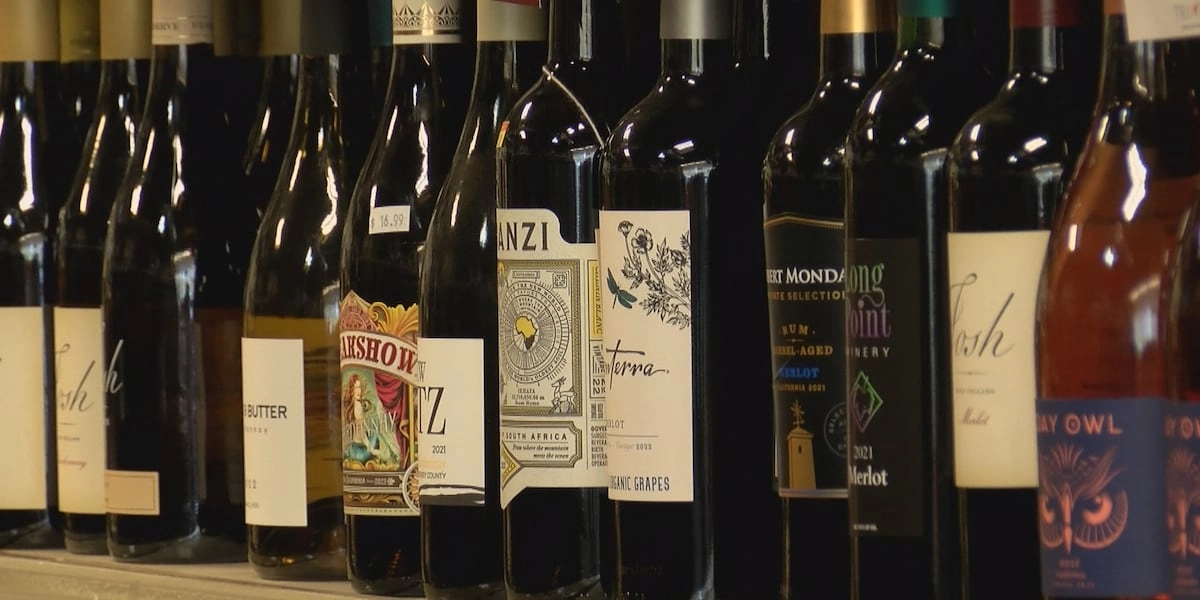
VESTAL, N.Y. – New York State lawmakers are considering the repeal of regulations that prohibit grocery stores from selling wine. This potential change would allow local grocery chains, including Weis Markets and Price Chopper, to offer wine alongside their usual grocery items.
Senator Liz Krueger has introduced a law aimed at making wine purchasing more convenient and increasing visibility for New York wineries. However, Mark Darpino, owner of Vestal Wine and Liquor, expressed concerns that such a law would significantly harm small, locally owned liquor stores. Darpino, who has been in the liquor business for nearly 35 years, believes the introduction of wine sales in grocery stores could be detrimental, particularly since wine accounts for a substantial portion of his business’s revenue.
He reported a 10% decline in sales, attributing it to changing drinking habits among younger consumers. Darpino further argues that many smaller wineries may never have their products featured in large grocery chains, as those stores typically prioritize more popular brands.
The proposed legislation specifies that the changes would only allow for wine sales in grocery stores, leaving hard liquor sales confined to liquor stores. The bill notes that liquor stores in states like Florida continue to thrive despite grocery store wine sales.
Darpino’s son, Ean, worried about the long-term implications of the bill. He fears that allowing grocery stores to sell wine could lead to a future where liquor sales also migrate to supermarkets, resulting in job losses and diminishing opportunities for small businesses.
Currently, State Senate Bill S1279A is awaiting discussion in the New York State Senate.
The World’s Best Vodka Revealed: Highlights from the 2025 International Wine and Spirit Competition
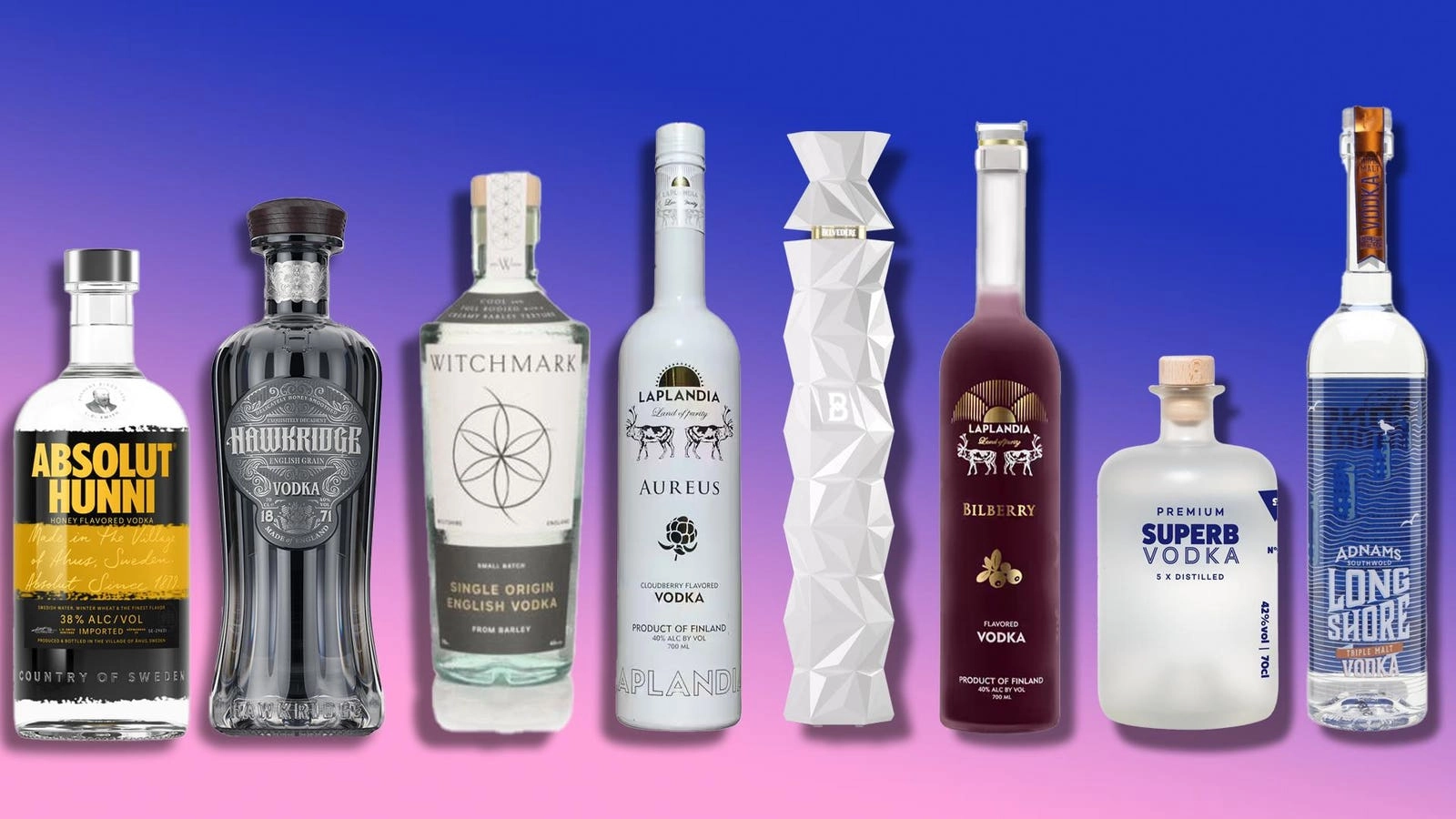
Ten vodkas were awarded Gold Outstanding medals at the 2025 International Wine and Spirit Competition (IWSC), all competing for the coveted Vodka Trophy. Though vodka is often perceived as a neutral mixer, it is, in fact, a diverse spirit that can reflect the characteristics of its base ingredients, including those derived from rye, wheat, potatoes, or sugar beets.
The IWSC, which has been in operation for over fifty years, evaluates more than 12,000 alcoholic beverages annually through blind judging. To earn a Gold Outstanding medal, each vodka had to score a minimum of 98 out of 100 points. This year, the winners are all vying for the Vodka Trophy, which will be awarded in November.
Gold Outstanding Medal Winners
-
Witchmark Distillery Single Origin English Vodka
- Produced in Norfolk, England, this vodka is distilled from local barley and boasts a creamy, smooth profile. Judges noted its rich and malty nose with hints of cocoa, followed by mint and toffee apple on the palate, and a pleasantly warm finish.
-
Eimverk Distillery Kría Single Grain Vodka
- Made from locally grown barley in Iceland using pure spring water, this vodka offers aromas of baked sesame pastry and sweet cream cheese. Judges appreciated its silky texture with flavors of toffee, baked apple, and anise.
-
Adnams, Southwold Longshore Triple Malt Vodka
- Distilled from a blend of barley, wheat, and oats, this vodka features a creamy texture with notes of oat, butterscotch, and malt sweetness. The palate is enriched with berry flavors and a soft, peppery finish that recalls apple pie.
-
Belvedere Vodka 10 Vodka
- Crafted from Dankowskie Diamond Rye, this super-premium vodka undergoes a meticulous ten-stage production process. Tasters found aromas of caramel and spice with a robust, silky palate that echoes creamy vanilla and sourdough notes.
-
Laplandia Bilberry Vodka
- Infused with arctic bilberry, this vodka offers a vibrant fruity nose and a balanced palate of wild blueberries and sour cherries alongside sweet vanilla. Judges celebrated its fresh and juicy finish.
-
Laplandia Cloudberry Vodka
- Made from the rare cloudberry, this vodka is noted for its aromatic sweetness. The judging panel highlighted its blend of caramel and orange marmalade flavors with a captivating sweetness.
-
Hawkridge Distillers Sexy Fish Vodka
- Developed in collaboration with a high-end restaurant, this vodka emphasizes smoothness and purity. Judges noted floral and fruity aromas with a creamy palate enriched by citrus and vanilla.
-
Eckerts Wacholder Brennerei GmbH Superb 5 X Distilled Vodka
- This experimental vodka from a small German distillery carries light minerality and sweet vanilla aromas, leading to flavors of caramel and stone fruit.
-
Eckerts Wacholder Brennerei GmbH Korol Black Vodka
- Another entry from the same distillery, this vodka presents a bouquet of sweet wheat and offers a memorable finish of warm spice.
-
Absolut Hunni Vodka
- This new product features natural honey flavorings from Swedish wheat. Judges found it delightful with honey and floral notes, maintaining a consistent quality through its continuous distillation process.
These exceptional vodkas exemplify the range of flavors and craftsmanship present in the world of vodka, moving beyond mere mixers to being celebrated as fine spirits in their own right. The IWSC continues to highlight the best in the industry, ensuring that vodka gets its due recognition.