Wine 1106
Unlocking Wine Freshness: Expert Storage Tips for Every Bottle
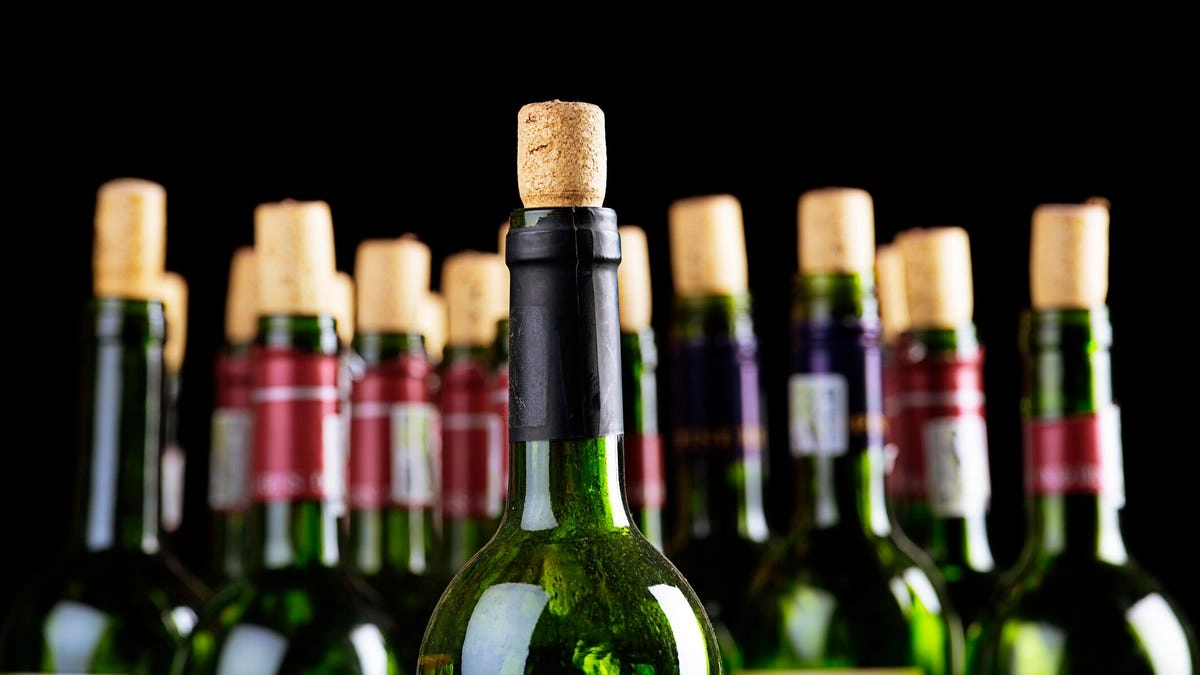
Storing an opened bottle of wine correctly can significantly extend its lifespan, allowing you to enjoy it for days, rather than hours. The quality and longevity of wine once opened depend on the type of wine and how it’s stored.
For red wines, keeping them in the fridge can help maintain freshness for 3 to 5 days. Cooler storage slows down the wine’s oxidation process. Before drinking, just take them out about 10 minutes before serving to allow them to reach the preferred temperature.
Full-bodied white wines, like oaked chardonnay, generally last about 2 to 3 days in the fridge. They tend to oxidize faster than lighter wines due to their earlier exposure to oxygen during production. Using a vacuum cap can help preserve these wines even longer.
Sparkling wines have the shortest lifespan once opened, typically lasting only 1 to 3 days. A specialized sparkling wine stopper can help retain carbonation, or you may consider investing in a more advanced preservation system that pumps carbon dioxide back into the bottle, keeping the fizz for weeks.
Light white, sweet white, and rosé wines can usually be enjoyed for up to 5 days in the fridge, although their flavors may begin to shift with oxidation. Regular corking is essential for maintaining their quality.
To ensure your wine stays as fresh as possible, consider these tips:
- Invest in a wine preserver: Devices like vacuum pumps can greatly help in keeping the air out.
- Store opened wine in the refrigerator: This slows down the oxidation process.
- Keep wine away from heat and light: This protects the wine’s aromas and taste.
When it comes to serving temperatures, the general rule is that cooler wines are more refreshing, while fuller-bodied wines benefit from slightly warmer temperatures. For example, light whites and rosés are best served at 45 to 50 degrees Fahrenheit, while full-bodied reds are better between 59 and 68 degrees Fahrenheit.
By taking these simple steps, you can enjoy your wine without the fear of wasting a drop. Whether it’s a luxurious Cabernet Sauvignon or a sparkling Prosecco, knowing how to preserve your opened bottles can enhance your wine experience.
Local Wine Shop Braces for Impact of Potential Tariffs: What You Need to Know
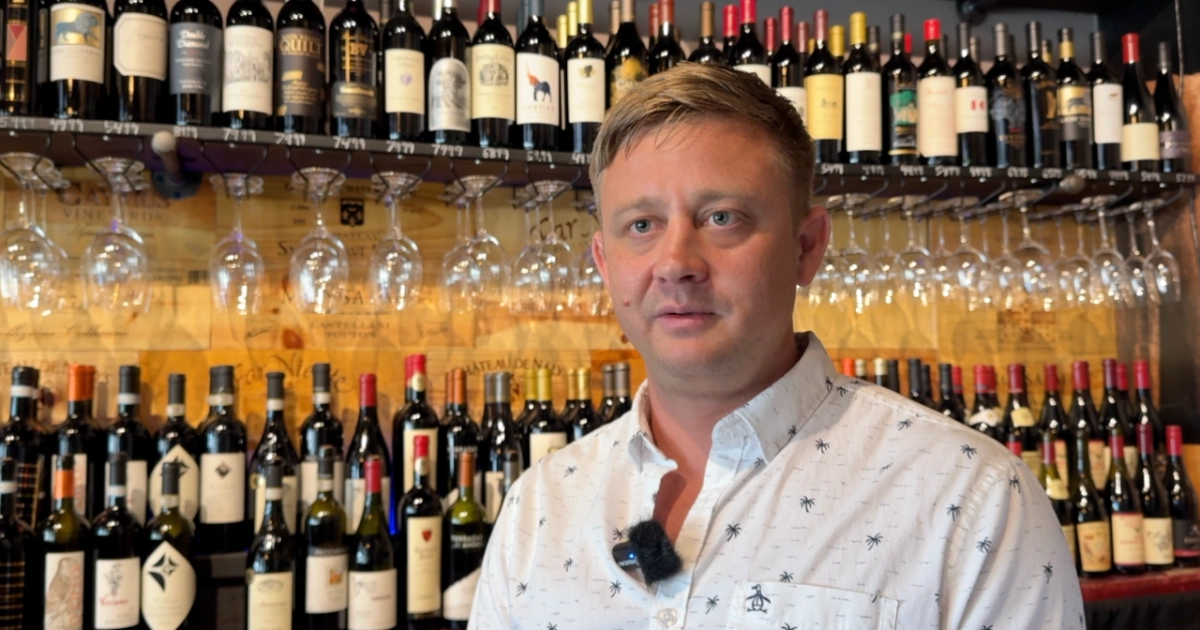
Small businesses in the Tampa Bay Area are beginning to feel the effects of impending tariffs, with one wine shop owner in Dunedin, Robert Sprentall, at the forefront of these changes. The tariffs, which will not come into effect until August, have already led to noticeable price increases on popular wines at Sprentall’s shop, Grape Bottle.
Despite the uncertainty brought on by these tariffs, Sprentall maintains a sense of optimism for the future. He sources wines from across Europe, yet navigates a complex supply chain that is being impacted by these anticipated tariffs. "If a particular importer or distributor doesn’t know if they will be able to replenish their supply of a particular wine that is selling well, then they are going to raise prices," he explained.
Even before the tariffs officially take effect, Sprentall’s suppliers are hesitating to send wines to the United States, leading to increased prices or limited availability. He indicated that materials needed for wine production, like French oak and cork from Spain or Portugal, may also see price hikes if he decides to switch to domestic wines.
While he is striving to keep prices manageable for customers, many patrons remain unfazed by the looming changes. Long-time customer, Brent Byler, reassured, "If he doubles the price, we will be here… it’s local… the staff is wonderful, great atmosphere."
The challenges for Grape Bottle are not new; two years ago, the shop suffered damage from a tornado. Nevertheless, every time Sprentall serves a glass of wine, he finds renewed optimism in the resilience of both his business and loyal customers.
For further insights on the potential economic impacts of tariffs on local businesses, visit: ABC Action News.
29 Delicious Summer Recipes to Savor from Food & Wine’s August Issue
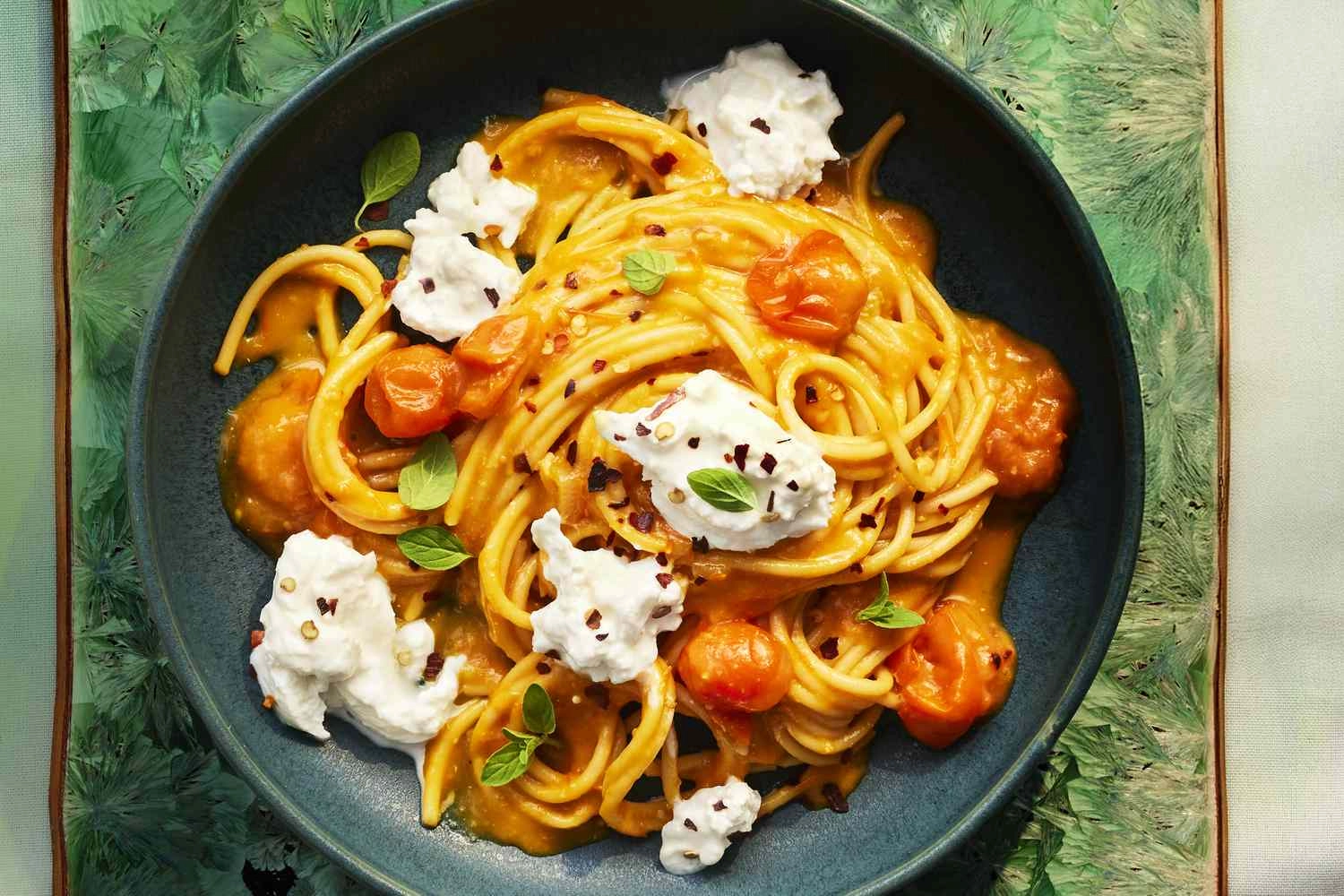
Our August issue showcases a delightful selection of 29 summer recipes designed to fully embrace the late-summer bounty. This collection features simple yet flavorful dishes that are perfect for savoring the remaining warm days. Highlights include spicy Jamaican jerk chicken, creamy tomato pasta, and quick dill pickles—ideal for enhancing any summer meal.
The recipes emphasize fresh ingredients such as watermelons and Sun Gold tomatoes, allowing for a variety of appetizers, main courses, and desserts. Key dishes include:
-
Jamaican Jerk Chicken: Rubbed with a spicy jerk seasoning, this classic recipe offers a smoky grilled flavor. Get the Recipe
-
Skillet Corn Lasagna: This one-pan meal includes layers of fresh corn, creamy ricotta, and lasagna noodles, creating a comforting dish. Get the Recipe
-
Creamy Tomato Pasta: Featuring cherry tomatoes in a barely-cooked sauce topped with creamy burrata and fresh basil. Get the Recipe
-
Half-Sour Dill Pickles: Flavorful and herbal pickles perfect for snacking or adding to sandwiches. Get the Recipe
-
Atlantic Beach Pie Bars: A fun twist on a classic pie, which combines a salty crust with a citrus custard. Get the Recipe
These culinary delights not only celebrate the flavors of late summer but also offer an opportunity for home chefs to experiment with quick and satisfying recipes.
For those looking to save their favorites, the new MyRecipes platform allows easy bookmarking of culinary inspirations from Food & Wine.
Call for Entries: Ramona Art, Wine & Music Festival Art Contest Opens!

Artists from San Diego County are invited to participate in the Featured Artist Contest for the upcoming Ramona Art, Wine & Music Festival. Scheduled for November 1, the festival will take place at Begent Ranch, showcasing local artisans, the wine industry, and musicians across three stages.
The competition aims to select artwork for the festival’s official program cover. The winning artist will gain recognition as the Featured Artist of the Year, which includes promotional opportunities throughout 2025-26. Their artwork will be displayed on the program cover and featured on the festival’s homepage, alongside membership in the “Artist Hall of Fame.” Furthermore, they will receive a complimentary booth space at the festival, valued at $60, and two free tickets.
The original artwork will be displayed prominently and auctioned at the festival, with a limited number of signed reprints available for purchase. The submission deadline for the contest is July 31. Interested artists can find application details at RamonaArtAndWineFest.net/contest-form/.
In addition to the featured artist contest, festival organizers are also inviting artists to create wine barrel art and upcycled furniture art, which will also be auctioned during the event. Artists who have agreed to participate include Johnathan Martinez (wine barrel), Lori Sutherland (gun safe), Jen Crenshaw (room divider), Danni Pearson (embellished planter), and Lyn Feudner (embellished planter).
Booth spaces for artisans wishing to display and sell their work are still open, and applications are available at RamonaArtAndWineFest.net/artisans-form/. All art must be original and will undergo a jury process for selection. Resale items are prohibited. Proceeds from the festival will support the Ramona H.E.A.R.T. Mural Project, which has successfully managed the installation of numerous murals in the area.
For further details, festival chair Elaine Lyttleton can be contacted via email at elaine@festival.ramona.town.
British Man Extradited to NYC Pleads Not Guilty in $99 Million Wine Fraud Case

A British man extradited to New York City has pleaded not guilty to charges stemming from a $99 million fraud scheme involving high-priced wine. James Wellesley appeared in federal court in Brooklyn after being charged alongside his business partner, Stephen Burton, for allegedly orchestrating a Ponzi-like operation aimed at defrauding international investors, including residents from New York.
The duo is accused of misrepresenting their business, claiming they had access to a valuable wine stockpile and a client list consisting of wealthy collectors, both of which were fabricated. Prosecutors allege that from June 2017 to February 2019, Wellesley and Burton secured almost $100 million in fraudulent loans, using those funds to pay off earlier investors and to cover personal expenses.
Arrested in the UK in February 2022, Wellesley lost his legal battle against extradition earlier this year. A UK judge concluded that the majority of the fraudulent activity originated in the United States, justifying his transfer to face trial.
During his arraignment on Friday, Wellesley pleaded not guilty to charges that include wire fraud and conspiracy to commit money laundering. He is currently being held without bail until the trial. Burton, meanwhile, has already entered a guilty plea for the same charges after being extradited from Morocco, where he was found using a fraudulent passport.
More details on the case can be found through the Justice Department press release.
A Major Shift on the Horizon for California Wine Distribution

The impending departure of RNDC (Republic National Distributing Company) from California’s wine, beer, and spirits market has triggered significant transformation within the state’s distribution landscape. As producers scramble to find new partners to distribute their products, this shift reflects a broader evolution in beverage alcohol distribution that has persisted over the past two decades.
Historically, as the wine industry flourished in the U.S., the balance between wineries and wholesalers has also shifted. Three decades ago, the nation boasted approximately 1,800 wineries and 3,000 wholesalers. In stark contrast, by 2023, the number of wineries surged to nearly 12,000 while wholesalers dwindled down to around 1,000, according to Meininger’s International.
This increased competition has made California’s market one of the most challenging for distributors. Jon Moramarco, an industry analyst, pointed out that the state is a significant player, accounting for 15% to 17% of total beer, wine, and spirits distribution in the U.S. However, RNDC’s planned exit is influenced by various factors. CEO Bob Hendrickson indicated that rising operational costs and constrained supplier dynamics have rendered the California market unsustainable for their business model.
As a result of RNDC’s decision, nearly 1,800 jobs are expected to be lost across nine facilities. Notably, this announcement follows Brown-Forman Corp.’s earlier decision to switch distributors from RNDC to the Reyes Beverage Group in multiple states, including California.
While some industry leaders predict that this transition could signal broader changes within the distributors’ market—potentially integrating spirits into traditional beer portfolios—others are stepping in to fill the gap. Distributors like Breakthru Beverage Group, Winebow, Regal Wine Co., and Southern Glazier’s Wine & Spirits are actively absorbing brands previously held by RNDC.
Regal Wine Co., founded by Jackson Wine Estates’ Barbara Banke, is currently expanding its portfolio to include prestigious brands such as Cakebread Cellars and St. Supery Estate Vineyards. Meanwhile, Jackson Family Wines is forging a national marketing collaboration with the Boisset Collection, maintaining Winebow’s role as the distributor of certain labels in California.
Additionally, Breakthru Beverage Group, which has been making strides in California since its acquisition of Wine Warehouse, has taken on several brands, strengthening its market presence.
Moramarco anticipates that the transition will be bumpy, especially in the upcoming months. While he sees signs of potential stabilization in the overall wine market, he warns that challenges persist, including the changing preferences of younger generations and the continued aging of the key wine-consuming demographic.
As the industry copes with these transitions, the long-term effects on distribution strategies and consumer preferences remain to be seen.
Unveiling Roseblood: Carla Bruni’s Vision for the Future of French Wine
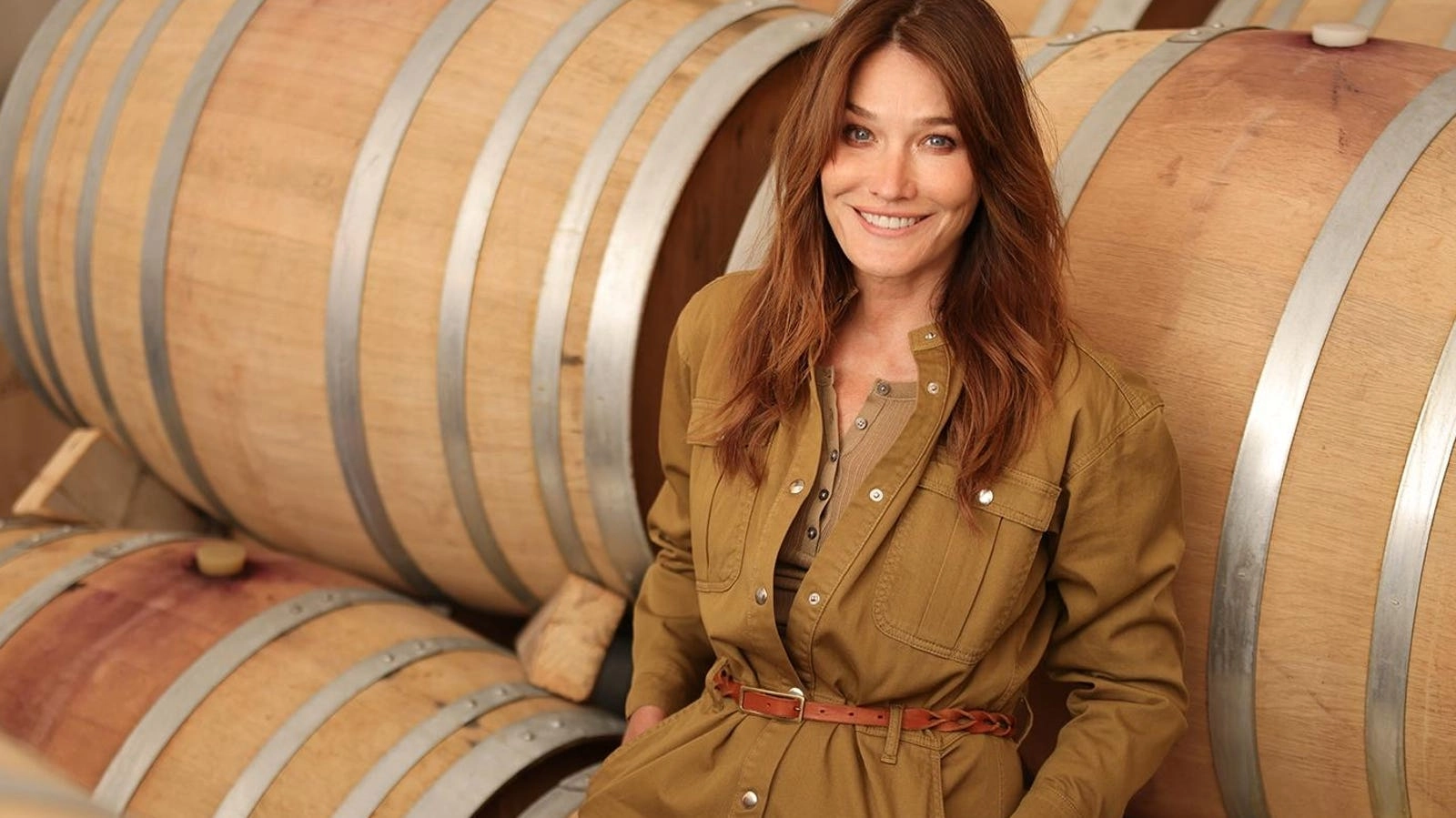
In the spring of 2020, Carla Bruni, the former First Lady of France and a renowned fashion icon, became part of an investment group that purchased Château d’Estoublon, a 300-hectare estate in the Alpilles known more for its olive oil than its wine. Alongside Bruni, her husband Nicolas Sarkozy and Jean-Guillaume Prats, former CEO of Lafite Rothschild and LVMH Wines, joined this venture.
The goal was clear when they appointed Victor Joyeux, a respected rosé expert and winemaker, to lead production. They aimed to establish a modern vinicultural luxury brand centered around a flagship rosé: Roseblood.
Roseblood was designed to stand out in a saturated market. Bruni described it as capturing the essence of Estoublon and the true spirit of Provence. Unlike many rosés that thrive on the allure of the French Riviera, Roseblood draws from the profound beauty of the Alpilles.
Today, rosé is a significant component of global wine consumption, with France producing a substantial portion. However, the premium segment often relies on lifestyle marketing rather than quality. Roseblood distinguishes itself by offering a complex flavor profile that ranges from wild strawberry and peach skin to citrus and mineral notes, finishing with salted almond and chalk. Joyeux emphasizes the importance of balance, ensuring the wine offers the right complexity without being overly expressive.
The grapes for Roseblood—Grenache, Syrah, Cinsault, and Rolle—are sourced from the high-altitude slopes in the Coteaux Varois, a region known for its ideal conditions for slow ripening. This extended maturation contributes to the wine’s finesse and aromatic depth.
However, Roseblood is just one aspect of the estate’s revitalization. The team has implemented a comprehensive strategy that includes revamping hospitality offerings, opening a boutique, and launching a non-alcoholic sparkling cuvée called L’Excessive, which targets the growing non-alcoholic wine market, projected to exceed $1 billion by 2027.
Simultaneously, they are developing white and red wines, and increasing their oenotourism efforts. The estate’s olive oil production has also been modernized, with new packaging and branding strategies.
Bruni’s influence is evident throughout the estate’s transformation. She draws upon her experiences in music and fashion, prioritizing authenticity and emotional resonance in Roseblood, aiming to tell a compelling story with the product. The Château itself exudes meticulous care, reflecting their commitment to excellence across all offerings.
Prats, with extensive experience in prestigious wine brands, applies commercial expertise to ensure that Estoublon achieves its ambitions with strategic execution and creative freedom. Roseblood stands as a testament to this approach, contrasting sharply with more commercially driven rosé brands like Whispering Angel, which gained popularity through mass accessibility.
Roseblood sets itself apart by emphasizing high-quality production and environmental sustainability, with most vineyards certified for high environmental value practices. It is now distributed in over 20 countries, including the U.S., U.K., Switzerland, and Japan, with its latest release in high demand at premium retailers and fine dining establishments.
Bruni envisions Roseblood as more than just a wine—it encapsulates a luxurious lifestyle experience. The term "Art de Vivre," frequently associated with LVMH, embodies this vision by merging the art of living with exceptional wine-making—all housed within a bottle.
Impact of Wine Industry Challenges on Local Warehouse Real Estate Markets

The Napa Valley industrial real estate market, historically resilient alongside the wine industry, is facing significant turmoil as wine sales decline. The vacancy rates for warehouses in Napa and Solano counties have doubled over the past year, spiking to 12.3% availability. In American Canyon, the largest storage market in the area, vacancies have risen dramatically from 1% to 17.1%—a shift that reflects the broader struggles of the wine industry.
The growing trend towards just-in-time inventory management, driven by economic pressures, has also disrupted traditional warehousing strategies. Two notable leases that contributed to the increase in vacancy included Ikea’s departure from a 644,000-square-foot warehouse and Meyer Cookware vacating approximately half a million square feet nearby.
In Sonoma County, vacancy rates slightly decreased to 8.2% from 8.6%, without a corresponding rise in wine-related warehouse availability. This relative stability contrasts sharply with developments in Napa and Solano counties, largely due to shifting demands and market conditions.
Brooks Pedder, a veteran agent in the real estate market, noted that the area’s reputation as a "recession-proof" market has shifted. Challenges are particularly exacerbated for specialized storage facilities equipped for wine, which can be less attractive to non-wine businesses due to the high upkeep costs.
As some major storage providers navigate this downturn by cutting back, others like Yandell Companies are seizing the moment to expand. They are seeking substantial new warehouse spaces to accommodate temperature-controlled needs and adapt to changing industry logistics. This growth comes while they anticipate rising vacancy pressures will drive rents down, creating economically favorable conditions for expansion.
The industry’s move toward tighter inventory controls highlights a broader economic reality for wine producers; demand patterns are changing as younger generations show interest in alternatives to wine. Overall, wine sales saw a drop in volume last year, though some premium wines have maintained sales strength. Experts predict a slow recovery in upcoming years, with 2026 possibly signaling signs of turnaround for the struggling Napa Valley market.
For additional information, see reports from Silicon Valley Bank, BMO Bank, and insights from North Coast wine grape market experts.
The Hidden Risks of Drinking Open Bottles of Wine: What You Need to Know
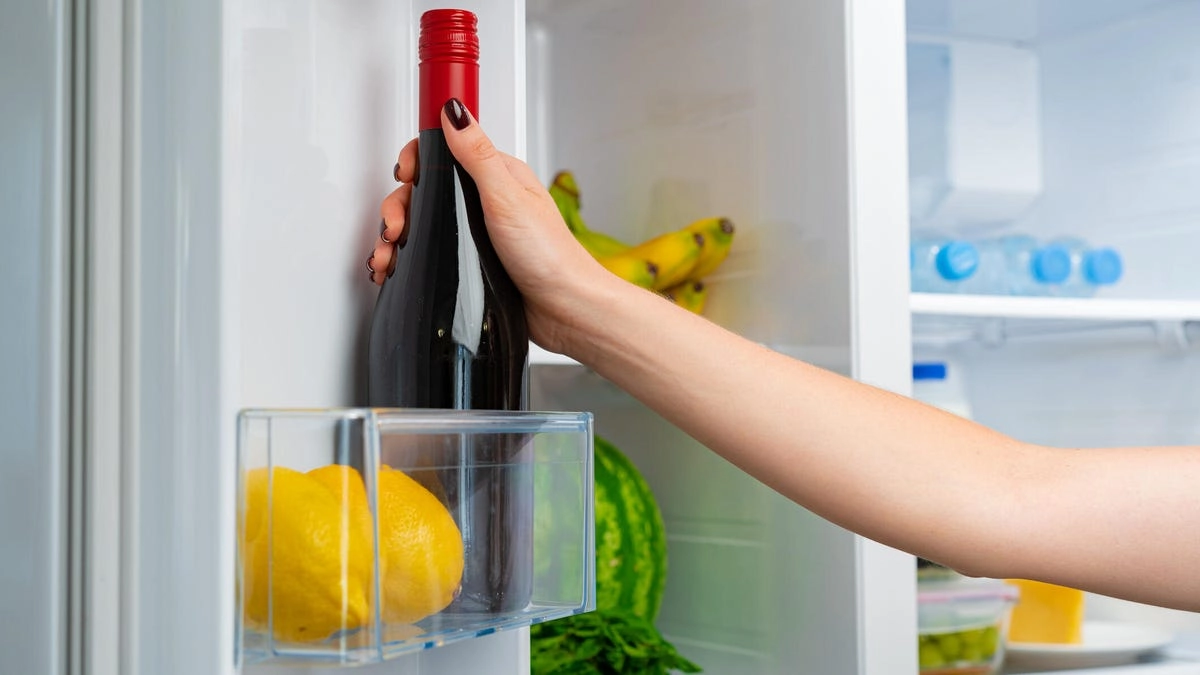
Opened wine can remain drinkable for several days if stored correctly, alleviating concerns about finishing it all at once. Fortunately, the lifespan of an opened bottle varies based on the wine type and how it is stored. Here are some essential tips and guidelines for keeping your wine fresh for longer.
Proper Storage Techniques
-
Re-Corking: After pouring a glass, always re-cork the bottle. This helps limit oxidation.
-
Refrigeration: Regardless of the wine type, keeping opened bottles in the fridge can significantly extend their life. For reds, let them warm slightly before serving.
-
Avoid Sunlight and Heat: Store wine in a cool, dark place. Exposure to heat or light can degrade the quality.
How Long Different Wines Last
-
Red Wines: Typically last 3-5 days in the fridge. Full-bodied reds with higher tannins can last longer, while lighter reds will spoil quicker.
-
Full-Bodied White Wines: Expect them to remain good for 2-3 days post-opening. Keep these wines corked and refrigerated.
-
Sparkling Wines: These wines are more sensitive. They typically last 1-3 days after being opened as they lose their carbonation quickly. Using a sparkling wine stopper can help retain bubbles.
-
Light Whites, Sweet Whites, and Rosés: These can last around 4-5 days in the fridge, though their flavor may shift slightly within that time.
Additional Tips
-
Use Wine Preservers: Products like vacuum caps or systems that refill the bottle with Argon gas can enhance longevity beyond standard storage methods.
-
Know Your Temperatures: Serve wines at their ideal temperatures for the best flavor experience. Lighter wines should be chilled, while reds are often best at slightly warmer temperatures than room temperature.
Following these recommendations not only helps reduce waste but also enhances the enjoyment of each glass. Cheers to extending the life of your favorite wines!
Meghan Markle Launches Exciting New Project Following Sold-Out Wine Success
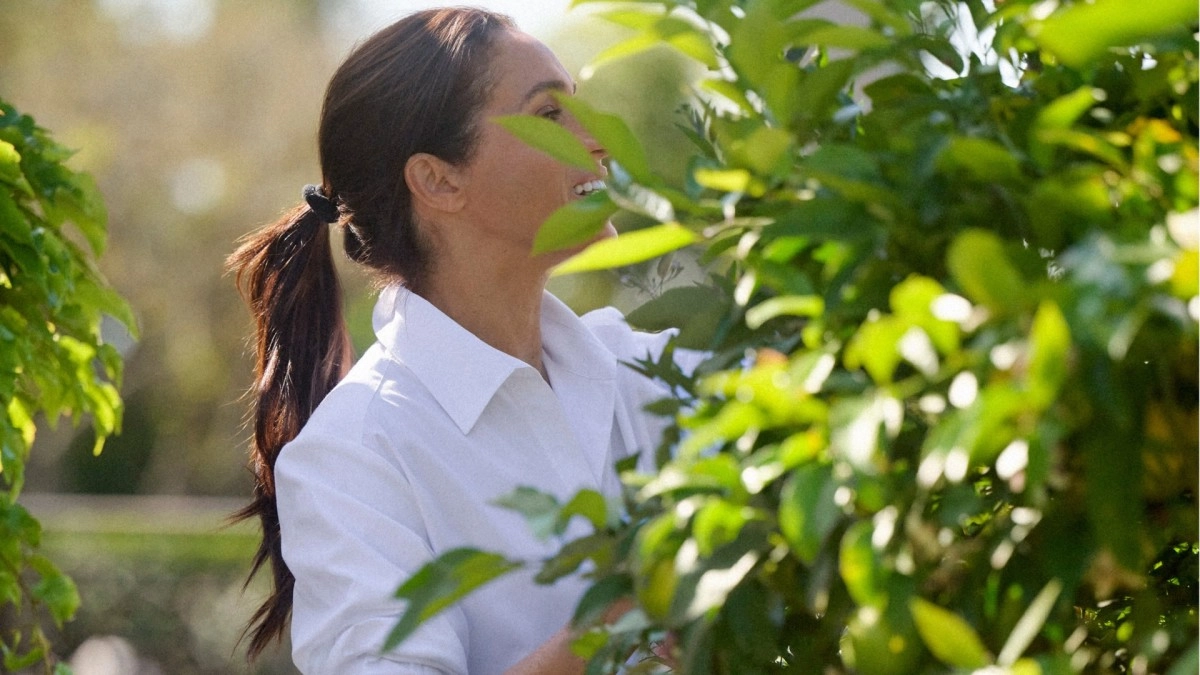
Meghan Markle recently unveiled her first wine, the 2023 Napa Valley Rosé, through her lifestyle brand, As Ever. The launch took place on July 1, and it sold out in less than an hour, highlighting the brand’s tremendous popularity. Following this success, Markle announced a new project aimed at expanding her adult beverage line, which will include a Méthode Champenoise Napa Valley sparkling wine in the near future, along with additional varietals.
The rosé was offered in sets of three, six, and twelve bottles, priced at $30 each or $90 for three, $159 for six, and $300 for twelve. The initial collection was launched nationwide, and the products rapidly gained traction, with a previous sale in April selling out in under 30 minutes.
Upon learning of the quick sellout for her new products, Markle expressed her disbelief and gratitude to her followers for their support. She views herself as an entrepreneur and aims to make her brand influential. The launch coincided with what would have been the 64th birthday of Prince Harry’s mother, Princess Diana, adding a poignant touch to the release.
For more information, visit As Ever.