Liquor-articles 2100
Persistence Market Research Forecasts $35.5 Billion Rise in Rum Market by 2033

The rum market is projected to grow at a 3.9% CAGR by 2033, driven by millennials who prefer its affordability and desired alcohol content. Their significant spending power and preference for rum over other drinks contribute to the global market’s growth.
New York, Jan. 15, 2024 (GLOBE NEWSWIRE) — Rum Market: A Spirited Outlook
Rum is a distilled alcoholic beverage made from sugarcane byproducts, such as molasses or sugarcane juice. It is widely consumed globally and has diverse applications in cocktails, spirits, and culinary uses. The global Rum market currently stands at USD 17.6 billion. Set to grow at a compound annual growth rate (CAGR) of 3.9%, the market is anticipated to hit USD 35.5 billion by 2023–2033. The market growth can be credited to the soaring popularity of Rum-based cocktails, the demand elevation for premium and craft spirits, and widening exploration of new flavor profiles.
The distilled alcoholic beverage, Rum, is well-known for its versatility and convoluted taste profile. Initially produced in the Caribbean but now manufactured globally, it is characterized by its one of a kind fermentation and distillation processes. Grouped into different types like white, dark, spiced, and aged rums, the market caters to all consumer preferences. As a prominent ingredient in traditional cocktails and a standalone sipping spirit, rum’s popularity continues to rise across different demographic segments.
The Rum Market has witnessed appreciable growth in recent periods, the driving force being a revived interest in craft and premium alcohols. The rising consumer intrigue towards distinctive and foreign flavors has spurred the production of artisanal and small-batch rum. Additionally, the market has reaped the rewards of an escalating cocktail culture and the emergence of mixology, placing rum as a flexible and essential spirit. The ongoing exploration of aged and vintage variations indicates that the rum market is ready for continued growth, attracting both traditional aficionados and adventurous explorers.
Looking for More Detailed Information on Competitor Analysis? Request a Sample of the Report Now! https://www.persistencemarketresearch.com/samples/19588
Rum Market Report Scope:
Report Coverage
Details
Market Revenue 2023
USD 17.6 billion
Estimated Revenue 2033
USD 35.5 billion
Growth Rate – CAGR
3.9 %
Forecast Period
2023-2033
No. of Pages
292 Pages
Key Market Segments Covered
Type
Nature
Sales Channel
Region
Regions Covered
North America
Latin America
Europe
South Asia & Pacific
East Asia
The Middle East & Africa
Key Companies Profiled
Diageo PLC
Pernod Ricard SA
William Grant & Sons Ltd.
Remy Cointreau Group
Westerhall Estate Ltd.
Cayman Spirits Co.
Mohan Meakin Ltd.
Halewood International Holdings PLC
Suntory Holdings Limited
Arehucas
What are the Key Trends in the Market for Rum?
The rum market is splitting the horizon toward a luminous tomorrow, compelled by an upswing in consumer demand for high-end, innovative and eco-friendly products. The following are 10 of the blazing trends and innovations redirecting the industry:
1. Premiumization: The contemporary market is showing an inclination towards high-grade, matured rums with an intricate blend of flavors. Boutique distilleries and autonomous bottlers are at the forefront, showcasing unique blends from assorted regions and varieties of sugarcane.
2. Flavor Innovation: Make way for more than just vanilla and cola! Rum is now being infused with fruits, spices, botanicals, and even coffee beans, engendering thrilling new flavor duos for cocktails and neat drinks.
3. Sustainability: The eco-aware consumers are bolstering the need for rums produced with environmentally conscious practices. This includes organic farming, conservation of water, and usage of renewable resources. Keep an eye on brands boastful of their commitment to earth-friendliness.
Aged Rum Renaissance: Aged rums are enjoying a renaissance, as their deeper and more complex flavors catch the interest of consumers. The allure is enhanced by extended aging periods and unique finishing methods.
Single Estate Rums: Borrowing a page from the playbook of single-origin coffee, single estate rums are gaining popularity. These rums are sourced from one specific sugarcane plantation, offering a unique flavor profile shaped by their terroir.
Rum Cocktails Elevate: The craft cocktail movement is expanding the horizons of rum mixology. Bartenders are now more adventurous, creating both traditional and innovative cocktails that highlight the flexibility of rum beyond traditional choices like mojitos and daiquiris.
Rum Education: As premium rums become more popular, consumers are eager to learn more and gain firsthand experiences. Rum tastings, distillery tours, and educational efforts are growing in popularity.
8. Online Sales Boom: The e-commerce boom is reaching the rum market, making it easier for consumers to discover new brands and products from around the world.
9. Ready-to-Drink (RTD) Rums: Convenience is key, and RTD rum cocktails are gaining popularity. These pre-mixed beverages offer a premium experience without the hassle of bartending.
10. Beyond the Caribbean: While the Caribbean remains the heart of rum production, other regions like Latin America, India, and Australia are producing exciting new rums, diversifying the market and offering unique flavor profiles.
In a nutshell, the Persistence Market Research report is a must-read for start-ups, industry players, investors, researchers, consultants, business strategists, and all those who are looking to understand this industry. Get a glance at the report at – https://www.persistencemarketresearch.com/market-research/rum-market.asp
Market Forces Behind the Growth of the Rum Industry:
The global upsurge in cocktail culture: The surging popularity of cocktails, particularly in urban areas, is a significant propellant of the rum market. The worldwide increase in mixology has heightened the demand for both diverse and premium types of rum to make innovative cocktails.
Cultural tourism and rum tasting experiences: There’s a growing interest in cultural experiences, which includes rum tastings and tours of distilleries. This is propelling the market. Tourists seeking genuine local beverages add to the demand for rums specific to certain regions, thus promoting growth in the sector.
The premiumization trend: The trend of craft and premium spirits is propelling the growth of the rum market. Consumers are ready to spend extra for artisanal, high-quality rums possessing unique tastes, accelerating innovation, and creating new opportunities in the market.
Health Conscious Choices: As consumers grow more health-aware, viewing different types of rum as natural, gluten-free alternatives to other types of alcohol is boosting their desire for it. This health-focused perspective places rum as a more flexible and broad-ranging drink option.
Market Constraints for the Rum Industry:
Tight Regulatory Compliance: Regulatory hurdles, such as strict labeling rules and tax policies, impose a substantial constraint on the rum industry. Understanding and complying with intricate regulations could be a stumbling block for newcomers as well as established businesses.
Climate Change’s Impact on Sugarcane Production: The rum sector heavily depends on sugarcane manufacturing, and climate alterations constitute a risk to the steadiness of this production chain. Unpredictable weather fluctuations and natural calamities can affect sugarcane outputs, leading to potential scarcities and elevated production expenses.
Competition from Alternative Spirits: Intense competition from other spirits such as whiskey, vodka, and gin poses a challenge for the rum market. Distillers must continuously innovate and differentiate their products to stay relevant in a crowded market.
Global Economic Uncertainties: Economic uncertainties and fluctuations in exchange rates can affect the affordability and purchasing power of consumers, impacting the overall sales of premium and high-end rum varieties.
Market Opportunities for the Rum Market:
E-commerce Expansion: Leveraging the growing trend of online shopping for alcoholic beverages presents a significant opportunity for the rum market. Establishing a strong online presence and effective distribution channels can tap into a broader consumer base.
Innovative Flavor Profiles and Blends: Creating unique flavor profiles and blends offers an opportunity for differentiation in the market. Experimenting with exotic ingredients and production methods can attract consumers looking for distinct and memorable tasting experiences.
Sustainability and Eco-Friendly Practices: Embracing sustainable and eco-friendly practices in production, packaging, and distribution can attract environmentally conscious consumers. This green approach not only aligns with consumer values but also opens doors to new market segments.
Expanding into Emerging Markets: Exploring untapped markets, especially in emerging economies with a rising middle class, presents an opportunity for growth. Adapting marketing strategies to suit diverse cultural preferences can help capture these evolving markets.
Major Players Driving Innovation
The spirits industry, marked by its notable brands and a rich past, is experiencing considerable innovation fueled by key contributors like Diageo PLC, Pernod Ricard SA, William Grant & Sons Ltd., Remy Cointreau Group, Westerhall Estate Ltd., Cayman Spirits Co., and Mohan Meakin Ltd.
Diageo PLC, a global leader, has been pioneering innovation through premiumization, sustainability, and digital technologies. Their dedication to diverse portfolios, featuring signature brands such as Johnnie Walker and Guinness, mirrors a comprehensive awareness of changing consumer inclinations.
Pernod Ricard SA, another heavyweight in the industry, accentuates innovation via strategic acquisitions, supported by a dedication to sustainability. Their portfolio, comprising brands like Absolut Vodka and Jameson, demonstrates a commitment to catering to the needs of today’s consumer.
William Grant & Sons Ltd., an enterprise owned by the family, has set itself apart with its lineage of craftsmanship and innovation. Brands like Glenfiddich and Hendrick’s Gin reinforce their devotion to top-tier quality and exploration in variety of flavors.
Remy Cointreau Group is famous for its high-quality spirits such as Rémy Martin cognac. The firm’s commitment to artistry, tradition, and innovation makes it an influential entity that shapes industry patterns.
Westerhall Estate Ltd., a significant Caribbean player, contributes to innovation through its focus on local ingredients and traditional distilling techniques. This strategy matches the increasing consumer interest in distinctive and original spirits.
Cayman Spirits Co. is known for its artisanal method, producing limited volumes of spirits like Seven Fathoms Rum. The company’s dedication to excellence and innovation helps diversify the spirits market.
Mohan Meakin Ltd., a key player in the Indian market, has a historical legacy dating back to the 19th century. The company’s capacity to adapt to evolving consumer preferences and leverage its heritage positions it as a player contributing to innovation in emerging markets.
Rum Industry Research by Category
The Rum Industry research presents a detailed segmentation based on various significant categories, revealing the broad dynamics inside the market.
By Type: The market is divided by the kind of rum, including White Rum, Light/Gold Rum, Dark Rum, and Spiced Rum. Every type carries unique characteristics, flavors, and uses, accommodating a wide consumer base with different preferences.
By Nature: Rum production’s nature is divided into Organic and Conventional sectors. The focus on nature underscores the rising trend towards organic and sustainable methods in the rum industry, in line with the heightened consumer demand for green and ethically manufactured items.
The rum industry boasts a diverse range of sales channels, which can be broadly categorized into Business to Business (B2B), Business to Consumer (B2C), Hypermarkets/Supermarkets, Specialty Stores, Online Retail, and Others. These varied channels reveal the industry’s capacity to adapt to different methods of distribution effectively.
B2B transactions are those occurring between businesses, for instance, extensive orders made by restaurants, bars, and other business establishments.
Direct sales made to the final consumers through numerous channels come under the B2C category.
The Hypermarkets/Supermarkets segment represents the conventional retail networks, which provide convenience and reach to a wide demographic of consumers.
Specialty Stores cater to consumers seeking unique and premium rum products, often providing a curated selection.
Online Retail has gained prominence, offering a convenient platform for consumers to explore and purchase a wide range of rum products.
Others may include duty-free shops, airport retail, and other niche distribution channels.
By Region: The geographical segmentation includes North America, Latin America, Europe, South Asia & Pacific, East Asia, and the Middle East & Africa. Each region contributes uniquely to the rum industry, influenced by cultural preferences, historical significance, and economic factors.
North America and Europe enjoy a strong heritage of rum drinking traditions, marked recently by the rise of more refined and artisanal varieties.
Because of historical ties to rum manufacturing, Latin America houses some of the major role-players in the industry, specifically countries like Cuba, Puerto Rico, and the Dominican Republic.
Regions such as South Asia & Pacific, East Asia, and the Middle East & Africa pose as burgeoning markets where consumer attention is increasing and preferences are evolving.
A thorough understanding of the rum market segmentation allows businesses to customize their game plans based on different rum types, production methods, sales avenues, and regional trends. This diverse panorama drives the industry towards employing adaptive and flexible measures to cater to the shifting demands of global consumers.
Forecasting the Future: Venturing into Unexplored Territories
The importance of Sustainability and Social Responsibility: In this time of increased recognition of ecological concerns, clients are giving extra value to sustainable solutions. Rum distilleries that apply environmentally-conscious operations, provide for local populations, and uphold equitable labor practices are expected to receive bountiful appreciation from a discerning, socially-aware audience.
The role of Innovation and Experimentation: The rum industry is a prime target for innovative trials, with a customer base that is enthusiastic about discovering new and exciting taste experiences. Whether through unique maturation techniques or unusual cask finishes, distilleries that dare to defy convention while preserving their product’s high quality are well on their way to flourishing.
The effects of Digital Transformation: The world of digital technology is revolutionizing the way consumers unearth and acquire spirits. Platforms on the internet, social media sites, and virtual sampling sessions are gaining increasing weight in molding customer tastes. Rum distilleries that make full use of digital promotional tools and online selling are in a favorable position to bond with a varied, international clientele.
Rising Demand in Emerging Markets: With the surge in disposable incomes in newly emerging markets, the desire for high-quality and imported spirits is growing proportionately. Markets in Asia, Africa, and Eastern Europe are gradually becoming significant growth contributors to the rum industry. Knowing and meeting the distinctive tastes of these markets are vital for maintaining ongoing success.
About Persistence Market Research:
At Persistence Market Research, our business model is grounded on effective business intelligence. We utilize numerous dimensions of resources, including big data and customer experience analytics, coupled with real-time data acquisition. As such, our micro-level approach enables businesses to address their macro-level challenges.
Always staying ahead of its time, Persistence Market Research provides market solutions by stepping into the companies’/clients’ shoes, well before they can anticipate market trends. The proactive strategy adopted by our experts allows companies/clients to obtain techno-commercial insights beforehand, thereby streamlining their subsequent course of action.
Contact Us:
Persistence Market Research
Teerth Technospace, Unit B-704
Survey Number – 103, Baner
Mumbai Bangalore Highway
Pune 411045, India
Email: sales@persistencemarketresearch.com
Web: https://www.persistencemarketresearch.com
Record-Breaking $2.8M Sale for a 30-Year-Old Irish Whiskey
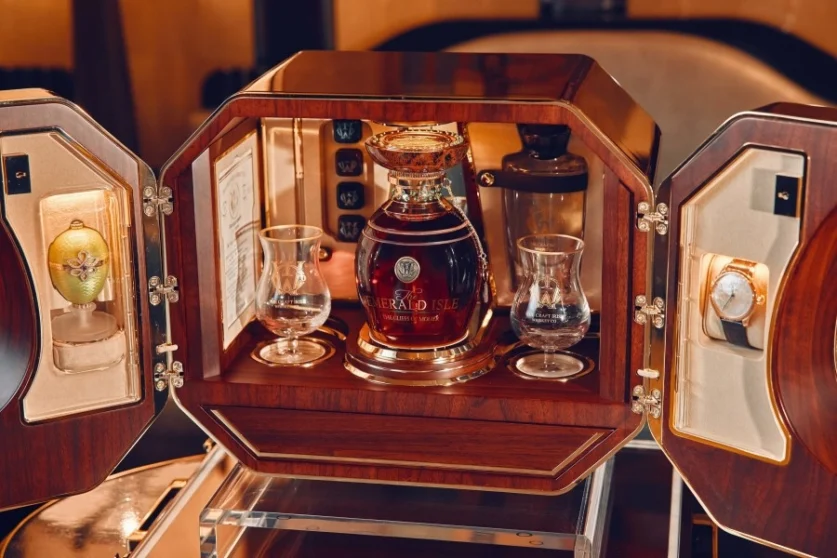
A rare bottle of whiskey, along with its luxury ancillaries, has become the most expensive one ever sold.
The exceedingly rare bottle of The Emerald Isle was auctioned off to an American whiskey enthusiast, Mike Daley, for a whopping $2.8 million, exceeding the previous record by $100,000.
The 30-year-old single malt Irish whiskey, as per the Craft Irish Whiskey Co., is regarded as the “rarest triple-distilled single malt extant” – with only a meager seven bottles churned out, each of which is housed in a distinctively designed box, as grandiose and lavish as the whiskey itself.
Along with Daley’s bottle, a single decanter, a bespoke Fabergé egg encapsulating a real emerald gem, an exclusive timepiece, and a pair of Cohiba cigars are all part of the set, all placed inside a custom-made walnut case.
The whiskey has undergone a maturation process of three decades in a variety of barrels, a fact that its manufacturers claim has given it an unmatched intensity in taste.
With an extensive collection that spans across the Americas and the British Isles, Daley is one of the most renowned whiskey collectors globally.
Despite Scotch whisky often being the preferred choice amongst connoisseurs, Craft Irish Whiskey Co. is driven by the goal of restoring Ireland’s prestige as one of the leaders in whiskey distilling.
Daley shared his perspective on the current whiskey landscape, stating, “The Irish whiskey revival is still at its early stages, making this the perfect time to get involved. The luxury scotch market, in my opinion, is already quite saturated. However, we’re starting to see luxury Irish whiskey become more prominent. I’m confident that in the coming years, Irish whiskey will achieve the same status currently held by Scotch.”
The previous title holder for most expensive whiskey/whisky ever sold was a bottle of The Macallan 1926. The Scotch whisky sold at auction last November for $2.7 million.
Only 40 of those bottles were ever produced, including only 12 which featured labels designed by Italian painter Valerio Adami.
For the latest news, weather, sports, and streaming video, head to KTLA.
Enhance Your Vodka Cocktail with Dragon Fruit Syrup
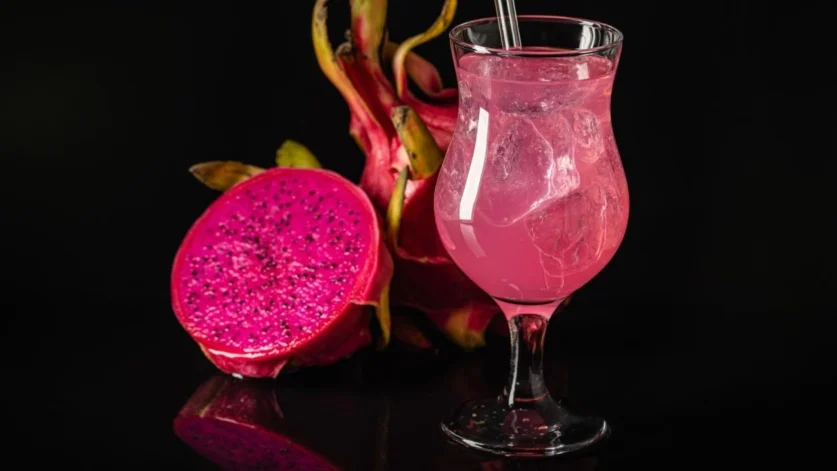
If you’ve never heard of the dragon fruit before, here’s one thing you should know: It’s as bold as its name suggests. Besides a unique appearance with curled and sharpened leaves that look like thorns, the cactus fruit also possesses a violently pink color. Cut through the thick “hide” of the fruit and, within, you’ll find juicy, seed-filled flesh bursting with sweetness and a subtle hint of citrus. Due to its irresistibly fruity taste, dragon fruit has become increasingly popular in recent years, finding its way into everything from fruit salads to smoothies.
For mixologists, the fruit’s natural sweetness is a boon for many drink recipes. As it turned out, dragon fruit syrup is a fantastic cocktail flavoring! The syrup can be made at home pretty easily, or you can also buy it pre-made online. In any case, it’s a lovely addition to any drink recipe — but especially vodka cocktails. Unlike other liquors, vodka is neutral in taste, making it incredibly easy to work with at the mixing table. It can pair with just about anything, including the sweet and citrusy flavor of dragon fruit.
Dragon fruit’s light sweetness means it’s simply going to meld with the spirit and enhance its taste without being too overbearing. And here’s another bonus: Dragon fruit syrup adds a gorgeous magenta color to your cocktail. Without relying on artificial coloring, you’ll be hard-pressed to find a natural ingredient that can make your cocktail stand out quite like a touch of dragon fruit syrup!
Read more: The 40 Absolute Best Cocktails That Feature Only 2 Ingredients
Dragon fruit syrup can be bought pre-made, but it’s easy enough to make that you should seriously consider the DIY route. All you need to do is combine equal parts of sugar, water, and diced dragon fruit (use the pink-fleshed variant for the best color) in a saucepan. Let it simmer on the stove for about 15 minutes. When the dragon fruit pieces soften and the syrup thickens and bubbles, remove it from the heat. Then, strain the mixture into a separate bowl to remove the mushy flesh and seeds and store the syrup in a mason jar for later use.
If you’re eager to sample the syrup in a cocktail right away, here’s a quick and straightforward recipe for a dragon fruit vodka martini: Mix 2 ounces of vodka with an ounce of dragon fruit syrup (if the taste isn’t fruity enough for you, add more syrup in quarter-ounce increments until it suits your taste). Then, top it with an ounce of fresh lemon juice and shake these ingredients together with ice in a cocktail shaker. Finally, strain the mixture into a martini glass.
For garnishing, you can keep it simple by sticking a thin, circular slice of fresh dragon fruit on the rim of the glass. If you want to get more creative, you can make dragon fruit balls with a melon baller and drop them into the cocktail. Serve these vibrant cocktails at any get-together and they’re sure to be a crowd-pleaser!
Read the original article on Tasting Table.
Future Forecast: Rum Market Projected to Reach US$ 35.5 Billion by 2033 – A Persistence Market Research Study

The growth of the rum market is projected at a CAGR of 3.9% by 2033, a trend buoyed by the millennial demographic who appreciate the affordability and desired alcohol content of rum. Their substantial financial clout and preference for rum over other beverages are key factors in the market’s global expansion.
New York, Jan. 15, 2024 (GLOBE NEWSWIRE) — A Blithe Prospective on Rum Market
Rum is an alcoholic beverage distilled from sugarcane derivatives such as molasses or sugarcane juice. It’s highly consumed worldwide and has a broad spectrum of applications in cocktails, spirits, and culinary arts. Presently, the global Rum market holds a valuation of USD 17.6 billion. With a CAGR of 3.9%, the market is predicted to ascend to a valuation of USD 35.5 billion by the time span 2023–2033. Factors contributing to this growth include the skyrocketing popularity of Rum-based cocktails, increasing demand for crafted and premium spirits, and the quest for new flavor profiles.
Rum stands out as a versatile alcoholic beverage with a complex taste spectrum. Although originating from the Caribbean, it is now produced worldwide, distinguished by unique fermentation and distillation processes. The market offers various rum categories including white, dark, spiced, and aged rums, to cater for varying consumer tastes. With its use as a central ingredient in signature cocktails and as an individual sipping spirit, rum keeps acquiring popularity among different age groups.
The Rum Market has seen considerable growth in the previous years, significantly driven by a renewed interest in handcrafted, premium spirits. The burgeoning curiosity of consumers towards distinctive and exotic tastes has sparked a rise in the production of artisanal and small-batch rum, providing the market a substantial boost. Further, the escalating cocktail culture and development of mixology has reinforced rum’s position as a flexible and essential spirit. Exploring varieties of aged and vintage rum has set the market on a path of continuous growth, thereby attracting both traditional aficionados and bold explorers.
Looking for more profound insights into Competitor Analysis? Request a sample of the Report Now! https://www.persistencemarketresearch.com/samples/19588
The scope of the Rum Market Report:
Report coverage
Details
Market Revenue 2023
USD 17.6 billion
Estimated Revenue 2033
USD 35.5 billion
Growth Rate – CAGR
3.9 %
Forecast Period
2023-2033
No. of Pages
292 Pages
Key Market Segments Covered
Type
Nature
Sales Channel
Region
Regions Covered
North America
Latin America
Europe
South Asia & Pacific
East Asia
The Middle East & Africa
Key Companies Profiled
Diageo PLC
Pernod Ricard SA
William Grant & Sons Ltd.
Remy Cointreau Group
Westerhall Estate Ltd.
Cayman Spirits Co.
Mohan Meakin Ltd.
Halewood International Holdings PLC
Suntory Holdings Limited
Arehucas
What are the Key Trends in the Market for Rum?
The rum sector is journeying towards a promising future, fueled by an uptick in demand for upscale, creative, and eco-friendly products. Here are 10 of the most noteworthy trends and advancements molding the industry:
1. Premiumization: The market is increasingly seeing a consumer preference for superior quality, matured rums with intricate flavor patterns. Cottage distilleries and autonomous bottlers are spearheading this trend, offering exclusive variants from different regions and types of sugarcane.
2. Flavor Innovation: With vanilla and cola taking a backseat, rum is now being infused with fruits, herbs, mushrooms, and even coffee beans. This is paving the way for innovative new flavors for cocktails and neat drinks.
3. Sustainability: With growing environmental awareness, consumers are seeking rums manufactured with eco-friendly methods, such as organic cultivation, water preservation, and use of alternative energy. Look out for brands that emphasize their dedication to environmental sustainability.
Aged Rum Renaissance: Aged rums are experiencing a resurgence, due to their depth and complexity. Consumers are increasingly drawn to the distinguished tasting profile offered by longer aging periods and unique finishing techniques.
Single Estate Rums: In a similar trend to single-origin coffee, single estate rums are currently on the rise. This type of rum originates from one singular sugarcane plantation, thus encapsulating a distinct character that strongly reflects their specific terroir.
Rum Cocktails Evolve: Thanks to the ongoing craft cocktail movement, there’s an expanding horizon in the realm of rum mixology. Bartenders are utilizing their creativity to experiment with both traditional and unconventional cocktails, allowing the rum’s versatility to shine beyond its standard mojito and daiquiri presentations.
Rum Education: Coinciding with the rising popularity of premium rums, consumers are expressing more desire to learn about this spirit. Activities such as rum tastings, distillery tours, and educational initiatives are significantly gaining traction.
8. Online Sales Boom: The e-commerce boom is reaching the rum market, making it easier for consumers to discover new brands and products from around the world.
9. Ready-to-Drink (RTD) Rums: Convenience is key, and RTD rum cocktails are gaining popularity. These pre-mixed beverages offer a premium experience without the hassle of bartending.
10. Beyond the Caribbean: While the Caribbean remains the heart of rum production, other regions like Latin America, India, and Australia are producing exciting new rums, diversifying the market and offering unique flavor profiles.
In a nutshell, the Persistence Market Research report is a must-read for start-ups, industry players, investors, researchers, consultants, business strategists, and all those who are looking to understand this industry. Get a glance at the report at – https://www.persistencemarketresearch.com/market-research/rum-market.asp
Market Drivers for the Rum Market:
The emergence and growth of global cocktail culture, particularly in urban hubs, is a significant factor in the booming rum market. The increasing trend and popularity of mixology across the globe is stimulating demand for a variety and premium rums, used in creating innovative cocktail recipes.
The increased interest and participation in cultural activities, including rum tastings and distillery tours, is also a noteworthy driver of the market. Tourists in search of authentic local beverages contribute to the growing demand for rums unique to particular regions, which in turn supports the steady growth of the industry.
The trend of premiumization, especially in the spirits market, is helping boost the rum market. Consumers show a higher willingness to pay for premium, artisan rums that offer unique flavor profiles, encouraging more innovation and opening up new market opportunities.
Health Conscious Choices: As consumers become more health-conscious, the perception of certain types of rum as a natural and gluten-free alternative to other alcoholic beverages is driving demand. This health-conscious approach positions rum as a more versatile and inclusive beverage option.
Market Restraints for the Rum Market:
Stringent Regulatory Compliance: Regulatory challenges, including strict labeling requirements and taxation policies, pose a significant restraint to the rum market. Navigating through complex regulations can be a barrier for both new entrants and existing players.
Impact of Climate Change on Sugarcane Production: The rum industry heavily relies on sugarcane production, and climate change poses a threat to the stability of this supply chain. Erratic weather patterns and natural disasters can impact sugarcane yields, leading to potential shortages and increased production costs.
Intense rivalry from other spirits namely whiskey, vodka, and gin is a major hurdle to the rum industry. In order to retain their market position, rum producers need to consistently innovate and distinguish their offerings.
Economic instability and inconsistent currency exchange rates can impact customers’ buying capacity, influencing the cumulative sales of premium and high-priced rum types.
Potential Growth Areas for the Rum Industry:
Expanding e-commerce: The rising trend of online shopping for alcoholic beverages presents immense potential for the rum industry. Building a robust online presence and effective distribution channels can attract a wider group of consumers.
Innovative Flavor Profiles and Blends: Crafting unique flavor profiles and blends provides a chance to stand out in the crowded market. Trying out unique ingredients and production tactics might draw in shoppers seeking exclusive and unforgettable taste experiences.
Sustainability and Eco-Friendly Practices: Adopting green and sustainable practices during the production, packaging, and distribution stages can draw in eco-aware customers. This environmentally friendly approach meets customer values and also paves the way to new market segments.
Expanding into Emerging Markets: Venturing into untapped markets, particularly in emerging economies with a growing middle class, offers a prospect for expansion. Tweaking marketing tactics to cater to varied cultural tastes can help tap into these emerging markets.
Pioneers Driving Innovation
The spirits sector, marked by notable names and a deep-rooted history, is experiencing notable changes driven by key contributors like Diageo PLC, Pernod Ricard SA, William Grant & Sons Ltd., Remy Cointreau Group, Westerhall Estate Ltd., Cayman Spirits Co., and Mohan Meakin Ltd.
Diageo PLC, an international frontrunner, leads the innovation charge, with a concentration on upscale trends, ecological responsibility, and the digital sphere. Their adherence to diversifying their range, boasting well-known labels like Johnnie Walker and Guinness, mirrors their astute comprehension of shifting consumer tastes.
Pernod Ricard SA, a fellow industry heavyweight, places a strong emphasis on innovation via strategic purchases and a commitment to sustainability. Their assortment, housing brands such as Absolut Vodka and Jameson, highlights their devotion to catering to the requirements of contemporary consumers.
William Grant & Sons Ltd., a family-led distiller, has set themselves apart through a tradition of skill and innovative practice. Labels including Glenfiddich and Hendrick’s Gin are a testament to their dedication to excellence and flavor variations.
Remy Cointreau Group is famed for its luxurious spirits including Rémy Martin cognac. The company’s focus on traditional crafting methods, legacy, and creative innovations establishes them as a formidable force influencing running trends in the sphere.
A key Caribbean entity, Westerhall Estate Ltd., propels creativity and originality by stressing on localized ingredients and vintage distillation techniques. This ideology gels with the burgeoning consumer interest in authentic, distinctive spirits.
Known for its artisanal method, Cayman Spirits Co. manufactures small-scale spirits like Seven Fathoms Rum. With their emphasis on quality and invention, they add to the range and variation of the spirits market.
A potent contender in the Indian market, Mohan Meakin Ltd., boasts a history going all the way back to the 19th century. The company’s adeptness in adapting to fluctuating consumer likes and leveraging its legacy establishes it as an entity contributing to innovation in growing markets.
Rum Industry Research by Category
The Rum Industry research offers an inclusive segmentation, based on a variety of key categories to reveal the various dynamics within the industry.
By Type: The classification of the industry is done based on the type of rum, including White Rum, Light/Gold Rum, Dark Rum, and Spiced Rum. Each of these types has their own unique traits, flavors, and uses, meeting the needs of a varied set of consumers with different likes.
By Nature: The nature of rum production is divided into two sections, Organic and Conventional. The focus on nature is indicative of the mounting trend of organic and sustainable practices in the rum business, in line with the growing consumer call for products that are eco-friendly and created in an ethical manner.
The rum industry divides its sales channels into several categories such as Business to Business (B2B), Business to Consumer (B2C), Hypermarkets/Supermarkets, Specialty Stores, Online Retail, and Others. Such a diversity of distribution channels demonstrates the industry’s flexibility to adapt to different methods of reaching the consumers.
The Business to Business (B2B) model includes transactions between businesses, which can be seen in bulk purchases for establishments like bars and restaurants.
Business to Consumer (B2C) refers to the direct sales from the business to the final consumer via several platforms.
Hypermarkets/Supermarkets are part of the traditional retail environment, providing a convenient and accessible shopping experience for a wide range of consumers.
Specialty Stores specialize in providing customers with distinct and high-quality rum options, usually offering a meticulously chosen selection.
Online Retail has risen to prominence, presenting a handy platform for customers to explore and purchase a broad spectrum of rum products.
Additional channels may encompass duty-free outlets, airport commerce, and other specific distribution avenues.
By Region: The regional breakdown entails North America, Latin America, Europe, South Asia & Pacific, East Asia, and the Middle East & Africa. Each area contributes uniquely to the rum market, shaped by cultural predilections, historical importance, and economic variables.
Both North America and Europe boast a rich tradition in the consumption of rum, which is seeing a trend towards more craft and premium varieties.
An intrinsic connection to rum production exists in Latin America, with significant contributions made by countries such as the Dominican Republic, Puerto Rico, and Cuba.
The taste for rum is evolving and consumer interest is increasing in emerging markets like the Middle East & Africa, East Asia, and South Asia & Pacific.
The rum industry’s complex segmentation is laid bare through this comprehensive analysis, shedding light on the need for businesses to adapt and mould their strategies according to regional dynamics, sales channels, production techniques, and types of rum. This diversity also highlights the necessity for flexibility within the industry to cater to varying consumer demands around the globe.
Factors Shaping the Future: Sailing into Uncharted Waters
Elements of Sustainability and Social Responsibility: In a period where environmental consciousness is more heightened, consumers are appreciating sustainability more. Distilleries using environmentally-friendly methods, backing their local societies, and valuing fair labour practices stand a chance to garner favor from a tactful and socially responsible market.
Role of Innovation and Experimentation: The market for rum has a lot of scope for experimentation. Customers are keener on trying out new and stimulating flavours. Whether it’s unusual ageing processes or extraordinary cask finishes, distilleries stretching the boundaries of the routine while preserving excellence have a great prospect of being successful.
Impact of Digital Transformation: The landscape of digital platforms is revamping how customers search and purchase spirits. The influence of online spaces, social media platforms, and digital tastings over customer preferences is growing. Distilleries which are welcoming digital marketing and e-commerce stand a better chance of reaching out to a vast and globally diverse market.
The rising demand in emerging markets is a result of increased disposable incomes, which has led to a surge in the demand for premium and imported spirits. Countries in Asia, Africa, and Eastern Europe are becoming crucial growth territories for the rum industry. By understanding and meeting the specific needs of these markets, businesses can achieve sustained success.
Persistence Market Research:
Persistence Market Research’s business model is built on a foundation of business intelligence. They employ multidimensional resources that include big data, customer experience analysis, and real-time data collection. Persistence Market Research’s focus on ‘micros’ helps companies overcome their ‘macro’ business challenges.
Persistence Market Research prides itself on its ability to offer market solutions much before the companies/clients have an insight into the market. Their proactive approach helps companies/clients gain access to techno-commercial insights in advance, simplifying their subsequent actions.
Contact Us:
Persistence Market Research
Teerth Technospace, Unit B-704
Survey Number – 103, Baner
Mumbai Bangalore Highway
Pune 411045, India
Email: sales@persistencemarketresearch.com
Web: https://www.persistencemarketresearch.com
Ignite Your Cinnamon Whiskey with Dried Red Peppers: A Guide
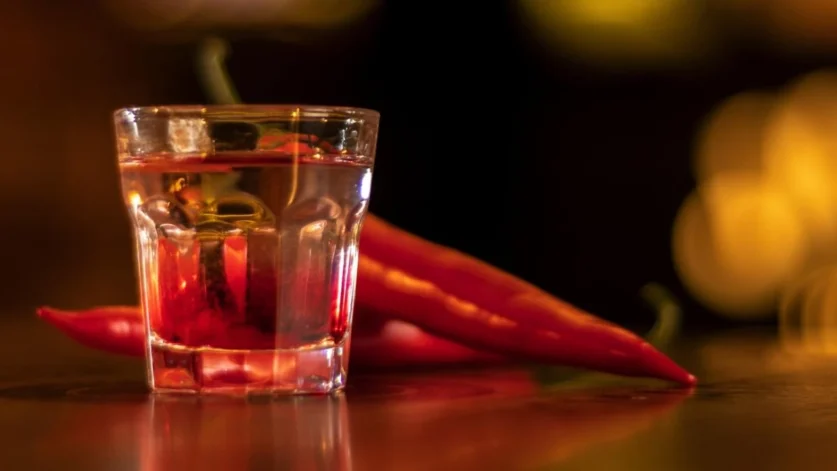
Many whiskey enthusiasts express their concern about flavored whiskey, equating the addition of any flavoring to an excellent whiskey as blasphemy. However, the continued production of the same by notable distillers like Jack Daniel’s, is evidence of its popularity. Flavored whiskeys infused with apple, honey, or cinnamon, our focus today, provide a delightful twist from the traditional oaky content. Navigate to this page for an insightful read on flavored whiskeys.
A standout in the flavored whiskey world is undoubtedly Cinnamon whiskey. Infusion of fresh cinnamon sticks into the drink brings forth a unique mix of teasingly sweet and spicy notes, distancing it from the overly sweet options such as apple or honey-flavored whiskey. If you ever enjoyed the tingling sensation of cinnamon candies as a child, a sip of this beverage is a sure trip down nostalgia lane. The whiskey begins with a sweet undertone and then escalates into a distinctive spicy flavor, a different experience from the typical alcohol burn.
Such a rapid transition from a gentle warmth to an intense punch is why cinnamon whiskey, with Sazerac’s Fireball being especially favored, is the go-to for those seeking a thrill with their alcohol. However, if you’re feeling adventurous, you could intensify this experience by incorporating dried red chili peppers into the mix. The chili peppers’ heat couples surprisingly well with the cinnamon warmth in the whiskey, leading to a more exhilarating and complex flavor combination portraying the beverage’s bold character and taste.
Additional reading: The 25 Best Bourbon Brands, Ranked
Making your own cinnamon and chili whiskey at home is easier than you might think. Here’s what you’ll need: a standard 750-milliliter bottle of whiskey, about five to six cinnamon sticks, ¾ of an ounce of simple syrup, and four to five dried red chili peppers. Opt for a lower-shelf whiskey since the infusion will wash out all the subtle finishes. Instead, save the good stuff for sipping straight!
Start by pouring the whiskey into a mason jar, then add the cinnamon sticks and simple syrup and give it a good stir for about a minute. Seal the jar tightly, shake it well, and then place it in a cool, dark spot for five days. Give it a good shake every day during this time. After these five days, you’ll have your very own homemade cinnamon whiskey ready to enjoy! At this point, you can take a swig and see how you like it.
If it’s not spicy enough for your liking, toss in the dried red chili peppers, seal the jar again, shake it up, and let it sit for an extra two days. Give it another taste afterward. Want more heat? Seal it back up and let it infuse for a day or two more. Once you’re happy with the spice level, simply run the whiskey through a strainer to filter out the cinnamon sticks and chili peppers and your homemade chili-cinnamon whiskey is ready to go!
Read the original article on Tasting Table.
Innovative Booze Company Creates Vodka from Climate-Warming Carbon Dioxide

A tech start-up aspires to decrease the beverages industry’s carbon emissions by half by employing atmospheric carbon dioxide to produce a vodka-like liquor that might hit UK shelves in the next three years.
Salute! A liquor company claims to have discovered an environmentally friendly method of enjoying a drink while also aiding the planet. Aircohol, a tech start-up, is developing vodka-esque spirits using solely the greenhouse gas carbon dioxide. They project it could be available for purchase in the UK in as little as three years for those who enjoy a drink.
The founder, Simo Hämäläinen, shares that early tasting sessions hinted at flavors of “grass, earth, and sweetness,” which he assures is uncommon but pleasant.
However, Aircohol’s biggest selling point is its potential to significantly reduce the beverage industry’s carbon emissions.
Studies have compared alcohol production’s yearly greenhouse gas emissions to the combined emissions of every car in the United States—roughly 276 million. “Aircohol could potentially arrive in the UK market within two or three years. It’s in our sights,” said Simo. “Our goal in Finland is to bring a product to market this year.”
Aircohol’s distinguishing element is a bioreactor, which rapidly converts carbon dioxide into alcohol via a two-day fermentation process, producing zero greenhouse gases. The resulting alcohol is distilled, similar to the process used for vodka production, resulting in a robust spirit of up to 60% strength, ready for consumption. It’s possible to produce beers as well, but this would necessitate the addition of extra ingredients, such as malts.
Established in 2022, Aircohol asserts that its procedure not only reduces carbon emissions, but also conserves vital resources such as wheat and barley, which are typically utilized in the production of alcohol.
In the previous year, the company embarked on a collaboration with Brukett, a Finland-based brewery known for producing beverages like Magners cider. Aircohol, currently employing six people, recently amassed €2.4m (£2m) in funding and reports it is in discussion with prominent alcohol corporations worldwide.
Sign up to receive email updates from our environment editor concerning green affairs and measures you can partake in.
Big Whiskey’s Expands with Two More Locations in SW Missouri as Two Springfield Restaurants Shut Down
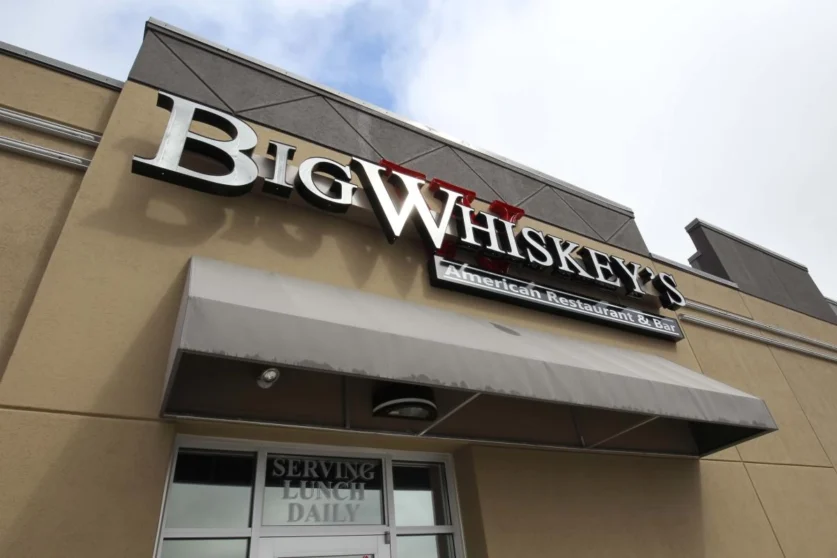
This week in Springfield-area restaurant and food news: Big Whiskey’s announces plans for new locations, a favorite buffet closes, Gettin’ Basted branches out in Branson and a Chinese food restaurant closes.
Big Whiskey’s announced last week that two new Ozarks locations would be opening in 2024, according to a press release.
Stores in Neosho and Lebanon are slated to open in early summer 2024.
“Neosho and Lebanon are growing and developing communities. We love being in cities like this where we get to be a part of all of the celebrated moments of life, whether it is catching the big game or celebrating a little league win; we aim to be the place where life happens,” said Paul Sundy, Big Whiskey’s co-owner, in the press release.
Golden Corral, 2734 N. Kansas Expressway, closed without warning earlier this week. The Kansas Expressway location is listed as permanently closed on the Golden Corral website.
A sign on the door thanked patrons for 18 years at the location.
Don’t want to miss out? Stay in the loop with the News-Leader’s Restaurant Roundup newsletter
Owners of Gettin’ Basted have opened a sandwich shop in Branson: Mythical ‘Wich at 113 E. Main St.
The store launched in the later part of December 2023 and offers breakfast all day, sandwiches, and a variety of soups and salads. Mythical ‘Wich is operational from 9 in the morning to 6 in the evening on all days.
CreAsian, located at 501 W. Chestnut Expressway, has unfortunately shut its doors. As per a notice on its main entrance, the establishment ceased operations on Dec. 25th, 2023.
Any attempts to reach out to the provided email address on CreAsian’s Facebook page were futile as it bounced back, undelivered. The website, too, remains unreachable.
CreAsian first opened its doors in Springfield in 2011, as per the original business license issued by the City of Springfield.
Susan Szuch reports on health and food for the Springfield News-Leader. Follow her on X, formerly known as Twitter, at @szuchsm. Story idea? Email her at sszuch@gannett.com.
This article originally appeared on Springfield News-Leader: Ozarks to get 2 more Big Whiskey’s; 2 Springfield restaurants close
Planteray Rum”: The New Name for Plantation Rum
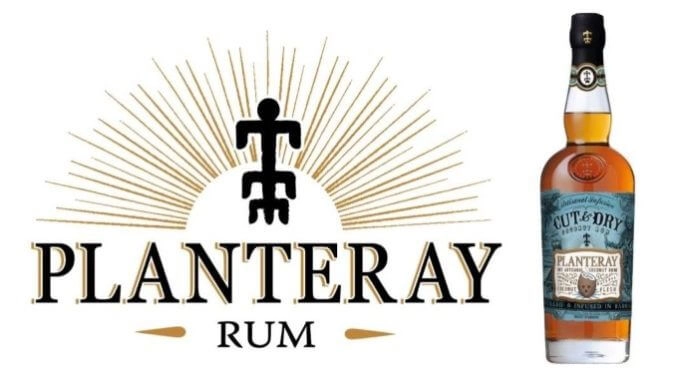
After a lengthy period of contemplation and public feedback, Maison Ferrand has finally decided to change the name of their Plantation Rum brand. The brand will now be known as Planteray Rum, an announcement that was made by Maison Ferrand owner Alexandre Gabriel at the West Indies Rum Distillery in Barbados. The first product to carry the new name will be Cut & Dry Coconut Rum, with follow-up brands to be released as soon as the existing supply of bespoke bottles run out.
In a recently held press conference, Gabriel explained that the new name is a tribute to the sugarcane plant and the sunbeams necessary for its growth and maturity. Despite this explanation, the new name has received mixed feelings from the public with some people interpreting it as ‘planetary’. However, it’s clear the idea behind the new name was to retain some visual similarities with the word ‘Plantation’, while distancing itself from the old name’s controversial and racially charged history.
The selection of the name ‘Plantation’ was widely criticised due to its historical connection to slavery, particularly during the Black Lives Matter protests in 2020. Before these protests, the brand stated that the name ‘Plantation’ was simply related to the French term for ‘farm’. However, in light of recent events and public sentiment, the brand acknowledged the hurtful associations the word ‘Plantation’ might evoke, especially considering its association with the horrific realities of the past.
Consequently, Maison Ferrand, who also owns Citadelle Gin and Ferrand Cognac, set out to find a new name for their rum brand. The search for a new name took more time than anticipated, which upset many activists who accused the company of intentionally delaying the process. However, Alexandre Gabriel in a 2022 interview, refuted these claims by arguing that international business and trademark laws significantly slowed down the process. He described the process as ‘daunting and lengthy’ and stated that the final name had to be globally marketable in more than 100 countries where the company has its distribution network.
It would seem that Planteray Rum is that name, odd though it may sound at first blush. Regardless, it could be quite a while longer before the name starts showing up on familiar Plantation Rum brands in the U.S., as the company works through a sizeable supply of custom glass embossed with “Plantation.” Eventually, however, the new name will appear front and center on all the company’s products, with the rest of the labels remaining unchanged. Here’s hoping that “Planteray” doesn’t turn out to be insensitive in some other manner, when all it said and done.
Jim Vorel is a Paste staff writer and resident liquor geek. You can follow him on Twitter for more drink writing.
GET PASTE RIGHT IN YOUR INBOX
The best music, movies, TV, books, comedy and more.
<!– –>
<!– –>
Innovative Booze Company Transforms Climate-Warming Carbon Dioxide into Vodka

A tech start-up aims to cut the beverage industry’s carbon emissions in half by utilizing atmospheric carbon dioxide to produce a vodka-like spirit. This innovative product could potentially hit UK shelves in a mere three years.
Cheers to saving the earth! Alcohol company Aircohol claims to have discovered an eco-friendly method of creating spirits, specifically a vodka-like concoction, solely from the climate-heating gas, carbon dioxide. Coincidentally, Brits who enjoy a tipple might see this product available for purchase in their country in as little as three years.
The company’s founder, Simo Hämäläinen, shared that the early taste trials of the spirit have resulted in tasting notes of “grass, earth, and sweetness” – an unusual but positively received combination.
Despite the unique taste profile, the selling point for Aircohol remains its potential impact on the climate as it has the capacity to substantially decrease the beverage industry’s carbon emissions.
Emission research indicates that annual alcohol production produces the equivalent amount of greenhouse gasses as all of America’s personal cars combined – that’s approximately 276 million vehicles. Simo expressed optimism about Aircohol’s potential, stating, “We could be seeing Aircohol in the UK within the next two or three years. It’s one of our target markets. We also plan to unveil a product within Finland this year.”
Aircohol’s groundbreaking technology is a bioreactor that transforms carbon dioxide into alcohol via a swift, two-day fermentation process that doesn’t produce any greenhouse gases. This alcohol is then distilled, much like vodka, into a potent liquor that can reach up to 60%, making it ready for consumption. Beers can also be created, although they necessitate additional ingredients such as malts.
The company Aircohol, established in 2022, asserts that their procedure reduces carbon emissions and conserves raw resources such as wheat and barley, which are commonly used in alcohol production.
In the previous year, the company formed a collaboration with Brukett, a brewery based in Finland, which manufactures beverages such as Magners cider. Aircohol, which employs six people, recently secured an investment of €2.4m (£2m), and is reportedly in discussion with top alcohol companies globally.
Sign up for email updates from our environment editor for updates on green matters and actions you can execute.
Ranking the Entire Michter’s Whiskey Collection
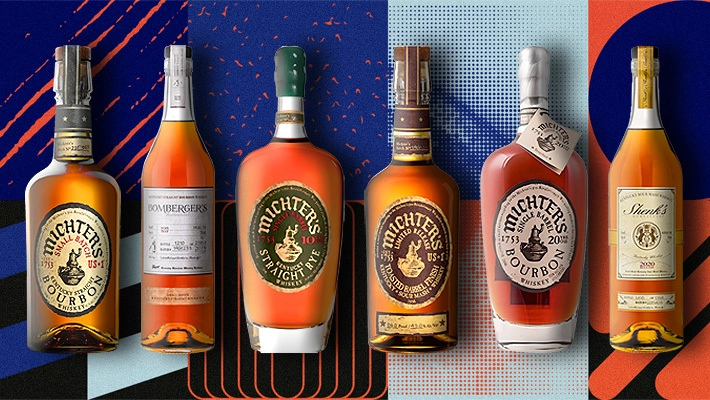
When it comes to American whiskey, Michter’s dominates the U.S. and world stage. The heritage brand — reinvented by the Magliocco family via Chatham Imports in the 1990s — helped preserve American rye whiskey as a style and bring it back alongside “sour mash” whiskeys and amazing bourbons. Like their whiskey or not, you cannot deny that the rebirth of Michter’s was instrumental (in part) to the resurgence of American whiskey after some very hard decades. The biggest reason for that is that the whiskey was great and remains so.
Since we are talking about truly excellent whiskey, I figured it was time to rank all their expressions. There are actually a lot. Moreover, Michter’s releases new batches on a fairly regular basis.
Let’s get a little background before we dive in:
The core line of Michter’s is their Small Batch Bourbon, Single Barrel Rye, Unblended American Whiskey, and Sour Mash. These bottles should be available on pretty much every shelf in the U.S. for a fairly good price in the mid-$40 range. The next level of Michter’s is their limited edition yearly releases. This section covers their toasted barrel finishes, 10-year single barrel rye and bourbon, barrel strength whiskeys, Bomberger’s, and Shenk’s. To be clear though, these whiskeys are generally released every year. Sometimes, a year is missed here and there.
Lastly, there’s the super rare stuff. This is the 20-year age statement whiskey and above and the Celebration Sour Mash. These rarities are often seen every three to five years but can be spaced even further apart.
Let’s address the elephant in the room of any highly allocated whiskey in the U.S. — Michter’s limited edition bottles tend to be very allocated. That means that a select few restaurants, bars, and retailers get bottles when released. This is due to such a small quantity produced. Michter’s has always been about quality over producing massive numbers of cases. That means that the MSRP of the limited edition bottles is rarely what we as consumers get to pay. Some bottles are going to cost you anywhere from two to 100 times more than their listed price. It just depends on vintage, retailers, and what’s out there.
So what makes Michter’s so beloved? Well, it comes down to the people. There’s the Magliocco family at the top. They deeply care about the heritage of Kentucky whiskey and preserving something for future generations. They believe in making whiskeys that parents pass down to children and grandchildren. Yes, they want to sell whiskey to the masses — that’s what the core line is for — but they want to last beyond any trend.
Master Distiller Dan McKee and Master of Maturation Andrea Wilson are legends in the whiskey industry. They strive to source, distill, and age whiskey that’s just right for Michter’s. For McKee and Wilson, building a whiskey expression is never about a commodity. It’s about the love of the game, creating something exceptional, and offering us humble whiskey drinkers something beautiful to enjoy every day, on special occasions, and with our loved ones.
That’s exactly why Michter’s enjoys such popularity and prosperity. Let’s rank some now!
ABV: 41.7%
Average Price: $47
Typically, a whiskey marked as “blended whiskey” or merely “bourbon” (as opposed to “straight bourbon”) indicates a mix of whiskey with neutral grain spirits, a practice aimed at reducing expenses and boosting profits. This version is designated as “Unblended”. The reason is that it is solely comprised of whiskey (no added grain spirits). The whiskey in these bottles underwent maturation in barrels previously soaked in whiskey. The product is then blended and small-batch bottled once the whiskey reaches the perfect state.
Tasting Notes:
Nose: Orchard fruits, butterscotch candies, and vanilla cake greet you on the nose with a hint of wooden spice.
Palate: That fruit becomes more dried and almost salted on the palate while bourbon vanilla and mild caramel sweetness mingle with cinnamon and nutmeg.
Finish: The finish is pretty short and sweet with a red berry vibe next to some thin apple cider.
Bottom Line:
This is a great mixer. Protip: Keep this whiskey in the freezer for mixing highballs or cocktails — or shooting with a cold beer on a hot day.
ABV: 45.7%
Average Price: $43
The term “small batch” really means a lot to Michter’s. The tank used to blend their chosen eight-year-old bourbons only accommodates 20 barrels, indicating that’s the quantity used for each small-batch bottling. The mix is thereafter tested using Kentucky’s famous soft limestone water before packaging.
Flavor Profile:
Aroma: Its aroma is predominantly fruity, featuring a blend of soft peach, red berries resembling cream soda to some extent, and Applewood. This is accompanied by a serving of waffles crowned with brown butter and generous maple syrup, ending on a minor note of cotton candy.
Taste: On the tongue, the sweetness slightly fades as the flavor of vanilla frosting emerges, transitioning into grilled peaches with a touch of black pepper, aligned with charred marshmallows.
Finish: The end is plummy and full of rich toffee next to a dash of cedar bark and vanilla tobacco.
Bottom Line:
This is an essential cocktail bourbon to have on hand. It makes a great old fashioned or whiskey sour. I’d also argue that you can easily pour this over some ice and sip it as an everyday table whiskey too. It’s good stuff.
ABV: 43%
Average Price: $42
The “Whiskey of the Year” award by The Whiskey Exchange in the U.K. was first bestowed onto an American-made whiskey in 2019. This distinction went to a “sour mash” whiskey which earned its name because its mash bill doesn’t primarily consist of corn or rye. The whiskey is stored in heavy charred new white oak barrels.
Tasting Notes:
Nose: Initial fragrant notes include smoked plums, crunchy rye crust, slight caraway, followed by deep caramel with a hint of salt alongside vanilla and apple/pear cider.
Palate: The sip embraces the smoky dark fruit with hints of vanilla and cherry popping up next to winter spices and a touch of green savory herbs.
Finish: The whiskey carries that smoky plumminess through to the end with a nice nod to an oaky and bourbon-y vanilla underbelly.
Bottom Line:
This is another fine cocktail base — it works in bold seasonal cocktails so don’t be afraid of adding big flavors.
ABV: 43%
Average Price: $99
The process for making this Michter’s specialty involves their renowned Kentucky Sour Mash, which lacks the sufficient corn or rye content to qualify as either bourbon or rye whiskey. The mash is then matured in barrels that have been air-dried for 18 months prior to a light toasting. Once filled with the mixture, the barrels are left to condition until the whiskey is ready to be blended and bottled, with a touch of pure Kentucky water added for good measure.
Tasting Notes:
Nose: There’s a gentle presence of a stack of firewood cut from an aged fruit orchard beside dark chocolate oranges with a garnish of salt and a touch of honey complemented by a whiff of vanilla cake adorned with apple cinnamon butter icing.
Palate: The palate has a faintly smoked cherry undertone combined with clove and allspice. This is accompanied by a rich and creamy eggnog flavor and vanilla-cherry tobacco wrapped in a slightly resinous pine box.
Finish: The conclusion amplifies the cherry tobacco flavor with a layer of mild chili spice and additional softer and sweeter orchard firewood.
Conclusion:
This whiskey is perhaps the most prominent “acquired taste” on our list, with the wood flavor making a distinct statement. Savoring it over a single ice cube offers a profound, dry firewood sentiment. When mixed in a cocktail, the woody notes transition between cedar and orchard bark overlayed with a slight charred essence – an experience not everyone will appreciate. If you are seeking such an encounter, however, this whiskey is sure to deliver.
ABV: 45.7%
Average Price: $448
Michter’s first introduced this whiskey in 2014 and it has since become a regular in their release roster. The whiskey is a standard bourbon which is subsequently finished in a toasted barrel from the renowned Kelvin Cooperage in Louisville. These barrels are handcrafted from 18-month air-dried white oak, lightly toasted on the inside before the aged whiskey is poured in.
Tasting Notes:
Nose: This opens with a pecan pie vibe that’s nutty, dry, and full of dark Caro syrup sweetness with a hint of candied orange peels with a touch of cinnamon and dry cedar bark.
Palate: The palate holds onto the sweetness as it leans towards a campfire roasted marshmallow, a touch of saffron and clove-stewed pears, a pile of sappy firewood, and creamy nuances of vanilla pudding all meander through your senses.
Finish: The end has a light savory nature that leads back to the pear, vanilla, and marshmallow on a very slow fade towards a pile of fresh firewood piled high on soft black soil.
Bottom Line:
The balance between the sweetness of the Kentucky bourbon and the woodiness from the toasted barrel finish is exceptional in this drink. It is primarily recommended for cocktails with a touch of woody flavor but fares best with a rock. The addition of water and ice can transform the dryness of the wood into a creamy texture, bringing forth flavors of roasted marshmallows with a hint of cherry chocolate cake.
ABV: 55.3%
Average Price: $109
Michter’s fills their barrels with 103-proof hot juice off the stills. After a handful of years spent aging, that proof inches upwards as the angels take their share. Usually, the whiskey is cut with that soft Kentucky limestone water before bottling but not in this case. This is pulled from single honey barrels that were just too good to cut and bottled at the Fort Nelson Distillery right on Louisville’s Whiskey Row.
Tasting Notes:
Nose: The nose draws you deep into the classic bourbon ecosystem of rich buttery toffees beside salted dark chocolate-covered cherries, a dab of smoked stone fruits, and a minor note of spicy tobacco leaf.
Palate: The palate delivers on those notes as the tobacco spice intensifies before being mellowed out by rich and creamy vanilla, salted caramel, and dried apricot pith.
Finish: That dryness drives the mid-palate towards the finish with a pecan shell vibe next to slightly bitter singed cedar bark.
Bottom Line:
This is a great workhorse whiskey. It shines in cocktails if you’re looking for a little extra punch. It also works wonders as a slow sipper over a single large ice cube. You can’t lose pouring this one, especially if you’re looking for classic Kentucky bourbon.
ABV: 54.6%
Average Price: $104
This unusual Michter’s variant is derived from individual barrels that were much too exceptional to blend or dilute. The barrels are chosen based on their precise flavor profile, after which each barrel is subjected to Michter’s proprietary filtering system before being bottled straight from the barrel.
Tasting Notes:
Nose: Remarkable scents of dark cherry and butterscotch candies rise into the air, accompanied by sour red wine blended with spiced mulled wine — abundant in cinnamon, clove, and star anise — beside tart apple skins, tree apple bark, with a faint nuance of singed marshmallow flanked by mildly burnt Graham Crackers.
Palate: On tasting, the mouth basks in exceptional flavors of spices. Nutmeg and eggnog impressions intertwine with the richness of vanilla ice cream and smoked cherries. A touch of fresh pipe tobacco and slightly charred cedar bark only adds to the overall experience.
Finish: As it concludes, the whiskey incorporates hints of dried red chili and sharp cinnamon along with the tobacco presence. Notes of freshly milled black pepper combine with the refreshing undertones of a fruit salad predominantly featuring red berries.
Summary:
Signifying a bold Kentucky rye whiskey, this exudes an amalgamation of sweet and grassy characteristics that are quintessentially Kentucky. A bourbon-enthusiast’s delight, this rye whiskey is outstanding not only as a standalone glass but also makes for a remarkable base in a Manhattan cocktail.
ABV: 42.4%
Average Price: $43
Michter’s well-crafted juice is warehoused until the deeply charred new white oak barrels hit just the right moment in both texture and taste. Those barrels are then hand-selected and bottled one at a time with a touch of Kentucky water.
Tasting Notes:
Nose: The aroma opens with peppery rye and a hint of citrus. This leads to the scent of deep fatty nuttiness, dry espresso beans, and soft dark chocolate sauce, all intermingled with a sharp twist of spearmint.
Palate: The taste brings to mind distant toffee candies covered in roasted almonds. Imagining a brioche spread with Nutella and plunged into a fresh cup of espresso isn’t too far off. There are also mild notes of white pepper, ground chili powder, and perhaps a subtle hint of honey.
Finish: The finish recalls the woody spices of winter – cinnamon, clove, and allspice, specifically. There’s a sensation of whole red peppercorns drenched in molasses, accompanied by a murmur of walnut cake, and a faint taste of toasted marshmallows dipped in dark chocolate.
Final Thoughts:
Michter’s core line is impressive, especially for its price point, offering exceptional value. Not only does this spirit make an excellent cocktail ingredient, but it also serves as a luxurious daily beverage, particularly when enjoyed over ice.
ABV: 45.6%
Average Price: $109
The creation of this whiskey involves a significant percentage of rye whiskey, augmented by a small portion of bourbon made in the classic sour mash style. The 2023 release saw the introduction of malted rye to the mash bill, contributing an additional dimension of malty depth. Aging was carried out in special French oak barrels that had been toasted and left to season in France for 24 months before being re-made with barrels that had been left to air-dry in Kentucky for 18 months. Finally, they were combined and bottled with a hint of Kentucky limestone water.
Tasting Notes:
Nose: Gentle boot leather, dried and candied orange, spiced Christmas cake, fresh vanilla beans, sultanas, and a hint of fresh firewood complete the nose with a trace of almost sweet oak char and simmering molasses cut with almond touched with dark citrus oils.
Palate: The palate exhibits a pleasing sweet spiciness akin to a box of Red Hots situated alongside allspice, clove, and orange with rummy raisins, nutmeg-focused eggnog, and a murmur of oily espresso bean appearing late before a bold but controlled winter spice bark sharpness makes its entrance.
Finish: The conclusion unifies the orange oils with soft cedar notes with a wooden spiciness juxtaposed with soft notes of sweet cinnamon, stewed plums, minced meat pies, and brandied cherries layered with chewy tobacco leaves over a lush and creamy finish.
Bottom Line:
Shenk’s is just good whiskey. It’s highly sippable, deeply hewn, and will leave you feeling satisfied. It’s also spicy enough to make a hell of a winter cocktail.
ABV: 54.45%
Average Price:
This whiskey is Michter’s standard rye, finished in a second toasted barrel. In this case, those barrels are air-dried for 24 long months before being lightly toasted and loaded with the rye. The whiskey then goes into the bottle at barrel strength.
Tasting Notes:
Nose: This has a spicy and sweet nose that’s just like a buttery, candied, and dried fruit, and nut-filled holiday cake that’s been drenched in good whiskey and left to sit for a month to amp up those flavors while a flutter of dry cedar kindling dipped in dark chocolate sneaks in.
Palate: The taste has a clear sense of black-tea-soaked dates, creamed vanilla honey, black walnuts, wet brown sugar, and a touch of salted dark chocolate with a whisper of bitterness that feels like vanilla pods still on the branch and old smoking hickory just kissed with brisket fat.
Finish: The mid-palate dries out towards that pitchy yet dry woodpile with an echo of dirt from the bottom of that woodpile on the finish before the roasting herbs and soft dark berries arrive with a whisper of dark chocolate tobacco and leather.
Bottom Line:
This is essential Kentucky rye. Again, it perfectly balances sweet almost bourbon vibes with a deep grassiness of a good rye without going into harder botanicals or herbs. It’s amazing sippable with a great finish that’ll have you coming back for more.
ABV: 47.2%
Average Price: $475
The whiskey barrels utilized for this single-barrel expression are typically aged for at least 10 years, although there are rumors that some may be closer to 15 years old, depending on the quality of the barrel, of course. Regardless of the age, each barrel of whiskey undergoes Michter’s unique filtration process. Following this, they add a bit of Kentucky’s famous soft limestone water, reducing the bourbon’s proof to an easy-drinking 94.4.
Tasting Notes:
Nose: A spicy blend of cedar bark and burnt orange is present, accompanied by salted caramel and sharp red berries. There’s a lingering scent of damp, spicy sticky toffee pudding and brandy butter.
Palate: The palate combines notes of vanilla tobacco, salted dark chocolate marzipan, espresso cream, new porch wicker, and black peppercorns.
Finish: The whiskey’s finish leaves an impression of pecan waffle, chocolate chips, maple syrup, blackberry jam, minced meat pies, aged tobacco, cedar, and a faint note of roasted marshmallow.
Conclusion:
This whiskey holds its own, being reasonably accessible and highly anticipated. It should be readily available in most reputable whiskey bars. Don’t hesitate to purchase a pour! Alternatively, you can elevate your experience by having it mixed into a top-notch Old Fashioned cocktail.
Not to be cliched, but this is truly quintessential Kentucky bourbon.
ABV: 46.4%
Average Price: $399
2023’s Michter’s 10-Year Rye release was an instant classic. The whiskey is made from a corn-rich rye whiskey mash bill with a good dose of barley in there. The absolute best barrels are chosen — with some up to 15 years old — for this release. Then each of those barrels is individually bottled as-is with a hint of proofing water.
Tasting Notes:
Nose: Rich and lush toffee unites with delicate marzipan on the sensory impression, complemented by a hint of freshly ground black pepper leading to the aroma of cinnamon-infused apple cider and cherry-immersed cedar bark.
Palate: The taste sensation combines the fiery zest of Red Hot with the tangy sweetness of orange marmalade, a cream-like delicacy of vanilla pudding, the spicy undertones of dried chili peppers with a touch of smoked wood. There’s a slight and momentary suggestion of celery salt too.
Finish: The finale winds down the almond intensity with a vanilla cream-infused tobacco, soft and sugary cedar, and a citrus-infused dark chocolate ambiance all harmonized to flawless perfection.
Bottom Line:
This is my home special, the one I mostly use for after-work sessions over a large iced stone or in my Manhattans. Honestly, there’s not a whiskey that is better than this when it comes to Manhattans. It just takes the drink to another level.
ABV: 58.65%
Average Price: $25,000
The single-barrel rye release from Michter’s is distinctive by the remarkable barrels from which it is sourced. Notoriously, it’s a marvel that a 25-year-old whiskey aged in new oak can encompass such complexity in flavor, which in this context, is a testament to the brilliance of Michter’s and their meticulous bottling process.
Tasting Notes:
Scent: The aroma decking this whiskey paints an earthy image; analogous to dried white moss situated on a moist forest bed. It carries little bursts of bitterness from oily espresso beans, alongside the extravagant aroma of vanilla, hints of gold-wrapped oranges, and a dampened, almost wet black pepper note.
Flavor: The tasting journey commences with golden sultanas that captivate your senses, smoothly paving the way for a distinct touch of clove tilting slightly towards anise (maybe black licorice). Despite the evolving flavors, the vanilla retains its dry character. Meanwhile, the orange oils transition into a charred essence, and a far-reaching note of salted cacao powder, nearing its burnt character, underlines the finish.
Finish: The finish variously leans into a classic Tellicherry cracked black pepper but remains dry and features the perfect balance of dried fruit sweetness.
Main Point:
Indeed, this is extraordinarily pricey. The reason is that it hasn’t seen a re-release in quite some time. Also, it’s insanely tasty. It’s likely the #1 expression elite whiskey enthusiasts will be eagerly anticipating a new version of in 2024 or 2025. It’s that top-notch.
ABV: 56.4%
Average Price: $19,999
The most recent Michter’s Celebration release, which is fourth in line and came after a gap since 2019, was introduced in the early 2023. Unexpected delays pushed the release to February 2023. This US whiskey came into being by the collaborative efforts of Michter’s Master Distiller, Dan McKee, and Master of Maturation, Andrea Wilson. They meticulously selected seven whiskeys, their ages ranging between twelve to over thirty years. These barrels were mixed and directly bottled without any dilution with water, generating only a limited number of 328 bottles globally.
Tasting Notes:
Nose: Initial subtle hints of dark chocolate mixed with brown butter, Saigon cinnamon bark, and a light touch of crème brûlée stirred with a spot of cognac.
Palate: A boozy vanilla kick starts the luxurious flavour journey with a winter spice mix – clove, anise, nutmeg. It continues with the sweet taste of stewed peaches and burnt orange combined with a hint of roasted marshmallows. Touches of old, smoky hickory and an autumnal apple orchard add earthiness. The entire experience is rounded off with a whisper of creamy black cherry and candied pecans.
Finish: The candied pecans then blend with a woody maple syrup flavour, followed by more cinnamon bark, cloves spiked oranges. The experience concludes with the feeling of an old wooden basket full of mixed orchard fruits, nuts, and dried fruits, bound together with thick twine and leather. The final surprise is a spiced chocolate cherry tobacco leaf tucked in the middle of this flavourful basket.
Final Thoughts:
You will find a bottle of this whiskey at good bars across the country. Give it a try! It brilliantly showcases how whiskey can delight the palate without necessarily being categorized as “bourbon” or “rye”.
ABV: 58.1%
Average Price: $10,002
The whiskey in the bottle was distilled in or before 1998 at an undisclosed Kentucky distillery from a unique mash bill. That whiskey went into new American white oak barrels and was basically left alone until they were moved over to the Shively, Kentucky campus where they were monitored for excellence. When the barrels hit the right mark — that’s where the Michter’s team’s prowess comes in — they were batched for this very small limited release and bottled 100% as-is.
Tasting Notes:
Nose: The olfactory experience begins with the profound aroma of aged molasses that have enveloped prunes, dates, and raisins. This is complemented by a sensation of winter spice barks, berries, and buds alongside the scent of brown buttered holiday sugar cookies immersed in dark chocolate and sprinkled with crushed vanilla pods. The nose journey culminates in a faint scent of burnt walnut shells and fire-blistered chestnuts.
Palate: The flavor palette starts with the molasses element evolving into a thick hot chocolate with a dash of red chili. This is followed by the profound taste of candied almonds that gradually progresses to a rich and moist salted toffee pudding infused with the tang of fresh orange zest and a hint of vanilla buttercream.
Finish: The finale leans into the flavors of dried sweetgrass and withered autumn leaves in an apple grove. It further includes a hint of a pear-brandy-infused marzipan enveloped in dark chocolate with a mix of wooden brown winter spices. All of this is encased in old tobacco leaves and kept in a vintage whiskey barrel situated in a damp old brick storehouse during a chilly autumn day.
Verdict:
This rare bourbon whiskey has recently been reintroduced to the market, but be prepared to pay a premium for this collector’s piece. Not only does it make a statement, but it’s also a truly exceptional find, rivalling only a handful of others in taste.
Alcohol Volume: 54%
Typical Retail Price: $119
Its roots can be traced back to Michter’s illustrious history in the 19th century, even before it was formally known as “Michter’s.” The original Bomberger’s Distillery in Pennsylvania is the birthplace of this brand (in 1753 to be exact). Each bottle holds a carefully curated selection of bourbons that have been matured in Chinquapin oak. The barrels used are prepared meticulously, with the staves air-dried for three years prior to charring and filling. These meticulously crafted Kentucky bourbons are then bottled in very small quantities, producing around just 2,000 bottles each year.
Tasting Notes:
Nose: The aroma delivers a sweetness reminiscent of grains mashed with butter and molasses, which one might liken to a bowl of Cream of Wheat. These tones are complemented with the smell of sticky toffee pudding, old saddle leather and aged wooden beams found in cellars. One can also detect notes of sweet cinnamon with a hint of candied orange and dark chocolate, and a pleasant undertone of rich eggnog finished with a sprinkle of salt.
Palate: Upon tasting, the palate is treated to a super creamy texture that could recall crème brûlée. This is closely followed by soft winter spices, dry cedar, and orange-infused chocolates. There are also subtle hints of marzipan that has been soaked in pear brandy.
Finish: The finish rewards with a creamed honey vibe and the taste of figs and prunes soaked in brandy and rum respectively. This culminates with the sensation of fresh chewing tobacco and salted dark chocolate, rounding off the taste experience with suggestively smoldering orchard bark and old cellar flooring.
Bottom Line:
This bourbon is likely the most approachable one for anyone looking to step up their bourbon game. It doesn’t just pass as a classic, it has gone ahead to define ‘quintessential’ owing to its superior and extraordinary profile. Essentially, it’s a great whiskey, bourbon indeed.
ABV: 57.1%
Average Price: $4,889
These barrels, minimum 20 years old, are hand-picked from the Michter’s rickhouses by Master Distiller Dan McKee, based on a defined criteria we might best sum up as “exceptional quality”. The bourbon is poured directly from these chosen barrels into the bottles.
Tasting Notes:
Scent: Imagine a rich aroma of dark cherries merged with deep molasses reminiscent of rum, fragranced rose petals, aged almond shells, and cedar bark. The mixture is enhanced by the fragrance of fresh pipe tobacco leaf lightly touched with apple and pear scents, with a whiff of vanilla oils and spices usually found in aged wines.
Flavour: The taste offers a deeper dive into smoky vanilla pods, reminiscent of old oak staves from a long-forgotten cellar. Add to it the sweetness of cinnamon and cherry chasing the flavours of dried sage and sharp spearmint. A base syrup of clove accompanied by a hint of toasted marshmallow sweetness completes this distinctive taste.
The end is full of dark cherry and woody spice with moist marzipan, burnt orange oils, and chewy fresh tobacco wrapped up in old leather and cedar bark with a hint more of that old cellar sneaking in.
This is arguably the best of the best right now. It’s an amazingly deep and balanced sipper that goes beyond the average and becomes something transcendent. This is the bourbon pour we all dream of, especially on these cold winter nights. It’s that special.