Liquor-articles 2100
Caribbean Rum Brand Renames Itself Amidst Connections to Slavery
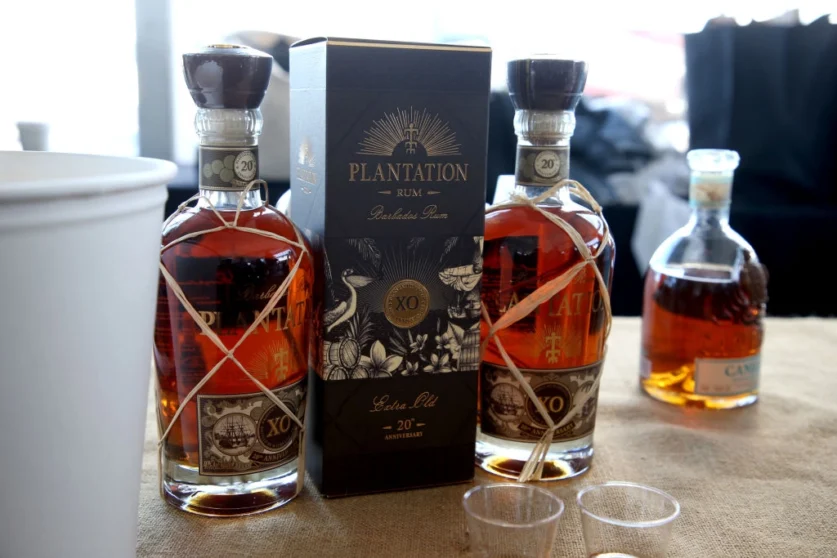
A well-liked Caribbean rum underwent a name change due to associations with slavery.
Formerly known as Maison Ferrand’s Plantation Rum, it will now carry the moniker of Planteray Rum.
This change was disclosed by Alexandre Gabriel, the proprietor of Maison Ferrand, during a press meet held at the West Indies Rum Distillery in Barbados.
“The transition from Plantation to Planteray commences from this day,” declared Gabriel.
Gabriel asserts that the fresh name commemorates sugarcane, the source of rum, and the sun’s rays, which are vital for the maturing and growth of sugarcane.
The brand’s name received severe condemnation due to its association with slavery and was underscored during the Black Lives Matter movement in 2020, as revealed in an essay penned by Rachelle Ferron in the Guardian in 2022.
The alteration of name was pledged in June 2020, but the process of trademarking the new name in various countries resulted in the delay, as per the information from various reports.
The brand’s fresh name Planteray will first be seen on the bottles of Cut & Dry Coconut Rum, marking its first availability for purchase outside Barbados.
As remaining stocks of custom bottles run out, the names of certain brands under this company are set to change.
Gabriel, the creator and master blender of the rum, acknowledged the painful implications that the word ‘plantation’ might imply to some individuals, particularly due to its association with the harsh images and realities of history.
He stated, “As we continue to grow our comprehension of such complicated issues, we want to assure everyone that we are actively making appropriate changes, though we may not currently have all the specifics of what our brand name evolution will entail.”
The brand also reassured its customers that the process of producing its rum will remain the same.
Products bearing the Planteray Rum branding will commence worldwide distribution starting this month.
Michigan Distillery Set to Revolutionize Vodka with Their New Kiwi Infused Innovation
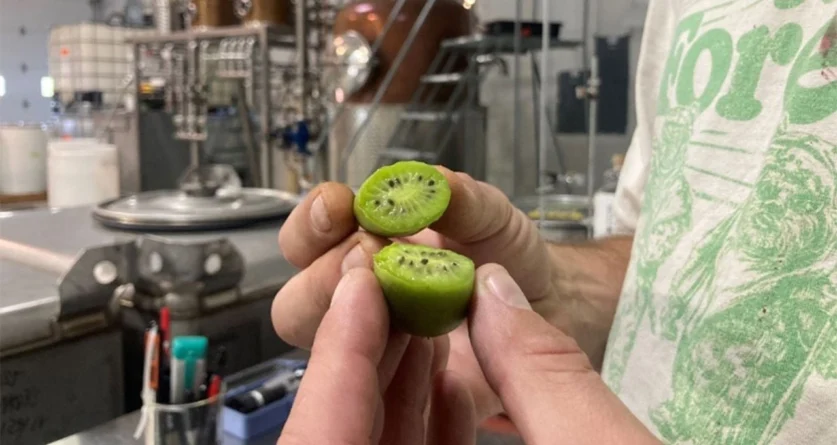
Mammoth Distilling staff said they have obtained 200 kiwi plants from a Michigan State alumni turned kiwi grower in Washington. Mammoth Distilling
CENTRAL LAKE, MI – A Michigan spirit maker is going the extra mile to create a unique product in the future.
Mammoth Distilling announced it is in the process of planting a kiwi orchard with the long-term goal of creating a kiwi liqueur and kiwi-infused vodka for the market by 2025.
The company launched in the Northern Michigan community of Central Lake in 2016 and now has six locations in the state, including a tasting room in Grand Rapids that opened in late 2023. Mammoth also has locations in Traverse City, Bellaire, Bay Harbor and Adrian.
“Not all kiwi is from the tropics,” a news release said. “Like us, you are probably surprised to learn that kiwi could be grown in Michigan at all. Turns out that there is a unique and hardy variety called “Michigan State kiwi” which have adapted to survive in harsher climates than the tropical fuzzy variety we are all more familiar with.”
The kiwis are smaller and less dense, a little juicier and have no fuzz. Mammoth staff said they have obtained 200 of the kiwi plants from a Michigan State alumni turned kiwi grower in Washington.
Mammoth staff said they plan to use his vines to start a small orchard in Central Lake.
If you purchase a product or register for an account through a link on our site, we may receive compensation. By using this site, you consent to our User Agreement and agree that your clicks, interactions, and personal information may be collected, recorded, and/or stored by us and social media and other third-party partners in accordance with our Privacy Policy.
Ranking the Complete Michter’s Whiskey Lineup
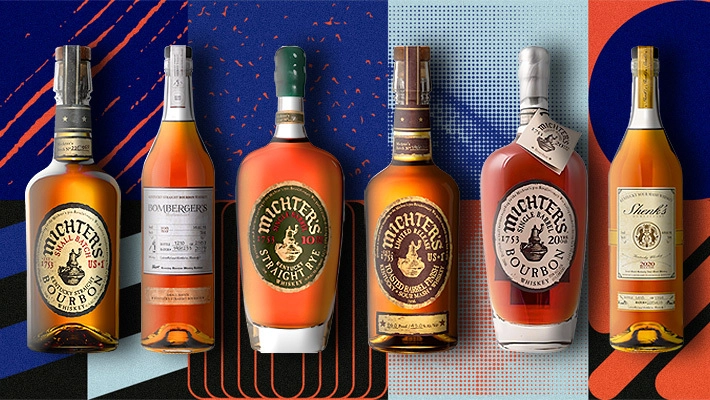
When it comes to American whiskey, Michter’s dominates the U.S. and world stage. The heritage brand, reinvented by the Magliocco family through Chatham Imports in the 1990s, played a vital role in preserving American rye whiskey as a style and reviving it alongside “sour mash” whiskeys and extraordinary bourbons. Whether you appreciate their whiskey or not, it’s undeniable that Michter’s revival was key to the resurgence of American whiskey after a few challenging decades, owed largely to the phenomenal quality of the whiskey, which has remained consistent over time.
Considering we’re discussing truly excellent whiskey, it makes sense to rank all their expressions, of which there are many. Additionally, Michter’s regularly releases new batches.
Before we delve into the specifics, let’s provide some background:
The primary line of Michter’s includes their Small Batch Bourbon, Single Barrel Rye, Unblended American Whiskey, and Sour Mash. You can find these bottles on practically every shelf in the U.S., generally priced in the mid-$40 range. The next tier of Michter’s comprises their limited edition annual releases. This category includes their toasted barrel finishes, 10-year single barrel rye and bourbon, barrel strength whiskeys, and Bomberger’s, and Shenk’s. It’s worth noting, however, that while these whiskeys are generally released annually, there are years when some are not released.
Lastly, there’s the super rare stuff. This is the 20-year age statement whiskey and above and the Celebration Sour Mash. These rarities are often seen every three to five years but can be spaced even further apart.
Let’s address the elephant in the room of any highly allocated whiskey in the U.S. — Michter’s limited edition bottles tend to be very allocated. That means that a select few restaurants, bars, and retailers get bottles when released. This is due to such a small quantity produced. Michter’s has always been about quality over producing massive numbers of cases. That means that the MSRP of the limited edition bottles is rarely what we as consumers get to pay. Some bottles are going to cost you anywhere from two to 100 times more than their listed price. It just depends on vintage, retailers, and what’s out there.
So what makes Michter’s so beloved? Well, it comes down to the people. There’s the Magliocco family at the top. They deeply care about the heritage of Kentucky whiskey and preserving something for future generations. They believe in making whiskeys that parents pass down to children and grandchildren. Yes, they want to sell whiskey to the masses — that’s what the core line is for — but they want to last beyond any trend.
Master Distiller Dan McKee and Master of Maturation Andrea Wilson are legends in the whiskey industry. They strive to source, distill, and age whiskey that’s just right for Michter’s. For McKee and Wilson, building a whiskey expression is never about a commodity. It’s about the love of the game, creating something exceptional, and offering us humble whiskey drinkers something beautiful to enjoy every day, on special occasions, and with our loved ones.
Therein lies the reason for the high regard and success of Michter’s. Let’s get to ranking now!
Alcohol By Volume: 41.7%
Typical Price: $47
In general terms, a whiskey labelled as a “blended whiskey” or simply “bourbon” (as opposed to “straight bourbon”), is a mixture of whiskey with neutral grain spirits to cut costs and increase profit margins. This particular variety is labelled as “Unblended,” specifically indicating it’s made purely with whiskey (no added grain spirits). The whiskey in these bottles has been aged in previously “whiskey-soaked” barrels. Once the whiskey reaches the desired quality, it is blended and bottled in small batches.
Tasting Notes:
Nose: Orchard fruits, butterscotch candies, and vanilla cake greet you on the nose with a hint of wooden spice.
Palate: That fruit becomes more dried and almost salted on the palate while bourbon vanilla and mild caramel sweetness mingle with cinnamon and nutmeg.
Finish: The finish is pretty short and sweet with a red berry vibe next to some thin apple cider.
Bottom Line:
This is a great mixer. Protip: Keep this whiskey in the freezer for mixing highballs or cocktails — or shooting with a cold beer on a hot day.
ABV: 45.7%
Average Price: $43
Michter’s takes the term “small batch” to heart. They blend their selected whiskies, aged eight years each, in a tank that can merely hold 20 barrels. This determines the quantity for each small batch bottling session. The mixed spirit is mixed with the famously soft limestone water hailing from Kentucky before it gets bottled.
Notes on Tasting:
Aroma: The aroma is noticeably fruity, with hints of ripe peaches, red berries reminiscent of cream soda, and notes of apple wood. These scents are complemented by the scent of waffles served with brown butter, a generous amount of maple syrup, and a trace of cotton candy.
Flavor: The sweetness lessens on the palate, starting off with vanilla icing, moving to char-grilled peaches tinged with a smidgen of black pepper, and finishing with the taste of lightly scorched marshmallows.
Finish: The end is plummy and full of rich toffee next to a dash of cedar bark and vanilla tobacco.
Bottom Line:
This is an essential cocktail bourbon to have on hand. It makes a great old fashioned or whiskey sour. I’d also argue that you can easily pour this over some ice and sip it as an everyday table whiskey too. It’s good stuff.
ABV: 43%
Average Price: $42
The title of “Whiskey of the Year” was first awarded to this American whiskey by The Whiskey Exchange in the U.K. in 2019. It’s referred to as a “sour mash” whiskey rather than “bourbon” or “rye” because the mash bill doesn’t focus on corn or rye. The whiskey ages in new white oak barrels that have undergone heavy charring.
Tasting Notes:
Nose: The initial scent features smoked plums, crispy rye crusts, a whisper of caraway, and rich caramel subtly touching on salt, vanilla and a blend of apple/pear cider.
Palate: The sip is a captivating blend of smoky dark fruit, subtle hints of vanilla and cherry, winter spices, and a faint touch of green savory herbs.
Finish: The whiskey maintains the smoky plum overtone through to the end, complemented by an underlying oaky and bourbon-like vanilla flavor.
Final Thoughts:
This finely-crafted cocktail base lends itself well to bold seasonal cocktails. Don’t hold back on adding generous portions of rich, strong flavors.
ABV: 43%
Average Price: $99
The process involves taking Michter’s renowned Kentucky Sour Mash, which is unique due to its ratio of corn or rye preventing it from being classified as bourbon or rye whiskey, and providing it a finish in toasted barrels. These barrels, prepared by air-drying for 18 months and then lightly toasting, serve as a unique aging medium before the whiskey is filled in. The final step includes this uniquely processed spirit being batched and bottled with a sufficient addition of that excellent Kentucky water.
Tasting Notes:
Nose: You will be presented with a gentle aroma of a woodpile harvested from an old orchard, accompanied by the scent of dark-chocolate-coated oranges. Hints of salt and honey drops remind one of a vanilla cake delicately frosted with apple cinnamon butter frosting.
Palate: Once tasted, you will notice a subtle smoky cherry undertone, coupled with the flavors of clove and allspice. There is a sense of indulgence found in a creamy eggnog, followed by a hint of vanilla-cherry tobacco, as if wrapped in a slightly pitchy pine box.
Finish: In the end, your palate will lean into the essence of the cherry tobacco, followed by a mild layer of chili spice. The soft and sweet remnants of the orchard firewood are also noticeable.
Verdict:
This whiskey might be described as an “acquired taste” due to its powerful wooden flavor. When sipped over ice, you might notice a rich, dry firewood taste. Mixed in a cocktail, the woody notes fluctuate between a cedar and an orchard bark taste, enhanced with a slightly burnt hint. This unique taste might not be for everyone, but it certainly delivers for those in search of it.
Alcohol by Volume (ABV): 45.7%
Cost:
This drink was first introduced by Michter’s in 2014 and has since become a regular feature in their release lineup. This whiskey starts with a standard bourbon base and is then finished in a special toasted barrel from Louisville’s renowned Kelvin Cooperage. These barrels, carefully handcrafted from 18-month air-dried white oak, are lightly toasted on the inside before the aged whiskey is added.
Tasting Notes:
Nose: You’ll first perceive a tone resembling pecan pie – nutty, arid, laden with dark Caro syrup sweetness. It comes with a whisper of candied orange peels, a hint of cinnamon, and dry cedar bark.
Palate: The sweetness persists in the palate which reminds one of a campfire roasted marshmallow. There are also gentle touches of saffron and clove-stewed pears, a mountain of sappy firewood, and subtle tones of vanilla pudding that gently traverse your senses.
Finish: The conclusion bears a faint savory feature that leads you back to the pear, vanilla, and marshmallow on an extremely slow retreat toward a stack of fresh firewood resting on a bed of soft black soil.
Bottom Line:
The sweetness of the Kentucky bourbon and the woodiness from the toasted barrel results in a harmonious balance. This bourbon is perfect for cocktails that require an added touch of woody flavor. Enjoying the bourbon on a single rock is suggested, as the water and ice retain the wood’s dryness, transforming it into a creamy texture accompanied with the taste of singed marshmallows and a hint of cherry chocolate cake.
ABV: 55.3%
Average Price: $109
The barrels of Michter’s are filled with a hot juice of 103-proof fresh off the stills. With years of aging, this proof gradually increases as the angel’s share is deducted. The majority of the time, this whiskey is diluted with Kentucky’s soft limestone water before being bottled. However, this is not the case here. This release is extracted from special single honey barrels that were of such high quality, they refrained from diluting it. It’s then bottled at the Fort Nelson Distillery situated on Louisville’s renowned Whiskey Row.
Sensory Observations:
Fragrance: On smelling, it entices you into a typical bourbon world populated by luxurious soft toffees along with salted cherries coated in dark chocolate. This is accented by a hint of smoked stone fruits and an understated element of spicy tobacco leaf.
Taste: The palette accurately reflects the above notes as the tobacco spice intensifies but is later mellowed down by the richness and creaminess of vanilla, salted caramel, and the dryness of apricot stone.
Finish: That dryness drives the mid-palate towards the finish with a pecan shell vibe next to slightly bitter singed cedar bark.
Bottom Line:
This is a great workhorse whiskey. It shines in cocktails if you’re searching for a little extra fire. It also performs well as a slow sipper over a single, large ice cube. You can’t go wrong with pouring this one, especially if you’re in the mood for classic Kentucky bourbon.
ABV: 54.6%
Average Price: $104
This coveted expression of Michter’s is extracted from individual barrels that were too outstanding to be merged or diluted. After the barrels reach the perfect flavor profile, each one undergoes filtration through Michter’s custom system before being bottled at its original barrel strength.
Tasting Notes:
Nose: The rich aromas of dark cherry and butterscotch candies are instantly noticeable, accompanied by the tang of red wine mingling with mulled wine spices like cinnamon, clove, and star anise. There are subtle notes of tart apple peel, apple bark, and a light singed marshmallow scent hidden within lightly charred Graham Crackers.
Palate: The palate subtly leans into spices with a nutmeg/eggnog vibe next to rich vanilla ice cream and smoked cherries with a minor note of fresh pipe tobacco and singed cedar bark.
Finish: The end adds some dried red chili and sharp cinnamon to the tobacco with a pinch of freshly cracked black pepper and a supple sense of a fresh fruit bowl with a lot of red berries.
Bottom Line:
This is a bold rye whiskey that really leans into the Kentucky vibes. It’s sweetly balanced with a grassiness that’s pure Kentucky. It’s truly a bourbon-lovers rye whiskey, which makes it a great sipper or Manhattan base.
ABV: 42.4%
Average Price: $43
Michter’s well-crafted juice is warehoused until the deeply charred new white oak barrels hit just the right moment in both texture and taste. Those barrels are then hand-selected and bottled one at a time with a touch of Kentucky water.
Tasting Notes:
Nose: Peppery rye complemented by a touch of citrus unfurls initially, followed by deep fatty nuttiness, dried espresso beans, subtle dark chocolate sauce, and a hint of sharp spearmint to tickle the olfactory senses.
Palate: Imagine an elusive array of toffee candies covered in roasted almonds, nestled next to a brioche lavishly spread with Nutella and dipped in a fresh cup of espresso. Couple this with soft notes of white pepper, grounded chili powder, and just a breath of honey.
Finish: The finale embraces woody winter spices such as cinnamon, clove, and allspice. Imagine a sensation of whole red peppercorns infused in molasses, a whisper of walnut cake, and a slender streak of toasted marshmallows coated in dark chocolate.
Bottom Line:
Michter’s core line deserves its high ranking. It surpasses expectations for its price point and wide availability. This is an excellent cocktail mixer and a highly enjoyable everyday sipper, even more so over a rock.
ABV: 45.6%
Average Price:
The whiskey is made primarily from rye whiskey, with a touch of bourbon, using a traditional sour mash style. The 2023 release saw the introduction of malted rye in the mash bill, adding an additional layer of malty depth to its profile. The whiskey is aged in specially crafted French oak barrels that underwent a two-year seasoning in France. These barrels were made and spent 18 months air-drying in Kentucky, before being coppered. After the aging process, the whiskey is batched and bottled with just a hint of Kentucky limestone water.
Tasting Notes:
Nose: Delicate worn-in boot leather, sun-dried and candy-coated orange, elaborate Christmas cake, raw vanilla pods, sultanas, and a touch of freshly cut firewood define the nose. The additional nuances of almost sugary oak char and slow-cooking molasses mixed with almond and dark citrus oils are discernible.
Palate: The palate is presented with a pleasing sweet spiciness, reminiscent of a case of Red Hots among allspice, clove, and orange. Rummy raisins, a heavy presence of nutmeg in eggnog, and a late surprise of oily espresso beans precede the arrival of a robust yet balanced winter spice bark intensity.
Finish: The conclusion unites the orange oils and soft cedar notes complemented by a wooden spiciness. Gentle nuances of sweet cinnamon, simmered plums, minced meat pies, and cherries soaked in brandy are piled upon chewy tobacco leaves, all on top of a plush and creamy finale.
Bottom Line:
Shenk’s is simply fine whiskey. It’s greatly quaffable, intricately crafted, and ensures a feeling of contentment. Besides, it’s spicy enough to brew a fantastic winter cocktail.
ABV: 54.45%
Average Price: $334
Michter’s standard rye whiskey undergoes additional aging in a second toasted barrel. These barrels are left to air-dry for 24 months before lightly toasting and filling with the rye. The whiskey is then bottled straight from the cask.
Tasting Profile:
Aroma: The aroma contains a heady mix of spices and sweet several undertones. There are hints of a buttery, candied, nut-filled holiday dessert that has been soaked in fine whiskey. The aroma evolves over time to uncover nuances of dried fruit, along with the scent of dry cedar kindling coupled with dark chocolate.
Flavor: The palate reveals the taste of dates soaked in black tea, complemented by notes of creamed vanilla honey, black walnuts, and moist brown sugar. There is a touch of salted dark chocolate with a hint of bitterness, evoking images of vanilla pods on the branch and smoky hickory subtly layered with brisket fat.
Finish: The mid-palate dries out towards that pitchy yet dry woodpile with an echo of dirt from the bottom of that woodpile on the finish before the roasting herbs and soft dark berries arrive with a whisper of dark chocolate tobacco and leather.
Bottom Line:
This is essential Kentucky rye. Again, it perfectly balances sweet almost bourbon vibes with a deep grassiness of a good rye without going into harder botanicals or herbs. It’s amazing sippable with a great finish that’ll have you coming back for more.
ABV: 47.2%
Average Price: $475
The whiskey barrels used for these single-barrel expressions are typically at least 10 years old, with some said to be nearly 15 years old (naturally dependent on the quality of the barrel). Regardless, the whiskey undergoes Michter’s unique filtration process before a touch of Kentucky’s renowned soft limestone water is incorporated, reducing the bourbon to an irresistible 94.4 proof.
Tasting Notes:
Nose: There is a peppery aroma of cedar bark and charred orange accompanied by salted caramel and tangy red berries. This is combined with a moist and spicy sticky toffee pudding along with a hint of brandy butter that teases the nose.
Palate: This palate combines the flavors of vanilla tobacco, salted dark chocolate-covered marzipan, espresso cream, fresh porch wicker, and black peppercorns.
Finish: The finish carries a hint of pecan waffle complemented with chocolate chips, maple syrup, blackberry jam, and minced meat pies. It ends with the notes of aged tobacco, cedar, and a sweet yet roasted marshmallow.
Conclusion:
For whiskey enthusiasts, it’s an exciting experience to taste something as nuanced and flavorful as this. Available at most reputed whiskey bars, it offers a wholesome tasting experience. Go ahead and savor a pour! Or if you’re feeling adventurous, why not try an excellent old fashioned concocted with it?
Without resorting to cliches, this is the epitome of Kentucky bourbon.
ABV: 46.4%
Average Price: $399
The Michter’s 10-Year Rye release of 2023 immediately became a classic. This whiskey is produced from a rye whiskey mash bill abundant in corn with a considerable barley dose. Only the supreme barrels are selected — some aged up to 15 years — for this release. Each of these barrels is then individually bottled in its raw form with a suggestion of proofing water.
Tasting Notes:
Nose: There’s a rich, lush combination of toffee and soft marzipan that is introduced on the nose. To add to this, a dash of freshly cracked black pepper which leads to a cosy apple cider laced with cinnamon and cedar bark soaked in cherry.
Palate: The taste can bring you memories of Red Hot and zesty orange marmalade combined in unusual harmony, along with creamy vanilla pudding, and spicy dried chili peppers that carry a hint of smoke and woodiness. There’s also a fleeting whisper of celery salt present.
Finish: The finish switches to drying out the almond along with vanilla cream tobacco tones, it’s soft with lingering sweetness. There’s also cedar and dark chocolate orange vibe that attains a balance close to perfection.
Bottom Line:
This is my home pour. I use it for after-work pours over a big rock or in my Manhattans. Seriously, folks, there’s no better whiskey than this for Manhattans. Period.
ABV: 58.65%
Average Price: $25,000
The single-barrel rye release from Michter’s is a mystery, all we really know is that the whiskey barrels sourced for it are among the top-tier in the industry. Being a 25-year-old whiskey aged in new oak and still maintaining such nuanced taste is what magic Michter’s and this bottle bring along.
Tasting Notes:
Nose: Exudes an earthy scent that resembles dried white moss on a damp forest floor. Alongside are undertones of bitter yet aromatic espresso beans, extravagantly priced vanilla, oranges enclosed in golden cellophane, and a slightly damp black pepper fragrance.
Palate: Begins with the allure of golden sultanas coupled with a distinct touch of clove verging on anise maybe black licorice. The essence of vanilla remains dry as the orange oils start to char and a far-off note of salted, almost charred cacao powder signals the finish.
Finish: That finish does lean into a classic Tellicherry cracked black pepper but remains dry and features just the right amount of dried fruit sweetness.
Bottom Line:
Yes, this is outrageously expensive. That’s because it hasn’t been re-released in a very long time. It’s also freaking delicious. This is probably the #1 expression elite whiskey lovers will be clamoring to see a new version of in 2024 or 2025. It’s that good.
ABV: 56.4%
Average Price: $19,999
The fourth Michter’s Celebration release, and the first one since 2019, was released early in 2023. Because of a slight delay, it was not released until February 2023. The special American whiskey is the result of a collaborative effort between Michter’s Master Distiller Dan McKee and Master of Maturation Andrea Wilson. They selected seven whiskeys, ranging in age from twelve to over thirty years, for this distinctive blend. The barrels were batched and bottled without dilution, leading to a limited production of just 328 bottles globally.
Tasting Notes:
Nose: The aroma subtly begins with hints of dark chocolate and brown butter, accented by Saigon cinnamon bark and a slight note of crème brûlée prepared with a touch of cognac.
Palate: The rich tapestry of flavors includes a heady vanilla, which leads smoothly into a dance of winter spices. The clove, anise, and nutmeg create a perfect harmony with the stewed peaches and caramelized orange, underlined by the warmth of toasted marshmallows and the smoky aroma of hickory wood. It is reminiscent of orchards in fall with a hint of creamy black cherry and sweetly glazed pecans.
Finish: As the experience progresses, the pecan flavor intertwines with tones of woody maple syrup, additional cinnamon, and aromatic cloves peppered with orange zest. It hints at a wooden basket filled with assorted orchard fruits, nuts, and dried fruits, all bundled together with a sturdy leather-bound twine. To everything a final touch is added in the form of spiced chocolate cherry tobacco leaf subtly layered in the center.
Conclusion:
This whiskey is much to be appreciated and may be found in some whiskey bars across the country. Decidedly give it a try! Its unique flavor profile shows just how magnificent whiskey can be without being specifically labeled as “bourbon” or “rye”.
ABV: 58.1%
Average Price: $10,002
The whiskey that you’ll find inside this bottle was distilled in or before the year of 1998 at an undisclosed distillery located in Kentucky. It was made from a special mash bill, distilled, and then put into new barrels made of American white oak. It was left untouched until they felt it was time to transfer them over to the campus in Shively, Kentucky where it was closely monitored to ensure its quality. When the team at Michter’s felt that the barrels reached their peak, they batched this whiskey for a very limited release, and decided to bottle it without making any alterations.
Tasting Notes:
Nose: The aroma begins dominantly with an old, strong scent of molasses, mixed with dried fruits such as prunes, dates, and raisins. Following these are the refreshing notes of winter spices, ripe berries, and fresh buds. Alongside these aromas, one would notice the charming scent of crispy brown, buttery Christmas sugar cookies, dipped in rich, dark chocolate, and delicately sprinkled with powdered vanilla pods. This olfactory journey concludes with a subtle hint of smoked walnut husks and fire-charred chestnuts.
Palate: The taste is just as riveting, beginning with a shift of the molasses aroma into the flavor of thick, hot chocolate, slightly touched with a hint of red chili for a uniqueness in taste. This then gives way to a prominent taste of candied almonds which thematically shifts your taste buds towards the rich, succulent flavor of a moist, sticky toffee pudding. This treat-like flavor is complemented with pinches of sea salt and fresh orange zest, along with the tempting hint of vanilla buttercream.
Finish: The experience finishes with a stunning note of dried sweet grass and old, brittle fall leaves from an apple orchard. Moreover, one could also perceive hints of pear brandy-soaked marzipan covered in dark chocolate as dark as night itself. Complementing these already rich flavors is the unique blend of various, woody brown winter spices, all wrapped up in the aroma of old tobacco leaves. These are all housed in a very old whiskey barrel, placed in an old, musty brick rickhouse, setting a scene of a chilly fall day.
Bottom Line:
This bourbon whiskey has recently been re-launched and is now available for purchase at a significant price point. Regarded by many as a collector’s staple, this will surely be the show-stopper at your gatherings. What’s more, it’s a top-notch bourbon whiskey that’s unparalleled by just a handful of other releases.
ABV: 54%
Average Price: $119
The origins of this whiskey date back to the time Michter’s was not even named as such, tracing its roots back to the 19th century. The initial staging ground was the old Bomberger’s Distillery in Pennsylvania where the brand’s journey began in 1753. The bourbon in question is a product of a significantly small batch of bourbons matured in Chinquapin oak barrels. The staves for these barrels were left to air-dry for a lengthy period of three years before being coopered, charred, and then filled. This scrumptious Kentucky bourbon is then bottled in a highly limited batch which results in only about 2,000 bottles per year.
Tasting Notes:
Nose: The aroma comprises of sweet mashed grains reminiscent of a mixture of Cream of Wheat with butter and molasses. Complementing this are notes of sticky toffee pudding, old saddle leather, and old cellar beams. The scent finishes with a touch of sweet cinnamon, candied orange, dark chocolate and eggnog with a dash of salt.
Palate: This whiskey delights the palate with a super creamy texture likened to crème brûlée. It brings forward soft winter spices, dry cedar, and orange chocolates with a subtle hint of marzipan soaked in pear brandy in the backdrop.
Finish: The finish brings a pleasant sensation of creamed honey alongside elements of brandy-soaked figs and rum-soaked prunes. Notes of fresh chewing tobacco and salted dark chocolate lead back to nice memories of dark chocolate and old cellar floors. The finishing touch is a bit of smoldering orchard bark.
Bottom Line:
This is likely the most palatable bourbon on this list for those searching for a high-end bourbon experience. It transcends the ordinary and enters the realm of “essential” due to a profile that surpasses the typical and ventures into the phenomenal. Regardless of whether it’s bourbon or not, this is simply delectable whiskey.
ABV: 57.1%
Average Price: $4,889
Master Distiller Dan McKee handpicks these barrels, which are a minimum of 20 years old, from the Michter’s rickhouses, making his choices based on what can best be described as pure excellence. The bourbon is then poured straight from barrels to bottles.
Tasting Notes:
Nose: This has a deep aroma of dark cherry coupled with rummy molasses, almond shells that have aged to perfection, dried rose petals. There are undertones of the fresh scent of pipe tobacco leaves highlighted with the essence of apple and pear. Vanilla oil nuances and festive wine spices complete the scent profile.
Palate: On the tongue, it’s a mellow melody of vanilla pods, seasoned with the essence of aged oak staves that one might discover in a old-world cellar. A hint of sweet cinnamon coupled with cherry undertones dances over a stage set by dried sage and zingy spearmint. The base note of the syrupy delight is cloves, topped with a spritz of toasted marshmallow sweetness.
Finish: The conclusion is packed with decadent dark cherry and robust spice, with nuances of damp marzipan, scorched orange oils, and chewy fresh tobacco encompassed by vintage leather and cedar bark, with the faintest touch of that familiar old cellar scent creeping back in.
Final Thoughts:
Currently, this is possibly the epitome of excellence. It’s a decidedly rich and harmonious drink that surpasses the commonplace and evolves into something celestial. This is the bourbon serving that we all fantasize about, particularly during these frigid winter evenings. It’s truly exceptional.
Planteray Rum”: The New Name for Plantation Rum
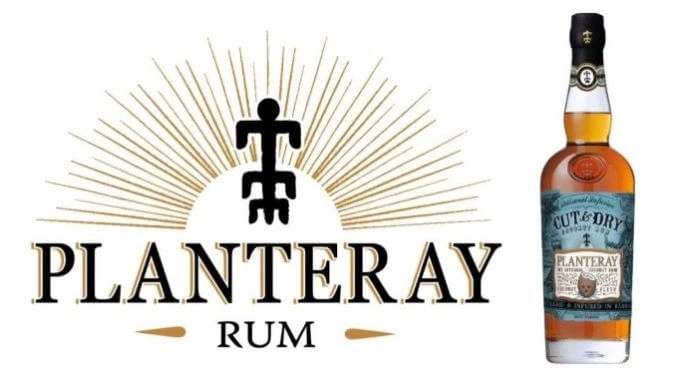
After years of perceived indecision and critiques from consumers, Maison Ferrand’s Plantation Rum is finally going through with the name change that was first promised in June 2020. Henceforth known as Planteray Rum, Maison Ferrand owner Alexandre Gabriel made the announcement today from the West Indies Rum Distillery in Barbados. The initial product under the new Planteray Rum label will be Cut & Dry Coconut Rum, followed by other brands as soon as the current stock of bespoke bottles is exhausted.
In Gabriel’s words at the press conference, the updated name “pays homage to sugarcane, the PLANT that gives birth to the rum, and the sun’s RAYs that are vital for sugarcane growth and ripening.”
Uhhh … certainly, both statements hold true. In actuality, the new name feels somewhat out of place and seems destined to be mistaken as “planetary”, among other things. However, it seems that a choice was sought that didn’t differ too much visually from “Plantation”, thus leaving the negative racial connotations of the word behind. The Plantation name had faced criticism for years and caught even more attention during the Black Lives Matter demonstrations in the summer of 2020. Representatives of the brand had previously claimed that “plantation” was a simple reference to “farm” in French, but this narrative changed in late June 2020 when the company admitted to the word’s historical connection to the slave trade. The company stated, “As the global conversation on racial equality continues, we recognize the distressing connotation that the term plantation can have for some individuals, primarily due to its association with much darker images and the atrocities of the past.”
Thus began Maison Ferrand – proprietors of Citadelle Gin and Ferrand Cognac among others – the lengthy process of finding a new name. As this period extended over several years, activists expressed growing dissatisfactions, accusing the parent company of delaying the name change or expecting that the passage of time would render it unnecessary. Alexandre Gabriel, on the other hand, suggested that the complexities of international business and trademark laws significantly delayed the process. In a 2022 interview, he described it as a “daunting and lengthy process,” stating that the ultimate name needed to be one that the company could use in over 100 countries where they have distribution.
It appears that Planteray Rum may be the new name, an unexpected choice no doubt. It might be quite some time though before this name begins to appear on familiar Plantation Rum brands in the US, given that the company is dealing with a large inventory of customized glass marked with “Plantation.” Eventually, the new moniker will take pride of place on all the company’s products, with the rest of the label details remaining the same. Here’s to hoping that the new name, “Planteray,” doesn’t end up being insensitive in a different way once all is said and done.
Jim Vorel is a staff writer for Paste and the resident spirits enthusiast. For more drink-related content, follow him on Twitter.
GET PASTE RIGHT IN YOUR INBOX
Experience the best of music, movies, TV, books, humor and more.
Your HTML code contained form elements which are not allowed. Here is the cleaned up version of your code.
“`
Sign Up
“`
Michigan Distillery’s Exciting Venture into Kiwi-infused Vodka with New Kiwi Orchard Planting
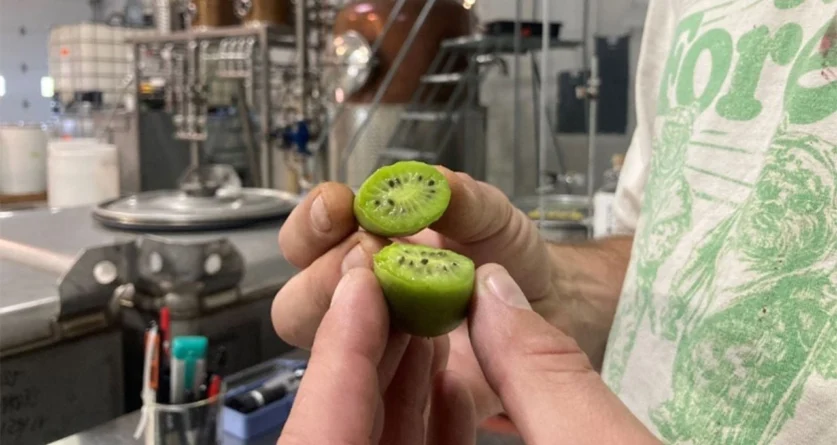
Mammoth Distilling staff said they have obtained 200 kiwi plants from a Michigan State alumni turned kiwi grower in Washington. Mammoth Distilling
CENTRAL LAKE, MI – A Michigan spirit maker is going the extra mile to create a unique product in the future.
Mammoth Distilling announced it is in the process of planting a kiwi orchard with the long-term goal of creating a kiwi liqueur and kiwi-infused vodka for the market by 2025.
The company launched in the Northern Michigan community of Central Lake in 2016 and now has six locations in the state, including a tasting room in Grand Rapids that opened in late 2023. Mammoth also has locations in Traverse City, Bellaire, Bay Harbor and Adrian.
“Not all kiwi is from the tropics,” a news release said. “Like us, you are probably surprised to learn that kiwi could be grown in Michigan at all. Turns out that there is a unique and hardy variety called “Michigan State kiwi” which have adapted to survive in harsher climates than the tropical fuzzy variety we are all more familiar with.”
The kiwis are smaller and less dense, a little juicier and have no fuzz. Mammoth staff said they have obtained 200 of the kiwi plants from a Michigan State alumni turned kiwi grower in Washington.
Mammoth staff said they plan to use his vines to start a small orchard in Central Lake.
If you purchase a product or register for an account through a link on our site, we may receive compensation. By using this site, you consent to our User Agreement and agree that your clicks, interactions, and personal information may be collected, recorded, and/or stored by us and social media and other third-party partners in accordance with our Privacy Policy.
Ranking the Entire Michter’s Whiskey Collection
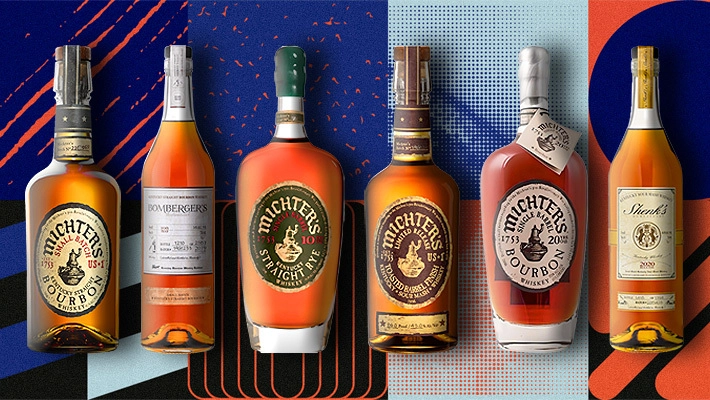
Speaking of American whiskey, Michter’s is leading both the U.S. and worldwide. This iconic brand, which was resurrected by the Magliocco family via Chatham Imports in the 1990s, played a significant role in saving American rye whiskey as a style and brought it back along with “sour mash” whiskeys and incredible bourbons. Whether you appreciate their whiskey or not, it is undeniable that Michter’s’ revival was a key part of the resurrection of American whiskey after several tough decades. The primary reason for this is the superior quality of the whiskey.
As we’re on the topic of genuinely outstanding whiskey, I believed it was appropriate to evaluate all their expressions. There happen to be quite a few. Also, Michter’s frequently introduces new batches.
Here’s a brief overview before we delve into the details:
Michter’s main product line includes their Small Batch Bourbon, Single Barrel Rye, Unblended American Whiskey, and Sour Mash. Basically, these bottles should be accessible almost everywhere in the U.S. at a reasonably decent price around the mid-$40 range. Michter’s next tier consists of their limited edition annual releases. This segment includes their toasted barrel finishes, 10-year single barrel rye and bourbon, barrel strength whiskeys, Bomberger’s, and Shenk’s. However, it should be noted that these whiskeys are normally released every year, but some years do get skipped occasionally.
Lastly, there’s the super rare stuff. This is the 20-year age statement whiskey and above and the Celebration Sour Mash. These rarities are often seen every three to five years but can be spaced even further apart.
Let’s address the elephant in the room of any highly allocated whiskey in the U.S. — Michter’s limited edition bottles tend to be very allocated. That means that a select few restaurants, bars, and retailers get bottles when released. This is due to such a small quantity produced. Michter’s has always been about quality over producing massive numbers of cases. That means that the MSRP of the limited edition bottles is rarely what we as consumers get to pay. Some bottles are going to cost you anywhere from two to 100 times more than their listed price. It just depends on vintage, retailers, and what’s out there.
So what makes Michter’s so beloved? Well, it comes down to the people. There’s the Magliocco family at the top. They deeply care about the heritage of Kentucky whiskey and preserving something for future generations. They believe in making whiskeys that parents pass down to children and grandchildren. Yes, they want to sell whiskey to the masses — that’s what the core line is for — but they want to last beyond any trend.
Master Distiller Dan McKee and Master of Maturation Andrea Wilson are legends in the whiskey industry. They strive to source, distill, and age whiskey that’s just right for Michter’s. For McKee and Wilson, building a whiskey expression is never about a commodity. It’s about the love of the game, creating something exceptional, and offering us humble whiskey drinkers something beautiful to enjoy every day, on special occasions, and with our loved ones.
What makes Michter’s stand out and so well received? Time to decipher that in rankings!
ABV: 41.7%
Approximate Cost: $47
More often than not, whiskeys labeled as “blended whiskey” or simply just “bourbon” (as opposed to “straight bourbon”), means it’s a mix of whiskey with neutral grain spirits for cost efficiency and increased profit. This particular variety is referred to as “Unblended,” primarily because it’s made exclusively of whiskey (no grain spirits added). The whiskey filled in these bottles was matured in barrels that were previously soaked in whiskey. Once the whiskey reaches the desired maturity, it’s then blended and bottled in small batches.
Tasting Notes:
Nose: Orchard fruits, butterscotch candies, and vanilla cake greet you on the nose with a hint of wooden spice.
Palate: That fruit becomes more dried and almost salted on the palate while bourbon vanilla and mild caramel sweetness mingle with cinnamon and nutmeg.
Finish: The finish is pretty short and sweet with a red berry vibe next to some thin apple cider.
Bottom Line:
This is a great mixer. Protip: Keep this whiskey in the freezer for mixing highballs or cocktails — or shooting with a cold beer on a hot day.
ABV: 45.7%
Average Price: $43
Michter’s genuinely embodies the term “small batch”. Their tank, used to blend their carefully chosen eight-year-old bourbons, can only contain 20 barrels; hence, each small-batch bottle contains this many. With Kentucky’s famous soft limestone water, the blended bourbon is then proofed and bottled.
Tasting Notes:
Nose: The scent of this drink is highly fruity, combining notes of mashed peaches, red berries (resembling a cream soda), and apple wood, alongside a plate of waffles adorned with brown butter and a generous drizzle of maple syrup, finishing with a whisper of cotton candy.
Palate: The palate notes reveal a moderating sweetness where vanilla frosting gives way to grilled peaches with a touch of black pepper, accompanied by slightly charred marshmallows.
Finish: The end is plummy and full of rich toffee next to a dash of cedar bark and vanilla tobacco.
Bottom Line:
This is an essential cocktail bourbon to have on hand. It makes a great old fashioned or whiskey sour. I’d also argue that you can easily pour this over some ice and sip it as an everyday table whiskey too. It’s good stuff.
ABV: 43%
Average Price: $42
The title of “Whiskey of the Year” was bestowed upon this American whiskey by The Whiskey Exchange in the U.K. for the first time in 2019. It’s termed as a “sour mash” rather than a “bourbon” or “rye” because neither corn nor rye are the main ingredient in the mash bill, hence it earns the designation of sour mash whiskey. The whiskey aging process takes place in new white oak with a heavy char.
Tasting Notes:
Nose: On the first sniff, the aroma of smoked plums, crunchy rye crusts, a subtle touch of caraway, and deep caramel tinged with a hint of salt combine with the sweet scents of vanilla and apple/pear cider.
Palate: The sip embraces the smoky dark fruit with hints of vanilla and cherry popping up next to winter spices and a touch of green savory herbs.
Finish: The whiskey carries that smoky plumminess through to the end with a nice nod to an oaky and bourbon-y vanilla underbelly.
Bottom Line:
This is another fine cocktail base — it works in bold seasonal cocktails so don’t be afraid of adding big flavors.
ABV: 43%
Average Price: $99
This release uses Michter’s renowned Kentucky Sour Mash, which doesn’t contain enough corn or rye to be classified as bourbon or rye whiskey, and finishes it in toasted barrels. These barrels are air-dried for 18 months before being lightly toasted. The whiskey is then filled into these barrels. After aging, the whiskey is blended and bottled with a generous amount of Kentucky water.
Tasting Notes:
Nose: There’s a mild scent of firewood freshly chopped from an aged fruit orchard, alongside dark chocolate oranges with a touch of salt and honey, complemented with the essence of vanilla cake iced with an apple cinnamon butter concoction.
Palate: The taste shows a hint of lightly smoked cherry accompanying clove and allspice, creating a sensation of a rich, creamy eggnog and vanilla-cherry tobacco packed in a slightly resinous pine crate.
Finish: The finale emphasizes further on the cherry tobacco with an added layer of mild chili spice and additional soft and sweet orchard firewood.
Final Thoughts:
This whiskey on our list, you could say, is quite an “acquired taste”. The flavor of the wood is very present. On ice, this whiskey brew serves a robust, dry firewood taste. When mixed into a cocktail, its woodiness transforms from cedar bark to orchard bark, ending in a slightly charred note. This may not appeal to all, but for those who seek such flavors, it does not disappoint.
Alcohol By Volume (ABV): 45.7%
Cost On Average: $448
Michter’s first introduced this in 2014 and it quickly became a regular in their release roster. The whiskey is a traditional bourbon, finished off in a toasted barrel from the renowned Kelvin Cooperage based in Louisville. These barrels are all handmade, using white oak that has been air-dried for 18 months. They are lightly toasted on the inside prior to introducing the aged whiskey.
Tasting Notes:
Nose: The initial scent possesses a resemblance to a pecan pie; rich, dry, filled with the sweetness of dark Caro syrup, and a subtle hint of candied orange peels, cinnamon, and dry cedar bark.
Palate: On tasting, the sweetness persists with a hint of campfire roasted marshmallow, a dash of saffron and clove-infused pears, a mound of sappy firewood, and smooth undertones of vanilla pudding swirling across your taste buds.
Finish: A final note delivers a mild savory flavor that harks back to the pear, vanilla, and marshmallow, gently turning into a slow fade towards a pile of fresh firewood arranged neatly on a bed of soft black soil.
Bottom Line:
The sweetness of the Kentucky bourbon balances the woodiness of the toasted barrel finish nicely on this one. I’d still use this primarily for cocktails with a woody kiss but you’ll probably like it best on a rock. The water and ice will help the dryness of the wood take on a creamy sense with singed marshmallows and a touch of cherry chocolate cake.
ABV: 55.3%
Average Price: $109
Michter’s deposits a still-hot 103-proof spirit into their barrels. Over a couple of years of maturing, this proof elevates slightly as evaporation, also known as the ‘angel’s share’, takes place. In typical circumstances, this whiskey is diluted with Kentucky’s famed limestone water before being bottled. However, in this instance, the spirit is derived from exceptional ‘honey barrels’ that warrant abstention from dilution, and is bottled at the Fort Nelson Distillery, situated on Louisville’s celebrated Whiskey Row.
Tasting Notes:
Aroma: The aroma immerses you in the quintessential bourbon ambiences of dense buttery toffees aligned with salted cherries cloaked in dark chocolate, a hint of smoked stone fruits, and a slight suggestion of spicy tobacco leaf.
Flavour: The flavour reflects these aromas as the spice of the tobacco intensifies, and then gets balanced by the rich and creamy vanilla, salted caramel, and a touch of dryness that calls to mind apricot stones.
Finish: That dryness drives the mid-palate towards the finish with a pecan shell vibe next to slightly bitter singed cedar bark.
Bottom Line:
This is a great workhorse whiskey. It shines in cocktails if you’re looking for a little extra punch. It also works wonders as a slow sipper over a single large ice cube. You can’t lose pouring this one, especially if you’re looking for classic Kentucky bourbon.
ABV: 54.6%
Average Price: $104
This rare expression from Michter’s comes from single barrels deemed too exceptional to batch together or dilute. When the barrels achieve the ideal flavor profile, they are filtered through Michter’s proprietary system and bottled directly at their original barrel strength.
Tasting Notes:
Nose: The aromas of dark cherry and butterscotch candies are prominent on the nose. You might also sense sour red wine and mulled wine spices like cinnamon, clove, and star anise. There are also elements of tart apple skins, apple bark, and a suggestion of singed marshmallow amidst lightly charred graham crackers.
Palate: The palate subtly leans into spices with a nutmeg/eggnog vibe next to rich vanilla ice cream and smoked cherries with a minor note of fresh pipe tobacco and singed cedar bark.
Finish: The end adds some dried red chili and sharp cinnamon to the tobacco with a pinch of freshly cracked black pepper and a supple sense of a fresh fruit bowl with a lot of red berries.
Bottom Line:
This is a bold rye whiskey that really leans into the Kentucky vibes. It’s sweetly balanced with a grassiness that’s pure Kentucky. It’s truly a bourbon-lovers rye whiskey, which makes it a great sipper or Manhattan base.
ABV: 42.4%
Average Price: $43
Michter’s skillfully produced juice is stored until the distinctively charred new white oak barrels reach the perfect point in terms of both texture and flavor. These barrels are afterwards meticulously picked and filled one at a time, along with a splash of Kentucky water.
Tasting Notes:
Nose: Featuring peppered rye with a touch of citrus, the initial aroma lends itself to deep fatty nuttiness, dry espresso beans, smooth dark chocolate sauce, and a splash of sharp spearmint.
Palate: One can perceive a subtle trail of toffee candies wrapped in roasted almonds resting adjacently to a brioche laden with Nutella, dunked in a freshly brewed cup of espresso. It carries slight hints of white pepper, chili powder, and potentially, a bit of honey.
Finish: The concluding note gravitates towards wooden winter spice barks and buds, such as cinnamon, clove, and allspice, with an undertone of whole red peppercorns bathed in molasses, a hint of walnut cake, and a slender streak of toasted marshmallows dipped in dark chocolate.
Bottom Line:
Michter’s core line undeniably merits its high rating. Impressively, it manages to surpass the quality one would expect at its price point and availability. Perfect for mixing in cocktails, it also serves as a delightful everyday sipper, especially over a rock.
Alcohol By Volume: 45.6%
Typical Price: $109
The production of this whiskey involves a significant amount of rye whiskey and a little bourbon incorporated in a traditional sour mash style. The 2023 release features malted rye in the mash bill for an added layer of malty richness. The aging process involves specially curated toasted French oak, seasoned in France for 24 months, then crafted into barrels that air-dried in Kentucky for 18 months prior to being charred. Each barrel is batched and bottled, complemented by a hint of Kentucky limestone water.
Tasting Notes:
Nose: Delicate aromas of boot leather, dried and candied orange, spiced Christmas cake, fresh vanilla beans, sultanas, accompanied by a trace of fresh firewood. The nose finishes with a subtle sweet hint of oak char and simmering molasses enhanced with almond and dark citrus oils.
Palate: The taste contains a pleasing sweet spiciness, reminiscent of a box of Red Hots, paired with allspice, clove, and orange. This is mixed with rummy raisins, a generous splash of nutmeg-infused eggnog, and a late hint of oily espresso beans before a strong yet balanced winter spice sharpness takes center stage.
Finish: The conclusion intertwines the orange oils with soft cedar notes, creating a woody spiciness. This is closely followed by delicate notes of sweet cinnamon, simmered plums, minced meat pies, and brandied cherries, enriched with chewy tobacco leaves, creating a lush and creamy finish.
Bottom Line:
Shenk’s is just good whiskey. It’s highly sippable, deeply hewn, and will leave you feeling satisfied. It’s also spicy enough to make a hell of a winter cocktail.
ABV: 54.45%
Average Price: $334
Finish: The mid-palate dries out towards that pitchy yet dry woodpile with an echo of dirt from the bottom of that woodpile on the finish before the roasting herbs and soft dark berries arrive with a whisper of dark chocolate tobacco and leather.
Bottom Line:
This is essential Kentucky rye. Again, it perfectly balances sweet almost bourbon vibes with a deep grassiness of a good rye without going into harder botanicals or herbs. It’s amazing sippable with a great finish that’ll have you coming back for more.
ABV: 47.2%
Average Price: $475
The whiskey barrels used for these single-barrel expressions are typically at least 10 years old, although some are rumored to approach 15 years old (its quality is of course a factor). Regardless, the whiskey undergoes Michter’s unique filtration process before a small amount of Kentucky’s famed soft limestone water is added, adjusting the bourbon’s proof to a highly drinkable 94.4.
Tasting Notes:
Nose: There’s a spicy hint of cedar bark and burnt orange coupled with salted caramel and tart red berries. A moist and spicy sticky toffee pudding paired with brandy butter adds an enticing aroma.
Palate: The palate artfully interweaves vanilla tobacco with salted dark chocolate-covered marzipan, and combines it with a touch of espresso cream leading to the introduction of new porch wicker and black peppercorns.
Finish: The conclusion of the palette experience indulges in a unique pecan waffle profile, dappled with chocolate chips, infused with maple syrup, blackberry jam, and minced meat pies. Alongside these eclectic flavors linger the tones of old tobacco and cedar with a sweet but toasted marshmallow lingering towards the end.
Conclusive Thoughts:
This whiskey stands as one of those exceptional choices that are just within reach to spark thrilling excitement. Most high-quality whiskey bars will likely have this in their collection. It is highly recommended to try a pour! Or, if you’re in for a slightly more daring experience, request for them to craft an unmatched old fashioned with it.
Not to be cliched, but this is truly quintessential Kentucky bourbon.
ABV: 46.4%
Average Price: $399
2023’s Michter’s 10-Year Rye release was an instant classic. The whiskey is made from a corn-rich rye whiskey mash bill with a good dose of barley in there. The absolute best barrels are chosen — with some up to 15 years old — for this release. Then each of those barrels is individually bottled as-is with a hint of proofing water.
Tasting Notes:
Nose: The nose exudes a luxurious blend of rich toffee and soft marzipan, offset with a touch of freshly cracked black pepper. This segues into a melody of cinnamon-infused apple cider and cherry-soaked cedar bark.
Palate: On the palate, the experience unfolds with notes of Red Hot, zesty orange marmalade, and creamy vanilla pudding. There is an unexpected zest from dried chili peppers, further deepened by a hint of smoke and woodiness. A fleeting whisper of celery salt completes the taste palette.
Finish: The finish wonderfully dries out the almond, leaving a rich trail of vanilla cream tobacco, soft and sweet cedar, and sumptuous dark chocolate orange. Everything is expertly balanced, resulting in a nearly perfect flavor profile.
Bottom Line:
This is my home pour. I use it for after-work pours over a big rock or in my Manhattans. Seriously, folks, there’s no better whiskey than this for Manhattans. Period.
ABV: 58.65%
Average Price: $25,000
Michter’s selection for this single-barrel rye release is sourced from some of the finest barrels within the whiskey realm. Despite its age of 25 years and being aged in new oak, this whiskey possesses a remarkable set of nuanced flavors that is a testament to the magic of Michter’s and this bottle.
Tasting Notes:
Nose: It brings a sense of earthiness akin to dried white moss on a damp forest floor, juxtaposed with bitter yet oily espresso beans. There are also hints of expensive vanilla, golden-wrapped oranges, and a tang of damp black pepper.
Palate: The taste begins with golden sultanas drawing you in, accompanied by a clear hint of clove that borders on anise, perhaps black licorice. The vanilla persists but drier, as the orange oil evolves into a burnt note and a distant hint of salted, almost blackened cacao powder that announces the finish.
Finish: That finish leans towards a traditional Tellicherry cracked black pepper, but maintains the right degree of dryness while incorporating the perfect dash of dried fruit sweetness.
Bottom Line:
Admittedly, it’s priced on the higher side. The reason lies in its scarcity, having not been re-issued for a considerable period. Moreover, its delightful taste supports the cost. Connoisseurs of high-end whiskey will likely be eagerly expecting the next release around 2024 or 2025. It’s that commendable.
ABV: 56.4%
Average Price: $19,999
The anticipated fourth Michter’s Celebration release, the first since 2019, was debuted in early 2023 after a minor delay that moved its release to February 2023. The American whiskey is the result of a partnership between Michter’s Master Distiller Dan McKee and Maturation Master Andrea Wilson. They carefully selected seven whiskeys, aged from twelve to over thirty years, for this exclusive blend. Without diluting with water, this batch produced a limited quantity of 328 bottles worldwide.
Tasting Notes:
Nose: The aroma gently introduces dark chocolate enhanced with brown butter, Saigon cinnamon bark, and a faint hint of crème brûlée crafted with a touch of cognac.
Palate: The luxurious taste opens with a boozy vanilla flavor followed by winter spices including clove, anise, and nutmeg. It also features notes of stewed peaches, burnt orange, and singed marshmallows. The backdrop is filled with the fragrant aroma of old smoldering hickory and a scene of orchards with falling leaves. An undertone of creamy black cherry and candied pecans add a final touch to the mix.
Finish: Its finish is a blend of various flavors – the pecans fuse with the taste of woody maple syrup, and there is a hint of more cinnamon bark and orange-studded cloves. The ending leaves an impression of a mix of orchard fruits, nut, and dried fruits placed in an old wooden basket and tied with a thick, old twine and leather. A spiced chocolate cherry tobacco leaf in the middle enriches the final experience.
Final Thoughts:
If you are looking for a top-notch whiskey experience, many good whiskey bars across the country keep a bottle of this. It provides a wonderful experience of how delightful whiskey can be outside of being merely ‘bourbon’ or ‘rye’. Give it a shot!
ABV: 58.1%
Average Price: $10,002
The whiskey housed inside the bottle was created in 1998 or even earlier at an unspecified distillery located in Kentucky. The whiskey was produced using an original mash recipe. It was decanted into newly-crafted American white oak casks and left undisturbed until transferred to the Shively, Kentucky site for quality control assessments. When the aging process achieved the optimal maturity level – a credit to the finely-tuned skills of Michter’s team – a small, exclusive batch was prepared for this specific release and the whiskey was bottled exactly as it was.
Tasting Notes:
Nose: Opening with an intense aroma of old molasses barrels filled with prunes, dates, and raisins, there is a sense of winter spiced barks, berries, and buds alongside brown, buttery Christmas sugar cookies. These are deeply dipped in dark chocolate and sprinkled with crushed vanilla pods. Just at the end, there is a slight hint of smoked walnut shells and fire-charred chestnuts.
Palate: The flavour of molasses veers towards thick, spicy hot chocolate with a hint of red chili. A profound sensation of candied almonds pushes the taste towards a rich and sticky toffee pudding that is moist and salty, flaked with sea salt and zesty fresh orange. A touch of vanilla buttercream is also present.
Finish: The final notes are reminiscent of dried sweetgrass and aged autumn leaves in an apple orchard, featuring a hint of pear-brandy-drenched marzipan enveloped in pitch-dark chocolate. This is kissed with a blend of woody brown winter spices, packed in historic tobacco leaves and kept in an ancient whiskey barrel in a damp old brick rickhouse during a chilly fall day.
Bottom Line:
This freshly re-released whiskey is up for purchase, albeit at a high cost. It’s indeed a collector’s prized possession that would amazingly stand out in your collection. Plus, the bourbon whiskey’s unique flavor is unmatched save for a handful of other releases.
ABV: 54%
Average Price: $119
This particular whiskey traces its roots back to the historic time of Michter’s prior to the brand even being given the name “Michter’s.” Originating from the old Bomberger’s Distillery in Pennsylvania, the brand started its journey back in the year 1753. The whiskey contained in the bottle comes from a very limited batch of bourbons that were aged in Chinquapin oak. The staves for the barrel were exposed to the open air for three years before being coated in copper, charred, and filled. Finally, the Kentucky bourbon is bottled in a very limited batch, resulting in about 2,000 bottles annually.
Tasting Notes:
Nose: Sweet mashed grains similar to a bowl of Cream of Wheat with butter and molasses, mingle with sticky toffee pudding, worn saddle leather, aged cellar beams, paired with sweet cinnamon, a pinch of candied orange and dark chocolate, supplemented by a luscious eggnog authored with a hint of salt.
Palate: The palate possesses a super creamy texture, akin to crème brûlée, leading to soft winter spices, dry cedar, and orange-infused chocolates. There’s a subtle note of pear-brandy-soaked marzipan in the background.
Finish: The completion brings a creamed honey sensation along with brandy-soaked figs and rum-soaked prunes. Elements of fresh chewing tobacco and a sprinkle of salted dark chocolate lead back to the initial notes of dark chocolate and aged cellar floors, topped with a trace of smoldering orchard bark.
Bottom Line:
This is likely the most palatable bourbon on the list for anyone seeking a more elevated bourbon experience. It transcends the classic and lands in “quintessential” territory due to a profile that surpasses the ordinary and ventures into the extraordinary. Regardless of whether it’s bourbon or not, this whiskey is simply delicious.
ABV: 57.1%
Average Price: $4,889
Master Distiller Dan McKee personally selects these (at least) 20-year-old barrels from the Michter’s rickhouses based on… I guess just “pure excellence” would be the right phrase. The bourbon is bottled as-is from the barrels.
Tasting Notes:
Nose: A sense of dark cherry with deep rummy molasses, dried rose petals, old almond shells, and cedar bark mingle with a fresh pipe tobacco leaf just kissed with apple and pear essence with a hint of vanilla oils and old wintry wine spices.
Palate: The taste leans into smoldering vanilla pods with a sense of old oak staves from a dusty old cellar next to sweet cinnamon and cherry over dried sage and sharp spearmint with a clove syrup base and a dash of toasted marshmallow sweetness.
Finish: The end is full of dark cherry and woody spice with moist marzipan, burnt orange oils, and chewy fresh tobacco wrapped up in old leather and cedar bark with a hint more of that old cellar sneaking in.
Bottom Line:
This is arguably the best of the best right now. It’s an amazingly deep and balanced sipper that goes beyond the average and becomes something transcendent. This is the bourbon pour we all dream of, especially on these cold winter nights. It’s that special.
Discover Kástra Elión: The Olive-Based Vodka Perfect for Martinis
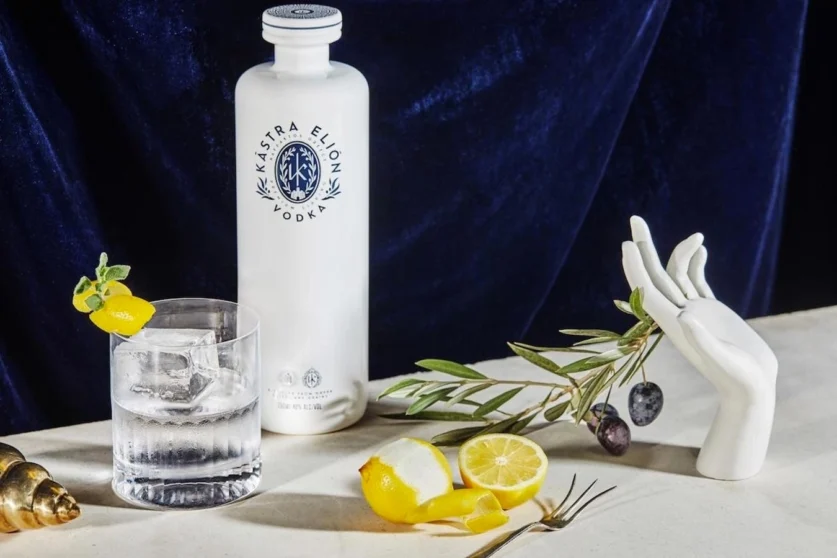
Kástra Elión vodka is made from a blend of olives and wheat |
Vodka has a reputation for being flavorless and neutral, and yet its popularity persists. Much of the marketing that drives the category is focused on lifestyle cachet, rather than aroma and taste. But this reputation is mostly outdated. Because while some brands, even a few of the best regarded, are distilled to the point of flavorlessness and lean into their neutrality, others are packing flavor and texture into each bottle. Some are even experimenting with base ingredients that go beyond the usual grains and potatoes.
Kástra Elión falls into this new crop of vodkas. It hails from Greece, where it’s made from a blend of Greek olives and wheat. It’s named for the ancient castle that stands guard over the hills and olive groves of Nafpaktos, the ancestral home to the vodka and the family that created it.
The brand was founded by master blender and certified flavor chemist Frank Mihalopoulos, who’s spent nearly four decades in product development for companies like Baskin Robbins, Dunkin Donuts and Kahlua, and has also consulted for spirits brands including Absolut and Stoli. He’s joined by co-founder and son-in-law, Mike Camello, who serves as the company’s president.
“We were vodka drinkers and interested in some of the European vodkas made using malted barley and rye, and those who were getting good texture in their vodkas,” says Camello. They thought: Why not try making a vodka from olives?
It took about a year for Mihalopoulos to make it work. He set up a lab and acquired distillation equipment, and began testing olive varieties from all over the world. “I didn’t want to be sentimentally attached to the story, but we settled on a three-variety blend that happens to come from the same region in Greece that I’m from.”
Kástra Martini |
It’s a craft process, and the yield loss is much higher than what most vodka distillers see, but Mihalopoulos explains that tight distillation cuts are necessary to eliminate all the heads and volatile compounds introduced by the olives.
Olives don’t contain a lot of sugar, hence the ethanol in Kástra Elión vodka mainly comes from the grains. Olives don’t contribute to the flavor of the vodka, instead, they enrich the grain’s existing quality. The distinct smoothness and mouthfeel of the vodka are due to the olives. The final distillate before bottling is mixed with spring water from the mineral-rich Mount Taygetus in Greece.
The Kástra Elión vodka has a very pure scent, devoid of any repelling chemical odors or amplified alcohol sting. Its aroma is a titillating mix of sweet and savory, with prime notes of vanilla and butterscotch. Upon tasting, you can discern subtle fruit flavors, citrus, and a dash of pepper. The flavor lingers, causing a build-up to more butterscotch, vanilla, and hints of toasted bread.
While Camello prefers to savor Kástra Elión over ice with olives, he understands that vodka sipping might not be everyone’s preference. Its versatility lends it perfect for making Martinis. The brand encourages bartenders to keep the drinks spirit-centric and limit the use of sugar. This helps maintain the distinctive mouthfeel of the vodka.
Kástra Elión has recently launched its olive brine and cocktail olives, available individually or in a kit with a bottle of vodka. These are designed to craft the perfect Dirty Martini. The brine and olives are from the same Nafpaktos region as the vodka, providing a unique Greek and olive-centered twist on the traditional cocktail.
Plantation Rum Undergoes Official Name Change to “Planteray Rum
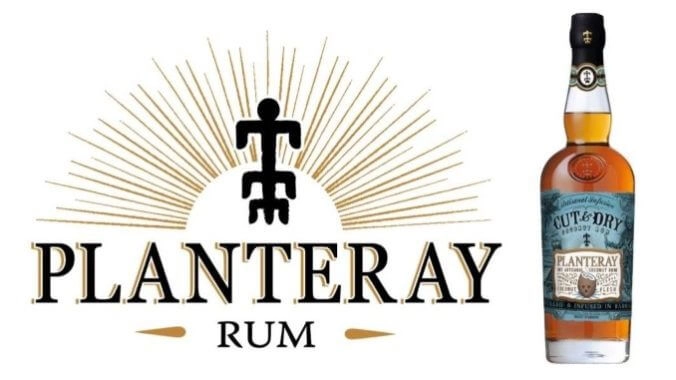
After a lengthy period of uncertainty and consumer backlash, Maison Ferrand has finally decided to change its Plantation Rum name. The company first promised this change in June 2020. From now on, it will be known as Planteray Rum. Maison Ferrand owner Alexandre Gabriel revealed this change today at the West Indies Rum Distillery in Barbados. The first product under the new name will be Cut & Dry Coconut Rum, followed by other brands as the existing bottles run out. Find the full announcement here.
At the press conference, Gabriel explained that the new name is meant to pay respect to the sugarcane plant that gives life to the rum, and the sun’s rays, which are essential for the growth and ripening of the sugarcane.
The new name is seemingly more suitable, although some people might mistake it for “planetary”. However, it appears that the goal was to select a name that didn’t stray too far visually from “Plantation”, but also avoided the historically racial connotation. The older name was widely criticized for years and was brought into sharper focus during the Black Lives Matter protests in the summer of 2020. The brand representatives initially defended it, arguing that “plantation” was simply a reference to the French word for “farm”. However, they changed this stance in late June 2020 and admitted the correlation between the word and the slave trade.
This change triggered an extensive process of finding a new name, with many upset the process was taking so long. Some even accused Maison Ferrand of intentionally delaying or hoping public interest would wane, eliminating the need for a name change. Alexandre Gabriel countered these accusations explaining that the delay was due to complex international business and trademark laws. He called it a daunting and long process in a 2022 interview, and stated the final name had to be usable in over 100 countries where the company supplies its products.
It appears that Planteray Rum is the chosen name, irrespective of its initial strange appeal. However, it might take some time before this name starts to surface on familiar Plantation Rum brands in the U.S., mainly because the company has a large inventory of custom glass imprinted with “Plantation.” But, in due course, the new name will prominently feature on all of the company’s products, while the remainder of the labels will stay the same. We can only hope that “Planteray” doesn’t end up being unintentionally offensive in some other way when everything is settled.
Jim Vorel is a Paste staff writer and a resident expert on spirits. Feel free to follow him on Twitter for more beverage related content.
ENJOY PASTE STRAIGHT INTO YOUR INBOX
The finest in music, movies, TV, literature, comedy, and more.
Planteray Rum” – The New Identity for Formerly Known Plantation Rum
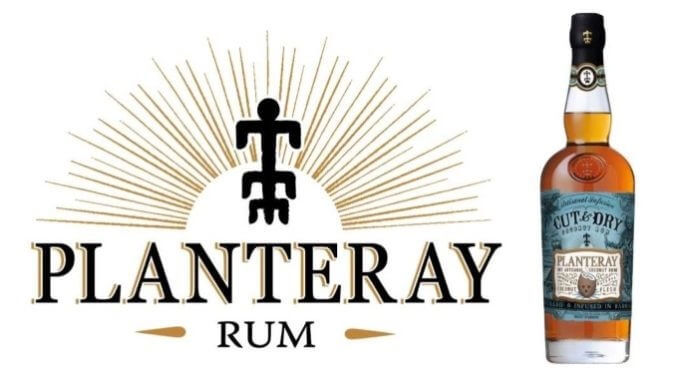
After prolonged contemplation and feedback from consumers, the name of Maison Ferrand’s Plantation Rum is finally getting a makeover. First hinted at in June 2020, the brand is switching to Planteray Rum. Owner of Maison Ferrand, Alexandre Gabriel, declared the change at the West Indies Rum Distillery in Barbados. The first merchandise to sport the new moniker will be Cut & Dry Coconut Rum, and others will follow as current bottle stocks diminish.
At the press briefing, Gabriel stated that the new name “pays tribute to sugarcane, the PLANT which is the origin of rum, and the RAYs of the sun vital for the growth and maturity of sugarcane.”
Whether these claims are convincing is disputable but the new name feels somewhat clumsy and is likely going to be confused with “planetary” among other things. It is however clear the objective was to find a name not too dissimilar to “Plantation,” eliminating the negative and racially charged implications tied to it. The name Plantation Rum had been the subject of criticism for years and gained wider exposure during the Black Lives Matter demonstrations in summer 2020. Until then, brand reps defended the name by saying “plantation” meant “farm” in French. But the tone shifted in late June 2020, with the company releasing a statement acknowledging the historical relation between the term plantation and the slave trade: “As the dialogue on racial equality continues globally, we understand the hurtful connotation the word plantation can evoke to some people, particularly in its association with much graver images and dark truths of the past.”
This marked the beginning of Maison Ferrand (which also owns Citadelle Gin and Ferrand Cognac) searching for a new brand name, a process stretched over years and led to further backlash from campaigners criticizing the company’s slow-paced approach towards the change. Gabriel countered this by attributing the delays to challenges posed by international business and trademark laws. In a 2022 interview, he referred to it as a “daunting and lengthy process”, mentioning the final name needs to be one that is usable in over 100 countries where the company markets its products.
Planteray Rum might initially strike as an unusual name. Nevertheless, this new name might not immediately appear on the familiar U.S. Plantation Rum brand as the company has a significant stock of custom glass imprinted with the name “Plantation.” Over time, the name ‘Planteray’ will be prominently displayed on all the company’s products, without any changes to the remaining label. We can only hope that ‘Planteray’ doesn’t inadvertently result in being inappropriate in any other way.
Jim Vorel is a Paste staff writer and a domestic liquor enthusiast. You can follow him on Twitter for more beverage writing.
RECEIVE PASTE DIRECTLY IN YOUR INBOX
The best of music, movies, TV, books, comedy, and beyond.
Explore Kástra Elión Vodka: The Olive-Based Spirit Perfect for Martinis
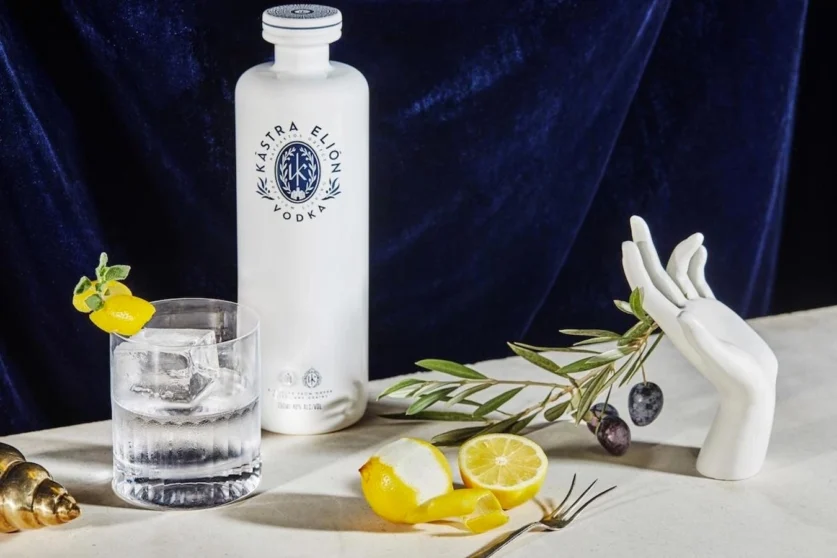
Kástra Elión vodka is made from a blend of olives and wheat.
Vodka has a reputation for being flavorless and neutral, and yet its popularity persists. Much of the marketing that drives the category is focused on lifestyle cachet, rather than aroma and taste. But this reputation is mostly outdated. Because while some brands, even a few of the best regarded, are distilled to the point of flavorlessness and lean into their neutrality, others are packing flavor and texture into each bottle. Some are even experimenting with base ingredients that go beyond the usual grains and potatoes.
Kástra Elión falls into this new crop of vodkas. It hails from Greece, where it’s made from a blend of Greek olives and wheat. It’s named for the ancient castle that stands guard over the hills and olive groves of Nafpaktos, the ancestral home to the vodka and the family that created it.
The brand was founded by master blender and certified flavor chemist Frank Mihalopoulos, who’s spent nearly four decades in product development for companies like Baskin Robbins, Dunkin Donuts and Kahlua, and has also consulted for spirits brands including Absolut and Stoli. He’s joined by co-founder and son-in-law, Mike Camello, who serves as the company’s president.
“We were vodka drinkers and interested in some of the European vodkas made using malted barley and rye, and those who were getting good texture in their vodkas,” says Camello. They thought: Why not try making a vodka from olives?
It took about a year for Mihalopoulos to make it work. He set up a lab and acquired distillation equipment, and began testing olive varieties from all over the world. “I didn’t want to be sentimentally attached to the story, but we settled on a three-variety blend that happens to come from the same region in Greece that I’m from.”
Kástra Martini |
It’s a craft process, and the yield loss is much higher than what most vodka distillers see, but Mihalopoulos explains that tight distillation cuts are necessary to eliminate all the heads and volatile compounds introduced by the olives.
Olives contain little sugar, hence the ethanol is sourced from the grains. Mihalopoulos explains that the olives enhance the inherent qualities of the grain rather than contributing to the flavor. The role of the olives is to give the vodka its distinctive smooth texture and mouthfeel. Prior to bottling, the distilled spirit is combined with spring water from Mount Taygetus in Greece, renowned for its mineral-rich quality.
The aroma of Kástra Elión vodka is exceptionally pure, devoid of any off-putting synthetic smells or excessive alcohol sting. The scents are a delightful blend of sweet and savory, with predominant notes of vanilla and butterscotch. The palate is subtly fruity, with traces of citrus and a hint of pepper. It rests on the tongue, its impact lingering, stimulating the salivary glands as the flavors evolve into a more dominant butterscotch and vanilla taste along with a hint of toasted bread.
Camello prefers his Kástra Elión on the rocks with olives, but he realizes that not everyone enjoys sipping vodka. Luckily, this vodka is ideal for Martinis. In introducing this vodka to bartenders, the brand encourages them to allow the spirit to be the star of the drink and not to overdo the sugar. “We want the character and mouthfeel of the vodka to stand out,” Camello comments.
Recently, Kástra Elión introduced its own olive brine and cocktail olives, available separately or in a kit that includes a bottle of vodka, intended to craft the ultimate Dirty Martini. Both the brine and the olives are sourced from the same Nafpaktos region in Greece where the vodka is distilled, offering one the opportunity to summon the complete trio for a distinctively Greek, olive-centric rendition of the classic cocktail.