El Dorado Rum Sponsors the National 8 Ball Team Championship: Cheers to Greatness!
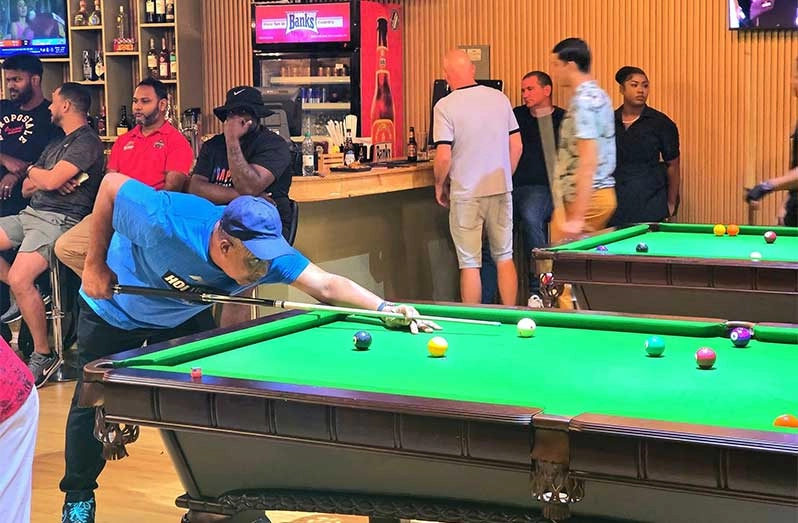
GUYANA’S Cue Sports Association (CSAG) is getting ready to launch its most ambitious event yet, the National 8 Ball Team Championship, backed by El Dorado Rum. This championship promises to showcase talent from across the nation, featuring a total of 168 players competing in 24 teams from various regions, including Bartica, Linden, Berbice, and Georgetown. The tournament kicks off on Sunday, June 8, at the Embassy Sports Bar in Movietowne.
The excitement doesn’t stop there: matches will take place at six venues stretching from Berbice to West Coast Demerara, bringing the competition to local communities. The entire event is scheduled to unfold throughout June, culminating in a grand final on July 7, where a new national champion will be crowned.
Larry Wills, the Brands Manager for Demerara Distillers Limited, the parent company of El Dorado Rum, expressed pride in sponsoring this game-changing event. He noted that the championship embodies the values of talent, unity, and community engagement that are central to both the tournament and the El Dorado Rum brand.
Alfred Mekdeci, President of CSAG, declared the event a significant milestone for cue sports in Guyana, made possible by the crucial partnership with El Dorado Rum. The tournament’s team-based format is expected to spark fierce local rivalries and foster strategic teamwork among players.
CSAG received recognition for its commitment to developing cue sports and elevating competitive standards in the country. A range of partners, including KM Technology, WM Services, and local businesses, are also supporting the championship. Organizers anticipate that this event will raise the profile of 8-ball pool in Guyana and inspire aspiring players to engage with the sport.
For further details and updates, check out the Guyana Chronicle’s official page.
FTC Launches Investigation into Practices in the Rum Market: What You Need to Know

The Fair Trading Commission (FTC) has initiated an investigation into allegations of anti-competitive behavior in Jamaica’s rum industry, following a complaint from National Rums of Jamaica (NRJ). This complaint, filed in January, arises after a ruling from the Jamaica Intellectual Property Office (JIPO) that limited the use of the "Jamaica Rum" label to only those rums aged and blended in Jamaica.
NRJ’s complaint contends that competitors, including J Wray & Nephew, Everglades Farms, and Worthy Park Estate, have engaged in practices that harm competition, particularly through the Spirits Pool Association Limited (SPA). The SPA’s new regulations specify that rum must be made using local resources and aged in Jamaica, which NRJ claims restricts its business model that involves exporting rum for overseas aging and branding.
NRJ alleges that the dominant players in the market may be conducting price fixing and other anti-competitive activities to maintain their market share. The ruling by JIPO established stringent criteria to protect the authenticity of Jamaican rum, which the SPA argues is crucial for preserving the industry’s heritage and reputation globally.
However, NRJ argues that these measures unfairly limit competition and could endanger its operations, as it has historically exported rum for aging abroad. The FTC’s examination of this case could significantly influence the future landscape of the rum industry in Jamaica.
As this investigation progresses, both local distillers and rum enthusiasts are closely monitoring developments, especially with a Supreme Court hearing related to NRJ’s appeal of the JIPO ruling scheduled for later this year. The outcome could redefine how Jamaican rum is produced and marketed both locally and internationally.
For further details on this story, you can follow updates from Jamaica Observer.
New York Lawmakers Push to Allow Wine Sales in Grocery Stores
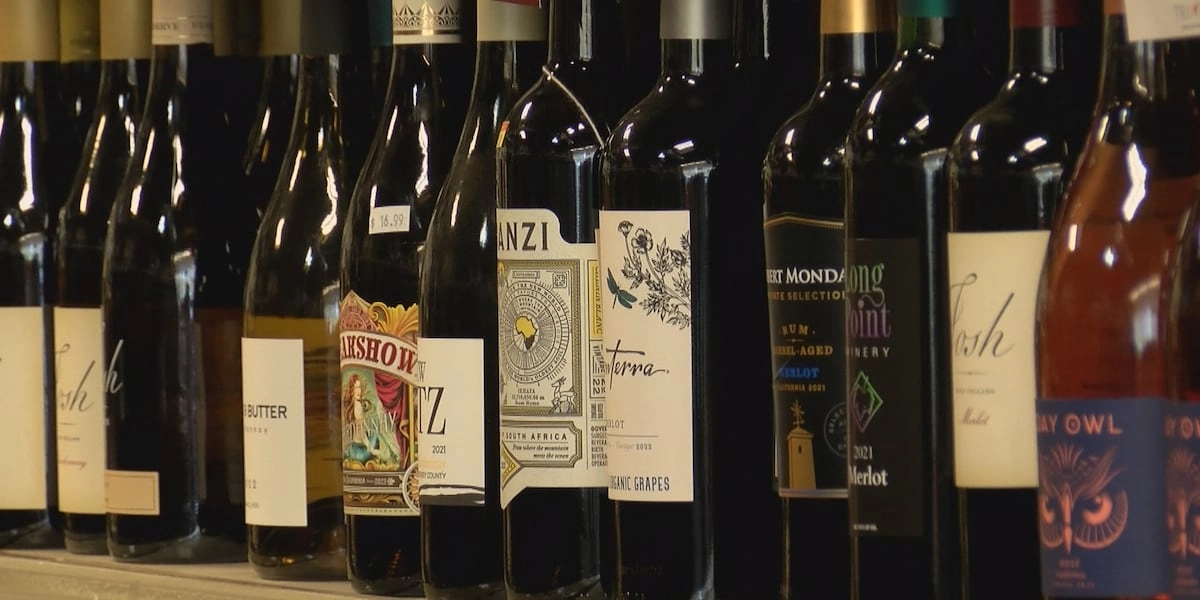
VESTAL, N.Y. – New York State lawmakers are considering the repeal of regulations that prohibit grocery stores from selling wine. This potential change would allow local grocery chains, including Weis Markets and Price Chopper, to offer wine alongside their usual grocery items.
Senator Liz Krueger has introduced a law aimed at making wine purchasing more convenient and increasing visibility for New York wineries. However, Mark Darpino, owner of Vestal Wine and Liquor, expressed concerns that such a law would significantly harm small, locally owned liquor stores. Darpino, who has been in the liquor business for nearly 35 years, believes the introduction of wine sales in grocery stores could be detrimental, particularly since wine accounts for a substantial portion of his business’s revenue.
He reported a 10% decline in sales, attributing it to changing drinking habits among younger consumers. Darpino further argues that many smaller wineries may never have their products featured in large grocery chains, as those stores typically prioritize more popular brands.
The proposed legislation specifies that the changes would only allow for wine sales in grocery stores, leaving hard liquor sales confined to liquor stores. The bill notes that liquor stores in states like Florida continue to thrive despite grocery store wine sales.
Darpino’s son, Ean, worried about the long-term implications of the bill. He fears that allowing grocery stores to sell wine could lead to a future where liquor sales also migrate to supermarkets, resulting in job losses and diminishing opportunities for small businesses.
Currently, State Senate Bill S1279A is awaiting discussion in the New York State Senate.
The World’s Best Vodka Revealed: Highlights from the 2025 International Wine and Spirit Competition
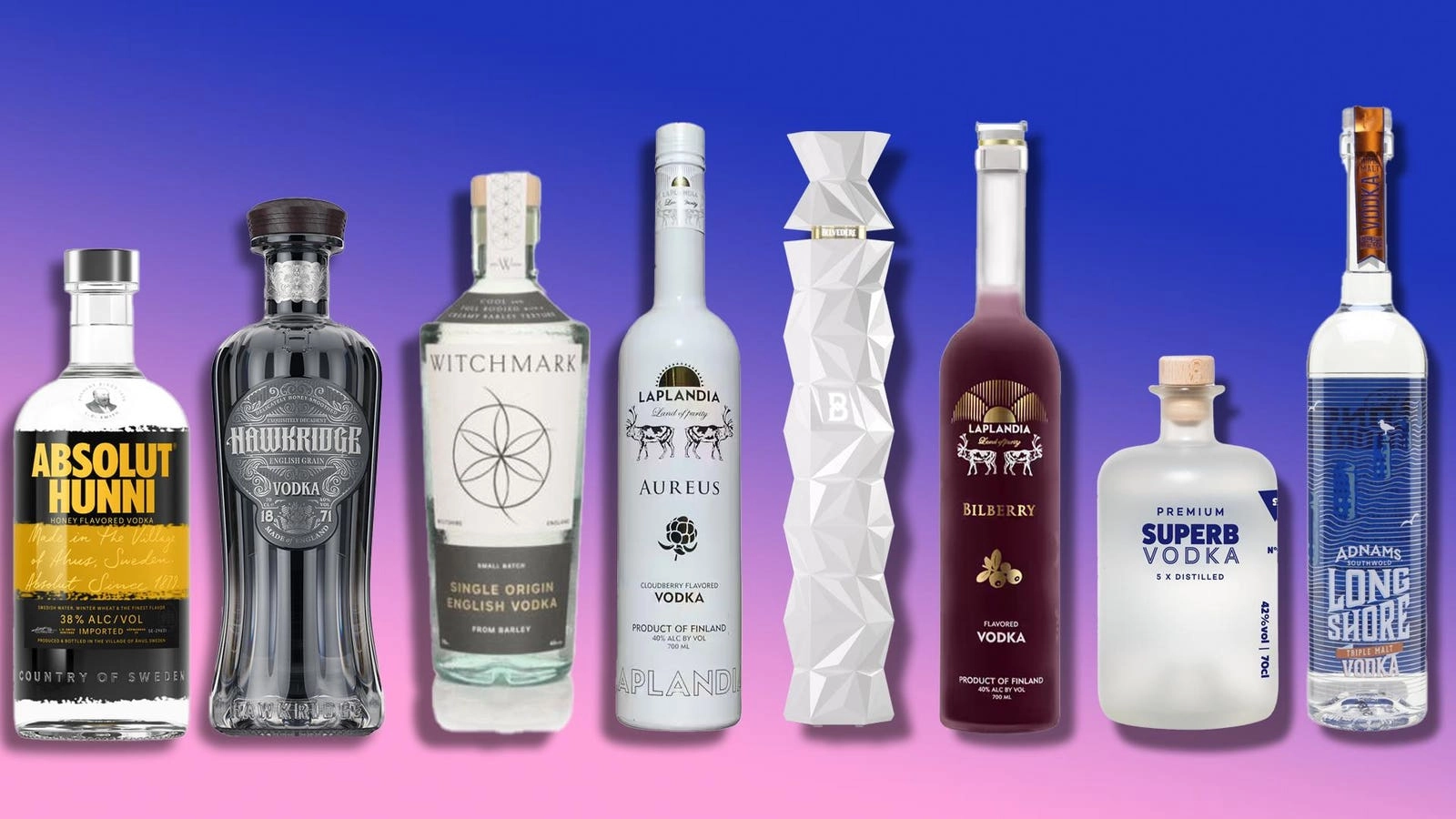
Ten vodkas were awarded Gold Outstanding medals at the 2025 International Wine and Spirit Competition (IWSC), all competing for the coveted Vodka Trophy. Though vodka is often perceived as a neutral mixer, it is, in fact, a diverse spirit that can reflect the characteristics of its base ingredients, including those derived from rye, wheat, potatoes, or sugar beets.
The IWSC, which has been in operation for over fifty years, evaluates more than 12,000 alcoholic beverages annually through blind judging. To earn a Gold Outstanding medal, each vodka had to score a minimum of 98 out of 100 points. This year, the winners are all vying for the Vodka Trophy, which will be awarded in November.
Gold Outstanding Medal Winners
-
Witchmark Distillery Single Origin English Vodka
- Produced in Norfolk, England, this vodka is distilled from local barley and boasts a creamy, smooth profile. Judges noted its rich and malty nose with hints of cocoa, followed by mint and toffee apple on the palate, and a pleasantly warm finish.
-
Eimverk Distillery Kría Single Grain Vodka
- Made from locally grown barley in Iceland using pure spring water, this vodka offers aromas of baked sesame pastry and sweet cream cheese. Judges appreciated its silky texture with flavors of toffee, baked apple, and anise.
-
Adnams, Southwold Longshore Triple Malt Vodka
- Distilled from a blend of barley, wheat, and oats, this vodka features a creamy texture with notes of oat, butterscotch, and malt sweetness. The palate is enriched with berry flavors and a soft, peppery finish that recalls apple pie.
-
Belvedere Vodka 10 Vodka
- Crafted from Dankowskie Diamond Rye, this super-premium vodka undergoes a meticulous ten-stage production process. Tasters found aromas of caramel and spice with a robust, silky palate that echoes creamy vanilla and sourdough notes.
-
Laplandia Bilberry Vodka
- Infused with arctic bilberry, this vodka offers a vibrant fruity nose and a balanced palate of wild blueberries and sour cherries alongside sweet vanilla. Judges celebrated its fresh and juicy finish.
-
Laplandia Cloudberry Vodka
- Made from the rare cloudberry, this vodka is noted for its aromatic sweetness. The judging panel highlighted its blend of caramel and orange marmalade flavors with a captivating sweetness.
-
Hawkridge Distillers Sexy Fish Vodka
- Developed in collaboration with a high-end restaurant, this vodka emphasizes smoothness and purity. Judges noted floral and fruity aromas with a creamy palate enriched by citrus and vanilla.
-
Eckerts Wacholder Brennerei GmbH Superb 5 X Distilled Vodka
- This experimental vodka from a small German distillery carries light minerality and sweet vanilla aromas, leading to flavors of caramel and stone fruit.
-
Eckerts Wacholder Brennerei GmbH Korol Black Vodka
- Another entry from the same distillery, this vodka presents a bouquet of sweet wheat and offers a memorable finish of warm spice.
-
Absolut Hunni Vodka
- This new product features natural honey flavorings from Swedish wheat. Judges found it delightful with honey and floral notes, maintaining a consistent quality through its continuous distillation process.
These exceptional vodkas exemplify the range of flavors and craftsmanship present in the world of vodka, moving beyond mere mixers to being celebrated as fine spirits in their own right. The IWSC continues to highlight the best in the industry, ensuring that vodka gets its due recognition.
Wine Importer Takes Legal Action Against Trump Over Tariff Authority Dispute
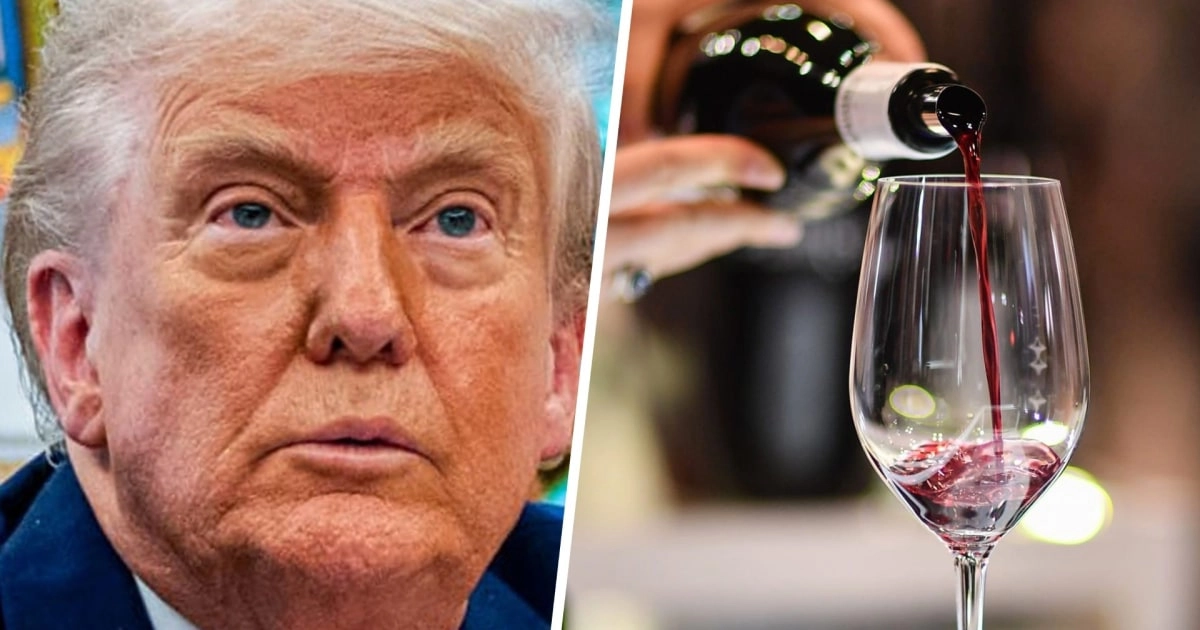
The impact of President Trump’s tariffs on the American wine industry is significant, with industry figures estimating that it could generate over $323 billion this year. In response to these difficulties, Victor Owen Schwartz, the owner of VOS Selections, has filed a lawsuit against the Trump administration. Schwartz argues that the president overstepped his authority in imposing these tariffs, which are adversely affecting the wine market and the businesses dependent on it. He is joined by Jeffrey Schwab, Senior Counsel at the Liberty Justice Center, who emphasizes the legal grounds of their challenge.
The lawsuit highlights growing concerns among industry leaders about the sustainability of their businesses under the current tariff regime. Their contention is that these tariffs not only threaten their livelihoods but also limit consumer access to a diverse range of imported wines, ultimately harming the American wine culture.
For more details on this story, visit the original report here.
Discover Exquisite Zero-Proof Cocktails at This Michelin-Starred Atlanta Gem
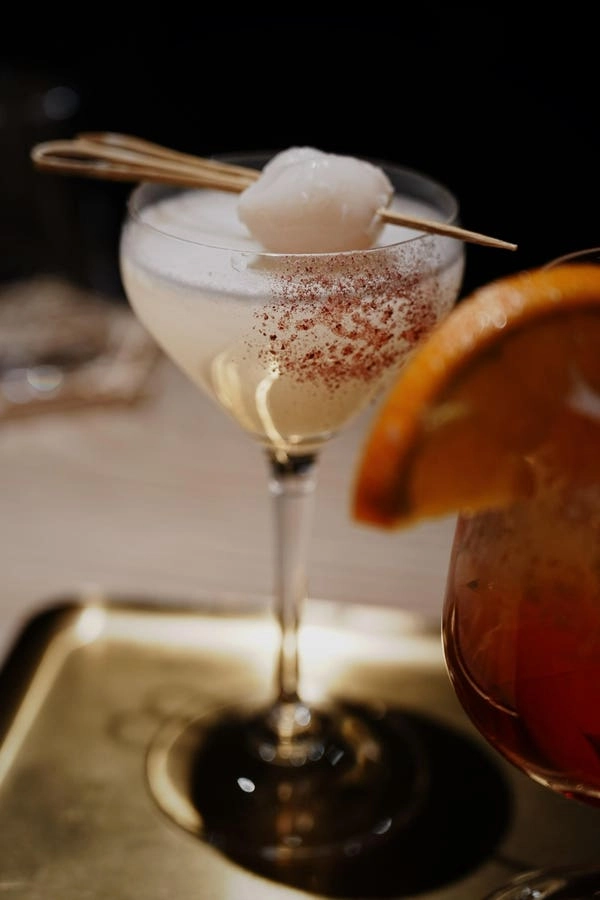
At O by Brush, an innovative restaurant in Atlanta recently awarded its first Michelin star, the concept of elevated Japanese cuisine combines seamlessly with a unique zero-proof cocktail menu. Led by Chef Jason Liang, who has built a reputation with prior establishments like Brush Sushi and Cuddlefish, O focuses on an omakase experience defined by meticulous preparation and exquisite flavor.
The venue offers a 20-course omakase menu featuring masterfully prepared dishes, such as silky dry-aged sashimi and signature creations that utilize Binchō-tan, a type of hardwood charcoal, to enhance flavors. However, it is the non-alcoholic pairing menu that truly stands out, as it doesn’t merely substitute traditional cocktails but rather reimagines them with creativity and flair.
One standout pairing consists of a vibrant mix of grapefruit, jicama, rose hip, and basil, which captures the crispness of brut Champagne without any alcohol content. This refreshing brew pairs excellently with the umami-rich sashimi. Another notable zero-proof offering mimics a "Cognac" using Taiwanese alpine tea infused with oak, vanilla, and a touch of tamarind, beautifully complementing a rich dish like the Wheel Pie, made of monkfish liver and black truffle.
Throughout the meal, diners experience ten artistic zero-proof cocktails, each designed to evoke the essence of traditional drinks while offering a novel taste experience. The entire dining journey is paced perfectly, concluding with a thoughtful takeaway bag containing house-made cookies and specialty teas, adding a playful yet elegant touch to the experience.
Those in Atlanta seeking more zero-proof options will find inventive drinks at other Michelin-starred venues. AG at The Ritz-Carlton features creative cocktails like the No-Groni, while Lazy Betty offers refreshing drinks such as the Celery Gimlet. Omakase Table also provides a selection of zero-proof beverages worth trying.
For anyone exploring non-alcoholic options, O by Brush sets a new benchmark for sophistication and intentionality in dining without alcohol. It promises an elegant dining experience that is both delightfully thoughtful and deliciously satisfying.
Understanding Molotov Cocktails: The Weapon of War Linked to the Boulder Terror Suspect

Witnesses reported that Mohamed Sabry Soliman, the suspect in a Boulder, Colorado terrorist attack, used a makeshift flamethrower and hurled Molotov cocktails during the incident. This attack occurred during a demonstration where the suspect was heard shouting "Free Palestine," as per statements from Boulder Police Chief Stephen Redfearn.
It was revealed that none of the victims had died as of the latest police updates. The Boulder Police Department issued a statement confirming that all individuals involved were safe, and law enforcement agencies continue to investigate the situation.
Molotov cocktails are commonly understood as bottles filled with flammable fluid that, when thrown, shatter upon impact, igniting the liquid inside and creating a fire hazard. Sean Watts, a West Point professor, described the mechanics of the device, explaining how it works when striking a hard surface.
Earlier this year, U.S. soldiers were trained by Estonian counterparts on how to construct and deploy Molotov cocktails. This knowledge is typically associated with guerrilla tactics and urban warfare, demonstrating the widespread use of such incendiary devices in various conflict scenarios.
The incident has raised questions about the immigration status of individuals entering the U.S. and the safety protocols in place, as the attack has put Biden-era immigration policies under scrutiny.
For further details, refer to the Boulder Police Department and FBI’s statements regarding this incident.
7 Exciting New Bourbon and Whiskey Releases to Discover This Month

There are several exciting new releases in bourbon and whiskey this month that enthusiasts should know about.
Heaven Hill’s Grain to Glass Kentucky Straight Bourbon Whiskey has debuted its highly anticipated second edition. Each year, Heaven Hill collaborates with Beck’s Hybrids to select a unique corn seed varietal, with this year’s release featuring corn seed varietal Beck’s 6225 grown by Peterson Farms in Nelson County, Kentucky. This bourbon has a mash bill of 52% corn, 35% rye, and 13% malt, aged for six years and bottled at 105 proof. The project highlights the legacy of family farmers and aims to create unique grain varieties locally sourced in Kentucky. More information can be found at Heaven Hill.
In time for Father’s Day, J. Mattingly 1845 Distillery is offering a custom double-staved bourbon. Customers can select a mash bill from hundreds of proprietary double-staved barrels, along with personalized bottle shapes, wax colors, and labels. This unique gift experience allows bourbon lovers to give a truly one-of-a-kind present, retailing for $155 for a 750mL bottle. Find more details at J. Mattingly 1845 Distillery.
Knob Creek has introduced a new option in its Single Barrel Select Program: the Single Barrel Select Cask Strength bourbon. Bottled directly from the barrel without water, this offering ranges in proof from 110-130 for bourbon and 100-120 for rye, adhering to the brand’s tradition of bold flavors. Discover more at Knob Creek.
Milam & Greene released Unabridged Volume 3, a blend of straight bourbon whiskeys. This cask-strength bourbon showcases a blend of 49 select barrels, offering notes of caramel, almond, and a smooth mouthfeel. It retails for $94.99 and is a part of their Blender’s Reserve Collection.
The Old Forester Distillery is debuting the highly sought-after President’s Choice bourbon alongside a new rye expression. Previously exclusive to their distillery, these rare offerings will now be available in select retail locations. Each expression is aged between seven to nine years and will retail for $225.
Additionally, Rebel Bourbon and Childress Vineyards collaborated to produce Rebel 100 Childress Vineyards Cabernet Franc Barrel Finish, a unique bourbon aged in Cabernet Franc barrels, highlighting sweet berries and honey notes, offered at $39.99.
Lastly, Woodford Reserve has released the new Tawny Port Finish bourbon. This limited-edition whiskey blends rye and bourbon, finished in Tawny Port barrels for a complex taste profile, available for $64.99.
These releases present a delightful array of options for whiskey aficionados, making this month an exciting time for bourbon lovers.
Liz Truss Endorses Whiskey Brand Launched by Controversial Fighter Recently Released from Jail

Liz Truss recently promoted a new Irish whiskey from Dougie Joyce, a former bare-knuckle fighter with a controversial past. Joyce, aged 36, was jailed for 19 months in 2023 after assaulting a 78-year-old man during a pub altercation. The incident involved excessive violence, with police describing him as an "aggressive and violent man" targeting a vulnerable elderly individual. After his release, Joyce has pivoted to business, launching his whiskey brand.
Truss attended the whiskey launch event at Scunthorpe United’s stadium, where she was photographed alongside Joyce. In a promotional video shared on social media, Joyce presented Truss with a bottle, to which she responded, “Liz Truss loves you.” Despite speculation, sources close to Truss indicated that she did not receive payment for her attendance.
Joyce took to Instagram following the event, expressing gratitude for Truss’s support and discussing the plans for his brand. Critics have pointed out the implications of her association with someone with Joyce’s violent history. A close source commented that Truss “either doesn’t understand the implications or doesn’t care,” highlighting concerns over her public judgment.
This isn’t the first time Truss has faced backlash for her public engagements; she previously drew criticism for interacting with controversial figures at political events in the United States.
The Ultimate Father’s Day Gift Guide: Boating, Fine Whiskey, and Cycling Adventures in Connecticut

Make Father’s Day memorable this year with a selection of unique gifts crafted right in Connecticut. Here are some standout options across various budgets:
Unique Walking Sticks
For dads who enjoy hiking, consider a hand-crafted walking stick made from local wood by artisan Carl Wolf. Priced between $20-$30, these sticks are beautiful and functional.
Hand-Rolled Cigars
If your dad cherishes a good cigar, surprise him with hand-rolled cigars from the Connecticut Cigar Company. Their original blend, featuring a combination of 10-year-old fillers from Nicaragua, is priced at $10 and available in various formats. More details can be found at ctcigarco.com.
Custom Sketchbooks
Shuttle Bindery offers handcrafted hardcover journals in upcycled leather, perfect for doodling or journaling. Prices range from $54 to $78, and custom orders can be made at shuttlepressbindery.com.
Cruise on the Mystic River
Why not take Dad on a scenic cruise aboard the Sabino, a historic vessel at Mystic Seaport? A 30-minute tour is available for $8 in addition to admission fees, with tickets sold at the museum or online. Visit mysticseaport.org for more information.
Handcrafted Lamps
For the reading dad, consider a beautifully crafted floor lamp from James Gardner Woodworks of Deep River, priced at $1,400 plus a delivery fee. You can reach out via email at Jggwoodworks@Outlook.com for inquiries.
Exceptional Whiskey
Connecticut Distilling’s crafted whiskey, named Charred, blends flavors from malt-forward craft beers for a smooth experience. It retails for $39.95 to $44.95 and is available at their tasting lounge in Waterbury as well as local outlets. For further details, see ctdistillingco.com.
Cycling Gear
For the cycling enthusiast, a set of luxury carbon wheels by Princeton CarbonWorks can elevate his ride. Priced between $3,150 and $4,500, they are available through local bike stores and online at princetoncarbon.com.
Each of these gifts celebrates the unique interests and passions of fathers, ensuring you will find something special for him this Father’s Day.