America’s Top Bartenders Share Their Picks for the World’s Best Rum

A distinguished Caribbean rum from St. Kitts and Nevis has recently been honored as the World’s Best Rum at the 2025 Bartender Spirits Awards. This accolade spotlights the exceptional quality and heritage behind Old Road Rum, a brand deeply rooted in the island’s historical sugar production.
Old Road Rum, crafted in a region historically known as the “Mother Colony of the West Indies,” draws on centuries of rum-making tradition. The area, once flourishing with sugarcane plantations, became renowned for its rum distillation processes after sugar production began to wane. Though the last sugar production on St. Kitts ceased in 2005, the spirit of rum lives on through Old Road Rum, which reflects both the past and a modern renaissance in rum craft.
The rum is produced under the Old Road Rum Company, established by Jack Widdowson, and is distilled in Barbados before being matured and bottled in St. Kitts. The limited edition release, launched in 2022, has quickly gained accolades for its well-rounded flavor profile, marked by its rich complexity and elegant finish. It is aged for approximately 12 years in ex-bourbon barrels, which influences its distinct character.
The tasting notes of Old Road Rum, Limited Edition, reveal a deep amber-gold hue with a complex aroma featuring hints of molasses, caramel, tropical fruits, and baking spices. The palate is described as creamy and robust, showcasing flavors like burnt sugar, vanilla, and dried fruits, complemented by an array of spices. The finish is noted for its sweetness and layered depth, leaving a lasting impression of wood and fruit.
This recognition at the International Bartender Spirits Awards, where spirits are judged on quality, innovation, and craftsmanship, emphasizes the growing reputation of artisanal rums from the Caribbean. For enthusiasts and connoisseurs alike, Old Road Rum offers a sophisticated tasting experience, whether enjoyed neat or paired with various foods.
For more details, you can visit the official Old Road Rum website.
Top Outdoor Bars and Beer Gardens to Savor This Summer in Queens

As summer approaches, the outdoor drinking scene in Queens comes alive, with plenty of bars and beer gardens making for perfect hangout spots. As the sun sets past 8 p.m. and temperatures rise, it’s an ideal time to unwind with friends while enjoying great food and drinks.
Here are some of the top outdoor venues to explore this summer in Queens:
-
Anable Sailing Basin (4-40 44th Dr., LIC): This waterfront location boasts stunning skyline views alongside a menu that includes craft drinks and freshly grilled items like burgers and skirt steak. It’s a cozy spot for casual meet-ups.
-
Focal Point Beer Co. (43-50 12th St., LIC): Known for its spacious outdoor seating, this local brewery offers a rotating selection of IPAs and non-alcoholic brews. It’s a great hangout for trivia nights or casual meet-ups, with the added perk of a nearby taco shop.
-
Bar Dalia (33-17 31st Ave., Astoria): With both sidewalk seating and a backyard area, Bar Dalia serves cocktails, wine, and small plates with an inviting atmosphere typical of Astoria’s lively streets.
-
Pig Beach (35-37 36th St., Astoria): An energetic venue that amplifies summer fun with BBQ specials, ice-cold drinks, and regular watch parties for major sporting events.
-
The Goat Bar (43-17 Queens Blvd., Sunnyside): A cozy, laid-back retreat featuring a patio perfect for sipping cocktails, enjoying small bites, and catching live performances.
-
Claret Wine Bar (4602 Skillman Ave., Sunnyside): This intimate venue transforms into an al fresco dining gem during the warm months, serving pizza, wine, and cocktails in a relaxed atmosphere with live music on Fridays.
-
Leaf Bar and Lounge (133-42 39th Ave., Flushing): Featuring a rooftop terrace, this venue highlights Taiwanese cuisine and a variety of drinks, accompanied by a daily happy hour.
-
Paradise Alley (4109 150th St., Flushing): A chill bar with a nice outdoor area, serving up pizzas and cocktails while offering entertainment options like pool and darts.
-
One Station Plaza (213-10 41st Ave., Bayside): Known for its outdoor beer garden, it’s the go-to spot for casual meals including hearty burgers and shareable plates.
-
Forest Hills Station House (106-11 71st Ave., Forest Hills): This popular neighborhood bar features plenty of outdoor seating for brunch, dinner, or a drink in a relaxed environment.
-
Queens Beer Garden (80-60 Cooper Ave., Glendale): Nestled within The Shops at Atlas Park, this beer garden is perfect for after-work drinks, offering tacos, quesadillas, and a broad drink menu.
Whether you’re in the mood for a breezy lounge atmosphere, delicious food, or spectacular views, Queens has numerous options to enjoy the season outdoors.
Raise a Glass this Father’s Day: Celebrate with the Whiskey from TV’s Most ‘Shameless’ Dad!

This Father’s Day, consider giving a unique gift—a bottle of whiskey associated with one of television’s most infamous dads. Frank Gallagher, the character portrayed by William H. Macy on the show Shameless, is not someone most would consider a model parent. However, the William H. Macy Reserve Straight Rye Whiskey from Woody Creek Distillers is a high-quality spirit that deserves recognition, despite its connection to such a flawed character.
Macy, who joined Woody Creek Distillers in 2018, has taken a hands-on approach with the brand. He’s not just a celebrity face; he actively participates in the whiskey-making process, helping to select the barrels and holding events to promote the product. His involvement stems from a personal connection; he and his wife are neighbors of the distillery founders, Patrick and Mary Scanlan.
The William H. Macy Reserve is a bottled in bond, 10-year-old straight rye whiskey that sells for $199 and can be found online, at the distillery in Basalt, Colorado, and at select retailers. Macy has a strong belief in the quality of his whiskey, stating, "I know there are other great spirits, but I am saying there are none better."
When asked if he would share the whiskey with Frank Gallagher, Macy humorously acknowledged Frank’s terrible parenting but noted that the character believed in celebrating life’s moments. This whiskey fits right into such occasions.
With its ten years aging in barrels, the rye showcases a rich profile, including flavors influenced by oak, along with fruity and spicy notes. It offers aromas of clove and cinnamon, with a palate featuring apples, dried fruit, nuts, and honey, culminating in a finish that hints at spice and mild smoke. It’s an enjoyable sipper straight or on the rocks, and it also shines in classic cocktails.
In a light-hearted admission, Macy declared that Jim Anderson, from Father Knows Best, embodies the ideal father figure, contrasting heavily with Frank Gallagher. For those who appreciate good whiskey, a bottle of William H. Macy Reserve Straight Rye offers a delightful way to celebrate Father’s Day—preferably with a shared toast.
The States with the Highest Beer Taxes: What You Need to Know

In 2025, beer taxes vary significantly across the United States, with Tennessee, Alaska, and Hawaii holding the highest rates according to a Tax Foundation analysis. The effective tax on beer can reach as much as nearly 41% of its retail price. For instance, in Tennessee, the tax is $1.287 per gallon, followed by Alaska at $1.07 and Hawaii at $0.93. Conversely, states like Wyoming, Missouri, and Wisconsin exhibit much lower rates, with Wyoming imposing just $0.019 per gallon.
These taxes may consist of various layers including federal, state, and local taxes on production and retail sales, contributing to the overall cost of beer. The Tax Foundation notes that taxes represent a substantial portion of the beer’s production costs.
In terms of recent legislative changes, some states have adjusted their beer tax rates in 2025. For example, Connecticut lowered its tax from $0.24 to $0.19 per gallon, while North Dakota, Arkansas, and Utah increased their rates.
The complexity of alcohol taxation in the U.S. underscores the need for potential reforms. The Tax Foundation suggests that modernizing the tax system to classify based on actual alcohol content—rather than by type—could simplify tax regulations across the board.
For further details on state beer tax rates, you can refer to the analysis from the Tax Foundation.
America’s Top Bartenders Reveal the World’s Best Vodka

At the 2025 International Bartender Spirits Awards, two vodkas have achieved top honors, recognized by America’s leading bartenders as the best in the world. Angry Giraffe Premium Vodka was awarded Vodka of the Year, while Verità Vodka Italiana was named Best Spirit by Value. Both of these vodkas are celebrated for their quality and craftsmanship, having garnered numerous accolades in international spirit competitions.
Angry Giraffe Premium Vodka embodies the spirit of South Africa mixed with the energy of New York. This vodka is produced in small batches at Twin Stills Moonshine Distillery in Speonk, New York, using locally sourced grains. Distilled four times, Angry Giraffe is characterized by its crystal-clear appearance and a clean aroma that carries subtle hints of grain and sweetness. On the palate, it offers a smooth and creamy texture with a balanced hint of sweetness and a peppery note, leading to a long, crisp finish that lingers with notes of vanilla.
On the other hand, Verità Vodka Italiana hails from San Pietro di Feletto in northeastern Italy. Crafted by the multi-generational Distilleria dell’Alpe, this vodka is made from 100% Italian wheat and pure mountain spring water sourced from the Alps. The meticulous process involves three cycles of distillation followed by a final distillation in an antique wood-fired bain-marie still, which adds unique character. It has a clean and crisp nose with minerality, a creamy texture on the palate, and a refreshing finish with a smooth aftertaste.
The International Bartender Spirits Awards highlights the excellence in the spirits industry, focusing on quality, innovation, and craftsmanship. With their competitive pricing, both Angry Giraffe Premium Vodka and Verità Vodka Italiana are recommended for inclusion in home bars, offering exceptional taste and authenticity.
Sip in Style: Snively’s Lounge Offers Craft Cocktails in Historic City Hall

Snively’s Lounge, a new cocktail bar located in Historic City Hall on 132 E. Superior St., officially opened its doors on June 1. The establishment is the latest addition to the Brewhouse Family, which includes notable venues like Fitger’s Brewhouse and The Oliver Inn.
The lounge occupies a spot that formerly housed Wasabi sushi restaurant, which closed down earlier this year after six years. Following Wasabi’s departure, the Brewhouse Family decided to invest in renovations rather than search for a new restaurant tenant. The area has been transformed to include cocktail seating, maintaining the vintage ambiance and enhancing the space with natural lighting from large windows. A new outdoor patio is planned to be added soon, pending new furniture.
Named after Samuel F. Snively, Duluth’s longest-serving mayor (1921-1937), the lounge has a cozy capacity of up to 45 guests. According to Brewhouse Family’s Marketing Director, Dan Grew, Snively’s Lounge provides a warmer, more casual atmosphere compared to its lower-level counterpart, The Rathskeller. It features live music on select nights from a mix of genres including jazz and folk, enhancing the lounge’s laid-back vibe.
The drink menu, crafted by manager David Thompson III, features a selection of “cocktails of the era” inspired by Duluth’s history, including options like the Edmund Fitzgerald and North Shore Mule. In addition to these creative cocktails, the menu also offers fresh-squeezed drinks, house-made botanical infusions, craft beer from Fitger’s, and non-alcoholic choices.
Snively’s Lounge will also offer a charcuterie selection from the nearby Rocket Deli, further diversifying its options for guests to enjoy pairings with their drinks.
The legacy of Mayor Snively continues to be honored through the bar’s name and its commitment to community engagement. He was instrumental in developing scenic park drives in Duluth, enhancing the city’s natural beauty and tourism appeal.
For more about Snively’s Lounge, visit Snively’s Lounge.
Okinawan Dumpling Shop Set to Take Over Former Tacos Tequila Whiskey Space on Colfax Avenue
The owners of Okinawa Japanese Cuisine are set to launch a new dining destination in Denver’s Colfax Avenue, named Ma’s Kitchen Dumplings & Noodles. This establishment will take over the space formerly held by Rolling Pin Pizza, following its abrupt closure last year. The restaurant aims to offer a menu centered around noodles and dumplings with a Chinese focus, expanding the culinary options in the area.
Formerly, Rolling Pin Pizza had succeeded the popular Tacos Tequila Whiskey, which had been a neighborhood staple for over a decade. Kevin Morrison, the previous owner of both establishments, decided to sell the restaurant’s assets and relocate to Calgary, Canada, to be closer to family. He remarked that the taco and pizza markets in that part of Denver had become oversaturated.
Xi Yong Zheng, the owner of Okinawa, will head the new venture. According to Alan Cheng, a chef at Okinawa and spokesperson for Zheng, Ma’s Kitchen is expected to open in late August or early September. The kitchen will be led by Zheng’s brother, Xi Nuan Zheng, who is gaining experience from noodle and dumpling shops in China.
This new establishment is well-timed, as it seeks to fill a niche in the neighborhood’s dining landscape that hasn’t been offered before.
For more information, visit Ma’s Kitchen Dumplings & Noodles here.
June’s Rum Music: A Review by Jennifer Lucy Allan

In this month’s edition of Rum Music reviewed by Jennifer Lucy Allan, a captivating blend of sound poetry, unique instrumentals, and imaginative themes create a rich auditory experience. The narrative echoes the contemplative musings of prominent poets, with lines that resonate deep within.
The column delves into an eclectic array of offerings, moving away from the raw guitar sounds that have characterized previous editions. Instead, it embraces an experimental approach with sound poetry, angelic vowel utterances, quirky electronics, and even a collection of recordings featuring water droplets.
Noteworthy mentions include John M. Bennett’s Blanksmanship, characterized by poetic narratives and the interplay of shakuhachi and flute sounds, bringing a literary essence. The duo Jean-Marie Mercimek offers a unique auditory collage in Dans Le Camion De Marguerite Duras, blending sung/spoken French texts with unconventional keyboard sounds.
Another intriguing insight comes from Los Pélieu Lovers, who weave a poetic narrative inspired by French Beat poet Claude Pélieu, infusing their music with elements of spoken word and atmospheric instrumentals. Crystabel Efemena Riley’s live work impresses with visceral percussive experimentation, capturing the energetic response of a live audience.
Kasai takes a more whimsical approach with his high-octane minyo sounds, which revolve around everyday themes infused with an unorthodox charm. The various artists’ compilation Tsapiky! Modern Music From Southwest Madagascar energizes the soundscape with vibrant rhythms and local melodies, showcasing the cultural richness of tsapiky music.
Laura Steenberge’s Piriforms elevates the listener with ethereal choral harmonies that explore medieval singing traditions, offering a meditative experience that underscores the complexities of sound and space.
Closing the narrative is Masaaki Takano’s Shizukutachi, an innovative work that merges natural soundscapes with a minimal techno aesthetic, inviting listeners to reflect on the subtle beauty of water sounds transformed into musical movements.
This collection serves not only as a diverse sample of contemporary experimental music but as a reminder of the poetic and emotional power of sound in all its forms.
Hog Island Owner Finalizes Acquisition Deal for Cape Cod Beer
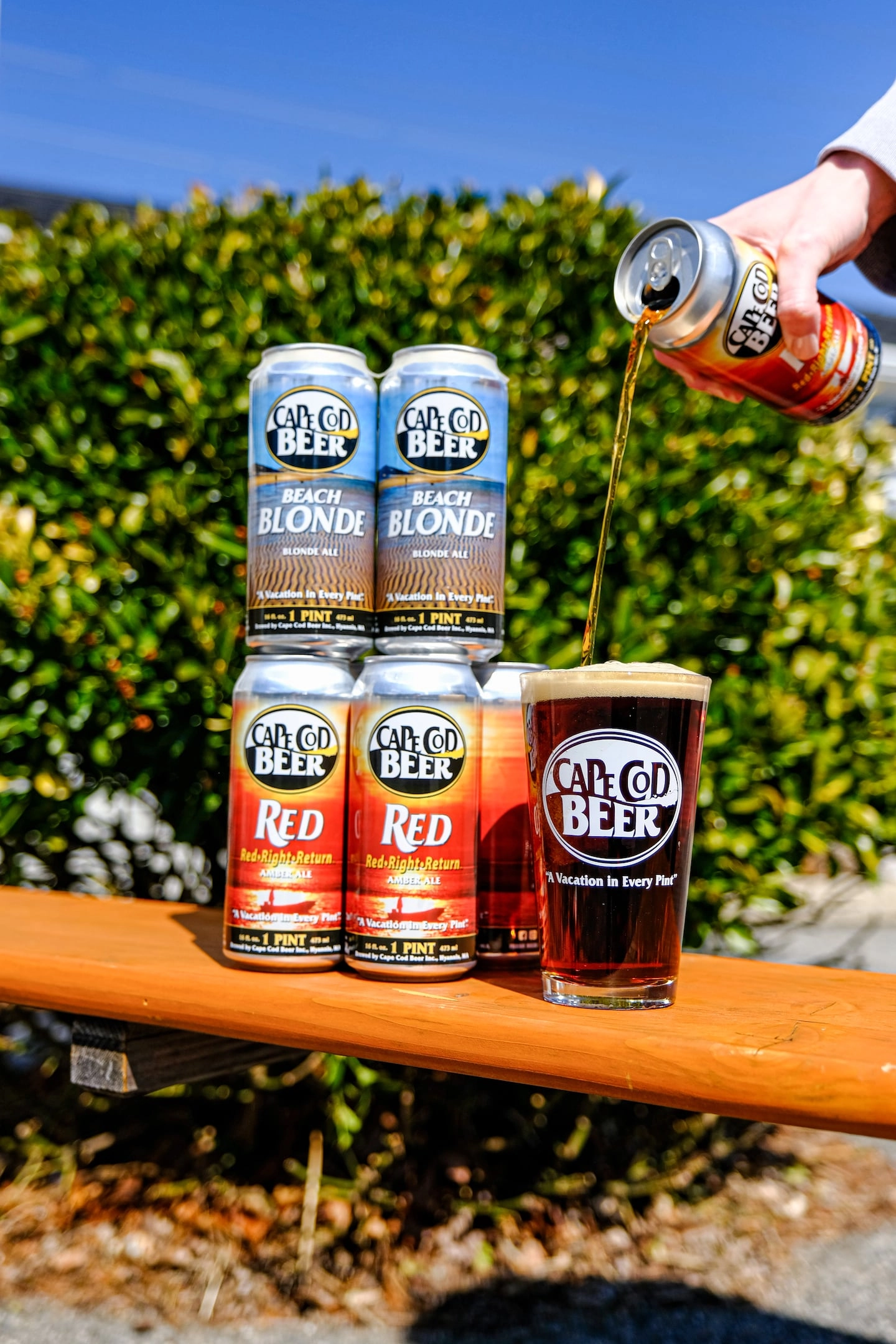
Cape Cod Beer, one of Massachusetts’ oldest craft breweries, is set to transition ownership to Mike McNamara, the owner of Hog Island Beer Co. This change comes as current owners, Todd and Beth Marcus, prepare to hand over their brewery, known for its Cape Cod Blondes and Reds, to McNamara through a newly formed holding company called Triton Beverage Group. This acquisition follows McNamara’s recent purchase of Mayflower Brewing Co. in Plymouth.
The decision to sell was not something the Marcus couple actively sought, but an appealing offer from McNamara prompted them to reconsider. They have indicated their intention to remain involved until the deal is finalized, a process expected to take around four months. Currently, the brewery employs over 20 staff members.
Beth Marcus expressed mixed feelings about the transition, acknowledging the joy of their community work and experiences at the brewery while feeling reassured about the future under McNamara’s leadership. The deal will broaden Cape Cod Beer’s distribution, previously limited to a close radius around its Hyannis location, by partnering with Sheehan Family Companies for statewide sales.
McNamara has reassured consumers that each brewery under his management will retain its unique identity and operations. He emphasized that the focus will be on enhancing their collective strengths rather than changing what makes each brewery special.
As the craft beer industry continues to consolidate, this acquisition reflects ongoing trends in the sector, where mergers enable companies to streamline operations, boost marketing capabilities, and adapt to evolving consumer preferences.
For further details, read more on Hog Island and Cape Cod Beer.
Arvada Welcomes a New 5,000-Square Foot Beer Garden Next Month!

City Street Investors is finalizing the opening of its new beer garden in Arvada, set to debut on July 7, 2025. This establishment, located at 9258 W. 58th Place, emphasizes outdoor aesthetics with a striking garden featuring 850 plants and 44 trees, making it a central part of a larger redevelopment project.
Spanning an acre, the beer garden is complemented by a 2,000-square-foot retail building and a 14,300-square-foot pocket park, with an overall investment of $6 million. Financial support came from the Arvada Urban Renewal Authority, which sold the property at a discounted price of $230,000 and provided an additional $1.6 million for infrastructure improvements. This initiative is part of a broader development plan that includes hundreds of new homes and significant commercial space.
Joe Vostrejs, a co-owner of City Street Investors, noted that the beer garden aligns with Arvada’s vision for placemaking, enhancing the community by creating a gathering space for residents. The building also draws inspiration from the area’s history, resembling an old train station, but no tenants have been confirmed yet for this space.
The developers experienced challenges with material costs, particularly due to tariffs that impacted lumber prices significantly as construction progressed. Despite these hurdles, the project aims to foster community engagement, with an emphasis on creating a walkable neighborhood.
For more details, visit BusinessDen.