Sip and Support: Limited-Edition Vodka Sodas to Aid Alberta’s Local Wildlife
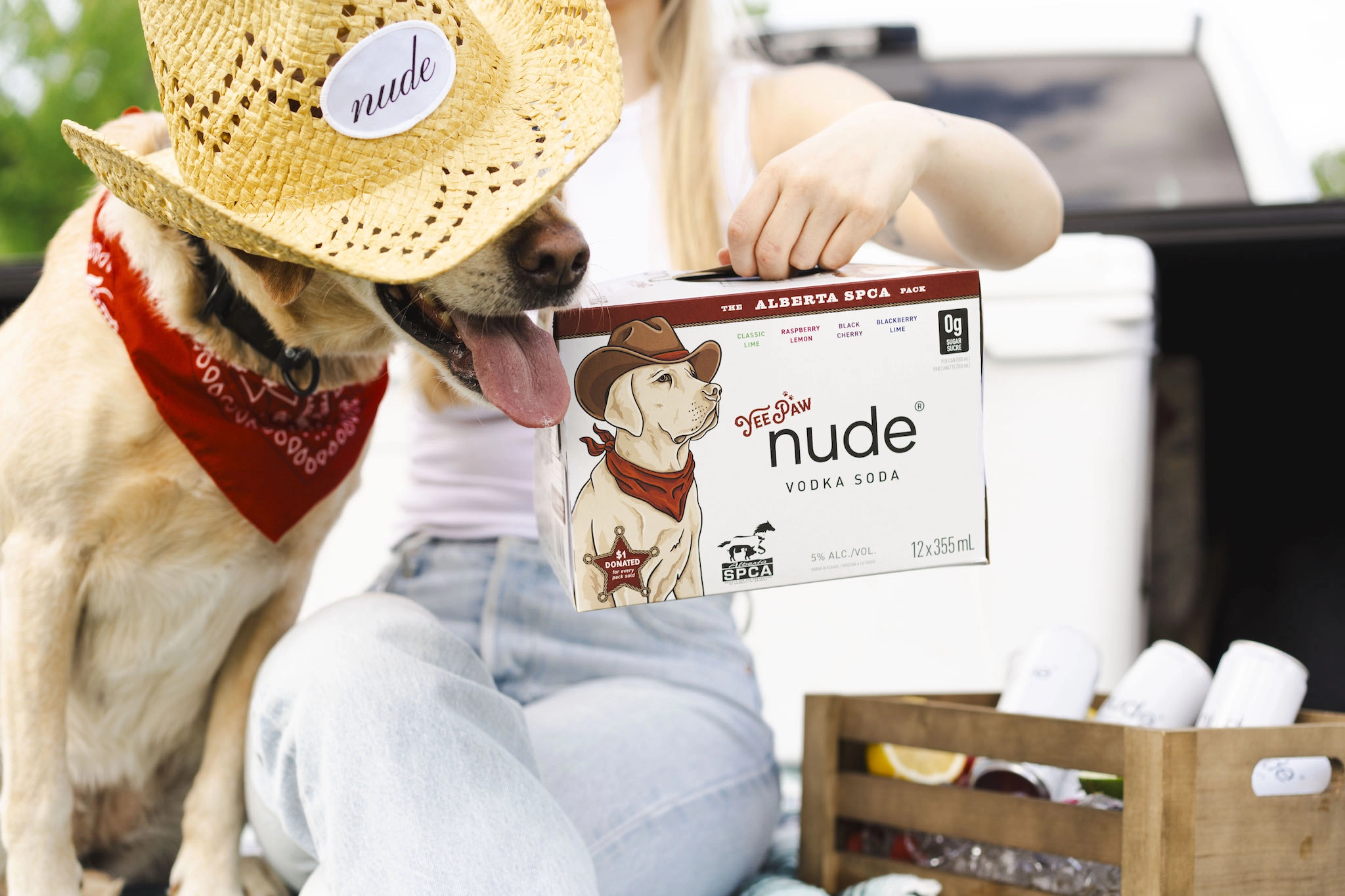
Is there anything better than enjoying a refreshing vodka soda while also supporting local animals?
For the second year running, Nude Beverages has partnered with the Alberta SPCA to bring back the Nude YeePaw Pack, which is perfect for summer sipping. This mix pack of vodka sodas not only provides delightful flavors but also contributes to the welfare of animals throughout Alberta, as a portion of the proceeds goes directly to the SPCA to help them in their mission of caring for animals across the province.
A Beverage with a Purpose
Every Nude YeePaw Pack sold contributes one dollar to the Alberta SPCA, assisting in their vital programs. The pack comprises four fresh flavors: black cherry, classic lime, raspberry lemon, and a new addition, blackberry lime. With each beverage containing 5% ABV and being sugar-free, sweetener-free, and gluten-free, Nude Beverages emphasizes their commitment to healthier drink options.
Helping Animals in Need
While enjoying these drinks under the sun, you’re also contributing to a range of animal welfare efforts, including sheltering and rescuing pets and livestock across Alberta. Nude Beverages proudly supports Canadian communities and has previously donated over $257,000 to animal rescues nationwide.
Pick up a Nude YeePaw Pack at your local Alberta liquor store and enjoy a refreshing drink that makes a positive impact on the lives of animals in your community.
Create the Perfect Martini: The Ultimate Guide to Using Single Malt Vodka
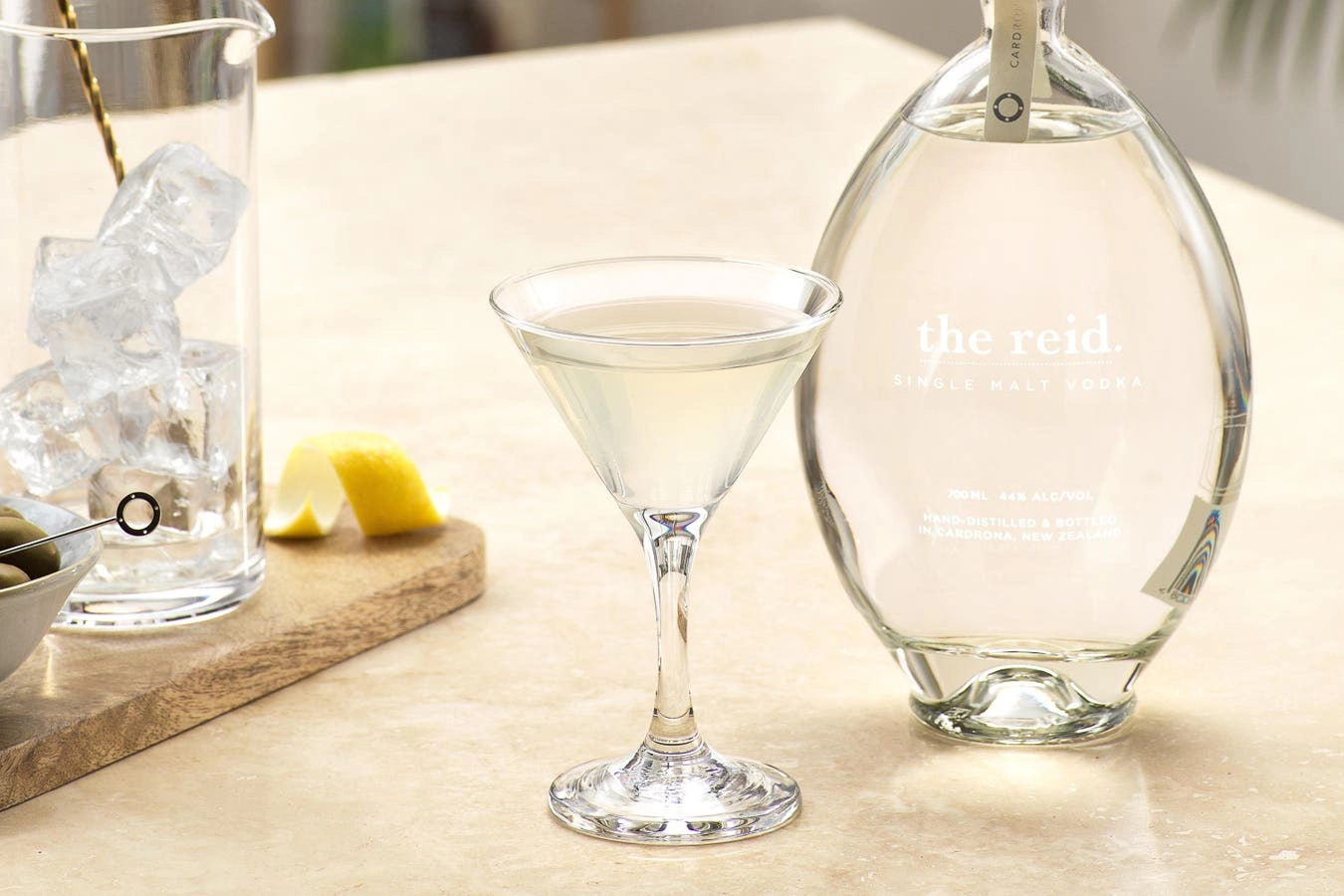
The Reid Vodka from Cardrona Distillery emerges as an exceptional choice for crafting a perfect martini. Founded by Desiree Reid, the distillery is nestled in New Zealand’s Crown Range Mountains, aiming to elevate the country’s spirits profile since its establishment in 2015. Driven by frustration with bland vodkas, Reid sought to create a spirit that retained character and flavor, resulting in The Reid Vodka—a single malt expression that is fragrant, delicious, and ideal for a world-class martini.
Unlike many vodkas, The Reid Vodka undergoes a production process that ensures the true essence of its ingredients shines through. This grain-to-glass approach guarantees complete control over every production stage. The vodka is free from chill or charcoal filtration to maintain its rich, botanical notes, enhanced with touches of toffee and lemon.
For those looking to enjoy The Reid Vodka, here are a few martini recipes:
The Reid Martini
- Ingredients:
- 3 oz The Reid Vodka
- 1/2 oz French Dry Vermouth
- 3 Olives
- Instructions: Combine vodka and dry vermouth in a cocktail mixing glass filled with ice. Stir until chilled, then strain into a chilled martini glass. Garnish with 3 olives.
Vesper Martini
- Ingredients:
- 0.5 oz Lillet Blanc (or any Blanco vermouth)
- 0.5 oz The Source Gin
- 2 oz The Reid Vodka
- Instructions: Add ice to a stirring glass, stir until cold and slightly diluted, then strain into a cold coupe glass. Garnish with a twist of lemon peel.
French Martini
- Ingredients:
- 1 oz The Reid Vodka
- 1 oz Pineapple juice
- 1 oz Raspberry Liquor or raspberry syrup
- Instructions: Combine ingredients in a shaker with ice, shake well, and strain into a coupe glass.
The Reid Martini Highball
- Ingredients:
- 1.5 oz The Reid Vodka
- 0.5 oz Dry vermouth
- Soda or Tonic Water to top up
- Instructions: Build in a highball glass over ice and garnish with a lemon peel.
For anyone who values flavor and character in their cocktails, The Reid Vodka represents a remarkable option, embracing the spirit of quality.
Toronto to Host Exciting New All-Canadian Wine Festival This Summer!

A brand-new festival celebrating Canadian wines is set to make its debut in Toronto this summer, featuring an array of unlimited samples and local cuisine. While renowned wineries in countries like Italy and France often dominate the global wine scene, Canada boasts a variety of exceptional wineries that deserve recognition.
The inaugural Elbows Up Coast-to-Coast Wine Fair will take place at Fort York on July 12, 2025, dedicated to honoring the nation’s finest grape growers. The festival is inspired by a popular hockey saying from Canadian comedian Mike Myers and aims to elevate locally-produced beverages in response to international market challenges.
Attendees will have the opportunity to explore over 25 wineries from diverse regions, including British Columbia’s Okanagan Valley and Nova Scotia’s Annapolis Valley. Notable vendors like Paradise Grapevine and other Ontario favorites such as Hidden Bench, Rosewood Estates, and Tawse will be present, along with out-of-town participants like Nova Scotia’s Lightfoot & Wolfville and BC’s Ursa Major.
In addition to the wine offerings, a delicious selection of local food vendors will also be on-site, making for a well-rounded experience. Confirmed food vendors include Leslieville’s Ricky + Olivia, known for their innovative takes on classic dishes, and Good Cheese, which will provide artisan cheese plates and generous focaccia sandwiches.
The festival is designed with two sessions: the first from 12 p.m. to 2:30 p.m. and the second from 2:30 p.m. to 5 p.m. Regardless of the session chosen, attendees will enjoy unlimited samples, food access, and a special keepsake glass to commemorate the event.
Tickets are priced at $35 until June 21, after which they will increase to $50, providing an incentive for early purchases.
Event Details:
- When: Saturday, July 12, 2025
- Time: 12 p.m. to 5 p.m.
- Where: Fort York – 250 Fort York Blvd.
- Admission: $35 to $80
For more information, visit the official event page: Elbows Up Coast-to-Coast Wine Fair.
Savor the Season: Summer Preview Week Delights at the Fredericksburg Food and Wine Festival

Summertime is arriving in Texas wine country, heralded by an exciting lineup of events during the Fredericksburg Food & Wine Festival. A noteworthy highlight is the upcoming “preview week” from July 21 to 27, which acts as a precursor to the main festival scheduled for October 22 to 26.
This week-long celebration promises a diverse array of food and wine experiences, including lavish black-tie cellar dinners, underground silent discos, and even a queso throwdown. Promotional materials boast a blend of innovative culinary creations and unique beverage pairings designed to tantalize taste buds and bring the community together.
Festival organizers describe the event as "a week-long celebration filled with crave-worthy events, creative sips, and unforgettable foodie experiences all around town,” offering something for everyone.
Tickets for these events are now available, with pricing varying according to the specific events and accompanying food pairings. For more details on the event schedule and ticket purchases, visit the Fredericksburg Food & Wine Festival’s official website.
Whiskey Meyers Delivers a Blend of Musical Genres to Missoula

Cody Cannon and Jamey Gleaves, part of the Texas-based band Whiskey Myers, recently electrified the stage at the Kettlehouse Amphitheater in Missoula. Known for their eclectic blend of musical styles, the band defies easy categorization, drawing from genres like country, rock, and Southern rock. In an era where streaming services have blended traditional musical boundaries, Whiskey Myers embraces and celebrates their diverse influences, stating on their website that they take inspiration from both Nirvana and Waylon Jennings.
Since their formation in 2007, Whiskey Myers has carved out a unique niche by staying true to their musical passions rather than conforming to genre expectations. Lead singer Cody Cannon articulated their approach to music, explaining, “Everybody wants you to pick a genre, but we did this our whole career. We like it all, so we’re gonna do it all.” Their sold-out concert in Missoula is a testament to their growing fanbase and the resonating appeal of their music.
The concert showcased Whiskey Myers’s commitment to authenticity and their refusal to be boxed into a single genre, much to the delight of their enthusiastic audience. The electric atmosphere at the Kettlehouse Amphitheater highlighted the band’s ability to connect with fans across different musical tastes, ensuring that their diverse sound continues to thrive in today’s music landscape.
The Significance of Sierra Nevada Pale Ale’s Unconventional Victory at the World Beer Cup
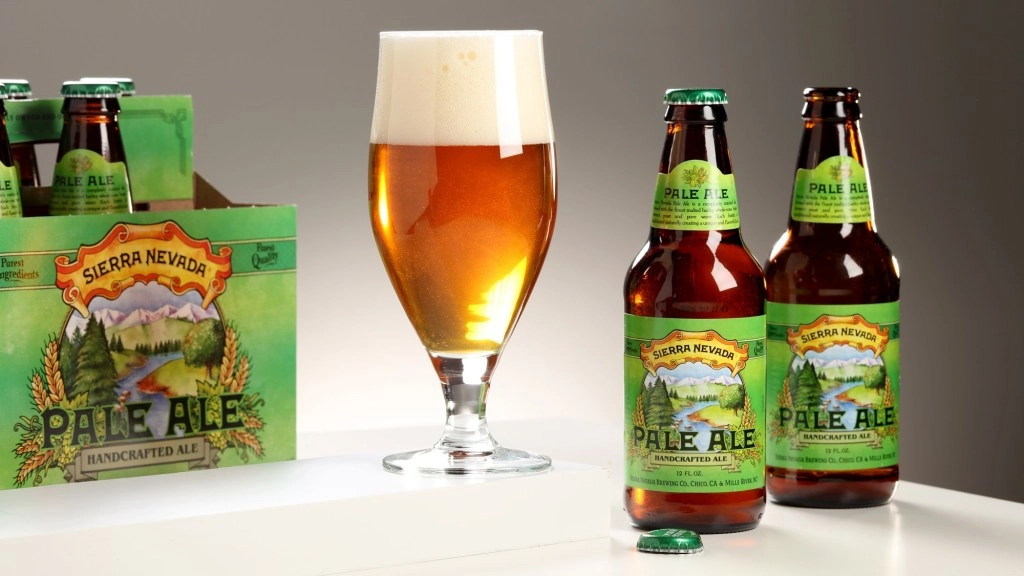
When the World Beer Cup awards were announced recently, Sierra Nevada Brewing Co. won gold for its flagship beer, Sierra Nevada Pale Ale, in a surprising category: Extra Special Bitter. Although this beer has been renowned for 45 years and is celebrated for essentially creating the American Pale Ale style, winning in this category was unexpected.
To understand this, we need to explore how pale ales differ from Extra Special Bitters (E.S.B.). Historically, these two styles were often regarded as the same in England, with the beer referred to as pale ale in bottles and bitters on draft. Before clear identifiers emerged, customers would simply order a bitters, differentiating it from the sweeter mild ale that was also popular.
The term “bitters” evolved over time into three categories: Ordinary Bitters, Best or Special Bitters, and Extra Special Bitters. The E.S.B. designation was introduced by Fuller’s in 1971, but because early craft beer drinkers in the U.S. generally avoided beers labeled as bitter, many brewers opted to use the pale ale term instead.
Today, the World Beer Cup features several categories for pale ales and bitters, with guidelines that evolve each year. While Sierra Nevada Pale Ale is now labeled a legacy beer, its classification has shifted to fit the sub-category of American-style Extra Special Bitter, reflecting changing consumer tastes and brewing practices.
Sierra Nevada Pale Ale is well-balanced, blending rich malt and robust hop flavors. When it debuted in the early 1980s, it was considered hop-forward, but compared to modern IPAs, it now appears more restrained. This balance is why pale ales remain a popular choice for various occasions.
If you’re looking to explore pale ales, Sierra Nevada’s original is readily available and still tastes nearly the same as when it was first introduced. Additionally, Faction Brewing’s Penske File Pale Ale stands out as an excellent West Coast pale ale. Firestone Walker’s Double Barrel Ale offers a great take on English-style pale ales, while Cellarmaker Brewing in San Francisco produces excellent options like Underneath the Pine and Super Mt. Nelson.
For those interested in the craft beer landscape, Sierra Nevada’s recent win highlights the intersection of tradition and evolving tastes in the brewing world.
Unleash Summer Fun: Discover the Limited Edition M3GAN x Captain Morgan Bottle!
Get ready for a thrilling summer as M3GAN prepares to make her much-anticipated return in the sequel M3GAN 2.0, which hits theaters on June 27, 2025. This time, the killer AI doll is back with even more enhanced abilities, ready to wreak havoc alongside her creator, Gemma (played by Allison Williams), and teenage companion, Cady (Violet McGraw). Facing off against a new synthetic adversary, the military-grade doll known as Amelia, fans can expect more chaos and action.
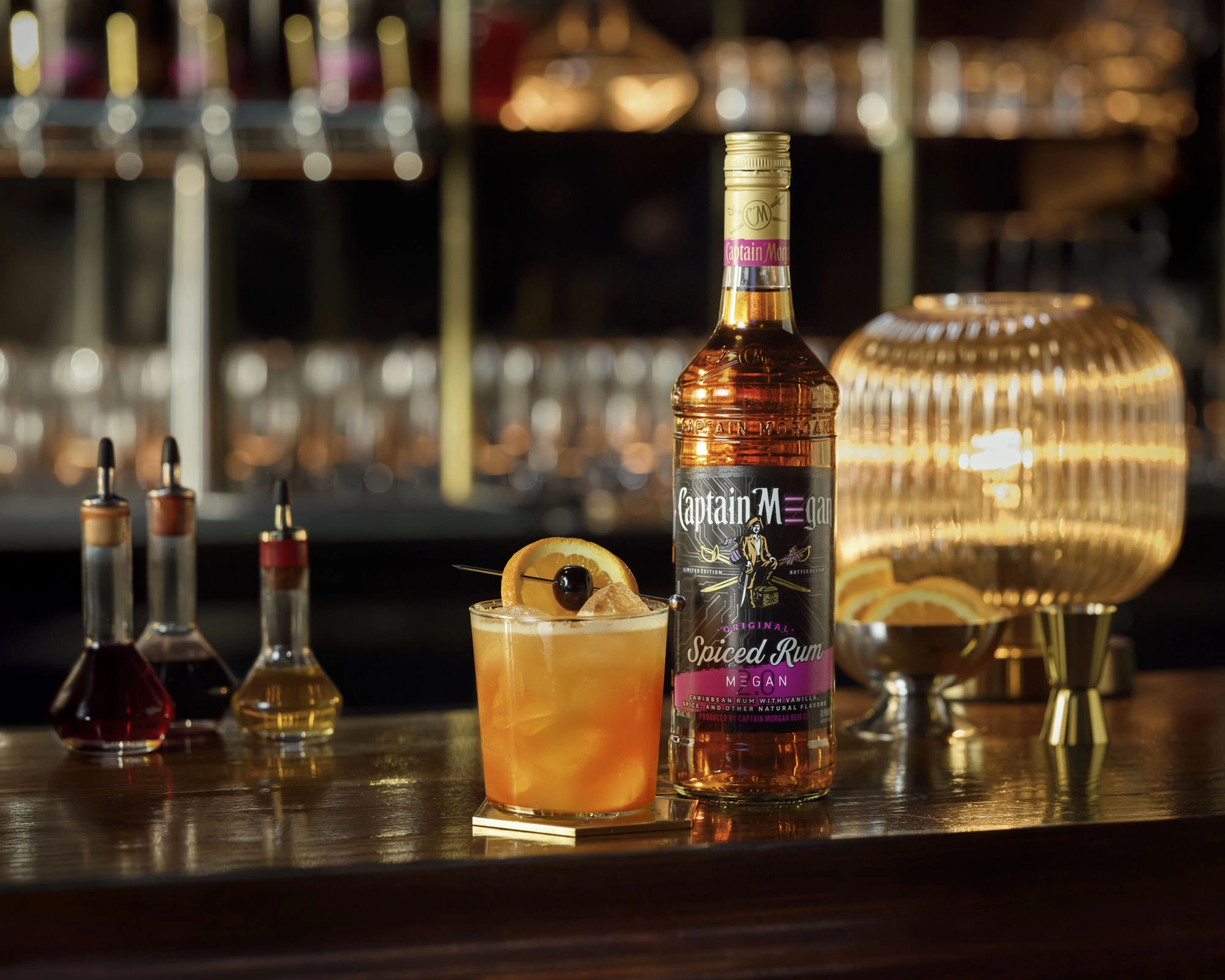
To celebrate this upcoming film, Captain Morgan has released a limited-edition glow-in-the-dark rum bottle, perfect for horror enthusiasts eager to indulge. The special edition bottle, aptly named Captain M3GAN, invites fans to slay summer in style. For those wanting to elevate their experience at home, an exclusive Cocktail Courier kit themed after M3GAN 2.0 will be available, enabling fans to craft delicious rum and cola cocktails. The kit features a cocktail recipe called "This Is the Part Where You Rum (& Cola)" and can be ordered online.
You can snag the Captain M3GAN bottle for $15.99 at select stores, allowing fans to indulge in the iconic spiced rum with a touch of M3GAN’s fierce energy. This collaboration perfectly blends the essence of the movie with a refreshing drink for summer gatherings, making it a must-have for both collectors and fans alike.
Olive + Oak Unveils Revery + Rum: A Summer Saturday Pop-Up Experience!
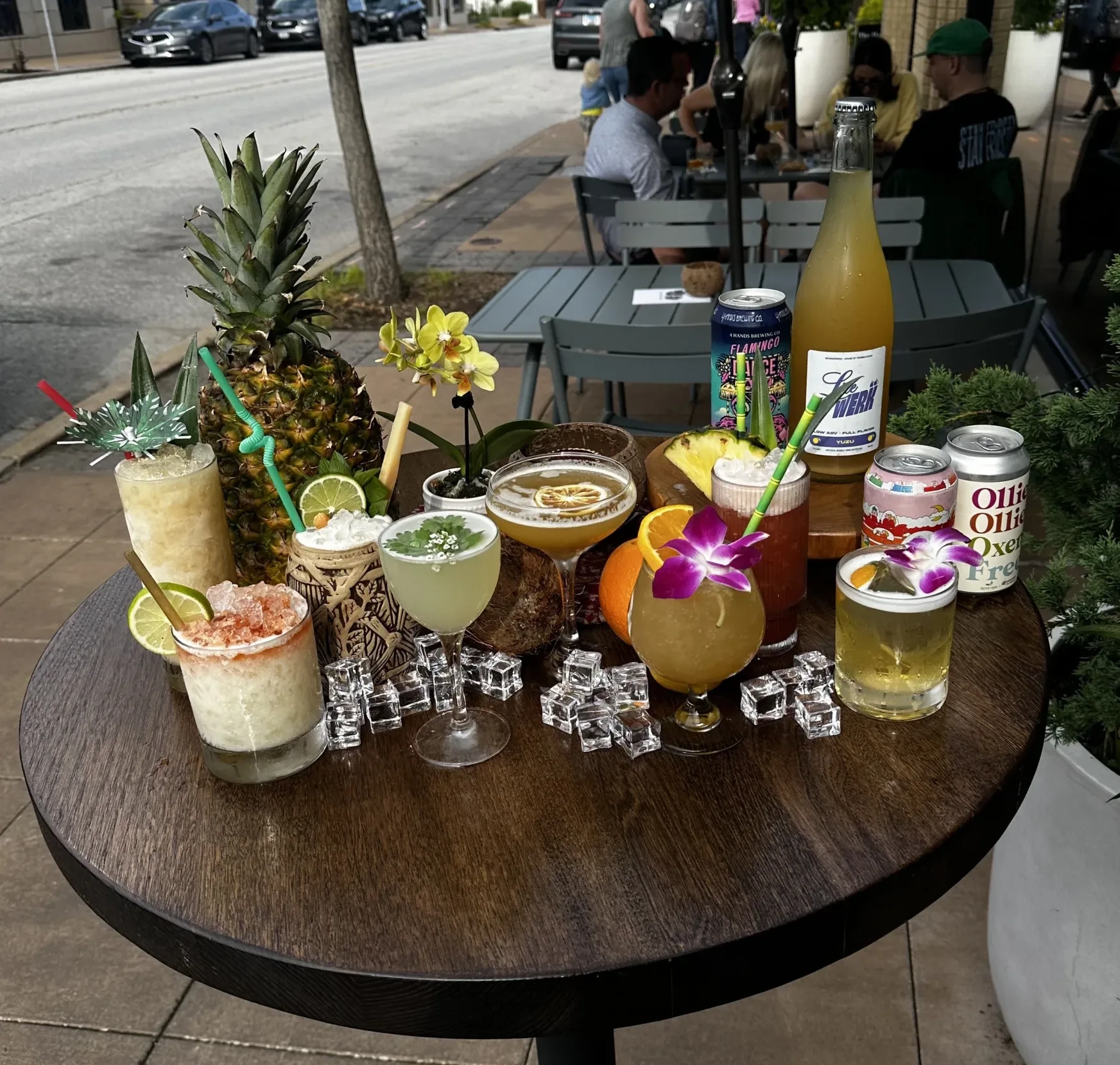
Every Saturday this summer, Olive + Oak in Webster Groves will transform its sidewalk into Revery + Rum, a lively pop-up bar characterized by island-themed vibes. Jeremy White, the bar manager, and his colleague Curtis Holder are set to bring a taste of the tropics with classic and eclectic cocktails from 4–10 p.m.
The cocktail menu will feature a range of island-inspired drinks, including cachaça-based creations along with classics like Mai Tais and Piña Coladas. Each week, patrons can expect a rotating selection of three to five original cocktails alongside a curated list of sipping rums, natural wines, canned beers, and zero-proof options.
Music plays an essential role in the experience, with an upbeat playlist named “Psycho Beach Party,” inspired by the famous film. The pop-up’s name, “Revery,” derives from an Emily Dickinson poem, linking the culinary experience to the idea of escapism and shared joy.
White credits the support of co-owners Mark and Jen Hinkle, who have faith in their vision for creating a unique space for the community to gather. They are dedicated to fostering an inviting atmosphere where guests can relax and connect, living out the essence of Dickinson’s poetic line about finding beauty in simple moments.
For more information about Olive + Oak and their latest pop-up offerings, you can visit Olive + Oak.
Celebrating Flavor: Everything You Need to Know About the North Coast Wine and Food Fest

The North Coast Wine & Food Festival showcased an impressive array of over 115 wineries and chefs, bringing together wine aficionados and food lovers at the Luther Burbank Center for the Arts. Attendees enjoyed a beautiful Saturday in June while sampling award-winning wines recognized from the North Coast Wine Challenge, alongside delectable bites prepared by talented local chefs. The event was a delightful experience, celebrating the culinary arts and the wine culture of the region.
Unveiling the Essence of Terroir: The Luxury Champagne Wine That Redefines Sense of Place

Champagne Cristal, produced by the family-owned Louis Roederer, stands out for its remarkable expression of terroir, rooted in the nutrient-poor, chalk-dominant soils of its vineyards. This Champagne is a testament to the land and the meticulous care taken in its production, showcasing a unique sense of place that is often lost in the world of mass-produced wines.
The vineyards of Champagne Cristal have a storied past, dating back to 1816 when André Jullien classified vital vineyards in the region. Roederer’s distinct approach began in 1876 with the creation of Cristal, focusing on the specific vineyards that could showcase the terroir’s depth. The crisp acidity and delicate structure found in the wine can be attributed to the vineyard’s challenging conditions, which mean the vines grow more like “bonsai” trees—small but mighty, struggling yet thriving.
Jean-Baptiste Lécaillon, the chef de caves, has dedicated himself to exploring innovative practices to maintain the vineyards’ health and longevity while respecting their unique characteristics. Adopting methods such as permaculture and organic farming, he has observed a positive shift in the wines’ pH levels, resulting in heightened acidity and complexity.
Champagne Cristal is not merely about luxury branding; it embodies a philosophy rooted in the land. The house resists the trends of corporate acquisition commonly seen in the wine industry, opting to cultivate its heritage and focus on quality. This commitment is evident in the multiple vineyard sites contributing to Cristal’s blend, each bringing distinct qualities based on their soil structures and climatic influences.
When tasting Cristal, connoisseurs often experience an initial shock. It’s not the bold fruitiness they may expect; instead, the wine impresses through its sheer intensity and complexity derived from the terroir. The nuances of the chalk, minerals, and the very essence of the vine create a multidimensional profile that encourages wine drinkers to embrace a more profound appreciation of what Champagne can be.
Among the notable vintages, the 2002 is highlighted for its remarkable balance and evolution, while the 2012 offers an intriguing combination of minerality and fruit. Tasting the 2016 vintage, shaped by a challenging year, reveals a breathtaking purity that defies expectations.
Champagne Cristal Rosé also deserves mention for its exceptional character, expressing both power and finesse. Through innovative techniques, Lécaillon enhances the rosé’s terroir expression, allowing nuances of cherry blossoms and wild strawberries to dance on the palate, complemented by a mineral backbone.
In a crowded field of luxury Champagnes, Cristal carves its own niche, representing not just a drink, but a story of heritage, craftsmanship, and an unwavering commitment to showcasing the beauty of its origins.