Sheetz Unveils Delicious Summer Treat: Two New Peach Ring Vodka Sodas

Sheetz has introduced two new seasonal vodka sodas, Shpiked® Peach Ringz and Shpiiiked® Peach Ringz, set to hit Sheetz stores in Pennsylvania on June 3. The latter, featuring a higher alcohol content, will also be launched at PNC Park during Pirates home games for the remainder of the 2025 season.
Ryan Sheetz, EVP of marketing and supply chain, expressed enthusiasm for the new products, describing them as embodying the essence of summer with their fruity and bubbly profiles. The drinks, developed in collaboration with Slushed Brands LLC, are made with peach gummy rings and premium distilled vodka, offering a lightly carbonated experience. Shpiked® Peach Ringz has an alcohol by volume (ABV) of 5%, while Shpiiiked® Peach Ringz boasts an 8% ABV.
Customers will find both beverages available in single 16-ounce cans and six-pack 12-ounce cans at Sheetz stores, along with single 19-ounce cans of Shpiiiked® Peach Ringz specifically at PNC Park.
Revolutionizing Caribbean Cuisine: Inside a Resort’s Dining Transformation

Some of the most unforgettable travel moments happen around a dining table, where food and culture intertwine. Imagine yourself savoring the aroma of grilled seafood or sipping a unique local rum, all part of a broader experience that reflects the essence of the Caribbean.
At Sandals Resorts, food is seen as a bridge to the Caribbean culture they proudly embody. Over the past 40 years, Sandals has continuously enhanced its dining concepts, focusing on authentic flavors and locally sourced ingredients. Luke Mathot, the vice president of food and beverage product innovation, emphasizes that they aim to offer an experience that captures the vibrant culinary landscape of the region.
Upon arrival at a Sandals resort, food becomes your gateway to a deeper appreciation of the Caribbean. Imagine waking up to the rich scent of fresh Jamaican Blue Mountain coffee, or enjoying jerk chicken that bursts with flavor, thanks to local spices. The emphasis on fresh produce reflects Sandals’ commitment to sustainability and supporting local farmers through the Sandals Foundation.
Sandals’ innovative Island Inclusive Dining program invites guests to dine at local, independent restaurants outside the resort, further enriching their culinary journey. For instance, guests staying in Butler Suites for seven nights or more receive a credit to explore local eateries that celebrate the island’s culinary talents.
In Nassau, at the Sandals Royal Bahamian, guests can relish conch prepared by top Bahamian chefs or unwind at local hotspots where cocktails are paired with innovative bites. In Curaçao, the dining experience at Mosa/Caña highlights the fusion of Latin American and Caribbean influences, ensuring every meal tells a story.
For those craving the authentic Jamaican experience, the Jerk Shack at select Sandals properties offers smoky meats grilled over open flames, staying true to the traditional cooking methods rooted in Jamaica’s history.
Another unique option is Buccan at Sandals Saint Vincent and the Grenadines, where family-style dining fosters a sense of community and shared experience, serving a variety of fresh, locally inspired dishes.
At Sandals Dunn’s River, the Rum Club celebrates Jamaica’s rich rum culture, offering carefully crafted cocktails and guided tastings, highlighting the island’s legacy in rum production.
Every meal at Sandals is not just about food but is deeply intertwined with the culture of the Caribbean. From beachfront jerk chicken to explorative dining experiences in local restaurants, Sandals ensures that every bite connects you to the rich stories of the destination.
For more information on Sandals Resorts, visit Sandals.
Paddock Spirits of Pullman: Award-Winning Mastery in Cocktails

Paddock Spirits, a company based in Pullman, recently achieved notable recognition at the San Francisco World Spirits Ready-To-Drink Competition, where its Strawberry Red Apple cocktail won a prestigious double gold award. This cocktail will advance to compete for a best-in-class accolade, positioning it among four double-gold winners.
This award isn’t an isolated achievement for Paddock Spirits; the company had six of its cocktail flavors awarded in the competition. In addition to the double gold for Strawberry Red Apple, their Cucumber & Lime flavor earned gold, while Cantaloupe & Ginger, Powder Can, and Watermelon & Guava each received silver medals, with the company’s Course Can taking home a bronze.
The awards were distributed by a panel of more than 100 judges from the wine and spirits industry, who conducted a blind taste test. This competition has been held since 1980, emphasizing its longstanding prestige.
Paddock Spirits produces and cans its cocktails at a dedicated facility in Pullman. Their products are available in over 150 locations across Washington and Idaho, including stores like Nomnoms and A & B Foods in Lewiston, as well as Rosauers and the Moscow Food Co-op. They are also expected to be stocked at Rosauers in Moscow and Lewiston soon.
The origins of Paddock Spirits can be traced back to the COVID-19 pandemic when founders Cory and Blake Preston began offering cocktails from their bar, Etsi Bravo, in take-out containers. The business is a collective effort with partners who have strong ties to Pullman, namely Tony Poston, Nick Lee, and Nick Robertson. Poston leads CougsFirst!, a network for Washington State University alumni, while Lee supports Paddock Spirits with graphic design work in addition to his cybersecurity job. Robertson is the general manager at The Emporium, a bar in Pullman owned by the Prestons.
For more details about Paddock Spirits and their offerings, visit paddockspiritsco.com.
7 Fiery Cocktails to Turn Up the Heat at Your Next Happy Hour

It’s exciting to explore the world of spicy cocktails, especially ones that bring a fiery kick to your happy hour! One standout drink is the Kicker Rock, inspired by a volcanic formation in the Galápagos Islands. This cocktail cleverly blends rhum agricole with bitter Campari, sweet pineapple, sour lemon, and a hint of chipotle heat, creating a unique flavor experience that surprises and delights.
Spicy cocktails are not just about heat; they also engage the senses. The compound capsaicin found in chiles adds a new level of sensation, triggering a response that can enhance enjoyment through the release of endorphins and dopamine, making drinks like a Tabasco-spiked Bloody Mary all the more appealing. Additionally, spicy elements can amplify other flavors, providing a delicious complexity.
Mixologists have embraced these principles, creating drinks that marry various flavor profiles with heat. A perfect example is the Wild Gin & Tonic from Austin’s El Raval, which pairs Szechuan peppercorns with yuzu juice for a refreshing twist. Similarly, the Spicy Rebujito incorporates serrano chiles into a traditional sherry highball, maintaining its classic flavor while injecting a touch of local spice.
Here are some spicy cocktail recipes to try:
Kicker Rock
A complex blend of smoky, tart, sweet, and fruity flavors centered around rhum agricole.Get the recipe
Spicy Rebujito
A modern take on the classic Andalusian sherry drink, enhanced with fresh serrano peppers.Get the recipe
Wild Gin & Tonic
Infused gin meets Szechuan peppercorns and citrusy yuzu juice for a tangy yet spicy refreshment.Get the recipe
Spicy Margarita
A popular twist on the traditional margarita, simply add jalapeño for a delightful kick.Get the recipe
Bloody Maria
This tequila interpretation of a Bloody Mary combines rich flavors from Worcestershire sauce and hot sauces for a savory delight.Get the recipe
Spicy Whiskey Ginger
A bold mix of whiskey, fresh ginger, and ginger beer elevates the classic drink with a spicy new profile.Get the recipe
Dark ‘n Stormy
Use a spicy ginger beer to enhance this classic cocktail, balancing sweetness with tart lime juice.Get the recipe
These recipes not only celebrate the warmth of spices but also contribute depth and creativity to your cocktail-making endeavors!
Artist Unleashes Creativity in Wilmington with Stunning Shark Mural and Unique Vodka Launch

WILMINGTON, NC — An exciting event unfolded at the ABC Store on Wrightsville Avenue where renowned marine artist Wyland made a special appearance to unveil a vibrant shark mural and launch Blue Shark Vodka, a new lemon and vanilla flavored spirit.
The gathering attracted many fans eager to sample the vodka and secure autographs from Wyland on their purchased bottles. As the artist engaged with the community, he painted a stunning mural of sharks, reflecting his dedication to marine art. Wyland had previously left his mark in Wilmington during a mural tour spanning from Maine to Florida and expressed joy in returning to the area.
"It’s really great to be back in Wilmington, and as an artist, I truly appreciate both the quality of the vodka and the artistry found on the bottle," Wyland remarked during the event.
Additionally, the artist revisited a prior mural he had created and hinted at the possibility of returning for touch-ups, demonstrating his commitment to maintaining the vibrancy of his work. The new mural can be found at the Best Western Plus Coastline Inn located on Nutt Street in Wilmington.
Unveiling the World’s Best Ultra-Aged Rum: Highlights from the SF World Spirit Competition

Eight exceptional rums have made it to the finals of the 2025 San Francisco World Spirits Competition, a renowned event in the spirits industry. These finalists include five rums aged for five years or more and three overproof selections. Here’s a detailed look at their origins and tasting notes.
Aged 5 Years & Older Rum Finalists
Cartavio XO Rum
- ABV: 40%
- Price: $60
- Description: Originating from Peru, Cartavio XO is a blend of rums aged up to 18 years, matured in a solera system with various oak barrels. It presents a less sweet profile typical of South American rums, influenced by the dry Andean terroir. Tasting notes include dried fig, orange zest, vanilla, and roasted nuts, finishing with caramel and dark chocolate.
Zacapa No. 23 Rum
- ABV: 40%
- Price: $45
- Description: This Guatemalan rum is aged for up to 23 years and crafted from virgin sugarcane syrup. Known for its velvety character, Zacapa No. 23 features aromas of caramelized banana and vanilla, with a palate rich in molasses, dried fruit, and cinnamon, ending on a long, semi-sweet note of vanilla and toasted oak.
Ten To One, Five Origin Select Rum
- ABV: 46%
- Price: $60
- Description: This rum blends varieties from Barbados, the Dominican Republic, Jamaica, Guyana, and Trinidad, aged up to 15 years. It’s complex with notes of molasses and tropical fruits, leading to a robust palate of allspice and burnt caramel, finishing with spices and seasoned wood.
Planteray Rum, XO 20th Anniversary
- ABV: 40%
- Price: $70
- Description: A blend aged in Barbados and finished in French cognac casks, this rum showcases rich flavors of ripe banana and vanilla. Its smooth palate is complemented by notes of dried fruit and crème brûlée, concluding with tropical fruit and soft spices.
Ron del Barrilito Rum, 3 Stars
- ABV: 43%
- Price: $40
- Description: As Puerto Rico’s oldest rum brand, this rum is aged 6 to 10 years and crafted using a solera method. It exhibits a drier structure with aromas of toasted walnut and dried apricot, leading to a complex palate with candied orange and cocoa powder, finishing with caramelized citrus and nutmeg.
Overproof Rum Finalists
Worthy Park, Overproof Rum
- ABV: 63%
- Price: $28
- Description: This Jamaican pot-still rum combines molasses and cane juice, aged in ex-bourbon barrels. It’s bold with notes of green banana and overripe pineapple, delivering robust flavors of traditional Jamaican rum funk and a long fruity finish.
Cap & Cane Spirits, Overproof Rum
- ABV: 63%
- Price: $32
- Description: Produced in North Carolina, this rum is crafted for cocktail use, combining high-ester molasses rum with lighter distillates. It presents fresh notes of sugarcane and lemon peel, providing a smooth palate balanced with toasted coconut.
Planteray Rum, OFTD (Old Fashioned Traditional Dark)
- ABV: 69%
- Price: $28
- Description: This Royal Navy-style rum is a blend sourced from various regions, capturing the essence of navy-strength rums. It features robust aromas and flavors of molasses and burnt orange, with a syrupy texture and a finish rich in dark fruits and baking spices.
These rums are not only exceptional for sipping but also versatile enough to craft potent cocktails, offering a wide spectrum of tastes and aromas that rum enthusiasts will appreciate.
Aspen’s Cloud Wine: Celebrating the Arrival of a New Local Winemaker

The time between the loading and unloading of Aspen’s Lift 1A may seem brief, but it was sufficient for Greg Van Wagner, a local sommelier, to imagine a wine-making partnership. This vision materialized into reality with the establishment of Ajax Cellars, largely catering to the Roaring Fork Valley over the last 13 years.
Van Wagner expressed his desire to produce unique wines not readily found elsewhere. "It’s wine that’s unique to this valley," he noted. The burgeoning Colorado wine scene is still community-driven, often built on personal connections and trust.
Having once come to Colorado as a sponsored road biker and aspiring Tour de France competitor, Van Wagner fell for wine while working at Frasca in Boulder. When he moved to Aspen in 2012 as the maître d’ at Element 47, he became further entrenched in the local wine community.
His connections with fellow winemakers Joe Bucket and Evan Martin led him to embrace wine production. It was during a chat with Martin, founder of Martin Woods Winery, that Van Wagner was inspired to transition to the production side of wine. Together, they collaborated to blend wines, with Van Wagner championing their distribution in the valley.
Ajax Cellars sources grapes not only from Martin’s Willamette Valley but also from a Riesling vineyard located at 6,300 feet in Dolores, Colorado, the highest Riesling vineyard in North America. Van Wagner also collaborates with a vineyard in Palisade, the heart of Colorado’s wine production. He explained, “When you are in these vineyards and you taste the resulting wine, you can absolutely tell there’s a connection between what’s in the ground and what’s in the glass.”
The wines, under the Maroon Bells label, represent a full-circle moment for Van Wagner, who remains an avid cyclist and finds inspiration in the majestic surrounding landscape.
Van Wagner aims to continue enhancing the quality of his wines while building connections with customers. Martin believes that true power in winemaking goes beyond mere flavor and impact; it’s about creating a lasting impression and emotional connection in those who drink it.
Ajax Cellars wines are available throughout the Roaring Fork Valley at various locations, including Of Grape and Grain, Aspen Wine & Spirits, and The Little Nell.
Unmissable Food and Wine Experiences in the Willamette Valley
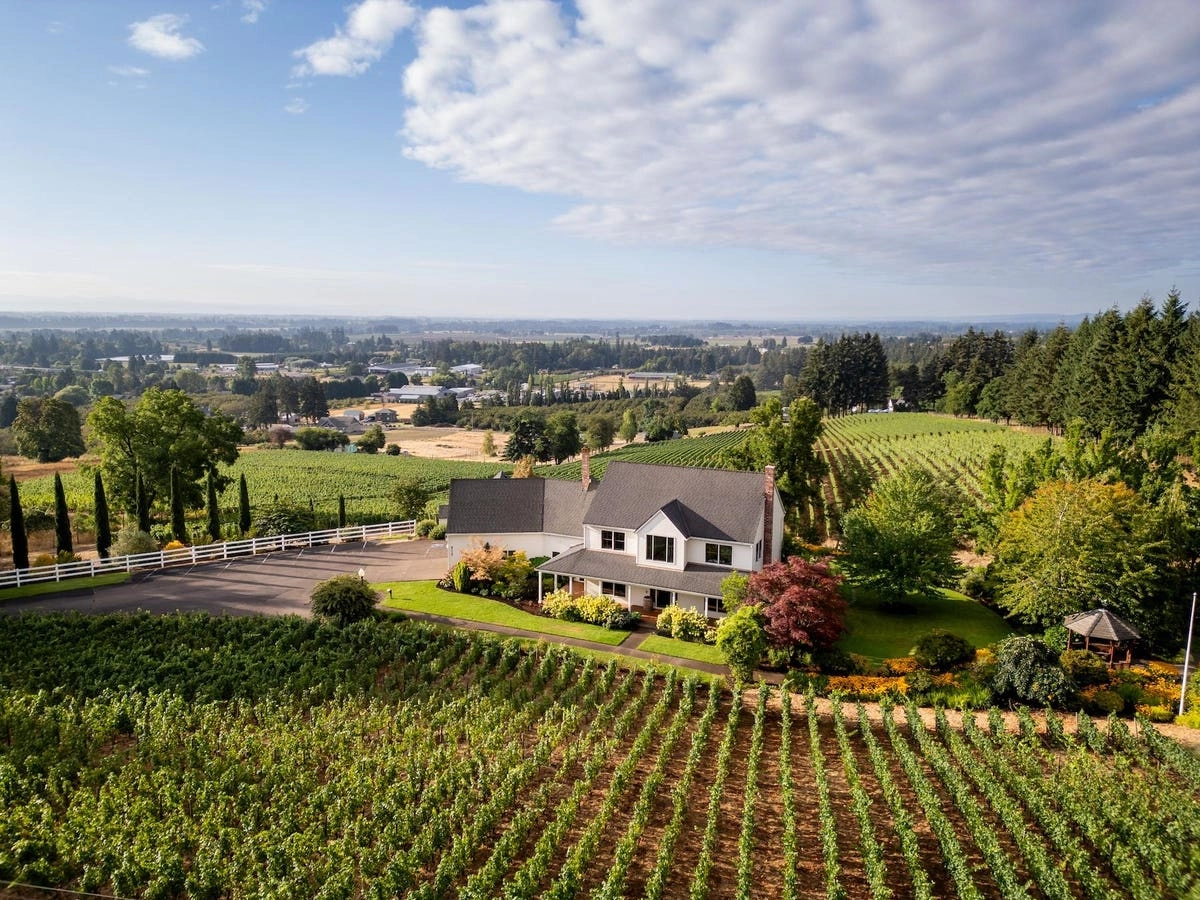
The Willamette Valley in Oregon is a hidden gem for food and wine lovers, celebrated for its exceptional Pinot Noir and Chardonnay, breathtaking landscapes, and farm-to-table dining experiences. This guide highlights some of the best wineries, restaurants, and accommodations in the area, creating a perfect itinerary for those eager to explore this vibrant wine region.
Wineries
Bergstrom Wines
Bergstrom Wines is renowned for its dedication to biodynamic farming and terroir-driven wine-making. Their flagship Chardonnay, Sigrid, is a testament to the elegance and complexity achievable in Willamette Valley wines. Visitors can enjoy tastings in a welcoming setting amidst picturesque rolling hills.
Penner-Ash Wine Cellars
Focused on producing exceptional Pinot Noir, Penner-Ash sources grapes from some of the valley’s most notable vineyards. Winemaker Kate Ayres has successfully elevated the brand, offering character-rich wines at attractive price points.
Adelsheim Vineyard
One of the pioneers in the region, Adelsheim Vineyard has played a significant role in establishing the Chehalem Mountains as a top site for Pinot Noir and Chardonnay. Known for their sustainable practices, visitors can enjoy various tastings and food pairing experiences.
Domaine Willamette
Specializing in traditional method sparkling wines, Domaine Willamette offers immersive wine and food experiences on their picturesque property. The vineyard emphasizes sustainability and low-intervention winemaking, providing guests with unique tasting opportunities.
Domaine Drouhin Oregon
This winery bridges the Old World and New World winemaking techniques, producing elegant Pinot Noir and Chardonnay reflective of both Burgundian and Oregon terroirs. Their estate continues to set high standards in American winemaking.
Soter Vineyards
At Soter Vineyards, the focus is on ecological and sustainable practices. Guests can enjoy wine pairings with seasonal dishes or embark on vineyard excursions, connecting deeply with the land and its offerings.
Humble Spirit
Located in Carlton, Humble Spirit is committed to the principles of regenerative agriculture. Their menu highlights sustainable, locally sourced ingredients, making it a perfect dining stop for those wanting to taste the valley’s ethos.
Restaurants
Hayward Restaurant
Located in McMinnville, Hayward offers a hyper-seasonal approach to New Northwest cuisine, featuring dishes that change with the valley’s agricultural rhythms. Its casual vibe and commitment to local sourcing have earned it accolades, including James Beard Award semi-finalist recognition.
Accommodations
Inn The Ground
This bed & breakfast near Tabula Rasa Farms offers a serene atmosphere and locally sourced farm-to-table breakfasts. Guests can relax and enjoy the scenic views of the Willamette Valley.
Tributary Hotel
Housed in a historic building in McMinnville, the Tributary Hotel features elegant suites and a seasonal tasting menu at its on-site restaurant, Okta. Its combination of luxury and proximity to local attractions makes it an ideal base for exploring the region.
The Willamette Valley is more than just a destination; it’s an experience where wine, food, and the land come together seamlessly. Whether touring wineries or savoring the local cuisine, visitors will find uniquely memorable experiences that celebrate the beauty and bounty of this stunning region.
Top American Single Malt Whiskeys from the 2025 SF World Spirits Competition
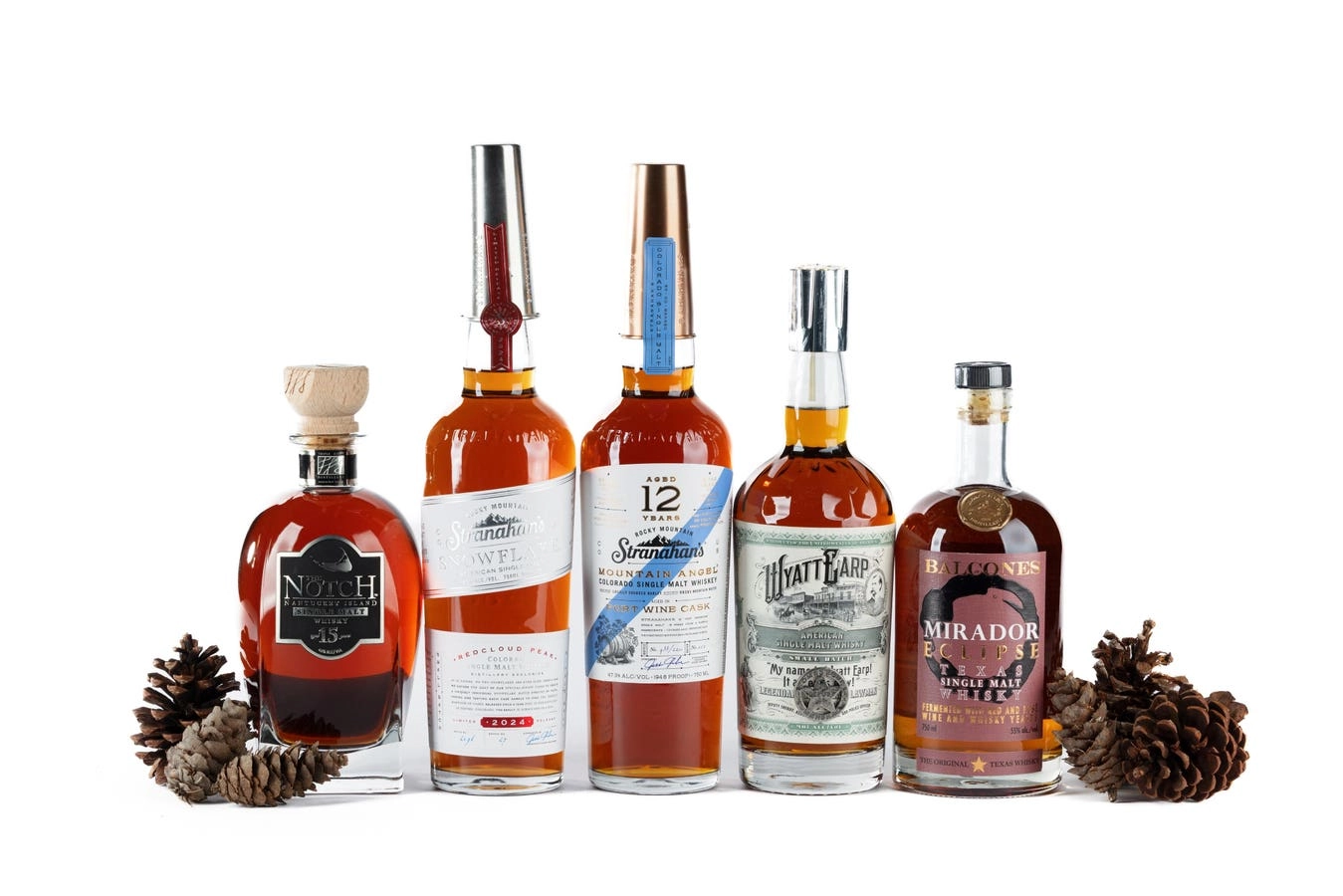
These five finalists for Best American Single Malt Whiskey at the 2025 San Francisco World Spirits Competition exemplify the pinnacle of U.S. whiskeys. Here’s a closer look at each contender, as one will ultimately claim the top honor.
Triple Eight Distillery, The Notch Nantucket Island Single Malt Whiskey 15 Years Old
- ABV: 48%
- Price: $500
Triple Eight Distillery, part of the Cisco Brewers family from Nantucket Island, Massachusetts, is known for its commitment to artisanal spirits. Their Notch series utilizes 100% Maris Otter malted barley, employing traditional Scottish methods. This 15-year expression is aged solely on Nantucket, resulting in a unique maritime character influenced by the coastal climate.
Tasting notes include rich aromas of sherry cask, stewed fruits, chocolate, and toasted nuts. The flavor profile features dark chocolate, vanilla, honey, and wood spices, culminating in a long, sweet finish with hints of dried fruits and toasted almonds.
Balcones Distilling, Mirador Single Malt Whiskey
- ABV: 55%
- Price: $100
Hailing from Waco, Texas, Balcones Distilling has been a pioneer in the American craft whiskey movement. The Mirador expression is distinguished by its aging process in ex-bourbon barrels, allowing the malted barley’s subtle flavors to resonate.
The nose features floral and fruity notes, with hints of stone fruits and potpourri. On the palate, it is creamy, with flavors of lemon cream, chocolate, and stewed berries, leading to a sweet, lingering finish with floral and herbal undertones.
World Whiskey Society, Wyatt Earp Small Batch American Single Malt Whiskey
- ABV: 48%
- Price: $79.99
This whiskey from the World Whiskey Society pays tribute to Wyatt Earp, an iconic figure in American frontier history, and is crafted in Oklahoma. With a label showcasing a U.S. Marshal badge, the personality of its namesake is reflected in the whiskey.
It presents an aromatic nose of dark chocolate, candied citrus, and caramel. The palate reveals notes of dark chocolate, fig, and a creamy mouthfeel, concluding with a long finish that carries persistent, sweet dried fruit notes.
Stranahan’s, Mountain Angel 12 Year
- ABV: 47%
- Price: $100
Established in Denver, Colorado, Stranahan’s has contributed significantly to the American single malt scene. The Mountain Angel 12 Year is their oldest release, aged in new American oak barrels at high altitudes, resulting in a pronounced "angel’s share" evaporation.
With stewed and roasted stone fruit notes on the nose, it delivers a rich, creamy taste highlighted by blueberry jam, caramel, and wood spices. The finish is long and silky, with flavors of wood and a hint of smoke.
Stranahan’s, Snowflake
- ABV: 47%
- Price: $120
This limited-edition release from Stranahan’s is highly coveted, with enthusiasts often camping out for a chance to purchase it. Each Snowflake expression is unique, resulting from a blend of various cask-finished single malts.
It offers an aromatic nose of orange zest and dried fruits. The palate is smooth and creamy, showcasing flavors of prune, peach, and cinnamon, ending with a sweet, lingering finish of dried fruit and seasoned oak.
These finalists showcase the incredible variety of American single malt whiskeys, which, while rooted in traditional Scotch and Irish practices, also leverage diverse maturation environments in the U.S. to create a wide array of flavors and expressions. The golden age of American single malt whiskey is on the horizon, and these selections are a perfect introduction to its richness.
PSG Fans Go Wild: Celebrating Early Lead in Epic Beer Garden Festivities!

Paris Saint-Germain (PSG) is celebrating a significant milestone in its history as they currently lead 2-0 at halftime in the Champions League final against Inter Milan. This match holds great importance for PSG, as a victory would secure the club’s first Champions League trophy. The excitement among PSG fans was palpable, particularly at a public viewing in a beer garden in Munich, where celebrations erupted following the early lead.
As the match progresses, anticipation grows among supporters gathered to witness what could be a historic moment for the French club. Observers are hoping that the celebrations remain peaceful, and that the night marks a joyous occasion for fans.
For PSG, this match is not just another game but potentially a transformative moment, transforming the club’s standing on the European stage.