iCohol

  • Home
  • Liquor
  • Beer
  • Wine
  • Recipes
  • Buzz
  • Contact Us

Unanimous Verdict: 3 Bartenders Reveal the Best Vodka for a Martini

Vodka, oh vodka. It’s one of those spirits that instantly brings a flavor memory to mind, whether it’s from souvenir shot glasses or a neutral vodka-soda. Meaning “little water” in Russian, vodka certainly gets a bad rap, and the same is sadly true of vodka martinis. But to that end I say, no more!

Even the Alcohol and Tobacco Tax and Trade Bureau, which previously stated that, technically speaking, vodka should be “without distinctive character, aroma, taste, or color,” (ouch!) has gone back on its rulings. The bureau’s new amended definition gives vodka martini drinkers a lot more excitement to look forward to — and it shows.

Plenty of vodka brands are making far more complex martinis to enjoy and mix, according to bartenders. If you often opt for the more classic gin martini, it’s time to stir things up (literally, please don’t shake!) with a vodka martini.

What’s the Best Vodka for Martinis?

What’s the trick to picking the best vodka for a martini? Know your grains! Contrary to popular belief, most vodkas are not made with potatoes, but from grains like wheat, barley, rye, and corn. Depending on the grain, you’ll get a wide variation in texture, sweetness, and, yes, a little burn.

After interviewing over a half-dozen bartenders, one grain was the cream of the crop when it came to vodka bases: wheat. “I prefer vodka distilled from 100% wheat,” says George Krpeyan, the general manager at The Grand Tier Restaurant at the Metropolitan Opera House in New York, who says that many of the signature vodka cocktails he makes are with Grey Goose, a wheat-based vodka. “For my taste, wheat vodka tastes best.” Hailed for its delicate sweetness and smoothness, wheat vodka is some of the best for mixing, while rye-based vodka is often spicier, and corn-based vodka can tend to be on the buttery side.

Krpeyan is not alone in loving wheat-based vodkas, either. “My favorite vodka brand is Grey Goose. I’m French, so it is a plus, and I love the way the product is being curated and the full process and minds behind it,” says Simon Sebbah, the beverage director of Grand Tour Hospitality. “All of the vodka cocktails you can find at American Bar, Saint Theo’s, and Holiday Bar are based with Grey Goose.” Made from French winter wheat and brought up to proof with demineralized spring water from the nearby town of Cognac, Grey Goose has a crisp flavor that makes it the perfect backbone for a spirit-forward cocktail like the martini.

Buy: Grey Goose Vodka, $27.59 for 750 mL at Drizly

Grey Goose isn’t the only brand known for its crisp flavor profile. Other bartenders and beverage directors I interviewed sang the praises of other wheat-based vodkas, like Stoli Elite, Chopin, and Ketel One, all well-known for their crisp, clean finish with light hints of citrus.

How to Make the Best Vodka Martini at Home

Creating a martini, which is a simple cocktail, relies heavily on the quality of every ingredient. It is crucial to use chilled dry vermouth, your preferred vodka, and possibly some orange bitters or olive juice. To achieve an ultra-smooth or even creamy cocktail, freeze your glasses and stir your martini if possible.

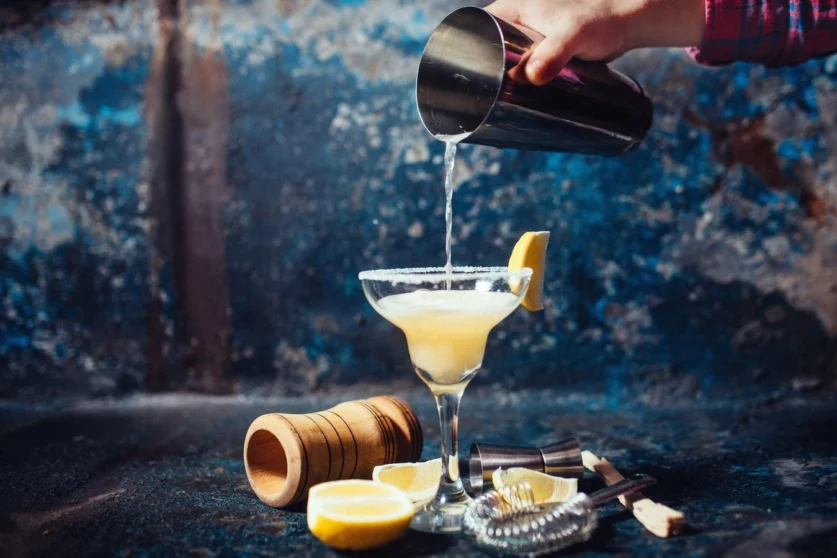
Most traditional martini recipes recommend a 2:1 or 3:1 ratio of vodka to vermouth, a short stir in your mixer with a large ice cube for about 30 seconds, and then strain into your martini glass. Then, you can add a garnish such as a lemon twist, olives, or cocktail onions and you’re all set.

Martinis can seem complex to prepare, but there’s a technique that not only simplifies it but also keeps the amazing texture: prepare a large batch and keep it in freezer. Pete Vasconcellos, the beverage director at Albert’s Bar in New York, explains the freezer martini method: “Take a one-liter glass bottle with a secure lid. Determine your favorite martini ratio (vodka to vermouth) and scale it up to 750 mls, until it almost fills up the bottle. Increase the total volume by 20% (150 mls) and add this amount of distilled water. Store your martini mixture in your glass bottle in the freezer. When it’s time to serve, simply pour it into a chilled martini glass. There’s no need to stir it!”

November 26, 2023 liquor-articles

How Climate Change is Altering the Taste of Your Favorite Wines

Numerous factors determine the taste of your favorite wine, and the climate in which the grapes are grown is one of the biggest. Thanks to climate change — specifically rising temperatures in growing regions — you might soon find that your preferred bottle of red, white, rosé, or orange tastes different or doesn’t exist anymore at all.

In an interview with Wine Enthusiast, Elizabeth M. Wolkovich, associate professor of Forest & Conservation Sciences at the University of British Columbia in Vancouver, Canada, explains the precarious balance between the beautifully complex taste of wine and the ease with which it can be irreversibly changed: “Wine grapes are extremely sensitive to climate and this is much of what makes wine so exquisite. But it also means wine grapes are extremely sensitive to climate change.”

Temperature changes can affect the levels of sugar in wine grapes when harvested, which affects both the wine’s character and its final alcohol content. Extreme changes in temperature can effectively kill the grapes, meaning they won’t get harvested at all. In the longer term, climate change will affect which grape varieties can be grown where, not just changing the flavor of your favorite wine but its actual composition, too.

Read more: The Ultimate Vodka Brands, Ranked

An age-old saying in the winemaking world claims that while poor grapes cannot produce great wine, great grapes can certainly yield poor wine. The process of attaining superior grapes includes planting a variety that is compatible with the climate of the vineyard and allowing the grapes to fully ripen before harvesting them. When faced with higher temperatures introduced by climate change, this process is expedited and the anthocyanins and tannins which are crucial for a wine’s color and complexity are not fully developed. Excessive heat can also desiccate the grapes, which may be desirable if intentional, as seen in Italian Amarone wines, but otherwise suppresses acidity and flavor development.

In severe cases, conventional varieties may be displaced from their renowned growth regions as a result of climate change. Heat-tolerant varieties such as Shiraz and Tempranillo are currently being experimented with in Napa Valley in anticipation of a time when Cabernet Sauvignon and Chardonnay cannot survive. Future weather conditions may necessitate the use of grape varieties that can withstand extreme heat and scarce water supply. This includes the minerally, salty, and citrusy Assyrtiko that grows on the Greek island of Santorini, which may eventually become more prevalent throughout Europe and beyond. On the other hand, rising temperatures are unlocking potential for new vineyard regions, such as Southeast Britain which has recently become a celebrated wine producer, particularly noted for various types of sparkling wines.

However, climate change is not just about rising temperatures. It also leads to more occurrences of severe weather conditions, such as unexpected heavy rains, storms, hailstorms, and abrupt temperature fluctuations. Although these conditions have less direct impact on the flavor development of already growing grapes, they often lead to damaged grapes that are either waterlogged or overrun by fungus, mildew or other molds that thrive in high-moisture conditions. These conditions can indirectly alter a wine’s flavor just like heat. Consequently, winemakers may be compelled to plant new grape varieties that can better withstand moisture and the potential issues it can cause.

But too much water also literally waters down the grapes, reducing their juice content and concentration. If it’s harvest season and a storm or heavy rain is on its way, winemakers will rush out to pick the grapes, even if it’s early. This is because once watered down, there’s no time to restore the sugar levels, and the grapes — and any wine made from them — will be ruined.

Read the original article on Daily Meal.

November 26, 2023 Wine

Essential Knowledge About Beer Before You Have Your Next Pour

It wasn’t that long ago that the common wisdom around pouring beer was that you wanted as little foam as possible, but things are changing. To catch up on the latest beer pouring trends, Tasting Table reached out to Jeff Tyler, co-owner and head brewer for Spice Trade Brewery & Kitchen. “The two most important things to keep in mind when pouring beer from either a can or bottle is knowing what style of beer it is, and how it was carbonated,” Tyler told us.

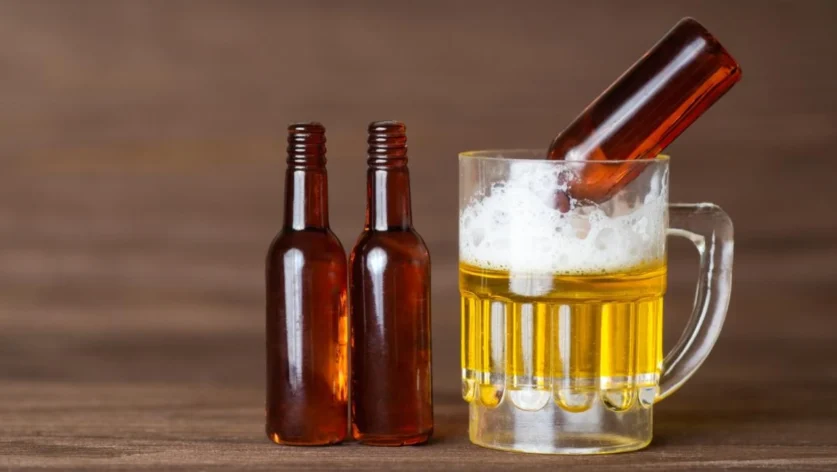
“With force carbonated beer (i.e. 95% of beer that you will buy in the liquor store) … you typically want to pour the beer a bit more aggressively than you would think, directly into the bottom of the glass or with the glass at a slight angle,” explains Tyler. “The goal here is to allow a good amount of the CO2 to ‘break out’ of solution (get foamy) while you are pouring.”

Since most people tend to avoid the foam, we asked him why they should switch up their practice. “The thought behind this more aggressive pour is that you really don’t want all of those bubbles staying in the beer because they’ll end up in your stomach and you’ll end up burping it all out. Less CO2 means you still get the aroma … but it saves you from filling your whole stomach with beer foam.” The same idea goes for draft beers, regardless of whether the beer is dark or light.

Read more: 13 Liquors Your Home Bar Should Have

What about the other 5% of beers? As stated by Jeff Tyler, you should seek the terms “naturally carbonated” or “bottle/can conditioned” on the packaging itself. He explains, “This indicates that yeast and a minor amount of sugar were added to the bottle or can immediately before its closure.” The yeast ferments the sugar, resulting in carbonation within the bottle. While this method is not widespread, it can be found in certain Belgian and sour style beers.

This procedure can leave some sediment at the bottle or can’s bottom. Tyler advises that when pouring, do it softly and ideally in one go (not tilting the bottle up and down as this could mix the yeast). “Reserve the last ounces of beer in the bottle and you should achieve a clear pour in your glass with any leftover yeast in the bottle.” This is the same process for hefeweizens and hazy IPAs, which tend to have sediment.

The takeaway here is to let the carbonation release so that you don’t end up with a gurgling stomach whenever you’re drinking at a bar. And if you’re consuming a unique craft beer with sediment at the bottom, just leave it unpoured to avoid consuming the sediments.

Peruse the original article on Tasting Table.

November 26, 2023 beer-articles

Understanding the Distinction Between High-Rye Bourbon and Rye Whiskey

Even for enthusiasts of brown beverages, distinguishing between a high-rye bourbon and a rye whiskey can be challenging, particularly as bourbon is considered a type of whiskey. The two drinks bear a striking aesthetic resemblance and aren’t easy to differentiate by aroma. Even their flavors can mimic each other if an identical quantity of rye is used. Despite sharing an alcohol percentage, there exist several key differences that establish high-rye bourbon and rye whiskey as distinct entities which can significantly influence how to appreciate them.

High-rye bourbon, compared to standard bourbon, is not as sweet. It remains restricted to production within the United States like any other bourbon whiskey. These bourbons acquire a more peppery zest due to their additional rye, yet conserve some of the characteristic bourbon sweetness. Conversely, rye whiskey can be manufactured anywhere globally. It proffers a predominantly spicy palate, reminiscent of classic baking spices such as cloves and cinnamon. What principally sets these beverages apart is their primary grain. As their names suggest, both comprise rye, but high-rye bourbon uses corn predominantly while rye whiskey needs a minimum of 51% rye.

Read further: The 25 Best Bourbon Brands, Ranked

Bourbon is usually brewed with corn as the main ingredient. High-rye bourbon introduces a significant portion of rye as well, thus the designation. For a whiskey to earn the bourbon label, it must contain at least 51% corn. High-rye bourbons incorporate around 20% rye as well. The sweetness in bourbons typically arises from the high corn content. The inclusion of rye in high-rye bourbon aids in mitigating some of this sweetness. High-rye bourbon is considered more impactful than standard bourbon, delivering a potent initial flavor burst.

High-rye bourbon, similar to classical bourbons, is crafted in new charred oak barrels and the added rye results in a drier spirit. This gives you more profound herbal and bitter tasting notes, not usually associated with bourbons. High-rye bourbon might be interesting to you if you relish bourbon but are curious about a less sugary and more sophisticated flavour.

Rye whiskey, to fall under this categorization, ought to be created with a minimum of 51% rye. Rye whiskeys bring forth a spicy, mildly scorching sensation upon consumption. This emanates from rye’s spicy flavour compared to other grains for distillation. Certain rye whiskeys will include much more than 51% rye to impart an additional spicy punch. Owing to their arid disposition, these whiskeys will feel pronounced in your mouth, thus, making for a more diverse sensation than bourbon and even high-rye bourbon.

Just like bourbon and other whiskey types, rye whiskeys are aged in charred oak barrels, however, rye whiskeys can utilise previously used barrels. The charred oak grants the spirit notes of vanilla sweetness and a hint of smoky wooden flavour. Rye whiskey that’s been aged for an extended duration carries more pronounced sweet notes, whereas younger rye whiskeys emphasise the spicy aspect. Nonetheless, sweetness will be nominal in a rye whiskey.

Even though high-rye bourbons contain a greater amount of rye in comparison to traditional bourbon whiskeys, they are still predominantly composed of corn. For a bourbon to be classified in the United States, it ought to be made with 51% or more corn. According to New Riff Distilling, bourbon originated in the 1700s Kentucky when settlers brewed the spirit mostly from corn. Bourbon became the most favoured liquor for many Americans owing to the ample supply of the crop in the country. The distinctly sweet and enjoyable flavour people crave in bourbon whiskey comes from corn. Corn also conveys a smoother experience to the bourbon, rendering it easily consumable.

Rye whiskeys are predominantly distilled from rye, which gained popularity as a distilling choice in the 1700s and initially came to be in Pennsylvania, according to Limestone Branch Distillery. Rye was well-suited to the climate and introduced a sharper, distinct flavor compared to other whiskeys of that era, but its easy availability was its biggest appeal.

When contrasted with other whiskeys, bourbon whiskeys are subject to some of the most stringent rules for classification. Apart from water, no other additives can be used in bourbon whiskeys. There are laws ensuring that nothing else is used to modify the color, sweeten the bourbon, or boost the flavor in any manner. This system is in place to maintain the purity of bourbon and provide transparency about the ingredients. This law originated from President Taft’s Pure Food and Drug Act in 1906, stated by Jeptha Creed Distillery. While you might find these stringent requirements a tad ridiculous, they have preserved genuine American bourbon for more than a century.

On the contrary, it’s permissible to include additives in rye whiskey if it’s not labelled as “straight whiskey.” Straight whiskey is simply whiskey that contains no other additives — various types of whiskeys, including rye whiskeys, can be straight. However, if a rye whiskey isn’t tagged as straight, additives may constitute up to 2.5% of the liquor. Additives serve to achieve a more uniform color for the whiskey or to emphasize the tasting notes. Due to strict regulations, these additives don’t drastically change the whiskey.

One of the attractions of high-rye bourbon is the additional punch from the spicy rye. If you’re consuming a high-rye bourbon to savor that potent spice flavor, it’s best to drink this liquor neat. You can refrigerate your glass and bourbon prior to pouring, in order to get some freshness from the cold. If you’re concerned about the spice being too overpowering for a bourbon, you could choose to drink it on the rocks; ice will help dilute the intensity. A high-rye bourbon can also be a unique way to spice up a mint julep cocktail.

The resurgence of rye whiskey has brought on a new age of rye whiskey cocktails. Many classic whiskey cocktails such as the Manhattan and old fashioned would have featured strong rye whiskey flavors back in the times of their creation, so using rye whiskey for them today will get you closer to how these drinks were originally imagined. Rye whiskey can cut through the mixers of cocktails for a subtle edge. You could also go for rye whiskey neat or on the rocks if you want to fully experience the spice.

Read the original article on Tasting Table.

November 25, 2023 liquor-articles

Win Big in SEA’s Kraken Rum Contest!

Click for Full Terms & Conditions

The Kraken® on Ice Seattle Kraken Sweepstakes

Official Rules

NO PURCHASE NECESSARY TO ENTER OR WIN.  MAKING A PURCHASE DOES NOT IMPROVE CHANCES OF WINNING.  THE FOLLOWING SWEEPSTAKES IS VALID ONLY IN THE STATE OF WASHINGTON, AND IS OPEN ONLY TO QUALIFIED PERSONS (AS DEFINED IN THE OFFICIAL RULES BELOW) WHO ARE TWENTY-ONE (21) YEARS OF AGE OR OLDER AS OF THE DATE OF ENTRY.  VOID ELSEWHERE AND WHEREVER PROHIBITED.  BY PARTICIPATING IN THIS SWEEPSTAKES, YOU AGREE TO BE BOUND BY THESE OFFICIAL RULES AND THE DECISIONS OF SPONSOR AND ADMINISTRATOR.  DO NOT PARTICIPATE IN THE SWEEPSTAKES IF YOU DO NOT AGREE TO THESE OFFICIAL RULES AND FALL WITHIN THE ELIGIBILITY REQUIREMENTS AS SET FORTH BELOW. 

Sweepstakes Name: The Kraken® on Ice Seattle Kraken Sweepstakes (the “Sweepstakes”).

Sponsor: Proximo Spirits, Inc., 3 Second Street, Suite 1101, Jersey City, NJ 07302 (“Sponsor”).

Administrator: Million Dollar Media, P.O. Box 278, Woodbridge, NJ 07095 (“Administrator”).

Sweepstakes Dates: The Sweepstakes registration begins at 12:00:01 am Pacific Time (“PT”) on October 15, 2023 and ends at 11:59:59 pm PT on March 15, 2024 (the “Registration Period”). The Sweepstakes is subject to all applicable federal, state and local laws and regulations. Void outside Washington, and wherever prohibited or restricted by law.

Eligibility – Who may Enter: The Sweepstakes is open to legal U.S. residents residing in the State of Washington, aged twenty-one (21) or older at the time of entry, with a valid U.S. driver’s license or government issued photo I.D. Employees, officers, and directors of Sponsor, Administrator, Seattle Hockey Partners LLC d/b/a Seattle Kraken , Seattle Arena Company, LLC, the National Hockey League (“NHL”), its member clubs, NHL Enterprises, L.P., NHL Enterprises Canada, L.P., NHL Enterprises B.V., NHL Interactive CyberEnterprises, LLC, National Hockey League Foundation, NHL Foundation, other members of the NHL, each of their respective franchisees, parents, affiliate companies, subsidiaries, wholesalers, distributors, alcoholic beverage retailers, printers, advertising and promotion agencies, and any and all other companies associated with the Sweepstakes, along with their immediate family members or households are not eligible to enter, participate or win.

How to Enter – Online Registration: To enter, scan the participating QR code in point of sale materials using your mobile device’s camera or visit the Sweepstakes website at www.KrakenOnIce.com. Each entrant must complete the online registration page providing their name, a valid email address, phone number, address, date of birth and other requested information. After agreeing to the Official Rules, click the submit button to submit your online entry.

By entering the Sweepstakes, you consent to Sponsor, Administrator and their respective designees to contact you with promotional messages using automated/pre-recorded/artificial technology.

All entries must be submitted by 11:59:59p PT on March 15, 2024 to be eligible. Only one (1) entry per person allowed during the entire Registration Period. Each entrant must submit an entry on his/her own behalf. Entries made on behalf of other individuals, using another person’s name, email, submitting false or fake information, or using duplicate accounts will be disqualified. Mechanically produced or automated entries are not permitted. Use of any automated system to participate will result in disqualification and all such entries will be deemed void. False and/or deceptive entries, including misrepresentation of age or address, will render such entries ineligible.

All entries submitted for the Sweepstakes will be owned exclusively by the Sponsor and will not be returned. The Sponsor retains the right of disqualification and removal of any entry that doesn’t comply with the Official Rules. Each entry should meet the required conditions stated above and below, or it may face disqualification from the Sweepstakes.

All entries should contain the necessary information indicated. An entry with false, incomplete, indecipherable or other erroneous information will face disqualification. The Released Parties, encompassing the Sponsor, Administrator, Seattle Arena Company, LLC, the Seattle Kraken and their various equity holders, owners, partners, etc., are not liable for misdirected, late, lost incorrect, unreadable, incorrect, null, indecipherable, or harmed entries, or for any submitted entries via unapproved methods as per the Official Rules. Furthermore, they are not accountable for entries not submitted or received due to any technical or human error, including damages or harm caused to a participant’s or any other individual’s computer linked to or resulting from participation in this Sweepstakes; such entries will face disqualification.

In case of any disagreements regarding any entry, the authorized holder of the email account used for registration, linked with the entry, will be viewed as the registrant, and they should be eligible as per these Official Rules. The “authorized email account holder” refers to the natural person assigned an email address by an Internet service provider, online service provider or other organizations responsible for assigning email addresses linked with the domain of the submitted address. Evidence of being the authorized account holder may be demanded.

When participants submit an entry, they acknowledge that the Sponsor and participating parties are permitted to contact them through email, mail, phone, or any other means of media to update them with pertinent Sweepstakes information. They may also share information about the Sponsor(s) featured events, products, special events, or promotional offers. Participants can opt-out of further email communication any time by replying REMOVE to any email message, or following the given opt-out instructions. Entry into the Sweepstakes doesn’t require any available opt-in opportunities and checking the opt-in boxes will not increase the chances of winning.

By registering and submitting an entry, you affirm that you have read and accepted these Official Rules. The laws of the U.S. govern this Sweepstakes, and any claims must be raised and resolved in the U.S. Any information collected by registering and entering the Sweepstakes will be used only in a manner consistent with these Official Rules and Sponsor’s Privacy Policy. By participating in the Sweepstakes, each entrant agrees that they may be contacted by the Sponsor. They accept that their comments may be used by the Sponsor in any manner related to the Sweepstakes. Information collected in connection with the Sweepstakes will be in accordance with Sponsor’s Privacy Policy available at proximospirits.com/privacy/.

Winner Selection and Notification: A random drawing will be conducted by the Administrator on or about March 18, 2024, to select one (1) potential winner from all the eligible entries received. If the number of eligible entries is less than the number of prizes available, the remaining prizes will not be awarded.

The eligible entrant whose entry is randomly selected will be designated as the potential prize winner, pending verification of eligibility and compliance with these Official Rules. Only the entrant whose entry is randomly selected shall have the chance to claim the prize. All other entries will be disqualified.

The potential prize winner will be contacted via phone or email after being selected. The potential winner must follow the instructions provided to confirm eligibility and claim the prize. If the Administrator cannot reach the selected potential winner, or if the winner does not respond within forty-eight (48) hours, that entrant may be disqualified. An alternate potential winner may then be randomly selected from the remaining eligible entries.

Please be aware: we will not leave phone messages during the winner notification process.

The selected potential prize winner, during the notification process, must confirm their eligibility and express their readiness to accept the prize. If the chosen winner fails to meet the eligibility criteria, is unable or unwilling to accept the prize, or decides to reject the prize, they will be disqualified. If time allows, the Sponsor may select an alternative winner randomly from the remaining eligible entries. Any disqualified participant will not receive any alternative prize substitution or compensation. The decisions made by the Sponsor and Administrator in selecting the prize winner and all matters relating to this Sweepstakes are final and binding.

The winner of the prize must do the following: (1) complete and submit a prize acceptance form, including an affidavit of eligibility and liability/publicity release within two days of notification (where permitted); (2) may be required to present a valid driver’s license or government-issued photo ID and appropriate social security card to participate or receive any prize; and (3) pay all applicable taxes (including, but not limited to, all local, state and federal taxes) on their prize award.

Prize Award (maximum 1 prize award): The eligible entrant identified as the prize winner will be awarded the following prize:

The prize’s approximate retail value (ARV) is $250. The prize does not include any other costs or expenses, such as transportation, parking, accommodations, or incidental expenses. Winners and guests must adhere to the rules and conduct policies of the venue and team, which may include requirements for COVID-19 testing or vaccination. The team or venue, as well as the sponsor, have the right to deny entry to anyone not complying with these policies or engaging in disruptive, unsportsmanlike, or annoying behavior.

The date and time of the game are at the discretion of the league or team and can be subject to change. In case a game isn’t played or attendance is restricted due to any unforeseen circumstance (Force Majeure events), the terms of the tickets awarded will prevail. The sponsor will not be responsible for the postponement, rescheduling, or cancellation of the game.

General Prize Conditions: * No prize includes alcoholic beverages. * The prize can be digitally delivered, transferred via mobile ticket, or shipped to the winner’s residential address as provided during entry or winner notification using USPS or another designated shipping/mail carrier. Once the prize is delivered or shipped, the sponsor will not be responsible for delayed, lost, damaged, undelivered, or stolen prizes or incorrect address provided by the winner. Prizes will not be replaced or compensated in case of any delivery issues.

The winner is solely responsible for all other expenses related to accepting, delivering, redeeming, or using the prize not specified here. The winner is also responsible for all income, federal, state, and local taxes. Prizes are provided as-is and without any warranty. Prizes are non-transferable, and no cash redemption or substitution is allowed unless at the discretion of the sponsor. Uncollected or improperly claimed prizes will be forfeited and remain the property of the sponsor. All properly claimed prizes will be awarded, and unclaimed prizes will not be awarded.

Additional Rules and Restrictions: By taking part, participants concur to comply and be constrained by the Official Rules and the conclusions of the Sponsor and Administrator, this will be the last decision in all matters relating to this Sweepstakes. If a participant wins a prize, but thereafter is found to be in breach of these Official Rules, he or she will be required to forfeit the prize or to repay the Sponsor for the stated ARV of the prize if such an infringement is discovered after the winner has utilized the prize. Entering the Sweepstakes grants permission for the sponsor and its designees to use the participants names, location and/or likenesses for the purpose of advertising in any and all media now or hereafter worldwide without limitations or extra repayment, unless prohibited by law. False, fraudulent or deceptive acts or entries will disqualify participants from any prize.

By taking part, participants agree to hold all Released Parties harmless from any claims, losses, actions, or damages, whether actual, incidental or consequential, for injury including personal injury or death, damages, loss of personal property, or expenses resulting from participation in this Sweepstakes, acceptance, possession or use/misuse of any prize, or involvement in prize-related activities, and to assume all responsibility. The Released Parties shall not be accountable to the winner or any other person if they fail to supply the prize or part thereof, due to any Force Majeure Event which shall include acts of God, industrial disturbances, war, cyber-attack, governmental orders, natural disasters, epidemics, rescheduling of the NHL® season, actions of communications carriers, or any other cause beyond the control of the Released Parties.

Participants must use regular and standard computer and mobile phone equipment and networks. The Sponsor denies all liability for entrants incapability to complete or continue an entry due to equipment failure, overrun lines, inadvertent disconnections, actions beyond the Sponsor’s control, or otherwise. The Sponsor denies all responsibility for entries not received due to technical glitches or transmission error. The Sponsor denies all liability for any delays, mis-delivery, or failure in the delivery sent by any delivery method. The Released Parties are not accountable for any mechanical, technical, electronic, communication, telephone, computer, or software errors of any kind. Sponsor, in its sole discretion, reserves the right to disqualify any person tampering with the entry process or the function of the Sweepstakes Website.

Sponsor has the authority to halt, adjust, or close the Sweepstakes for various reasons, which can include fraudulent activity, inappropriate behaviour, regulatory needs, unexpected external events, changes in the NHL season schedule or when guided by applicable laws. If there are any technical issues, online connection problems or programming mistakes that can potentially harm or destroy the integrity of the Sweepstakes, the Sponsor/Administrator can intervene. Further, if any online elements, such as viruses or bugs compromise or affect the Sweepstakes’ administration, safety, or proper execution, the Sponsor/Administrator reserves the right to take necessary steps. When the Sweepstakes is terminated early, the Sponsor can choose the winners from all eligible and non-fraudulent entries received up until the time/date of termination.

DISPUTE RESOLUTION: By participating in the Sweepstakes, all participants consent that: (1) All arguments, claims and legal courses of action resulting from or related to the Sweepstakes or any prizes given out will be resolved individually, without resort to any class-action, and any legal proceedings will happen in a state or federal court within New York State, specifically in the County of New York; (2) Any and all claims, judgments and awards will only cover actual costs incurred, such as entering the Sweepstakes costs, and the participant will not be entitled to receive attorneys’ fees or other legal costs; and, (3) The participant will not be permitted to procure awards for, and hence waives the right to claim, any punitive, incidental or consequential damages, excluding actual expenses, and any and all rights to have these damages multiplied or otherwise increased. All queries and issues about the construction, validity, interpretation of these Official Rules, rights and obligations of participants and Sponsor related to the Sweepstakes, shall be decided by, and in line with the laws of the State of New York, without considering any choice of law or conflict of law rules or provisions (be it from the State of New York or from any other jurisdiction), that would ensure the application of the laws of any jurisdiction other than New York State.

WARRANTY DISCLAIMER:  SPONSOR IS PROVIDING THE SWEEPSTAKES “AS IS” AND “AS AVAILABLE.” THE SPONSOR DOESN’T REPRESENT OR WARRANT THE SWEEPSTAKES OR THE TECHNOLOGY UTILISED TO DELIVER IT: (1) WILL RUN UNINTERRUPTED OR SECURELY; (2) WILL BE DEFECT, INACCURACY OR ERROR-FREE; OR (3) WILL MEET YOUR REQUIREMENTS OR ENABLE YOU TO PARTICIPATE IN IT. THE RELEASED PARTIES HAVE NO WARRANTIES, EXCEPT THOSE MADE EXPRESSLY IN THESE OFFICIAL RULES, AND HEREBY REJECT ANY AND ALL IMPLIED WARRANTIES, INCLUDING FITNESS FOR A PARTICULAR PURPOSE, MERCHANTABILITY AND NON-INFRINGEMENT.

Odds: The odds of winning a prize depend on the total number of eligible entries received. 

Official Rules and Winner List: For a copy of these Official Rules or the name of prize winner, send a self-addressed stamped envelope to be received by May 15, 2024 to: The Kraken on Ice Seattle Kraken Sweepstakes, c/o Million Dollar Media, P.O. Box 278, Woodbridge, NJ 07095. PLEASE SPECIFY which you are requesting, official rules or winners list.

NHL & TRADEMARKS: Seattle Kraken, NHL, the NHL Shield, the word mark and image of the Stanley Cup and NHL Conference logos are registered trademarks, copyrights and property of Seattle Hockey Partners, LLC and the National Hockey League. All rights reserved. All NHL logos and marks and NHL team logos and marks as well as all other proprietary materials depicted or described herein are the property of the NHL and the respective NHL teams and may not be reproduced without the prior written consent of NHL Enterprises, L.P. © NHL 2021.

Seattle Hockey Partners LLC, Seattle Arena Company, LLC and the NHL Entities, are not a sponsor of the Sweepstakes, and are in no way responsible for the administration of the Sweepstakes but may partner with Sponsor to provide promotional support, the verification of winners or the fulfillment of prizing, and will have no liability or responsibility for any claim arising in connection with participation in the Sweepstakes or the prize. All inquiries regarding the Sweepstakes should be direct to Sponsor or Sweepstakes administrator, Million Dollar Media.

©2023 Kraken Rum Co., Jersey City, NJ. Like the deepest sea, The Kraken should be treated with great respect and responsibility, so please drink responsibly.

November 25, 2023 liquor-articles

Victims’ Charity Labels Chernobyl Vodka as a ‘Strange Propaganda Exercise’

Vodka produced in the abandoned zone at Chernobyl has been labelled a “propaganda exercise” by a victims’ charity.

The Chernobyl Spirit Company, a social enterprise which creates apple schnapps and vodka from fruit and grain grown in the so-called “Zone Two”, sells the drinks to tourists and in the UK. It launched pear and plum versions of its schnapps in 2022.

While previous scientific inquiries have found that the liquor does not contain radiation, the drinks have faced criticism from victims’ charities for making light of the risk of radiation poisoning.

Linda Walker, executive director at the Chernobyl Children’s Project, which works with people who have disabilities caused by the accident, said the spirit production was “inappropriate”.

She pointed out victims of the disaster are still suffering long-term health effects from the fallout of the 1986 disaster.

Ms Walker said: “It’s just such a bizarre thing to do. It’s so easy to grow apples, apples are grown everywhere, absolutely all over the place in Belarus and Ukraine.

“To choose to grow them in the area heavily contaminated by Chernobyl, it’s to make a point,” adding: “It’s a very strange propaganda exercise.”

Ms Walker said health problems continue in the region, especially in areas where people were hunting and eating contaminated foods.

She elucidated, “Mainly where individuals were hunting and consuming wild boar and rabbits, or people were digesting the edibles from the polluted area.

“This has perpetually led to numerous health issues in both juveniles and grown-ups.”

This happened post the seizure of approximately 1,500 bottles of the apple schnapps by the legal authorities in Ukraine in 2021, and these were only relinquished post a detailed scrutiny.

The conjecture is that the bottles were confiscated because of uncertainty regarding the accurate tax payment on the spirits.

The company’s vodka was inaugurated in 2019, crafted at the Palinochka Distillery in Ukraine, and then exported to the UK.

Profits gleaned from the sales are reinvested into communities still feeling the effects of the 1986 nuclear catastrophe.

As communicated by the 2022 accounts of Chernobyl Spirit, the company yielded a profit exceeding £10,000, following a generous donation of £15,000 towards the Ukrainian military cause.

Championed by Professor Jim Smith, from Portsmouth University in 2019, the social venture is backed by scientific data illustrating the radiation levels in mammals and fish within the area as being no higher than those found in neighbouring locations.

He stated, “In many parts of this semi-deserted region, you could safely cultivate and consume apples. You could safely grow a variety of crops. Farmers understand the crops, they understand the sort of fertilization required to produce crops that are under the Ukraine limit and well under the EU and UK limits.”

The professor continued to say that the Narodychi District, where the crops are grown, is “very lightly contaminated,” equating its level of contamination to the natural radiation found in Cornwall.

He also indicated that the region is severely underfunded, resulting in poor healthcare services and limited job opportunities for those who still reside there.

After the 1986 explosion, a 36-mile wide exclusion zone was established around the radioactive core by the Soviet Union.

A new concrete sarcophagus was placed over the site in 2016, minimizing the remaining radiation in the neighboring region, yet the decision about the abandoned land’s future remains uncertain for the authorities.

In the exclusion zone, Ukraine intends to create one of the biggest wind farms in Europe, supplying energy to about 800,000 households in Kyiv and its surrounding areas.

Suggested

‘I was outcasted at 14 – but by 26, I was lavishly spending £2000 on caviar’

Read more

Broaden your horizons with award-winning British journalism. Try The Telegraph free for 1 month, then enjoy 1 year for just $9 with our US-exclusive offer.

November 25, 2023 liquor-articles

Review: Is Guinness 0 the Best Non-Alcoholic Beer on the Market?

This zero-proof stout from the world’s most recognizable name in that kind of beer is remarkable for many reasons. Here’s why you need to pour one out.

Guinness 0 is a new NA beer from the world’s most famous maker of stout. It’s already a smash hit.

Guinness was a little slow to jump on the non-alc trend, but released this distinctive product in 2020, quickly bumping up production as the demand soared. It’s sold as a four-pack of larger-than-your-average beer cans. In other words, it pours perfectly in a pint glass.

The size isn’t the only way it stands apart from the growing number of NA beers on the shelves. It’s got a widget inside, a small ball that helps the product pour more like a real draught. Because what would a Guinness be without that creamy head on top?

As per the official narrative, the beer has been crafted utilizing the same components as the first beer: hops, barley, yeast, and water. Following the fermentation phase, the alcohol is eliminated using a cold filtration method which helps to preserve the rich and deep flavors. Some individuals describe the final product’s taste to encompass hints of coffee and chocolate.

For those who are normally disinclined towards stout, its heaviness is more perceived than factual. The stout comes across as moderately bitter with a slight undertone of sweetness, all combined with a velvety mouthfeel.

This is where Guinness 0 truly stands out: when paired with food at the table.

Steve Gilsenan has been associated with the legendary brewery for over two decades, assuming the most recent role as the Global Head of Quality. In this capacity, he globetrots to monitor and ensure the consistency of ingredients’ high quality.

While on his travels, Gilsenan utilizes his knowledge as a gifted brewer and beer sommelier — not to be mistaken for a cicerone — to engage in discussions with clients and crew about the ultimate food and beer pairings.

“We often discuss the three C’s,” he mentioned in a recent phone conversation. “We particularly focus on how it contrasts, complements, and reduces the bitterness of corresponding foods.”

“The beer should never dominate the taste of the food, or the other way round,” he further explained.

Some of the most successful pairings involve surprising mixes, like oysters served on the half shell. “This is a combination we’ve been using since 1837, when it was brought up by a prime minister,” Gilsenan informed, adding that Guinness used to host an extensive oyster festival to celebrate the intriguing pairing. (We wish for its comeback!)

Spicy foods seasoned with chili powder are also a good candidate for serving alongside a stout, as are chocolate desserts. We’ll raise a pint of NA to that three-course meal.

Then, of course, there’s the classic fish and chips pairing, made even better if you add a splash of stout to the batter before dipping and frying. Mmmm, and please pass the malt vinegar.

Here’s chef Gordon Ramsay walking us through the fish and chips recipe:

November 25, 2023 beer-articles

The Significant Impact of Your Wine Glass Material on Wine Tasting Experience

Some people regard drinking wine as a simple comforting activity, unconcerned with specific rules such as the shape of the glass. They enjoy their wine at their preferred temperature and tend to stick to a few chosen kinds without stepping beyond their comfort zones. Others, however, see wine as a full sensory experience, relishing its delightful aromas and analyzing each flavor note in every sip. Regardless of which group you belong to, there’s an important aspect in wine drinking that can’t be ignored: the choice of material for the wine glass.

The optimal vessels for wine drinking are either crystal or glass as the materials do not influence the wine’s taste. The reason is not about appearing elitist, but rather for scientific reasons. Plastic and styrofoam cups, for example, are porous, leading to the absorption of chemicals from the vessel into the liquid. These chemicals can significantly change the taste and smell of the wine, potentially making it sour, bitter, or even akin to vinegar. Moreover, other options like metal and stainless steel tumblers may seem functional, but their thickness and shape can greatly mess with the aroma and flavor range of the wine.

Learn more: 13 Liquors Your Home Bar Should Have

Whether you prefer drinking wine from a glass or crystal vessel ultimately boils down to personal preference. Glass offers the advantage of being non-porous, effectively imparting no odor or taste to the wine and is dishwasher-safe. Plus, it’s budget-friendly. That said, it’s not without its drawbacks. Many glass vessels have a rimmed lip for durability, but this isn’t a desired feature in a wine glass.

Instead, thin glasses, like those made of crystal, provide a rim with ideal thinness while remaining strong and durable. What’s more? Although most crystal vessels are more expensive and not dishwasher safe, there are some options made without lead, which means they can be put in the dishwasher. Overall, crystal is the superior option when it comes to aesthetics and durability, but it’s not always the most budget-friendly choice.

If you’re looking for an inexpensive, durable, dishwasher-friendly vessel, glass is your best bet. If a visually appealing and thin glass for optimum drinking quality is your preference, crystal is the way to go. Either way, selecting glass or crystal over plastic, styrofoam, or metal wine vessels is always worth the extra search effort.

Read the original article on Tasting Table.

November 25, 2023 Wine

Safeguarding Beer Against Climate Change: Insights from Researchers, Farmers, and Brewers

Expectations are strong that climate change will affect two crucial ingredients for beer making: Hops and barley. According to some U.S growers, there has been noticeable impact from extreme heat, drought, and unpredictable shifts in growing seasons on these crops.

In a sunny fall day in MOUNT ANGEL, Oregon, a number of tractors navigated across Gayle Goschie’s farm, located roughly an hour from Portland, Oregon. Being in the beer industry, Goschie, a hops farmer of four generations, uses this fall off-season, when the trainings are devoid of any crops, to incorporate winter barley – a relatively novel crop in the beer business – into their crop rotation.

Scott Peterson, a brewer at Von Ebert Brewing, while brewing a German-style Pilsner on October 22, lamented over the negative impact of hot, dry, summer seasons over recent years on the hops they rely on from Europe.

Against a background of anthropogenic climate change affecting water availability and weather patterns in the Willamette Valley, an area notorious for hops production, Goschie is left with no choice but to come up with new farming strategies to maintain their production and meeting the needs of local and large breweries alike.

According to Goschie, the threat of climate change is no longer a distant possibility; it has arrived.

Climate change is expected to exacerbate the existing problems faced by beer producing crops, like hops and barley. Several American hops and barley farmers report their crops being negatively influenced by severe heat, drought and irregular farming seasons. Specialists are assisting farmers to navigate these turbulent weather conditions with drought-resistant hop varieties and the introduction of winter barley.

Jose Vasquez, Gayle Goschie and Eloy Luevanos are busy preparing a harrow on October 31 to be pulled by a grain hopper and tractor for planting winter barley at Goschie Farms situated in Mount Angel, Ore.

Mirek Trnka, a professor at the Global Change Research Institute, affirmed their awareness of the impending impact of climate change on beer production. Together with his team, they released a study recently, published in Nature Communications, predicting a decrease in European yields ranging from 4% to 18% by 2050. Their initial study on hops conducted fifteen years ago expressed a similar sentiment.

“If we don’t act, we’re just going to also lose things that we consider not to be, for example, sensitive or related to climate change. Like beer,” he said.

Climate change moves faster than we might realize but still too slowly for many to notice, he said. The fact that researchers started picking up on this means there’s promise for adaptation and solutions in the form of farming changes, but Trnka still has his concerns.

Brewer Scott Peterson measures out a sample of wort  Oct. 22 while brewing a German-style Pilsner at Von Ebert Brewing in Portland, Ore.

Hops declines in Europe mean changes for American producers, too. One craft brewery that gets some of its hops from Goschie said the company is trying to replicate the flavors of German hops using new varieties grown in the U.S. because the ones it depends on from Europe were affected by hot, dry summers over the last couple of years.

Researchers are attempting to develop hop varieties that can better tolerate the effects of climate change, including increased summer heat, milder winters, evolving pests and diseases, and reduced snowfall that might result in lesser irrigation options. Shaun Townsend, an Associate Professor and Senior Researcher at Oregon State University, is spearheading a project where he subjects hops to drought conditions with the aim of developing more drought-resistant variants.

However, achieving this goal is a long-term project, often taking up to ten years to accomplish. Besides, the need to maintain the flavors preferred by brewers and the yield of the hops makes the process even more challenging. Nonetheless, the potential of water scarcity makes these efforts indispensable, Townsend emphasizes.

On October 22, Brewer Scott Peterson engaged with hops pellets from Indie Hops at Von Ebert Brewing located in Portland, Ore.

Concurrently, significant advancements have been made in improving barley crops.

Kevin Smith, a professor specializing in agronomy and plant genetics at the University of Minnesota, conveyed that spring barley is currently the most popular type among the U.S. beer industry. However, the focus could shift to winter barley, which is sown in autumn and remains on fields during the chilliest season. This barley variant can potentially become more functional in the Midwest, where other types of barley have been abandoned due to environmental, disease-related, and economic factors in favor of crops that pose less risk.

Winter barley is also potentially appealing to craft breweries that have started focusing on locally sourced ingredients and prefer produce grown in proximate locales. Besides, farmers can cultivate it as a cover crop during the off-period. This time is generally when fields are empty, and growing crops can contribute to preventing erosion, enhancing soil health, and retaining carbon within the ground.

Though the benefits of winter barley are evident, there has been a lack of complete agreement on its potential. Smith recounted an anecdote about his predecessor, an experienced spring barley breeder, who did not see the same potential in winter barley. When Patrick Hayes, a professor at Oregon State University, shared his optimism for the future of winter barley, Smith’s predecessor dismissed the idea, writing on a business card that it was an unfeasible venture.

Hayes, however, kept this card in his office and made it his lifelong goal to enhance the cultivation of winter barley.

Jose Vasquez and Eloy Luevanos are seen filling up a grain hopper with winter barley seeds on October 31, prior to plantation at Goschie Farms situated in Mount Angel, Oregon.

According to Ashley McFarland, vice president and technical director of the American Malting Barley Association, winter barley programs are now present in almost every state of the country. She believes that while winter barley is unlikely to ever make up the entire crop in the U.S., it is important for producers to diversify and spread their risk to increase their resilience against climate shocks.

Two of the biggest beer companies in the U.S., Molson Coors and Anheuser Busch, publish annual environmental reports affirming commitments to sustainable sourcing of hops and barley, and to the reduction of water usage. However, neither company responded to an Associated Press request for comments regarding these efforts.

Douglass Miller, a senior lecturer at Cornell who also teaches a class on beer, stated that hops can be quite a challenging crop to grow due to their sensitivity to climate changes. He points out that without sufficient water, it would be impossible to brew beer. He warns that the price of beer, as well as everything else on the menu, might see an increase due to the impacts of climate on supply chains.

“All beverage categories are being impacted by this,” he said.

Many studies have demonstrated that global warming poses a serious threat to alcohol production worldwide, from vineyards in France to whiskey distilleries in Scotland. And now there is alarming evidence that climate change also impacts hospitalizations for alcohol consumption.

A study published on September 26 this year in the Nature Communications Medicine journal revealed that a rise in temperature due to climate change has resulted in a significant increase in the number of hospital visits related to alcohol-associated disorders such as alcohol poisoning, alcohol withdrawal, and sleep disorders induced by alcohol in New York state. “We discovered a nearly linear relationship between the increase in temperature and the number of hospital admissions and visits related to alcohol disorders,” stated Robbie Parks, an environmental epidemiologist at Columbia University and the lead author of this study.

The investigators also discovered links between temperature and hospitalizations related to the usage of cannabis, cocaine, opioids, and sedatives— a result most profoundly felt in suburban and rural regions outside New York City. However, amongst these, the link between hospitalizations due to alcohol usage and temperature was the most “robust,” Parks stated.

Grist dives into this new study to understand the complex relationship between heat-related climate change and the rise in alcohol-related hospital admissions.

A growing body of research that shows Americans have become increasingly reliant on drugs, especially opioids, and alcohol over the past few decades. There has been a fivefold increase in overdose deaths in the United States since the turn of the century. This trend could be made even worse “with rising temperatures under climate change,” the study’s authors write.

By looking at hospital admission records and comparing them to weather data over the course of three decades between 1995 and 2014, the researchers figured out how short-term spikes in temperature over the course of a few days affect hospital admission rates related to substance use.

Even a slight increase in temperature, say from 15 degrees Fahrenheit one week to 20 degrees F the next week, or from 60 to 65 degrees F, led to more hospitalizations for substance use. That trend held strong from negative 22 degrees F all the way up to 86 degrees F — the full range of daily average temperatures across New York state between 1995 and 2014.

"It’s not just seasonal," Parks said. "If today was 5 degrees hotter than this time last week or this time next week, we would expect more hospital visits for alcohol and substance disorders."

Daily average temperatures in New York have risen 3 degrees F statewide since 1970 and are expected to rise another 3 degrees F by 2080, due to the warming effects of fossil fuel combustion. This trend has contributed to the short-term temperature fluctuations Parks and his team compared against local hospitalization rates in their study.

Previous research has shown that temperature fluctuations can influence drug use in the United States and overseas, but this study is among the first to look at different types of drugs and find that climate change is linked to spikes in hospital admissions for alcohol-related disorders in the U.S., specifically. Parks and his team found that the pattern was near-universal across the demographic characteristics they looked at, which included age, sex, and social vulnerability (an umbrella term for socioeconomic and minority status). The study controlled for seasonal variations in alcohol use, such as people’s tendency to drink more during the winter holidays and summer months.

"This is obviously relevant in the context of climate change, where we’re anticipating hotter average temperatures, including more frequent and severe heat waves," said Francis Vergunst, an associate professor at the University of Oslo who has researched the effects of climate change on behavioral disorders and was not involved in the Columbia study. "That means there will be more days in which people potentially could be using substances at harmful levels that could require hospital admission."

Though it’s not entirely clear why rising temperatures lead to more hospitalizations for substance use, Vergunst said researchers have some ideas about what may be behind the trend. One possible explanation is that people are more impulsive and uninhibited during periods of elevated heat, which leads them to drink more and consume more drugs. For some types of drugs, such as opioids, warm weather can diminish the perceived effects of the drug and lead people to take higher doses to get to their desired level of inebriation, which in turn could contribute to more hospital admissions for overdoses. Drinking alcohol, popularly thought to raise the body’s internal temperature, actually destabilizes the body’s ability to regulate its core temperature, which could also contribute to hospitalizations during periods of elevated heat.

“I think it’s really important to start understanding what those underlying factors are,” Vergunst said, “because that could be the primary potential intervention point.” In other words, understanding what causes people to consume more drugs as temperatures warm will be crucial to preventing them from ending up in the hospital because of an overdose or some other substance-related condition.

The study doesn’t make projections about how future warming due to climate change may influence the prevalence of hospital admissions for substance use, and Parks warned against extrapolating New York’s data to the rest of the country. More research needs to be done to figure out how people living in the nation’s varied and distinct climates respond to rising temperatures. But Parks said that the study hints at the possibility of a larger trend that needs to be investigated. It’s a starting point for beginning to understand how climate change may influence substance use across the nation and elsewhere.

“New York is the fourth-largest state in the country, one of the most diverse, one of the most extreme in terms of socio-demographic profile,” Parks said. “You might surmise, though cautiously, that this would be an issue across the U.S. and worldwide.”

This story was produced by Grist and reviewed and distributed by Stacker Media.

Get the latest local business news delivered FREE to your inbox weekly.

Climate change is anticipated to impact two key beer crops: Hops and barley. Some growers in the U.S. say they’ve already seen these crops imp…

November 24, 2023 beer-articles

Unanimous Verdict: The Top Vodka for Martinis as Voted by Professional Bartenders

Vodka, oh vodka. It’s one of those spirits that instantly brings a flavor memory to mind, whether it’s from souvenir shot glasses or a neutral vodka-soda. Meaning “little water” in Russian, vodka certainly gets a bad rap, and the same is sadly true of vodka martinis. But to that end I say, no more!

Even the Alcohol and Tobacco Tax and Trade Bureau, which previously stated that, technically speaking, vodka should be “without distinctive character, aroma, taste, or color,” (ouch!) has gone back on its rulings. The bureau’s new amended definition gives vodka martini drinkers a lot more excitement to look forward to — and it shows.

Plenty of vodka brands are making far more complex martinis to enjoy and mix, according to bartenders. If you often opt for the more classic gin martini, it’s time to stir things up (literally, please don’t shake!) with a vodka martini.

What’s the Best Vodka for Martinis?

What’s the trick to picking the best vodka for a martini? Know your grains! Contrary to popular belief, most vodkas are not made with potatoes, but from grains like wheat, barley, rye, and corn. Depending on the grain, you’ll get a wide variation in texture, sweetness, and, yes, a little burn.

After conducting conversations with numerous bartenders, it became clear that one primary ingredient stood out for vodka: wheat. George Krpeyan, the general manager at The Grand Tier Restaurant at the Metropolitan Opera House in New York, expressed a preference for vodka distilled from 100% wheat. Krpeyan suggests that most of the signature vodka cocktails that he crafts are made with Grey Goose, a vodka that uses wheat. Wheat vodka, according to his taste, is superior due to its delicate sweetness and smoothness. It is ideal for mixing, whereas vodka based on rye tends to have a spicier note, and those on corn are often buttery.

Krpeyan’s affinity for wheat-based vodka is shared by others. “My personal favorite vodka brand is Grey Goose. Being a French, I have a particular fondness for it. I appreciate the care with which the product is produced and the thought process behind it,” says Simon Sebbah, the beverage director of Grand Tour Hospitality. “At American Bar, Saint Theo’s, and Holiday Bar, all our vodka cocktails are based with Grey Goose.” Grey Goose, crafted from French winter wheat and brought up to proof with demineralized spring water from the nearby town of Cognac, has a crisp flavor perfect for a spirit-forward cocktail like a martini.

Buy: Grey Goose Vodka, $27.59 for 750 mL at Drizly

But it’s not just Grey Goose that’s renowned for its crisp flavor profile. Other bartenders and beverage directors also highly recommended other wheat-based vodkas, such as Stoli Elite, Chopin, and Ketel One, all well-known for their crisp, clean finish with light hints of citrus.

Guide to Making the Best Vodka Martini at Home

With a cocktail as simple as the martini, the quality of all your components really matter. You’ll need dry vermouth, your vodka of choice, and perhaps some orange bitters or olive juice, all of which should be very much chilled. If you have enough time, freezing your glasses and stirring your martini will keep the cocktail ultra-silky — almost creamy, even.

From there, most classic martini recipes will call for a 2:1 or 3:1 vodka to vermouth ratio, a quick 30-second stir in your mixing glass with a large ice cube, and then strain into your martini glass. Add garnish (like a lemon twist, olives, or cocktail onions) and you’re done.

While martinis might seem intimidating to make, there’s one method that makes it almost too easy while also maintaining an ambrosial texture: just make a large freezer batch. “The freezer martini method builds on that texture,” says Pete Vasconcellos, beverage director for Albert’s Bar in New York. “Get a one-liter glass bottle with a tight-fitting lid. Figure out your favorite martini ratio (of vodka to vermouth) and scale it up to 750 milliliters (until it almost fills the bottle). Multiply the total volume by 20% (150 milliliters) and add that amount of distilled water. Put your martini batch in your glass bottle and in the freezer. When you’re ready to drink, just pour it into a chilled martini glass. No need to stir!”

November 24, 2023 liquor-articles
Page 308 of 414« First«...102030...306307308309310...320330340...»Last »
Search
Footer Sidebar 1

Drop a widget on "Footer Sidebar 1" sidebar at Appearance > Widgets page.

Footer Sidebar 2

Drop a widget on "Footer Sidebar 2" sidebar at Appearance > Widgets page.

  • YouTube
  • Twitter
  • Facebook
  • RSS
Footer Sidebar 4

Drop a widget on "Footer Sidebar 4" sidebar at Appearance > Widgets page.

2026 © iCohol
Grimag theme by StrictThemes