The Empowering Women Leading the Rise of Texas Wine Industry

Even though Texas is the fifth largest wine producing region in the country, you would be hard pressed to hear it when rattling off some of the U.S. AVAs. While Napa, Sonoma, the Finger Lakes, Paso Robles and Willamette Valley may be some of the first to pop in your head, there is a strong community of women in wine down in Texas that are making sure Texas Hill Country AVA is getting the recognition it deserves.
Courtesy of Narra Vineyards & Kalasi Cellars
“Growing grapes in Texas is not for the faint of heart,” says Nikhila Narra Davis, owner of Narra Vineyards & Kalasi Cellars located in Brownsfield, TX. “Every vintage can bring various obstacles to grape growing such as late freezes, hail storms, and harmful sprays from neighboring farms. These issues create a challenge but also mean we never get bored; It is always an adventure.”
Courtesy of Uplift Vineyards
Claire Richardson, a winemaker at Uplift Vineyards in Burnet, TX, says, “Texas weather often gives you all the extremes. These types of weather patterns are not ideal for grape growing; however, adaptive and proactive farming practices allow us to grow quality fruit, despite the challenges.”
Despite the challenges, the allure of winemaking in Texas has caught the hearts of Richardson, Davis, and Janet Miertschin, who co-owns and also makes wine in Johnson City, TX-based Portree Cellars. All three took different and intriguing journeys to Texas Hill Country: Davis honed her skills on Napa Harvests and served as a winemaker at Cakebread Cellars; Richardson developed a passion for fermentation in her food science program at Texas A&M University; and Miertschin, an artist and cook, used the abilities she acquired throughout her life to transition into winemaking. “I fell in love with the Texas wine industry and with winemaking as I discovered more about it,” she adds.
While weather may be the main deterrent, being a nascent wine region is another challenge. However, working to change that perception has been a fun-filled task for the winemakers. Miertschin recounts that watching the surprise and delight on the faces of people as they discover that Texas produces high-quality wines has been a rewarding experience for her, especially given that she believes Texas wines don’t get the attention they deserve, despite the plethora of award-winning wines coming from the AVA.
“The quality of Texas wines has drastically improved over time and it’s unfortunate that numerous people in Texas and beyond haven’t acknowledged the progress made by the industry. I would encourage everyone to try blind tastings and discover what they find,” she challenges.
Richardson emphasizes a similar viewpoint and states overcoming the stereotypes has not been simple; however, she urges those who enjoy wine to remain receptive to what Texas currently provides.
“There’s a vast array of microclimates and soil compositions within Texas, presenting us with the opportunity to cultivate various grape types. Consequently, numerous quality wines are produced locally. We’ve made significant strides beyond the sweet red blends still frequently associated with Texas,” Richardson comments.
Confronted with such a challenge, Richardson has taken a decidedly imaginative approach. She details that one of her preferred aspects of vinification in Texas is the liberty to experiment since the region remains relatively new.
“There aren’t any enforced regulations or laws that restrict the types of grapes we can grow or the winemaking techniques we can implement. This freedom aids vintners and viticulturists in experimenting and innovating in ways set to further evolve our region,” Richardson adds.
Compliments of Uplift Vineyards
Varieties from Italy are evidently popular, as indicated by Miertschin’s successful cultivation of Fiano, Aglianico, Teroldego, and Montepulciano. Davis exhibits preference for Sagrantino and Teroldego, alongside the cultivation of eight different Cabernet Sauvignon clones.
“Each clone imparts a distinct aroma and flavour to every wine, surprising numerous consumers – not all Cabernet Sauvignons are identical,” claims Davis.
Richardson discloses that she commonly works with Italian varieties since they are compatible with the Texan climate. However, she is also fond of working with Roussanne and Marsanne. Nevertheless, she strongly believes that one grape variety, emerging from Texas, deserves the spotlight.
“Statewide, I think Tannat is the rising star of Texas. It has no trouble surviving the extreme weather and always produces a standout wine, even in the most difficult years,” Richardson says.
But no matter what challenges are faced, these Texas women in wine know that the community they have joined – and help develop – is there to help.
“Women have a strong presence in Texas wine. There are numerous women-owned and women-led wineries, brands, vineyards, and organizations. We are fortunate that the Texas wine industry is a tight-knit community. With that comes a lot of support, exchange of ideas and information, and opportunity,” Richardson says.
Audrey Hepburn’s Creamy Penne alla Vodka: The Ideal Easy Dinner Recipe

Audrey Hepburn’s Penne alla Vodka
Audrey Hepburn might be known for her movie magic, but over the past year I’ve gotten to know first-hand how magical she was in the kitchen. In the past few months, I’ve made her flourless chocolate cake and her spaghetti al pomodoro and both were smash hits.
With those two recipe wins, I now find myself searching for Audrey’s recipes, so when I stumbled upon her penne alla vodka recipe, I couldn’t get to the store fast enough. Read on for my honest opinion of Audrey’s take on the classic Italian pasta.
Get the recipe: Audrey Hepburn’s Penne alla Vodka
Courtesy of Jessica Wrubel
To make this penne alla vodka, you’re going to need penne pasta, an onion, tomato purée, vodka, heavy cream, red pepper flakes, salt, pepper, Parmesan and butter. I also added fresh thyme and basil because it’s springtime and fresh herbs take pasta to the next level (and I think Audrey would approve.)
Related:
Heidi Klum stuns in Audrey Hepburn-inspired outfit at the People’s Choice Awards
In a large skillet, melt the butter and sauté the onion with the pepper flakes. Add the tomato purée and cook for a few minutes, then stir in the vodka. Cook the mixture down for 15 minutes before adding the cream. Meanwhile, bring a large pot of water to a boil and add in kosher salt, then your penne. Cook the pasta until it is just al dente, then drain and add to the sauce. Turn the heat to high and cook for one minute, tossing to coat (I added a splash of the pasta water at this point, too). Sprinkle with the Parmesan and herbs, if desired.
Related: Fans Say This Pasta Sauce ‘Is Better Than Rao’s’—And You Can Buy It At Costco
If I’m being honest, I was nervous when I started with this recipe. Balancing two pans on the stove was challenging. I was apprehensive about making the vodka sauce from scratch because it’s been a while since I’ve done that. But in the end, the process was quite simple and the pasta turned out delicious.
The sauce was luscious, smooth, and silky. The star performer—the San Marzano tomatoes—duly took the spotlight. Although it wasn’t explicitly mentioned in Audrey’s recipe, I garnished my bowl with some extra Parmesan, plenty of fresh thyme and basil, and a sprinkle of flaky salt. I’m delighted that I did. It enriched every bite with an explosion of flavor. I couldn’t resist going back for another serving, even as I was packing the leftovers.
The sunny spring day I made Audrey’s penne was the perfect day to make this recipe since, a) I had just come home from the farmers market with fresh basil and thyme, and b) I discovered that You’ve Got Mail was on Netflix, which was the perfect romantic backdrop for cooking (I think she would approve).
Related: 50 Fast and Easy Penne Pasta Recipes for the Weeknight Dinner Win
Add fresh herbs. As noted above, nothing beats a sprinkle of freshly grated Parmesan and herbs to really make your dish shine. Next time, I would even add in some spinach.
Add a splash of pasta water. Audrey doesn’t mention this in her recipe, but from past pasta recipes that I have made, I know it’s well worth it to add a splash of pasta water to your sauce. This step helps create a silky sauce that sticks to the pasta and reheats like a dream.
Acquire a Slice of Beer City History at the Grand Rapids Brewing Co. Liquidation Auction

Artist Rashed Taher’s ArtPrize entry “The American Eagle is on display outside Grand Rapids Brewing Company on Tuesday, Sept. 20, 2022. The piece is made of a bench with an eagle solar light above. Rylan Capper | rcapper@mlive.com
GRAND RAPIDS, MI — Are you in need of beer brewing equipment, restaurant tables, light fixtures or whiskey barrels? A Grand Rapids brewery is auctioning off all that and more after recently announcing its permanent closure.
The liquidation auction is for pretty much everything but the walls and floor inside Grand Rapids Brewing Co., 1 Ionia Ave. SW, which announced it would be closing for good last month after a fire damaged its kitchen and HVAC system.
If you purchase a product or register for an account through a link on our site, we may receive compensation. By using this site, you consent to our User Agreement and agree that your clicks, interactions, and personal information may be collected, recorded, and/or stored by us and social media and other third-party partners in accordance with our Privacy Policy.
Introducing Budget-Friendly Vodka Sodas That Will Be a Hit at Your Next Party

Springtime is here and we’re ready to reconnect with our friends and loved ones over a refreshing vodka soda beverage. Now we can do so without breaking our wallets.
Slappy’s is the new affordable vodka soda brand that has hit stores in Western Canada.
Their goal is simple: helping you enjoy refreshing beverages while making sure you spend less — and there’s lots to enjoy about Slappy’s.
A post shared by Slappy The Seal 🦭 (@drinkslappys)
Slappy’s comes in three crisp flavours — raspberry, lemon, lime — and is 5.5% ABV. The best part is these vodka sodas use simple flavours and ingredients, so what you see is what you get.
Now available in liquor stores across BC and Alberta, Slappy’s has a suggested price point of just $9.99 for a six-pack and $20.99 for a 12-pack. That’s a deal worth slapping a high five about.
Slappy’s Vodka Soda/Submitted
So whether you’re gearing up for a summer BBQ or looking to sip on something tasty by the pool, Slappy’s is ready to help you and your crew stay refreshed all season.
Slappy the Seal, CEO of the vodka soda brand, is excited for consumers to enjoy the beverages. “(I am) here to bring affordability back into the ready-to-drink space. Less spending, more sending.”
That’s not all! You can win a Slappy’s branded golf cart as your chariot of choice so you can ride around to all your sunny adventures this season in style.
A post shared by Slappy The Seal 🦭 (@drinkslappys)
You can learn more information about Slappy’s Vodka Soda by checking out their website.
Branded Content
Follow Channels and Categories
Unveiling the World’s Finest Wines: Highlights from the 2024 London Wine Competition

Top honors at the 2024 London Wine Composition were awarded to Cat Among the Pigeons Fat Cat Tawny.
This Australian produced wine was recognized as the best in the world at the 7th annual 2024 London Wine Competition (LWC).
On March 18-19, respected UK Masters of Wine, Master Sommeliers, and wine buyers convened in the Marylebone district of London. The panel of judges included five Master Sommeliers as well as nine Masters of Wine.
David Round, MW, praised the LWC, stating:
From distinguished business-orientation to the ability to magnetize Masters of Wine and Master Sommeliers, this competition sets a high bar for the quality of its judges.
Beans Boughton, MW, praised the flawless organization and named “Moldova” as the star region he tasted in the 2024 competition.
No less than 2000 wine brands competed for recognition in this year’s competition. The top five countries that submitted entries were Australia, Italy, Portugal, Spain, and France. Nevertheless, the entries represented every corner of the globe, from Moldova to Mexico. The top five grape varieties were Shiraz, Cabernet Sauvignon, Chardonnay, Pinot Noir, and Merlot.
Sid Patel, the initiator and lead of the London Wine Competition, shared:
The judges not only applauded the quality of this year’s entrants but also felt that the criteria used to judge the competition, where the wines are assessed on their packaging, design and commercial viability, as well as taste, give the awards more credibility and gravitas.
2024 London Wine Competition Winners:
The Wine of the Year is Cat Among the Pigeons Fat Cat Tawny. The wine scored 98/100 points to take top honors.
Australian Tawny Ports, also known simply as “Tawnies,” are fortified wines produced in Australia using similar methods to those used for Portuguese Tawny Ports. However, there are some key differences between the two styles.
Australian Tawny Ports are generally composed of a variety of red grape blends, for example, Shiraz, Grenache, and Mourvèdre, whereas Portuguese Tawny Ports largely use native Portuguese grape varieties such as Touriga Nacional, Touriga Franca, and Tinta Roriz (Tempranillo). Certain Australian Port producers also employ Portuguese varietals.
The climate in Australia tends to be warmer and less moist than in Portugal’s Douro Valley, which is the primary source of Portuguese Tawny Ports. This difference in climate influences the respective grape varieties intended for Tawny Port production, making them riper and sweeter in Australia. Consequently, the wines produced from these grapes also differ significantly in terms of ripeness and flavor profile.
Both Australian and Portuguese Tawny Ports undergo aging in oak barrels, however, the maturation conditions in Australia are typically drier and hotter, with more distinct day-night temperature fluctuations compared to Portugal.
Furthermore, Australian Tawny Ports are frequently matured using a “solera” system, in which newer wines are mixed with older wines over an extended period to maintain a uniform flavor profile. Although Portuguese Tawny Ports can also be aged using a solera system, they are more often aged in barrels without blending.
The unique flavors of Australian Tawny Ports are cherished for their profound, caramel-like tastes, combined with elements of dehydrated fruits, matured oak, and nuts. These ports typically possess a viscous, syrup-like consistency, and exhibit a potent palate density. In contrast, Portuguese Tawny Ports accentuate a notable nuttiness in addition to the infusion of dried fruits, spices, and a subtle tint of chocolate.
Cat Amongst the Pigeons Fat Cat Tawny is a concoction of authentic Portuguese grapes, consisting of Touriga Nacional, Tinta Barroca, and Tinta Roriz, all harvested from first-rate vineyards located in the southern expanse of Australia.
With the application of the age-old solera technique, Tawny Pine is matured in oak barrels. In this method, junior wines are methodically amalgamated with vintage ones, giving rise to a wine with an intense, multifaceted flavor profile over the course of time.
The ensuing flavor contour is marked by an abundance of matured, succulent fruit flavors, inclusive of dark berries and raisins. Complimenting these are the accents of caramel, toffee, and roasted nuts. The wine’s magnificently lavish texture and an enduring, seamless finish make it an irresistible selection to be savored standalone or to accompany desserts such as a slice of tempting chocolate cake or some distinctive blue cheese.
Judging the 2024 London Wine Competition
The second ranked wine was also a Port-style wine: Mt Pleasant Wine Tawny Port Vol XXIII a non-vintage wine from the United States, 97/100 points.
The top ranked (non-fortified) red wine was Landmark 2022 Grand Detour Pinot Noir, 96/100 points.
Landmark Vineyards is a California winery located in the Sonoma Valley. Established in 1974, Landmark is known for producing high-quality, small-lot wines, with a focus on Chardonnay and Pinot Noir.
The winery uses grapes from various vineyards across California’s wine territories, such as the Sonoma Coast, Russian River Valley, and Santa Lucia Highlands.
The wines of Landmark are lauded and known for their elegance, harmony, and complexity. A broad spectrum of wines is provided by the winery, which include single-vineyard choices as well as blends that exhibit the exceptional terroir of California’s wine regions.
Other top rated red wines include O’Leary Walker Wines, 2022 Armagh Shiraz Polish Hill River (Australia); Lost Wolf Wine Company, Lost Wolf 2019 Grenache (Australia); SCEV Domaine du Chateau de Meursault, 2022 Corton Grand Cru Les Marechaudes (France); and Justin Vineyards & Winery, Justin 2021 Cabernet Sauvignon (US), 95/100 points.
All the leading ranked white wines were Chardonnay. The highest graded white wine is Singlefile Wines, Singlefile ‘The Vivienne’ Denmark Chardonnay (Australia), with 96/100 points.
Other top ranked white wines are Tasman Vintners, Sandy Bay Estate Chardonnay (Australia) and Trinity Hill Wines, Trinity Hill Single Vineyard 125 Gimblett Chardonnay (New Zealand).
A complete list of the 120 top ranked wines from the 2024 London Wine Competition is available at the competition’s website.
Although the LWC draws entrants from all over the world, it has an exceptional array of outstanding Australian wines. If your palate leans towards Australian wines, there are plenty of new and interesting wines to explore among the LWC Gold Medalists.
Cheers
The Ascendancy of “Kentucky Style” Single Malt Whiskey: Spotlight on Bulleit

IMAGE DISTRIBUTED FOR THE BULLEIT DISTILLING CO. – Exterior of the new Bulleit Distilling Co., Visitor Experience Center on Monday, June 17, 2019 in Shelbyville, K.Y. (Aaron Doster/AP Images for The Bulleit Distilling Co.)
As we inch closer and closer to an official legal recognition of the American single malt whiskey category, major players in Kentucky and Tennessee are producing their own malt whiskey expressions. In late 2022, Jack Daniel’s was the first major U.S. distillery to garn
er national attention from a single malt with its special-edition Twice Barreled American Single Malt whiskey. Kentucky distilleries have since joined in, including Jim Beam, Limestone Branch, New Riff and, now, Bulleit. I expect this list to be much longer by the end of the year.
Single malt is a drastically different style of whiskey compared to the products American whiskey drinkers are accustomed to. Unlike bourbon and rye whiskies,
which require a mash bill containing at least 51% corn or rye respectively, single malt whiskey must be comprised of 100% malted barley. As flavoring grains,
corn and rye impart bold flavors that have a pronounced impact on the spirit’s profile. Bourbon is inherently sweet because of its high corn content, while rye whiskey is typically punchy and spicy. In comparison, the malted barley used in a single malt yields more delicate flavors from the grain.
Single malts made globally derive much of their flavor from other parts of the production process, especially the distillation and maturation phases. In contrast to bourbon and rye whiskey, which typically age in new oak, single malts made outside of the U.S. often mature in used barrels. This practice of aging in barrels that previously contained bourbon, sherry or other spirits imbues the base distillate with distinct flavors driven from the previous contents of the barrel. For example, ex-sherry casks impart richer fruit and spice notes, while ex-bourbon barrels offer subtle sweetness.
The American single malt world is a thrilling place for distilleries to try out unusual variations on a very traditional style of whiskey. Unencumbered by historical or cultural heritage, American distilleries are making single malts in their own distinctive way, employing unconventional production methods that range from the use of beer yeast during the fermentation process, to using mesquite to smoke their barley, to maturing their whisky in local species of oak. Despite numerous production similarities, most American single malts don’t resemble the taste of scotch whisky.
Many American consumers who exclusively drink bourbon and rye tend to hesitate when it comes to single malt whiskies, no matter where in the world they are made. This reluctancy is perhaps due to the reputation of cheap, blended scotch whisky. Bourbon drinkers who want to venture into the world of scotch whisky usually start with a more budget-friendly option.
Given that most entry-level single malt scotch begins at at least $50 for a bottle, a blended product costing half the price quickly becomes a more appealing option for the scotch-curious drinker. However, blended scotch offers a significantly different experience compared to its pure-malt counterpart. The affordability of blended scotch whisky often stems from its young components, higher proportions of grain whiskies, and whiskies from all regions of Scotland, which includes island whiskies often containing a smoky profile.
And that’s where the role of American single malt from Kentucky comes into the picture.
I’ve had the pleasure of sampling single malts from three renowned Kentucky distilleries, famed for their bourbon and rye. Each of these malt expressions carry a similar profile, gentle sips that won’t send a bourbon drinker running for the hills, accustomed as they are to robust flavors derived from corn and rye. They are crafted in new oak, distilled using column stills and embody a blend of light, fruity notes, a dash of spice, and hints of caramel sweetness. The most vital trait being their evasion of intense flavors that could potentially deter a bourbon enthusiast. The striking similarities inspired me to designate them as “Kentucky-style” single malt. I anticipate an influx of such Kentucky-styled single malt whiskies in the market, extending a subtle welcome to bourbon drinkers into the realm of malt whiskey.
Tom Bulleit was the founding father of Bulleit Whiskey, had its inception back in 1995. Over the subsequent 25 years, it retailed whiskey sourced from an eclectic mixture of American distilleries, notably Seagrams and Four Roses. The 90s proved to be a rollercoaster in the whiskey industry, triggering a rapid-fire of mergers, acquisitions and spin-offs. Legacy whiskey brands were trading owners at an uncontrolled speed, and once the dust had settled, Bulleit fell into the hands of the now known Diageo, marking the birth of the “Frontier Whiskey” era. Despite the establishment of its Shelbyville distillery and visitor center in 2017, Bulleit handled its operations as a non-distilling producer. Indeed, even with their own distillation operations in full swing, the company still resorts to contract distilling for a portion of its products.
Bulleit American Single Malt
While Bulleit turned to a select group of old-time sourcing partners for its bourbon and rye whiskies, single malt whiskey is uncharted waters for the majority of Kentucky distilleries. Kentucky Bourbon Hall of Famer and esteemed bourbon author, Chuck Cowdery, brings up a speculative list of candidates, the actual source for Bulleit’s American single malt, however, remains a mystery so far.
Bulleit introduces a gentle, light expression in their marketing campaign for this product. According to the product’s product page, Bulleit American Single Malt is distilled in the same manner as their bourbon, using a copper column still and a secondary distillation in a copper doubler. However, the American Single Malt is distilled to a higher proof than the Bulleit Bourbon, resulting in a lighter, brighter, and more delicate taste profile.
The whiskey, light gold and 90 proof, appears clear and thin in the glass. It has a fresh scent consisting of apples, light brown sugar, some maltiness, honeydew melon, light baking spice, barley sugars, white peaches, and fresh-cut hay. Adding water enhances the fruitiness and brings forth a light floral note. Flavors of caramel apple, toasted oak, vanilla, green grape skins, strawberry jam, nutmeg, and ginger are identified upon tasting. Water amplifies the citrus-driven tartness and reveals a hint of tropical fruits. The tasting ends with Apple Jacks cereal, more caramel, drying oak, ripe stone fruits and a dash of earthiness. With water, the finish becomes grainier and slightly spicier with bran flakes and a touch of white pepper.
Bulleit American Single Malt Whiskey is an ideal choice for the casual bourbon drinker seeking a foray into the domain of American single malts. It showcases a straightforward and enjoyable taste profile with minimal heat, integrating the characteristic fruity and gently sweet flavors found in many single malts without any potentially off-putting smoky notes or extreme sweetness from ex-fortified wine casks. Although the whiskey might not be high in complexity, it’s easily accessible and presents a light, enjoyable flavor set. For those who love bourbon but have reservations about American single malts, this Kentucky-style single malt whiskey could be the key to embarking on your malt journey.
Exploring Whether ID is Required to Buy Non-Alcoholic Beer

Non- and low-alcoholic drinks have gained popularity over the years, with numerous enjoyable choices available. The market for these beverages has grown significantly since 2018, making non-alcoholic options like Bud Zero easily spotted in stores. This might prompt the question, “Do I need my ID for this?” The immediate response might be ‘no’, since there’s no alcohol involved, it’s almost like buying a juice or so you would think.
However, this is not entirely true. Non-alcoholic beers, despite what their name suggests, still fall under the regulatory jurisdiction of the Federal Alcohol Administration (FAA) Act. The FAA Act oversees all malt drinks, alcoholic content notwithstanding, categorizing these non-alcoholic varieties under the general “beer” classification. The regulations regarding non-alcoholic wines and spirits are a bit more ambiguous though anecdotally, most retail stores require age verification for purchase.
Different states have varying rules. Therefore, it’s advisable to familiarize oneself with local regulations which might be more lenient or stricter. Some states, for instance, allow individuals under the age of 21 to purchase non-alcoholic beers, while others do not. In states like Oregon, West Virginia, and Wyoming, one can purchase these beverages without age limitation if they contain less than 0.5% alcohol by volume (ABV). Ohio stands out as the only state which sets the legal age for purchase at 18 instead of 21.
Read more: Popular Vodka Brands Ranked From Worst To Best
You may be looking at the 0.5% rule and thinking, “Wait, does that mean that non-alcoholic beer is still kind of alcoholic?” The answer is yes. Most non-alcoholic beer contains up to 0.5% ABV, hence the 0.5% rule adhered to by some states. There are certain drinks that are entirely free of alcohol, such as Heineken 0.0, but for the most part, you can expect to be consuming a small amount. This is likely fine if you’re drinking non-alcoholic-free beer fairly casually, but if you’re aiming to go completely sober, then you will need to take care when looking for the right brand.
If you want to be sure, check the label. There’s a difference between “non-alcoholic” and “alcohol-free” — only beer with 0.0% ABV can be labeled as alcohol-free. In fact, in order to acquire this label, breweries must send a sample of the drink to the Tobacco Tax and Trade Bureau (TTB). If you’re unable to find an alcohol-free option or want to know exactly how much you’re consuming, you should be able to find the exact percentage printed on the bottle.
Read the original article on Mashed
Profit Plunge for Distil, Makers of RedLeg Spiced Rum, Trove Vodka, and Blackwoods Gin
By:
Rhodri Morgan
UK spirits maker Distil has seen its sales volume and profit
poured
away for the final
quarter
of its financial year.
The RedLeg Spiced Rum-maker
today
said that sales between January and March fell 47 per cent year-on-year, despite an overall eight per cent rise in full-year volumes.
The slump could not be corrected by the group’s 78 per cent year-on-year increase in advertising spend to £130,000. During the three-month period, the group earned a total gross profit of £205,000, a 19 per cent decrease year-on-year.
</p
Dan Goulding, the chairperson of the London-based company Distil, mentioned that the firm had encountered a challenging trading quarter due to the demanding conditions of the broader market.
However, the spirits manufacturer, who is also known for producing Trove Vodka and Blackwoods Gin, seems to have a more positive overall outlook, according to Goulding.
For the full year, there was an 8 percent increase in cumulative volumes, and a 17 percent surge in annual revenues to £1.55 million.
The resultant gross profit stood at £759,000, which is 11 percent more than the previous year.
To build a strong start to the year, the company said it has tightened its service to the retail markets through a partnership with fellow UK drinks producer Global Brands.
The company said it expected to issue guidance for the upcoming year when it announces its final results in June.
Alcoholic drinks producers are having a harder time than they have perhaps been used to in the UK at the moment.
Recent research showed that Brits are spending less on nights out to prioritise the health of their wallets and bodies.
Additionally, UK nightclubs, a key trader for producers, have never recovered from the effects of the coronavirus pandemic, with over a third having closed for good since June 2020.
Share this article
Meet Our New Whiskey Critic and Discover His All-Time Favorite Bourbons

There’s something refreshing about being the fresh face in town. Especially when all eyes are on you, curious to unravel what sets you apart. What is your unique factor?
Well, I’m more than willing to shed some light on this mystery by sharing my top 10 dearest bourbon whiskeys of all time. It might be ambitious, but I’m ready for the challenge.
Just to set the stage, I’ve been a bourbon enthusiast for more than a decade and this has been my profession for the last four years. In this timeframe… let’s just say my bourbon encounters can’t be counted. My experiences range from tasting straight from the barrel at Buffalo Trace Distillery, witnessing the first exclusive American whiskey auction at Sotheby’s, to sipping on the edge of the Grand Canyon with Uproxx’s prior whiskey critic Zach Johnston. My journey has spanned the width and breadth of this nation, hunting for the most superior bourbon.
A word of caution, you might need to go to great lengths for a single taste of some of the gems on this list. While scarcity does not necessarily make a bourbon outstanding, when it comes to the whiskeys mentioned below, they are definitely elusive. For instance, one of them was notoriously dubbed “the best bourbon you’ll never sip.” Regardless, as a whiskey critic, I’ve been fortunate enough to taste each of them more than once, and I can vouch for the fact that the risk (to your pocket) is fully justified by the delight they offer.
Here’s my list of 10 bourbons that I think are simply the best.
ABV: 53.8%
Average Price: $1,300
The late Al Young is one of the most famed names ever tied to the Four Roses brand. The Kentucky Distillers’ Association Hall of Famer was honored with his own limited edition expression for his 50th anniversary with the brand in 2017. Among Four Roses connoisseurs it’s considered some of the best whiskey they’ve ever bottled.
Limited to just 10,000 bottles, it’s also one of those special releases that send the secondary market into a frenzy as fans try desperately to purchase the dwindling number of unopened bottles.
Tasting Notes:
Nose: The aromas of honeysuckle and fruit parfait are accented by a sprinkle of cinnamon and sweet leather, which is the primary indication that there is some older bourbon in this blend.
Palate: The liquid is immediately lush with bright fruits, think apricots and pears, along with some vanilla bean ice cream and a gentle backbone of oak and mellow spices.
Finish: The honeysuckle and fruity notes linger on the back end of every sip and they’re joined by a healthy dose of allspice making for a long-lasting, albeit mellow, finish reminiscent of caramel-drizzled fried apple pie.
Bottom Line:
After trying Al Young 50th Anniversary Limited Edition Small Batch on several occasions (and being one of the lucky few to own a bottle) it remains my standard bearer for how excellent Four Roses bourbon can be. The ABV isn’t overwhelming but it delivers flavor in spades which is proof positive that bourbon doesn’t need to be big and bold to remain full of flavor.
ABV: It varies by release.
Average Price: $2,500
Since its advent in 2018, King of Kentucky has marked an annual release from Brown-Forman that magnifies their finest well-aged stock. As these expressions are dispersed as single barrels, slight variations among them can be anticipated. However, those in the 14-15 year age bracket are truly the cream of the crop. This highly in-demand bourbon was forged to commemorate its fused whiskey predecessor of the same name originally crafted in 1881.
Tasting Notes:
Nose: The presence of cinnamon bark and figs is notable, yet the rich leather and luscious black cherry notes are the true spectacle.
Palate: A strong hit of well-tanned leather and barrel char wraps around the taste buds before the emergence of tart cherries, fig, and dark chocolate. This drink strikes as incredibly complex and rich from the very first taste, demanding your full attention to each flavorful layer. Notes of sticky caramel, coconut rice pudding, and bursts of Aleppo pepper flakes are also often present.
Finish: Is it enduring? Absolutely, but you’ll find yourself wanting to remain silent to thoroughly appreciate the lingering sweetness long after you’ve finished enjoying it.
Bottom Line:
The King of Kentucky stands proud with the unabashed potency of its palate presentation intertwined with a richly intoxicating aroma. It embodies everything there is to adore about robust, high-proof, matured bourbon. It’s not just an overused phrase to say such bottles are worthy of a king.
ABV: 50.5%
Average Price: $10,000
Eagle Rare 25, which was first released by Buffalo Trace Distillery in 2023, represents the pinnacle of their celebrated Eagle Rare Bourbon lineup. To create this whiskey they took barrels that were initially earmarked for their Double Eagle Very Rare expression and began aging them in the experimental Warehouse X for an additional 5 years starting in 2018.
Tasting Notes:
Nose: The initial aroma presents cocktail cherries, caramel in its gooey form, and a strong offering of freshly cracked black pepper. The overwhelming but elegant scent of oak rounds out the sensory experience, signalling a well-aged whiskey.
Palate: Offering a grandiose mix of berries – with raspberries and blueberries taking the lead – the palate also teases you with brown butter and candied ginger. The sweet oak, which maintains a subdued presence, forms the base of the profile.
Finish: While the finish may not lay claim to being the lengthiest, it brilliantly integrates the mellow spice with brown butter and the fruity flavors. This allows each sip to gently fade away from the palate.
Bottom Line:
Eagle Rare 25 stands out due to the unique aging process implemented by Buffalo Trace Distillery. This method diminishes the influence of harsh and tannic notes while allowing the development of more pleasing flavors achievable only through maturity. The result is an outstanding whiskey with its own inherent merits, even more noteworthy for maintaining a significant brightness, despite its advanced years.
ABV: 71.9%
Average Price: $600
Rare Character has been producing exceptional whiskey since they began in 2021. Their initial series of releases introduced a probable top-performer of their bourbon range – Obliteration. Restricted to a mere 36 bottles, this 14-year-old hazmat bourbon of undisclosed origin was swiftly sold out upon its initial online release. The curiosity it stirred has since escalated into fervent approval by those brave enough to uncork and taste the contents of those bottles.
Tasting Notes:
Nose: Be cautious, the initial greeting of this whiskey’s aroma is the pungency of ethanol. However, once you become familiar with the ABV, you’ll find aromas of peanut brittle, delectable dark chocolate, and savory cooked dates wafting out of the glass for your approval.
Palate: The robust heat of this bourbon might sting at first approach, but once your taste buds acclimate there is an opulence of sticky caramel, syrup-like black cherry, tobacco leaf, and a freshly oiled leather flavor; similar to the taste you might have during the first game of spring training.
Finish: This bourbon provides as lengthy of a finish as one can anticipate. Savor it as baking spice erupts and the tiny particles of flavor collide with chunks of rich sweetness, causing a chain reaction you can still taste after 20 minutes.
Summary:
Rare Character Obliteration is a heavy-hitting bourbon that doesn’t hold back. Its rich complexity promises to surprise and overwhelm your taste buds in equal parts.
Alcohol by Volume: 57.4%
Typical Cost: $6,000
Who’s the most renowned name in the world of bourbon? You may think it’s Pappy Van Winkle. But there’s another equally renowned name – Stitzel-Weller. Its fame came from the amazing whiskey that Julian Van Winkle created for his Pappy range. However, Julian was not the only one who discovered a place for this mighty liquid. Marci Palatella entered the scene and founded the Very Olde St. Nick brand, specifically for overseas markets in the late 1980s. A particular 114.8 proof, 15-year old version is believed to have been bottled between 1988 and 1991 by Julian Van Winkle III himself, adding an interesting dimension to the story.
Tasting Notes:
On the Nose: The first impressions are sweet, with whiffs of dried cranberries and toffee, shortly followed by warm notes of vanilla and toasted oak. It’s like the captivating aroma of campfire roasted marshmallows that have just turned light brown, sandwiched between two layers of graham cracker.
On the Palate: You are first struck by the oily viscosity. But this is swiftly followed by an outpouring of lush and sophisticated flavours. Cocktail cherries, bourbon balls, butterscotch, and boozy vanilla blend perfectly with the subtle undertones of clove and walnuts.
Finish: The finish clings to your palate and picks up a bit of maple syrup, black pepper, and a flaky croissant note that really ups the ante providing a notable butteriness to each sip that helps to hold the disparate parts together.
Bottom Line:
Dusty bourbons are often heralded for exhibiting a level of richness that isn’t matched by today’s offerings. Simply put, old Stitzel-Weller bourbon is the finest example of this. Look for the bright cherry and butterscotch notes to be particularly unique when compared to contemporary expressions then settle in for the decadent finish – another hallmark of what the best vintage bourbons can offer.
ABV: 45.8%
Average Price: $5,300
In 2012, a writer referred to A.H. Hirsch’s 16-year “Gold Foil” as “the best bourbon you’ll never taste.” Since then, its legend has grown. It was initially distilled at Pennco Distillery, but surprisingly, Adolph H. Hirsch, the man who ordered the whiskey, never bottled it. Instead, Julian Van Winkle III undertook this task in 2003, spurred on by liquor store owner Gordon Hue. There are numerous legendary releases of A.H. Hirsch bourbon. However, the 16-year gold foil version had the most widespread release (2,500 cases). As a result, it elevated the brand’s popularity and led to an entire book praising its scarcity and superior quality.
Tasting Notes:
Nose: Pervasive aromas of salted caramel, golden raisins, and a generous dash of nutmeg are evident. With a little time, these merge with a well-aged oak scent and a hint of vanilla custard.
Palate: Despite its moderately mild proof, it is the concentration of flavors on the palate that instantly stands out. On the tip of the tongue, the taste of custard and golden raisins asserts itself, accentuated by salted caramel, a hint of sweet oak, and generous sprinkles of nutmeg in each rich sip.
Finish: Balance is the key aspect here, each flavor allowing for a medium-length finish instead of a drawn-out experience, enticing even more visits to the glass (and the bottle) as its understated elegance is appreciated.
Final thoughts:
Distinct from the typical, hard-hitting bourbons of today, A.H. Hirsch 16 Year instead shows off the precision of a flawlessly functioning machine. A luxurious flavor profile that instantly amazes and a medley of scents that display perfect balance, this bourbon truly embodies the principle of “less is more”. Finding it at its originally suggested retail price of $45 may prove to be a challenge though.
ABV: 57.1%
Average Price: $6,000
The current Michter’s Distillery is overseen by President Joe Magliocco. He employed some of the industry’s top experts from the get-go, all with a singular goal – to produce the finest American whiskey. In terms of America’s native spirit, Michter’s 20-Year Kentucky Straight Bourbon could arguably be seen as the brand’s most triumphant achievement.
Tasting Notes:
Nose: Indeed, this is mature bourbon at its finest. It features classic elements like black cherry sweetness, deep leather aromas, and refined oak – deviating little from these traditions.
Palate: Consistency is key with Michter’s 20 – it offers a straightforward sip with dominant flavors of black cherries, leather, and mature oak. Hints of clove and black pepper also lurk along the edges, accompanied by sweet nuances of butterscotch and vanilla extract for added complexity.
Finish: The long-lasting finish allows the alternate flavors to take a step back, spotlighting the three main flavors. Their richness is quite impressive and leaves a lasting impression.
Final Thoughts:
Featuring a blend of sourced bourbon that is painstakingly mingled and undergoes a proprietary filtration process, Michter’s 20 might just be the quintessential bourbon. Full of rich oak, mature leather, and black cherry, this is the whiskey above all others that demonstrates what well-aged bourbon should taste like.
ABV: 51.1%
Average Price: $1,400
Imagine, if you will, a time when Jimmy Russell isn’t playing a pivotal role in the Wild Turkey brand. It’s that very (harrowing) thought that inspired this limited edition which was comprised of 23 hand-selected barrels that Eddie Russell set aside in 1998. The idea was that they would eventually be bottled as a tribute to his dad Jimmy on the eve of his retirement. Well, 15 years later those barrels had reached the peak of their maturity but Jimmy wasn’t going anywhere. The barrels were dumped into steel tanks to preserve their flavor before being bottled and released in 2015. Despite its limited quantity and what was then an eyebrow-raising asking price of $250 the 2,070-bottle batch sold out quickly and is commonly cited as the very best bottle of Wild Turkey ever sold in America.
Tasting Notes:
Nose: Wild Turkey at its peak, encapsulating a generous portion of allspice and apple pie spices (dominated by nutmeg and cinnamon), coupled with stewed red apples and a plethora of sticky caramel.
Palate: The red apples in the scent morph into a black cherry flavor on the palate, creating a deeper sweetness that fuses with the apple pie spices and introduces a hint of vanilla ice cream. The hint of oak anchors all these flavors, helping them fully bloom without overshadowing each other, thereby creating a perfectly balanced symphony.
Finish: The finish sees the oak flavor strengthen, forming a backdrop for the baking spices to come to the fore. It has a lingering aftertaste, allowing for a pleasurable deconstruction of each layer of its flavor.
Bottom Line:
Russell’s Reserve 1998 doesn’t just define a typical Wild Turkey bourbon, but it also escalates its archetypal flavors to the highest level. Moving delightfully towards the darker side of the sweetness scale, it encapsulates a complexity that its single-barrel version only dares to indicate but never absolutely attains.
ABV: 50%
Average Price: $7,000
Julian Van Winkle III is a familiar face to us, but the hallmark brand of his grandfather, Julian “Pappy” Van Winkle’s Stitzel-Weller Distillery, was Old Fitzgerald. Stitzel-Weller-produced whiskey made its way into bottles of other brands throughout the years, commanding exorbitant prices in auctions, but nothing surpasses their own reserves. In 1964, Old Fitzgerald bottles aged for a minimum of 12 years were graced with the “Very Very Old” label. For the money, these are unarguably the finest wheated bourbons ever concocted.
Tasting Notes:
Nose: The first whiff reveals the essence of candied walnuts, honey, and faintly musty oak. With a little aeration, the honey scent develops further complexity, complemented by a hint of orange peel, an abundance of brown sugar, and a subtle trace of leather.
Palate: Savouring the first sip, this phenomenal bourbon unfolds layers of candied walnuts and sweet oak across the palate, yielding bursts of clove and nutmeg at the roof of the mouth. Its oily and viscous texture allows the flavors to firmly root on the palate, maturing slowly over time.
Finish: Again, the finish benefits from its robust viscosity which holds all of the rich, sweet notes close and allows the earthy flavors of oak and leather to provide a superb balance on the back end.
Bottom Line:
With remarkable balance and considerable gusto, Very Very Old Fitzgerald 12-Year bourbon is a pure delight from start to finish. When it comes to wheated bourbons there are none finer as this Stitzel-Weller-produced bottle puts them all to shame. The Pappy Van Winkle of today is merely a shadow of what the man himself was producing, and that says it all right there.
ABV: 53.5%
Average Price: $1,800
While Russell’s Reserve 1998 may hold the title of being the best Wild Turkey bourbon ever sold in America, the Wild Turkey 14-Year Master Distiller Selection holds the title globally. Notably, this selection was primarily reserved for the Japanese export market. Bottled at 107 proof, it was limited to approximately 6,000 bottles. At its release, it was said to reflect “Jimmy Russell’s vision of the ultimate bourbon.” One sip of it justified this claim.
Tasting Notes:
Nose: In contrast to the Russell’s Reserve 1998, known more for its dark sweetness, the Master Distiller Selection is marks a perfect balance, accommodating the influence of oak, more delicate baking spices like nutmeg and clove, and semi-sweet aromas such as chocolate wafers and hazelnut.
Palate: Dark chocolate and haznut gently wash away to reveal apple chips, butterscotch, and a faint touch of rosemary. Oak is evident but not overpowering which leaves enough room for those subtle spices from the nose to make themselves heard.
Finish: Absolute harmony between the subtle spice notes, semi-sweet flavors, and the earthy oak influence linger long after the last sip making for an awe-inspiring finish.
Bottom Line:
Come for the depth of flavor but stay for the way Wild Turkey 14 Year Master Distiller Selection remarkably balances everything that makes bourbon great. After I first tried this bourbon I tirelessly sought out a bottle of my own and paid a mint at an auction house to do so. While I rue the last-minute bidder who pushed the price of this bottle north of my ordinary bourbon budget, this is anything but ordinary bourbon. Wild Turkey 14-Year Master Distiller Selection is the best bourbon I have ever had the pleasure of sipping.
Bull Riding, Music and Dancing: Highlights of the Upcoming Ramona Beer and Tacos Festival
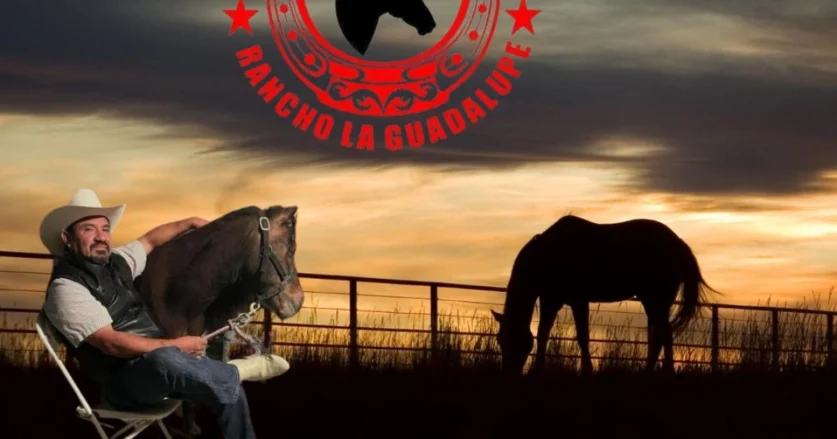
It’s not your typical taco festival.
Expect attractions like bull riding, Latino music, a variety of food and crafts stalls, and naturally, beer at the upcoming Tacos and Beer Festival 2024, organized by the Ramona Chamber of Commerce on May 4.
The Chamber has partnered with Juan Larios of Rancho La Guadalupe for this occasion, which is set at the Ramona Outdoor Community Centre, located at 423 Aqua Lane.
“We noticed that the Latino demographic in our community felt underrepresented, hence we decided to host an event especially for them,” said Bob Krysak, president of the Chamber.
He estimated that Latinos make up about 40% of Ramona’s population.
“There will be bull riding, some heavy hitting bands, taco vendors and craft vendors for a variety of food, music and entertainment,” he said.
Krysak said the event is expected to attract between 1,500 and 2,000 people.
“We wanted to pump up our little taco fest,” said Laura Leeman, office manager at the Chamber. “All our previous fests have been pretty packed, so we wanted to revamp it and make it bigger and better.”
An event that consists of bull riding, music, and dancing is referred to as a jaripeo in Mexico. This tradition is common in the central and southern parts of Mexico, having presence in both rural communities and ranches.
Several bands, celebrated for their festive tunes, are scheduled to perform. These include La Septima Banda, Banda Zeta, Banda Tierra Surena, Group Zona Blindada, and Seis N Linea.
The event will also be featuring outstanding bulls from the ranch Rancho El Aguaje, owned by Sergio Pelayo, Jr. Located in Puerto Vallarta Jalisco, the ranch boasts of housing several million-dollar bulls.
In addition to this, over a dozen food vendors will be present at the venue.
“The cuisine is a blend, largely Mexican, offering everything from seafood and chips to funnel cakes and ice cream,” said Leeman.
“The primary beer on offer will be Modelo, alongside shots, given its popularity,” mentioned Krysak.
He also revealed that, despite there being numerous beer outlets, they would not be serving mixed drinks due to the high anticipated attendee numbers as well as the time and effort each mixed drink requires.
Moreover, there will be over a dozen craft vendors displaying an array of products such as jewelry, wooden arts, Western attire, and T-shirts.
“There will also be a face painter for the kids,” Leeman said.
Chamber officials are still seeking volunteers, specifically for the entry gate and to tend bar (must be over 21).
There are also sponsorships open at the $200, $400 and $600 levels.
Doors open at 1 p.m. Event hours are 2 p.m. to 10 p.m. General admission is $80, VIP passes $130, but will go up closer to the date of the event.
“All the money raised goes right back into the community, so we hope everyone comes out and has a good time,” Leeman said.
For more information, contact the Ramona Chamber of Commerce at 760-789-1311.