Wine 1106
Unveiling the Complete Food and Drink Menu at Disney’s Food & Wine Festival

Disneyland has announced the comprehensive menu for the 2024 Food & Wine Festival, a celebration of California’s food, drinks, notable people from the culinary world, and Disney characters in unique food-related costumes at Disney California Adventure.
The Food & Wine Festival at Disney California Adventure is scheduled to take place from March 1 to April 22. Well-known local, global, and Disney chefs will be available to share cooking methods and knowledge through food demonstrations, tastings, and special events.
The 2024 Food & Wine Fest will see the return of 10 festival market stalls presenting small dishes crafted from California-based ingredients. DCA eateries, food booths, as well as Downtown Disney restaurants will provide festival refreshments and meals.
The Food & Wine Fest’s Sip and Savor passes will be available once again this year. These let visitors buy a prepaid card charged with eight tabs for individual items at food and beverage stalls during the festival. Pricing for these Sip & Savor cards has not yet been announced by Disney. However, last year’s cost was $59, with a $5 price reduction for Magic Key annual passholders.
Fans of the classic Soarin’ Over California will get another chance to hang glide over Napa Valley, Monterey Bay and Redwood Creek when the classic version of the flight simulator ride returns during the food fest.
Here’s the menu lineup for the food booths and restaurants during DCA’s Food & Wine Festival.
ALSO SEE: Universal’s new Nintendo cafe is fun, cute and fast – but is it any good?
Embrace the Fun Side of Wine: There’s No Need to Fear the Sommelier!
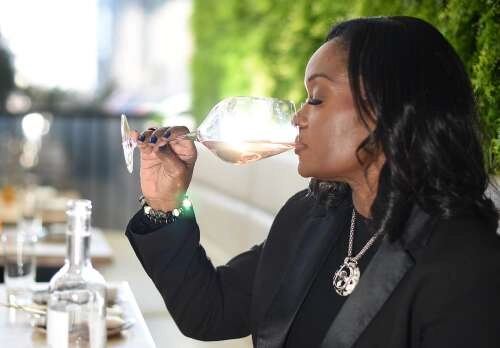
Drinking wine is supposed to be fun, and sommelier Marsha Wright couldn’t agree more.
“A lot of people think of sommeliers as stuffy, with the white cloth draped over their arm, trying to upsell you a $1,000 bottle of wine,” Wright said. “That’s not what it’s about. We like to have conversations, find out what you like. I make it fun.”
Wright is the corporate lead sommelier with DineAmic Hospitality, a group that currently has 14 restaurants in the city and suburbs. She works with their Greek brands — Violí in Oak Brook and Lyra in Chicago’s Fulton Market.
She said the job of a sommelier has evolved over the years. There’s a lot more to it than just selling wine on the restaurant floor to guests.
“Now it’s wine buying, it’s education, it’s meeting with my winemakers, taking trips, doing research, working with the culinary team,” she said. “That’s what I love about it.”
Her work with DineAmic involves creating and updating the wine list, making specials, education and more. She holds monthly food and wine tastings with the staff so they can pass informed recommendations along to the guests.
“I love sharing knowledge, especially with the staff since they’re the ones on the front lines,” she said. “When our staff tells someone that this wine pairs well with this food, they’re not just saying it, it’s because they’ve actually tasted it.”
She says her educational approach with staff and guests is to keep it basic.
“Just break it down so the guest can understand it with words like bright, acidic, minerality, fresh, lively,” she said. “You don’t have to say, ‘Oh, it has phenolic acidity to it.’ No one knows what that means.”
Wine dinners are one of her favorite ways to educate guests in a way that they’ll enjoy.
“They’re a great opportunity to taste, explore, kind of expand your palate. And you can introduce someone to thinking of food and wine together,” she said.
She works with the chef to plan the events, and they taste the wines together to craft the menu. Violí recently held their second wine dinner, which featured Caymus wines.
“It’s a collaborative effort, chef and ‘somm,’” Wright said. “Most places I’ve been, that isn’t normally what happens. But it’s food and wine, so let’s taste them together.”
She said they plan to make the wine dinners a fixture, with the next one scheduled for May with a rosé focus.
Wright isn’t just trying to change people’s perceptions about what a sommelier does, but also who can be one.
Recent research shows that less than a third of sommeliers identify as women. Only 11% of sommeliers are Black, which makes her a subset of a subset.
“I go to tastings with other ‘somms’ and it would all be men, and I’m usually the only African American in the room,” she said. “I started doing the research and the (representation) numbers were just frightening. There’s not a lot of us in what I do, or winemakers or CEOs at any of the companies.”
Wright said she hopes her example will help others realize that it’s a great job for anyone with a passion for wine.
“I think what a lot of it is is fear, because it is an industry dominated by white males and women can feel intimidated by that, just like any industry,” she said.
Wright got started in wine by, well, drinking it. She was working in accounting and finance about 25 years ago when she started reading a bunch of books and studying about what was in the glass she so frequently found in her hand.
“I realized, hey, I think I really like this,” she said.
She fully submerged herself in learning about wine and started taking classes. Before long she cashed in her 401(k) and jumped into wine full-time.
Wright started in retail at WineStyles in Naperville, quickly moving up to being in charge of wine buying for the store. From there she worked in other retail shops, including Binny’s for a time, before making the move to hospitality.
It was working in restaurants where she found her niche.
“I formulated the connection of food and wine and marrying them together to take the guests on a culinary journey and creating the most extraordinary experience,” she said. “Drinking wine is fun, talking about wine is fun, so learning about it should be too.”
Expert-Recommended Top 29 Gifts for Wine Lovers in 2024
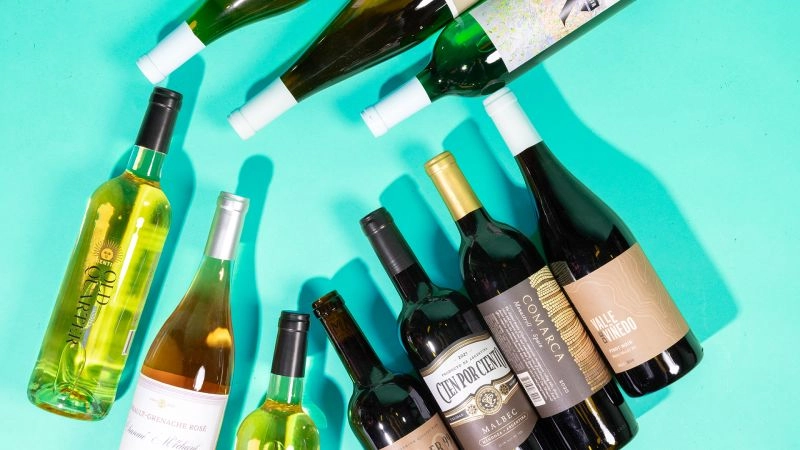
Shopping for people who love a particular thing can lead to a very specific conundrum: How do you know if you’re getting them a gift that they’ll actually be excited about? This rings especially true for oenophiles, more commonly known as wine lovers. When it comes to the world of wine, there are a lot of different preferences, tastes, varieties and things to know.
Fortunately, finding the best present doesn’t have to be as complicated — especially when you’re armed with gift recommendations from experts with impeccable taste. These gifts, which include everything from the wine glasses you’ll find at Michelin-starred restaurants to a gadget that can keep an open bottle of wine fresh for years, have been hand-picked by expert sommeliers, winemakers, restaurateurs, hospitality pros and people who just know and love their wine.
Los Angeles-based certified sommelier and wine educator Brianne Cohen describes the Josephine No. 2 as “the sexiest wine glasses.” The universal wine glass, which is perfect for reds and whites alike, comes from the legendary Zalto family, whom she refers to as the GOATs of wine glasses. “Slim and dainty stems with gorgeously crafted bowls are a work of art on their own,” she explains, “and showcase your wines with their precise hand-blown craftsmanship.”
Aaron Thompson, a bartender, sommelier and co-owner of Brother Wolf and Osteria Stella in Knoxville, Tennessee, describes this as “a must for any wine lover who wants to keep their wine fresh.” This nifty gadget uses 100% food-grade argon gas to preserve the freshness of an open bottle of wine for years. “We use the Coravin preservation systems at all three of our restaurants because they work so effectively,” says Thompson. Cohen agrees, sharing that it’s perfect for a household with “differing wine preferences or for the person who likes to switch between different wines.” If you’re shopping for someone who tends to prefer bubbly, there’s also a Coravin system for sparkling wines.
“This is my favorite entertaining showstopper,” shares Sarah Tracey, sommelier at The Lush Life. “This ice mold not only keeps your wine chilled for hours, but it doubles as a gorgeous centerpiece,” she says. “Simply fill it with seasonal fruit, flowers or greenery to wow your guests — it’s a wonderful gift for oenophiles that love to host!”
“This is such a fun idea for a wine-soaked game night, especially if the wine-lover on your list has a competitive streak,” shares Tracey. “With trivia categories like ‘Vine to Vino,’ ‘Wine Cellar’ and ‘Cork Culture,’ players get to flex their wine knowledge while beginners can pick up some wine education.”
Chas Martin, co-founder of Duro Hospitality — the group responsible for Dallas’ highly-anticipated restaurant and bar Mister Charles — recommends this book, which holds “a special place” in his heart. “Back in the day, my professor — who’s a master sommelier now — used it as the go-to teaching material in one of my culinary school classes,” says Martin. “It’s super easy to get into, breaks down major wine regions and just gives you this broad, awesome view — seriously, a game-changer.”
“I love a good wine picnic, and this collapsible bamboo board is the perfect way to enjoy one both indoors and outdoors,” shares Amanda McCrossin, sommelier and host of the Wine Access Unfiltered Podcast. “Place your favorite cheeses and spreads directly on the board and keep your glasses and wine from knocking over in the holders — simple but genius design.”
“One of the best ways to continue learning about wine is by drinking outside of your comfort zone,” says McCrossin, and “a well-curated wine club featuring the recommendations of an unrivaled team of sommeliers is a perfect way to explore without the worry of wondering whether the wine will actually be good.” She recommends Wine Access, which boasts a couple subscription services you can choose from. One of the options is Wine Access Unfiltered, which pairs an episode of McCrossin’s own podcast series with four hand-selected bottles every two months, perfect for anyone hoping to learn about wine straight from the expert source.
The 7 best wine subscriptions for bottles delivered to your door
“As a wine glassware expert, I continuously reiterate that decanters are one of the best and most important gifts you could give a wine drinker,” shares Maximilian Riedel, the 11th-generation CEO and president of Riedel. “Decanters are more than mere accessories; they are key tools for getting maximum enjoyment out of wine,” he says. This stunning option is perfect for gifting, especially to those who love to explore different varietals or have an ever-changing wine preference, he explains. “Defined by its ease of use and versatile functionality, it’s ideal for any type of wine, including red, white and Champagne, and can be used to gently decant both older wines and vigorously aerate younger wines.”
“Sabering is such a fun party trick for wine lovers,” shares Desiree Harrison-Brown, a wine educator, influencer and founder of the blog Wino Noire. “Imagine the thrill of slicing open a bottle of Champagne with a sword, sending corks flying and sparking joyous moments.” Martin also recommends a Champagne saber as the perfect celebratory gift. “This adds a touch of French elegance and excitement to any celebration,” he explains, “making for a memorable and unique gift for the bubbly enthusiast in your life.”
“For a slightly more upscale gift, I love to give two glass sets of Gabriel Glas,” shares Ashley Herzberg, winemaker at Avaline. “These glasses are my go-to for writing tasting notes or for a casual glass of wine at home,” she says. “I love them and I love to share them.” They’re also a favorite of McCrossin’s, who refers to them as the little black dress of wine glasses. “A truly great wine glass can really optimize your wine,” she explains, “and this is one of the more affordable well-crafted options, and has that perfect balance of feeling both delicate and durable.”
“True wine lovers know that a lot of the joy of wine discovery lies in exploring pairings,” shares Tracey, “and cheese pairing is a classic way to start evolving your palate.” This subscription from the renowned Murray’s Cheese is available in three different shipping cadences, and each includes a variety of cheeses plus one other accompaniment, selected to pair with that month’s suggested beverage.
The 58 best food gifts for every budget
“This is a personal journey through the wines that have most impacted my career and my take on what makes a real Italian wine,” shares Joe Campanale, co-owner of Bar Vinazo, LaLou and Fausto in Brooklyn, New York, and author of this book. “With a focus on indigenous grape varieties and small producers who are working in an organic and artisan method, this book showcases the most exciting wines being produced in Italy today.”
If you’re on the hunt for a practical yet stylish gift, Martin and McCrossin both endorse this corkscrew for wine enthusiasts. According to Martin, the double-pronged wine opener is “irreplaceable for preserving delicate and aged corks from vintage wines”. McCrossin also approves of this choice: “As a sommelier who has opened thousands of old wine bottles throughout my career, I can attest that this device is a lifesaver.”
The best wine openers of 2024
“This two-book set is a terrific present for anyone who is interested in gaining a deep understanding about wine,” comments Thompson. It extensively discusses the current scenario around wine in France. He further adds, “The book is filled with interesting stories about winemaker families in France and the various winemaker personalities. Plus, the photography is absolutely stunning.”
Tracey speaks highly of these sea salt spice blends created by Barton Seaver, a renowned chef and author, which are designed to complement and bring out the flavor of your choice of wine. She regards them as the perfect treats for wine-loving cooks or cooking aspirants on your gift list.
McCrossin deems this glass as the pinnacle of opulence and exceptional design, explaining that for a full olfactory and gustatory experience of Champagne, a tulip-shaped glass is actually superior to flutes or coupes. This singular piece allows for visibility of the bubbles which are accentuated nicely in its slender base – similar to a flute. The multiple turns leading up to the wider opening make it the perfect Champagne vessel, in her opinion.
Campanale speaks about her friend named Victoria James – a wine director and partner at Cote and Coqodaq. James co-founded an organization that supports women and the BIPOC community within the wine industry. She believes that amplifying more voices in the industry is advantageous for every wine enthusiast.
As a vintner, Herzberg prefers to include a small bonus when gifting a wine bottle. One of her favourite treats to give is a budget-friendly but classy bottle cooler. She believes that it makes a nice addition to her friends’ kitchens and maintains its appeal even when it isn’t being used.
Cohen suggests a wine club membership from Theopolis Vineyards which is owned by a Black woman and located near the border of Mendocino and Sonoma counties. She holds in high regard the petite sirah created by thewinery’s founder and owner, Theodora Lee. She describes it as an exceptional wine that has earned more awards than one can imagine.
47 Black-owned businesses to support
“Never wince or poke a hole in the ceiling again,” says McCrossin. “Simply place this device on top of the Champagne bottle, hold the neck and press the button, and the device will do the rest.” And while useful for most people, it’s a particularly great tool for those with limited mobility or conditions that make gripping a challenge.
“Say goodbye to half-dry wine glasses,” says Harrison-Brown. “These silicone drying racks are designed with openings to allow you to thoroughly air dry your wine glasses.” And as a bonus? They also work great for water bottles, tumblers and protein shakers.
There’s also this option from Kohler. “I purchased this not knowing whether I would actually use it,” says McCrossin, “and now I can’t remember my life without it.” This drying rack fits up to six glasses — even those with a super-wide base — and allows you to let your glasses dry without worry of knocking them over. “It folds completely flat, feels super sturdy and can be stored easily under the sink,” says McCrossin.
“A good crystal wine glass that works for most occasions is an always welcome gift idea,” says Thompson. Riedel is appreciated for its clever and functional design – each aspect, including the shape and size, is designed with the intention of accentuating specific types of wines and their fragrances. “These Riedel glasses are ideal for both white and red wines, and a great starting point for wine novices,” he adds.
Though it may first appear to be a book about architecture, McCrossin explains that it offers a behind-the-scenes glimpse of some of the most respected, noted, and stunning wineries and residences in Napa Valley. “This collective of architects from Napa Valley is well-renowned in the wine industry,” states McCrossin. “This is the ideal coffee table book, whether you wish to reminisce about a wine tasting trip, look forward to an upcoming one, or get an insider’s perspective on some of the world’s most exclusive wineries.”
For the individuals who would prefer to be indulging in a glass of wine on a vineyard rather than anywhere else, Harrison-Brown suggests this sweatshirt that highlights regions from some of the leading wine-producing nations.
A handsome wine decanter magnifies the wine drinking experience,” says Thompson, who encourages this graceful yet reasonably priced option that has the capacity to hold a full bottle of wine. “This decanter has a simple design with clean lines, and it’s effortless to pour from,” he remarks. “We recommend decanting young wines that are packed with character to allow them to breathe and thus reveal more of their concealed fragrances.”
Harrison-Brown describes this as “the top-rated wine text for beginners and experts alike.” The writer “guides you around the planet, experimenting with wines, cuisines, cultures, and more,” leading to an exciting, but incredibly enlightening and enjoyable read.
“Alice Feiring is the authority on organic wines and I’ve subscribed to her newsletter for several years,” remarks Campanale. “She just relocated to Paris to be nearer to the organic wine universe’s epicenter and I am eager to read her updates. Her passion and support for natural wines are not because they’re trendy or appealing, but because she appreciates fine wine.”
“This one is a bit extravagant, but for when you wish to amaze a wine enthusiast,” mentions Tracey. “Known for their exquisitely designed knives, Laguiole produces the ultimate standard of wine openers — items that are meant to become heirlooms.” This beauty is designed with a green malachite stone circle.
The 46 most luxurious gifts that are pricier but definitely worth the money
Discovering Montecucco Sangiovese Wines: An Affordable Alternative to High-End Wines

Some wines feature the name of the grape on the label.
Others list the place where the wine was made.
Then there’s Montecucco Sangiovese.
The name of these outstanding Italian red wines packs in a lot of information.
They describe exactly where these wines come from – Montecucco.
They list the name of the grape used primarily to make them – sangiovese.
But that’s just the start.
In order for a wine to be called a Montecucco Sangiovese, they need to meet several other strict requirements.
We’ll get to those rules in a second.
All you need to remember for now is these wines taste great. And best of all, they cost far less (often in the $15 to 35 per bottle range) than many other red wines from other nearby Italian wine regions.
So this week, it’s all about Montecucco Sangiovese wines – where they come from, how they’re made, as well as tasting notes for four Montecucco Sangiovese wines.
Hope you enjoy.
Where do Montecucco Sangiovese wines come from?
Montecucco is the name of the wine region where these wines come from in Italy. Specifically, Montecucco is located near the west coast of central Italy in the southern part of Tuscany about 100 miles north of Rome. This subregion of Tuscany produces many different types of wines, including a wide range of reds, whites and roses. Many of these wines from Montecucco also have one thing in common – most of them cost far less than many other wines from Tuscany, which makes this wine region a great one worth keeping an eye out for in wine stores and restaurants.
What grapes are Montecucco Sangiovese wines made with?
As you may have already guessed, the primary grape used to make Montecucco Sangiovese wines is sangiovese. Specifically, Montecucco Sangiovese wines must contain at least 90 percent sangiovese grapes. As for the other 10 percent, merlot or cabernet sauvignon are often blended with sangiovese to make these memorable wines.
Other winemaking requirements
Along with coming from a particular place and being made with specific types of grapes, several other regulations apply to Montecucco Sangiovese wines. All of these wines must be aged for at least 17 months, including at least 12 months in a wine barrel. And in order to be called a Montecucco Sangiovese Riserva wine, they must be aged for at least 34 months, including two years in a wine barrel and six months in a wine bottle. In addition, these wines must have at least 13 percent alcohol. But enough about the rules. Let’s get to how these wines taste.
2016 Podere Montale Montecucco Sangiovese ($27 Suggested Retail Price)
This intense, dark-colored red wine has a wide range of bold, earthy, vibrant fruit flavors, including hints of roasted blackberry and cherry along with dashes of fresh-cut cedar and dark chocolate. Full-throttled fun in a bottle.
2018 Poggio Stenti Tribulo Montecucco Sangiovese ($29 SRP)
Made entirely with sangiovese grapes, this lively, energetic wine has a wonderful array of vivacious flavors, including toasted almonds fresh-picked cherries, blueberries and other ripe berry flavors. Graceful and charming.
2016 Pian Di Staffa Montecucco Sangiovese Riserva ($25 SRP)
Another Montecucco Sangiovese made entirely with sangiovese wines, this complex, red wine has a lot of character and personality. Flavors range from dark chocolate and roasted cherries to layers of roasted red pepper, blackberries and toasted almonds. Delicious and delightful.
2016 Tenuta L’Impostino Viandante Montecucco Sangiovese Riserva ($35 SRP)
Made entirely with sangiovese grapes aged for 24 months in French oak barrels, this wine is bright and lively, tasting like autumn in a glass. With hints of blackcurrant, cherry, tobacco, and dark chocolate, it is another beautiful, elegant example of an aged sangiovese wine.
Free Italian Wine Tasting – Provisions in Northampton is hosting a free wine tasting focused on Italian wines. The event will take place on Friday, Feb. 16 from 4 pm to 7 pm, located at 30 Crafts Avenue. More event details can be found on Provision’s website.
High Score, Low Price – Table & Vine is hosting a wine tasting class featuring highly-rated wines that are less than $20 a bottle. The tasting will occur on Thursday, Feb., 22 from 6 pm to 7:30 pm at 1119 Riverdale Street, West Springfield. Tickets are $20 and can be bought on Table & Vine’s website.
Boston Wine Expo – The Boston Wine Expo will be held March 2 and 3 at the Hilton Boston Park Plaza Hotel, 50 Park Plaza, Boston. Wine tastings will be held each day, along with specialized wine tasting seminars at different times throughout the weekend. For tickets and more information, visit the Boston Wine Expo’s website.
Cheers!
Wine Press by Ken Ross appears on Masslive.com every Monday and in The Republican’s Weekend section every Thursday.
If you purchase a product or register for an account through a link on our site, we may receive compensation. By using this site, you consent to our User Agreement and agree that your clicks, interactions, and personal information may be collected, recorded, and/or stored by us and social media and other third-party partners in accordance with our Privacy Policy.
Innovating in Charlottesville: A New Wine Shop Offering Affordable Wines

Week in Review
The once bustling Benny Deluca’s pizzeria, known widely as the “home of the Virginia slice”, has given way to the shiny new Grape & Grain Exchange, a store specializing in wines and beers, on Charlottesville’s West Main Street.
Grape & Grain Exchange threw open its doors to customers on February 1, operating from the 913 W. Main St. location. Living up to its name, it has an impressive range of wines, beers, seltzers, and energy drinks. The shop particularly focuses on catering to the University of Virginia students and hospital workers passing by.
Let’s rewind a bit to remember that Benny Deluca’s had been a landmark at the West Main spot from as far back as 2014. However, they shut down in the July of 2023. We still await news about whether they plan to spring back somewhere else in the city. Furthermore, they’ve scrubbed Charlottesville off their list of Virginia locations on the chain’s website.
There is indeed no shortage of wine shops in Charlottesville. A mere third of a mile from Grape & Grain sits Bottle House; Feast at Main Street Market, boasting an impressive selection of wines, is just a few hundred feet away; and further down the road, one can find Crush Pad Wines, Market Street Wines and Tastings of Charlottesville right by or just off the Downtown Mall.
Picture a pedestrian strolling past Grape & Grain Exchange, a shop on West Main Street focused on providing a wide variety of wine and beer, on the crowdless evening of Thursday, Feb. 8, 2024.
However, Dru Patel, the owner of Grape & Grain, and his brother and business associate, Nick, affirm that their shop offers something fresh to the scenario.
The Patel brothers were moved by a tour of Europe during which they got a chance to explore an array of wine shops across different countries. Filled with inspiration, they returned to the United States resolved to introduce Charlottesville to the unique concept of small, affordable wine shops.
With the Benny Deluca’s space on the market, the brothers seized the opportunity to convert the 1,400-square-foot area into their dream concept.
Observing the location, it bears similarity to any other wine shop in town. The distinguishing factor of Grape & Grain Exchange is affordability.
Wines on display are clearly seen at the Grape & Grain Exchange, a shop specializing in wine and beer located on West Main Street in Charlottesville, documented on Thursday, Feb. 8, 2024.
“We’re challenging the common perception that high-quality wine must be expensive,” Dru Patel disclosed to The Daily Progress. “Every wine in here is priced below $20, yet these are brands that consumers will readily identify.”
The Patel brothers have identified the business opportunities available on West Main in Charlottesville, thanks to its close proximity to the downtown area, Grounds, the Corner and UVa Medical Center. Their family is no stranger to the potential of this area, as their father, Vasu Patel, runs the Mini Mart convenience store a few steps away from Grape & Grain.
Ever since Vasu Patel and his family left Kenya over two decades ago, he’s been involved in the retail industry, says Dru Patel. The family’s retail ventures in Charlottesville include the Mini Mart, Grape & Grain, and the 9th Street Market. The latter is a convenient store located behind the Guadalajara Mexican Restaurant downtown, which the Patel brothers launched about half a year ago.
Shortly after the opening of Grape & Grain, the Patel brothers began discussing additional expansion plans.
Dru Patel, who owns the Grape & Grain Exchange, was photographed at the Charlottesville wine and beer shop on Thursday, February 8, 2024.
“We are focused on seeing how this goes, but it’s also our stepping stone,” said Dru Patel, referring to the wine shop. “We are looking to branch out by the end of the year with hopefully another location with more space.”
Grape & Grain is open from 9 a.m. to 10 p.m. Monday through Wednesday, 9 a.m. to 11 p.. Thursday through Saturday and 10 a.m. to 5 p.m. on Sunday. To keep up to date on new arrivals, events and promotions, customers can visit the Grape & Grain Instagram: cvillegrapeandgrain.
The interior of Grape & Grain Exchange, a wine and beer shop on West Main Street in Charlottesville, is seen on Thursday, Feb. 8, 2024.
Emily Hemphill (540) 855-0362
@EmilyHemphill06 on Twitter
Get the latest local business news delivered FREE to your inbox weekly.
{{description}}
Email notifications are only sent once a day, and only if there are new matching items.
Week in Review
Highlighting the Rise of a Californian Wine Star and Their Captivating Cabernet Sauvignon Vineyards Owned by a Telecom Pioneer
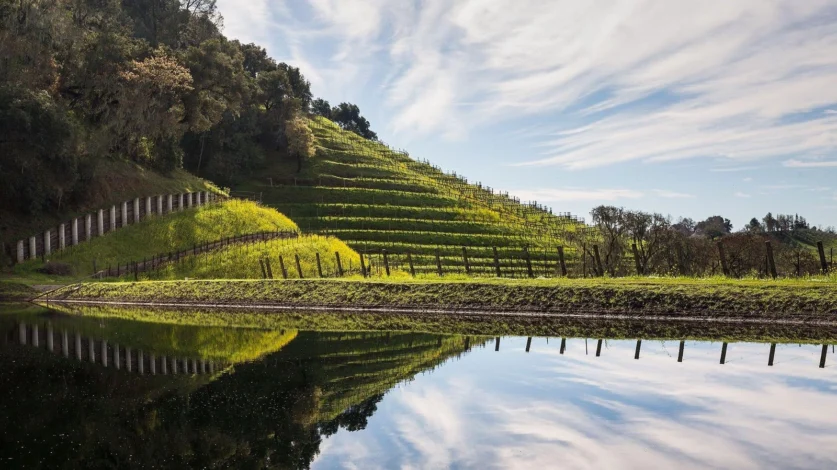
Skipstone vineyards with mustard flowers
Steep terraced vineyards at Skipstone
Almost akin to a dream being realized, he saw the steepest slope ever, filled with beautifully maintained Cabernet Sauvignon vines comfortably nestled in carved terraces. This sight was truly remarkable for this self-made telecom pioneer, who had traversed the world and experienced various forms of natural beauty. Initially, he had no intentions to make wine but the overpowering elegance of this estate was a seductive call he could not refuse. Within an hour, he became the owner of the property.
Fahri Diner, a man always ready for a challenge and consistently dreaming big, even without the necessary wealth and connections. His origins trace back to Cyprus, an island country to the east of Greece where he grew up in a farming family with a fondness for making olive oil. An academic scholarship gave him the opportunity to go to the U.S. and study Electrical Engineering at Florida Tech, leading to the founding of Qtera, a fiber-optic company that later sold for $3.25 billion. Fahri, after numerous business ventures post Qtera, desired another passion that would connect him with his familial roots. He wanted to get back to small-scale farming and produce high-quality crops, similar to the olive oil made by his family. The big question was, would he remain in Florida, return to Cyprus, or find a ranch in the beautiful state of California?
View of terraced vineyards from the Residence at Skipstone
Fahri did what he always did when having to make a big decision. He went to a lake and skipped a stone; if it skipped three times, he would go to California and look for a ranch to reconnect to his farming roots. It was three times, hence, his two-year journey seeking out a unique property throughout California, from as south as Santa Barbara to as north as Alexander Valley in Sonoma County, began. Most people told him Napa was the place to be but Fahri has always trusted his instincts and didn’t see any properties that felt right. One day, in 2001, someone told him about a property in the Alexander Valley area in Sonoma County. When he had that moment of coming over the crest of the road, taking in those terraced vineyards on an extremely steep slope, he knew that this was the place, especially since there were olive trees so that he could make olive oil.
At first, he sold the grapes from the vineyards to local wineries eager to get them. Still, it bothered him that these rare vineyards were not getting the acknowledgment they deserved. So, he hired a team of experts, such as winemaker Philippe Melka, a true living legend in the wine industry, to express the place’s unique terroir and aptly take on the name Skipstone as a wine producer. Reconnecting to his roots while combining it with his love for the U.S., his second home that has given him so much opportunity, has led to the completion of the Skipstone winery. The journey began in earnest with the hiring of rising winemaking star Laura Jones as the head winemaker.
Landscape view with terraced vineyards and Skipstone estate during winter
Alexander Valley may not be a household name for Cabernet Sauvignon wines. Still, it is considered by many in the California wine industry to be one of the most important wine regions for Cabernet Sauvignon, only second to Napa Valley. Many well-known wine producers source Cabernet Sauvignon grapes from Alexander Valley, giving little attention to the place, and there are some ultra-premium Cabernet producers with Alexander Valley on their labels. Still, the wine producer often sticks with customers, while Alexander Valley often goes unnoticed. But that was part of what drew Fahri to this place; it was an underdog such as himself, and it deserved someone who would show its full potential.
Laura Jones
His new head winemaking star, Laura Jones, is also an underdog who built a pedigree based on intelligence, talent and hard work, as she is originally from Wyoming but was able to get herself on the track of going into medical research in California, but when she was looking into grad schools, an encounter with someone in the wine world placed her on another path. So, she graduated from the prestigious graduate program in Viticulture and Enology from U.C. Davis and then went on to not only work in stellar wineries in California, such as Aubert Wines and Cliff Lede, but also spent some time in New Zealand and in Burgundy, France, at Domaine Armand Rousseau to give her an international perspective as well.
Even though there are only 27 acres of vineyards out of the 200-acre estate, the first thing Laura wanted to do was to employ precision viticulture practices by assessing the nuanced differences of each plot. So she installed three weather stations, one on the steeper hillside, one near the flatter part of the vineyards and one halfway up the hillside. During the summertime, there can be a seven to eight-degree difference between some parcels.
Laura Jones at the sorting table
One of the things that Laura loves about Skipstone, other than their exceptional vineyards, is that they employ a full-time vineyard crew. This is unusual as most vineyards hire temporary crews during the busiest seasons. Because Skipstone operates a 180-degree amphitheater with a high 60% slope, there’s constant work throughout the year due to the challenging terrain. Skipstone’s vineyard manager, Juan Alcantara, has stayed onboard for 16 years, and half of the crew have been around for 15 years, a testament to the stability which is uncommon in the ever-changing wine business. Laura values this stability because it allows consistent collaboration with the same team for refining vineyard management. This organic way of working has earned them a CCOF certification since 2008. Laura looks forward to bringing more precision to the expression of each parcel, focusing in on the rocky soils that provide more concentration, the gravel where Cabernet Sauvignon and Cabernet Franc excel, and the clay-rich plots that are well suited to Merlot and Malbec.
Woman making notes in a field
Philippe Melka will continue as a consulting winemaker but Fahri understood the necessity to hire a full-time head winemaker like Laura to take their wines to a new level. He admired Laura’s admirable educational background and work history, and found it even more impressive because she started with none of the usual business advantages. Fahri values those who demonstrate passion and dedication beyond just having pedigree. Laura’s commitment to her work, coupled with being married to Skipstone’s general manager, Brian Ball, ensures her full dedication to the winery’s success.
It’s not always smooth sailing in any marriage, particularly when both parties want their own success. Laura and Brian have navigated this journey of self-accomplishment since their meeting at U.C. Davis years ago. There’s no guarantee that a winery team will remain intact; it’s almost inevitable that people will come and go. This can cause setbacks in progress as new team dynamics take shape and try to achieve extraordinary output. Despite these challenges, Laura, having tasted the exquisite wines of Skipstone and seen their remarkable vineyards, decided to align her journey with them.
Residence at Skipstone from a bird’s eye view
The splendour of Skipstone is now available for experience through staycations at the ‘Residence at Skipstone’. It offers visitors the life of a vintner with unmatched luxury. Originally, the residence was home to Fahri, Constance and their little children. Their former abode mirrors a European castle with exterior stones sourced from the property, and each sink cut and polished from a single boulder found within the estate. It’s spectacular to see the breathtaking facets of this 8,344 square foot home that houses five en suite bedrooms and a gourmet kitchen. However, Fahri and family moved back to Switzerland for their children to grow up amidst relatives. Now the residence is up for booking that can accommodate up to ten guests. Their estate director can arrange for everything from top restaurant reservations, winery tours, access to the Mayacama Country Club’s golf course, and wine tasting at the residence. The wine tasting not only includes Skipstone wines but also those from Fahri’s personal cellar, with a wide selection of old Bordeaux, Napa and Sonoma producers from early 1990s to 2000s and a variety of Champagne being some of the highlighted features.
More improvements are underway at Skipstone with a second floor being added to their winery as a vibrant hospitality centre. They are deeply committed to sustainability and anticipate becoming the fourth winery to receive the Platinum certification from the Leadership in Energy and Environmental Design (LEED) as all their projects will be powered by 100% renewable energy.
Lineup of Skipstone wines
2021 Skipstone, Preface Proprietary Red Blend, Alexander Valley, Sonoma County, California: 100% Cabernet Sauvignon, a blend of various Cabernet Sauvignon parcels on the estate. Preface is a selection from Cabernet Sauvignon vines that make a wine that drinks well at an earlier stage and it is at an approachable price point, so it is a great introduction to the Skipstone portfolio. This wine also allows for a stricter selection for their flagship, Oliver’s Blend. Lovely balance with red cherries and black raspberries with hints of broken earth and a beautiful texture finishing with a pretty floral quality.
2021 Skipstone, Malbec, Alexander Valley, Sonoma County, California: 100% Malbec. Since they have a fair amount of Malbec that does really well in the clay-dominant parcels, they wanted to make a varietal bottling of Malbec to showcase that particular section. Laura loves the “inherent deliciousness” of their Malbec as they go out of their way to thin the crop, sometimes 50%, to get the highest quality. Yet, she balances out the fruit’s generosity by placing a portion of the wine in amphora, which brings out a savory quality. Decadent dark fruit with juicy blueberry and plum tart on the palate with a hint of allspice and dry herbs with a silky texture and long, flavorful finish.
2021 Skipstone, Ripple Effect, Alexander Valley, Sonoma County, California: 92% Cabernet Sauvignon with 8% Merlot, mainly from the Skipstone estate vineyards, with a tiny portion coming from another plot on the hillside outside of their estate. This wine is called Ripple Effect because they sourced a small amount from a hillside outside of their estate, it is the ripple effect of Skipstone emanating out of their vineyards. This wine illustrates the parcels on the estate that have more mountain fruit quality, which has slightly firmer tannins and high-toned fruit; hence, why they sourced outside fruit that would help highlight those qualities. Cocoa nibs and sandalwood incense on the nose with black cherry skins and broader tannins give more structure and shape with a vibrant and well-focused finish.
2021 Skipstone, Faultline Vineyard, Alexander Valley, Sonoma County, California: A mixture of Cabernet Franc and Merlot. This blend is inspired by the Right Bank, encompassing Cabernet Franc and Merlot. The proportions vary annually and these parcels are found along a fault line. The Mayacamas fault line, prevalent throughout their property, is among the most active in the area, benefiting them by releasing pressure and minimizing the likelihood of future catastrophes. The U.S. Geologic Survey maintains three permanent installations at Skipstone, classifying it as an official earthquake monitoring station. The aromas immerse you in a forest walk with scents of tree bark and morels, complemented by elegant red and black fruit flavors. There’s a fine-laced structure leading to a long, expressive conclusion, leaving images of wildflowers in the mind.
2021 Skipstone Oliver’s Blend Cabernet Sauvignon, Alexander Valley, Sonoma County, California: 100% Cabernet Sauvignon, compiled from a few parcels on the property. This wine primarily consists of the oldest vines on the terraced hillside and a small portion from a couple blocks on the non-terraced slope. In 2019, the harvest was limited, yielding only 2,000 cases. The opulent texture of this wine is truly awe-inspiring. The superior mouthfeel coupled with the intricate aromas of crushed rocks, fresh tobacco, and untouched fruit render this wine a spectacle of beauty.
Ruth’s Chris Steak House and Yard House Set to Arrive in Naperville, With Adjustments on Beer and Wine Size Mandates
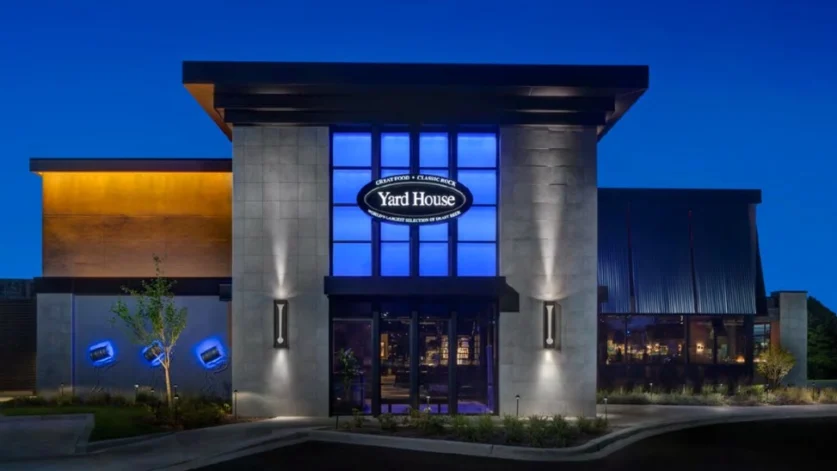
Ruth’s Chris Steak House and Yard House intend to launch their outlets in the anticipated Block 59 dining/entertainment hub in Naperville. However, their ability to do so hinges on the city’s decision to ease the restrictions on wine and beer serving sizes that currently hinder the two national chains from offering the drinks outlined in their menus.
Both restaurants are presently unwilling to join the development with such constraints, and if they decide to withdraw, other proposed tenants—including The Cheesecake Factory, First Watch, Shake Shake, and Stan’s Donuts—might likely terminate their leases as well. This scenario was brought into the open by Andrew Balzer, the project developer from the Brixmor Property Group, during his interaction with the Naperville Liquor Commission on Thursday.
The planned Block 59, located at the northwest junction of Route 59 and Aurora Avenue and provisionally set to open its doors in 2025, is being promoted as a premier regional dining and entertainment hot spot.
Block 59 relies on the inclusion of Ruth’s Chris and Yard House as its cornerstones, Balzer remarked. Nevertheless, if the establishments cannot serve their unique beverages synonymous with their other branches, they vow to cancel their leases. For Yard House, their signature beverage is the “Half Yard”—a 32-ounce beer that forms a significant part of their corporate brand identity. On the other hand, at Ruth’s Chris, guests expect to enjoy their famed 9-ounce glasses of wine.
Under Naperville codes, 24 ounces of beer and cider is the maximum serving size allowed and wine is limited to 6 ounces per serving.
If either restaurant decides not to operate in Naperville due to this restriction and if other tenants do the same, the whole development will be at risk according to Balzer.
Both these companies have not faced such serving size restrictions at their other locations and both have received positive feedback from the communities they serve.
Yard House has 88 restaurants all over the country, including ones in Lombard and Glenview in Illinois. Ruth’s Chris boasts of 134 restaurants, including ones located in Northbrook and South Barrington.
Liquor commissioners stated that they weren’t worried about permitting 9-ounce wine servings, as it’s likely some eateries are presently serving this volume due to ignorance of the restrictions. However, they expressed apprehension that approving a 32-ounce beer serve could pave the way for other businesses aspiring for the same.
In the words of Mayor Scott Wehrli, who also serves as the liquor commission’s head, the city doesn’t wish to bestow an unjust advantage on a single enterprise by ratifying a resolution that’s not universally accessible.
Liquor commissioners attested that the restaurant industry in Naperville is incredibly competitive. They concluded that a new standard would need to be established that didn’t give a newcomer something that existing businesses lacked.
“Our mandate isn’t only safety. We must also concentrate on economic development,” affirmed Commissioner Tony Signorella. “The issue that concerns me is the precedent being set.”
Steve Chirico, formerly the Mayor and now a commission member, commented that the current code was established at a time when establishments were serving 25-ounce beer cans, two beer equivalent, during the last call. This scenario made patrons consume a considerable amount just before closing hours.
The commission members mulled over the possibility of setting a limit on alcohol content for 32-ounce beers, albeit they agreed that such a condition could be challenging to manage.
According to Balzer, Yard House primarily serves Miller Lite or Coors Light in its signature 32-ounce glass, both of which do not have high alcohol content. He also shared that the half-yard option accounts for approximately 3% of weekday beer sales and 6% of weekend beer sales at its location in Lombard.
Christine Jeffries, who holds the position of President at the Naperville Development Partnership, expressed her support for higher pour limits. She is confident that bartenders and servers in Naperville have undergone proper training and can serve alcohol responsibly.
She stated that it’s not as much alcohol as purchasing a 60-ounce pitcher of beer, margaritas, or a wine bottle for the table, which are all now legal.
Jeffries mentioned that they haven’t faced chaos with these items. She expressed her confidence in both Naperville and Basset’s training.
The commissioners recommended the larger wine serving size with a unanimous 5-0 vote, but were divided about the beer size increase. The latter was accepted by a narrow 3-2 vote, with Commissioners Kelly Douglas and Ray McGury opposing the modification.
Both changes require the approval of the Naperville City Council before implementation. The council will discuss the requests at an upcoming meeting.
Michelle Mullins is a freelance reporter for the Naperville Sun.
Bobi Wine Speaks on ‘The People’s President’s’ Oscar Nomination: Viewing it as a ‘Campaign for Life’
“Bobi Wine: The People’s President” has already won the IDA Documentary Award and is nominated for Best Documentary Feature at the BAFTAs and the Oscars, but no one involved with the film is focused on bringing home hardware.
“For us, it interestingly doesn’t feel like a campaign for Oscar,” Bobi Wine said Thursday at the Television Critics Association winter press tour.
More from GoldDerby
‘Good Times’ turns 50: A look back at the landmark Norman Lear sitcom
‘Succession’ and ‘The Bear’ poised to pull off a historic SAG Awards double sweep
“Are we campaigning?” quipped his wife, Barbie Kyagulanyi, who joined him on the panel alongside director and producer Christopher Sharp, director and cinematographer Moses Bwayo, and producer John Battsek.
“For us, it’s a campaign for life,” Wine continued. “For us, this is a lifeline. Every opportunity we get to show the situation in Uganda, we are extending [life] because we know, first and foremost, the energy and the sustainability of the regime comes from their ability to hide. The more Americans see this film, the more Europeans see this film, the more attention comes to our homes, and therefore the closer the message gets to their leaders … and therefore the more possible it is for those leaders to reverse the policies on Uganda.”
The documentary, which filmed for more than six years and premiered at the 2022 Venice International Film Festival, follows the presidential campaign of Wine, a popular Ugandan singer, as he unsuccessfully tried to unseat Ugandan autocrat Yoweri Museveni, who has now been in power for 38 years.
SEE Watch interviews with 2024 Oscar nominees
More than the awards recognition, the visibility of “Bobi Wine: The People’s President” means the most to the team as every piece of attention it gets “continues to highlight the struggle back in Ugandan and for democracy around the world,” Bwayo said. “This is a current story. This has not stopped. It is still ongoing.”
Though the regime is still in place, the film’s impact has already been felt in Uganda. “There some shame to the government,” Kyagulanyi noted. “When they are abducting or taking someone away, these days they wait for the dark, they make sure there is no camera recording around. They use more tactics. They are no longer coming in broad daylight and grabbing someone. … I know they are waiting for the lights and cameras to die down.”
“Bobi Wine: The People’s President” is currently streaming on Hulu and Disney+. Bwayo thank National Geographic for picking up the film and “giving us a platform” to share their story. “We didn’t set out to make an award-winning film. We set out to document what was happening,” he stated. “We receive this with gratitude and humility. It’s really humbling to be here today and to see where the film has gotten. Honestly, we never thought we’d get to this point. We are humbled by this attention, by the documentary branch, and all the support that is coming from the academy members, from the academy itself. Not so many times an African story gets nominated. It’s a rarity. We are really honored to be here. It’s a blessing honestly.”
PREDICTthe 2024 Oscar winners by March 10
Make your predictions at Gold Derby now. Download our free and easy app for Apple/iPhone devices or Android (Google Play) to compete against legions of other fans plus our experts and editors for best prediction accuracy scores. See our latest prediction champs. Can you top our esteemed leaderboards next? Always remember to keep your predictions updated because they impact our latest racetrack odds, which terrify Hollywood chiefs and stars. Don’t miss the fun. Speak up and share your huffy opinions in our famous forums where 5,000 showbiz leaders lurk every day to track latest awards buzz. Everybody wants to know: What do you think? Who do you predict and why?
Best of GoldDerby
Sign up for Gold Derby’s Newsletter. For the latest news, follow us on Facebook, Twitter, and Instagram.
Expressing Affection Through the Ages: The Concept of Birth Year Wine

Photo courtesy of Unsplash | Taken by Lucas Law
Often, winemakers note that they get only one opportunity per year to perfect their craft. A single vintage, they explain, is all they have to capture a year’s worth of weather variations, difficulties, and abundance in their wine.
This implies that many winemakers, when wine production is their lifelong profession, typically have the chance to perfect their art throughout 30 or 40 vintages, or even more in some cases.
One such vintage holds a special meaning… for you.
We’re discussing “birth year” wines, or wines produced in the year of your birth. This tradition carries sentimental value for wine enthusiasts: collecting wines from their own birth year, gifting wines from the birth year of friends or children, and celebrating a birthday by opening a birth-year bottle.
This gesture adds a layer of significance to the memory of the gift and the giver, creating a lasting impression. Consider the winemaker from Sardinia who shared a bottle from my birth year, coincidentally his first vintage. Or my parents’ friends, avid wine collectors, who gifted two bottles to celebrate the birth of my twins.
Such magnanimous gestures indeed!
However, the significance doesn’t just lie in the act of gifting the birth year wine; it also stems from when we choose to open it. The birth year wine for my twins might be opened on their 21st birthday. The Sardinian wine from my birth year may have already reached its peak, and the joy may be more in opening and reflecting on that particular year than the wine itself.
When it comes to wines from your birth year, the concept of being “age worthy” takes on a completely different interpretation. Perhaps for your next birthday, or the birthday of someone special to you, you could consider tracking down a wine from your birth year. Matthew might have some suggestions for you. Celebrate the event by discussing what “age worthy” means to you.
Credit: Unsplash | Photo by Annie Spratt
Have you ever had the experience of sitting down with a bottle of wine that was produced in your birth year?
It’s one of the unique experiences we have at our disposal in the world of wine drinking. Matching our personal growth journey with those of an agricultural product that has been nurtured and refined into bottled magic that can stand the test of time.
Is it good?
Good is subjective.
Some people love young and fresh wines, and good on them for enjoying them!
Some people love the tertiary qualities that wine gains as it ages. The fruit will integrate, dissipate, and earth tones come into focus.
What factors contribute to a wine’s ability to age?
There are three key elements: Acidity, Tannic Structure, and Sweetness.
If a wine scores highly in at least two out of these three categories, it could potentially be aged for several decades, during which time it would undergo a form of alchemical transformation.
How can I find out if the wine from my birth year is of high quality?
In essence, this pertains to the levels of output. A good crop year tends to provide wineries with an ample yield of wine. Having had decades of observing wines from 1960s-1990s, it’s become comparatively easy to ascertain which vintages have aged well. My belief is that if a well-crafted wine has been kept unmoved in a cold, dark place for many years, it’s highly likely to age gracefully.
However, finding accessible bottles of vintage wines is becoming increasingly challenging as we move forward, and prices continue to rise likewise. My advice is to explore lesser-known regions and smaller producers. Don’t shy away from taking risks, spend a few bucks and discover wines you have never heard of before. Time and darkness have the power to rectify any errors made by a wine that was sent to languish in a cold bottle for seemingly endless periods.
Today is my birthday, and as I was born in 1983, my birth year has always been outshone by 1982. However, over the past 20 years, I’ve been sampling many 1983 bottles and so far, none have disappointed me.
Here’s to celebrating with the wine from your birth year!
Unveiling the Secrets behind the Production of the World’s Rarest Wine

One of the most devastating occurrences in winemaking is a lost vintage, often caused by unfavorable weather conditions before the grapes can reach full maturity. This issue arose several times since 2009, the last instance prior to now when Royal Tokaji could manufacture its exceptionally rare Essencia. In the six vintages from 2009 and 2016 (including the latest release), ideal conditions for azsú berries were not met five times, with the year 2013 presenting the most significant disappointment.
According to Royal Tokaji’s managing director Charlie Mount, most producers in the region concur that 2013 ranks among the finest vintages in Tokaji history. “We had perfect conditions for azsú, and we had amazing quantity as well,” shares Mount with Robb Report. “Essencia was being produced in abundance, but, we couldn’t find anything that we thought was worth bottling after five or six years in our cellar. This resulted in one of the most painful decisions we’ve ever made, failing to meet our standards despite having a huge quantity of Essencia and deciding not to release the 2013 vintage.”
Robb Report covers more in-depth:
How the Smell of a Barnyard Is Roiling the Wine World
Wine Fermentation, Explained: How the Process Affects the Flavor and Texture of Your Vino
This New 77-Foot Hybrid Catamaran Has a Jet Ski Garage That Doubles as a Sun Pad
Although neither 2014 nor 2015 provided ideal conditions for enough quality azsú berries to produce Essencia, the summer and fall of 2016 offered perfect circumstances to capture the precious free-run juice (more on that later) that goes into making this prized elixir. And prized it should be. Only the eighth vintage of Essencia released in the winery’s 34-year history, sipping Royal Tokaji 2016 Essencia from specially designed crystal spoons that reveals its deep amber hue and aromas of dried apricot, ripe summer peach, and honeycomb. It rolls over the tongue like syrup with nimble viscosity and a sumptuous vein of acidity that keeps its inherent sweetness from overpowering its flavors of apricot nectar, peach pie, candied orange peel, and fresh honey that leaves a trail of tangerine zest in their wake.
Meaning “dry” in Hungarian, azsú berries are grapes that have been afflicted with Botrytis cinerea, the grey mold called Noble Rot that is responsible for the creation of Tokaji Azsú as well as Sauternes and Spätlese and Beerenauslese Riesling. Unlike common household molds, Botrytis requires an optimal setting to do its work; if it is present in a season that is relentlessly wet, it will ruin the grapes it’s growing on, making them useless for winemaking. But a period of humidity, especially one with cool, foggy mornings, that precedes a dry period just before harvest creates an ideal situation. The fungus dehydrates the grapes, which increases the proportion of fruit sugars and acids, offering a sweeter, more intensely flavored berry from which to make wine. Affected grapes shrivel to the point that they look like raisins.
In the traditional production of azsú wines, botrytized grapes are gathered in large carriers known as puttony and mixed into 136-liter barrels of base wine. The quantity of sweet grapes integrated with the base wine gives the Tokaji Aszu the unique Puttonyos marking of either five or six Puttonyos. To be labeled as five Puttonyos, a Tokaji Aszu wine must contain at least 120 grams per liter of residual sugar, while a six Puttonyos wine should have at least 150 grams per liter. Essencia wines, on the other hand, can have sugar content between 450 and 600 grams, requiring high acidity to balance the sugar levels; for instance, Royal Tokaji’s 2016 vintage has 534.6 g/l of sugar.
While Tokaji Azsú has long been adored by nobility, artists, and poets, Tokaji Essencia is in a class of its own. It’s not just Louis XIV who hailed Tokaji as “The King of wines, the wine of Kings.” Esteemed British wine author and founder of Royal Tokaji in 1990, Hugh Johnson OBE, amusingly refers to its Essencia as “medieval Viagra.” Each 375-milliliter bottle of Essencia contains the juice extracted from 88 pounds of dried berries, which is approximately 50,000 grapes. This is a stark contrast to the average 750 ml bottle of dry wine, which uses about 2.5 pounds or approximately 200 grapes. The meticulous production process involves selecting the finest botrytized grapes from top-rated plots. As Chris Mount, a wine expert, states, “It’s a question of waiting.”
Post harvest, the shriveled Furmint, Harslevelu, and Muscat Blanc grapes, that have lost about 80 percent of their moisture, are laid on racks to let the juice drip. As Mount explains, “We don’t press them or apply any pressure so a tiny amount of liquid drips through a grating at the bottom of the collecting vat. We draw it off from time to time, we keep every grape variety and every site separate, and we do an initial selection.” The juice absorbs moisture from the high humidity wine cellar; naturally occurring yeast from the cellar settles on the surface and a spontaneous fermentation takes place from the top down. About 70 percent of that free-run juice is transferred into glass demi-johns of varying sizes, from 10 to 50 liters, depending on the plots. The entire process takes at least five to seven years. “All along we’re waiting and tasting and towards the end we’ll make a final selection of the batches to be blended and bottled as Essencia,” Mount continues.
Though a wine bottle accompanied by a crystal spoon might appear gimmicky, the high viscosity of the wine actually makes it more practical to sip it with a spoon than from a glass. This is largely because about 15 percent of the initial juice sticks to the grates, and nearly 30 percent more is discarded before blending. Only 2,300 bottles of this prized liquid, priced at $1,416 each, were produced. Each bottle contains roughly 25 tablespoons, and every drop is treasured. If you desire to sample it but can’t get a full bottle, select restaurants like Oiji Mi and Gabriel Kreuther in New York City offer bottles and crystal spoons for your sweet sipping delight.
Best of Robb Report
Why a Heritage Turkey Is the Best Thanksgiving Bird—and How to Get One
9 Stellar West Coast Pinot Noirs to Drink Right Now
The 10 Best Wines to Pair With Steak, From Cabernet to Malbec
Sign up for Robb Report’s Newsletter. For the latest news, follow us on Facebook, Twitter, and Instagram.