Liquor-articles 2100
Unveiling the Origin Story of the Vodka Cranberry Cocktail: From Bar Scene to Classic Favorite

Few drink orders are as widespread as the refreshing and zesty vodka cranberry. This seemingly simple yet intricate blend of flavors balances the sharpness of cold vodka with the tangy sweetness of cranberry juice, creating a delightful mixed drink that is gentle on the palate. Often topped with a splash of lime for an added citrus kick, many might refer to it as the best drink mixer.
This cocktail has been around for almost a century, with origins tracing back to the early 1940s. Interestingly, unlike certain classic cocktails like the Sidecar or the Tom Collins, its appeal has never diminished. In fact, vodka cranberry drinks have only increased in popularity over time, evolving into various names and styles. But what is the fascinating story behind this iconic beverage? Its rich history reaches back further than one might assume.
For a deeper dive: 13 Types Of Beer Glasses And When To Use Them
Since 1930, Ocean Spray has dominated the cranberry juice market. Established by a collective of cranberry growers in Massachusetts, their mission was to create more products derived from cranberries. This initiative led to the creation of not only cranberry juice but also canned cranberry sauce, dried cranberries, and much more. These advancements initiated a surge in the cranberry-related food and beverage sector.
As reported by Chilled Magazine, the vodka cranberry was originally referred to as the “Red Devil” cocktail in an Ocean Spray newsletter from 1945. This was the first instance when this relatively new juice was marketed as a drink mixer. Despite the term “red” carrying a negative stigma during the era of McCarthyism, the name didn’t quite catch on. However, the appeal of this delightful mix remained undeniable, leading to a rebranding effort.
By the 1950s, vodka cranberries, commonly known as “Cape Codders” at the time, were gaining traction on the East Coast. Thanks to increased advertising by Ocean Spray, the vodka cranberry began to spread across the nation, ultimately establishing itself as a quintessential beverage.
Over the years, the vodka cranberry has evolved through various adaptations. The Sea Breeze incorporates a hint of grapefruit juice, whereas the Madras includes orange juice. A popular method to reduce sweetness is to add a splash of soda, a variation known as the Rose Kennedy in certain regions. With the emergence of premium cocktail bars, expectations for a “good drink” have escalated significantly since the vodka cranberry’s beginnings. Many bars see this as an opportunity to enhance this beloved classic. Though the origins of the vodka cranberry are rich, it remains a contemporary favorite as relevant today as it was at its creation. Keep its fascinating history in mind the next time you place your order.
For more details, check out the original article on Chowhound.
Savoring Whiskey Cocktails and Gold Rush Vibes: A Look Inside Ace of Spades’ New Bar

Attendees of Ace of Spades concerts frequently visit the nearby bars in the R Street Corridor for drinks before or after their shows. Now, the venue is eager to join in on the fun.
Good Luck Lounge is the new cocktail lounge adjoining Ace of Spades, opened on October 4th at 1421 R St. This second-floor bar is accessible to the public but offers a distinct advantage for those holding tickets to the evening performance: immediate access to the pit without needing to wait outside.
The latest addition to Sacramento’s bar scene boasts emerald green walls, cerulean velvet stools, and an array of gambling-themed decor, featuring faux dice and a mural reminiscent of face cards, crafted from thousands of glimmering pennies. Its cocktail offerings pay tribute to the Gold Rush saloons and Jerry Thomas, revered as “the father of American mixology” in the 1850s.
Thomas is renowned for creating classic cocktails like the Martinez (considered the predecessor of the martini, made with sweet vermouth), which is included on the menu alongside time-honored beverages such as Corpse Revivers. The bar’s signature cocktail is a contemporary twist known as a Gold Rush, a whiskey sour variation featuring honey syrup in place of simple syrup, and adorned with honeycomb.
The cocktails at Good Luck Lounge were expertly crafted by Sean Kenyon, a talented mixologist affiliated with Live Nation, the parent company of Ace of Spades. Kenyon is also the co-founder of Williams & Graham in Denver, which was recognized as one of the World’s 50 Best Bars in 2015. Additionally, he has established a more laid-back bar, Occidental, noted as one of Esquire’s top 18 bars in the U.S. in 2016, as well as the two-story whiskey venue American Bonded.
Currently, Kenyon is focused on developing bar programs for Live Nation, each one infused with a sense of local identity, as seen in Good Luck Lounge.
“Our cocktails are modern interpretations of classics, with some recipes tracing back to the Gold Rush cocktail era,” Kenyon remarked. “We drew significant inspiration from our local surroundings in Sacramento, aiming to incorporate a touch of the city into our offerings.”
Sacramento’s music landscape features everything from small venues to the expansive Golden 1 Center, leaving a gap in the middle. With a capacity of 1,000, Ace of Spades falls on the smaller side for a mid-tier venue, yet it has continued to flourish, partly due to its position as one of the few venues that can accommodate moderately popular performers. It’s noteworthy that Channel 24, a concert hall currently under construction at 24th and R streets, is expected to boast a capacity of 2,150 when it opens early next year.
There’s a compelling need for Ace of Spades to carve out a unique identity. The Good Luck Lounge welcomes visitors from 5 p.m. to 2 a.m. on Fridays and Saturdays, and from 5 p.m. to midnight on Thursdays, along with all other evenings when Ace of Spades features a performance.
I wrapped up one of Sacramento’s last scorching 100-degree days (hopefully) by visiting Sumer Nights, an Iraqi dining establishment by Abbas Allaftah located in Arden Arcade. Having opened its doors last June in a spacious venue at Country Club Plaza, it took over from a previous Cajun seafood restaurant, with remnants of nautical ropes and decor still visible on the wood-paneled walls.
<p/I have a pretty hearty appetite, which has enabled me to tackle a local fast food joint’s 10×10 smashburger earlier this year, and even to secure second place out of 12 competitors in a Jimboy’s Tacos-eating contest last month.
So let me assure you: the entrees at Sumer Nights are generously portioned, perfect for sharing among at least two diners. Each dish is accompanied by a rich yellow lentil soup, a selection of four sides including options like tabbouleh or baba ghanoush, along with khubz, a delicious round flatbread that overflows from the serving basket.
Moving on to the entrees, the dolma plate ($35) is anything but a simple starter. It features substantial grape leaf wraps filled with rice and ground lamb, simmered in a rich tomato broth, and accompanied by lamb ribs, zesty pickled vegetables, pomegranate molasses, along with additional rice served on khubz.
The Quzi ($35), recognized as one of Iraq’s signature dishes, is similarly impressive. With two succulent lamb legs perched atop a delicate combination of rice, vermicelli, raisins, and almonds, the meat is so tender that it easily separates from the bone with just the slightest touch. Drenched in saffron for a vivid yellow hue but retaining a perfect pink center, it is garnished with cumin and paired with a comforting tomato-white bean soup known as fasolia.
Beyond the extensive kebab and shawarma selections, smaller dishes are available—think falafel wraps, chicken burgers, and lamb tikka sandwiches. Even starters like shwandaria ($7), featuring julienned pickled beets garnished with parsley, provide ample servings. Thankfully, leftovers taste just as delightful the following day, as do most main dishes when warmed up again.
Location: 2316 Watt Ave., Sacramento
Operating Hours: 11 a.m. to 9 p.m. from Sunday to Thursday, 3 p.m. to 10 p.m. on Friday, and 11 a.m. to 10 p.m. on Saturday.
Contact Number: 916-750-5088
Official Website: sumer-nights.com
Beverage Selection: Offering a variety of tea and sodas.
Vegetarian options: Falafel dishes or wraps, along with several appetizers
Noise level: Tranquil during weekdays, more energetic on weekend evenings
Outdoor seating: A patio next to the parking lot, enhanced with synthetic turf and palm trees
• Lucky’s Drive-In commenced operations on October 3 at 2565 Franklin Blvd., taking over the Curtis Park location that once housed the Hideaway Bar & Grill. This nostalgic fast food spot has been offering burgers, shakes, fries, and more since 2015 at a sister establishment located near Tacoma, Washington.
▪ Handel’s Homemade Ice Cream has launched its sixth location in the capital region on Tuesday, situated at 8055 Madison Ave. in the southeastern area of Citrus Heights. Established in 1945, this Ohio-based chain now serves frozen desserts at approximately 125 sites across 12 states, with other parlors located in North Natomas, Folsom, Roseville, Elk Grove, and Rancho Cordova.
▪ Shorebirds Brewing Co., the only brewery in Sacramento County focused on hard kombucha production, announced its closure via social media last Thursday. The owners, Randall Echevarria and Monte Hudock, will throw a farewell party on October 19 at 11327 Trade Center Drive, Suite 355, located in Rancho Cordova’s Barrel District, and are hoping to partner with another local brewery to continue brewing their kombuchas.
Introducing Myers’s Rum: Unveiling Two New Premium Collections
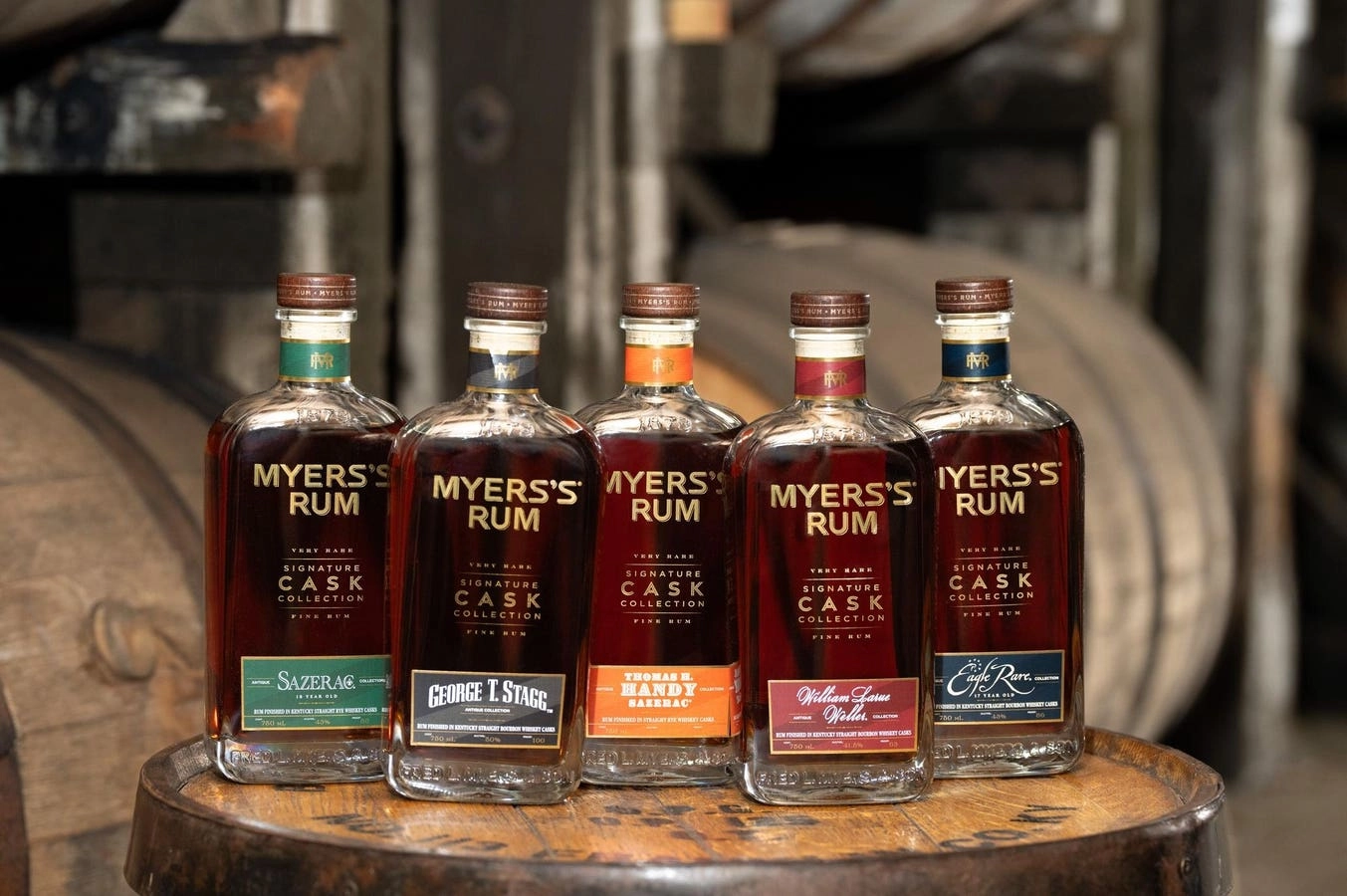
Myers’s Rum has unveiled two premium offerings: the Signature Legends Collection and the Signature Cask Collection. The latter is uniquely crafted using whiskey barrels sourced from Sazerac’s renowned Antique Collection.
Myers’s Rum Signature Cask Range
With a legacy spanning over 140 years, Myers’s Rum stands as one of Jamaica’s esteemed rum brands. Recently, they have introduced two exciting collections, the Signature Legends Collection and the Signature Cask Collection. These collections truly reflect the rich heritage of Myers’s Rum, showcasing their centuries-old expertise in sourcing, distilling, and blending premium rums from across the globe. They serve as a remarkable example of how a brand can enhance its offerings through collaborations with other iconic labels.
The Signature Legends Collection features the unique Legacy Blend #1, crafted in collaboration with Richard Seale, the Master Blender from Foursquare Rum. Meanwhile, the Signature Cask Collection boasts five distinct aged rums, each elegantly finished in barrels that once held the famed whiskeys from the Buffalo Trace Antique Collection.
Meyer’s, once viewed as a mainstream rum manufacturer for the general public, became part of the Sazerac Company in 2018. The company stated that it embraced the innovative approach Sazerac is renowned for in its bourbon production to explore new horizons in the premium rum sector.
Each of the five new offerings in the Signature Cask Collection has been meticulously developed by Sazerac Master Blender Drew Mayville, who has experience with all the award-winning creations from Buffalo Trace Distillery.
Mayville remarked:
In developing these rums, we concentrated on sourcing and experimenting with exceptional spirits and producers to create groundbreaking products. With these new collections, we’re merging spirit categories to see how the flavors intertwine, pushing ourselves to think outside the box to produce items that encourage consumers to explore options they may not have considered before. The outcomes are genuinely remarkable.
Myers’s Signature Legends Collection: The Legacy Blend
Myers’s presents the Signature Legends Collection, a thoughtfully curated series of exclusive, limited-edition rums that highlight innovative techniques and unique collaborations with industry legends.
For the debut release, Mayville collaborated with Richard Seale, the Master Distiller and Blender at Foursquare Rum Distillery, to develop Legacy Blend #1. Their combined experience of over 70 years in the industry was reflected in this exquisite blend of Jamaican and Barbados rum, which honors Myers’s heritage and pays tribute to all who are passionate about creating remarkable rums.
Myers’s Legends Legacy Blend embodies the essence of classic rum. It features tropical fruit notes, particularly ripe bananas, pineapple, and mango, which blend beautifully with profound hints of molasses and dark brown sugar, creating an enticing aroma. On the palate, this rum offers a rich, full-bodied sweetness, complemented by a smooth, creamy texture enriched with flavors of fruit and honey, alongside spicy clove notes and an earthy, almost smoky essence. The finish is long-lasting and fruity, leaving a delightful sweetness behind.
The Myers’s Rum Signature Cask Collection presents five unique expressions, each finishing Myers’s Original Dark Rum in barrels that once aged spirits from the esteemed Buffalo Trace Antique Collection. This celebrated collection includes renowned whiskeys such as George T. Stagg, William Larue Weller, Sazerac Rye 18 YO, Thomas H. Handy Sazerac Rye, and Eagle Rare 17 YO, all known for their exceptional distillation and aging processes.
The rums are released at various proof levels, highlighting the individual characteristics imparted by each barrel. This collection promises an unparalleled tasting journey, marrying the distinctive profile of Myers’s Original Dark Rum with the nuanced influences of each barrel. Tasting notes from Myers’s Rum have been provided.
This rum presents a bold character, with its aroma richly layered with dark molasses, leather, coffee, and the charred oak notes derived from the barrel aging. Among the five expressions, this taste is the most robust and complex, showcasing profound flavors of dark cherries and brown sugar. Its higher proof delivers an invigorating punch while allowing the rum’s essence to emerge prominently. The finish is full-bodied, featuring a significant oak presence alongside a lingering smoky note, complemented by a touch of bitterness that enhances its complexity.
This expression reveals a deep and rich nose, with prominent aromas of brown sugar, butterscotch, and ripe bananas. Oak and caramel rise to the forefront, alongside a subtle hint of toasted coconut. The flavor profile is exquisitely balanced, offering toffee and dark cherry notes, while the bourbon barrel enriches it with elements of vanilla, charred oak, and delightful baking spices. The bourbon and oak finish lingers pleasantly, and a delicate nuttiness at the close adds an extra dimension to the overall flavor experience.
This rum presents a lively aroma with hints of rye spice, orange zest, and a variety of subtle spices. On the palate, the bold rye flavor intertwines seamlessly with fruity notes of banana, pineapple, and vanilla. The natural sweetness lends a pleasing contrast to the sharp rye, resulting in a well-balanced flavor experience. The finish is moderate, with a lingering peppery essence from the rye.
This rum’s aroma encompasses pepper, cinnamon, nutmeg, and fruit. The flavor is bright and harmoniously balanced, showcasing tropical fruit elements. The rye spice from the barrels enhances the deep molasses and banana flavors, producing a nicely layered tasting profile. The finish is intriguing and spicy, accompanied by hints of dried fruit and herbal notes.
This rum is rich and appealing. Its aroma features soft vanilla intertwined with subtle hints of baking spices and dark fruit, alongside bourbon influences and traces of dark chocolate. The bourbon character derived from the Eagle Rare barrel complements the rum’s tropical fruit and classic notes, achieving a perfect balance between oak and fruit. The finish is smooth and gentle, with lingering hints of vanilla and dried fruit.
The Legacy Blend #1 will retail for a suggested price of $49.99. The remaining five expressions from the Myers’s Signature Cask Collection will be available individually for $79.99 each. All six rums are contained in 750 ml bottles and are set for a limited release in October 2024 through Sazerac’s American and international distribution networks.
If you enjoy bourbon, rye whiskey, rum, or a combination of these spirits, Myer’s Signature Collections presents a unique blend of the aromas and flavor profiles of legendary American whiskies along with Caribbean rum. All options are certainly worth experiencing.
One Community. Many Voices. Create a complimentary account to express your opinions.
Our community focuses on bringing people together through open and meaningful discussions. We encourage our readers to voice their thoughts and exchange ideas and information in a welcoming environment.
To maintain this space, please adhere to the posting guidelines in our site’s Terms of Service. Below is a summary of some essential rules. In short, remember to keep conversations respectful.
Your submission may be denied if it appears to include:
User accounts may be suspended if there is evidence or suspicion of users participating in:
So, what steps can you take to become a power user?
Thank you for reviewing our community guidelines. For a comprehensive overview of posting regulations, please check our site’s Terms of Service.
Urgent Health Alert: The Dangers of Vodka Consumption – Key Signs to Watch For
Authorities have issued a warning regarding a counterfeit vodka that poses significant health risks. This suspicious beverage, marketed as Glen’s vodka, contains a harmful chemical that may lead to severe health consequences, including coma.
Officials were compelled to sound the alarm after tests uncovered a hazardous chemical lurking in counterfeit vodka.
The Food Standard Scotland indicated that isopropyl was detected in “half bottles” – those containing 35cl of liquid – which were incorrectly labeled as the Glen’s brand. A statement released by North Lanarkshire Council in September cautioned the public to be “aware” that the counterfeit vodka may emit a “peculiar smell and differ in taste from authentic vodka, and thus should not be consumed.”
The announcement elaborated: “Even minor consumption of isopropyl can be hazardous. Symptoms associated with isopropyl alcohol poisoning can include abdominal pain, vomiting, dizziness, headaches, confusion, slowed respiration, and in extreme instances, coma or death. Counterfeit items containing isopropyl alcohol will have a distinctly different smell and flavor compared to legitimate alcohol.”
According to Healthline, the symptoms of isopropyl poisoning may encompass stomach pain, confusion, slowed breathing, and dizziness. In extreme cases, an individual might end up in a coma. Anyone who suspects they may have bought a counterfeit product should reach out to the Food Standards Scotland (FSS) Scottish Food Crime and Incidents Unit. When the alert was made public, the FSS stated that the “scale of distribution of counterfeit product is still unknown.” The Mirror has requested an update from the organization.
Gordon Mitchell, Head of Food Crime Operations at FSS, remarked: “After our warning to consumers following the discovery of counterfeit products earlier this month, we are reiterating our call for the public to remain vigilant due to the potential risks associated with consuming any product containing isopropyl.
“We are taking all necessary measures to ensure that any hazardous products are removed from the market, but in the meantime, we urge those who might have purchased a counterfeit product to inspect it, and if there are any uncertainties, please refrain from consuming it and contact us as soon as possible.”
Paul Bannister, Protective Services Manager at North Lanarkshire Council, emphasized: “This product could potentially inflict serious harm if ingested, so it is essential for individuals to heed the advice given. Avoid consuming the liquid if an unusual or strange odor is noticed upon opening the bottle.
“The absence of proper quality checks and safety measures in the production of counterfeit alcohol is a major concern. This illicit liquor is produced by organized crime syndicates solely for profit, without any regard for the wellbeing of consumers. Such criminal activities negatively affect communities, and the pursuit of quick financial gain through counterfeit products poses serious risks to local residents.”
Subscribe to receive daily updates on the most significant stories.
From Bottles to Justice: How a Whiskey Bottle Led to the Conviction of a Lunenburg Rapist

DNA evidence collected from an open whiskey bottle was crucial in securing the conviction of a man from Lunenburg who was involved in a knifepoint rape incident in Acton back in 2013.
Christopher Aldrich, now 30 years old, received a 15-year prison sentence on Tuesday, as confirmed by Middlesex County District Attorney Marian Ryan in a statement.
According to the statement, Aldrich fled the scene after assaulting the unnamed woman at the South Acton Commuter Rail station. Authorities struggled to locate him and noted that there were no nearby surveillance cameras to assist in the investigation.
If you purchase a product or register for an account through a link on our site, we may receive compensation. By using this site, you consent to our User Agreement and agree that your clicks, interactions, and personal information may be collected, recorded, and/or stored by us and social media and other third-party partners in accordance with our Privacy Policy.
Exploring Brooklyn’s Widow Jane Distillery: Unveiling Their Latest Rare Whiskey Release
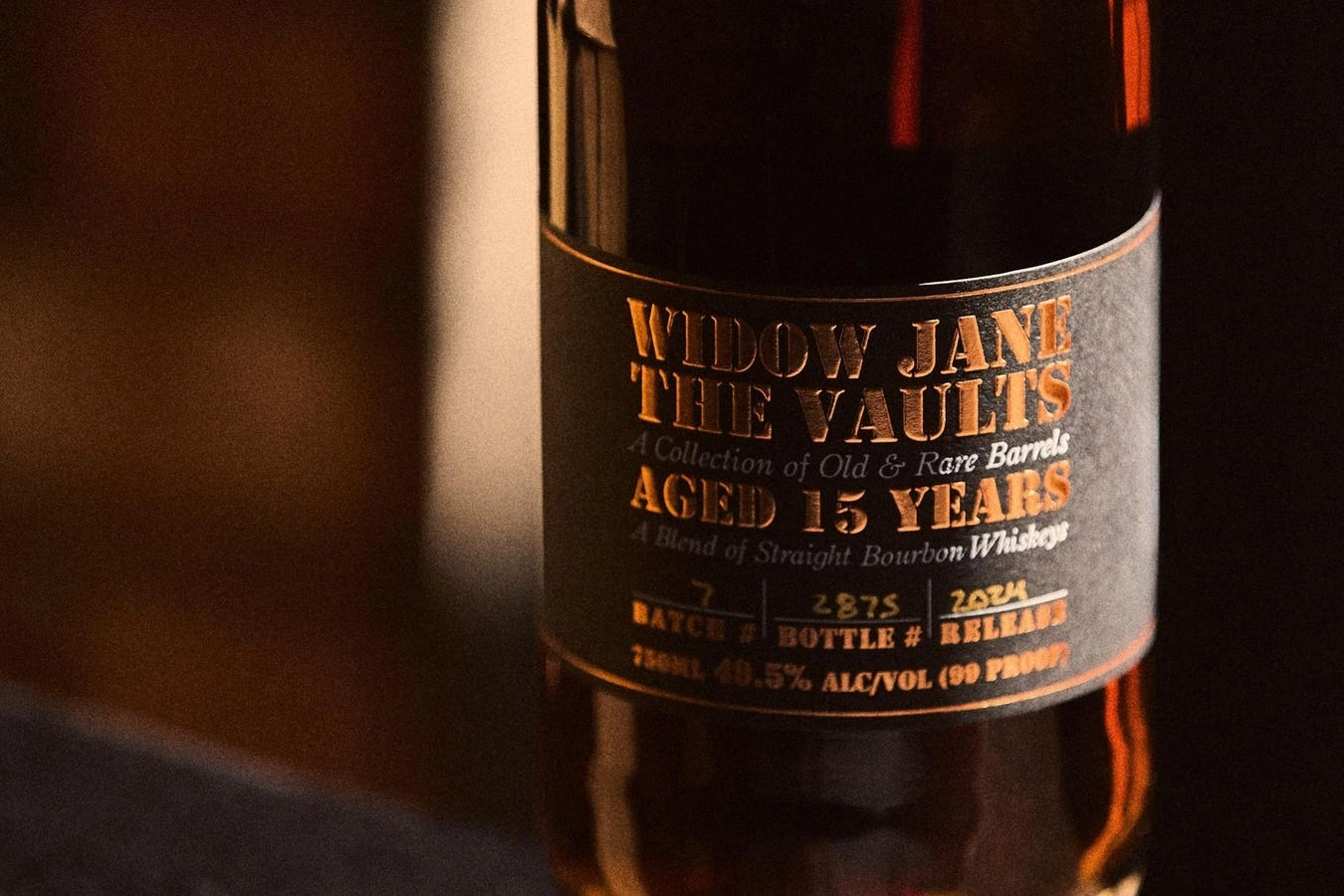
The unique blend of aged whiskey and the distinct qualities of Amburana wood casks creates a whiskey that transcends the typical expectations of American whiskey.
The Vaults 2024 marks the latest entry in the brand’s annual journey into wood finishes, featuring select barrels from its exclusive and vintage whiskey collection.
Widow Jane, a craft distillery located in the Brooklyn Red Hook waterfront area, is gearing up for the release of its newest edition in an ongoing series of limited-edition whiskeys.
Launched in 2019, The Vaults series is celebrated for its innovative use of wood finishes, with this year’s offering taking that innovation further by incorporating Amburana wood casks. The Vaults 2024 features a 15-year-old blend crafted from handpicked barrels from Widow Jane’s rare whiskey collection.
Sienna Jevremov, who serves as the head distiller and blender at Widow Jane, takes charge of selecting the casks and meticulously oversees the blending process.
“While choosing the barrels for this year’s edition of The Vaults, I aimed for whiskeys that offer great texture,” Jevremov stated during an interview at the distillery. “The tannins from older whiskey contribute to a mouthfeel I would describe as chewy, resembling sticky dark caramel.”
This particular blend includes whiskeys aged 20 years and 16 years, selected for their harmonious flavor profiles. Jevremov emphasized the blend’s rich flavors, noting deep notes such as dark chocolate ganache and burnt orange caramel, in addition to sweet smoke, spiced heat, and savory herbs.
“My intention was to enhance the earthier spiced notes of the Amburana, moving beyond the more classic ‘cinnamon bun’ appeal,” Jevremov explained.
Widow Jane follows a meticulous production process that encompasses mashing, fermentation, distillation, barreling, aging, blending, warehousing, and bottling, all accomplished at their Brooklyn facility.
The choice to finish the whiskey in Amburana wood casks, also referred to as Brazilian oak, infuses a unique depth into the final product. This particular wood is renowned for its rich, tropical aromas and is harvested from Brazil and northern Argentina, where the trees thrive in tough conditions with scarce nutrients and erratic rainfall.
“Amburana is an exuberant wood teeming with rich, aromatic qualities,” says Jevremov. “My initial aim was to craft a blend that emphasizes the earthy and textural robustness of 15- and 20-year-old whiskeys, while gracefully integrating the Amburana to harmonize with those notes.”
The Vaults 2024 is offered at 49.5% ABV (99-proof) and will see a special release of only 4,000 cases. As is customary with all Widow Jane offerings, the whiskey is non-chill filtered and proofed using pure limestone mineral water sourced from the Rosendale Mines in upstate New York, a method that enhances its distinctive smooth mouthfeel and prolonged finish.
With a price tag of $250 for a 750-milliliter bottle, Widow Jane is clearly aiming to carve out a space for this new offering in the premium whiskey sector. The timing for such a launch is intriguing. Similar to the global spirits industry as a whole, craft spirits have also been experiencing some tough times recently. According to a report by the American Craft Spirits Association, the U.S. craft spirits market recorded its first decline in volume since records began in 2016, falling by 3.6% to 13.5 million cases in 2023 from 14 million in 2022. When looking at value, sales in this market reached $7.8 billion, revealing a growth rate of -1.1%. However, there is a sliver of hope—craft spirits makers enjoyed increased sales in their home states last year, with their market share rising from 48.1% in 2022 to a slightly elevated level in 2023.
Jevremov notes that working with aged whiskeys presents both rewards and challenges, stating that each barrel introduces unique and intense flavors that need to be harmonized in the final blend.
“I chose the Amburana because I appreciate the tropical aromatics it imparts—like fig leaf and cinnamon bark—but I also wanted to test my abilities in blending those elements in a way that doesn’t overshadow the base whiskey’s narrative,” Jevremov mentioned. “Striking the perfect balance is both the joy and the hurdle when working with these ingredients. It’s about recognizing how one barrel can influence the entire blend while maintaining its integrity.”
One Community. Many Voices. Create a free account to share your thoughts.
Our community is dedicated to fostering connections through meaningful and open dialogue. We encourage our readers to express their thoughts and share ideas in a welcoming environment.
To maintain this environment, we kindly ask that you adhere to the posting guidelines outlined in our site’s Terms of Service. Below, we’ve highlighted some of the essential rules. In simple terms, please remain respectful.
Posts may be disapproved if they appear to contain:
User accounts may be suspended if it is observed or suspected that users are participating in:
Have you ever wondered how to become a power user?
We appreciate you taking the time to read our community guidelines. For a complete overview of posting rules, please refer to our site’s Terms of Service.
13 Spooktacular Halloween Cocktails to Brew Up This Season
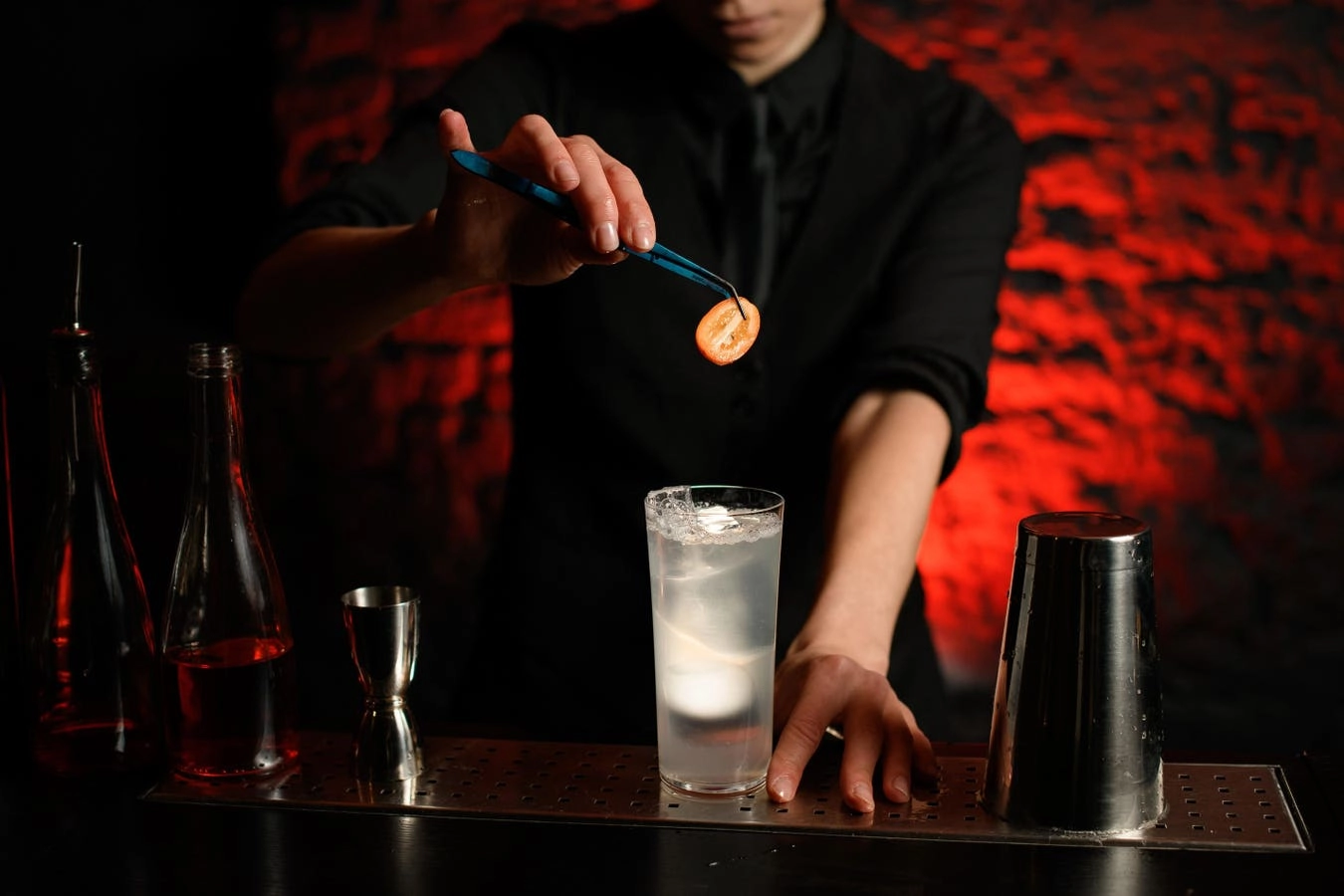
Discover a collection of Halloween cocktails that will elevate your festive gathering. Ranging from creepy shooters to spine-tingling punches, these delightful drinks are sure to captivate your guests.
Prepare to infuse your upcoming Halloween party with some enchanting spirit through these chilling cocktails, handpicked from an array of skilled mixologists and renowned venues. Featuring dark, enigmatic flavors alongside bright seasonal hues, these drinks will bewitch your audience and keep the atmosphere lively throughout the evening.
Every cocktail tells a story—from inspirations drawn from legendary tales to unique blends crafted at leading bars worldwide. Here’s your comprehensive guide to 13 simple Halloween cocktail suggestions for your thrilling celebrations.
A striking red drink adorned with a blood orange slice, ideal for evoking the haunting glow of the moonlight this Halloween.
Featuring a classic appeal with a haunting allure, the Blood Moon cocktail embodies the spooky essence of Halloween with its vibrant red color and a zesty kick from ginger beer. The fusion of blood orange and Amarena cherries results in a drink that’s as visually captivating as it is fitting for a ghostly celebratory toast.
Ingredients:
Instructions: Combine BACARDÍ Superior Rum, lime juice, and blood orange syrup in a shaker filled with ice. Shake thoroughly, then strain the mixture into a Collins glass filled with fresh ice. Finish by topping it with ginger beer, giving it a gentle stir to mix, and decorate with a slice of blood orange and an Amarena cherry.
Nightmare In Florence
Drawing inspiration from the enigmatic and enchanting atmosphere of Florence during nighttime, this cocktail features a mix of Martini & Rossi’s Fiero and Bitter liqueur combined with Bombay Sapphire Gin and cold brew coffee. The outcome is a strikingly bold and bittersweet beverage with a subtle caffeine kick—a perfect evening treat for those autumn nights.
Instructions: Mix the ingredients, pour into a coupe glass, and top it off with a slice of orange.
A captivating cocktail with a vibrant hue and an intriguing garnish that adds a touch of playfulness and mystery.
The message is clear: this cocktail is a must-try. With its combination of Tres Agaves Blanco Tequila, black currant juice, and Campari, this drink showcases a deep color and spicy ginger syrup, making it perfect for an intriguing fall evening. The unconventional addition of a chicken feather as a garnish lends it an ethereal flair.
Ingredients:
Instructions: Begin by shaking all the ingredients vigorously without ice (a dry shake). After that, incorporate ice and shake once more until well chilled. Strain the mixture into a pre-chilled cocktail glass and finish off the presentation with a chicken feather and a maraschino cherry.
A luxurious black cocktail featuring a subtle blend of coconut and coffee, topped with espresso salt—ideal for late-night indulgence.
The Midnight Widow embodies intrigue—a cocktail that fuses BACARDÍ Coconut Rum with cold brew and vanilla for a dark, silky, and slightly energizing experience. This beverage is perfect for those gatherings that take place as the late hours approach.
Ingredients:
Instructions: Combine all ingredients in a shaker filled with ice. Strain the mixture into a Collins glass filled with fresh ice, gently stir to combine, and finish with a sprinkle of espresso salt for garnish.
A striking deep red color, this herbaceous Bloody Negroni is not only visually appealing but also bursting with flavor—a true staple for the fall season.
This rendition of the traditional Negroni features the rich red tones of Martini & Rossi’s Riserva Speciale Rubino and Bitter. When mixed with Bombay Sapphire Gin, the Bloody Negroni achieves an exquisite harmony of bitterness, spice, and herbal characteristics—ideal for those cozy autumn nights.
Ingredients:
Instructions: Combine the ingredients and pour the mixture into a rocks glass filled with ice. Finish by garnishing with a twist of orange peel.
A punch bowl full of smoky intrigue and unsettling eyeballs makes for an ideal decoration at a Halloween celebration.
Eye Luv It is sure to be a hit at Halloween gatherings, presented in a punch bowl that simulates a spooky dry ice effect. This delightful concoction features BACARDÍ Superior Rum, elderflower liqueur, and passionfruit juice, and is beautifully topped with mint and rambutan cherries, creating an illusion of ghostly “eyeballs” floating in the mixture.
Ingredients:
Instructions: Present this drink in a large punch bowl accompanied by dry ice for an enchanting smoky effect. Serve over ice in a glass and add a garnish of a mint sprig along with a rambutan cherry.
A decadent and flavorful Manhattan that features a brandied cherry—an ideal and comforting cocktail for the fall season.
This variation of a Manhattan provides a luscious and smooth experience thanks to the inclusion of Averna. The Black Manhattan harmonizes the herbal intricacies of amaro with the warmth of Russell’s Reserve Rye, resulting in a deep, smoky character that’s well-suited for chilly autumn nights.
Ingredients:
Instructions: Combine all ingredients with ice and strain into a coupe glass. Top it off with a brandied cherry.
A bright red margarita featuring beet juice, sure to excite and refresh your Halloween festivities.
Unleash your inner spirit with Beet-le Juice, a striking tequila-based cocktail crafted with fresh beet juice. The blend of earthy notes with lime and agave creates a distinctive and slightly eerie variation of the traditional margarita.
Ingredients:
Instructions: Combine all ingredients with ice and shake until thoroughly chilled. Strain the mixture into a rocks glass filled with fresh ice. For an added spooky effect, garnish with a dehydrated lime wheel.
A chilling mojito featuring floating green “eyeballs” that will certainly surprise your guests.
Mojito Mischief transforms the traditional mojito into a spine-tingling delight, incorporating green boba pearls that resemble eerie eyes bobbing in the drink. The invigorating combination of BACARDÍ Superior Rum, lime, and mojito syrup makes this cocktail an ideal choice for a frightfully refreshing treat.
Ingredients:
Instructions: Combine the rum, lime juice, and syrup in a shaker with ice. Strain the mixture into a glass filled with fresh ice, then add club soda and give it a gentle stir. For a final touch, adorn your drink with a lime wedge, a sprig of mint, and green boba pearls.
A captivating cocktail featuring a sugar-charcoal rim, ideal for enjoying the spooky season with flair.
This delightful Halloween-themed drink marries the tangy notes of cherry compote with the smooth richness of coconut cream, resulting in a scrumptious beverage perfect for autumn festivities. The sugar charcoal rim adds an enigmatic allure that enhances the drink’s fall ambiance.
Ingredients:
Instructions: Combine all the ingredients in a shaker along with ice, and shake thoroughly. Moisten the rim of your glass with cherry compote, then dip it into a sugar and charcoal rim mixture. Fill your glass with ice and strain the cocktail over it. Finish by garnishing with a dehydrated lime wheel.
A whimsical, spirited version of candy corn, showcasing striking layers of lemon, orange, and creamy white gelatin—this is a delightful Halloween indulgence.
This vibrant layered shot is inspired by traditional candy corn, featuring eye-catching layers of lemon, orange, and sweetened condensed milk gelatin, each enriched with Kōloa Kauaʻi Rum. It’s an ideal spirited dessert for a Halloween celebration and can be customized for any occasion with a variety of flavors and colors.
Ingredients (Serves 16):
Instructions:
Lemon Layer: Begin by adding 3/4 cup of boiling water to a small bowl. Introduce the lemon gelatin mix and stir until it’s fully dissolved. Next, measure 1 cup of Kōloa Kauaʻi Gold Rum using a glass measuring cup and add enough ice to reach a total of 1 1/4 cups. Combine this mixture with the lemon gelatin until it begins to thicken slightly, discarding any un-melted ice. Then, fill shot glasses a third of the way with the lemon gelatin mixture and place them in the refrigerator until set, which will take at least 90 minutes.
Orange Layer: For the orange layer, pour the remaining 3/4 cup of boiling water into the same small bowl. Add the orange gelatin mix and stir until fully dissolved. Measure out the remaining 1 cup of Kōloa Kauaʻi Gold Rum in a glass measuring cup, adding ice again to total 1 1/4 cups. Mix this with the orange gelatin until slightly thickened, removing any unmelted ice. Carefully pour this orange gelatin mixture over the previously set lemon gelatin layer. Return to the refrigerator until this layer has set as well, which will also take at least 90 minutes.
Milk Layer: Begin by pouring 2 tablespoons of warm water into a bowl. Add unflavored gelatin and mix until fully dissolved. Incorporate condensed milk and 1/2 cup of Kōloa Kauaʻi Spiced Rum into the mixture. Carefully pour this over the orange gelatin layer. Allow it to cool in the refrigerator until the top layer solidifies, which should take at least 30 minutes.
These gelatin shots offer flexibility for various celebrations by altering the colors and flavors of both the gelatin and the rum. The crucial point is to ensure that each layer is completely set prior to adding the subsequent one, which guarantees clean and distinct boundaries.
A lively shot featuring a lemon twist, making it an ideal choice for Halloween gatherings with a chilling theme.
The Jack The Ripper is a striking and captivating shooter that combines fresh carrot juice with the zesty flavors of Bauchant Orange Liqueur. Its intense orange hue and citrus garnish render it a perfect fit for the Halloween season.
Ingredients:
Instructions: Combine ingredients in a cocktail shaker filled with ice. Shake well and pour into a shot glass. Add a lemon twist for garnish.
A vibrant and eerie punch adorned with bone-shaped candies, adding an element of fun and frights to your Halloween celebrations.
The Kraken Bones Punch is a rich and tropical Halloween beverage that merges the intense flavors of Kraken Black Spiced Rum with pineapple juice, enhanced by a hint of grenadine. The playful bone-shaped candies introduce a whimsical, spooky flair to this lively cocktail, making it an excellent choice for the festive season.
Ingredients:
Instructions: In a shaker, mix Kraken Black Spiced Rum, pineapple juice, and grenadine over ice. Shake thoroughly and then pour the mixture, including the ice, into a glass. Add a cherry and some bone-shaped candies as a garnish.
Join Our Community: Sign up for free to express your opinions.
Our community focuses on bringing individuals together through open and engaging discussions. We encourage our readers to share their opinions and exchange ideas and information in a welcoming environment.
To proceed, please adhere to the posting guidelines stated in our site’s Terms of Service. Below, we’ve highlighted some of the essential rules. In simple terms, maintain a respectful tone.
Your submission may be declined if we detect any of the following:
User accounts may be suspended if we observe or suspect users are involved in:
So, what steps can you take to become a prominent user?
We appreciate your interest in our community guidelines. For a comprehensive overview of our posting rules, please visit our site’s Terms of Service.
Apple Pie Vodka Makes a Comeback: Gypsy Spirits and Blake’s Hard Cider Join Forces!
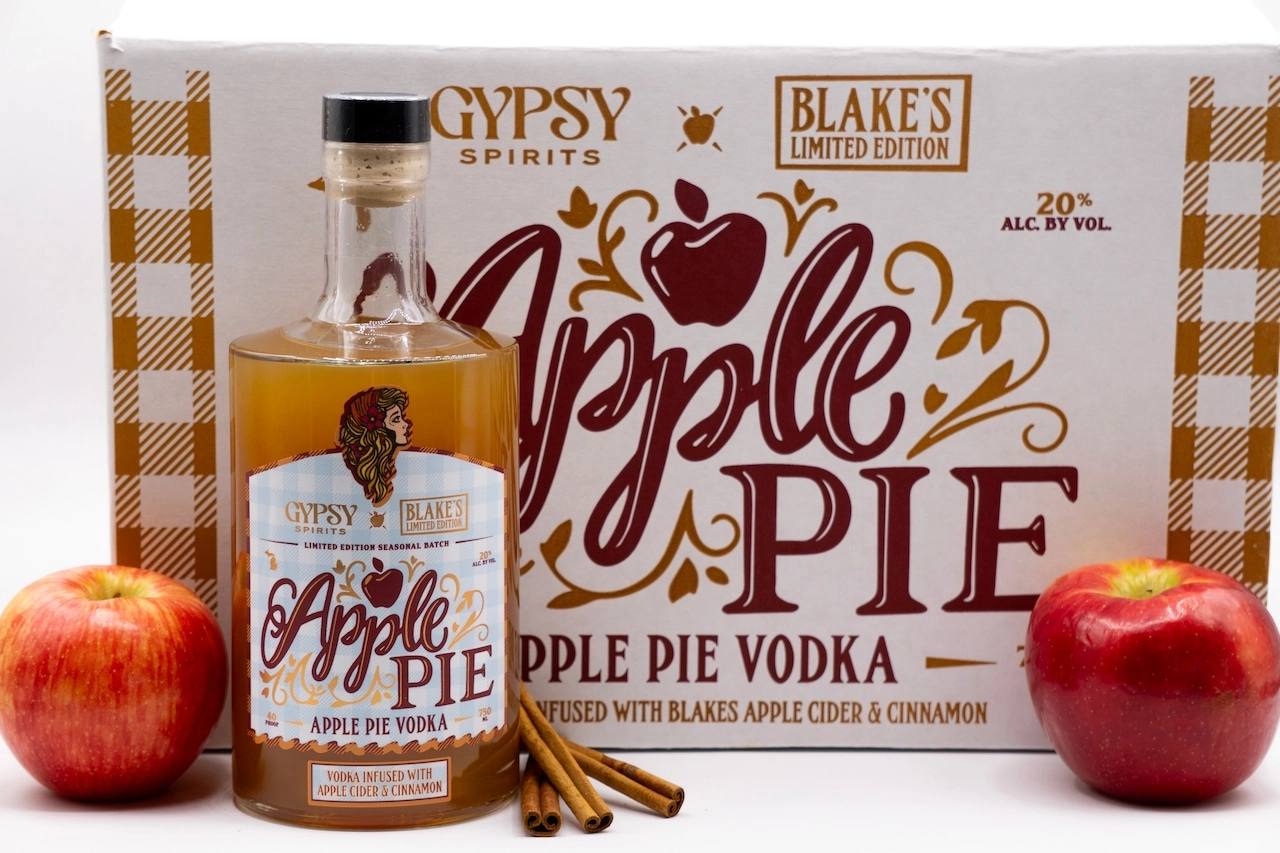
This delightful collaboration between two Michigan enterprises is returning to store shelves.Gypsy Spirits
ARMADA, MI – When two of Michigan’s craft beverage makers joined forces last year to create Apple Pie Vodka, they had no idea just how popular that sweet concoction would become.
Now in its second year, the fall-inspired spirit is once again available, marking a coveted partnership between Blake’s Hard Cider of Armada and Gypsy Spirits from Petoskey.
This limited-edition Apple Pie Vodka combines Gypsy’s premium vodka with the taste of Blake’s freshly-pressed apple cider, enhanced by hints of cinnamon and brown sugar.
“We were extremely pleased with the response last year, and we were eager to return for another season,” stated Michael Kazanowski, who co-established Gypsy Spirits alongside his twin brother, Adam. “This collaboration with Blake’s has been truly inspiring, and we can’t wait to once again share this beloved, Michigan-made spirit with our community.”
Apple Pie Vodka is now offered at both Blake’s and Gypsy Spirits tasting rooms. It can also be found on retail shelves, including locations like Meijer and Total Wine stores.
Blake’s Hard Cider and Gypsy Spirits are back with their fall collaboration for the second consecutive year.Gypsy Spirits
RECOMMENDED•mlive.com
Civil War era cider mill is still a fall staple after 160 yearsOct. 4, 2024, 6:00 a.m.
Ed Dunneback & Girls Farm Market restaurant delivers unique, fall flavorsOct. 5, 2024, 6:40 a.m.
The collaboration marks Blake’s first venture into a spirits-based beverage. The hard cider company, established over ten years ago on their family farm in Southeast Michigan, has become one of the largest craft cider enterprises in the nation.
Gypsy Spirits has also gained recognition in Northern Michigan and beyond. Their latest venture, a combined production area and expansive tasting room and events center, has turned into a notable destination just beyond Petoskey. Some of its most popular products include not only its vodka but also its Petoskey Stone Gin, Mackinac Island Rum, and its canned cocktails.
“Working alongside the Gypsy Spirits team has been a rewarding experience across four collaborations,” stated Andrew Blake, CEO of Blake’s Beverage Company. “The return of Apple Pie Vodka, which is always a favorite during the fall, truly highlights what two dedicated Michigan companies can accomplish together.”
If you choose to buy a product or sign up for an account through a link on our website, we may earn a commission. By continuing to use this site, you agree to our User Agreement and acknowledge that your interactions, clicks, and personal data may be collected, recorded, and/or stored by us and social media and other third-party partners in alignment with our Privacy Policy.
Unveiling India’s Top Vodka: The Best-Selling Bottle Under Rs 800!
Vodka stands out as one of the most adaptable spirits available. While whisky is typically enjoyed neat or on ice, rum is best when mixed with cola, and you can’t have gin without tonic. Vodka, however, is truly versatile — it can be enjoyed with soda, tonic, cola, or any other carbonated drink. Whether taken as a fiery shot or used as the foundation for countless cocktails, it offers many options. Although India is known for its enthusiasm for whisky, it also embraces this lighter spirit, crafted from water and ethanol derived from fermenting sugar from various base ingredients.
A fun tidbit: Vodka is often seen as a suitable choice for weight loss (for legal-age drinkers) because it typically has fewer calories and lacks carbohydrates, fats, and sugars. With that in mind, let’s explore the leading vodka in India, which captures over 60% of the market share in the spirits category across different price ranges.
The favorite vodka of India is Magic Moments Vodka, which was introduced in 2006 by Radico Khaitan. In 2024 alone, the brand achieved sales of six million cases, translating to earnings exceeding Rs 1000 crores, as per the company’s publicly available market data. Despite the introduction of various exciting and affordable local vodkas in the market, Magic Moments has maintained its position as the top vodka brand in India, commanding a 60% market share nationwide and ranking as the seventh largest globally (as of last year).
The production method for Magic Moments Vodka involves a distillation technique that utilizes heat to extract alcohol from the mixture. The resulting steam is collected at the top of the still, while the leftover byproduct is disposed of. This steam is then converted back into a liquid form and gathered. To guarantee its purity, the vodka undergoes triple distillation.
The flavor profile of this vodka is quite simple yet delightful. It features delicate aromas with hints of vanilla, prominent notes of soft wheat, a touch of minerals, and a burst of citrus on the palate, culminating in a finish that is both smooth and crisp.
Although the alcohol by volume (ABV) varies among the several Magic Moments variants, the Grain Vodka variant, which is the most favored, boasts a 37.5 percent ABV.
This top-selling vodka in India is quite budget-friendly, with a 750 ml bottle of Magic Moments Grain Vodka priced at just Rs 800.
In addition to the classic grain vodka, Magic Moments offers an array of thrilling flavors including green apple, orange, chocolate, lemongrass and ginger, lemon, raspberry, vanilla, cranberry, and many more.
Exciting Plans: The Rum Store in Victoria Quay May Be Adding a Rooftop Bar!
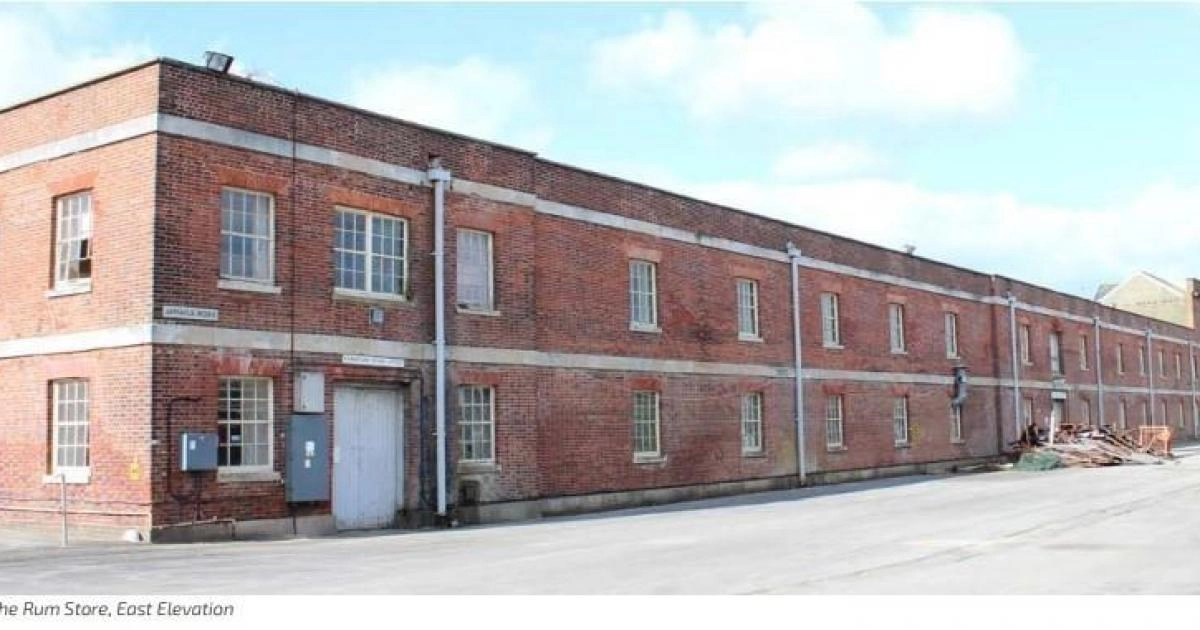
A dilapidated Grade II-listed structure is on the verge of receiving a rooftop bar and restaurant as part of an ambitious £22 million redevelopment project.
The Rum Store located in Victoria Quay, Gosport, is being revitalized by the local council, with plans for the new bar to open in the summer of 2026.
In its heyday, the Rum Store was responsible for housing the complete Royal Navy stock of rum rations, but it has sadly deteriorated over time.
The planned renovation will bring nearly 7,000 square meters of versatile employment space, primarily aimed at supporting maritime enterprises such as yacht brokers and naval architects.
Additional units are designated for retail and leisure purposes, which may include a rooftop terrace bar and restaurant offering panoramic views of Portsmouth Harbour.
According to Gosport Borough Council, the revitalized building is anticipated to generate around 200 jobs and enhance the local economy by £11 million annually.
Cllr Peter Chegwyn, the leader of Gosport Borough Council, remarked: “The Rum Store is an essential element in our efforts to enhance Gosport’s waterfront.
“This initiative not only aims to rejuvenate a long-neglected historical structure but also seeks to establish a vibrant new venue for both commercial and leisure activities for the community to enjoy.”
“We are optimistic that this will encourage more residents and tourists to take advantage of a more interconnected waterfront.”
READ MORE: Family left £1,000 out of pocket after Injoy collapses
The proposed plan includes specialized conservation repairs for the historical structure, restoration of collapsed floors, and the addition of a new open-plan gallery entrance featuring a staircase and lifts.
Furthermore, there are plans to reconstruct the second floor, which had been destroyed due to bomb damage from World War II.
Ben Mason, the portfolio manager at Victoria Quay, remarked: “This initiative could offer substantial opportunities for the residents and businesses of Gosport.
“Collaborating with Gosport Borough Council has opened the door to government funding and aided in uncovering solutions to challenges that extend beyond our own site at Victoria Quay, including local infrastructure concerns.
“The council has ambitious plans for the regeneration of the borough, and we’re thrilled to be part of that endeavor.”
We aim to foster a vibrant and meaningful discussion within our community – a forum where readers can discuss and engage with key local issues. The ability to comment on our articles is a privilege, not a right, and this privilege may be revoked if it is misused or abused.
We kindly ask you to flag any comments that violate our guidelines.