Liquor-articles 2100
Tragic Incident: Oakland Man Dies After Allegedly Chugging Vodka Post-Assault
OAKLAND — A local man endured a violent assault at a liquor store and managed to return home, where he consumed two bottles of hard liquor and fell asleep, but tragically passed away at home two days afterward, according to police reports.
The victim, 49-year-old Shawn Corrigan, was attacked by several individuals outside the liquor store, sustaining severe injuries and losing consciousness during the confrontation, as reported by authorities. After the incident, Corrigan made his way home, drank two bottles of vodka, and fell asleep, only getting up sporadically over the next two days before his untimely death, officials stated.
On October 8, Corrigan’s roommate alerted the police about the death, mentioning that Corrigan seemed to be coughing in his sleep that morning as the roommate left for work. An autopsy indicated potential causes of death, including fluid in his lungs and liver disease, although a final determination is still pending, authorities noted.
Currently, Oakland police are investigating Corrigan’s death as a homicide and are seeking to identify those responsible for the attack. It is reported that an argument occurred between Corrigan and another man inside the liquor store on School Street, which escalated when Corrigan touched the other man’s soda can and challenged him.
Outside the store, Corrigan faced an assault by at least two individuals linked to a man he had been in a dispute with, according to law enforcement officials. The assailants kicked and stomped on him after he fell, taunting him with the words, “I bet you won’t talk no more s—,” once the altercation concluded, as reported by authorities.
Although Corrigan appeared to lose consciousness, he eventually managed to get up and make his way home, according to officials.
Law enforcement was able to identify the man who had argued with Corrigan inside the store. He claimed he did not participate in the assault due to his Christian beliefs, authorities reported.
Based on surveillance video, police identified one of the attackers as a resident of Oakland in his 20s, who currently faces a pending misdemeanor charge related to gun possession. So far, no suspects have been charged in connection with Corrigan’s death, and the investigation is ongoing.
Local Distillery Makes USA Today’s Top 10: Discover the Best Tours and Whiskeys!
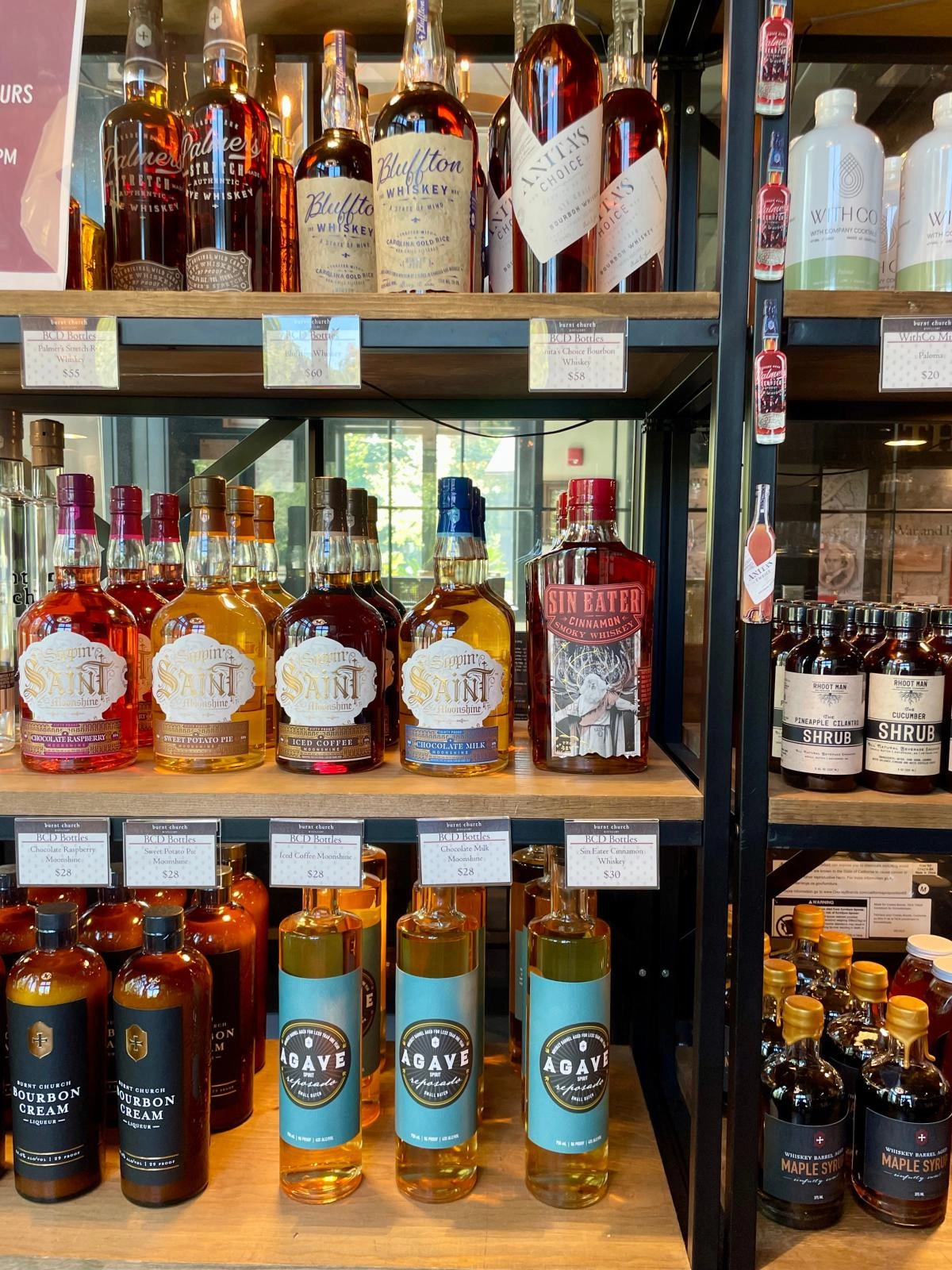
Are you eager to indulge in some of America’s finest whiskey?
Your adventure awaits just a quick drive across the state line in Bluffton, S.C.
Burnt Church Distillery has been featured in USA TODAY’s 10Best Readers’ Choice Awards, earning accolades in two separate categories, positioning it among the nation’s top 10 distilleries.
This exceptional distillery claimed the ninth spot in the Best Distillery Tour and ranked eighth in the Best Craft Whiskey categories, competing with renowned distilleries from states like Florida, Kentucky, Tennessee, New York, Washington, Texas, and beyond.
Burnt Church Distillery has secured the premier position in USA TODAY’s 10Best New Craft Distilleries.
Established in 2021, Burnt Church Distillery is situated at 120 Bluffton Rd, Bluffton, S.C., and specializes in crafting a diverse range of spirits including bourbon, whiskey, vodka, gin, and even moonshine.
A post shared by Burnt Church Distillery (@burntchurchdistillery)
This year, Burnt Church teamed up with Georgia Southern’s NIL collective, Eagle Nation Collective, to introduce Hail South Premium Vodka. A percentage of the earnings from each bottle sold contributes to the NIL collective, supporting athletes and NIL initiatives.
Distillery tours are available for booking Thursday through Saturday and are $25 for each individual.
A limited number of mixology classes can also be reserved starting at $75 per class.
1. Hemingway Distillery, Key West – Producers of Papa’s Pilar Rum (Key West, Florida)
2. St. Augustine Distillery (St. Augustine, Florida)
3. Angel’s Envy Distillery located in Louisville, Kentucky
4. Nelson’s Green Brier Distillery found in Nashville, Tennessee
5. Starlight Distillery based in Borden, Indiana
6. Kentucky Peerless Distilling Co. situated in Louisville, Kentucky
7. Castle & Key Distillery located in Frankfort, Kentucky
8. Woodinville Whiskey Co. based in Woodinville, Washington
9. Burnt Church Distillery situated in Bluffton, South Carolina
10. Great Jones Distilling Co. found in New York City, New York
1. Ironroot Republic located in Denison, Texas
2. Wyoming Whiskey situated in Kirby, Wyoming
3. Log Still Distillery based in New Haven, Kentucky
4. Kentucky Peerless Distilling Co. found in Louisville, Kentucky
5. J Henry & Sons located in Dane, Wisconsin
6. Traverse City Whiskey Co. found in Traverse City, Michigan
7. Castle & Key Distillery based in Frankfort, Kentucky
8. Burnt Church Distillery situated in Bluffton, South Carolina
9. Woodinville Whiskey Co. (Woodinville, Washington)
10. Redemption Whiskey (Lawrenceburg, Indiana)
This article originally appeared on Savannah Morning News: Burnt Church Distillery in Bluffton one of Top 10 in country, USA Today says
Essential Tips for the Upcoming 2024-2025 OKC Thunder Season: Food, Parking, and Vodka Insights
This season, fans attending home games at Paycom Center will notice several updates, including changes to parking and an array of new flavors and aromas, all thanks to the team’s Loud City Hospitality brand and its latest local collaborations.
Although still managed by Levy Restaurants, the renowned national brand celebrated for its top-notch stadium cuisine, the concessions at Thunder basketball games have been rebranded as Loud City Hospitality — mirroring the “Live On” branding initiative by the University of Oklahoma.
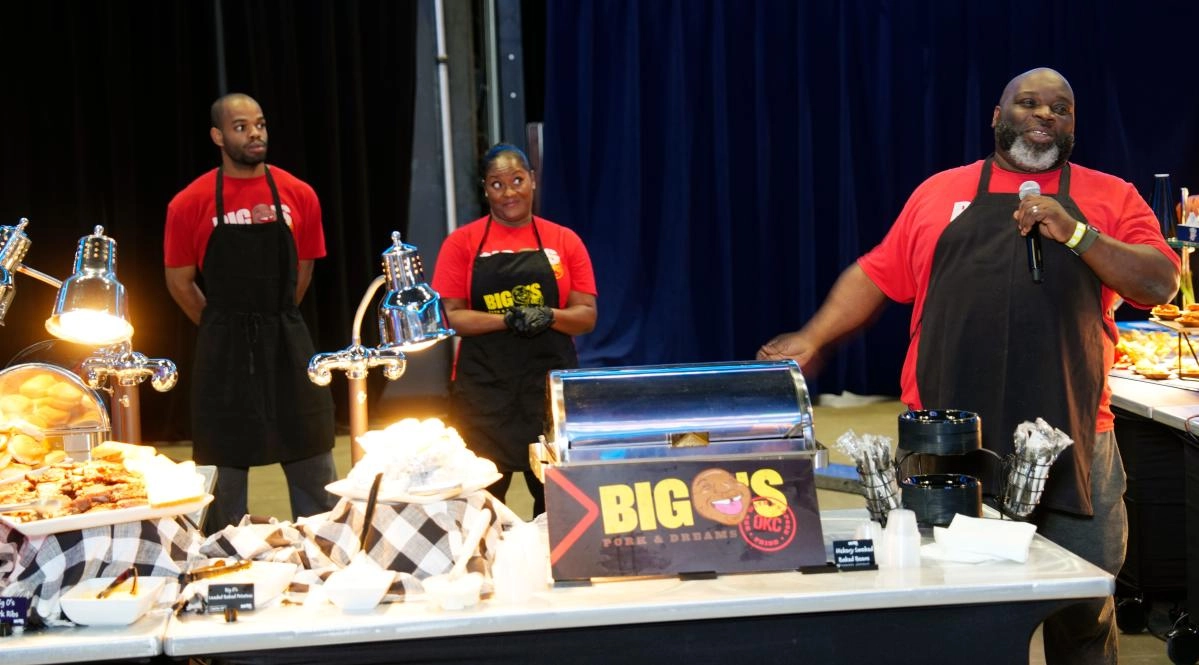
A standout addition from Loud City Hospitality for fans is Big O’s Pork and Dreams, which has been introduced as one of the newest local operating partners.
Owen “Big O” Wilson Jr. proudly holds the distinction of being the first Black business owner to secure an operating agreement within Paycom, an achievement he admits took considerable time to fully comprehend.
“My mother passed away in 2008. The first person I wanted to reach out to was her,” Wilson shared. “My wife and I just sat together thinking, ‘Wow, this is actually happening, we’re reaching a new milestone.’ It’s incredible to reflect on our journey, from the food truck to our first restaurant, then to a second location, and now to Paycom. It feels like we’re truly advancing.”
Big O’s plans to offer a selection of beloved dishes, including their famous loaded baked potatoes, pork ribs, brisket, pulled pork sandwiches, baked beans, and more.
“Additionally, during the season, we will feature stuffed turkey legs,” Wilson mentioned.
He expressed his desire for his recent achievements to serve as a testament to the idea that diligent effort truly bears fruit.
“Just as the Scriptures mention, a man who doesn’t work shouldn’t expect to eat, and I pour my heart into everything I undertake. Alongside this venture, I manage several other businesses,” he remarked. “Stay patient. Success doesn’t arrive instantly. However, if you excel at what you do, keep pursuing it, and you will find your rewards as well.”
Along with Big O’s, the local favorite Boomarang Diner is set to debut at the Paycom Center for the 2024-2025 Thunder season. Nestled in Section 308, Boomarang will serve up a range of delicious offerings, including their Diner Double cheeseburger, which boasts two beef patties, two slices of cheese, mayonnaise, mustard, and a variety of toppings. Patrons can also enjoy a chicken tender basket, tater tots, or an Oreo milkshake.
In Section 101, Schwab’s will introduce the BLT Hot Dog, a tantalizing bacon-wrapped hot dog topped with fresh lettuce, tomato, and a hint of black pepper mayo.
Section 102’s Full Court Press will be featuring savory roast beef and caprese paninis. The roast beef panini combines tender roast beef with caramelized onions, arugula, provolone cheese, and garlic aioli, while the caprese panini highlights fresh mozzarella, tomatoes, basil, and a rich pesto aioli.
At the MIO Cart located in Section 110, visitors can enjoy carne asada street corn, featuring street corn topped with savory carne asada, tajin seasoning, and crumbled cotija cheese.
The Michelob Ultra Club in Section 116 will serve the Loud City Chicken Sandwich, which includes spicy fried chicken accompanied by jalapeno bacon, pepper jack cheese, and a drizzle of Mike’s Hot Honey. Additionally, you can indulge in the Brisket Grilled Cheese, overflowing with house-smoked brisket, American cheese, and decadent bacon jam, all nestled between Texas toast.
Over at Okie Dilla in Section 215, you’ll find the chicken tinga crunchwrap, a delicious combination of chicken tinga, Monterey Jack cheese, fresh lettuce, and pico de gallo wrapped in a grilled flour tortilla.
For those craving wings, Kung Pao Chicken Wings will be available at Baseline in Section 216, while Blue Pit in Section 225 will delight guests with their brisket baked beans.
Guests staying in the Club Level Suites will have the option to order Walking Sticks sandwiches, which include combinations such as turkey with havarti and apricot chutney, ham with swiss and mustard butter, or roast beef with horseradish cream and arugula. Additionally, a bocconcini cucumber salad will be available.
Beyond these menu updates, Dan Mahoney, the vice president of broadcasting and corporate communications, shared insights about other changes coming for Thunder fans at the Paycom Center.
The most significant alteration will be the impact of demolishing Prairie Surf’s current studio, paving the way for the construction of a new Thunder arena.
“One of the immediate effects of this will be on parking,” noted Mahoney. “The 700 or so fans who were using the parking underneath the Prairie Surf Studios, which was previously the Convention Center and before that the Myriad, will need to adapt. This means there might be some confusion. If you’re attending games, it’s advisable to arrive early, leave early, and be prepared for a new parking arrangement as you’ll need to navigate around until you become familiar with the changes.”
Although construction might lead to some inconvenience for fans of the Thunder, the ownership team is optimistic that various enhancements will create a more enjoyable and seamless experience for attendees.
One significant improvement is the arena’s newly introduced Sunset Express Market, a convenient grab-and-go shopping destination that enables visitors to enter using a phone or credit card, select their desired drinks and snacks, and exit seamlessly. Guests will only be billed for the items they take with them, and the selection features a variety of popular ready-to-eat food and drink options, including hot dogs, popcorn, personal pizzas, candy, and a range of bottled and canned beverages.
Additionally, a recent collaboration unveils the official Oklahoma City Thunder Vodka — an 80 proof, 40% ABV vodka — crafted by Hochatown Distilling Company based in Broken Bow.
This article originally appeared on Oklahoman: What’s new at Paycom Center? Updates for Thunder home gamedays
The Ultimate Ranking of Michter’s Complete Whiskey Collection: From Classic to Rare
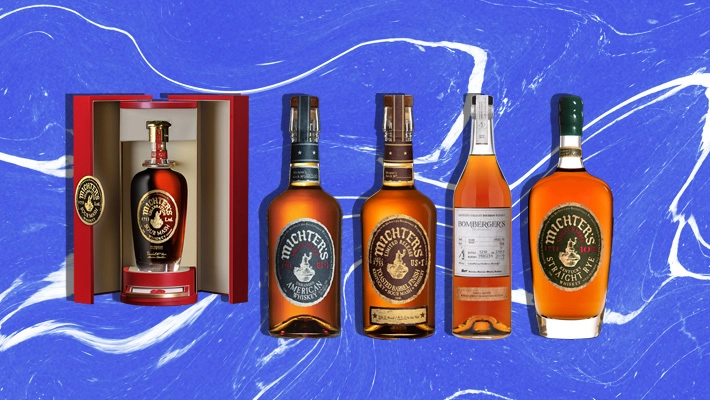
Michter’s has recently been recognized as the World’s Most Admired Whisky brand, a testament that will resonate with those acquainted with their offerings. This brand has a rich history dating back to 1753 and is currently experiencing a modern resurgence, led by the Magliocco family. At the forefront of this revival is Joe Magliocco, the President of Michter’s and its parent company, Chatham Imports, who played a crucial role in securing the Michter’s trademark during the 1990s for just $245.
In his ambition to craft the finest whiskey globally, Joe Magliocco understood the significance of collaborating with the industry’s leading experts. This realization led to the relocation of the Michter’s brand from its historic Pennsylvania roots to the vibrant bourbon hub of Louisville, Kentucky. As part of this journey, he welcomed many Kentucky Bourbon Hall of Famers into the Michter’s team, and in 2023, he earned that honor himself.
At the helm of the production team are Master Distiller Dan McKee, Master of Maturation Andrea Wilson, and Distiller/Vice President of Production Matt Bell. Collectively, along with the rest of the team, they ensure that Michter’s unique filtration process is applied to each product, meticulously enhancing the flavor profile of every expression released. This extraordinary level of detail is rarely observed in the industry, underscoring Michter’s dedication to quality in its offerings.
Their range of whiskeys covers both bourbons and ryes, along with blends of American whiskey. They produce remarkable core products, which will be elaborated upon below, and also some of the country’s most acclaimed limited edition releases. In short, Michter’s is delivering exemplary whiskey at every level.
With the exceptional quality of whiskey produced by Michter’s, we felt compelled to rank each expression they’ve crafted in recent years to determine the very best. It’s important to note a notable absence in this ranking: Michter’s 25-Year-Old Rye. This highly coveted and pricey option has not been available since 2014, making it quite elusive. Additionally, it falls outside the realm of our focus, which is on more contemporary releases. Nevertheless, it’s worth acknowledging for those who seek a complete collection.
With that said, let’s dive into our definitive ranking of the Michter’s whiskey collection!
ABV: 41.7%
Average Price: $48
This illustrates just how impressive the Michter’s selection is: topping our list is the incredibly flavorful US*1 Unblended American Whiskey. If the term “Unblended” raises questions, here’s the detailed explanation: this expression does not include any neutral grain spirits, which can sometimes be found in the category of “blended whiskey” in the United States. Moreover, this particular whiskey was aged in “whiskey-soaked” barrels, a hallmark of American whiskey, as bourbon must be matured in new, charred American oak barrels.
Tasting Notes:
Nose: The aroma of Michter’s American Whiskey presents hints of Smarties candy, light honey, and pound cake, accompanied by a subtle touch of oak.
Palate: On the palate, you can savor ripe stone fruits such as apple and peach, with a texture reminiscent of the chalkiness found in Smarties candy. A dash of cinnamon complements the pound cake flavor experienced mid-palate, although overall, the flavor profile remains relatively subdued.
Finish: The finish is short, characterized by a light infusion of nutmeg while preserving the whiskey’s inherent sweetness and slender mouthfeel.
Conclusion:
This whiskey offers a delightful experience when enjoyed neat, but it truly shines as a mixer. Consider placing it in the freezer for refreshing cocktails. You’ll be glad you did.
ABV: 45.7%
Average Price: $42
Even though there’s no age statement on this particular bourbon, it’s worth noting that they utilize 8-year-old bourbon in their small-batch blends, which can consist of up to 20 barrels per batch. After going through the brand’s unique filtration method, the bourbon is adjusted to its bottling proof using Kentucky limestone water.
Tasting Notes:
Nose: The aroma of Michter’s US*1 Bourbon is both rich and sophisticated. You’ll immediately notice layers of honeysuckle, brown sugar, raisins, and fresh oak, each inviting your senses and creating an inviting olfactory experience.
Palate: Upon tasting, the first thing that stands out is the bourbon’s silky texture, which envelops your mouth with a comforting warmth. Soon after, the flavors of brown sugar, raisins, and walnuts burst forth, creating a delightful sensation. This remarkable viscosity is a testament to Michter’s unique filtration method and their unusual proof-point.
Finish: The finish is rather short but pleasing, featuring a delightful blend of brown sugar and cinnamon, complemented by hints of new oak and clove, providing a gentle conclusion to each sip.
Bottom Line:
Labeling this whiskey as a “great bourbon for beginners” is definitely not just a way to acknowledge participation. It recently earned the top spot in our “Smoothest Bourbons Under $50” blind tasting, and it also did exceptionally well on our list of the best-tasting bourbons under $50. Regardless of whether you are a long-time aficionado or just starting out, this bottle is bound to leave a mark.
ABV: 43%
Average Price: $43
This innovative whiskey was the first American spirit to be awarded “Whiskey of the Year” by The Whiskey Exchange in the U.K. back in 2019. The term “sour mash” describes the technique where a portion of fermented mash is reused to initiate fermentation in the next batch. As for this specific expression, the exact ingredients remain confidential, but it likely contains less than 51% corn and less than 51% rye, which means it cannot officially be classified as either a bourbon or a rye.
Tasting Notes:
Nose: The introduction to this whiskey is highlighted by the enticing scents of dates and cinnamon, which then transition to the presence of fresh oak, a hint of honey, and a hint of white pepper.
Palate: Michter’s Sour Mash Whiskey presents a soft palate with a delicate texture, showcasing flavors of honey graham crackers, herbal tea, and dried cranberries, complemented by subtle notes of barrel char and vanilla extract that add complexity.
Finish: The finish is dominated by additional vanilla extract, while stone fruits come into play, concluding each sip with a touch of smokiness.
Bottom Line:
The sour mash technique is largely credited with producing a distillate that has a hint of sweetness, and Michter’s US*1 Sour Mash Whiskey exemplifies this idea beautifully. This balanced and sweet whiskey is truly delightful for leisurely sipping and is one of the offerings most likely to attract new fans to the category.
ABV: 54.6%
Average Price: $318
Michter’s, especially under the guidance of its Master of Maturation Andrea Wilson, has played a pivotal role in popularizing toasted American whiskey. What started in the fall of 2014 with their Toasted Bourbon has expanded to include a Toasted Sour Mash Whiskey and this delectable Toasted Rye variant.
Tasting Notes:
Nose: The aroma reveals a delightful blend of roasted marshmallows that carry a rich sweetness, complemented by rye spice, mint candy, and butterscotch, all vying for attention alongside hints of toasted oak.
Palate: That same enticing marshmallow sweetness from the nose carries over to the palate. In contrast, flavors of herbal tea, light butterscotch, vanilla custard, and slightly bitter walnuts introduce an interesting complexity. The texture is characteristic of Michter’s, offering a smooth, almost lush feel without being overly rich.
Finish: The finish presents a moderate dryness, as a touch of smokiness begins to blend with the sweetness. Notes of dark chocolate and tobacco leaf gracefully sweep away the marshmallow essence, culminating in a brief, elegant finale of oak and vanilla bean.
Conclusion:
This release from Michter’s stands out as one of its most debated offerings, largely influenced by individual tastes. The pronounced campfire essence makes it a perfect choice for autumn, while the hints of rye spice provide a refreshing contrast to the sweetness derived from the toasted finishing cask.
ABV: 42.4%
Average Price: $45
Michter’s takes its core rye whiskey and ages it for an undisclosed length of time before it is blended in small batches of 20 barrels. The whiskey is then brought to its bottling strength using renowned Kentucky limestone water.
Tasting Notes:
Nose: The aroma begins with vibrant lime zest and the sweet notes of Manuka honey, creating an inviting and gentle fragrance that beckons you for a closer experience. Upon a second whiff, hints of cracked black pepper, aged oak, and intriguingly, brisket fat reveal themselves.
Palate: The first thing you notice is the wonderfully smooth mouthfeel of Michter’s US*1 Rye. Its flavors combine honeyed mint tea with subtle hints of black pepper and oak, presenting themselves in a restrained yet distinct manner. This taste experience is playful, inviting you to engage with it before it opens up, showcasing the remarkable depth of each flavor note.
Finish: The finish is characterized by a brief, yet memorable interruption of red pepper flakes, honey, and mint. Overall, every sip is impressively smooth and rich, making it an enjoyable choice for relaxed sipping.
Summary:
While other rye offerings from Michter’s may showcase more flair, their classic rye is truly the star of the show. Whether enjoyed neat or used in cocktails, this whiskey can be an essential addition to your home bar or a delightful treat to savor regularly.
Alcohol By Volume: 45.6%
Typical Price: $130
This whiskey is crafted in tribute to John Shenk, the founder of the distillery that eventually evolved into Michter’s. It features a generous amount of rye and is matured in French oak casks imported from the Vosges region in France. The wood is naturally air-dried and conditioned for a full 24 months before being toasted according to Michter’s precise standards. This year’s grain blend also includes malted rye and caramel malt, setting it apart.
Tasting Notes:
Nose: The initial aroma delights with hints of chocolate wafers and orange buttercream, soon joined by the floral essence of rose petals, along with the warm spices of allspice and a touch of basil, culminating in a harmonious blend of fragrances.
Palate: As this whiskey glides over your palate, the experience unfolds with luxurious notes of chocolate truffle and almond that greet the front, followed by a delightful combination of vanilla frosting, bright orange zest, and gentle pricks of baking spice that emerge in the mid-palate.
Finish: A youthful oak presence makes an appearance, leading to a crisp finish accented by elements of malted chocolate and a lingering hint of orange peel.
Summary:
There are certain years when Shenk’s shines as the hidden jewel within Michter’s entire collection, while in other years, it tends to blend into the middle of the rankings. In the 2024 edition, despite an interesting combination of grains, it falls into the latter category, settling as a mid-tier selection in Michter’s highly competitive range.
ABV: 55.3%
Average Price: $110
Michter’s is renowned for its low barrel-entry proof, sitting at 103 proof. For this particular release, which is bottled at cask strength, the ABV has increased just a bit. This allows enthusiasts to savor Michter’s bourbon in its purest and most unadulterated form for this edition.
Tasting Notes:
Nose: The aromatic profile is wonderfully rich, drawing you in with enticing notes of black cherry syrup, molasses, mature oak, and salted caramel. This classic ensemble showcases a remarkable balance achieved by the team at Michter’s.
Palate: On the palate, the whiskey maintains the same rich intensity hinted at by the nose, with the oak flavors becoming more pronounced. Meanwhile, the black cherry and molasses gracefully step aside, allowing a hint of caramel and a whisper of peanut shell to emerge down the center of the tongue.
Finish: The extended finish reveals a transformation of the black cherry notes into a charred orange wheel, while the peanut shell evolves into a spiced walnut, culminating in a complex and captivating experience.
In Summary:
Michter’s bourbon is already exceptional, so it’s no surprise that experiencing it at full cask strength brings forth an intense burst of flavor with each sip. This bottle still undergoes the brand’s unique filtration process, which allows the experts to refine the liquid and serve it at its peak flavor.
ABV: 55%
Average Price: $110
Made from barrels that Michter’s considers too extraordinary for blending, this single-barrel offering highlights the finest qualities of their rye whiskey at undiluted cask strength. Keep in mind that apart from Michter’s 25-Year-Old Rye, this is generally one of the brand’s most elusive rye whiskeys to secure.
Tasting Notes:
Nose: The aroma begins with a rich smoked caramel, accompanied by hints of milk chocolate, mint, and graham cracker that create a complex bouquet in this whiskey’s powerful nose. It offers a density that beckons for that first sip, leaving you eager for what’s to come.
Palate: Initial flavors of smoked caramel and barrel char accompanied by a touch of leather dominate the palate. As the tasting unfolds, a refreshing burst of mint emerges mid-palate, cooling the taste buds before introducing the smooth notes of milk chocolate leading into the finish.
Finish: The finish presents a vibrant blend of black pepper and nutmeg, but it’s the enduring presence of smoked caramel that leaves a lasting impression. A subtle hint of mocha lingers as the flavors gradually fade away.
Bottom Line:
What happens when you take Michter’s exceptional rye whiskey and present it in its full barrel-proof strength? The results are predictably delightful, demonstrating that the brand’s cask selection is as much a precise science as it is a form of artistry.
ABV: 54%
Average Price: $135
This edition in the Michter’s Legacy Series pays tribute to Bomberger’s Distillery, which eventually evolved into what we now know as Michter’s Distillery. The bourbon from Bomberger’s is aged in Chinquapin oak that has been naturally air-dried and seasoned for three years before being meticulously toasted and charred according to the brand’s standards.
Tasting Notes:
Nose: Upon pouring Bomberger’s, a wave of enticing aromas fills the atmosphere, featuring notes of peanut brittle, fudge brownies, lavender, and maple candy. There is also a subtle nuttiness intertwined with a hint of black pepper spice.
Palate: The initial taste reveals a dark sweetness reminiscent of molasses, chocolate fudge, leather, and black cherry. The texture is not overly thick, providing just the right amount of grip on the palate to allow the flavors to unfold without being either heavy or excessively light.
Finish: The finish lingers moderately long, with baking spices enhancing the enjoyment of each sip, culminating in a sweet molasses finish accented by gentle notes of walnuts and black pepper.
Bottom Line:
This year’s release of Bomberger’s maintains the brand’s impressive track record by presenting a spicy variation of its classic bourbon, thanks to the use of meticulously air-dried Chinquapin oak. Although Shenk’s poses an ongoing challenge to claim the title at the top of the Michter’s Legacy Series, Bomberger’s enthusiasts can confidently consider it the clear frontrunner for 2024.
ABV: 43%
Average Price: $99
Similar to Michter’s regular sour mash whiskey, this toasted variant does not fulfill the legal definitions to qualify as either bourbon or rye, but that’s of little concern. This version differentiates itself from the standard offering as Michter’s concludes the aging process in barrels that have been air-dried and lightly toasted for 18 months.
Tasting Notes:
Nose: Michter’s Toasted Sour Mash Whiskey greets the senses with scents of apricots, cinnamon, marshmallow, and creamy chocolate. The aromas are rich yet subtle, all supported by a foundation of toasted oak.
Palate: On the palate, a delightful array of s’mores-inspired flavors emerges, featuring chocolate, toasted marshmallows, and oatmeal cookies, all harmoniously blending together to caress the tastebuds. A gentle fruitiness also makes its presence known, with hints of stone fruits and a smooth, slightly velvety mouthfeel that brings everything into balance.
Finish: The finish brings a touch more oak and a barely noticeable hint of black pepper, while the essence of a campfire lingers on, highlighted by the sweet notes of graham crackers and creamy chocolate.
Summary:
By merging a deep complexity of flavors with precisely the right amount of Kentucky limestone-filtered water, this variant showcases Michter’s exceptional low-proof whiskey almost perfectly. Indeed, it stands as the pinnacle of their more accessible selections in this range, except for the next item on this list…
ABV: 45.7%
Average Price: $200
For the past decade, Michter’s has been introducing an exciting new toasted whiskey each year, and in 2024, they chose to revisit the origins of this tradition. To produce this release, Michter’s utilizes their award-winning bourbon recipe and undergoes a secondary maturation in a barrel made from 18-month air-dried wood staves that have been toasted but not charred.
Tasting Notes:
Nose: The initial scents that emerge from the glass are reminiscent of marshmallow, brown sugar, and cinnamon toast. A delightful combination of chocolate ganache and Cafe au lait introduces a subtle note of mint as well. Although the marshmallow scent is notably prominent at first, over time the aromas harmonize beautifully, showcasing an impressive equilibrium.
Palate: The first sip reveals a hint of smokiness, complemented by flavors of cinnamon, smoked caramel, marshmallow, and toasted oak that dance across the taste buds. A gently savory undertone emphasizes the whiskey’s honeyed sweetness. Its mouthfeel is rich and nearly syrupy, a testament to Michter’s filtration process, as it’s remarkable how much complexity they achieve at such a moderate ABV.
Finish: The finish is of medium length, leaving behind a soft essence of ripe orange and a subtle undertone of bananas fostering flavor, which gradually yields to the delicate notes of barrel char and toasted oak.
Bottom Line:
Michter’s has set the standard for toasted bourbon, and this year’s offering reaffirms their position at the top. The latest Michter’s Toasted Bourbon provides a delightful experience for those seeking a toasted barrel whiskey, introducing a unique array of flavors that includes hints of cinnamon, maple candy, and caramelized banana, all contributing to its rich and expansive character.
ABV: 47.2%
Average Price: $550
One of the most highly praised offerings in the American whiskey landscape, Michter’s 10-Year Single Barrel Bourbon is eagerly awaited each year, generating excitement among bourbon enthusiasts with its annual release. The distillery carefully selects matured sourced whiskey and employs a meticulous filtration process to create the finishing touch on this exceptional spirit.
Tasting Insights:
Aroma: Upon pouring, the inviting scents of mango, brown sugar, and black cherry take center stage, making a lively impression. Allowing it to breathe unveils deeper elements like rich oak and a hint of leather, adding complexity to this captivating whiskey’s fragrance.
Taste: The initial sip reveals a delightful combination of milk chocolate, coconut cream, and almonds, reminiscent of enjoying an Almond Joy in liquid form. The influence of the barrel harmonizes the flavors, and a smooth texture enhances the experience, perfectly balancing the rich palates without overwhelming them.
Aftertaste: The lingering finish of this year’s Michter’s 10-year bourbon is medium in duration but abundant in flavors, featuring hazelnut and coconut alongside hints of oak and a touch of black pepper.
Bottom Line:
Michter’s 10-Year Single Barrel Bourbon exemplifies the intriguing balance of the dog in the fight and the fight in the dog concept, all while boasting a lower proof. This whiskey delivers a plethora of flavors without relying on a potent kick of ethanol, allowing it to hold its ground against the finest bourbons available. Each bottle showcases Michter’s dedication to craftsmanship, but this particular bourbon, released at regular intervals and with relatively easy accessibility, is definitely worth the effort to find.
ABV: 46.4%
Average Price: $360
Michter’s precision in releasing its products is well-known, extending beyond just its ultra-premium selections. The distillery employs a proprietary custom filtration technique for all its whiskeys. In 2024, the 10-year single-barrel rye whiskey will feature another unique filter, ensuring that this year’s edition retains the award-winning quality that Michter’s is celebrated for while offering a fresh take compared to prior releases.
Tasting Notes:
Nose: The aroma bursts forth with generous notes of vanilla ice cream, complemented by fresh mint sprigs that dissolve into the air. Accompanying these delightful scents are hints of Manuka honey and subtle leather undertones. This quintessential Michter’s rye fragrance is instantly recognizable and absolutely delightful.
Palate: The flavor profile opens up with luxurious buttercream, warm cinnamon bark, smooth milk chocolate, and refreshing red apples… Shall I continue? Michter’s excels at delivering exceptional whiskey even at a lower proof, and these 10-year expressions provide an exquisite platform to demonstrate their skill. The mouthfeel is breathtaking, as the richness of the flavors washes over you in sumptuous waves, each note distinct yet harmonious, allowing ample space for each remarkable flavor to shine.
Finish: The finish gracefully fades away over an extended duration, leaving your palate yearning for more, with lingering hints of hazelnut cream and sweet oak notes.
Final Thoughts:
In a year brimming with iconic rye whiskeys, it’s clear that Michter’s 2024 10-Year Single Barrel Rye is a standout. This whiskey promises to be one of the defining spirits of the year, and if you haven’t yet developed a fondness for rye, the 2024 Michter’s 10-Year Single Barrel is sure to win your heart.
Alcohol by Volume: 58.1%
Price Range: $6,400
To craft their esteemed 25-year-old bourbon, Michter’s selects some of their finest hyper-aged barrels and meticulously blends them for this occasionally released expression. This premium bourbon, bottled at full cask strength, provides a rare insight into the whiskey distilled at an undisclosed distillery (or several distilleries) a quarter-century ago; it’s an extraordinary experience.
Tasting Notes:
Nose: Michter’s 25-Year Bourbon greets the senses with an elegant blend of peanut butter, a hint of cinnamon, oak, and rich dark chocolate. Each dark aroma is well-defined and distinct, and their lively character allows them to emerge and retreat beautifully, creating a harmonious experience.
Palate: The palate reveals an impressive balance with flavors that maintain their lively essence. Notes of roasted nuts, stewed raspberries, and peanut brittle are prominent, while the texture is smooth yet expansive, unfolding gently across the tongue and persisting against the roof of the mouth.
Finish: The finish is long-lasting, enhanced by a thick texture that lets the tastes of roasted Brazil nuts, dried cherries, and rich dark chocolate linger delightfully after each sip.
Bottom Line:
This bourbon showcases a delightful richness combined with oaky notes, which is often sufficient to surpass much of the competition. The only challengers that might stand a chance are found within the exclusive selection of Michter’s other limited releases, including the remaining two bottles on this list.
ABV: 56.4%
Average Price: $17,000
Michter’s has released just four expressions of Celebration Sour Mash, with the 2022 version being the first since 2019. With only 328 bottles made available globally, this is Michter’s second-most exclusive release. This exceptional blend is the result of collaboration between Michter’s Master Distiller, Dan McKee, and Master of Maturation, Andrea Wilson, who painstakingly selected seven bourbons and ryes aged between twelve to over thirty years for this luxurious concoction.
Tasting Observations:
Aroma: The aroma is remarkably vibrant, featuring orange blossom, raw honey, and soft oak as the primary scents, accompanied by hints of vanilla custard and milk chocolate lingering in the background.
Flavor: The smooth texture invites you to savor it slowly as the rich essence of raw honey envelops your palate, complemented by flavors of baked red apples and a buttery pie crust. This whiskey exudes elegance; its mouthfeel is slim yet unexpectedly rich and coating, lingering on your palate and delving deep into your tastebuds with its sweet, indulgent notes.
Aftertaste: The aftertaste is of medium duration, but the refined thickness allows the liquid to gradually fade from your palate, leaving behind the tastes of orange marmalade, crème brûlée, and milk chocolate.
Bottom Line:
Michter’s Celebration Sour Mash is the bottle that Master Distiller Dan McKee and Master of Maturation Andrea Wilson regard as their crowning achievement. This exceptional mix of bourbon and rye highlights Michter’s finest barrels, marking the most demanding project in their entire range. The end product, born out of dedication and hard work, stands as one of the finest whiskeys this nation has ever created.
ABV: 57.1%
Average Price: $5,000
Master Distiller Dan McKee chooses the barrels for this ultra-limited edition, highlighting Michter’s rare, well-aged bourbon inventory. While this release carries an age statement of “20 years old,” it is widely recognized that Michter’s age-stated offerings often include whiskey that is even older in these blends.
Tasting Notes:
Nose: This bourbon exudes maturity with a classic profile that includes notes of black cherry sweetness, rich leather, and polished oak, maintaining a traditional essence throughout.
Palate: Michter’s 20 provides a direct tasting experience, dominated by flavors of black cherries, leather, and finely aged oak. Subtle hints of clove and black pepper contribute a spicy touch, while delightful notes of butterscotch, brown sugar, and vanilla extract amplify the bourbon’s inherent sweetness, creating a luxuriously textured sip.
Finish: The finish is impressively long, allowing the primary flavor trio to shine once more, showcasing their depth and richness as other elements gently fade away.
Bottom Line:
Michter’s 20 showcases a carefully crafted mix of sourced bourbon that is skillfully blended and subjected to a unique filtration method. This bourbon exemplifies the ideal characteristics of well-aged spirits, presenting a harmonious profile of rich oak, aged leather, and black cherry flavors, making it a standout choice for bourbon enthusiasts.
The Ultimate Guide to Ranking Michter’s Entire Whiskey Lineup
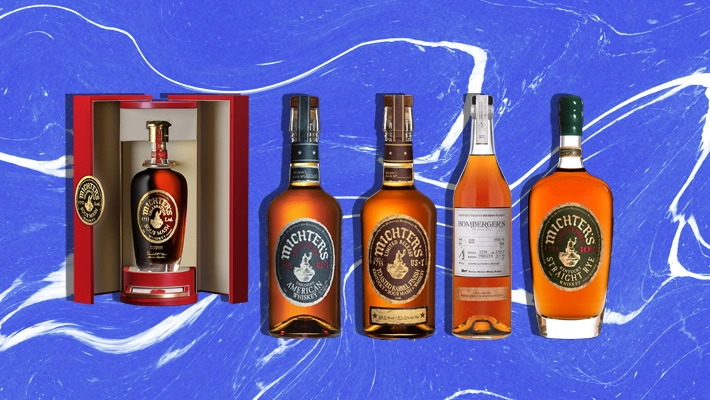
Michter’s has recently been recognized as the World’s Most Admired Whisky brand, which comes as no surprise to those who know their offerings. With origins that trace back to 1753, the brand is currently enjoying a modern renaissance led by the Magliocco family. At the forefront of this resurgence is Joe Magliocco, President of Michter’s and Chatham Imports, who played a vital role in reacquiring the Michter’s trademark in the 1990s for a mere $245.
In his pursuit to create the finest whiskey globally, Joe Magliocco quickly understood that attracting the best minds in the industry would be essential. This required relocating the Michter’s brand, which had strong ties to Pennsylvania, to the bourbon production hub of Louisville, Kentucky. Throughout this journey, he welcomed several Kentucky Bourbon Hall of Famers to the Michter’s team (and he himself earned this honor in 2023), alongside other distinguished industry experts.
The production team is expertly led by Master Distiller Dan McKee, Master of Maturation Andrea Wilson, and Distiller/Vice President of Production Matt Bell. Together with their colleagues, they ensure that Michter’s proprietary filtration method is applied to every product released, carefully crafting the flavor profile of each offering to guarantee exceptional quality. This meticulous attention to detail is a rarity in the industry and highlights Michter’s unwavering commitment to prioritizing quality in all its products.
The range of whiskeys produced includes bourbons, ryes, and American whiskey blends. While the brand boasts an impressive lineup of consistent offerings, including some of the country’s most esteemed limited edition releases, it is clear that Michter’s is delivering some of the finest whiskey available, truly standing out from the competition.
Considering the impressive array of whiskey produced by Michter’s, we took on the challenge of ranking every expression they have released over the last few years to determine the very best. It’s important to note one significant absence from this list: Michter’s 25-Year-Old Rye. This highly coveted and expensive expression has not seen a release since 2014, making it quite rare. Consequently, it falls outside the parameters of our ranking, which centers on Michter’s more recent offerings. However, for those who are interested in every detail, it deserves a mention.
With that clarified, let’s dive into our definitive ranking of the Michter’s whiskey collection!
ABV: 41.7%
Average Price: $48
The strength of the Michter’s lineup is evident from the very first entry: the delightfully smooth US*1 Unblended American Whiskey. If the term “Unblended” raises some questions, let us clarify: this expression does not include any neutral grain spirits, which can legally be part of any “blended whiskey” in the United States. Additionally, this whiskey has been aged in barrels that have been “whiskey-soaked,” a defining feature that contributes to its status as an American whiskey, since bourbon can only utilize new, charred, American oak barrels for primary maturation.
Tasting Notes:
Nose: The aroma of Michter’s American Whiskey brings to mind hints of Smarties candy, a drizzle of honey, and the delightful essence of pound cake, all complemented by a subtle touch of oak.
Palate: Upon tasting, you’ll discover a medley of ripe stone fruits, particularly apple and peach, accompanied by a chalky texture reminiscent of Smarties candy. A hint of cinnamon dances alongside the flavor of pound cake in the middle of the palate, creating a flavor profile that remains quite modest overall.
Finish: The finish is short-lived, highlighted by a sprinkle of nutmeg, while still preserving the whiskey’s inherent sweetness and light mouthfeel.
Conclusion:
This whiskey is a fantastic choice for sipping it neat, but keep in mind that it shines even more when used as a mixer. You can store it in the freezer to have it ready for refreshing cocktails. You’ll appreciate this recommendation later.
ABV: 45.7%
Average Price: $42
This expression does not carry an age statement, but it’s worth noting that 8-year-old bourbon is used for these small-batch blends, which encompass up to 20 barrels per batch. Following the brand’s unique filtration process, the bourbon is adjusted to bottling proof using Kentucky limestone water.
Tasting Notes:
Nose: The aroma of Michter’s US*1 Bourbon presents a complex and refined bouquet. It is filled with inviting scents of honeysuckle, brown sugar, raisins, and fresh oak, each layer warmly welcoming the senses.
Palate: Upon tasting, the most notable aspect is the texture, which softly envelops the tongue with a comforting warmth. Almost instantly, flavors of brown sugar, raisins, and walnuts emerge, creating a delightful explosion of taste. This wonderfully thick texture is a testament to Michter’s unique filtration methods and their distinctive proof-point.
Finish: The finish is short yet pleasing, featuring the sweet notes of brown sugar and cinnamon that blend seamlessly with hints of fresh oak and clove, providing a gentle departure after each sip.
Bottom Line:
Labeling this as a “great bourbon for beginners” is definitely not just a consolation prize. It achieved the top spot in our “Smoothest Bourbons Under $50” blind tasting, and it also earned a significant place in our rankings of the best-tasting bourbons under $50. Whether you’re a connoisseur or just starting out, this bourbon is bound to leave a lasting impression.
ABV: 43%
Average Price: $43
This innovative whiskey was the first American spirit to receive the title of “Whiskey of the Year” from The Whiskey Exchange in the U.K. back in 2019. The term “sour mash” signifies a method where some fermented mash is reused from one batch to facilitate the fermentation of the subsequent batch. While the specific mash bill for this whiskey remains undisclosed, it is presumed to contain less than 51% corn and also less than 51% rye, preventing it from being legally classified as either a bourbon or a rye.
Tasting Notes:
Nose: The initial scent of this whiskey is reminiscent of dates and cinnamon, which quickly transitions to the subtle notes of youthful oak, a light hint of honey, and white pepper.
Palate: On the palate, Michter’s Sour Mash Whiskey reveals a smooth texture with flavors of honey graham crackers, herbal tea, and dried cranberries, complemented by a hint of barrel char and vanilla extract for added complexity.
Finish: The finish showcases additional vanilla extract while stone fruits come to the forefront, concluding each sip with a subtle smokiness.
Conclusion:
The sour mash method is often linked to producing a somewhat sweeter distillate, and Michter’s US*1 Sour Mash Whiskey is a perfect example of this idea. This smooth and sweet whiskey stands out as a delightful choice for easy sipping, making it one of the offerings from the brand most likely to attract new fans to this category.
Alcohol By Volume: 54.6%
Average Cost: $318
The credit for popularizing toasted American whiskey goes largely to Michter’s and its Master of Maturation, Andrea Wilson. What started in the autumn of 2014 with their Toasted Bourbon has evolved to feature a Toasted Sour Mash Whiskey along with this delightful Toasted Rye version.
Tasting Observations:
Aroma: The aroma is dominated by roasted marshmallows that present a nearly overwhelming sweetness, while notes of rye spice, mint candy, and butterscotch vie for attention alongside the toasted oak fragrance.
Taste: The rich marshmallow sweetness from the aroma carries through on the palate. Complementing this are flavors of herbal tea, diluted butterscotch, vanilla custard, and a hint of semi-bitter walnuts, creating an interesting range of tastes. The mouthfeel is characteristic of Michter’s, presenting a deceptive viscosity that doesn’t feel overly heavy.
Aftertaste: The aftertaste offers a moderately dry sensation as a hint of smokiness begins to merge with the sweetness. Notes of dark chocolate and tobacco leaf gradually replace the marshmallow flavors, concluding elegantly with traces of oak and vanilla pods.
Conclusion:
Among Michter’s most debated offerings, this particular whiskey stands out as one that heavily relies on individual taste. Its robust campfire essence makes it an excellent choice for the fall season, complemented by a rye spice that balances the sweeter flavors derived from its toasted finishing cask.
ABV: 42.4%
Average Price: $45
For its signature rye whiskey, Michter’s allows the spirit to rest for an unspecified duration before blending it into small batches of 20 barrels, adjusting the proof with renowned Kentucky limestone water prior to bottling.
Tasting Notes:
Aroma: The scent begins with lively lime zest and the sweetness of Manuka honey, creating an inviting and gentle profile that encourages you to take a deeper breath. With another inhale, intriguing hints of cracked black pepper, oak, and an unexpected touch of brisket fat emerge.
Taste: Right from the outset, Michter’s US*1 Rye reveals a luxuriously smooth mouthfeel. Flavors of honeyed mint tea mingle seamlessly with subtle black pepper and oak, presenting a profile that is both playful and articulate. It invites further exploration, enticing you with the depth and clarity of its various notes.
Aftertaste: The finish brings a dash of red pepper flakes, sweet honey, and fresh mint, although it arrives all too quickly. In summary, each sip is remarkably smooth and rich, offering a wonderfully relaxed drinking experience.
Conclusion:
Though other rye varieties in Michter’s lineup may boast a bit more flair, their flagship rye stands out as the true crowd-pleaser. Whether enjoyed straight or mixed, this beverage can serve as the cornerstone of your home bar or a delightful indulgence to savor frequently.
Alcohol by Volume: 45.6%
Average Cost: $130
This whiskey was crafted to pay tribute to John Shenk, the visionary who established the distillery that eventually evolved into Michter’s. It features a generous blend of rye and is matured in French oak barrels sourced from the Vosges region of France. After being naturally air-dried and seasoned for two full years, it undergoes a toasting process that adheres to Michter’s meticulous standards. This year’s unique grain composition includes both malted rye and caramel malt.
Tasting Notes:
Nose: The experience begins with enchanting aroma notes reminiscent of chocolate wafers and orange buttercream, gradually complemented by delightful hints of rose petals, allspice, and basil, creating a harmonious blend of fragrances.
Palate: As this whiskey sweeps across your palate, it prepares your senses for a rush of rich flavors, featuring chocolate truffle dust and almond that linger on the front. This is followed by the emergence of vanilla frosting with a touch of orange zest, accompanied by gentle spices that make their presence known in the middle of the palate.
Finish: The youthful oak offers a brief interjection, leading to a finish that unfolds with notes of malted chocolate and a final flourish of orange peel.
Conclusion:
There are certain years when Shenk’s emerges as the hidden gem of Michter’s extensive collection, while other years see it settling into a more average position. In the case of the 2024 edition, despite a captivating blend of grains, it lands in the latter category as a mid-range option in Michter’s highly competitive assortment.
Alcohol By Volume: 55.3%
Typical Price: $110
Michter’s is renowned for its low barrel-entry proof, set at 103 proof. For this particular expression, bottled at cask strength, the ABV has increased just slightly. This allows enthusiasts to savor Michter’s bourbon in its purest form, undiluted and at its most authentic.
Tasting Notes:
Nose: The aroma is rich and enveloping, featuring a blend of black cherry syrup, molasses, well-aged oak, and a hint of salted caramel, showcasing the skilled craftsmanship of the Michter’s team.
Palate: The whiskey presents a similarly dense profile on the palate, with a bold oak presence. The initial flavors of black cherry and molasses gracefully step back, giving way to a luscious drizzle of caramel and peanut shell that dances across the tongue.
Finish: The lingering finish sees the black cherry flavors transform into notes reminiscent of toasted orange, while the peanut shell evolves into a spiced walnut, rounding off the tasting experience beautifully.
Conclusion:
Michter’s bourbon stands out for its exceptional quality, and enjoying it at full cask strength reveals a burst of flavors with every sip. The brand employs its unique filtration process, allowing the experts to refine the spirit and showcase its best taste.
Alcohol By Volume (ABV): 55%
Typical Price: $110
This expression is made from barrels that Michter’s considers too exceptional for blending, highlighting the pinnacle of their rye whiskey at its undiluted cask strength. It’s important to note that aside from Michter’s 25-Year-Old Rye, this whiskey is generally among the most challenging of the brand’s rye offerings to locate.
Tasting Notes:
Nose: The aroma is dominated by smoked caramel, accompanied by hints of milk chocolate, mint, and graham cracker. This whiskey presents a bold and rich scent profile that sets the stage for an enticing tasting experience, making your mouth water in eager anticipation of the first sip.
Palate: On the palate, the initial flavors of smoked caramel and barrel char mingle with notes of leather. As you progress, a refreshing wave of mint emerges, cooling your palate and seamlessly introducing the taste of milk chocolate that paves the way to the finish.
Finish: The aftertaste bursts with the warmth of black pepper and nutmeg, yet it is the enduring hint of smoked caramel that truly lingers. A subtle mocha essence adds to the complexity before the flavors fade completely.
Bottom Line:
What occurs when you take the outstanding rye whiskey from Michter’s and present it at its full barrel-proof strength? The result is predictably delightful, showcasing that the brand’s approach to cask selection blends both science and artistry.
ABV: 54%
Average Price: $135
This particular expression in the Michter’s Legacy Series pays tribute to Bomberger’s Distillery, which evolved into what we now recognize as Michter’s Distillery. Bomberger’s features bourbon that has been aged in Chinquapin oak, naturally air-dried and seasoned for three years before undergoing toasting and charring to meet the brand’s criteria.
Tasting Notes:
Nose: Upon pouring Bomberger’s, a wave of enticing aromas envelops you, showcasing notes that range from peanut brittle and fudge brownies to hints of lavender and maple candy. There’s a subtle nuttiness intertwined with a dash of black pepper spice.
Palate: The flavor profile begins with a rich sweetness reminiscent of molasses, chocolate fudge, leather, and black cherry. The texture is not overly thick, yet provides a satisfying grip that allows the flavors to unfold beautifully, striking a balance between richness and lightness.
Finish: The finish lingers pleasantly, medium-long in length, with baking spices enhancing the enjoyment of each sip, ultimately concluding with the sweetness of molasses, accompanied by gentle notes of walnuts and black pepper.
Conclusion:
The latest release from Bomberger’s maintains the brand’s impressive legacy by showcasing a spicier twist on its traditional bourbon, made possible through the use of extensively air-dried Chinquapin oak. While Shenk’s poses an annual challenge to take the top spot in the Michter’s Legacy Series, enthusiasts of Bomberger’s can be confident that, for 2024, it stands as the undisputed champion among the two.
Alcohol by Volume (ABV): 43%
Average Price: $99
Similar to Michter’s standard sour mash whiskey, this toasted variety does not fulfill the official criteria to be classified as bourbon or rye. However, it offers a unique experience compared to the basic version, as Michter’s ages this whiskey in barrels that have been air-dried and lightly toasted for 18 months.
Tasting Notes:
Nose: The inviting aroma of Michter’s Toasted Sour Mash Whiskey begins with notes of apricots, cinnamon, marshmallow, and creamy milk chocolate. These rich flavors are balanced delicately by a foundation of toasted oak.
Palate: On the palate, a delightful array of flavors reminiscent of s’mores emerges, featuring chocolate, roasted marshmallows, and oatmeal cookies that harmoniously engage your taste buds. A subtle fruitiness is present, with stone fruits making an appearance alongside a smooth, slightly viscous mouthfeel that unites the experience.
Finish: The finishing notes bring a touch more oak and a slight hint of black pepper, while maintaining the comforting campfire essence, highlighted by sweet graham crackers and rich milk chocolate.
Conclusion:
The combination of deep, rich flavors and carefully sourced Kentucky limestone-filtered water makes this expression a remarkable showcase of Michter’s outstanding low-proof whiskey. It could very well stand out as the pinnacle of their reasonably priced options in this category, were it not for the subsequent expression featured in this list…
ABV: 45.7%
Average Price: $200
For the past decade, Michter’s has been releasing an exciting new toasted whiskey each year, and in 2024, they chose to revisit the origins of this delightful venture. This particular release involves Michter’s utilizing their acclaimed bourbon recipe, which undergoes secondary maturation in a barrel made of 18-month air-dried wood staves that have been toasted but left uncharred.
Tasting Notes:
Nose: The first impressions from the glass are filled with the delightful scents of marshmallow, brown sugar, and cinnamon toast. There’s also an enticing blend of chocolate ganache and Cafe au lait, accented by the slightest trace of mint. Initially, the marshmallow dominates the profile, but as time goes on, the aromas harmonize beautifully, presenting a superb balance.
Palate: The experience begins with a hint of smokiness, followed by a chorus of flavors including cinnamon, smoked caramel, marshmallow, and toasted oak that dance across the palate. A subtle savory note emerges to elevate the whiskey’s honey-like sweetness. The mouthfeel is luxurious and nearly syrupy, showcasing the impressive filtration process of Michter’s, which manages to deliver such richness at a relatively low ABV.
Finish: The finish is of medium length, leaving a delicate impression of ripe orange, accompanied by a whisper of bananas foster that melds into gentle barrel char and toasted oak notes.
Conclusion:
Michter’s has set the standard for toasted bourbons and this particular expression reaffirms their leadership in the category. This year, Michter’s Toasted Bourbon presents everything you desire in a toasted barrel whiskey, while also challenging your taste buds with a charming balance of flavors that includes hints of cinnamon, maple candy, and caramelized banana, creating a rich and diverse tasting experience.
Alcohol by Volume: 47.2%
Average Price: $550
Michter’s 10-Year Single Barrel Bourbon is celebrated as one of the finest expressions in the American whiskey sphere, with its annual release creating excitement among bourbon aficionados. By carefully selecting well-aged whiskey and employing a unique filtration method on hand-picked barrels, Michter’s blending team achieves this exceptional final product.
Tasting Notes:
Nose: The aroma of this bourbon reveals an exciting medley of mango, brown sugar, and black cherry that greet you immediately upon pouring. Allowing it to breathe for a moment opens up the complex layers of rich oak and a hint of leather, enhancing the whisky’s fragrant profile.
Palate: On the initial sip, you’re treated to a delightful combination of milk chocolate, coconut cream, and almonds, reminiscent of enjoying an Almond Joy candy bar. The influence of the barrel adds depth, while a smooth texture perfectly showcases these well-developed flavors without overwhelming the palate.
Finish: This year’s Michter’s 10-year bourbon presents a medium-length finish, marked by lingering notes of hazelnut and coconut, complemented by hints of oak and a touch of black pepper.
Bottom Line:
Featuring a low proof, Michter’s 10-Year Single Barrel Bourbon exemplifies the dog in the fight/fight in the dog concept. This whiskey doesn’t require a heavy alcohol content to deliver a rich array of flavors and compete with the finest bourbons available. Michter’s showcases its exceptional craftsmanship with every bottle, but when it comes to bourbon that’s relatively easy to find and released consistently, this is one you should prioritize in your search.
ABV: 46.4%
Average Price: $360
Michter’s is recognized for its careful approach to releases, not only for the high-end selections. It employs proprietary custom filtration for each of its whiskeys. For the upcoming 2024 release of the 10-year single-barrel rye whiskey, Michter’s uses an additional custom filter to ensure that this year’s expression differs from previous editions while still upholding its award-winning quality.
Tasting Notes:
Nose: The aroma bursts forth with delightful scoops of vanilla ice cream intermingling with fresh mint. Behind this plush scent, hints of Manuka honey and soft leather emerge, crafting a signature Michter’s rye nose that is both unmistakable and enchanting.
Palate: Imagine rich buttercream, aromatic cinnamon bark, smooth milk chocolate, and juicy red apples… shall I continue? Michter’s has a remarkable ability to excel with whiskey at a lower proof, and their 10-year expressions provide a magnificent platform to flaunt this skill. Each sip delivers an astonishing mouthfeel, with the sumptuous flavors arriving in beautiful waves, never overwhelming the palate. There is ample space for each delightful note to soar.
Finish: The finish gracefully fades over time, leaving you craving more of the luscious hazelnut cream and sweet oak characteristics.
Final Thoughts:
In a year abundant with remarkable rye whiskeys, it speaks volumes, dear reader, that Michter’s 2024 10-Year Single Barrel Rye is a standout. This whiskey is set to be one of the defining spirits of the year, and if you haven’t yet discovered the charm of rye, the 2024 Michter’s 10-Year Single Barrel might just be the perfect introduction.
ABV: 58.1%
Average Price: $6,400
To craft their esteemed 25-year-old bourbon, Michter’s selects some of their finest hyper-aged barrels and expertly blends them for this limited release. Bottled at full cask strength, this ultra-premium bourbon provides a unique look at the spirit distilled at an undisclosed distillery (or perhaps several) 25 years ago; it truly is a rare indulgence.
Tasting Notes:
Nose: The aroma of Michter’s 25-Year Bourbon is a delightful mix of smooth peanut butter, a hint of cinnamon, oak, and rich dark chocolate. These deep notes are well-crafted and distinct, with a lively quality that allows them to playfully shift in and out of focus, harmonizing beautifully.
Palate: On tasting, the sophistication and lively character of the flavors continue to shine. Roasted nuts, stewed raspberries, and crunchy peanut brittle dominate the flavor profile, while the texture is both soft and expansive, gracefully spreading across your palate and adhering to the roof of your mouth.
Finish: The finish is lengthy, attributed to the rich texture, which lets the tastes of roasted Brazil nuts, dried cherries, and dark chocolate resonate well after each sip.
Conclusion:
This bourbon delivers a robust and oaky flavor profile, a combination potent enough to surpass most rivals. However, this statement holds true only until we consider the other exceptional offerings in Michter’s exclusive range, which includes the other two bottles featured in this discussion.
Alcohol by Volume: 56.4%
Average Cost: $17,000
Michter’s has only released four expressions of Celebration Sour Mash, with the 2022 release marking the first since 2019. With just 328 bottles available globally, Michter’s Celebration Sour Mash stands as the brand’s second rarest offering. This exceptional whiskey results from a meticulous collaboration between Michter’s Master Distiller, Dan McKee, and Master of Maturation, Andrea Wilson, who handpicked seven bourbon and rye distillates, aged between twelve and over thirty years, to create this exquisite blend.
Tasting Insights:
Aroma: The aroma is delightfully vibrant, featuring notes of orange blossom, natural honey, and soft oak as the primary scents, complemented by hints of vanilla custard and creamy chocolate that linger in the background.
Taste: The smooth texture encourages you to savor each sip, as rich honey flavors dance across your palate together with baked red apples and rich pie crust. This whiskey embodies elegance, with a mouthfeel that is both light and intriguingly rich, enveloping your palate and engaging your taste buds with its sweet, indulgent notes.
Aftertaste: The aftertaste is of medium length, yet the elegant richness allows the liquid to gradually fade from your palate, leaving behind traces of orange marmalade, crème brûlée, and creamy chocolate.
Summary:
<pMichter’s Celebration Sour Mash is often highlighted by Master Distiller Dan McKee and Master of Maturation Andrea Wilson as their most significant accomplishment. This unique blend of bourbon and rye is not only a testament to Michter’s finest barrels but also reflects the duo's most demanding challenge within the brand’s range. The outcome, born from their dedication, is regarded as one of the finest whiskeys produced in the country.
Alcohol By Volume: 57.1%
Estimated Price: $5,000
Master Distiller Dan McKee personally handpicks the barrels for this extremely limited edition, highlighting Michter’s exclusive and well-matured bourbon collection. While the age statement on this release claims “20 years old,” it’s well-known that Michter’s age-stated offerings often feature whiskey that is significantly older than indicated in these blends.
Tasting Notes:
Nose: Absolutely, this bourbon showcases an impressive maturity. It encapsulates all the classic elements – the sweetness of black cherry, rich leather notes, and elegant oak – without straying from this profile.
Palate: Once again, Michter’s 20 presents itself as a straightforward drink with dominant flavors of black cherries, leather, and well-aged oak that firmly hold your attention. On the side, clove and black pepper add a spicy kick, while touches of butterscotch, brown sugar, and vanilla extract contribute to the overall sweetness, enriching every level of this luxuriously textured bourbon.
Finish: The impressively long finish is where the additional notes fade away, returning us to the three central flavors that shine brilliantly with their rich depth.
Bottom Line:
Michter’s 20 is perhaps the ultimate bourbon, combining a carefully curated selection of sourced bourbon that is meticulously mingled and filtered through a proprietary process. It offers an exquisite profile of rich oak, matured leather, and black cherry, representing the true essence of well-aged bourbon.
Woodford Reserve Unveils Latest Whiskey Release: A Spectacular Tribute to 20 Years of Excellence

Woodford Reserve is marking a significant milestone with the 20th release of its distinguished Master’s Collection whiskeys.
The first installment of this collection, titled “Four Grain,” was introduced by the Versailles distillery, which is a part of Brown-Forman, back in 2006.
Stay updated with the latest food and bourbon news delivered to your inbox at no cost. Discover what’s unfolding in the bourbon scene, including tips on purchasing and tasting, every Tuesday. Don’t miss out on major restaurant updates in Central Kentucky, arriving on Thursdays. Sign up here.
The upcoming release in fall 2024 will be the Madeira Cask Finish, showcasing Woodford Reserve bourbon aged in Madeira casks and meticulously blended with wheat whiskey.
“The Madeira Cask Finish is a wonderful way to mark 20 years of the Master’s Collection,” stated master distiller Elizabeth McCall. “Back in 2007, Woodford Reserve was one of the pioneers in finishing bourbons in wine casks. It stirred quite a debate then, but today it’s a standard practice among many distillers. This 20th release celebrates that important milestone with a fresh Madeira wine cask.”
The tasting notes reveal that this whiskey presents aromas of dark cherries, brown sugar, and candied oranges, enhanced by hints of clove and nutmeg. On the palate, it boasts rich notes of dried dark fruits like raisins and dried cranberries, transitioning into flavors of walnuts and baking spices, culminating in a prolonged candied walnut finish.
This year’s edition, Woodford Reserve Madeira Cask Finish, has a recommended retail price of $179.99 for a 700ml bottle. It can be found at the Woodford Reserve Distillery as well as select retailers across the nation. Additionally, it is available for purchase online at shop.woodfordreserve.com where shipping is offered to states that permit it.
New Maker’s Mark commemorative bottle honoring Man o’ War is hitting stores
Four Roses releasing extremely rare bourbon. There’s only one place you can get a bottle
Lexington microbrewery reopens in bigger space in a hoppy food corridor
King of Kentucky bourbon: More bottles are available this year, but the price is higher
New pizza, craft beer restaurant opening on Lexington’s Harrodsburg Road
Longtime Frankfort restaurant on the river will close after distillery buys it
Exploring the Sweet Harmony of Sugar and Rum: A Culinary Adventure

“Joyful are those who attain wisdom, and those who acquire understanding, for her profit is greater than silver and her gain more valuable than gold. She is more valuable than precious stones, and nothing you desire can compare with her. Length of days is in her right hand; in her left hand are wealth and honor. Her pathways are delightful, and all her routes lead to tranquility. She is a tree of life to those who embrace her; those who cling to her are deemed fortunate.” Proverbs 3:13-18 NRSVUE
“I feel deep sympathy for them, but I must remain silent. For how could we manage without sugar and rum?”
In 1788, William Cowper expressed these sentiments in his poem “Pity for Poor Africans.” It’s important not to plunge into the dark depths of slavery with this quote. Instead, reflect on the heartbreaking reality this statement represents and the constrained mindset that persists in our society.
What alternatives would they have had without the sugar and rum produced by their enslaved forebears? It’s a thought-provoking inquiry. The potential was immense, yet by dehumanizing others, one inevitably dehumanizes oneself—stifling one’s own critical thought, creativity, lasting peace, and recognition of God’s eternal presence.
Sugar and rum have certainly not faded away, and the old oppressive spirits manifest in various forms, sizes, and hues in today’s world. Nowadays, we simply refer to sugar and rum by different names. They are the forces that prevent us from recognizing both ourselves and others as human beings — the vessels of divinity.
They represent the deadly thirst for power that undermines our relationships with one another. They symbolize the beauty we waste in pursuit of convenience. Moreover, if one were stranded on a deserted island, sugar and rum would not provide the means for survival. What shall we do without our own version of “sugar and rum?” Perhaps, just perhaps, we would discover freedom.
Some attribute the writings of Proverbs 3 to King Solomon, while others suggest that it was composed by a group of wise individuals. Regardless, Proverbs 3 imparts wisdom gleaned from lived experience. Pricey lessons have gifted this author the insights found in verses 13-18. As the youth put it, “If you know, you know.”
Notice that this passage begins with “happy” and concludes with “happy.” This is no mere coincidence. We are presented with a narrative where wisdom emerges and recovers all her splendor.
This narrative emphasizes that wisdom is not synonymous with suffering or lack; rather, it is portrayed as the gateway to true happiness. The scriptures highlight the importance of wisdom in achieving joy. As Maya Angelou wisely said, “When you know better, do better.” The reality is that we possess more knowledge than our actions might suggest. Our Creator generously bestows the gift of wisdom upon those who seek a relationship with Him.
No matter what is delivered from the pulpit on Sundays, discussed during Wednesday Bible studies, or played on the radio during our commutes, engaging in a conversation with God about our life stories unveils themes of love, trauma, folly, passion, and the empowerment to navigate toward wiser choices and boundaries. A treasure trove of wisdom is accessible when we find stillness at the Tree of Life.
Often, the things we believe we cannot live without are not as vital as they seem. When we reflect on the divine potential for happiness, we realize that temporary pleasures like sugar and rum cannot truly fulfill us.
Content not available.
The Ultimate Guide to the World’s Best Rye Whiskeys: Insights from Top Whiskey Competitions

Here are tasting notes on 20 rye whiskeys that have consistently received gold or higher awards in at least five international spirit competitions. These selections are recognized as some of the finest rye whiskeys in the world!
A glass of rye whiskey against a backdrop of rye grain.
The resurgence of rye whiskey has entered its second decade, with no indication of waning interest. With an extensive range of rye whiskeys available in different styles, there are numerous expressions to explore. Below are tasting notes for 20 rye whiskeys that have achieved gold or higher awards or obtained scores exceeding 90 points in at least five international spirit competitions. They stand out as some of the best rye whiskeys globally!
WhistlePig 10 YO Straight Rye Whiskey, WhistlePig Farm Distillery, Vermont
The San Francisco World Spirits Competition (SFWSC) awarded Double Gold; the Ultimate Spirits Challenge (USC) rated it 96 points; the International Wine & Spirit Competition (IWSC) recognized it with Gold; the World Whiskies Awards (WWA) named it Best Rye Whiskey; and it also received Gold at the International Spirits Challenge (ISC).
This rye whiskey, acclaimed as the most awarded in the world, boasts a rich and intricate profile featuring flavors of caramel, vanilla, cinnamon, and clove. It is completed by a long, peppery finish that offers subtle hints of oak and citrus.
Moreover, it attained additional accolades with SFWSC giving it Double Gold; USC scoring it 95 points; IWSC granting Gold; WWA again recognizing it as Best Rye Whiskey; and ISC awarding it Gold once more.
This notable rye whiskey is characterized by its bold and spicy nature, intertwining dark chocolate, caramel, and toasted oak notes. The finish is enduring, leaving behind lingering caramel nuances accompanied by a dash of cinnamon and pepper.
SFWSC, Double Gold; USC, 94 points; IWSC, Gold; WWA, Best Rye Whiskey; Whisky Advocate Awards (WAA), Top Rye.
Crafted at the renowned Buffalo Trace Distillery operated by Sazerac, this rye whiskey masterpiece showcases a bold and spicy character, highlighted by notes of cinnamon, vanilla, and pepper. Its finish is prolonged and comforting, accented by a subtle hint of citrus.
SFWSC, Double Gold; USC, 95 points; IWSC, Gold; WWA, Best Rye Whiskey; ISC, Gold.
This historic Maryland rye from the 19th century is currently made by Heaven Hill in Kentucky. It offers a rich and spicy profile, featuring flavors of caramel, vanilla, and warming baking spices. The finish is extended and velvety, with a faint touch of pepper.
SFWSC, Gold; USC, 93 points; IWSC, Silver Outstanding; WWA, Best Rye Whiskey; International Spirits Challenge, Silver.
This rye whisky offers a smooth and balanced experience, showcasing flavors of caramel, vanilla, and a hint of rye spice. The finish is long and sweet, leaving behind lasting notes of caramel and seasoned oak.
High West Double Rye, High West Distillery, Utah
SFWSC, Gold; USC, 92 points; IWSC, Silver Outstanding; WWA, Best Rye Whiskey; ISC, Silver.
This whiskey showcases bold and spicy notes of mint, clove, and cinnamon, harmonized with a warm, peppery finish complemented by a hint of honey. It’s an exceptional choice for cocktail enthusiasts who appreciate rye whiskey!
Awards: SFWSC, Double Gold; USC, 94 points; IWSC, Gold; WWA, Best Rye Whiskey; ISC, Gold.
Deep and full-bodied, this esteemed rye whiskey comes from one of the oldest distilleries in America, featuring flavors of caramel, vanilla, cinnamon, and clove. The prolonged and warming finish carries a subtle touch of oak.
Awards: SFWSC, Double Gold; Ultimate Spirits Challenge, 93 points; IWSC, Gold; WWA, Best Rye Whiskey; WAA, Top Rye.
This whiskey is bold and spicy, embodying a classic Pennsylvania-style with a high rye content. It presents flavors of cinnamon, vanilla, and pepper, culminating in a lengthy and warm finish accompanied by a subtle hint of citrus to enhance its profile.
Awarded Gold by SFWSC, received 92 points from USC, also recognized with Gold at IWSC and noted as Best Rye Whiskey by WWA, alongside a Gold from ISC.
Exhibiting a smooth and balanced character, this whiskey showcases flavors of caramel, vanilla, and spicy cinnamon. It concludes with a long, warm finish accented by a touch of well-aged oak.
It has garnered Double Gold from SFWSC, 93 points from USC, Gold at IWSC, named Best Rye Whiskey with WWA, and acknowledged as Top Rye by WAA.
This historic rye brand offers a bold and spicy whiskey, characterized by layers of caramel, vanilla, and pepper notes. It delivers a long and warm finish accompanied by subtle lingering hints of citrus.
Awarded a Gold medal at SFWSC; it earned 92 points at USC, a Silver Outstanding at IWSC, and was recognized as the Best Rye Whiskey by WWA, along with a Silver from ISC.
The whiskey presents a blend of fruity and spicy elements, prominently featuring stone fruit flavors like nectarine, complemented by caramel, vanilla, and rye spice. Its finish is long and warm, leaving a delicate touch of oak.
Achievements include a Double Gold at SFWSC; 94 points at USC; a Gold at IWSC; being named Best Rye Whiskey by WWA; and also recognized as Top Rye by WWA.
This whiskey offers a smooth and sweet profile, enhanced by flavors of caramel, vanilla, and maple syrup. The finish is notably long and sweet, accompanied by a hint of lingering spiciness.
Acknowledged with numerous accolades, it has received the following: SFWSC, Gold; USC, 92 points; IWSC, Silver Outstanding; WWA, Best Rye Whiskey; ISC, Silver.
Considered a standout among new craft rye whiskeys, it is both robust and spicy, showcasing notes of caramel, vanilla, and pepper. The finish is prolonged and warm, with lingering hints of caramel and a touch of oak.
This expression has garnered impressive ratings as well: SFWSC, Double Gold; USC, 94 points; IWSC, Gold; WWA, Best Rye Whiskey; ISC, Gold.
This rye whiskey boasts a wealth of accolades, showcasing its rich and intricate profile with notes of dark cherry, caramel, vanilla, and a hint of rye spice. The finish is prolonged, offering lasting cherry undertones complemented by a touch of oak.
Bulleit Rye, Bulleit Distilling Co., Kentucky
Awarded Gold at SFWSC; rated 93 points by USC; received Gold at IWSC; honored as Best Rye Whiskey by WWA; awarded Gold at ISC.
Regarded as one of the finest values in rye whiskey, it delivers a bold and spicy experience with flavors of dried citrus zest, caramel, vanilla, and pepper. The finish is warm and lengthy, leaving a persistent citrus hint.
SFWSC awarded a Gold medal; USC scored it 92 points; IWSC recognized it with a Silver Outstanding; WWA named it Best Rye Whiskey; ISC granted a Silver medal.
This whiskey, a classic high rye from Pennsylvania, offers a robust profile filled with rich flavors of caramel, rye spice, and dark fruit, all enhanced by a lingering, peppery finish that carries a hint of oak.
SFWSC awarded another Gold; USC gave it 93 points; IWSC presented it with a Gold medal; WWA designated it as Best Rye Whiskey; ISC also awarded a Gold.
This rye whisky is both smooth and spicy, featuring flavors of caramel, vanilla, and pepper, along with nuances of stone fruit. It serves as an excellent foundation for cocktails, boasting a long, warming finish that includes a touch of citrus.
SFWSC, Double Gold; USC, 95 points; IWSC, Gold; WWA, Best Rye Whiskey; ISC, Gold.
This distinguished rye whiskey consistently excels in competitions, showcasing floral and herbal aromas, complemented by a rich and intricate palate. It offers a blend of brown sugar, caramel, vanilla, and rye spice flavors, along with subtle hints of tropical fruits. The finish is long, sweet, and fruity, rounded out by a touch of oak.
SFWSC, Double Gold; USC, 94 points; IWSC, Gold; WWA, Best Rye Whiskey; WAA, Top Rye.
Renowned for its legacy, E.H. Taylor Straight Rye boasts bold and spicy characteristics, delivering a medley of orchard fruit, caramel, vanilla, pepper, and rye spice, with a slight herbal note. The finish is prolonged, sweet, and spicy, highlighted by a hint of citrus zest at the conclusion.
SFWSC, Gold; USC, 92 points; IWSC, Gold; WWA, Best Rye Whiskey; ISC, Gold.
This whiskey is crafted from a mash bill composed of 95% rye and employs the Lincoln County maple charcoal filtration method. It presents a delightful combination of sweetness and smoothness, featuring notes of caramel, vanilla, and rye spice. The finish is notably long and sweet, leaving a subtle hint of oak. Priced at an average of $25, it offers excellent value.
These rye whiskey offerings stand out as some of the finest representations of the style, each carefully produced by their respective distilleries. Rye whiskey is celebrated for its bold, caramel and spicy attributes, often enhanced by hints of stone and tropical fruits, exemplifying the rich depth and complexity that this grain can produce.
For those new to rye whiskey as well as seasoned aficionados, these selections provide a wide array of flavor profiles to discover. Each whiskey has distinguished itself among the best in the world, recognized for its excellence and artistry in various esteemed competitions.
Additionally, check out the World’s Best Rye Whiskeys According to the International Wines & Spirits Competition.
One Community. Many Voices. Create a free account to voice your opinions.
Our community aims to connect individuals through meaningful dialogue. We encourage our readers to share their thoughts and exchange ideas in a respectful environment.
To maintain this, please adhere to the posting guidelines outlined in our site’s Terms of Service. Below are some of the essential rules summarized. Simply put, please remain respectful.
Your post will be declined if we detect any of the following issues:
User accounts may be suspended if we observe or suspect that individuals are participating in:
So, what does it take to become a power user?
We appreciate you taking the time to review our community guidelines. For a comprehensive overview of our posting regulations, please refer to our site’s Terms of Service.
Sip Your Way Around the Globe: 10 Must-Try Vodka Cocktails Recommended by the Experts

Many factors unite us as a community, be it through literature, music, or films. For those of us who enjoy indulging in a drink, cocktails surely make the list as well. There’s a charming aspect to cocktail culture worldwide — while you’re enjoying your favorite mix, someone far away in a different nation might be savoring the same concoction. When it comes to global connections in the realm of spirits, vodka stands out as the frontrunner. You may wonder why vodka? As a versatile spirit that excels when paired with other flavors, vodka can be complemented by countless ingredients, no matter their origin.
We consulted a range of vodka authorities: Claire Mallett from Catch One LA, Mark Simmonds from Broken Shed Vodka, Jennifer Jackson from Thompson Hotels, Ross Hensley from Aspen Vodka, and Sean Kenyon from Blue Collar Cocktails, to hear their thoughts on the vodka cocktails that are cherished and frequently ordered worldwide. Additionally, these drinks are a must-try if you haven’t experienced them yet. Cocktail lovers and creators, whether near or far, often pull inspiration from a variety of cultures and flavors. However, they unanimously agree that vodka serves as a creative canvas, inviting inventiveness with ingredients to craft cocktails that break boundaries and expectations.
Discover more: The 40 Absolute Best Cocktails That Feature Only 2 Ingredients
The classic gimlet cocktail, traditionally prepared with four parts gin and one part sweetened lime juice, is steeped in English heritage, yet at its core, it serves to highlight a quality base spirit. If you’re using an exceptional gin, your gimlet will undoubtedly impress. So why not replace the gin with a premium vodka and give it the same appreciation?
Mark Simmonds, the master distiller at Broken Shed Vodka, has observed the rising trend of the gimlet, particularly its transformation into a vodka version rather than the traditional gin. “Vodka is experiencing a revival as consumers begin to appreciate the subtle richness of high-quality premium vodkas. It’s the perfect moment to enhance the classic gin gimlet into a vodka variant,” Simmonds remarks. He views this evolution as a sophisticated way to savor premium vodka, and given the wide variety of vodkas produced across different countries, it’s no wonder it has garnered international popularity.
Many are familiar with the kamikaze shooter, which combines vodka, lime juice, and orange liqueur. This shot is a sweet and sour delight best taken with friends, often followed by a jubilant “Woo!” Nevertheless, if we strip it of its lively persona, it’s actually a fairly simple sour cocktail quite similar to a margarita, just swapping vodka for tequila.
Originating on an American naval base in Japan during World War II, this cocktail has transitioned into a widely enjoyed drink not just as a shooter but also as a classic cocktail for any season. For optimal enjoyment, Mark Simmonds recommends preparing it in the style of a martini: the vodka as the main spirit, the orange liqueur serving a role akin to vermouth, and an additional squeeze of lime juice to adjust the sourness to your preference.
While vodka is a prominent choice in the U.S. today, thanks to our love for vodka martinis, Claire Mallett, beverage director at Catch One, shares that it took approximately twenty years for vodka to gain a foothold in America following its introduction in the 1930s. It was James Bond’s famed “shaken, not stirred” martinis that drew American attention to vodka. Meanwhile, in Europe, especially in Russia and Poland, vodka has always been the favored spirit and remains so to this day. “We are currently enjoying the era of the martini,” Mallett notes. “Its simplicity on the palate and versatility in cocktails has made it a favorite, and all vodka truly asks for is to be chilled.”
The dirty martini perfectly embodies the essence of European simplicity. A quick rinse of dry vermouth, followed by 3 ounces of vodka and ½ ounce of olive juice, creates a cocktail that highlights the excellence of quality vodka. To reach that ideal level of ice cold, Mallett advises shaking the martini until ice chips form at the top before it’s poured into the glass.
The Kukur Tihar cocktail, named after the Festival of Dogs in India, beautifully showcases the flavors of India and the South Asia region, which is why Claire Mallett is a huge admirer of this Indian-inspired beverage. This drink is crafted with vodka, olive juice, grapefruit juice, and grapefruit soda, drawing from the inspirations of a Greyhound and a Salty Dog, while introducing Indian spices through cardamom bitters for an extra layer of flavor and flair.
As cocktail enthusiasts explore more adventurous flavors and textures, the Kukur Tihar stands out as a prime example of how global palates are evolving, allowing bold and aromatic flavors and spices to take center stage. In this cocktail, vodka serves as an excellent base spirit, letting the savory and sour notes shine. One sip takes you straight to the bustling streets of Mumbai, where the air is rich with citrus and fragrant herbs.
Meanwhile, the espresso martini maintains its status as a classic favorite in many parts of the United States. According to Claire Mallett, it’s also Australia’s “self-confessed favorite cocktail.” This passion for the coffee-infused drink makes sense, considering Melbourne’s renowned magic coffee culture—one could easily dedicate an entire weekend to exploring the city’s numerous coffee houses if they wished.
Although the espresso martini has its roots in late 1980s London, the Australian variant enhances it with a splash of Mt. Black Coffee Liqueur, ensuring a local twist on a global classic. The Aussie rendition replaces simple syrup with vanilla vodka and coconut rum, providing a smoother and richer sweetness. It also incorporates real espresso alongside the coffee liqueur, contributing to a more intense and robust coffee taste.
The Scots have certainly mastered many things, including the Scotch egg, haggis (which may not be for everyone but has its loyal fans, including this writer), and Scotch whisky as a whole. As noted by Claire Mallett, during World War II, the British Isles turned to Scotch in place of vermouth for martinis due to a shortage, and this substitution became a long-standing tradition, giving rise to the Scottish Pete’s martini. A bold, peaty Scotch, with recommendations pointing to Laphroaig, is floated on top after shaking vodka and olive juice, lending a unique complexity that typically comes from vermouth, but without overpowering the vodka.
This cocktail not only enjoys popularity among martini enthusiasts in the U.K., but it has also won over Scotch aficionados thanks to that distinctive peaty floater. For presentation, decorate it with a fresh rosemary sprig and an olive spear, particularly if you have blue cheese-stuffed olives available.
The cosmopolitan is widely regarded as a quintessential cocktail in the United States. Emerging from a marketing effort in the 1960s aimed at boosting Ocean Spray cranberry juice sales, the cocktail—comprising vodka, Cointreau, cranberry juice, and a dash of fresh lime—struck all the right chords to become immensely popular nationwide, as explained by Jennifer Jackson, beverage enterprise manager at Thompson Restaurants. The drink was further popularized by Dale DeGroff, known as the “King of the Cocktail,” during his time at the iconic Rainbow Room in New York City.
What about the drink’s popularity beyond the U.S.? The answer lies in the influence of the series “Sex and the City.” The show’s international success soared when it became accessible for streaming in various countries on platforms like Netflix and HBO Max. As the favored drink of the iconic character Carrie Bradshaw, the cosmopolitan became synonymous with the image of a glamorous, thriving journalist in New York City, enjoying life with her equally successful friends. (One could debate the plausibility of a journalist afforded a junior one-bedroom apartment on the Upper East Side based on a local paper’s weekly column, but that’s a discussion for another time.) Regardless of your location, even if it’s not listed on the cocktail menu, a competent bartender will effortlessly whip up a cosmopolitan for you, no questions asked.
Any fervent brunch enthusiast knows that no brunch is complete without a cocktail, and more often than not, that drink is a bloody mary. There are countless variations, but the classic bloody mary features vodka as the primary spirit, complemented by a spicy, savory tomato juice blend, garnished with a celery stalk and olives. While it’s nearly impossible to find a brunch menu in the U.S. that doesn’t prominently feature a bloody mary, this beloved drink actually traces its origins back to Paris at Harry’s New York Bar, where it was first created by a bartender named Fernand Petiot.
As stated by Ross Hensley, the global brand ambassador for Aspen Vodka, the cocktail gained widespread attention when Petiot relocated to New York City and added it to the menu at the St. Regis King Cole Bar. By introducing local variations of the bloody mary in St. Regis locations across the globe, the cocktail has transcended its American roots and won over brunch lovers worldwide.
The vesper martini represents a perfect blend of styles: Combine three parts gin, one part vodka, and ½ part Lillet Blanc or dry vermouth, and you’ve created a delightful fusion of flavors all in one glass.
Ross Hensley attributes the widespread appeal of the vesper martini to the suave and insatiable James Bond 007, who made the drink famous in the film “Casino Royale.” The key distinction between Bond’s order and the modern version lies in the use of Kina Lillet, which is no longer produced. The British secret agent and his remarkable cocktail choice have captivated audiences globally, shedding light on the vesper’s presence in cocktail bars worldwide.
The martini, in its essence, is not just a classic cocktail; it serves as a source of inspiration for numerous other drink recipes. While the authentic version typically features gin as its foundational spirit, there’s no reason why a quality vodka can’t take its place. Given Europe’s reputation for excellent vodkas, it’s understandable that the vodka martini enjoys immense popularity across the globe. “Over the past 20 years of the cocktail renaissance, we’ve sought more complexity, unique flavors, and nuances in our drinks,” noted Sean Kenyon, bartender and owner of Blue Collar Cocktails. “The vodkatini has seen a resurgence, but in a new and, I believe, more refined manner; we’re now using vodkas with character and depth.”
Regardless of its origins, the martini’s straightforward nature allows it to be adapted across different cultures, languages, and, importantly, cocktail menus. Wherever you find yourself, if there’s vodka available at the bar, it’s highly likely that patrons are savoring vodka martinis.
Check out the original article on Tasting Table.
Elevate Your Spiked Coffee: The Magic of Flavored Vodka

Christmas mornings filled with family and friends become even merrier when you indulge in a spiked coffee after exchanging gifts. This comforting and energizing drink is perfect for the chilly holiday season and those long summer afternoons as well. Spiked coffee is enjoyable not only for the warm feelings it brings but also for its versatility. Sometimes it’s iced and enhanced with Irish whiskey, while at other times it’s simply enjoyed hot with a splash of creamy Bailey’s. For a new spin on this boozy coffee treat, consider using flavored vodka for a unique twist.
Regular vodka is a neutral spirit, lacking its own distinct taste and aroma. However, when combined with flavor-forward ingredients, it creates a fantastic canvas for those flavors to shine. When you incorporate flavored vodka into your spiked coffee recipe, the vodka’s infusion becomes the dominant flavor, ensuring that you don’t have to worry about how its taste will blend with your coffee and creamer.
While vodka itself is straightforward, flavored options add richness and intricacy to your spiked coffee, enhancing each sip with a vibrant and refreshing feeling. Just select your favorite flavor-infused vodka and mix it into your coffee — and there you have it — a spiked cup of coffee with a striking yet smooth finish.
Discover more: 13 Types Of Beer Glasses And When To Use Them
If you haven’t tried creating a vodka-infused coffee yet, you might not have a reliable recipe ready to go. While mixing flavored vodka with coffee can be a quick fix, the key to an exceptional drink lies in a carefully considered blend of ingredients and thoughtfully chosen flavors — so it’s important to know about the best mixers for vodka.
One classic pairing is vanilla vodka, which has long been a favorite for coffee enthusiasts. This flavor, known for its warming and cozy nature with a hint of spice, can be enhanced by incorporating cinnamon, a touch of pistachio syrup, and whipped cream, resulting in a rich, nutty, and sweet-spiked coffee. For a bolder option, consider blending coffee with espresso-infused vodka, Irish cream liqueur, and cocoa powder for a thrilling holiday boost.
Feeling a bit creative? Try a vibrant summery mix using citrus-flavored vodka, orange zest, vanilla extract, and a dash of almond syrup; this combination adds a lively and refreshing touch to the deep flavors of dark-roasted coffee. Likewise, spiking coffee with peppermint vodka, white chocolate syrup, and a generous dollop of whipped cream offers a spirited and invigorating experience. Don’t shy away from experimenting with other flavors like maple, hazelnut, and pumpkin spice. Of all the various liquors that pair well with coffee, flavored vodka remains one of the most versatile and flavorful options.
Discover more in the original article on Chowhound.