Liquor-articles 2100
Fireball Whiskey Offers Football Fans a Chance to Sip Their Rivals’ Tears!

LOUISVILLE, Ky. — The outcome of the imminent epic showdown between the Philadelphia Eagles and the Dallas Cowboys on November 10 could bring about a unique opportunity for Eagles fans to participate in a distinctive whiskey creation.
Fireball Whiskey has revealed plans to produce an unprecedented whiskey infused with actual human tears.
This limited-edition release, aptly named Crierball, aims to merge “emotion with flavor for a truly unforgettable drinking experience,” as stated in a press release from the whiskey brand.
Fireball has announced that it will dispatch official Tear Collectors to various upcoming rivalry games throughout next month, seeking to gather tears from supporters of the team that faces defeat.
One of the events that Tear Collectors will participate in is the upcoming Eagles’ game against the Cowboys in Arlington next month, according to Fireball.
“In football, not many things — aside from Fireball, of course — can match the delightful taste of victory, especially when that ‘W’ is secured against your fiercest competitors,” stated Danny Suich, Global Brand Director for Fireball. “Our brand is all about celebrating that competitive drive, while adding a unique twist.”
“We’re determined to capture the essence of rivalries — also known as the tears of those who lose — during this season’s most significant matches. The anticipated outcome? A unique whisky bottling that is destined to be the pinnacle of bragging rights for the next season.”
The rivalry games that Fireball will be attending include:
Fireball has announced that it has trained official Fireball Tear Collectors, who will be dressed in vibrant red gear prominently featuring the label “Fireball Tear Collector.” This way, fans will easily identify whom to approach for safely and hygienically sharing their tears.
According to the whiskey brand, “The Fireball Tear Collectors will maintain a hands-off approach when interacting with fans and their tears; they will exclusively gather fluid directly from the source (fans’ eyes).” They will employ sealed jars and tear droppers to accommodate everything from a continuous flow of sobs to a solitary tear.
Fireball emphasized that the jars and droppers will undergo sanitization and be designated for one-time use to uphold superior hygiene standards.
To encourage those who might be a bit shy about shedding tears, the Tear Collectors will also carry menthol sticks to assist in triggering a watery eye reaction, as stated by the company.
“Once the sealed jars are secured, they will be stored and then shipped to the distillery for proper storage and distillation,” Fireball explained. “The liquid will go through a careful, time-consuming process of sterilization and distillation before finally being transformed into Crierball.”
Fireball aims to have its distinctive whiskey available for purchase before the 2025 football season kicks off.
Sipping Spirits and Savory Bites: Highlights from Our WTAM 5-Minute Food & Drinks Chat!

Our brief conversation with Bill Wills from WTAM covers a whiskey auction, the opening of Gridiron Gastropub at the Hall of Fame Village, and the upcoming Christmas Around the World event featuring international cuisine.
CLEVELAND, Ohio – A major whiskey auction is currently taking place, Gridiron Gastropub has opened its doors at the Hall of Fame Village, and the Christmas Around the World event promises a five-week celebration packed with global flavors. Here’s our quick food and drinks discussion with WTAM’s Bill Wills.
If you happen to buy a product or create an account via a link on our website, we may receive a commission. By using our site, you agree to our User Agreement and acknowledge that your clicks, interactions, and personal information might be collected, recorded, or stored by us and by social media and other third-party partners, as outlined in our Privacy Policy.
Connecticut’s Record Acorn Year: Impacts on Rodents, Whiskey Production, and Bear Populations

NEW HAVEN, Conn. (WTNH) – Have you noticed an increase in the sound of acorns hitting the pavement this year? It has been an extraordinary season for acorns, with effects that could influence bear interactions and even benefit the whiskey industry.
The Connecticut Agricultural Experiment Station has labeled this fall as a “bumper crop” year for acorns, marking the first time since 2019 that such a record has been achieved.
Typically, around 57% of red oak trees yield acorns annually, but this year, that figure has surged to 87%. In contrast, the results for white oak trees have been disappointing, with only 9% producing acorns, falling short of the historical average of 25%. Despite the overall increase in acorn production, the northern region of the state did not experience a significant rise.
The red oaks enjoyed fruitful seasons in both 2016 and 2019, while white oaks have not had a successful year since 2015.
This year’s increase is likely due to various factors, as explained by Joseph Barsky, a research technician and forester at the Connecticut Agricultural Experiment Station. One reason is the maturation time; white oaks can start producing acorns within a season after being pollinated, while red oaks require two seasons.
“I believe that the pollination period last year experienced just the right conditions for optimal pollination, resulting in a substantial food set,” he mentioned.
Other theories suggest that oak trees have good years to overwhelm their predators, while another idea is that the trees need to build up their energy reserves.
Eagle found in Connecticut could be added to endangered list
This year is looking up for various animals such as squirrels, blue jays, deer, bears, and caterpillars, all of which rely on acorns for nourishment. Barsky mentioned that approximately 80 species rely on this crop as a primary food source, hinting at a potential rise in rodent populations in the coming year.
The surge in acorn production may lead to a shift in human-bear encounters. In 2022, during a failure of the acorn crop, the Connecticut Department of Energy and Environmental Protection issued a warning suggesting that more bears would be rummaging through trash in search of food. However, the agency has not commented to News 8 regarding any anticipated changes in human-bear interactions for this year.
The abundant acorn supply also bodes well for the Appalachian region. Barsky highlighted states like Kentucky and Tennessee, which utilize oak wood for crafting barrels essential for whiskey production.
Connecticut is home to 12 species of oak trees, which have faced difficulties in recent years. Barsky noted that leaf litter is building up in forests due to infrequent fires, with oak trees also struggling against competition from birch and maple trees.
Despite an expected increase in the number of acorns on the ground this year, Barsky expressed caution when it comes to forecasting future harvests.
“Much is contingent on the weather and its effect on acorn production,” he remarked.
Copyright 2024 Nexstar Media, Inc. All rights reserved. This material may not be published, broadcast, rewritten, or redistributed.
For the latest news, weather, sports, and streaming video, visit WTNH.com.
Gatlinburg Distillery Sets the Standard for Craft Vodka, Winning Three 10Best Awards

Residents of East Tennessee are known for their enthusiasm when it comes to the area’s exceptional whiskey and moonshine. However, when a Gatlinburg distillery consistently earns accolades and attracts over a million visitors annually, it’s a clear sign that the rest of the world should take notice.
Sugarlands Distilling Company has secured the top position in three categories of this year’s USA TODAY 10Best craft spirits rankings, including having the best spirits tasting room.
“Be sure to put a visit to Sugarlands Distilling Company at the forefront of your plans,” 10Best editors remarked. “They offer tours and tastings of their distinctive craft moonshine and whiskey, plus the bartenders are very engaging and the ambiance is always lively.”
Recognized as a premier distillery experience on a global scale, according to Tripadvisor, Sugarlands Distilling Company produces a variety of award-winning spirits, including moonshine, rum, cream liqueurs, rye whiskey, and vodka. Its products are available in more than 40 states.
Moonshine tastings cost $5 per person, offering 12 different flavor samples that vary each day.
Distinctive flavors such as blueberry muffin and peanut butter and jelly have contributed to Sugarlands Distilling Company earning the top position, as highlighted by 10Best.
Sugarlands Distilling Company | Gatlinburg
Traverse City Whiskey Co. | Traverse City, Michigan
Smugglers’ Notch Distillery located in Vermont offers a unique experience for whiskey lovers.
In Woodinville, Washington, the Woodinville Whiskey Co. stands out for its exceptional craftsmanship.
Great Jones Distilling Co. in New York City, New York, creates a vibrant distilling culture.
Meanwhile, in Kunia, Hawaii, Ko Hana Distillers provides a tropical twist on traditional distilling methods.
High West Distillery located in Wanship, Utah
Deviation Distilling based in Denver, Colorado
Balcones Distilling situated in Waco, Texas
Treaty Oak Distilling found in Dripping Springs, Texas
The distillery collaborated with NASCAR champion Dale Earnhardt Jr. and his spouse Amy to produce High Rock Vodka, a triple-filtered vodka made from corn. This vodka is 88 proof, a nod to the number of Earnhardt’s car that triumphed at the Daytona 500.
Sugarlands Distilling Company | Gatlinburg
South Fork Vodka | Grass Valley, California
Vermont Spirits Distilling Co. | Quechee, Vermont
619 Spirits located in North Park, San Diego, California
Red River Brewing Company and Distillery situated in Red River, New Mexico
St. George Spirits based in Alameda, California
Gamblers Bay Distillery operating in Tampa, Florida
Smugglers’ Notch Distillery is located in Vermont.
Ocean Organic Vodka hails from Kula, Hawaii.
Cardinal Spirits can be found in Bloomington, Indiana.
Sugarlands Distilling Company is known for its moonshine, but it also offers a variety of indulgent Sippin’ Creams with flavors like strawberries and cream, pumpkin spice latte, orange dream, Eggo Nog, chocolate, and butter pecan.
Sugarlands Distilling Company located in Gatlinburg
SennzaFinne based in Seattle, Washington
10th Mountain Whiskey & Spirits situated in Vail, Colorado
City Gate Spirits found in St. Augustine, Florida
State Line Distillery located in Madison, Wisconsin
Big Spring Spirits based in Bellefonte, Pennsylvania
Tamworth Distilling situated in Tamworth, New Hampshire
Smugglers’ Notch Distillery found in Vermont
Saxtons River Distillery | Brattleboro, Vermont
Cardinal Spirits | Bloomington, Indiana
The USA TODAY 10Best Readers’ Choice Awards showcase the finest in travel, food, drink, and lifestyle. Each week, a panel of experts from various industries nominates their favorite attractions and points of interest across diverse categories. The 10Best editors review these nominations and choose a final group of nominees, which are then presented to the public for voting over a four-week period.
Devarrick Turner is a trending news reporter. Email devarrick.turner@knoxnews.com. Follow him on X, formerly known as Twitter @dturner1208.
Support our vibrant local journalism by subscribing at knoxnews.com/subscribe.
This article was originally published by Knoxville News Sentinel: Sugarlands Distilling Company in Gatlinburg tops 2024 10Best lists
Whiskey for a Cause: Massive Auction Launched to Aid Hurricane Relief Efforts
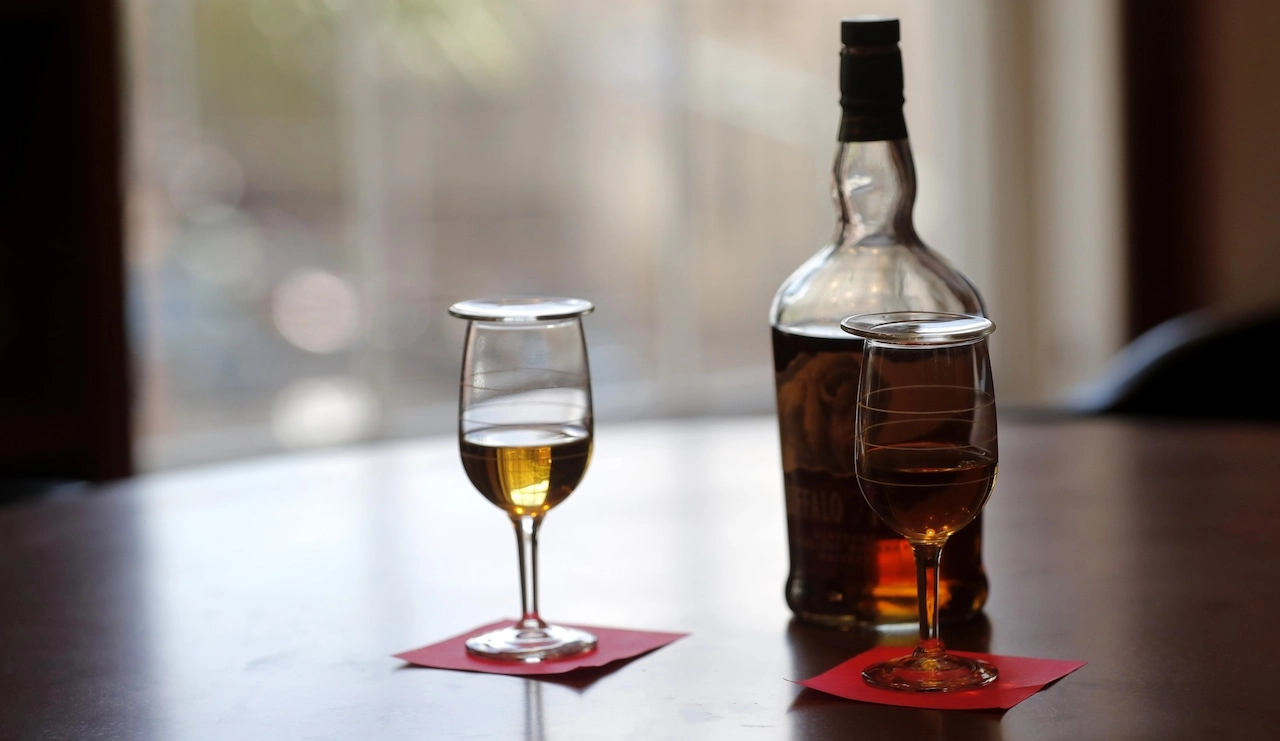
A large-scale online auction is currently taking place as Sazerac Co. is offering sought-after bottles of whiskey.Associated Press
CLEVELAND, Ohio – Sazerac Co. is conducting an online auction featuring some of its most prized spirits to aid the American Red Cross’s relief efforts for the victims of Hurricanes Milton and Helene.
A selection of individual bottles and collections from Sazerac’s premier distilleries and brands are available in the auction.
In the last month, Hurricane Helene caused severe flooding in Western North Carolina and neighboring regions, resulting in over 200 fatalities. Following this, Hurricane Milton struck Florida’s Tampa Bay area, bringing about flooding and widespread power outages.
Items will be featured in the no-reserve auction, starting at $100 for each bottle or collection.
• Double Eagle Very Rare Kentucky Straight Bourbon
• The Last Drop Release 28: Drew Mayville Signature Blend of Kentucky Straight Whiskeys
• The Last Drop Release 32: Louise McGuane 32-Year-Old Single Malt Irish Whiskey
• The Last Drop Release 33: 15th Anniversary 40-Year-Old Blended Scotch Whisky
• Buffalo Trace Antique Collection
• George T. Stagg Kentucky Straight Bourbon Whiskey
• Sazerac Rye 18 Year Old Rye Whiskey
• W.L. Weller Kentucky Straight Bourbon Whiskey
• Thomas H. Handy Straight Rye Whiskey
• Eagle Rare 17 Year Old Kentucky Straight Bourbon Whiskey
• Blanton’s Gold Single Barrel Bourbon
• Blanton’s Straight from The Barrel
• George T. Stagg Kentucky Straight Bourbon Whiskey
• Stagg Kentucky Straight Bourbon Whiskey
• W.L. Weller Antique 107 Kentucky Straight Bourbon Whiskey
• W.L. Weller Full Proof Kentucky Straight Bourbon Whiskey
• W.L. Weller Special Reserve Kentucky Straight Bourbon Whiskey
• W.L. Weller 12 Year Old Kentucky Straight Bourbon Whiskey
• W.L. Weller C.Y.P.B. Kentucky Straight Bourbon Whiskey
• W.L. Weller Single Barrel Kentucky Straight Bourbon Whiskey
• E.H. Taylor Jr. Small Batch Kentucky Straight Bourbon Whiskey
• E.H. Taylor Jr. Single Barrel Kentucky Straight Bourbon Whiskey
• E.H. Taylor Jr. Straight Rye Whiskey
• E.H. Taylor Jr. Barrel Proof Kentucky Straight Bourbon Whiskey
• E.H. Taylor Jr. Barrel Proof Rye Whiskey
• E.H. Taylor Jr. Four Grain Kentucky Straight Bourbon Whiskey
• 1792 Small Batch Kentucky Straight Bourbon Whiskey
• 1792 Single Barrel Kentucky Straight Bourbon Whiskey
• 1792 Full Proof Kentucky Straight Bourbon Whiskey
• 1792 Aged 12 Years Kentucky Straight Bourbon Whiskey
• 1792 Sweet Wheat Kentucky Straight Bourbon Whiskey
• 1792 Bottled-in-Bond Kentucky Straight Bourbon Whiskey
• Cask Strength Virginia Straight Bourbon Whiskey #1
• Cask Strength Virginia Straight Bourbon Whiskey #2
• Cask Strength Virginia Straight Bourbon Whiskey #3
The auction is live through 10 a.m. Friday, Nov. 1. To place your bid, visit blockbar.com.
Sazerac boasts a diverse portfolio of over 500 brands, including well-known favorites like Buffalo Trace Bourbon, Eagle Rare, Weller, The Last Drop Distillers, Fireball Cinnamon Whisky, Southern Comfort, Wheatley Vodka, Myers’s Rum, White X Cognac, Sazerac de Forge Cognac, Paddy’s Irish Whiskey, and many more.
I cover restaurants, beer, wine, and sports-related topics as part of our life and culture team. For my latest stories, check out this cleveland.com directory. I also join WTAM-1100’s Bill Wills to discuss food and drink on Thursdays around 8:20 a.m. You can follow me on Twitter and Instagram: @mbona30. My recent book, co-written with Dan Murphy, is titled: “Joe Thomas: Not Your Average Joe” by Gray & Co.
Curious about weekend events? Sign up for cleveland.com’s weekly “In the CLE” email newsletter.
Our weekly DineDrink C-L-E podcast delves into the vibrant food and drink culture of North Ohio. Check out cleveland.com/topic/dinedrinkcle for more insights. Don’t forget to follow @DineDrinkCLE on Instagram.
If you decide to purchase a product or create an account via a link on our site, we might receive compensation. By engaging with our site, you agree to our User Agreement and acknowledge that your clicks, interactions, and personal information could be collected and stored by us along with our social media and other third-party partners as detailed in our Privacy Policy.
Essential Tips to Know Before Marinating Chicken in Vodka

A marinated chicken recipe serves as a reliable staple for any home cook. It’s ideal for a quick weeknight family meal, can be prepared ahead of time for workday lunch salads, and also works wonderfully as a highlight for special celebrations.
Marinades for meat are versatile, acting as both tenderizers and flavor enhancers—there are countless options available when it comes to recipes and formulas. While you may have tried to brine fried chicken in pickle juice, using vodka as part of your marinade may be a new concept. Alcohol does more than just serve as a cocktail base; it can be a fantastic ingredient in savory dishes, even enhancing comforting chicken soup and proving to be an excellent option for marinating meats.
Alcohol contributes to a tender and soft texture by targeting the collagen that often makes meat tough. It also enhances the overall flavors of your dish, much like salt, while introducing its own unique taste. However, some proteins can handle the robust flavors of alcohol better than others. When marinating chicken with vodka, there are a few important considerations to keep in mind.
Read more: Delicious Ways To Season Your Fried Eggs
Meats such as beef, lamb, and pork possess more robust characteristics compared to chicken and can endure soaking in a vodka marinade for several days. Chicken, being more neutral and fragile, can be easily overwhelmed by strong flavors. Interestingly, while one might assume that white meat is the most prone to this effect, it’s worth noting that meats higher in fat content are more likely to absorb the flavors of an alcohol-based marinade. When it comes to chicken, the skin, wings, and thighs contain a greater amount of fat.
This doesn’t mean that you cannot try a vodka marinade with your chicken — just approach the process with care. Rather than soaking it for days, begin with a few hours (regardless of the cut). If you’re concerned that a strong vodka flavor may be unappealing for your chicken dish, consider other alcoholic marinades that may enhance your recipe while still achieving the desired marinating effect. Whiskey, with its notes of vanilla and caramel, makes a delightful combination with brown sugar, ginger, and soy, while the sweetness of rum complements spices like cinnamon and ginger beautifully.
There are numerous marinating mistakes that could jeopardize your chicken. By being aware of these potential pitfalls, you can have greater confidence in creating a tender, flavorful dish that will impress any guest.
Discover the original article on Chowhound.
Whiskey Lovers Unite: Highlights from the Des Moines Whiskey Festival

DES MOINES, Iowa — This past weekend, the Des Moines Whiskey Festival provided locals with the chance to sample a variety of whiskeys from across the nation.
The event began on the 25th with a dinner aimed at supporting the Young Women’s Resource Center, a nonprofit organization dedicated to the education and advocacy of young women in the Des Moines region. Their programs play a significant role in empowering women to become confident leaders in their communities.
The celebrations continued on the 26th, featuring over 55 different whiskey tastings. This impressive selection included famous distilleries from all over the country, as well as local producers from Iowa.
Community celebrates new mural and court at local park
“We are excited to return the Des Moines Whiskey Festival to the Horizon Event Center,” stated Edgar Ortiz, the festival organizer. “This occasion not only honors whiskey but also serves as an opportunity for us to unite as a community and support a meaningful cause.”
As attendees navigated the festivities, they were invited to delve into whiskey culture through expert-led masterclasses. A selection of gourmet food options was available to pair with various whiskey offerings.
In its sixth year, the festival aimed to enhance the enjoyment with activities such as roulette and craps tables for everyone to engage in. Live performances from a diverse range of artists, including Lauren Vilmain, filled the event with entertainment.
This all-day event caters to both whiskey enthusiasts and novices, ensuring there is something for all to enjoy.
Copyright 2024 Nexstar Media, Inc. All rights reserved. This material may not be published, broadcast, rewritten, or redistributed.
For the latest news, weather, sports, and streaming video, head to who13.com.
Vodka-Fueled Van Driver Sentenced for Fatal Crash that Claimed 71-Year-Old Woman’s Life

A van driver confessed to the police that he consumed a ‘glug’ of vodka prior to driving his vehicle and subsequently colliding with an oncoming car, resulting in his imprisonment.
Shaun Mulligan crashed his scaffolding van into a Suzuki Jimny, which was being operated by 71-year-old Jennifer Allen on the A281 in November 2022.
Tragically, Ms. Allen was declared dead at the scene, located between the West Sussex villages of Henfield and Woodmancote.
Witnesses reported that they could detect the scent of alcohol on Mulligan’s breath, and several empty vodka bottles were discovered littered around the wreckage of the van.
Three hours after the accident, tests revealed that he remained nearly double the legal alcohol limit.
On the evening prior to the collision on November 6, he consumed multiple cans of lager and shots of sambuca, and he skipped breakfast the next day.
On the day of the incident, Mulligan later confessed to having a ‘glug’ of vodka before stopping by to see a family member, and he had another drink from the bottle after leaving the visit.
Shortly after 4pm, he crashed his vehicle into Ms. Allen’s car.
Subsequent tests revealed that he exceeded the legal limit for benzoylecgonine, which is the chemical byproduct of cocaine.
Today, a 48-year-old resident of Eastbourne received a five-year prison sentence at Lewes Crown Court.
Heartbreaking tributes poured in for a 14-year-old boy who was found dead after going missing on his way to school.
A major motorway has been closed due to a lorry that caught fire while transporting hazardous chemicals.
Teenager who found himself bound to a quad bike by a farmer has shared the reasons that led him to be on the farmer’s property.
In another incident, a two-year-old boy and an eight-year-old girl have been hospitalized following a stabbing incident in east London.
Additionally, the individual involved in the latter has received a driving disqualification lasting seven and a half years.
Detective Sergeant Ian Foxton from Sussex Police commented, ‘It’s astonishing that Mulligan believed he could drive safely, despite having consumed vodka.’
After the verdict, Ms. Allen’s family expressed that Mulligan displayed a “selfish and reckless” attitude and “clearly lacked any sense of duty or responsibility.”
They further stated, “Many people were enriched by having Jenny in their lives, and we feel incredibly lucky to have experienced her kind and gentle spirit. We miss her every single day.”
To reach our news team, please send an email to webnews@metro.co.uk.
For additional stories like this one, visit our news page.
MORE : Maps show where Tommy Robinson march and counter-protest will happen in London
MORE : Sex offender tried ramming a man’s dog with a unicycle
MORE : UK’s ‘most prolific catfisher’ who drove girl, 12, to take her own life jailed
Plank Road Distillery’s Rum Earns Spot Among the Top 10 in the US for Three Consecutive Years!
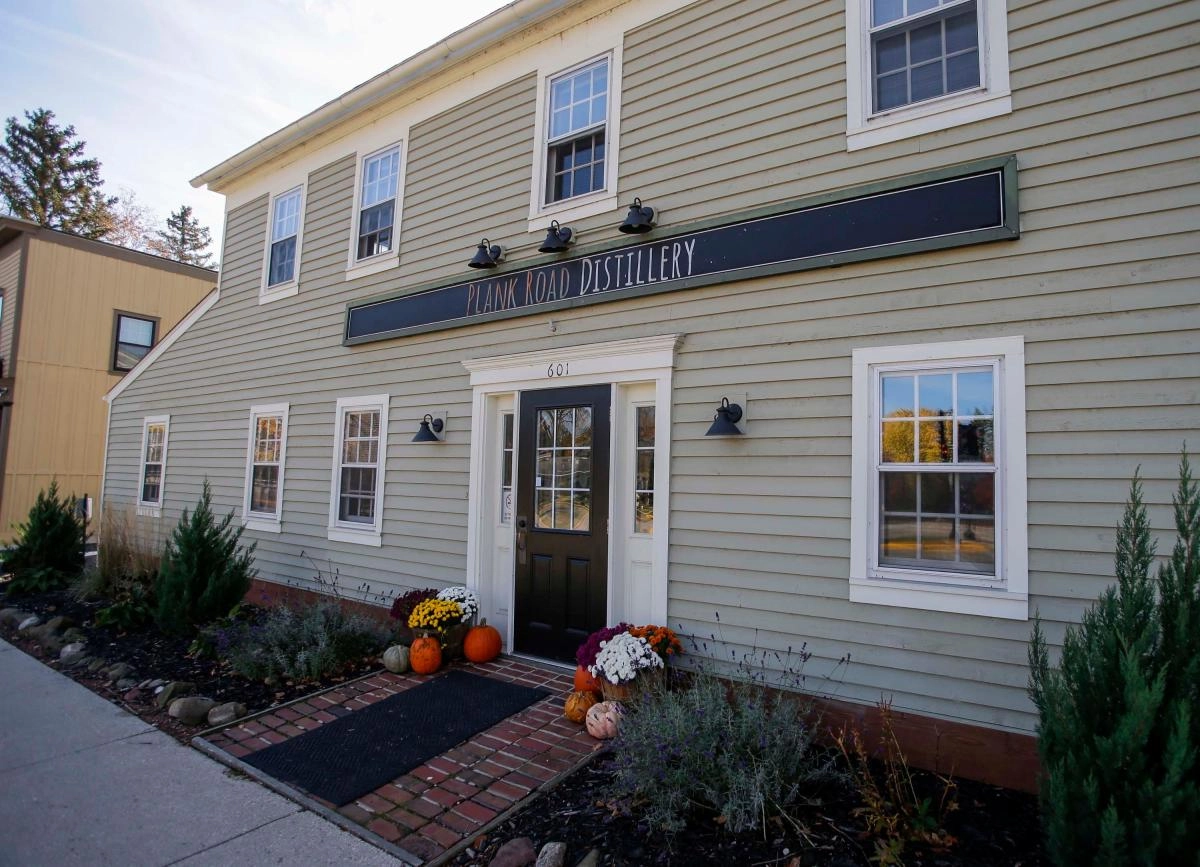
PLYMOUTH – Plank Road Distillery has earned a spot among the top 10 craft rum distilleries in the United States for the third consecutive year, as voted by USA TODAY readers.
Located at 601 Eastern Ave., the distillery claimed the second position in the USA TODAY 10Best Readers’ Choice Awards for craft spirits, following the lead of LYON RUM from St. Michaels, Maryland.
In this year’s rankings, Plank Road Distillery outperformed notable competitors such as St. Augustine Distillery in Florida and Koloa Rum Company in Hawaii.
Last year, Plank Road Distillery finished second behind LYON RUM, while in 2023 it placed behind Key West Legal Rum.
In 2021, readers recognized Plank Road as the fourth best new craft distillery.
Subscribe to the Streetwise newsletter to receive all the news about business openings and closings directly in your inbox.
Jarin and Michele Gelhar launched Plank Road in 2019, focusing on a range of craft spirits including vodka, gin, and bourbon.
Jarin previously shared with the Sheboygan Press that being ranked second in 2022 was “very humbling.”
Among the categories for the reader choice awards were Best Craft Vodka, Best Canned Cocktail Company, and Best Craft Distillery Tour.
Explore the history of a distillery building: Plymouth’s oldest building, now a distillery, dates to 1846. It started as an inn and has also served as a blacksmith shop and a church.
Additionally, two more companies from Wisconsin made their mark in the rankings: Madison’s State Line Distillery secured the fifth position for Best Craft Specialty Spirits, while Dane’s J Henry & Sons also ranked fifth in the Best Craft Whiskey category.
The process for the USA TODAY 10Best Readers’ Choice Awards begins with a selection of industry experts who are invited to propose their favorite nominees in various travel, lifestyle, and food and drink categories. Following their recommendations, editors compile a list of final nominees that is then made available for public voting.
Earlier this year, the Sports Car Club of America’s National Championship Runoffs took place at Road America, where it was recognized as one of the top 10 best motorsports races by USA TODAY readers. The event earned a commendable fourth place in the rankings, based on the 2024 USA TODAY 10Best Readers’ Choice Awards.
Have a story tip? Contact Alex Garner at 224-374-2332 or agarner@gannett.com. You can also follow her on X (formerly Twitter) at @alexx_garner.
This article originally appeared on Sheboygan Press: USA TODAY readers: Plymouth’s Plank Road Distillery rum placed second
A Whiskey Lover’s Perfect Weekend: Exploring Louisville in Three Days
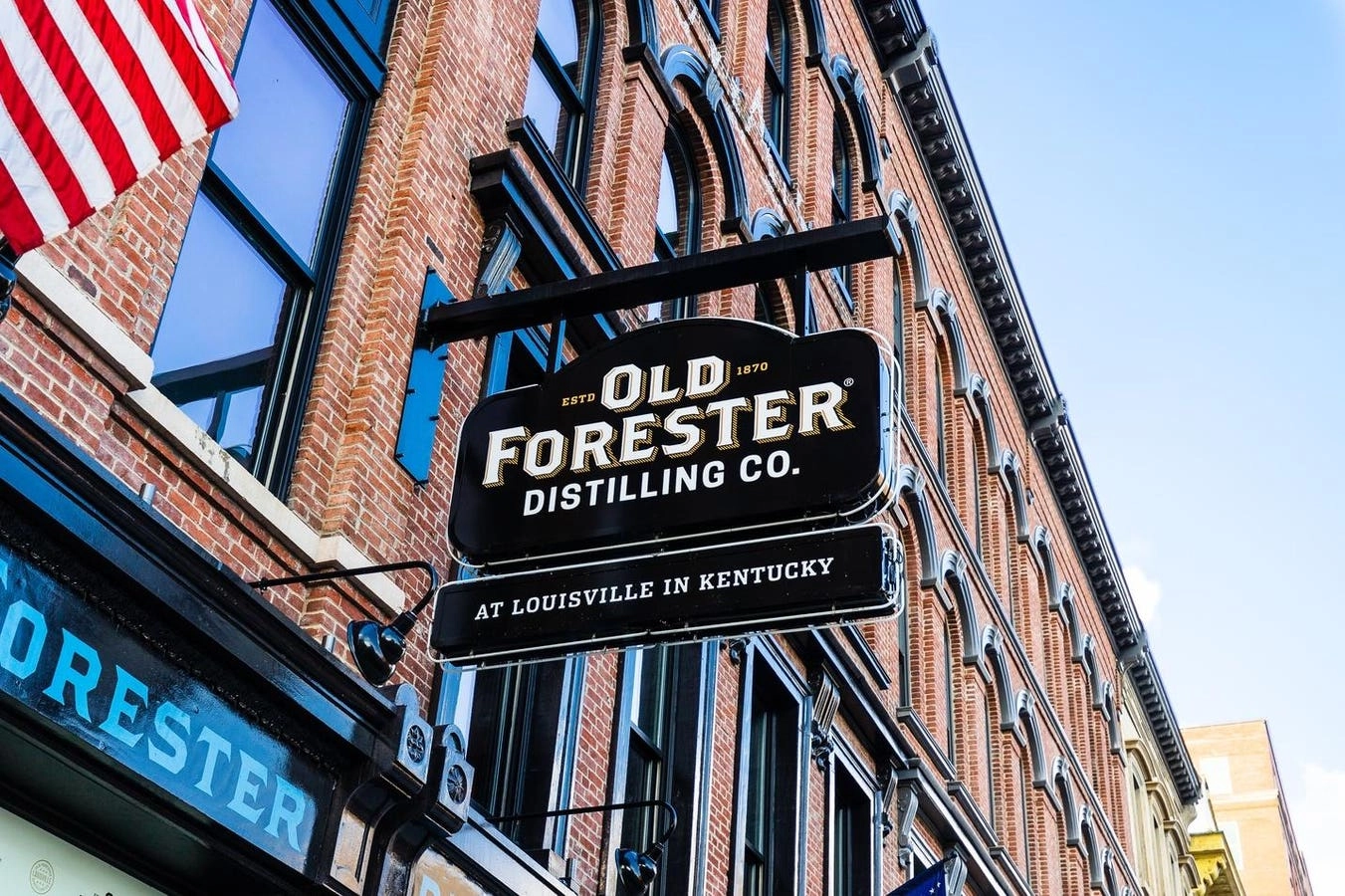
Planning a weekend getaway in Louisville, Kentucky? Here are 20 essential spots for whisky enthusiasts in America’s bourbon capital, covering everything from bars and retailers to distilleries and various attractions.
LOUISVILLE, KY, USA – JULY 24, 2018: Old Forester, a brand of Kentucky Straight Bourbon Whiskey produced by the Brown-Forman Corporation, is the longest continuously running bourbon in the market.
Are you in Louisville for the weekend? Check out these 20 must-see destinations for whisky aficionados in America’s bourbon capital, featuring bars, retailers, distilleries, museums, and other notable locations.
Situated on the historic Whiskey Row, Old Forester Distillery boasts the only cooperage located in downtown Louisville. Guests can explore the complete whiskey-making journey, from crafting barrels to aging, culminating in a tasting of their exceptional offerings. The distillery’s gift shop features renowned selections such as Old Forester 1920 Prohibition Style and Birthday Bourbon, along with exclusive releases available right on the premises.
The Bourbon Experience combines a whiskey museum with a micro-distillery, presenting a range of tours that include a whiskey and charcuterie pairing as well as a speakeasy-style bar. The gift shop features a comprehensive selection of Evan Williams bourbons and various offerings from the Heaven Hill family, including Elijah Craig and Parker’s Heritage.
Barrels of bourbon are aging at the Stitzel-Weller Distillery.
Set in a historic building, Angel’s Envy is a modern and spacious distillery that provides immersive tours culminating in a whiskey and chocolate pairing. This venue blends traditional elements with contemporary design, focusing on cask-finished bourbons with unique expressions found solely at the distillery.
Rabbit Hole is an innovative craft distillery recognized for its sleek design and modern approach to bourbon production. It features interactive tours and tastings at its Overlook Bar, and the gift shop showcases pioneering bourbons and rye whiskeys, including experimental finishes and limited-edition releases.
Situated within a historic edifice, Michter’s provides a personal and educational tour that explores the brand’s heritage, along with a tasting of its renowned small-batch and single-barrel whiskies. The gift shop features a selection of rare finds such as Michter’s 10 YO Rye and Michter’s 20 YO Bourbon.
A newly inaugurated tasting room and bottle shop presents exclusive barrel selections in a welcoming bar setting. The gift store focuses on distinct barrel-aged rye whiskies, offering special releases that are available on-site.
Part of the esteemed whiskey collection at Jason’s House of Bourbon.
This exceptional bottle shop and tasting room showcases a vast assortment of rare and collectible bourbons. Knowledgeable staff members offer expert advice and assistance. The shop boasts dusty bottles, rare releases, and limited editions, catering to enthusiasts of unique bourbons.
Doc’s boasts the largest collection of whiskey in Kentucky. With its extensive 60-page whiskey menu and inviting ambiance, it provides an excellent setting for sampling and discovering rare bottles. The establishment showcases over 2,000 different whiskies, including a variety of hard-to-find and vintage selections.
Although it isn’t a distillery, the Frazier Museum features exhibitions dedicated to Kentucky’s history, highlighting the state’s deep bourbon traditions. This venue marks the official beginning of the Kentucky Bourbon Trail. Visitors can explore historical artifacts related to bourbon production, as well as exhibits on several distilleries.
The Stitzel-Weller Distillery Today
Located just a short drive from Louisville, this historic distillery is the renowned home of the beloved Pappy Van Winkle whiskey range and is now part of the Diageo family. The distillery invites guests to embark on guided tours, partake in tastings, and enjoy the cocktail bar. The gift shop carries notable brands such as Blade and Bow, Orphan Barrel, and I.W. Harper, featuring exclusive barrel-aged expressions.
Renowned for its cutting-edge brandy production, this distillery also provides a variety of whiskies. The site boasts a contemporary ambiance, stunning rooftop views, and a trendy tasting room. In the gift shop, you’ll find exclusive, limited-edition whiskeys and unique experimental cask-aged brandies.
This honkytonk-style bar is deeply passionate about bourbon, offering a relaxed atmosphere complemented by live music and traditional Southern cuisine. It has an impressive selection of over 150 bourbons, with an emphasis on Kentucky distilleries and vintage bottles—making it the ideal starting point for your bourbon journey.
Nestled discreetly, this speakeasy features a cozy, library-like ambiance and is celebrated for its carefully curated whisky selection and inventive cocktails. It boasts an extraordinary assortment of whiskies from across the globe, including some rare and exclusive choices.
Merle’s expertly fuses Southern comfort food with an extensive bourbon collection. Known for its laid-back vibe, it offers barrel picks from top-tier distilleries. Featured selections include picks from renowned brands like Wild Turkey and Buffalo Trace, among other Kentucky favorites.
A bottle of Peerless Straight Rye Whiskey rests on the bar at Merles Whiskey Kitchen.
This family-owned distillery, which resumed operations after almost a century, is celebrated for its careful small-batch production and rich flavors. In 2024, it was awarded the title of World’s Best Bourbon at the International Wine & Spirits Competition. Their gift shop showcases one-of-a-kind single-barrel and small-batch rye and bourbon whiskeys.
Situated within Michter’s Fort Nelson Distillery, the bar provides an elegant yet laid-back atmosphere for sampling rare Michter’s offerings, including exclusive bottlings and craft cocktails crafted from their finest spirits.
Repeal is a distinguished dining establishment famed for its oak-fired steaks and outstanding selection of whiskeys. Nestled on Whiskey Row, it serves as a perfect conclusion to a day filled with bourbon tastings. Its extensive bourbon list features rare and premium selections, ideal for complementing its exquisite menu.
Prohibition is a boutique distillery that specializes in crafting bourbon, gin, and rum. It emphasizes artisanal production and offers personalized tours for its visitors. The gift shop showcases limited-edition bourbons and unique spirits that are available for tasting and purchasing.
Although its primary focus is on baseball, the museum sits on Whiskey Row, integrating itself into the rich cultural fabric of the area. It presents a fascinating contrast between the worlds of sports and bourbon history. While it isn’t a whisky venue, every baseball lover should stop by to gain insight into the local culture and its historical significance.
21c is a hotel that centers around art, featuring an ever-changing array of contemporary artworks throughout its space. Within the hotel, you can find Proof on Main, an in-house restaurant renowned for its extensive bourbon selection. It boasts a carefully curated list of Kentucky bourbons, ideal for complementing their sophisticated dining experience.
These diverse venues provide a variety of experiences for bourbon lovers, from informative distillery tours to secret speakeasies, making Louisville an essential stop for enthusiasts of this beloved spirit.
One Community. Many Voices. Create an account free of charge to express your opinions.
Our community focuses on bringing individuals together through engaging and respectful discussions. We encourage our readers to voice their perspectives and exchange ideas and information within a safe environment.
To facilitate this, please adhere to the posting guidelines outlined in our site’s Terms of Service. We’ve highlighted some essential rules below. In simple terms, please maintain a courteous tone.
Your submission may be dismissed if it appears to contain:
User accounts will be blocked if we notice or believe that users are engaged in:
So, how can you be a power user?
Thanks for reading our community guidelines. Please read the full list of posting rules found in our site’s Terms of Service.