Liquor-articles 2100
Dueling Studies Spark Controversy Over Whiskey Fungus at Wiggly Bridge Distillery in York
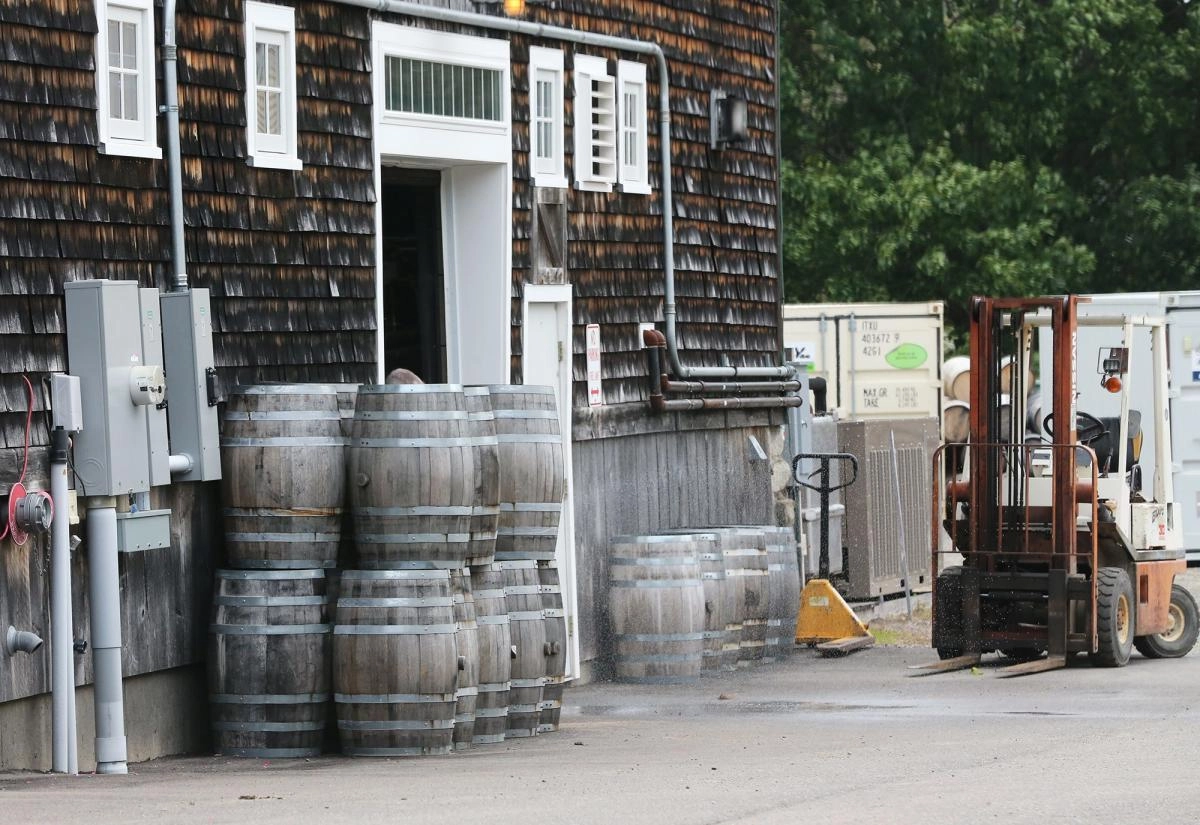
YORK, Maine — Competing studies regarding the presence of whiskey fungus in York have set expert opinions against each other as local efforts aim to block a distillery’s proposed expansion.
A recent report from the Canadian firm Sporometrics, dated September 23, disputes a study funded by Wiggly Bridge Distillery from earlier this year, which asserted that there was no whiskey fungus (Baudoinia) detected via DNA analysis near its location on Route 1. The new report, written by Richard Summerbell, has been presented by residents to the town Planning Board, which is currently evaluating the distillery’s proposed expansion plans.
Summerbell’s findings criticized the study by the University of New Hampshire for allegedly failing to utilize appropriate methods and for not taking into account several factors that might lead to whiskey fungus being overlooked. He characterized the claim that the study’s techniques were dependable as “grossly inaccurate.”
The DNA study commissioned by Wiggly Bridge was carried out by a microbial ecologist at UNH. Serita Frey, the professor who conducted the distillery’s DNA study, has since issued her own letter countering Summerbell’s allegations.
“(Summerbell’s) detailed criticism diverts attention from the absence of DNA-based proof of Baudoinia in York,” Frey mentioned in her reply.
More: York Beach lifeguard chief resigns after ignored calls for action on public drinking
There is growing worry among residents that Baudoinia, a dark fungus that flourishes on ethanol vapors, could proliferate if the distillery’s proposed expansion is granted.
The initial attempt by the distillery to expand was turned down by the Planning Board due to worries regarding the fungus and the town’s vapor emissions regulations. Currently, the distillery is looking to construct a similar storage facility for items other than aging whiskey, along with providing space for a kitchen.
Prior to the DNA study commissioned by the Wiggly Bridge, the town conducted its own study in 2023. This research involved Tora Johnson, a geographer from the University of Maine, who found that Baudoinia was identified using microscopy, suggesting that the distillery was likely the source of the findings.
In contrast, the UNH DNA study led by Frey determined that Baudoinia could not be identified through microscopy and necessitated DNA analysis instead. Amanda Woods, whose husband, David Woods II, along with his father, David Woods, established the distillery, asserted in September that the study offered an “undeniable answer” regarding the presence of whiskey fungus in the vicinity.
A resident named Adam Flaherty, who is an outspoken opponent of the distillery’s expansion, contacted Summerbell from the Ontario-based company Sporometrics following the DNA study’s report, which found no traces of Baudoinia.
“I reached out to (Summerbell) to gain clarity on the DNA report, hoping to understand why the findings could differ so significantly,” Flaherty mentioned. He also noted that he has not incurred any costs for Summerbell’s response thus far.
Summerbell pointed out a critical flaw in Frey’s report: the lack of a proper positive control. He contended that Frey’s choice of a “known fungal standard” as a positive control implied that any fungus could be randomly chosen.
“This is unreasonable,” Summerbell remarked. He emphasized that positive controls should consist of a field-collected sample that has been demonstrated to contain Baudoinia.
Summerbell observed that certain technical biases could obscure the detection of specific fungal community members while exaggerating the prominence of others, especially when employing methods akin to those in the Frey study. He highlighted several potential biases in Frey’s testing methodology, including DNA extraction bias, which suggests that some fungal materials might not release their DNA in proportion to how abundant they are.
Summerbell expressed that the sample sites were “far from optimal” for discovering Baudoinia. He noted that many of the organisms that were prominently detected had names that seemed “so implausible as alternative explanations for Baudoinia-like growth that, to the mycologist, the data… appear to function as an inadvertent smokescreen obstructing explanation of the original Baudoinia findings.”
Summerbell disputes the assertion that Baudoinia is untraceable through microscopy. He pointed out that Baudoinia is the unique fungus capable of starting blackening colonization on surfaces such as a glass tabletop or the windows and rooftops of cars when exposed to airborne ethanol from dewfall.
Community members have posted photographs showing dark substances on the sides of buildings in proximity to the distillery, including the nearby REMAX building.
More: Lawyer weighs in on whether York should buy Long Sands Beach for $4M
Amanda Woods mentioned that Wiggly Bridge received a reply regarding Frey’s DNA study from Flaherty the evening prior to the Planning Board meeting on September 27.
According to her, Frey responded to Summerbell’s critique within a day.
In his review, Frey emphasized that Summerbell’s own acknowledgment that microscopy alone is insufficient for the definitive identification of Baudoinia is the key takeaway.
Frey pointed out that Summerbell had not traveled to York while evaluating her study. She argued that Summerbell’s claim regarding the flawed positive controls in her research demonstrated his understanding was not in line with the current advancements in environmental metabarcoding.
Additionally, Frey contended that it was inconsistent to argue that a positive control must be a field-sourced Baudoinia sample when the objective of the study is to demonstrate the absence of Baudoinia. During their sampling expedition in York, she noted they observed no locations showing clear signs of extensive colonization by the “sooty mold” growth typical of Baudoinia.
“He appears to imply that to demonstrate the absence of Baudoinia at a certain location, one must first have gathered and recognized Baudoinia from that location,” Frey stated. “This is, in our view, evidently illogical and unscientific.”
Members of the Planning Board indicate that they do not plan to address the whiskey fungus reports during their discussions, as the present application does not pertain to the storage of aging barrels. The board made no determination regarding the suggested expansion and postponed the application to a subsequent meeting.
During public commentary on Sept. 27, Flaherty and other residents urged the Planning Board to reject the proposed expansion. He voiced concerns that the town should look into whether the distillery is breaching local vapor emissions regulations.
The code enforcement office responded with “no” when inquired if there was a violation, in an email presented to the Planning Board. Town planner DeCarlo Brown clarified in the Thursday meeting that “no” only indicated that a violation was not present at that moment but did not confirm whether the town has conducted any further investigations.
At the same time, Wiggly Bridge and its surrounding community are voicing their concerns about a citizen petition that will be on the ballot on November 5, which aims to impose new restrictions on the locations of distilleries. The proposed ordinance would mandate that distilleries must be at least 400 feet away from residential units and situated on a minimum of 25 acres of land.
In response, Wiggly Bridge has initiated a counter campaign against this petition, even organizing a launch event at their historic barn facility on Sunday, where they distributed signs to supporters. They have referred to the petition as a direct assault on local businesses.
“This ordinance is not simply detrimental to us,” stated the business in a press release. “Such a referendum poses a threat to small businesses everywhere.”
This article originally appeared on Portsmouth Herald: Dueling studies clash: Wiggly Bridge Distillery whiskey fungus debate
20 Irresistible Vodka Cocktails to Celebrate National Vodka Day
Ketel One Espresso Martini
October 4th marks National Vodka Day, providing an excellent opportunity to delve into the versatility of this beloved spirit. With its clean and neutral flavor, vodka seamlessly blends into a wide range of cocktails, whether you’re inclined towards traditional recipes or eager to experiment with fresh concoctions. From straightforward mixers to imaginative creations, these vodka cocktails will enhance your celebration.
Vodka reigns supreme in the spirits industry, accounting for nearly one-third of all sales, as reported by the Distilled Spirits Council. This success is significantly fueled by the rising trend of flavored vodkas, which now capture around 21% of the market share. With options that vary from spicy blends to zesty citrus and decadent vanilla, these flavored vodkas offer consumers diverse ways to savor this spirit.
Whether you’re aiming to put a spin on a classic cocktail or wish to discover a new favorite, these beverages simplify the process of getting creative.
Five-Star Gold Martini from The Setai Miami Beach
Located in Miami Beach, this exquisite cocktail features a blend of rare components such as Louis XIII Cognac and Inniskillin Ice Wine, creating an indulgent experience with a glamorous flair. This lavish martini is truly a delight.
Ingredients:
Instructions: Combine all ingredients in a mixing glass. Add ice and stir until well chilled. Strain into a coupe glass. For a luxurious touch, garnish with a sprinkle of 24-carat edible gold flakes.
Wingman Collins
This contemporary take on the traditional Tom Collins combines refreshing mint tea and zesty lemon for a vibrant flavor experience.
Ingredients:
Instructions: Combine all ingredients in a shaker with ice. Strain into a Collins glass filled with fresh ice, add club soda on top, and finish with a garnish of lemon and a cherry.
New Amsterdam Vodka
This invigorating take on the traditional Moscow Mule combines the zesty kick of ginger beer with the smoothness of New Amsterdam vodka and a hint of lime. Quick to prepare, this cocktail is perfect for both a cozy night in and a laid-back gathering with friends. The addition of mint and lime as garnishes adds a refreshing touch, making the flavors delightful to savor.
Ingredients:
Instructions: Combine the ingredients in a mule mug filled with ice and stir to mix and chill. Finish off with a garnish of lime and mint.
Cosmos from Pegasus Distillerie
This classic, fruity cocktail presents an ideal blend of sweetness and tartness, enhanced by a splash of lime that pairs beautifully with the cranberry and vodka.
Ingredients:
Instructions: Combine all ingredients with ice and shake until thoroughly chilled. Strain the mixture into a chilled martini glass. Finish with a twist of lime peel and a dash of lime zest for garnish.
Blackberry Sage
A rich and fruity cocktail with a hint of earthiness from the sage, balanced by the brightness of lemon juice and bubbles.
Ingredients:
Instructions: Shake vodka, lemon juice, and syrup with ice. Strain into a glass, top with champagne, and garnish with baby’s breath.
For Blackberry Sage Syrup: In a bowl, mix one cup of blackberries, one cup of sugar, and fresh sage. Allow it to sit for over 30 hours, then strain and store the syrup.
Spicy Tamarita from Smirnoff
This is not your typical margarita—the addition of tamarind provides a tangy edge, while lime juice and agave harmonize the flavors perfectly. A dash of heat from a jalapeño garnish adds liveliness without overwhelming the palate. If you enjoy a bit of spice, this cocktail offers a delightful way to enhance the flavor, all topped off with a Tajin rim for an extra burst of zest.
Ingredients:
Instructions: Combine all the ingredients in a cocktail shaker. Strain the mixture into a double old fashioned glass filled with fresh ice. Add a garnish and serve immediately.
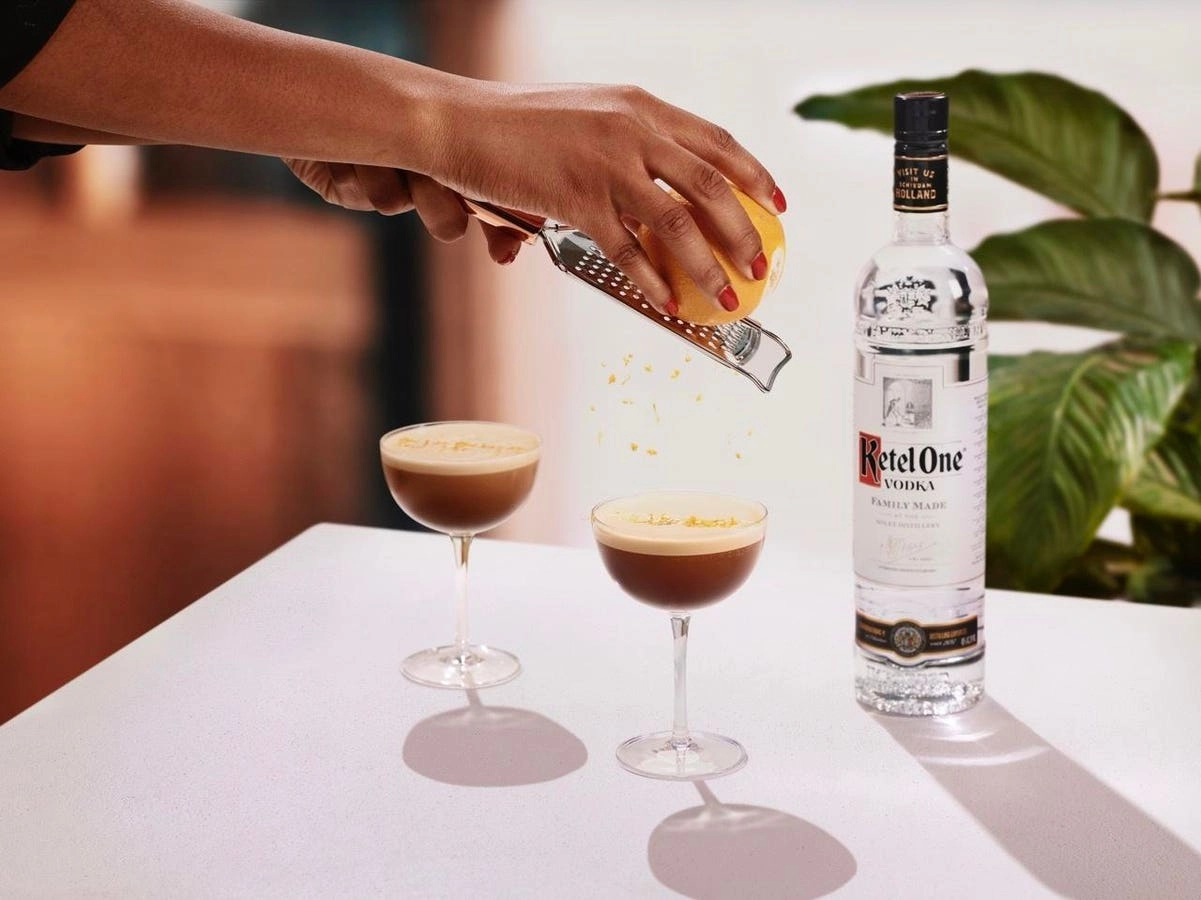
Ketel One Espresso Martini
Experience a luxurious and velvety espresso martini, ideal for coffee enthusiasts seeking a spirited twist in their drink. This cocktail, featuring vodka, espresso, and coffee liqueur, offers intense flavors balanced with a hint of sweetness.
Ingredients:
Instructions: In a shaker filled with ice, combine all ingredients. Shake thoroughly and strain into a chilled martini glass. For garnish, place three coffee beans or some orange zest on top.
Pau Maui Vodka
Skip the mimosas and try this delightful brunch cocktail that introduces a zesty twist with apple cider vinegar. The fresh juices from pineapple and lemon create a bright blend that perfectly counterbalances the tang.
Ingredients:
Instructions: Combine all ingredients in a shaker tin. Add ice to the shaker and shake vigorously for 6 to 8 seconds. Strain the mixture over ice cubes or a large rock cube. Garnish with a fresh cubed pineapple on a skewer (or dried, if preferred) and a piece of candied ginger.
Cafe Con Party
If you enjoy coffee with a twist, this cocktail featuring horchata-flavored vodka serves as a delightful dessert in a glass, boasting the luscious flavors of cold brew and cinnamon.
Ingredients:
Instructions: Combine all ingredients in a pint glass. Swizzle with crushed ice until frosty. Garnish with a cinnamon stick and dust with chocolate.
Ginger Passion Fruit Martini
A tropical and spicy martini with notes of cranberry and passion fruit, finished with a sprinkle of chili flakes.
Ingredients:
Instructions: Shake all ingredients with ice and serve in a martini glass. Garnish with chili flakes.
Cran-Blackberry Mule from Nixie
This zero-sugar mule delivers a bold ginger kick while harmonizing the sweetness of cranberries and blackberries. Ideal for the fall season, it’s both light and refreshing.
Ingredients:
Instructions: Muddle blackberries in a glass. Incorporate cranberry juice, lime juice, and vodka. Finish with Nixie Ginger Ale. Adorn with fresh mint and frozen cranberries.
Grey Goose Martini
Elegance is timeless, just like a classic Grey Goose Martini, presented in a smooth, frosted glass along with a solitary olive or a twist of lemon, embodying minimalist sophistication. The straightforwardness of the martini echoes the chic yet subtle fashion trend.
Ingredients
Instructions: Combine Grey Goose, vermouth, and bitters in a cocktail shaker filled with ice. Stir thoroughly and strain into a chilled martini glass. Finish with a twist of lemon as a garnish.
A refreshing tropical twist on a spritz, this cocktail blends the tangy flavor of cranberry juice with the effervescent sweetness of Prosecco.
Ingredients:
Instructions: Fill a wine glass with ice. Pour in vodka, triple sec, and cranberry juice. Stir gently and finish with Prosecco. Garnish with orange zest and cranberries.
Sunset Martini by Eunice Silva
A vibrant, cherry-driven martini with a refreshing citrus kick, ideal for enjoying at sunset.
Ingredients:
Instructions: Shake all ingredients with ice, strain into a martini glass, and finish with a brandied cherry as a garnish.
Ribbons and Bows Galore from St. Germain
The Ribbons and Bows Galore cocktail offers a light and floral experience, making it a wonderful choice for special celebrations. The St-Germain elderflower liqueur adds a gentle sweetness that complements the crisp vodka foundation, while a touch of lemon juice delivers a refreshing zing. For an extra touch of sophistication, consider garnishing with edible flowers. This cocktail is easy to prepare, yet it presents and tastes as if crafted by a skilled bartender at a high-end bar.
Ingredients:
Instructions: Begin by combining the St-Germain, vodka, freshly squeezed lemon juice, and sugar syrup in a cocktail shaker. Add a generous amount of ice and shake the mixture vigorously until it reaches a nice chill. Once chilled, fine strain the cocktail into a cool coupette glass. To enhance the aroma, gently twist a piece of lemon peel over the drink to release its oils, then discard the peel. Optionally, finish with a garnish of edible flowers.
Wandering No.9 by Derrick Turner
This cocktail blends tropical and floral elements with the exotic tastes of lychee, coconut, and hibiscus, resulting in a captivating hue derived from butterfly pea tea.
Ingredients:
Instructions: Combine all ingredients with ice, then strain into a rocks glass filled with fresh ice. Finish by garnishing with crushed hibiscus flowers.
One Community. Many Voices. Create a complimentary account to express your opinions.
Our community focuses on connecting individuals through open, considerate conversations. We encourage our readers to voice their perspectives and share ideas in a secure environment.
To facilitate this, please adhere to the posting guidelines outlined in our site’s Terms of Service. Here’s a brief overview of some essential rules: simply maintain a civil discourse.
Your submission may be declined if we detect the following:
User accounts may face suspension if we discover or suspect involvement in any of the following activities:
So, what does it take to become a power user?
We appreciate your attention to our community guidelines. For a comprehensive overview of our posting regulations, please refer to our site’s Terms of Service.
8 Easy-to-Make Drinks for Your Next Airplane Journey

A bloody mary is the perfect in-flight drink with a kick.
Flying can be stressful, and while airplane food has seen improvements, the drink choices remain fairly traditional: beer, wine, and a basic rum and Coke. However, with a little creativity, the small bottles and limited mixers available at 35,000 feet can be transformed into something more enjoyable.
Whether you’re looking to make your confined seat a tad more comfortable or wish to impress your seatmate, here are a few cocktails you can easily mix mid-flight with what’s available.
There’s something about being in the air that makes a bloody mary taste even more delightful. It’s a cocktail that seems tailor-made for airplanes—savory, satisfying, and simple to put together. Most airlines carry tomato juice and vodka, and if you’re fortunate, you might even get a splash of hot sauce or a pepper packet. Here’s what you’ll need:
Ingredients you will require:
Instructions to prepare:
And there you have it, a refreshing bloody mary to enjoy while soaring in the sky.
Even if you don’t have grenadine for a complete tequila sunrise, you can effortlessly blend tequila with orange juice for a straightforward, sunny refreshment that truly satisfies.
Essential Ingredients:
Preparation Steps:
This refreshing cocktail boasts a vibrant citrus flavor, perfect for sipping while you’re in the air.
If you’re in the mood for something rich and satisfying mid-air, give the white Russian a try. Even though fresh cream isn’t available on flights, you can substitute it with coffee creamer packets that airlines commonly provide.
Ingredients required:
Instructions for preparation:
This concoction is akin to a delightful dessert beverage that you can savor while soaring through the skies.
For those who appreciate beer but are eager to try something different, consider crafting a invigorating shandy. Combine beer with a splash of lemonade or soda for a light and refreshing alternative that’s perfect for times when you’re craving something beyond regular beer.
Essential Ingredients:
Preparation Steps:
This refreshing beverage introduces a delightful sparkle and a hint of sweetness, enhancing your typical beer experience.
For a refined and comforting option, consider blending your in-flight coffee with a small serving of cognac or brandy. This choice is ideal for extended journeys when you’re looking for an extra boost in flavor.
Ingredients Required:
Preparation Steps:
This unique blend is ideal for sipping after a meal or to ease the discomfort during a long flight.
If you’re in the mood for a cocktail that delivers a satisfying kick yet can be effortlessly prepared while traveling, consider a whiskey ginger. Ginger ale is commonly available on flights, and securing a small bottle of whiskey is quite simple. This timeless pairing is perfect for occasions when you desire something straightforward yet impactful.
Required Ingredients:
Preparation Steps:
This beverage offers a refreshing taste with a slight kick, perfect for those lengthy flights.
If you find yourself yearning for a taste of the tropics while on a long-haul journey, a homemade rum punch can infuse some vacation spirit into your limited seat area. Most airlines tend to have orange juice on hand, possibly some cranberry juice, and of course, rum. By mixing these ingredients, you can whip up a fruity, punchy drink that stands out from the usual selections.
Ingredients you’ll require:
Steps to prepare:
While you may not be at the beach, you can still enjoy a refreshing drink from your seat in coach.
This one takes a little imagination, but you can successfully create a DIY old fashioned even when you’re soaring at 35,000 feet. If you’ve brought along some sugar packets and can snag a mini whiskey, you’re already on your way. Just include a dash of water or club soda and give it a stir.
Essential Ingredients:
Preparation Method:
While it may not be flawless, this is a commendable effort to craft a classic cocktail in an unusual environment.
Creating drinks while flying requires simplicity. With limited ingredients and basic tools, a bit of creativity can transform your in-flight experience from a mundane soda or beer to something more enjoyable. Keep in mind that moderation is important; there’s nothing worse than landing at your destination feeling unwell due to overindulging in cocktails during the flight.
The next time you’re on a flight, take a moment to explore what’s on offer and think outside the box. You may discover that your seat feels a bit cozier with a homemade cocktail in your hand!
One Community. Many Voices. Create a free account to express your ideas.
Our community thrives on connecting individuals through open and meaningful discussions. We encourage our readers to voice their opinions and share ideas and facts in a welcoming environment.
To maintain this atmosphere, please adhere to the posting guidelines outlined in our site’s Terms of Service. We’ve highlighted some of the essential rules below. In short, please keep the discussions respectful.
Your submission may face rejection if it appears to include:
User accounts could be suspended if we observe or suspect that users are involved in:
So, what does it take to become a power user?
We appreciate you taking the time to read our community guidelines. For a complete overview of posting regulations, please refer to our site’s Terms of Service.
8 Easy-to-Make Drinks You Can Enjoy on Your Next Flight

Flying can be an anxiety-inducing experience, and while the quality of airplane meals has improved, the beverage choices in the air remain quite conventional: beer, wine, and the ever-reliable rum and Coke. However, a bit of ingenuity can turn those small bottles and limited mixers into a much more delightful treat at 35,000 feet.
Whether you’re aiming to make your tight space more pleasant or simply wishing to impress the person sitting next to you, here are a few cocktails you can easily mix together mid-flight using what’s available.
There’s something special about enjoying a Bloody Mary while soaring through the skies. It’s a drink practically designed for flights—rich, enjoyable, and simple to put together. Most airlines offer tomato juice and vodka, and if you’re fortunate, you may also receive a dash of hot sauce or a pepper packet. Here’s what you’ll require:
Essential Ingredients:
Preparation Steps:
Congratulations, you now have a refreshing Bloody Mary to enjoy while soaring high in the sky.
Even if you can’t find grenadine for a classic Tequila Sunrise, you can still create a delightful drink by blending tequila with orange juice for a bright and satisfying beverage.
Ingredients required:
Preparation steps:
This cocktail offers a refreshing citrus flavor, perfect for sipping while flying high in the sky.
If you’re craving something rich and smooth during your journey, consider sipping on a White Russian. Although fresh cream isn’t available on airplanes, you can use coffee creamer packets commonly found on most airlines for a tasty alternative.
Ingredients required:
Preparation steps:
This is a delightful dessert drink perfect for savoring while soaring at high altitudes.
If you appreciate beer but are looking for a change, consider crafting a revitalizing Shandy by blending beer with a splash of lemonade or soda. It’s a light option that’s perfect for moments when you crave something beyond standard beer.
Ingredients Required:
Preparation Instructions:
This beverage offers a refreshing twist, introducing an element of sparkle and sweetness to your typical beer.
For a more refined, comforting drink, blend your in-flight coffee with a mini bottle of cognac or brandy. This is an ideal choice for lengthy journeys when you seek a boost alongside your caffeine fix.
Ingredients Required:
Preparation Steps:
This intriguing blend is ideal for refreshing yourself after a meal or winding down during a late-night flight.
If you’re looking for a cocktail that’s both strong and convenient to whip up, the Whiskey Ginger is an excellent choice. Ginger ale is commonly available on flights, and it’s easy to pick up a small bottle of whiskey. This timeless pairing is just the right option for those moments when you want something straightforward yet satisfying.
Ingredients required:
Preparation steps:
This drink is invigorating, with just the right amount of zest to energize you on those lengthy journeys.
When the tropical spirit hits, but you find yourself on a cross-country flight, a homemade Rum Punch can transport you to a beachside getaway, even in your tight seat. Most airlines carry orange juice, occasionally cranberry juice, and rum. When mixed together, these ingredients create a delightful, fruity concoction that serves as a refreshing alternative to the standard beverage selections.
Ingredients Required:
Instructions:
While it may not be an actual beach bar, it certainly brings you a taste of one while you’re confined in coach.
This recipe requires a bit of ingenuity, but creating a DIY Old Fashioned at 35,000 feet is entirely feasible. If you’ve stashed away some sugar packets and can snag a mini whiskey, you’re nearly set. Just mix in a splash of water or club soda, and give it a good stir.
Essential Ingredients:
Preparation Steps:
While it may not be flawless, it represents a commendable effort to create a classic cocktail in an unusual environment.
When mixing drinks while soaring high in the sky, simplicity is paramount. With limited ingredients and basic tools at your disposal, a touch of creativity can significantly enhance your flying experience, making it more enjoyable than just sipping on a regular soda or beer. Keep in mind, moderation is essential—there’s nothing worse than arriving at your final destination feeling unwell due to excessive in-flight libations.
The next time you find yourself in the skies, take a moment to explore the options available to you and think outside the box. You may discover that enjoying a homemade cocktail can enhance the comfort of your seat!
One Community. Many Voices. Create a complimentary account to express your opinions.
Our community is dedicated to fostering connections among individuals through open and thoughtful dialogue. We encourage our readers to voice their perspectives and share ideas and information within a respectful environment.
To facilitate this, please adhere to the posting guidelines outlined in our site’s Terms of Service. We have highlighted some of the primary rules below. In short, please remain respectful.
Your submission may be declined if it is found to include:
User accounts may be suspended if there is evidence or suspicion of involvement in:
So, what steps can you take to become a proficient user?
We appreciate your attention to our community guidelines. For a comprehensive overview of our posting regulations, please consult the complete list located in our site’s Terms of Service.
Jason Momoa Declares His Vodka the Best in the World—TAG Global Spirits Backs Him Up!

Actor Jason Momoa and fashion designer Blaine Halvorson set out on a journey across different continents in search of the ideal vodka. Were they able to achieve their goal?
Blaine Halvorson (left) and Jason Momoa crafted Meili Vodka specifically to be enjoyed as a sipping vodka.
Before offering me a taste of his Meili Vodka, Jason Momoa encourages me to compare it to one of the leading vodka brands on the market. He sets the Meili bottle aside and hops behind the bar. We are at a private venue within Kyma restaurant and bar, located in New York City’s Flatiron district, where I have the opportunity to meet Momoa along with his Meili Vodka co-founder, fashion designer Blaine Halvorson.
Blaine Halvorson and Jason Momoa at the Meili Vodka event in Florida.
The actor, standing at 6’4″ and clad in black with a cowboy hat, returns holding a bottle he has requested I keep nameless, a critically acclaimed vodka from outside the U.S. He begins by pouring this vodka into a glass, followed by some Meili.
“Take a whiff of this one, then our Meili,” Momoa suggests.
The comparison vodka has hints of both alcohol and a cleaning product scent, while the Meili delights the senses with its richer, fuller aroma. As Momoa has presented this other vodka for evaluation, I take a sip. It offers a solid flavor with minimal alcohol burn and a smooth, clean aftertaste, much like many vodkas that aim to blend seamlessly with any mixer.
Next, I grab the sample of Meili Vodka and take a sip.
* * *
Jason Momoa and Blaine Halvorson engage in conversation with Erik Ofgang at Kyma in New York City, on September 8, 2024.
The history of vodka in the United States is quite peculiar. Back in the early 1930s, the first vodka distillery in the nation was established in Connecticut by a Ukrainian immigrant named Rudolph Kunett. He had acquired the name and recipes from a Russian vodka brand that was virtually unknown in the U.S., which happened to be Smirnoff. However, Americans initially struggled to appreciate what they considered to be just a clear and tasteless form of whiskey. Consequently, Kunett had to shut down his distillery and sell the business. The sales for Smirnoff only began to flourish once the new owners promoted it as a flavorless, odorless cocktail mixer—essentially a spirit designed to blend seamlessly with other beverages.
I had the opportunity to share this narrative in an episode of the History Channel’s “Food That Built America,” a tale that is familiar to both Momoa and Halvorson, and served as partial motivation for their own vodka creation.
“When vodka first arrived, it wasn’t something people were excited about, so it ended up becoming just an ingredient,” says Halvorson. “We decided to reimagine what it could truly be.”
“Vodka has been constantly evolving,” adds Momoa. “Our goal was to create a vodka that can be sipped and appreciated as a true spirit rather than just another mixer.”
Founded by Blaine Halvorson and Jason Momoa, Meili Vodka has already received numerous accolades.
Their journey began nearly ten years ago, long before Momoa took on the role of Aquaman. Halvorson is a renowned fashion designer celebrated for his work with brands such as Junkfood Clothing and Madeworn. Known for his dedication to handmade, intricately crafted products, he and Momoa connected through Momoa’s former spouse, Lisa Bonet, leading to a strong friendship and collaborative partnership. Halvorson has contributed creatively to many of Momoa’s film projects. “It was a beautiful bond formed between two creative souls, united by a shared passion for craftsmanship,” Halvorson reflects.
Jason Momoa samples Meili Vodka at Kyma in New York City on September 8, 2024.
Nine years prior, a collaboration to create a spirit was envisioned, yet vodka was not initially part of their plan.
“We did not enjoy vodka. It wasn’t something we drank,” Halvorson recalls. However, as he delved into the history of vodka, he became fascinated with how the spirit had drifted from its artisan origins. Halvorson recognized an opportunity to restore its craftsmanship. Upon discovering that vodka is composed of 60% water, he proposed the concept to the environmentally conscious Momoa. Initially, the actor thought he was being pranked, but he soon aligned with the idea. “Once he laid it out for me, it made complete sense,” Momoa states.
The duo embarked on a significant journey to find the purest water source possible for their vodka. Their travels took them to Antarctica and remote parts of Greenland. However, the waters they discovered either didn’t meet their standards or couldn’t be utilized on the scale required. According to Halvorson, most vodka brands disregard the source of their water because they strip away its minerals. “Our aim was to embrace the water, preserving its beauty and character,” he emphasizes.
In the meantime, Halvorson’s father shared tales of a water source nestled in the mountains of Montana. Initially, the pair didn’t take the idea seriously, but Halvorson’s father’s unwavering enthusiasm convinced them to explore it. Upon their arrival in Montana, they discovered a natural spring with a consistent temperature, reminiscent of legends surrounding the fountain of youth.
“It was 20 below, and it felt like something out of ‘Avatar.’ You could look into the water and see flowers blooming,” Halvorson recounts.
The duo successfully located their water source, leading to the launch of Meili vodka in 2023. This unique water serves as the foundation for Meili Vodka, complemented by a gluten-free grain blend featuring grains from Montana.
The vodka’s packaging is equally intriguing and environmentally friendly, as one would expect from a brand created by a fashion icon and movie star. Each bottle is crafted entirely from recycled glass, showcasing a captivating green tint. Notably, no two bottles are exactly the same.
* * *
By the time I finish my sip of Meili, I find myself among its admirers. The vodka boasts a silky flavor, with a subtle warmth from the alcohol and hints of vanilla on the aftertaste, making it one of the few vodkas I enjoy savoring neat — although it also serves as an excellent mixer. As noted in a previous Forbes article, Meili was recognized as the world’s best vodka by the TAG Global Spirits Awards, and it secured a gold medal at The San Francisco World Spirits Competition.
Momoa and Halvorson are not taken aback by the enthusiastic response and high ratings the vodka has garnered. This was precisely their goal. They aspire to reshape people’s views of vodka and restore its reputation as a drink appreciated for its intrinsic qualities.
Meanwhile, Momoa explains that his partnership with Halvorson in creating this brand feels like a seamless continuation of his filmmaking endeavors.
“What I cherish the most is storytelling,” he shares. “Our quest to discover these water sources and to comprehend the dynamics of our environment, I work with the UN, allowing me to grasp the issues surrounding water, climate change, and the communities adjacent to these vital resources. Crafting narratives about these topics is truly remarkable.”
One Community. Many Voices. Create a free account to express your opinions.
Our community focuses on uniting individuals through open and insightful discussions. We encourage our readers to voice their perspectives and share knowledge in a secure environment.
To facilitate this, please adhere to the posting guidelines outlined in our site’s Terms of Service. We have highlighted some of the essential rules below. In essence, maintain civility.
Your submission may be denied if any of the following conditions are met:
User accounts may face suspension if we observe or suspect involvement in:
So, what does it take to become a power user?
We appreciate your time in reviewing our community guidelines. For a comprehensive understanding, please refer to the complete set of posting regulations available in our site’s Terms of Service.
Is There Such a Thing as Too Cold for Whiskey? Exploring the Science Behind Optimal Serving Temperatures

When discussing the intricacies of taste and fragrance, few spirits garner as much admiration as whiskey (or whisky, missing the “e”). This appreciation brings along the complexities of savoring those distinct notes. If you’re savoring whiskey through a mixed drink such as a highball cocktail, you can expect it to be crisp and refreshing. However, when enjoying your preferred dram either neat or over ice, the temperature plays a vital role in its taste. Whiskey consumed at excessively cold or slightly warm temperatures might not showcase the flavor profile intended by the distiller. While this may not necessarily be negative based on individual preferences, the ultimate approach to enjoying whiskey, or any spirit, is simply how you find it most pleasurable.
That said, it’s beneficial to understand how the spirit’s flavor evolves with varying serving temperatures. To fully appreciate the diverse range of flavors and aromas in your whiskey, you’ll want to avoid letting it get too cold, as this can mute those distinct flavors. We spoke with Anna Axster and Wendelin von Schroder, the co-founders of Lodestar Whiskey, to learn about their whiskey drinking habits and what one could miss by consuming brown spirits at too low a temperature.
Explore further: You’re Probably Making One Big Mistake When Using A Menu
Whiskey at room temperature (roughly 60 degrees Fahrenheit) showcases its intricate notes more effectively than when it’s chilled. While this is advantageous for exploring whiskey’s delicate flavors, it can also mean that more robust alcohol and oak characteristics may become overpowering. Therefore, slightly chilling your whiskey could enhance its taste and make it more enjoyable to sip.
“We’re all about whiskey neat or on the rocks — both bring out different sides of a whiskey,” Wendelin von Schroder explains. “When you sip it on the rocks (with ice), the alcohol’s intensity is softened, and the melting ice (water) helps release more aromas while altering the taste. On the other hand, chilling whiskey without ice doesn’t reduce the bite as effectively, but it does diminish the aromas.”
Colder drinks generally tend to emit fewer aromas, which can lessen their flavor; however, this can benefit those who are new to whiskey. Interestingly, lower temperatures may also be more suitable for younger or less-aged whiskeys. The barrel aging process introduces flavors of vanilla, caramel, and oak, which can be muted if the whiskey is too cold. Thus, a well-aged whiskey is best savored closer to room temperature, while a younger variety can be enjoyed chilled without significant loss of flavor. For a unique experience, why not try the unconventional yet science-backed blend of whiskey and pickle juice? This allows you to enjoy the spirit at room temperature, while alternating each sip with some chilled, tangy pickle juice.
For more insights, check out the original article on Foodie.
Understanding Peat: Its Role and Significance in Whiskey Production

Whiskey is a multifaceted and diverse spirit that is produced from a variety of fermented grains. These grains are distilled using distinct methods and aged in different types of barrels. With whiskeys being blended and crafted in regions all over the world, the breadth of this spirit is truly impressive.
There are many ways to classify whiskey styles, but one particularly notable characteristic is the use of peat. This feature tends to evoke strong opinions—some enthusiasts revel in the intense smoky notes, while others may prefer different profiles. Nevertheless, there is a fascinating allure to its depth and complexity. Typically, peat conjures thoughts of Scotch, which is perhaps the most renowned example. Yet, peat serves a greater purpose in whiskey beyond just flavor or a regional characteristic.
Peat refers to the dense, decomposed plant material that traditionally fueled whiskey distillation in Ireland and Scotland— the two historical centers for this spirit. Interestingly, in these regions, the spelling of whisky does not include the “e” as in the American version. Nowadays, peat is utilized for drying malt, creating a wide array of flavor opportunities throughout the process. The flavor spectrum includes sweet, mineral, and earthy notes, beautifully reflecting the characteristics of the local soil. This technique has also made its way to production in the U.S., India, Japan, New Zealand, and Taiwan as well as Scotland, offering a remarkable chance to experience various bold whiskeys while appreciating the influence of terroir.
Read more: 13 Types Of Beer Glasses And When To Use Them
Peat is an intriguing material that plays a significant role in the production of spirits. Resembling a proto-fossil fuel, it is made up of decomposed plant matter that has accumulated over thousands of years. Its hollow structure is typically found in swamps or other damp environments, which explains its prevalence in the wet regions of Ireland, Scotland, and Japan. Most importantly, peat is rich in carbon, making it an excellent fuel source.
In the past, peat was primarily used to fuel the stills, but today it is more commonly used to dry malt. In the traditional approach, the grain—usually barley in the case of Scotch—is spread out on a drying floor, while peat is ignited in a kiln below. Over several hours, this gentle heat dries the grains and stops germination, all the while imparting a rich, smoky flavor to the malt. The level of peatiness added to the malt is carefully managed, with each distillery adhering to its own unique standards.
Currently, many distilleries blend peat with other heat sources and explore various drying techniques beyond the traditional floor method. Yet, the art of peating remains vibrant, yielding a wide array of delightful flavors. Therefore, if you are savoring a Scotch, it’s likely that this process played a part in its creation, as noted in the must-know whiskey brands.
As peat is introduced to the grains via fire, it is no surprise that its flavors are predominantly smoky. However, it is a complex flavor profile that varies based on the type of peat used and the amount applied. Tasting notes can range widely, often encompassing spiced, mineral, marine, medicinal qualities, and more.
Take for example the Scottish island of Islay, renowned for its peated whisky due to the local abundance of the compound. Here, peat contributes marine characteristics, including hints of iodine and seaweed, all enveloped in a rich smokiness. In contrast, peat from the highlands imparts more woodsy notes and a fuller, robust richness. Japanese whisky, which is a favorite among Costco shoppers, provides a subtler hint of fire.
The intensity of peat is quantified through phenols, measured in parts per million. Whiskies span the entire spectrum; for instance, Islay-based Bruichladdich is well-known for its significant use of peat, while other distilleries might include just a minor hint in their blends. This measurement can offer some insight into the whisky’s boldness. However, understanding the type and quantity of peat in a Scotch’s composition won’t capture the entire picture. Since peat plays a role in the distillation process rather than simply being an ingredient, it influences the whisky in complex ways, imparting a smoky, fragrant, and enigmatic quality.
You can check out the original article on Chowhound.
The Curious History Behind the Vodka Martini’s Brief Identity as the “Kangaroo Kicker

Martinis have long been regarded as the epitome of elegance in the cocktail world — whether you prefer yours dry, dirty, or garnished with a twist, each sip embodies sophistication. However, in the 1940s, this refined beverage took an unexpected turn, becoming whimsically known as the “Kangaroo Kicker.” Indeed, before it established itself as a sleek favorite in cocktail lounges, it sported a name reminiscent of a fun outdoor escapade rather than a glamorous evening.
The peculiar origin of this nickname traces back to Oscar Haimo, the premier bartender at the Pierre Hotel in New York City during the 1940s. In his 1943 publication “Cocktail Digest,” Haimo featured his vodka martini recipe under the playful title “Kangaroo Kicker,” honoring Australia, one of America’s allies during World War II. With vodka rising in popularity and a potential shortage of gin on the horizon, Haimo embraced the trend of vodka-based cocktails and bestowed a lively new persona upon the vodka martini. The title served as a lighthearted nod to the drink’s exotic and robust character, because really, who wouldn’t be tempted by a cocktail named “Kangaroo Kicker”? Despite its charming allure, the name was short-lived, soon replaced by the timeless “vodka martini.”
Read more: 13 Types Of Beer Glasses And When To Use Them
While it could have been a quirky name for a robust Australian drink, “Kangaroo Kicker” was one of those cocktail titles fated to fade away, despite its moment of fame. Cocktail historian David Wondrich stated in an article for VinePair that the whimsical name scarcely lasted a decade. By the late 1940s, it was already beginning to hop out of the cocktail scene. In 1948, mixologist David A. Embury’s cocktail recipe book “The Fine Art of Mixing Drinks” returned the drink to its original, sophisticated title: the vodka martini.
By the 1960s, vodka had become a staple, and cocktail culture was shifting towards elegance instead of unique novelty. Enter figures like James Bond, whose legendary martini order solidified the vodka martini’s reputation as the pinnacle of sophistication. Nowadays, this stylish drink is celebrated for its adaptability — whether you enjoy a chilled vodka martini or a dirty martini with a hint of olive brine. Yet, the “Kangaroo Kicker” serves as a reminder of the evolving trends and preferences in the cocktail world, its nickname surviving only as a quirky note in cocktail lore. Although it may no longer be featured on drink menus, it makes for an excellent conversational piece at your next cocktail gathering, showcasing your extensive knowledge of the classic martini.
Check out the original article on Chowhound.
Mystery Unleashed: Couple Discovers Rum Flowing from Their Walls!

A couple experienced an unbelievable surprise when they settled into their new apartment and encountered empty rum bottles spilling from the walls.
Cathy, 51, and her spouse Roy Aukamp, 52, had only spent two days in their new home in New Jersey when a storm caused flooding in their basement.
However, after the tempest had passed, they made a rather peculiar find.
Roy tore away a section of plasterboard and began to pull out what seemed like an endless stream of Captain Morgan rum bottles.
The bottles lay empty, crystal clear in the fading light, devoid of the golden liquid they once contained.
He swept them aside, the sound of Cathy’s laughter echoing as she teased, ‘Thirsty?’
Roy remained on his knees, shaking his head, his expression far from amused.
‘It’s five o’clock somewhere!’ Cathy chimed in cheerfully.
In addition to sharing a video of the event, Cathy posted on Instagram the previous week about a significant rainstorm that resulted in flooding at the home they had recently acquired, leaving more water than the ground could handle.
‘This is what we discovered within the walls of the finished basement while removing damaged sheetrock,’ she noted.
The peculiar occurrence captured the attention of hundreds of thousands on social media, and Cathy included a photo of the area where the bottles were found.
Numerous Instagram users shared humorous comments related to Melvin’s 99 Bottles of Beer song.
“Haha, 99 bottles of rum on the wall,” remarks one user on Instagram.
“98 bottles of rum on the wall, 98 bottles of rum…” adds another in a playful response.
Another user quips, “You actually purchased a house from Captain Morgan himself.”
The story took an interesting turn when Cathy shared that the previous homeowner reached out.
“The individual responsible viewed the video once it gained widespread attention and contacted us, stating that there are hundreds more,” she noted.
“Additionally, he mentioned that he has now been sober for three years.”
Catastrophic wildfire that consumed vast forest land ‘ignited by a man cremating his dog’
Outrageous final statements of a death row inmate executed for the horrific act of killing his infant
Dusty antique Lamborghinis abandoned in a scrapyard could sell for £1,500,000
Did Kamala Harris work at McDonald’s? Here are the facts
Unexpected discoveries within the walls of homes are becoming more common.
Last February, a family in Santa Rosa, California, called pest control, who uncovered around 700 pounds of acorns that had been hoarded by a woodpecker and spilled out through the walls.
In May 2023, a new homebuyer in Centennial, Colorado, faced a shocking revelation when she discovered snakes residing within the walls of her home.
This article was first published on June 28, 2024.
If you want to reach out to our news team, feel free to email us at webnews@metro.co.uk.
For additional stories like this one, visit our news page.
MORE : I thought Dolly Parton could do no wrong — it turns out there’s one exception
MORE : Moment sailor and his dog rescued from sinking boat during Hurricane Helene
MORE : 27 things to do in London this weekend September 28-29
A Taste Test Showdown: Beyoncé’s Whiskey vs. Bob Dylan’s Whiskey – Here’s What I Discovered!

“A muddy field …? Heavy grain.” I found myself facing Chris, an up-and-coming bourbon YouTuber who was sharing his notes after carefully savoring a whiff of Beyoncé’s latest creation, SirDavis American Whisky. Of course, he had no idea that I had orchestrated a blind tasting with a group of local liquor enthusiasts as my initial attempt to fairly evaluate whether Beyoncé’s new offering was worth its $89 price tag.
We were gathered in the basement of a suburban split-level in northern Virginia, miles away from the trendy bars and clubs where this bottle was clearly designed to shine. However, I was curious to hear the thoughts of fellow whiskey aficionados—the kind of people who would rise at dawn to line up outside a liquor store for a rare release—about this product. This setting felt like the ideal backdrop.
After taking a displeased sip, Chris offered some tepid praise. It was certainly an improvement over the glass he had just tasted moments earlier, he remarked, “because at least it had flavors.” That earlier unfortunate sip? It had come from Bob Dylan’s distillery, Heaven’s Door.
Even amidst a plethora of celebrity-branded spirits, the introduction of SirDavis has captured significant media attention: Major outlets like CNN highlighted the sensational announcement in August that the artist, who once famously declared “Yoncé all on his mouth like liquor,” would now be entering the spirits market. This month’s GQ cover showcases Beyoncé holding a whiskey glass along with an email interview where she elaborates on her new venture. While concrete sales figures remain elusive, shortly after SirDavis hit the shelves, several local liquor store owners around Washington, D.C.—where I reside—reported difficulty keeping it in stock. Those who managed to acquire the whisky found themselves with very limited cases, often selling out quickly with customers calling ahead or marking up the price significantly. Total Wine in nearby Maryland even required customers to purchase the whisky in-store rather than online, a usual indicator of high demand.
Discovering that a local establishment still had a bottle available for just $100 was surprising. An employee informed me over the phone that they would only hold it for an hour.
This situation is not particularly unusual in the hype-centric world of American whiskey, where even a moderately rare bottle can draw crowds of bourbon enthusiasts and vanish within hours or even minutes of being stocked. However, it is quite rare for a celebrity whiskey, of which there are many, to spark such excitement. Store owners mentioned that the individuals clearing SirDavis from the shelves were primarily fans of Beyoncé rather than the typical whiskey connoisseurs. The whiskey enthusiasts, in turn, seem to approach this project with a blend of curiosity and skepticism. When I finally revealed to Chris what he had been tasting, he chuckled and gave a mock-serious verdict: “Beyoncé did no wrong. Her people did her wrong.” I had a guess about what he was implying.
For decades, liquor companies have enlisted actors and musicians to promote their products. (Fun fact: Sean Connery, known for his vodka martinis, endorsed Jim Beam bourbon in the ’60s.) Recently, however, there has been a surge in alcohol brands where the stars are directly involved—usually as founders or investors, sometimes through profitable partnerships. There are currently over 150 celebrity-backed spirits on the market, according to industry expert and blogger Andre de Almeida. The Rock encourages you to celebrate with his tequila. Metallica is infusing bourbon barrels with the power of their heavy metal sound. (In theory, the vibrations assist in the aging process.) Blake Lively might not drink, but her cocktails are available in a can.
This phenomenon is not confined to the beverage industry—celebrity wellness and fashion brands are also on the rise. Nonetheless, in the spirits arena, the excitement has been significantly driven by a few monumental business successes: Sean Combs brought Ciroc vodka to prominence for liquor giant Diageo, which would later invest $1 billion to acquire George Clooney’s Casamigos tequila in 2017. Just three years later, they followed up with a $600 million purchase of Ryan Reynolds’ Aviation gin. In 2021, UFC fighter Conor McGregor sold his Proper Twelve Irish Whiskey to Proximo Spirits for another $600 million.
Some famous individuals may not be as involved in their business ventures as the marketing suggests. “Often, the level of ownership remains undisclosed, making it challenging to determine the extent of the partnership,” Roland Hunter, the lead for spirits industry strategy and innovation at Clarkston Consulting, shared. However, it’s evident that celebrity association effectively boosts sales. Celebrity-endorsed brands of gin, tequila, and rum have all outpaced their respective product categories in growth rate over the past few years, according to consulting firm IWSR; Union, a point-of-sale solution for bars, discovered that these brands achieve a 73 percent higher average price per drink.
Jay-Z, Beyoncé’s spouse, has joined this booming trend with his investments in D’Ussé cognac and Armand de Brignac Champagne, commonly recognized as Ace of Spades. In 2021, he sold half of this latter venture to Moët Hennessy, which is now the corporate associate of SirDavis.
While it remains uncertain what Beyoncé’s exact financial involvement is in her newly launched brand, it has been marketed as a project born from personal passion. SirDavis pays tribute to her grandfather, who was a moonshiner, and this branding coincides with her recent country music album Cowboy Carter (both the album artwork and the whiskey bottle showcase a horse). The marketing campaign has highlighted her love for premium Japanese whiskies, and Moët Hennessy enlisted Bill Lumsden, a veteran distiller from Scotch producers Glenmorangie and Ardbeg, to create a whiskey that aligns with her taste.
On paper, the final product presents an intriguing blend of U.S. and international whiskey styles that resonate with a global superstar whose fanbase stretches from Texas to Tokyo. (It has already won accolades in blind tasting competitions.) SirDavis is classified as a rye whiskey, a distinctly American spirit. However, a notably high 49 percent of the grains used in its distillation comprises malted barley, a fundamental element in Scotch and Japanese whiskies. After initial aging, the whiskey blend is finished in former sherry casks, a practice that Scotch-makers have traditionally employed to enhance and mellow their whiskies, which American distillers have only recently begun to adopt. (SirDavis is being promoted as an American whisky, omitting the e, in alignment with European conventions to emphasize its global character.)
American whiskey has yet to witness a celebrity brand capture the phenomenal success seen with Casamigos or Aviation. Beyoncé possesses the charisma to attract a broader and more diverse audience to a market where the most recognized names and consumers predominantly tend to be male and white. This shift would be acknowledged as a positive development by many within the industry from both a commercial and cultural standpoint.
However, what’s inside the bottle, along with the $89 price point, has raised concerns among some whiskey enthusiasts. SirDavis’ fine print reveals that it is distilled in Indiana, indicating that the whiskey was likely sourced from MGP—a major contract producer known for supplying numerous bottlers throughout the industry. Although Moët Hennessy has not confirmed this collaboration, MGP has previously sold a recipe containing 51 percent rye and 49 percent malt to several craft whiskey makers, including Smoke Wagon from Nevada. Additionally, the whiskey seems to be relatively young, as Moët Hennessy has only confirmed it is aged for a minimum of two years. When I attempted to get more precise information from a publicist for the brand, they ceased responding.
In the case of a comparable bottle—contract-distilled, aged under four years, and finished in a dessert cask such as sherry—Scott Schiller, executive director of the consulting firm Thoroughbred Spirits Group, estimates it would typically be priced around $40 without Beyoncé’s name attached.
Beyoncé’s entrance into the whiskey market could significantly benefit the American whiskey sector as a whole, potentially introducing new and varied drinkers to the category, Schiller noted. However, he added, “being nitpicky, I believe the brand of SirDavis holds more appeal than the actual liquid it contains.”
Nevertheless, the specifications of a whiskey can only provide limited insight: the true measure lies in the tasting experience. Acknowledging that palates vary widely, I embarked on an exploration of SirDavis through two blind tastings—one comprised of devoted whiskey enthusiasts and the other featuring current and former staffers from Slate, representing a more average drinking crowd. To maintain consistency, I decided to compare SirDavis with two other rye whiskeys that had undergone finishing in sherry barrels, which are relatively rare to find in the market.
One of the contenders is from Dylan’s Heaven’s Door, a well-regarded celebrity-owned whiskey brand in the U.S. Their offering, “Refuge,” which I acquired for approximately $65, is a 6-year-old rye whiskey made entirely from rye sourced from Canada, finishing its maturation process in Amontillado sherry casks. In typical circumstances, only the most out-of-touch critic might ponder comparing the artistry of Robert Zimmerman to that of Beyoncé Knowles-Carter, yet the world of spirits provided me with a perfect occasion to do so.
Upon opening both bottles at home, I was taken aback by the distinct aromas. SirDavis welcomed me with a pleasantly funky grain scent reminiscent of other young, malt-forward whiskeys; at times, this intriguing aroma strikes me as sophisticated, akin to pu-erh tea. Conversely, it can evoke the memory of a damp log. In tandem, there were sweet fruit notes from the sherry that balanced things out nicely. The flavor mirrored this complexity: a raw assortment of grain presented beautifully with a smooth sherry finish. On the Pitchfork scale, my rating would be around 6.8.
The experience with Heaven’s Door was more ambiguous. As I nosed the bottle, I detected a lovely candied scent that seemed to dissipate after it was poured into the glass. The flavor profile was almost non-existent—neither pleasing nor displeasing, but rather a warm sensation void of distinguished taste, aside from a hint of mild rye spice lingering at the end. It reminded me of a raindrop cake, those delicate clear gelatin spheres briefly popularized with syrup, challenging traditional dessert concepts. Like an antiwhiskey, it served as a contemplation of nothingness. My Pitchfork score: 3.0.
To complete the tasting lineup, I decided to feature a sherry-finished rye from the well-respected Sagamore Spirit Distillery in Baltimore, priced around $77. This whiskey undergoes four years of aging in oak barrels, followed by an additional 18 months in sherry. In my opinion, it represented the category well, providing a richer and more balanced sensory experience, with pleasant notes of citrus and raisin, all without the overwhelming hints of a grain silo. Pitchfork score: 8.1.
But how would the tasting panels respond? As we headed into blind tasting No. 1, I found myself uncertain about how the crowd would perceive the two celebrity-endorsed bottles. The tasting took place during a bottle-sharing event hosted by a local whiskey club I belong to, where many members are predominantly bourbon enthusiasts, although they enjoy a good rye as well. To keep evaluations impartial, I informed the nine participants only that they would be sampling three dessert cask-finished ryes, which they would rank based on their preferences. The identities of the bottles would only be disclosed at the end of the tasting.
The afternoon proved challenging for both Bey and Bob. Except for one participant, all tasters ranked the Sagamore as their top choice, commending it for its deeper, more refined, and dessert-like flavor profile. SirDavis finished second on five ballots but came in last on four. Some tasters, like Chris, reacted negatively to the grain notes, similar to my own experience, while others found the sweet finish overwhelming. However, a few others perceived it as pleasantly sweet and fruity; one commented on “hints of grape must,” noting the sherry’s pronounced presence. Despite these mixed reviews, no one expressed a desire to purchase it, particularly not at $89. The same sentiment applied to Heaven’s Door, which landed at the bottom for five participants, with critics disparaging its bland flavor. Interestingly, one taster defied the trend by placing it first, likening the aroma to “honeysuckle.”
When I disclosed to the group that they had been sampling Beyoncé’s whiskey, the response was largely one of amusement. This audience had already anticipated that particular bottle would be underwhelming.
However, it seemed that the audience present might not fully grasp the nuances of what Beyoncé brought to the table. Aficionados of bourbon typically favor stronger, more complex spirits that might deter more casual drinkers, often disapproving of any graininess they might detect, viewing it as a drawback. Additionally, they don’t always appreciate a smooth, clean finish, which is often sought after by average bar patrons. With a higher malt content and a relatively moderate alcohol by volume of 44 percent, SirDavis was clearly not intended for this particular crowd.
This realization made the second blind tasting—dubbed the normie challenge—even more significant. For this segment, I altered the approach slightly: I informed participants that they would be sampling whiskeys from both Beyoncé and Bob Dylan, instructing them to rank the drinks and attempt to identify which belonged to each celebrity. (Spoiler alert: they were unable to do so.)
The results favored Beyoncé, who topped three out of four ballots. Interestingly, no one seemed to notice the graininess that had deterred me, even when directly asked about it. One former colleague, who rated SirDavis as his top pick, praised its “candy aroma” and “traditional whiskey flavor and mouthfeel.” He found the Sagamore to be overly sweet. Another participant noted that SirDavis had a clean profile and a smooth finish, placing it second to the Sagamore. Conversely, the Heaven’s Door received unanimous criticism, with one individual likening it to raw White Dog whiskey and another remarking that it “starts off unpleasant, then turns sweet.” In this unique contest of celebrity-brand whiskeys, Beyoncé emerged as the clear winner.
Once again, SirDavis seemed to underperform when it came to value. Two tasters expressed a willingness to purchase a bottle after their tasting, only to reconsider when they discovered it was priced at $89. They noted they might reconsider at a lower price, around $50.
I ultimately chose to put SirDavis to the test in a real-world setting. I brought it along to my friend’s 40th birthday celebration, held in a bustling row house in D.C., where guests were consuming everything from cans of Modelo to fine rum, and even Dom Pérignon. To my surprise, nearly everyone I approached was eager to sample Beyoncé’s whiskey, although a few seemed a bit puzzled by the idea of her selling a liquor product. As they enjoyed their drinks from red Solo cups, opinions varied: some declared it sweet, while others described it as sweet yet unpleasant. A dedicated Beyoncé fan grimaced and silently walked away before I had the chance to ask for their thoughts. However, another guest, who had initially been doubtful, exclaimed, “Ooh, that’s delicious.” But when asked if she would spend $89 on it, the answer was a clear “Nope.”
This response makes me think that Beyoncé’s new whiskey may find itself in a sort of limbo. From what I observed at the party, it appears she has crafted a product that many casual drinkers and Scotch enthusiasts might genuinely appreciate, though it may not sway the hardcore bourbon and rye aficionados. However, it’s priced like a high-end item that would mostly attract connoisseurs or those with ample expense accounts. For instance, a bottle of Casamigos retails for under $50, and Proper 12 is available for less than $25—much more accessible price points for average consumers. While Beyoncé boasts one of the most devoted fanbases in the world, it’s uncertain whether she can convince them to invest in a $90 bottle more than just once.
Some liquor store proprietors expressed to me their belief that interest would dwindle following the initial surge of excitement, primarily due to the steep price tag and some mediocre reviews that had started to emerge online. One shop owner remarked while gesturing to his inventory: “There are plenty of good whiskeys you can get for that amount.” Unfortunately, he felt this was not one of them.