Liquor-articles 2100
Svedka Vodka’s Bizarre AI Super Bowl Ad Evokes Temu’s I, Robot Feelings

Svedka Vodka introduced a new advertisement during Super Bowl LX, featuring AI-generated visuals that sparked controversy and criticism across social media. The ad showcased two robots, Fembot and Bro-bot, dancing to Rick James’ "Super Freak" at a nightclub, embodying a bizarre attempt to market the vodka brand.
The ad’s 30-second run-time saw the robots humorously struggling to drink the cocktail, which led to comments deriding the overall quality and execution. Many viewers took to platforms like X (previously Twitter), labeling it as one of the worst ads in Super Bowl history, with remarks such as "fire that marketing team" and "this looks like it was made by Grok," suggesting the AI-generated nature was painfully evident.
Sara Saunders, the Chief Marketing Officer for Sazerac (Svedka’s parent company), attempted to promote the ad as a blend of "human creativity and dance moves with modern technology," but audience reception has starkly contradicted this message. Many viewers conveyed feelings of discomfort, noting the robots’ awkwardness and the ad’s perceived low artistic value, igniting a broader critique of the trend toward AI in advertising.
This ad follows a series of missteps from Silverside AI, the production studio behind it, which was also involved in a previous unpopular marketing campaign for Coca-Cola in late 2024. The negative reaction to Svedka’s Super Bowl AI ad reflects growing concerns about the use of AI in creative industries and the potential loss of human touch in advertising.
For more details on the ad and viewer reactions, visit Mandatory.
Whiskey Yard: A Global Culinary Experience with a Piano Bar and 200-Bottle Whiskey Library
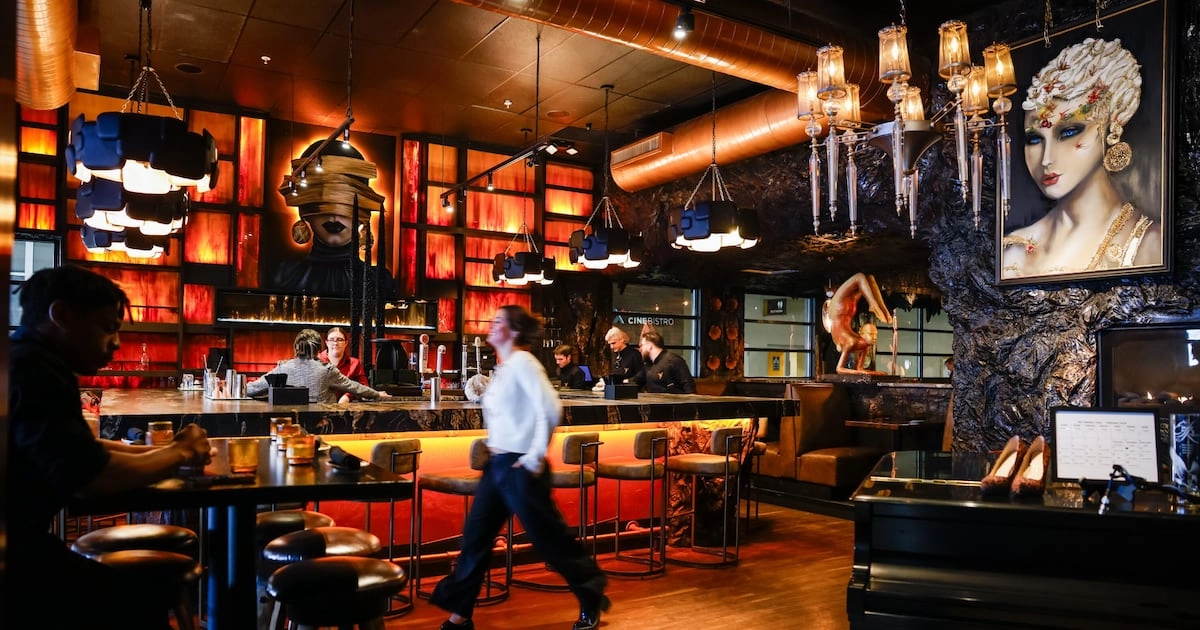
A new dining experience is launching at Liberty Center, titled Whiskey Yard, located at 7524 Bales St., Liberty Township. Scheduled to open on Sunday, February 8, this bistro-style restaurant will offer a global menu crafted by chefs with Michelin-star experience, promising a unique culinary adventure complemented by an extensive selection of whiskey and bourbon.
Whiskey Yard will feature between 200 and 250 options of whiskies, including bourbons, scotches, and other spirits, which are perfectly paired with dishes inspired by flavors from around the world, including South and Central America, Asia, and Europe. According to Lincoln Workman, the director of operations for Epic Brands, the menu design focuses on crafting meals that enhance the whiskey drinking experience while also introducing various international flavors.
Beyond the culinary offerings, Whiskey Yard will provide nightly live music performed by a vocalist and pianist, adding a sophisticated ambiance to the dining experience. This environment is further emphasized by its décor, which features elements intended to create a moody, luxurious vibe.
Executive Chef Roberto Castañeda, alongside Chef de Cuisine Jonathan Sauer, leads the kitchen at Whiskey Yard. Both chefs bring over 30 years of culinary expertise, much of which was gained in prestigious Michelin-star establishments.
Whiskey Yard replaces the Rusty Bucket, which closed its doors in October. It will complement other Epic Brands establishments in Liberty Center, such as Agave & Rye and S.O.B. Steakhouse, while aiming to provide an upscale dining experience that stands apart from the existing restaurants in the area.
With a seating capacity of 190, Whiskey Yard aims to deliver not just dining but an immersive experience, celebrating flavors, music, and the rich tradition of whiskey.
Tequila Takes the Crown: Vodka Dethroned as the Top-Selling Alcohol in the US

In a surprising shift within the American alcohol market, ready-to-drink cocktails (RTDs) have overtaken vodka as the top-selling spirit by volume. Data from the Distilled Spirits Council of the U.S. reveals that Americans purchased 85.6 million 9-liter cases of RTDs in 2025, a jump of 17.1% compared to the previous year. In contrast, vodka sales fell to 72.5 million cases, down 2.2%.
RTDs, often found in cans and made from a blend of spirits, wines, or malt, have risen in popularity; they account for a diverse market share that includes malt-based beverages such as White Claw and Smirnoff Ice, which dominate sales. Notably, wine-based RTDs have also secured 4% of the total market, while spirits-based options now comprise 19%.
The surge in RTD consumption can be attributed to various factors, including convenience and cost-effectiveness, as highlighted by Chris Swonger, the CEO of the Distilled Spirits Council. He remarked that despite a slight decline in overall U.S. spirits sales—down 2.2% in 2025—consumer interest persists, particularly with innovative RTD products leading the way.
Financially, vodka remains the top revenue earner, generating $7 billion in sales in 2025, followed closely by tequila/mezcal at $6.4 billion and American whiskey at $5.1 billion. Although sales for many categories saw downturns, the success of RTDs helped mitigate an even steeper decline.
The growing market for RTDs has caught the attention of premium brands as well, with new entrants including bourbon makers exploring this expanding category. Noteworthy brands such as Surfside and others have doubled their market shares since 2021, showing the increasing inclination of consumers towards these convenient ready-to-drink options.
As consumer preferences evolve, the dynamics of the alcoholic beverage market reflect changing lifestyles, making the ready-to-drink cocktail category a significant trend to watch going forward.
Absolut Launches Spicy New Tabasco-Infused Vodka – A Perfect Match for Heat Lovers!
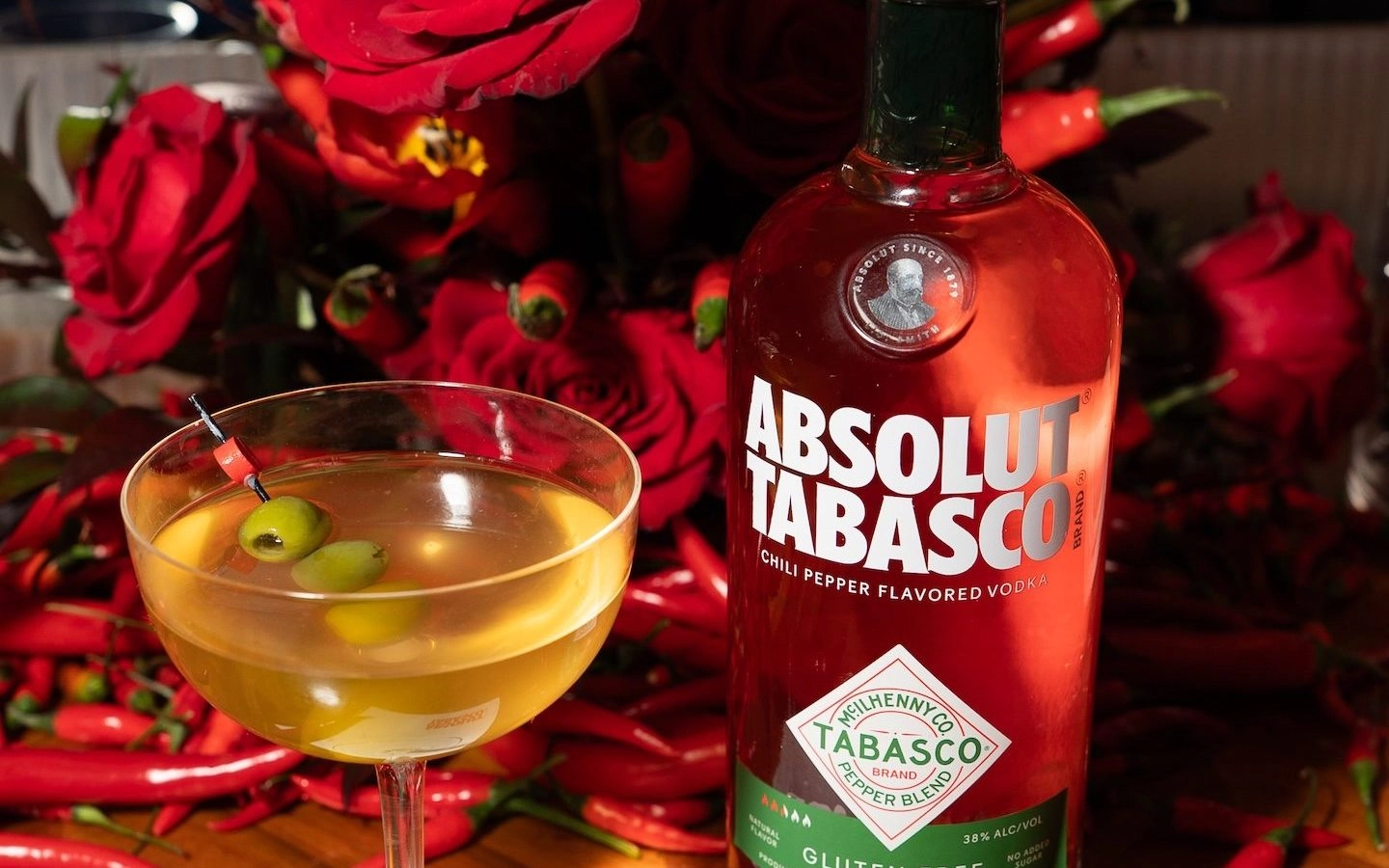
Absolut has introduced a new twist to its flavored vodka lineup with the launch of Absolut Tabasco, a collaboration that infuses their premium vodka with the essence made from the fermented red pepper mash used in Tabasco sauce. This unique blend results in a vodka that is both spicy and refined, making it an exciting addition to cocktail recipes.
The new product was highlighted during an invite-only event at Absolut’s distillery in Åhus, Sweden, where journalists and industry professionals sampled it neat, as well as in cocktails like Bloody Marys and spicy lemonades. Distilled to bring forth its natural flavor, Absolut Vodka maintains its characteristic smoothness while providing a warm kick from the Tabasco infusion.
The partnership between Absolut and Tabasco began with discussions last summer and quickly materialized into this collaborative release. Bottles have started reaching retail stores and are also available online, with the product quickly gaining popularity, soaring to the top of sales charts.
The packaging of Absolut Tabasco creatively combines elements from both brands, featuring Absolut’s iconic shape along with Tabasco’s recognizable label. The vodka aims to enhance social gatherings, providing a unique flavor experience that delivers heat without overpowering the palate.
Kate Neuhaus, Director of Global Marketing Communications at Tabasco, expressed excitement about the collaboration, emphasizing the commitment to quality shared by both brands. As Absolut continues to appeal to a demographic seeking variety in their drinks, this new flavor is positioned to become a favorite, drawing fans of both Absolut and Tabasco alike.
Absolut Vodka Teams Up with Renowned Hot Sauce Brand for Bold New Expression
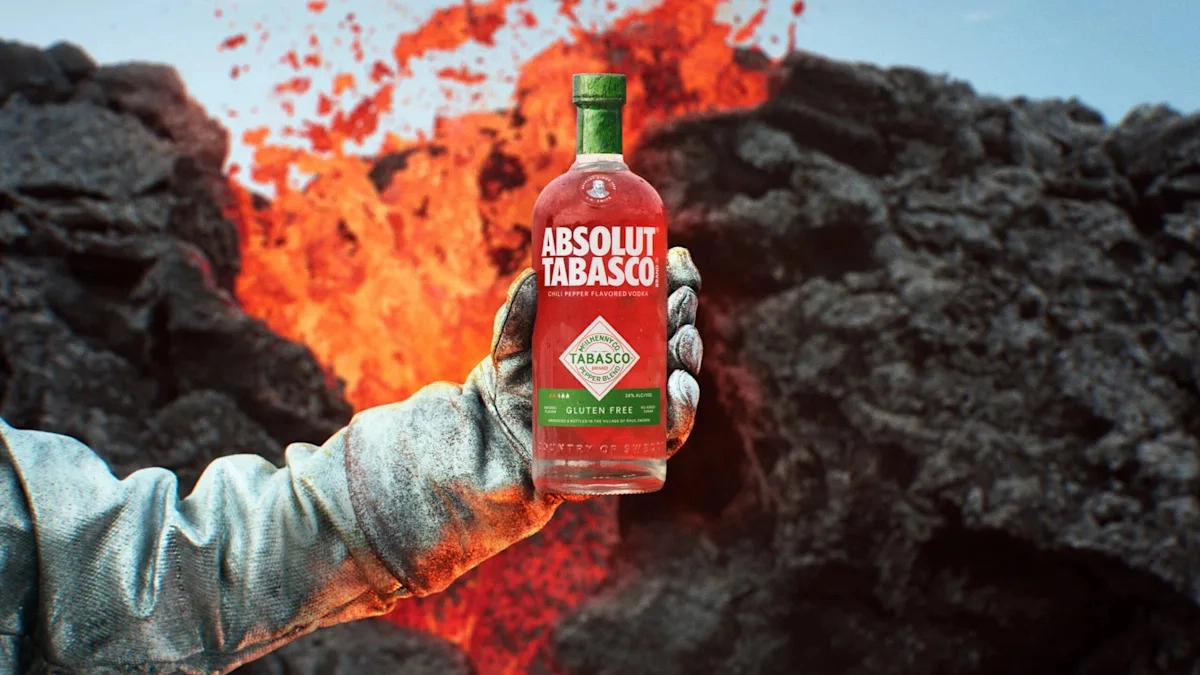
Absolut Vodka has teamed up with the renowned hot sauce brand Tabasco to launch a new spicy vodka called Absolut Tabasco. This distinct spirit is crafted using Absolut’s winter wheat vodka combined with the fermented, aged red pepper mash that goes into Tabasco sauce, resulting in a flavorful drink with a spicy kick.
According to the U.S. Vice President of Marketing for Absolut, Caroline Begley, this partnership highlights the brand’s commitment to bold flavors and exciting mixes. The Absolut Tabasco vodka is intended to enhance classic cocktails, making it a great addition to drinks like Bloody Marys.
Kate Neuhaus, the Director of Global Marketing Communications at McIlhenny Company, expressed enthusiasm for the collaboration, indicating that it captures a shared dedication to quality and adventurous flavor experiences.
Absolut Tabasco is now available across the United States at a suggested retail price of $25 for a 750ml bottle, making it an accessible option for those looking to spice up their cocktails.
Eastmoor Residents Launch New Rum Brand Inspired by Queen Esther’s Legacy
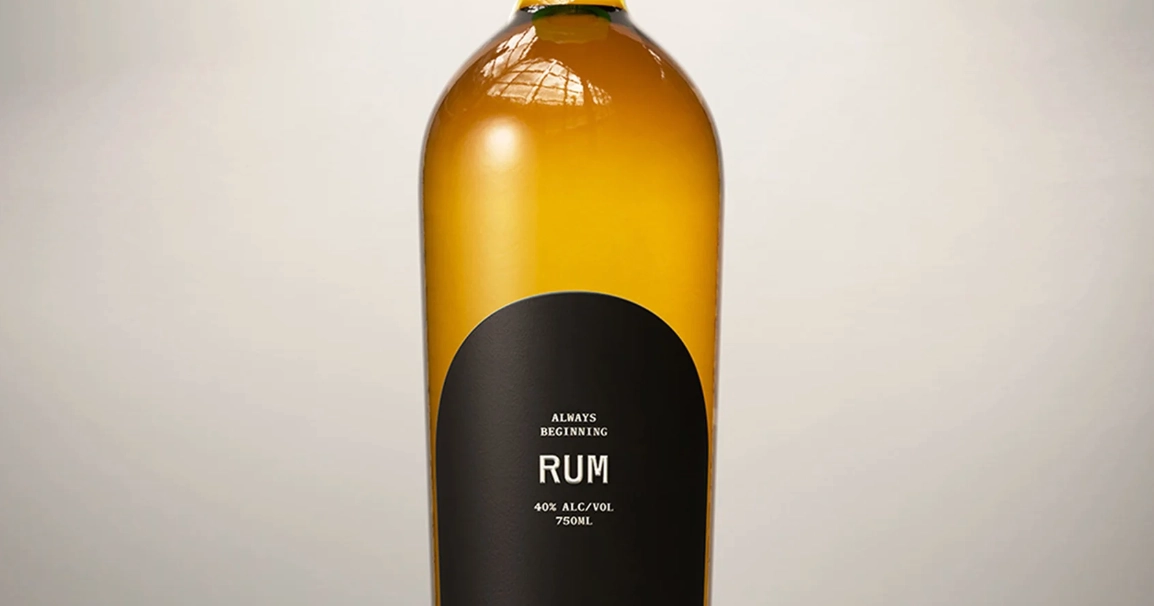
Margaret Kerr-Jarrett and Emunah Winer, both residents of Eastmoor and co-founders of Nihilo Creative Agency, have launched a new rum brand called Esther Rum, named after the biblical figure Queen Esther. The duo has spent years working in the spirits industry, having previously helped create Casa Malka Tequila. They recognized a gap in the rum market, with a noticeable boom in other spirit categories, and decided to change that.
The idea for Esther Rum originated just before its public debut on January 31, 2026, at the Wonderball event held at the Columbus Museum of Art. Their goal is to transform people’s perceptions of rum; they want to ensure that when someone tries their product, they associate it with high quality, comparable to tequila. Kerr-Jarrett recounted how her own understanding of rum changed after her marriage into a Jamaican family, which opened her eyes to the spirit’s potential beyond typical college associations.
The brand stands out not only due to its unique name but also its distinct packaging, which features a green cap and easily visible logo. This design choice aims for instant recognition, making Esther Rum a memorable choice at bars and stores. Additionally, a secondary logo featuring a lion reveals a hidden message when the bottle is flipped, inviting consumers to engage with the product on a personal level.
Despite working with a smaller budget than previous projects, the duo remains focused on creativity. They have utilized funding from ECDI, which supports small businesses, to kick-start their venture. Esther Rum can be found at various stores in Ohio, including Arena Wine and Spirits and Giant Eagle’s Grandview Market District, and is available for online purchase at drinkesther.com.
Kerr-Jarrett expressed a passion for building a brand that embraces joy and connection among consumers, encouraging them to enjoy the product in a relaxed, fun atmosphere rather than taking it too seriously.
Matthew Lillard Unveils New Ghost Face Vodka: A Spooky Sip for Fans!
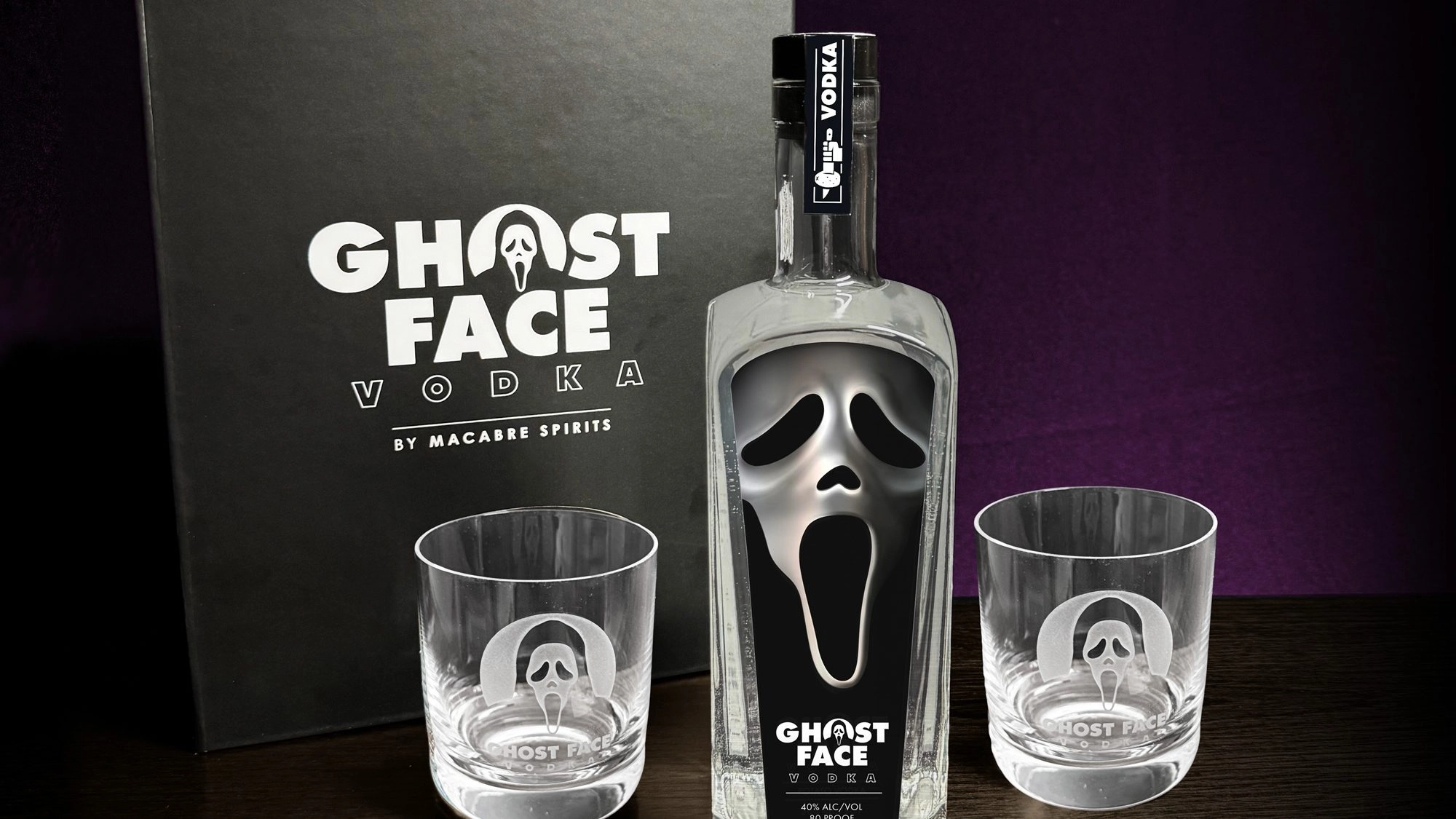
Actor Matthew Lillard is embarking on a new venture with the introduction of Ghost Face Vodka, a new spirit inspired by the iconic Scream franchise. Developed in collaboration with Macabre Spirits, Lillard partners with screenwriter Justin Ware and Fun World, the rights holders to the Ghost Face mask, to create this distinctive vodka just in time for the upcoming release of Scream 7 on February 27, 2026.
Ghost Face Vodka will be sold directly to consumers via Macabre Spirits’ website starting February 9, 2026. Priced at $160, it comes in an exclusive premium box that includes a variety of collectible items. The vodka itself is distilled in Germany from 100% non-GMO potatoes and is gluten-free, promising a smooth and silky drinking experience.
The limited edition package features:
- A handcrafted Italian glass bottle with a premium label.
- Each bottle is hand-signed by Matthew Lillard—only available with this release.
- A stylish collector’s box.
- Custom glassware and exclusive Ghost Face Vodka pins.
- A QR code on the bottle that links to a new social party game titled GFV Killer Bash, designed specifically for fans.
Lillard expressed his excitement about the collaboration, saying, "At Macabre Spirits, we love creating premium spirit experiences for the horror community. […] It’s a chance to give fans something premium, something collectible, and something that tastes incredible—just in time for me to return to the scene of the crime this February."
For more details, you can view the official product site at Ghost Face Vodka.
Chris Stapleton Celebrates Iconic National Anthem Moment in New Traveller Whiskey Super Bowl Ad

In a new Super Bowl commercial for Traveller Whiskey, Chris Stapleton pays tribute to his iconic performance of the national anthem from the 2023 Super Bowl, which is regarded as one of the best renditions in history. His moving performance not only touched the hearts of fans, including Eagles head coach Nick Sirianni, but also left a lasting impact, leading many to wish he would sing it annually. However, Stapleton has made the decision to retire from performing the anthem, stating that the pressure is immense and acknowledging the significance of the moment.
Reflecting on his performance, Stapleton noted the extensive practice and preparation he undertook. He expressed appreciation for the flawless editing during the broadcast that helped elevate the overall presentation of the anthem. His dedication is evident as he mentioned the serious nature with which he approached the task.
In the commercial, viewers will witness a blend of footage featuring Stapleton preparing for his Super Bowl performance alongside scenes from Buffalo Trace Distillery to highlight the craftsmanship behind making quality whiskey. The 30-second ad reinforces the idea that perfect moments require hard work and intentionality, much like the effort that goes into creating both memorable performances and exceptional whiskey.
The commercial is set to air just before kickoff on Super Bowl Sunday, providing fans not only a chance to relive Stapleton’s legacy but also to celebrate the artistry behind both music and distilling.
Unlocking the Perfect Pairing: Why Whiskey Deserves a Spot with Your Next Raw Oyster
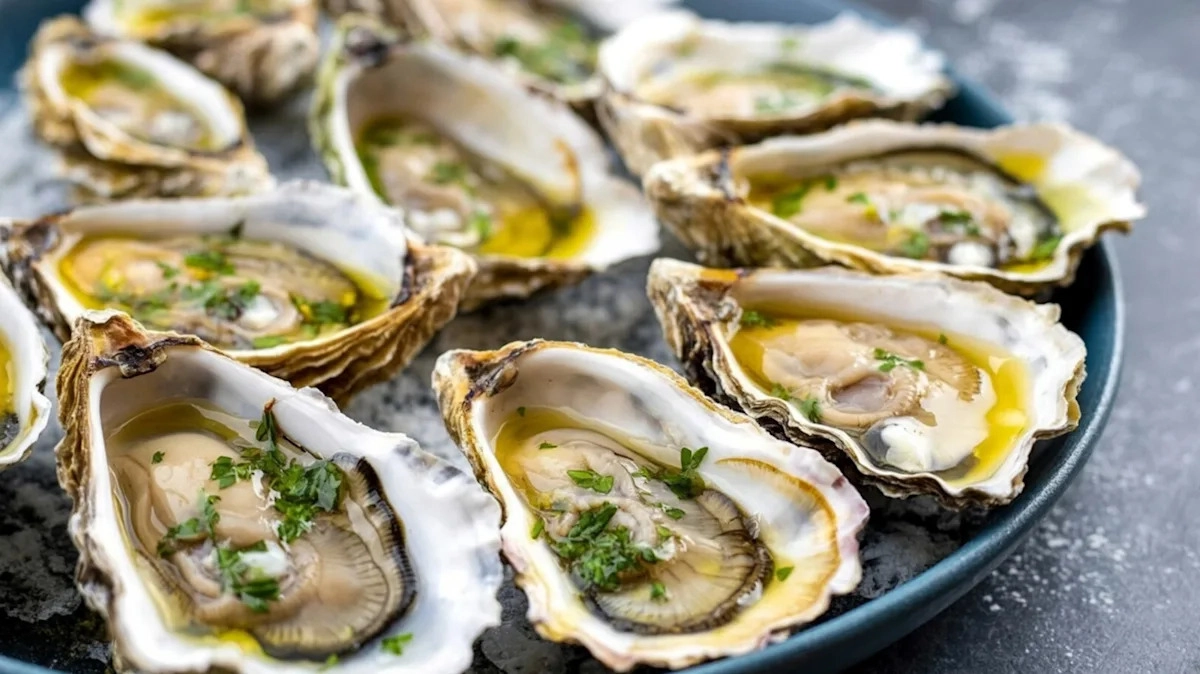
Raw oysters offer a delightful experience, especially when enhanced with various toppings. Traditionally served at seafood shacks or dressed up in extravagant seafood towers, these ocean delicacies can be elevated further with unexpected accompaniments. One intriguing pairing gaining popularity is whiskey, which can bring a unique twist to the oyster-eating experience.
While condiments like lemon juice and mignonette are classic choices, whiskey introduces a warming element that can complement the briny flavor of oysters. Glenlivet, a storied Scottish distillery, even encourages the practice of adding whiskey directly into oyster shells. This combination works well due to whiskey’s balance of sweetness and saltiness—similar to other traditional toppings.
To incorporate whiskey into your oyster feast, you first need to shuck them. While this might seem daunting, with the right tools, such as a dedicated oyster knife and proper safety precautions, it becomes an enjoyable task. Once mastered, shucking opens the door to countless flavor combinations and presentations.
To serve whiskey with your oysters, consider using stainless steel condiment cups to hold the spirit, as they keep the liquid chilled. Alternatively, dropper bottles can provide an elegant way to add a few drops directly into the oyster shell. For a more indulgent experience, measuring glasses can be used to pour whiskey into the shells, allowing for a truly flavorful shot.
This innovative approach to enjoying oysters not only surprises guests but also highlights the versatility of both oysters and whiskey. Whether you’re hosting a dinner party or indulging in a quiet evening at home, pairing whiskey with oysters is an adventurous culinary delight worth exploring.
For more oyster preparation tips, consider visiting resources for shucking techniques or pairing suggestions.
For the Richest Bananas Foster, Use This Type of Rum for Maximum Flavor
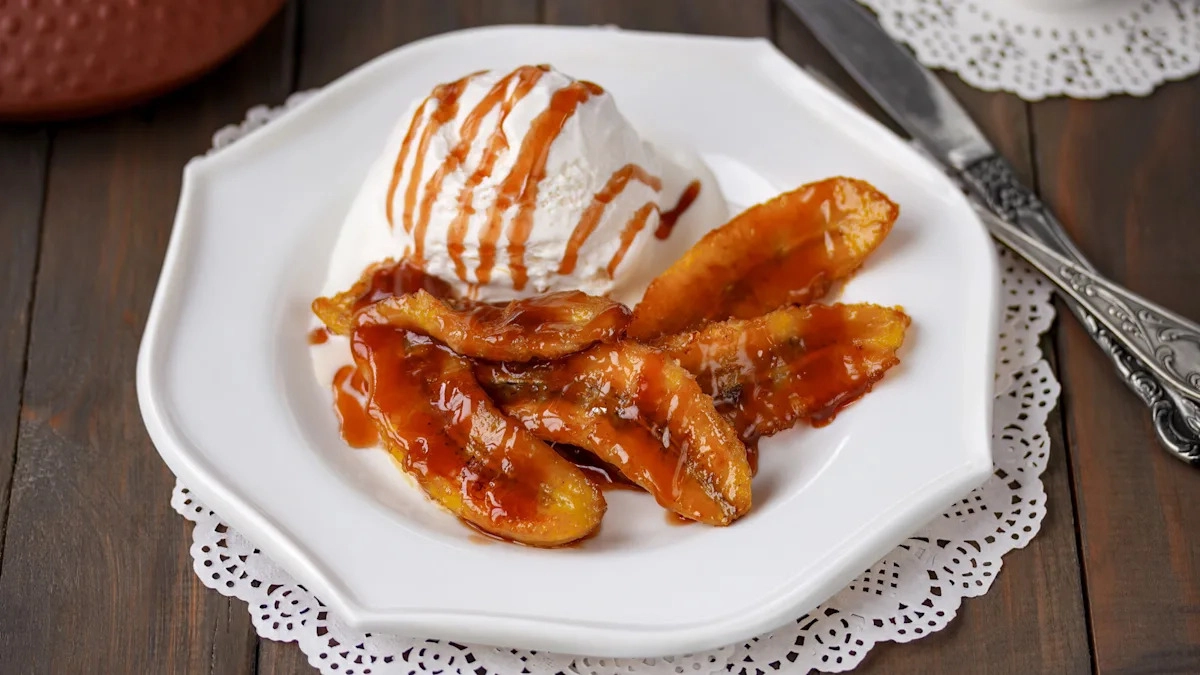
Bananas Foster is a classic dessert that showcases the banana in a luxurious way. Originating from Brennan’s restaurant in New Orleans in 1951, this dish combines flambéed bananas with rum and brown sugar, creating a rich and indulgent treat. Although bananas may seem like a humble fruit, they were elevated to dessert stardom through this sweet concoction.
The choice of rum is crucial in this recipe; while some may lean towards white rum, the original recipe calls for dark rum, which brings a richer flavor profile due to its longer aging process. Dark rum typically features bolder notes, such as molasses and spices, complementing the caramelized bananas perfectly. The flambéing process adds warmth and depth that a lighter rum simply can’t match.
When selecting a dark rum for making Bananas Foster, it’s essential not to choose overly high-proof options like 151 proof, which might create dramatic flames that can lead to kitchen accidents. Instead, opting for a dark rum with an alcohol by volume (ABV) of around 40% is recommended to achieve both safety and flavor. Two popular choices that offer quality without a hefty price tag are Goslings Black Seal Rum and Myers’s Original Dark Rum, both available for under $30.
For those interested in creating this decadent dessert, remember that using ripe bananas and the right rum can make all the difference. Bananas Foster is a nostalgic classic worth trying, not just for its taste but also for the spectacular presentation it delivers.
For more delicious recipes and kitchen tips, consider signing up for the Daily Meal newsletter.