Liquor-articles 2100
Experience the ultimate fun under the sun and the rain at the Barbados Food & Rum Festival in Rum.

The Madness of a 5 am Party
Who in their right mind would start a massive party at 5 am? That was my initial reaction when I heard about the sunrise parties in the Caribbean, particularly at the Barbados Food & Rum Festival. But as I stepped onto the beachside grounds of Harbour Lights along the Southeast coast of Barbados near Bridgetown, I began to understand the appeal.
The atmosphere was electric as I entered the festival. The darkness was illuminated by an assortment of rum punches, each presented in unique containers. I couldn’t resist grabbing a plastice pineapple and taking my first sip of the many rum drinks I would consume throughout the day. Coffee, water, and a variety of culinary delights were also on offer, providing a much-needed balance to the alcohol.
The festival had a dress code, encouraging guests to wear yellow. It was a sight to behold as a parade of locals and tourists donned their finest sun dresses and tropical shirts. The Rise & Rum fest had meticulously arranged and decorated areas where attendees could indulge in a feast for the senses. Chef Kiara Riley’s Da Fuh Lick Yuh, a sticky brown sugar pork taco infused with Mount Gay XO Rum and topped with green papaya slaw, was among the many delectable bites available. Other highlights included Chef Nicholas Ifill’s “De Bajan Benny,” featuring pork belly, cassava salt bread, smoky tomatoes, cured egg yolk, and Scotch bonnet hollandaise, as well as Chef Marvin Applewhite’s tri-citrus prawn ceviche and spice-scented sweet potato purée with mango bobas.
The event wouldn’t have been complete without coffee, courtesy of Wyndham’s, a family-owned roaster on the island. They not only provided regular coffee but also treated partygoers to delightful espresso martinis. A ticket to Rise & Rum granted unlimited access to all the food and drink you could consume, and I made it my mission to put that limit to the test. I even took advantage of a free massage offered during one of the rain showers to rejuvenate myself around 9 am.
Sponsors like Mount Gay and Cocksure, along with local mixologists, presented an overwhelming variety of rum cocktails. One of my personal favorites was a simple yet refreshing concoction—a freshly cut coconut with an airplane bottle of Mount Gay Black Barrel stuck upside down into a hole in the top. As I took the first sip, the infusion of rum began, making each subsequent sip wonderfully potent. Another stall offered fresh-cut pineapple soaked in rum and served in the fruit’s husk, creating a tropical delight.
DJs kept the energy high on the beach, playing the latest soca hits. Despite the intermittent rain showers, the revelers danced with enthusiasm, equally soaked in rain and rum. Saturday’s Rise & Rum was just one of the events taking place at the 2023 Barbados Food & Rum festival. The festivities kicked off on Thursday night at Oistins, a coastal town known for its local cuisine. Pat’s and Moe’s, both renowned establishments, offered their unique takes on the national dish of flying fish and cou cou, accompanied by macaroni pie and various other Bajan foods. Food Network’s Anne Burrell, an international guest chef, even graced the event with a cooking demonstration. Local distilleries also provided samples of their rums, with the Plantation XO 20th Anniversary standing out as a personal favorite—a truly exquisite rum aged in bourbon casks for 12 to 20 years and finished in French oak for over a year.
The following day, I ventured to Foursquare, the youngest of the island’s four rum distilleries, for a tour and tasting. Despite its relatively recent founding in 1996, Foursquare is situated on an historic sugar plantation dating back to the 1600s. It is owned and operated by the Seale family, whose history in blending and bottling rum spans over a century. Foursquare produces beloved local brands such as Old Brigand, Alleyne Arthur’s Special Barbados Rum, and E.S.A. Field, in addition to their own R.L. Seale label and other contract distillation. The distillery is dedicated to sustainability, sourcing sugar locally and even implementing their own CO2 capturing plant on-site. Approximately 40,000 barrels of rum are currently aging in their facility, predominantly former bourbon barrels, but also casks previously used for madeira, port, zinfandel, sherry, and cognac. Despite being a newcomer compared to the 320-year-old Mount Gay, Foursquare has established itself as one of the most sought-after rum brands, releasing special small batches for limited distribution. I had the pleasure of sampling several of their “select” offerings, including the 2021 Indelible, aged for 11 years in ex-bourbon and ex-zinfandel casks, as well as a 12-year-old private cask selection aged in ex-bourbon and ex-sherry casks.
As I reflect on my experience at the 2023 Barbados Food & Rum festival, it becomes evident that the early-morning party at Harbour Lights was just the beginning. From the flavorsome delights at Oistins to the rich history and craftsmanship of Foursquare, the festival celebrates Barbados’ vibrant culinary and rum traditions. It’s an experience that not only indulges the senses but also provides a deeper appreciation for the culture and heritage of this enchanting Caribbean island.
Title: A Rum-Filled Adventure in Barbados: A Weekend to Remember
Intrigued by the allure of Barbados’ rich history and vibrant rum culture, I embarked on a culinary journey that would delight my taste buds and leave me with lifelong memories. From exquisite cocktails to mouthwatering dishes, the Food & Rum festival proved to be an unforgettable experience.
Upon my arrival in Barbados, I was greeted by a representative from the festival, who wasted no time in introducing me to the island’s signature drink – a refreshing rum punch. With a tropical breeze in the air and the anticipation of what lay ahead, I couldn’t help but feel a sense of excitement.
The festivities began on a Friday night, as a convoy of party buses embarked on the “Rum Route.” Our first stop took us to Mount Gay’s bottling facility, where a cocktail demonstration awaited us. Diadem, a private cask selection aged in ex-bourbon and ex-madeira casks, was the star of the show. Its complex flavors danced on my palate, leaving me longing for more.
Karaoke at Stade’s Rum bar added a touch of fun and lightheartedness to the evening. As we sang our hearts out, the experience became more than just about the rum – it was about the camaraderie and shared love for this island spirit.
To satisfy our hunger, a trio of Mount Gay rums was paired with delectable food offerings. Each dish elevated the rum’s flavors, showcasing the perfect marriage between culinary expertise and mixology. Our bus kept the party going with traveling karaoke, ensuring that laughter and merriment filled the air.
Saturday brought even more excitement, with the Bajan Fair and the highly anticipated Jr. Chef Cook-Off finale. The fair offered a glimpse into traditional Bajan culture, with vibrant music, arts, and crafts. As for the Jr. Chef Cook-Off, I witnessed the remarkable talent of young Bajan chefs as they showcased their culinary skills. The dishes presented were nothing short of extraordinary.
As the weekend drew to a close, the festival’s grand finale awaited us – the Liquid Gold party. This black-tie affair was a celebration of gastronomic delights and mixology mastery. Partygoers acted as the esteemed judges for food and cocktail competitions. From delectable fried okra and cornmeal cake to an otherworldly sweet potato and spiny lobster éclair, each bite was an explosion of flavors.
When it came to cocktails, the island’s mixologists outdid themselves. The Mellow Water, a refreshing watermelon and guave concoction, left me feeling invigorated. However, it was “Chef Javon’s Fav” crafted by Dameain Williams that stole the show. This masterpiece, featuring States Beach Vat #1, cilantro-black pepper syrup, pink grapefruit juice, and Himalayan salt, was a true testament to the artistry of mixology.
Throughout my weekend in Barbados, I reveled in the island’s rum culture. From the moment I stepped foot on the island to the final sip of rum punch at my hotel, it was a journey that surpassed my expectations. The flavors, the people, and the atmosphere created an experience that will forever hold a special place in my heart.
As I look back on this remarkable weekend, I can’t help but feel grateful for the opportunity to indulge in the best that Barbados has to offer. Whether you’re a rum enthusiast or simply seeking an unforgettable culinary adventure, the Food & Rum festival in Barbados promises an experience like no other.
No matter where life takes me, the memories of that rum-filled weekend in Barbados will continue to bring a smile to my face. It was a celebration of flavor, culture, and the undeniable spirit of the island that gave birth to rum.
Matthew McConaughey has left whiskey behind and is now producing tequila.

Celebrity tequila brands seem to be all the rage these days, and the latest addition to the market comes from none other than Matthew McConaughey and his wife, Camila. But don’t worry, this isn’t just another run-of-the-mill celebrity venture. The McConaugheys are here to give tequila a kick in the pants with their new spirit, Pantalones Organic Tequila.
Now, I know what you’re thinking. Do we really need another celebrity tequila? Probably not. But let’s give them the benefit of the doubt and see what they’ve come up with. Pantalones Organic Tequila is made at the same distillery that produces brands like Tres Agaves, so at least we know it comes from a reputable source.
Unfortunately, we haven’t had a chance to sample the tequila yet, but we do know a few details. It’s certified organic and made from 100 percent Blue Weber agave. And if you’re worried about gluten, fear not. Tequila is naturally gluten-free thanks to its agave base. No word on whether it’s additive-free, though.
So what can we expect from Pantalones? Well, there are three expressions to choose from. The blanco supposedly has notes of honey and citrus, the reposado is aged for nine months and has fruity and oaky flavors, and the añejo spends 15 months in casks, giving it a touch of vanilla, butterscotch, and maple. Sounds pretty tasty, if you ask me.
But let’s get back to the real question at hand: why Pantalones? According to the McConaugheys, it’s the best thing they’ve made with their pants on. I’m not sure what that means exactly, but it’s all part of their quirky marketing strategy. And honestly, I think it’s refreshing to see a brand that doesn’t take itself too seriously.
Now, don’t think for a moment that the McConaugheys are the only ones behind this venture. There are surely some other partners involved, though we don’t know much about them or their stance on pants. But hey, as long as the tequila is good, does it really matter?
In addition to their tequila endeavors, Matthew McConaughey also had a partnership with the Wild Turkey distillery for his Longbranch bourbon brand. But that partnership has come to an end, and now he’s focusing his attention on Pantalones. Good move, Matthew.
One thing worth mentioning is that Pantalones is part of an organization called 1% For The Planet, which means they will donate one percent of all revenue to environmental non-profit partners. So not only can you enjoy a delicious tequila, but you can also feel good about supporting a brand that gives back.
If you’re ready to give Pantalones Organic Tequila a try, you can order it now from Total Wine. Prices range from $45 to $55 per bottle, so it won’t break the bank. So why not grab a bottle, pour yourself a glass, and let Matthew McConaughey and his pants take you on a flavorful journey? Cheers!
As a child, I adored a sweet treat that the rum I recently tried brought back to my mind with its mild burn and delightful taste.

A Nostalgic Journey with Hawksbill Pineapple Spiced Rum###
As I sat down to enjoy a glass of Hawksbill Pineapple Spiced Rum, the familiar taste of pineapple brought back childhood memories of my favorite candy, Barratts Fruit Salads. It’s amazing how certain flavors can transport us back in time, isn’t it? But this rum isn’t just a trip down memory lane; it’s a delightful blend of flavors that has quickly become one of my favorites.
Unlike some rums I’ve tried in the past, Hawksbill Pineapple Spiced Rum is best enjoyed neat or over ice. I’ve come to believe that if a rum requires a mixer, it may not live up to its claims of quality. And let me tell you, this rum stands on its own.
The initial sip presents a gentle hint of alcohol, which is to be expected with its 38.8% ABV. However, it swiftly gives way to a luscious and ripe pineapple flavor that coats the palate. The deep amber color adds to the overall experience, creating a visually stimulating drink.
Undoubtedly, there are underlying notes of vanilla, cardamom, and nutmeg, but they gracefully take a backseat to the syrupy pineapple that dominates each sip. It’s as though I’ve been transported back to my younger years, only this time with a boozy twist. The resemblance to the beloved Barratts Fruit Salad sweets is uncanny.
The rum is undeniably sweet and decadent, with a pleasant heat that sizzles across the tongue before mellowing into a lingering crystallized sugar taste. But what sets Hawksbill Pineapple Spiced Rum apart is its commitment to environmental conservation. With 10% of profits going towards sea turtle conservation projects in Barbados, this rum not only satisfies the taste buds but also supports a worthy cause.
Priced at £25.99 and available from various retailers, including Master of Malt, this rum makes for an excellent alternative to dessert. However, note that it carries a potent punch, so please enjoy responsibly. If you’re looking for a slightly more affordable option with a stronger kick, Project #173 Pineapple Rum might be worth considering. Personally, I’m a big fan of the brand and its dedication to quality and sustainability.
For those seeking alternative flavors, I also recommend exploring the wide range of flavored rums, spiced rums, white rums, and golden rums available in the market. There’s something for everyone, whether you prefer fruity notes or something a bit more traditional.
In conclusion, Hawksbill Pineapple Spiced Rum is a delightful and nostalgic journey that indulges the senses while giving back to the environment. So go ahead, treat yourself to a glass, and savor the blend of flavors that will transport you to a sweeter and simpler time. Just remember, enjoy responsibly and treasure each sip.
Cheers!
What is the distinction between Bourbon and Whiskey?

When it comes to brown spirits, they can all start to blend together. The flavors can seem similar, and it’s easy to assume that bourbon and whiskey are the same thing. However, there are some subtle differences that can make all the difference when it comes to finding the perfect bottle for your preferences.
Let’s start by defining what whiskey actually is. Whiskey is a spirit that is distilled from fermented cereal grains, such as barley, corn, rye, or wheat. It must be distilled at less than 190 proof and aged in an oak container, which gives it its distinct brown color. But within the broad category of whiskey, there are many different styles and variations.
Rye, bourbon, and Scotch are all types of whiskey, but bourbon is a specific type that is unique to the United States. “All bourbon is whiskey, but not all whiskey is bourbon,” says Gabe Sanchez, a Cocktail Expert. And what sets bourbon apart are the specific guidelines that govern its production. “Bourbon has more defined rules within the whiskey umbrella,” says Elizabeth McCall, Master Distiller at Woodford Reserve. These rules include a mash bill that is at least 51 percent corn, distilling at less than 160 proof, aging in new charred oak barrels, and only allowing water to be added. Plus, it must be made in the U.S.A, although it’s a common misconception that it must be made in Kentucky.
Woodford Reserve Bourbon is a prime example of the unique characteristics that bourbon can have. It is known for its sweet aromatics, spice, fruit, floral notes, grain character, and woodiness. “There’s a lot of variation in taste and texture based on the brand,” says McCall. “Since bourbon is required to use new charred oak barrels, it tends to have more oak and sweet aromatics.” With corn being the dominant grain in bourbon, it usually has a sweeter taste and a smooth, full-bodied texture.
Scotch, on the other hand, is specific to Scotland. It must be aged for a minimum of three years and is often made from 100 percent malted barley. “Typically, Scotch whisky is more grain-forward in flavor profile since the distillate is maturing in used barrels,” explains McCall. Scotch can also have a smoky flavor, thanks to the use of peat in the whisky-making process. However, Scotch isn’t for everyone, especially those who are new to brown liquors. It can have a malty flavor with pronounced smoke and minerality, depending on where it was produced.
When it comes to using whiskey or bourbon in cocktails or cooking, they can often be used interchangeably. “It all comes down to personal taste and how you want to enjoy it,” says McCall. “There is so much diversity in the whiskey category that there’s something for everyone. Different whiskeys shine in different cocktails based on their flavor profiles.”
So, whether you’re a fan of bourbon’s sweeter and fuller-bodied taste or enjoy the grain-forward and smoky flavors of Scotch, there’s a brown liquor out there that will suit your preferences. The important thing is to explore different brands and styles to find the one that speaks to you. Cheers!
The Great Debate: Whiskey vs Bourbon – Unmasking the Flavors
As the saying goes, “Life is short, drink whatever you like.” But when it comes to choosing between whiskey and bourbon, the decision isn’t always easy. Both spirits offer a rich and complex flavor profile, but there are some key differences that discerning palates may appreciate. So, let’s delve into this ultimate debate and uncover the truth about these beloved brown spirits.
First things first, let’s talk about cost. Bourbon tends to be more expensive than whiskey. Why, you may ask? Well, bourbon has certain specifications that it must meet to earn its name. These regulations ensure that bourbon is made in America, distilled from mash containing at least 51% corn, aged in charred oak barrels, and bottled at a minimum of 40% alcohol by volume. These strict guidelines contribute to the higher price tag.
On the other hand, whiskey is a more flexible term that encompasses various brown spirits. It can include scotch, rye, and even bourbon. Unlike bourbon, whiskey doesn’t have the same restrictions on what can be mixed in during the distillation process. This versatility can result in a wider range of flavors and prices to suit different preferences and budgets.
Now let’s explore the taste aspect. Is bourbon sweet? In general, bourbon tends to be sweeter compared to other whiskies or scotch. This sweetness comes from the high corn content in the mash, which gives bourbon its distinctive flavor profile. The natural sweetness of bourbon can make it an excellent base for spirit-forward cocktails like the classic mint julep or the timeless old fashioned.
But don’t be fooled by this sweetness. Bourbon also offers a complexity of flavors, with notes of caramel, vanilla, oak, and sometimes hints of spice. It’s this intricate combination that has made bourbon a beloved spirit for many connoisseurs who appreciate its depth and character.
In the end, when it comes to deciding between whiskey and bourbon, personal preference reigns supreme. Both spirits have their unique qualities and can offer a delightful drinking experience. Some may lean towards the smooth and subtly smoky taste of whiskey, while others may gravitate towards the sweeter and more robust flavor profile of bourbon.
So, the choice is yours. Whether you find solace in the comforting embrace of whiskey or indulge in the richness of bourbon, remember to savor each sip and appreciate the artistry that goes into crafting these exceptional spirits.
For more captivating articles, tips, and news, make sure to sign up for our newsletter. Stay tuned for more exciting content from Real Simple!
Original article published on Real Simple.
Any coffee drink can seriously be upgraded with hot buttered rum.

Jazz Up Your Morning Cup of Joe with Hot Buttered Rum
If you’re a coffee enthusiast, you know how easy it is to fall into a routine of drinking the same old cup day after day. Sure, coffee is terrific, but sometimes it can get a little boring. That’s where hot buttered rum comes in. This relatively uncommon but deliciously buzzy addition to your cup of joe can provide just the right boost to make your mornings more exciting.
Forget about syrups and flavorings; the pantry and liquor cabinet hold the secret ingredients for hot buttered rum. The process starts with an age-old baking technique known as creaming, where butter and brown sugar are combined with cinnamon, honey, nutmeg, cloves, and salt. This creates a light, sweet, and creamy mixture that acts as the base. The flavorful butter concoction is then added to a blend of rum and hot water, resulting in a unique cold-weather alcoholic drink.
A quick glance at the ingredients reveals why hot buttered rum can elevate your everyday coffee. Cinnamon, nutmeg, and cloves are commonly used to infuse coffee drinks with that characteristic fall flavor, just like pumpkin spice lattes. Butter, on the other hand, takes on a similar role to cream or milk, adding richness and a velvety texture. Brown sugar and honey provide the much-needed sweetness to balance out coffee’s inherent bitterness.
While rum may seem like a wildcard in this scenario, it has a rich history of being mixed into coffee cocktails. To make hot buttered rum, it’s best to opt for dark rums like Demerara or those from Jamaica. These varieties offer complex roasted, sweet, and caramel flavors that complement the other ingredients perfectly.
It’s important to note that hot buttered rum does pack quite an alcoholic punch. On average, a cup of hot buttered rum contains about one standard drink (1.5 ounces of liquor). Although this may not be a huge issue when adding a small amount to your coffee, it’s worth being mindful of if you need to drive or limit your alcohol intake.
One of the wonderful aspects of pairing hot buttered rum with coffee is the versatility it offers. You can add just a shot or two of the mixture to liven up your cup of joe, or mix them in equal proportions. If you’re feeling adventurous, you can even add a bit of coffee to a full glass of hot buttered rum and switch things up. The choice is yours!
As the weather cools down, why not give this combination a try? It might just be the trick to adding an extra dose of happiness to your mornings and creating a delightful experience for you and your guests this holiday season. Cheers!
Guinness World Records states that the most valuable whiskey collection in the world belongs to…

If you consider yourself a whisky aficionado, then you probably already have a few dream destinations in mind for your next distillery tour. Scotland, Japan, and Kentucky are likely at the top of your list. But here’s a suggestion to add to that shortlist – Singapore. Yes, you read that right. Singapore is quickly making a name for itself as a great whisky destination, and The Grande Whisky Museum in Suntec City is a testament to that.
This museum is not your average whisky museum. It holds the world’s most valuable bottle of whisky, as well as the most valuable whisky collection, according to the Guinness World Records. The prized possession is a bottle of Laphroaig 40-year old from 1960, signed by none other than Prince Charles and Camilla, the Duke and Duchess of Rothesay, now King Charles III and Queen Camilla. During their visit to the distillery on the Isle of Islay in June 2008, they took a moment to sign this exceptional bottle. According to the Guinness World Records, the Laphroaig is valued at a staggering $2.56 million U.S. dollars.
But it doesn’t stop there. The Grande Whisky Museum’s entire collection is valued at a jaw-dropping $91.12 million US dollars. It holds more than 7,000 rare and vintage whiskies, making it one of the largest private whisky collections open to the public. The museum received official recognition from Guinness a year ago, but the certificates were formally awarded during a ceremony on Oct. 25, 2023.
Walking through the 8,000 square-foot museum is like stepping into a whisky lover’s paradise. The collection includes whiskies from distilleries all over the world, including some that have sadly closed down over the years. The museum prides itself on offering visitors a glimpse into the whisky traditions of various regions, with a particular focus on Scotland and Japan. Guided tours are available, led by knowledgeable ambassadors who regale visitors with tales of whisky production and the history behind famous distilleries.
After the tour, guests have the opportunity to indulge in a Whisky Tasting Experience. For VIP members, there is a luxurious Saint-Louis House lounge where they can savor their drams in style. For the general public, a cozy lounge overlooking the impressive Suntec City Fountain of Wealth awaits. This bronze fountain, which was once the largest in the world, puts on mesmerizing music and light shows, further enhancing the overall experience.
Manjit Gill, the group managing director of The Whisky Trust Group, which owns The Grande Whisky Museum, emphasizes that their collection is not just valuable for its financial worth, but also for its artistic appeal. Hand-blown glass bottles, hand-painted porcelain sets, and designer crystal bottles are just a few of the exquisite artworks that whisky lovers and art enthusiasts alike can admire.
Guinness World Records has recognized various records in the world of whisky, and their endorsement adds a level of prestige to The Grande Whisky Museum. The oldest whisky on record, according to Guinness, is a bottle of Baker’s Pure Rye Whiskey distilled in 1847.
So, if you find yourself in Singapore and have a love for whisky, The Grande Whisky Museum is a must-visit destination. With its unparalleled collection, knowledgeable guides, and impeccable surroundings, it offers an experience that is second to none. Singapore may not have been on your whisky radar, but rest assured, it deserves a spot on your list of whisky destinations.
Michigan will now have access to two types of canned vodka water as Kate Upton joins the company.

Introducing Kate Upton: Supermodel, Actress, and Now Co-Owner of Vosa Spirits
Exciting news has hit the beverage industry as Vosa Spirits, a renowned company known for its exceptional canned cocktails, announced that supermodel, actress, and entrepreneur Kate Upton has joined their team as a co-owner. This partnership marks a significant milestone for the Michigan-born Upton as she takes on an active role in the development and growth of the brand.
The announcement, made on Wednesday, revealed Upton’s enthusiasm for her new venture. “I love sharing a drink with friends and family, and ensuring that what I’m consuming is free of preservatives and made with high-quality spirits is important to me,” Upton said in a statement. “Vosa offers this opportunity in a variety of options, so I know there’ll be something for everyone. I’m excited to work with Vosa in expanding their range and providing consumers with an elevated drinking experience.”
Upton, who also shared the news with her Instagram followers, will play a crucial part in the creation of new flavors, packaging design, and marketing strategies, all while working towards expanding Vosa’s consumer base beyond its current reach of two states. Additionally, Vosa’s Michigan-made-packaged beverages will soon be launching in Florida through distributor Southern Glazer’s Wine & Spirits.
Spencer Bailey, Co-Founder & CEO of Vosa Spirits, expressed his admiration for Upton and her love for their cocktail offerings, stating, “Kate embodies the essence of our brand. We craft all Vosa products for an elevated, elegant cocktail experience as part of a relaxed and luxurious lifestyle. We welcome her and look forward to working together to grow Vosa Spirits.”
One of Vosa’s core values is simplicity, providing a full-flavored vodka cocktail for the expanding non-carbonated market. They encourage consumers to demand more from their beverage experiences and enjoy the finer things in life. Vosa Spirits offers two separate beverages: Vodka Water, a non-carbonated option with 5% ABV, and High Line, a lightly carbonated choice with 7% ABV. Both beverages are available in raspberry-lime, cherry, lemon, and peach flavors and are made with 6-times distilled vodka and preservative-free ingredients. They come in convenient 4-packs, with Vodka Water priced at $10.99 and High Line at $12.99. If variety is what you crave, 8-can variety packs are also available.
This partnership not only marks an exciting new business venture for Upton but also highlights her philanthropic efforts during the COVID-19 pandemic, for which she was recognized by Global Citizen in 2020. Upton’s impressive career includes appearing in campaigns for renowned brands such as Bobbi Brown, Express, Guess, and Sam Edelman. She has graced the covers of prestigious publications like Maxim, Vogue, Vanity Fair, GQ, and Health Magazine. Upton holds the esteemed title of being the first person to appear on the cover of the Sports Illustrated Swimsuit Issue three times (in 2012, 2013, and 2017). Her acting credits include films like “The Other Woman” alongside Cameron Diaz and Leslie Mann, as well as “The Layover” alongside Alexandra Daddario. Upton’s next endeavor is an upcoming indie film titled “Sweet Dreams,” directed by writer/director Luke Sarki, where she will star alongside Johnny Knoxville and Mo Amer.
In her personal life, Upton is happily married to former Detroit Tigers ace pitcher Justin Verlander. The couple welcomed their daughter into the world in 2018.
As we applaud this exciting collaboration between Kate Upton and Vosa Spirits, it’s important to note that if you choose to purchase a product or register for an account through the links on our site, we may receive compensation. By using this site, you consent to our User Agreement and agree that your clicks, interactions, and personal information may be collected, recorded, and/or stored by us, as well as social media and other third-party partners, in accordance with our Privacy Policy. Cheers to elevated drinking experiences and the continued success of Vosa Spirits!
Whisky traditionalists would not appreciate WhistlePig’s new Boss Hog Rye.
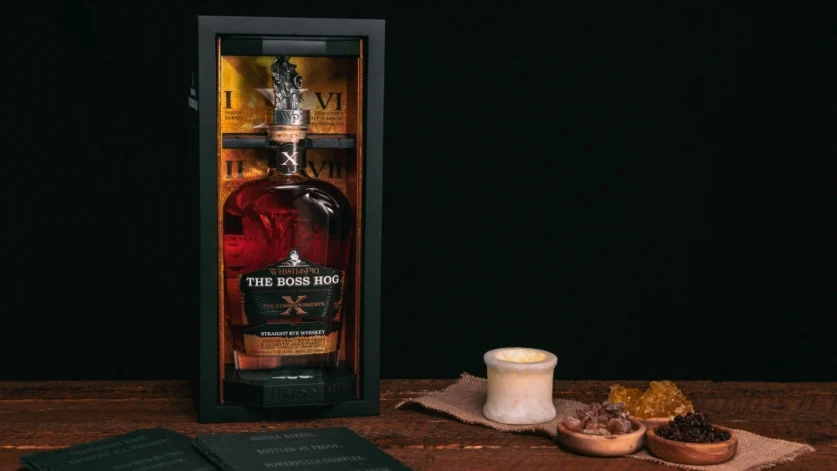
Do you ever wonder what unique cask finish the annual release of WhistlePig’s Boss Hog rye whiskey will have? Well, wonder no more. The newest edition, The Boss Hog X: The Commandments, has a completely one-of-a-kind finish, using mead barrels and casks seasoned with frankincense and myrrh-infused spirit. Now, before we dive into the details, let’s talk about the inconstant constants of the Boss Hog. There are 10 key points, ranging from marketing phrases to important facts. We’ve got the usual bottle being a single barrel release, bottled at barrel-proof, and even the promise of it being “Distinctly Unique From Anything We’ve Done Before.”
Now, let’s get into the nitty-gritty of The Commandments. It’s a sourced straight rye whiskey from Alberta Distillers in Canada, and although there is no age statement, the brand’s representative claims it’s one of their oldest age statements. The whiskey starts its maturation process in new charred American oak barrels. But here’s where things get interesting – it’s then finished in two “unorthodox” barrels for about a week each. The first barrels are seasoned with an experimental spirit made by WhistlePig using whey and rye infused with Boswellia and Commiphora resin, or frankincense and myrrh. The second set of barrels previously held mead, which is an ancient alcoholic beverage made from fermenting honey.
In the past, WhistlePig has played it relatively safe with cask finishes like rum barrels. But they’ve also dabbled in more adventurous finishes, such as tentura and fig nectar casks. The seventh release even had a secondary maturation in amburana casks, which seems to have garnered some hesitation from whiskey enthusiasts. But fear not, The Boss Hog X: The Commandments falls into the realm of the weirder side of WhistlePig without going completely overboard.
When we had the chance to sample The Commandments, we discovered a fascinating combination of scents and flavors. On the nose, we detected rye and honey aromas. As we took a sip, a delightful sweet and sour mix revealed itself on the palate. Notes of incense subtly came through without overpowering everything. The rye character was still present, but there were also flavors like baking spice, perfume, sweet cherry and grape, honeycomb, orange sherbet, molasses, bubblegum, and even a hint of balsamic vinegar. Head blender Meghan Ireland explained that the team experimented with the resins used for seasoning the finishing barrels, and she herself was unsure if it would work until they crafted the rye and whey spirit.
Now, it’s important to note that The Boss Hog X: The Commandments might not be everyone’s cup of tea. Traditionalists and those who have had their fill of WhistlePig’s lychee-infused whiskeys and sunglasses collaborations might want to skip this one. But if you’re looking to try something irreverent and truly unique, go ahead and grab yourself a bottle. You can purchase The Commandments from the WhistlePig website or check out the rest of their lineup on ReserveBar. Be warned though, it comes with a price tag of $600.
So, there you have it, the story remains the same, but the narrative is presented in a slightly different way.
From bourbon to books, discover the top 19 gifts perfect for whiskey enthusiasts.
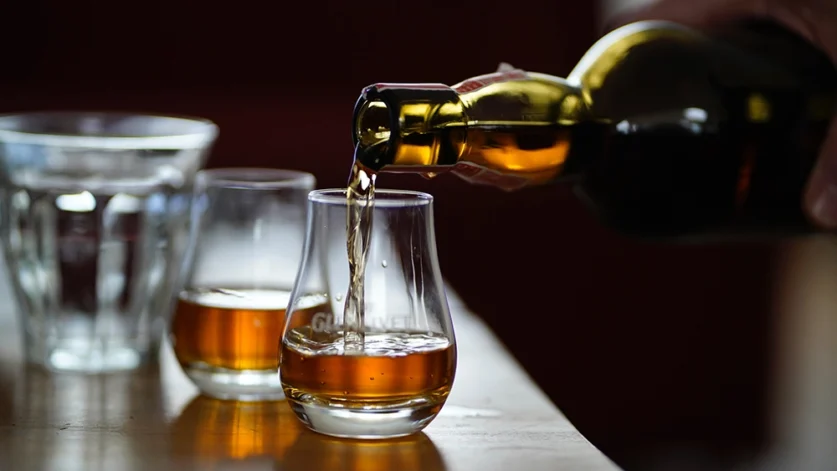
Looking for gift ideas for your loved ones? Look no further than the timeless and always appreciated gift of whiskey. Regardless of style or category, whiskey is a crowd-pleaser that many people above the age of 21 enjoy. Whether it’s a bottle of the finest whiskey, unique whiskey-themed accessories, or items to enhance their home bar, we’ve got you covered with 21 whiskey gift ideas.
When it comes to scotch whisky, Highland Park offers a superb choice with its 18-year-old Viking Pride expression. This whiskey strikes a perfect balance between various styles, featuring a strong but not overpowering sherry cask and peat influence on the palate. With notes of spice, dried fruit, blackberry, vanilla, and smoke, this is our top pick for the best scotch whisky overall.
Decanters are a must-have for any whiskey collection, and the Tom Dixon decanter combines function and style. Inspired by scientific glassware, this beautiful decanter allows you to showcase a particular expression without a label obscuring the liquid. It’s a stunning piece to have on your home bar, perfect for pouring and sharing your favorite whiskey.
If you’re looking for a cask-finished American whiskey, Angel’s Envy is widely known and available. Their core expression is a four to six-year-old bourbon finished in port wine barrels, giving it a dark color and syrupy notes of candied fruit. For an exceptional choice, their annual cask strength expression is highly sought after. The 2023 release, marking 12 years of cask strength bourbon, is still an extremely popular choice that sells out quickly.
Buffalo Trace’s WL Weller bourbon gained immense popularity as an alternative to the elusive Pappy. A bottle of Weller Special Reserve is a great find, offering the same wheated bourbon profile as Pappy but at a more affordable price. Bottled at 90 proof, this bourbon has a pleasant fruitiness, vanilla creaminess, and a subtle spice that appeals to both beginners and enthusiasts.
Improve the whiskey drinking experience with lead-free crystal tumblers. These handmade glasses are perfect for savoring whiskey neat, on the rocks, or in classic cocktails like an Old Fashioned. The heavy base ensures stability, while the tapered top allows the aroma to develop. Add a touch of elegance to your home bar with these exquisite tumblers.
If your friends and relatives already have a collection of whiskey, consider exploring other whiskey-adjacent gifts. From unique accessories to enhance their whiskey appreciation, to items that elevate their home bar setup, there are plenty of options to choose from.
Whether you opt for a bottle of the finest whiskey, stylish decanters, limited edition releases, or elegant glassware, a whiskey gift is sure to make someone’s day. So raise a glass and toast to the joy of giving and enjoying the best whiskey has to offer.
Discover the Best Cocktail Books and Whiskies for Every Home Bartender
Are you tired of staring at your liquor cabinet, unsure of what to do with all those bottles? Don’t worry, we’ve got you covered. In this blog post, we’ll be sharing some of the best cocktail books out there to help you figure out how to create elevated and exciting drinks right at home. Plus, we’ll introduce you to some incredible whiskies that you simply can’t miss out on. So, let’s dive in!
1. Cocktail Books for the Home Bartender
If you’re looking to expand your cocktail-making skills, then you need to get your hands on these three must-have books: Death & Co: Modern Classic Cocktails, Cocktail Codex, and Death & Co: Welcome Home. Not only are these books signed by the authors, but they also contain hundreds of recipes that are both complex and manageable for at-home bartenders. Say goodbye to your usual cocktail routine and get ready to impress your guests with a whole new level of mixology. This bundle is priced at $102 and is a worthwhile investment for any cocktail enthusiast.
2. Discover the Whiskey Gems
When it comes to Northern Irish whiskey, the Bushmills distillery is renowned for its affordable workhorse blend. However, don’t overlook their single malt expressions. The 21-year-old Bushmills whiskey is a true gem, aged in bourbon and sherry casks before being finished in Madeira barrels. This intricate aging process brings out flavors of fig, spiced apple, lemon, and buttery caramel. Priced at $265, it’s a whiskey worth splurging on.
For Scotch drinkers who appreciate sherry cask-matured single malts, The GlenDronach is a name to remember. With its whisky matured in Oloroso and Pedro Ximenez sherry casks, this Highland distillery creates exceptional expressions. The 15-year-old Revival whisky shines as a standout choice, perfect for enjoying neat or in a classic Rob Roy cocktail. This bottle is priced at $97, offering excellent value for its quality.
3. Elevate Your Whiskey Experience with the Right Glassware
The Glencairn glass may be a classic choice for whiskey enthusiasts, but consider trying out the beautifully designed glass from Schott Zwiesel. Its minimal and tasteful design allows the aromas and flavors of your whiskey to concentrate without overwhelming your senses. The price of this elegant and effective glass is $84, offering a new way to appreciate the complexities of your favorite whiskey.
4. Indulge in a Special Bourbon Experience
If you’re a bourbon lover, you can’t miss out on the limited-edition 12-year-old Knob Creek. Building upon the success of the original nine-year-old bourbon, this expression offers the same complex flavor profile of vanilla, caramel, and spicy notes. However, the additional three years of barrel aging bring extra depth and complexity. Priced at $69, it’s a bourbon that falls into the sweet spot between the 15 and 18-year-old releases, making it one of the best options out there.
5. Explore Bob Dylan’s Whiskey Range
Bob Dylan’s Heaven’s Door whiskey brand has gained immense popularity since its launch in 2018. While they’ve released collectible limited-edition expressions, their core range remains a reliable source of tasty whiskey. Treat yourself or a loved one to a gift set of small bottles, featuring their Straight Bourbon, Double Barrel, and Straight Rye. Pour yourself a glass, put on some Bob Dylan tunes like “Nashville Skyline,” and compare the different styles of whiskey. The price for this gift set is $190.
6. Carry Your Whiskey in Style
When you’re on the go, why settle for a regular flask? The luxury Weekender flask from Jacob Bromwell is the perfect companion for any high-end whiskey. With its 22 gauge copper construction, reflective finish, and leak-free screw top, this flask holds seven ounces of your favorite liquid. Priced at $300, it’s a stylish and high-quality flask that any whiskey connoisseur would appreciate.
7. Uncut and Unfiltered Whiskey Delight
Booker’s is one of the original barrel-proof bourbons, known for its high ABV and full flavor. Part of the Jim Beam Small Batch Collection, this whiskey is released in four batches per year. The latest release, priced at $90, offers an uncut and unfiltered experience with a proof of approximately 125 and an age of around seven years. If you’re a fan of bold and robust whiskies, Booker’s is a must-try.
Conclusion
Whether you’re a novice home bartender looking for guidance or a whiskey lover in search of the next great sip, these recommendations are sure to satisfy your desires. From the best cocktail books to elevate your mixology skills to exceptional whiskies that deserve a spot in your liquor collection, there’s something for everyone to enjoy. So, grab a glass, open a book, and embark on an unforgettable journey of flavors and craftsmanship. Cheers!
Enhance Your Whiskey Experience with these Extraordinary Accessories
Bourbon lovers, rejoice! We have carefully curated a collection of exceptional accessories that will take your whiskey enjoyment to a whole new level. From exquisite crystal tumblers to unique bottles and ice presses, these items are perfect for enhancing the flavors and aromas of your favorite spirits.
1. Mighty Fine Batch Bourbon ($89)
First up, we have the Mighty Fine Batch Bourbon, a sensational release that boasts a delightful age of over seven years and a bold 126.6 proof. Whether you prefer to sip it neat or with a splash of water, this bourbon will surely impress your palate. Don’t miss out on the opportunity to experience its unrivaled quality.
2. Baccarat Crystal Tumblers ($276)
It’s no secret that the vessel in which you drink your whiskey can greatly impact your overall experience. These stunning crystal tumblers from Baccarat are designed to help you fully savor the flavors and aromas of your favorite whiskey. Not only are they functional, but they also make for an incredible addition to any home bar. Treat yourself or a loved one to the gift of elegance.
3. Ardbeg Peated Whisky Bundle ($293)
For those who appreciate the smokey allure of peated whisky, this bundle of bottles from Ardbeg is a dream come true. Known for their intensely peated expressions, Ardbeg offers three core whiskies: the 10 Year Old, Corryvreckan, and Uigeadail. These bottles will provide you with exceptional sipping experiences throughout the winter season.
4. “Impossible Collection” of Whiskeys Book ($1,200)
If you’re a whiskey enthusiast, you’ve probably heard of rare and collectible bottles that seem almost unattainable. Luckily, this beautifully designed book has compiled 100 of the most sought-after whiskeys from around the world. From Pappy Van Winkle to Midleton Very Rare 45 Year Old, this “Impossible Collection” will satisfy your craving for whiskey knowledge and make for a remarkable gift.
5. Starward Australian Single Malt Whisky ($164)
For the whiskey drinker who prides themselves on exploring new frontiers, the Starward Australian Single Malt Whisky is a must-have addition to your collection. This limited-edition bottle, commemorating 15 years of whisky-making, is matured in red wine casks. It offers a unique flavor profile that will captivate both single malt and wine lovers alike.
6. Cirrus Ice Press ($770)
The quality and size of your ice cubes can significantly impact the taste of your whiskey. With this press from Cirrus, you can create perfectly sized, six-ounce clear ice balls that melt slowly in your glass, allowing for controlled dilution and maximum enjoyment while sipping. Elevate your whiskey experience with these beautifully crafted cubes.
7. Barrell Craft Spirits Seagrass Whiskey ($84)
Lastly, we have the Seagrass Whiskey from Barrell Craft Spirits. This cask-strength blend of rye from America and Canada is finished in three different types of barrels—Martinique rhum, madeira wine, and apricot brandy. The result is a whisky that boasts fruity, spicy flavors with notes of raisin and dried fruit. Treat yourself to a unique and unforgettable sipping experience.
In conclusion, these extraordinary accessories are guaranteed to elevate your whiskey enjoyment to new heights. From impeccable glassware to rare and collectible bottles, each item has been meticulously chosen to enhance your drinking experience. Choose one or all, and indulge yourself or a loved one in the world of exceptional whiskies. Cheers!
Tad Dorda, the founder of Chopin, has been continuously redefining the vodka category even after 30 years.
Why Vodka Deserves More Respect: The Story of Chopin Vodka
When it comes to alcoholic beverages, certain spirits have gained a reputation for being complex and highly regarded. Think of bourbon, with its enthusiasts discussing the details of barrel chars and mash-bills. Vodka, on the other hand, often falls victim to being reduced to a “neutral spirit” with no distinct taste, and is frequently mixed with soda or cranberry juice. But what if we told you that vodka can be both seriously flavorful and serious business?
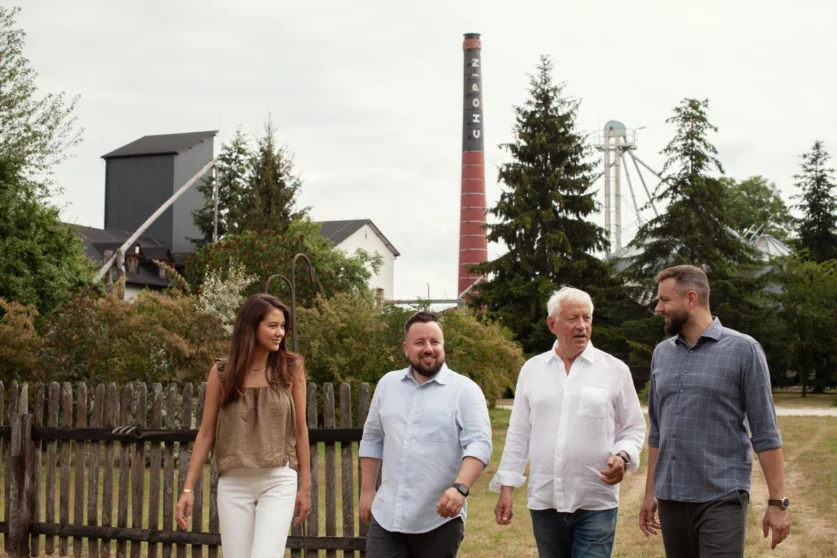
Meet Tad Dorda, the founder of Chopin Vodka, who is on a mission to change the perception of vodka. Thirty years ago, Dorda established the world’s first super premium vodka brand in his native Poland. Today, Chopin remains a family-run company that continues to produce award-winning vodkas that challenge and redefine the category.
Dorda strongly believes that vodka should not only be enjoyed, but also appreciated. According to him, vodkas “should be sipped and savored,” rather than mindlessly consumed. This passion for the craft of vodka-making shines through in every bottle produced by Chopin.
Founded in 1993, Chopin remains a small, family-run company committed to using quality ingredients and handcrafting their vodka. The distillery, located in Dorda’s homeland of Poland, is where all of Chopin’s vodka expressions are meticulously made. Unlike many larger brands that source their neutral grain spirit from industrial distilleries, Chopin stays true to its roots by using only potatoes, rye, and wheat sourced from Chopin-farmed crops and family farms nearby.
Although vodka can technically be distilled from a variety of ingredients, Dorda differentiates between what vodka can be and what it should be. In his pursuit of excellence, Dorda has dedicated his life to achieving an appellation of origin for vodka, similar to the distinctions of origin seen in cognac, Scotch, and tequila. He believes that consumers understand the concept of appellation of origin in other categories, but unfortunately, vodka lags behind.
Dorda argues that vodka can and should only be classified as such if it is made from a specific set of traditional ingredients found in the “vodka belt” of Eastern Europe—vodka’s homeland. These ingredients include potato, rye, wheat, barley, oats, and sugar beets. According to Dorda, the best and most authentic vodka comes from these ingredients and this part of the world.
While many people associate vodka with potatoes, potato vodka only represents 3 percent of all vodka sold. However, Chopin has made a name for itself in the potato vodka realm. Dorda has gone above and beyond, experimenting with over 60 different potato varietals to create the ultimate expression of the spirit. The result? Chopin’s potato vodka has received the highest accolades in the world for its creamy flavor profile and viscous, full-bodied texture—making it the perfect choice for a martini.
In the pursuit of new, distinctive, and delicious flavor profiles, Dorda continues to experiment with his micro-distillery equipped with small, 200-liter stills. Not all of these experiments make it to commercial release, but Chopin has unveiled some intriguing and mouthwatering bottlings over the years. From the Chopin Family Reserve, distilled from young potatoes harvested earlier in the season, to a collaboration with renowned designer Vera Wang using the rare Augusta potato, and even the Young Potato vodka, distilled from a variety of young potatoes spanning from 2009 to 2022—each expression boasts its own distinct aroma and flavor profile, proving that vodka can indeed possess nuance and terroir.
Chopin’s commitment to quality is evident in their production process. More than 11 million pounds of potatoes are distilled into vodka each year, with approximately 7 pounds used to create each bottle. The leftover potato mash is returned to local farmers to be used as fertilizer or feed for their animals—a sustainable approach that emphasizes Chopin’s connection to the land.
Dorda doesn’t stop at potatoes; he also places equal importance on Chopin’s wheat and rye expressions. Understanding that vodka’s complexity and flavor profile stem from the raw ingredients and their origin, Dorda ensures that every aspect of production is held to the highest standards.
Vodka deserves more respect. It is not just a neutral spirit to be blended with mixers—it can be a spirit that demands appreciation. Chopin Vodka, through its commitment to craftsmanship and dedication to traditional ingredients, is leading the way in redefining what vodka can and should be. So the next time you reach for a bottle of vodka, consider savoring it rather than simply consuming it. You might be surprised at the nuance and complexity that awaits.
The Power of Vodka: How Chopin Vodka is Making a Difference
When it comes to vodka, most people might think of it as just a clear, flavorless spirit. But Chopin Vodka is on a mission to change that perception. With a deep appreciation for the art of distilling and a commitment to philanthropy, Chopin Vodka is proving that vodka can be more than just a delicious drink – it can be a force for good in the world.
Chopin Vodka is known for its dedication to quality and craftsmanship. Made in Poland, the birthplace of vodka, Chopin Vodka takes pride in using the finest ingredients and traditional distillation methods. What sets Chopin Vodka apart is its variety of base ingredients – rye, wheat, and potato.
In a recent tasting session, the differences in flavor profiles were evident. The rye vodka had a spicier and bold taste, making it a perfect choice for cocktails like Bloody Mary. On the other hand, the wheat vodka was softer and sweeter, with a velvety mouthfeel that made it ideal for a refreshing Spritz. These variations showcase the versatility and range of flavors that vodka can offer.
But Chopin Vodka is not just concerned with creating exceptional spirits. The brand’s founder and master distiller, Tad Dorda, also believes in giving back to the community and supporting causes that are close to his heart. In September 2023, Chopin Vodka participated in the Robb Report Culinary Masters event, a philanthropic function aimed at raising funds for the V Foundation for Cancer Research.
As part of the event, Chopin Vodka donated a package that included a bottle of their recently launched Chopin Vintage Vault 30-year-old Vodka, along with a VIP distillery tour led by Dorda himself. The package raised an impressive $21,000, all of which was donated to the V Foundation.
This act of generosity demonstrates how vodka can be more than just a drink – it can be a catalyst for positive change. Dorda believes that vodka, as a national heritage of Poland, deserves the same level of recognition and protection as other renowned spirits like tequila and Scotch. Through his work, he hopes to elevate the perception of vodka and its importance in Polish culture.
Even after 30 years since its founding, Chopin Vodka remains a family affair. Dorda’s daughter and nephews work alongside him to run the business, ensuring that the brand’s commitment to quality and philanthropy continue to thrive.
In conclusion, Chopin Vodka is not your ordinary spirit. It is a symbol of craftsmanship, flavor, and philanthropy. Through their dedication to creating exceptional vodkas and supporting charitable causes, Chopin Vodka is making a difference in the world. So, the next time you raise a glass of Chopin Vodka, remember that you are not only enjoying a delicious drink but also contributing to a positive impact. Cheers to vodka and its power to do good!