Liquor-articles 2128
Whiskey Heritage Center Honors Pennsylvania’s Rich Distilling History

If you go
West Overton Village is open through the end of October from 10 a.m. to 4 p.m. Thursdays through Sundays. Admission includes the museum, heritage center, a guided tour of the 1838 Overholt Family Homestead and the educational distillery.
TribLIVE’s Daily and Weekly email newsletters deliver the news you want and information you need, right to your inbox.
It’s often steel, coal and glass that come to mind when Pennsylvanians think of the state’s core industries. But, to Aaron Hollis, many forget a historically key player: whiskey.
West Overton Village, a museum and heritage site in East Huntingdon, has opened the James B. Beam Pennsylvania Whiskey Heritage Center, a space dedicated to highlighting the rich origins of whiskey production in Pennsylvania.
“Pennsylvania had a strong, world-renowned rye whiskey heritage,” said Hollis, the co-executive director of West Overton.
The center was established through West Overton’s partnership with Suntory, a company that has produced the West Overton-native Overholt whiskey brand since 1987.
Abraham Overholt, the founder of Overholt whiskey, got his start in West Overton in the early 1800s as part of a generation of distillers that rose after the Whiskey Rebellion and spearheaded Pennsylvania’s rise as a leader in whiskey production. After Prohibition outlawed the industry in the first half of the 20th century, most Pennsylvania distilleries fell off the market.
“Nowadays, that part of our state’s history has just been completely neglected,” Hollis said. “We want to help revive that story.”
Located on the renovated second floor of the museum, the new center contains a gallery of over 450 Pennsylvania whiskey artifacts. There’s a collections storage room filled with other historical items, including pipe organs, medical supplies, farm equipment, folk art, antique coverlets and more.
Hollis said the collection of Pennsylvania whiskey artifacts at the gallery has surprised and delighted visitors.
“They find out that they’re all from Pennsylvania, and it’s immediately, ‘Wow — I had no idea Pennsylvania had this many whiskey distilleries,’ ” he said.
The gallery is the product of whiskey-aficionado and West Overton board member Sam Komlenic, who has been collecting Pennsylvania whiskey bottles and memorabilia for 50 years.
The gallery, in Komlenic’s name, features a centerpiece display of more than 250 Pennsylvania whiskey bottles from iconic state distilleries, such as Overholt, Dillinger, and Large.
The gallery will make for the largest public collection of Pennsylvania whiskey and distilling artifacts.
Growing up in Ruffs Dale, where his father worked at a distillery, Komlenic became fascinated with the names of local brands of Pennsylvania distilleries painted across warehouses, leading him to dive into distillery research as an adult.
Three years ago, when Komlenic made his initial artifact donation to West Overton, he had never seen the 240-plus bottles all together in one place. Now, Komlenic hopes the impressive display at the center will put into perspective for Pennsylvanians the prominent historical role the state had in whiskey production.
“People have no idea how huge the industry is here. Pennsylvania was really the epicenter of American whiskey until the latter half of the 1800s,” Komlenic said.
“Now that the craft distilling industry is taking off, people are starting to become interested in locally produced whiskey again. And my hope here is that they are able to look at these new distilleries and see there were generations before that made this famous.”
According to the American Distilling Institute, there were more than 2,200 distilleries across the U.S. in 2022, which is an increase from just a little over 900 in 2016. Pennsylvania ranks fourth nationally in distilling.
With the center’s location at West Overton providing a local connection to Abraham Overholt’s roots, many refer to the area as the “ancestral home of American whiskey production.”
While today the brand is produced in Kentucky, Komlenic said the American distilling attraction provides a rare opportunity to visit the home of the owner.
“You can’t go back to Jack Daniel’s home,” Komlenic said.
Tanya Babbar is a TribLive staff writer. You can reach Tanya at tbabbar@triblive.com.
Remove the ads
from your TribLIVE reading experience but still support the journalists who create the content with TribLIVE Ad-Free.
Stay up-to-date on important news from TribLIVE
If you go
West Overton Village is open through the end of October from 10 a.m. to 4 p.m. Thursdays through Sundays. Admission includes the museum, heritage center, a guided tour of the 1838 Overholt Family Homestead and the educational distillery.
TribLIVE’s Daily and Weekly email newsletters deliver the news you want and information you need, right to your inbox.
Benchmark Bourbon Whiskey: Your Comprehensive Guide to the Ultimate Bottle

The Benchmark brand has been on an interesting journey since its conception in the 1960s. First released as a premium brand, it’s since become one of the better-tasting affordable bourbons you can buy. It may no longer be marketed as a top-shelf whiskey, but it’s much-loved for delivering value without compromising on quality.
With a rich palate of vanilla and caramel, it offers subtle warmth and a satisfying finish. It generally comes at a fair price, too (though it has plenty of competition in that regard). Of course, if you’re wondering whether you should buy a bottle of Benchmark or opt for one of its many rivals, it’s helpful to know more about the bourbon and brand.
Having learned what separates the bad from the good — and the good from the great — through my many years enjoying (and writing about) whiskey, I’m more than capable of tackling this budget bourbon. While the Benchmark brand offers a range of expressions, I’ll be focusing on its flagship Old No. 8 Kentucky Straight Bourbon in this article. With that in mind, join me as I guide you through everything you need to know about Benchmark Bourbon Whiskey.
Some recommendations are based on first-hand impressions of promotional materials and products provided by the manufacturer/distributor/etc.
Read more: 13 Liquors Your Home Bar Should Have
The history of Benchmark is intertwined with the story of Seagram’s. Previously among the largest and most influential spirits companies in the world, the legacy of Seagram’s can be traced back to 1857, though it didn’t introduce the Benchmark brand until the mid-twentieth century. At first, Benchmark — minus the “McAfee’s” name that would later be added to the label — was positioned as a premium bourbon. The liquor was initially made in Lawrenceburg, Kentucky under Seagram’s, as well, at a distillery known as Old Prentice.
Seagram’s interest in the brand floundered through the years, and it was sold to the Sazerac Company in 1989. Consequently, when Seagram’s later imploded after its many expansion attempts failed spectacularly, Benchmark was already in the safe hands of a huge multinational spirits company in Sazerac.
Benchmark eventually moved its production premises to Frankfort, Kentucky, as it proudly states on the bottle (with Four Roses bourbon now being made at Benchmark’s former home). Additionally, the whiskey was rebranded over time as a more affordable bourbon by Sazerac, with the McAfee name added later, as well. More than that, Sazerac is the owner of the Buffalo Trace distillery, which is where Benchmark found a permanent home for its whiskey production.
The taste of Benchmark is fairly basic but it does have some interesting tasting notes. The nose is fairly pleasant, with the most dominant note being that of vanilla. There’s also caramel there along with more muted tones of spice and plum. Upon tasting, there is a little initial harshness, but it’s far from overwhelming. Once you let the drink settle into your mouth, a few nice flavors open up, and the caramel in particular is impressively deep.
The bourbon has a slightly dry mouthfeel at this point, as well — a feature more commonly associated with white or rosé wine. The most impressive part was the notable oak influence, which is less common in younger whiskeys. Given there’s also a subtle tobacco influence, I’d say this bourbon is more suited to those who prefer earthier flavors. Another impressive aspect of the Old No. 8 bourbon is the satisfying finish. While no new flavors develop, there’s no harshness, either, and you’re left with a dry, spicy warmth.
Now, there may be better bourbons, but very few can be purchased at a similar price point. On that note, Benchmark succeeds where many other cheap bourbons fail. It offers an excellent balance between sweetness and warmth, and when I’m unable to get my hands on a more premium bottle? I’m happy to sip this whiskey all night long.
When making bourbon, you first need to decide on the mash bill (or the different ingredients used to produce the alcohol). The Buffalo Trace distillery likely uses four main mash bills, and like the flagship bottle of Buffalo Trace-branded bourbon, Benchmark appears to utilize the distillery’s mash bill #1. Now, the exact makeup of this mash bill is a secret. However, it’s seemingly low rye, doesn’t use wheat, and likely has a very high percentage of corn — at least 51%, in fact, as is legally required of all bourbon.
Once selected, the grains are combined with limestone water to create the mash. The water plays a crucial role in the overall taste along with the grains, as does the proprietary yeast strain used for fermentation. After fermentation, the mash is then distilled in one of Buffalo Trace’s huge copper column stills to concentrate the alcohol. As with all bourbon, it is then placed in new, charred American oak barrels to age, and it’s from the wood where the whiskey gets much of its sweetness and spice.
Once it’s aged, the distillery’s master blenders will taste-test the whiskey, only giving the green light for bottling when it passes the quality check. After all, Benchmark may not be viewed on the same level as some of the more revered bourbons made at the Buffalo Trace distillery, but it still goes through the same quality checks.
When drinking expensive bourbon, I always feel compelled to drink it neat. The spirit deserves to be savored, after all, and drinking it neat allows you to do just that. Now, Benchmark’s affordability means you can feel comfortable enjoying it any way you like. But if you’re on a budget and looking for a cheaper sipping bourbon, this can tick that box. In that sense, any decent bourbon should be easy to drink neat regardless of price, and Benchmark is no exception.
While it passes as a sipping bourbon, Benchmark can be enjoyed in many other ways, as well. The whiskey works well with your mixer of choice and also in a variety of cocktails. Classics such as the old fashioned or the Manhattan are served well by its robust flavor, giving them an added layer of complexity. If you want to enjoy it chilled, it’s best to use a large ice sphere that melts slowly to maintain the flavor of the bourbon without watering it down too much.
Ultimately, Benchmark is a versatile bourbon that can be enjoyed whichever way you prefer. There may be better bourbons for drinking sans additional ingredients. But this whiskey allows you to enjoy an authentic-tasting bourbon — one with minimal harshness on the tongue and no bitter aftertaste — at an eminently affordable price.
Given what I’ve already mentioned thus far, you’ve likely made the wise assumption that the answer to this question is no. In fact, the average price for a standard 750-milliliter bottle of Benchmark Bourbon Whiskey is around $11 as of July 2024. At that price level, it’s very difficult to find anything cheaper that tastes quite as good. Simply put, anyone on a budget who still wants the classic taste of bourbon will likely find Benchmark to be a great deal.
Despite its low price, Benchmark is worthy of consideration for both seasoned bourbon aficionados and newcomers to the spirit. It may not be the greatest bourbon out there, but it still offers value for money — and even tastes better than some bourbons that cost twice as much. Frankly, it’s a solid bourbon option for anyone to have in their liquor cabinet given the price and flavor profile.
Plus, if you’re looking for a whiskey to add to mixers, Benchmark is a better option than many other inexpensive brands. This may be, in part, because of its Kentucky straight bourbon designation, which is lacking with many other budget bourbon bottles. A whiskey can only be called “straight” bourbon if it’s been matured for more than two years, after all, which sets Benchmark apart from other low-cost varieties.
There’s a range of other expressions sold under the Benchmark banner beyond its standard bourbon. In fact, if you’re looking for a little more power from your whiskey, Benchmark Full Proof is a great alternative. The “full proof” name is given to a whiskey if it’s bottled at the same proof as it entered the barrel. This is different from barrel proof (and other types of bourbon), which is bottled at the proof that it leaves the barrel. Consequently, the Benchmark Full Proof comes in at 125 proof compared to 80 proof for the Old No. 8.
Now, we mentioned that Benchmark Old No. 8 Kentucky Straight Bourbon Whiskey is robust, but the Full Proof expression takes that to the next level. The flavors that we looked at earlier are amplified, which adds to its complexity. Along with the classic flavors of its lower-proof sibling, there’s an extra spiciness along with some charming chocolate notes in the Full Proof option.
Choosing between these bourbons will largely depend on your personal taste. If you’ve never had high-proof whiskey before, it can be a little overwhelming at first as the alcohol is quite dominant. If you’re used to powerful whiskeys, then Benchmark Full Proof will give you a better (and more potent) tasting experience. If you’ve never had either, though, I’d recommend starting with the Old No. 8 before moving on to other Benchmark offerings.
Evan Williams shares many similarities with Benchmark, making it a good comparison. Each bourbon offers decent value for the cost, comes in a classic black labeled bottle, and is quite underrated overall. They also come from huge distilleries, with Benchmark from Buffalo Trace and Evan Williams one of the many brands produced at the Heaven Hill Distillery.
There are a few key differences between these two whiskeys, though. Evan Williams has a slightly spicier flavor profile, for instance, and clocks in at a slightly higher 86 proof. You’ll get a hit of pepper on the palate, as well, along with the classical bourbon notes of caramel, vanilla, and oak with this bourbon. Conversely, I’d say Benchmark has more of an oak influence overall.
In terms of pricing, Evan Williams may be a slightly more expensive option (with an average cost of $15 as of July 2024), though it’s still highly affordable. It comes down to a simple case of preference, then. While I prefer Benchmark — I tend to like earthier bourbons that have more of an oak and char influence — if you like the classic bourbon taste with a little extra spice? Evan Williams may be the choice for you. In fact, if you’ve only tried one of these two, it’s worth trying the other to see how they compare to your palate.
At the top of the bottle, you’ll see it described as “McAfee’s Benchmark” — but who were the McAfees, and why is their name adorned on the label? Contrary to what you may think, the three brothers (James, George, and Robert) had nothing to do with making whiskey. Rather, they were early pioneers who left Virginia to explore what would eventually become Kentucky.
The McAfee brothers surveyed the land with the help of native trails and Buffalo tracks (which was what eventually led to the Buffalo Trace name). Of course, if these brothers had nothing to do with the bourbon, why is it called McAfee’s Benchmark? The answer is that the “benchmark” aspect refers to something completely different. When exploring the territory, the McAfee brothers used so-called benchmarks to help guide them, which is anything that you can be used as a point of reference.
Therefore, the name refers to the supposed benchmarks left by the brothers during their journey, and this piece of Kentucky history was honored by Sazerac with the addition of the McAfee name at some point after it purchased the brand. The McAfee brothers may not have directly influenced the history of whiskey, but they helped lay the groundwork for what Kentucky would become in relation to bourbon.
As I mentioned earlier, the Benchmark brand is now under the stewardship of Buffalo Trace. But Benchmark is far from the only spirit created at the Buffalo Trace distillery. In fact, if that name sounds familiar, it’s because it also makes a brilliant, affordable bourbon under its own name.
Established in 1775, Buffalo Trace has become a powerhouse in the whiskey industry and is only getting bigger. We’ve mentioned several affordable brands already, but the distillery is also renowned for making some of the best premium brands in the world: E.H. Taylor, Stagg, Weller, Eagle Rare, and Pappy Van Winkle (to name a few). Given the sought-after whiskeys produced at the same facility, perhaps you’d think the likes of Benchmark would be left behind. But there’s a commitment to quality throughout the brands distilled at Buffalo Trace, which is seen by the extended range of Benchmark bourbons produced and sold.
Along with the Old No. 8 Kentucky Straight Bourbon I’ve discussed here, it also offers Top Floor, Small Batch, Bonded, Full Proof, and Single Barrel expressions. This shows that Buffalo Trace and Sazerac are determined to avoid letting Benchmark get lost in the crowd of its many other brands.
Many people likely buy a bottle of whiskey without examining the label too thoroughly. Given this, it’s easy to see the big number “8” on the Benchmark bottle and think it relates to the age of the whiskey. However, that’s not the case here — after all, if it was aged for that long, it’d almost certainly be much more expensive. Unfortunately, while the real age of Benchmark bourbon is around three years (which you can sense from the way it tastes), it’s unclear where the “Old No. 8” moniker comes from.
Of course, while I was unable to find any concrete evidence regarding the name used on the Benchmark label, we can take an educated guess — based, in part, on the probable reason why Jack Daniel’s has “Old No. 7” on its bottles. Though other theories remain, some believe the Jack Daniel’s distillery was originally located in the tax district number 7 in Lynchburg, Tennessee — and the same could very well have been true for Benchmark and its district in Kentucky.
Then again, this could also just have been a marketing trick to make the brand look older than it was (while providing a link to the popular Tennessee whiskey, as well). Since Benchmark wasn’t introduced until the 1960s, the gimmick theory appears at least somewhat likely. Either way, the number has nothing to do with the age of the bourbon in the bottle.
Benchmark wasn’t merely marketed as a premium bourbon in the past: it used to look much different, too. When first launched by Seagram’s, it didn’t have the squared bottle that we see today. In fact, Benchmark originally had a more regal appearance that included Seagram’s coat of arms on the upper section of the bottle, plus its motto of “integrity tradition craftsmanship.” In 1975, though, Seagram’s went one step further with its presentation by introducing an elaborate decanter (purportedly in honor of the 57th American Legion Convention).
Made in the style of a castle turret, the top could be removed to reveal the bottle inside. More than that, this over-the-top design helped add to the impression of Seagram’s as a premium spirit, and illustrated the company put a lot of effort into fostering that image.
Since even the most expensive bottles rarely get fancy packaging in the 21st century, we’re unlikely to see Benchmark sold in such a bottle again anytime soon. Of course, that’s no longer what this bourbon is about, either. These days, it’s a respectable offering that rarely costs much more than $10 or so. While it would have been nice to sample the old 6-year-aged Benchmark bourbon, there’s nothing wrong with its status as a cheaper whiskey that belies its low price tag.
Read the original article on Tasting Table.
Weber Ranch Set to Revolutionize the Vodka Industry with Blue Weber Agave

Weber Ranch is crafted from blue weber agave, the same agave used to create tequila.
The folks who innovated the tequila space with Patrón are aiming to do the same with vodka.
Round Two Spirits just released a blue weber agave vodka called Weber Ranch this spring. “Most of the Weber Ranch team are former Patrón Tequila colleagues and good friends so we understandably have a deep appreciation, respect, and love for agave,” says Lee Applbaum, president and chief operating officer of Blue Weber and former chief marketing officer for Patrón. “It’s a noble plant that, when properly crafted, truly creates an extraordinary spirit.”
Applbaum says when he and his partners started thinking of a spirit that would be “something new and truly disruptive in the spirits space, it was a natural to consider what could be done with agave.” They then turned to vodka, which is the largest spirits category in the United States. “It was the intersection between our experience with crafting agave spirits, and the massive opportunity to disrupt vodka, that the idea came for Weber Ranch,” Applbaum says.
Though vodka is typically distilled from wheat, corn or potato, Applbaum and his team thought a better vodka could be created from a better base source. “Blue Weber agave is not only a higher-quality, it also imparts a subtle, natural sweetness, and creates a silky, smooth mouthfeel without any aftertaste or ‘bite’ traditionally associated with many vodkas,” he says. “Better ingredients often yield a better product, and that’s absolutely the case with Weber Ranch.”
Weber Ranch vodka, which retails for about $30, offers a subtle aroma of tropical fruits, with a faint hint of fresh agave and a light, fruity taste of green apple, pineapple, and hint of citrus. “It’s a very versatile taste profile which of course works great in all traditional vodka cocktails, and it’s delicious on the rocks or in a martini,” he says, adding that it works in tequila cocktails like Ranch Water and Palomas, though, in this case, they’d be Vodka Sodas and Greyhounds.
Antonio Rodriguez, formerly the production director at Patrón, is the master distiller who created Weber Ranch vodka. Rodriguez worked for a long time to create it. “This is something entirely new, and so there wasn’t a blueprint for how to create it,” Applbaum says. “While Antonio was hard at work iterating and crafting the vodka, we worked in parallel to design the Weber Ranch brand design language, bottle, and packaging system.”
The bottle is inspired by the Blue Weber Agave piña and flowering stalk that emerges as a sign of maturity. “We believe Weber Ranch packaging has all the elements necessary to make it iconic someday, just as we did at Patrón,” he says.
“`html
Packaging, he adds, is “absolutely critical” when it comes to consumers picking a bottle off of the shelf in a store. Weber Ranch first launched this spring in New York, California, Florida, Texas, New Jersey and Georgia, with plans to unroll a national rollout as soon as it is logistically possible. It also is sold online on Reserve Bar.
Consumers and bartenders enjoy the taste, and they also appreciate that it is additive-free, he says. “It is very early days, but often that’s when you really get a gut sense of how a brand will be received, and thankfully we’re hearing tremendous, positive feedback,” Applbaum says.
One Community. Many Voices. Create a free account to share your thoughts.
Our community is about connecting people through open and thoughtful conversations. We want our readers to share their views and exchange ideas and facts in a safe space.
“`
In order to do so, please follow the posting rules in our site’s Terms of Service. We’ve summarized some of those key rules below. Simply put, keep it civil.
Your post will be rejected if we notice that it seems to contain:
User accounts will be blocked if we notice or believe that users are engaged in:
So, how can you be a power user?
Thanks for reading our community guidelines. Please read the full list of posting rules found in our site’s Terms of Service.
Crafting the Perfect Kingston Negroni: A Funky Rum Twist on a Timeless Classic

Sometimes, a cocktail bar will, on their menu, have a chart or “matrix,” a way to evaluate at a glance what the experience of a drink is going to be. This is usually a combination of two axes: one, from refreshing to boozy, and the other, from comfortable to adventurous. And with any such thing, a natural (if anarchic) question would be: What happens when we max both of these out in a single glass? What cocktail in the classic or modern-classic canon is both the most insane and the most intense?
Allow me to introduce you to the Kingston Negroni. The Kingston Negroni was created in 2009 by Joaquin Simó when he was at Death & Co. in NYC (the same Joaquin Simó, by coincidence, who a few years later would be the first to put a flavor matrix on a menu). The story goes that a liquor importer walked into Death & Co. with a new bottle of Jamaican rum, a particularly intense and funky blend called Smith & Cross, and “within five minutes” Simó had the idea of stirring it into a Negroni. Some cocktails take weeks of trial and error—particularly at Death & Co., at the time perhaps the most creative and precise cocktail bar in the country—but the Kingston Negroni was a one-shot hit. It went on the menu in Spring of 2010, was taken up by the blogs and then quickly spread across the country, by way of bartenders in Chicago and Portland and San Francisco who were enraptured by this brash and assaultive little drink.
More from Robb Report
How to Make a Fort Tilden Cooler, the Sophisticated Beachy Cocktail
How to Make a Scorpion Bowl, a Smooth Tiki Punch With a Strong Sting
How to Make a Brown Derby, the Honey-Kissed Bourbon and Grapefruit Cocktail
The reason for the cocktail’s success and its aforementioned intensity is the particular character of Smith & Cross. Jamaican Rum is, for lack of a better word, funky. People have gone to great lengths to try to explain it, and even so far as to create a word, “hogo,” to describe the unmistakable flavors of banana and rotting tropical fruit and buttered gingerbread and (sometimes) old-meat funk that is endemic to Jamaican rum. Honestly, the category gets even funkier and weirder than Smith & Cross, but in 2009 these rums mostly weren’t exported, and even today it’s a flavor most Americans have simply never experienced. Smith & Cross is a beast, the standard bearer of the category, its flavor amplified further still by being bottled at a combustible 114 proof.
Instead of shying away from the intensity of the rum, trying to soften it with lime juice or bury it in coconut, the Kingston Negroni puts the Smith & Cross front and center. It defines the nose and palate, leading the charge with a coat of botanical vermouth and a swinging mace in the form of Campari, whose acute bitter finish can be too much for some people in and of itself. A Negroni is already bold and polarizing; the Kingston Negroni takes that template and invents new dials that it can turn up to 11. It’s so flavorful it feels like it should be against the law.
As such, the Kingston Negroni has cemented itself as a bona fide modern classic and is the favorite drink of several people I know personally. It is unyielding and unique, thunderous yet somehow balanced, with the dauntless confidence of an apex predator. Try one out some time. That is, if you’re the kind of person who looks at a scale of reasonability and thinks, “what happens on that far end over there?”
1 oz. Smith and Cross (or other, high-ester, high-proof Jamaican Rum)
1 oz. Campari
1 oz. Carpano Antica or Carpano Classico Vermouth
Add all ingredients to a mixing glass with ice. Stir for 10 to 20 seconds, and strain over a big cube into a rocks glass. Express the oils of an orange peel over the top, and garnish with the peel.
NOTES ON INGREDIENTS
Rum: This is a very specific drink, created specifically for Smith & Cross, which is both inexpensive and widely available. I recommend it.
As for other rums, you certainly couldn’t use a bottle of Bacardi and have it be a Kingston Negroni. If you were going to mess with the rum, you would, at minimum, need the bottle to be not just Jamaican but a funky, hogo-full Jamaican—Appleton Estates, the biggest Jamaican rum company, doesn’t have enough funk to make a full-fledged Kingston Negroni. I’d also guide you toward higher proof, like Smith & Cross, to capture the intensity of the original. Or you can just get Smith & Cross.
Campari: I didn’t try any of Campari’s competitors in this, because I love Campari and consider it strictly necessary. I’m not saying its competitors wouldn’t work, just that Campari, along with Angostura Bitters and Green Chartreuse and a small handful of others, is one of the few truly indispensable cocktail ingredients.
Sweet Vermouth: Simó specifically called for Carpano Antica, because it has the body to stand up to the other two towering ingredients. The logic is sound, and Carpano does indeed make the quintessential Kingston Negroni. In all my research on this drink, I couldn’t find anyone who disagreed.
The only thing I’d add is that I liked it just as much with Carpano Classico, the newer and less popular vermouth from the same producer. The Classico doesn’t have quite as much plummy power, but it also doesn’t have the same vanilla note, which is a note this cocktail abhors. I don’t know. I wouldn’t run out and buy a bottle of it for this, and Carpano Antica has more uses (like the splendid Vieux Carré), but if you happen to have both on hand, as I did, try it with each. Carpano Classico is leaner and so the bitterness shines more, while Carpano Antica is fuller with more to say, but talks over the rum just a touch in the mid-palate.
Variations: This, like the Negroni itself, is a very malleable template. Some people make pineapple versions. Some people make coconut versions. Some people stir it with coffee beans and add some oloroso sherry. I made all three of these, and I don’t think any of them are better than the original, but they’re all good in their own way. Happy exploring.
Best of Robb Report
Why a Heritage Turkey Is the Best Thanksgiving Bird—and How to Get One
9 Stellar West Coast Pinot Noirs to Drink Right Now
The 10 Best Wines to Pair With Steak, From Cabernet to Malbec
“`html
Sign up for Robb Report’s Newsletter. For the latest news, follow us on Facebook, Twitter, and Instagram.
Click here to read the full article.
“`
Discover the 2024 IWSC Winner: The World’s Best Vodka

Maison Solignac Initiale Vodka takes home the top prize for vodka at the 2024 International Wine and Spirits Competition.
The International Wine and Spirits Competition has revealed its top scores for 2024. Earlier this summer we revealed the big winner in the realm of American whiskey. Today it’s time to take a look at what this prestigious panel of judges had to say about vodka. Out of thousands of entries, only two total expressions managed to score 99 out of a possible 100 points. And only one of those was of the unflavored variety. The distinction belongs to Initiale Vodka from Maison Solignac, just south of Cognac, France.
Despite the abundance of grapes in this renowned region of the country, the producers at Solignac opted to craft their award-winning liquid out of rye grain. They use what they refer to as an “ultra slow distillation” in small copper pot stills to come away with a spirit that’s rich in savory elements and baking spices.
In their official tasting notes, the judges at IWSC pinpointed these threads as “biscuity sweetness, honeyed warmth, and fragrant meadow notes. Balanced with subtle fennel and caramel nuances. A silky, creamy texture leads to a slow, warm finish.”
The brand takes its name from founder and craftsman Pierre Solignac, a Versailles native who learned about the bygone traditions of vodka production while living in Russia during the 1990s. Specifically, he uncovered techniques dating back to the 18th Century—long before the advent of industrial column distillation had reduced the category to the neutral grain spirit it is often known as today.
Indeed, there is nothing neutral about this velvety, 80-proof sipper that is meant to be enjoyed chilled but never frozen. The pairing potentials of something this nuanced are best explored with high grade sashimis, cured fishes, or the classic caviar presentation.
There are also hints of freshly cracked black pepper that practically demand to be echoed in edible form. We recommend leveling up your at-home tasting by procuring a professional grade pepper cannon (what else?), spicing up some smoked salmon and washing it all down with a chilled pour of Initiale. You won’t be mad that you did.
The only thing to be angry about here is that the top-rated vodka is unavailable on US shelves—as of now. Hopefully the global recognition afforded by IWSC will help encourage the formation of those distribution channels. Meanwhile, European connoisseurs can pick up a bottle for around 55 €.
Drinkers on that side of the pond also ought to keep an eye out for the Mango Vodka offering from British producer Desi Daru. It was the only other vodka release to receive a 99 score at this year’s IWSC. Judges had this to say about the fruit-flavored expression:
“Such beautifully fresh aromas of real mango. The mango character continues to shine and linger on the smooth, vibrant palate alongside the peppery vodka notes and the seamlessly integrated alcohol. Enjoy in any cocktail, or savor on its own.”
Follow along for more news and updates from the 2024 International Wine and Spirits Competition.
The rural landscape of Southwestern France, home to Maison Solignac
One Community. Many Voices. Create a free account to share your thoughts.
Our community is about connecting people through open and thoughtful conversations. We want our readers to share their views and exchange ideas and facts in a safe space.
In order to do so, please follow the posting rules in our site’s Terms of Service. We’ve summarized some of those key rules below. Simply put, keep it civil.
Your post will be rejected if we notice that it seems to contain:
User accounts will be blocked if we notice or believe that users are engaged in:
So, how can you be a power user?
Thanks for reading our community guidelines. Please read the full list of posting rules found in our site’s Terms of Service.
Rediscovered Andy Warhol Painting Inspires Exclusive Limited-Edition Absolut Vodka
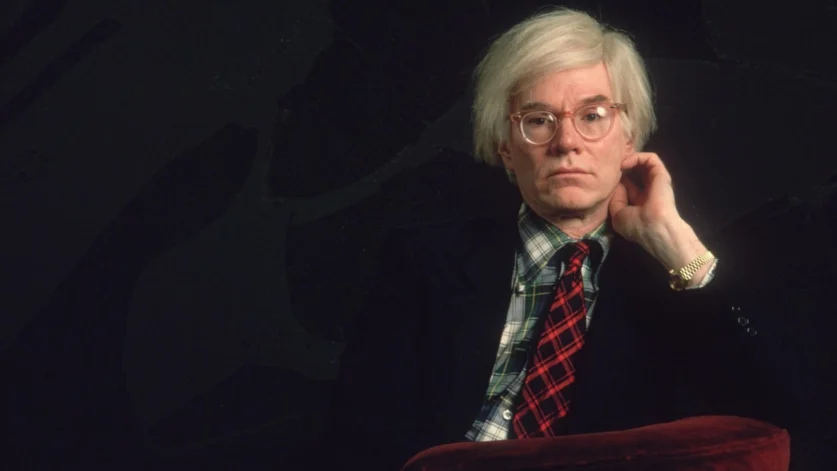
American artist and icon Andy Warhol (1928-1987) whose ‘rediscovered’ 1985 artwork could give Absolut Vodka a new lease of life.
Absolut Vodka—once fêted for its creative limited-edition bottles, often tying up art with social messaging—is at it again. This time it has rekindled an old partnership through the Andy Warhol Foundation for the Visual Arts.
The Swedish vodka brand, owned by French drinks giant Pernod Ricard, says the new, watery blue bottle will “reignite conversations around culture and inclusivity” and bring Absolut’s legacy in the art world to new audiences.
Back in 1985, Andy Warhol became the first artist to produce artwork based on the silhouette of Absolut’s (then) distinctive apothecary-inspired bottle. Absolut Warhol became the brand’s first art advert and marked the beginning of its involvement in the arts.
Warhol subsequently recommended Keith Haring to interpret the Absolut bottle, and between 1985 and 2004 more than 550 artists subsequently created more than 850 works. The early pieces were part of a brand communication strategy associated with the glamour of New York’s Studio 54, as well as the victims of the AIDS epidemic, the fall of the Berlin Wall, and the birth of IT.
Pernod Ricard bought into Absolut’s cultural legacy in 2008, when it fought off rivals to acquire the brand.
The original Absolut Warhol was painted with vibrant colors on a black background and is considered iconic by some. On the MyArtBroker website, a signed print is listed for £27,000 to £40,000 ($34,250 to $50,700).
A second Absolut Warhol painting, also from 1985, had been rumored to exist for decades before his ‘blue’ artwork was uncovered at an auction in 2020. In proving its provenance the original contract was unearthed, confirming both paintings had been commissioned. Pernod Ricard saw an opportunity to revitalize the original partnership—and the Absolut brand.
From a retail perspective, the limited-edition Absolut Warhol line launched on Monday exclusively in global travel retail (GTR) stores. Amsterdam’s Schiphol Airport is opening an interactive, gallery-style pop-up store for the product, with other major travel hubs lined up.
The bottle brings Warhol’s rediscovered Absolut ‘blue’ painting from 1985 to life by extracting shades of blue from the work and includes an image of Warhol himself alongside his original signature.
The latest Absolut Warhol is exclusive to travel retail for two months.
Pernod Ricard—whose portfolio includes Chivas Regal, Jameson, and Royal Salute whiskies, Martell cognac, Havana Club rum, and Mumm and Perrier-Jouët champagnes—has put a big budget behind a 3D out-of-home (OOH) ad campaign in the channel and multiple retail activations at airport like London Heathrow in the U.K., Dubai, Singapore Changi, São Paulo, and others.
Only after two months of exclusivity in duty-free will the new Absolut Warhol limited-edition bottle roll out across more than 50 additional global markets (from September) in both one-liter and 700ml bottles.
In travel retail, the one-liter bottle is available, priced at a recommended selling price of $24 or €22. This is cheaper than the current online price of a standard Absolut bottle: €23.90 at Amsterdam Schiphol (checked today). In a channel where premiumization is commonplace, even the norm, Pernod Ricard may score with this accessible-pricing strategy, especially with younger legal drinking age (LDA) travelers.
According to drinks market analyst IWSR, there was flattened consumer demand for alcoholic beverages in the first half of 2023 due to belt-tightening, though spirits (excluding national spirits) were up by 1%, based on the firm’s latest Bevtrac data.
Referencing 2024, IWSR’s senior consumer insights manager, Anastasia Timofeeva, said in December: “The key will be whether real wages can grow sustainably in the next two quarters in Europe and North America, particularly for younger LDA+ and middle-income consumers—and whether the ‘natural’ positivity in China and India translates into actual consumption behavior.”
The creative positioning and competitive pricing of Absolut Warhol should give it an advantage in this economic environment. Liya Zhang, vice president of global marketing at Pernod Ricard GTR commented: “This launch will be of huge significance to the evolution of Absolut in travel retail. Through this partnership with The Andy Warhol Foundation, we can democratize art and bring it to all nationalities (and) also recruit new generations of consumers.”
Andy Warhol, John Sex (right), and masked friend at Absolut Vodka’s Party for Keith Haring at the Whitney Museum on October 2, 1986. (Photo by Patrick McMullan/Getty Images)
The foundation will also be receiving some proceeds which its director of licensing, marketing and sales, Michael Dayton Hermann, said would support its philanthropic work. He added that he was “thrilled” to see the Absolut campaign come to life and engage younger people with Warhol’s legacy “in a fresh and dynamic way.”
A short promo from Mexican director and photographer Santiago Sierra Soler is inspired by Warhol’s brush strokes and accompanied by a remixed version of 20th Century Boy by T. Rex. Meanwhile, the rediscovered painting will be showcased at Stockholm’s Sprit Museum, the home of the Absolut Art Collection, on October 17, 2024. It will be the centerpiece of a new exhibition called Andy Warhol, Money On The Wall, curated by art historian and Warhol biographer, Dr. Blake Gopnik.
The Innovative Scotch Distillery Adopting Craft Beer Techniques to Transform Whiskey Making
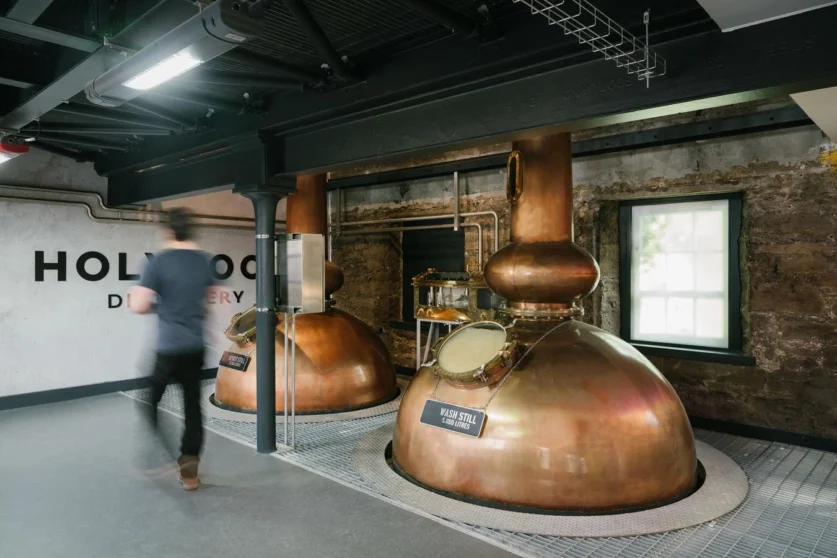
The stills at Holyrood Distillery, the first Scotch distillery in Edinburgh in over 100 years.
At its core, whiskey is distilled beer. Whiskey is spirit made by distilling an alcohol, called wash, that is itself made from grains — beer.
And yet, other than selecting grains and their proportions — barley, corn and wheat are the most common — few distilleries think of themselves as brewers or approach washmaking in the same way brewers think about beermaking.
Holyrood Distillery is changing that.
Holyrood is the first new whiskey distillery in Edinburgh in over 100 years. Located in the literal capital of Scotland and the figurative heartland of malt whiskey, Holyrood is honoring the long history of the national drink while taking an innovative approach to whiskeymaking.
“Test, learn, improve, repeat.” said Calum Rae, distillery manager, in a video interview.
What that means is experimenting with beermaking techniques in making wash, including using heritage barley varieties and specialty malts, and using different yeast strains. These are things that brewers use to make beer styles, from amber lager to saison, different from each other and Holyrood is unique in seeking to understand how this will translate into aged whiskey.
“Holyrood is the home of a fresh, creative approach to Scotch,” says Rae. And the distillery is uniquely situated for this.
While Scotland is famous for making whiskey prized around the world, Edinburgh has a rich brewing history due to underground wells supplying water perfect for beer making. Holyrood is located within Edinburgh’s “Charmed Circle” which was once home to over forty breweries. So, Holyrood is perfectly placed to marry the beermaking and the whiskeymaking arts. Rae himself has a background in brewing and works with a team of distillers, many of whom were trained at the nearby famed Heriot-Watt University.
At craft breweries, a spirit of experimentation is welcomed and Rae has brought that ethos to Holyrood. “We just have a bigger feedback loop,” says Rae, talking about how the results of experiments in distilling take years to materialize, rather than the weeks it takes to see the outcome of new beer recipes.
By regulation, distilled spirit must be aged a minimum of three years before it can be called “Scotch.” To date, Holyrood has only released two expressions — Arrival and Embra — so consumers have only been teased with the fruits of Holyrood’s vast database of flavor experiments. “We are only on the very, very baby steps of the journey,” says Rae.
But eventually, Holyrood’s tasting room will also take a page from the craft beer world. Similar to brewery tasting rooms, Rae envisions a tasting room with 20 or so limited-release drams so that people can taste the cornucopia of flavors they have created. And once the whiskey is gone, it gets replaced with another flavor offering.
Rae insists that, like other whiskey distilleries, Holyrood will have a house character running through all of their drams. “We just have a lot more colors to paint with,” he says of their ability to blend from the seemingly limitless supply of spirits made from different beer recipes, fermented by different yeast strains and aged in different casks. Says Rae, “There’s room for both new and old in the world of whiskey. That’s what’s exciting.”
One Community. Many Voices. Create a free account to share your thoughts.
Our community is about connecting people through open and thoughtful conversations. We want our readers to share their views and exchange ideas and facts in a safe space.
In order to do so, please follow the posting rules in our site’s Terms of Service. We’ve summarized some of those key rules below. Simply put, keep it civil.
Your post will be rejected if we notice that it seems to contain:
User accounts will be blocked if we notice or believe that users are engaged in:
So, how can you be a power user?
Thanks for reading our community guidelines. Please read the full list of posting rules found in our site’s Terms of Service.
Absolut Vodka Unveils Limited-Edition Bottles Inspired by Rediscovered Andy Warhol Painting
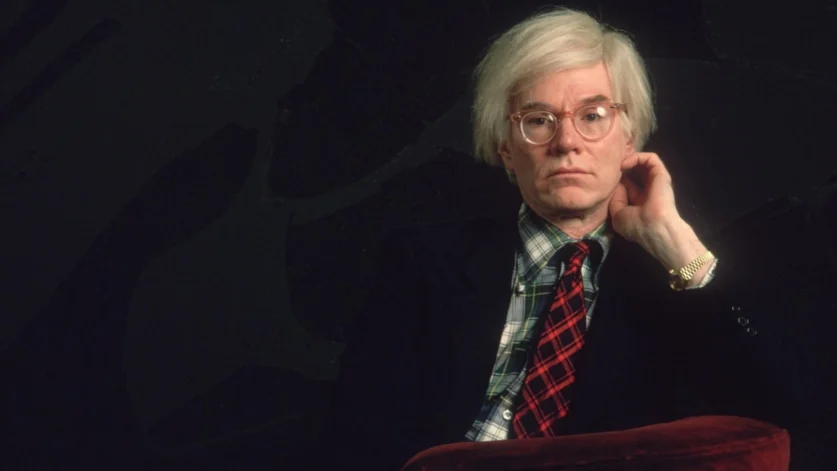
American artist and icon Andy Warhol (1928-1987) whose ‘rediscovered’ 1985 artwork could give Absolut Vodka a new lease of life.
Absolut Vodka—once fêted for its creative limited-edition bottles, often tying up art with social messaging—is at it again. This time it has rekindled an old partnership through the Andy Warhol Foundation for the Visual Arts.
The Swedish vodka brand, owned by French drinks giant Pernod Ricard, says the new, watery blue bottle will “reignite conversations around culture and inclusivity” and bring Absolut’s legacy in the art world to new audiences.
Back in 1985, Andy Warhol became the first artist to produce artwork based on the silhouette of Absolut’s (then) distinctive apothecary-inspired bottle. Absolut Warhol became the brand’s first art advert and marked the beginning of its involvement in the arts.
Warhol subsequently recommended Keith Haring to interpret the Absolut bottle, and between 1985 and 2004 more than 550 artists subsequently created more than 850 works. The early pieces were part of a brand communication strategy associated with the glamour of New York’s Studio 54, as well as the victims of the AIDS epidemic, the fall of the Berlin Wall, and the birth of IT.
Pernod Ricard bought into Absolut’s cultural legacy in 2008, when it fought off rivals to acquire the brand.
The original Absolut Warhol was painted with vibrant colors on a black background and is considered iconic by some. On the MyArtBroker website, a signed print is listed for £27,000 to £40,000 ($34,250 to $50,700).
A second Absolut Warhol painting, also from 1985, had been rumored to exist for decades before his ‘blue’ artwork was uncovered at an auction in 2020. In proving its provenance the original contract was unearthed, confirming both paintings had been commissioned. Pernod Ricard saw an opportunity to revitalize the original partnership—and the Absolut brand.
“`html
From a retail perspective, the limited-edition Absolut Warhol line launched on Monday exclusively in global travel retail (GTR) stores. Amsterdam’s Schiphol Airport is opening an interactive, gallery-style pop-up store for the product, with other major travel hubs lined up.
The bottle brings Warhol’s rediscovered Absolut ‘blue’ painting from 1985 to life by extracting shades of blue from the work and includes an image of Warhol himself alongside his original signature.
The latest Absolut Warhol is exclusive to travel retail for two months.
Pernod Ricard—whose portfolio includes Chivas Regal, Jameson, and Royal Salute whiskies, Martell cognac, Havana Club rum, and Mumm and Perrier-Jouët champagnes—has put a big budget behind a 3D out-of-home (OOH) ad campaign in the channel and multiple retail activations at airport like London Heathrow in the U.K., Dubai, Singapore Changi, São Paulo, and others.
“`
Only after two months of exclusivity in duty-free will the new Absolut Warhol limited-edition bottle roll out across more than 50 additional global markets (from September) in both one-liter and 700ml bottles.
In travel retail, the one-liter bottle is available, priced at a recommended selling price of $24 or €22. This is cheaper than the current online price of a standard Absolut bottle: €23.90 at Amsterdam Schiphol (checked today). In a channel where premiumization is commonplace, even the norm, Pernod Ricard may score with this accessible-pricing strategy, especially with younger legal drinking age (LDA) travelers.
According to drinks market analyst IWSR, there was flattened consumer demand for alcoholic beverages in the first half of 2023 due to belt-tightening, though spirits (excluding national spirits) were up by 1%, based on the firm’s latest Bevtrac data.
Referencing 2024, IWSR’s senior consumer insights manager, Anastasia Timofeeva, said in December: “The key will be whether real wages can grow sustainably in the next two quarters in Europe and North America, particularly for younger LDA+ and middle-income consumers—and whether the ‘natural’ positivity in China and India translates into actual consumption behavior.”
The creative positioning and competitive pricing of Absolut Warhol should give it an advantage in this economic environment. Liya Zhang, vice president of global marketing at Pernod Ricard GTR commented: “This launch will be of huge significance to the evolution of Absolut in travel retail. Through this partnership with The Andy Warhol Foundation, we can democratize art and bring it to all nationalities (and) also recruit new generations of consumers.”
Andy Warhol, John Sex, and masked friend at Absolut Vodka’s Party for Keith Haring at the Whitney Museum on October 2, 1986. (Photo by Patrick McMullan/Getty Images)
The foundation will also be receiving some proceeds which its director of licensing, marketing and sales, Michael Dayton Hermann, said would support its philanthropic work. He added that he was “thrilled” to see the Absolut campaign come to life and engage younger people with Warhol’s legacy “in a fresh and dynamic way.”
A short promo from Mexican director and photographer Santiago Sierra Soler is inspired by Warhol’s brush strokes and accompanied by a remixed version of 20th Century Boy by T. Rex. Meanwhile, the rediscovered painting will be showcased at Stockholm’s Sprit Museum, the home of the Absolut Art Collection, on October 17, 2024. It will be the centerpiece of a new exhibition called Andy Warhol, Money On The Wall, curated by art historian and Warhol biographer, Dr. Blake Gopnik.
Embracing Nocturnal Wonders: A Night Walk in the Woods Reveals Diverse Sights, Sounds, and the Enchanting ‘Jug-a-rum’ Calls
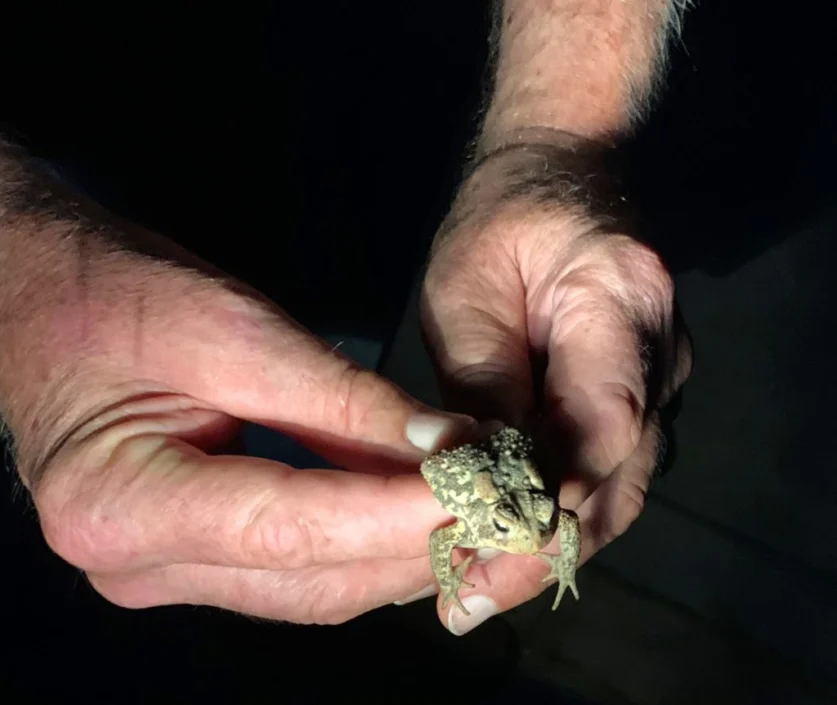
Beneath the strawberry moon in late June, we listened to green frogs belting out their banjo-like twang from a pond at Wright Woods near Vernon Hills. It was 10 p.m., and though the forest preserves district closes the gates at night, we had permission to document frog-calling after hours.
Visiting the same woods in early spring, mid-spring and summer offers a glimpse into nature’s ever-changing cycles. In mid-April, as the sun set, we heard an American woodcock, an unusual shorebird that nests in the woods, giving its courtship call. Then we saw it fly into the air in a spiral, then descend twittering its wings, all for the love of a female who was hopefully nearby.
After dark descended, we walked the trail with small, ephemeral ponds that would dry up later in summer. There we heard chorus frogs, which sounded like someone rubbing her fingers across a comb. These were most prominent, but we also heard spring peepers give their little sleigh-bell calls. Both of these frogs are no larger than a thumb, and they are much more often heard than seen. Chorus frogs can be heard in spring even during the daytime, but the spring peepers are nocturnal.
Frogs pass air from their lungs over their vocal cords, which vibrate to produce a sound. Vocal sacs located near the frog’s throat amplify the sound. When a frog inflates its vocal sac, it looks as if it had just produced a giant bubble from chewing gum.
Chorus frogs and spring peepers choose fishless ponds in which to call, mate and breed. Otherwise, fish would devour these tiny frogs and their eggs like mini-sacks.
By mid-May, the peepers have stopped calling, and their songs are replaced by those from American toads, as well as bullfrogs and green frogs just getting started for the summer.
On our next foray, as we waited for dark to come, we heard and observed a state-threatened cerulean warbler give its last song of the day. That bird would not have been singing in the woods in mid-April. At night, we no longer heard peepers and chorus frogs, but rather the whirring din of American toads, which belong to the frog family.
The green frogs and bullfrogs were calling from the large pond where folks fish in the daytime. These frogs are much larger than the peepers. The bullfrog can grow to at least eight inches long, and the green frog up to about 3 inches or so in length.
On that night, as we ventured toward the Des Plaines River in the dark, we heard a young great-horned owl giving its begging calls in the distance. By mid-May, great horned owls have already fledged young and are now teaching them how to find food on their own.
In late June, we entered the preserve just after the periodical cicadas had ended their daytime mating songs. We saw some here and there on leaves or on the ground, but the grand spectacle folks have been seeing this year of these insects that come out every 17 years from the ground was nearly over.
We walked our survey trail and heard a barred owl give its “who cooks for you, who cooks for you all” call.
That evening, we hoped to hear gray tree frogs calling. This was their time to call. We didn’t hear those, but we did hear more green frogs and bullfrogs. There seemed to be more of them and they were calling more frequently than at our last survey.
Since at least 2013, amphibian populations, including those of frogs, have been declining worldwide by nearly 4%. In northern Illinois, we’ve lost the once common cricket frog, which gives an interesting sound as if someone were tapping two stones together. They still call in central Illinois, but no longer up here, and scientists aren’t quite sure why, although in general climate change, loss of habitat and disease are contributing to amphibian populations worldwide.
At the end of our final survey, we walked to the pond and stood quietly beneath the full moon listening to the “jug-a-rum” calls of the bullfrogs and the banjo twang of the green frogs. Being outdoors at night listening to frogs and owls makes you feel as if you were out in the wilderness even when busy streets are nearby.
It is an otherworldly experience every child and adult should have.
Sheryl DeVore has worked as a full-time and freelance reporter, editor and photographer for the Chicago Tribune and its subsidiaries. She’s the author of several books on nature and the environment. Send story ideas and thoughts to sheryldevorewriter@gmail.com.
Whiskey House Embarks on a New Era with Cutting-Edge Kentucky Distillery

The exterior of the new Whiskey House in Elizabethtown, Kentucky
For many, the allure of visiting a legacy whiskey distillery is its history. Distillers can be borderline superstitious, arguing that if they change anything about production — from changing the size of the still to altering the fermenters — it will impact flavor.
The founders of Whiskey House, a new, state-of-the-art facility from the founders of Bardstown Bourbon Company, would not argue that those old distilleries have a certain kind of magic. But their goal is to keep experimenting and advancing to stay at the forefront of spirits innovation.
“It will be the most advanced distillery in the country, hands down,” said Whiskey House’s cofounder and CEO David Mandell during a recent hardhat tour of the 176-acre campus in Elizabethtown, Kentucky, that is projected to cost $350 million over the next decade to fully build out and complete.
Whiskey House began producing whiskey on July 1, crafting their liquid for friends, family, and employees.
The initial team at Whiskey House
By the most advanced distillery, Mandell refers to advancements on multiple fronts. The team has attracted talent from various renowned producers, amassing a total of 347 years of combined experience.
There is no master distiller at the facility. This distillery is the first of its kind, designed specifically to produce highly-customizable contract whiskey orders without establishing its own brand or handling investment barrels. Production on contract orders is scheduled to start next week.
“We are taking processes, technology and procedures from an advanced manufacturing standpoint,” Mandell said, citing Industry 4.0 — the kind of integrated tech and AI you see from companies like Amazon and Tesla. “The idea that there is one person saying this is how everything is made doesn’t work for us, because we have 30 to 40 different customers doing custom mash bills and highly customized production. So we have to have a huge system with tremendous flexibility.”
John Hargrove, Whiskey House co-founder, president and COO, was in food manufacturing before working at Sazerac and Bardstown. He has taken lessons from that field. Whiskey House’s production building is 110,000 square feet, and is laid out where raw goods come in one side, and the semi-finished product comes out the other, ready to head to on-site warehouses.
The Whiskey House lab
Every piece of equipment has monitors on it, explained Roger Henley, the vice president of engineering and technology, who had a background in the oil and gas sector as well as automative industry before moving to work in distilling at Barton’s and Bardstown Bourbon Company.
Customers will be able to log into a custom dashboard and see in real time all the details about how their whiskey was made, from the source of grains in their custom mash bill to where in the warehouse their whiskey is aging and what current conditions are.
Other distilleries do use a lot of this technology, but data collected ends up staying in that department, siloed. Think of QR codes on the bottles of some whiskeys now — it’s likely that data, such as where the grain was sourced or where the barrel was stored in the warehouse, was collected and then entered by hand before the information reaches the consumer. This system is seamless. Henley said what sets it apart is the ability to centralize that data and have AI models use it all to create efficiencies and save on usage of natural resources.
One easy-to-understand example is how to optimize alcohol production in fermentation.
“When you think about fermentation you have multiple different variables: corn grown in different seasons with different nutrient contents, yeast that performs in a certain parameter of [temperature] degrees, and the same thing for enzymes. You can collect all that data using AI,” Mandell explained. “We could actually figure out the exact conditions to increase your alcohol yield and proof gallons, and that will be a game changer.”
The facility is also designed to capture and reuse latent energy throughout the production process, resulting in a 50% decrease of energy consumption as compared to the EPA’s Energy Star Certified Distilleries. It’s got a slew of certifications to assure domestic and global clients everything is up to international code — and is even Kosher certified.
A rickhouse on the Whiskey House campus
The experimentation will continue throughout the aging process. During my recent visit, JT Thomas, the senior warehouse manager, and Phil Mays, the assistant warehouse manager, showed how they were testing a new type of food-grade sealant to help fix barrel leaks, as well as how the windows in the warehouse were designed to open at specific angles to experiment with airflow and its impact on aging.
And speaking of those warehouses, they also have airflow ducts at the base and are built longer and thinner than typical warehouses, so no client ends up in a less-desirable position in the rickhouse.
If a client has a specific request on where they’d like to be placed in the rickhouse, Whiskey House will do their best to accommodate it. It speaks to a larger business model of a contract facility that is built to service clients that have a clear pathway to using the whiskey in a brand. Whiskey House won’t be creating their own brands (or nabbing those most desirable warehouse spots themselves) and it won’t be making or holding investor barrels, something Mandell has seen drive up price and tie up capacity for brands that need production.
“It creates a bubble in the market and it’s really not healthy for the industry,” he said last fall.
In the intervening months, there is now more capacity in the industry as some legacy whiskey brands have slowed down their own production and other contract whiskey makers have expanded, lowering prices that had made it difficult for craft whiskey brands to survive. Mandell said the change in the market has not changed their business outlook.
“They [other producers] watched what we did at Bardstown and they thought it was going to be easy. But they don’t have the knowledge in many cases or the experience to do this type of production. It’s easier said than done,” Mandell said. “So what we’re seeing is that while there’s excess capacity, the best business is coming to us. And it’s what we predicted.”
Monica Wolf, a founder of The Spirits Group, a consulting firm that advises clients on business, production, and distillery design, has a holistic view of the industry because she also brokers barrels.
“The frothy nature of the barrel market the last few years, born from financial interest by groups outside of the whiskey industry, was never going to be sustainable,” Wolf said. “The inflated pricing has now corrected and we’re seeing aged barrel pricing at or below where it’s been historically.”
Wolf said the market is nuanced and complicated and “with all times of feast and famine there are winners and losers.”
“From a brand perspective and something that will never change: having the patient capital to invest in new fill barrels at their lowest cost basis, in order to control costs, will always be a winning proposition,” she said.
Wolf said they are scheduled to begin distilling at Whiskey House for both Lucky Seven and EJ Curley this fall. Ashley Barnes, the group’s Master Blender, selected and submitted the custom mash bills, yeast strains and level of char, toast and seasoning for the barrels.
“Having Whiskey House of Kentucky for quality distillate, made to spec, is an incredibly important part of our process. Choosing a quality barrel cooperage along with the toast, char and seasoning level of the staves that properly compliments the kind of products we’re intending to make is another important part,” Wolf said.
In the case of Lucky Seven and EJ Curley, they will then take the barrels to their own facility, The Blending House in Shelbyville, Kentucky, where Barnes will monitor aging and blending.
Whiskey House has sold 90 percent of their production capacity for the next five years and is also working with clients including Milam & Greene, Chicken Cock, Western Spirits and Whiskey JYPSI, as well as overseas production for large legacy spirits companies and ready-to-drink beverages.
If all goes to plan, production will soon double. The company started operations with greater than seven million proof gallons of annual capacity and will expand to more than 14 million proof gallons in 2027.
The space will soon include areas for clients to design their products with the Whiskey House team as well as space for them to host events. Eventually the campus will house 33 rickhouses, a palletized warehouse, a spent grain processing facility, a bottling facility, a rail system, as well as access to one of the highest yielding hydro stratigraphic limestone aquifers in the region, which sits 120 feet below the property.
One Community. Many Voices. Create a free account to share your thoughts.
Our community is about connecting people through open and thoughtful conversations. We want our readers to share their views and exchange ideas and facts in a safe space.
In order to do so, please follow the posting rules in our site’s Terms of Service. We’ve summarized some of those key rules below. Simply put, keep it civil.
Your post will be rejected if we notice that it seems to contain:
User accounts will be blocked if we notice or believe that users are engaged in:
So, how can you be a power user?
Thanks for reading our community guidelines. Please read the full list of posting rules found in our site’s Terms of Service.