Liquor-articles 2100
Tennessee Whiskey vs. Bourbon: Understanding the Key Differences and Similarities

What’s the difference between Tennessee whiskey and bourbon? Not much.
One common misconception about bourbon is that it only comes from Kentucky, but that’s not true.
Tennessee whiskey is a type of bourbon, explained Matthew “Moss” Morrissey, executive director of Whiskey House, a nonprofit organization that uses its extensive collection of old and rare whiskies for charitable causes like auctioning off tastings to raise money for the American Cancer Society.
What do bourbon and Tennessee whiskey have in common? They must be bottled at between 80 and 125 proof ethanol, made of at least 51% corn and aged in new, charred oak barrels.
But Tennessee Whiskey must follow two more requirements:
“One, it’s made in Tennessee and two, it goes through the ‘Lincoln County Process,'” Morrissey said. “And that’s just a fancy way of saying filtering through charcoal.”
The carbon in charcoal bonds with undesirable compounds in whiskey and removes them before aging.
Does it make a difference?
“Yes, absolutely,” Morrissey said. “That’s why it’s smooth and mellow.”
Whiskey doesn’t have to be brown; that’s the effect of barrel-aging. Unaged whiskey, for example, is called white whiskey. Many distilleries called their white whiskey “moonshine,” though moonshine by definition is untaxed and unregulated, and anything you’re buying on the up-and-up is most certainly both of those.
Morrissey, a Nashville native, said not everyone held Tennessee whiskey in high regard historically. But that’s all changed — thanks to an expansion of premium spirits.
“Jack Daniel’s, over the last four years or so, has started producing more lines of whiskey that a lot of people have fallen in love with,” he said. “Even people who didn’t care about Jack Daniel’s before.”
Suddenly, some who claimed not to like Jack Daniel’s anymore because of overindulging in Old No. 7 in college changed their tunes, he said, adding: “Including myself.”
Jack Daniel’s Single Barrel Coy Hill High Proof
Jack Daniel’s Bonded Tennessee Whiskey
Old Dominick Bottled in Bond Tennessee Whiskey
Nelson’s Green Brier Tennessee Whiskey
George Dickel Bottled in Bond (Fall 2005)
This article originally appeared on Nashville Tennessean: Tennessee whiskey: Type of bourbon, spirit recommendations, more
Charleston Tragedy: Police Report Driver in Fatal Hit-and-Run Had Been Drinking at Sweet Grass Vodka Lounge

kcota@postandcourier.com
The Sweet Grass Vodka lounge, pictured Nov. 16, 2022, in The Refinery complex on Meeting Street Road in Charleston.
BY TERI ERRICO GRIFFIS and KAILEY COTA
Now that police have offered a glimpse of what happened in the hours leading up to two 20-year-olds being struck and killed on a Charleston street, more questions swirl about how one of the men accused in the fatal hit-and-run could have been served alcohol at one bar in particular.
An investigator testified in court July 17 that Seth Carlson, 33, allegedly drank several beverages at Sweetgrass Lounge — a flagship bar for Sweet Grass Vodka that had lost its liquor license a month before the fateful night in late April.
Story continues below
The Charleston-based spirits business and brand has been swirling in financial and legal trouble for most of 2024.
On March 5, the state Department of Revenue sent a letter to Jarrod Swanger stating that he hadn’t filed his South Carolina personal income taxes in 2020, 2021 and 2022, and also did not have liquor liability insurance coverage for the business. The same month, the state denied renewal of his liquor manufacturer license along with permits to sell on-premises beer, wine and liquor by the drink.
Swanger needed a liquor license to sell and serve alcohol to patrons at his Meeting Street Road lounge, located in The Refinery development on Charleston’s upper peninsula.
Assets inside the lounge and backroom bottling plant, including all liquor, were then seized from the property on April 19 by a creditor owed $2.5 million.
Neither Swanger nor his attorneys could be reached to discuss how he operated a private party at the lounge on April 28.
Staff at Alchemist Wine and Spirits at Six Mile in Mount Pleasant said that liquor was bought wholesale before the private party and charged to the Sweet Grass account.
Leading up to accidents, Carlson was part of a band playing a gig at Sweetgrass Lounge on April 27, Charleston Police Department investigator Jose Bordallo said during a July 17 hearing.
A bartender remembered seeing Carlson drink an Edmund’s Oast beer and shot of tequila before performing, the officer testified. After the gig, the bartender told police Carlson took another tequila shot and finished a band member’s beer so it wouldn’t go to waste, Bordallo said.
Police also talked to a bandmate who recalled Carlson drinking several alcoholic beverages. The band member remembered Carlson drinking one beer, two whiskey drinks and a shot of tequila, Bordallo testified.
Carlson left Sweetgrass Lounge around 9 p.m. and later arrived at Henry’s on the Market, Bordallo said. Bordallo did not present evidence indicating Carlson drank at Henry’s, a longtime business next to the historic Charleston City Market.
Police reported that Carlson was driving north on Morrison Drive around 1:12 a.m. on April 28. Video footage from the scene shows a Chevrolet pickup truck swerving around a slight curve and striking Arianna Gamber and Lizzy Zito as they walked along the roadway just past an entrance ramp to the Arthur Ravenel Jr. Bridge.
The truck, which police identified as driven by Carlson, did not stop after the collision. According to police, video footage a half-mile north of the collision site showed that his front passenger headlight was no longer shining.
Carlson continued driving for 10 minutes until a witness observed him “driving erratically” and eventually saw him crash his truck into a ditch on Sam Rittenberg Boulevard in West Ashley.
The concerned witness got out to check on Carlson and noticed that he smelled of alcohol and was sweating, according to Bordallo’s testimony. Carlson then fled the scene on foot, abandoning his truck.
He was “three sheets to the wind” Bordallo said the woman told police during an interview.
A private company towed the truck on April 28 before police connected it to the double hit-and-run on Morrison Drive. The tow truck driver noted an empty beer bottle inside the truck but did not preserve it, Bordallo said.
A half-hour after the truck struck Gamber and Zito, a second car driven by Max Gentilin, 25, also struck the women, police say.
Video from the scene at 1:43 a.m. shows a car switch lanes just past the entrance to the bridge and veer into a bike lane. It struck the curb and then bounce over the victims’ bodies.
Gentilin had been drinking alcoholic beverages he held in both hands at a bar that night, Bordallo testified before Chief Magistrate Judge Richardine Singleton-Brown. Bordallo did not say which bar that video of Gentilin came from.
A walker discovered the women’s bodies about seven hours later.
Carlson is charged with two counts of hit and run with death and two counts of reckless homicide. Gentilin is charged with two counts of hit and run with death. Both defendants are free on bond.
Reporter
Kailey Cota is a breaking news and public safety reporter for the Post & Courier’s Charleston location. She is a graduate of the University of South Carolina.
Little Pee Dee River was labeled “endangered” earlier this year. It is in an extreme drought now as river watchers hope days of rain will offer some relief. Read more
Folly Beach is known for surfing. But powerful currents can make swimming at the beach rough. Here’s what causes them and how to avoid getting in over your head. Read more
Police shared that one of the drivers in the April 28 hit-and-run on Morrison Drive drank beforehand at Sweet Grass Vodka, but questions swirl how if the owner, Jarrod Swanger, didn’t have a liquor license. Read more
Stronger hurricanes are driving higher insurance rates, and insurers use catastrophe models to quantify risks and costs. But critics say these black box algorithms can be deceptive. Read moreStorm of Money: Hurricanes, insurance, and the secret black boxes that make our rates so high
The Worst Rum Choices to Avoid When Making Mojitos

“`html
When those hot, hazy days of summer roll around, few cocktails hit the spot better than a mojito. Mojitos are light, refreshing, and fizzy, and they’re pretty straightforward. The classic version calls for rum, lime, mint, sugar, and soda water. Although it’s almost infinitely customizable, it’s those ingredients that come together to create this incredible cocktail that’s popular for a reason. But let’s take a closer look at the rum. While it’s often suggested that white or light rum is the best option for a mojito, are there rums you should avoid?
Yes, and it’s not what you think. Oft-repeated cocktail wisdom says you should steer clear of spiced rum when making mojitos, but we’d argue that’s not the case. A spiced rum can make an absolutely incredible mojito, and we’ll tell you how.
We will add, however, that if you’re looking for a cocktail that truly plays to a mojito’s strengths, you’ll want to keep those light, refreshing flavors — and dark rum isn’t going to do that. While you can, in theory, use a dark rum in a mojito, it will be a deep, molasses- and caramel-heavy cocktail, not the smooth, summertime drink everyone expects when they think of this cocktail. In the warm season, at least, stick with the light rums, avoid the dark, and rely on other options to switch up the flavor profile of this versatile drink.
Read more: 26 Popular Vodka Brands, Ranked By Their Versatility
“`
When making a refreshing, summery mojito, you’ll likely want to give dark rum a miss because it changes the entire feel of the cocktail into something with a lot of heavy flavors. A classic mojito is a light, fresh cocktail with forward flavors of mint and lime. Swap in dark rum, and you’ll get something very different. Sure, it’s also a delicious cocktail, but if you serve it to someone claiming it’s a mojito, know that it’s not going to be what they’re expecting. Dark rums bring strong, distinctive flavors that make them more well-suited to sipping straight or on the rocks instead of in a cocktail like a mojito.
Now, let’s talk about spiced rum. If you’re looking to get creative with your mojito game, you can use spiced rum for a twist on the classic cocktail. With the addition of a few other ingredients, you’ll make something worthy of repeating.
Add a pineapple slice for garnish, a splash of cranberry juice to mellow out the spice, a dash of aromatic bitters, or some ginger. That can be ginger that’s muddled along with the mint, or you can replace the soda water with ginger beer or ginger ale. Using spiced rum with ginger — particularly in the proper proportions — will still result in a light and summery cocktail that stays true to the spirit of the classic mojito.
If the only rum you have on hand is dark and you still find yourself in the mood for making mojitos, you should know that there are several alternatives that will be much better than a dark rum. The very best replacement might be a simple vodka. A plain vodka won’t have any flavors that take away from the lime and mint, but plenty of flavored vodkas — particularly citrus vodkas — can also work well.
Gin can also be a perfectly acceptable option, bringing a light botanical freshness ideal for a hibiscus and blackberry mojito. It’s also fun to experiment with: Whether you like light or heavy botanical flavors, sloe gin, or one of the fruit-forward varieties, a gin mojito can be pretty amazing. If you’re a fan of botanicals, you’ll also need to try a mojito with the rose-flavored spirit Lanique or the elderflower-flavored St. Germain, which can be used in a deliciously herbaceous mojito.
No matter what liquor you choose, keeping that refreshing quality is key to making an incredible mojito. There’s no shortage of additions that can enhance it: Add some honey or fruits like strawberries, watermelon, cherries, blueberries, and pomegranates. The lime and mint are key, but what if you don’t have any fresh mint? Use store-bought breath mints to make a minty simple syrup — really! Get creative, but stay away from the dark rum if you want a refreshing version of this classic.
Read the original article on The Daily Meal.
Enhance Your Rum Cocktails with Rich Flavors Using This Unique Type of Sugar

When describing the flavor of rum, especially dark, aged expressions, a common consensus among the experts is that it offers notes of molasses. And that should be obvious since molasses is one of the main ingredients from which the popular spirit is distilled (the other one being sugarcane juice). Therefore, it would make sense to use a darker, deeper flavored sugar when mixing rum cocktails. Next time you whip up a batch of mojitos or a nice Caribbean-style rum punch, consider swapping the regular sugar in your recipe for muscovado sugar.
This lesser-known sweetener is one of the most unrefined sugars out there, acquiring its deep brown color and moist, crumbly texture from its high content of molasses. Muscovado is made by evaporating sugar cane juice but leaving varying amounts of molasses in the final product, depending on whether it’s labeled as light or dark muscovado. The flavor is therefore more complex, with notes of toffee and caramel. It is widely used in baking, confectionary, and even to add another layer of flavor to a barbecue sauce.
Read more: The 40 Absolute Best Cocktails That Feature Only 2 Ingredients
The purpose of adding a sweetener to a cocktail is to enhance its flavor or balance bitterness and acidity. You can use muscovado just as you do regular sugar in a cocktail, but remember that your choice of sweetener will change its taste profile — muscovado will yield a richer sweetness with hints of caramel. You can use it to muddle herbs or fruit or make a sugar syrup with much more depth and body. It would be especially good in Tiki cocktails that use a Caribbean rum or Rhum Agricole, such as a Zombie, or in drinks where rum is used in place of whiskey or Bourbon such as a rum old fashioned, Manhattan, or Cable Car cocktail. It is stellar in creamy drinks like the Bushwhacker or added to coffee-based cocktails to enhance their chocolatey notes.
You will find muscovado at most regular grocery stores, although the price might be a bit higher than that of regular sugar due to its artisanal, labor-intensive process. However, the slight price increase will be worth it, as you will certainly find plenty of uses for it in your kitchen and bar.
Read the original article on Tasting Table.
From Check-ins to Cheers: How Foursquare Became a Leading Global Rum Producer

A selection of Foursquare’s award winning rum expressions
Foursquare Distillery was established in 1996 by the Seale family. The distillery is on a former sugar plantation in St. Philip, Barbados, that dates back to 1720. The distillery’s driving force is Richard Seale, a fourth-generation rum producer. He is known for his commitment to traditional rum-making techniques and innovative approach to creating high-quality rums. He is also one of the foremost authorities on the history of Barbadian rum. I recently had an opportunity to speak with Richard and jointly taste a lineup of some of the Foursquare rums.
Foursquare Distillery uses traditional rum production methods, employing pot and column distillation. Both molasses and molasses/sugar cane juice blends are used as a base. The rums are aged in various casks, including ex-bourbon, Sherry, and wine, to create complex and layered flavor profiles. The distillery has medaled countless items in international spirit competitions and is among the most awarded rum producers in the world.
JM: You have been an innovator in the production and maturation of rum, yet you dislike the term that is applied to your legacy. Why is that? How would you describe your role in developing Foursquare Distillery and its rum range?
Richard Steele, Foursquare Distillery
RS: I dislike the term because it is generally abused in the spirits industry. “Innovation” is often applied to gimmicky product developments or trivial activities like using a different cask type. Real innovation is hard, takes years to develop, and is eventually widely adopted.
We strongly believe in respecting the Barbados style, using traditional methods, and developing rums with gravitas, not a marketing gimmick. We apply modern understanding and knowledge to execute on a high level.
The new pot still is a good example. It is a classic double retort, an early 19th-century innovation widely adopted in rum. However, we have adapted it to run under a vacuum and used the best material science to develop the copper surfaces. So, it’s a 200-year-old method integral to Barbados Rum and yet a modern innovation.
JM: Historically, Foursquare’s rum range was molasses-based, but you now use both molasses and sugar cane juice rums in your expressions. What was the motivation behind this move? Are you trying to recreate the historic style of Barbadian rum?
RS: There were three motivations behind using cane juice. The first was the struggle of the local sugar industry. The decline in this industry means that there is a real possibility that Barbados could stop growing sugar cane, as has happened in several other Islands. So rather than depend solely on molasses from the local factory, we have taken matters into our own hands, and both take cane from local farmers and grow cane ourselves. Regardless of whatever happens to local sugar, Barbados will continue to grow cane, and Barbados Rum will continue to use local inputs.
Secondly, we wanted to re-blur the lines between molasses and juice. The concept of a rum made solely from molasses is a modern one. Historically, Barbados estate rum was made from both juice and molasses.
Thirdly, we use cane juice to make a completely different style of rum than we do from molasses, and juice is best suited to this style of rum. This is an important concept because the rums are not simply alternatives differentiated by raw material. Making rums distinguished by raw material differs from what we aim to achieve, as this would only reinforce the modern distinction. We are making different rums from each of our source materials.
JM: Foursquare rums blend marks obtained from pot still and column distilled spirits. Are there any rums in the range that are exclusively pot distilled? Any prospect of any such rums being added to the range?
RS: We have made three very small, limited releases of pure pot still. These are released as part of the Habitation Velier series, which allows us to release expressions not part of the core Barbados style. We do not expect to release pure pot as part of our core releases. For the core range, we keep close to expectations of the Barbados style and the Foursquare style—and that style is achieved by blends.
A maturation warehouse at the Foursquare Distillery, Barbados
JM: You’ve experimented with maturing rums in barrels that held other liquids, both sweet fortified wines like port, Sherry, and Moscatel, to dry still wines. You’ve also matured rums in casks from your friend Cyril Camus, the famed Cognac producer. You’ve opted for either maturation or an extended multi-year maturation in these casks instead of a shorter months-long finish. Why is that? What sort of additional, alternative cask maturation can we expect from Foursquare in the future?
RS: Well, I would not call them experiments or innovation. We work to a straightforward and old principle of sourcing the best quality casks for the maturation of spirits. This is why we don’t do gimmicky marketing like “finishes.” With rare exceptions, we source new to the source primary casks. Why use an exceptional quality cask for only a few months? That makes no sense to me. This suggests to the consumer that you are just trying to flavor the spirit rather than mature it. We buy good casks and use them for decades. We have several unreleased cask types in maturation. Moscatel is one that will be released soon.
JM: Beyond wine and Cognac casks, what type of previously used casks best complement rum? What aroma and flavor components are you looking for in alternative casks to impart to the maturing rum? The whisky industry is experimenting with casks that have held everything from maple syrup to Tequila to various types of beer. Do any of these types of casks make sense for maturing rum?
RS: None of those casks you name make sense to me. I am not interested in flavoring; I am interested in maturing. I source wine and cognac casks because the cask is exceptional.
JM: The rum industry has averaged around $15 billion in global sales over the last decade. That puts it in fifth place among the major spirit categories, just slightly ahead of gin and behind Tequila but well behind whisky, vodka, and brandy. Rum has been heralded as the next big thing in spirits for over 30 years, yet it never seems quite to reach the take-off point. What will it take for rum to expand its share of the international spirits market significantly?
RS: It will take investment in maturing stocks. That is what we have been doing. I am thrilled with the reputation of our rums, which has taken more than two decades to achieve. There are no shortcuts to make a sustained impact at the premium level. Every multinational desires a spirit that can be mass-produced on demand, is cheap to make, and can be marketed at a premium price, and this is unfortunately done in rum. When these games stop, we will expand our share.
JM: Rum is produced in over 160 countries around the world. There is no worldwide regulation of rum production standards beyond those imposed by individual countries. How significant a factor has this been in holding back the growth of rum demand? Is country-specific Geographic Indications (GI) the answer to educating consumers about rum quality and production practices? Would a Barbados GI make it easier to grow the market for Barbadian rum? Could a Barbados GI be recognized by the US or the European Union?
RS: Well, it’s analogous to a trademark. When you invest in your brand, you protect it via a trademark. The challenge we face is that together with Mount Gay, we have done an excellent job in developing the value associated with Barbados Rum. However, the greater the value of a category, the greater the opportunity for exploitation. That is what’s happening now. There are grievously sub-standard adulterated Barbados and Jamaica Rums on the market with dubious sourcing.
Our efforts to take a larger share of the premium market will be hampered if we don’t protect the Barbados rum brand. You don’t generate sales directly from a trademark or from a GI; you protect the value you have created from exploitation by poor copies using your name (brand or country). It is no accident that the most valuable categories, from Champagne to Cognac to Bourbon, are strongly protected. Consumers need as much confidence in a category as in a brand.
JM: Thank you
The Still Room at the Foursquare Distillery
Here are some tasting notes on Foursquare Distillery’s core expressions.
Foursquare Rum 2004, 11 YO, 59% ABV, 750 ml.
The nose is rich and concentrated, with intense aromas of vanilla, toffee, and dried fruits, complemented by hints of spice and oak. It’s full-bodied and smooth on the palate, featuring flavors of caramel, dark chocolate, and dried apricots, balanced by spicy notes of cinnamon and nutmeg. The finish is long and warming, with lingering notes of oak, vanilla, and a touch of smoke.
Foursquare, Rum 2005, 12 YO, 59% ABV, 750 ml
The nose features aromas of butterscotch, vanilla, lime zest, tropical fruits, and toasted coconut. It’s rich and velvety on the palate, with flavors of caramel, banana, and a touch of spice. The oak aging adds complexity, contributing notes of vanilla and dried fruit. The finish is long and smooth, with a pleasant balance of sweetness, fruit, white pepper, and spice.
Foursquare, Rum 2007, 12 YO, 59% ABV, 750 ml
The nose presents aromas of toffee, vanilla, coconut, tropical, and dried fruits, with subtle hints of oak and spice. The palate is smooth and well-rounded, featuring flavors of caramel, dried apricots, a touch of vanilla, and oak-derived notes of spice and toasted nuts. The finish is long and dry, with lingering notes of vanilla, oak, and a hint of spice.
Foursquare, Rum 2008, 12 YO, 60% ABV, 750 ml
The aroma is fruity and aromatic, with notes of vanilla, caramel, and dried fruits complemented by hints of spice and oak. On the palate, it is full-bodied and smooth, with flavors of toffee/caramel, dark chocolate, dried figs, tropical fruits, baked apple, ginger, notes of spice, and a touch of smokiness. The finish is long, with lingering notes of vanilla, oak, and a hint of spice.
Foursquare Rum 2009, 12 YO, 60% ABV, 750 ml
It’s rich and aromatic on the nose, with notes of vanilla, caramel, and dried fruits, complemented by hints of spice and oak. It’s full-bodied and smooth on the palate, with flavors of toffee, dark chocolate, dried figs, spiced cherries, apples, citrus, notes of spice, and a touch of smokiness. The finish is long, with lingering notes of vanilla, oak, and a hint of spice.
Foursquare Rum, 2010, 12 YO, 60%, 750 ml
It’s aromatic on the nose, with notes of vanilla, caramel, and dried fruits enhanced by subtle hints of oak and spice. It’s smooth and balanced on the palate, with flavors of toffee, dark chocolate, baked apple, and dried apricots. The oak influence adds complexity with notes of spice and toasted nuts. The finish is long, with lingering notes of vanilla, oak, and a touch of spice.
Foursquare Rum Premise, 10 YO, 46% ABV, 750 ml
Aromas of butterscotch, vanilla, Sherry notes, tropical fruits, and toasted coconut dominate the nose. The palate is rich and velvety, with flavors of caramel, banana, vanilla, spice notes, red berries, and hints of stone and dried fruit. The finish is long and smooth, with a pleasant balance of sweetness and spice.
Some of the top rums in the Foursquare range.
Foursquare Rum Empery, 14 YO, 56% ABV, 750 ml
It’s rich, robust, and complex on the nose, with aromas of vanilla, toffee, Sherry, stewed cherries, and dried fruits, complemented by hints of spice and oak. The palate is smooth and full-bodied, featuring flavors of caramel, dark chocolate, dried apricots, golden raisins, stewed cherries, red berries, and spicy notes of cinnamon and nutmeg. The finish is long, with lingering notes of oak, vanilla, and a touch of smoke.
Foursquare Dominus, 10 YO, 56% ABV, 750 ml
Aromas of toffee, vanilla, dried fruits, and subtle hints of oak and spice dominate the nose. The palate is smooth and well-rounded, featuring flavors of caramel, citrus zest, dried apricots, raisins, dark fruit jams, a touch of vanilla, notes of spice, and toasted nuts. The finish is long, with lingering notes of vanilla, oak, and a hint of spice.
Foursquare Nobiliary, 14 YO, 62% ABV, 750 ml
Rich and aromatic notes of vanilla, caramel, and dried fruits dominate the nose, complemented by hints of spice and oak. It’s full-bodied and smooth on the palate, with flavors of toffee, dark chocolate, dried figs, raisins, sour cherry, prune, almond, spice notes, and a touch of smokiness. The finish is long, with lingering notes of vanilla, oak, and a hint of spice.
Under Richard Seale’s guidance, Foursquare Distillery has established itself as a leading producer of high-quality rums. Each expression offers a unique and complex profile, showcasing the distillery’s dedication to excellence and craftsmanship. Whether the rich and aromatic 2004 vintage or the well-balanced and smooth Premise, Foursquare’s rums provide a delightful and memorable tasting experience for rum enthusiasts worldwide.
Cheers
One Community. Many Voices. Create a free account to share your thoughts.
Our community is about connecting people through open and thoughtful conversations. We want our readers to share their views and exchange ideas and facts in a safe space.
In order to do so, please follow the posting rules in our site’s Terms of Service. We’ve summarized some of those key rules below. Simply put, keep it civil.
Your post will be rejected if we notice that it seems to contain:
User accounts will be blocked if we notice or believe that users are engaged in:
So, how can you be a power user?
Thanks for reading our community guidelines. Please read the full list of posting rules found in our site’s Terms of Service.
How American Whiskey Distillers Are Reviving the Bourbon-Rye Blend Tradition

And savvy collectors are tuning in to the tastes you can’t get anywhere else.
Illustration by Ian Grandjean for Bloomberg Businessweek
Hello savvy drinkers, Brad Japhe here to dig into a controversial topic: American whiskey blends.
Whisky makers in the British Isles tend to view blending as an art; there’s a reason Johnnie Walker has kept on walking for more than 200 years. But in the US, blended whiskey is synonymous with flavorless, super-high-proof filler known as grain neutral alcohol. Popular American blended whiskeys such as Seagram’s 7 Crown and Kentucky Gentleman legally can be loaded with as much as 80% of it, which is why they’re often derided as “whiskey-flavored vodka.”
Foursquare Distillery: The Journey to Becoming One of the World’s Leading Rum Producers

A selection of Foursquare’s award winning rum expressions
Foursquare Distillery was established in 1996 by the Seale family. The distillery is on a former sugar plantation in St. Philip, Barbados, that dates back to 1720. The distillery’s driving force is Richard Seale, a fourth-generation rum producer. He is known for his commitment to traditional rum-making techniques and innovative approach to creating high-quality rums. He is also one of the foremost authorities on the history of Barbadian rum. I recently had an opportunity to speak with Richard and jointly taste a lineup of some of the Foursquare rums.
Foursquare Distillery uses traditional rum production methods, employing pot and column distillation. Both molasses and molasses/sugar cane juice blends are used as a base. The rums are aged in various casks, including ex-bourbon, Sherry, and wine, to create complex and layered flavor profiles. The distillery has medaled countless items in international spirit competitions and is among the most awarded rum producers in the world.
JM: You have been an innovator in the production and maturation of rum, yet you dislike the term that is applied to your legacy. Why is that? How would you describe your role in developing Foursquare Distillery and its rum range?
Richard Steele, Foursquare Distillery
RS: I dislike the term because it is generally abused in the spirits industry. “Innovation” is often applied to gimmicky product developments or trivial activities like using a different cask type. Real innovation is hard, takes years to develop, and is eventually widely adopted.
We strongly believe in respecting the Barbados style, using traditional methods, and developing rums with gravitas, not a marketing gimmick. We apply modern understanding and knowledge to execute on a high level.
The new pot still is a good example. It is a classic double retort, an early 19th-century innovation widely adopted in rum. However, we have adapted it to run under a vacuum and used the best material science to develop the copper surfaces. So, it’s a 200-year-old method integral to Barbados Rum and yet a modern innovation.
JM: Historically, Foursquare’s rum range was molasses-based, but you now use both molasses and sugar cane juice rums in your expressions. What was the motivation behind this move? Are you trying to recreate the historic style of Barbadian rum?
RS: There were three motivations behind using cane juice. The first was the struggle of the local sugar industry. The decline in this industry means that there is a real possibility that Barbados could stop growing sugar cane, as has happened in several other Islands. So rather than depend solely on molasses from the local factory, we have taken matters into our own hands, and both take cane from local farmers and grow cane ourselves. Regardless of whatever happens to local sugar, Barbados will continue to grow cane, and Barbados Rum will continue to use local inputs.
Secondly, we wanted to re-blur the lines between molasses and juice. The concept of a rum made solely from molasses is a modern one. Historically, Barbados estate rum was made from both juice and molasses.
Thirdly, we use cane juice to make a completely different style of rum than we do from molasses, and juice is best suited to this style of rum. This is an important concept because the rums are not simply alternatives differentiated by raw material. Making rums distinguished by raw material differs from what we aim to achieve, as this would only reinforce the modern distinction. We are making different rums from each of our source materials.
JM: Foursquare rums blend marks obtained from pot still and column distilled spirits. Are there any rums in the range that are exclusively pot distilled? Any prospect of any such rums being added to the range?
RS: We have made three very small, limited releases of pure pot still. These are released as part of the Habitation Velier series, which allows us to release expressions not part of the core Barbados style. We do not expect to release pure pot as part of our core releases. For the core range, we keep close to expectations of the Barbados style and the Foursquare style—and that style is achieved by blends.
JM: You’ve experimented with maturing rums in barrels that held other liquids, both sweet fortified wines like port, Sherry, and Moscatel, to dry still wines. You’ve also matured rums in casks from your friend Cyril Camus, the famed Cognac producer. You’ve opted for either maturation or an extended multi-year maturation in these casks instead of a shorter months-long finish. Why is that? What sort of additional, alternative cask maturation can we expect from Foursquare in the future?
RS: Well, I would not call them experiments or innovation. We work to a straightforward and old principle of sourcing the best quality casks for the maturation of spirits. This is why we don’t do gimmicky marketing like “finishes.” With rare exceptions, we source new to the source primary casks. Why use an exceptional quality cask for only a few months? That makes no sense to me. This suggests to the consumer that you are just trying to flavor the spirit rather than mature it. We buy good casks and use them for decades. We have several unreleased cask types in maturation. Moscatel is one that will be released soon.
JM: Beyond wine and Cognac casks, what type of previously used casks best complement rum? What aroma and flavor components are you looking for in alternative casks to impart to the maturing rum? The whisky industry is experimenting with casks that have held everything from maple syrup to Tequila to various types of beer. Do any of these types of casks make sense for maturing rum?
RS: None of those casks you name make sense to me. I am not interested in flavoring; I am interested in maturing. I source wine and cognac casks because the cask is exceptional.
JM: The rum industry has averaged around $15 billion in global sales over the last decade. That puts it in fifth place among the major spirit categories, just slightly ahead of gin and behind Tequila but well behind whisky, vodka, and brandy. Rum has been heralded as the next big thing in spirits for over 30 years, yet it never seems quite to reach the take-off point. What will it take for rum to expand its share of the international spirits market significantly?
RS: It will take investment in maturing stocks. That is what we have been doing. I am thrilled with the reputation of our rums, which has taken more than two decades to achieve. There are no shortcuts to make a sustained impact at the premium level. Every multinational desires a spirit that can be mass-produced on demand, is cheap to make, and can be marketed at a premium price, and this is unfortunately done in rum. When these games stop, we will expand our share.
JM: Rum is produced in over 160 countries around the world. There is no worldwide regulation of rum production standards beyond those imposed by individual countries. How significant a factor has this been in holding back the growth of rum demand? Is country-specific Geographic Indications (GI) the answer to educating consumers about rum quality and production practices? Would a Barbados GI make it easier to grow the market for Barbadian rum? Could a Barbados GI be recognized by the US or the European Union?
RS: Well, it’s analogous to a trademark. When you invest in your brand, you protect it via a trademark. The challenge we face is that together with Mount Gay, we have done an excellent job in developing the value associated with Barbados Rum. However, the greater the value of a category, the greater the opportunity for exploitation. That is what’s happening now. There are grievously sub-standard adulterated Barbados and Jamaica Rums on the market with dubious sourcing.
Our efforts to take a larger share of the premium market will be hampered if we don’t protect the Barbados rum brand. You don’t generate sales directly from a trademark or from a GI; you protect the value you have created from exploitation by poor copies using your name (brand or country). It is no accident that the most valuable categories, from Champagne to Cognac to Bourbon, are strongly protected. Consumers need as much confidence in a category as in a brand.
JM: Thank you
The Still Room at the Foursquare Distillery
Here are some tasting notes on Foursquare Distillery’s core expressions.
Foursquare Rum 2004, 11 YO, 59% ABV, 750 ml.
The nose is rich and concentrated, with intense aromas of vanilla, toffee, and dried fruits, complemented by hints of spice and oak. It’s full-bodied and smooth on the palate, featuring flavors of caramel, dark chocolate, and dried apricots, balanced by spicy notes of cinnamon and nutmeg. The finish is long and warming, with lingering notes of oak, vanilla, and a touch of smoke.
Foursquare, Rum 2005, 12 YO, 59% ABV, 750 ml
The nose features aromas of butterscotch, vanilla, lime zest, tropical fruits, and toasted coconut. It’s rich and velvety on the palate, with flavors of caramel, banana, and a touch of spice. The oak aging adds complexity, contributing notes of vanilla and dried fruit. The finish is long and smooth, with a pleasant balance of sweetness, fruit, white pepper, and spice.
Foursquare, Rum 2007, 12 YO, 59% ABV, 750 ml
The nose has aromas of toffee, vanilla, coconut, tropical, and dried fruits, with subtle hints of oak and spice. The palate is smooth and well-rounded, featuring flavors of caramel, dried apricots, a touch of vanilla, and oak-derived notes of spice and toasted nuts. The finish is long and dry, with lingering notes of vanilla, oak, and a hint of spice.
Foursquare, Rum 2008, 12 YO, 60% ABV, 750 ml
The nose is fruity and aromatic, with notes of vanilla, caramel, and dried fruits complemented by hints of spice and oak. It’s full-bodied and smooth on the palate, with flavors of toffee/caramel, dark chocolate, dried figs, tropical fruits, baked apple, ginger, notes of spice, and a touch of smokiness. The finish is long, with lingering notes of vanilla, oak, and a hint of spice.
Foursquare Rum 2009, 12 YO, 60% ABV, 750 ml
It’s rich and aromatic on the nose, with notes of vanilla, caramel, and dried fruits, complemented by hints of spice and oak. It’s full-bodied and smooth on the palate, with flavors of toffee, dark chocolate, dried figs, spiced cherries, apples, citrus, notes of spice, and a touch of smokiness. The finish is long, with lingering notes of vanilla, oak, and a hint of spice.
Foursquare Rum, 2010, 12 YO, 60%, 750 ml
It’s aromatic on the nose, with notes of vanilla, caramel, and dried fruits enhanced by subtle hints of oak and spice. It’s smooth and balanced on the palate, with flavors of toffee, dark chocolate, baked apple, and dried apricots. The oak influence adds complexity with notes of spice and toasted nuts. The finish is long, with lingering notes of vanilla, oak, and a touch of spice.
Foursquare Rum Premise, 10 YO, 46% ABV, 750 ml
Aromas of butterscotch, vanilla, Sherry notes, tropical fruits and toasted coconut dominate the nose. The palate is rich and velvety, with flavors of caramel, banana, vanilla, spice notes, red berries, and hints of stone and dried fruit. The finish is long and smooth, with a pleasant balance of sweetness and spice.
Some of the top rums in the Foursquare range.
Foursquare Rum Empery, 14 YO, 56% ABV, 750 ml
It’s rich, robust, and complex on the nose, with aromas of vanilla, toffee, Sherry, stewed cherries, and dried fruits, complemented by hints of spice and oak. The palate is smooth and full-bodied, featuring flavors of caramel, dark chocolate, dried apricots, golden raisins, stewed cherries, red berries, and spicy notes of cinnamon and nutmeg. The finish is long, with lingering notes of oak, vanilla, and a touch of smoke.
Foursquare Dominus, 10 YO, 56% ABV, 750 ml
Aromas of toffee, vanilla, dried fruits, and subtle hints of oak and spice dominate the nose. The palate is smooth and well-rounded, featuring flavors of caramel, citrus zest, dried apricots, raisins, dark fruit jams/jammy fruit, a touch of vanilla, notes of spice, and toasted nuts. The finish is long, with lingering notes of vanilla, oak, and a hint of spice.
Foursquare Nobiliary, 14 YO, 62% ABV, 750 ml
Rich and aromatic notes of vanilla, caramel, and dried fruits dominate the nose, complemented by hints of spice and oak. It’s full-bodied and smooth on the palate, with flavors of toffee, dark chocolate, dried figs, raisins, sour cherry, prune, almond, spice notes, and a touch of smokiness. The finish is long, with lingering notes of vanilla, oak, and a hint of spice.
Under Richard Seale’s guidance, Foursquare Distillery has established itself as a leading producer of high-quality rums. Each expression offers a unique and complex profile, showcasing the distillery’s dedication to excellence and craftsmanship. Whether the rich and aromatic 2004 vintage or the well-balanced and smooth Premise, Foursquare’s rums provide a delightful and memorable tasting experience for rum enthusiasts worldwide.
Cheers
One Community. Many Voices. Create a free account to share your thoughts.
Our community is about connecting people through open and thoughtful conversations. We want our readers to share their views and exchange ideas and facts in a safe space.
In order to do so, please follow the posting rules in our site’s Terms of Service. We’ve summarized some of those key rules below. Simply put, keep it civil.
Your post will be rejected if we notice that it seems to contain:
User accounts will be blocked if we notice or believe that users are engaged in:
So, how can you be a power user?
Thanks for reading our community guidelines. Please read the full list of posting rules found in our site’s Terms of Service.
Unbelievable Deal: Costco Discounts Single-Pot Irish Whiskey by Up to 90%!

“`html
Costco is selling a high-quality, single-pot Irish whiskey at up to 90 percent off retail price, according to sharp-eyed Redditors, but they say it may be getting phased out of stores. Costco has recently made headlines for its rock-bottom prices on elegant spirits, such as Balvenie scotch whiskey, Suntory Japanese whiskey, and a rare Blanton’s bourbon.
On Tuesday, u/Big_Shrimpin posted a photo to the Costco subreddit showing 700mL bottles of Method & Madness Single-Pot Irish Whiskey selling for just $30.02. Typically, bottles of Method & Madness single pot retail for anywhere from $60 to $289, which makes Costco’s deal a staggering discount of somewhere between 50 and 90 percent off retail price.
Method & Madness’ single-pot whiskey is aged in chestnut casks rather than the traditional oak, which imbues the spirit with fruity notes of red licorice, rosemary, and mint. A sweet taste finishes with hints of green tea and wood.
Some Redditors warned that the price ending in .02, as well as the asterisk next to the product number, indicates the item is on its way out of stores. So if you want to stock up on Method & Madness at a rock-bottom price, now may be your time to strike.
“`
“`html
“The asterisk and price ending in .97 means the product is going away,” u/karid06 explained, while u/Dorzack elaborated: “The asterisk means the product is going away. California has a law that you can’t sell alcohol under your cost. I bet they marked it down to their per unit cost instead of the usual end in .97 for going away.”
Some, however, contended that the asterisk and price were not indicative of the product’s waning availability. As this particular photo was taken in a Northern California Costco located in a suburb of Sacramento, one user explained that “the state passed a law saying that all fees needed to be included in the displayed price (or something along those lines) that took effect July 1st. This may be why you’re seeing the CRV included.”
As for the asterisk, some argue it’s actually a sign of the bargain Costco is offering on Method & Madness. “The asterisk in the corner means it’s the lowest price and will not go lower,” u/Babelfishny explained. “I think the rule is .01 = on sale [and] .02 = clearance, will not go lower.”
Regardless of the specifics, Costco’s price on Method & Madness Single-Pot Irish Whiskey is unrivaled by other chains. Although it’s unclear if the deal is available at Costco locations outside of California, it might be worth making the trip for that remarkable discount.
“`
Two Men Charged with Stealing 10 Bottles of Tito’s Vodka from Ralphs in Orange County

Two men were detained for taking 10 bottles of Tito’s vodka from a Ralphs grocery store in Seal Beach, according to police reports.
Aspen Vodka Takes the Lead as the World’s Largest Carbon-Negative Distillery
“`html
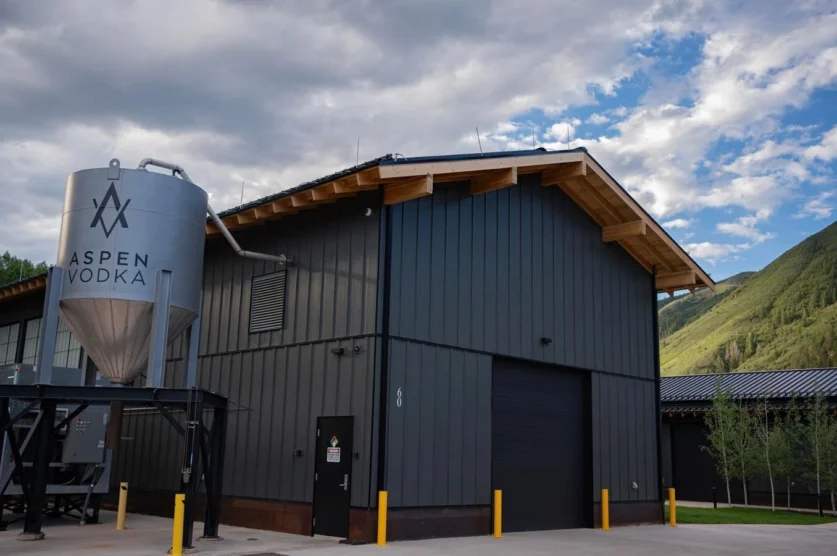
The first distillery in the world to be awarded the LEEDv4 BD+C Platinum certification
Aspen Vodka was founded in 2021 and has been a hit with craft-loving locals in its eponymous hometown ever since. But now it’s ready to bring its award-winning product to a larger market across the United States. And it’s doing so with an unprecedented degree of sustainability. Today, the distillery announces that it’s the first in the world to be awarded a LEEDv4 BD+C Platinum certification—the highest standard for building energy efficiency by the U.S. Green Building Council.
It’s been a banner year for the brand. This latest announcement comes on the heels of the brand picking up a prestigious Double Gold Medal at the 2024 World Spirits Competition. Soon you’ll see the 80-proof spirit on shelves across Arizona, California, Florida, Illinois, Nevada, New York, and Texas, retailing for around $30 per bottle. It’s distilled entirely from locally sourced, non-GMO Rocky Mountain wheat, lending the liquid a creamy mouthfeel. Subtle hints of citrus and anise characterize the rounded palate.
In order to affect all that in wholly environmentally-friendly fashion, the 18,000-square-foot operation relies on offsite renewable solar and battery storage to create more energy than it consumes. Specifically, 105% of necessary electricity is supplied by this combination of infrastructure. Furthermore, over half of the campus’s eight acre footprint is reserved for regenerative agriculture, providing local sourcing for both culinary partners in Aspen and guests at the tasting room.
“`
Aspen Vodka also partners with a cutting-edge industrial wastewater company called Aquacycl to implement its “BioClectrochemical Treatment Technology.” It allows run-off from distillation to be treated onsite without carbon emissions, before being returned to the neighboring Roaring Fork River.
Founder Matt Patel
“We are incredibly proud to lead the industry with our ambitious and innovative environmental practices,” said Aspen Vodka founder Matthew Patel of the new certification. “Producing a luxury vodka with unrivaled quality, at the world’s cleanest distillery sets a new benchmark for sustainability.”
His commitment to the cause has attracted the attention of serious investors. Earlier this year, the distillery teamed up with spirits incubator WES Brands to help accelerate growth of the luxury product. Its impressive portfolio already includes Flecha Azul Tequila, Fraser & Thompson Whiskey, and BSB Flavored Whiskey.
Patel, for his part, hopes that his success can serve as an example for other startups in the space. “Our LEEDv4 BD+C Platinum certification is a testament to our commitment to excellence in both quality and environmental stewardship,” he adds. “We hope to inspire our industry peers to elevate their sustainability efforts.”
Indeed, the rapid growth of Aspen Vodka makes it clear that economical and ecological demands can be served in the same bottle.
Distilled from 100% non-GMO Colorado Wheat
One Community. Many Voices. Create a free account to share your thoughts.
Our community is about connecting people through open and thoughtful conversations. We want our readers to share their views and exchange ideas and facts in a safe space.
In order to do so, please follow the posting rules in our site’s Terms of Service. We’ve summarized some of those key rules below. Simply put, keep it civil.
Your post will be rejected if we notice that it seems to contain:
User accounts will be blocked if we notice or believe that users are engaged in:
So, how can you be a power user?
Thanks for reading our community guidelines. Please read the full list of posting rules found in our site’s Terms of Service.