Liquor-articles 2100
Whiskey Wednesday: Exploring the Tradition of Bottled-in-Bond Whiskeys
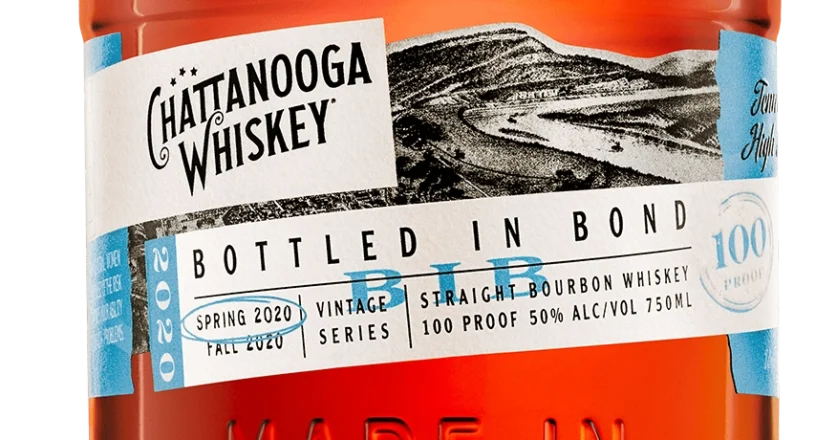
Twice a year, I look forward to the latest release of Chattanooga Whiskey’s limited bottled-in-bond offering, and it’s that time of year again! Why do I anticipate this particular event so much? Unlike many other great distilleries that come out with a BIB every year (that’s basically some really good barrels selected that happen to be at least 4 years old, come from the same distilling season at a particular distillery and bottled at 100 proof), Chattanooga Whiskey always strives to do something different with each release.
Their production team selects at least three of their favorite experimental projects from past years and blends them together to create something unique — and usually wonderful. For their seventh bottled-in-bond release, which represents their spring 2020 distilling season, Chattanooga Whiskey has decided to showcase some of their wheated mash bills along with their core SB091 Tennessee High Malt standard recipe and SB005 base wheat whiskey variant.
This may seem a little confusing at first. It’s a bourbon? Yes. But it’s a Tennessee High Malt? Also yes, as each component contains at least 25 percent specialty malted grains, the differentiating factor that sets the malty maestros at Chattanooga Whiskey apart from many other bourbon makers. And it’s a wheated whiskey? Yes, the three experimental whiskey components of the blend each feature both malted wheat and malted barley, including Tennessee-grown malted wheat, honey malted barley, and a small amount of cherrywood smoked malted barley.
Are you still with me? More importantly — how does it taste? In a word, fascinating.
People who love “wheaters” like Maker’s Mark, Weller, Old Fitzgerald and Pappy van Winkle generally appreciate the softer and sweeter notes that wheat contributes to the whiskey when it is substituted instead of rye as a flavoring grain. Think about the difference between wheat bread and rye bread for an idea of how the smaller components of these two grains might change the whiskey.
But the wheat used by most distilleries is a raw wheat, whereas Chattanooga Whiskey first malts their wheat, allowing the grains to germinate and release additional enzymes and flavors that would normally be trapped inside the grain. Consider this like smacking leaves of mint or basil between your palms before adding them to a cocktail. It really does make a difference!
The final result is actually made up of five different mash bills blended together, each contributing something special to the party. There’s honey and vanilla on the nose that invites the first sip which explodes with sweet, malty custard and a hint of mint. The long finish is complex with a base note of oak, plus some wildflower notes.
I wouldn’t even try to come up with a cocktail to pair with all of these components, so I’m content to just enjoy it straight from a snifter with maybe a drop or two of water or a single rock to open it up a little bit more. For $52.99 as a suggested retail price, I think you might enjoy it too — but they only made 40 barrels of this elixir, so don’t dawdle.
{{description}}
Email notifications are only sent once a day, and only if there are new matching items.
Profiling the Walsh sisters and others heading to Paris, chatting with past Olympian Shawn J…
From the Walsh sisters to Walker Zimmerman, here are six Paris Olympians with Nashville ties.
Top Whiskey and Wine Accessories Deals to Snag on Amazon Prime Day 2024
“`html
Amazon Prime Day this year actually spans two days: July 16-17, 2024.
Amazon Prime Day 2024, the annual shopping event celebrated by millions of consumers worldwide, has arrived with a host of impressive deals. Among the standout offers this year are those on whiskey (or whisky, depending on the bottle’s origin), attracting connoisseurs and casual drinkers alike.
Featuring significant discounts on a wide range of whiskey brands and varieties, from rare single malts to popular blends, shoppers can find something to suit their tastes and budgets.
Here’s a quick guide to accessing Prime Day as well as a sampling of some of the top-rated bar accessories for wine and whiskey with special sales on Amazon Prime Day 2024.
“`
Amazon Prime Day is an annual shopping event exclusively for Amazon Prime members. Think of it as Black Friday in July. The exact dates can vary each year, but it usually features a wide range of discounts and deals on various products across the site. Customers can look forward to substantial savings on electronics, clothing, home goods and more during this highly anticipated event.
The two-day event this year spans from Tuesday, July 16 to Wednesday, July 17.
To sign up for Amazon Prime, visit the Amazon website and click on the “Prime” link, usually located at the top of the homepage. From there, you can start the sign-up process by clicking on the “Start your 30-day free trial” button. You will need to either sign in with your existing Amazon account or create a new one. Follow the prompts to enter your payment information and confirm your subscription. After the trial period, the membership fee will be charged automatically unless you cancel before the trial ends. Membership includes benefits like free two-day shipping as well as access to digital services like Prime Video and Prime Music.
American Atelier Fifth Avenue Dalmore whiskey decanter and glass set ($14.99; Normally: $29.99)
“`html
Kanars Old Fashioned whiskey glasses, set of four ($22.39; Normally: $31.99)
Whiskey stainless steel stones gift set of eight golden ice cubes ($9.99; Normally: $19.99)
2.2-inch large diamond sphere whiskey ice cube mold ($4.49; Normally: $8.99)
Kollea whiskey decanter set with two glasses and whiskey stones ($18.37; Normally: $36.75)
“`
NutriChef 750-milliliter barrel whiskey carafe and decanter with stopper and base ($22.89; Normally: $52.99)
NeatFinal Touch titanium reinforced whiskey glasses, set of two ($14.99; Normally: $29.99)
Viski Beau stacking set with lowball crystal art deco cocktail glasses and whiskey decanter set ($40.70; Normally: $49.99)
Ivation 28-bottle compressor wine cooler refrigerator with lock ($280.49; Normally: $329.99)
Ivation 12-bottle compressor wine cooler refrigerator with lock ($169.9; Normally: $199.99)
J.K. Adams ash wood modular stackable wine rack ($98.50; Normally: $189.00)
3-bottle, insulated and padded waxed canvas wine tote bag/carrier ($13.29; Normally: $18.99)
Open the Wine aerator gift set with pourer, stopper and corkscrew accessories ($6.63; Normally: $13.26)
3-tier freestanding counter wine holder ($14.99; Normally: $29.99)
12-ounce stainless steel insulated wine cup tumbler ($7.64; Normally: $15.28)
Favia 12-ounce stainless steel wine tumbler with vacuum insulated lid ($4.99; Normally: $9.99)
Wine skins/bottle protectors for airline travel ($4.99; Normally: $9.99)
“`html
Electric wine aerator and decanter ($13.49; Normally: $26.98)
Ovente electric wine bottle opener with foil cutter ($11.90; Normally: $13.99)
White wine glasses set of four ($16.35; Normally: $32.70)
Kitessensu cocktail smoke infuser kit with torch and flavored chips ($29.99; Normally: $49.99)
“`
OGGI professional 3-bottle revolving liquor dispenser in stainless steel ($39.99; Normally: $59.99)
NutriChef mixology bartender cocktail shaker set ($12.50; Normally: $24.99)
Snowfox premium vacuum insulated stainless steel ice bucket $46.70 Normally: $55.00
Vevor LED lighted liquor bottle display $233.99 Normally: $259.99
Viski Canterbury double measure for cocktails $23.30 Normally: $32.99
Ironck bar cart with wine rack ($107.99; Normally: $119.99)
One Community. Many Voices. Create a free account to share your thoughts.
Our community is about connecting people through open and thoughtful conversations. We want our readers to share their views and exchange ideas and facts in a safe space.
In order to do so, please follow the posting rules in our site’s Terms of Service. We’ve summarized some of those key rules below. Simply put, keep it civil.
Your post will be rejected if we notice that it seems to contain:
User accounts will be blocked if we notice or believe that users are engaged in:
So, how can you be a power user?
Thanks for reading our community guidelines. Please read the full list of posting rules found in our site’s Terms of Service.
Aspen Vodka Achieves Milestone: World’s Largest Carbon-Negative Distillery
The first distillery in the world to be awarded the LEEDv4 BD+C Platinum certification
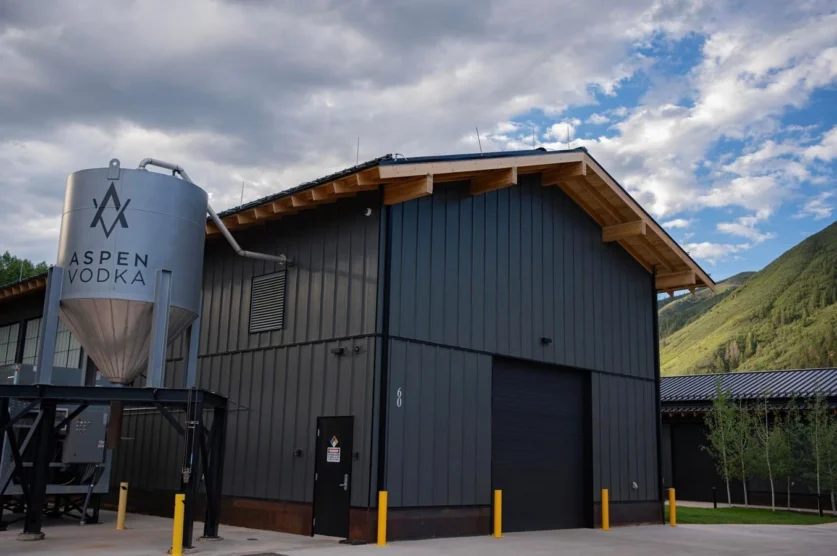
Aspen Vodka was founded in 2021 and has been a hit with craft-loving locals in its eponymous hometown ever since. But now it’s ready to bring its award-winning product to a larger market across the United States. And it’s doing so with an unprecedented degree of sustainability. Today, the distillery announces that it’s the first in the world to be awarded a LEEDv4 BD+C Platinum certification—the highest standard for building energy efficiency by the U.S. Green Building Council.
It’s been a banner year for the brand. This latest announcement comes on the heels of the brand picking up a prestigious Double Gold Medal at the 2024 World Spirits Competition. Soon you’ll see the 80-proof spirit on shelves across Arizona, California, Florida, Illinois, Nevada, New York, and Texas, retailing for around $30 per bottle. It’s distilled entirely from locally sourced, non-GMO Rocky Mountain wheat, lending the liquid a creamy mouthfeel. Subtle hints of citrus and anise characterize the rounded palate.
In order to affect all that in wholly environmentally-friendly fashion, the 18,000-square-foot operation relies on offsite renewable solar and battery storage to create more energy than it consumes. Specifically, 105% of necessary electricity is supplied by this combination of infrastructure. Furthermore, over half of the campus’s eight acre footprint is reserved for regenerative agriculture, providing local sourcing for both culinary partners in Aspen and guests at the tasting room.
Aspen Vodka also partners with a cutting edge industrial wastewater company called Aquacycl to implement its “BioClectrochemical Treatment Technology.” It allows run-off from distillation to be treated onsite without carbon emissions, before being returned to the neighboring Roaring Fork River.
Founder Matt Patel
“We are incredibly proud to lead the industry with our ambitious and innovative environmental practices,” said Aspen Vodka founder Matthew Patel of the new certification. “Producing a luxury vodka with unrivaled quality, at the world’s cleanest distillery sets a new benchmark for sustainability.”
His commitment to the cause has attracted the attention of serious investors. Earlier this year, the distillery teamed up with spirits incubator WES Brands to help accelerate growth of the luxury product. Its impressive portfolio already includes Flecha Azul Tequila, Fraser & Thompson Whiskey, and BSB Flavored Whiskey.
Patel, for his part, hopes that his success can serve as an example for other startups in the space. “Our LEEDv4 BD+C Platinum certification is a testament to our commitment to excellence in both quality and environmental stewardship,” he adds. “We hope to inspire our industry peers to elevate their sustainability efforts.”
Indeed, the rapid growth of Aspen Vodka makes it clear that economical and ecological demands can be served in the same bottle.
Distilled from 100% non-GMO Colorado Wheat
One Community. Many Voices. Create a free account to share your thoughts.
Our community is about connecting people through open and thoughtful conversations. We want our readers to share their views and exchange ideas and facts in a safe space.
In order to do so, please follow the posting rules in our site’s Terms of Service. We’ve summarized some of those key rules below. Simply put, keep it civil.
Your post will be rejected if we notice that it seems to contain:
User accounts will be blocked if we notice or believe that users are engaged in:
So, how can you be a power user?
Thanks for reading our community guidelines. Please read the full list of posting rules found in our site’s Terms of Service.
Upgrade Your Tropical Jell-O Shots: Swap Vodka for Rum for an Exotic Twist
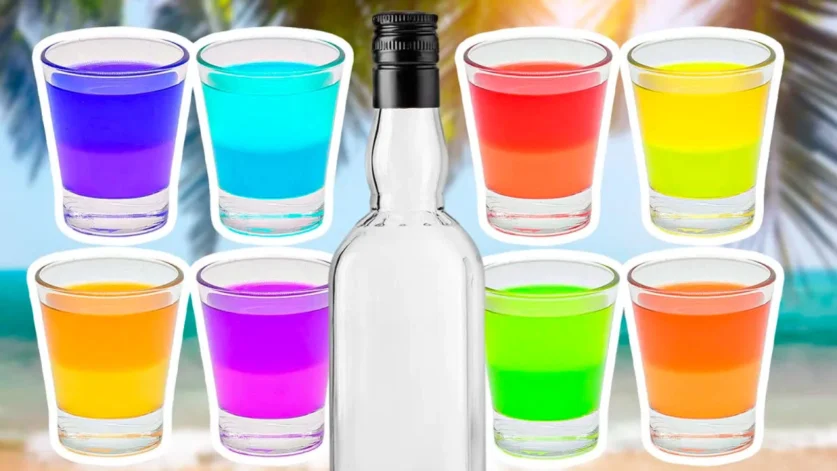
Fruity, refreshing, and filled with both the “fun” factor and great visual appeal, nothing says “pool party” quite like a mountainous heap of multicolored Jell-O shots. There’s not much clarity on the origins of Jell-O shots, but these days, your typical Jell-O shot recipe uses a combination of vodka, water, and — of course — Jell-O mix. While this is how things are usually done, there are no hard-and-fast rules about what goes into one of these shots, especially when you’re acting as your own bartender.
Because the taste of vodka is so easily concealed by fruity flavors, many consider it the best type of alcohol for Jell-O shots. But booze doesn’t have to be inconspicuous in order to play well with other flavors. If you’re looking to take things up a few notches in the flavor department, you might try swapping out vodka for something with a more distinct taste, like rum. Made from sugarcane, rum inherently pairs well with sweet flavors, making it the perfect candidate for tropical Jell-O shots. While using white rum will give you a lighter, brighter taste (and won’t alter the color of your Jell-O), using dark or spiced rum can add a distinctly smoky or warm flavor to the shooter.
Read more: Popular Vodka Brands Ranked From Worst To Best
Now that you’ve been reminded of who’s steering this ship, you might be interested to know that you can change up more than just the booze in your Jell-O shots — you can play around with new flavors, too. Even though there are many flavors of the gelatin mix out there (for your reference, we ranked the 25 most popular Jell-O flavors from worst to best), many folks stick with the most popular varieties — like cherry, orange, grape, lemon, and lime — when making shots. Instead, try pairing your rum with pineapple, apricot, strawberry banana, or watermelon Jell-O.
The flavored Jell-O packet often acts as the sole flavoring agent in these fun-loving shots, but if you’re looking to make miniature, edible versions of the tropical cocktails that make you feel like you’re at the beach, you don’t have to limit yourself to just three ingredients. If you want to make a painkiller shot, for example, try combining rum and pineapple Jell-O with a touch of cream of coconut and sprinkling the finished product with a dusting of nutmeg. Alternatively, try combining two flavors of Jell-O — like lime and watermelon — for a shot with more depth of flavor.
Read the original article on Mashed.
Elevate Your Tropical Jell-O Shots: Swap Vodka for Rum for an Island Twist!
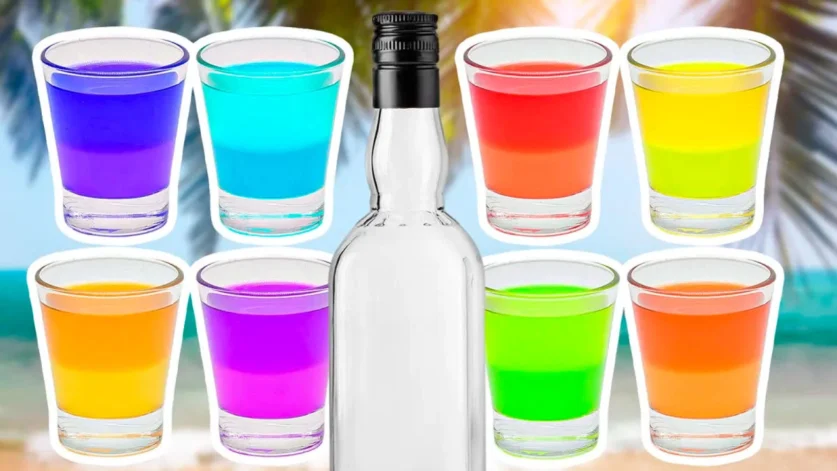
Fruity, refreshing, and filled with both the “fun” factor and great visual appeal, nothing says “pool party” quite like a mountainous heap of multicolored Jell-O shots. There’s not much clarity on the origins of Jell-O shots, but these days, your typical Jell-O shot recipe uses a combination of vodka, water, and — of course — Jell-O mix. While this is how things are usually done, there are no hard-and-fast rules about what goes into one of these shots, especially when you’re acting as your own bartender.
Because the taste of vodka is so easily concealed by fruity flavors, many consider it the best type of alcohol for Jell-O shots. But booze doesn’t have to be inconspicuous in order to play well with other flavors. If you’re looking to take things up a few notches in the flavor department, you might try swapping out vodka for something with a more distinct taste, like rum. Made from sugarcane, rum inherently pairs well with sweet flavors, making it the perfect candidate for tropical Jell-O shots. While using white rum will give you a lighter, brighter taste (and won’t alter the color of your Jell-O), using dark or spiced rum can add a distinctly smoky or warm flavor to the shooter.
Read more: Popular Vodka Brands Ranked From Worst To Best
Now that you’ve been reminded of who’s steering this ship, you might be interested to know that you can change up more than just the booze in your Jell-O shots — you can play around with new flavors, too. Even though there are many flavors of the gelatin mix out there (for your reference, we ranked the 25 most popular Jell-O flavors from worst to best), many folks stick with the most popular varieties — like cherry, orange, grape, lemon, and lime — when making shots. Instead, try pairing your rum with pineapple, apricot, strawberry banana, or watermelon Jell-O.
The flavored Jell-O packet often acts as the sole flavoring agent in these fun-loving shots, but if you’re looking to make miniature, edible versions of the tropical cocktails that make you feel like you’re at the beach, you don’t have to limit yourself to just three ingredients. If you want to make a painkiller shot, for example, try combining rum and pineapple Jell-O with a touch of cream of coconut and sprinkling the finished product with a dusting of nutmeg. Alternatively, try combining two flavors of Jell-O—like lime and watermelon—for a shot with more depth of flavor.
Read the original article on Mashed.
Old Forester Unveils Latest Bourbon Whiskey with a Unique Rum Finish
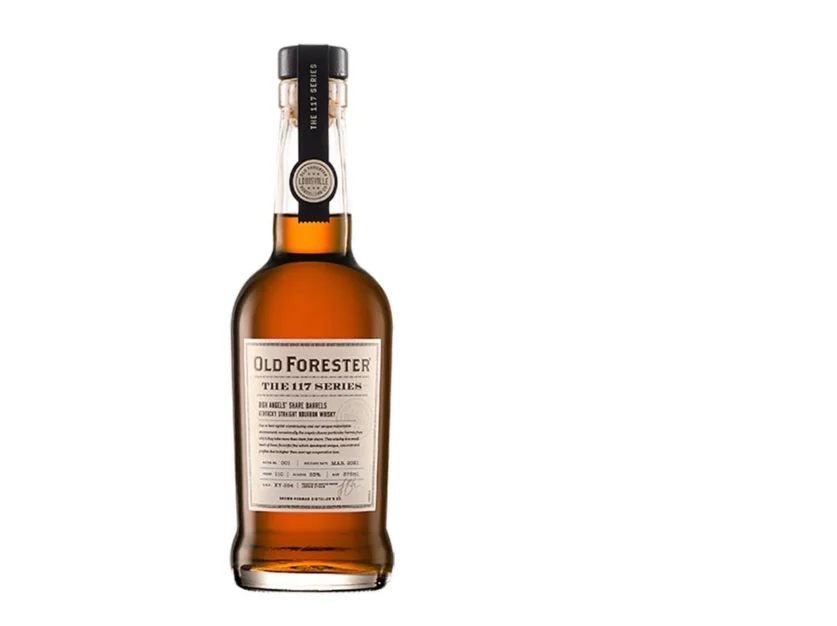
High Angel’s Share, a release in Old Forester’s 117 Series, launched earlier this year.
Old Forester has introduced its latest expression in its exclusive 117 Series, this one named for its standout feature: Rum Finish.
This new release pays homage to the historic commercial trade on the Ohio River, which brought a variety of cask-aged spirits to the wharf behind the Old Forester Distillery on Whiskey Row. The Rum Finish expression involves finishing Old Forester in barrels that have previously matured rum for a minimum of four years, adding notes of rich tropical fruit, coconut and custard to the whiskey’s profile.
Bottled at 95-proof in a 375 ml bottle, the Rum Finish expression is meant to enhance Old Forester’s signature bourbon with additional sweet aromatics, including hints of brown sugar and molasses. This finishing process, which lasts approximately six months, aims to embolden the bourbon’s rich character and provide a sweet addition to the series that appeals to both whiskey aficionados and rum enthusiasts.
The Old Forester 117 Series is a collection of limited-edition bourbon expressions produced by Old Forester, a historic Kentucky-based distillery. Launched in 2021, this series aims to explore unique finishes, maturations and other special characteristics that distinguish each release from standard offerings.
Each release in the 117 Series is crafted to showcase specific nuances and enhancements to the classic Old Forester bourbon profile. These special releases are typically bottled at higher proofs and often feature unique cask finishes or other experimental aging processes. The limited nature of the series makes each expression highly sought after by collectors and enthusiasts.
The 117 Series: Rum Finish is now available at the retail shop at Old Forester Distillery Co. at a suggested retail price of $59.99 for one 375-milliliter bottle. The two-bottle set is priced at $119.99. Additionally, the Rum Finish will be available for purchase online for shipping to select states, offered in a two-bottle set. The new bourbon will also be available at select Kentucky retailers.
One Community. Many Voices. Create a free account to share your thoughts.
Our community is about connecting people through open and thoughtful conversations. We want our readers to share their views and exchange ideas and facts in a safe space.
In order to do so, please follow the posting rules in our site’s Terms of Service. We’ve summarized some of those key rules below. Simply put, keep it civil.
Your post will be rejected if we notice that it seems to contain:
User accounts will be blocked if we notice or believe that users are engaged in:
So, how can you be a power user?
Thanks for reading our community guidelines. Please read the full list of posting rules found in our site’s Terms of Service.
Exploring the Titanic’s Legacy: The Historic Irish Whiskey Distillery with Ties to the Legendary Ship
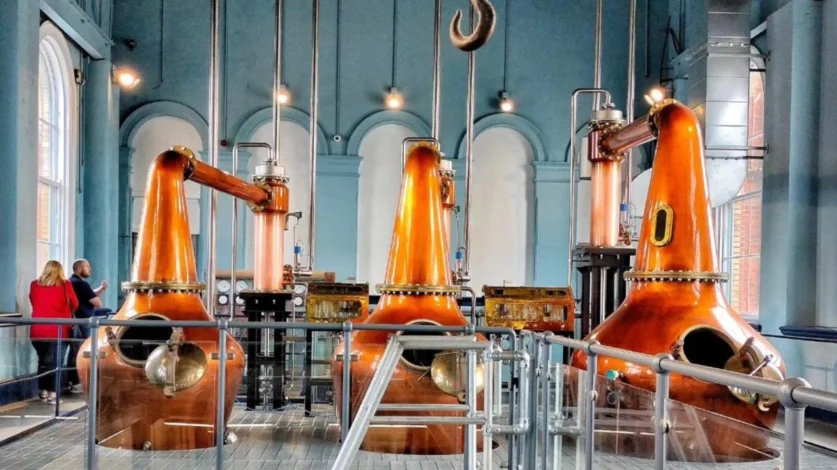
While plenty of whiskey distilleries offer tours and dole out drams of whiskey to eager visitors, Titanic Distillers in Ireland offers a unique experience. The distillery is located at the same site where the infamous Titanic was built, so both distillery workers and visitors alike walk in the footsteps of history while perusing whiskey-making equipment and sampling spirits. Not only is Titanic Distillers situated at the historic Thompson Dock — the last place the Titanic sat on dry land — but the operation also boasts the claim of being Belfast’s first working whiskey distillery in nearly 90 years.
Though prohibition in the 1930s halted Belfast’s whiskey production, Titanic Distillers has reintroduced whiskey culture by focusing on distilling premium single-malt whiskey. Bottles of its whiskey deliver notes of vanilla, peat smoke, and spice. Titanic Distillers also distills vodka with sugar beet and spring water should visitors want to stock up before leaving the premises.
Read more: The 27 Best Bourbon Brands, Ranked
The distillery offers a few options for visitors interested in learning more about the place. A Legacy Tour showcases the full operations, including the Gwynne Pumps, a collection of original contraptions found beneath the distillery; a Signature Tour leads guests through the distillery and Pumphouse; and a Premium Tour takes participants to the Thompson Graving Dock, where the Titanic ship was built. The graving dock, also known as a dry dock, is a ridged basin that can be filled with water so that ships can move in and out. Once drained, the setting allows workers the ability to repair and clean large ships. This particular dock can be traced back to 1911 and was the last one made in the shipyard. It was built specifically to handle the Olympic class of White Star liners, including the Titanic. After surveying the expansive space, visitors can return to the distillery to taste whiskey.
“Belfast is historically a whiskey distilling city, prohibition was the death knell for the industry, but now Irish Whiskey is the fastest growing drinks category in the world,” head distiller Damien Rafferty is quoted as saying on the Titanic Distillers website. Irish whiskey can provide a mellow, smooth palate to sample, making the booze a lighter introduction to the world of whiskey for those looking to develop their palates.
Read the original article on Tasting Table.
Discover the World’s Most Expensive Vodka Brands
In this article, we are going to discuss the most expensive vodka in the world. If you’re also curious about which other vodkas will cost you an arm and a leg, here are the 17 Most Expensive Vodkas in the World.
Vodka is one of the Most Consumed Alcohols in the World. As we stated in our article – 20 Highest Quality Vodkas In The World – the global vodka market was valued at $25.98 billion in 2022, and is estimated to reach $40.25 billion by 2030, with a CAGR of 5.6% during the forecast period.
Vodka-based RTD beverages are witnessing a huge increase in new product development, which is expected to drive the market. However, the all-natural, flavored segment is expected to witness the fastest growth rate due to the growing demand for premium flavored vodka, especially among the millennial population.
There has been a significant shift in the spirits market in recent years. Ousted by craft gins and quality whiskeys, the sales of traditional premium vodka brands have declined. The war in Ukraine has also been responsible for the dip in the popularity of the liquor. However, vodka producers are reinvigorating the category by tapping into the health-conscious demand for low-alcohol beverages, and are moving towards lighter serves and low-ABV offerings to attract consumers back from competing spirits.
Major vodka brands have ramped up their innovation efforts in the low-alcohol space to attract new and mindful consumers by offering products made with less sugar and fewer calories. Diageo was among the pioneers in the low-alcohol vodka space, launching its 30% ABV Ketel One Botanicals range in May 2018, said to be the first of its kind at the time. It contains no artificial flavors, added sugar, or artificial sweeteners. Constellation Brands, Inc. (NYSE:STZ) also capitalized on the trend in 2020, with the release of its sugar-free SVEDKA Pure Infusions range, also 30% ABV.
The recent reincarnation of flavored vodkas has also seen the industry gain some much-needed traction. Gone are the days of the overly sweet artificial flavors and cheap plastic bottles, we are currently going through a flavored vodka renaissance where brands are reimagining the category with high-quality bottles and natural botanicals and extracts that expand the drink’s flavored expressions from subtle to overt. Flavored vodka also typically costs less than its premium counterparts, making it an attractive pocket-friendly option.
Owned by Constellation Brands, Inc. (NYSE:STZ), SVEDKA is a popular flavored vodka brand that is a great choice for mixing cocktails. Its smooth and clear taste makes it a versatile base for classic and modern cocktails alike. Plus, its affordable price point makes it a great option for home bartenders on a budget. SVEDKA was acquired by Constellation in 2007 in a deal worth $384 million.
Constellation Brands, Inc. (NYSE:STZ) continues to be the Best Alcohol Stock to Buy Now, with 47 hedge fund holders in Q1 2024 boasting an overall stake value of over $2.74 billion. The New York-based company made headlines last summer when its Mexican beer brand, Modelo Especial, became the Top-Selling Beer in America after dethroning Bud Light. As a result, STZ reported a revenue of over $2.12 billion during its last quarter of fiscal year 2024, a significant increase of 22.7% compared to the previous year. Net income also went up by 11.7% to reach $105 million.
The U.S. beer industry faced challenges earlier this year due to unfavorable weather conditions. Nevertheless, STZ’s beer segment, which accounted for 82% of its sales in FY 2024, experienced a growth of 10.9% in the last quarter. The demand continues to rise, and company management’s statement that Q1 2025 is ‘setting us off on a really solid year’ indicates no significant signs of a slowdown. Although STZ’s Wine & Spirits segment saw a 5.6% decline in Q4, its smaller size reduces the downside risk. For fiscal year 2024, Constellation Brands generated $2.8 billion in operating cash flow, reduced its net leverage ratio by nearly half a point, and returned over $900 million to shareholders through dividends and share repurchases. While the forward dividend yield of 1.51% may not seem high, the company has consistently paid and increased its dividends for the past eight years.
Another advantage for STZ is the growing Hispanic population in America, which is increasing almost twice as fast as the general population, leading to sustained demand for brands like Modelo and Corona.
To collect data for this article, we have referred to sources such as Forbes, Lifestyle Asia, and Wine-Searcher, among others, looking for the Most Expensive Vodkas. The following spirits are ranked by their retail price, sourced primarily from Wine-Searcher. As liquor prices can vary greatly across international markets, we cannot guarantee their accuracy.
At Insider Monkey we are obsessed with the stocks that hedge funds pile into. The reason is simple: our research has shown that we can outperform the market by imitating the top stock picks of the best hedge funds. Our quarterly newsletter’s strategy selects 14 small-cap and large-cap stocks every quarter and has returned 275% since May 2014, beating its benchmark by 150 percentage points (see more details here).
Price: $7.25 million
The 2015 iteration of Leon Verres’ Billionaire Vodka is the Most Expensive Vodka Ever. The spirit itself is filtered through pure diamonds and boasts a silky smooth, naturally sweet taste. The vodka comes in a massive 18-liter bottle, which similar to its 2012 counterpart, is covered in faux fur, only this time it’s black and decorated with almost 2,000 diamonds set in gold for the ultimate luxury statement.
If you want to learn more about the vodkas that will put a serious dent in your wallet, here are the 17 Most Expensive Vodkas in the World.
At Insider Monkey, we delve into a variety of topics; however, our expertise lies in identifying the top-performing stocks. Currently, Artificial Intelligence (AI) technology stands out as one of the most promising fields. If you are looking for an AI stock that is more promising than NVDA but that trades at less than 5 times its earnings, check out our report about the cheapest AI stock.
READ NEXT: Analyst Sees a New $25 Billion “Opportunity” for NVIDIA and Jim Cramer is Recommending These 10 Stocks in June.
This article is originally published on Insider Monkey.
Disclosure: None. Insider Monkey focuses on uncovering the best investment ideas of hedge funds and insiders. Please subscribe to our free daily e-newsletter to get the latest investment ideas from hedge funds’ investor letters by entering your email address below.
New to Bourbon Whiskey? Discover These 5 Beginner-Friendly Bottles
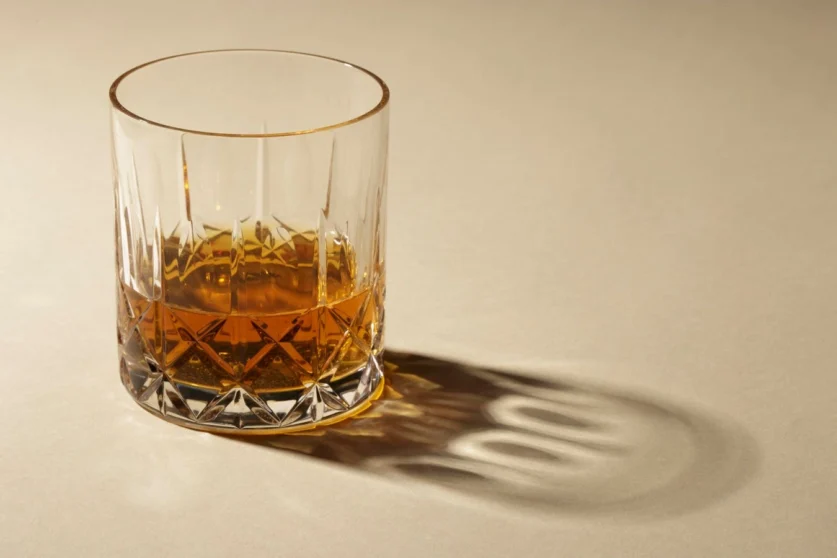
New to the world of whiskey and eager to impress? Start here.
The world of whiskey can seem daunting to newcomers. With its reputation for strength and complexity, especially in the case of bourbon, whiskey is often perceived as a drink reserved for seasoned connoisseurs. This misconception can discourage potential enthusiasts from exploring one of the most beloved spirits.
For those who are new to the whiskey game, here are a few bourbon bottles to kickstart your journey and wow your friends and family.
Fort Hamilton Distillery in Brooklyn, New York has expanded its Single Barrel range with the introduction of a new bourbon made entirely from New York grain sourced from the Hudson Valley. This classic-style bourbon—crafted with a mash bill of 85% corn, 10% rye and 5% malted barley—boasts the highest corn content in the distillery’s whiskey range to date. After 4.5 years of maturation in 53-gallon Char 3 American oak barrels, this unadulterated and non-chill filtered bourbon is bottled at 47.5% ABV, offering a true taste of New York for bourbon enthusiasts.
This limited-edition release—aged at the Booker Noe campus in Boston, Kentucky—highlights the influence of “Kentucky Terroir” on the flavor profile of bourbon. The Boston campus, with its aging conditions of ample sunlight and fresh air, contributes to the fast and rich maturation of the whiskey, resulting in a bold and characterful liquid. Hardin’s Creek Boston joins the previously released Clermont and Frankfort expressions, all aged for 17 years with the same mash bill, showcasing the diverse flavors achievable through varying aging locations. This release is part of the ongoing Hardin’s Creek series, which features some of the distillery’s rarest whiskeys, showcasing the expertise and heritage of The James B. Beam Distilling Company.
Heaven’s Door Whiskey, founded by Bob Dylan, combines traditional techniques with innovative flavors. Heaven’s Door Ascension is a non-chill filtered Kentucky straight bourbon, distilled at the brand’s new distillery and aged for over five years. This 92-proof whiskey is a blend of two straight bourbons, offering a smooth and distinctive flavor profile. With notes of fresh bread, buttered popcorn and dried fruit on the nose, it delivers a rich and complex palate with balanced sweetness, caramel, vanilla and subtle spice.
This debut offering from brothers Andy and Charlie Nelson is a high-rye straight bourbon designed for versatility and enjoyment in any setting. Aged in new, charred American oak barrels, this 93.3% proof bourbon boasts a complex flavor profile with notes of spice cake, cherry, milk chocolate, vanilla and baked apple on the nose, followed by black peppercorn, spearmint, lemon peel and sweet tobacco on the palate, finishing with lingering hints of banana bread, cocoa, cherry and dried pineapple. Drink it neat, on the rocks or in your favorite cocktail.
Old Elk Bourbon is a must-try for all, but especially those new to the world of bourbon. With four times more malted barley than traditional recipes, it boasts a sweet and light profile with a smooth, lasting flavor, making it exceptionally approachable for beginners. Their trademarked slow cut proofing process was designed to ensure a mellow and harmonious experience, avoiding the harshness often associated with other bourbons. Whether enjoyed neat, on the rocks or in cocktails, Old Elk’s versatility allows beginners to explore different styles and discover their preferences. Additionally, Old Elk’s exceptional quality and affordability make it an ideal starting point.
One Community. Many Voices. Create a free account to share your thoughts.
Our community is about connecting people through open and thoughtful conversations. We want our readers to share their views and exchange ideas and facts in a safe space.
In order to do so, please follow the posting rules in our site’s Terms of Service. We’ve summarized some of those key rules below. Simply put, keep it civil.
Your post will be rejected if we notice that it seems to contain:
User accounts will be blocked if we notice or believe that users are engaged in:
So, how can you be a power user?
Thanks for reading our community guidelines. Please read the full list of posting rules found in our site’s Terms of Service.
Unveiling the Distinct Differences Between Brazilian Cachaça and Rum
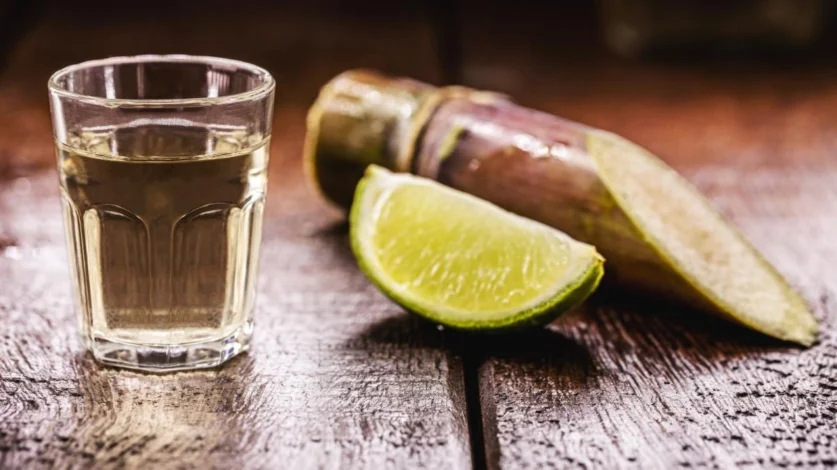
It’s entirely possible that you may have heard Brazilian cachaça referred to as Brazilian rum, and while that’s not entirely wrong, it’s not exactly correct, either. At a glance, the two are similar: They’re both made from sugarcane, and they’re both available as white, unaged spirits as well as caramel-colored aged liquors, but take a closer look, and their similarities end pretty quickly.
Even though it’s rum that’s arguably more popular in the U.S., cachaça is lesser known and thought to be much older. That dates back to some time in the 17th century, and it has a horrible origin story. The first people to drink it were Brazil’s population of enslaved persons, who were given daily rations of cachaça as a sort of pain medication. Over the years, cachaça became wildly populated, was banned on June 12, 1744, and later became a symbol of national pride. Rum, on the other hand, comes from a completely different area of the world — Barbados — and spread very, very quickly as part of a key component of the slave trade.
Rum and cachaça have entirely different production and distillation processes, which result in spirits that taste different and have different levels of alcohol. While cachaça is required to be 40% ABV, rum can be bottled at anywhere between 40% and 60%. While they can be substituted for each other in most cocktails that call for them, they vary enough that the swap will overhaul the flavors of the entire drink.
Read more: 26 Popular Vodka Brands, Ranked By Their Versatility
The differences between rum and cachaça start right from the beginning. In the production of rum, sugar is turned into molasses, which is then used in the distillation of the spirit, while in cachaça, it’s the sugar juice extracted from the cane that’s used — no molasses-making required. Since cachaça is made with raw sugar cane juice, there’s an interesting thing that happens. Much like the flavors of wine change based on the terroir — defined as the impact the environment has on grapes — cachaça varies based on the location and environment of the sugar cane.
Sugar cane for cachaça is sourced from across Brazil, and it’s worth noting that, unlike rum, cachaça is a legally protected product. Laws dictate that to be cachaça, it must be made in Brazil.
Rum and cachaça are also aged differently. While rum can be bottled immediately or aged — often in American oak barrels that were previously used to age sherry or whiskey — cachaça is often bottled immediately after distillation at 40% ABV or aged in barrels made from hardwoods indigenous to Brazil and other countries in South America. While those indigenous hardwoods are selected for the impact they have on the final flavor, they also tie cachaça to the land: Many of the trees are endangered, and some distilleries are using their processes to illustrate the importance of responsible sourcing and conservation.
Although the flavor profiles of both rum and cachaça vary widely, some generalizations can be made, including that cachaça is bottled at a lower proof than most rums. Cachaça can also be considered less processed and, therefore, closer to the herbaceous nature of raw sugarcane.
Typically, cachaça tends to have a more earthly, grassy flavor. Imagine the smell of mowing the lawn in the summertime, and that’s the sort of freshness that cachaça is renowned for. On the other hand, rum tends toward the spicy and sweet side of things. There’s a wide variety in the flavors of rum, but they’re more likely to be described as having tastes of vanilla, nutmeg, caramel, and even leather.
Because of differences in flavor, the two work differently in cocktails but can be substituted for each other. Thanks to the light, fresh, earthiness of cachaça, though, it really shines in cocktails that can lean into that herbaceous flavor. Think of simple cocktails with soda water, a dash of sugar, and some fruit, the combination that makes cachaça’s signature cocktail so popular. The ultimate summer cocktail, the Caipirinha is just cachaça, lime, and sugar, served over ice, and it’s a must-try that’s been popular in Brazil since at least the mid-1800s. It — and versions like the Caipirinha de uva, which adds grapes — are classic for a reason.
Read the original article on The Daily Meal.