Liquor-articles 2100
Perfect Snack Pairings for Your At-Home Whiskey Tasting Experience

Oftentimes we think of wine or beer as something to drink during a meal, while saving the spirits for pre- or postprandial consumption. But cocktail nibbles also pair well with the hard stuff. Just as Russians have their zakuski (finger foods that are meant to accompany vodka) and Koreans their anju (bar foods that help soak up the soju), so, too, should you consider setting out some snacks to accompany your whiskey. Whether you’re hosting a large-scale gathering to show off your collection or have been hoarding your best bottles for a private tasting consisting of you and yourself, whiskey connoisseur Robyn Smith has a few suggestions to make for appropriate party fare.
Smith, who shares her advice on all things alcohol on her websites rum et al and NEAT, tells The Takeout, “I love snacks with whiskey.” She maintains that a variety of foods pair quite nicely with the spirit, ranging from savory canapés to contrast the bold character of many whiskeys, to sugary candies that play well with the flavor of other, sweeter versions of the spirit. That way, you can offer a selection to suit just about every whiskey you’ll be tasting. As Smith says, “It’s fun to see how these differing flavors can complement a whiskey’s flavor profile.”
Read more: We Tried TikTok’s Tequila Apple Juice Cocktail And It Didn’t Go As Planned
Smith recommends both nuts and cheese as perfect partners for whiskey, explaining that their “salty and savory notes … contrast a whiskey’s flavors.” You’ll still need to put some thought into the selection of both items, however. Sharper, well-aged cheeses are better suited for stronger, smokier whiskeys, as are funky cheeses like Roquefort — try the latter with a peaty Islay single malt. A sweeter bourbon, on the other hand, might be best suited to gouda or a mild cheddar, while a smooth sipping whiskey with no harsh notes can be teamed with a creamy, rich brie. As for the nuts, try roasted almonds, pecans, and pistachios with more strongly-flavored whiskeys, while walnuts work better with more mild varieties.
Whiskey can also stand up to a meatier snack such as carpaccio, beef tartare, or charcuterie board. You can go for a high-low pairing by serving your Pappy Van Winkle with proper Midwestern pub mix, popcorn, or potato chips. When it comes to chips, plain ones are best suited to blended whiskeys on the rocks, while spicy chips go with bourbon and rye, and sweet potato chips have an earthiness that plays nicely with the peaty tones of a single malt Scotch.
Whiskey works well with sweeter snacks, too. As Smith points out, “Chocolate, [candied] nuts, and fruit have a lot of complementary flavors that can match the flavors in whiskeys.” Once again, though, try to mindfully match the snacks to the sips. If your whiskey is slightly reminiscent of iodine, a York peppermint patty (or higher-end chocolate mint candy) will help offset the medicinal notes. If the whiskey’s on the peaty side, the bitterness of a high-cacao dark chocolate could make for an enjoyably complex combination. More of a milk chocolate fan? Try it with rye or bourbon. The latter type of whiskey, in particular, tends to be sweet, while some well-aged bourbons can even develop notes of cocoa.
Candied nuts are so perfect with bourbon that some recipes even call for the liquor (try adding a splash to our homemade sweet and spicy pecans). For a snack where the sugar comes from a more natural source, you can’t go wrong with fruit. The sweetness of dried fruits like dates, figs, and raisins complements bourbon quite nicely, while strawberries’ tartness suits something light-bodied like a blended Scotch. Sliced apples and pears occupy a space between sweet and savory, making them suited for accompanying just about any kind of whiskey.
For more food and drink goodness, join The Takeout’s newsletter. Get taste tests, food & drink news, deals from your favorite chains, recipes, cooking tips, and more!
Read the original article on The Takeout.
Whiskey Joe’s Summer Beach Party: Fun in the Sun While Supporting Our Veterans

It turns out you don’t need to leave Pensacola to experience an island-style luau.
Whiskey Joes, a Caribbean-inspired restaurant that joined the Pensacola Beach Boardwalk in 2022, is pulling out the roasted pigs and fire throwers for a big beach party like no other from noon to 4 p.m. on Aug. 3.
While the afternoon is intended to be full of fun in the sun, including tropical Mai Tais topped with tiny umbrellas and the sounds of live music floating across the waterline, it goes toward a much more serious mission of supporting veterans through Defenders of Freedom’s Florida chapter.
The organization is a 501(c)3 non-profit focused on providing traumatic brain injury (TBI) and post-traumatic stress treatment to post Sept. 11, 2001, veterans, per the organization’s website.
Ticket are $25 per adult and $10 per child, with 20% of ticket revenues going to the organization, along with 100% of proceeds from the silent auction. One of the hot items on the auction list up for grabs is a Blue Angels flight jacket.
The volleyball courts will be up and running for the luau, along with entertainment from hula dancers, fire performers, cornhole and other outdoor beach games. Each luau ticket purchased comes with access to small bites passed around, the roasted pig carving stations and one drink ticket good for a beer or glass of wine.
Jamie Wells, the CEO and executive director of Defenders of Freedom Florida, said that the organization supports the needs of veterans physically and emotionally. He hopes to use the Veterans Luau proceeds to send another veteran to get TBI treatment, a two-week process with a price tag of $15,000.
“Most people couldn’t afford $15,000 even if it could change their life,” Wells said.
However, the event itself fills a different need – an opportunity for veterans to engage themselves in civilian life, which can feel isolating after losing the fellowship and structure of serving, he said.
“It brings community and veterans together,” Jimmie Marshall, marketing manager for Whiskey Joe’s, said of the Veterans Luau.
Previously: Whiskey Joe’s opens first phase to public Friday, including outdoor seating and tiki bar
Marshall’s family ties to the military span over 40 years and several generations. After speaking with Wells at the Veterans Luau’s conception, she knows Whiskey Joe’s can be a space for cultivating community amongst veterans.
“I want this to be the place where everyone hangs out,” Marshall said.
Wells said he hopes the event inspires other Pensacola area businesses to get behind their mission of supporting veterans.
“We want folks in the area to come out and have a good time and see what we’re doing,” he said.
Whiskey Joes is located at 400 Quietwater Beach Road, Suite 13.
To purchase tickets, visit eventbrite.com, contact Whiskey Joe’s or send a message to the Defenders of Freedom Florida Facebook page.
Hungry for more? Stay up to date on the latest restaurant news by subscribing to our free Pensacola Eats newsletter, delivered to your inbox every Wednesday. Sign up for the newsletter at profile.pnj.com/newsletters/pensacola-eats/
This article originally appeared on Pensacola News Journal: Whiskey Joe’s Pensacola Beach to host Veterans Luau next month
How an Irish Whiskey Company Turned a Mistake into a Unique Blend

The Mistake is a whiskey that was accidentally created.
The folks at Natterjack Irish Whiskey made a mistake, but they decided to roll with it. They also decided that, since it was made in error, to call it The Mistake.
A serendipitous production mishap, the new whiskey is the result of taking their regular whiskey, which marries both Irish and American aging techniques, and accidentally leaving it in 46 of the producer’s Virgin American oak casks for an additional year.
Natterjack traditionally finishes its Irish Whiskey for just one year. Featured in three different bottle label designs, The Mistake will be available at select Total Wine & More stores and other fine wine & spirit retailers. A limited number will also be available for purchase online at shop.natterjack.com. The Mistake has 46 percent alcohol by volume, and the suggested retail price is $58.99. Like other Natterjack whiskeys, The Mistake is distributed in 14 states including New York, Florida, Illinois, Texas, California and more.
“This was a very happy accident,” said Aidan Mehigan, founder and CEO of Natterjack Irish Whiskey. “After discovering the barrels, we opened one of them and there was this burst of hickory barbecue and toasted walnut aromas.”
“At first taste, we could tell right away there was double the flavor and extract, and powerful oak,” he says. “That’s when we knew we had something special.”
The Mistake is aged first in former bourbon barrels for three and a half years. The liquid is then finished in a Virgin American oak cask for two years using a char level of 4.
Mehigan’s whiskeys marry both Irish and American whiskey making heritage. “I absolutely love bourbon so to me the thought of producing a whiskey using both Irish and American techniques just made sense,” Mehigan says, explaining that his whiskeys are aged first in barrels were used to make bourbon before being finished in virgin American oak casks.
On the nose, The Mistake releases those aromas of hickory barbecue and toasted walnut, followed by singed cinnamon and seared orange zest. Sweet almond then gives way to leather and grain, or saddle and feed. Upon the first sip, there is vanilla bean on the front palate giving way to a blast of anise or licorice. Notes of powerful oak come with warm molasses, toffee and a touch of Granny Smith apple, with a long hug of a finish.
The three different labels for it all feature a special toad, the natterjack, which is the only toad found in Ireland. Mehigan suggests enjoying The Mistake in booze-forward cocktails like the Old Fashioned, the Manhattan, or the Mint Julep. Two recipes featured for The Mistake are the Natterjack Irish Coffee Martini, which is made with 1.4 ounces The Mistake, 1 oz. coffee liqueur, 1 ounce espresso and one quarter ounce simple syrup, and One for the Toad, which is made with equal parts The Mistake and pineapple juice.
The Mistake is Mehigan’s third release. Natterjack debuted with Natterjack Irish Whiskey, which retails for $39.99 and has a 40 percent ABV, and Natterjack Cask Strength, which retails for $89.99 and has a 63 percent ABV.
One Community. Many Voices. Create a free account to share your thoughts.
Our community is about connecting people through open and thoughtful conversations. We want our readers to share their views and exchange ideas and facts in a safe space.
In order to do so, please follow the posting rules in our site’s Terms of Service. We’ve summarized some of those key rules below. Simply put, keep it civil.
Your post will be rejected if we notice that it seems to contain:
User accounts will be blocked if we notice or believe that users are engaged in:
So, how can you be a power user?
Thanks for reading our community guidelines. Please read the full list of posting rules found in our site’s Terms of Service.
Exploring Puerto Rico: A Rum Enthusiast’s Ultimate Guide

Rum can be produced through the fermentation and distillation of either molasses or sugarcane juice.
While Puerto Rico is renowned for its ultra-flavorful cuisine spanning from mofongo to arroz con gandules, it’s not just the food that keeps tourists coming to the island time and time again. Over the years, Puerto Rico has also established itself as one of the Caribbean’s most notable rum producers, with both world-renowned and small-scale operations found all across the island. Whether you’re a fan of boozy cocktails or prefer your spirits neat, the perfect Puerto Rican rum is just a flight away, with no shortage of surf, sand and sun to enjoy along the way.
Ron del Barrilito is produced in Bayamón, a municipality located west of San Juan.
Puerto Rico’s legacy of rum-making dates back centuries, and for those in search of a prestigious distillery that blends old-school sophistication with modern charm, there’s no beating Ron del Barrilito. This storied company serves as the oldest rum brand on the island, with the original recipe and aging method going unchanged since 1880—and today, rum aficionados are welcome to book a trip to the Ron del Barrilito visitor center for a glimpse into the spirit’s legacy. Opened in 2019, this facility provides an opportunity for guests to marvel at the preserved estate home, enroll in a mixology class, and—of course—sample Ron del Barrilito straight from the source. While the sherry barrel-aged 3 Stars is a particularly popular sipping rum thanks to its bold notes of chocolate and nougat, those hoping to craft the perfect piña colada should be sure to snag a bottle of 2 Stars, with the product’s vanilla-reminiscent flavor profile pairing perfectly with the sweet notes of tropical fruit.
For visitors that don’t want to stray too far from Viejo San Juan, Scryer Rum offers an idyllic escape in the form of their open-air rooftop patio—and to sweeten the deal, the venue also excels at the art of cocktails. While drinks range from banana-infused Spanish Harlems to classic Paper Planes, each one comes loaded with Scryer’s very own pot-distilled rum, with each pour offering complex notes imbued from the sherry and port barrel aging process. After a day spent exploring Viejo San Juan, ambitious visitors can make their way roughly ninety minutes southwest to discover Ponce, the home of the iconic Don Q. The best-selling rum on the island, this spirit made its official debut in 1934, and currently boasts flavors ranging from pineapple to coconut to key lime—all of which can be experienced firsthand during a rum tour at the dazzling Museo Castillo Serrallés.
Viejo San Juan was designated a U.S. National Historic Landmark District in 1972.
After exploring the island’s most beloved distilleries, you may want to discover how Puerto Rican rum performs in a cocktail—and fortunately, Viejo San Juan is brimming with top-tier bars all within walking distance from each other. To kick off the visit, Antiguo 26 is a particularly sophisticated space that’s brimming with high-end craft cocktails, with options spanning from the Monchito 2020—a refreshing blend of citrus, rum and clarified pineapple punch—to the tropical fruit-loaded Not So Mai Tai. Further south, La Casita de Rones is certain to wow guests with its flower-clad waterfront patio, offering the perfect opportunity to snag a signature Coffee Old Fashioned and enjoy the breeze. And of course, no cocktail lover’s trip to Puerto Rico is complete with paying a visit to La Factoría. Equipped with six separate bars in one historic space, this vibrant venue has made regular appearances on the World’s 50 Best Bars list thanks to its exceptional craft cocktails, many of which come loaded with high-end rum.
Of course, there’s a wealth of can’t-miss cocktail bars to explore outside of Viejo San Juan limits as well. In the city’s Miramar district, Machete has earned abundant local acclaim for its laid-back atmosphere and flavorful cocktails, with rum-heavy options ranging from passion fruit-infused daiquiris to the Jibaro All-Star, a rich concoction that’s brimming with notes of mavi. Beyond city limits, those willing to venture into Bayamón will be richly rewarded with CaféStudio—a downtown venue that crafts top-tier coffee and cocktails—while those in need of one last drink before heading to the airport can make their way to Patio de las Flores, a colorful venue in the district of Parque Isla Verde. Upon arrival, guests can admire its dazzling murals before grabbing a craft cocktail from the bar, with the tropical fruit-forward C.R.E.A.M being a particularly suitable option for rum lovers.
The name “piña colada” translates to “strained pineapple” in English.
While there’s no shortage of flavorful cocktails to sample across the island, few can match the worldwide recognition enjoyed by the piña colada. This sugary blend of rum, cream of coconut, and pineapple juice first made its debut on San Juan soil, with most sources pointing to two venues in particular as its birthplace—and fortunately, both can still be visited today. On Viejo San Juan’s scenic Calle de la Fortaleza, Barrachina comes equipped with hearty seafood dishes and a plaque claiming to have first crafted the drink in 1963, while those in search of a second contender can make their way east to the Caribe Hilton hotel. First opened in 1949, this landmark venue claims to have crafted the first piña colada in 1954—and today, the on-property Caribar is perfect for sampling the cocktail after a day spent lounging by the hotel’s massive outdoor pool complex.
Puerto Rico’s year-round balmy climate makes the piña colada a perfect drink no matter what the season, but for December visitors in particular, no trip is complete without enjoying a glass of coquito. Often referred to as “Puerto Rican eggnog,” this decadent beverage is a rich blend of cream of coconut, condensed milk, rum, and a variety of winter spices, with each ingredient coming together to form a beloved Christmastime tradition in liquid form. Aforementioned venues like La Factoría and the Ron del Barrilito visitor center offer an opportunity to sample the drink, but for best results, you’ll need to befriend a local. Rather than purchase the drink from a store, many residents prefer to reach out to a friend or colleague that’s well-versed in the art of crafting coquito, with each individual producer adding their own unique blend of spices to the mix.
One Community. Many Voices. Create a free account to share your thoughts.
Our community is about connecting people through open and thoughtful conversations. We want our readers to share their views and exchange ideas and facts in a safe space.
In order to do so, please follow the posting rules in our site’s Terms of Service. We’ve summarized some of those key rules below. Simply put, keep it civil.
Your post will be rejected if we notice that it seems to contain:
User accounts will be blocked if we notice or believe that users are engaged in:
So, how can you be a power user?
Thanks for reading our community guidelines. Please read the full list of posting rules found in our site’s Terms of Service.
Jamaican Estate Gears Up for Highly Anticipated Release of 25-Year-Old Rum
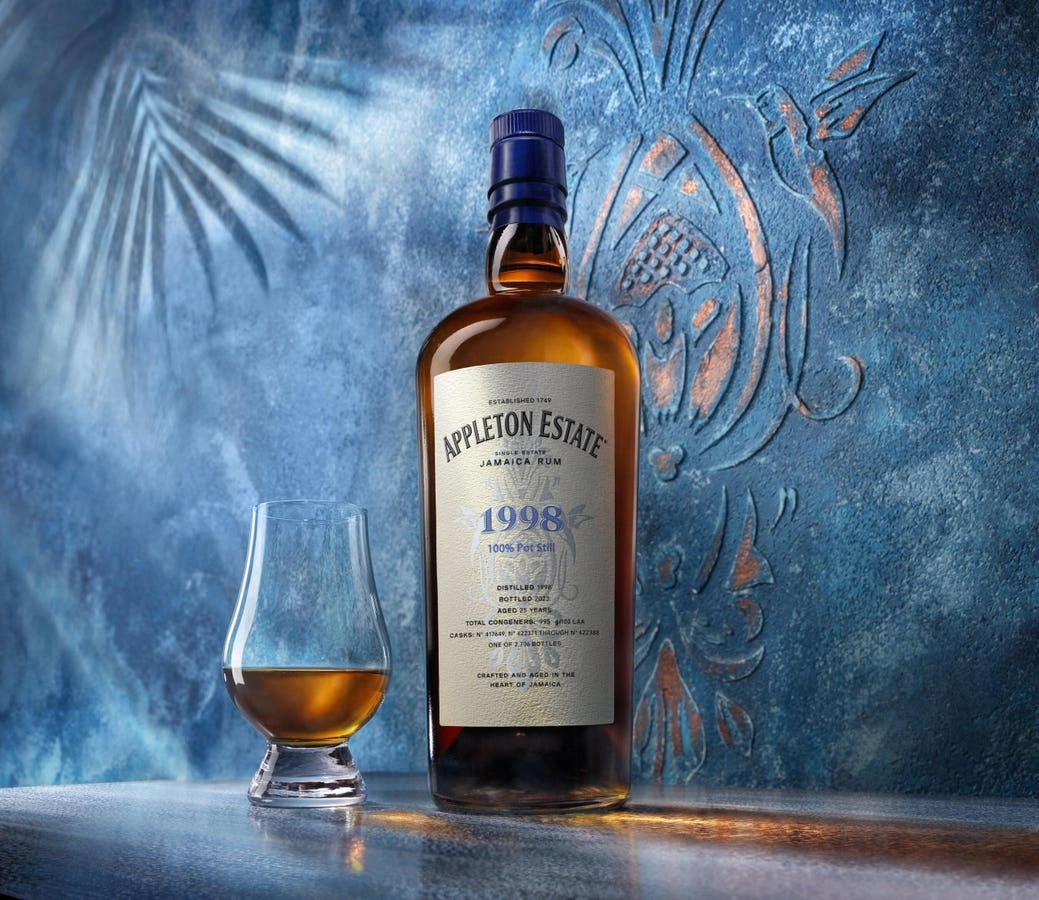
Appleton Estate has announced the launch of Hearts Collection 1998, the latest release from the… [+] prestigious annual series.
A luxurious 25-year-old rum is being rolled out next month by the oldest, continuously operated rum distillery in Jamaica.
Appleton Estate is releasing the next installation in its Hearts Collection, the Hearts Collection 1998. This is the fourth release in the series, says Dr. Joy Spence, master blender, who collaborated with noted rum collector Luca Gargano to select the barrels.
“We decided on the name Heart Collection because the rum is aged in the heart of Jamaica, the pot still is the heart of all our rums, and it combines the hearts of two persons who are passionate about rum,” Spence says. “We selected 19 casks of this 1998 rum, and we created 2,700 bottles.”
The first Hearts Collection vintages were released in 2020, and the collection vintages tend to sell out in a matter of minutes at several locations around the world. The latest release, Hearts Collection 1998, will start rolling out in select, premium United States spirits retailers at the end of August, with a suggested retail price of $650 and an ABV of 63 percent.
“This rum has a very special place for me, as it was the heart of the Appleton Estate Joy Anniversary blend, which celebrated my tenure at the estate,” says Spence, who began working at Appleton Estate 43 years ago as the chief chemist before she became the master blender.
“Hearts Collection 1998 closely replicates one of the rare marques used in the Appleton Estate Joy Anniversary Blend,” she says. “Its striking vanilla notes and silky finish make this an ideal rum for sipping and savoring.”
Each bottle also boasts a drawing of a heart, which is a replica of the hearts that Spence draw on bottles that she signs. The bottle also lists the exact numbers of each of the casks used to create this rum.
“When we did the 1994, the 1995, and the 1999, it sold out within five minutes,” she says. “Since then, everyone has been clamoring ‘When is the next one going to be released, when is the next one going to be released?’ And here we are with the 1998.”
The first sniff, Spence says, will reveal the top note of the rum, which is very herbal, fruity note. “That is very distinctive of our pot stills,” she says. Then, comes the sweetness from the molasses.
Spence recommends opening up the spirit with a little bit of water in a tasting glass, as that will better assist in the opening of the rum because of its 63 percent ABV. “Release that surface tension, and swirl the glass,” she says. “Now, we’re releasing ginger, smoked coffee, warm vanilla and subtle oak. The finish has nice fruity molasses, with that coffee and vanilla. Although it is at 63 percent, this complex rum doesn’t have that bite of alcohol that people would expect.”
This special rum, Spence says, is part of Appleton Estate’s “aggressive, innovation strategy.” “Every year, we are releasing new, limited time offerings to entice the tastebuds and elevate the Appleton Estate image,” she says. “We are well positioned to become a Jamaican leader in the premium aged category.”
One Community. Many Voices. Create a free account to share your thoughts.
Our community is about connecting people through open and thoughtful conversations. We want our readers to share their views and exchange ideas and facts in a safe space.
In order to do so, please follow the posting rules in our site’s Terms of Service. We’ve summarized some of those key rules below. Simply put, keep it civil.
Your post will be rejected if we notice that it seems to contain:
User accounts will be blocked if we notice or believe that users are engaged in:
So, how can you be a power user?
Thanks for reading our community guidelines. Please read the full list of posting rules found in our site’s Terms of Service.
Discover the Best Vodka in the World: Results from the 2024 Singapore World Spirits Competition
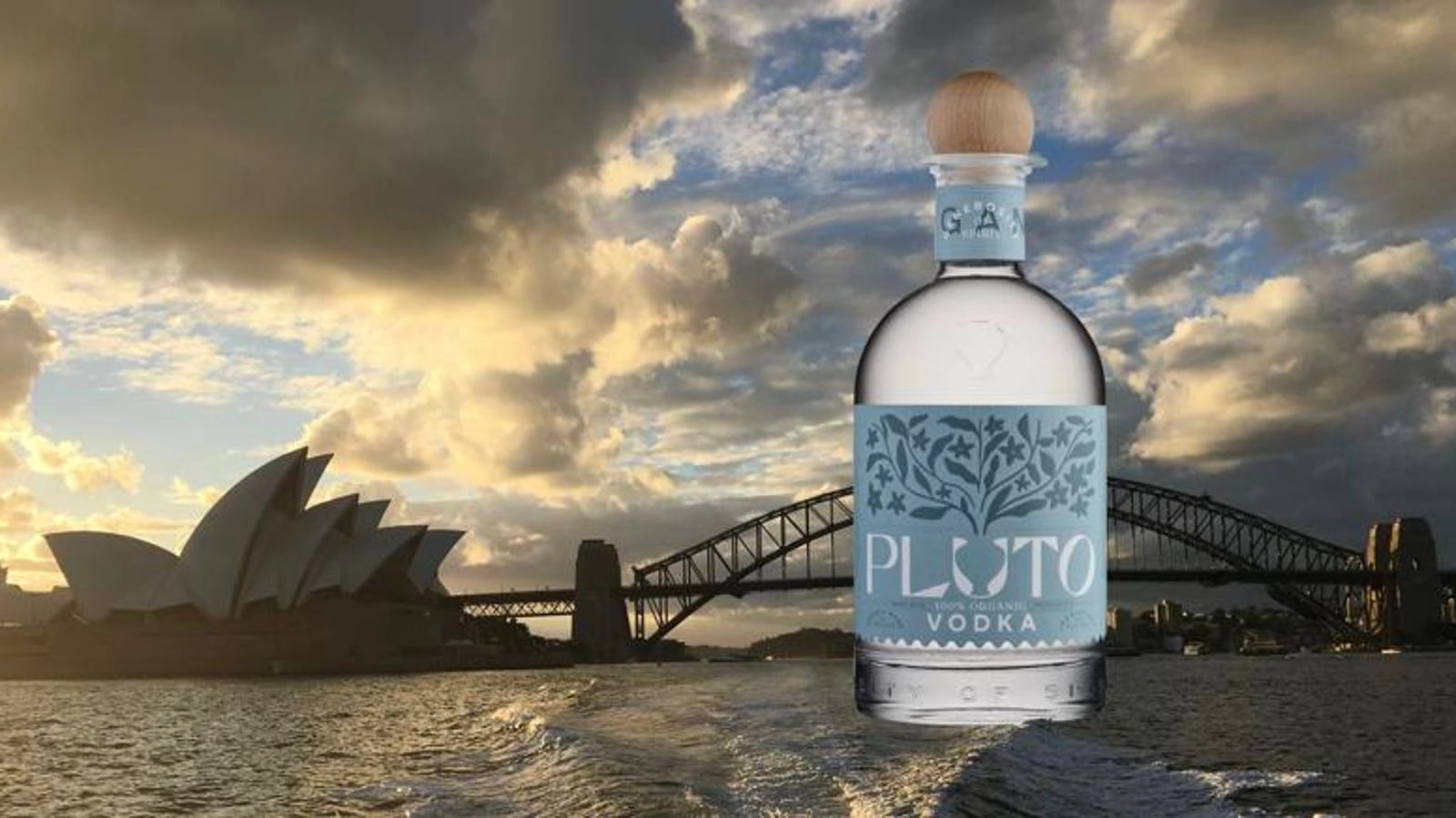
Pluto Vodka takes home the top prize at the 2024 Singapore World Spirits Competition.
The Singapore World Spirits Competition has just compiled its annual list of top tipples across all major categories of adult beverage. And we’ve landed the exclusive results before anyone else. Last week we revealed what bottle of bourbon the prestigious panel of judges selected as the best on the planet. Now it’s time to see what the “Lion City” had to say about the ultimate vodka.
But first a little refresh on the contest itself. Founded in 2019 by the Tasting Alliance, the Singapore World Spirits Competition initially focused on booze produced and consumed in the Asia Pacific region. In the subsequent years it has expanded to envelop a more global perspective. Though virtually all of its judges—and a large percentage of the thousands of entries they sip through—do hail from this general corner of the globe. Nowadays, it’s counted among the top spirit tastings therein.
Which brings us to the Best In Show Vodka, as ordained by the 2024 Singapore panelists. While they didn’t opt for an expression from Asia, the winner does come from Oceania. It’s Pluto Vodka, from the scenic Fleurieu Peninsula in South Australia. The 80-proof liquid is crafted by its eponymous distiller out of 100% organic Australian sugarcane. That unique ingredient is also cool-fermented, allowing for a more expressive type of liquid after a 10x distillation process.
What pours from the bottle holds a subtle sweetness, as you might suspect. But an equally alluring component of the sip is a rich body that almost evokes coconut cream. It noses with more of the same. These characteristics undoubtedly curried favor with the judges in Singapore. And they’re not the only ones to be wooed accordingly. Just last year alone, Pluto Spirits collected a Master Medal at the Global. Vodka Masters to go along with a Best Vodka accolade at the Tasting Australia Spirit Awards 2023.
Pluto batch distills its vodka with zero additives and sells it for around $68 AUD (about $46 USD). For $10 more, they’ll ship it anywhere across Australia. The only hitch is that they’re not distributing in the United States—yet. Given the brand’s recent run of success, you might soon see Pluto products gracing American shelves. In addition to the vodka, the distillery also makes a gin and a pair of tasty rums. So keep an eye out for all of that.
In the meantime, we’ll be back in the days ahead with a few more newly-crowned champions out of Singapore. Keep it parked here to be the first to know.
Seagulls, Victor Harbor, Fleurieu Peninsula, South Australia, Australia.
One Community. Many Voices. Create a free account to share your thoughts.
Our community is about connecting people through open and thoughtful conversations. We want our readers to share their views and exchange ideas and facts in a safe space.
In order to do so, please follow the posting rules in our site’s Terms of Service. We’ve summarized some of those key rules below. Simply put, keep it civil.
Your post will be rejected if we notice that it seems to contain:
User accounts will be blocked if we notice or believe that users are engaged in:
So, how can you be a power user?
Thanks for reading our community guidelines. Please read the full list of posting rules found in our site’s Terms of Service.
How a Happy Accident Led to a Unique Irish Whiskey: A Tale of Serendipity and Flavor
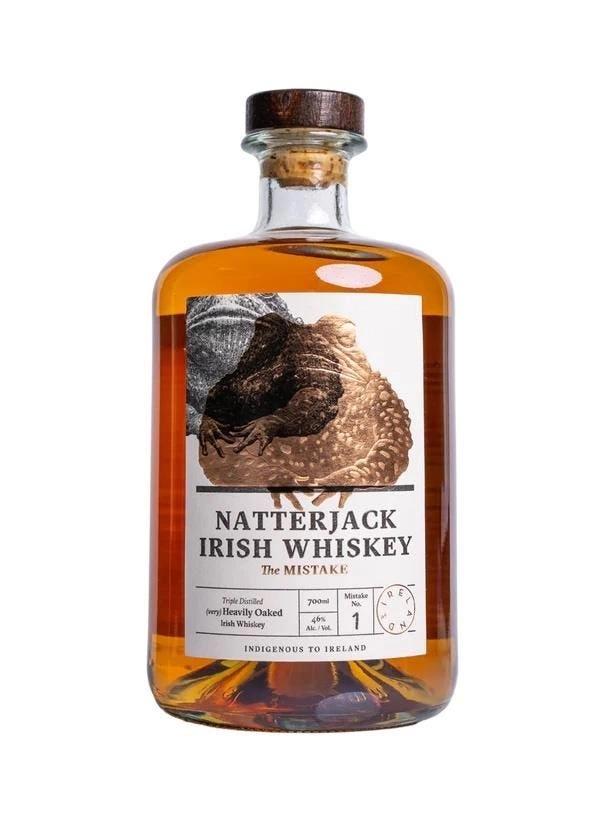
The Mistake is a whiskey that was accidentally created.
The folks at Natterjack Irish Whiskey made a mistake, but they decided to roll with it. They also decided that, since it was made in error, to call it The Mistake.
A serendipitous production mishap, the new whiskey is the result of taking their regular whiskey, which marries both Irish and American aging techniques, and accidentally leaving it in 46 of the producer’s Virgin American oak casks for an additional year.
Natterjack traditionally finishes its Irish Whiskey for just one year. Featured in three different bottle label designs, The Mistake will be available at select Total Wine & More stores and other fine wine & spirit retailers. A limited number will also be available for purchase online at shop.natterjack.com. The Mistake has 46 percent alcohol by volume, and the suggested retail price is $58.99. Like other Natterjack whiskeys, The Mistake is distributed in 14 states including New York, Florida, Illinois, Texas, California and more.
“This was a very happy accident,” said Aidan Mehigan, founder and CEO of Natterjack Irish Whiskey. “After discovering the barrels, we opened one of them and there was this burst of hickory barbecue and toasted walnut aromas.”
“At first taste, we could tell right away there was double the flavor and extract, and powerful oak,” he says. “That’s when we knew we had something special.”
The Mistake is aged first in former bourbon barrels for three and a half years. The liquid is then finished in a Virgin American oak cask for two years using a char level of 4.
Mehigan’s whiskeys marry both Irish and American whiskey making heritage. “I absolutely love bourbon so to me the thought of producing a whiskey using both Irish and American techniques just made sense,” Mehigan says, explaining that his whiskeys are aged first in barrels were used to make bourbon before being finished in virgin American oak casks.
On the nose, The Mistake releases those aromas of hickory barbecue and toasted walnut, followed by singed cinnamon and seared orange zest. Sweet almond then gives way to leather and grain, or saddle and feed. Upon the first sip, there is vanilla bean on the front palate giving way to a blast of anise or licorice. Notes of powerful oak come with warm molasses, toffee and a touch of Granny Smith apple, with a long hug of a finish.
The three different labels for it all feature a special toad, the natterjack, which is the only toad found in Ireland. Mehigan suggests enjoying The Mistake in booze-forward cocktails like the Old Fashioned, the Manhattan, or the Mint Julep. Two recipes featured for The Mistake are the Natterjack Irish Coffee Martini, which is made with 1.4 ounces The Mistake, 1 oz. coffee liqueur, 1 ounce espresso and one quarter ounce simple syrup, and One for the Toad, which is made with equal parts The Mistake and pineapple juice.
The Mistake is Mehigan’s third release. Natterjack debuted with Natterjack Irish Whiskey, which retails for $39.99 and has a 40 percent ABV, and Natterjack Cask Strength, which retails for $89.99 and has a 63 percent ABV.
One Community. Many Voices. Create a free account to share your thoughts.
Our community is about connecting people through open and thoughtful conversations. We want our readers to share their views and exchange ideas and facts in a safe space.
In order to do so, please follow the posting rules in our site’s Terms of Service. We’ve summarized some of those key rules below. Simply put, keep it civil.
Your post will be rejected if we notice that it seems to contain:
User accounts will be blocked if we notice or believe that users are engaged in:
So, how can you be a power user?
Thanks for reading our community guidelines. Please read the full list of posting rules found in our site’s Terms of Service.
Whiskey Stomp and the Rise of Local Bands: Transforming Garfield County’s Music Scene
ateres-martinez@postindependent.com
“This here’s how mountain folks deal with drought, wildfires, burn scars and floods during a global pandemic … we jam.”
This is how Americana jamb band Whiskey Stomp introduced themselves in their 2022 demo video, describing the sentiment that has embedded itself into Garfield County’s music scene in recent years.
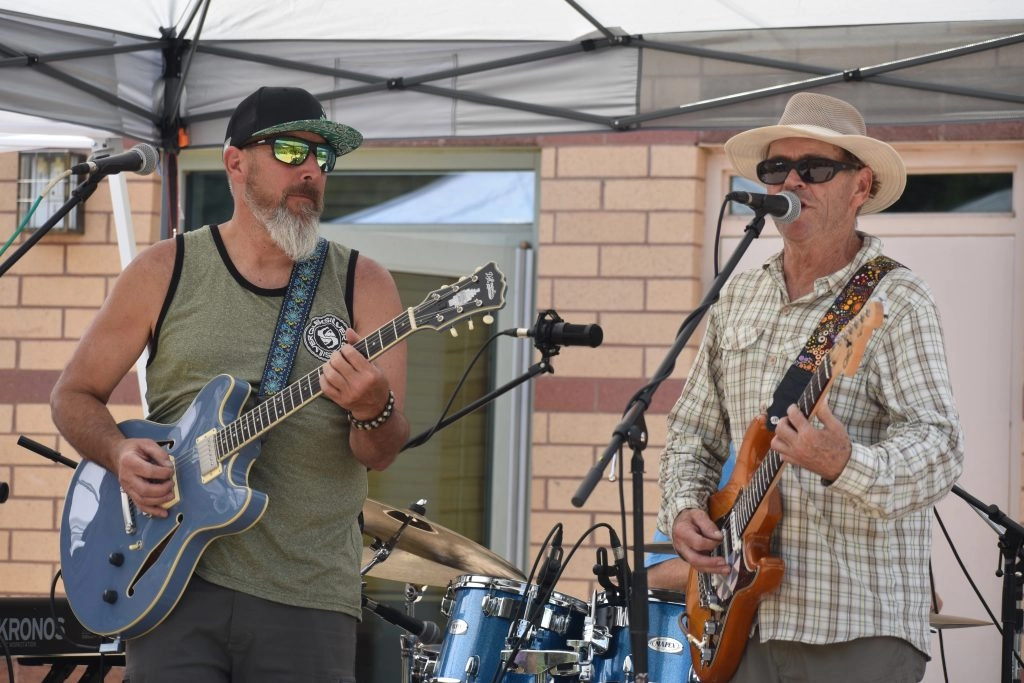
Whiskey Stromp is made up of six members all born and raised in the Western Slope. They perform a mix of original and cover music from a wide variety of artists.
“We’re kind of running the gamut from classic rock to what I like to call ‘white boy reggae,’” Jeff Rice laughed.
The band showcases Clint Thompson on drums and vocals, Jake Lincoln on percussion and vocals, Kendall Spyker on guitar and vocals, Jeff Rice on guitar and vocals, Dan Werner on bass, and John Paul Riger on keyboard.
“I think with us we all bring a bunch of different flavors to the band,” Thompson said. “We’re all over the place, really.”
The band began playing music around 2015, though it had not yet adopted the name Whiskey Stomp, or all of its members.
It started off with open mic nights at Rivers Restaurant in Glenwood Springs, where Rice met Spyker for the first time. Lincoln worked as a bartender there, though he and Rice knew each other from way back.
“Jake also went to school with my kids, and so I’ve known Jake since he was little. Since 9 or 10 years old,” Rice said.
Thompson joined the group soon after meeting Lincoln (who had not officially joined) and he began performing with Rice at open mics at the Black Dog Saloon in New Castle, where they convinced Spyker to officially join the group. Still without its iconic name, the band saw several temporary members come and go over three years before becoming the lineup people know and love.
“So the lineup you see now, the six of us, started about six years ago. And a little over two years ago, this six-member piece solidified, and it’s been this way now for over two years,” Rice said.
Their ever-evolving group was a perfect match for their ever-evolving name.
“We had some funny names,” Rice said. “I drove a Volvo XC70, and everybody said, ‘Oh, that’s a luxury wagon you’re driving,’ so we literally had these funny names for a little short period of time, like Luxury Wagon.”
“One day we just thought, ‘Let’s get a real name,’” Rice continued. “And I think it all started when (we) were having a whiskey … and we’re coming up with all these names, and everybody’s like, ‘No, Jeff. No, Jeff.’ And we all took a shot of whiskey and we put it down and somebody said ‘Whiskey Stomp,’ and it just stuck.”
The members’ ages range from early 30s to late 60s, though the age difference is long forgotten by the time the stage lights turn on and the band belts out its opening line.
The band described Garfield County’s music scene as “vibrant,” though not without its challenges.
“It is varied and it is packed. If you go looking, you can find live music everywhere,” Rice said. “So it’s very vibrant, from solo acoustic players to full-blown blowing-the-back-windows-out rock bands.”
He explained that one of the best parts of being a musician in the valley is just that: other musicians. Many are happy to collaborate with other bands or jump in when a member is absent from a performance.
“Not only that, but the quality of musicians in this valley are top notch,” Thompson added. “It’s easy to call each other.”
In a place where it can sometimes be difficult to find the right gigs, there’s no gatekeeping between “competing” artists — a term rarely used to describe other musicians in the valley.
“These people are calling each other (and saying), ‘Hey, I got a gig over here’ or, ‘Hey, my drummer can’t make it. Can you do this?’” Thompson said.
In fact, Rice said he’s heard other local bands perform covers of their original music.
“There’s a lot of ‘I’ll scratch your back, you scratch mine’ kind of thing,” Lincoln said.
One of the reasons this collaboration is so meaningful to Whiskey Stromp is due to one of the biggest challenges faced by musicians in the valley: limited opportunities.
“There’s a lot of great musicians here, but not as many places to play,” Thompson said.
They’ve especially seen this problem in Glenwood Springs following the COVID-19 pandemic.
“There is no (almost) music, it kind of died,” Lincoln said. “Just in terms of the venues hosting local musicians … There were plenty of bars and venues that would host music, and it’s whittled down to maybe two.”
Seasonal venues like Bethel Plaza and Two Rivers Park keep live music alive and well during the city’s summer concert series, though some have cut their runtime from months to weeks.
“That used to be literally like a 12-week run in the summer. It’s whittled down to six weeks now,” Rice said.
Rice and Lincoln acknowledged the city has been doing a better job at incorporating music into farmer’s markets and other special events, though the winter brings its own challenges.
“We’ve lost venues where we could go and play music in a bar,” Rice said. “Eagles Club is long gone. Rivers (Restaurant) is long gone. There were (more) back in the day.”
Whiskey Stomp has found much better luck playing in nearby towns like Rifle, Carbondale and Aspen, where dinner and bar scenes and local performance venues are gaining popularity.
“Brew Zone is one of the up-and-coming ones that are really trying to go out and support local live music,” Thompson said of the Rifle establishment. “For me, what matters most is, is the venue trying to support the artists that are playing?”
Ultimately, however, the members of Whiskey Stomp agreed the challenges were worth the reward of living and performing in the valley.
“I’ve never played in a more beautiful place than this area,” Thompson said. “I’ll be driving … and I’m like, ‘I cannot believe I live in Colorado and get to play with this kick-ass band.”
Jul 26, 2024
Jul 11, 2024
Jul 4, 2024
Jul 4, 2024
Jul 24, 2024
Jul 23, 2024
Jul 24, 2024
Jul 23, 2024
Jul 22, 2024
Readers around Glenwood Springs and Garfield County make the Post Independent’s work possible. Your financial contribution supports our efforts to deliver quality, locally relevant journalism.
Now more than ever, your support is critical to help us keep our community informed about the evolving coronavirus pandemic and the impact it is having locally. Every contribution, however large or small, will make a difference.
Each donation will be used exclusively for the development and creation of increased news coverage.
Rumble Inc. (NASDAQ:RUM): Insiders Hold 53% Despite Recent Sales Slump

Significant insider control over Rumble implies vested interests in company growth
A total of 4 investors have a majority stake in the company with 52% ownership
Insiders have been selling lately
A look at the shareholders of Rumble Inc. (NASDAQ:RUM) can tell us which group is most powerful. We can see that individual insiders own the lion’s share in the company with 53% ownership. In other words, the group stands to gain the most (or lose the most) from their investment into the company.
Despite selling some shares recently, insiders control a good portion of the company’s stock. As a result, the group bore the brunt of last week’s US$171m market cap loss.
Let’s delve deeper into each type of owner of Rumble, beginning with the chart below.
Check out our latest analysis for Rumble
Institutional investors commonly compare their own returns to the returns of a commonly followed index. So they generally do consider buying larger companies that are included in the relevant benchmark index.
Rumble already has institutions on the share registry. Indeed, they own a respectable stake in the company. This can indicate that the company has a certain degree of credibility in the investment community. However, it is best to be wary of relying on the supposed validation that comes with institutional investors. They too, get it wrong sometimes. If multiple institutions change their view on a stock at the same time, you could see the share price drop fast. It’s therefore worth looking at Rumble’s earnings history below. Of course, the future is what really matters.
Rumble is not owned by hedge funds. The company’s CEO Christopher Pavlovski is the largest shareholder with 37% of shares outstanding. Daniel Bongino is the second largest shareholder owning 5.8% of common stock, and Robert Arsov holds about 5.3% of the company stock. Interestingly, the third-largest shareholder, Robert Arsov is also a Lead Director, again, indicating strong insider ownership amongst the company’s top shareholders.
On looking further, we found that 52% of the shares are owned by the top 4 shareholders. In other words, these shareholders have a meaningful say in the decisions of the company.
While studying institutional ownership for a company can add value to your research, it is also a good practice to research analyst recommendations to get a deeper understanding of a stock’s expected performance. There is a little analyst coverage of the stock, but not much. So there is room for it to gain more coverage.
The definition of an insider can differ slightly between different countries, but members of the board of directors always count. The company management answer to the board and the latter should represent the interests of shareholders. Notably, sometimes top-level managers are on the board themselves.
I generally consider insider ownership to be a good thing. However, on some occasions, it makes it more difficult for other shareholders to hold the board accountable for decisions.
Our information suggests that insiders own more than half of Rumble Inc.. This gives them effective control of the company. That means insiders have a very meaningful US$1.0b stake in this US$1.9b business. Most would argue this is a positive, showing strong alignment with shareholders. You can click here to see if they have been selling down their stake.
With a 38% ownership, the general public, mostly comprising individual investors, have some degree of sway over Rumble. This size of ownership, while considerable, may not be enough to change company policy if the decision is not in sync with other large shareholders.
While it is well worth considering the different groups that own a company, there are other factors that are even more important. For example, we’ve discovered 2 warning signs for Rumble that you should be aware of before investing here.
Ultimately the future is most important. You can access this free report on analyst forecasts for the company.
NB: Figures in this article are calculated using data from the last twelve months, which refer to the 12-month period ending on the last date of the month the financial statement is dated. This may not be consistent with full year annual report figures.
Have feedback on this article? Concerned about the content? Get in touch with us directly. Alternatively, email editorial-team (at) simplywallst.com.
This article by Simply Wall St is general in nature. We provide commentary based on historical data and analyst forecasts only using an unbiased methodology and our articles are not intended to be financial advice. It does not constitute a recommendation to buy or sell any stock, and does not take account of your objectives, or your financial situation. We aim to bring you long-term focused analysis driven by fundamental data. Note that our analysis may not factor in the latest price-sensitive company announcements or qualitative material. Simply Wall St has no position in any stocks mentioned.
Have feedback on this article? Concerned about the content? Get in touch with us directly. Alternatively, email editorial-team@simplywallst.com
Wild Turkey Master’s Keep Triumph Rye Whiskey: An In-Depth Review
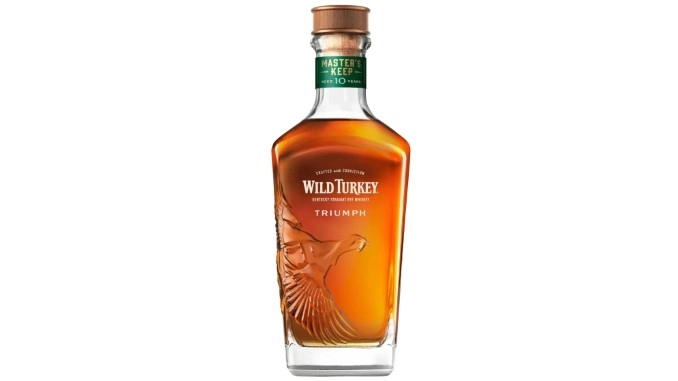
Of all the major Kentucky whiskey producers, Wild Turkey has perhaps had the most unconventional attitude toward rye over the course of its existence. Long associated with bourbon, the company has actually produced rye whiskey almost as long … but in its earlier days, Wild Turkey sold sourced, mature rye it was picking up from Maryland, Pennsylvania and Illinois. Even after the company’s production was centralized in Kentucky in the 1970s, rye whiskey was just never really an integral part of the Wild Turkey identity–certainly part in least to the fact that Master Distiller Jimmy Russell was never much of a rye whiskey fan. It was just a minor part of the Wild Turkey story, which is what makes the evolution to the newly released Master’s Keep Triumph Rye Whiskey such an interesting one.
Ultimately, it was the incoming influence of the second and third generation of Russells that built Wild Turkey into a legitimate rye whiskey producer. In the 2000s, Jimmy’s son and current co-Master Distiller Eddie Russell first went to bat for rye by putting his name on Russell’s Reserve 6-Year-Old Rye in 2007, followed by Russell’s Reserve Single Barrel Rye in 2015. This evolved into the first limited edition rye release in the form of 2019’s Master’s Keep Cornerstone Rye, which coincidentally enough was also around the time that Wild Turkey limited release began to be hunted by bourbon collectors with the same intensity as bottles from the likes of Buffalo Trace. The interest in rye has only grown stronger due to the newer influence of Eddie’s son Bruce Russell, who is reportedly even more passionate about rye whiskey than his father. And given that Bruce Russell is now clearly on the road to being the next Master Distiller, as evidenced by last year’s Wild Turkey Generations release, his preferences loom large as a potential preview of how the company will continue to treat the rye demographic in the future.
Master’s Keep Triumph has an easy selling point for whiskey geeks: It’s the oldest age-stated rye released by Wild Turkey to date, at 10 years. It’s easier to find comparable age stated ryes these days on package store shelves than it once was, but anything with a double digit age statement is still a relative rarity from Wild Turkey–particularly in the form of rye whiskey. Note that as always, the “10 years” denotes the youngest whiskey in the blend, as portions of this release are reported to be up to 12 years of age. It weighs in at 52% ABV (104 proof), with a high MSRP of $275, unfortunately indicative of the modern era of the Campari-owned distillery’s very expensive limited edition releases.
So with that said, let’s get to tasting this Wild Turkey rye as it ventures out into uncharted waters.
On the nose, I’m immediately enjoying the interplay here between fruity, herbal and vanilla-type notes. There’s plenty of herbaceous, slightly grassy, rye, joined by a lighter floral vanilla, charred oak and pepper grinder, but also a fruitiness that puts me in mind of fresh figs and a little dried fruit as well. As it sits in the glass, I find the overtly charred woodiness softens and transitions into something more evocative of coffee roast and toastier oak impressions, with more baking spice coming to the front. Overall, it’s a lovely combination of sweet and spice.
On the palate, the same holds true. I expect that some whiskey geeks will tag this as having a definite “bourye” feel to it, as the sweetness and oak character are certainly evocative of a bourbon/rye blend. I’m getting plenty of fruit and baking spice here, with lots of dark fruitiness, slightly vinous currant and red licorice up front immediately, along with dark honey sweetness, espresso roast and a big charge of spicy oak. It has a complex spiciness that starts out more on the herbal end, with greener rye spice, fennel and pepper, and then transitions to sweeter, toasty baking spice notes of cardamom, cola and brown sugar. The oak brings both char and mild roasty astringency, and also savory notes of maturity with flashes of tobacco.
My immediate impression here: This is really interesting stuff, appreciably complex and layered in its flavors. It’s easily the most mature-tasting modern rye release I’ve sampled from Wild Turkey to date, and a great indication of how the distillery’s treatment of rye whiskey has been quietly maturing over the last decade under the watchful eye of Eddie and Bruce Russell. It’s a great indicator that Wild Turkey has a promising future ahead of it as a standout producer of Kentucky straight rye whiskey. Fans of rye whiskey and the distillery will both want to go out of their way to add it to their collections, even though the price point will likely sting.
Distillery: Wild Turkey (Campari)
City: Lawrenceburg, KY
Style: Kentucky straight rye whiskey
ABV: 52% (104 proof)
Availability: Limited, 750 ml bottles, $275 MSRP
Jim Vorel is a Paste staff writer and resident beer and liquor geek. You can follow him on Twitter for more drink writing.
GET PASTE RIGHT IN YOUR INBOX
The best music, movies, TV, books, comedy and more.