Beer-articles 1026
Sun King in downtown will be selling beer infused with Girl Scout cookies on Friday.
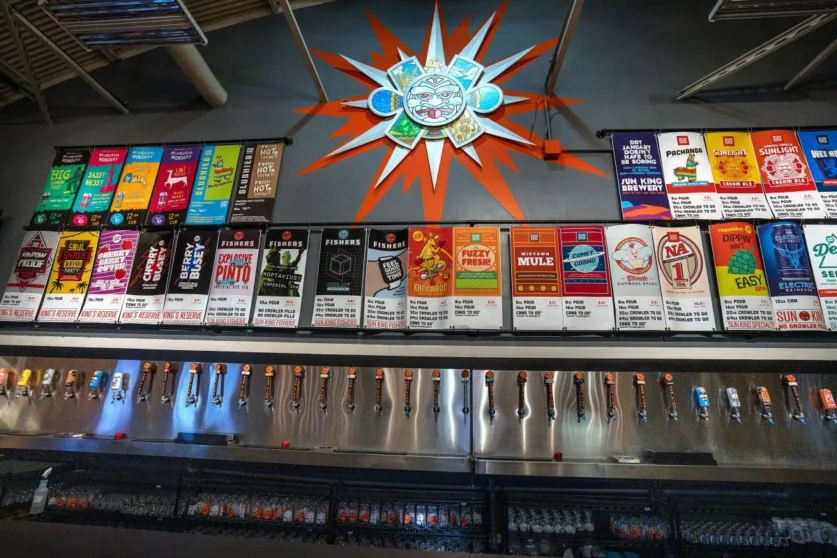
The Girl Scouts are venturing into uncharted territory with a new and exciting collaboration. Sun King, a popular brewery based in downtown Indianapolis, is set to release a limited-edition beer called Scout Badge inspired by the beloved Samoa cookies that have become a staple of Girl Scout cookie season.
In a social media announcement, Sun King revealed that Scout Badge is a rich and decadent porter brewed with dark malted barley. The beer promises to deliver a delightful combination of flavors, including luscious chocolate, gooey caramel, and a refreshing burst of tropical coconut. It’s a mouthwatering treat for beer enthusiasts and cookie lovers alike.
But what makes this collaboration even sweeter is the charitable aspect. Sun King has partnered with the Girl Scouts of Central Indiana, pledging to donate $1 to the organization for every four-pack of Scout Badge sold on Friday, September 29. This not only gives beer enthusiasts the chance to enjoy a unique brew but also allows them to contribute to a worthy cause in the process.
To make this delectable beer, Sun King incorporated a whopping 300 pounds of actual Samoa cookies into the brewing process. This infusion of cookie goodness adds an extra layer of authenticity to Scout Badge and ensures that every sip truly captures the essence of these iconic cookies.
For those who find themselves in downtown Indianapolis on Friday, September 29, be sure to head over to Sun King’s location to grab a four-pack of this limited-edition brew. Scout Badge is sure to sell out quickly, so make sure to get there early. Not only will you get to try a beer that embraces the flavors of everyone’s favorite Girl Scout cookies, but you’ll also be supporting the Girl Scouts of Central Indiana with your purchase. It’s a win-win situation.
As we bid farewell to the Three Carrots vegan restaurant in Fountain Square, it’s exciting to see new ventures like the Scout Badge beer popping up in the Indianapolis food and beverage scene. This innovative collaboration between Sun King and the Girl Scouts showcases the creativity and community spirit that make this city so vibrant.
So mark your calendars for Friday, September 29, and get ready to savor the delicious combination of beer and cookies. Scout Badge is not only a tasty indulgence but also a way to support the Girl Scouts and their mission of empowering young girls. It’s an opportunity to give back while enjoying a unique and flavorful experience.
If you want to learn more about Sun King’s Scout Badge beer or have any questions regarding dining and drinks in Indianapolis, feel free to reach out to dining and drinks reporter Bradley Hohulin. You can email him at bhohulin@gannett.com or follow him on Twitter @bradleyhohulin.
Don’t miss out on this exciting collaboration between Sun King Brewery and the Girl Scouts of Central Indiana. Come join us at Sun King’s downtown location on Friday, September 29, and let’s raise a glass to a beer that embraces the deliciousness of Girl Scout cookies while supporting a great cause. Cheers!
The Drinking Myth You Need to Stop Believing: Don’t Drink Beer Before Liquor.
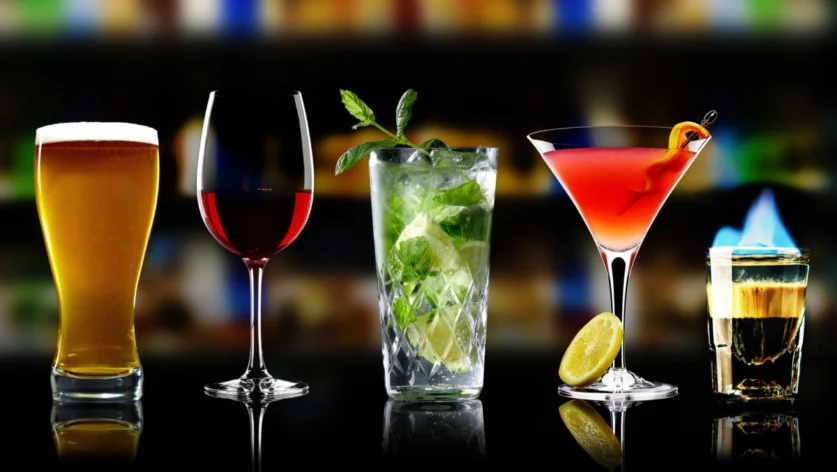
“Beer before liquor, never been sicker. Liquor before beer, you’re in the clear.” We’ve all heard this popular saying before. Anthony Bourdain even broke it on an episode of “No Reservations.” But is there any truth behind this age-old adage? Well, it turns out, probably not.
People have been trying to outsmart their metabolisms for generations, but how exactly does the body metabolize alcohol? When you start drinking, your liver starts producing enzymes to break down the alcohol. And guess what? The higher the alcohol by volume (ABV) you start with, the more enzymes your liver will produce right off the bat. So, “easing into the night” might actually be a bad idea.
Think of it like a fistfight. If you take a couple of really hard blows at the beginning, but the rest of the punches are softer, you can recover without too much trouble. However, if the punches just keep getting harder and harder, chances are you’re going down, and it’s going to hurt. It’s the same with your liver detoxifying your body.
However, this doesn’t mean the “beer before liquor” rule is valid. Some people metabolize alcohol faster than others due to various factors, such as body weight, tolerance, and genetics. It has less to do with whether they had a tequila shot before or after a beer.
Interestingly, the spirit itself doesn’t contribute to a hangover as much as the time it takes to consume it. For example, a shot of 40% ABV liquor takes about five seconds to down, but you can nurse a 5% beer for 40 minutes if you’re engaged in good conversation. That gives your liver nearly an hour to catch up and detoxify some of the alcohol from your bloodstream before your next drink. Amazing, right?
In fact, a Harvard study tested the idea of wine before beer and beer before wine on a group of adults aged 19 to 40. They also had a separate group drink either only wine or only beer until reaching a breathalyzer reading of 0.11%. Surprisingly, the study found “no correlation between hangover symptoms and whether subjects drank only wine, only beer, or switched between them in either order.” The most significant predictors of a hangover were how drunk the participants felt and whether they vomited after drinking.
Ultimately, binge drinking in any form is likely to make you feel terrible the next day. So, the real rule should probably just be to pace yourself and drink water throughout the night. Oh, and don’t forget to eat before you start drinking. If all else fails, you can always try a “Corpse Reviver,” a high-ABV cocktail designed to bring hungover warriors back to life. But let’s hope it doesn’t come to that.
So, next time you find yourself faced with the decision of beer or liquor first, remember that it’s more about how much you drink and how fast you drink it. Cheers!
Firkenstein Craft Beer Festival is returning, coming back to life once again: Firkfest is alive!
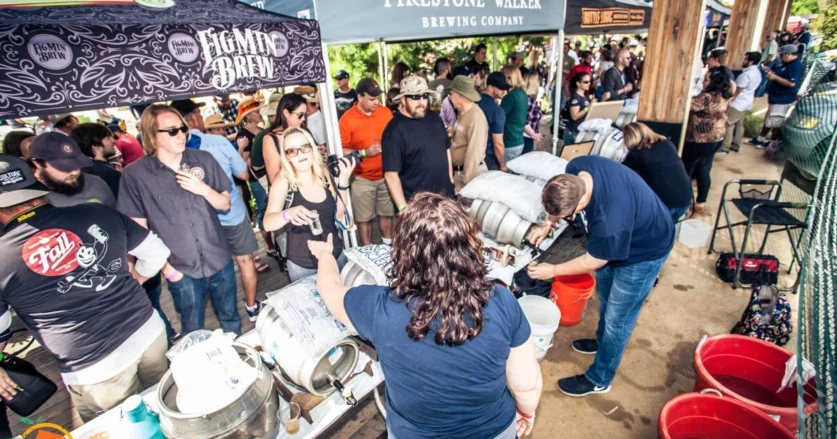
In 2013, something magical happened at a local beer festival that caught the attention of Greg Nagel. As he stood in line, ready to taste a cask beer from a particular brewery, he couldn’t help but wonder why more events didn’t feature this traditional brewing method. The line for the cask beer was long, filled with eager beer enthusiasts, and it sparked an idea in Nagel’s mind. “One of the breweries had a cask beer, and there was a line of about 50 people, just to get a taste of it,” Nagel explained. “I thought maybe we should have an all-cask beer festival. I think there is a lot of magic that can happen with events that are niche and different from every other beer festival.”
And so, in 2014, Nagel launched his own beer festival, Firkfest. This festival focused on showcasing cask-conditioned beer or “real” ale offerings from local breweries. The concept was inspired by how beer is traditionally served in the U.K., where the beer is transferred into a cask after it finishes fermenting. Nagel explained that there are two kinds of casks: the 5.4-gallon pin and the firken, a 10-gallon vessel that became the inspiration for the festival’s name.
Cask-conditioned beer undergoes a secondary fermentation in the barrel, and because it isn’t filtered, it retains live residual yeast and flavors when served. This unique brewing process gives cask beers the ability to change over time, developing different flavors and aromas. “The thing with cask beers is that it changes over time. It can get more nuanced, it develops different flavors or aromas, and it seems to change day to day if you are drinking from the same cask,” said Nagel.
In 2020, Firkfest was set to return for its seventh year, but unfortunately, the pandemic forced the event’s cancellation. However, the festival is making a grand comeback this year as the Firkenstein Craft Beer Festival. Taking place on October 7th from 4 to 8 p.m. at Anaheim’s Center Street Promenade, this year’s festival combines Halloween and Oktoberfest, two of Nagel’s favorite reasons to celebrate. Although no longer exclusively a cask-only festival, Nagel assures that every beer at the event will be special. “About half the brewers are bringing cask beers, and the other half are bringing a mix, but every beer is made just for the event,” he explained. “So it is a one-time opportunity to get something from your favorite brewery that you have never had before and you will probably never have again.”
Not only does Firkfest provide a unique beer experience, but it also gives back to the community. In previous years, the festival has donated its proceeds to charity, and this year is no different. The event will benefit the Anaheim Fall Festival and Halloween Parade, which is celebrating its 100th year this October. Nagel expressed his gratitude towards the volunteers and talented individuals who make these community events possible. “This is my way of giving back to something my family and I enjoy every year,” he said.
Firkenstein will bring together more than 30 participating breweries, including popular names like Green Cheek, Bottle Logic Brewing, and Riip Beer Co. To add to the festive atmosphere, attendees are encouraged to come in Halloween costumes. Delicious food options will be available from vendors like Tacos El Gringo, Windsor Brown, and a chili pop-up called Chili Doug. And of course, no Oktoberfest celebration is complete without bratwurst. Hoffy, a local sausage brand, is generously donating 120 pounds of brats and frankfurters for the event, which will be smoked and served hot by Villains Brewery.
Tickets for Firkenstein are now on sale at firkfest.com. Don’t miss this opportunity to indulge in unique, specially brewed beers while supporting a beloved community event. See you there!
The craft beer market is expected to achieve a value of $210.78 billion by 2028, with a robust compound annual growth rate (CAGR) of 10.83%.

Craft Beer Market: A Growing Industry with Surging Demand
Craft beer has been gaining popularity worldwide, and the global craft beer market is projected to reach a staggering USD 210.78 billion by 2028. This remarkable growth is driven by evolving consumer lifestyles and growing preferences towards CBD.
Key players in the industry such as D.G. Yuengling & Son, Inc., Heineken N.V., and The Boston Beer Company, Inc. are leading the charge in this booming market. Other notable players include Constellation Brands, Inc., Anheuser-Busch InBev, New Belgium Brewing Co., Sierra Nevada Brewing Co., DuvelMoortgat NV, Bell’s Brewery, Inc., and Dogfish Head Craft Brewery Inc.
Craft beers come in various types, including pilsner, lager, ale, and others. They are distributed through both off-trade and on-trade channels. The market is segmented into North America, Europe, Asia Pacific, Latin America, and the Middle East & Africa.
The emergence of flavorful and strong beers has played a significant role in augmenting the industry’s growth. Consumers are increasingly drawn to craft beers with unique flavors such as malty & sweet, tart & funky, sour, fruit & spice, among others. The rising popularity of such beers has led to increased demand and the establishment of numerous craft and microbreweries.
In terms of regional growth, Asia Pacific is expected to dominate the craft beer market, propelled by rapid urbanization and increasing disposable incomes. The region is experiencing significant growth, with the market size reaching USD 39.78 billion in 2020 and continuing to grow positively.
North America is also witnessing a surge in craft beer adoption, driven by the expansion of breweries in the U.S., socialization trends, and the rising popularity of beers. Europe, on the other hand, is seeing a sudden spike in craft ale consumption and a strong demand for premium beers.
While the craft beer market is on a steady rise, it does face some challenges. The availability of alternative alcoholic beverages such as whiskey, rum, wine, and gin poses a threat to market progress.
In conclusion, the craft beer market is thriving, driven by evolving consumer preferences and the emergence of unique flavors. With leading players at the forefront and growing demand in regions such as Asia Pacific, the industry is poised for continued expansion in the coming years.
Title: The Impact of COVID-19 on Craft Beer: A Challenging Road to Recovery
Introduction:
The craft beer market has experienced a significant decline in sales due to the COVID-19 pandemic. With the halt in production activities and limited resources, the market growth has taken a hit. Furthermore, strict lockdown regulations have hampered the sales of craft beer, amplifying the challenges faced by the industry. However, there is hope on the horizon. This blog post explores the market’s struggles, the potential for growth post-lockdown relaxations, and the innovative strategies employed by companies to boost their brand image.
The Challenging Times:
As the number of COVID-19 cases continued to rise, many countries imposed stringent lockdown regulations to curb the spread of the virus. These measures paralyzed production activities and disrupted supply chains, negatively impacting the craft beer market. According to a study by the Brewers Association, U.S. brewery sales plummeted to 30.5% in May 2020 compared to the previous year. The situation was dire, and it seemed like the road to recovery would be long and arduous.
A Glimpse of Hope:
Fortunately, as governments gradually relaxed lockdown measures, the craft beer market began to see a glimmer of hope. Companies started adopting reduced capacities and technologically advanced production techniques to adapt to the new normal. These innovations not only helped meet consumer demand but also increased operational efficiency.
Innovative Strategies Boost Brand Image:
Prominent companies in the craft beer market have taken the initiative to introduce novel products to satisfy consumer demand and boost their brand image. For instance, B9 Beverages launched limited edition craft beers under their Bira91 brand in April 2021, catering to consumers’ appetite for exquisite and bold flavors. This strategy proved to be successful in reinforcing their brand image and enhancing customer loyalty.
Adapting to Technological Advancements:
To stay competitive, breweries have embraced technologically advanced production technologies. By doing so, they have managed to reduce labor costs, increase productivity, and streamline operations, all while meeting organizational goals. This adoption of advanced techniques has not only helped companies survive but also positioned them for future growth.
The Road to Recovery:
Despite the challenges posed by the pandemic, the craft beer market is expected to recover gradually. Consumers’ growing preference for unique and high-quality beverages, coupled with the relaxation of lockdown measures, provides an opportunity for the market to bounce back. The industry’s ability to adapt and innovate will be crucial in seizing these opportunities and driving growth.
Conclusion:
The COVID-19 pandemic has undeniably impacted the craft beer market, leading to a decline in sales and hampered production activities. However, as countries begin to recover from the crisis, there is a renewed hope for the market’s growth. By embracing technological advancements, introducing novel products, and adapting to changing consumer preferences, companies in the craft beer industry can navigate these challenging times and emerge stronger than ever before.
Disclaimer: The information presented in this blog post is based on the research conducted by Fortune Business Insights™ and is not intended as financial or investment advice. Readers are encouraged to conduct their own research and consult with professionals before making any investment decisions.
A major obstacle has been overcome as plans for a beer brewing facility and taproom in the former Coke plant move forward.

Rain Inside the Coca-Cola Plant: A Modern-Day Magic Show
Last weekend, amidst the rain-soaked streets of Queen City Mischief and Magic festival, a peculiar sight could be found inside the old Coca-Cola plant on N. Augusta Street. It was raining not only outdoors but also within the confines of the massive, dormant structure. This unexpected occurrence perfectly encapsulates the current state of the building that has remained neglected for many years.
Fortunately, there is hope for the future of this historic site. The Staunton City Planning Commission recently voted in favor of recommending the approval of a Special Use Permit, allowing for the brewing of beer on-site in the old Coca-Cola building. Unlike the previous meeting, property owner John Schoeb made sure to attend this time, eager to share his plans and address any concerns raised by council members and the public.
Rodney Rhodes, Staunton’s Senior Planner, reintroduced Schoeb’s request to rezone 709 N. Augusta Street from B1 Local Business District to B2 General Business District, Conditional. This rezoning would enable the establishment of a 15-20 barrel microbrewery and a tasting room, without immediate plans for a restaurant. Rhodes clarified that eating and drinking establishments could already be established without an additional permit, and beer brewing could be approved as an accessory to a restaurant. However, Schoeb’s intention is to begin with brewing and a tasting room, which necessitated the rezoning request.
The building itself, which is over a century old and includes two additions, spans a vast 26,000 square feet. Rhodes summarized the proposal, noting that the new business would be similar to existing establishments in the wharf district. However, it’s important to highlight that earlier exemptions were made to incentivize investors to repurpose older buildings, including the Coca-Cola plant. These exemptions, dating back to 2009, were granted to accommodate building footprints that couldn’t provide on-site parking. Rhodes emphasized that all potential uses of the property are exempt from providing off-street parking.
Despite the exemptions, concerns about parking were raised by residents living in the neighborhood surrounding the old building. Additionally, there were worries about the potential for intoxicated drivers in a residential area. During the public comment portion of the hearing, Zach Lewis expressed his support for the project but voiced concerns about the idea of a “tasting room,” which he believed was just a fancy term for a bar. Lewis feared that intoxicated customers leaving parked cars on residential streets could pose a risk to children in the neighborhood.
Schoeb reassured Lewis and the commission that he shared their concern about parking. He revealed that he was in talks with the owners of two properties to either purchase or lease parking spaces from them. Commission member Adam Campbell suggested that the city could explore ways to protect residential parking in the neighborhood. Campbell acknowledged the immense potential of this venture for the city and urged the commitment to that vision to be reflected in the zoning package. He also hinted at potential improvements to the intersection of Sunnyside and New Streets, which currently empty onto N. Augusta on different sides of the stoplight at Churchville Avenue.
Schoeb provided further details about the logistics of the brewery and tasting room. There would be no on-street loading or unloading, and a small box truck would park in the alley beside the southern side of the building. Schoeb proposed that employees would park within the building, if permitted. Once the tasting room opens, customers would enter through one of the side alleys, offering a safer entrance option.
Schoeb took pride in pointing out that everything used in the brewing process is all-natural, as this is a farm brewery. Water conservation is a priority, with all grains being collected in totes and given to farmers instead of being wasted. Schoeb emphasized that the brewery’s water consumption is significantly lower than the national average, ensuring a more sustainable operation.
In conclusion, the once-neglected Coca-Cola plant on N. Augusta Street is on the brink of transformation. With the potential rezoning and the establishment of a microbrewery and tasting room, the building will once again find purpose and bring economic opportunities to the city. The concerns of residents regarding parking and safety have not gone unnoticed, and efforts are being made to address them. This project represents a chance for the city to flourish while preserving its historic character and promoting sustainable practices. With careful planning and collaboration, Staunton may witness the rebirth of a forgotten gem, turning rain into the magic of opportunity.
Highlighting Historical Significance and the Concerns of the Community: A Refreshing Perspective on the Coke Factory
When a historic building sits idle, it becomes a topic of debate for any community. Such is the case with the Coca-Cola factory in Staunton. Members of the public recently gathered to discuss whether rezoning this iconic structure was a wise decision or a potential threat to the neighborhood. The arguments presented on both sides shed light on the advantages of repurposing a historic building and the potential drawbacks, such as increased traffic and the loss of another historically Black neighborhood.
Constance Birch, one of the attendees at the meeting, voiced her concerns regarding the impact on traffic in the area. She believed that the building’s location would attract more people, generating a surge in downtown traffic. On the other hand, Karen Lynn Johnston, who conducts walking tours of the area, spoke in favor of the rezoning, emphasizing the importance of preserving the building’s heritage. She expressed her disappointment at seeing such a grand structure left unused, as tourists frequently inquire about its history during her tours.
Caroline Book, a resident who moved to the community in 2005, spoke passionately about the vibrant atmosphere downtown once possessed. She believed that the Coca-Cola building played a crucial role in creating a sense of life and energy, ultimately attracting more people to the community. A local realtor echoed Book’s sentiments, highlighting how potential buyers are always drawn to the building’s grand mosaic in the front. They argued that the building’s unique space perfectly suited the purpose at hand.
Cassie Ivy, with a background in tourism, emphasized the importance of walkable cities for tourists and their desire for accessibility. She argued that repurposing the Coca-Cola factory would be a step towards meeting this demand. Cleveland Morris, a supporter of the project, shared his experience working at the Staunton Public Library and how visitors often view the unused building as a sign of decay. He emphasized the beauty of the mosaic art adorning the building’s front, applauding Carter Green’s ideas for a wall illustrating the neighborhood’s history.
While some community members advocated for the project, others expressed reservations. Christie Craig feared that the concerns of long-standing community members might be disregarded in favor of those with deeper pockets. She raised questions about equal protection for all citizens and the potential violation of zoning regulations. Clinton Davis, whose family has deep roots in the community, voiced his concerns about preserving the historic neighborhood and the impact that another business would have on its legacy.
In contrast, Renee Clark, a long-time resident of the Sunnyside neighborhood, supported the project. She highlighted the overwhelming number of people who attended an open house tour of the building and how parking was not an issue during that time. Preston Carter, another Sunnyside resident, shared his experiences of the negative effects of the Coca-Cola factory’s emissions on the neighborhood’s health, advocating for a new environmentally friendly business.
The discussion surrounding the rezoning of the Coca-Cola factory is clearly multifaceted, with various perspectives reflecting historical significance, community concerns, and the need for responsible development. As the decision-making process continues, it is essential to consider all viewpoints to ensure that the final outcome benefits the entire community while preserving the rich history that defines Staunton.
Title: A Strategic Transformation for the Sunnyside Neighborhood
Introduction
In a neighborhood that has been overlooked for far too long, the proposed rezoning of the old Coke plant in Staunton has sparked both excitement and concern among local residents. While the project promises potential benefits such as job creation and revitalization, there are valid worries regarding parking, water quality, and historical preservation. In this blog post, we will delve into these issues and explore the different perspectives voiced during the planning commission meeting.
Addressing Environmental Concerns
One of the primary concerns raised by residents was the presence of old tanks left behind by the Coca-Cola company. Preston Carter, a local homeowner, expressed his worries about their potential impact, urging Schoeb (the developer) to address the issue promptly. Schoeb responded to Carter’s concerns by stating that the tanks had been diligently remediated to ensure safety. Furthermore, he promised to remediate the entire building for asbestos, displaying his commitment to environmental preservation.
Water Quality and Historical Preservation
Ellen Teigert, a concerned citizen, voiced her worries regarding water quality in the neighborhood. Water quality is a crucial matter that needs to be thoroughly addressed to ensure the well-being of the community. Teigert proposed that if any issues arose due to the project, a system should be in place to handle them effectively. It is vital for the developer to prioritize the community’s health and find ways to mitigate potential negative effects on water quality.
Rachel Watts, a long-time resident of Sunnyside, spoke in favor of the rezoning and emphasized the potential benefits it could bring to the community. She highlighted the small staff requirements of a brewing operation, debunking misconceptions about traffic congestion. Furthermore, she pointed out the ample available parking spaces in the area, including the diagonal parking on N. Augusta Street.
Celebrating History and Creating a Sense of Community
Schoeb, a history major himself, expressed his intentions to honor the neighborhood’s rich history through the design of the new brewery. He envisioned creating a “wall of history,” allowing passersby to peer into the two outside windows and connect with the community’s past. This thoughtful gesture reveals Schoeb’s commitment to preserving the cultural heritage of Sunnyside.
Navigating Parking Challenges
Parking concerns were raised by several residents, particularly with an increase in traffic anticipated due to the rezoning. Schoeb acknowledged this issue and pledged to provide parking advice on the project’s website. By informing visitors about the best places to park and directing them towards off-site parking options, Schoeb aims to alleviate any future parking challenges. Such proactive measures will help maintain a harmonious balance between the business and the residents’ parking needs.
Moving Forward
Following a comprehensive discussion, the planning commission unanimously recommended approval of the rezoning. Rodney Rhodes, who accurately characterized the proposal as more than just spot-zoning, highlighted the mixture of zoning types existing in the area. The commission chair, Judith Wiegand, reassured the community that drainage concerns will be thoroughly addressed during the process.
Conclusion
Staunton’s Coke plant rezoning effort is beginning to gather momentum, with the planning commission fully supporting the proposed changes. Although concerns regarding parking, water quality, and historical preservation were raised, it is evident that community members and the developer share a common goal of creating a thriving, responsible, and inclusive Sunnyside neighborhood. As the rezoning moves towards City Council review in October, it is vital that all stakeholders continue to engage in constructive dialogue to ensure the best possible outcome for everyone involved.
The sole beer company owned by a black woman in D.C. is looking for a permanent establishment.

“It will be a game-changer for me to establish a presence in my hometown,” declares Eamoni Collier, the founder of Urban Garden Brewing. In the District of Columbia, there are currently three Black-owned beer companies, but none of them have their own brewery. Collier intends to change that by opening a brewery in her beloved hometown. Her business partner, Lindsay Castillo, shares her vision, and together they have set their sights on a space in Northeast DC, which is conveniently located just a short two-minute walk from the Fort Totten Metro station.
Collier is hopeful that they will soon be able to sign a lease for the space. The establishment of a production facility will allow them to meet the increasing demand for Urban Garden beer. Their unique brews, which include “Chamolite,” a chamomile and honey blonde ale, and “Roses Aren’t Dead,” a pale ale infused with dried red rose petals, have gained popularity among beer enthusiasts. Urban Garden prides itself on using botanicals to add a refreshing twist to its beers, attracting even those who are not typically beer drinkers. According to Collier, “We offer a different kind of experience that people aren’t used to seeing in beer.”
Currently, Collier brews her beers on a contract basis at various locations throughout the city. However, she has long dreamed of brewing her own beer in her own space. In order to fulfill this dream, Collier had to raise thousands of dollars through an Indiegogo campaign. The funds are needed to cover startup costs such as licensing, permitting, and legal fees. Collier explains that financial challenges, in particular, pose a significant barrier to the establishment of Black-owned breweries. She laments, “There is literally no Black-owned breweries…three of these brewing companies all have to contract brew because we don’t have the access to capital.”
Despite the challenges, Collier remains determined to make her brewery a reality. She has found support within the local beer community, especially from Sankofa and Soul Mega, the first and second-oldest Black-owned beer companies in DC. Together with other like-minded individuals, they have formed an informal group called the Collective, where they provide assistance and guidance to one another. Collier refers to the founders of Sankofa and Soul Mega as her “big brothers,” as they have been continuously encouraging her throughout her journey. Their efforts have inspired her to finally launch Urban Garden in 2021.
Right Proper, where Collier previously worked as a hostess, server, and bartender for six years, has become a valuable ally in her pursuit of opening a brewery. It was Right Proper co-owner Leah Cheston who introduced Collier to the potential space in Northeast DC. This woman-owned brewery serves as an example to other beer companies and is committed to supporting aspiring entrepreneurs. Cheston explains, “People helped us get where we are. So we think it is our absolute mission to pass that on.”
The camaraderie within the local beer community was palpable during a recent collaborative brewing session at Right Proper. Collier received assistance from Barrett Lauer, a brewer from the establishment, in creating a special beer for Colada Shop, a Latina-owned Cuban restaurant. This unique beer will be made with Colada Shop’s coffee beans and guava leaves and will be available for purchase next month at their DC and Virginia locations.
Collier’s determination to overcome the hurdles facing Black-owned breweries is fueled by her belief in the importance of diversity and inclusion. She acknowledges the impact that Sankofa and Soul Mega have had on her journey, stating, “Honestly, if I didn’t have those two people that already started breaking the barriers, paving the way, I probably still wouldn’t have started.”
As Collier’s dream of opening her own brewery inches closer to reality, she remains grateful for the immense support she has received from the local beer community. With their collective efforts, they are not only reshaping the beer industry but also paving the way for future generations of aspiring Black brewers.
Today, I want to share with you the inspiring story of Eamoni Collier and Lindsay Castillo, the women behind Urban Garden Brewing. These two friends turned business partners are taking on the challenging world of craft beer brewing with determination and a passion for their craft.
Collier, a talented brewer with 27 years of experience, learned the art of brewing through an initiative called “beer college” led by her mentor, Lauer. This knowledge and expertise come into play as Collier and Castillo work on their latest batch, which is expected to total about 600 gallons. The teamwork and collaboration between these two is evident as Castillo handles the operations side of things, allowing Collier to focus on what she does best – making beer.
Operating a brewery, especially in a city like Washington, D.C., is no easy feat. Lauer explains that there are numerous steps involved, such as procuring funders and obtaining permits. On top of that, the cost of doing business in the district is quite high. Despite these challenges, Collier and Castillo remain undeterred. They know that opening a brick-and-mortar location is a difficult venture, so they host contract brewers at their original facility in Shaw a few times a year. By doing so, they not only support fellow brewers but also gain valuable experience and insights.
One of the biggest hurdles that Collier faced was finding funding for Urban Garden. Unfortunately, she discovered that she was ineligible for D.C. government funding due to specific requirements. The available opportunities for minority-owned businesses were limited to certain areas or specific industries. This setback only fueled Collier’s determination to succeed, and she remains focused on her goal of building something special in her hometown.
The Urban Garden team is known for their tenacity and resourcefulness. Castillo, in particular, has been described as an octopus, always jumping in to help in any way she can. From delivering kegs to bars to representing the brewery at events, Castillo is an integral part of the operation. Together, they constantly challenge stereotypes and expectations, surprising people who assume they are brand ambassadors rather than the skilled brewers they are.
What sets Urban Garden apart is their commitment to their community. They plan to support other brewers who are in need of time and support before opening their own production facilities. Additionally, they hope to provide a platform for other creatives, such as DJs, as they recognize the importance of art and self-expression. For Collier, building something meaningful in her hometown is a dream come true, and she knows it will make a significant impact on her community.
As we wrap up this blog post, I am inspired by the passion and determination of Eamoni Collier and Lindsay Castillo. Their journey in the craft beer industry is a testament to the power of following your dreams and never giving up. Urban Garden Brewing is more than just a brewery; it’s a symbol of hope, creativity, and community. I can’t wait to see what they accomplish next.
Title: Exploring the Disparities in Business Ownership and Healthcare Support in a Gentrified Neighborhood
Introduction:
In this blog post, we will delve into the challenges faced by the H Street neighborhood in Washington, D.C. The community’s struggle with gentrification can be witnessed in two contrasting aspects: the distribution of liquor licenses among businesses and the shortage of school nurses. Despite keeping the overall story and logical connection intact, we will present the information in a unique manner, offering a fresh perspective on these important issues.
The Liquor License Imbalance:
Let’s begin with a statistical observation that sheds light on an interesting aspect of H Street’s business landscape. According to recent data, black-owned businesses in the neighborhood comprise less than half of the total establishments with active liquor licenses. This fact alone begs us to explore the reasons behind such a significant disparity. However, what’s even more intriguing is the fact that the majority of protests filed against these licenses in the past five years were from black-owned businesses themselves.
This stark contradiction raises questions about the dynamics of business ownership in gentrified neighborhoods. Perhaps the allure of H Street’s lively atmosphere and burgeoning economy has attracted a wealthier demographic, leading to the displacement of some long-established black-owned enterprises. Regardless, the evident agitation from black-owned businesses regarding liquor licenses implies a deeper concern for the preservation of their cultural and economic roots.
The Nursing Shortage Dilemma:
Now, let’s shift our focus to an equally pressing matter that has been plaguing the D.C. region even before the COVID-19 pandemic — the shortage of school nurses. To address this urgent issue, DC Health has recently implemented a short-term solution known as the “cluster” model. This model involves school nurses serving multiple schools within a specific area, effectively maximizing their reach.
The necessity of this solution is indicative of the dire state of healthcare support in the region. However, we cannot ignore the underlying factors that have led to this shortage. One possible explanation could be the inherent challenges faced by low-income communities, such as those in the H Street neighborhood, in attracting and retaining qualified healthcare professionals. The lack of adequate facilities and resources may contribute to this dilemma, making it crucial to address the underlying inequalities in our healthcare system.
Conclusion:
Through this alternative presentation of the same story, we shed light on the disparities and challenges faced by the H Street neighborhood in Washington, D.C. While the distribution of liquor licenses showcases a discrepancy in business ownership, the shortage of school nurses underlines the desperate need for improved healthcare support. By focusing on these interconnected issues, we gain a deeper understanding of the implications of gentrification and the importance of equitable access to resources and opportunities. It is only through acknowledging and addressing these disparities that we can hope to cultivate a more inclusive and thriving community for all.
The ideal beer for enhancing the flavor of your meat dish relies on the type of meal you are preparing.

Humans have been brewing beer for centuries, dating back to ancient Mesopotamia where it was first created. With a wide variety of beer styles available today, each with its own characteristics and flavors, it’s important to consider how different beers can enhance your cooking. Just as you wouldn’t use corn and rice interchangeably in a recipe, the same principle applies to using different beers in your cooking. The key is to know which beers pair well with certain foods, as some combinations may not yield the desired results. One common rule to keep in mind is to avoid using cheap, low-quality beer when cooking, as it can significantly impact the flavor of your dish.
When it comes to cooking fried foods, it’s best to opt for lighter beers. Deep-fried dishes are typically heavy, so using a lighter beer can help prevent the flavors from overwhelming your palate. Moreover, light beers such as lagers and pilsners are highly carbonated, making them an ideal choice when cooking fish and chips, which usually require carbonation from seltzer. Additionally, lighter beers tend to give fried foods a beautiful golden brown color, whereas darker beers can result in a less appetizing gray hue.
Dark beers, on the other hand, have their own culinary uses. Porters and stouts are excellent for enhancing the rich, earthy flavors of beef or lamb stews. Similar to using red wine in red meat stews, dark beers bring a robust flavor and aroma to the dish. When baking with chocolate, dark beers are also a great choice as they complement the flavors without overpowering them. Light, fizzy beers may not mix as well with chocolate, creating a flavor combination that may be less harmonious.
When cooking chicken or seafood, it’s best to avoid using dark beers due to their strong, earthy flavors that can overpower these delicate proteins. Instead, opt for wheat beers, which have milder flavors that pair well with poultry and fish. This principle applies to marinades as well – chicken and seafood marinades benefit from the subtle flavors of wheat beers, while dark beers work wonders in steak marinades.
Another interesting beer category to consider is fruit beers. While you may not immediately think of using fruit beers in cooking, they can be fantastic for making desserts. Belgian beers like Hefeweizens and Tripels, with their citrusy notes, are particularly delightful when used in lemon-flavored desserts. So don’t be afraid to get creative and incorporate your favorite beers into your cooking – except for IPAs. Due to their strong and hoppy flavors, cooking with IPAs is generally not recommended.
In conclusion, the world of beer offers a myriad of options for adding depth and flavor to your cooking. Whether you’re frying, stewing, baking, or marinating, choosing the right beer can elevate your dishes to new heights. So next time you’re in the kitchen, grab a beer that you would enjoy drinking and let its unique characteristics enhance your culinary creations.
The inclusion of Trump’s mugshot and the nickname “Dumb Donald” on beer labels is serving as a form of political conversation.

Earlier this month, a beer brand called Ultra Right Beer made headlines with their limited-edition $25 six-pack called “Conservative Dad’s Revenge.” The unique label featured Donald Trump’s mugshot, and the brand advertised that a portion of the proceeds would go towards fighting the “communist Fulton County District Attorney” on behalf of three Georgia Republicans. The description of the product even promised that it would become the most collectible beer can in American history.
There has been a significant amount of consumer research in the past that links Americans’ drink choices to their political affiliations. For example, hipster beers are often associated with Democrats, while lite beers are associated with Republicans. Craft beers, on the other hand, tend to be favored by liberals. However, the beer industry is now seeing a shift where a drinker’s politics are more explicitly showcased on the label.
This development may seem performative to some, but political discourse has always aimed to resonate with opposing views. And what better place to start than the beer aisle of a liquor store? Take, for example, the response to North Carolina’s controversial House Bill 2 (HB2) in 2016. Two breweries, Mysterby Brewing and Ponysaurus Brewing, collaborated to create “Don’t Be Mean to People: A Golden Rule Saison.” This beer, brewed jointly by 40 small breweries, served as a protest against HB2 and supported LGBTQ organizations.
Wedge Brewing Company in North Carolina took a similarly provocative approach to addressing HB2. They printed “#F**K HB2” on the bottom of their Iron Rail IPA cans, cleverly disguising it as a serial number.
In 2022, Flying Dog Brewery in Maryland released their 451 Juicy IPA, inspired by Ray Bradbury’s “Fahrenheit 451.” This beer was a clear statement against government censorship and book bans. Flying Dog has a history of fighting against censorship, having previously sued Colorado and Michigan over their beer labels. CEO Jim Caruso emphasized the importance of the human spirit’s thirst for knowledge, ideas, growth, and freedom, which ultimately triumphs over attempts to restrict content.
These examples show that beer labels have become a platform for expressing political beliefs and engaging with political discourse. It’s a unique way for breweries to make a statement and connect with consumers who share similar values. As the beer industry continues to evolve, we can expect to see more labels that go beyond simply branding and reflect the socio-political climate of our times. Cheers to beer that sparks conversations and drives change!
Our Support for Freedom of Expression: A Unique Perspective on Beer Labels
In today’s ever-evolving world, the power of freedom of expression cannot be underestimated. It is the cornerstone of a democratic society, allowing individuals to express their thoughts, ideas, and opinions without fear of retribution. At Flying Dog, a renowned craft brewery, we firmly believe in defending freedom of expression, as we understand that truth-seeking and freedom of expression go hand in hand.
Recently, we shared an image of our new beer, the 451 Juicy IPA, on X, formerly known as Twitter. What caught people’s attention was not just the remarkable taste of our beer, but also the display behind it. On the bookshelf, alongside the 451 Juicy IPA, were titles that have been banned in the past and even continue to be banned today. These titles include iconic works like “To Kill a Mockingbird,” “The Diary of a Young Girl” by Anne Frank, “The Handmaid’s Tale,” and “A Clockwork Orange.” Our intention was to use this beer as a symbol to remind people that banning books is a foolish act that stifles creativity and limits our understanding of the world.
As our country has become increasingly divided along political lines, beer labels have also followed suit, serving as interesting artifacts that reflect the journey of Donald Trump’s candidacy, eventual presidency, and subsequent defeat. In 2015, 5 Rabbit Cervecería, a Latin-inspired and Latin-owned craft brewery responsible for brewing the Chicago Trump Tower’s in-house blonde ale, decided to sever ties with the company after Trump made derogatory statements about Mexican immigrants. In response, they released a new blonde ale named “Chinga tu Pelo” (F**k Your Hair), featuring a label adorned with a coiffed swirl of yellow hair.
The politically charged beer labels continued in 2016 when Philadelphia microbrewery Dock Street Brewery introduced an IPA named “Friends Don’t Let Friends Vote Drumpf.” The following year, Chicago’s Spiteful Brewing added their own social commentary with an Imperial IPA called “Dumb Donald,” which sought to shed light on ignorance in society.
In 2020, it seemed like there was a turning tide when Wisconsin brewer Kirk Bangstad created “Biden Beer” to celebrate the then president-elect’s victory. The label description humorously proclaimed, “It’s inoffensive, especially to women. It’s not bitter. It’s best served while taking the temperature down. Guaranteed not to overstay its welcome in your fridge. How do you spell RELIEF? Biden Beer.”
However, even as we entered a new era with hopes of unity, the events of the Capitol Riot reminded us that our country (and its brewers) are still grappling with the complexities of this political landscape. Examples like “Conservative Dad’s Revenge” and the ongoing “Chinga tu Pelo Collection” illustrate the continued struggle to find common ground.
This struggle reaches far beyond independent breweries; even macro-brands are not immune to being swept up in the political fray. One such example is the ongoing Bud Light boycott. After partnering with transgender influencer and activist Dylan Mulvaney, the brand faced backlash from conservative pundits and public figures, including Kid Rock, Dan Crenshaw, and Ted Cruz. Bud Light remained relatively quiet in the face of this controversy, despite growing pressure from both LGBTQ activists and conservatives to clarify their corporate position. Eventually, Anheuser-Busch, Bud Light’s parent company, released a non-committal statement acknowledging the need for unity and emphasizing their role in bringing people together over a beer.
In conclusion, the relationship between beer and politics has become increasingly intertwined in recent years. As freedom of expression continues to define our society, brewers across the country are stepping up to express their viewpoints through their beer labels. These labels carry powerful messages, reflecting our nation’s political climate and compelling us to ponder the complexities of our shared beliefs.
So, let us raise a glass and toast to the diverse perspectives represented by these beer labels. Let us embrace the freedom to express ourselves and engage in dialogue, even when we find ourselves on opposing sides. Because in the end, isn’t it better to have a conversation over a beer than to remain divided in silence? Cheers to the power of freedom of expression and the conversations it inspires.
The celebration of Oktoberfest is coming back to Kent, featuring an abundance of music, food, and beer.

Celebrate German beer, food, and culture at Main Street Kent’s Oktoberfest! This year’s festival brought the spirit of Germany to downtown Kent with a variety of exciting activities. From dancing and music to food trucks and, of course, beer, there was something for everyone to enjoy.
The festival featured beer trucks from Kent’s three local breweries: Bell Tower Brewing Co., MadCap Brew Co., and North Water Brewing. Each brewery offered a unique beer alongside the delicious Spaten Oktoberfest Ur-Märzen beer from German brewer Spaten-Franziskaner-Bräu. Beer lovers had the opportunity to sample a wide range of brews from both local and international sources.
In addition to the great beer selection, local eateries joined in the celebration by serving specially prepared German food and local treats. Restaurants such as Erie Street Kitchen, the Pierogi Lady, and Daisy Pops showcased their culinary skills and provided festival-goers with a taste of Germany. The Kent Fire Department also participated in the festivities, selling food as a department fundraiser. All products were generously donated by Giant Eagle.
Live entertainment added to the lively atmosphere of the festival, with performances taking place at the Hometown Bank Plaza throughout the day. One highlight of the day was the German Family Society Youth Dancers, who showcased their impressive dance skills and brought a touch of traditional German culture to the event.
Overall, Oktoberfest in Kent was a fantastic celebration of German culture, food, and, of course, beer. The festival allowed attendees to immerse themselves in the spirit of Germany right in the heart of downtown Kent. With dancing, music, delicious food, and a variety of beers to sample, it was a day filled with fun for all. We can’t wait for next year’s Oktoberfest to come around again!
According to the Great American Beer Festival, these beers are considered the best in America.

The Great American Beer Festival, held annually in Denver, Colorado, has come to a close. This highly anticipated event brings together brewers from all over the United States for a weekend of beer-filled fun. Organized by The Brewers Association, the festival also serves as the home of the largest professional beer competition in the country.
This year, the GABF awarded an impressive total of 303 medals to 263 breweries. With beers spanning across an astounding 99 different categories and 175 beer styles, there was something for everyone to enjoy. The judging process was rigorous, with 250 beer experts from 10 different countries evaluating the entries over a span of nine days.
The sheer number of entries into this year’s competition was staggering, with a total of 9,268 different beers representing all 50 states, as well as Washington DC and Puerto Rico. It truly was a celebration of the diversity and creativity of the American craft beer scene.
In its 37th year, the GABF saw 325 breweries enter the competition for the first time. Among these newcomers, 16 breweries walked away with their very first GABF medals, marking a significant milestone in their brewing careers.
The most popular category this year, as it often is, was IPA (India Pale Ale) related. The Juicy or Hazy India Pale Ale category had an astounding 365 entries. The top prize in this category went to Away Days, an IPA brewed by 1852 Brew Co. in Visalia, California. Second place went to Juicy Mid-Tones from Corn Coast Brewing in Lincoln, NE, and the bronze medal was awarded to Make It Rain by Side Hustle Brewing in Hilton Head Island, SC.
But what about the other winners? Here’s a rundown of the gold medal winners in some of the different categories:
– American Wheat Beer: Sunsphere by Balter Beerworks in Knoxville, TN
– American Fruit Beer: Street Cart by Golden Road Brewing in Los Angeles, CA
– Fruit Wheat Beer: Guava Cart by Golden Road Brewing in Huntington Beach, CA
– Field Beer: King of Carrot Flowers by Ratio Beerworks in Denver, CO
– Pumpkin Beer: Pumpkin Ale by Blackstone Brewing Co. in Nashville, TN
– Chili Beer: Chilis from the Grave by Family Business Beer Co. in Dripping Springs, TX
– Herb and Spice Beer: Chai Eye Captain by Third Eye Brewing Co. in Sharonville, OH
– Chocolate Beer: Double Astral by Third Eye Brewing Co. in Sharonville, OH
– Coffee Beer: Cuppa Joe Coffee Brown Ale by Kulshan Brewing Co. in Bellingham, WA
– Coffee Stout or Porter: Lil Zoomie by Brink Brewing Co. in Cincinnati, OH
– Dessert Stout or Pastry Stout: Board Meeting by Corporate Ladder Brewing Co. in Palmetto, FL
These are just a few of the many winners at this year’s Great American Beer Festival. The event continues to showcase the incredible talent and innovation within the craft beer industry. Congratulations to all the winners and cheers to another successful year!
Craft beer lovers rejoice! The winners of the 2021 Great American Beer Festival have been announced, and there are some truly exceptional brews to try. With over 100 categories, there is something for everyone’s taste. Let’s take a closer look at a few of the winners.
In the S’mores Edition category, the bronze medal went to Chaos Grid: The Final Final Course by Modern Times Beer in San Diego, CA. This delicious brew combines the flavors of chocolate, marshmallow, and graham cracker for a nostalgic camping treat in beer form.
Category 12, Rye Beers, saw a gold medal win for No. 68 Red Lager by The Freehouse in Minneapolis, MN. This rye-infused lager brings a spicy kick to the traditional red ale, making for a unique and flavorful experience.
If you’re looking for something sweeter, the gold medal-winning Smashing Honey Blonde by Hoppin’ Frog Brewing in Akron, OH is a must-try. This honey beer perfectly balances the sweetness of honey with a crisp and refreshing finish.
For those seeking a non-alcoholic option, Karbach Brewing Co. in Houston, TX took home the gold in the Non-Alcohol Beer category with their Free & Easy Belgian-Style White. This brew offers all the classic flavors of a Belgian-style ale without the alcohol content.
Session beers are always a hit, and The Big Friendly in Oklahoma City, OK snagged the gold medal in the Session Beer or Belgian-Style Table Beer category with Oblique & Bent. This easy-drinking beer is perfect for a day of leisurely sipping.
Strong Porter lovers will be pleased to know that Ballast Point Brewing Co. – Little Italy in San Diego, CA won gold in the Strong Porter category with their Barometer Drop. This robust and full-bodied brew is sure to satisfy even the most discerning porter aficionado.
In the Experimental India Pale Ale category, the gold medal went to Belching Beaver Brewery – Oceanside Brewhouse in Oceanside, CA for their Tropical Terps IPA. This IPA pushes the boundaries with tropical flavors, creating a unique and enjoyable drinking experience.
Wood-aged beer enthusiasts will be delighted by the gold-winning Soul Shakedown Party by Sun King Brewery in Indianapolis, IN in the Experimental Wood-Aged Beer category. This beer is aged in barrels to develop rich and complex flavors, making it a true standout.
These are just a few of the winners from this year’s Great American Beer Festival. With so many incredible craft beers to choose from, it’s never been a better time to be a beer lover. So grab a pint, explore new flavors, and cheers to the creativity and craftsmanship of the brewing industry!
Craft Beer Awards: Celebrating Excellence in Brewing
Craft beer has taken the world by storm, with breweries across the globe producing unique and flavorful brews that delight both casual drinkers and beer connoisseurs alike. One of the most prestigious events in the craft beer industry is the Craft Beer Awards, an annual competition that recognizes the best beers in various categories.
This year’s awards featured an impressive lineup of entries, each vying for the top spot in their respective categories. From wood- and barrel-aged beers to light lagers and pilseners, the competition was fierce, but only a select few could claim the coveted gold medal.
In the wood- and barrel-aged strong beer category, the gold medal went to Rye Whiskey Barrel-Aged Atom Smasher from Rock Bottom Brewery – Bethesda in Bethesda, MD. This beer impressed the judges with its complex flavors and smooth finish. Taking home the silver was 1314 from Black Tooth Brewing Co. in Sheridan, WY, while Amaro Barrel Aged Barleywine from pFriem Cascade Locks Barrelhouse in Cascade Locks, OR, secured the bronze.
Moving on to the wood- and barrel-aged strong stout category, Breakside Brewery – NW Slabtown in Portland, OR, took home the gold for their beer The Trappings and the Suits of Woe. This rich and velvety stout wowed the judges with its depth of flavor. The silver medal was awarded to Black Market Liver from Windmills Brewery & Restaurant in The Colony, TX, and the bronze went to Barrel Aged Count Chungus from Werk Force Brewing Co. in Plainfield, IL.
In the wood- and barrel-aged sour beer category, Nashville, TN’s Barrique Brewing & Blending took home the gold for their Wet Hop Strata (2023). This beer impressed the judges with its tartness and complex flavor profile. True Anomaly Brewing Co. in Houston, TX, secured the silver with their beer Sea of Waves, while MAP Brewing Co. in Bozeman, MT, claimed the bronze with their brew Speedy G.
Moving on to the fruited wood- and barrel-aged sour beer category, I Don’t Want to Wait from 1840 Brewing Co. in Milwaukee, WI, took home the gold. This beer wowed the judges with its fruity notes and perfectly balanced acidity. Blue Mountain Barrel House in Arrington, VA, secured the silver with their beer Passionfruit on Acid, while HiDef Brewing Co. in Los Angeles, CA, claimed the bronze with their brew Spring Reverb.
The competition continued with categories such as Kellerbier or Zwickelbier, Smoke Beer, Light Lager, American-Style Lager, and Contemporary American-Style Lager, among others. Each category had its own set of standout beers, each with their own unique flavor profiles and brewing techniques.
The Craft Beer Awards is not only a celebration of the craft beer industry but also an opportunity for breweries to showcase their skill and craftsmanship. With hundreds of entries and expert judges evaluating each beer, the competition is fierce but fair.
Craft beer enthusiasts eagerly await the results of the Craft Beer Awards each year, as they provide a valuable guide to the finest brews on the market. Whether you’re a fan of hoppy IPAs, smooth stouts, or refreshing lagers, there’s sure to be a winning beer that suits your taste.
So raise your glass and join in the celebration of excellence in brewing. Cheers to the winners of this year’s Craft Beer Awards, and here’s to many more years of exceptional craft beer!
Craft Beer Awards: Recognizing the Best Beers in the Industry
Craft beer has become a booming industry with breweries popping up all over the country. With so many options to choose from, it can be overwhelming for beer enthusiasts to know which ones are truly exceptional. That’s where the Craft Beer Awards come in. This annual competition brings together some of the best breweries in the country to showcase their finest brews.
One category that always garners a lot of attention is German-Style Maerzen. This year, Seedstock Brewery from Denver, Colorado took home the gold medal with their Maerzen. With its rich maltiness and smooth finish, this beer truly embodies the traditional German style. Big Grove Brewery & Taproom from Iowa City, IA and Golden Road Brewing from Los Angeles, CA also secured silver and bronze medals, respectively.
Another highly competitive category is German Dark Lager. Liquid Gravity Brewing Co. from San Luis Obispo, CA proved themselves worthy of the gold medal with their Goodnight Munich. This beer boasts a deep, roasted flavor with hints of chocolate and coffee. Red Leg Brewing Co. from Colorado Springs, CO and Silver Reef Brewing Co. from Saint George, UT were awarded the silver and bronze medals.
The International Dark Lager category showcased some unique and flavorful beers. Rock Solid Brewing Co. from Ball Ground, GA took home the gold with their Midnight Trucker. This beer offers a smooth and malty taste with just a touch of sweetness. Copper Furrow Brewing from Helena, MT and Brieux Carré Brewing Co. from New Orleans, LA rounded out the category with silver and bronze medals.
Moving on to the Bock category, Bankhead Brewing Co. from Rowlett, TX claimed the gold with their Hootenanny. This beer is a traditional bock with a twist, showcasing flavors of caramel and toffee. Rip Current Brewing from San Marcos, CA and Metazoa Brewing Co. from Indianapolis, IN followed closely with silver and bronze medals.
For fans of strong, rich beers, the German-Style Doppelbock or Eisbock category did not disappoint. Resolute Brewing Co. from Centennial, CO took home the gold with their Execrator. This beer is full-bodied with complex flavors of dark fruit and caramel. Deschutes Brewery & Public House from Portland, OR and Wallenpaupack Brewing Co. from Hawley, PA earned the silver and bronze medals.
The Craft Beer Awards also recognize lighter, more sessionable beers such as Golden or Blonde Ale. Saint Arnold Brewing Co. from Houston, TX won the gold with their Fancy Lawnmower Beer. This ale is crisp and refreshing with a touch of citrus. Sun King Brewery from Indianapolis, IN and Hutton & Smith Brewing Co. from Chattanooga, TN claimed the silver and bronze medals.
In the German-Style Koelsch category, Bear Chase Brewing Co. from Bluemont, VA secured the gold with their Kodiak Kolsch. This beer has a delicate balance of malt sweetness and fruity esters, making it an easy-drinking favorite. New Terrain Brewing Co. from Golden, CO and Real Ale Brewing Co. from Blanco, TX received recognition with silver and bronze medals.
Moving on to English Ale, Saint Arnold Brewing Co. from Houston, TX earned the gold with their Elissa IPA. This beer showcases a perfect balance of malt sweetness and hop bitterness, creating a harmonious drinking experience. 1849 Brewing Co. from Grass Valley, CA and Lewis & Clark Brewing Co. from Helena, MT took home silver and bronze medals.
The Craft Beer Awards also recognizes the growing popularity of pale ales. In the International-Style Pale Ale category, Highland Park Brewery from Los Angeles, CA claimed the gold with their Hand of Josh. This hop-forward beer boasts flavors of tropical fruit and citrus. Burgeon Beer Co. from Carlsbad, CA and Firestone Walker Brewing Co. from Marina del Rey, CA secured silver and bronze medals.
For those who appreciate the bold flavors of New Zealand hops, the New Zealand India Pale Ale category is a must-try. Rhinegeist Innovation Brewery from Cincinnati, OH won gold with their Kiwi (The Bird) IPA. This beer is bursting with notes of tropical fruit and citrus, showcasing the unique characteristics of New Zealand hops. Westbound & Down Brewing Co. from Lafayette, CO and Russian River Brewing Co. from Santa Rosa, CA rounded out the category with silver and bronze medals.
American-Style Pale Ale is another popular category in the craft beer world. Cannonball Creek Brewing Co. from Golden, CO claimed the gold with their Featherweight. This beer is light and crisp with flavors of citrus and pine. Outlaw Brewing Co. from Bozeman, MT and Docent Brewing from San Juan Capistrano, CA earned silver and bronze medals.
One of the most exciting categories is the Juicy or Hazy Pale Ale. New Belgium Brewing Co. from San Francisco, CA won the gold with their Cloudy Joose. This hazy beer is bursting with tropical fruit flavors and a silky smooth mouthfeel. Kane Brewing Co. from Ocean, NJ and MORE Brewing Co. from Huntley, IL secured silver and bronze medals.
For fans of stronger pale ales, the American-Style Strong Pale Ale category showcased some exceptional brews. Alvarado Street Brewery & Bistro from Carmel-By-The-Sea, CA claimed the gold with their Mai Tai. This beer combines juicy tropical hops with a crisp and clean finish. Unsung Brewing Co. from Tustin, CA and Liquid Gravity Brewing Co. from San Luis Obispo, CA received silver and bronze medals.
The Juicy or Hazy Strong Pale Ale category continues to grow in popularity, and this year’s winners did not disappoint. TapRoom Beer Co. from San Diego, CA took home the gold with their PB Haze. This beer combines the flavors of peanut butter and jelly with a hazy and smooth texture. Corn Coast Brewing Co. from Lincoln, NE and Flix Brewhouse from Albuquerque, NM rounded out the category with silver and bronze medals.
When it comes to hop-forward beers, American-Style India Pale Ale is the category to watch. Fat Head’s Brewery & Saloon from North Olmsted, OH earned the gold with their Head Hunter IPA. This beer is full of citrus and pine flavors, making it a hop lover’s dream. Breakside Brewery & Taproom from Milwaukie, OR and Three Mile Brewing Co. from Davis, CA secured silver and bronze medals.
The Juicy or Hazy India Pale Ale category showcased the vibrant and fruity flavors of these popular beers. 1852 Brew Co. from Visalia, CA won the gold with their Away Days IPA. This beer is bursting with tropical fruit and citrus notes, making it a juicy delight. Corn Coast Brewing Co. from Lincoln, NE and Side Hustle Brewing Co. from Hilton Head Island, SC followed closely with silver and bronze medals.
For those who appreciate the classic West Coast-style IPAs, the West Coast-Style India Pale Ale category delivered. Westbound & Down Brewing Co. from Idaho Springs, CO claimed the gold with their Westbound Select IPA. This beer is bold and bitter with a piney and resinous finish. Slice Beer Co. from Lincoln, CA and Uprise Brewing Co. from Spokane, WA took home silver and bronze medals.
Lastly, the competition recognized the big and bold Imperial India Pale Ale category. Claremont Craft Ales from Claremont, CA secured the gold with their Triple IPA. This beer is packed with hop flavors and a balanced sweetness, creating a truly exceptional experience. Liquid Gravity Brewing Co. from San Luis Obispo, CA and The Lost Abbey from San Marcos, CA earned silver and bronze medals.
These are just a few of the many exceptional beers that were recognized at the Craft Beer Awards. With so many talented breweries pushing the boundaries of flavor and innovation, the craft beer industry continues to thrive. Whether you’re a fan of hoppy IPAs or malty dark lagers, there’s something for everyone to enjoy in the ever-growing world of craft beer. So, next time you’re at your local brewery or beer shop, be sure to keep an eye out for these award-winning brews. Cheers to great beer!
Craft beer enthusiasts, rejoice! The winners of this year’s Double MO7 competition have been announced, and the results are sure to please hop heads and ale aficionados alike. With over 135 entries in the Juicy or Hazy Imperial India Pale Ale category alone, the competition was fierce, but three breweries emerged victorious.
Taking home the gold medal is Highland Park Brewery from Los Angeles, CA, with their DDH Pillow. This hazy IPA offers a juicy explosion of flavors, with notes of tropical fruit and citrus dancing on the palate. It’s no surprise that DDH Pillow came out on top in such a competitive category.
Coming in second place is North Park Beer Co. from San Diego, CA, with their X-Raying Flowers. This beer combines the best of both worlds, with the hazy appearance of a New England IPA and the hop-forward bitterness of a West Coast IPA. It’s a truly unique take on the style, and a well-deserved silver medal.
Rounding out the top three is Wren House Brewing Co. from Phoenix, AZ, with their Blue Quad Roller Skates. This Juicy or Hazy Imperial IPA showcases the brewery’s commitment to pushing the boundaries of flavor. The combination of tropical fruit and citrus with a smooth, velvety mouthfeel is a winning formula.
Moving on to the American Amber/Red Ale category, the gold medal goes to Knuckle Puck Brewing from Longmont, CO, for their Blown Tire. This beer is a true showcase of the style, with a perfect balance of malt sweetness and hop bitterness. It’s an easy-drinking ale that’s sure to please any fan of the style.
In second place is Sound2Summit Brewery from Snohomish, WA, with their Night Sky Red Ale. With its deep amber color and rich malt profile, this beer is a stand-out in the category. The addition of American hops adds a subtle citrus note that keeps things interesting.
Taking home the bronze medal is Georgia Beer Co. from Valdosta, GA, with their Azalea City Amber. This beer captures the essence of the South with its smooth malt backbone and hints of caramel and toffee. It’s a true taste of Georgia in a glass.
Moving on to the Strong Red Ale category, the gold medal goes to Bootstrap Brewing from Longmont, CO, for their Wreak Havoc. This beer lives up to its name, with a bold flavor profile that’s bursting with caramel and toasty malt notes. The addition of American hops adds a nice bitterness that balances out the sweetness.
In second place is Cloudburst Brewing from Seattle, WA, with their Say Hi To Your Dad For Me. This beer is a true powerhouse, with a rich, malty backbone and a warming alcohol presence. It’s a beer that demands attention and is perfect for sipping on a cold winter night.
Rounding out the top three is Half Batch Brewing from Hendersonville, TN, with their Contemplation Time. This beer is a study in balance, with a complex malt profile that’s complemented by a subtle hop bitterness. It’s a beer that’s perfect for those moments of quiet reflection.
Moving on to the English Mild or Bitter category, the gold medal goes to Left Hand Brewing Co. from Longmont, CO, for their Sawtooth Ale. This beer is a classic example of the style, with a smooth, malty backbone and a subtle hop presence. It’s a true taste of England in a glass.
In second place is The Brew Brothers – Eldorado Scioto Downs Racino from Columbus, OH, with their Toasty. This beer is a true crowd-pleaser, with its rich caramel notes and hints of biscuit. It’s a beer that’s perfect for enjoying with friends and good conversation.
Taking home the bronze medal is Gusto Brewing Co. from North Cape May, NJ, with their Good Talk. This beer is a true testament to the English brewing tradition, with its subtle malt character and crisp finish. It’s a beer that’s perfect for enjoying a pint at the local pub.
Moving on to the Extra Special Bitter category, the gold medal goes to Hopworks Urban Brewery from Portland, OR, for their Velvet ESB. This beer is a true standout in the category, with its rich malt profile and balanced hop bitterness. It’s a beer that’s perfect for those who appreciate a classic English ale.
In second place is Lumberyard Brewing Co. – Taproom & Grille from Flagstaff, AZ, with their Railhead Red. This beer is a true taste of Arizona, with its smooth malt backbone and subtle hop presence. It’s a beer that’s perfect for enjoying after a long day on the trail.
Rounding out the top three is Wren House Brewing Co. from Phoenix, AZ, with their Hooks & Dun. This beer is a showcase of the brewery’s commitment to quality, with its complex malt profile and balanced hop bitterness. It’s a beer that’s sure to please any fan of the style.
Moving on to the Scottish-Style Ale category, the gold medal goes to Metazoa Brewing Co. from Indianapolis, IN, for their William Walrus. This beer is a true tribute to the Scottish brewing tradition, with its rich malt character and subtle smokiness. It’s a beer that’s perfect for enjoying by the fireside.
In second place is Bristol Brewing Co. from Colorado Springs, CO, with their Laughing Lab Scottish Ale. This beer is a true crowd-pleaser, with its smooth malt profile and hints of caramel. It’s a beer that’s perfect for those who appreciate a classic Scottish ale.
Taking home the bronze medal is Beachwood Brewing – Huntington Beach from Huntington Beach, CA, with their Glenlongbeach. This beer is a true taste of California, with its smooth malt backbone and hints of citrus. It’s a beer that’s perfect for enjoying on a sunny day at the beach.
Moving on to the Irish-Style Red Ale category, the gold medal goes to Barley Naked Brewing Co. from Stafford, VA, for their Rock Hill Irish Red. This beer is a true representation of the style, with its rich, caramel malt character and subtle hop presence. It’s a beer that’s perfect for celebrating St. Patrick’s Day.
In second place is Inside the Five Brewing Co. from Sylvania, OH, with their Megaphone. This beer is a true crowd-pleaser, with its smooth malt profile and hints of toffee. It’s a beer that’s perfect for enjoying with friends and good conversation.
Rounding out the top three is Orange Hat Brewing Co. from Knoxville, TN, with their Engine 402. This beer is a true taste of Tennessee, with its smooth malt backbone and hints of biscuit. It’s a beer that’s perfect for enjoying with some good ol’ Southern barbecue.
Moving on to the English-Style Brown Ale category, the gold medal goes to Agile Brewing from Baton Rouge, LA, for their Classic Version. This beer is a true representation of the style, with its smooth malt profile and subtle hop presence. It’s a beer that’s perfect for enjoying on a cool fall evening.
In second place is Seventh Son Brewing Co. from Columbus, OH, with their Stone Fort. This beer is a true crowd-pleaser, with its rich malt character and hints of chocolate. It’s a beer that’s perfect for enjoying by the fireside.
Taking home the bronze medal is AleSmith Brewing Co. from San Diego, CA, with their Nut Brown. This beer is a true taste of California, with its smooth malt backbone and hints of hazelnut. It’s a beer that’s perfect for enjoying with some good ol’ West Coast cuisine.
Moving on to the American-Style Brown Ale category, the gold medal goes to Institution Ale Co. from Camarillo, CA, for their Restraint. This beer is a true standout, with its rich malt profile and balanced hop bitterness. It’s a beer that’s perfect for those who appreciate a classic American ale.
In second place is Falling Sky Brewing from Eugene, OR, with their Upside Brown Ale. This beer is a true crowd-pleaser, with its smooth malt profile and hints of coffee and chocolate. It’s a beer that’s perfect for enjoying with friends and good conversation.
Rounding out the top three is Docent Brewing from San Juan Capistrano, CA, with their Trabuco. This beer is a showcase of the brewery’s commitment to quality, with its complex malt profile and balanced hop bitterness. It’s a beer that’s sure to please any fan of the style.
Moving on to the American Black Ale or American Stout category, the gold medal goes to Breakside Brewery from Portland, OR, for their Breakside Cheat Codes. This beer is a true standout in the category, with its rich, roasted malt character and balanced hop bitterness. It’s a beer that’s perfect for those who appreciate a dark and complex brew.
In second place is Beachwood Brewing – Long Beach from Long Beach, CA, with their Hoppa Emeritus. This beer is a true crowd-pleaser, with its smooth malt profile and hints of caramel. It’s a beer that’s perfect for those who enjoy a hop-forward stout.
Taking home the bronze medal is Tustin Brewing Co. from Tustin, CA, with their Midnight Oil. This beer is a true taste of Southern California, with its rich coffee and chocolate notes. It’s a beer that’s perfect for those late nights by the beach.
Moving on to the German Sour Ale category, the gold medal goes to 10 Barrel Brewing Co. – Bend Pub from Bend, OR, for their Riviera. This beer is a true standout in the category, with its tart and refreshing flavor profile. It’s a beer that’s perfect for those hot summer days.
In second place is Narrow Path Brewing Co. from Loveland, OH, with their Restless Seas Gose. This beer is a true crowd-pleaser, with
Craft beer lovers, get ready to indulge in the winners of the prestigious CO Bronze competition! With a wide range of categories and entries from across the country, this competition truly showcases the best of the best in the craft beer industry.
In the category of Belgian-Style Sour Ale, the gold medal went to Autumn Arch Beer Project’s “All the Love You Won’t Forget” from Newark, DE. This unique sour ale is sure to tantalize your taste buds with its complex flavors and refreshing tartness. The silver medal went to “Earth & Aether” from Noble Creature Wild Ales & Lagers in Youngstown, OH, while Angel City Brewery’s “Trois Années Cuvée” from Los Angeles, CA took home the bronze.
Moving on to the Belgian-Style Strong Specialty Ale category, the gold medal was awarded to Evans Brewing Co.’s “Quadrupel Donker” from Corona, CA. This rich and robust beer is the perfect balance of malty sweetness and bold flavors. Redwood Brewing Co.’s “Thor’s Hammer” from Flint, MI took silver, followed by The Tap Brewery’s “Delta Quadrant” from Bloomington, IN with the bronze.
In the Belgian-Style Abbey Ale category, the gold medal went to Allagash Brewing Co.’s “Tripel” from Portland, ME. This classic Belgian ale is known for its fruity and spicy notes, making it a crowd-pleaser among beer enthusiasts. Attic Brewing Co.’s “Over There” from Philadelphia, PA won silver, while Apogee Brewing Co.’s “Hubble Dubbel” from Grover Beach, CA received the bronze.
For those who prefer a fruity twist in their beers, the Belgian Fruit Beer category did not disappoint. pFriem Cascade Locks Barrelhouse’s “Frambozen” from Cascade Locks, OR took the gold with its luscious raspberry flavor. Avery Brewing Co.’s “Island Rascal” from Boulder, CO won silver, and Alesong Brewing & Blending’s “Raspberry Parliament” from Eugene, OR secured the bronze.
Moving on to the darker side of beer, the Brown Porter category showcased some truly exceptional brews. Logboat Brewing Co.’s “Dark Matter Porter” from Columbia, MO took gold with its rich and smooth flavors. Coppertail Brewing Co.’s “Night Swim” from Tampa, FL secured silver, while Bend Brewing Co.’s “Old Normal” from Bend, OR earned the bronze.
If you prefer a bolder and more robust brew, the Robust Porter category has got you covered. Rock Bottom Brewery – Denver’s “Foggy London Town” from Denver, CO won gold with its complex blend of flavors. Reuben’s Brews – Production Brewery’s “Robust Porter” from Seattle, WA took silver, and Second Chance Beer Co.’s “Tabula Rasa” from San Diego, CA claimed the bronze.
Next up, we have the Stout category, which is known for its rich and velvety brews. Legion Brewing Co.’s “Slainte” from Charlotte, NC won gold with its bold and roasty flavors. Byway Brewing Co.’s “Shinobi” from Hammond, IN took silver, while Atlas Brew Works’ “Silent Neighbor” from Washington, DC received the bronze.
If you have a sweet tooth, the Sweet Stout or Cream Stout category is perfect for you. Vibrissa Beer’s “Scout” from Front Royal, VA secured the gold with its decadent and smooth flavors. Waredaca Brewing Co.’s “Milk Stout” from Gaithersburg, MD won silver, and Brink Brewing Co.’s “Moozie” from Cincinnati, OH took the bronze.
For a heartier and more substantial beer, the Oatmeal Stout category offers some truly satisfying options. Wild Fields Brewhouse’s “Mountain Moonlight” from Atascadero, CA won gold with its velvety smoothness and robust flavors. Stereo Brewing Co.’s “Wall of Sound” from Placentia, CA claimed silver, while Bear Chase Brewing Co.’s “Buttons the Bear” from Bluemont, VA received the bronze.
If you’re a fan of rich and intense flavors, the Imperial Stout category is sure to please your palate. BNS Brewing & Distilling Co.’s “Gatling Gun” from Santee, CA took gold with its bold and complex flavors. Ritual Brewing Co.’s “Big Deluxe” from Redlands, CA secured silver, while Bartlett Hall’s “Postcard from St. Petersburg” from San Francisco, CA claimed the bronze.
For a taste of Scotland, the Scotch Ale category offers some exceptional brews. Real Ale Brewing Co.’s “Real Heavy” from Blanco, TX secured the gold with its rich and malty flavors. Wild Blue Yonder Brewing Co.’s “Scottish Wildcat” from Castle Rock, CO won silver, and Oskar Blues Brewery & Tasty Weasel Taproom’s “Old Chub Scotch Ale” from Longmont, CO claimed the bronze.
Lastly, we have the Old Ale or Strong Ale or Barley Wine category, where the bold flavors truly shine. Ninkasi Brewing Co.’s “Ice Raptor” from Eugene, OR won gold with its complex blend of flavors and warming alcohol content. Diebolt Brewing Co.’s “Populator” from Denver, CO took silver, while Wichita Brewing Co. – Production’s “Chris Barley in a Little Coat” from Wichita, KS claimed the bronze.
These winners truly represent the craft beer industry at its finest, showcasing the creativity and expertise of brewers from all across the country. Whether you prefer a fruity Belgian ale or a rich and robust stout, there is something for everyone in this diverse selection of award-winning brews. So grab a glass, sit back, and savor the flavors of these exceptional craft beers. Cheers!