Beer-articles 1026
Sierra Nevada Brewing Launches Exclusive Limited Release Beer to the Public
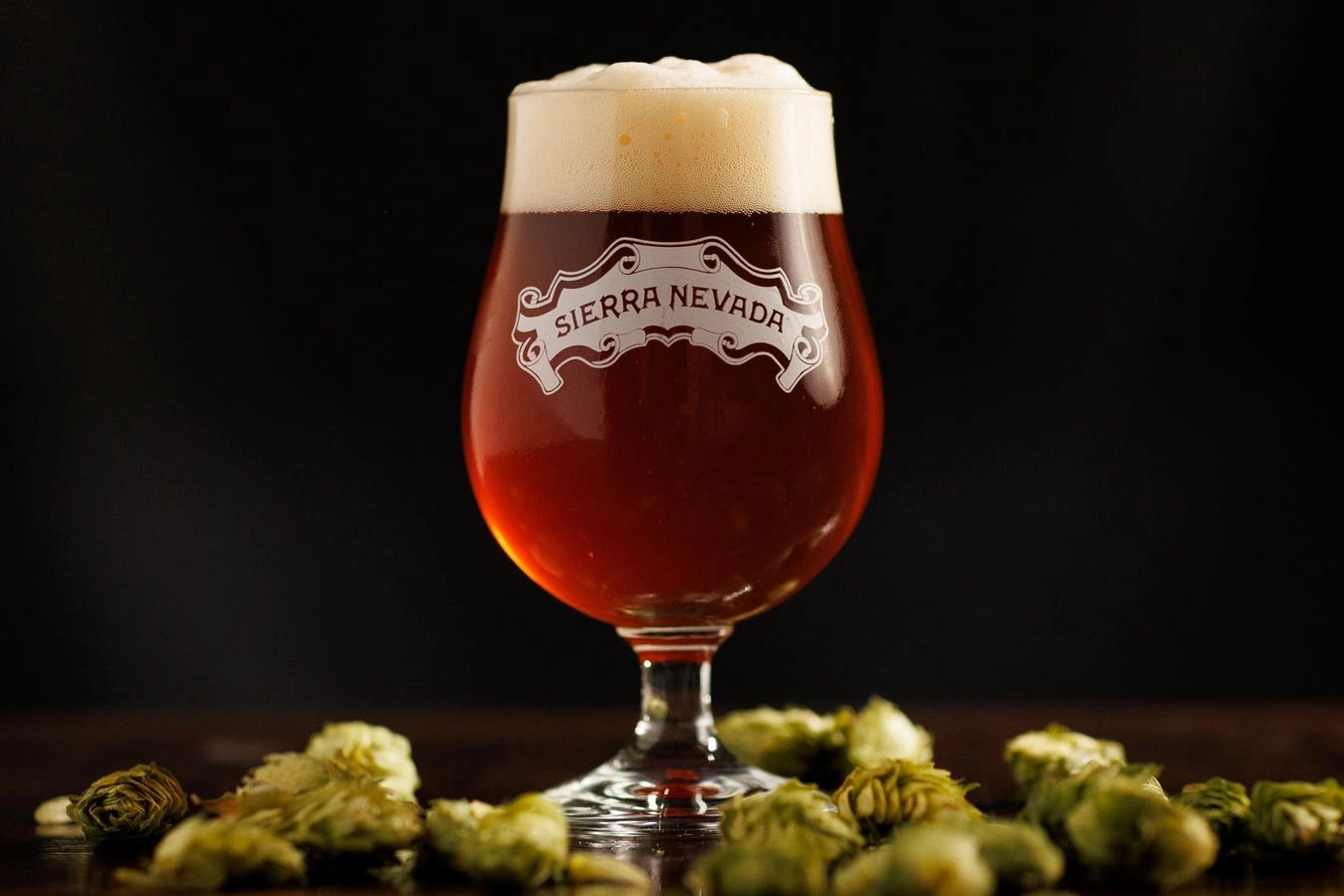
Sierra Nevada Brewing Company is gearing up for the much-anticipated release of Celly Drippins, a special version of their celebrated Celebration IPA. This secretive offering, previously only available in limited quantities at the brewery’s Mills River, North Carolina taproom, will be officially released on November 22, 2024, at 3 p.m.
Celly Drippins is crafted from the dried hop bags used during the brewing of Celebration IPA. These bags contain concentrated hop flavor, resulting in a uniquely intense version of the well-loved beer. Scott Jennings, Technical Brewmaster at Sierra Nevada, describes the production process: after fermentation, a small amount of beer drips from the hops, and these accumulations are combined to create Celly Drippins.
The annual release of Celebration IPA is a hallmark of the holiday season, favored for its fresh hop profile and robust 6.8% ABV, marking it as a standout winter seasonal beer. Doug Veliky, CMO of Revolution Brewing, has called Celebration the "GOAT" of winter seasonal beers, noting its popularity and seasonal significance.
Celly Drippins was initially not intended for public distribution; it was reserved as a treat for staff. However, as word spread, the demand increased significantly, leading Sierra Nevada to publicly announce the release for the first time this year. Typically, only a mere five to seven barrels of Celly Drippins are produced annually due to the limited yield from Celebration IPA brewing.
The upcoming release promises to be a special occasion, bringing together employees and beer lovers to celebrate the onset of the holiday season. Celly Drippins will be available for a very short time, often selling out within days. More details about the release can be found on Sierra Nevada’s website.
Sierra Nevada Brewing Unveils Their Most Exclusive Limited Release Beer

Sierra Nevada Brewing Company is set to unveil Celly Drippins, a highly limited edition beer, on November 22, 2024, at their Mills River taproom in North Carolina. For years, this special variant of their renowned Celebration IPA remained a secret, only available in small quantities within the brewery.
Celebration IPA is cherished by beer enthusiasts for its unique taste; crafted with fresh hops, it symbolizes the arrival of the holiday season and celebrates the recent hop harvest. Notably, Doug Veliky, CMO of Revolution Brewing, has praised it as the greatest winter seasonal beer due to its robust 6.8% ABV and flavor profile that respects its predecessor, the flagship Pale Ale.
Celly Drippins stands out as an even rarer offering, produced from the residual “drippings” collected from the dry hop bags used in making Celebration. According to Technical Brewmaster Scott Jennings, the brewing process involves three people handling the hop bags, and during this procedure, some beer naturally drips into the fermenter. This is salvaged to create Celly Drippins, which has shifted from an employees-only release to a sought-after taproom offering.
Initially, Celly Drippins was shared with staff as a gesture of appreciation, but anticipation grew, prompting inquiries as early as late summer for the newest batch. Brian Grossman, Chief Brewer and co-owner of Sierra Nevada, recognized this demand and decided to publicly announce the release.
With only five to seven barrels produced each year—the equivalent of just one can for every 5,000 cans of Celebration brewed—Celly Drippins is Sierra Nevada’s most exclusive beer. The limited nature of its availability means that those who wish to try it often plan their visits to the taproom in advance, as it typically sells out quickly.
The 2024 release of Celly Drippins will be officially tapped at 3 p.m. on November 22 at the Mills River location. For more details about the event, you can visit Sierra Nevada’s website.
Drunk Driver Attempts to Escape Scene of Fatal Arlington Crash by Disposing of Evidence

A 27-year-old man, Thomas Kelly Jr., is under arrest in Arlington, Texas, following a tragic incident early Saturday morning that resulted in the death of a motorcycle rider. Kelly faces serious charges including intoxication manslaughter, collision involving death, and tampering with evidence.
The incident took place shortly after 1 a.m. on North Collins Street near NE Green Oaks Boulevard, where a 2004 Chevy Silverado collided head-on with a Harley Davidson motorcycle. The 55-year-old rider, identified as Richard Wing from Dallas, was pronounced dead at the scene.
Witnesses reported that Kelly was driving the Silverado erratically, swerving between lanes as he attempted to pass other vehicles. He struck the motorcycle as it was turning. In a chaotic aftermath, Kelly disposed of beer cans from his vehicle into a nearby field and attempted to flee the scene. A passerby chased after him, detaining him until police arrived.
Though he refused to participate in field sobriety tests, police officers noted signs of intoxication and subsequently discovered several beer cans in the area where witnesses saw him tossing items. A blood sample has been taken and will be sent for analysis. Kelly is currently being held at the Arlington City Jail.
Is Beer the Same as Malt Liquor? Exploring the Differences and Which One Is Better

Beer and malt liquor are popular alcoholic beverages that have distinct differences, despite their similarities. Understanding these differences can enhance one’s drinking experience and help in making informed choices.
What is Beer?
Beer is an alcoholic drink made from four primary ingredients: water, malted barley, hops, and yeast. The brewing process involves mashing the malted barley, which converts starches into sugars. Hops are then added for bitterness, followed by yeast to ferment the sugars, resulting in alcohol and carbonation. Beer comes in various styles such as ales, lagers, stouts, and porters, each offering unique flavors and aromas, making it a favored social drink worldwide.
What is Malt Liquor?
Malt liquor is a stronger variant of beer, typically boasting a higher alcohol content. It often includes adjuncts like corn or rice, which enhance sugar levels for fermentation, giving it a sweeter taste. Despite being perceived as a low-class beverage, many craft malt liquors offer rich flavors and complexity.
Key Differences
The primary distinction between malt liquor and beer lies in their alcohol content; malt liquor usually has an alcohol by volume (ABV) ranging from 5% to 12% or more, compared to beer’s typical 4% to 5% ABV. This higher alcohol concentration makes malt liquor capable of producing quicker intoxication effects. Flavor profiles also differ; traditional beers rely on hops for bitterness, while malt liquors tend to be sweeter due to the adjuncts used.
Which One is Better?
The preference for beer or malt liquor is subjective. Those who enjoy a variety of flavors and styles might gravitate towards traditional beers, whereas those looking for stronger options at lower prices may prefer malt liquor. Both drinks have unique qualities that cater to different tastes and occasions, allowing consumers to choose according to their preferences.
Study Reveals Beer Drinkers Lead Less Healthy Lifestyles Compared to Wine Drinkers

Beer drinkers tend to lead less healthy lifestyles compared to those who prefer wine, as highlighted by a recent study from the American Association for the Study of Liver Diseases. The research involved surveying 1,900 U.S. adults regarding their alcohol consumption and the quality of their diets.
The findings indicated that individuals who consume only beer exhibited lower diet quality, lower levels of physical activity, and a higher likelihood of smoking in comparison to wine or liquor drinkers. Specifically, the study categorized participants into groups: 38.9% reported drinking only beer, 21.8% only wine, 18.2% only liquor, and 21% consuming a mix of these beverages.
Utilizing the Healthy Eating Index, which is based on dietary guidelines, results showed that none of the groups achieved the recommended score of 80 for a well-balanced diet. Beer drinkers scored the lowest at 49, while wine drinkers scored 55, and drinkers of liquor or mixed beverages scored around 53.
Madeline Novack, a lead author of the study and chief resident at Tulane School of Medicine, noted that alcohol misuse is the primary cause of cirrhosis in the U.S., and she emphasized the rising instance of metabolic dysfunction-associated steatotic liver disease (MASLD). She pointed out that these liver diseases often co-occur, and lifestyle changes are crucial for their management and prevention. Understanding the correlation between alcohol use and poor nutrition is also vital.
The study suggested that the dietary choices linked to different types of alcohol might contribute to the differences in health outcomes. Beer is often consumed with processed and carbohydrate-rich foods, whereas wine is typically enjoyed with meat and vegetables. Moreover, beer drinkers were noted to consume fried or salty foods frequently, which can lead to increased thirst.
Regarding demographic insights, beer-only drinkers were generally younger, more likely to be male, and had higher total daily caloric intakes coupled with lower activity levels. These insights underline the importance of healthcare professionals addressing the type of alcohol consumed when giving dietary advice.
Novack recommends that doctors consider these findings to provide customized advice aimed at improving diet and promoting physical activity among beer drinkers to help avert liver ailments and associated health concerns.
The Sobering Truth: How Beer Drinking Impacts Diet, Exercise, and Smoking Habits

A recent study conducted by Tulane University highlights concerning health habits among beer drinkers. The research indicates that individuals who primarily consume beer tend to maintain poorer diets, engage in less physical activity, and have a higher propensity for smoking compared to those who prefer wine or liquor.
The significance of these findings lies in the existing correlation between excessive alcohol consumption and the risk of developing liver-related health issues. A healthy lifestyle, characterized by proper diet and regular exercise, is crucial in combating such risks.
In this study, over 1,900 adults were surveyed regarding their dietary habits, focusing on their alcoholic beverage preferences. Results revealed that while all groups exhibited suboptimal diets, beer drinkers reported the lowest quality. Notably, these individuals tend to be younger males with lower incomes, consuming more calories and exercising the least.
The factors contributing to these patterns include food pairings frequently associated with beer consumption, such as pizza and fried foods, which foster unhealthy eating habits. Meanwhile, wine drinkers were found to have healthier diets, typically accompanied by meals rich in vegetables and lean protein.
Experts suggest that healthcare professionals should inquire about their patients’ specific alcohol preferences during consultations. This approach could provide valuable insights for tailored advice on improving dietary choices and enhancing physical activity, particularly for those identified as exclusive beer drinkers.
The study emphasizes the potential lifestyle implications of beverage choices, indicating a need for awareness and initiative among beer drinkers to reassess their diet and exercise routines. Findings from this research will be shared at a liver disease specialists’ meeting and are set to be published in the journal Nutrients.
Beer, Wine, or Liquor: Who Really Has the Worst Diet?

Beer drinkers have received some disappointing news regarding their health choices. A recent study reveals that they tend to have poorer diets, exercise less, and smoke more than people who prefer wine or liquor. The research, which involved over 1,900 alcohol consumers, found that a significant portion of beer drinkers were also more likely to be younger, male, and of lower income.
The study scores showed that none of the drinker types—beer, wine, liquor, or those who consume a mix—achieved a healthy diet rating according to the Healthy Eating Index, which measures diet quality on a scale of 100. Wine enthusiasts scored an average of 55, while liquor drinkers and mixed drinkers scored around 53, with beer drinkers coming in last at 49.
Lead author Dr. Madeline Novack from Tulane School of Medicine explained that the common pairing of wine, especially red wine, with balanced meals containing meat, vegetables, and dairy contributes to better dietary choices among wine drinkers. In contrast, beer drinkers often consume far less nutritious foods, often opting for fried or processed meals. The dietary preferences may also influence their alcohol choices, linking unhealthy eating habits to a preference for beer.
Moreover, the study emphasizes the importance of discussing alcohol consumption and its relation to nutrition with healthcare providers, as excessive alcohol intake is a leading cause of liver disease in the United States. As Dr. Novack noted, it’s crucial for individuals to be aware of their dietary habits alongside their alcohol choices.
The findings support earlier research suggesting a correlation between alcohol type and dietary habits, with implications for public health regarding nutritional education and lifestyle changes.
For more insights on this topic, you can read further about the relationship between diet and alcohol consumption here.
Brewing Kindness: Join Us for the Love Your Neighbor Collaborative Beer Release Party!

Broad Street Love and Love City Brewing have joined forces to create a new beer called "Love Your Neighbor," aimed at supporting those in need within Philadelphia. Broad Street Love serves as a community resource center for individuals facing homelessness and poverty, while Love City Brewing is known for building community through craft beer.
The debut of this special brew is commemorated with a release party, which also serves as a kickoff for the upcoming Love Your Neighbor Fest, scheduled for October 2024. This festival will be the first of its kind to engage with the community served by Broad Street Love, featuring music, meals, and various activities directed toward Philadelphia’s vulnerable populations.
The beer’s label incorporates a QR code linking consumers to the Broad Street Love website, providing information on how to contribute, volunteer, and support their mission.
For further details about the limited beer release and other events, you can visit broadcitylove.org and lovecitybrewing.com.
Trump’s Victory: Navigating Uncertainty in the Craft Beer Industry

As America faces a new political landscape following Donald Trump’s re-election, the craft beer industry is bracing for potential turbulence. With Trump likely to have both a Republican Senate and possibly a Republican House, he seems poised to advance his business-friendly agenda.
Craft brewers, who have recently endured significant challenges—such as declines in both production and sales—are particularly apprehensive. The Brewers Association reported that in 2023, U.S. beer production fell by 5.1%, with craft beer production decreasing by 1%. The ongoing uncertainties in consumer behavior, coupled with market pressures like tariffs and inflation, have contributed to these declines, pushing some smaller breweries toward closure.
The implications of Trump’s economic policies, especially his stance on international trade, are a significant source of anxiety. During his first presidency, Trump was known for imposing tariffs on imported goods, which had adverse effects on the craft beer sector. A 10% tariff on aluminum imports in 2018, for instance, was said to have caused price hikes and job losses within the industry.
Recent communications from the Brewers Association highlighted concerns about the potential for increased tariffs and their impact on operational costs, particularly for materials like aluminum, which are crucial for canning beer. Additionally, tax-related issues loom, such as the impending expiration of a 20% deduction for pass-through entities, which might put further financial strain on craft breweries.
Another worrying factor is the likelihood of funding cuts to vital federal agencies like the Alcohol and Tobacco Tax and Trade Bureau and the USDA Agriculture Research Service. Such reductions could hinder regulatory processes that are essential for beer production, including the approval of new labels and the development of brewing ingredients.
Overall, the craft beer industry is facing an uncertain future, with worries that the challenges it has recently encountered may be exacerbated under a second Trump administration. As these breweries navigate this complex terrain, they remain vigilant about the potential fallout from new economic policies and trade regulations.
College Football Coach Goes Viral Chugging Beer on ESPN Just Hours Before Major Rivalry Game

Tim Beck took on the role of head coach at Coastal Carolina just before the 2023 college football season, quickly establishing himself as one of the more entertaining figures in the sport. His latest antics are enough to excite even the most stoic fan into wanting to play for the Chanticleers.
In an unforgettable moment, he downed a full beer live on ESPN just hours ahead of what many consider the season’s most significant game in Conway!
At 58, Beck has an impressive background, having served as the offensive coordinator at notable institutions such as Nebraska, Ohio State, Texas, and North Carolina State from 2011 to 2022. Coastal Carolina marked his first chance to lead a team as head coach after Jamey Chadwell departed for Liberty.
Initially, the hiring didn’t attract much attention. It was a sensible decision for a program that had found recent success to entrust a seasoned offensive strategist who had climbed the ranks at some of college football’s most prestigious schools. Nevertheless, Beck’s lively personality had mostly remained below the radar at his previous positions.
The moment took a turn as the Ohio-native approached the podium for his introductory press conference.
I’m dedicated to giving my all. I’ve waited too long for this opportunity; I won’t let it slip away. I won’t allow that to happen.
This role will be treated with the highest level of respect it rightfully deserves. Each day I step into the office, I will continually remind myself of the traditions and the individuals who came before me, those who established the foundation of Coastal Carolina football. It’s a matter of pride.
In the realm of college football, it’s widely recognized that facing Coastal Carolina means engaging in a challenging, hard-fought battle filled with physical, fast players who enjoy the game. That’s the legacy I aim to uphold and enhance, ensuring Coastal Carolina remains a top contender in the Sun Belt Conference.
The Chanticleers finished their first season under Beck with a record of 8-5, largely due to the talents of quarterback Grayson McCall. Their head coach gained attention for a photo alongside cheerleaders in revealing outfits.
While their performance in 2024 hasn’t been as strong, with a record of 4-4, there is still plenty of football to be played as they prepare for Thursday night.
Coastal will take on App State, which has rapidly become their fiercest rival, in South Carolina. Both teams are currently at .500 and urgently seeking a victory.
As expected, the students prioritized the pregame festivities over their classes, turning out in large numbers next to the ESPN set. Beck decided to join in on the fun!
Tim Beck: A Coach for the Fans pic.twitter.com/zxi2OAArcK
Sporting a vibrant teal blazer, the second-year head coach shared a light-hearted moment as he downed a whole beer alongside Dan Mullen and Matt Barrie from the Worldwide Leader.
Greetings this Thursday from Conway, where Coastal Carolina head coach Tim Beck is enjoying a beer with Dan Mullen and Matt Barrie pic.twitter.com/yNQHYMQd1T
Check out the moment as it was broadcast live on SportsCenter:
.@CoastalFootball..you did it. 👌🏼 pic.twitter.com/29ZTjnlRAP
What reason could there be to not want to play for or support Tim Beck?? He demonstrated his enthusiasm by bringing a can to his lips and flawlessly crushing that beer in one go. Now that was an impressive chug!