Beer-articles 1026
Budweiser Leaps to the Defense of Beer-Loving Fan Amid Leafs Controversy

Budweiser has jumped into the fray after a dedicated Toronto Maple Leafs supporter was urged to cease posting videos unless they prominently featured the beer of the team’s official sponsor.
Kurtis Stevenson, known as “Kurtis from Alberta” on various social media platforms, revealed that he received threats of legal repercussions on Tuesday. This Maple Leafs enthusiast is well-known for enjoying beers in his Leafs-themed home while sporting hockey apparel.
The issue arises from the Maple Leafs’ enduring alliance with Molson Coors, and those in charge were not pleased about Kurtis sharing videos with his preferred beverage.
“I can’t create videos anymore unless I consume the beer from the sponsor of that team because the beer company has flagged me and intended to issue a cease-and-desist order with potential legal action if I kept on,” Kurtis explained. “I refuse to be intimidated. This is absurd. I can’t have any beer without a specific team’s logo appearing in the backdrop, I can’t don a jersey, I can’t wear a helmet, I can’t do anything.”
A post shared by Offside (@offside)
In a move that showcases their creative marketing strategy, Budweiser Canada threw its support behind the beloved Leafs superfan just one day later, making waves on social media.
“Can’t drink that beer,” Budweiser Canada posted on an Instagram story tagging @kurtisfromalberta. “Make time for hockey, not red tape.”
“When it comes to celebrating your favorite sports team, there should be no red tape,” a representative from Budweiser Canada expressed to Daily Hive.
“Fostering friendship and bringing people together over hockey is fundamental to Budweiser’s identity. This is why @budweisercanada shared this message—to show its support for an iconic Canadian figure, @kurtisfromalberta, and to encourage him to prioritize hockey over bureaucratic obstacles. Let’s unite in supporting Kurtis and help him celebrate his team the way he desires.”
“Budweiser is urging friends to prioritize hockey and not make excuses, asking Canadians to stop skipping out on their buddies and dedicate time to the sport. Let’s go Kurtis!”
Discover Bethlehem’s Newest Beer Store: Your Go-To Spot for Alcoholic Slushies, Seltzers, Ciders, and More!
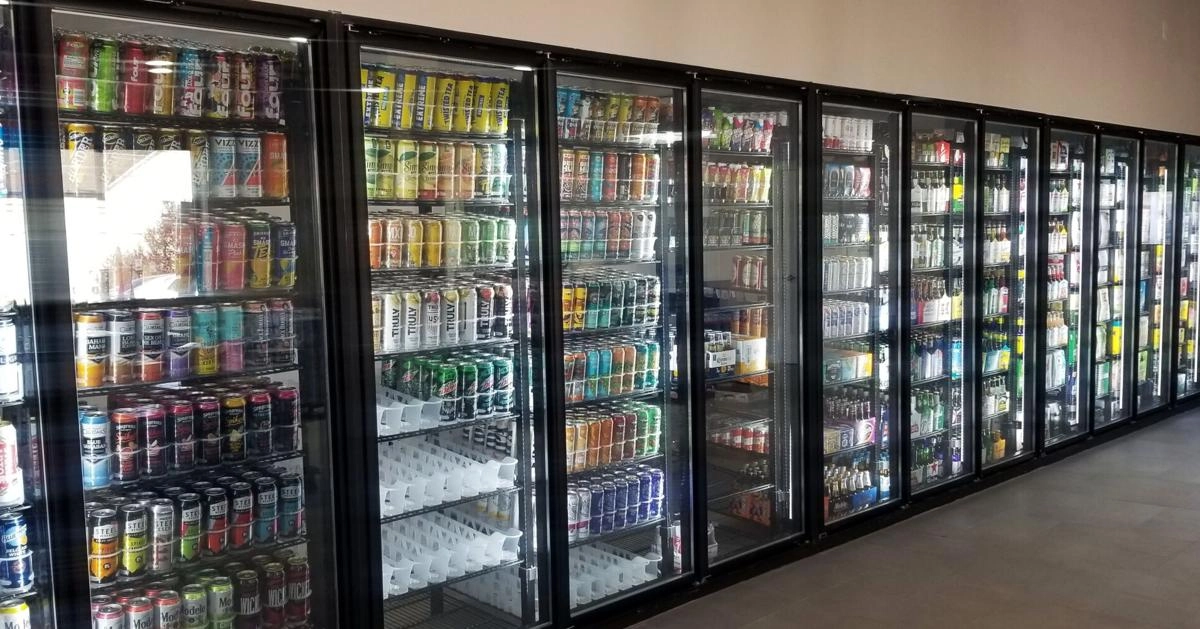
Jack’s Beverage is located at 746 N. New St. in Bethlehem.
BETHLEHEM, Pa. – Just in time for the festive season, a new beverage store has launched in Northampton County.
Jack’s Beverage, featuring a diverse selection of beers, hard ciders, hard seltzers, and various other drinks, opened its doors in late October at 746 N. New St. in Bethlehem.
The refurbished building, situated at the southeastern corner of North New Street and East Union Boulevard, was formerly the site of an AES auto repair shop.
Owned by Romy Lodia, Jack’s offers an impressive selection of over 100 beer varieties. Customers can find well-known domestic brands like Budweiser, Coors Light, Miller Lite, Yuengling, Busch, and Blue Moon, alongside popular imports including Amstel Light, Corona, Dos Equis, Grolsch, Guinness, and Heineken.
The store has been upgraded with new flooring, lighting, coolers, and counters, and it proudly features beers from local Lehigh Valley craft breweries, such as Fegley’s Brew Works and Funk Brewing Company, as well as notable regional breweries including Victory Brewing Co. from Downingtown and Tröegs Independent Brewing from Hershey.
Jack’s Beverage is located at 746 N. New St. in Bethlehem.
Customers can purchase beer in singles, six-packs, and cases, and there is a convenient walk-in cooler and freezer available for ice.
Customers have the opportunity to explore a variety of beer selections from well-known national breweries, including Brooklyn Brewery from New York, Cape May Brewing Co. representing New Jersey, Deschutes Brewery from Oregon, Dogfish Head Brewery located in Delaware, Shipyard Brewing Company from Maine, SweetWater Brewing Company of Georgia, and Kona Brewing Co. hailing from Hawaii, among others.
In addition, customers can find alcoholic slushies, cigarettes, and an array of convenience items available for purchase.
Jack’s Beverage operates daily from 9 a.m. to 9 p.m.
{{description}}
Email notifications are dispatched just once a day, and will only be sent if there are new relevant items available.
Receive the latest news, headlines, and weather updates directly in your inbox.
Success! A confirmation email has been sent to with a link to verify your subscription.
Error! An error occurred while processing your request.
Stay updated with the latest news from 69News.
Your go-to source for significant local government and business happenings, available from Tuesday to Saturday.
Get the full weather forecast from 69 News meteorologists each morning at approximately 6am.
Catch the latest headlines and discover what’s in store for tonight on 69News, with updates every weekday afternoon.
Pouring Perfection: George Lenker’s Top 5 Favorite Beers
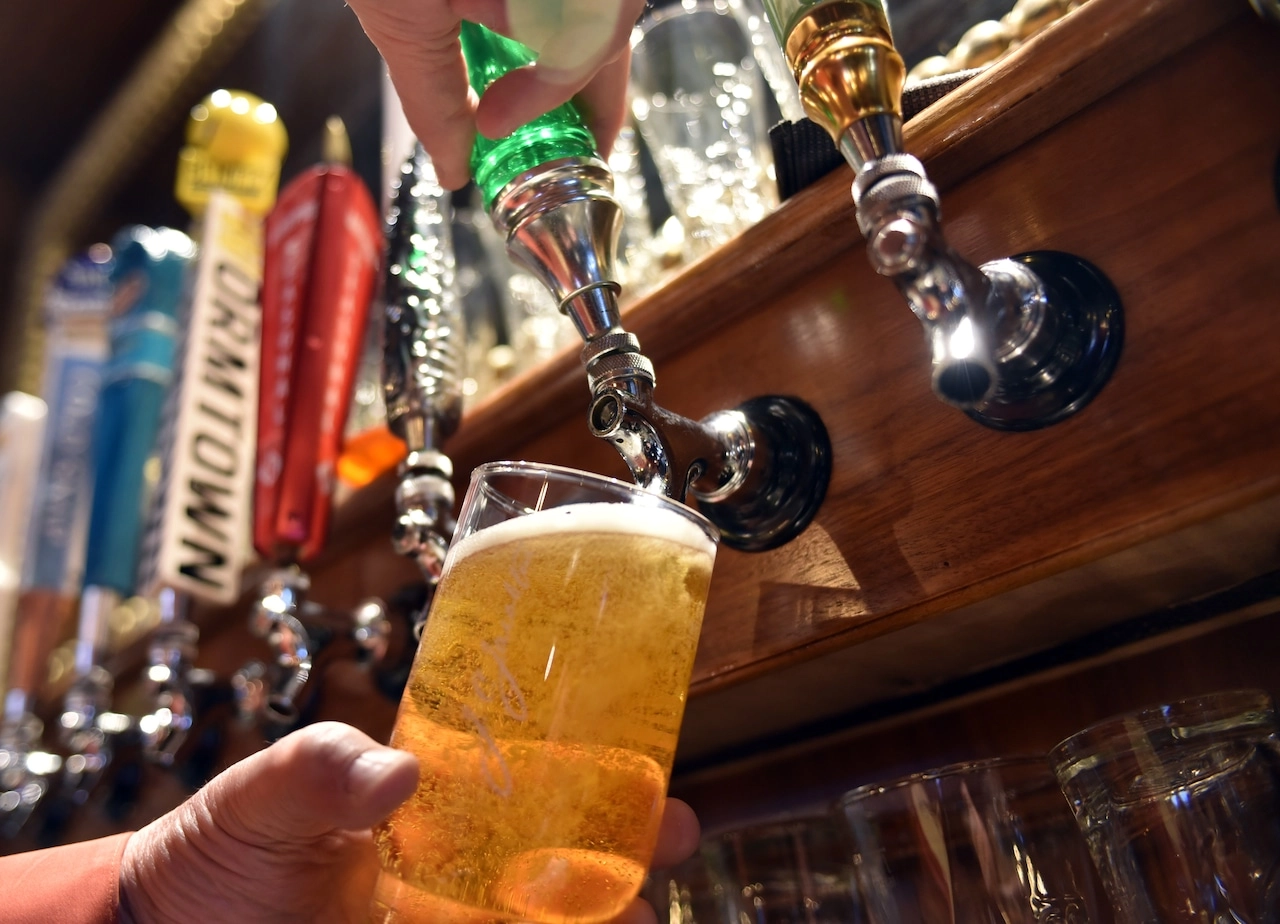
I have been writing this column for almost 21 years, so I often receive numerous questions about beer whenever I meet people in public.
Many of these inquiries focus on whether I’ve sampled a particular beer or ask for my opinions on different brews. However, the question I get asked most frequently, and one I tend to avoid answering, is: “What is your favorite beer?” (My humorous response is generally, “The one you’re about to buy for me.”)
There are plenty of reasons I shy away from such questions. For one, aside from The Beatles and my beloved late dog TJ, I don’t tend to have absolutes when it comes to favorites. Additionally, beer encompasses a wide range of styles and flavors. Some days I might crave something rich and malty; on other days, I might lean towards a light yet hoppy option.
But when I decline to choose a favorite, I occasionally receive light-hearted teasing about being indecisive or evasive. After all, surely I must have a favorite and simply want to keep it a secret for some mysterious or conspiratorial reason, right?
Well, not quite. My hesitation is genuine, but I will confess that there are certain beers I appreciate much more than others. To bring a conclusion to this discussion, at least for now, I’ve decided to share my top five favorite beers with the understanding that these choices might evolve over time (though not rapidly or easily) and that I will only select one from each beer style. I’m implementing this rule to maintain a variety, but rest assured, I am not including any beer just for the sake of variety; these are genuinely my favorites as of now.
I have even chosen to arrange them in ascending order, if nothing else to stir up some friendly debate. So, without further delays, here are my top five beers of all time. (Note: While most of these are still on the market, one, unfortunately, is not.)
5. Aecht Schlenkerla Rauchbier – I’m kicking off with what might come as a surprise. I’ve often stated that Schlenkerla Rauchbier isn’t a beer I’d want to consume in large quantities, and that’s accurate. This is due to the intensity of its smokiness, which can be overwhelming if you’re not in the right mindset; one is generally sufficient at any given moment. However, honestly, I’ve found many occasions where I could go for a second or third. When you’re in the mood for a smoky drink, this one is unbeatable.
4. Fuller’s ESB – This is a timeless classic and represents a beautifully balanced beer. Founded on a delectable malt backbone, Fuller’s might deserve a higher position, as it could be the ideal “desert island” beer: it’s the kind you could enjoy indefinitely. However, the three beers ranked above it simply offer too many other qualities that keep it at No. 4.
3. O’Hara’s Leann Folláin Extra Irish Stout – While a classic pint of Guinness holds a special place in my heart, the remarkable dark brew from Carlow Brewing Co. presents a stunning combination of flavors that demands attention. Some people appreciate a touch of cocoa in their stouts; others crave a hint of vanilla. There are also those who desire coffee to join the mix. Why not savor all three harmoniously blended into a delightful ensemble of flavors? That’s precisely what Leann Folláin delivers.
RECOMMENDED•masslive.com
Off the Menu: Restaurants offering military deals for Veterans Day weekendNov. 4, 2024, 12:00 p.m.
Live Wire: Westfield’s Madison Curbelo to play Majestic TheaterNov. 4, 2024, 10:14 a.m.
2. Pretty Things Meadowlark IPA – It’s quite ironic that this beer is on the list since the now-closed Pretty Things Beer & Ale project never truly concentrated on IPAs or hoppy beers. However, when Dann and Martha Paquette set out to create one, they undeniably cast a spell of sorts. It’s worth mentioning that Dann had previously crafted the classic Leatherlips IPA at The Tap in Haverhill, giving him the expertise to produce an excellent IPA. There have been many delightful IPAs over the years, yet this one stands out as my favorite. Regrettably, Meadowlark vanished when Pretty Things ceased operations in 2015.
1. Trappistes Rochefort 10 – While numerous quadrupel aficionados might argue that Westvleteren 12 is the definitive example of the style, I personally lean towards Rochefort 10. I suspect that the scarcity factor plays a role here. It’s exceptionally challenging to source Westie 12, and that rarity tends to make it more appealing. And, indeed, it is an excellent beer. Nevertheless, I would gladly choose Rochefort 10 for its superb blend of flavors: caramel, dark fruits, molasses, bread, and a hint of herbal hops.
What are your favorites? Feel free to drop me a line at geolenker@yahoo.com.
If you make a purchase or sign up for an account via a link on our website, we might receive compensation. By using this site, you agree to our User Agreement and acknowledge that your clicks, interactions, and personal information may be collected, recorded, or stored by us and social media, as well as other third-party partners, in line with our Privacy Policy.
Police Use Beer Can Evidence to Track Suspect in Father’s Camping Trip Murder
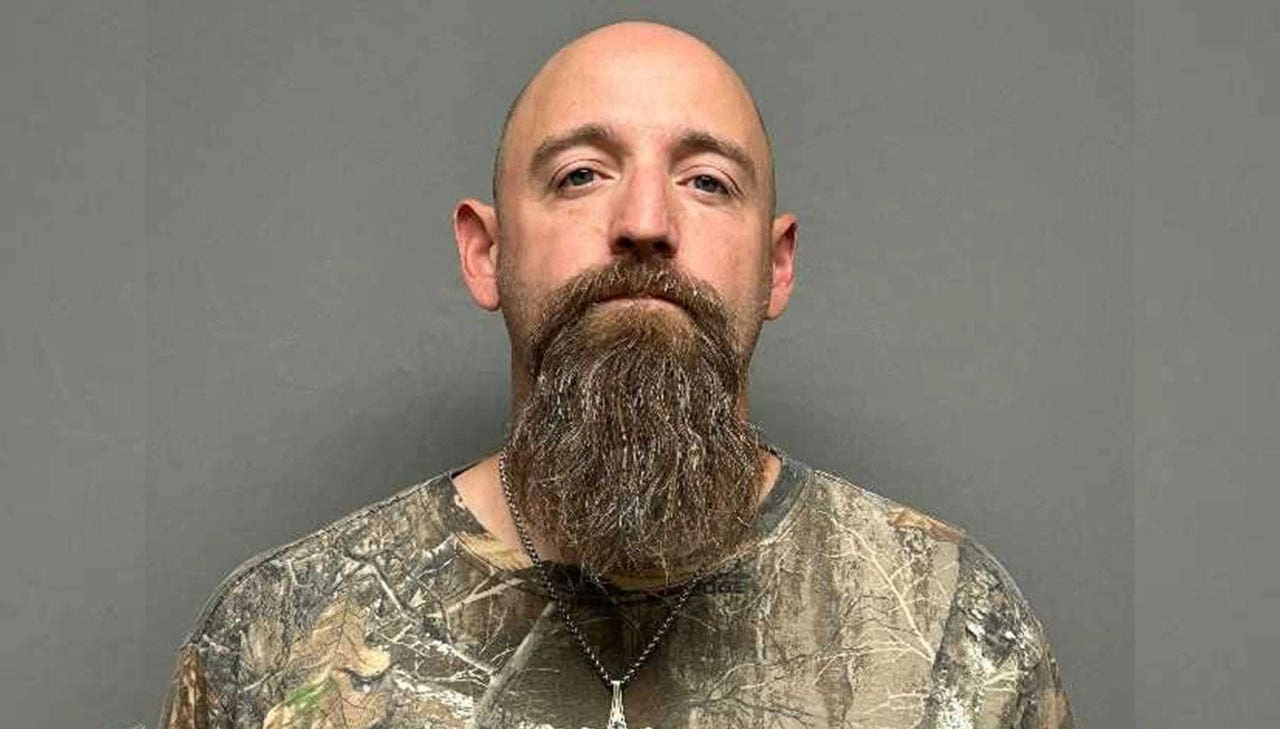
Jillian Price, the sister of Dustin Kjersem, a homicide victim in Montana, shared her thoughts with Fox News Digital regarding the tragic loss of her brother, the status of the ongoing investigation, and her urgent appeal for assistance in locating a suspect.
A beer can discovered at the crime scene played a crucial role in enabling law enforcement to track down a man suspected of brutally murdering a Montana father and enthusiastic outdoorsman inside his camping tent, according to police reports.
Detectives from Gallatin County successfully identified Daren Christopher Abbey through a DNA sample obtained from a beer can found within the tent where Dustin Kjersem’s body was discovered. The evidence was subsequently forwarded to the Montana State Crime Lab.
Abbey, 41, stands accused of taking Kjersem’s life, who was 35 years old, after what has been described as a “chance encounter” during a camping trip in the vicinity of Big Sky, Montana, back in October.
Abbey is currently being held in Butte, Montana, after being taken into custody for an unrelated probation violation. Authorities plan to transfer him to Gallatin County where he will face charges of deliberate homicide and two counts of tampering with evidence.
IDENTIFICATION OF SUSPECT IN CAMPING TRIP MURDER AFTER DAD FOUND MURDERED IN TENT
Daren Christopher Abbey has been charged with the murder of Dustin Kjersem, a father from Montana. (Montana Department of Corrections)
“This seems to be an atrocious act carried out by someone who showed no respect for the life of Dustin Kjersem,” said Gallatin County Sheriff Dan Springer during a press conference on Thursday.
On Tuesday, Abbey admitted to the murder during a police interview, as noted by Springer.
The individual in question boasts an array of tattoos that include an “iron cross w/ swastika” and another featuring “swastika, SS lightning bolts,” which are associated with Germany’s Nazi Party, as detailed in his profile on the Montana Department of Corrections website.
Springer further explained, “This person took items from the campsite that he thought could link him to the crime. He removed objects he had handled, including the cooler, firearms, and an axe, planning to return to the crime scene the next night to take additional items. This behavior is characteristic of someone guilty who believes they can evade justice.”
FOLLOW THE FOX TRUE CRIME TEAM ON X
According to Springer, Kjersem made his way to the Moose Creek area on Thursday, October 10, where he established a campsite that included “a wall tent complete with a wood stove, beds, lamps, and various other items.” Through Abbey’s confession, law enforcement discovered that the suspect was searching for a camping spot for that Thursday evening and had specifically chosen this location.
“Upon reaching the site, he noticed that someone was already there; [Abbey] reported that Dustin welcomed him to the campsite and offered him a beer,” Springer explained. “At one point, this individual violently attacked Dustin Kjersem with a solid piece of wood, then stabbed him in the neck with a screwdriver, and eventually struck him with an ax.”
In a previous press release, officials requested the public’s assistance in locating a blue and silver Estwing camp ax, which they suspected was removed from the crime scene. (Gallatin County Sheriff’s Office)
SIGN UP TO GET TRUE CRIME NEWSLETTER
Kjersem had intended to leave the campsite and meet his girlfriend on Friday evening, October 11th, for a weekend together. However, when he failed to arrive as expected, concern grew for his well-being.
The following morning, Saturday, October 12th, his girlfriend and a friend traveled to the campsite, where they discovered Kjersem’s body inside the tent.
Initially, it was suspected that Kjersem had fallen victim to a bear attack, but authorities later established that it was a homicide.
“From all accounts, this murder seems to be a random incident,” Springer stated. “There doesn’t seem to be any link between our victim and the suspect.”
OUTDOOR-LOVING FAMILY OF MAN KILLED IN TENT AFRAID TO CAMP WITH KILLER ON THE LOOSE
Dustin Kjersem alongside his daughter. Kjersem lost his life in a brutal attack while camping near Big Sky, Montana. (GoFundMe)
The suspect was residing in Basin, Montana, and was employed in the Big Sky region, Springer noted, mentioning that he was involved in the construction industry. “He was essentially living in various places, I wouldn’t say transient, but somewhat unsettled.”
GET REAL TIME UPDATES DIRECTLY ON THE TRUE CRIME HUB
“My thoughts and prayers are with the family and friends of Dustin Kjersem. No one should have to endure such a tragedy,” stated Springer. “I hope this brings a slight sense of comfort, and I truly regret that you are experiencing this pain.”
Kjersem’s sister, Jillian Price, shared with Fox News Digital that he was a father to a daughter and a stepson.
When reflecting on what she wishes others would remember about her brother, she remarked, “I wish they could have heard him laugh; more than anything, I hope they recognize how compassionate he was.”
MONTANA MAN CAMPING NEAR BIG SKY FOUND DEAD IN TENT AFTER ‘VICIOUS ATTACK,’ POLICE SAY
Dustin Kjersem was discovered deceased in his tent while enjoying a camping trip in Montana. Authorities have characterized the incident as a “vicious attack.”
“To all other criminals out there, the Gallatin County Sheriff’s Office along with its partners will not tolerate such actions. You will not escape accountability in our community,” stated Springer. “If you feel the urge to engage in these kinds of crimes, be aware that we will pursue you, and we will ensure you face justice.”
CLICK HERE TO GET THE FOX NEWS APP
“While a suspect has been taken into custody and faced charges, there remains considerable work ahead,” he remarked. “The reasons behind this attack are still unclear, and investigators will persist in assembling all available information to create a clearer understanding of the incidents that night.”
Mollie Markowitz is a journalist for Fox News Digital. You can send tips to mollie.markowitz@fox.com. She began her career at Fox in 2019, evolving from producing live news broadcasts to creating true-crime documentaries on Fox Nation. Throughout her career, she has interviewed survivors of Ted Bundy, the children of infamous serial killers, survivor Lisa McVey, along with law enforcement officials and families affected by violent crimes. Currently, she reports on national crime stories for Fox News Digital. You can connect with Mollie on LinkedIn.
The latest stories pulled straight from the headlines, spanning crime, courts, legal issues, and scandals.
By providing your email and clicking the Subscribe button, you consent to the Fox News Privacy Policy and Terms of Use. You also agree to receive content and promotional communications from Fox News. You are aware that you can opt-out at any time.
Subscribed
You’ve successfully subscribed to this newsletter!
The Rise of Modelo: How It Became America’s Top Beer Brand
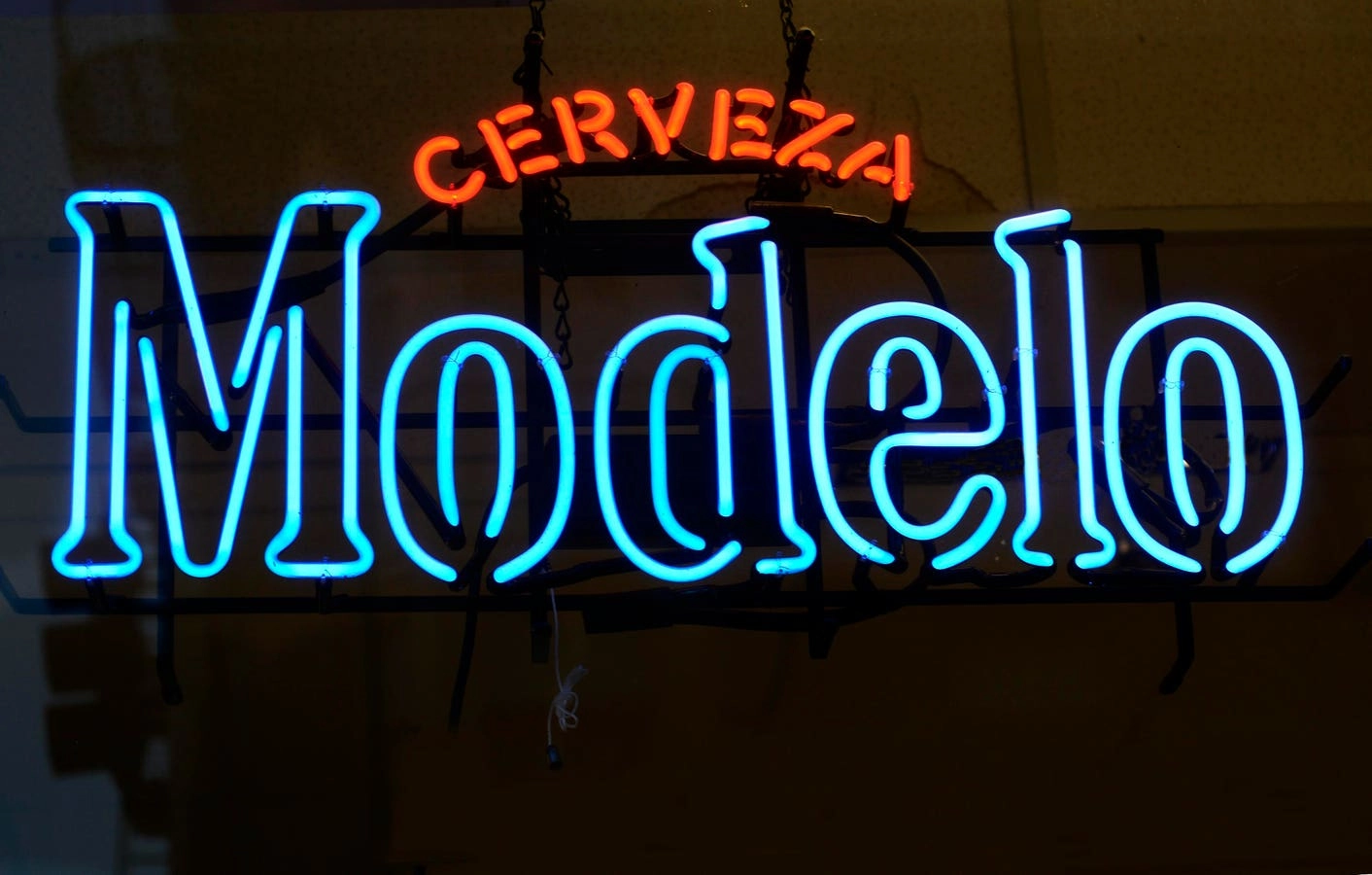
A neon sign advertising Modelo Mexican beer.
In June 2023, Modelo Especial surpassed Bud Light to become the top-selling beer brand in America. Since that time, the sales difference between the two brands has increased—and Michelob Ultra has also surpassed Bud Light to claim the second-best selling spot in the country—continuing a trend of growth that has been evident for several years.
“Modelo, and to some extent other Mexican import beer brands, have managed to resonate with consumers through a lifestyle message that is both targeted and universally appealing,” noted Kate Bernot, lead analyst with Sightlines, a beverage alcohol insights platform, during a phone interview. “Miller and Coors, in their attempt to appeal to a broad audience, lost their special appeal to anyone. Then along came Corona, Modelo, and Pacifico, offering a fresher and more authentic experience.”
“They are simply cooler brands,” Bernot remarked, referring to the Mexican import beers.
Although some attribute the recent drop in Bud Light sales to the Dylan Mulvaney controversy, the brand had been experiencing a sales decline for several years. During this period, imports from brands, especially those from Mexico, have been gaining popularity. Predictions from Sightlines had indicated that Modelo Especial would surpass Bud Light in sales, and while the Mulvaney incident did expedite shifts in the rankings of America’s leading beers, this change has been in motion for some time.
As noted by Bernot, first-generation immigrants often influence trends in the food and beverage sector, which is reflected in the rising popularity of Latin American culture. “We can see this in music,” Bernot remarked, referencing artists like Bad Bunny and Nathy Peluso. “The significance of these beers is amplified by the current prominence of Hispanic cultural contributions—whether in food, music, or art—within mainstream American culture.”
Bernot references figures from the Beer Institute, indicating that in 2023, beer imported from Mexico constituted approximately 81% of the total imported beer volume in the U.S., marking a 2% increase from the previous year. A decade ago, Mexican beer accounted for only 61% of total beer imports.
This growth cannot be solely ascribed to the Hispanic market. Bernot points out that in 2023, a larger proportion of non-Hispanic households (61%) purchased Modelo compared to Hispanic households (39%). Moreover, the craft beer sector has also witnessed a notable rise in the popularity of beers labeled as “Mexican lager.”
In an interesting twist within the beer industry, Constellation Brands holds the exclusive rights to sell Modelo beer brands, such as Corona and Pacifico, within the United States, while the world’s largest beer conglomerate, AB InBev, maintains rights globally. Following AB InBev’s acquisition of Grupo Modelo in 2012, the Justice Department intervened and required AB InBev to divest the rights to sell Modelo’s beer brands in the U.S.
Constellation stepped in as the buyer and has witnessed remarkable growth of these brands since then. “Constellation is just really good at marketing and selling their beers,” noted Bernot. As for why AB InBev, despite its immense size and marketing power, struggled to adapt, Bernot explained, “They tried. They anticipated the threat from Mexican imports and launched Bud Light Lime back in 2008. It had some success, but Bud Light can’t easily shake off a century of marketing history.”
Further fueling Constellation’s rise with its Mexican beer labels is its collaboration with Reyes Beverage Group, the largest beer distributor in the United States. “Combining these in-demand brands with one of the most ambitious wholesalers in the nation is like throwing gasoline on a fire,” remarked Bernot.
The very threat posed by Mexican import brands prompted AB InBev’s acquisition of Grupo Modelo in 2012. However, the anti-trust concerns raised by the Justice Department led to Constellation Brands obtaining the Modelo brands in the U.S., ultimately resulting in Modelo Especial surpassing AB InBev’s Bud Light to become the top-selling beer in America.
One Community. Many Voices. Create a free account to express your thoughts.
Our community aims to connect individuals through open and meaningful discussions. We encourage our readers to share their perspectives and exchange ideas and information in a secure environment.
To facilitate this, we ask that you adhere to the posting guidelines outlined in our site’s Terms of Service. Below are some of the essential rules in summary. In simple terms, please keep the conversation respectful.
Your submission will be declined if we find that it contains:
User accounts may be suspended if we detect or suspect that users are involved in certain activities:
So, what does it take to become a power user?
We appreciate you taking the time to read our community guidelines. For a complete overview of our posting rules, please refer to our site’s Terms of Service.
Exploring Smoked Beer: What You Need to Know and 5 Must-Try Varieties

Throughout history, most beer had a smoky flavor, but contemporary trends have largely moved away from this style. Here’s a look at why some brewers are bringing smoked beers back into the spotlight.
Courtesy of Alaskan Brewing Company
Smoked beer constitutes a small fraction of the U.S. beer market, yet it remains a contentious style, even among dedicated beer enthusiasts. From subtly smoked helles lagers to bold, robust rauchbiers, these beverages feature smoked malts. There is considerable variation in styles due to the different wood types and the duration of smoking employed by maltsters, leading to a wide range of smokiness levels in the final product.
“At one time, it’s likely that all beer had a smoky characteristic,” shares Ben Smith, vice president of brewing operations at Surly Brewing Company in Minneapolis. “In the beginning, when malted barley was being dried, a direct fire system was used, causing some smoke to blend with the malt during the drying process.” Nowadays, malts are typically dried in kilns to eliminate smokiness, except when that flavor is intentionally desired.
Smoked beers might require some time to appreciate fully, but the good news is that they blend nicely with a variety of flavors.
“Smoked beers are surprisingly adaptable when it comes to food pairings,” shares Tim Adams, the founder of Oxbow Brewing Company located in Oxbow, Maine.
Adams notes that Bamberg, Germany, is regarded as the heart of smoked beer, suggesting that one should begin with traditional dishes that feature pork and cabbage from German cuisine. He advises starting with “like with like” for pairings. For instance, smoky barbecue goes well with a milder smoked beer. However, he warns against pairing these beers with desserts or overly sweet flavors, as they can intensify the bitterness of smoked malt.
Brian Yaeger, founder of the Diff’rent Smokes festival dedicated to rauchbiers and a passionate advocate for smoked beer, encourages people to approach it with an open mind and enjoyment. “Rauchbier is the most punk rock style,” he explains. “It’s fantastic, but I can see why some might not like it. Brewing and enjoying it serves as a deliciously rebellious gesture against the majority in a way no other craft beer style does.”
Here are a few suggestions for beers to enhance your smoking experience.
Food & Wine / Surly Brewing Company
Smith describes this taproom-exclusive light German lager as a tribute to the smoked beer tradition originating from Bamberg, Germany. It serves as an excellent introduction to the style due to the minimal amount of beech-smoked malt incorporated, primarily for aroma and a subtle hint of flavor.
“By the time you reach the midpoint of the pint, you nearly don’t even notice the smoke anymore,” Smith remarks. He explains that after a few initial sips, the additional characteristics of the beer begin to emerge. “With a low ABV of 4.5%, you can comfortably enjoy two or three of them. They’re perfect for serving in a mug during Oktoberfest.”
Food & Wine / Oxbow Brewing Company
As a Marzen-inspired smoked bière de garde, Oxtoberfest takes cues from the brewing traditions of Belgium, Germany, and France, according to Adams. “The majority of our smoked beers are yeast-driven, Belgian-style farmhouse ales,” he explains. “While modern Belgian brewing features very few smoked beers, we believe that the smoke character enhances the fruit and spice flavors commonly found in these styles.”
Oktoberfest has a 6% ABV and skillfully balances malt and yeast characteristics. It carries a moderate smoky finish and is particularly delightful when enjoyed with a soft Bavarian pretzel.
Food & Wine / Dovetail Brewery
Grodziskies are among the more subtly smoked types within the category. Frequently hard to locate, they serve as excellent introductions to the style, thanks to their light body and lower alcohol content. Dovetail’s seasonal version of this style boasts a 3.8% ABV, striking a balance between zesty citrus notes and a faint smokiness, presented in a medium body with a refreshing finish.
Food & Wine / Alaskan Brewing Company
Rauchbier, translating to “smoke beer” in German, didn’t arrive in the U.S. until 1988. That was the year Alaskan launched its smoked porter, a pioneering smoky beer that introduced American consumers to this style. Alaskan’s Smoked Porter has garnered more awards at the Great American Beer Festival than any other beer to date. It is rich and complex, aging beautifully, yet can also be enjoyed fresh.
Food & Wine / Threes Brewing
Matt Levy, the head brewer at Threes Brewing located in Brooklyn, New York, is the creative mind behind the brand’s Thought Experiment series. This unique series features a smoked helles that is aged in an oak foeder with whole fruit sourced from their barrel-aged program. The peach iteration boasts an ABV of 5.2%, showcasing a bubbly saison body complemented by vibrant fruit flavors and a hint of smokiness.
“There’s something primal about the flavor,” Levy explains, encouraging beer enthusiasts to explore a variety of smoked styles. “Why not try and see if you can find one that you like?”
Get Ready for Traverse City Beer Week: A Celebration of Favorite Brews and Experimental Pours!

Traverse City Beer Week is making its return, featuring special offers from November 8 to November 16 this year.TC Tourism
TRAVERSE CITY, MI – This November, Traverse City’s beloved Beer Week is back, showcasing a great selection of popular and experimental beers. An innovative digital “passport” is available for visitors to explore the local breweries at their own pace. Attendees can expect an impressive array of deals on pints, tastings, and brewery merchandise, including options for beer-to-go.
Beer Week will take place from November 8 to November 16.
“Experience the creativity and originality of the Traverse City brew culture by embarking on a self-guided tour of local breweries and dining establishments,” said staff from Traverse City Tourism. “Keep track of your journey in the passport; checking in at various locations will make you eligible for exciting prizes!”
How It Works:
Claim a Traverse City Beer Week hat by checking in at five or more participating breweries and restaurants using your event passport.TC Tourism
What’s the prize this year? A cozy Traverse City Beer Week pom-style winter hat that will keep you warm while you enjoy your pints this winter. To earn this prize, simply check into five or more participating locations on your Beer Week passport. “Once you’ve met the requirements to claim this prize, the passport will alert you, and you can visit the Traverse City Tourism Visitor Center to collect it.”
More prizes if you stay-and-play. If you book a stay at one of the hotels or other lodging options that are part of the Traverse City Tourism group during Beer Week, you’ll be entered to win one of two vacation packages. One offer includes a 2025 Michigan Beer & Brat Festival package at Crystal Mountain resort. The other is a 2025 Suds & Snow Festival package in Traverse City.
Tourism officials encourage all attendees of Beer Week to enjoy their brews responsibly. It’s important to use a designated driver, take a cab, or arrange for a group tour vehicle.
“The beer culture in Traverse City offers more than just an opportunity to find your new favorite drink,” stated Trevor Tkach, president and CEO of Traverse City Tourism. “It combines the artistry of brewing with an extraordinary destination.”
“Traverse City Beer Week provides guests the chance to savor wonderful brews while also discovering the lakes, trails, shopping, Sleeping Bear Dunes, and all the attractions that establish this area as a leading travel destination in the Midwest.”
Here’s a preview of some of the deals available during Beer Week:
If you decide to buy a product or create an account through a link on our website, it’s possible that we may earn a commission. By continuing to use this site, you agree to our User Agreement and acknowledge that your interactions, clicks, and personal data may be gathered and stored by us, as well as by social media and other third-party partners, in line with our Privacy Policy.
Local Brewery Celebrates Triumph with ‘Beer of Britain’ Award Win

A brewery is celebrating after one of its beers was crowned the winner of a prestigious award.
The Campaign for Real Ale (Camra) named Essex-based Crouch Vale Brewery’s Amarillo the Champion Beer of Britain.
Colin Bocking, 69, started the brewery in South Woodham Ferrers in 1981 and said winning was “good news – it’s always a lovely surprise when this sort of thing happens, it felt great”.
The long-standing Camra awards are given to recognise the best pubs, clubs, beer and cider in the UK.
Mr Bocking mentioned that he was around 26 years old when he embarked on his business journey, which he has been running alongside his wife, Fiona, for 43 years.
He reflected, “It was a complete career change for me.”
Prior to this, he worked in the civil service, managing pensions and benefits. “I felt there had to be more to life, and that’s when I transitioned into this venture.”
Recently, the couple was honored as winners at an awards ceremony held in Nottinghamshire on Wednesday.
The event featured a variety of beers from numerous breweries nationwide, culminating in the selection of the winners.
One brewery’s beer triumphed in the Premium Ale category before claiming the prestigious title of Supreme Champion Beer of Britain 2024.
This marked the third time the brewery has secured a Camra award, having previously won in both 2005 and 2006.
“With thousands of beers available, many of which are excellent, the chances of winning an accolade like this are rather slim due to the intense competition,” Mr. Bocking remarked.
“So to win it is a lovely surprise, because the odds are always against it.”
Follow Essex news on BBC Sounds, Facebook, Instagram and X.
Emmerdale Star’s Hilarious On-Set Blunder: How a Pub Scene Led to an Accidental Tipsy Moment!
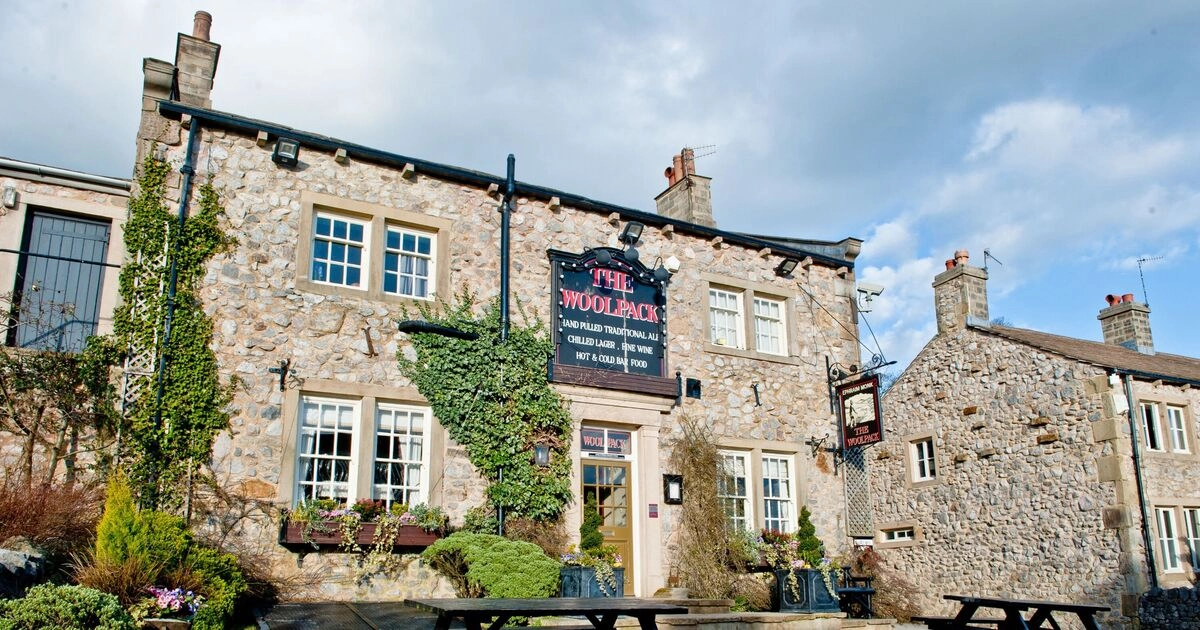
Emmerdale is known for the iconic pub, The Woolpack.
This cherished establishment serves as the backdrop for many dramatic events in the ITV village, witnessing an array of calamities including a plane crash, raging fires, and numerous new landlords taking over.
Throughout the series, cast members are often depicted enjoying drinks at the pub, but what viewers might not realize is that the actors indulge in real alcohol while shooting their scenes.
Interestingly, they weren’t the only ones unaware of this behind-the-scenes detail. Emmerdale favorite Matthew Wolfenden revealed that he unintentionally got a bit tipsy while filming his initial scenes for the ITV show.
David Metcalfe, who made his debut in the village in 2006, has been a central figure in numerous significant storylines since then.
FIND OUT MORE: Emmerdale fans ‘discover’ the true identity of Vinny Dingle’s father following a shocking revelation [LATEST]
During his initial appearances on the show, Matthew was unaware that actual alcohol was consumed on set at The Woolpack. In one scene, his character was directed to down pints of beer amid the pub’s unfolding drama.
Since filming often requires multiple takes, particularly when errors happen, it’s common for scenes to be shot repeatedly.
During a special segment dedicated to memorable bloopers from the soap opera world, a popular television star revealed that the cast actually consumes real alcoholic drinks while filming.
As a newcomer to the cast at that time, Matthew found himself downing several beers during a scene. By the end of the shoot, he admitted that he had lost his sobriety, according to reports from the Mirror.
Don’t miss…
Emmerdale legend Claire King’s real name is nothing like ITV fans would expect [INSIGHT]
Emmerdale’s Vinny Dingle star’s life – romance rumours to hidden talent [LATEST]
Emmerdale Vinny Dingle’s biological mum confirmed in family twist [REACTION]
We utilize your sign-up information to deliver content in ways you have agreed to and to enhance our understanding of your preferences. This may involve advertisements from us and third parties based on our knowledge. You can unsubscribe whenever you like. For further details, please refer to our Privacy Policy.
He laughed as he recounted, “It was just my second day on the job while we were filming in The Woolpack. I was completely unaware of this detail. My stage direction indicated that David drinks his pint and storms out.”
“He had just had a heated argument with Eric, and I kept repeating this action. I started off completely sober, but by the end of it…”
He then humorously mimicked how his speech became slurred due to the unforeseen intoxication. Other cast members chimed in, sharing their own amusing tales of indulgence during filming.
In 2022, ITV partnered with Heineken to promote their alcohol-free beer on the beloved show. Observant fans can spot Heineken 0.0 draught available at the Woolpack and also at Coronation Street‘s Rovers Return.
Emmerdale is broadcast from Monday to Thursday at 7.30pm on ITV1, or you can catch up on ITVX.
Sip and Celebrate: Boston’s Inaugural Latino Beer Festival Awaits!

By Gary Dzen
The inaugural Latino beer festival in Boston is set to take place at Roundhead Brewing Company later this month.
Located in Hyde Park, Roundhead will mark its second anniversary with a weekend full of celebrations on October 25.
The festivities commence on Friday from 5 p.m. to 9 p.m. with a special bottle release and a community vinyl night. Attendees will have the chance to get their hands on Valhalla, a limited edition, barrel-aged Scottish ale. The evening will feature DJ NXN, who encourages guests to share and spin their favorite classic vinyl records. Admission is free, and people of all ages are invited to join in the fun.
“This beer takes me back to our earliest moments when we began envisioning the growth of Roundhead and strengthening the bond between Craig Panzer and myself,” shares Roundhead co-founder Luis Espinoza. “It’s an opportune time to unveil our anniversary beer, Valhalla, which has been aged for seven months in bourbon barrels.”
Roundhead was established by the two friends, Espinoza and Panzer, who first crossed paths on the sidelines of their children’s soccer matches in Jamaica Plain. Espinoza hails from Peru, where his family operated a series of bakeries. While the brewery proudly showcases its Latin American roots with beers infused with ingredients such as guava, passion fruit, and purple corn, Roundhead also embraces the broader craft beer tradition. This includes their special edition Scottish ale.
“During my childhood, my grandfather used to brew Chicha, a drink made from malted corn, fruit, and spices,” reflects Espinoza. “I find it captivating to integrate something novel and distinct into a beer.”
On Saturday, October 26, Roundhead will host Boston’s inaugural Latino beer festival. The event will feature beers from ten breweries, including Cervecería del Callejón, Reina Mora, and Dragon Stone Abbey from Puerto Rico, Cerveza 7 Vidas from Peru, as well as local favorites like Hot Plate Brewing in Pittsfield.
“It is essential for the community of Latin and alliance brewers to unite,” Espinoza states. “Through collaboration, we share culture, experiences, and knowledge. I take great pride in being able to foster an environment that highlights Latin contributions to brewing right here in Boston.”
On Saturday, the Latino beer festival will host two sessions—one from 1 p.m. to 3 p.m. and another from 4 p.m. to 6 p.m.—with each session accommodating a maximum of 120 guests. This event is for those aged 21 and over. Tickets are priced at $55 when purchased in advance and $75 at the door. Following the beer festival, there will be a ticketed salsa dance party featuring the jazz band Timba Messengers, commencing at 6:30 p.m.
The top events in the city, sent straight to your inbox.
Gary Dzen serves as the deputy editor of sports and culture at Boston.com. A graduate of Bates College, he has been part of the Boston Globe Media team since 2005.
Maintain civility. Show kindness.