Craft Beer: The Catalyst Behind a $148 Billion Surge in the Global Beer Market

The global beer market is currently on a path of robust growth, with an estimated increase of $148.43 billion from 2024 to 2028, according to a new report by market research firm Technavio.
The market is projected to grow at a compound annual growth rate (CAGR) of 3.72% during this period. This expansion is largely driven by rising demand in emerging economies and a noticeable trend towards mergers and acquisitions within the industry.
The market’s growth is characterized by a diverse range of products—including lagers, ales and non-alcoholic options—catering to a global audience. Researchers highlighted the increasing popularity of craft beer and the emergence of more independent breweries, reflecting evolving consumer preferences, especially among younger consumers of legal drinking age in local markets. These breweries are often at the forefront of innovation, offering more flavors and styles that appeal particularly to millennials and Generation Z.
But the world’s top beer manufacturers—including AleSmith Brewing Co., Anheuser Busch InBev, Asahi Group, BrewDog, Carlsberg Breweries, Cloudwater Brew Co., Constellation Brands and others—are key players in this burgeoning scene. Strategic acquisitions are enabling these companies to broaden their market presence, access new technologies and meet the diverse preferences of consumers. A notable example is Carlsberg’s acquisition of Waterloo Brewing for $106 million, completed in 2023, which highlighted its aim to strengthen its foothold in North America.
Despite these positive trends, the beer market faces challenges from stringent regulations and high taxes on alcoholic beverages. Regulatory bodies worldwide have established comprehensive guidelines governing the production, sale, and distribution of both alcoholic and non-alcoholic beer. For instance, in the United States, the Food Safety Modernization Act mandates that breweries adhere to Good Manufacturing Practices to ensure hygiene and safety in production facilities. Non-compliance with these regulations can result in severe penalties and fines.
Environmental sustainability is another crucial aspect shaping the beer industry. Breweries are increasingly adopting eco-friendly practices, focusing on reducing their carbon footprint and promoting recycling programs, particularly for glass bottles. This shift not only addresses environmental concerns but also resonates with the growing number of environmentally conscious consumers.
And yet, traditional glass bottles continue to be favored for their ability to preserve the taste and aroma of beer.
Tourism also plays a pivotal role in the beer market, with many tourists seeking unique beer experiences. This has further boosted the demand for craft beers and specialty brews, contributing to the market’s overall growth.
In the long term, online retail might prove to be the biggest contributor. E-commerce has also significantly expanded the reach of beer companies, large and small, allowing consumers to access a wider variety of beer products from around the world. Personalized recommendations, targeted marketing strategies and better customer engagement are vital tools for breweries to maintain consumer loyalty and drive sales.
One Community. Many Voices. Create a free account to share your thoughts.
Our community is about connecting people through open and thoughtful conversations. We want our readers to share their views and exchange ideas and facts in a safe space.
In order to do so, please follow the posting rules in our site’s Terms of Service. We’ve summarized some of those key rules below. Simply put, keep it civil.
Your post will be rejected if we notice that it seems to contain:
User accounts will be blocked if we notice or believe that users are engaged in:
So, how can you be a power user?
Thanks for reading our community guidelines. Please read the full list of posting rules found in our site’s Terms of Service.
Upgrade Your Tropical Jell-O Shots: Swap Vodka for Rum for an Exotic Twist
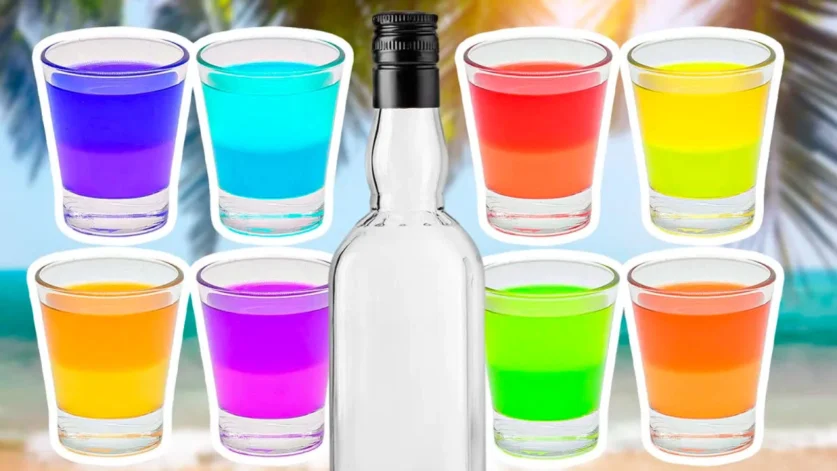
Fruity, refreshing, and filled with both the “fun” factor and great visual appeal, nothing says “pool party” quite like a mountainous heap of multicolored Jell-O shots. There’s not much clarity on the origins of Jell-O shots, but these days, your typical Jell-O shot recipe uses a combination of vodka, water, and — of course — Jell-O mix. While this is how things are usually done, there are no hard-and-fast rules about what goes into one of these shots, especially when you’re acting as your own bartender.
Because the taste of vodka is so easily concealed by fruity flavors, many consider it the best type of alcohol for Jell-O shots. But booze doesn’t have to be inconspicuous in order to play well with other flavors. If you’re looking to take things up a few notches in the flavor department, you might try swapping out vodka for something with a more distinct taste, like rum. Made from sugarcane, rum inherently pairs well with sweet flavors, making it the perfect candidate for tropical Jell-O shots. While using white rum will give you a lighter, brighter taste (and won’t alter the color of your Jell-O), using dark or spiced rum can add a distinctly smoky or warm flavor to the shooter.
Read more: Popular Vodka Brands Ranked From Worst To Best
Now that you’ve been reminded of who’s steering this ship, you might be interested to know that you can change up more than just the booze in your Jell-O shots — you can play around with new flavors, too. Even though there are many flavors of the gelatin mix out there (for your reference, we ranked the 25 most popular Jell-O flavors from worst to best), many folks stick with the most popular varieties — like cherry, orange, grape, lemon, and lime — when making shots. Instead, try pairing your rum with pineapple, apricot, strawberry banana, or watermelon Jell-O.
The flavored Jell-O packet often acts as the sole flavoring agent in these fun-loving shots, but if you’re looking to make miniature, edible versions of the tropical cocktails that make you feel like you’re at the beach, you don’t have to limit yourself to just three ingredients. If you want to make a painkiller shot, for example, try combining rum and pineapple Jell-O with a touch of cream of coconut and sprinkling the finished product with a dusting of nutmeg. Alternatively, try combining two flavors of Jell-O — like lime and watermelon — for a shot with more depth of flavor.
Read the original article on Mashed.
Elevate Your Tropical Jell-O Shots: Swap Vodka for Rum for an Island Twist!
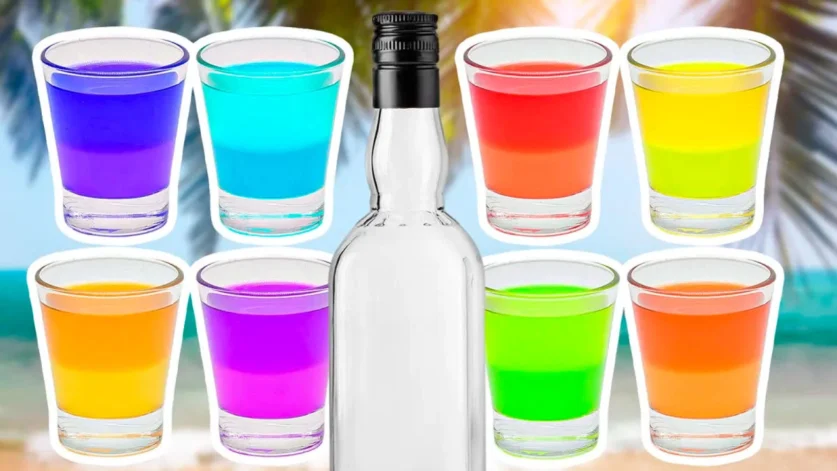
Fruity, refreshing, and filled with both the “fun” factor and great visual appeal, nothing says “pool party” quite like a mountainous heap of multicolored Jell-O shots. There’s not much clarity on the origins of Jell-O shots, but these days, your typical Jell-O shot recipe uses a combination of vodka, water, and — of course — Jell-O mix. While this is how things are usually done, there are no hard-and-fast rules about what goes into one of these shots, especially when you’re acting as your own bartender.
Because the taste of vodka is so easily concealed by fruity flavors, many consider it the best type of alcohol for Jell-O shots. But booze doesn’t have to be inconspicuous in order to play well with other flavors. If you’re looking to take things up a few notches in the flavor department, you might try swapping out vodka for something with a more distinct taste, like rum. Made from sugarcane, rum inherently pairs well with sweet flavors, making it the perfect candidate for tropical Jell-O shots. While using white rum will give you a lighter, brighter taste (and won’t alter the color of your Jell-O), using dark or spiced rum can add a distinctly smoky or warm flavor to the shooter.
Read more: Popular Vodka Brands Ranked From Worst To Best
Now that you’ve been reminded of who’s steering this ship, you might be interested to know that you can change up more than just the booze in your Jell-O shots — you can play around with new flavors, too. Even though there are many flavors of the gelatin mix out there (for your reference, we ranked the 25 most popular Jell-O flavors from worst to best), many folks stick with the most popular varieties — like cherry, orange, grape, lemon, and lime — when making shots. Instead, try pairing your rum with pineapple, apricot, strawberry banana, or watermelon Jell-O.
The flavored Jell-O packet often acts as the sole flavoring agent in these fun-loving shots, but if you’re looking to make miniature, edible versions of the tropical cocktails that make you feel like you’re at the beach, you don’t have to limit yourself to just three ingredients. If you want to make a painkiller shot, for example, try combining rum and pineapple Jell-O with a touch of cream of coconut and sprinkling the finished product with a dusting of nutmeg. Alternatively, try combining two flavors of Jell-O—like lime and watermelon—for a shot with more depth of flavor.
Read the original article on Mashed.
Old Forester Unveils Latest Bourbon Whiskey with a Unique Rum Finish
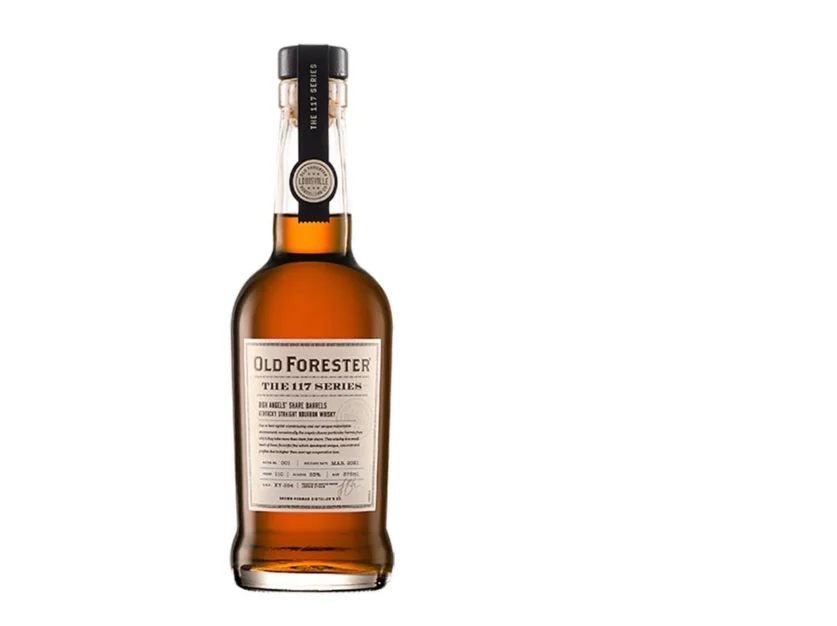
High Angel’s Share, a release in Old Forester’s 117 Series, launched earlier this year.
Old Forester has introduced its latest expression in its exclusive 117 Series, this one named for its standout feature: Rum Finish.
This new release pays homage to the historic commercial trade on the Ohio River, which brought a variety of cask-aged spirits to the wharf behind the Old Forester Distillery on Whiskey Row. The Rum Finish expression involves finishing Old Forester in barrels that have previously matured rum for a minimum of four years, adding notes of rich tropical fruit, coconut and custard to the whiskey’s profile.
Bottled at 95-proof in a 375 ml bottle, the Rum Finish expression is meant to enhance Old Forester’s signature bourbon with additional sweet aromatics, including hints of brown sugar and molasses. This finishing process, which lasts approximately six months, aims to embolden the bourbon’s rich character and provide a sweet addition to the series that appeals to both whiskey aficionados and rum enthusiasts.
The Old Forester 117 Series is a collection of limited-edition bourbon expressions produced by Old Forester, a historic Kentucky-based distillery. Launched in 2021, this series aims to explore unique finishes, maturations and other special characteristics that distinguish each release from standard offerings.
Each release in the 117 Series is crafted to showcase specific nuances and enhancements to the classic Old Forester bourbon profile. These special releases are typically bottled at higher proofs and often feature unique cask finishes or other experimental aging processes. The limited nature of the series makes each expression highly sought after by collectors and enthusiasts.
The 117 Series: Rum Finish is now available at the retail shop at Old Forester Distillery Co. at a suggested retail price of $59.99 for one 375-milliliter bottle. The two-bottle set is priced at $119.99. Additionally, the Rum Finish will be available for purchase online for shipping to select states, offered in a two-bottle set. The new bourbon will also be available at select Kentucky retailers.
One Community. Many Voices. Create a free account to share your thoughts.
Our community is about connecting people through open and thoughtful conversations. We want our readers to share their views and exchange ideas and facts in a safe space.
In order to do so, please follow the posting rules in our site’s Terms of Service. We’ve summarized some of those key rules below. Simply put, keep it civil.
Your post will be rejected if we notice that it seems to contain:
User accounts will be blocked if we notice or believe that users are engaged in:
So, how can you be a power user?
Thanks for reading our community guidelines. Please read the full list of posting rules found in our site’s Terms of Service.
China’s Beer Market Poised for Growth with Shift Towards Premium Brands

China, the world’s largest producer and consumer of beer, is expected to see a consumption recovery in the second half of this year, favoring premium offerings, on the back of sporting events.
CGS International expects a recovery in beer consumption in the latter part of the year following an estimated decline in volumes in the first half of the year compared to 2023.
24/7 New York news stream: Watch NBC 4 free wherever you are
Sporting events such as the ongoing Euro 2024, the upcoming Copa Americana and Paris Olympics, coupled with hotter weather, are expected to drive up demand for the beverage.
CGS analysts Lei Yang and Sun Feifei highlighted in a report published last month that higher-than-expected sales of premium beer products in the catering and entertainment channels are expected to lift the sector.
Pointing to the Euro 2024, Chinese online database QiChaCha noted that bars and stores have been decorated with European Cup merchandise and they are offering sports-themed meals to cash in on the frenzy.
“The beer market has shown a clear growth trend, and major beer brands have competed to launch products and services that match scenario-based consumption,” according to a note by Chinese online database QiChaCha, which revealed that beer-related enterprises in China had grown by more than 7,000 last year.
“The European Cup ignites the ‘beer economy,'” the firm said, adding that China’s beer industry had shown a clear trend towards high-end offerings.
The trend favoring higher-end beer is expected to boost margins for breweries, further aided by cheaper barley prices that are driving costs lower, Sun and Lei said.
They cited data from China customs agency and their own research, showing that the average imported barley price fell by 30% year on year in January to April to US$273 per ton. “We expect this trend to continue in the whole of [2024],” they said.
They also expect China’s beer industry to continue to benefit from a product mix upgrade, besides lower barley prices and packaging material prices in 2024.
China is not alone in seeing this recovery. In May, a Reuters report highlighted that global brewers were set to sell more beer this year after several quarters of declines.
The report added that Heineken, the second-largest brewer in the world, had reported its first quarterly volume growth in over a year in the first quarter of 2024. Rival Carlsberg also reported higher volumes in the same period after several quarters of decline.
Carlsberg chief executive Jacob Aarup-Andersen said that brewers will be boosted by events such as the Paris Olympics and the Euro 2024, according to the report.
“We do expect positive volume growth going forward,” Aarup-Andersen said, adding that the brand will benefit particularly from rising sales in Asia.
Lei and Sun have singled out two Chinese beer breweries, Tsingtao Brewery and China Resources Beer, as major beneficiaries of the expected rise in consumption. They have given the beer sector an “overweight” rating.
The duo, however, remarked that heightened price competition among breweries would strain margins.
Top Wine Picks by Sommeliers for Your Perfect Backyard Barbecue

Summertime is about many things: outdoor activities, music festivals, sports, holidays, celebrations and gatherings. For foodies, summer signals the start of barbecue season. It’s nothing fancy, just friends and family gathering in the backyard or on the rooftop, sharing delicious food and memorable moments. Like any good gathering, a barbecue isn’t complete without the perfect drinks. While cold beer is a common choice, wine lovers may ask: what’s the best wine for a summer barbecue?
What sommeliers would recommend
Whether you are hosting a barbecue party or attending one but wonder what wine to serve or bring, both traditional human sommeliers and innovative AI sommeliers like VinoVoss, generally recommend bold reds for barbecue. Grenache, Syrah, and GSM (Grenache, Syrah, Mourvedre blends) are at the top of the list for pairing with barbecue foods. The rich flavors of charred meat, combined with spices, harmonize beautifully with fruity, round red wines that have spicy, smoky, or oaky notes. Zinfandel and Primitivo pair wonderfully with caramelized foods, while other bold reds like Malbec, oaked Tempranillo, or a Bordeaux blend are also popular choices.
Summer wine and barbecue: An unlikely pair?
From a food and wine pairing perspective, bold reds are indeed suitable for barbecue. However, bold reds can taste heavy and often have high alcohol content, which might not be the best fit for hot summer days. This is why many people opt for cold beer instead. In summer, we crave refreshing white wines to cool us down, but does that mean summer wines and barbecue are incompatible? The answer is no. There are plenty of summer wines that pair perfectly with barbecue.
Pork-based barbecue favorites like sausages and short ribs, seasoned with flavorful spices, not only pair well with red wines like Grenache, Syrah or Zinfandel but also shine with high-acidity white wines like Riesling and Grüner Veltliner. The acidity cuts through the grease and adds freshness. Riesling is known to complement savory sauces, while Grüner Veltliner, with its herbaceous, white pepper notes, is perfect for sausages. In their home countries, Riesling and Grüner Veltliner are preferred wines for pork-based German and Austrian cuisine. Additionally, these high-acidity white wines, by nature, pair well with vegetables.
All-rounder barbecue wines
If you’re concerned about going to extremes between bold reds and refreshing whites, don’t worry. There are versatile barbecue wines for your summer gatherings. Barbecue covers a range of foods from vegetables to mushrooms, from fish to meat skewers, so it’s ideal to have a master solution.
Light-bodied, chillable reds
If bold reds feel too heavy, light-bodied red wines are perfect summer reds. Wines like Gamay, certain Pinot Noirs, Loire Valley Cabernet Franc, Frappato, Schiava, and many carbonic or semi-carbonic maceration reds are excellent choices. They have enough body to pair with meat but the fruit-forward character makes them food-friendly, so they won’t overpower vegetables or grilled fish. Most importantly, they are best enjoyed slightly chilled, bringing freshness to a hot summer afternoon.
Orange wine
Some say orange wine is a white wine that tastes like red. It combines the vibrant acidity and refreshing character of white wines with the depth and structure of red. Orange wine is an all-rounder for food pairing, matching perfectly with well-seasoned, spicy foods, grilled asparagus or sausages.
Pet Nat
For some, bubbles and barbecue are the ultimate pairing. Champagne and other traditional method sparkling wines are good choices, but Pet Nat (pétillant naturel) is even better. Its refreshing acidity and bubbles enhance the summer vibe, and its yeasty flavors and slight residual sugar add body, making it suitable for a variety of foods and barbecue seasonings. Plus, Pet Nat is ideal for casual, fun moments with friends. It’s an approachable wine to enjoy without giving it too much thought.
Are you ready to spice up your summer barbecues with the perfect wines? Share good moments, delicious food, laughter, and exceptional wines with your loved ones!
About Sylvia Ba, Wine consultant, Special to lassennews.com
Wine consultant Sylvia Ba is a vinicultural expert with the “VinoVoss” AI Sommelier wine search engine and recommendation system developed by BetterAI. The user-friendly online platform picks the perfect wine every time, for any occasion courtesy of a highly advanced artificial intelligence assist. With a master’s degree in wine business from Burgundy School of Business, as well as diverse background and experiences in Europe and Asia, she currently offers expertise in marketing, research, purchasing, and copywriting for clients in the wine industry all over the world. Sylvia’s experience includes working as a junior editor for a leading Chinese wine media outlet and as a fine wine salesperson for ASC Fine Wines, the largest fine wine importer in China. She also served as Export Manager for Vinum Hadrianum, an artisanal winery in Abruzzo, Italy. Reach her at vinovoss.com
Exploring the Titanic’s Legacy: The Historic Irish Whiskey Distillery with Ties to the Legendary Ship
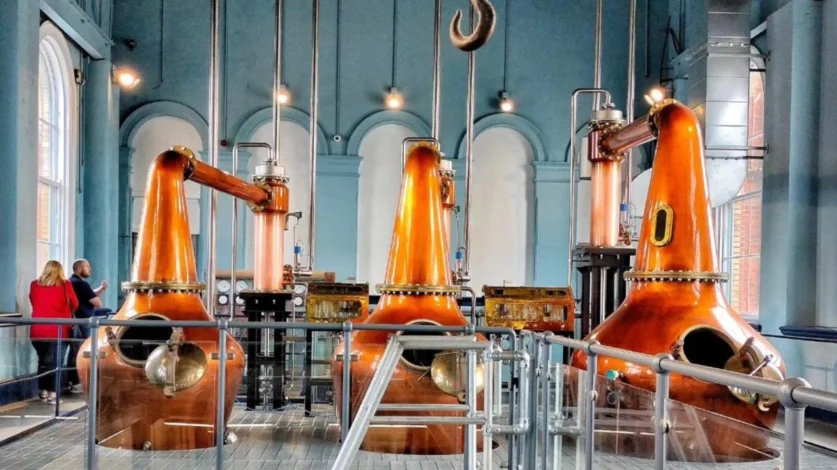
While plenty of whiskey distilleries offer tours and dole out drams of whiskey to eager visitors, Titanic Distillers in Ireland offers a unique experience. The distillery is located at the same site where the infamous Titanic was built, so both distillery workers and visitors alike walk in the footsteps of history while perusing whiskey-making equipment and sampling spirits. Not only is Titanic Distillers situated at the historic Thompson Dock — the last place the Titanic sat on dry land — but the operation also boasts the claim of being Belfast’s first working whiskey distillery in nearly 90 years.
Though prohibition in the 1930s halted Belfast’s whiskey production, Titanic Distillers has reintroduced whiskey culture by focusing on distilling premium single-malt whiskey. Bottles of its whiskey deliver notes of vanilla, peat smoke, and spice. Titanic Distillers also distills vodka with sugar beet and spring water should visitors want to stock up before leaving the premises.
Read more: The 27 Best Bourbon Brands, Ranked
The distillery offers a few options for visitors interested in learning more about the place. A Legacy Tour showcases the full operations, including the Gwynne Pumps, a collection of original contraptions found beneath the distillery; a Signature Tour leads guests through the distillery and Pumphouse; and a Premium Tour takes participants to the Thompson Graving Dock, where the Titanic ship was built. The graving dock, also known as a dry dock, is a ridged basin that can be filled with water so that ships can move in and out. Once drained, the setting allows workers the ability to repair and clean large ships. This particular dock can be traced back to 1911 and was the last one made in the shipyard. It was built specifically to handle the Olympic class of White Star liners, including the Titanic. After surveying the expansive space, visitors can return to the distillery to taste whiskey.
“Belfast is historically a whiskey distilling city, prohibition was the death knell for the industry, but now Irish Whiskey is the fastest growing drinks category in the world,” head distiller Damien Rafferty is quoted as saying on the Titanic Distillers website. Irish whiskey can provide a mellow, smooth palate to sample, making the booze a lighter introduction to the world of whiskey for those looking to develop their palates.
Read the original article on Tasting Table.
The Tasting Alliance Crowns the World’s Best IPA at the World Beer Competition

MadTree Brewing Holly Days, from Cincinnati, Ohio
Late last year, a panel of over two dozen category experts convened in Northern California in order to pore over (and pour through) some of the best beers on the planet. The annual gathering, known as the World Beer Competition, is run by the Tasting Alliance. If you’re not already familiar with that organization, they’re the same folks responsible for the San Francisco World Spirits Competition—often regarded as that industry’s preeminent judging.
So, clearly they know how to foam up prestige within the adult beverage sector. Which bodes well for the talented craftspeople over at MadTree Brewing in Cincinnati, Ohio. Because the World Beer Competition has just named its Holly Days release the best India Pale Ale on the planet. The wintertime brew uses an adjunct of spruce tips to affect a poignant seasonality beyond the bitter base formed from Cascade, Chinook, Sultana and Eureka hops.
It’s not just some marketing gimmick, either. Crack open a can of the 6.8% ABV liquid and you’ll detect a pronounced piney-ness in the aroma and across the palate. It’s evocative of Christmas, to be sure, and also fits hand-in-glove with the resiny, citrus pith gliding off the precise hops recipe used for the brew.
Ultimately, however, it might be the lengthy—and unexpectedly—complex finish that curried favor with the judges at the Tasting Alliance. It tickles the tongue with an initial tang, which is almost a misdirection since the parting flavor is a drying return to that prescribed piney-ness. And who doesn’t love a good circle story? Especially one that can be shared for a retail price of $11 per six-pack.
The only thing that hopheads have to complain about with Holly Days is that, as its name suggests, this is an offering that’s only available during the festive season of November through January. In the meantime, if you’d like to explore a comparable counterpart, the fermentation artisans at MadTree produce a year-round staple called Psychopathy. It’s similar in profile, utilizing many of the same ingredients (minus those celebrated spruce tips, of course), and it’s readily available for around $12 per six-pack.
The Tasting Alliance, for its part, has a lot more exclusive news to share with us in the weeks ahead. So stay tuned for an imminent reveal of more big winners, not just in the world of beer, but in the wine and spirits sectors as well.
One Community. Many Voices. Create a free account to share your thoughts.
Our community is about connecting people through open and thoughtful conversations. We want our readers to share their views and exchange ideas and facts in a safe space.
In order to do so, please follow the posting rules in our site’s Terms of Service. We’ve summarized some of those key rules below. Simply put, keep it civil.
Your post will be rejected if we notice that it seems to contain:
User accounts will be blocked if we notice or believe that users are engaged in:
So, how can you be a power user?
Thanks for reading our community guidelines. Please read the full list of posting rules found in our site’s Terms of Service.
A Month-by-Month Journey: Discovering the Diverse World of Wine
Click here to stay informed and subscribe to Herald-Dispatch.
Click #isupportlocal for more information on supporting our local journalists.
Learn more about HD Media
A month of learning about wine began with a beer.
I had no idea what I was looking at. I had no idea what I was looking for, but Amy Snow at Breathe Wine & Culture in Cross Lanes tolerated my questions and tried to help as best she could.
I wound up at Breathe on a Monday afternoon, on the outer fringe of drive time. People were coming home from work in Charleston and the road coming through town was choked with cars.
Breathe Wine & Culture felt like a cute little oasis, slightly off the main drag. I’d come for the wine but knew absolutely nothing about buying wine.
“Is there something I can help you find?” Amy asked.
I shrugged. I had no idea.
Less than a week before, I’d been sitting at a table with my family at the Watauga Lake Winery near Watauga Lake in Tennessee.
We were waiting on pizza and drinks. Everyone was having a good time, enjoying lunch out on a hot summer day, while I groused about not having any idea what to write about in the coming month.
This is routine for me. About half the time, I’m not entirely sure what comes next after I finish a project, but I’d had plans this summer, all of which had been upended after the hernia.
There had even been some concern that I wouldn’t be able to make the annual reunion in Tennessee. I’d worried that I might not be cleared to drive that far or, if I made it, I’d be pretty much marooned on my sister’s couch.
The trip was important to me. It’s one of the few times I see most of my family, and my sister Laura and her husband Bart are gracious hosts at their spacious home by the lake.
Laura has a fleet of kayaks, and Bart bought a pontoon boat a few years ago, which seems like the equivalent of a lake-bound minivan.
This is what I call my vacation. Most years, I show up, eat, drink, laugh, and goof around near the water with my nieces and nephews. The older relatives are already wise to my brand of silly and give me a wide berth.
Everyone has a blast, though I usually only manage to last a day or so. Inevitably, I get an awful sunburn. Then, I spend the rest of the week sulking indoors, near Bart’s mostly stocked bar.
I try not to drink the expensive stuff. I’m only a brother-in-law.
Still, getting away for the reunion this year was hard. Between recovering from surgery and a second round of COVID, I’d gotten so behind on everything. A new topic to write about in July eluded me.
“So, what am I supposed to do?” I asked anybody and everybody. But workable topics were scarce and a lot of people I might get help from were on vacation — like me.
At the restaurant, the waitress came around and took our order. Bart ordered a mountain of food for the table and then checked on what we wanted to drink.
He asked about sangria.
“We have that in bottles,” the waitress said.
He shrugged. That seemed fine.
“How many glasses do we need?” Bart looked down the length of the table.
People raised their hands. He counted six, seven people. He looked at me, the guy who’d been raiding his beer fridge all week.
“I’m going to stick with water,” I said. “It’s hot. I’m thirsty. This is good.”
Bart nodded. No wine for me.
Laurie, my stepmother, asked if I was sure. I was an adult, after all, and sitting at the grownup table. The grownups were drinking sangria.
“Yeah,” I said. “I can pass. I’m a beer and whiskey guy. I don’t know anything about wine. I’ve had wine, sure, but I don’t know …”
I could count on one hand the number of times I’d had wine. Always, somebody gave me something. I never ordered it.
Remembering when I’d had wine was easy. Wine, I thought, was refined, cultured. I read books. I watch public television. I own a vest. I liked culture. I could be refined.
But wine did nothing for me.
“What kind of wine is supposed to go with pizza?” I asked.
Pizza was Italian. Sangria, I thought, was Spanish? That didn’t make any sense.
Laurie, who’d been listening to me harp about not having a project, looked at me and said, “Do wine.”
It made sense, and I knew people who knew things about wine.
Before we got our appetizer, I’d sent texts out asking for help. Before Bart picked up the check (he’s really a decent guy), I’d received three responses — not bad for a national holiday.
One of those who’d gotten back to me was Cheryl at Breathe in Cross Lanes. So, on Monday evening I stumbled in looking for a place to start.
Cheryl wasn’t there when I rolled in. Instead, it was just Amy and me going through the shelves, while I tried to come up with questions.
Amy was eager to help, even though she mentioned that the owner knew much more. Undeterred, we discussed the different varieties of wine. There was red, white, rosé, and something called rosato, which was a mix of red and white.
There was moscato, a sweet, white wine that Amy mentioned they sold a lot of, although not as much as cabernet sauvignon.
“It’s an earthy, red wine. Very popular,” she said.
In the back of my mind, I vaguely recalled television commercials for it, but I couldn’t pronounce cabernet sauvignon clearly. The words jumbled in my jaw, highlighting why I struggled with high school French.
There was also pinot grigio, a white wine, and pinot noir, a red wine.
Neither of us knew what pinot meant. Maybe grape?
Breathe had malbec, zinfandel and chianti, which I correctly guessed was red because I figured Hannibal Lector in “Silence of the Lambs” would probably drink red wine with his fava beans.
The alcohol by volume for the wines varied from around 5% to well past 14%, which put it on par with the “black out juice” beers I sometimes buy.
The wines ranged in price from about 14 bucks to just under $113, though I’ve seen wines in stores that cost as much as my mortgage payment.
I had no idea what any of it meant, what wine went with what food or whether that even mattered. I thought about buying the first bottle that caught my eye, but that seemed like a bad place to start.
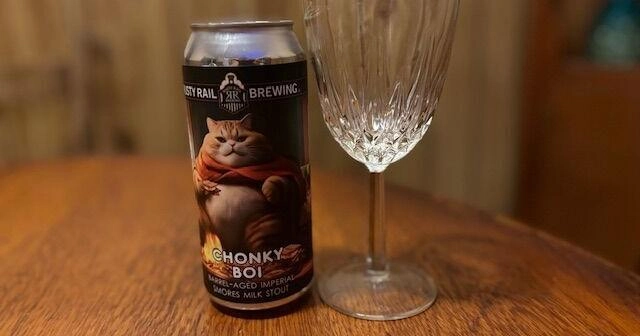
So, I got a four pack of beer with a cat on the can and figured I’d work it out over the next couple of weeks.
Bill Lynch can be reached at 304-348-5195 or lynch@hdmediallc.com.
Keep it Clean. Please avoid obscene, vulgar, lewd, racist or sexually-oriented language.
PLEASE TURN OFF YOUR CAPS LOCK.
Don’t Threaten. Threats of harming another person will not be tolerated.
Be Truthful. Don’t knowingly lie about anyone or anything.
Be Nice. No racism, sexism or any sort of -ism that is degrading to another person.
Be Proactive. Use the ‘Report’ link on each comment to let us know of abusive posts.
Share with Us. We’d love to hear eyewitness accounts, the history behind an article.
Discover the World’s Most Expensive Vodka Brands
In this article, we are going to discuss the most expensive vodka in the world. If you’re also curious about which other vodkas will cost you an arm and a leg, here are the 17 Most Expensive Vodkas in the World.
Vodka is one of the Most Consumed Alcohols in the World. As we stated in our article – 20 Highest Quality Vodkas In The World – the global vodka market was valued at $25.98 billion in 2022, and is estimated to reach $40.25 billion by 2030, with a CAGR of 5.6% during the forecast period.
Vodka-based RTD beverages are witnessing a huge increase in new product development, which is expected to drive the market. However, the all-natural, flavored segment is expected to witness the fastest growth rate due to the growing demand for premium flavored vodka, especially among the millennial population.
There has been a significant shift in the spirits market in recent years. Ousted by craft gins and quality whiskeys, the sales of traditional premium vodka brands have declined. The war in Ukraine has also been responsible for the dip in the popularity of the liquor. However, vodka producers are reinvigorating the category by tapping into the health-conscious demand for low-alcohol beverages, and are moving towards lighter serves and low-ABV offerings to attract consumers back from competing spirits.
Major vodka brands have ramped up their innovation efforts in the low-alcohol space to attract new and mindful consumers by offering products made with less sugar and fewer calories. Diageo was among the pioneers in the low-alcohol vodka space, launching its 30% ABV Ketel One Botanicals range in May 2018, said to be the first of its kind at the time. It contains no artificial flavors, added sugar, or artificial sweeteners. Constellation Brands, Inc. (NYSE:STZ) also capitalized on the trend in 2020, with the release of its sugar-free SVEDKA Pure Infusions range, also 30% ABV.
The recent reincarnation of flavored vodkas has also seen the industry gain some much-needed traction. Gone are the days of the overly sweet artificial flavors and cheap plastic bottles, we are currently going through a flavored vodka renaissance where brands are reimagining the category with high-quality bottles and natural botanicals and extracts that expand the drink’s flavored expressions from subtle to overt. Flavored vodka also typically costs less than its premium counterparts, making it an attractive pocket-friendly option.
Owned by Constellation Brands, Inc. (NYSE:STZ), SVEDKA is a popular flavored vodka brand that is a great choice for mixing cocktails. Its smooth and clear taste makes it a versatile base for classic and modern cocktails alike. Plus, its affordable price point makes it a great option for home bartenders on a budget. SVEDKA was acquired by Constellation in 2007 in a deal worth $384 million.
Constellation Brands, Inc. (NYSE:STZ) continues to be the Best Alcohol Stock to Buy Now, with 47 hedge fund holders in Q1 2024 boasting an overall stake value of over $2.74 billion. The New York-based company made headlines last summer when its Mexican beer brand, Modelo Especial, became the Top-Selling Beer in America after dethroning Bud Light. As a result, STZ reported a revenue of over $2.12 billion during its last quarter of fiscal year 2024, a significant increase of 22.7% compared to the previous year. Net income also went up by 11.7% to reach $105 million.
The U.S. beer industry faced challenges earlier this year due to unfavorable weather conditions. Nevertheless, STZ’s beer segment, which accounted for 82% of its sales in FY 2024, experienced a growth of 10.9% in the last quarter. The demand continues to rise, and company management’s statement that Q1 2025 is ‘setting us off on a really solid year’ indicates no significant signs of a slowdown. Although STZ’s Wine & Spirits segment saw a 5.6% decline in Q4, its smaller size reduces the downside risk. For fiscal year 2024, Constellation Brands generated $2.8 billion in operating cash flow, reduced its net leverage ratio by nearly half a point, and returned over $900 million to shareholders through dividends and share repurchases. While the forward dividend yield of 1.51% may not seem high, the company has consistently paid and increased its dividends for the past eight years.
Another advantage for STZ is the growing Hispanic population in America, which is increasing almost twice as fast as the general population, leading to sustained demand for brands like Modelo and Corona.
To collect data for this article, we have referred to sources such as Forbes, Lifestyle Asia, and Wine-Searcher, among others, looking for the Most Expensive Vodkas. The following spirits are ranked by their retail price, sourced primarily from Wine-Searcher. As liquor prices can vary greatly across international markets, we cannot guarantee their accuracy.
At Insider Monkey we are obsessed with the stocks that hedge funds pile into. The reason is simple: our research has shown that we can outperform the market by imitating the top stock picks of the best hedge funds. Our quarterly newsletter’s strategy selects 14 small-cap and large-cap stocks every quarter and has returned 275% since May 2014, beating its benchmark by 150 percentage points (see more details here).
Price: $7.25 million
The 2015 iteration of Leon Verres’ Billionaire Vodka is the Most Expensive Vodka Ever. The spirit itself is filtered through pure diamonds and boasts a silky smooth, naturally sweet taste. The vodka comes in a massive 18-liter bottle, which similar to its 2012 counterpart, is covered in faux fur, only this time it’s black and decorated with almost 2,000 diamonds set in gold for the ultimate luxury statement.
If you want to learn more about the vodkas that will put a serious dent in your wallet, here are the 17 Most Expensive Vodkas in the World.
At Insider Monkey, we delve into a variety of topics; however, our expertise lies in identifying the top-performing stocks. Currently, Artificial Intelligence (AI) technology stands out as one of the most promising fields. If you are looking for an AI stock that is more promising than NVDA but that trades at less than 5 times its earnings, check out our report about the cheapest AI stock.
READ NEXT: Analyst Sees a New $25 Billion “Opportunity” for NVIDIA and Jim Cramer is Recommending These 10 Stocks in June.
This article is originally published on Insider Monkey.
Disclosure: None. Insider Monkey focuses on uncovering the best investment ideas of hedge funds and insiders. Please subscribe to our free daily e-newsletter to get the latest investment ideas from hedge funds’ investor letters by entering your email address below.