Whiskey Joe’s Summer Beach Party: Fun in the Sun While Supporting Our Veterans

It turns out you don’t need to leave Pensacola to experience an island-style luau.
Whiskey Joes, a Caribbean-inspired restaurant that joined the Pensacola Beach Boardwalk in 2022, is pulling out the roasted pigs and fire throwers for a big beach party like no other from noon to 4 p.m. on Aug. 3.
While the afternoon is intended to be full of fun in the sun, including tropical Mai Tais topped with tiny umbrellas and the sounds of live music floating across the waterline, it goes toward a much more serious mission of supporting veterans through Defenders of Freedom’s Florida chapter.
The organization is a 501(c)3 non-profit focused on providing traumatic brain injury (TBI) and post-traumatic stress treatment to post Sept. 11, 2001, veterans, per the organization’s website.
Ticket are $25 per adult and $10 per child, with 20% of ticket revenues going to the organization, along with 100% of proceeds from the silent auction. One of the hot items on the auction list up for grabs is a Blue Angels flight jacket.
The volleyball courts will be up and running for the luau, along with entertainment from hula dancers, fire performers, cornhole and other outdoor beach games. Each luau ticket purchased comes with access to small bites passed around, the roasted pig carving stations and one drink ticket good for a beer or glass of wine.
Jamie Wells, the CEO and executive director of Defenders of Freedom Florida, said that the organization supports the needs of veterans physically and emotionally. He hopes to use the Veterans Luau proceeds to send another veteran to get TBI treatment, a two-week process with a price tag of $15,000.
“Most people couldn’t afford $15,000 even if it could change their life,” Wells said.
However, the event itself fills a different need – an opportunity for veterans to engage themselves in civilian life, which can feel isolating after losing the fellowship and structure of serving, he said.
“It brings community and veterans together,” Jimmie Marshall, marketing manager for Whiskey Joe’s, said of the Veterans Luau.
Previously: Whiskey Joe’s opens first phase to public Friday, including outdoor seating and tiki bar
Marshall’s family ties to the military span over 40 years and several generations. After speaking with Wells at the Veterans Luau’s conception, she knows Whiskey Joe’s can be a space for cultivating community amongst veterans.
“I want this to be the place where everyone hangs out,” Marshall said.
Wells said he hopes the event inspires other Pensacola area businesses to get behind their mission of supporting veterans.
“We want folks in the area to come out and have a good time and see what we’re doing,” he said.
Whiskey Joes is located at 400 Quietwater Beach Road, Suite 13.
To purchase tickets, visit eventbrite.com, contact Whiskey Joe’s or send a message to the Defenders of Freedom Florida Facebook page.
Hungry for more? Stay up to date on the latest restaurant news by subscribing to our free Pensacola Eats newsletter, delivered to your inbox every Wednesday. Sign up for the newsletter at profile.pnj.com/newsletters/pensacola-eats/
This article originally appeared on Pensacola News Journal: Whiskey Joe’s Pensacola Beach to host Veterans Luau next month
Planning the Ultimate Celebration Trip to Wine Country: A Step-by-Step Guide

Live like a winery owner at The Residence at Skipstone
When my son was two years old I took him on a trip to Napa and Sonoma—as insane as that may sound, and this was over 25 years ago, it worked out nicely. The adults tasted wines and my son puttered around the tasting rooms and gardens with his toy tractor (he’s a chef now, so I like to think this was part of his journey). Naturally this experience only reinforced my desire to return to California wine country with each of my children when they finally came of age so they could properly enjoy one of America’s greatest treasures. This year, my youngest finally crossed the line into 21 and boy did I have a trip planned. I researched, I reviewed and I quizzed my wine industry colleagues, leveraging all of my expertise to ensure we had a doozy of a trip. We did, but it turns out everything I planned is available to anyone and you don’t have to be an insider to have a spectacular visit to wine country, you simply must plan ahead. Hence, I share this guide with you so that your celebration can be as special as ours was—and so the next generation of wine lovers can see for themselves how amazing wine, wine country, and the people that make wine, really are.
Top Tastings:
Enjoying the ambiance in one of the cabanas at Flowers Vineyard.
Flowers Vineyard: Most of the winemaking at Flowers takes place on precipitous ridges close to the Pacific Ocean. To accommodate wine lovers, they built a beautiful winery just a few minutes south of Healdsburg. The main tasting room oozes wine country ambiance with vaulted ceilings and clean simple lines, and the redwoods and lush gardens add to the lovely outdoor setting. Yet, the best seat here is in one of the private cabanas—breezy sailcloth-trimmed spaces and luxurious lounge seating. Here, you’ll be able to sit back and enjoy experiences such as the Estate Vineyard Immersion tasting, a tasting of Flowers’ single vineyard expressions paired with exquisite chef-prepared bites.
Opus One: Book at least two months early for a chance to visit this iconic Napa Valley winery where the setting almost rivals the wines. The Opus One Experience is without question the best option. You’ll enjoy a seated tasting in the incredible Partners’ Room—a luxurious glass-walled lounge with sweeping views of the estate vineyards and thoughtful refinements such as original artwork and Jurassic era limestone floors. None of these distractions, however, will overshadow the wine—a tasting of the current release and two library wines from their collectors’ list. Your personal guide will walk you through the fascinating history of Opus One, and you’ll finish with a grand tour of the winery.
Suite at Jordan Winery
Jordan Winery: Jordan’s tastings tend to book out well in advance, so call as soon as you know your plans and book the Tasting and Tour for the full range of experiences. You’ll start out on the newly renovated terrace with a glass of Jordan Chardonnay and a bite prepared by Executive Chef Jesse Mallgren. Then it’s off to see the winery garden and vineyards, as well as a peek at the stunning new private dining room, followed by a tour of the historic oak tank room and the grand library. Finish with a seated tasting in the very cool cellar room—and prepare to be dazzled by the culinary pairings and the chance to taste multiple vintages of their iconic Alexander Valley Cabernet Sauvignon.
Schramsberg Vineyards: A visit here is a worthy stop for any trip to Napa Valley for the history, the education, and the bubbles. Beloved for their amazing range of sparkling wines, many consider Schramsberg to be America’s true sparkling wine—and for good reason—their Blanc de Blancs was used for President Nixon’s 1972 “Toast to Peace” with China’s Premier Zhou Enlai, and to date, Schramsberg’s sparkling wines have been served at official State functions by every U.S. Presidential administration. The Cave Tour and Tasting experience allows you to “go backstage” into the winery caves where you’ll see firsthand how much time and effort must go into making a method champenoise sparkling wine. Then you’ll finish with a tasting of their expressions (and, like us, probably leave with several bottles to enjoy later).
Incredible Stays That are Not Hotels:
Jordan Winery has an intimate collection of accommodations that are available to members of the wine club—and the ability to stay on this 1,200-acre property is worth the trouble to become a member (you’ll also get first dibs on the cool tastings and events they have throughout the year). Rooms are located in a beautiful French country chateau-inspired winery with stunning, newly designed interiors. Each jewel of a space features elegant designer touches, vintage antiques, and artwork. Some rooms have windows that overlook the barrel room and all of them boast views overlooking Jordan’s rolling vineyard landscape.
Exterior of The Residence at Skipstone
The Residence at Skipstone: Booking an entire home is a big challenge in wine country so this option is a rare gem—a fabulously private sprawling 200-acre wine country estate that overlooks the Alexander Valley. The Residence is just that—an 8,300 square-foot property which was originally the home of Skipstone Winery proprietor Fahri Diner. It offers five bedrooms, 6.5 bathrooms, gym, cellar, pool, game room, and vegetable garden all tucked into the fold of rolling vineyards. The main kitchen is fully-stocked but you’ll likely spend more time around the two outdoor firepits, grilling local lamb in the outdoor gourmet kitchen, (which includes a Mugnaini wood-fired pizza oven, really). A concierge is on hand for everything you might need, including stocking the kitchen or retaining a private chef to do the cooking for you.
Guests also get a private tour and a tasting of their exquisite estate wines, cultivated right on site. Estate winemaker Laura Jones, previously of Aubert Wines and Cliff Lede Vineyards, crafts the wines which include the flagship Oliver’s Blend Cabernet Sauvignon and Faultline Vineyard Bordeaux blend, as well as two extremely limited 75-case bottlings, the Luka’s Blend Cabernet Franc and Sofia’s Vineyard Cabernet Sauvignon. Skipstone also produces Viognier, Malbec, Preface Proprietary Red, and the Rose de Constance Grand Cru Blanc de Blancs Champagne, in partnership with Diebolt-Vallois. If you really want to get swanky, the concierge can also arrange private aviation services and an opportunity to golf or enjoy other amenities and services at the exclusive members-only Jack Nicklaus-designed Mayacama Golf Course and Private Club.
Amazing Meals:
Cyrus Restaurant: This Michelin-starred restaurant by James Beard Award-winning chef Douglas Keane opened in 2022. It’s a gem of a destination just a bit north from Healdsburg—and absolutely worth the extra five-minute drive. Start your 20-course journey (they also offer a three-course lounge menu if you prefer) in the Champagne Bubbles Lounge with cocktails and canapés, then its into the actual kitchen for several courses and real-time interaction with the chefs. Next, you’ll take a seat in the glass-walled dining room with breathtaking, panoramic vineyard views. The finale takes place in the Chocolate Room, featuring a flowing, liquid chocolate wall. After dinner, if you can manage, walk the one block up to the main street in Geyserville grab a negroni on tap (or a Dirty Mezcal Martini with tomato water and olive oil) at the Geyserville Gun Club—lots of locals find their way here.
On the way back to the airport be sure to take a bite of wine country with you—you’ve your choice of fabulous to-go food. Grab a breakfast sandwich at the Model Bakery (their from-scratch English muffins are the stuff of legend), or pop into Oxbow Market and wander the options—everything from fresh salads and from-scratch bakery goods to Moroccan eats, and it’s all delicious. Just be sure to enjoy one last celebratory glass of wine before you head back home.
One Community. Many Voices. Create a free account to share your thoughts.
Our community is about connecting people through open and thoughtful conversations. We want our readers to share their views and exchange ideas and facts in a safe space.
In order to do so, please follow the posting rules in our site’s Terms of Service. We’ve summarized some of those key rules below. Simply put, keep it civil.
Your post will be rejected if we notice that it seems to contain:
User accounts will be blocked if we notice or believe that users are engaged in:
So, how can you be a power user?
Thanks for reading our community guidelines. Please read the full list of posting rules found in our site’s Terms of Service.
Beer News: Uncovering Health Risks in Non-Alcoholic Brews & Bud Light’s Ongoing Decline

(Dylan Mulvaney/Instagram)
The beer biz never sleeps at American Craft Beer. And here’s just some of what’s been happening in the beer world while you were drinking your way through the weekend.
Bud Light Decline Continues
Turbulent times continue for Bud Light in the wake of its brief, but ultimately costly, partnership with Dylan Mulvaney, a transgender influencer whose image was put on a Bud Light beer can to celebrate the activist’s “365 Days of Girlhood.”
The initial Dylan Mulvaney announcement took place on April 1, 2023, and despite Anheuser-Busch’s numerous efforts to settle the issue, the brand has been facing significant sales declines ever since.
Now, in a surprising decline, Bud Light, once the top bestselling beer in the nation, has fallen to the number three spot, according to the WSJ.
Based on Nielsen IQ data analyzed by the Bump Williams consulting firm, Modelo Especial, brewed and imported by Constellation Brands, headquartered in White Plains, NY, is now number one, accounting for 9.7% of beer dollar sales in US stores for the four weeks that ended July 6.
The positive news for Anheuser-Busch, the makers of Bud Light, is that another one of its beer brands, Michelob Ultra, placed second with 7.3% of beer dollar sales nationwide. Now at number three, Bud Light held 6.5% of beer dollar sales during that same four-week period, according to the NY Post.
Words to Drink By
“Be a yardstick of quality. Some people aren’t used to an environment where excellence is expected.” – Steve Jobs, American businessman and inventor, best known for co-founding Apple Inc.
Hidden Health Dangers Found In Non-Alcoholic Beer
Embracing a more healthful and clear-headed lifestyle, younger consumers are abandoning alcohol products in droves. And this migration away from alcohol hasn’t gone unnoticed by a beer industry that is now taking the non-alcohol segment seriously and that sector is growing.
But that doesn’t mean that brewing buzz-free beer can’t pose problems.
A study by researchers at Cornell University has found that non-alcoholic beers can be a breeding ground for bacteria such as E. coli and salmonella.
Head researcher Randy Worobo and his team of microbiologists studied the growth of three types of bacteria—E. coli, salmonella, and listeria—in traditional beer, low-alcohol beer, and non-alcoholic beer. The study which was published in The Journal of Food Protection, tested the beers in two situations. In the first case beers were a refrigerated 39.2°F but others were left at “room temperature” 57.2°F.
And while E. coli and salmonella were able to survive in both low and non-alcoholic beer for up to 63 days, the microbial pathogens grew more rapidly in the non-alcoholic beverage.
“Low and nonalcoholic beers should be processed through pasteurization to achieve commercial sterility,” they said in a statement, via The Daily Mail. “Sterile filtration and the addition of preservatives should be considered as additional steps to reduce this microbial risk.
###
Posted by: AmericanCraftBeer.com
July 29, 2024
How an Irish Whiskey Company Turned a Mistake into a Unique Blend

The Mistake is a whiskey that was accidentally created.
The folks at Natterjack Irish Whiskey made a mistake, but they decided to roll with it. They also decided that, since it was made in error, to call it The Mistake.
A serendipitous production mishap, the new whiskey is the result of taking their regular whiskey, which marries both Irish and American aging techniques, and accidentally leaving it in 46 of the producer’s Virgin American oak casks for an additional year.
Natterjack traditionally finishes its Irish Whiskey for just one year. Featured in three different bottle label designs, The Mistake will be available at select Total Wine & More stores and other fine wine & spirit retailers. A limited number will also be available for purchase online at shop.natterjack.com. The Mistake has 46 percent alcohol by volume, and the suggested retail price is $58.99. Like other Natterjack whiskeys, The Mistake is distributed in 14 states including New York, Florida, Illinois, Texas, California and more.
“This was a very happy accident,” said Aidan Mehigan, founder and CEO of Natterjack Irish Whiskey. “After discovering the barrels, we opened one of them and there was this burst of hickory barbecue and toasted walnut aromas.”
“At first taste, we could tell right away there was double the flavor and extract, and powerful oak,” he says. “That’s when we knew we had something special.”
The Mistake is aged first in former bourbon barrels for three and a half years. The liquid is then finished in a Virgin American oak cask for two years using a char level of 4.
Mehigan’s whiskeys marry both Irish and American whiskey making heritage. “I absolutely love bourbon so to me the thought of producing a whiskey using both Irish and American techniques just made sense,” Mehigan says, explaining that his whiskeys are aged first in barrels were used to make bourbon before being finished in virgin American oak casks.
On the nose, The Mistake releases those aromas of hickory barbecue and toasted walnut, followed by singed cinnamon and seared orange zest. Sweet almond then gives way to leather and grain, or saddle and feed. Upon the first sip, there is vanilla bean on the front palate giving way to a blast of anise or licorice. Notes of powerful oak come with warm molasses, toffee and a touch of Granny Smith apple, with a long hug of a finish.
The three different labels for it all feature a special toad, the natterjack, which is the only toad found in Ireland. Mehigan suggests enjoying The Mistake in booze-forward cocktails like the Old Fashioned, the Manhattan, or the Mint Julep. Two recipes featured for The Mistake are the Natterjack Irish Coffee Martini, which is made with 1.4 ounces The Mistake, 1 oz. coffee liqueur, 1 ounce espresso and one quarter ounce simple syrup, and One for the Toad, which is made with equal parts The Mistake and pineapple juice.
The Mistake is Mehigan’s third release. Natterjack debuted with Natterjack Irish Whiskey, which retails for $39.99 and has a 40 percent ABV, and Natterjack Cask Strength, which retails for $89.99 and has a 63 percent ABV.
One Community. Many Voices. Create a free account to share your thoughts.
Our community is about connecting people through open and thoughtful conversations. We want our readers to share their views and exchange ideas and facts in a safe space.
In order to do so, please follow the posting rules in our site’s Terms of Service. We’ve summarized some of those key rules below. Simply put, keep it civil.
Your post will be rejected if we notice that it seems to contain:
User accounts will be blocked if we notice or believe that users are engaged in:
So, how can you be a power user?
Thanks for reading our community guidelines. Please read the full list of posting rules found in our site’s Terms of Service.
Exploring Puerto Rico: A Rum Enthusiast’s Ultimate Guide

Rum can be produced through the fermentation and distillation of either molasses or sugarcane juice.
While Puerto Rico is renowned for its ultra-flavorful cuisine spanning from mofongo to arroz con gandules, it’s not just the food that keeps tourists coming to the island time and time again. Over the years, Puerto Rico has also established itself as one of the Caribbean’s most notable rum producers, with both world-renowned and small-scale operations found all across the island. Whether you’re a fan of boozy cocktails or prefer your spirits neat, the perfect Puerto Rican rum is just a flight away, with no shortage of surf, sand and sun to enjoy along the way.
Ron del Barrilito is produced in Bayamón, a municipality located west of San Juan.
Puerto Rico’s legacy of rum-making dates back centuries, and for those in search of a prestigious distillery that blends old-school sophistication with modern charm, there’s no beating Ron del Barrilito. This storied company serves as the oldest rum brand on the island, with the original recipe and aging method going unchanged since 1880—and today, rum aficionados are welcome to book a trip to the Ron del Barrilito visitor center for a glimpse into the spirit’s legacy. Opened in 2019, this facility provides an opportunity for guests to marvel at the preserved estate home, enroll in a mixology class, and—of course—sample Ron del Barrilito straight from the source. While the sherry barrel-aged 3 Stars is a particularly popular sipping rum thanks to its bold notes of chocolate and nougat, those hoping to craft the perfect piña colada should be sure to snag a bottle of 2 Stars, with the product’s vanilla-reminiscent flavor profile pairing perfectly with the sweet notes of tropical fruit.
For visitors that don’t want to stray too far from Viejo San Juan, Scryer Rum offers an idyllic escape in the form of their open-air rooftop patio—and to sweeten the deal, the venue also excels at the art of cocktails. While drinks range from banana-infused Spanish Harlems to classic Paper Planes, each one comes loaded with Scryer’s very own pot-distilled rum, with each pour offering complex notes imbued from the sherry and port barrel aging process. After a day spent exploring Viejo San Juan, ambitious visitors can make their way roughly ninety minutes southwest to discover Ponce, the home of the iconic Don Q. The best-selling rum on the island, this spirit made its official debut in 1934, and currently boasts flavors ranging from pineapple to coconut to key lime—all of which can be experienced firsthand during a rum tour at the dazzling Museo Castillo Serrallés.
Viejo San Juan was designated a U.S. National Historic Landmark District in 1972.
After exploring the island’s most beloved distilleries, you may want to discover how Puerto Rican rum performs in a cocktail—and fortunately, Viejo San Juan is brimming with top-tier bars all within walking distance from each other. To kick off the visit, Antiguo 26 is a particularly sophisticated space that’s brimming with high-end craft cocktails, with options spanning from the Monchito 2020—a refreshing blend of citrus, rum and clarified pineapple punch—to the tropical fruit-loaded Not So Mai Tai. Further south, La Casita de Rones is certain to wow guests with its flower-clad waterfront patio, offering the perfect opportunity to snag a signature Coffee Old Fashioned and enjoy the breeze. And of course, no cocktail lover’s trip to Puerto Rico is complete with paying a visit to La Factoría. Equipped with six separate bars in one historic space, this vibrant venue has made regular appearances on the World’s 50 Best Bars list thanks to its exceptional craft cocktails, many of which come loaded with high-end rum.
Of course, there’s a wealth of can’t-miss cocktail bars to explore outside of Viejo San Juan limits as well. In the city’s Miramar district, Machete has earned abundant local acclaim for its laid-back atmosphere and flavorful cocktails, with rum-heavy options ranging from passion fruit-infused daiquiris to the Jibaro All-Star, a rich concoction that’s brimming with notes of mavi. Beyond city limits, those willing to venture into Bayamón will be richly rewarded with CaféStudio—a downtown venue that crafts top-tier coffee and cocktails—while those in need of one last drink before heading to the airport can make their way to Patio de las Flores, a colorful venue in the district of Parque Isla Verde. Upon arrival, guests can admire its dazzling murals before grabbing a craft cocktail from the bar, with the tropical fruit-forward C.R.E.A.M being a particularly suitable option for rum lovers.
The name “piña colada” translates to “strained pineapple” in English.
While there’s no shortage of flavorful cocktails to sample across the island, few can match the worldwide recognition enjoyed by the piña colada. This sugary blend of rum, cream of coconut, and pineapple juice first made its debut on San Juan soil, with most sources pointing to two venues in particular as its birthplace—and fortunately, both can still be visited today. On Viejo San Juan’s scenic Calle de la Fortaleza, Barrachina comes equipped with hearty seafood dishes and a plaque claiming to have first crafted the drink in 1963, while those in search of a second contender can make their way east to the Caribe Hilton hotel. First opened in 1949, this landmark venue claims to have crafted the first piña colada in 1954—and today, the on-property Caribar is perfect for sampling the cocktail after a day spent lounging by the hotel’s massive outdoor pool complex.
Puerto Rico’s year-round balmy climate makes the piña colada a perfect drink no matter what the season, but for December visitors in particular, no trip is complete without enjoying a glass of coquito. Often referred to as “Puerto Rican eggnog,” this decadent beverage is a rich blend of cream of coconut, condensed milk, rum, and a variety of winter spices, with each ingredient coming together to form a beloved Christmastime tradition in liquid form. Aforementioned venues like La Factoría and the Ron del Barrilito visitor center offer an opportunity to sample the drink, but for best results, you’ll need to befriend a local. Rather than purchase the drink from a store, many residents prefer to reach out to a friend or colleague that’s well-versed in the art of crafting coquito, with each individual producer adding their own unique blend of spices to the mix.
One Community. Many Voices. Create a free account to share your thoughts.
Our community is about connecting people through open and thoughtful conversations. We want our readers to share their views and exchange ideas and facts in a safe space.
In order to do so, please follow the posting rules in our site’s Terms of Service. We’ve summarized some of those key rules below. Simply put, keep it civil.
Your post will be rejected if we notice that it seems to contain:
User accounts will be blocked if we notice or believe that users are engaged in:
So, how can you be a power user?
Thanks for reading our community guidelines. Please read the full list of posting rules found in our site’s Terms of Service.
Discover the World’s Best Hazy IPA: U.S. Open Beer Championship Winner Revealed

“`html
Save The World Brewery in Texas took home gold and bronze medals for two of its hazy IPAs at the The… U.S. Open Beer Championship
The gold medal for best hazy IPA at The U.S. Open Beer Championship went to Chasing Broncos IPA from Save The World Brewery in Marble Falls, Texas. Save The World Brewery also tied for a bronze medal for the same category for Hunt For Hazy, another hazy IPA offering. The competition results were announced in early July by the Ohio-based competition that receives beer submissions from around the globe.
I’ve recently written about the best brewery award given by the competition, as well as the best pilsner, and the best IPA awards. However, I’m taking a closer look at the hazy IPA subcategory by itself because of their popularity. Hazy IPAs, aka New England IPAs, remain a dominant force in craft beer in the U.S. Critics may mock haze bros, but if the IPA remains king of craft beer then hazies are the king of kings. For evidence of this, just look at Sierra Nevada’s Hazy Little Thing, the first nationally available hazy IPA, it surpassed the brewery’s flagship pale ale in sales in 2022. Or just go to your local brewery and ask the brewer what their best seller is—in the vast majority of cases whatever it is will be a hazy juice bomb.
My personal feelings have gone back and forth on hazies. I loved the first hazy beers I tried coming out of Vermont and later Massachusetts, but then the style’s popularity led to copycat beers. Some of these were also great, but many were terrible. Over time I became burned out on the style—in some cases, quite literally, as when made poorly the unfiltered beers can give off a yeast burn flavor that’s as unpleasant as it sounds. Recently, however, I’ve fallen back in love with certain hazy IPAs. I recently wrote about one made in Connecticut that has become one of my favorite beers this summer.
“`
“`html
Of course, honoring quality beers is what a reputable beer festival is all about, and the U.S. Open Beer Championship is one of the best respected in the U.S. For the 2024 festival, judges blind taste-tested more than 9,000 beers across 170 styles submitted from a global slate of breweries. The Hazy IPA style saw more beers entered than any other category. In addition, to the gold medal winning Chasing Broncos IPA, three other beers medaled. Here’s a closer look at these award-winning hazy IPAs.
Save The World Brewing describes Chasing Broncos IPA as a “experimental juicy IPA exploring the world of tropical hops” designed to showcase “an array of southern hemisphere hops.” This refers to hops frequently found in places like Australia and New Zealand, which are often celebrated for their tropical aromatics.
The latest version of the brewery’s rotating hazy IPA Fogbringer 8 is made with Citra and Strata hops, among others, and then dry-hopped with large amounts of Citra hops. The process results in a beer that is described by the brewery as a “sweet and hoppy IPA that pushes citrus, stone fruit, and a bit of coconut.”
The two-way tie for the bronze medal in this category was split between Ohio and Texas. Seeing Colors Hazy IPA is made with El Dorado and Citra hops. Meanwhile, Hunt for Hazy is brewed to be smooth and juicy, per the brewery.
“`
One Community. Many Voices. Create a free account to share your thoughts.
Our community is about connecting people through open and thoughtful conversations. We want our readers to share their views and exchange ideas and facts in a safe space.
In order to do so, please follow the posting rules in our site’s Terms of Service. We’ve summarized some of those key rules below. Simply put, keep it civil.
Your post will be rejected if we notice that it seems to contain:
User accounts will be blocked if we notice or believe that users are engaged in:
So, how can you be a power user?
Thanks for reading our community guidelines. Please read the full list of posting rules found in our site’s Terms of Service.
Part Deux: The Ultimate Wine and Fashion Collaboration You Didn’t Know You Needed

Photo by Michael Woolsey
In the latest installment of the hippest wine & fashion collaboration, Belle Glos & Kenny Flowers up the game by offering a limited-edition wine meant to pair perfectly with their tasty print. Dress to impress in the summer heat, and have your fit match your red-waxed wine.
Last year, fifth-generation Napa Valley winemaker Joe Wagner partnered with his favorite upscale tropical clothing brand Kenny Flowers in celebration of each other’s craft and appreciation for those living life unbuttoned. The limited-edition men’s short sleeve button downs and women’s dresses were such a hit amongst customers that they sold out in less than 3 weeks! Now, the styles are back for a limited run – and designed to pair perfectly with a special limited run wine developed by Belle Glos to celebrate the successful collaboration. Less than a year after their first partnership, the brands are doubling down with an even richer collaboration.
Photo by Michael Woolsey
The 2022 Belle Glos x Kenny Flowers Eulenloch ‘Block 2’ Pinot Noir ($85) is available for purchase at the Belle Glos tasting room in downtown Napa and online at belleglos.com/collection/belle-glos.
Shop the limited-edition shirts & dresses via the Kenny Flowers website kennyflowers.com/collections/belle-glos-x-kenny-flowers ($88-$168)
Courtesy of Belle Glos
Jamaican Estate Gears Up for Highly Anticipated Release of 25-Year-Old Rum
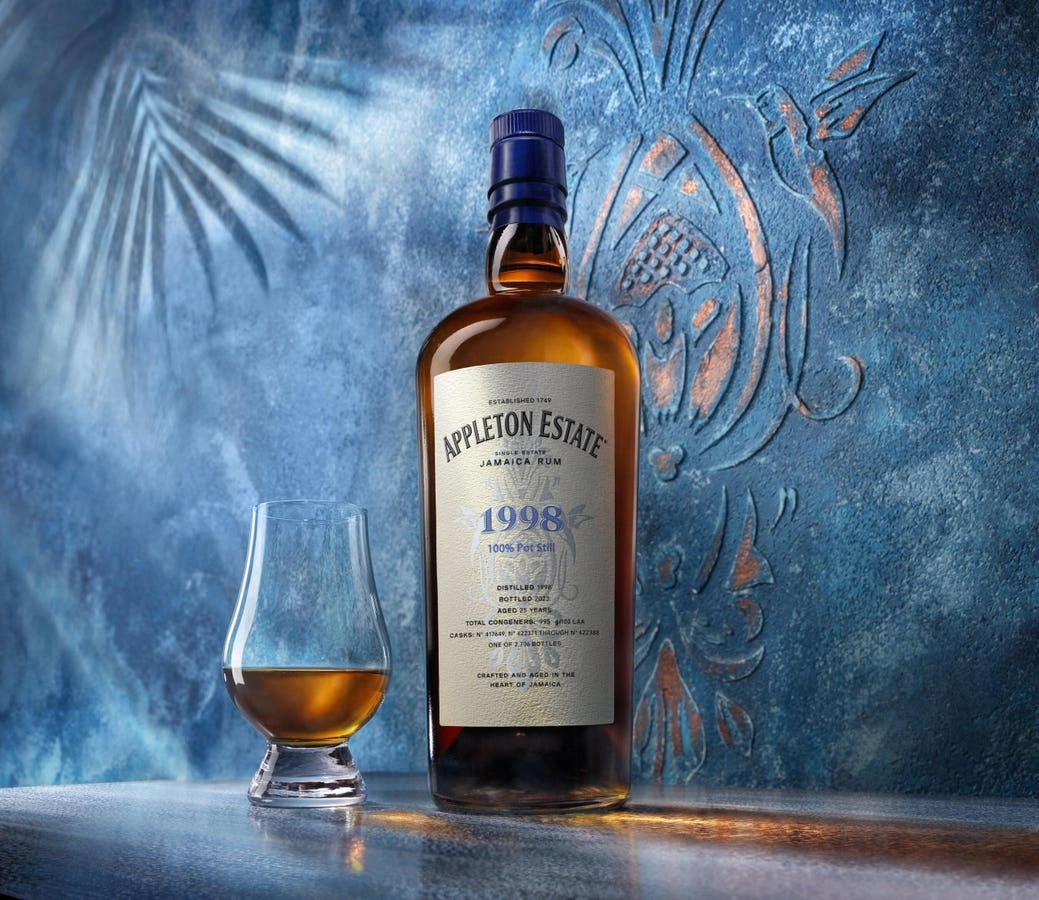
Appleton Estate has announced the launch of Hearts Collection 1998, the latest release from the… [+] prestigious annual series.
A luxurious 25-year-old rum is being rolled out next month by the oldest, continuously operated rum distillery in Jamaica.
Appleton Estate is releasing the next installation in its Hearts Collection, the Hearts Collection 1998. This is the fourth release in the series, says Dr. Joy Spence, master blender, who collaborated with noted rum collector Luca Gargano to select the barrels.
“We decided on the name Heart Collection because the rum is aged in the heart of Jamaica, the pot still is the heart of all our rums, and it combines the hearts of two persons who are passionate about rum,” Spence says. “We selected 19 casks of this 1998 rum, and we created 2,700 bottles.”
The first Hearts Collection vintages were released in 2020, and the collection vintages tend to sell out in a matter of minutes at several locations around the world. The latest release, Hearts Collection 1998, will start rolling out in select, premium United States spirits retailers at the end of August, with a suggested retail price of $650 and an ABV of 63 percent.
“This rum has a very special place for me, as it was the heart of the Appleton Estate Joy Anniversary blend, which celebrated my tenure at the estate,” says Spence, who began working at Appleton Estate 43 years ago as the chief chemist before she became the master blender.
“Hearts Collection 1998 closely replicates one of the rare marques used in the Appleton Estate Joy Anniversary Blend,” she says. “Its striking vanilla notes and silky finish make this an ideal rum for sipping and savoring.”
Each bottle also boasts a drawing of a heart, which is a replica of the hearts that Spence draw on bottles that she signs. The bottle also lists the exact numbers of each of the casks used to create this rum.
“When we did the 1994, the 1995, and the 1999, it sold out within five minutes,” she says. “Since then, everyone has been clamoring ‘When is the next one going to be released, when is the next one going to be released?’ And here we are with the 1998.”
The first sniff, Spence says, will reveal the top note of the rum, which is very herbal, fruity note. “That is very distinctive of our pot stills,” she says. Then, comes the sweetness from the molasses.
Spence recommends opening up the spirit with a little bit of water in a tasting glass, as that will better assist in the opening of the rum because of its 63 percent ABV. “Release that surface tension, and swirl the glass,” she says. “Now, we’re releasing ginger, smoked coffee, warm vanilla and subtle oak. The finish has nice fruity molasses, with that coffee and vanilla. Although it is at 63 percent, this complex rum doesn’t have that bite of alcohol that people would expect.”
This special rum, Spence says, is part of Appleton Estate’s “aggressive, innovation strategy.” “Every year, we are releasing new, limited time offerings to entice the tastebuds and elevate the Appleton Estate image,” she says. “We are well positioned to become a Jamaican leader in the premium aged category.”
One Community. Many Voices. Create a free account to share your thoughts.
Our community is about connecting people through open and thoughtful conversations. We want our readers to share their views and exchange ideas and facts in a safe space.
In order to do so, please follow the posting rules in our site’s Terms of Service. We’ve summarized some of those key rules below. Simply put, keep it civil.
Your post will be rejected if we notice that it seems to contain:
User accounts will be blocked if we notice or believe that users are engaged in:
So, how can you be a power user?
Thanks for reading our community guidelines. Please read the full list of posting rules found in our site’s Terms of Service.
Discover the Best Vodka in the World: Results from the 2024 Singapore World Spirits Competition
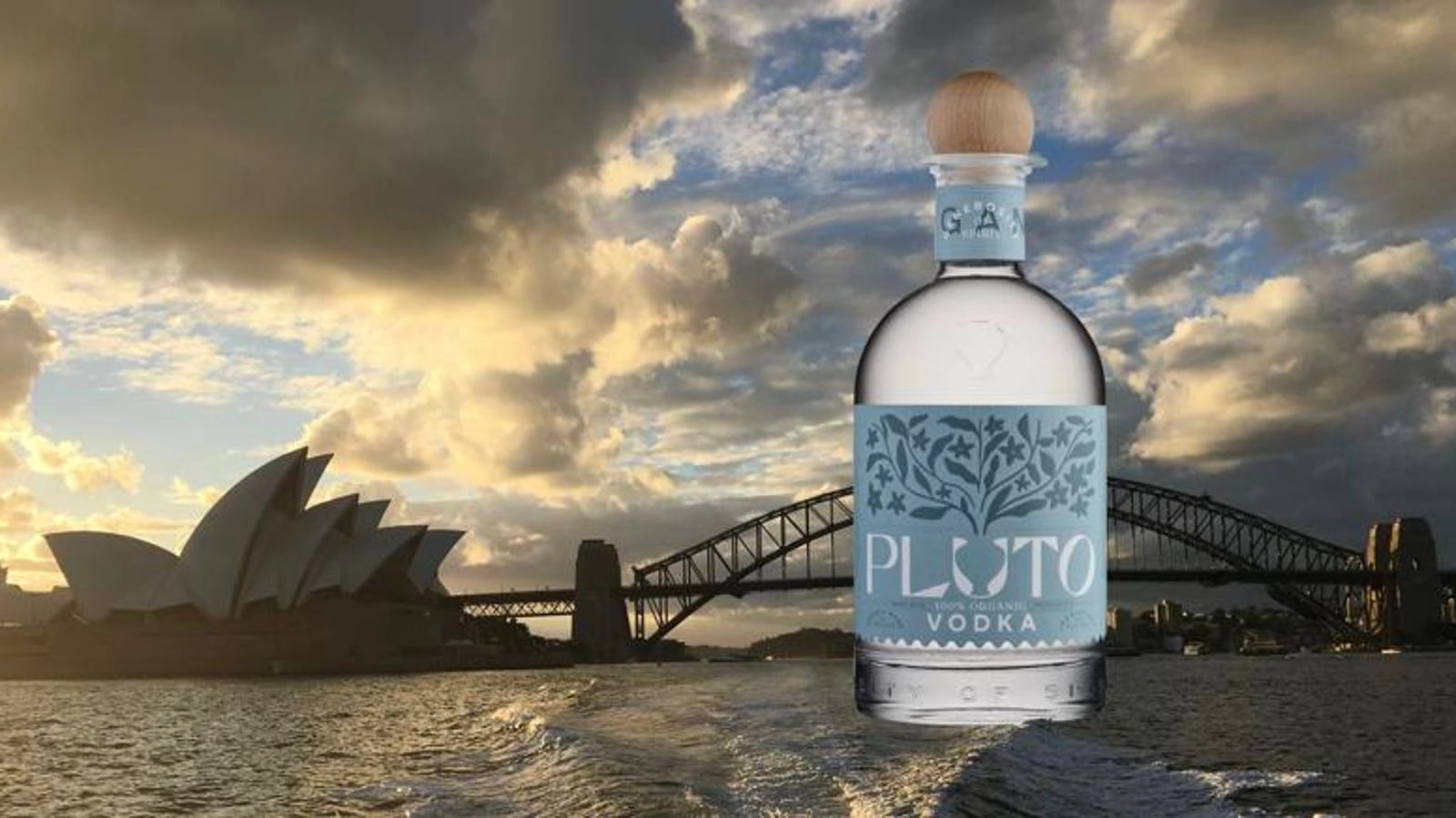
Pluto Vodka takes home the top prize at the 2024 Singapore World Spirits Competition.
The Singapore World Spirits Competition has just compiled its annual list of top tipples across all major categories of adult beverage. And we’ve landed the exclusive results before anyone else. Last week we revealed what bottle of bourbon the prestigious panel of judges selected as the best on the planet. Now it’s time to see what the “Lion City” had to say about the ultimate vodka.
But first a little refresh on the contest itself. Founded in 2019 by the Tasting Alliance, the Singapore World Spirits Competition initially focused on booze produced and consumed in the Asia Pacific region. In the subsequent years it has expanded to envelop a more global perspective. Though virtually all of its judges—and a large percentage of the thousands of entries they sip through—do hail from this general corner of the globe. Nowadays, it’s counted among the top spirit tastings therein.
Which brings us to the Best In Show Vodka, as ordained by the 2024 Singapore panelists. While they didn’t opt for an expression from Asia, the winner does come from Oceania. It’s Pluto Vodka, from the scenic Fleurieu Peninsula in South Australia. The 80-proof liquid is crafted by its eponymous distiller out of 100% organic Australian sugarcane. That unique ingredient is also cool-fermented, allowing for a more expressive type of liquid after a 10x distillation process.
What pours from the bottle holds a subtle sweetness, as you might suspect. But an equally alluring component of the sip is a rich body that almost evokes coconut cream. It noses with more of the same. These characteristics undoubtedly curried favor with the judges in Singapore. And they’re not the only ones to be wooed accordingly. Just last year alone, Pluto Spirits collected a Master Medal at the Global. Vodka Masters to go along with a Best Vodka accolade at the Tasting Australia Spirit Awards 2023.
Pluto batch distills its vodka with zero additives and sells it for around $68 AUD (about $46 USD). For $10 more, they’ll ship it anywhere across Australia. The only hitch is that they’re not distributing in the United States—yet. Given the brand’s recent run of success, you might soon see Pluto products gracing American shelves. In addition to the vodka, the distillery also makes a gin and a pair of tasty rums. So keep an eye out for all of that.
In the meantime, we’ll be back in the days ahead with a few more newly-crowned champions out of Singapore. Keep it parked here to be the first to know.
Seagulls, Victor Harbor, Fleurieu Peninsula, South Australia, Australia.
One Community. Many Voices. Create a free account to share your thoughts.
Our community is about connecting people through open and thoughtful conversations. We want our readers to share their views and exchange ideas and facts in a safe space.
In order to do so, please follow the posting rules in our site’s Terms of Service. We’ve summarized some of those key rules below. Simply put, keep it civil.
Your post will be rejected if we notice that it seems to contain:
User accounts will be blocked if we notice or believe that users are engaged in:
So, how can you be a power user?
Thanks for reading our community guidelines. Please read the full list of posting rules found in our site’s Terms of Service.
From Passion Project to Vintner’s Paradise: How One Couple Built a Wine Kingdom in Connecticut
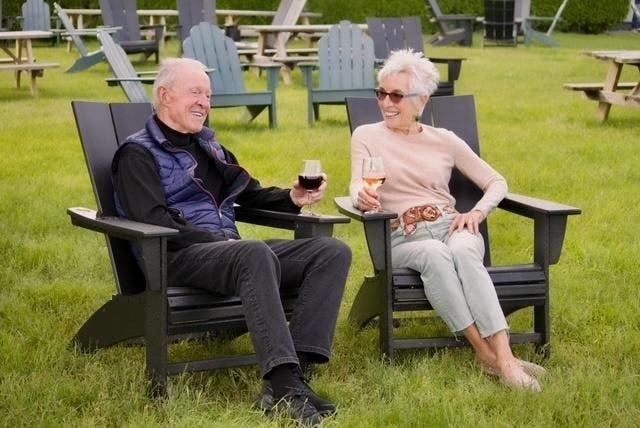
Michael and Merrily Connor, enjoying their little kingdom in Stonington, Connecticut.
For many, life’s second-act may look more like a snail’s pace kind of day at the beach with a little sunshine and a lot of relaxation. It’s meant to be the ultimate period of switching from overdrive to, well, no drive. Right? For Michael and Merrily Connery, however, they did shift gears, but instead of slowing down, they swapped the go-go-go of city-life for spectacular stony views and fields of potential. From the ground up, along the southeastern, Connecticut shoreline, the Connery’s built a wine lover’s paradise.
With style akin to those in British Vogue, the 70-something year-olds traded rows of offices and long careers in law and real-estate, for rows of vines and wine glasses. The creation of Saltwater Farm and Kingdom of the Hawk vineyards became the fruits of their labor during ages when most yearn for a powerful remote and comfy recliner.
Three of the winery’s most popular selections: Raptor Red, Wayward White, and their Pinto Noir Rose.
The couple met in college while living in Washington DC in the 1960s. After marrying, and moving around between DC, Cincinnati, and Bridgeport, Connecticut while establishing their careers, they settled upon the hustle and bustle of New York.
Many years later, in 2001, they stumbled upon 108 acres on the water in Stonington and began dreaming. The dilapidated, World War Two-era private airplane hangar soon became the home of Saltwater Farm Vineyard, the couple’s first endeavor into the world of vinting. They restored the hangar and began planting vines.
Being familiar with the North Fork of Long Island, which boasts a similar climate, the couple had an idea of what could grow in the rocky soil on their Connecticut property, however sought expertise. “Once the CT Department of Agriculture deemed our soil suitable for growing vines—where there were once fields of hay,” said Michael, “we then sought guidance from Steve Mudd, who’s considered the ‘godfather’ of growing grapes on Long Island.”
The rest is history…
Kingdom of the Hawk Vineyard, Stonington, Connecticut.
Along with wine maker, Gilles Martin, part of Sparkling Pointe on Long Island, the Connerys began making wine suitable to the terroir and climate. The venue soon became popular, not only for wine-tasting, but as a sought-after site for weddings.
With one thriving vineyard and event space, and nearly 20 years under their belts, they were ready for another project. In 2018, they purchased 50 acres of open land in North Stonington—a few miles from Saltwater—and opened Kingdom of the Hawk. With eyes always on design, the couple reimagined the idea of a classic barn for their latest vineyard. Steel beams, vaulted ceilings, concrete floors, and its now iconic archway are all nods to their first foray into wine at Saltwater Farm. The dramatic new structure is a showcase of sleek, contemporary architectural design, surrounded by vines and the area’s rugged rocky vistas.
It’s no surprise that both vineyards check many boxes for weddings of all shapes and sizes. The venues strike a balance between intimate and expansive, and appeal to many with their natural, minimalist aesthetic and stunning views.
Sleek and chic against the night sky, Kingdom of the Hawk befits its majestic name.
Kingdom of the Hawk produces a selection of Chardonnays, Sauvignon Blanc, several Rosés, Cabernet Franc, Pinot Noir, a Bordeaux-like blend of Cab Franc and Merlot. They also create another red blend, their Raptor Red, made with four different grapes.
Given the proximity to the shore, and the rich, locally-sourced options, the couple often pair their wines with seafood.
“Our Sauvignon Blanc is delightful with Ninigret oysters,” mentioned Michael. Or, with a lightly chilled Pinot Noir, we enjoy salmon from J & R Seafood, whether pan sautéed, grilled or baked it pairs perfectly,” said Merrily. “A favorite recipe with corn, tomato and shrimp is perfectly complimented by our Pinot Noir Rosé; and we are fond of a variety of Merguez lamb sausage which cries out for our Raptor Red,” she continued.
Diving into the world of making wine may not be the first, second, or any choice for people of “retirement age,” a construct many today, however, are choosing to flip on its head. But for the Connerys, who’ve chosen to spend this time creating beautiful, community spaces for moments of celebration or just being one with nature, they couldn’t imagine this chapter being filled any other way. “Watching people enjoy themselves at our vineyards…” said Merrily, “We’ve come to realize is probably the best measure of success.”
Inside the massive tasting room, Kingdom of the Hawk Vineyard.
One Community. Many Voices. Create a free account to share your thoughts.
Our community is about connecting people through open and thoughtful conversations. We want our readers to share their views and exchange ideas and facts in a safe space.
In order to do so, please follow the posting rules in our site’s Terms of Service. We’ve summarized some of those key rules below. Simply put, keep it civil.
Your post will be rejected if we notice that it seems to contain:
User accounts will be blocked if we notice or believe that users are engaged in:
So, how can you be a power user?
Thanks for reading our community guidelines. Please read the full list of posting rules found in our site’s Terms of Service.