How Colorado Whiskey is Redefining American Spirits: A New Era of Flavor and Craftsmanship

The landscape of American whiskey is evolving, and Colorado is at the forefront of this change. Traditionally dominated by states like Kentucky and Tennessee, the whiskey scene is now expanding to diverse regions, with Colorado producers showcasing unique flavors influenced by local grains and geographic features.
Emphasizing Local Ingredients
Producers in Colorado, such as Jamie Burns from The Family Jones, emphasize sourcing grains from local family farms that practice regenerative agriculture. Burns points out that Colorado’s geography—splitting between mountainous and plains regions—supports the growth of essential whiskey grains such as corn, rye, wheat, and barley. This local sourcing not only enhances flavor but also strengthens community ties between farmers and distilleries.
Burns highlights the importance of long fermentations and double pot distillation, which together help retain the complex flavors derived from these heirloom grains. The significance of Colorado’s climate—characterized by conditions like high altitude and significant temperature swings—is also critical during barrel aging. These factors contribute to the distinctive flavor profiles of Colorado whiskeys, yielding complex spice notes and ripe fruit characteristics.
Building Community Relationships
The close relationship between producers and growers fosters innovation and sustainability within the whiskey-making process. Burns emphasizes their commitment to supporting farmers and cultivating friendships that enrich the production cycle. Similarly, Al Laws of Laws Whiskey House echoes this sentiment, noting that they source their grains from just two family farms, allowing them to craft a whiskey that uniquely represents Colorado’s terroir.
The Future of Colorado Whiskey
The excitement surrounding Colorado whiskey is palpable as many distilleries begin to release aged spirits. Burns anticipates the release of products averaging four to five years in age, predicting they will represent a sweet spot where these spirits truly shine. Collaborations between distilleries, breweries, and local vineyards further enhance the craft scene, creating a collaborative environment ripe for innovation.
Laws also sees promise in the burgeoning scene, pointing to collaborations, such as aging whiskey in barrels that previously held craft beer, as key to exploring unique flavors. With increasing consumer curiosity about American Single Malt varieties, Colorado whiskey is poised for recognition alongside its brethren from Kentucky and Tennessee.
In conclusion, Colorado whiskey embodies a partnership between land and makers, reflecting the distinct characteristics of its origins. The continued evolution and maturation of this sector suggest a bright future where Colorado’s contribution to American whiskey will continue to grow and diversify, creating a lasting legacy that consumers across the nation can savor.
For more insights into this vibrant whiskey scene, explore:
Time Flies When You’re Having Rum: A Deep Dive into Tampa’s Gasparilla Pirate Festival

On January 25, 2025, Tampa’s Gasparilla Pirate Festival drew around 300,000 revelers to the city’s waterfront, their spirits high despite a recent tragic event in New Orleans. Participants donned pirate costumes, complete with fake tattoos and stuffed parrots, joining in the mock invasion led by the infamous Ye Mystic Krewe. The tradition, which sees pirates claiming the city and parading down Bayshore Boulevard, saw attendees come together, united in celebration.
Jennifer Prowell, 33, attended with friends seeking respite from real-world turmoil, saying, “That’s why we throw on our $10 wigs and dress up like our real pirates.” The community atmosphere was palpable, even as many attendees were mindful of the terror attack that had occurred just weeks earlier, causing some to reconsider their attendance.
With visible security and a strong police presence, the festival proceeded with revelry. Aaron Strynar, 27, captured the festive spirit with enthusiasm, proclaiming, “Time flies when you’re having rum.” The crowd enjoyed varied drinks, including a potent mix known as "borg," while others showcased creativity in their pirate attire. Dennis Martin, 62, donned a towering puppet-like outfit as “Skully the Pirate,” reflecting the joy of the celebration.
Music filled the air, and as the ship associated with the festival drew nearer, the atmosphere intensified. Attendees cheered as the pirate-themed spectacle unfolded, with a light-hearted competition for beads thrown from the boat.
Among the attendees was Kristi Asero from South Carolina, who traveled to celebrate a birthday, reinforcing the festival’s status as a gathering point for friends and community. For many, Gasparilla transcends mere festivities. Jim Arena, a long-time participant and member of the Krewe of Sant’ Yago, emphasized the tradition of community service tied to the event.
Hector Lamb, whose family has participated since the 1960s, echoed the sentiment, stating the festival represents a unique opportunity for community celebration. The vibrant gathering served as a reminder of joy and unity in the face of adversity, contributing to the rich cultural fabric of Tampa.
For more information on the Gasparilla festival and its importance to the local community, you can visit Gasparilla Pirate Festival.
High-Speed Chase in Thurston County: Suspect Sips Vodka Behind the Wheel

On a Saturday morning in Thurston County, Washington, deputies pursued a suspect in a stolen SUV, reaching speeds over 100 miles per hour. The incident began when authorities were notified of a stolen vehicle in the Grand Mound area. A deputy subsequently spotted the SUV running a red light in Tumwater.
When the deputy attempted to pull the vehicle over, the driver initially complied but then fled the scene. The chase continued onto I-5 South, with the suspect accelerating beyond the 100 mph mark. After exiting the interstate at Maytown Road, deputies observed the driver maintain speeds in the 80s.
In attempts to stop the vehicle, deputies first executed a Precision Immobilization Technique (PIT) maneuver but the suspect regained control and continued to flee. A second attempt with the PIT maneuver was more successful, as the SUV was pinned down. However, upon exiting the vehicle, the driver displayed troubling behavior by consuming vodka directly from a bottle, disregarding commands from deputies to surrender.
After throwing the bottle aside, the suspect complied by laying down on the ground. Upon arrest, it was revealed that the individual had been pursued by law enforcement in a similar incident just months earlier, coinciding with a recent release from prison.
The driver was booked into Thurston County Jail on multiple charges, including driving under the influence, attempting to elude police, and operating a vehicle with a suspended license. Additional citations were issued for running a red light, public intoxication, and littering.
Sheriff Sanders expressed concerns on social media about the state’s approach to high-speed chases and auto theft, highlighting the need for increased accountability for repeat offenders. He noted the disheartening trend in legislative discussions seeming to favor reducing sentencing penalties, which could proliferate dangerous behaviors that endanger public safety.
For more information, view the video of the chase and subsequent arrest here.
Highlights from the 2025 Naples Winter Wine Festival: A Visual Journey

Sonny Corinthos is at the center of escalating drama in the latest episodes of General Hospital. Following shocking health developments, speculation about the character’s potential exit from the series is rampant. Viewers are gripped by the unfolding family tensions and the life-threatening predicament faced by Sonny, portrayed by Maurice Benard.
As the storyline develops, fans have been reflecting on the depth of the character and the impact of his possible departure. This narrative twist raises questions about the future of General Hospital and how it might reshape its main characters in the wake of such major changes.
For more detailed insights into this storyline, you can check out the full article here.
The Best Sauvignon Blancs Revealed: Highlights from the San Francisco International Wine Competition

Sauvignon Blanc is a celebrated white grape variety renowned for its vibrant acidity and aromatic properties. The grape produces a diverse range of wines, influenced heavily by the terroir, climate, and winemaking styles across different regions. For instance, cool-climate Sauvignon Blanc from places like Marlborough (New Zealand), the Loire Valley (France), and coastal Chile often feature zesty aromas of gooseberry, passionfruit, and lime, typically characterized by high acidity and refreshing citrus notes. In contrast, warmer regions, such as California and parts of Australia, yield riper tropical fruit flavors, providing a fuller body and a softer mouthfeel.
Notably, Sauvignon Blanc can also be oaked, particularly in regions like Bordeaux and Napa Valley, where it takes on creamy textures and complex flavors of vanilla and baked apples. Sweet styles, often produced in Bordeaux, showcase intense fruit aromas and a luscious sweetness balanced by lively acidity.
The 2024 San Francisco International Wine Competition highlighted five outstanding Sauvignon Blanc wines. Below are their brief descriptions and tasting notes:
Greyrock Reserve Sauvignon Blanc 2024 – $20
The Greyrock Reserve hails from Marlborough, New Zealand, showcasing aromas of tropical fruits mixed with gooseberry and fresh-cut grass. This wine is vibrant and textured, marked by its crisp acidity and a balanced finish. It pairs well with shellfish and vegetarian dishes and can be enjoyed young or cellared for future development.
Judging Panel Notes: Intense passionfruit, fresh herbs, and lime with a refreshing mineral finish.
SIMI 2023 Sauvignon Blanc – $15
Described as vibrant with aromas of grapefruit and lime zest, the SIMI Sauvignon Blanc delivers bright acidity and flavors of citrus and green melon. This wine concludes with a clean, invigorating finish.
Barefoot Cellars NV Sauvignon Blanc – $6
Representing exceptional value, the Barefoot Cellars Sauvignon Blanc offers enticing aromas of honeydew and citrus. With a light body, it features flavors of pear and lime, finishing crisp and refreshing.
Sea Bird Wines 2023 Single Vineyard Wildwood Vineyard Sauvignon Blanc
This wine is yet to be released but is anticipated to showcase tropical fruit and lime aromas complemented by lively acidity and passionfruit flavors.
Jip Jip Rocks 2024 Single Vineyard Glenfife Padthaway Sauvignon Blanc – $15
Another unreleased wine, the Jip Jip Rocks has notable fresh-cut grass and grapefruit aromas, offering a crisp palate with hints of lemon and tropical fruit, culminating in a clean finish.
These wines exemplify the best of Sauvignon Blanc from the 2024 competition, blending excellent quality with appealing prices, making them worth tasting for any wine enthusiast. For more results, check out links to The Top Chardonnays, The Top Rieslings, and the San Francisco International Wine Competition.
The Ripple Effect: How Tariffs Will Impact the Wine Industry

As the U.S. wine industry braces for the possibility of new tariffs on imported wines, speculation is growing amidst the new administration’s term. The concern is rooted in the notable effects seen during President Trump’s administration when a 25% tariff was imposed on still wines from France, Germany, Spain, and the UK due to a larger trade dispute, which resulted in increased costs throughout the supply chain and significant market disruptions.
Currently, discussions suggest potential tariffs as high as 100% on certain imports, although much remains speculative. If implemented, these tariffs could severely disrupt the three-tier distribution system that underpins the wine industry, affecting producers, importers, distributors, and ultimately consumers.
Industry professionals, including Alex Michas from Vintus Wines, express concern that higher tariffs will lead to a straightforward increase in costs for consumers since distributors and importers will struggle to absorb the financial impact without passing it on. For example, a 20% tariff could lead to retail prices soaring from $30 to nearly $39, reflecting the compounded costs through distribution.
The intricate nature of the three-tier system means that a heightened tariff at the importer level affects every segment of the wine distribution chain, creating a ripple effect that amplifies costs further down the line. Simone Luchetti of Banville Wine Merchants and Ben Aneff of Tribeca Wine Merchants have both highlighted how vital it is to maintain the health of distributors in order to support even domestic wine sales.
The very structure of the wine marketplace complicates the idea of simply shifting consumer preferences to domestic wines. Imported wines not only serve distinct cultural and culinary purposes but possess qualities and characteristics unattainable from U.S. counterparts. For instance, pairing Chianti with Italian cuisine is an immutable tradition that cannot simply be replaced by Napa Valley Cabernet.
Furthermore, timing issues may become critical as the 2025 shipping season approaches. Trade disputes involving tariffs can lead to significant disruptions, especially if tariffs are levied mid-shipment, further complicating supply chains that are already strained by potential costs on imported production materials.
Industry organizations, like WineAmerica and the U.S. Wine Trade Alliance, are therefore advocating for awareness and legislative action to protect businesses that could be adversely affected by any new tariffs. Since the past tariffs had significant negative repercussions for distributors, they also highlight the need for a careful focus on trade negotiations that prioritize mitigating domestic harm.
While uncertainty looms large, experts advise the wine industry to remain calm and engaged. The goal is to prepare and advocate effectively while keeping lines of communication open with policymakers to navigate the challenges ahead without undue stress. Ultimately, the emphasis lies on the wine trade’s resilience and adaptability amidst these potential tariff threats.
Sipping Nostalgia: Rediscovering Wyoming’s Kitsch Aprés Ski Cocktails of Yesteryear

Apres ski, a French term meaning "after ski," refers to the cherished tradition of unwinding post-slope with drinks and music, often while enjoying fondue. This culture thrived during the 50s, 60s, and 70s, but many cocktails from that era have since been forgotten. While drinks like Irish coffee and Pabst Blue Ribbon remain staples, some unique cocktails have faded from modern après ski menus. Here, we explore three classic drinks, each representative of a decade from this vibrant period.
1950s: Vin Chaud
According to ski historian Seth Masia, the 1950s saw the emergence of an alcohol-infused après ski culture. Favored beverages across regions included schnapps, brandy, and various mulled wines, known in French as "vin chaud." The concept of spiced wine dates back to ancient Rome, making this drink a longstanding tradition among winter sports enthusiasts.
While its popularity in Wyoming is unclear, a 1956 Casper Star-Tribune review indicated that locals enjoyed cocktails deeply. It described an era when cocktail hours in Jackson Hole began at 5 PM and could stretch indefinitely, fueled by laughter and camaraderie.
How to Make Vin Chaud:
- 1 quart of red wine
- 1 cup of sugar
- 1/3 ounce Cointreau
- 1/3 ounce vodka
- 1/3 ounce brandy
- 1 1/3 ounce orange syrup
- 2/3 ounce lemon syrup
- 1 cinnamon stick
- 4-5 cloves
Simmer these ingredients for 10 minutes, then garnish with orange slices and a cinnamon stick. Serve in heat-resistant mugs.
1960s: The Broken Leg
In the winter of 1967, the Jackson Hole Guide advertised a "Broken Bones Party" at the Seven Levels bar, supporting the National Ski Patrol. This event featured a drink called the Broken Leg, created in partnership with Old Crow Bourbon, which had launched a nationwide safety campaign during this decade.
The Broken Leg cocktail quickly became a trendy choice, marketed for après ski enthusiasts.
How to Make a Broken Leg:
- 1 part (1.5 ounces) Old Crow Bourbon Whiskey
- 3 parts hot apple juice
- 4 raisins
- 1 cinnamon stick
- 1 slice of lemon
This concoction is made by combining the ingredients and garnishing it creatively.
1970s: The Green Hornet
By 1972, the Jackson Hole News encouraged non-skiers to join the après ski scene, offering tips like wearing stylish ski gear and not lingering too long in any single establishment. The competition among bars was fierce, reflected in the variety of offerings during the era.
Among these offerings was The Green Hornet, a drink inspired by a popular television show and characterized by its vibrant green hue, reminiscent of the popular Hexcel skis of the time.
How to Make a Green Hornet:
- 0.75 ounces whiskey
- 0.75 ounces vodka
- 0.75 ounces gin
- 0.25 ounces creme de menthe
- Sour mix
- Sparkling lemonade
Combine these ingredients over ice in a highball glass, stir, and serve chilled. For a twist, adventurous drinkers sometimes added chartreuse, lemon juice, and an egg white, shaking it until emulsified for a creamy finish.
These cocktails are not just nostalgic for their flavors but also serve as a reminder of the social fabric of skiing culture during its peak.
Discovering the Friendliest Caribbean Island: Pink Beaches, Direct UK Flights, and the Oldest Rum Distillery
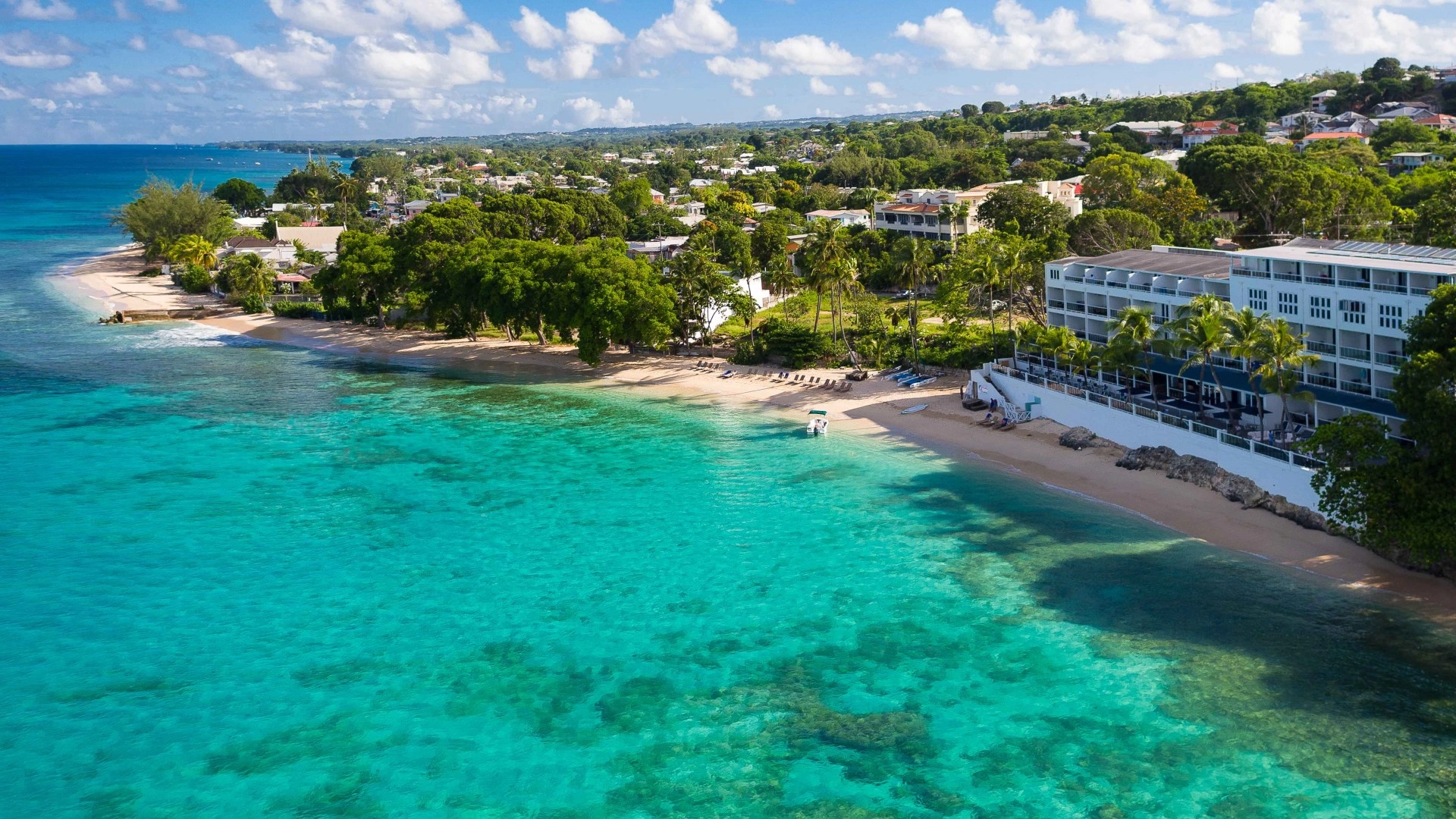
Barbados, the island renowned for its vibrant atmosphere and spectacular scenery, beckons travelers with its ‘pink’ beaches and cultural gems, including the oldest rum distillery in the world, Mount Gay.
Upon arrival, we were greeted by a friendly tour guide who humorously nudged us to try a sip of warming rum, a fitting welcome to escape the chill of the UK winter. Rum has deep roots in Barbadian culture, with about 1,500 rum bars spread across this small island nation. A visit to the famous Harrison’s Cave is a must, leading up to delightful rum tasting sessions, where we were entertained with anecdotes about the local love for rum, much to our amusement.
After indulging in some local spirits, we were advised to try the KFC, said to be far superior in the Caribbean. When we stopped by, we discovered the drive-thru was surprisingly empty, but our quick-thinking driver Earl managed to get us an order, showcasing the island’s easy-going vibe.
Of course, no trip to Barbados is complete without a nod to its superstar daughter, Rihanna. We stopped by Rihanna Drive, pausing at her childhood home and taking pictures at National Heroes’ Square, where she’s celebrated as a local icon. It was unfortunate that Rihanna had just departed the island prior to our arrival, but we made an attempt to visit Boatyard, her favorite beach club, only to be turned away due to high demand—a common challenge during cruise season.
Luckily, our hotel, Waves Resort & Spa, had its own beautiful beach. This Marriott property, one of several undergoing renovations, provided stunning views of Prospect Bay, allowing us to unwind and enjoy picturesque sunsets right from our balcony.
The people of Barbados truly embody the island’s charm, known for their friendliness, whether it was a coconut vendor on the roadside or a hotel receptionist who greeted me with warmth. This welcoming attitude permeated every interaction and contributed to the overall feel of happiness that enveloped the island.
For adventure seekers, Barbados offers a range of activities from scenic boat trips to thrilling off-road safaris. The resort also provided convenient access to other Marriott hotels via a free water taxi, ideal for all-inclusive guests looking to explore.
As the day escaped into night, I found myself drawn back to the bar for a refreshing rum cocktail, indulging in the island’s essence—where hospitality meets a laid-back lifestyle. After all, as the saying goes, "This Is What You Came For!”
Getting There
Return flights from Heathrow with Virgin Atlantic start from £529.
Staying There
Prices for rooms at Waves Resort & Spa begin at £395 per night for two on an all-inclusive basis.
Out & About
A Nature Trail, Tram, and Rum Tasting at Harrison’s Cave is available from £122.83.
For further details on travel options and experiences, visit Virgin Atlantic and Chukka.
Unveiling the Rum of the Year: Insights from the International Wines & Spirits Competition
The International Wines & Spirits Competition (IWSC) has announced the 2024 Rums of the Year, showcasing a curated collection of 10 exceptional rums selected by their judging panel. The dominant presence of Barbadian rums, particularly from Foursquare Distillery, is notable. Ian Burrell, who chairs the Rum Panel, provides insights into current trends within the rum industry.
Current Rum Industry Trends
According to Burrell, rum producers are diversifying their cask usage beyond the traditional ex-Bourbon and ex-Cognac casks. There is an increasing trend of using various wine casks, including Sherry, Madeira, and even Tokaji wine casks, to influence the flavor profiles of new rums. Additionally, he highlighted a rise in higher alcohol by volume (ABV) bottlings, suggesting a value proposition of “more bang for their buck” for consumers.
Burrell emphasizes the importance of balance in rum, stating that flavors should harmonize rather than overwhelm. He argues that rums must be sippable and enjoyable, offering richness and complexity without being cloying.
2024 IWSC Rum of the Year
R.L. Seale, Foursquare 14 YO Equipoise Rum
This rum was awarded the 2024 Rum of the Year, achieving an impressive score of 99/100 points. Tasting notes describe it as having an enticing mix of leather, olive oil, citrus, cinnamon, oak, dark chocolate, and nutmeg, offering a long-lasting finish of caramel, banana bread, and tobacco.
Barbadian producers dominated the list, with several Foursquare rums making the top ranking:
- Foursquare 2011 Rum: Described as a beautiful blend of tropical fruit, dark chocolate, and a complex finish reminiscent of Oloroso wine.
- Foursquare Covenant Rum: Noted for its balance of toffee sweetness, tropical fruit, and a finish of butter and coffee.
Notable Entries from Around the World
Taiwan Tabacco & Liquor Corporation Nantou Winery, Craft Cask Strength Single Rhum
This rum features deep cacao aromas complemented by tropical fruit and a well-rounded palate.
Sangsom Distillery, Phraya Deep Matured Gold Rum (Thailand)
Characterized by notes of milk chocolate and caramel, leading to a finish rich in baking spices and coconut.
Mt. Uncle Distillery, FNQ Iridium X Agave Cask 10 YO Rum (Australia)
Aromas of honey and Sauterne complexity blend with flavors of oak and citrus for a satisfying finish.
Equiano, Ominira 11 YO Rum
This rum offers rich vanilla and nutmeg tones, combining flavors like crème brûlée and dark chocolate.
St Nicholas Abbey, 12 YO & 8 YO Cask Strength Rums
Both entries exhibit rich aromas and flavors, showcasing the quality of Barbadian rums.
Desert Diamond Distillery, Gold Miner 12 YO Barrel Reserve Platinum Rum (USA)
Celebrated for its floral aromas and a palate rich in coffee and caramel, finishing with tropical fruit notes.
The IWSC’s 2024 Rums of the Year highlights some of the most outstanding rums globally, reflecting innovative maturation practices while retaining essential rum characteristics. Whether enjoyed straight or in cocktails, this list promises to delight rum enthusiasts. For more information on the current trends and exceptional rums, you can see The Rum of The Year.
Everything You Need to Know About “Whiskey On The Rocks” Season 1: Release Date, Plot, Cast, and More!

Hulu’s Whiskey On The Rocks offers a satirical interpretation of a potential global crisis from the 1980s, rooted in real historical events. The series takes place during the Cold War, highlighting a significant incident in 1981 when a Soviet submarine, U-137, ran aground near Sweden’s Karlskrona archipelago, which is adjacent to a secret naval base.
At the time, Sweden maintained a position of neutrality, but the submarine’s incident placed immense pressure on the Swedish Prime Minister, Thorbjörn Fälldin, who was faced with the task of defusing a tense situation. Despite the seriousness of the circumstances, the show injects humor into the narrative, exploring the eccentricities of various world leaders including Soviet leader Leonid Brezhnev and U.S. President Ronald Reagan.
Whiskey On The Rocks premiered on Hulu in the United States on January 22, 2025. The show had already been released in Sweden on the SVT1 channel back in December 2024, and all six episodes were made available at once, allowing viewers to binge-watch.
The plot follows the precarious scenario of the U-137 crew, who had been celebrating a new father among them, only for their festivities to turn into an international incident. The series not only delves into historical events but also cleverly blends political satire with comedy, presenting the strange dynamics between Eastern and Western leaders at the time. The series synopsis captures this essence:
“In 1981, the Soviet submarine U137 ran aground in the Karlskrona archipelago; never before had the world been so close to a major global conflict; the entire responsibility fell on Swedish Prime Minister Fälldin.”
The cast features Rolf Lassgård portraying Thorbjörn Fälldin, with Stasys Jakštas as Leonid Brezhnev and Mark Noble as Ronald Reagan. Supporting roles include Anders Mossling as Foreign Affairs Minister Ola Ullsten, and Niklas Engdahl as Chief of Defense Börje Lagerkrantz. The ensemble also includes actors like Filip Berg, Elsa Saisio, and Adam Lundgren, among others.
For those intrigued by satirical perspectives on history, Whiskey On The Rocks promises a unique combination of humor and political drama, encouraging viewers to reflect on a moment that could have changed the course of international relations.