Infographic: Unveiling the True Cost of Tariffs – A Scholarly Investigation into Wine Pricing
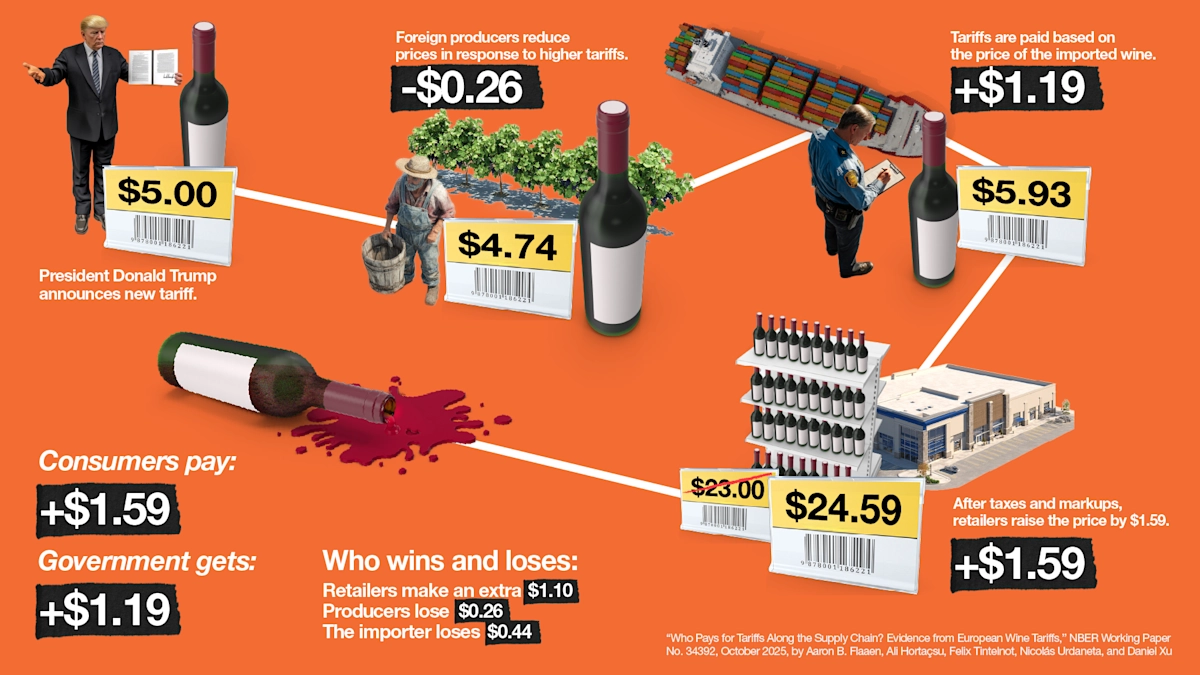
As many Americans have learned in the past year since "Liberation Day," tariffs can disrupt supply chains in numerous ways, primarily by increasing costs for consumers. A recent study by the National Bureau of Economic Research found that consumers essentially bear the full financial burden of tariffs and often more.
The study detailed the movement of a single bottle of imported wine through the global supply chain, essentially offering a contemporary twist on the classic economic concept illustrated in Leonard Read’s essay, "I, Pencil." The authors uncovered that while foreign producers may lower their prices to absorb some tariff costs, this is not enough to keep consumer prices from rising significantly.
For instance, a bottle of wine that originally would cost $5 to export and $23 to purchase in an American store experienced changes when a 25% tariff was implemented. It was found that exporters reduced their prices to about $4.74, reflecting a loss of 26 cents per bottle. Once imported to the U.S., the price was affected by the imposed tariff, resulting in the government collecting $1.19 per bottle.
After accounting for various taxes and fees that remained unchanged due to the tariff, the retail price increased by an average of $1.59. Consequently, consumers ended up paying an astonishing 134% of the total tariff increase, even though foreign producers had attempted to reduce their prices.
This situation highlights a critical issue with tariffs—nearly everyone involved in the transaction ends up worse off. Producers lose out on revenue from lowered export prices, and consumers face elevated retail costs. The only entity profiting seems to be the government due to the accrued tax revenue from the tariffs.
The findings underscore a fundamental economic lesson: tariffs often do not accomplish their intended goal of protecting domestic industries. Instead, they tend to create a burden on consumers while benefiting the government financially.
For additional details, refer to the full study published by the National Bureau of Economic Research and background discussions on the relationship between tariffs and pricing dynamics.
Maine’s Highest Court Delivers $749K Tax Ruling Against Tito’s Vodka Maker
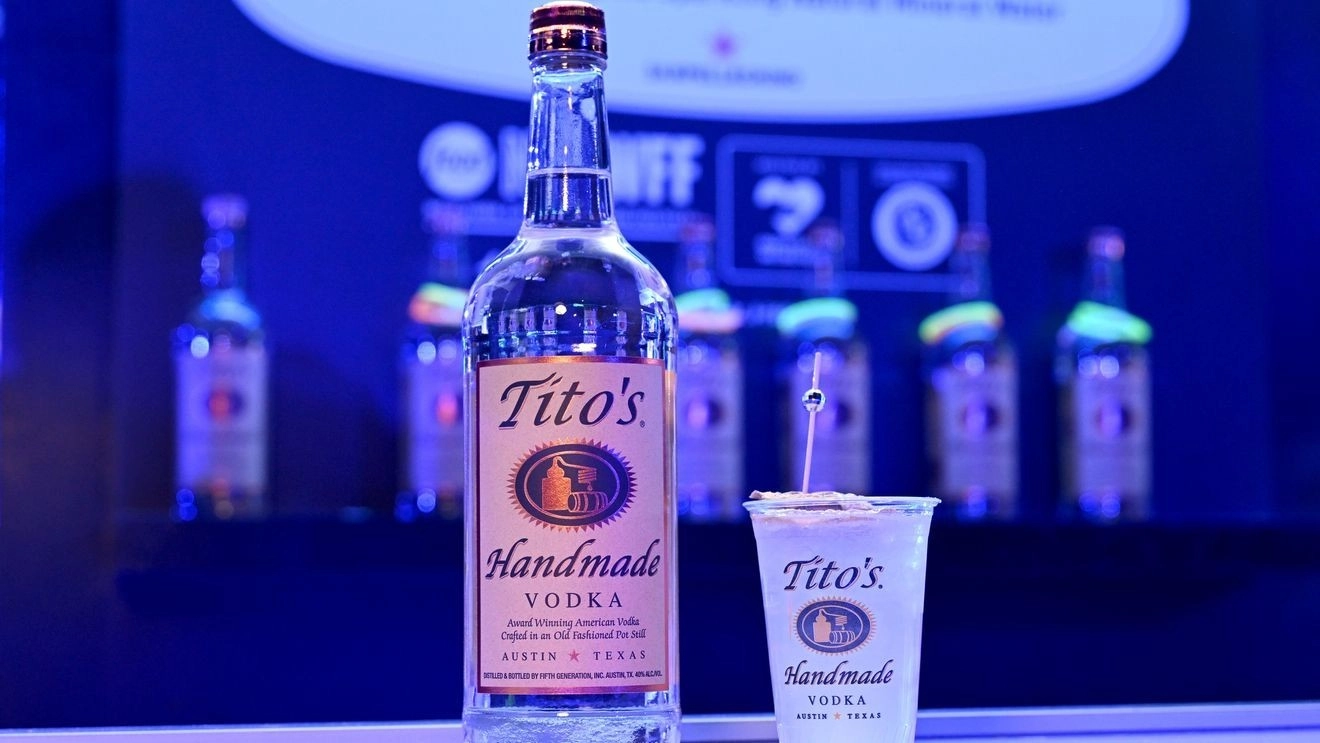
Maine’s highest court has ruled that Fifth Generation, the maker of Tito’s Handmade Vodka, is required to pay $749,000 in unpaid taxes and fees. The case had been under legal scrutiny since 2018 and included multiple appeals from the company.
Fifth Generation argued that it shouldn’t be taxed in Maine since it does not have a physical location within the state. However, the Maine Supreme Judicial Court determined that the company had a significant enough tax presence due to its inventory being stored in a Maine warehouse, along with completing sales within the state’s regulated liquor distribution framework.
The court rejected the company’s claims of federal law exemption, highlighting that its activities involved more than merely soliciting orders; it was actively storing products and conducting sales in Maine, which qualifies as conducting business in the state. Furthermore, the court upheld Maine’s regulatory system as being constitutional and confirmed that the penalties applied were justified, given the company’s lack of legal basis for failing to pay the owed taxes.
For more information, you can view details on the ruling here.
Johnny Depp Unveils Three Hearts Rum: The Perfect Tribute for Captain Jack Sparrow

Johnny Depp has officially launched his own rum brand, Three Hearts Rum, after seven years of development. Inspired by his iconic role as Captain Jack Sparrow from the Pirates of the Caribbean series, Depp’s venture into the rum market reflects his deep-rooted connection to the Caribbean, dating back over two decades when he filmed the first movie in 2002.
The inaugural product comes from a family-owned distillery in the Dominican Republic, where it undergoes a unique aging process. Initially matured for five years in bourbon barrels, it is then aged for an additional two years in Cognac casks, resulting in a flavor profile reminiscent of maple syrup and toffee pudding with a subtle leathery finish.
Depp emphasized his desire to create a rum that can be enjoyed over time rather than consumed quickly. He cited his preference for dark rum, which is meant to be savored rather than rapidly downed. The new label seems keen to offer a sophisticated alternative to the often overly sweet spiced rums prevalent on the market.
The bottle itself is a work of art, featuring Depp’s personal tattoo designs and an inscription that reads, “No Fear. No Malice. No Envy.” This design choice underlines that the product embodies Depp’s character and authenticity, showcasing the thoughtful crafting behind it.
In pursuing this endeavor, Depp seeks to highlight the traditional rum-making techniques of the Caribbean while providing a revenue stream for the distillers involved. He expresses a hopeful yet realistic outlook on the brand’s future and its potential resonance with consumers. Currently priced at $70 per bottle, Three Hearts Rum is now available on shelves, inviting rum enthusiasts to experience this distinct creation.
For more information, visit Three Hearts Rum.
The Rise of Protein Cocktails: Exploring the Trend and Its Benefits
Bulking up with protein isn’t just a trend anymore; it’s making its way into unexpected places like cocktail bars. The increasing popularity of protein cocktails has led bars to experiment with adding protein into their drink recipes, one of the latest being Buffalo Wild Wings’ Espresso Proteini, which features 10 grams of protein powder and a sprinkle of their dry rub spice. This new twist on the classic espresso martini aligns with a growing consumer interest in protein-rich options across food and drinks.
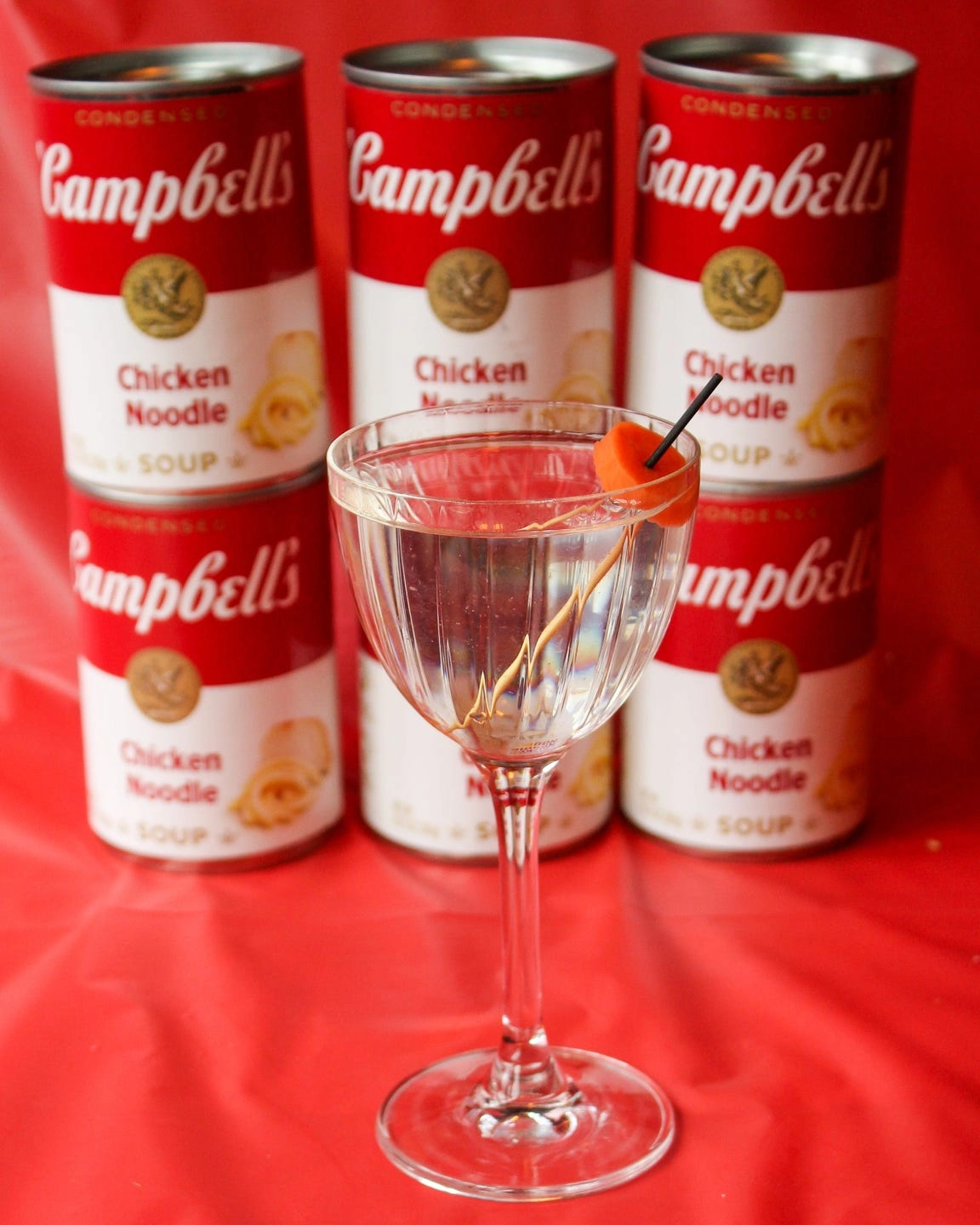
Bartenders are no longer just mixing traditional cocktails; they’re getting creative with ingredients to enhance nutritional value while pushing flavor boundaries. For instance, the cocktail known as the Bullshot, made with beef broth, vodka, Worcestershire sauce, and celery salt, has been revived as a protein-packed option for patrons preferring savory drinks. Similarly, the Chicken Soup Martini at State Park Bar involves chicken bone infusion for a rich, umami flavor twist.
Despite some debate about the effects of alcohol on muscle growth and protein absorption, industry experts suggest enjoying these cocktails in moderation could provide some benefits. The protein can help you feel full, potentially curbing late-night snack cravings, and some anecdotal evidence suggests these drinks might help reduce the severity of hangovers.
In a world that is always looking for innovative ways to enjoy health-conscious options, protein cocktails exemplify the blend of nutrition with leisure, proving that the cocktail scene is evolving in exciting ways. The future may hold even more unique concoctions, potentially combining the festive nature of cocktails with health benefits, which could redefine our drinking experiences.
‘Next Level Chef’: Intense Pub-Themed Beer Challenge Leads to Shocking Elimination

In an exciting episode of Next Level Chef, titled “Ale’s Well That Ends Well,” the competition heats up with a delectable twist as chefs are required to create dishes inspired by beer. Judges Gordon Ramsay, Nyesha Arrington, and Richard Blais introduce a vibrant pub theme, complete with beer taps and even a game of beer pong, where contestants can win key ingredients for their dishes.
With the stakes high, each chef must execute their recipes with precision, incorporating the right beer pairings. The episode showcases the talent and creativity of the contestants as they navigate challenges, ultimately leading to one contestant being sent home.
The episode features 15 competitors, originally divided into three teams led by each judge. Following a series of intense cooking challenges, Connor from Team Arrington wins the top dish with lager-glazed chicken paired with charred corn and bone marrow succotash, securing his team’s stay at the Top Level kitchen.
As part of the elimination round, two chefs face off to prepare dishes with champagne, with Amber and Darian putting their culinary skills to the test. While both dishes receive mixed reviews, Amber is ultimately eliminated, marking a poignant moment in the competition as she vows to continue her culinary journey.
Next week’s teaser promises a “cowboy cooking” challenge, hinting at more thrilling kitchen antics and surprises in store for viewers.
Kentucky Peerless Enters the Big Leagues with Its First 10-Year Bourbon
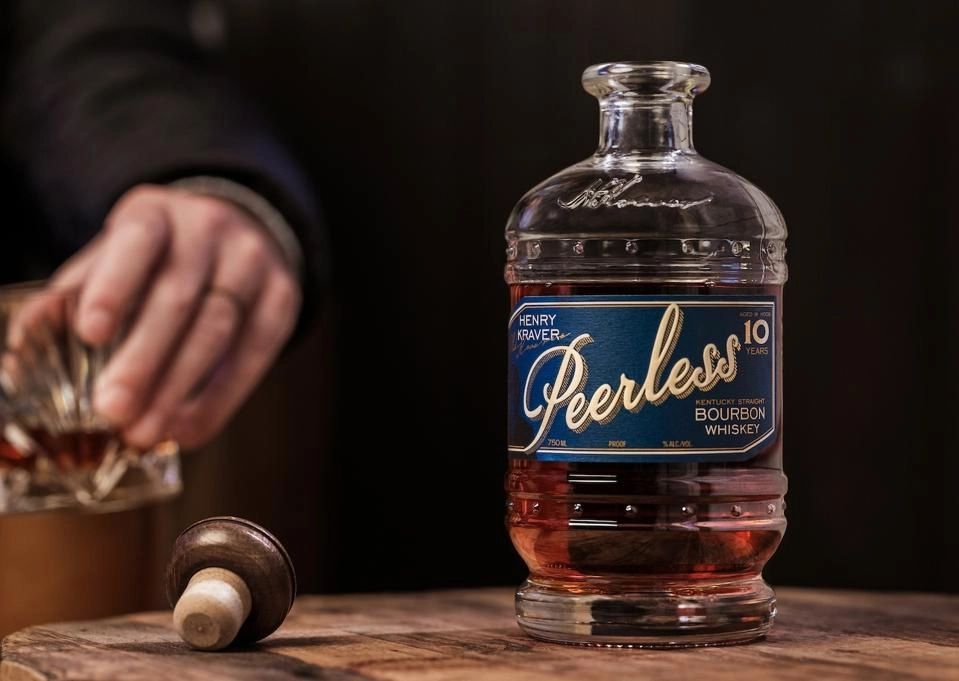
Of Louisville’s many whiskey makers, Kentucky Peerless Distilling Co. stands out for its unique approach and commitment to tradition. Established in 1889 by Polish immigrant Henry Kraver, the brand was revived in 2013 by his descendants who wanted to honor their heritage while innovating within the whiskey industry. Located in a vintage tobacco warehouse, Peerless has become known for producing distinctive bourbons, including recently crowned award winners.
On April 22, 2026, Peerless will release its first-ever 10-year bourbon, named Henry Kraver’s Old Reserve Bourbon. This new expression follows the brand’s successful High Rye Bourbon, which won accolades from the International Wine & Spirits Competition in 2024. The upcoming bourbon will be crafted using a sweet mash process, aged in Kentucky, and bottled at barrel strength, specifically at 117.6 proof.
Co-founder Roy M. “Corky” Taylor III expressed his pride in honoring his great-grandfather, telling the story of the team that contributed to this milestone. Despite not having a disclosed retail price as of yet, the whiskey will be available for purchase following its debut at the distillery, with plans for an annual release.
Having sampled an early batch, the review noted its complex flavor profile featuring dark fruits like black figs and prunes, a dusty warehouse aroma, and hints of chocolate and spice. The palate opened with rich caramel notes intermingled with surprisingly fruity twists, transitioning to a finish that melded grape, leather, and a warm sensation characteristic of high-proof bourbons. This latest offering from Peerless maintains its innovative spirit as it aims to push the boundaries of whiskey flavors, showcasing the distillery’s artistry.
With Henry Kraver’s Old Reserve, Peerless continues to make its mark in Kentucky bourbon, with each new release solidifying its legacy while offering something fresh and exciting to whiskey enthusiasts.
Johnny Depp Bets Big on Rum: A ‘Pirates of the Caribbean’ Star’s New Endeavor

Johnny Depp is launching a new venture into the spirits market with the debut of Three Hearts Rum, a brand that reflects his deep ties to the Caribbean. This rum has been a long time coming, developed over several years, and is set to retail for $69.99, with initial sales occurring exclusively online at ThreeHearts.com.
Depp’s co-founder, Bobby DeLeon, stated that they began seriously considering entering the rum market in 2021. They took their time to assemble a team, secure funding, and select the right aged rum from a distillery. Depp expressed his emotional connection to the Caribbean, stating, "The Caribbean is a deeply meaningful presence in my life… when something means that much to you, you don’t rush it."
The rum is produced in the Dominican Republic, aged for seven years, and features a flavor profile described as sticky toffee with notes of wood, spices, candied orange, and vanilla. The production emphasizes traditional rum-making practices, avoiding modern gimmicks in favor of honoring the craft and its heritage.
Depp has thoroughly engaged in the creation process, including the design of the bottle which incorporates personal symbols like his tattoos and a custom flag to adorn his private island in the Bahamas. The bottle also features the motto “No Fear. No Malice. No Envy” at its base.
While many celebrities have ventured successfully into tequila and whiskey, rum has garnered less celebrity attention, despite the category generating $2.1 billion in the U.S. The recent sales decline in rum could pose challenges for Three Hearts Rum; however, DeLeon remains optimistic about the brand’s potential to appeal to fans of other spirits.
Depp and DeLeon also have plans to launch future products highlighting different rum-making regions across the Caribbean, aiming to diversify and expand their brand’s presence in the market.
Unveiling the Costs: Who Really Bears the Burden of Tariffs on Wine? An Infographic Analysis
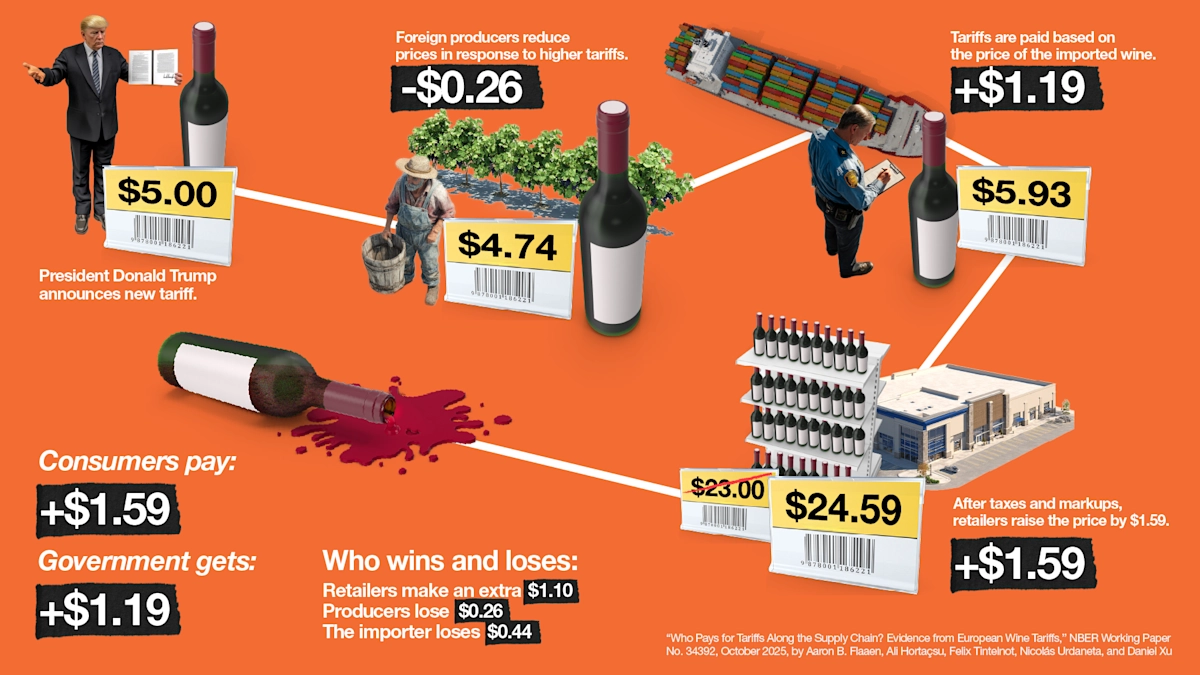
In recent discussions about tariffs in the United States, a study published by the National Bureau of Economic Research has shed light on the true costs associated with these trade policies. The researchers traced the journey of a single bottle of wine through the supply chain, demonstrating how tariffs ultimately burden consumers.
Before tariffs were implemented, a bottle of wine priced at $5 would retail for approximately $23 in the U.S. When a 25% tariff was introduced, foreign exporters began to react by lowering their prices to remain competitive. As a result, the same bottle of wine was exported at an average price of $4.74, indicating a loss of 26 cents per bottle for the producers.
However, once the wine arrived in the U.S., the 25% tariff added $1.19 to its cost. This amount didn’t disappear; instead, it was absorbed along with existing taxes and markups, leading to an increase in retail price, which rose by an average of $1.59. Consequently, consumers found themselves paying significantly more: overall, they bore an expense equivalent to 134% of the tariff increase, even with foreign producers lowering their prices.
The authors of the study concluded that tariffs do not provide relief but instead negatively affect all stakeholders except the government, which benefits from the increased revenue generated by the tariffs. This insight emphasizes a critical economic takeaway—tariffs distort market dynamics, often leading to an overall loss for producers and consumers alike while enriching government coffers.
The findings reason that while the intent behind tariffs might be to protect domestic industries, the ripple effects can lead to heightened prices and reduced market efficiency, questioning the overall effectiveness of such trade barriers.
Taste of Creativity: College Launches Student-Run Taproom for Craft Beer Enthusiasts

A unique educational experience unfolds at Grand Rapids Community College (GRCC) with the Fountain Hill Brewery, a student-run taproom where aspiring brewers craft and serve their own beer. This public taproom operates for three hours each week, providing practical training in the brewing process for students enrolled in the Craft Brewing Certificate program.
Under the guidance of Assistant Professor Allison Hoekstra, students engage in various aspects of brewing. They are responsible for writing recipes, brewing, and kegging the beer, which is later served to customers. The taproom is open on select Thursdays from 5:30 to 8:30 p.m., showcasing a rotating selection of craft beers created by the students, alongside appetizers made by culinary arts students and chef-professors.
Hoekstra emphasized the program’s focus on teaching every stage of brewing, from safety and sanitation to the final moment when customers enjoy the students’ creations. The taproom offers a social setting for students to gather feedback on their brews, and many of them find it rewarding to interact with guests.
Between 30 to 80 visitors frequent the taproom each week, purchasing pints priced between $5 and $7. Proceeds from the brewery directly support the Craft Brewery program, with a portion of tips contributing to student scholarships. The brewery has also become a community hub, hosting events that celebrate women in the brewing industry and offering to-go beers.
The overarching goal of the Craft Brewing Certificate program is to prepare students for successful careers in the brewing industry. Many alumni go on to work in local breweries or associated businesses, showcasing the ongoing growth of Grand Rapids as a notable beer hub, often referred to as “Beer City, USA.”
Hoekstra reflects on the fulfillment of witnessing her students’ growth, particularly when they showcase their own recipes at local beer festivals. Such achievements highlight the program’s success in nurturing talent within the brewing community.
A Toast to Change: Celebrating 50 Years of Wine Culture as a Boston Legend Retires
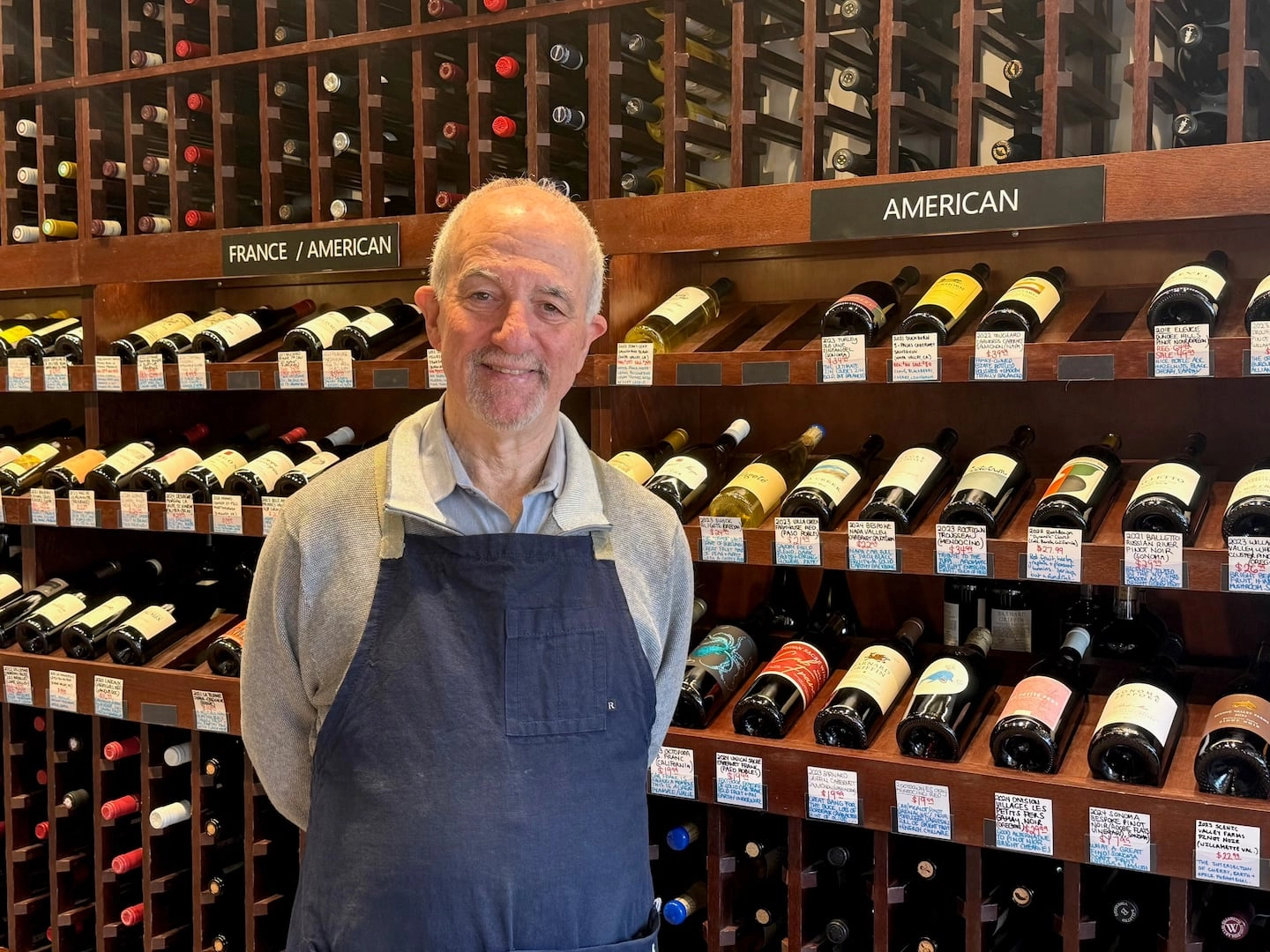
Howie Rubin, a prominent figure in Boston’s wine scene, reflects on his remarkable 50-year journey in the industry as he prepares for retirement. Rubin started his career managing Bauer Wine & Spirits on Newbury Street for 43 years, where he served a diverse clientele ranging from young adults to Boston’s elite.
In the 1990s, he became a well-known voice in the wine community, appearing regularly on WFNX radio. More recently, he transitioned to a role at Vin Fromage, a wine and cheese shop in Wenham, where he has influenced a new generation of wine enthusiasts on the North Shore.
As he looks ahead, Rubin notes his upcoming retirement is about embracing leisure and enjoying wine for pleasure rather than work. He describes the North Shore’s burgeoning food and drink scene, highlighting the rise of local farms and artisanal producers. This area is seeing an influx of people moving from Boston, seeking a vibrant, community-oriented lifestyle.
Reflecting on how he fell into wine, Rubin recounts his unexpected entry into the industry after a humorous incident in a San Francisco restaurant led to a job at America’s first wine bar in 1975. His subsequent experiences included grape-picking at Mayacamas Vineyards and working as a sommelier at the famous Breakers Hotel in Florida, where he honed his knowledge of European wines.
Over the years, Rubin has worked closely with notable families and celebrities, sharing wines that fit their tastes while navigating the unique demands of high-profile clients. He reminisces about the camaraderie he found in Boston’s restaurant scene, particularly with chefs and fellow sommeliers who shared his passion for quality wines.
Rubin observes a shift in drinking habits, noting that while overall consumption may be decreasing, younger generations are still eager to learn about wine. They are particularly intrigued by natural and organic wines, reflecting a broader trend toward authenticity in food and beverages.
As he closes this chapter of his life, Rubin shares his recommended wines for future dinner parties, favoring sparkling ones to start, followed by rich white Burgundies and hearty Tuscan reds. He suggests newcomers to wine should explore unique varietals outside the mainstream, such as Albariño or Gamay, to find their preferences.
In his personal life, Rubin expresses love for local restaurants like Feather & Wedge and Machaca, highlighting the diverse culinary scene on the North Shore. As he prepares to step back from his career, Rubin looks forward to enjoying the fruits of his labor in a region that continues to thrive with new food and beverage offerings.