Ranking the Top Bourbon Whiskeys Under $90 for Exceptional Taste
We’re almost there – the realm of bourbons that cost $100 or less. The anticipation is palpable and you can likely taste it. But first, we’re spotlighting bourbons priced just under $90 per bottle. There are some real gems here, including a few that would hold their own in higher price brackets.
This is a part of the bourbon aisle where standout bottles thrive, rarity increases, and flavor profiles expand. Let’s be real, if you’re shelling out $80 to $90 on a bourbon bottle, it’s for a special occasion or because you’re a fan of the brand. Hence, it has to pass one important test – it better taste extraordinary.
Below, I’ve put together a list of twenty absolutely delicious bourbons. These whiskies are the ones that everyone should try at least once. They’re palate enhancers, unique small batches, special single barrels, one-off masterpieces, and so much more. All that being said, they’re ranked according to the depth of their tasting profiles. The rankings range from “Wow, this is a great bourbon” to “Holy cow! This is in a league of its own!”
Does that sound good? Let’s dive in!
ABV: 45.5%
Average Price: $80
This whiskey is derived from a careful selection of bourbons from Kentucky, Indiana, and Tennessee. After the manual selection, the barrels are transported to New York. Here, they are mixed in small batches, each batch containing no more than five barrels. The blend is then proofed with limestone mine water from New York and subsequently bottled. The cost is justified by the precision and expertise involved in the process. It lies in finding prime barrels and proficiently combining them to create a superior end product.
Tasting Notes:
Nose: Raw pancake batter opens this one on the nose with sweet yet spicy mulled red wine next to orange rinds, soft vanilla pudding, and light mint waxiness — almost like a fresh candle.
Palate: The taste has a mix of marzipan next to dark chocolate and real maple syrup on the front before descending into soft notes of creamed vanilla honey, cherry compote, and orange-spiced tobacco layered into soft old oak.
Finish: The finish adds some more sweet spicy stewed cherry to that dark chocolate with layers of woody birch water cut with soft winter spice barks and more of that oaky tobacco.
Bottom Line:
Widow Jane’s extraordinary blends and single barrels are splendidly introduced in a manner that’s profound, delectable, and definitive. It’s a sipping whiskey that each time you revisit, offers something new. With the presence of cherry, chocolate, and orange, it makes for a phenomenal old fashioned.
ABV: 50%
Average Price: $83
This whiskey from Virginia offers a grain-to-glass experience. It’s prepared from locally sourced grains, specifically 70% corn, 20% rye, and 10% malted barley, all mixed with local spring water from the Shenandoah Valley. After a span of five years for maturation in Appalachia, a handful of barrels are batched together and proofed to 100 proof before the bottling process.
Tasting Notes:
Nose: The first impression is reminiscent of aged porch wicker combined with floral honey. Further exploration reveals hints of scorched orange and black tea leaves, all underpinned by a typical woody cherry and vanilla aura.
Palate: The taste deepens the honey impression while introducing notes of mild oak and cherry pie filling. There is a whisper of vanilla malt alongside mulled wine spices, the latter dominated by star anise, clove, nutmeg and cinnamon, complemented by a sprinkle of mace or cardamom.
Finish: The finale manifests as a dark chocolate wrapped espresso bean essence, followed by a gentle dried cranberry hint. This transitions into a suggestion of strawberry-rhubarb-walnut crumble accompanied by a scoop of vanilla malt ice cream, before reverting to the opening theme of old porch wicker, now intertwined with dark cherry tobacco and dry cedar bark.
Bottom Line:
This bourbon is a subtle surprise. Initially, it seems typical, providing a deep sense of familiarity, before leading you into rich wooden spices, vintage coffee houses and sweet malt treats that elevate it beyond the standard whiskey. This exceptional pour is worth your time and effort, best savored slowly.
ABV: 46%
Average Price: $85
Bib & Tucker represents an outstanding example of the magic of skilled blending with sourced whiskey. This Tennessee whiskey is a combination of 10-year-old whiskeys matured in the least charred barrels possible. It allows more interaction with the dried wood sugars compared to black charcoal filtration. Afterwards, the barrels are blended and their proof is reduced with soft Tennessee water.
Taste Profile:
Aroma: The initial sensation is of vanilla bean, embracing aspects of the pod, seeds, and essence, accompanied by nuances of spicy chewy tobacco, dry oak bordering on pine, and a faint echo of fresh corn husks.
Flavour: The palate notably maintains the creamy vanilla, as the corn husks turn dry and impressions of orange-infused dark chocolate mix with the spicy tobacco, kindling a hum on your palate.
Conclusion: The finale is elongated, exhibiting traces of the dry pine, and persistently echoing both the vanilla and dried corn husks.
Final Thoughts:
Bib & Tucker shines best here. This is a rich whiskey which sips very smoothly, offering a fruity, vanilla-dominated taste profile. Consequently, you can comfortably enjoy this neat, or incorporate it into your preferred whiskey-centric cocktail. However, I would recommend concentrating on the former, as Bib & Tucker’s 6-year variants are better suited for cocktail blending.
Alcoholic Volume: 55%
Average Price: $89
Old Bones stands out with their 10-year-old bourbon releases, yet this one is slightly different, being a late 2023 release. The bourbon originates from Bardstown, Kentucky, composed of 75% corn, 15% rye, and 10% malted barley mash bill. After 9 years of undisturbed aging, it’s then batched and bottled with a gentle touch of water.
Tasting Notes:
Nose: Expect classic Kentucky bourbon on the nose. It has a strong vanilla aroma balanced with the subtle scent of soft orchard fruits, cherry stewed with spices, and a hint of an old barrelhouse’s earthiness.
Palate: The palate is characterized by sweet and spicy tendencies, featuring dark cherries flavored with cinnamon syrup, complimented by a serving of vanilla sauce and shaved dark chocolate. An undertone of oily tobacco and cedar bark creates a unique tasting experience.
Finish: The finish emphasizes the tobacco and cedar, highlighting deep, woody winter spices, stewed fruits, and a hint of smooth vanilla.
Concluding Thoughts:
This relatively new release arrived unexpectedly, but managed to deliver an unrivaled bourbon-tasting experience. It encompasses all the desirable elements of a rich and delicious bourbon, with an extra kick that elevates its status beyond ordinary. For best results, try sipping it neat.
ABV: 47.5%
Average Price: $83
This whiskey was distilled at Castle & Key back in 2018. 200 of those barrels were hand-picked for this release to take a look back at the past two years of Blue Run and “reflect” upon the trials they brought and the successes they’ve had in making tasty whiskey.
Tasting Notes:
Nose: The fragrance begins with a clear note of sour yet slightly sugary cherry accompanied by butterscotch candy, gentle firewood, and a touch of pancake batter.
Palate: The pancake batter evolves into a pile of pancakes topped with butter infused with vanilla, maple syrup, and a few tossed nuts. This gives way to a herb garden filled with rosemary shrubs, fresh thyme, and a bit of piercing spearmint.
Finish: This savory element subsides through the mid-palate as a sprinkle of nutmeg rounds out the finish with traces of wood-like maple syrup and a final reiteration of that sour cherry.
Bottom Line:
This is another one that takes an extra step. The deliciously rich herbs and subtle winter spices blend perfectly on the palate, as the dessert-like elements bring a balance between a sweet, satisfying breakfast and an after-dinner liqueur. Serve this after a large meal and let its flavors envelop you. It’s sure to do wonders.
ABV: 47.65%
Average Price: $81
This new offering from Sazerac’s alternative distillery, Barton 1792 Distillery, has established itself as a standard annual release. The specific details about the whiskey are mostly kept as a secret, but it is known that the bourbon is given a finishing touch in Cabernet Sauvignon casks for a certain period before the processes of blending, proofing, and bottling take place.
Tasting Notes:
Nose: The initial scent carries notes of stone fruit and vanilla. Additional hints include the fragrance of brown-butter sugar cookies, the tartness of bright peaches straight from the tree, and the subtle odor of vintage, mellow oakiness infused with the earthiness of an old cellar.
Palate: On the palate, flavors transition into hints of cherry bark and juicy plums. This is complemented with sharp spices from mulled wine and the creaminess of vanilla. The taste of woody sassafras subtly progresses towards grape must with a slight presence of fruity yeasts.
Finish: The palate’s spices lead to notes of vintage boot leather and more of the soft oak. There’s also a hint of sweet potting soil. The finish is plummy, lush and darkly sweet with a faint hint of smudging sage lingering in the background.
Key Takeaway:
If you’re looking for a hidden gem, this is it. Frequently unnoticed on store shelves, this is a superb whiskey for pairing with food or appealing to wine enthusiasts. The red wine undertone beautifully complements the robust bourbon flavor. Enjoy it slowly and revel in discovering the subtle intricacies of its taste profile.
Afterwards, consider using it to create a Manhattan cocktail, it’s destined to be delightful.
Alcohol By Volume: 49%
Average Price: $83
This bourbon originates from Penelope’s popular four-grain bourbon. The whiskey is later re-casked into Spanish Vino de Naranja casks from Valencia, culminating in a delicate small-batch, proofed, and bottled product.
Tasting Notes:
Nose: Exhibits a gentle aroma of burnt orange and cinnamon toast, followed by subtle notes of cherry vanilla cream soda, chocolate chip cookies, and orange zest.
Palate: We experience a transition of orange zest into chunky orange marmalade upon tasting, accompanied by notes of buttery southern biscuits, warm mulled wine spices, moist brown sugar, and oily vanilla pods.
Finish: It concludes with a pleasing bitterness associated with the orange rinds and seeds, serving a hint of orange blossom alongside salted dark chocolate.
Final Thoughts:
This is a purposefully crafted pour that hits the mark. The presence of orange is unmistakable and resonating. It captivates with its vibrancy and playful feel, harmonized perfectly by the traditional bourbon notes amplified with the burst of orange taste. This makes it an excellent choice for creating an orange-forward old fashioned or simply relishing it over ice.
ABV: 40%
Average Price: $89
This bourbon is technically “flavored”, but it’s unlike any flavored bourbon you might have experienced before. It is Garrison’s Small Batch Bourbon which has been infused with Burleson’s Texas Wildflower Honey. The bourbon was stored in a steel tank, while the empty barrels were transformed into smaller wooden cubes and soaked in honey until completely honey-soaked. These cubes were then placed back into the steel tanks of bourbon, infusing the whiskey over an extensive period of seven months. The flavoring process in this case is more similar to additional aging than merely adding a sugary syrup.
Tasting Notes:
Nose: We start with a distinct bourbon whiff, combined with the scent of weathered leather, dry straw, and apple. This gives way to elderflower, lusciously ripe peaches and apricots, concluded by a dash of pure honey.
Palate: The honey note continues onto the palate providing a transition. It brims with wildflowers, essence of orange, cinnamon-laced buns sprinkled with a bit of pecan, and a honey drizzle finale that gives a creamy sensation.
Finish: The finish provides an equilibrium between the depth of honey and a clear bourbon hint. The flavors of cinnamon spice, dry pecans, and orange oils permeate into a pot laden with honey.
Final Thoughts:
This honeyed bourbon is perfectly balanced. The taste embodies a floral lightness complemented with deep, stormy bourbon undertones. The flavors in this pour sing in harmony making it an enjoyable and unique sipper for those looking for it.
ABV: 47.5%
Average Price: $87
This four-grain bourbon from Colorado starts its journey with traditional aging in new American oak for two years. Barrels that hit the right mark are chosen, batched, and re-filled into cognac casks for additional aging. When these barrels deliver the right flavor profile, the whiskey is transferred into a 50-year-old French oak foeder, a large barrel, where it rests before bottling. This foeder is never fully emptied, honoring the heritage of all the bourbon that passes through it year after year.
Tasting Notes:
Nose: The unique bouquet of this season features the essence of Earl Grey tea leaves subtly paired with champagne. Undertones of stewed plums and apples mingle with hints of Saigon cinnamon, freshly ground nutmeg, and allspice.
Palate: The taste profile is rich and lush, characterized by the thickness of apple butter and nuanced spices alongside impressions of charred cedar and apple bark. Underneath, luxurious flavors of rum-raisin, creamy eggnog, and a touch of pear come through.
Finish: The conclusion leaves a creamy and lush feeling, offering a bouquet of vanilla and nog combined with a hint of holiday cake-infused tobacco. Hints of cellar oak and a rich caramel sauce linger on the palate.
Conclusion:
This bourbon continues to broaden your taste experience. It offers unique and fresh flavors that blend well. It’s a drink to be savored slowly. Whether diluted with water or served over ice, take the time to smell and taste it again — this whiskey will consistently reward your persistence and efforts with superior quality.
Alcohol Volume: 59.11%
Typical Cost: $84
The latest offering from Barrell Craft Spirits is definitely a distinctive one. The whiskey contained in the bottle comprises a blend of Indiana bourbon (from five, six, and nine-year-old barrels) and Maryland bourbon (from five and six-year-old barrels). After blending, this whiskey is then re-casked into rum casks and Islay whisky casks, before being batched again and bottled at cask strength, completely unaltered.
Tasting Experience:
Aroma: Upon first sniff, the aroma is heavy with notes of bananas foster, peach cobbler, and blackberry crumble, layering in aspects of roasting herbs, smoky sage, aged cedar kindling, along with a rich undertone of vanilla-chocolate malted tobacco. Traces of Cherry Coke and Almond Joy can also be detected.
Taste: The taste is rich and opulent, opening with impressions of dark chocolate-covered espresso beans, candied orange peels, and candied almonds, complemented by black cherry soda, cream soda, plum pudding, and mincemeat pies lightly dusted with powdered sugar. The experience is beautifully rounded off by the arrival of dark and mildly smoked oak.
Finish: That smoky oak leads to pepper brisket fat and salted butter cut with cedar tobacco before veering toward blackberry pie and red currants swimming in dark chocolate with a faint whisper of fresh vanilla pods.
Bottom Line:
Keeping on the “palate expanding” train, this one is a must-have. The subtle notes of smoke that sneak into this one are just brilliant. It helps that the base whiskey is pretty amazing already but that finishing touch takes this from a 10/10 to an 11/10 easily. Sip it slowly and enjoy the ride over to Scotland via Kentucky.
ABV: 50%
Average Price: $83
The Remus Repeal Reserve has launched its seventh edition for 2023! This edition is crafted from a blend of Indiana bourbons from Ross & Squibb. The proportion of bourbons used in the blend is as follows: 6% is a 2007 21% rye bourbon, 26% is a 2013 21% rye bourbon, another 26% is a 2013 36% rye bourbon, 21% is a 2014 21% rye bourbon and the remaining 21% is a 2014 36% rye bourbon. After being batched, the whiskey is lightly diluted with water before bottling.
Tasting Notes:
Nose: The aroma is captivating with scents of pecan waffles slathered in salted butter and fresh maple syrup. Accompanying these notes are the scents of candied cherry, rum raisin, and apple cider spiced heavily with cinnamon. It also has a hint of fresh pipe tobacco along with creamy vanilla to complete the olfactory experience.
Palate: The silkiness results in a lush palate brimming with rum raisin, cherries soaked in brandy, cinnamon sticks steeped in mulled wine, Christmas cakes rich with walnuts, and a gentle touch of oakiness complimented by a sweet tobacco note.
Finish: The finish is pleasantly warm and bursting with cinnamon and creamy vanilla that lends an eggnog-like quality, lightly sprinkled with nutmeg and doused with salted caramel. A hint of peppermint candy cane emerges, underpinned by a deep sense of matured oak cellars.
Final Thoughts:
This bottle of bourbon is a necessity for any collection. It is exceptionally complex, fascinating, and extravagant. It encompasses everything one could possibly desire from an American whiskey and more. Savor it slowly or incorporate it into one of the finest whiskey cocktails your money can acquire.
ABV: 49.5%
Average Price: $89
This new release from Redwood Empire out in California is a very small batch — only 25 barrels — of good straight bourbon. The mash is super unique with only 51% corn supported by 45% rye, 2% malted barley, and 2% wheat. Those barrels rested until just right for batching, proofing, and bottling.
Tasting Notes:
Nose: The nose opens with a compelling mix of simmered red fruits combined with a potent yet warm spice mix. It’s finished off with hints of soft leather, cedar bark, mellow pipe tobacco, and a dash of cherry syrup.
Palate: The taste chemistry emphasizes the cherry with a rich clove, allspice, and cinnamon aroma. It then leads to a touch of grassy rye and buttery grits. The bouquet seems to be ensconced within an aged leather tobacco pouch and stored in a worn humidor infused with the scent of brandied cherries.
Finish: The conclusion provides a refined perception of classic bourbon, encompassed by a comforting touch of wooden spice, dark, simmered red fruit, and a deep velvety vanilla essence. A whisper of nutshell and tobacco can also be detected.
Bottom Line:
Redwood Empire has consistently delivered impressive releases. In the past six months or so, they’ve truly outdone themselves, producing standout products that are leaving a significant mark in the industry. Their bourbon is extraordinary, managing to elevate beyond the standard while still holding on to a nostalgic charm. It’s akin to revisiting your old home, but finding it wonderfully updated and improved.
Make sure to savour this bourbon slowly on a day when you have time to appreciate it. You won’t regret it.
ABV: 50%
Average Price: $89
Bainbridge Organic has been producing exceptional whiskey in Washington for a significant number of years. Their first attempt at creating bourbon is represented by this whiskey. The mash bill is a distinctive concoction of 60% heirloom corn, 25% ancient Triticale variety (a combination of rye and wheat), and 15% gentle white wheat blend. The whiskey is aged undisturbed for five years and six months prior to being batched and bottled.
Tasting Notes:
Nose: The initial scent carries a hint of aged corn husks that transitions to salted caramel confections dipped in rich dark chocolate, topped with dried lavender and charred orange.
Palate: The taste begins with a sweet palette of caramel and chocolate, subsequently leading to a vanilla-cherry ice cream flavor. This is combined with a superbly creamy sensation juxtaposed with subtle touches of verdant spices and brand-new oak barrels straight from the production line, infusing a sweet, freshly toasted wood nuance.
Finish: The grassy spice and toasted sweet oak dry the finish out as more cherry-vanilla creaminess balances out the finish with a hint of marmalade and cedar-infused scone on the very end.
Bottom Line:
This is a true hidden gem. You’ll probably have to be in the Pacific Northwest to source this. That said, it’s 100% worth seeking out as it’s perfectly balanced and delicious while offering a sense of place (that moment of cedar at the end will transport you). Just make sure to sip this one slowly and add water along the journey to let it bloom in the glass.
ABV: 53.55%
Average Price: $88
The bourbon produced by Kentucky Peerless is roughly five to six years of age, deriving from a single barrel that accentuates the true flavors of the grain. The spirit is then transferred to another barrel providing prominence to the rich, oak features. The final product, bottled at cask strength, showcases the exquisite combo of the bourbon and the deep oak aging process.
Tasting Notes:
Nose: The first aroma that greets your nostrils is that of salted butter, followed by gentle undertones of soft, subtle leather, and mild notes of vanilla bean. Other notes that become noticeable in the background are a hint of sweet toffee and freshly cracked walnuts that have a distinguishing dry aspect.
Palate: The flavor is reminiscent of an oak barrel, enriched with notes of woody spices like allspice berries, star anise, and cinnamon sticks. It features undertones of dry cherry tobacco leaves, salted caramel, and an exceptionally mild leather touch.
Finish: The taste evolves into a mid-palate filled with dark red fruits stewed in mulled wine spices, sweetened with a hint of fresh honey. The lingering aftertaste is akin to an old wicker chair, a distinct and unique cellar funk, enhanced with a dash of dried mint.
In Conclusion:
The Peerless offering stands as a top-notch product in their line, representing a unique take on the “double oak” concept without overwhelming the overall flavor with woodiness. This is a relatively warm pour, so water and ice could be used to properly appreciate its complex flavor profile. Worth mentioning is its potential for making a strong whiskey-led cocktail, particularly a Sazerac.
ABV: 56%
Average Price: $85
Wilderness Trail is viewed as the whiskey of choice for connoisseurs. Its High Rye Bourbon consists of 64% corn, 24% rye, and 12% barley grains, fermented with a unique Wildness Trail yeast through the sweet mash procedure. The whiskey ages for four years and nine months before it’s bottled unfiltered and minimally proofed.
Tasting Notes:
Nose: The scent carries a gentle hue of festive cake, blending brown spices, rich nuts, and dried fruits. Also present are hints of sweet oak, chocolate draped berries, and buttery biscuits.
Palate: The flavor carries a berry-jam-on-a-buttered-biscuit impression, tinged with winter spices, a dash of sweetened vanilla, and a gentle bite of chewable tobacco subtly freshened with winter mint. An elusive note of sage lies concealed in the backdrop.
Finish: The finale is lasting and warm, echoing the dark, jam-packed fruits as the smooth combination of vanilla and spice fills the mouth.
Conclusion:
This berry-rich whiskey is enticing to the palate and beckons for another glass. Slow sips along with a splash of water unfold layers of velvety creaminess, salty caramel, mixed with a hint of cafe mocha and dark, jammy berries.
ABV: 46.5%
Average Price: $81
In terms reminiscent of iconic Heaven Hill, this wheated bourbon — a base of 68% corn, 18% wheat and 14% malted barley — is distilled in contract. Aged for an unspecified timeframe, the whiskey is filled into only 15 Casknolia Pedro Ximenez sherry casks for every batch, marking as a genuinely small-batch bourbon. The fusion within these barrels is blended and finally softened with mild Kentucky limestone water before bottling.
Tasting Notes:
Nose: Fruit shines through on the nose with fresh raspberries mingling with strawberry jam, Bing cherries, and dried plums and apricots with a hint of leather and winter spice baking that fruit up.
Palate: The palate really embraces those fruits with a tart and sour vibe to the cherries and red berries while the leather leans raw and the spices lean toward cinnamon and tobacco with a caramel mid-palate.
Finish: The sweetness fades quickly as the finish continues with berries and spice while the cherry attaches to the tobacco and soft cedar on the end.
Bottom Line:
The fruitiness of this whiskey is so succinct and inviting that it makes this an excellent all-round sipper. The depth continues endlessly and will reward revisits and judicious mixing into whiskey-rich cocktails.
ABV: 52.05%
Average Price: $80
The exceptional whiskey produced by Starlight, a cherished craft-distilling brand based in Indiana, is an exquisite mixture of distilling and aging. The elixir is derived from a high-corn mash, gently spiced with rye and malted barley, and balanced with locally sourced water. The fiery spirit is then aged in new white oak Canton barrels for an approximate duration of four years before it’s transferred to meticulously selected Pineau des Charentes casks from France (a pleasantly light grape-flavored fortified wine) for its finishing period.
Tasting Notes:
Nose: The initial whiff is gentle sultanas drenched in brandy with a mild echo of a vintage cheese cellar. Further notes include oak beams, vanilla wafers sandwiched with floral honey, almond crescent cookies, powdered cinnamon, nutmeg, and an orange-clove marmalade with a subtle hint of a savory scone.
Palate: The palate extends the nose’s narrative with added dimensions of dark berry fruit leather, spiced holiday cakes adorned with dates, allspice, and a substantial touch of almond (possibly even some walnut). Accompanying these are elements of chestnut chutney balanced with orange, pear, sultana, and a generous quantity of winter spices. There is also a subtle nexus of caramelized dark ale subtly present beneath these flavors.
Finish: The end is a supple landing in softly spiced and dark fruity bourbon notes by way of a luxurious holiday cake soaked in brandy.
Bottom Line:
This is sold out for the moment. Hopefully, we’ll see another batch soon. If you can find a pour (likely at a great whiskey bar), get a double. This is so freaking tasty and delightful as a sipper that it could easily be ranked number one (that basically means that I’m really splitting hairs from this point on in the ranking).
ABV: 51%
Average Price: $89
The whiskey we’re going to talk about is a revival of a brand that fell into obscurity centuries ago. The revival is led by the new company established by Andrew Shapira from Heaven Hill alongside Pablo Moix and Peter Nevenglosky, under the banner of Rare Character Whiskey. This whiskey comes from six barrels of six-year-old whiskey, meticulously batched and bottled with a slight infusion of local Kentucky water.
Tasting Notes:
Nose: The initial scent presents a wonderful mix of fresh orange blossom and nasturtiums. This is coupled with a rich honeycomb aroma complimented by stewed plums with subtle hints of clove and allspice.
Palate: The palate is luxurious with a taste of salted caramel, cherry Dr. Pepper, and sticky toffee pudding accompanied by a generous helping of winter spice, salted toffee, orange zest, brandy butter, and dates soaked in black tea.
Finish: The finish conjures images of plum pudding with burnt sugars and orange tobacco delicately infused with anise and clove. These flavours are neatly rolled up with notes of wild sage and cedar bark and presented in old leather pouches.
Bottom Line:
This is quintessential Kentucky bourbon in every sense of the word. If you’re searching for the perfect Kentucky whiskey to savour or use as a cocktail base, look no further. This bottle is a must-have addition to your home collection. Complementing any occasion as an ideal slow sipper, this bottle is one you won’t regret investing in.
ABV: 55%
Average Price: $83
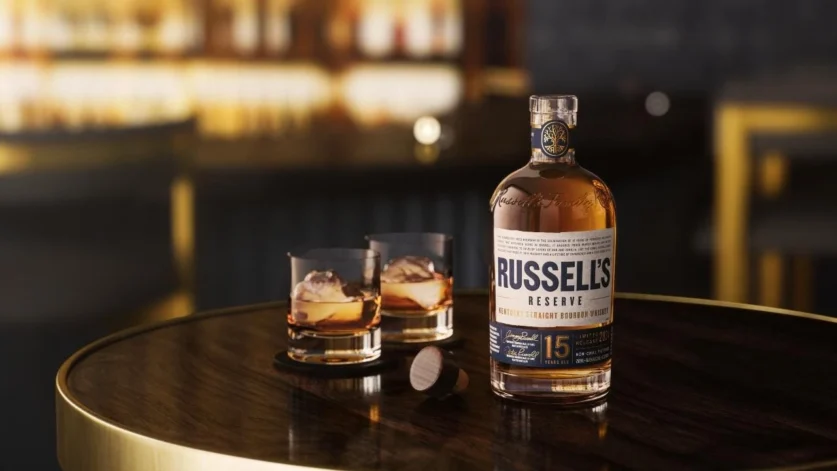
This is a high water mark of what standard Wild Turkey can achieve. The Russells select the “honey barrels” (those special barrels that are as much magic as craft) from their rickhouses for single barrel bottling. The resulting whiskey is non-chill filtered but is cut down slightly to proof with that soft Kentucky water.
Tasting Notes:
Nose: The aroma is a delightful blend of vanilla cream, infused with orange oils and a hint of toasted coconut. Spicy oak and a hint of butter cake lend depth, rounded off by the warming scent of winter spices and a hint of sour mulled wine.
Palate: The first taste reveals notes of marzipan and subtle dried roses, followed by the comforting sweetness of vanilla pods. Winter spices return and mingle with the unique taste of singed cherry bark.
Finish: The finish brings to mind an Almond Joy candy bar, but with a twist. Elements of cherry tobacco bathed in chili-infused dark chocolate provide a surprising taste journey, rounded off with a dash of salt, a hint of cedar dust and notes of aged leather saddles.
Verdict:
This Kentucky bourbon is everything you hope for – it’s easy-going without losing its complexity or detail. Sipping this whiskey slowly, perhaps over a large ice cube, is an absolute delight.
Alcohol by Volume (ABV):
53.5%
Average Price: $83
We’ve been graced with the arrival of Jack Daniel’s 12-year Batch 2! The base for this whiskey is a mash made of 80% corn, 12% barley, and 8% rye. The grains are processed on-site and mixed with cave water drawn from an on-site spring and Jack Daniel’s proprietary yeast and lactobacillus. The mash then goes through fermentation, followed by double distillation in large column stills. The resulting spirit is filtered through 10 feet of sugar maple charcoal produced at the distillery. The resulting whiskey is stored in new American oak barrels with a charred exterior and left to age in a warehouse. After 12 years, select barrels are chosen, batched, minimally proofed, and bottled.
Tasting Notes:
Nose: The initial impression is of vibrant and soft fruits, reminiscent of a pack of Starbursts. This is followed by notes of stewed prunes and figs, mulled wine spices, and the decadence of vanilla cookies soaked in brandy and dipped in salted caramel chewing tobacco.
Palate: The Starburst motif is amplified on the palate, with a full spectrum of fruity sweetness. A rich and velvety vanilla develops, guiding the taste buds towards flavours of charred orange and vanilla biscuits lightly coated in Nutella and tobacco.
Finish: The aftertaste sees the tobacco melding harmoniously with the creamy vanilla, accentuated by layers of dark chocolate, the heady aroma of an old barrel house, and the gentle smoky scent of autumn leaves bundled up in apple-infused tobacco leaves, all contained within an ancient cedar box.
Bottom Line:
It’s true that the cost will exceed the MSRP listed if you don’t make your move promptly. In the upcoming weeks, this whiskey will be released and retailed at this price, but then it’s projected to escalate up to around $500 per bottle.
This whiskey is definitely worth waiting in queue for. Presenting the finest Jack Daniel’s release and age-stated whiskey in recent times. Its exceptional quality positions it as a potential bourbon of the year already. If feasible, purchasing two is suggested as this batch isn’t expected to return till 2025.
Rolling Stones’ Crossfire Hurricane Rum Inks National Distribution Deal with Southern Glazer’s Wine & Spirits
The golden rum first hits shelves in Florida and California in late February 2024
MIAMI and LOS ANGELES, Feb. 20, 2024 /PRNewswire/ —
the signature rum by The Rolling Stones, announced today that it has signed a national distribution agreement with
Southern Glazer’s Wine & Spirits
(Southern Glazer’s)—the world’s preeminent distributor of beverage alcohol.
Born from a pioneering partnership with Universal Music Group and Socio Ventures,
Crossfire Hurricane Rum will first enter the Florida and California markets with Southern Glazer’s
later this month, followed by a nationwide rollout.
Crossfire Hurricane’s proprietary blend of Caribbean rums from Jamaica, Barbados, and the Dominican Republic is a
fusion of three distinct rum-making traditions—creating a harmonious blend that seamlessly integrates time-honored distillation methods with contemporary flair.
The liquid is 40% ABV and boasts flavors of caramelized bananas followed by a gentle hint of tropical fruit.
This blend, a convergence of history, culture, and innovation, represents a distilled essence of the Caribbean’s finest rum-making legacies.
Mick Jagger, frontman of The Rolling Stones said,
“I’ve visited loads of rum distilleries in the Caribbean – I’ve been to the most rundown
and the most ancient ones in Barbados and Jamaica that are remarkably still running
on Victorian equipment. Very interesting to discover how rum is made and how it’s blended.”
The Stones’ love affair with rum began in the ’70s while recording their album “Goats Head Soup” in Kingston, Jamaica. The Caribbean’s boisterous energy and music took hold of the group over the decades and Mick Jagger and Keith Richards often locate themselves on the islands when the band is off the road. Inspired by the opening lyric of their hit song “Jumpin’ Jack Flash,” Crossfire Hurricane Rum embodies the essence of the Rolling Stones’ legendary journey, capturing the heart and soul of the Caribbean. Just like their music, it is a fusion of passion and adventure, with every sip telling a story.
Following Crossfire Hurricane’s debut in November 2023—which coincided with the legendary band’s “Hackney Diamonds” album launch and 2024 tour announcement—the brand has delivered record-setting sales online. Overseeing the company, John Fincher, Partner at Socio Ventures and Co-Founder of Crossfire Hurricane, has assembled a powerhouse leadership team built of top professionals from the spirits and beverage industry. Kyle Rivera and Ryan Stender are leading sales and marketing, respectively.
“Our mission is to deliver a premium rum brand that is world-class,” said John Fincher, Socio Ventures Partner and Co-founder of Crossfire Hurricane. “Through our relationship with Southern Glazer’s, we will now make Crossfire Hurricane available across the country, ensuring that aficionados and rock & roll fans everywhere can savor the experience and enjoy the band’s legacy for future lifetimes.”
Crossfire Hurricane Rum will benefit not only from Southern Glazer’s proven track record with building brands, but also its national scale, unmatched route-to-market capabilities, and industry-leading Proof® e-commerce platform to drive efficiencies and growth in Crossfire Hurricane’s business. The distribution plan entails a gradual state-by-state rollout across both retail and on-premise channels, supplemented by immediate nationwide online sales accessibility.
“Growing demand for premium rums makes it an exciting time to enter the category,” commented Mark Chaplin, Senior Vice President, Sales & Marketing for Southern Glazer’s Wine & Spirits. “We’re thrilled to bring Crossfire Hurricane by the Rolling Stones into our portfolio and to introduce the brand to our national network of trade and retail partners.”
The liquid elevates any cocktail, embodying all the qualities bartenders seek in a rum while also appealing to discerning spirit consumers. Rooted in rock & roll, the rum encapsulates the edgy and timeless spirit of the band. This precisely blended liquid contains rums perfectly aged for up to five years in charred oak barrels, giving it a golden hue and imparting a depth of complexity and character that makes it ideal to sip on its own or stand out in a wide variety of cocktails.
Blended abroad and bottled in the United States at The Point Distillery, nestled in New Port Richey, FL, Crossfire Hurricane Rum stands out for its modern and inventive spirit production. Their approach blends traditional distilling methods with contemporary techniques, setting a distinctive standard in the American craft spirits industry.
Crossfire Hurricane Rum is available online across the U.S. at crossfirehurricane.com powered by ReserveBar with the MSRP of $37.00. The product will arrive on shelves in Florida and California in late February 2024, followed by a nationwide rollout with Southern Glazer’s. Crossfire Hurricane reminds fans that no matter how you celebrate, rock & roll responsibly.
ABOUT SOUTHERN GLAZER’S WINE & SPIRITS: Southern Glazer’s Wine & Spirits is a leading distributor of beverage alcohol, committed to brand-building. The family-owned Company conducts operations in 44 U.S. states, the District of Columbia, and Canada. It also has brokerage operations through its WEBB Banks division in the Caribbean, Central and South America. Southern Glazer’s advises all retail customers and adult consumers to responsibly market, sell, serve, and enjoy its products. You can find more information on www.southernglazers.com. Follow them on Facebook, Twitter and Instagram @sgwinespirits.
ABOUT CROSSFIRE HURRICANE: The Rolling Stones, an iconic rock band, present Crossfire Hurricane Rum – a carefully crafted rum aimed to redefine your palate and elevate your cocktail experience. As the Stones’ first-ever product, it allows fans to savor a taste of rock & roll. This rum combines aged ingredients and boasts flavors of caramelized bananas followed by tropical fruit. This output is made possible through a collaboration with Universal Music Group and Socio Ventures. You can buy Crossfire Hurricane at crossfirehurricane.com via ReserveBar for $37.00 USD. For additional updates, follow them on social media @crossfirerum.
ABOUT THE ROLLING STONES: In 1962, The Rolling Stones started playing gigs in London. The idea that a rock and roll band could last for five years, let alone over six decades, was seen as absurd. However, time and attitudes changed, and The Rolling Stones broke new grounds. Their influence on music history can’t be underestimated. With their recorded music sales at over 200 million, they are amongst the best-selling music artists of all time.
ABOUT SOCIO VENTURES: Socio Ventures is a venture platform developing a series of transformative beverage businesses for influential talent worldwide. Under the guidance of John Fincher, Socio Ventures provides global talent a comprehensive platform to grow their brand, from inception to acquisition. Visit https://hellosocio.com for more information.
ABOUT UNIVERSAL MUSIC GROUP: At Universal Music Group, we exist to shape culture through the power of artistry. UMG is the world leader in music-based entertainment, with a broad array of businesses engaged in recorded music, music publishing, merchandising, and audiovisual content. Featuring the most comprehensive catalogue of recordings and songs across every musical genre, UMG identifies and develops artists and produces and distributes the most critically acclaimed and commercially successful music in the world. Committed to artistry, innovation, and entrepreneurship, UMG fosters the development of services, platforms, and business models in order to broaden artistic and commercial opportunities for our artists and create new experiences for fans. For more information, visit www.universalmusic.com.
PRESS CONTACTS:
Crossfire Hurricane Rum
Press@crossfirehurricane.com
Southern Glazer’s Wine & Spirits
Cynthia.hass@sgws.com
View original content to download multimedia:https://www.prnewswire.com/news-releases/crossfire-hurricane-rum-by-the-rolling-stones-signs-national-agreement-with-southern-glazers-wine–spirits-302065595.html
SOURCE Crossfire Hurricane Rum
Chloe Fineman Returns in NÜTRL Vodka Seltzer’s New National Campaign “Keep It Tasty
SNL Star Returns As The Brand’s Resident Vodka Seltzer Sommelier To Show You How To Keep It Tasty, No Matter The Situation
NEW YORK, Feb. 20, 2024 /PRNewswire/ — Today, NÜTRL Vodka Seltzer, the #2 spirits-based seltzer brand in the U.S.1, unveiled its new tagline and national campaign, “Keep It Tasty.” Reprising her role as the brand’s resident vodka seltzer sommelier, Saturday Night Live Star Chloe Fineman returns to show how NÜTRL keeps it real while consistently delivering great taste.
The campaign debuts with the ad titled “Photo Op,” featuring Fineman taking a group photo and not knowing what to do with her hands as she poses – an awkward moment that is all-too-familiar. Lucky for her, she’s handed a NÜTRL that serves as the perfect – and tasty – prop. With a mix of scripted and ad-libbed dialogue, Fineman delivers another comedic, yet relatable performance that sheds light on social situations while highlighting NÜTRL’s real, fruit-forward delicious taste.
“As someone who feeds off observational humor, it was especially fun to bring this character into sometimes awkward social settings that we can all instantly relate to,” Fineman said. “It’s been so fun to partner with NÜTRL to make light of these moments and remind everyone that life is more enjoyable when you keep it tasty.”
NÜTRL’s new “Keep It Tasty” campaign was developed in partnership with The Martin Agency and in collaboration with Fineman. The campaign consists of two 15-second hero spots, three 6-second videos, showcasing Black Cherry, Watermelon, Orange and Pineapple flavors from NÜTRL’s portfolio. This campaign will roll out nationally across streaming, digital, OOH, social, radio and retail throughout 2024.
“After a hugely successful 2023, we are excited to continue NÜTRL’s momentum with our new ‘Keep It Tasty’ campaign,” said Marisa Siegel, Vice President of Marketing at Anheuser-Busch. “The campaign, and Chloe, bring to life NÜTRL’s clever, and lighthearted personality all while communicating our undeniably great taste.”
NÜTRL Vodka Seltzer is made with ingredients including vodka, seltzer and real fruit juice – which delivers a refreshing taste in a variety of fruit-forward flavors fit for any occasion. To view NÜTRL’s spots, “NÜTRL Photo Op,” “NÜTRL Pineapple,” and more, visit NÜTRL’s YouTube page. For more information and where to find NÜTRL, visit www.nutrlusa.com and follow NÜTRL on Instagram @NUTRL.
About NÜTRL
NÜTRL is a vodka-based seltzer made with delicious ingredients: vodka, seltzer and real fruit juice. Light and refreshing with a delicious taste, NÜTRL is 100 calories, gluten free and has an ABV of 4.5%. NÜTRL is available nationwide in three variety pack flavors: Fruit Variety Pack, which includes Pineapple, Mango, Cranberry and Watermelon; Lemonade Variety Pack, which includes Classic Lemonade, Blackberry Lemonade, Peach Lemonade and Strawberry Lemonade; and Cranberry Variety Pack, which includes Classic Cranberry, Cranberry Orange, Cranberry Grapefruit and Cranberry Apple. In 2023, NÜTRL introduced two new flavors, Black Cherry and Orange, available in 4-packs.
About Anheuser-Busch
At Anheuser-Busch, our purpose is to create a future with more cheers. We are always looking to serve up new ways to meet life’s moments, dream big to move our industry forward, and make a meaningful impact in the world. We hope to build a future that everyone can celebrate, and everyone can share. For more than 165 years, Anheuser-Busch has carried on a legacy of brewing great-tasting, high-quality beers that have satisfied beer drinkers for generations. In the present, we own and operate more than 120 facilities, including breweries, wholesaler distribution centers, agricultural facilities and packaging plants, and have more than 18,000 colleagues across the United States. We are home to several of America’s most recognized beer brands, including Michelob ULTRA, Cutwater Spirits, Stella Artois, Budweiser and Bud Light, along with many regional brands that provide beer drinkers with a choice of some of the best-tasting craft beers in the industry. Our commitment extends beyond brewing and into supporting the communities we call home, demonstrated by our responsible drinking programs, emergency drinking water donations, and industry-leading sustainability efforts. For more information, visit our website or follow Anheuser-Busch on LinkedIn,Twitter,Facebook and Instagram.
Media Contacts
Regina LoBiondo
Articulate on behalf of NÜTRL
nutrl@toarticulate.com
1 Circana Ending 12/31/2023
View original content to download multimedia:https://www.prnewswire.com/news-releases/nutrl-vodka-seltzer-brings-back-chloe-fineman-in-its-new-national-campaign-keep-it-tasty-302065018.html
SOURCE NÜTRL
Five Essential Tips to Extend the Shelf Life of Opened Red Wine
There are several things you can do to make red wine last longer after you open the bottle. (Photo by Ken Ross)
Many of us enjoy a glass of red wine, especially with dinner.
But what if that’s all we want?
How long does a bottle of red wine last once it’s open?
I have been asked this question many times over the years and it’s a great one.
White wine is easy. Open the bottle, pour a glass, then put the bottle in the fridge. Many bottles of white wine will taste great for at least a week after you open it.
Red wine is much trickier. Once you open that bottle, the clock starts ticking. You only have a limited amount of time to finish the bottle before it goes bad.
So how much time do you have? And is there any way to make a bottle of red wine last longer once it’s open?
The short answer? It depends.
Most red wines still taste great the next day. But every bottle is different. Some start to lose their flavor after a few hours or even less. And once those great flavors are gone, you’ve often lost them for good.
That’s probably one of the reasons why some people find wine so frustrating. Few other products have such a short shelf life. And all red wines are not created equal.
But that’s also one of things many of us love about wine. It’s a living, breathing thing that vividly brings to life a wide range of fleeting flavors and aromas that change and evolve, sometimes in a matter of a few minutes or a few hours.
So what should you do? How can you drink a red wine after it’s open? And why do some red wines last longer?
Here are a few tips and suggestions I’ve picked up over the years that often extend the life of an opened bottle of red wine.
Hope this helps and hope you enjoy.
Why does red wine turn bad after it’s open too long?
Three words – air, heat and light.
When wine is exposed to oxygen, it gradually loses its flavor. That’s why you need to be careful with red wine after you open it. Otherwise, it could lose its unique character right away.
As for heat, this is probably the number one enemy of wine. When red wine is exposed to heat – roughly above 80 degrees – it quickly loses its flavor. This applies to whether the wine bottle is open or closed. A bottle of wine left in a hot car, for example, can go bad in as little as an hour. That’s why you need to store wine in a cool place, meaning under 60 degrees.
You also need to store wine in a dark place. That’s because light can damage wine and age it quickly. And again, it doesn’t matter if the bottle is open or closed. Light is bad for wine.
How long do most red wines last after you open the bottle?
In most cases, most red wines still taste great the day after you open the bottle. Where you might run into trouble is if you try to stretch out a bottle of wine to two days or longer after you open the bottle. But there are a few tricks that often work that can stretch that timeline out a few days or even longer in some cases, which you can read more about below.
Can you drink all red wines over several days after opening the bottle?
The short answer? No.
Even if you do everything right, some wines lose all their wonderful flavors after only a few minutes or hours. This is especially true with some older red wines. And by old, I mean at least 10 years old. This is why you should always taste a wine as soon as you open the bottle. That way, you can decide if the wine needs time (again, anywhere from a few minutes to sometimes an hour or so) to open up or if the wine is ready to drink now.
How do you know if a red wine is ready to drink? That’s a whole separate wine column. But basically, if the wine tastes a bit harsh, give the wine time in a glass to open up and soften those sharp edges. However, some really old (often at least 20 years old) red wines sometimes only hold onto their flavors for an hour or even less. And if that’s the case, you should really drink the entire bottle that day and not save it for tomorrow. Otherwise, you might be really disappointed.
5 ways to make red wine last longer after it’s open
So let’s say you have a bottle of red wine that’s not a delicate flower that needs to be consumed the same day you open it. Here are five helpful tips that will hopefully help your red wine last a few extra days after you open it.
1) Put a cork in
This is a common mistake many people often make. After opening the bottle and pouring a glass of wine, they don’t put the cork back in. They leave the bottle open. When you do that, air gets into the bottle and quickly ages the wine. Leaving the bottle open also allows all those magical flavors to escape. So if you plan to drink the rest of the wine in the bottle the next day, put the cork right back in after you pour your glass.
2) Keep it cool
Storing wine at about 50 to 60 degrees Fahrenheit is just the start. To help an open bottle last beyond 24 hours, I often put the open bottle with a cork inside in the refrigerator. We keep our refrigerator at about 38 degrees. Just be aware that when you pour yourself another glass in a day or two, give the red wine time to warm up to room temperature. Otherwise, the wine won’t have any real flavor since it will be far too cold.
3) Keep it dark
Just like storing wine before you open the bottle, keep the opened bottle in a cool, dark place. This is why a refrigerator is such a great place to store a bottle of red wine after you open it.
4) Air pump
Another trick that helps a bottle of open red wine last longer is pumping the air out of the bottle after you open it. These air pumps are sometimes called vacuum stoppers or wine stoppers and cost about $15 to $20. Combined with putting the wine in the refrigerator, your opened bottle of red wine should still taste great about three or four days after you open it.
5) Other gizmo & gadgets
There is no end to the number of gizmos associated with wine. And this is especially true when it comes to gadgets that supposedly allow someone to drink wine from the same bottle for many days. The best-known gadget in this category is the one made by . This device allows you to remove wine from the bottle without removing the cork. Coravin claims some models allow users to remove still wine (not sparkling) and keep it fresh “for weeks, months, or even years.” However, I would recommend finishing the bottle within 30 days after you first removed wine using a Coravin, just to be safe. Prices start at about $250 for a Coravin.
Upcoming wine events
Wine 101 – Provisions in Longmeadow will host a wine tasting class focusing on the basics of wine on Tuesday, Feb. 27 from 6 pm to 8 pm at its Longmeadow location at 686 Bliss Road. Tickets are $25 each. More information about the event can be found at Provision’s website.
Napa Valley Wine – Table & Vine is planning a wine tasting class that will highlight wines from California’s Napa Valley. This event is scheduled for Thursday, February 29, between 6 pm and 8 pm at Table & Vine, located at 1119 Riverdale Street, West Springfield. Tickets cost $30 and are available for purchase on Table & Vine’s website.
Boston Wine Expo – The Boston Wine Expo will take place on March 2 and 3 at the Hilton Boston Park Plaza Hotel, 50 Park Plaza, Boston. Wine tastings will occur each day, complimented by specialised wine tasting seminars which are set at various times throughout the weekend. Tickets and further information can be found on the Boston Wine Expo’s website.
Cheers!
Wine Press by Ken Ross is featured every Monday on Masslive.com and every Thursday in The Republican’s Weekend section.
If you purchase a product or register for an account through a link on our site, we may receive compensation. By using this site, you consent to our User Agreement and agree that your clicks, interactions, and personal information may be collected, recorded, and/or stored by us and social media and other third-party partners in accordance with our Privacy Policy.
Beer Nut: A Mixed Brew of Good and Bad News
Spring is almost in the air, but we’re not quite into the March madness of Maibocks and St. Patrick’s Day yet, so I’ll use this week to clear a few beer news items of note from my virtual desk.
I’ll start off with the good news, which could have just as easily been bad. Tennessee legislators have backed down from proposed legislation that would have outlawed the sale of cold beer.
You read that correctly. Lawmakers in the Volunteer State had introduced a bill in late January that would have prohibited the sale of cold beer as a preventative measure against drunk driving. The idea behind the bill was that cold beer can be imbibed immediately after purchase, which allows people to illegally drink in their cars.
Rep. Ron Gant, a co-sponsor of the bill, had said that the evidence of beers cans strewn on roadsides across the state was proof that people were drinking while driving and that he believed they were getting cold beer at convenience stores. But last week Gant told The Tennessean that the prohibition of cold beer sales would not be included in the legislation.
In a statement last week, Gant said, “This was one of several ideas being discussed by stakeholders across our state, however, I do not want to infringe on law-abiding citizens or be unfair to businesses.”
While the idea was well-meant, I have to agree that it was an overreach by the legislators. Craft beer, in particular, can be dependent on freshness and temperature control. Not being able to keep certain beers refrigerated consistently from brewery to point of sale could be disastrous to small craft brewers.
Sharon Cheek, executive director of the Tennessee Craft Brewers Guild, told The Tennessean exactly that in a statement:
“Without refrigeration, breweries would face substantial economic challenges and potential job losses,” she said. “Many of our breweries are known for their unpasteurized beer and use of fresh, locally sourced ingredients.”
Not only that, but outlawing cold beer sounds almost un-American.
Turning to the bad news, I’m sure it’s no surprise to learn that climate change is having a negative effect on brewing.
A story in , a science journal, indicated that climate change is hurting hops and the trend is probably going to get worse.
The Nature Communications study noted that hops could decline anywhere between 4% and 18% over the next few decades. Projections also say that the alpha content (the bittering agent) in hops could decrease by up to 31%.
Two factors contribute to these problems according to the report:
“The lowest hops yields were negatively affected by a lack of precipitation, while the lowest values of alpha content were caused by extremely high temperatures,” the study said.
While beer might not be at the top of the list when it comes to problems caused by climate change, it certainly is a concern for readers of this column. And it’s just one more reason that addressing this global crisis is crucial.
If you purchase a product or register for an account through a link on our site, we may receive compensation. By using this site, you consent to our User Agreement and agree that your clicks, interactions, and personal information may be collected, recorded, and/or stored by us and social media and other third-party partners in accordance with our Privacy Policy.
Moonshiners” Episode on Rum Running: Filming Highlights from Mystic, New London
If you noticed a ship gliding swiftly over the water in the latest iteration of the Discovery Channel series “Moonshiners”, you’re not mistaken.
The sailing ship in question is the schooner Argia, stationed in Mystic, and it prominently features in this episode on renowned rum runner Bill McCoy.
Several local individuals also make appearances: Stephen Jones and Robert McKenna, authors who have detailed McCoy’s narrative and worked together to create an Emmy-winning documentary about him; and James Brundage, the curator for the U.S. Coast Guard Museum which is situated at the Coast Guard Academy in New London. The Coast Academy is depicted in the episode as well.
“Moonshiners,” now in its 13th season, revolves around the life stories of individuals engaged in the illegal moonshine trade. This particular episode offers an exploration into historical figures associated with the alcohol industry.
McCoy was a rum runner during Prohibition (which was instituted 1920-33). McCoy sailed liquor from other countries, primarily the Bahamas, to the East Coast of America. He would stay at least three miles offshore, meaning just beyond the government’s jurisdiction. Other boats would then bring the bottles to shore. McCoy was known for not watering down the liquor he sold, hence the phrase “The Real McCoy.”
The TV show’s crew spent a week shooting in southeastern Connecticut in August, including a full day aboard the Argia. When an interview subject or narrator speaks about, for instance, McCoy’s ship or other vessels, the episode shows the Argia as an on-the-water visual example.
Amy Blumberg, captain and general manager of the Argia, said, “I’ve been around this kind of boat my whole life, different traditional ships, and a lot of times you’re part of filming and then it ends up … maybe the tiniest little snatch of the boat is in the finished project. In this, we were really featured, so that was exciting, and the crew was really featured.”
Blumberg said the Argia crew dressed as closely as they could to era-appropriate 1920s shirts and pants. And the TV cameras got all kinds of footage of the ship. They used a drone and, she said, “They got footage away from the ship. They got footage up close. They hung cameras down near the water line as the boat was sailing, and out on the head rig. And they had a camera up aloft.”
They captured close-ups of Captain Erick Jederlinic gazing out toward the horizon, as well as shots of Captain Jack Meyer.
Blumberg said it would have been ideal if the crew could have shot on McCoy’s real ship, Arethusa, but that’s been gone for almost 100 years.
All about McCoy
It makes sense that the TV people got in touch with McKenna and Jones for the episode; they know a lot about McCoy.
McKenna authored an insightful article about McCoy for WoodenBoat magazine. The article delved deep into McCoy’s life and career, focusing primarily on McCoy and his brother Ben’s journey from boat builders to rum runners. This article quickly rose in popularity among the magazine’s readership.
Later, Jones and McKenna collaborated to republish a book titled “The Real McCoy” under the aegis of Mystic-based Flat Hammock Press. This was alongside five other books that recounted tales of rum running during the Prohibition Era. Notably, Jones had also penned a manuscript called “The Actual McCoy.”
The duo did not just limit themselves to books but also ventured into documentaries. Their work, “The Real McCoy,” bagged five Emmy awards.
The “Moonshiners” episode sheds light on one of the critical aspects of their work – the implications and nature of Prohibition.
“Prohibition was just this really weird 13 years that people don’t quite understand. It wasn’t illegal to drink, but it was illegal to manufacture and transport alcohol. McCoy didn’t believe in the law … so he provided ways around it,” remarked McKenna.
McKenna’s filming took place around a week — experience included the Argia but also inside the prestigious Lyman Allyn Art Museum in New London.
McKenna stated the filming process was quite unobtrusive. It generally involved the producer interviewing him. With inconspicuous cameras and hidden microphones around, it felt more like a casual conversation than a formal shoot.
After viewing the final episode, McKenna expressed his satisfaction, commenting, “I thought they did a nice job with it. They compiled a lot of good information. … They were thorough in research — we provided them with substantial information, but they did a considerable amount on their own as well.”
He felt that the way they structured the episode — having two of the modern-day moonshiners who are regulars on the series tell the McCoy narrative and interlacing into those segments McKenna and the other historians talking about the history — was very effective.
k.dorsey@theday.com
To watch:
What: The “Moonshiners” episode “The Real McCoy”
Where: The Discovery Channel
When: 7 p.m. Tuesday
Also: Can be streamed at Discovery+, among other sites, and is available on demand
Comments are limited to 200 words in length.
Conversations in the comments section on theday.com aim to be civil and courteous. It’s important to treat other commenters respectfully, much like how you would like to be treated. You hold accountability for your own comments. Please ensure your comments are relevant to the topic. If you encounter a post that you deem inappropriate, we encourage you to notify us using the “Report” link found in every post.
It is taken into account that the comments are supervised by theday.com employees. We maintain the discretion at all instances to exclude any comments that are unrelated to the topic, unlawful, menacing, insulting, slanderous, defamatory, obscene, coarse, pornographic, unseemly, or otherwise repugnant. Direct assaults, especially on other participants, will not be tolerated. We hold the right to indefinitely prohibit any user who breaches these rules and regulations.
Any comments that are overly lengthy, have several paragraph breaks, contain any form of code, or provide links to unpalatable content may not be approved.
The complete policy can be read at this link.
Total word count: 0 words. Words left: 200.
Exploring the 12 Top Vodka Substitutes for Your Cocktails and Culinary Creations
Vodka, typically derived from potatoes, fruits, or grains, is a common ingredient in numerous cocktails and dishes. However, its availability or preference might not always align with your situation. Whether you dislike vodka, do not indulge in excessive drinking, or simply run out of it, it is by no means a hindrance to crafting an impressive cocktail or dish. Numerous recipes call for vodka, yet they can always be adjusted to accommodate your specific preferences or needs.
Embarass an innovative culinary project or concoct a traditional cocktail by using these vodka substitutes in your cooking or beverage preparations. These range from lemon juice to apple cider to other spirits, all of which can provide a unique twist to your creation. The process of exploration is worthy of celebration as these alternatives not only replace vodka but also add a fresh flavor profile to your beverage or dish. Let’s toast to creativity!
Discover more: 13 Liquors Essential For Your Home Bar
If you are out of vodka and find some light rum gathering dust, it can serve as an excellent substitute in your drink or dish. With its compounded sweetness, rum infuses a molasses-like taste. Moreover, depending on the type of rum you choose, it can introduce grassy or rich undertones.
Light rum, possessing minimal ageing or no ageing process, presents a flavor profile that’s less intense than its dark rum counterpart. Due to its flavor and body neutrality, it serves as an excellent alternative to vodka in all types of cocktails, whether it’s a classic rum and Coke or a refreshing mojito.
When utilized in culinary applications, light rum can have fantastic results. It is particularly suited for creating tantalizing glazes or sauces. The inherent sugars present in rum lend a hand in developing thick, delectable richness while imparting intricate tastes to your sauce. For example, light rum would pair well in a dish showcasing your preferred protein, coupled with sweet and tangy pineapple.
Rum isn’t limited to the main course; it has a notable place in dessert creations— and not merely in traditional bananas Foster. Explore its potential by using it to soak a cake for added moisture and sweetness, or inventively incorporating it into your favorite ice cream concoction. A pro tip to note: For optimal results with your ice cream, first turn the rum into a syrup before including it in your base. This allows the alcohol to properly evaporate, ensuring that your chilly dessert solidifies as needed.
Not to be overshadowed, gin has its place in cocktails as a vodka substitute. Known for its potent botanical essence due to its juniper ingredient, it introduces a slight bitterness to your drink, offering a unique spin on lighter cocktails. It’s already a star in martinis, and it’s adaptable to most other beverages you might be crafting.
Relishing the various types of gin present in the market, from the standard London dry gin to the intricate barrel-aged gin, is an important consideration while concocting your cocktail or dish. For instance, a dessert sauce may draw you towards the caramel-tinge of barrel-aged gin, as opposed to the London dry preferred for simpler sauces.
Begin with uncomplicated gin and soda when attempting cocktails. Elevate it by taking inspiration from the iconic TV series, Sex and the City, with a gin inspired Cosmopolitan. If you’re ready for something bolder, try swapping vodka in Bloody Mary with some delectable dry gin.
Instead of customary vodka, experiment with gin for a twist on penne alla vodka. The gin will evaporate similar to vodka, aiding in the sauce’s consistency. This provides you an opportunity to experience a more unique and rich flavor in your dish.
While the usual suspect for margaritas and late-night shots with friends might be blanco tequila, it also serves as a fantastic vodka substitute. Being non-neutral, blanco tequila offers a rustic flavor due to the agave from which it is produced. Numerous varieties of blanco tequila exist, each offering a different experience, and it’s worthwhile to explore to discover the best for you.
You can experiment with blanco tequila in your cooking recipes if you’re out of vodka or just want to switch things up a bit. Consider deglazing your pan with tequila after you’ve cooked your protein to savor all the delicious residue left from the cooking process.
Expert advice: When mixing a cocktail, you might want to replace vodka with tequila in a beverage that contains fruity tones for a balanced taste. Another practical approach is to opt for tequila instead of vodka to enhance the taste of your espresso martini. While the strong flavor of espresso will still dominate the concoction, tequila will introduce its own unique flavor, instantly improving your espresso martini game. Remember, switching the spirits can alter the total vibe and flavor of your drink, but it also offers an opportunity to explore and experiment with your favorite beverage. If not for experimentations, what’s the point of life, right?
Moving beyond just light spirits, let’s bring forward a less common substitute for vodka. Looking to add some extra body and color to your cuisine or cocktail without overwhelming its other elements? Try using a light whiskey.
Contrary to common perception, “light” doesn’t indicate that the whiskey is low in alcohol content. As a matter of fact, light whiskey is mandated to have an alcohol volume between 80% and 95%. The term “light” actually refers to the whiskey’s flavor, which is usually sweet and milder than the average whiskey. This distinctive flavor comes from the whiskey’s less intense aging process. Here’s a bit of history for you: light whiskey started to appear in the U.S. during the 1960s, and even though it’s not the most widely-loved spirit, it does have a dedicated fan base.
Light whiskey can be a unique addition to your cocktails, where vodka is typically used. Besides its applications in savory dishes for depth and richness, it is also a fitting ingredient when making dessert syrups, not unlike rum.
On the search for a zero-proof or lower-proof cocktail, or a flavorful addition to your cooking sauces? A simple switch to light whiskey results in a satisfactory and potent replacement.
Introducing a mix of white grape juice and tart lime juice can add a harmonious balance to your cocktail or dish. The combined sweetness of the white grape juice and the sourness of the lime juice mimic the properties of vodka without overwhelming your palate. Employ them in the same proportions as you would vodka to preserve the dynamic flavors of your cocktail.
When utilized in cooking, this substitution assists in emulsifying sauces and deglazing pans – a technique often practiced when cooking with vodka. This mixture also allows you to retain the volume in your cocktails or sauces, securing a suitable portioning in your glass and flavor in your food.
This alternative shares a similar rationale to the former suggestion but brings a distinct taste profile – slightly sweeter as opposed to extremely tart. The best part is, you likely already possess these two ingredients in your kitchen.
Consider mixing apple cider with lime juice to simulate the scent of vodka in your meal or drink. The apple cider imparts a sweetness to your drink or meal while the lime juice neutralises the sweetness with its unique tartness. This blend will introduce a well-rounded flavour to any drink that usually needs vodka, or it can assist in deglazing your pan or enriching your cooking sauces.
For cocktails, utilise this blend for a delightful sweet-tart burst. The apple cider can lend a snug ambience to any beverage, so opt for this replacement when the weather is chilly. There is no superior method to greet any visitor during the cold season than with an apple cider beverage. Don’t worry about exaggerating the sweetness or sourness with this suggestion. Employ apple cider and lime juice in the same quantity you would typically use for vodka to prevent overpowering the other existing flavours in your drink or meal.
Most of us recognise and appreciate lemon water as a nutritious choice suitable for consumption on its own, but have you ever thought about utilising that mix as an ingredient in your drinks or meals? The next time you require a vodka replacement, include lemon in your water for use in anything you’re concocting, from the bar cart to the stove.
Lemon, a frequent ingredient in many kitchens, can also play a significant role in any beverage or meal if you’re willing to try something new. The major advantage of this strategy is that lemon water can provide the potent punch you seek from vodka in your drink or meal. The mixture will also increase the quantity of your creation. This ensures that your cocktail lasts longer with the right balance, and it prevents your sauce or dish from becoming too thick.
If you don’t have any lemons on hand, don’t worry. Plain water can act as a temporary vodka substitute when your primary goal is to add volume to beverages or dishes. This option should not be used if you’re attempting to create a vodka soda, but in drinks with several ingredients, water can be a good substitute if you’re out of vodka.
For instance, a Long Island Iced Tea contains so many other types of liquors that you won’t miss the vodka if you substitute it with water. Alternatively, if you want something still alcoholic but less strong, try making a White Russian with water instead of vodka — the Kahlua will provide the slight alcoholic punch required to make the beverage stand out.
When it comes to cooking, water can be used to deglaze your pot or pan or to thin out your sauces. However, keep in mind that using plain water will not give you the same taste or smell as vodka, so consider other flavor enhancers, like lime juice, mentioned earlier, if you want to add some spice to whatever dish you’re preparing.
Should you wish to find a non-alcoholic equivalent to a traditional vodka, there are numerous non-alcoholic spirits to choose from. You are no longer required to depend solely on your bottle of Tito’s for cocktail or sauce preparations. Many locations feature stores dedicated to non-alcoholic spirits, or alternatively, you could purchase their innovative products through an online platform.
The usage of a non-alcoholic vodka mirrors that of its alcoholic counterpart. If you’re crafting a vodka soda for instance, simply measure your non-alcoholic spirit in your jigger before adding it to your soda water. If you’re looking to use it for cooking, you can expect similar results, although the final flavor may differ somewhat.
From non-alcoholic gins to non-alcoholic blanco tequila, almost every type of spirit you can envision has a non-alcoholic version. This means that if you’re in the mood to experiment with a different non-alcoholic spirit in a cocktail that traditionally calls for vodka, you are free to do so.
White wine has more versatility than simply being poured into a glass. Consider using it as a substitute in any cocktail that calls for vodka for a lower-ABV yet creative twist on the original. With an ABV ranging from 10-13%, the alcohol content of white wine is significantly less than that of vodka. Because of this, introducing white wine to your cocktail is a fantastic way to make it more sessionable while preserving its flavor.
Remember, various white wines can lend distinct characteristics to your cocktails, based on the grape varieties they’re made from and the unique conditions of their production. For instance, if your drink calls for a gentle, round flavor with undertones of butter, an oaked Chardonnay would fit the bill. If instead, you need a fresh, herby boost for your cocktail, a Sauvignon Blanc would be ideal.
White wine is not just a delightful addition to your cocktail but can also add a distinctive flavor profile to your culinary creations. It pairs exceptionally with pasta dishes and various sauces. Deglazing your pan with a splash of white wine is a surefire way to unlock all those flavor-rich morsels stuck at the bottom.
A bit of history for the curious: Cognac, as we know it today, traces its origins back to the 16th century. It was then that Dutch distillers started to transmute French wine into something entirely different — a drink they called brandewijn, which we now know as Brandy. True cognac, however, can only be authentic if it originates from the Cognac region of France.
Cognac’s rich history is expertly mirrored in its taste, particularly when used as a vodka substitute. If you’re seeking a deep, subtly sweet kick for your cocktails and dishes, think cognac. It’s also a fantastic addition to numerous sauces, lending them a caramel-tinged or oaky note.
The categorization of cognac depends on the duration of its aging process. Very Special (V.S.) cognac is aged for a minimum of two years, while Very Special Old Pale (V.S.O.P.) blends young cognac and goes through a four-year aging process. Extra Old (X.O.) cognac, also a blend of young cognac, requires at least ten years for aging. Hors d’âge cognac refers to any cognac that is aged for more than a decade. Each type of cognac brings distinct flavors to your food or beverages. For beginners looking to avoid overpowering flavors, starting with Very Special is recommended. More experienced connoisseurs can try older variants to give more depth and complexity to their creations.
White balsamic vinegar is a versatile ingredient, capable of adding a vibrant taste to any dish or drink. Besides being perfect for creating simple yet flavourful salad dressings, it can be utilised in a multitude of ways.
The production of white balsamic vinegar starts with the “must” (a combination of the entire white grape – seeds, skins, fruit and all). This blend is pressure-cooked, then aged. Eventually, after an adequate duration, the product is ready to be enjoyed.
While drinking white balsamic vinegar straight or mixed with water is an option, it truly shines when used to add fruity undertones to your food or beverages. Try blending it with either citrus or simple syrup in a fruit-based cocktail to achieve a harmonious taste. If feeling adventurous, you can also incorporate white balsamic vinegar in desserts. Whether it is drizzled on cakes or ice cream, it offers a delightful balance of sweet and tart flavours.
Read the original article on Tasting Table.
Roanoke Rapids Police Report: Woman Attempted to Purchase Beer with Counterfeit Money
by: Kathryn Hubbard
Posted: Feb 18, 2024 / 09:15 AM EST
Updated: Feb 18, 2024 / 09:15 AM EST
ROANOKE RAPIDS, N.C. — A woman was arrested on Saturday after she tried to purchase beer and a lottery ticket with counterfeit money, according to the Roanoke Rapids Police Department.
Master Officer N. Powell responded to a retail business on Julian R. Allsbrook Highway around 9 p.m. on Saturday. A worker at the store informed the police about a female customer attempting to use a counterfeit bill.
Sign up for the CBS 17 Crime Tracker newsletter to receive crime updates in your inbox.
The officer arrived and found the suspect, identified as Mary Ellen Broady, 66, from Gaston, seated in her vehicle on the premises. Investigation revealed that she had tried to purchase a lottery ticket and some beer using counterfeit money.
Consequently, Master Officer Powell arrested Broady and charged her with uttering a forged instrument and attempted acquisition of property under false pretense.
Due to two pending court cases in which Broady was already under bond for in the Pretrial Release Act of 2023, she was placed in the Halifax County Detention Center without bond. She will appear in court on Thursday.
Copyright 2024 Nexstar Media Inc. All rights reserved. This material may not be published, broadcast, rewritten, or redistributed.
As winter blows on, it’s past time to think about what your pets need to stay warm and safe.
These stylish clutches will fit essential items and tight budgets.
When considering a present for a significant individual in your life, jewelry always makes a fantastic choice.
The Fall of Red Wine: From Healthful Elixir to Questionable Beverage
The French paradox was the center of a 1991 “60 Minutes” segment where Morley Safer of CBS asked how French people could consume a high quantity of fatty foods such as pâté, butter, and triple crème brie but had lower heart disease rates compared to Americans.
He suggests the answer might be found in red wine. Safer shared with viewers that doctors thought wine could prevent blood cells that form clots from sticking to the walls of arteries, reducing the risk of blockage and heart attack.
Tim Stockwell, an epidemiologist with the Canadian Institute for Substance Use Research, said that at the time, several studies seemed to support this theory. Furthermore, the Mediterranean diet, which often includes one or two glasses of wine with meals, was being discovered as beneficial for heart health.
But it wasn’t until the “60 Minutes” segment that the idea of red wine as a beneficial health drink went “viral,” he stated. Following one year after the show was broadcasted, the sales of red wine in the United States saw an increase by 40%.
It took several decades for the aura of wine’s health benefits to fade away.
The evolution of our understanding of alcohol and health.
The idea that a glass or two of red wine might have benefits on your heart was “a wonderful concept” that researchers “embraced,” Stockwell claimed. It coincided with the broader evidence in the 1990s that tied alcohol consumption to good health.
In a research conducted in 1997 which followed about 490,000 adults in the United States over a period of nine years, findings suggest that those who claimed to take at least one alcoholic drink per day had 30% to 40% lower likelihood of dying from cardiovascular disease compared to non-drinkers. Such individuals also had approximately 20% lower chances of dying from any other cause.
By the year 2000, multiple similar studies have surfaced, as indicated by Stockwell. He believed that such findings are scientifically proven.
Nevertheless, some researchers have been questioning the veracity of these studies since the 1980s, expressing doubt if alcohol was indeed the factor leading to the observed benefits.
The skeptics argument was possibly because moderate drinkers are generally healthier than non-drinkers as they tend to be better educated, wealthier, more active physically, more likely to possess health insurance, as well as consume more vegetables. Another argument put forth by these opposing researchers was due to the fact that many of the so-called “non-drinkers” in these studies were previously moderate to heavy drinkers who decided to quit due to developed health issues.
Kaye Middleton Fillmore, a researcher at the University of California, San Francisco, was among those urging more scrutiny of the research.
"It is incumbent on the scientific community to assess this evidence carefully," she wrote in an editorial published in 2000.
In 2001, Fillmore persuaded Stockwell and other scientists to help her sift through the previous studies and reanalyze them in ways that could account for some of these biases.
"I’ll work with you on this," Stockwell remembered telling Fillmore, who died in 2013. But "I was really skeptical of the whole thing," he said.
As the team uncovered, unexpected results were discovered. The previous benefits associated with moderate drinking disappeared in their most recent analysis. These findings, which were published in 2006, were news-worthy since they contradicted the widely accepted belief. The Los Angeles Times reported, “Study Puts a Cork in Belief That a Little Wine Helps the Heart.”
Stockwell stated, “It upset a lot of people. When this unexpected message started to circulate publicly, the alcohol industry took extensive measures and invested large amounts of capital to counter it.” Just a few months later, a symposium was organized by a group sponsored by the industry to discuss the research, and they invited Fillmore.
In Stockwell’s preserved notes, Fillmore described the debate as intense, to the point where she felt as if she needed to remove her shoe and bang it on the table.
Following the symposium, two of its organizers published a summary establishing as “the conference’s consensus” that moderate alcohol consumption is linked to improved health. Stockwell said Fillmore was “furious” that her perspective hadn’t been included.
Studies have consistently shown that alcohol is not the beneficial health drink once considered, as confirmed by a study Stockwell and his associates published in 2023.
In the preceding year, an alarming revelation was made by researchers: Consumption of alcohol not only lacked cardiovascular benefits, but could also elevate the risk of heart complications, reported Dr. Leslie Cho, a cardiologist affiliated with the Cleveland Clinic.
Current research continually reveals that even daily consumption of a single alcoholic drink can heighten the likelihood of developing high blood pressure and irregular heartbeat, both of which can result in stroke, heart failure or additional health challenges, she added.
Clearly, there is a definitive link between alcohol consumption and cancer, a fact the World Health Organization has been asserting since 1988.
Indeed, the prevailing message has undergone a significant change, a fact that Cho acknowledges. The widespread opinion has now evolved.
According to assessments from the WHO and other health agencies, no quantity of alcohol, be it wine, beer, or spirits, is considered safe.
Does this mean we supercede wine?
Jennifer L. Hay, a behavioural scientific expert and healthcare psychologist at the Memorial Sloan Kettering Cancer Center located in New York City, communicates to her cancer patients. She noted that several of them express profound surprise when they discover that alcohol, which includes wine, actually has carcinogenic properties.
In a research conducted in 2023, it was found from a survey of nearly 4,000 American adults that merely 20% knew that wine could potentially lead to cancer. This was in comparison to the 25% who were aware about beer’s link to cancer and 31% about hard liquor.
Patients of cardiology, under the care of Cho, often express their surprise when advised to reduce their alcohol consumption, inclusive of wine.
They question, ‘Really? I was under the impression that it helped in warding off heart diseases,’ they would exclaim.
Yes, it’s true that red wine does have polyphenols, compounds known for their antioxidant and anti-inflammatory characteristics.
Despite numerous studies on polyphenols like resveratrol, there hasn’t been a conclusive association between the quantities found in red wine and beneficial health effects, according to Cho. Furthermore, there is no solid evidence that suggests wine is less damaging than other alcoholic beverages.
Hay recognises that this truth can be tough to swallow.
Whenever Hay mentions her research’s focus on the dangers of alcohol consumption, people’s mood noticeably dampens.
It’s not that Hay and other researchers are advocating for an alcohol ban. Hay’s primary concern is ensuring that people are cognizant of the associated risks.
And for most people, it’s acceptable to savor a glass of wine occasionally, Cho mentioned.
However, it doesn’t benefit your heart, she stated. “It’s simply time to abandon that assumption.”
Bulleit’s New American Single Malt Fails to Outshine Craft Distiller Whiskey: A Comprehensive Taste Test
Bulleit is the most recent prominent U.S. whiskey brand to introduce an American single malt, a category expected to get its own legal definition soon. This new whiskey is acceptable, but the most informative aspect about this launch is it gives more evidence that craft distilleries keep pioneering this potential category.
Diageo-owned Bulleit has faced some negative publicity in recent years. In 2017, founder Tom Bulleit was pushed out due to a controversy, and the brand was sued by former blender Eboni Major for discrimination in 2022 (the lawsuit was dismissed, and Major now owns her own whiskey brand named Dread River). Regarding the actual whiskey, Bulleit’s bourbon comes from an undisclosed source (Four Roses is rumored to have made it at one time, and possibly still does), and the rye is produced at MGP in Indiana. Massive success has followed the brand since it started in 1987, partly due to its vintage-looking bottles and importantly, the good quality of its reasonably priced whiskey. Bulleit might not be the first choice for serious whiskey enthusiasts, but the people prefer it and that certainly matters.
More from Robb Report
Tour the Beverly Hills Whiskey Shop That Stocks the World’s Rarest Spirits
Bob Dylan’s Newest Whiskey Gets a Calvados Finish
Maker’s Mark Just Dropped a New Bourbon, but You’ll Have to Travel to Singapore to Get a Bottle
So where was this new American single malt produced? According to a rep for the brand, not at Bulleit’s two Kentucky distilleries which haven’t been operating long enough, but contractual obligations prevent them from disclosing the source. We do have some details: The whiskey is made from a mashbill of 100 percent malted barley and aged in new charred American oak barrels for about four years. If that sounds similar to James B. Beam Distilling Co.’s Clermont Steep and Jack Daniel’s single malt, that’s because it is. It seems that legacy distilleries are choosing to age single malt in the same way they do bourbon—in new charred oak barrels—although Jack gave its expression a very long sherry cask finish.
The resulting whiskey, while obviously made from a completely different mashbill, ends up still kind of tasting like bourbon after spending years in virgin charred oak during Kentucky’s hot summers and cold winters. That is the case here. This is a decent if unremarkable whiskey, with pleasant notes of vanilla, caramel, brown sugar, oak, and a hint of malt on the palate, but it does not stand out from bourbon in the way that other American single malts do.
Perhaps this isn’t negative; it might even be the intended outcome. However, when contrasting this whiskey with the single malts aged in diverse barrel types (both new and used) emerging from distilleries such as Westland, Westward, Hood River Distillers, Charbay, and even Stranahan’s (predominantly utilizing new charred oak), it can seem like a lost chance. The legal description of American single malt will likely not prescribe the employment of new wood because the majority of distilleries do not desire this. They see this as an opportunity to establish a unique section distinctly unlike both scotch and bourbon. Yet, the established distillers in Kentucky and Tennessee appear to favor maturing American single malt in the same manner as bourbon—which is logical, considering their barrel inventory and know-how.
There isn’t a correct or incorrect response here, but Bulleit’s novel American single malt whiskey does exemplify a style, notion, and mindset that underscores the distinction between the large distilleries and the craft operations, a lot of which have been manufacturing single malt for over ten years now. It’s not a poor endeavor or shoddily crafted item, yet it simply doesn’t meet the standard other distilleries are attaining in the American single malt world.
100: Worthy of trading your first-born for
95 – 99: In the Pantheon: A trophy for the cabinet
90 – 94 Great: An excited nod from friends when you pour them a dram
85 – 89 Very Good: Delicious enough to buy, but not quite special enough to chase on the secondary market
80 – 84 Good: More of your everyday drinker, solid and reliable
Below 80 It’s alright: Honestly, we probably won’t waste your time and ours with this
Every week Jonah Flicker tastes the most buzzworthy and interesting whiskeys in the world. Check back each Friday for his latest review.
Best of Robb Report
Why a Heritage Turkey Is the Best Thanksgiving Bird—and How to Get One
9 Stellar West Coast Pinot Noirs to Drink Right Now
The 10 Best Wines to Pair With Steak, From Cabernet to Malbec
Sign up for Robb Report’s Newsletter. For the latest news, follow us on Facebook, Twitter, and Instagram.