White Rum vs Dark Rum: Understanding the Key Differences

Rum is a wonderfully versatile cocktail ingredient that’s brilliant in anything from a warm-you-from-the-inside winter’s day cocktail like a hot buttered rum to a refreshing, light, summertime mojito. It’s an invaluable ingredient to cook with, too, and the next time you’re looking for an amazing brunch, look no further than a rum-soaked challah French toast. You’ll have to pick up a bottle of rum before you try any of those, and picking out the right type can be more confusing than you might think. There are a surprising number of options, but let’s talk about the two most common.
When it comes to white and dark rum, their differences start right from the beginning. White rum gets its distinctive clarity by having all impurities removed during the distillation process, and that’s done (in most cases) by using a column still. Dark rum, on the other hand, contains all of those impurities — which isn’t a bad thing despite the negative connotations of the word.
Impurities aren’t just important for the color; they also have a major impact on the taste. Because dark rum still contains essentially more traces of the ingredients used in the distillation process, it often has a stronger, richer, deeper flavor. Dark rum is generally described as having tasting notes that tend toward a smoky caramel, while white rum is sweeter and smoother. Does that mean they’re not interchangeable in various cocktails and recipes? Not entirely.
Read more: 26 Popular Vodka Brands, Ranked By Their Versatility
Both white and dark rum are made from the same ingredient: sugar cane. The juice extracted from the cane is fermented and turned into rum, but white and dark rum are made from entirely different processes, including the various stills and filtration levels we mentioned. But that’s just the start. After the rums are distilled, they take a different route into the bottle and onto your liquor shelf. While some white rums are bottled immediately, others might be aged for a relatively short time in stainless steel tanks.
Dark rum, on the other hand, is typically aged for at least three years (although more expensive rums can spend decades aging before they’re bottled and sold), and the barrel it spends time in is important. Barrels can be made from American white oak, European oak, or acacia, and they all impart distinctive flavors to the rum, giving it distinctive hints of vanilla, spices, honey, or caramel. When American white oak barrels are used, there’s a good chance they’ve already been used to age whiskey, which adds to the character that dark rum develops as it ages. Sometimes, caramel coloring and other flavors are added to dark rum, while white rum is valued for purity, clarity, and a light sweetness.
If a cocktail or a recipe specifically calls for white or dark rum and you don’t have exactly what’s recommended, you can swap one for the other. It’ll end up tasting different, but it’s generally not going to taste bad. There are, however, some guidelines to remember if you want to use the correct rum for a particular application, especially when it comes to drinks.
If you’re looking for something to drink straight or on the rocks, go for a dark rum, as it will be much more complex. Dark rum is also best used in cocktails with strong mixers. Those are drinks that can be as simple as a rum and coke, but you’ll also want a dark rum so it stands out in something like a rum punch or rum-based versions of classic cocktails like a Manhattan, a Negroni, or a Mai Tai.
White rum, on the other hand, is perfect for cocktails where you want to focus on flavors other than the rum itself. Any kind of mojito best uses a white rum as it doesn’t overpower the mint and fruit, and the same goes for a daiquiri. If you’re adding rum to lemonade or another juice, or making a light and fizzy spritz, go for the fresh, clear, light flavor of a white rum. That said, experimentation is also perfectly fine!
Read the original article on The Daily Meal.
Explore the Allure: How to Smell Like Whiskey—In a Good Way

Smelling like bourbon is usually frowned upon.
Especially when engaged in certain activities, like driving, sitting for a job interview, or attending a kid’s 9am birthday party.
But sometimes that familiar aroma is exactly what you need to tie an outfit together, or to spice things up for a date.
So here’s Oduoak, a bourbon-based fragrance line from a Kentucky whiskey expert.
Pronounced “oh-du-oak” (like eu de parfum), the new company comes from Jackie Zykan. She has degrees in biology and chemistry, and her career has taken her to nearly every corner of the American whiskey world. She once served as Master Taster for Old Forester, and today she’s the Master Blender of Hidden Barn Whiskey. With a finely tuned sensory skill set, she’s now turned her attention to fragrances.
Colognes and perfumes are traditionally based on neutral alcohols and infused with scents. But Zykan has put her own twist on the category by building these fragrances on a foundation of bourbon whiskey. Bourbon receives the bulk of its aromatic qualities from maturing in oak barrels, hence the complex notes of vanilla, spice, fruits, herbs and florals.
The Oduoak collection includes several fragrances available in 15 mL rollers and 30 mL atomizers in names like Feral Gent and Walk of Shame. Each comes with descriptions similar to those you might find on your whiskey bottle.
There’s Love & Whiskey, a comforting fragrance with notes of cedar, vanilla and alpine. The Mint Julep scent is described as clean, masculine, fresh and minty and channels the famous Kentucky cocktail. Walk of Shame is warm, woody, spicy and leathery, and Basecamp is smoky and dark, with notes of the woods and the sea.
If you can’t choose just one, the fragrances are also available in sets of four, so you can mix things up. In that case, Love & Whiskey could lead to Feral Gent and then Walk of Shame.
Yeah, just like in real life.
Rediscovering Napa’s Heritage: The Revival of Old Vine Petite Sirah Wine

Bush-trained vines during the fog in the Palisades Vineyard
Ten years. Ten years to get a vine just right, according to the heritage way of growing premium wine grapes.
Old Petite Sirah vine
First, the rootstock goes into the soil. Two years later, the vine is grafted onto the rootstock. Six years of getting advice from four well-known viticulturists, one of them a PhD who is a leader in her field of research, with the most experienced vineyard workers meticulously pruning and shaping these bush vines (also called goblet vines because they should be shaped like a goblet cup). Then, after the shape of these bush vines resembles some of the grand old goblet vines of the world, it takes two more years to bring it to an ideal balance of fruit-producing potential through future management in the vineyards.
“In another 30 to 40 years, people will come to the valley and have no idea what old vineyards look like,” explained Palisades Canyon co-owner Steve Rasmussen.
Felicia Woytak
Steve is speaking about the old heritage bush vines that his area of Napa Valley is known for, currently the steward to some of the most precious Petite Sirah old bush vines that top Napa producers have cherished for years. As the old vines around his valley start to get past their prime where they can no longer produce, forcing owners to pull them out, they will be replaced by trellised vines that are more in line with modern practices that help mechanize a lot of the work in the vineyards. But he and his wife, Felicia Woytak, bought their Palisades Canyon property with the primary focus on preserving the heritage style of growing grapes and conserving their 796-acre property as a whole. So, when it came to the vineyards on the property, they would protect those precious, old heritage bush vines but also go through the decade-long process of replanting in the heritage style, which would need many years of detailed work to get the vines to the perfect place, creating an ideal growing zone for the fruit before they could even get the vines where they wanted them for making ultra-premium wine.
Steve fully admits that it has been Felicia leading the charge when it comes to taking on the massive challenge of making sure to not only restore the vineyards to what they looked like over 100 years ago, but also, to insist that the new bush vines are not only for show, as she would go to any length to make sure these new heritage vines lived up to their much older siblings. Today their estate, Palisades Vineyard, is only 17 acres, as they would like to keep it small to continue their meticulous work and to carry on the organic management of the whole vineyard.
Palisades Canyon estate
It has been a long journey for Felicia to find the ideal property, which would incorporate her love for nature, being an adventurous camper and whitewater rafter for decades, her dedication to protecting wildlife and its habitat, her and her husband’s devotion to education and her deep passion for wine. She already had a highly accomplished career in male-dominated industries when she started in the 1990s, navigating herself through Silicon Valley and then making a mark for herself by having her own successful brokerage for commercial real estate. Despite her husband Steve having a very successful career as a mathematics publisher, he makes no bones that Felicia’s incredible financial success makes purchasing Palisades Canyon possible and why they can go to great lengths to keep heritage viticulture alive.
Sheep in the vineyards
Steve and Felicia moved out to Berkeley in the ‘80s and have been part of the wine community ever since. Noting how well they know Napa, as well as Felicia being well-versed in how the real estate market works with every self-proclaimed “dream” property hardly ever living up to its proclamation, one can imagine that it is saying something that when Felicia first visited the Palisades Canyon property, in Calistoga, she was so overwhelmed with the powerful feelings of falling in love with the property that tears started to stream down her face. And they do not take for granted for one moment how lucky they are to have such a place, as they allow educational programs to give kids first-hand experiences with geology, watershed study, regenerative farming practices and allow them to hike their 15-mile hiking path and meet their goats and llama. They especially like to invite lower-income kids and their families to come and enjoy their beautiful property.
Among all these great achievements and incredible projects that give back to the community, they have some of the most sought-after Petite Sirah grapes—despite once being the most planted grape in Napa Valley, Cabernet Sauvignon eventually prevailed with its association with Bordeaux fine wines in France. Hence, Cabernet Sauvignon is king in Napa today, with very few growers making premium Petite Sirah.
Petite Sirah is not a variant of the Syrah grape; it has been identified through DNA testing as the Durif grape variety found in Southern France. It has small berries and makes wine with lots of structure and deep concentration. The best are multifaceted, extremely complex wines.
Steve Rasmussen, Felicia Woytak and Graeme MacDonald in the vineyards
One day, they were introduced to winemaker Graeme MacDonald, who was fascinated by the history of the property which was first planted with vines in the 1870s, thrilled to look at the head-trained, dry-farmed old Petite Sirah vines and to see their “ghost” winery, which is a rare sight, as these wineries were built from the mid-1800s to the early 1900s, during the winemaking boom, so very few still exist.
Graeme MacDonald knows about outstanding, historic vineyards as he is a fourth-generation Napa Valley grape grower and winemaker whose grandparents sold grapes from their property, which became part of the legendary Robert Mondavi To-Kalon Vineyard bottling. After spending some time with Felicia and Steve, all three decided that they would collaborate to make Palisades Canyon wines, creating a small amount of the estate Petite Sirah as well as estate Cabernet Sauvignon (blended with a bit of estate Cabernet Franc and Petit Verdot) and the lesser-known white, estate Chenin Blanc, which are all bush-trained under strict heritage guidelines.
Palisades Canyon’s property with vines near a creek
Felicia admires the top Chenin Blanc ultra-premium wines from South Africa. She feels that the grapes do well in their valley with a good amount of heat, and the bush-trained vines help to keep an ideal balance of retaining plenty of that crisp freshness that Chenin Blanc is known for.
Considering its lack of prestige combined with the difficulty of growing an ideally ripened Petite Sirah grape, one would have thought that the grape would have vanished entirely from Napa Valley, where Cabernet Sauvignon and other grapes are more of a guarantee and do not need to be babied in the vineyards like Petite Sirah. But it still stands in the magnificent Palisades Vineyard. The same can be said about a woman fighting to carve her path in commercial real estate in one of the most competitive markets in the U.S. when male-owned and run businesses had no interest in hiring a woman for anything other than an administrative assistant. By all accounts, she should have crawled in a hole and just disappeared, yet instead, she was able to get female bankers to give her loans so she could buy those properties herself, work for herself and succeed all by herself.
Some rare breeds are hard to wipe out as they find a way to survive, as important people realize their potential, that they are something special, and ultimately become victorious.
2021 Palisades Canyon, Petite Sirah
2021 Palisades Canyon, Chenin Blanc
2021 Palisades Canyon, Chenin Blanc, Calistoga, Napa Valley: 100% Chenin Blanc from organically-farmed Palisades Vineyard. A serious white wine that shows all the uniquely fine qualities of Chenin with an extremely complex bouquet of honeysuckle, dried hay and intense minerality with deliciously rich flavors of apple strudel and quince paste balanced by mouthwatering acidity. A real stunner!
2021 Palisades Canyon, Cabernet Sauvignon
2021 Palisades Canyon, Cabernet Sauvignon, Napa Valley: 95.2% Cabernet Sauvignon, 4.6% Cabernet Franc, and 0.2% Petit Verdot from organically-farmed Palisades Vineyard. A beautiful nose with lovely violet aromas, blueberry scones, and an intriguing underlying note of graphite. The wine has sculpted tannins that are finely pixilated with classic Cab flavors such as tobacco and blackcurrant. The distinctive sense of place is evident with a persistent finish that has lots of finesse.
2021 Palisades Canyon, Petite Sirah, Calistoga, Napa Valley: 100% Petite Sirah from organically-farmed Palisades Vineyard. A profoundly seductive nose that is dark and brooding with blackberry liqueur, licorice, and asphalt. The palate is delectably dense, filled with wild cherry cordial and subtle nuances of baking spices and black tea. The texture is round and plush yet delicately etched to give shape and drive to the finish.
One Community. Many Voices. Create a free account to share your thoughts.
Our community is about connecting people through open and thoughtful conversations. We want our readers to share their views and exchange ideas and facts in a safe space.
In order to do so, please follow the posting rules in our site’s Terms of Service. We’ve summarized some of those key rules below. Simply put, keep it civil.
Your post will be rejected if we notice that it seems to contain:
User accounts will be blocked if we notice or believe that users are engaged in:
So, how can you be a power user?
Thanks for reading our community guidelines. Please read the full list of posting rules found in our site’s Terms of Service.
WATCH: McDonald’s Mascot Grimace Chugs a Beer During Yankees-Mets Rain Delay

Wednesday’s game between the New York Mets and New York Yankees was forced to go into a brief rain delay. Luckily for Mets fans, one famous figure found something to do to help pass the time.
With heavy thunderstorms rolling through Queens, McDonald’s mascot Grimace could be seen chugging a beer as a sea of fans on the Shea Bridge cheered him on.
Grimace has become quite the good luck charm for the Mets in recent weeks. Since throwing out the ceremonial first pitch on June 12, the Mets have put together an 11-2 record.
The contest ended up being delayed for over an hour, but Mets fans didn’t seem to mind too much as they were being entertained by Grimace’s antics. The Mets went on to beat the Yankees 12-2, taking the latest Subway Series.
8 Refreshing Rum Drinks to Try Instead of a Piña Colada

Brugal 1888 Jungle Negroni
A quality-made rum cocktail is transportive.
Whether or not it’s summer, you’re a snowbird escaping to a Caribbean island in the heart of winter, or you’re simply mixing up your own libation at home — rum cocktails exude the tropics in a glass. Contrary to popular belief, rum drinks are not all about sweet Piña coladas and potent mojitos; there’s a wide variety of rum drinks out there, from tiki classics to twists on celebrated cocktails, that showcase the spirits’ nuances.
From the painkiller, a Piña Colada’s mature cousin, to unique recipes like the Tipsy Toucan, have fun experimenting with these eight rum drinks that are sure to bring a smile to your face no matter the temperature outside.
The ingredients may read similar to a piña colada, but the Painkiller is a trademarked drink by Pusser’s Rum and has its own origin story that dates back to the British Virgin Islands in the 1970s. The standout differences: it’s not blended and is built from a base of Pusser’s dark rum rather than light rum.
Ingredients: 2 oz Pusser’s Rum, 4 oz pineapple juice, 1 oz orange juice, 1 oz cream of coconut, freshly grated nutmeg
Method: Add all liquid ingredients to a cocktail shaker with ice; shake vigorously. Pour into a tall glass or goblet filled with ice. Grate fresh nutmeg on top; garnish with an orange slice and Maraschino cherry.
Celebrated as the national cocktail of Martinique and Guadeloupe, Ti’ is an abbreviation for “petite” in the French Caribbean islands’ native tongue. Only three ingredients are required to make this refreshing yet potent petite, or small, punch.
Ingredients: 2 oz rhum agricole, 1 oz lime juice, 0.25 oz simple syrup
Method: Squeeze the lime juice into a low glass; add the simple syrup and stir together. Add the rhum agricole and ice (optional) and garnish with a lime wheel.
Morse code for “V,” which stood for “victory” by its creator Donn Beach, this popular tiki cocktail was invented during WWII. The cocktail is well-balanced, hitting almost every note on the palate with sweet, bitter, and spice.
Ingredients: 1.5 oz Martinique rhum agricole, 0.5 oz blended aged rum, 0.5 oz fresh lime juice, 0.5 oz fresh orange juice, 0.25 oz velvet falernum, 0.25 oz allspice dram, 0.25 oz honey syrup, 1 dash Angostura bitters
Method: Combine all ingredients into a blender with crushed ice to the rim; flash-blend then pour into a pilsner glass. If you don’t have a blender, add all ingredients to a cocktail shaker with crushed ice, shake gently then empty the tin into a pilsner glass, ice and all, for a similar effect. Garnish with three Maraschino cherries (3 dots) and a pineapple frond.
Though this tiki drink has become synonymous with Hawaii, it was reputedly created in Oakland, Calif. by Victor Bergeron at his Trader Vic’s bar. In the 1950s, the hotel group behind the Royal Hawaiian and Moana Hotel in Waikiki commissioned Bergeron to create their cocktail list and as tourism boomed from this period on, the Mai Tai he included on the list became the island state’s signature cocktail.
Ingredients: 1.5 oz white rum, 0.75 oz dark rum, 0.5 orange curaçao, 0.5 oz fresh lime juice, 0.5 oz orgeat,
Method: Combine all ingredients except the dark rum into a cocktail shaker with ice; shake gently and strain into a rocks glass over crushed ice. Slowly pour the dark rum in to float on top of the cocktail; garnish with a lime wheel, slice of pineapple and optional cherry.
Homemade Mai Tai
Star & Key’s terroir-driven rum infused with passionfruit adds complex layers to any classic rum drink, but this recipe is a standout – drawing parallel flavors to a piña colada but with unexpected complementary notes from the lemon juice and Champagne.
Ingredients: 2 oz Star & Key Passion Fruit Rum, 0.75 oz lemon juice, 0.75 oz pineapple juice, 1 oz egg white, 0.5 oz demerara sugar syrup, splash of Champagne
Method: Add all ingredients, except for the Champagne, to a shaker; dry shake (without ice) then add ice, shake again and strain into a Champagne flute. Top with Champagne and garnish with a skewered cherry.
Another way to impress guests with tropical flavors in a new format comes from Copalli Rum, an organic, single-estate rum out of Belize. The banana liqueur and coconut cream make this sip taste like a vacation in a glass — no matter where you are.
Ingredients: 2 oz Copalli White Rum, 0.75 oz banana liqueur, 0.75 oz coconut cream, 0.75 oz fresh lemon juice, 0.75 oz fresh orange juice, 1 dash Angostura bitters
Method: Add the soda water to a chilled Champagne flute and set aside. Combine the rest of the ingredients in a cocktail shaker with ice; shake then strain into the Champagne flute with the soda water at the bottom. Garnish with an orange twist spiral.
Sunshine Punch has become popular for its ready-to-serve citrus, creme and rum cocktail in a bottle that’s designed to be poured over ice or combined with ingredients to create a more elaborate drink. Their Sunburn cocktail emphasizes the key flavors of the base ingredient (which are often likened to an orange creamsicle).
Ingredients: 2 oz Sunshine Punch, 2 oz pineapple juice, 0.5 oz coconut rum, dark rum float.
Method: Combine all ingredients, except for the dark rum, in an ice-filled shaker; shake for 20 seconds. Pour into a rocks glass over fresh ice, float over the dark rum to the rim and garnish with an orange wedge.
A playful riff on the classic Jungle Bird cocktail, Brugal 1888 puts forward their fruity yet sophisticated summer sip that only requires three ingredients.
Ingredients: 1 oz Brugal 1888 rum, 0.3 oz Campari, 0.3 oz pineapple syrup
Method: Add all ingredients into a glass cocktail beaker with ice, stir together then strain into a low-ball glass with a large cube of ice.
One Community. Many Voices. Create a free account to share your thoughts.
Our community is about connecting people through open and thoughtful conversations. We want our readers to share their views and exchange ideas and facts in a safe space.
In order to do so, please follow the posting rules in our site’s Terms of Service. We’ve summarized some of those key rules below. Simply put, keep it civil.
Your post will be rejected if we notice that it seems to contain:
User accounts will be blocked if we notice or believe that users are engaged in:
So, how can you be a power user?
Thanks for reading our community guidelines. Please read the full list of posting rules found in our site’s Terms of Service.
Laws Whiskey House Prepares to Launch Its New Taproom and Cocktail Service
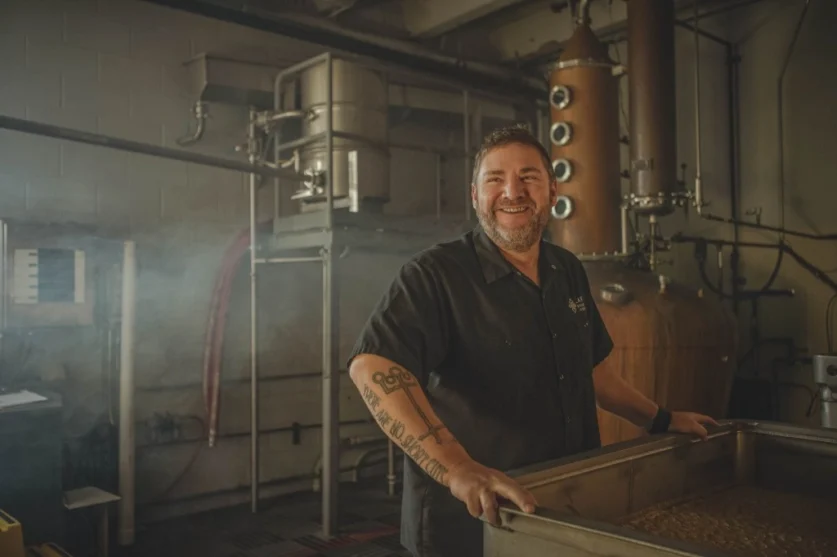
As a whiskey maker, Al Laws is no stranger to waiting.
Laws, president and founder of Laws Whiskey House in Denver, distilled his first batch of liquor on July 4, 2011. But because time is an essential ingredient in whiskey, it wasn’t until October 2014 that he released the first bottles.
That said, it’s been more than six years since he began the journey to renovate the distillery’s taproom. Both he and local drinkers may soon see the project get to the finish line.
Laws Whiskey House anticipates debuting its new taproom at 1420. S. Acoma St. to the thirsty public in late August or early September. When it does, the space will be significantly bigger – about 4,000 square feet compared to the previous 300 square feet, Laws said – and include a bar shaking up cocktails with house spirits and mezzanine seating.
The distillery has long had what it calls a “whiskey church” – an area outfitted with pews where folks go to learn about and pay homage to whiskey, Laws said. The new taproom design leans into that ethos with a new, two-story gothic window that lends an elegant feel to the space, he added.
“It’s a great place, but it’s not gonna be open ’til 2 a.m. It’s a place you come for pre-dinner drinks or you have a date or you have a friend in town or you have a quick business thing,” Laws said.
The bar will serve only house-made spirits, but that doesn’t mean the menu is limited to whiskey. Over the years, Laws Whiskey House has no doubt honed its namesake spirit, using only Colorado-grown grains. But the distillery has also made other liquors like vermouth, rum and agave that it plans to integrate into the bar program.
To that end, there will be certain spirits that drinkers can only find in the taproom alongside longtime staples like Four Grain Bourbon Cask Strength, which was recently named the best small-batch bourbon made outside of Kentucky at the World Whiskies Awards.
“`html
Part of the expansion includes revamping the Laws Whiskey House tour and eventually adding a rooftop deck where drinkers can take in vistas of the mountains and Mile High City.
But first, Laws simply wants to open. As the distillery’s 13th anniversary approaches, he feels cautiously optimistic about the project coming to fruition.
“The fact we’re so close, it’s a weird kind of hum in your head: ‘Like, are we really? What’s going to keep us from opening?’ That’s the way we think about it now,” he said. “You just can’t feel joy about it until it’s done.”
“`
Get Ready to Sip: Laws Whiskey House’s New Taproom Nears Grand Opening
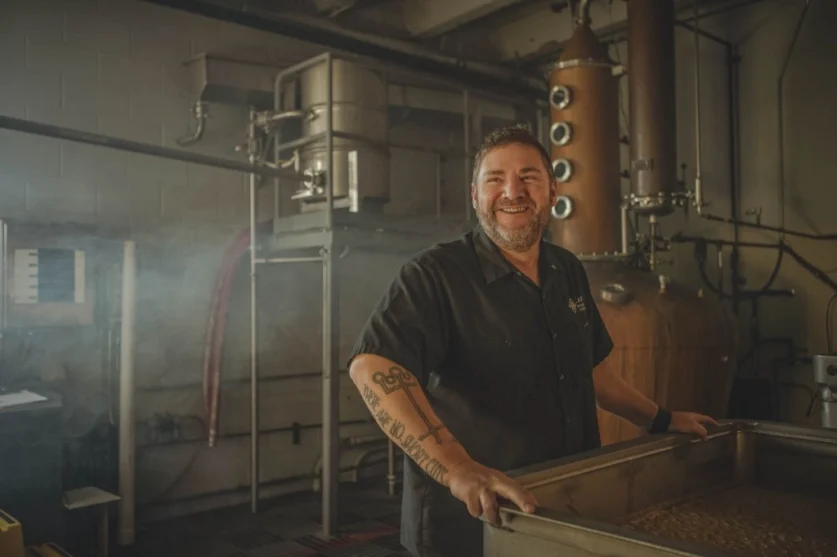
As a whiskey maker, Al Laws is no stranger to waiting.
Laws, president and founder of Laws Whiskey House in Denver, distilled his first batch of liquor on July 4, 2011. But because time is an essential ingredient in whiskey, it wasn’t until October 2014 that he released the first bottles.
That said, it’s been more than six years since he began the journey to renovate the distillery’s taproom. Both he and local drinkers may soon see the project get to the finish line.
Laws Whiskey House anticipates debuting its new taproom at 1420. S. Acoma St. to the thirsty public in late August or early September. When it does, the space will be significantly bigger – about 4,000 square feet compared to the previous 300 square feet – and include a bar shaking up cocktails with house spirits and mezzanine seating.
The distillery has long had what it calls a “whiskey church” – an area outfitted with pews where folks go to learn about and pay homage to whiskey, Laws said. The new taproom design leans into that ethos with a new, two-story gothic window that lends an elegant feel to the space, he added.
“It’s a great place, but it’s not gonna be open ’til 2 a.m. It’s a place you come for pre-dinner drinks or you have a date or you have a friend in town or you have a quick business thing,” Laws said.
The bar will serve only house-made spirits, but that doesn’t mean the menu is limited to whiskey. Over the years, Laws Whiskey House has no doubt honed its namesake spirit, using only Colorado-grown grains. But the distillery has also made other liquors like vermouth, rum and agave that it plans to integrate into the bar program.
To that end, there will be certain spirits that drinkers can only find in the taproom alongside longtime staples like Four Grain Bourbon Cask Strength, which was recently named the best small-batch bourbon made outside of Kentucky at the World Whiskies Awards.
Part of the expansion includes revamping the Laws Whiskey House tour and eventually adding a rooftop deck where drinkers can take in vistas of the mountains and Mile High City.
But first, Laws simply wants to open. As the distillery’s 13th anniversary approaches, he feels cautiously optimistic about the project coming to fruition.
“The fact we’re so close, it’s a weird kind of hum in your head: ‘Like, are we really? What’s going to keep us from opening?’ That’s the way we think about it now,” he said. “You just can’t feel joy about it until it’s done.”
GERS Fund Sees Losses in Rum Market, Gains in Interest Income
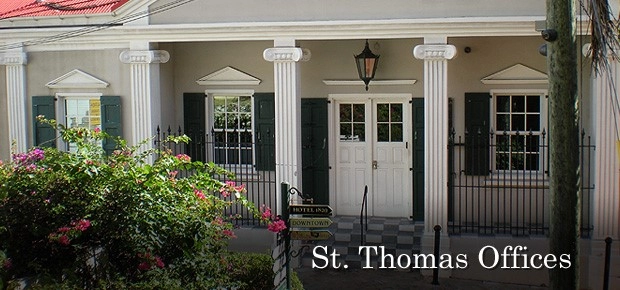
The Matching Fund Special Purpose Securitization Corporation Board of Directors heard the good news at its quarterly meeting on Wednesday but did not touch on the bad news.
The corporation’s capitalized interest account held by Causey Demgen and Moore PC is earning more than anticipated.
Andy Mathes, representing the firm, said the investment this fiscal year earned $5.7 million instead of the $5.1 million expected. Gov. Albert Bryan Jr., who chairs the board, asked where that money would go. Joel Ephross, also with Causey Demgen, said he was not sure which account it would go to, but no matter which, it would benefit the Virgin Islands.
Bryan said, “So, we have a little change in the bank.”
Another piece of good news for the board is that its operation expenses are predicted to go down. A budget of $700,000 was approved, compared to last year’s budget of $750,000. The Public Finance Authority has assumed the corporation’s administrative duties. Nathan Simmonds, the director of finance administration at the PFA, presented the budget.
Although the budget decreased overall, it will increase in two areas in the upcoming year. Board fees and expenses will go from $55,000 to $90,000, and the PFA administrative fee will go from $154,00 to $159,000.
Simmonds also asked the board to approve payment of $239,000 in PFA invoices. The board did.
The board was formed as part of the plan to prevent the Government Employees’ Retirement System from going bankrupt.
The plan is based on the territory receiving $13.25 for each proof gallon of rum sold stateside from the United States government. The bad news is that because of a lack of action from the U.S. Congress, the territory has only been receiving $10.50 for the last two years.
Simmonds recently told the Senate that there is no indication it will be raised in the upcoming year. He said the government covered the shortfall to GERS in the first year but not in the second year. He said he expected the shortfall to be larger in the upcoming year. This year, it was $34 million.
In other action, the board plans to hold an annual meeting on St. Croix this December. The meeting will include tours of Cruzan and Diageo rum distilleries.
Unlike many news organizations, we haven’t put up a paywall – we want to keep our journalism as accessible as we can. Our independent journalism costs time, money, and hard work to keep you informed, but we do it because we believe that it matters. We know that informed communities are empowered ones. If you appreciate our reporting and want to help make our future more secure, please consider donating.
Now Playing: “The Exorcism”
The search for a missing diver Monday on St. Croix turned into a recovery effort, the V.I. Police Department reported Tuesday.
On Monday at approximately 5:38 p.m., the 911 Emergency Call Center received a call regarding a missing diver. It was reported that the man went diving off the Fisherman’s Dock in Frederiksted around 9:00 a.m. and had not returned, according to the police report.
Read story: stcroixsource.com/2024/06/25/body-of-missing-diver-found-in-frederiksted/
#VISource #TheSource #USVI #LocalNews #News
Body of Missing Diver Found in Frederiksted
stcroixsource.com
0 CommentsComment on Facebook
Top 20 Wines Under $20: Decanter World Wine Awards 2024 Picks

The globe’s best wines for $20 or less were recently crowned at the Decanter World Wine Awards.
Drinkers who love a wine bargain will want to pay attention to the Decanter World Wine Awards “Value” category. Newly expanded this year to include 20 instead of 10 wines, the category honors incredible wines that are under $20 dollars. In other words, these wines offer elite, wine-snob-approved flavors at everyday prices.
Last week, when Decanter World Wine Awards debuted its results, I wrote about how Clos du Val, Yettalil wine was the only U.S. wine to earn a coveted Best in Show award. But with a list price of $200 it is outside many wine lovers’ price range. And even those who can afford more expensive wines — or those of us who can’t afford them but buy them anyhow — still appreciate a great value wine.
“The value component has always been important,” said DWWA co-chair Michael Hill Smith AM MW in a post announcing this year’s winners. “I think it’s been done better this year than perhaps any other because we make absolutely sure that we’re really selecting the top wines.”
To select the world’s Best Value wines, Decanter uses a method similar to that for Best In Show awards. Initially, all wines entered in the competition — this year more than 18,143 wines from 57 countries — are blind taste tested by a panel of expert judges. For Best In Show, all platinum medal award winners are tasted again, and for Best Value, all gold medal wines that cost less than 15 pounds or about $20 are retested. This year, 93 wines fit the bill, and from those, the following 20 wines were selected. They are listed below in no particular order. The winery name is listed first, followed by the wine’s name, then country of origin and region.
Blue Canyon, Estate Grown Chardonnay, United States, California
Spier, Signature Collection Albariño, South Africa, Stellenbosch
Vernice, Glam, Italy, Campania
Salzl Seewinkelhof, Grüner Veltliner, Austria, Burgenland
Gérard Bertrand, Héritage An940 Bio Viognier, France, Languedoc-Roussillon
Marks & Spencer, Classics no.2 Riesling, Germany, Pfalz
Cotnari, Busuioaca De Bohotin, Romania, Moldova
Angel’s Estate, Deneb Rose, Bulgaria, Southern Region – Thracian Lowland
Sarl Du Grand Bourry, Chevalier Delaude, France, Languedoc-Roussillon
Finca Sophenia, Altosur Malbec, Argentina, Mendoza
Bare Bones, Shiraz, Australia, Victoria
Bodega Doble, 5 Meses, Spain, Ribera del Duero
Barton & Guestier, Syrah-Grenache-Carignan, France, Languedoc-Roussillon
Cavit, Terrazze Della Luna Teroldego, Italy, Trentino-Alto Adige/Südtirol
Schieber, Trilógia Bikavér, Hungary, Dél-Pannónia
Vignobles Luc Schweitzer, Château Bourdieu, France, Bordeaux
Château Lamothe-Vincent, France, Bordeaux
Robert Oatley, Semaphore Series Shiraz, Australia, South Australia
Celler Masroig, Solà Fred, Spain, Montsant
Cascina Pian D’or, Bricco Riella, Italy, Piedmont
One Community. Many Voices. Create a free account to share your thoughts.
Our community is about connecting people through open and thoughtful conversations. We want our readers to share their views and exchange ideas and facts in a safe space.
In order to do so, please follow the posting rules in our site’s Terms of Service. We’ve summarized some of those key rules below. Simply put, keep it civil.
Your post will be rejected if we notice that it seems to contain:
User accounts will be blocked if we notice or believe that users are engaged in:
So, how can you be a power user?
Thanks for reading our community guidelines. Please read the full list of posting rules found in our site’s Terms of Service.
Governor DeSantis Signs Bills Establishing ‘Bible Day,’ State Gender, and Allowing Hospitals to Sell Beer and Wine

About this rating
On June 26, 2024, an X user named Keaton Patti (@KeatonPatti) posted, “Normal day in Florida.” His post featured an image appearing to originate from a local news station in Florida. The broadcast showed the state’s Republican Gov. Ron DeSantis with the headline, “Gov. DeSantis Signs 3 New Bills.”
According to the image, the three bills purportedly were: “June 27th is now ‘Bible Day,'” “certifies ‘male’ as the official state gender of Florida” and “hospitals can sell beer and wine.”
The website 10TampaBay.com was displayed in the bottom-right corner of the image, referencing the CBS TV affiliate WTSP in St. Petersburg, Florida.
One of the most-liked replies under Patti’s post read, “At least I can have one final beer on my death bed.”
Another user asked, “Is this real?,” as did a different person who replied, “Is this real? That last one is based af.”
Other people mentioned satire, including one user who said, “It’s sad when you can’t tell if it’s satire or facts … halp.”
We also found at least one person who responded to the post, “Florida Man… checks out.”
However, as some users correctly guessed, Patti’s post was a satirical joke aiming to make light of DeSantis’ politics, perhaps specifically including several new Florida state bills reportedly set to go into effect on July 1.
The original broadcast uploaded to WTSP.com on June 25 displayed the three genuine bills, including “increased security for Jewish schools,” “definition of antisemitism” and “banning balloon releases.”
According to a GitHub page, Patti is a writer and comedian who has contributed to “Jimmy Kimmel Live!,” The New Yorker, Comedy Central, The Onion and others. He also authored the book, “I Forced a Bot to Write This Book: A.I. Meets B.S.”
We reached out to Patti via email to inquire about his inspiration for the post. We will update this article with more details if we receive a response.