Bourbon vs. Rye: Do Traditional Categories Still Matter in Modern American Whiskey?
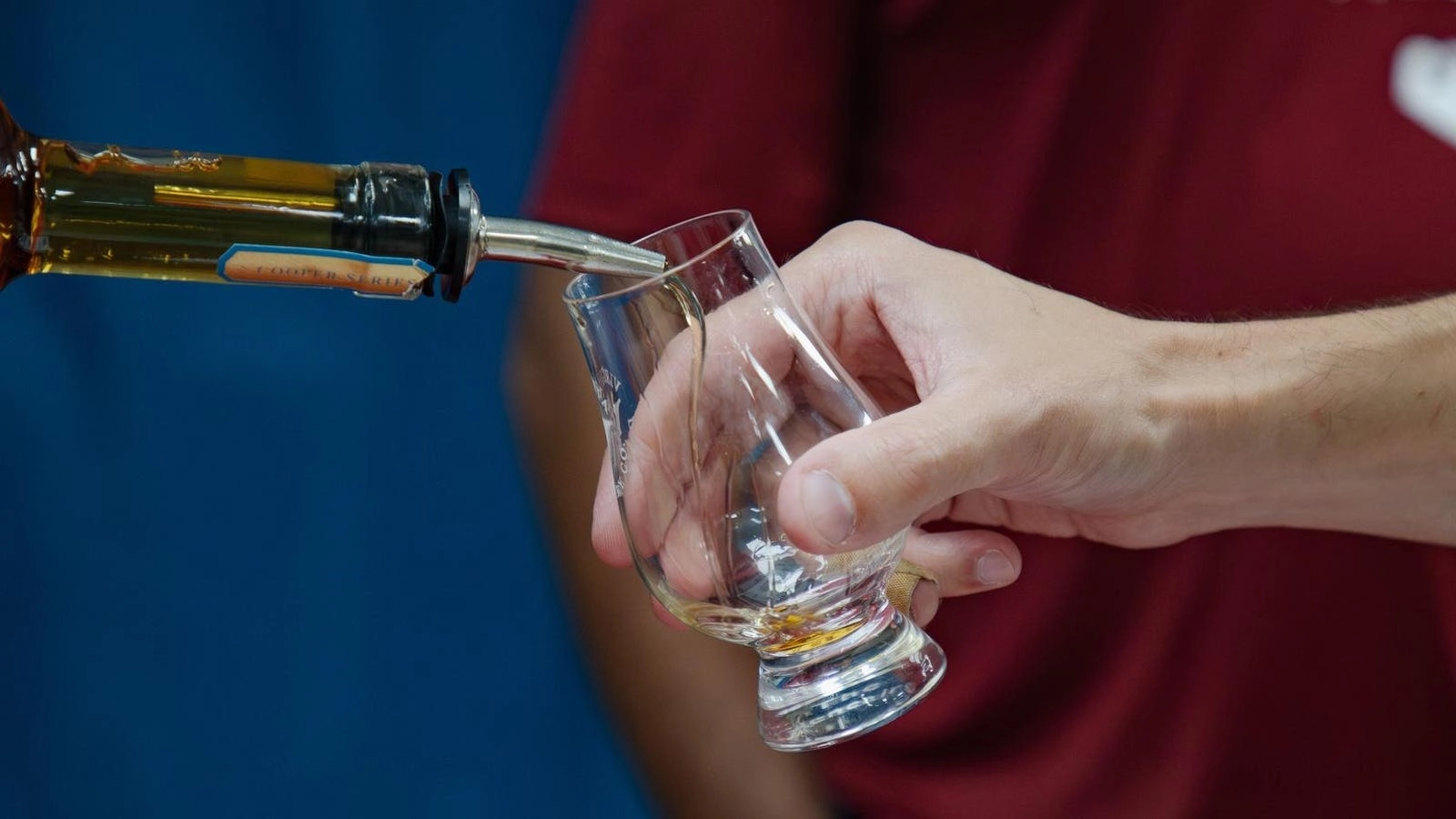
Sampling bourbon at a local whiskey festival.
I live in a typical American town, far from Kentucky, in a state with a surprisingly active whiskey scene. There are local whiskey clubs, a rotating lineup of whiskey-themed dinners at community restaurants and plenty of dedicated retailers that select high-quality single barrels for their patrons. There are multiple Facebook groups dedicated solely to local whiskey happenings. Lines form in the wee hours of the morning for well-publicized single barrel releases and there are, ahem…,strong rumors of an active local gray market that’s always open for business.
If you live in the U.S. and can relate to this story, you’re not alone. The United States has embraced whiskey culture in a way that seemed unfathomable at the turn of the century. The domestic whiskey market has always followed a cyclical boom-bust pattern during its history, yet these feel like unprecedented times. What makes this current market boom different? The internet—and social media in particular—not only connects us with others around the globe, but it makes it much easier to tie local communities together like never before. In my local online and in-person communities, I see photos and discussions about all kinds of American whiskey, including bourbon, rye and American single malt among others.
Ask an American whiskey drinker what they’re into and most of the time, they’ll keep it simple and say “I like bourbon”. This is a gross oversimplification of the likely, more complicated answer: “I drink bourbon—both rye-based and wheated, as well as rye. I’ve also tried and enjoyed wheat whiskies and straight malt whiskies a few times.” While accurate, it doesn’t exactly flow off the tongue.
Today’s whiskey consumer is familiar with the two most important legal requirements used to categorize American whiskey. Regardless of the grains used, most categories of American whiskey must be aged in brand-new, charred oak. The real distinction, however, comes down to the grains used in the whiskey’s production. Whiskey must be created from a mash bill containing at least 51% corn or rye to be called “bourbon” or “rye” whiskey, respectively. That same 51% major grain requirement can also apply to malt whiskey (not to be confused with single malt) and wheat whiskey.
At first glance, these designations give the impression that different categories result in clearly defined flavor profiles. In reality, though, most styles of American whiskey mash bills lie on a broad spectrum of grain proportions and consequently, a continuum of flavors that makes it impossible to pigeonhole each style into a single flavor set.
For example, the most in-demand bourbons made at the Buffalo Trace distillery (including Eagle Rare, Stagg, and E.H. Taylor) use their “Mashbill No. 1”—a low-rye mash bill that’s strongly rumored to contain less than 10% rye. By comparison, Four Roses “B” mash bill contains 35% rye, well above the generally accepted “high-rye” threshold of 20%.
Speaking of Four Roses, the distillery recently announced two new mash bills that illustrate the wide dynamics of bourbon perfectly. The first new mash bill is comprised of 52% corn, 43% rye and 5% malted barley—a whiskey made with almost as much rye in the recipe as there is corn. The second mash bill is made from 85% corn, 10% rye and 5% malted barley. Four Roses uses several different yeast strains, but assuming all other production factors are the same, these two whiskies will likely taste very different despite both bourbons being made at the same exact distillery.
Expressions made from a blend of multiple whiskey styles are becoming more and more common as distilleries emphasize flavor over convention. Here are a few examples of bottles that have no classic categorization, but have made waves over the last few years.
High West Bourye
This list wouldn’t be complete without first mentioning High West Bourye, one of the earliest examples of modern whiskey made from a blend of straight bourbon and straight rye whiskies. The source whiskies have changed over the last decade, but the premise is always a combination of well-aged bourbons and ryes.
The 2024 edition is comprised of several whiskies, each aged at least 10 years. The components include straight rye whiskey from mash bills of 95% rye, 5% malted barley and 80% rye, 20% malted barley. These are blended together with straight bourbon whiskey from mash bills of 75% corn, 21% rye, 4% malted barley as well as 78% corn, 10% rye, 12% malted barley.
Wild Turkey Master’s Keep Unforgotten
Wild Turkey is no stranger to blending bourbon and rye together, though it hasn’t always been on purpose. In 2010, a distillery employee mistakenly blended bourbon and rye stocks together. Making the best of a bad situation, the whiskey was released with the title Forgiven, a nod to making the best of an honest mistake.
A few years ago, the distillery took a more deliberate approach to this blend of whiskey styles with the release of Wild Turkey Master’s Keep Unforgotten. Unforgotten is made from 13-year-old bourbon blended with 8 and 9-year-old rye. This blend was then finished in rye casks in Wild Turkey’s historic Warehouse B and bottled at 105 proof.
Wyoming Whiskey Outryder
Wyoming Whiskey’s Outryder takes a unique approach to marketing by leaning heavily into its status as a whiskey that doesn’t fit neatly into one category. The name Outryder helps further illustrate a unique approach that results in a “best of both worlds” flavor profile. Wyoming Whiskey describes this expression as a blend of “an almost Rye Whiskey and a High Rye Bourbon,” bottled at 100 proof. It’s the distillery’s first foray into the use of rye whiskey in any capacity.
Redwood Empire Lost Monarch
Sonoma county’s Redwood Empire burst on the scene in the 2020s with expressions like Emerald Giant and Pipe Dream. Their bourbon and rye blend, Lost Monarch, is named after the 321-ft tall coastal Redwood tree of the same name. Lost Monarch is “a blend of 3 to 14-year-old Bourbon and 3 to 14-year-old Rye Whiskey.” The whiskey components are 55% rye from a mash bill of 94% rye, 5% malted barley, 1% wheat and 45% bourbon from a mash bill of 74% corn, 20% rye, 4.5% malted barley, 1.5% wheat. Lost Monarch is the only whiskey in this list that incorporates wheat in the blend, albeit in trace amounts.
As distillers continue to push the boundaries of blending, it will be interesting to see what combinations are brought to market. Perhaps we’ll see a blend of wheated bourbon and straight wheat whiskey. How does the popularity of straight malt whiskey impact future projects? What about the bourgeoning American single malt space? Today’s whiskey consumer continues to demonstrate a willingness to branch out and try new things. If a distillery has a new or experimental blend in mind, now is the right time to test the market.
One Community. Many Voices. Create a free account to share your thoughts.
Our community is about connecting people through open and thoughtful conversations. We want our readers to share their views and exchange ideas and facts in a safe space.
In order to do so, please follow the posting rules in our site’s Terms of Service. We’ve summarized some of those key rules below. Simply put, keep it civil.
Your post will be rejected if we notice that it seems to contain:
User accounts will be blocked if we notice or believe that users are engaged in:
So, how can you be a power user?
Thanks for reading our community guidelines. Please read the full list of posting rules found in our site’s Terms of Service.
Arlow: The Perfect Low-Alcohol Wine for Health-Conscious Enthusiasts
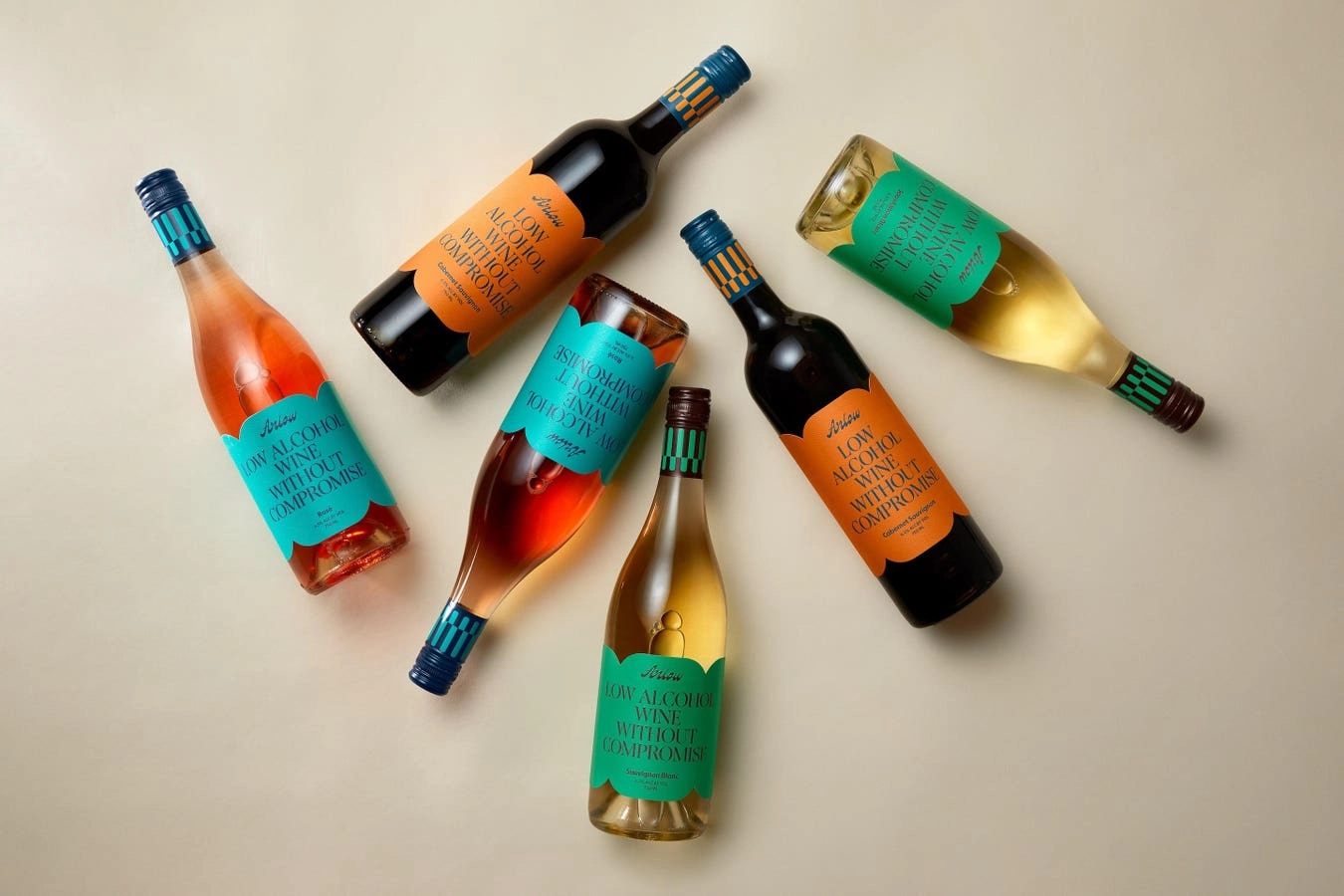
Arlow wants to cater to the growing movement of mindful drinking and those seeking healthier alternatives.
Arlow is debuting this month as a new low-alcohol wine brand, crafted with the intention of providing a flavorful and balanced option for consumers looking to moderate their alcohol intake.
“Over the last five years, we’ve seen increasing demand for solutions to moderate alcohol intake,” Arlow CEO Brandon Joldersma tells Forbes. “While non-alcohol wine has prospered (and sister brand Surely has played an important role in that), we discovered that there has been little innovation in low-alcohol wine.”
Joldersma highlighted the complex process of creating Arlow’s wines, involving blending full-alcohol wines with dealcoholized ones to achieve the desired 6.5% ABV. After a lot of experimentation, Joldersma says the team—including a winemaker and a flavor scientist—realized that they could create wines with around half the alcohol (and calories) of regular wines, which on average can have ABV levels between 12% and 15%, depending on the varietal and winegrowing region.
“Full-alc wines that taste great often taste terrible when dealcoholized, and a great-tasting, dealcoholized wine most likely tasted a bit strange when it was full-alc,” Joldersma says.
A bottle of Arlow’s low-alc rosé wine.
But creating low-alc wines is a complex and time-consuming process, Joldersma notes, which involves blending full alcohol wines with dealcoholized wines to achieve the 6.5% ABV target.
“Thankfully, we have an in-house team that can dedicate the time required to get these blends right,” Joldersma says. “We taste hundreds of wines from our vineyard partners in California, working through a litany of blends to make sure we’re hitting the mark. It’s an art as much as it is a science.”
Joldersma also underscores the shift towards moderation among wine drinkers. The startup aims to tap into the growing trend of mindful drinking, offering an alternative for those looking to enjoy wine without overindulging.
“Many wine fans now intentionally drink less on weekdays. Arlow provides an option for them to enjoy wine without overindulging,” Joldersma explains. “Our wines allow for two glasses on a Tuesday night without worrying about the next morning, or a Sunday afternoon at the pool without needing a nap.”
Low-alc wines usually have a reputation of tasting watered-down, but maintaining taste and quality is paramount for Arlow, Joldersma says.
“We wouldn’t pursue this if we didn’t believe we could offer a quality product at this ABV,” Joldersma says. “Many ‘lower’ alcohol products prioritize branding over taste. We aim to reverse this trend, proving that you can enjoy a flavorful wine with lower alcohol content.”
Arlow’s low-alc wines by the pool.
And Arlow’s wines are naturally low in calories due to the lower alcohol content.
“While non-alcoholic wine has seen innovation, low-alcohol wine has not kept pace. Most existing low-alcohol options are marketed as low-calorie, ‘diet’ wines,” Joldersma says. “At Arlow, we’ve focused on creating wines with around half the alcohol and calories of traditional wines, without compromising on taste.”
The brand’s inaugural release includes bottles of sauvignon blanc, cabernet sauvignon and rosé varietals, each crafted from California-grown grapes with meticulous attention to detail. Joldersma adds a red blend as well as a pinot noir are currently in development.
The company is also exploring different bottling and packaging options, including canned wines and premium bag-in-box formats.
One Community. Many Voices. Create a free account to share your thoughts.
Our community is about connecting people through open and thoughtful conversations. We want our readers to share their views and exchange ideas and facts in a safe space.
In order to do so, please follow the posting rules in our site’s Terms of Service. We’ve summarized some of those key rules below. Simply put, keep it civil.
Your post will be rejected if we notice that it seems to contain:
User accounts will be blocked if we notice or believe that users are engaged in:
So, how can you be a power user?
Thanks for reading our community guidelines. Please read the full list of posting rules found in our site’s Terms of Service.
Fairfields Rum of the Americas Secures Late Seed Round Funding Led by Maplewood Ventures

The funds are being used to further expand markets and release the 8-year sherry cask finished reserve and a low-alcohol ready-to-serve
FAIRFIELD, Conn., Aug. 1, 2024 /PRNewswire/ — Fairfields Rum of the Americas, founded by entrepreneurs Frank Klein and Joy Branford, announced a Late Seed round led by Maplewood Ventures of Westport Connecticut. “We will be going deeper into existing markets, releasing our reserve, and launching our evolutionary ready to serve low-alcohol rum cocktails,” according to Frank Klein, CEO of Fairfields. The rum is currently distributed in fine Connecticut restaurant and retail locations and via e-commerce with distribution in California, New York, Massachusetts and Rhode Island coming this summer.
“We continue to be well received by not only rum drinkers but those seeking a no-additive clear spirit that is expressive and nuanced” commented Frank Klein, Co-Founder and CEO. “The lower sugar, diverse craft drinks that bartenders are making with Fairfields showcase how versatile an all-naturally distilled, no sugar added white rum can be” Klein added. The rum is made in the United States from cane sourced throughout the Americas. The 8-year-aged reserve is bottled at eighty-eight proof and the amber spirit is finished in sherry casks with no additives or colorings.
The brand is continuing with its campaign that declares “If you like your tequila, you will love our rum”. Joy Branford, Caribbean born, Brooklyn raised, collaborated with Klein to create a unique rum that intentionally strayed away from Caribbean styles that rely on flavorings or added sugar. “We use a blend of Agricole and Molasses distillations to create a rum that sips on its own over ice like tequila or can be used in simple three ingredient cocktails.” Branford added “because a daiquiri was around long before George Clooney invented tequila”. Not surprisingly the founders prefer daiquiris on the rocks.
“We are truly excited and proud to support Frank, Joy and the wider Fairfields Team as their production partner on these incredible rums,” states Anthony Moniello, Co-CEO of Next Century Spirits. Moniello continues, “Fairfields’ headquarters are right in our backyard and supporting skilled entrepreneurs like Frank is core to who we are. We believe in what they’re building as well as the quality of the rum at-hand and are excited to be part of their wider journey ahead.”
Fairfields Rum of the Americas was founded by Frank Klein and Joy Branford. Investors include Overdrive Ventures which is led by founder Ray Potter, Maplewood Ventures and others. Fairfields Rum of the Americas is based in Fairfield, CT. Suggested retail is $29.99 for the Dry White Rum and $43.99 for the Reserve.
To learn more visit www.rumoftheamericas.com as well as check out their Instagram.
Frank Klein can be reached at 203-763-9997 or 381176@email4pr.com
View original content to download multimedia: https://www.prnewswire.com/news-releases/fairfields-rum-of-the-americas-announces-late-seed-round-led-by-maplewood-ventures-of-westport-connecticut-302211515.html
SOURCE Fairfields Rum
20 Versatile Vodka Cocktails to Suit Every Mood
We’re so grateful to the people of Eastern Europe from centuries ago for concocting one of the most versatile liquors ever—vodka. Whether you choked back cheap pints of Smirnoff at frat parties or you always reach for a dirty vodka martini at your local watering hole, you’re familiar with the clear neutral spirit.
There are quite possibly thousands of ways to enjoy it. You can have it as a pick-me-up with red bull before you hit the town. Or bitterly cold, in a glass by itself, tasting unapologetically of vodka. Have it in a lemon or apricot flavored form, blending seamlessly into the other flavors of your cocktail. Pick the one that suits your mood—contemplative (the Vesper), high-spirited (the Espresso Martini), hungover (what else? the Bloody Mary)—and gather your ingredients. Cheers to the most basic and easy-drinking liquor.
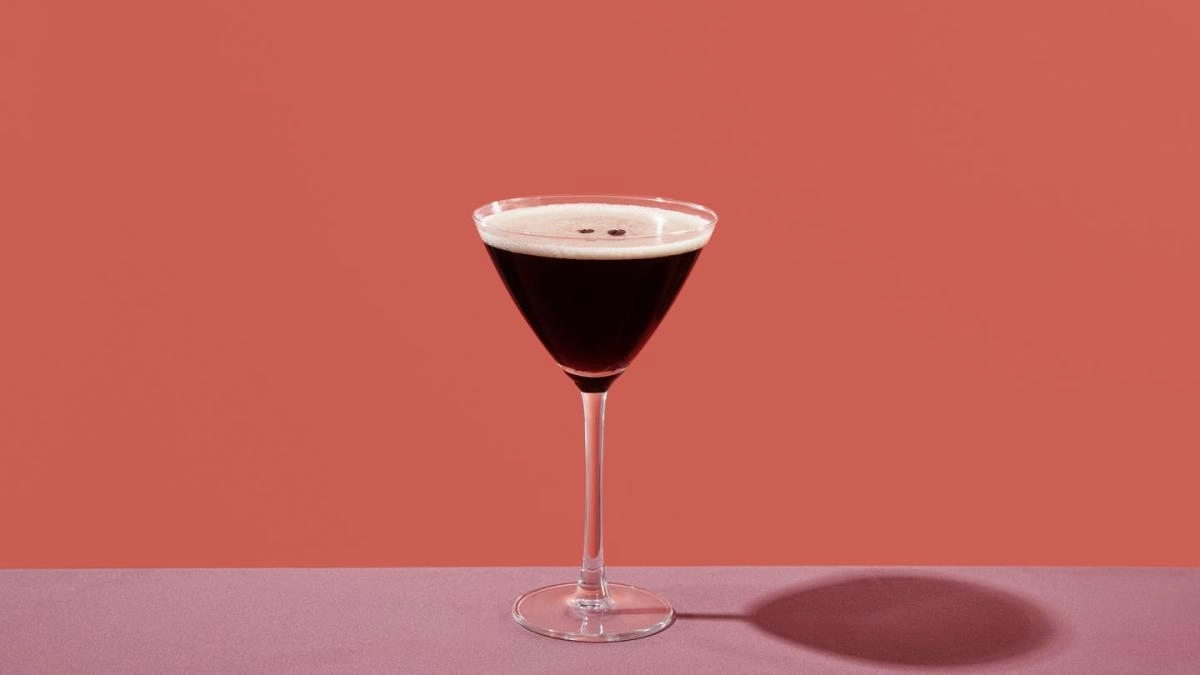
This coffee-and-vodka cocktail is a viral sensation and surprisingly simple to make.
Ingredients
2 oz. Grey Goose vodka
1/2 oz. Mr Black coffee liqueur
3/4 oz. simple syrup
1 1/2 oz. fresh espresso
Directions
Shake ingredients with ice and strain into a martini glass. Garnish with two or three coffee beans.
James Bond was good at many things, but inventing a cocktail was not one of them.
Ingredients
3 oz. London dry gin
1 oz. vodka
1/2 oz. Lillet blanc
Directions
Stir ingredients briskly with ice in a mixing tin until very cold. Strain into a chilled cocktail glass. Garnish with a large, thin-cut lemon peel.
Love piña coladas, but not a fan of rum? Swap it out for vodka without compromising taste.
Ingredients
1 1/2 oz. vodka
4 oz. pineapple juice
1 oz. cream of coconut (such as Coco Lopez)
Pineapple slice
Directions
Add ice to a cocktail shaker. Combine vodka, pineapple juice, and cream of coconut and shake vigorously until chilled. Strain into a goblet of crushed ice. Garnish with pineapple.
This melon liquor and vodka drink will transport you to the disco days of the ’70s.
Ingredients
1 ounce Midori
1 ounce vodka
1/2 ounce lemon juice, freshly squeezed
1/2 ounce lime juice, freshly squeezed
Club soda
Directions
Add the Midori, vodka, lemon juice, and lime juice to a Collins glass with ice. Stir to combine, then top with a splash of soda water.
Take your favorite childhood drink, mix it with vodka, and prepare for a good time.
Ingredients
2 ounces vodka
1 ounce grenadine
6 ounces lemon-lime soda
Maraschino cherry
Directions
Fill highball glass with ice. Add the vodka and grenadine. Top with the lemon-lime soda and stir gently. Garnish with a maraschino cherry.
When you want to drink your dessert, reach for a Mudslide.
Ingredients
1 oz. coffee liqueur
1 oz. vodka
1 1/2 oz. Irish cream liqueur
Directions
Combine coffee liqueur, vodka, and Irish cream liqueur in a shaker with ice. Shake for at least 10 seconds. Strain into a rocks glass over ice.
Simple, tart and hard to put down, the Lemon Drop Martini can easily become a go-to.
Ingredients
2 oz. vodka
3/4 oz. Cointreau
1 oz. fresh squeezed lemon juice
3/4 oz. simple syrup
Lemon sugar
Directions
Twist rim of a chilled martini glass into sugar and lemon juice and set aside. Add ingredients and ice to a cocktail shaker. Shake until very cold. Strain into the martini glass.
With a few additions, you’ve got the robustly flavorful cocktail you’ll be sipping all weekend.
Ingredients
24 oz. Lemonade
1 c. vodka
4 oz. simple syrup
4 sprigs fresh peppermint
1 lemon, cut into rounds
Directions
In a pitcher with ice, mix the lemonade with the vodka and simple syrup. Fill a highball glass with ice. Add vodka lemonade until the glass is three-quarters full. Top off with club soda and stir. Garnish with a lemon round.
Light and refreshing, the Sea Breeze gives a classic vodka cranberry a bittersweet twist.
Ingredients
1 1/2 ounces vodka
3 ounces cranberry juice
1 1/2 ounces grapefruit juice, freshly squeezed
Grapefruit slice
Directions
Fill highball glass with ice, then add ingredients. Stir. Garnish with grapefruit.
Like the name suggests, this fruity cocktail feels like a fun afternoon delight.
Ingredients
1 1/2 oz. vodka
1/2 oz. peach schnapps
2 oz. orange juice
2 oz. cranberry juice
Orange wedge and maraschino cherries
Directions
Combine vodka, peach schnapps, and orange juice in a glass with ice and gently stir to combine. Pour cranberry juice over. Garnish with cherries or orange wedge.
The most popular vodka drink of the lot, with plenty of spicy ginger zing.
Ingredients
• 2 oz. vodka
• 1/2 oz. lime juice, freshly squeezed
• 6 oz. ginger beer
Directions
Squeeze lime juice into a copper mug (or a Collins glass) and drop in the spent shell. Add ice cubes, then pour in the vodka and fill with cold ginger beer. Serve with a stirring rod.
A bracingly sour, slightly sweet, purely refreshing jewel of a drink.
Ingredients
• 2 oz. vodka
• 1/2 oz. lime juice (fresh)
• 1/2 oz. simple syrup
Directions
Shake ingredients in a cocktail shaker with ice. Strain into a chilled cocktail glass, and garnish with a lime wheel.
A well-proportioned classic that’ll win over even the gin Martini purists.
Ingredients
• 3 oz. vodka
• 1/4 oz. dry vermouth
Directions
Stir the ingredients well with ice, then strain into a chilled cocktail glass. Garnish with a lemon twist or olives.
Salty like the sea, in a worryingly addictive kind of way.
Ingredients
• 2 oz. vodka
• 1/4 oz. extra dry vermouth
• 1/4 oz. olive juice
• olives
Directions
Combine the gin, vermouth, and olive juice in a mixing tin with ice. Stir well. Strain into a chilled martini glass. Garnish with as many olives as you’d like on a toothpick.
A pared down version of the White Russian that’s less reminiscent of a milkshake and more like an after-hours black-coffee replacement.
Ingredients
• 2 oz. vodka
• 1 oz. coffee liqueur
Directions
Stir ingredients with ice in a mixing glass. Strain into an Old Fashioned glass over fresh ice.
A drink that exemplifies the timeless marriage of vodka and orange juice.
Ingredients
• 1 part vodka
• 2 parts orange juice, freshly squeezed
Directions
Pour ingredients over ice in a glass. Stir, then garnish with an orange slice.
The vodka cran that grew up and got a real job with a house near the shore.
Ingredients
• 2 oz. vodka
• 2-3 oz. cranberry juice cocktail
• 1/2 oz. lime juice
• club soda
Directions
Pour vodka, cranberry juice, and lime juice into a Collins glass over ice. Stir. Top with club soda, then garnish with a lime wedge.
A very good drink that’s long overdue a cultural resurgence.
Ingredients
• 2 oz. vodka
• 1 oz. Cointreau
• 1 oz. cranberry juice
• 1 oz. Rose’s lime juice
Directions
Shake the ingredients in a cocktail shaker with ice. Strain into a chilled cocktail glass, then garnish with lime.
An incredibly simple sipper to make, if grapefruit is your fruit of choice.
Ingredients
• 2 oz. vodka
• 4 oz. grapefruit juice
Directions
Add vodka and grapefruit juice to a glass over ice. Stir until mixed.
Like drinking a salad for breakfast. More or less.
Ingredients
The Mix (for one serving)
• 1/2 c. tomato juice
• 1/4 inch horseradish, chopped
• 1 tsp. Worcestershire sauce
• dash of celery seeds
• 4 dashes hot sauce (Tabasco, Tapatio, etc.)
• 1/2 lemon’s juice, fresh squeezed
• 1/2 lime’s juice, fresh squeezed
• dash of sea salt
• dash of black pepper
• 1 tbsp. vodka
The Drink
• 2 oz. vodka
• 6-8 oz. Bloody Mary mix
Directions
Blend tomato juice, horseradish, Worcestershire, and celery seeds until smooth. Add hot sauce, lemon juice, lime juice, salt, and pepper, then blend. Adjust the mix depending on how spicy, salty, or citrusy you like it. Add 1 tbsp. vodka to stabilize the mix and keep the juices fresh, then blend. Combine 6-8 oz. of the mix with 2 oz. of vodka into a glass with ice. Pour back and forth into another glass 3 or 4 times to mix. Garnish with a celery stalk and a lime.
Get Unlimited Access to Esquire’s Food & Drink Coverage
You Might Also Like
16 Best Shoe Organizers For Storing and Displaying Your Kicks
A Beginner’s Guide to Rosé Wine: Everything You Need to Know
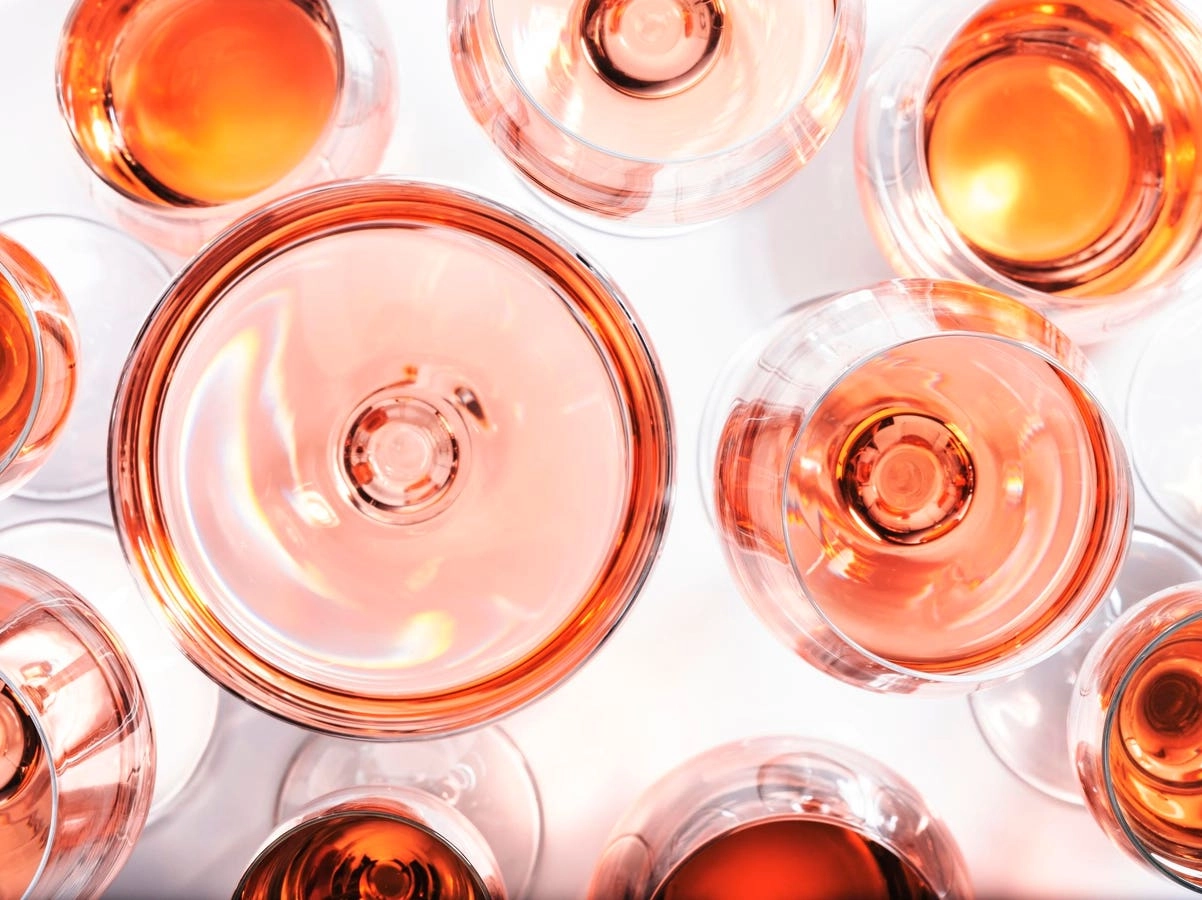
Rose wine glasses set on wine tasting. Different varieties, colors and shades of pink wines on white… background. Top view
Rosé: it’s pink alcohol, served cold by the pool, right? On one hand, absolutely. On the other, this over-simplifies a surprisingly nuanced wine encompassing impressive historical and cultural traditions in some of Europe’s great appellations. Of course, nuanced doesn’t mean so complex it’s too intimidating to learn the basics. If you’re looking for a break-down of the differences in rosé, from the effect picking and production techniques have on style, color and taste, to a review of classic European regions, bookmark this page. Next time you reach for a bottle, you’ll know the difference between Tavel, Rosado, or Rosato.
Production Methods
Though it’s commonly believed that rosé is made by blending white with red, most bottles are made through skin contact (like a red wine) known as “saignee.” Blending red wine into white is only common in Champagne — not in quality still wine. Further, another misconception leftover from America’s white Zinfandel days is that rosé is off-dry or even sweet. In fact, most quality-driven rosés are a variation on bone dry.
Skin Contact
Have you ever heard a producer use the phrase “intentional rosé?” The concept entails growing and harvesting grapes for the express purpose of making rosé wine. This means picking early to preserve freshness and bright fruit flavors, followed by a limited maceration. In other words, winemaking follows the same technique as for red wine: crushing grapes and allowing the juice time on the skins. But for rosé, that time is far less, from a few hours to two days. The shorter the period, the lighter the color – think pale salmon versus dragon fruit pink. After maceration, the wine is drawn off and fermented to full dryness.
Direct press is a variation on this, though is more akin to white winemaking. Rather than allow any contact between skins and juice, the grapes are pressed and the juice is drawn off the skins. But because the grapes are black, the juice will take on a hint of color and flavor. This method yields a delicate rosé, one that’s faint in color, while favoring citrus flavors over red fruits.
Wine glasses and appetizers on the table in the vineyard orchard.
Saignée
French for “bleeding,” saignée is often a byproduct, though not always – see Navarra – of red winemaking rather than utilized as an intentional rosé winemaking method. Grapes are not picked expressly for rosé but rather for the primary red wine. This technique is common in Paso Robles, for example, where winemakers seek to produce concentrated, bold, and flavorful reds. Bleeding some wine off early in the maceration process concentrates the remaining juice; and the lighter juice that’s bled off gets vinified separately for rosé. Though it’s an acceptable method, wines can be an afterthought. Rosé generally demands freshness, and grapes picked for concentrated reds are usually the opposite: ripe with higher alcohol. Of course, it’s a matter of taste – saignée is great for those who prefer a richer, fruitier style of rosé.
Blending
Except maybe late night at a party, fine wine producers don’t blend red and white wine together. At least, French appellations do not allow it, except for one: Champagne. For rosé Champagne, producers may add still Pinot Noir or Pinot Meunier for hue and flavor. Outside of Europe, a few New World producers might blend white and red but it’s not the norm for quality wine production.
View on ancient village of Aiguines, Provence, France
FRANCE
Provence, France
If you’ve sipped a glass of rosé, you’ve probably tasted one from Provence. The OG of pink wine, denizens of the south of France view rosé as a way a of life, not just a beverage. Stylistically, Provençal rosé is distinct, too.
Typically, wines are made intentionally, picked for citrus and tart red fruit flavors, with limited skin contact for lighter hues and delicacy of flavor. It’s not a big, brash, fruity wine; rather, they are meant as crisp, versatile food wines to be enjoyed with vegetables, seafood and even meat. The classic grapes are Grenache, Cinsualt, and Mourvèdre. Bandol has a large presence in the U.S. for its high quality, pricier versions made from Mourvèdre. Wines are savory, mineral-driven and structured, rather than simple and fruit-forward. Bandol is a rosé that can age.
Though Provence is better-known in the U.S. market, Tavel is the only French appellation specializing in dry rosé. Talk about intentional winemaking. The primary grape used in Tavel is Grenache. Other grapes allowed include: Cinsault, Bourboulenc, Clairette (pink and white), Mourvèdre, Picpoul (black, white, grey), and Syrah. While white wine cannot be blended with red, white grapes and their press juice can be added pre-fermentation.
Due to longer skin contact, the wines achieve greater color and depth of red fruit flavor. This lends more tannin, structure, and age-worthiness from top producers.
Chinon, Touraine, Anjou, Loire Valley: Based on Cabernet Franc, the best rosés weave delicate vegetal notes from the Cab Franc with juicy red fruit flavors.
The Camino de Santiago is a pilgrimage which can be walked by connecting various different trails and routes through Europe ending at the tomb of St. James in north west Spain.
SPAIN
Spaniards have been drinking rosé for ages; only in recent years have those bottles made their way stateside. Often, producers made simple, quaffable wines. But as exports have increased, so has quality. Instead of rosé, bottles will say rosado. Grenache and Tempranillo are the main varieties used for making various styles, though often in a deeper hue than their French counterparts.
Navarra
Navarra rosé helped make the region famous. Producers turn out both poolside sippers and more complex, food appropriate expressions. Grapes used include Tempranillo, Cabernet Sauvignon, and Merlot, though rosado from old-vine Grenache is considered the highest expression for the region. Saignée method is typical, but in the case of Navarra, wines are of good quality, not after thoughts.
Rioja
Unusual in the world of rosé, or rosado, is the application of aging classifications to this style of wine. Most producers of rosé tout new vintages for their youthfulness and freshness, using stainless steel vessels in that stylistic pursuit. That, or they need to move product for cash flow. But in the case of Rioja, rosado follows the classic aging rules in oak barrels: joven (no aging requirement), crianza (aged for 12 months including 6 months in barrel); and reserva (2 years including 6 months in barrel). Grenache and Tempranillo are the primary grapes.
Txakoli
Spain’s northern Basque country is home to unusual, indigenous varieties used to produce dry, effervescent Txakoli. Though rosé is a recent phenomenon, it’s becoming easier to find in the U.S. Made in a pale shade of pink, wines are mineral and tart, and largely based on red grape Hondarrabi Beltza.
Beautiful Medieval Villlages Of Italy. Pacentro, Abruzzo.
ITALY
Known as rosato in Italy, rosé is made up and down the boot, with styles and flavors dependent on the local climate and traditional varieties. You’ll find more delicate versions produced in the northeast around Veneto, Friuli-Venezia Giulia and Trentino-Alto Adige. Logical, given the cooler climate. That includes Chiaretto from Lombardy and Veneto. “Chiaro” means light or pale, evoking the dry style of the wine based on the Corvina grape. Ramato, from Friuli, is based on extended maceration with pink grape Pinot Grigio.
Central Italians, of course, produce rosato. One better known example: cherry-pink Cerasuolo of Abruzzo made from the Montepulciano grape.
In the south, rosatos are fuller-bodied and fuller-flavored like the sun and the food. Puglia, Sicily and Calabria turn out lots of examples with native grapes like Negroamaro (Puglia) and Nero d’Avola (Sicily).
One Community. Many Voices. Create a free account to share your thoughts.
Our community is about connecting people through open and thoughtful conversations. We want our readers to share their views and exchange ideas and facts in a safe space.
In order to do so, please follow the posting rules in our site’s Terms of Service. We’ve summarized some of those key rules below. Simply put, keep it civil.
Your post will be rejected if we notice that it seems to contain:
User accounts will be blocked if we notice or believe that users are engaged in:
So, how can you be a power user?
Thanks for reading our community guidelines. Please read the full list of posting rules found in our site’s Terms of Service.
Bourbon vs. Rye: Do Traditional Categories Still Matter in Today’s American Whiskey Scene?
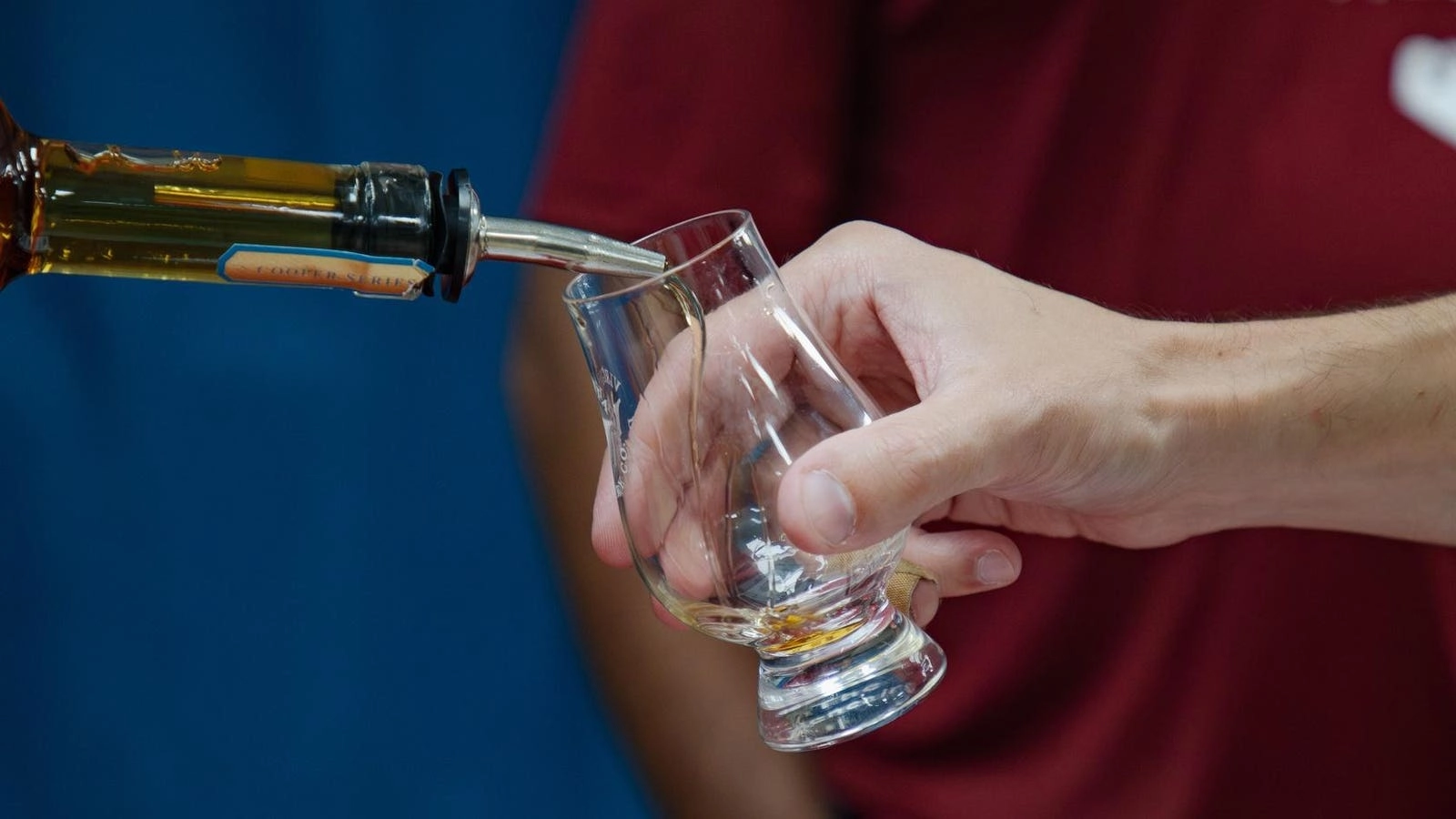
Sampling bourbon at a local whiskey festival.
I live in a typical American town, far from Kentucky, in a state with a surprisingly active whiskey scene. There are local whiskey clubs, a rotating lineup of whiskey-themed dinners at community restaurants and plenty of dedicated retailers that select high-quality single barrels for their patrons. There are multiple Facebook groups dedicated solely to local whiskey happenings. Lines form in the wee hours of the morning for well-publicized single barrel releases and there are, ahem…,strong rumors of an active local gray market that’s always open for business.
If you live in the U.S. and can relate to this story, you’re not alone. The United States has embraced whiskey culture in a way that seemed unfathomable at the turn of the century. The domestic whiskey market has always followed a cyclical boom-bust pattern during its history, yet these feel like unprecedented times. What makes this current market boom different? The internet—and social media in particular—not only connects us with others around the globe, but it makes it much easier to tie local communities together like never before. In my local online and in-person communities, I see photos and discussions about all kinds of American whiskey, including bourbon, rye and American single malt among others.
Ask an American whiskey drinker what they’re into and most of the time, they’ll keep it simple and say “I like bourbon”. This is a gross oversimplification of the likely, more complicated answer: “I drink bourbon—both rye-based and wheated, as well as rye. I’ve also tried and enjoyed wheat whiskies and straight malt whiskies a few times.” While accurate, it doesn’t exactly flow off the tongue.
Today’s whiskey consumer is familiar with the two most important legal requirements used to categorize American whiskey. Regardless of the grains used, most categories of American whiskey must be aged in brand-new, charred oak. The real distinction, however, comes down to the grains used in the whiskey’s production. Whiskey must be created from a mash bill containing at least 51% corn or rye to be called “bourbon” or “rye” whiskey, respectively. That same 51% major grain requirement can also apply to malt whiskey (not to be confused with single malt) and wheat whiskey.
At first glance, these designations give the impression that different categories result in clearly defined flavor profiles. In reality, though, most styles of American whiskey mash bills lie on a broad spectrum of grain proportions and consequently, a continuum of flavors that makes it impossible to pigeonhole each style into a single flavor set.
For example, the most in-demand bourbons made at the Buffalo Trace distillery (including Eagle Rare, Stagg, and E.H. Taylor) use their “Mashbill No. 1”—a low-rye mash bill that’s strongly rumored to contain less than 10% rye. By comparison, Four Roses “B” mash bill contains 35% rye, well above the generally accepted “high-rye” threshold of 20%.
Speaking of Four Roses, the distillery recently announced two new mash bills that illustrate the wide dynamics of bourbon perfectly. The first new mash bill is comprised of 52% corn, 43% rye and 5% malted barley—a whiskey made with almost as much rye in the recipe as there is corn. The second mash bill is made from 85% corn, 10% rye and 5% malted barley. Four Roses uses several different yeast strains, but assuming all other production factors are the same, these two whiskies will likely taste very different despite both bourbons being made at the same exact distillery.
Expressions made from a blend of multiple whiskey styles are becoming more and more common as distilleries emphasize flavor over convention. Here are a few examples of bottles that have no classic categorization, but have made waves over the last few years.
High West Bourye
This list wouldn’t be complete without first mentioning High West Bourye, one of the earliest examples of modern whiskey made from a blend of straight bourbon and straight rye whiskies. The source whiskies have changed over the last decade, but the premise is always a combination of well-aged bourbons and ryes.
The 2024 edition is comprised of several whiskies, each aged at least 10 years. The components include straight rye whiskey from mash bills of 95% rye, 5% malted barley and 80% rye, 20% malted barley. These are blended together with straight bourbon whiskey from mash bills of 75% corn, 21% rye, 4% malted barley as well as 78% corn, 10% rye, 12% malted barley.
Wild Turkey Master’s Keep Unforgotten
Wild Turkey is no stranger to blending bourbon and rye together, though it hasn’t always been on purpose. In 2010, a distillery employee mistakenly blended bourbon and rye stocks together. Making the best of a bad situation, the whiskey was released with the title Forgiven, a nod to making the best of an honest mistake.
A few years ago, the distillery took a more deliberate approach to this blend of whiskey styles with the release of Wild Turkey Master’s Keep Unforgotten. Unforgotten is made from 13-year-old bourbon blended with 8 and 9-year-old rye. This blend was then finished in rye casks in Wild Turkey’s historic Warehouse B and bottled at 105 proof.
Wyoming Whiskey Outryder
Wyoming Whiskey’s Outryder takes a unique approach to marketing by leaning heavily into its status as a whiskey that doesn’t fit neatly into one category. The name Outryder helps further illustrate a unique approach that results in a “best of both worlds” flavor profile. Wyoming Whiskey describes this expression as a blend of “an almost Rye Whiskey and a High Rye Bourbon,” bottled at 100 proof. It’s the distillery’s first foray into the use of rye whiskey in any capacity.
Redwood Empire Lost Monarch
Sonoma county’s Redwood Empire burst on the scene in the 2020s with expressions like Emerald Giant and Pipe Dream. Their bourbon and rye blend, Lost Monarch, is named after the 321-ft tall coastal Redwood tree of the same name. Lost Monarch is “a blend of 3 to 14-year-old Bourbon and 3 to 14-year-old Rye Whiskey.” The whiskey components are 55% rye from a mash bill of 94% rye, 5% malted barley, 1% wheat and 45% bourbon from a mash bill of 74% corn, 20% rye, 4.5% malted barley, 1.5% wheat. Lost Monarch is the only whiskey in this list that incorporates wheat in the blend, albeit in trace amounts.
As distillers continue to push the boundaries of blending, it will be interesting to see what combinations are brought to market. Perhaps we’ll see a blend of wheated bourbon and straight wheat whiskey. How does the popularity of straight malt whiskey impact future projects? What about the bourgeoning American single malt space? Today’s whiskey consumer continues to demonstrate a willingness to branch out and try new things. If a distillery has a new or experimental blend in mind, now is the right time to test the market.
One Community. Many Voices. Create a free account to share your thoughts.
Our community is about connecting people through open and thoughtful conversations. We want our readers to share their views and exchange ideas and facts in a safe space.
In order to do so, please follow the posting rules in our site’s Terms of Service. We’ve summarized some of those key rules below. Simply put, keep it civil.
Your post will be rejected if we notice that it seems to contain:
User accounts will be blocked if we notice or believe that users are engaged in:
So, how can you be a power user?
Thanks for reading our community guidelines. Please read the full list of posting rules found in our site’s Terms of Service.
Pittsburgh Ranks Among Top U.S. Cities for Beer Enthusiasts

By
July 31, 2024 / 7:56 PM EDT
/ CBS Pittsburgh
PITTSBURGH (KDKA) — Pittsburgh is among the best cities in the United States for beer lovers, a new report found.
Tasting Table released the “15 Best US Cities For Beer Lovers In 2024” report this week, and Pittsburgh made the top 10. The Steel City came in at No. 7 with a score of 53.
“If you’re in the area make sure to check out literally anything from Dancing Gnome Brewery, featuring industrial vibes and a hop-forward tap list, to the up-and-coming Old Thunder Brewing Co., or enjoy the ever-popular Grist House,” Tasting Table said in its report on Pittsburgh.
The blog said it scored and ranked the top cities for beer lovers by comparing the number of breweries per capita, bars per capita, beer-tasting tours offered, and the average cost of beer. It created the rankings by gathering population data and the number of breweries and beer-tasting tours per city, among others.
According to its website, Tasting Table is “dedicated to serving the modern food and drink enthusiast through content that is informative, useful, and engaging.”
The top city in the U.S. for beer lovers, according to Tasting Table, is Asheville, North Carolina. Pensacola, Florida, is No. 2; followed by Las Vegas at No. 3; Portland, Maine, at No. 4; and Greenville, South Carolina, at No. 5.
Pittsburgh is not the only city in Pennsylvania to make the list. Lancaster is the sixth-best city for beer lovers, while Harrisburg came in at No. 12.
Pennsylvania is the only state with two cities in the top 10.
Michael Guise is a web producer for CBS Pittsburgh who has worked for KDKA-TV since 2019.
© 2024 CBS Broadcasting Inc. All Rights Reserved.
Orange Wine: A Controversial Trend That’s Here to Stay

Nope, orange wine is not made with oranges. No, it isn’t always orange in color. Sorry, it doesn’t really taste like oranges, either.
So what exactly is orange wine? And why do some people loathe it?
Also known as skin-contact white wine or “amber wine,” orange wine is a style developed thousands of years ago in Georgia, a small country at the crossroads of Europe and Asia.
Believed to be the birthplace of wine, Georgia has been fermenting grapes for at least 6,000 years and continues to produce orange wine today.
While most white wine is made by separating the juice from the skins before fermentation, Georgians ferment the juice and skins in an underground clay vessel called a Qvevri.
After extended aging and oxygen exposure, the wine emerges a deep amber color, with intense aromas, healthy tannins, and flavors that range from nuts to herbs, honey, bruised apple, sour bread dough, candied orange rind, and more.
A wine style produced around the globe, orange wine began cropping up in the U.S. around 2010 and has since become a regular part of the American wine repertoire.
Often produced with native yeast (no inoculation) and little additives like sulfur, many orange wines fit neatly into the “natural wine” category — another popular wine segment. Especially appealing among younger, open-minded wine drinkers in search of something unique, both orange and natural wines appear to be here to stay.
But not everyone is a fan of these unconventional, sometimes funky, hard-to-wrap-your-head-around wines — especially in Wine Country.
DC Looney, co-owner of The Punchdown wine shop in Sebastopol and Oakland, was one of the first people to start selling orange wines in the Bay Area.
“People who are trained in wine or work in the industry can be a little set in their way. “They know what Chardonnay and Pinot Noir are supposed to taste like,” he said. “But I grew up in the Midwest not drinking any wine. I think that’s why I’ve been open-minded about orange wines since the beginning.”
In Oakland, Looney said his customers tend to be more willing to give orange wines a go. In Sebastopol, it can be more challenging to get people on board.
“We named our orange wine flight the ‘Orange Adventure,’ because it aligns with our goal to introduce and inspire people to wine styles that may be new or different,” said Looney. “For me, part of the fun of wine is watching people try new things and seeing when they click.”
While traditional orange wines tend to be rich and opulent in style, a growing number of California winemakers are producing versions in a fresher, more restrained style.
Instead of undergoing extended maceration, these wines have spent just hours or a few days mingling with the skins. They’re also being made with varietals that lean toward acid and aromatics, for a combo that’s quickly attracting a whole new audience to orange wines.
“When a winemaker adds a little bit of an aromatic grape to an orange wine, it can bring out these tropical, floral, fruity aromas and it ends up smelling like a fresh bouquet of flowers,” said Looney. “Our most popular skin-fermented white by far (from Catch and Release) has Riesling and Gewurztraminer in it. It’s so popular, I can’t take it off the list.”
Ryan Miller, co-owner of The Redwood wine bar and bottle shop in Sebastopol, said lighter-style orange wines have a loyal following among his customers, especially the younger set who tend to order them by the glass.
“We get a lot of curious wine drinkers through our doors who want to see what the buzz is around macerated white wines,” he said. “For our clientele, sales of skin-contact wine are steady and fairly strong.”
For Miller, lighter-style orange wines are perfect for the warmer months when people are seeking something “fresh” and “food-friendly.” Come fall, however, he admits he has a penchant for the richer style.
“Some of the longer-macerated orange wines are more structured and take on these autumnal, nutty, oxidative qualities,” he said. “That’s what I enjoy when the temperatures start to drop.”
Orange wine curious? Here are some of our favorite skin-contact wines with plenty of vim and vigor.
Catch & Release 2023 Block Party, California ($28)
50% Pinot Gris, 30% Riesling, 20% Gewurztraminer
Deeply tropical and inherently aromatic, this wine holds all the niceties of skin maceration without losing freshness. Tension is brought about by ripeness and lift on the palate without losing the operative of being delicious.
catchandreleasewines.com (also available at The Punchdown in Sebastopol)
Two Shepherds 2022 Trousseau Gris, Russian River Valley ($30)
“Light orange wine or complex rosé? You decide,” says the back label of this delightful Trousseau Gris from 45-year-old vines in the Russian River Valley. Light, fresh and zippy with notes of white peach, white tea and pink grapefruit.
P.S. Also worthy is Two Shepherds 2023 Natty Pets, a delicious, sparkling orange wine in a can. #truestory
twoshepherds.com
Les Lunes 2023 Populis Macerate White, California ($24)
This fresh, gulpable orange wine combines Picpoul, Albarino, Grenache Blanc, Ribolla Gialla, and Chardonnay for summer in a glass. Orange muscat adds a fresh blossom bouquet. lesluneswine.com
Crutchfield 2022 Skin-Contact Chenin Blanc, Clarksburg ($30)
From winemaker Matt Crutchfield comes delicious skin-contact Chenin Blanc from Clarksburg. Showing the savory side of Chenin with orange pith, lemongrass, chamomile, button mushrooms and autumnal flavors. The 2023 vintage will be available this fall. mattcrutchfieldwines.com
Fres. Co 2023 Fire Fuego Sauvignon Blanc, Sonoma Valley ($36)
A thrilling carbonic Sauvignon Blanc from winemaker Jack Sporer, this vibrant orange wine shows aromas of grapefruit and apricot, with light grip on the finish. No sulfur added. fresh.wine
You can reach Staff Writer Sarah Doyle at 707-521-5478 or sarah.doyle@pressdemocrat.com. Follow Sarah on Instagram at @whiskymuse.
Perfect Snack Pairings for Your At-Home Whiskey Tasting Experience

Oftentimes we think of wine or beer as something to drink during a meal, while saving the spirits for pre- or postprandial consumption. But cocktail nibbles also pair well with the hard stuff. Just as Russians have their zakuski (finger foods that are meant to accompany vodka) and Koreans their anju (bar foods that help soak up the soju), so, too, should you consider setting out some snacks to accompany your whiskey. Whether you’re hosting a large-scale gathering to show off your collection or have been hoarding your best bottles for a private tasting consisting of you and yourself, whiskey connoisseur Robyn Smith has a few suggestions to make for appropriate party fare.
Smith, who shares her advice on all things alcohol on her websites rum et al and NEAT, tells The Takeout, “I love snacks with whiskey.” She maintains that a variety of foods pair quite nicely with the spirit, ranging from savory canapés to contrast the bold character of many whiskeys, to sugary candies that play well with the flavor of other, sweeter versions of the spirit. That way, you can offer a selection to suit just about every whiskey you’ll be tasting. As Smith says, “It’s fun to see how these differing flavors can complement a whiskey’s flavor profile.”
Read more: We Tried TikTok’s Tequila Apple Juice Cocktail And It Didn’t Go As Planned
Smith recommends both nuts and cheese as perfect partners for whiskey, explaining that their “salty and savory notes … contrast a whiskey’s flavors.” You’ll still need to put some thought into the selection of both items, however. Sharper, well-aged cheeses are better suited for stronger, smokier whiskeys, as are funky cheeses like Roquefort — try the latter with a peaty Islay single malt. A sweeter bourbon, on the other hand, might be best suited to gouda or a mild cheddar, while a smooth sipping whiskey with no harsh notes can be teamed with a creamy, rich brie. As for the nuts, try roasted almonds, pecans, and pistachios with more strongly-flavored whiskeys, while walnuts work better with more mild varieties.
Whiskey can also stand up to a meatier snack such as carpaccio, beef tartare, or charcuterie board. You can go for a high-low pairing by serving your Pappy Van Winkle with proper Midwestern pub mix, popcorn, or potato chips. When it comes to chips, plain ones are best suited to blended whiskeys on the rocks, while spicy chips go with bourbon and rye, and sweet potato chips have an earthiness that plays nicely with the peaty tones of a single malt Scotch.
Whiskey works well with sweeter snacks, too. As Smith points out, “Chocolate, [candied] nuts, and fruit have a lot of complementary flavors that can match the flavors in whiskeys.” Once again, though, try to mindfully match the snacks to the sips. If your whiskey is slightly reminiscent of iodine, a York peppermint patty (or higher-end chocolate mint candy) will help offset the medicinal notes. If the whiskey’s on the peaty side, the bitterness of a high-cacao dark chocolate could make for an enjoyably complex combination. More of a milk chocolate fan? Try it with rye or bourbon. The latter type of whiskey, in particular, tends to be sweet, while some well-aged bourbons can even develop notes of cocoa.
Candied nuts are so perfect with bourbon that some recipes even call for the liquor (try adding a splash to our homemade sweet and spicy pecans). For a snack where the sugar comes from a more natural source, you can’t go wrong with fruit. The sweetness of dried fruits like dates, figs, and raisins complements bourbon quite nicely, while strawberries’ tartness suits something light-bodied like a blended Scotch. Sliced apples and pears occupy a space between sweet and savory, making them suited for accompanying just about any kind of whiskey.
For more food and drink goodness, join The Takeout’s newsletter. Get taste tests, food & drink news, deals from your favorite chains, recipes, cooking tips, and more!
Read the original article on The Takeout.
Stone Harbor Pizza Pub & The Reeds Launch New “Paddleboard” Beer On Tap

Cape May – That wrecked cabin cruiser boat is still ashore on our beautiful harbor. It has been a MONTH! What happened to our “Harbor master”? Fines? Removal and charge the owner?
North Cape May – Re: The Wildwood Crest comment on our American flag and who flies our flag. In our community, I know just about everyone, as I have lived here most of my life and those of us that have our American…
North Cape May – Re the commenter who is unclear how teachers need the equivalent of a double major. A teacher needs to major in Education and then pick a coordinate major- Math, English, History, Science etc….