Raising a Glass: Why Vodka is My Spirit of Choice in Every Occasion
As we near election night, I can’t help but recall a memorable moment from the film Airplane!, featuring Lloyd Bridges as a beleaguered air traffic controller who exclaims, “Looks like I picked the wrong week to quit sniffing glue.”
Once the polls close, there’s little that any of us can do—at least those of us who respect the law—except to offer a prayer and ponder what we’ll have for dinner. While no individual may have the influence to ensure that we wake up to a democracy come Wednesday, we certainly wield almost dictatorial control over our election night feasts.
Unlike the Super Bowl, which, in our household, is always celebrated with hot dogs heaped with melted cheese and onions, there are no established rules about the food that fuels us through election night.
One thing I know for sure, though: I won’t repeat the blunder of Steve McCroskey, Lloyd Bridges’s character in Airplane!, who lamented just before his glue comment, “Looks like I picked the wrong week to give up drinking.”
My friend Howard perfectly expressed what many of us were feeling when he posted in our group chat regarding our dining plans for election night, saying, “We’re mainly focused on the drinks for now. Definitely vodka with lemon and as an alternative we’re thinking arsenic.”
I have a strong hunch that as the evening unfolds and the results roll in, I might need to switch to straight shots. Although I usually prefer brown spirits during the fall months, the unusual warmth has me considering sticking with vodka like Howard. Nevertheless, I recognize the importance of pacing myself, so I’ll likely begin my evening with whatever drink I choose served on the rocks.
However, the food menu presents a bit of a challenge. While I take great pride in my patriotism, I don’t feel compelled to serve dishes in red, white, and blue themes. My brother Peter is preparing chateaubriand—he hadn’t yet decided if it would be sirloin or filet the last time we spoke—along with béarnaise sauce. Unfortunately, he’ll be watching the results from his home in Wyoming, which offers limited takeout options, so I won’t question his culinary choices.
To me, chateaubriand feels like a bit too much. It’s also quite expensive. I had thought about simply grilling a steak. But the key to successful grilling is to remember that you’re cooking; otherwise, you could find your dinner charred to a crisp. When the polls close in Florida and Georgia at 7 p.m., followed by North Carolina at 7:30, my civic duties will undoubtedly have me glued to my seat in front of the TV, while I use my computer to check the results for the House and Senate races.
I won’t be able to focus on flipping a steak if I’m caught up in the ups and downs of Kamala Harris’s election results. My brother James, who lives in New York City and has access to endless takeout options, has the culinary enthusiasm of a young child — even to this day, he flat out refuses to try fish due to its smell and only occasionally eats vegetables. He’s decided on Indian cuisine for the evening.
“I think I’ll order a seekh kebab from the Indian spot just down the street,” he texted me. “And if the mood strikes me, I might enjoy a cigar while tuning into CNN and NY1.”
The thought of having a cigar hadn’t crossed my mind before, and I’m not typically a cigar smoker, but if it seems like Kamala Harris is headed toward an impressive victory, I’ll certainly entertain all sorts of creative ways to celebrate.
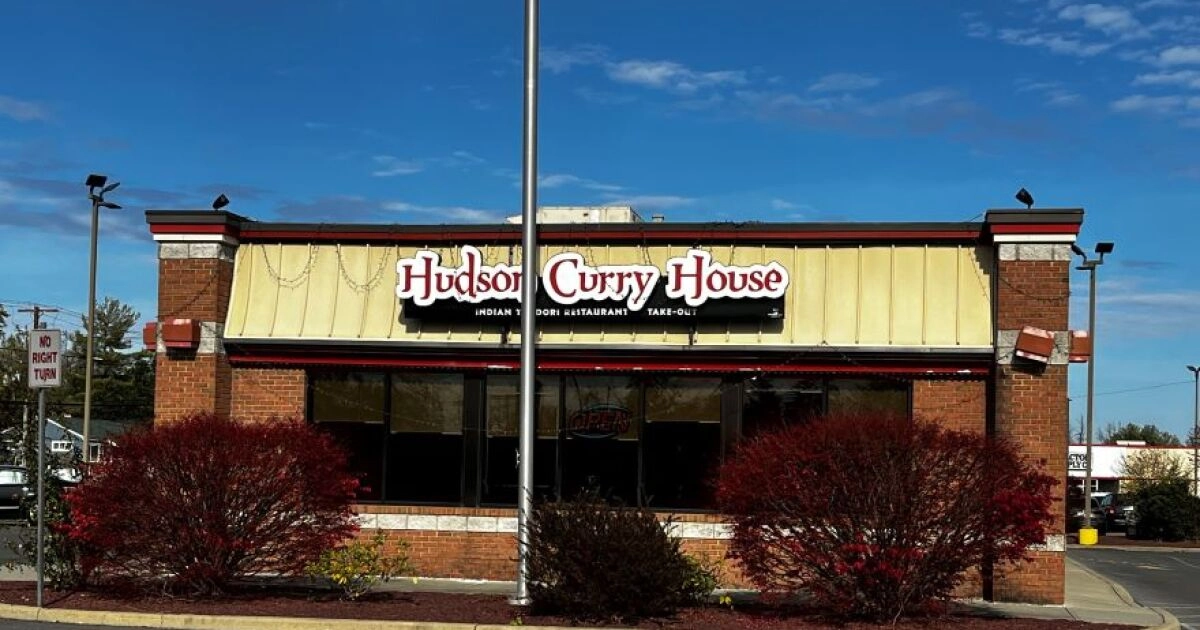
To clarify, I was already leaning toward Indian food prior to my younger brother suggesting it. The more I mull it over, the more appealing it becomes. Hudson Curry House is a reliable Indian restaurant in Hudson, NY, where I’ve dined before and likely will again on election night. Plus, the fact that it requires a drive adds another benefit. The trip will serve as a welcome distraction as night falls and help channel some of that nervous energy I’m sure to have.
Chicken korma, a delectable dish featuring chicken in a rich almond cream sauce, is my favorite comfort food at Hudson Curry House. However, I’m considering pairing it with a variety of appetizers to help balance the large quantity of drinks that may be consumed as the evening progresses.
Whether he wins or loses, it’s likely that Donald Trump will announce his victory at some point that night, assuming he hasn’t already claimed it. If he has, I might find myself tucked in bed with the blankets pulled up, likely indulging in a sedative or two.
But let’s not focus on the worst possible outcomes. Throughout my ever-expanding life, I’ve discovered that no matter the circumstances, dessert tends to make everything better.
My brother Peter has been trying his hand at creating a mocha roll, but that’s a bit too ambitious for my taste. Fortunately, I have a collection of sweets stashed in my freezer — cakes and chocolates freeze wonderfully — along with a fresh box of Mallomars in the pantry. Regardless of what political system Americans choose, life is undeniably sweet when you’re enjoying a marshmallow and graham cracker cookie enrobed in rich dark chocolate.
Ralph Gardner, Jr. is a journalist balancing his time between New York City and Columbia County. You can discover more of his writing by visiting his Substack.
The opinions shared by commentators are strictly those of the authors and do not necessarily represent the views of this station or its management.
Meet Big Bertha: The Legendary Whiskey-Drinking Cow Who Lived to 48
About this rating
Big Bertha, a cow belonging to Jerome O’Leary from Sneem, County Kerry, Ireland, notably lived for 48 years and gave birth to 39 calves, earning her two Guinness World Records. It’s reported that Big Bertha played a role in raising considerable funds for cancer research by participating in public events and charity drives. However, …
… we could not independently confirm the exact amount that Bertha helped raise, nor could we authenticate the claim that the cow drank whiskey, as this was based solely on O’Leary’s statement without any corroborating sources.
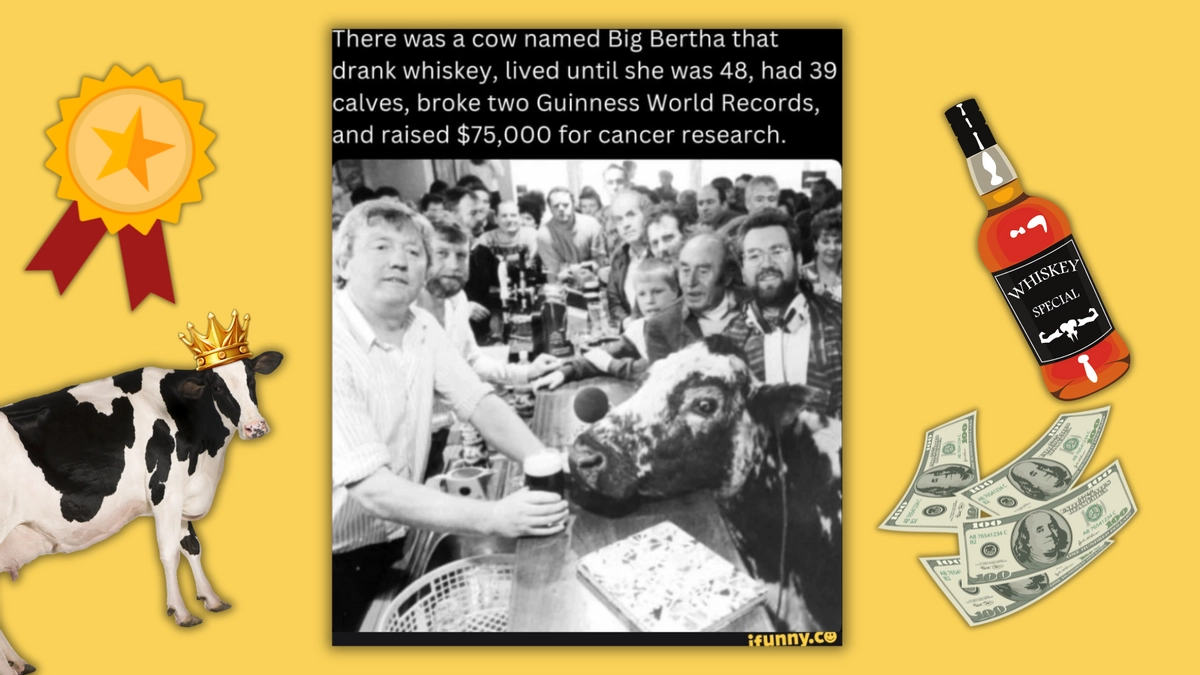
For many years, a tale circulated on social media about a cow named Big Bertha who supposedly drank whiskey, lived to 48 years of age, gave birth to 39 calves, set two Guinness World Records, and raised $75,000 for cancer research.
(Instagram user @how.vintage)
The story circulated widely across various social media channels, including 9GAG, TikTok, Instagram, Threads, iFunny, and Facebook. One user humorously noted, “When the cow has more achievements than me,” reflecting a mix of admiration and incredulity.
Additionally, Big Bertha has been mentioned in several publications, which can be found in a Google Books search.
To summarize, Big Bertha, a bovine from Sneem, County Kerry, Ireland, was bought as a calf by local farmer Jerome O’Leary. She gained fame by setting two Guinness World Records for her longevity—living to the age of 48—and for giving birth to 39 calves, making her the oldest and most prolific cow recorded. However, claims about her alleged consumption of whiskey remain unresolved, relying solely on the owner’s anecdotes. Furthermore, we couldn’t independently confirm the assertion that Big Bertha helped raise $75,000 for cancer research. Consequently, we’ve categorized this narrative as a blend of verified and undetermined claims.
The initial claim circulating in viral posts was that Big Bertha had a fondness for whiskey. A post on Threads noted, “Interestingly, she was known to drink whiskey, often used to celebrate her birthday and other occasions.”
An article from 2022 published by The Irish Post reported that Big Bertha’s owner indicated “she would need a shot of whiskey to steady her nerves before these auspicious public appearances.” Historian Turtle Bunbury also shared that O’Leary once mentioned he would give her “a drop of poitín [aka ‘Irish moonshine’] or whiskey to steel her nerves against the maddening crowds.”
Unfortunately, we only have O’Leary’s testimony regarding this. Every report we found about Bertha’s supposed whiskey-drinking habits was solely based on O’Leary’s vivid anecdotes. There was no supporting evidence or independent sources who claimed to have seen it.
Additionally, social media posts asserted that Big Bertha lived to the age of 48 and had produced 39 calves, thereby breaking two Guinness World Records. One post on Threads declared, “She indeed set two Guinness World Records: one for being the oldest cow ever recorded and another for producing 39 calves.” This assertion was also mentioned in a 2010 article in The Guardian and appeared on an X account for Kerry Library.
According to Guinness World Records, the oldest recorded age for a cow was 48 years and 9 months for Big Bertha (1944–1993), a Dremon owned by Jerome O’Leary in Blackwatersbridge, Co. Kerry, Republic of Ireland. Furthermore, Big Bertha was recognized as the most prolific cow, having produced 39 calves by 1993. In 1986, RTÉ, Ireland’s national broadcaster, reported on her 39th pregnancy.
Moreover, various social media posts and articles mentioned that Big Bertha “raised $75,000 for cancer research.” For example, the Ballyvolane House Spirits Company noted that the cow was “involved in raising funds for local cancer relief charities,” and historian Turtle Bunbury reported that her owner, O’Leary, emphasized “her remarkable role as a fundraiser.”
Indeed, Big Bertha contributed significantly to fundraising for cancer research through her appearances and charity events. However, the precise amount she raised remains unclear.
A 1993 Deseret News article claimed that her presence at cattle shows helped generate over “$75,000 for cancer research and other charitable efforts.” This amount may be linked to similar figures in pounds (£50,000 or £60,000), considering Ireland does not operate in U.S. dollars. A 2000 Irish Independent article reported that O’Leary organized Big Bertha’s events, raising upwards of £60,000 for cancer treatment, while a 2014 Farmers Journal article detailed O’Leary’s collaboration with Donie Riney and Pat O’Connell to “raise more than £50,000 for Aid Cancer Treatment (ACT) through Bertha’s public appearances.”
Bunbury has confirmed in an email that Big Bertha “was certainly engaged in fundraising for the Pat O’Connell Cancer Fund.” He referenced a 1994 article from The Scotsman, noting that it reported a total of £50,000 raised. Additionally, he pointed to a 2000 article in The Kerryman, which indicated a sum of £60,000.
Kerry County Council has informed us that they do not have any information regarding this issue.
We have also contacted Kerry Archaeological and Historical Society and Kerry Library for their input and will provide an update to this article should we receive any responses.
Police Use Beer Can Evidence to Track Suspect in Father’s Camping Trip Murder

Jillian Price, the sister of Dustin Kjersem, a homicide victim in Montana, shared her thoughts with Fox News Digital regarding the tragic loss of her brother, the status of the ongoing investigation, and her urgent appeal for assistance in locating a suspect.
A beer can discovered at the crime scene played a crucial role in enabling law enforcement to track down a man suspected of brutally murdering a Montana father and enthusiastic outdoorsman inside his camping tent, according to police reports.
Detectives from Gallatin County successfully identified Daren Christopher Abbey through a DNA sample obtained from a beer can found within the tent where Dustin Kjersem’s body was discovered. The evidence was subsequently forwarded to the Montana State Crime Lab.
Abbey, 41, stands accused of taking Kjersem’s life, who was 35 years old, after what has been described as a “chance encounter” during a camping trip in the vicinity of Big Sky, Montana, back in October.
Abbey is currently being held in Butte, Montana, after being taken into custody for an unrelated probation violation. Authorities plan to transfer him to Gallatin County where he will face charges of deliberate homicide and two counts of tampering with evidence.
IDENTIFICATION OF SUSPECT IN CAMPING TRIP MURDER AFTER DAD FOUND MURDERED IN TENT
Daren Christopher Abbey has been charged with the murder of Dustin Kjersem, a father from Montana. (Montana Department of Corrections)
“This seems to be an atrocious act carried out by someone who showed no respect for the life of Dustin Kjersem,” said Gallatin County Sheriff Dan Springer during a press conference on Thursday.
On Tuesday, Abbey admitted to the murder during a police interview, as noted by Springer.
The individual in question boasts an array of tattoos that include an “iron cross w/ swastika” and another featuring “swastika, SS lightning bolts,” which are associated with Germany’s Nazi Party, as detailed in his profile on the Montana Department of Corrections website.
Springer further explained, “This person took items from the campsite that he thought could link him to the crime. He removed objects he had handled, including the cooler, firearms, and an axe, planning to return to the crime scene the next night to take additional items. This behavior is characteristic of someone guilty who believes they can evade justice.”
FOLLOW THE FOX TRUE CRIME TEAM ON X
According to Springer, Kjersem made his way to the Moose Creek area on Thursday, October 10, where he established a campsite that included “a wall tent complete with a wood stove, beds, lamps, and various other items.” Through Abbey’s confession, law enforcement discovered that the suspect was searching for a camping spot for that Thursday evening and had specifically chosen this location.
“Upon reaching the site, he noticed that someone was already there; [Abbey] reported that Dustin welcomed him to the campsite and offered him a beer,” Springer explained. “At one point, this individual violently attacked Dustin Kjersem with a solid piece of wood, then stabbed him in the neck with a screwdriver, and eventually struck him with an ax.”
In a previous press release, officials requested the public’s assistance in locating a blue and silver Estwing camp ax, which they suspected was removed from the crime scene. (Gallatin County Sheriff’s Office)
SIGN UP TO GET TRUE CRIME NEWSLETTER
Kjersem had intended to leave the campsite and meet his girlfriend on Friday evening, October 11th, for a weekend together. However, when he failed to arrive as expected, concern grew for his well-being.
The following morning, Saturday, October 12th, his girlfriend and a friend traveled to the campsite, where they discovered Kjersem’s body inside the tent.
Initially, it was suspected that Kjersem had fallen victim to a bear attack, but authorities later established that it was a homicide.
“From all accounts, this murder seems to be a random incident,” Springer stated. “There doesn’t seem to be any link between our victim and the suspect.”
OUTDOOR-LOVING FAMILY OF MAN KILLED IN TENT AFRAID TO CAMP WITH KILLER ON THE LOOSE
Dustin Kjersem alongside his daughter. Kjersem lost his life in a brutal attack while camping near Big Sky, Montana. (GoFundMe)
The suspect was residing in Basin, Montana, and was employed in the Big Sky region, Springer noted, mentioning that he was involved in the construction industry. “He was essentially living in various places, I wouldn’t say transient, but somewhat unsettled.”
GET REAL TIME UPDATES DIRECTLY ON THE TRUE CRIME HUB
“My thoughts and prayers are with the family and friends of Dustin Kjersem. No one should have to endure such a tragedy,” stated Springer. “I hope this brings a slight sense of comfort, and I truly regret that you are experiencing this pain.”
Kjersem’s sister, Jillian Price, shared with Fox News Digital that he was a father to a daughter and a stepson.
When reflecting on what she wishes others would remember about her brother, she remarked, “I wish they could have heard him laugh; more than anything, I hope they recognize how compassionate he was.”
MONTANA MAN CAMPING NEAR BIG SKY FOUND DEAD IN TENT AFTER ‘VICIOUS ATTACK,’ POLICE SAY
Dustin Kjersem was discovered deceased in his tent while enjoying a camping trip in Montana. Authorities have characterized the incident as a “vicious attack.”
“To all other criminals out there, the Gallatin County Sheriff’s Office along with its partners will not tolerate such actions. You will not escape accountability in our community,” stated Springer. “If you feel the urge to engage in these kinds of crimes, be aware that we will pursue you, and we will ensure you face justice.”
CLICK HERE TO GET THE FOX NEWS APP
“While a suspect has been taken into custody and faced charges, there remains considerable work ahead,” he remarked. “The reasons behind this attack are still unclear, and investigators will persist in assembling all available information to create a clearer understanding of the incidents that night.”
Mollie Markowitz is a journalist for Fox News Digital. You can send tips to mollie.markowitz@fox.com. She began her career at Fox in 2019, evolving from producing live news broadcasts to creating true-crime documentaries on Fox Nation. Throughout her career, she has interviewed survivors of Ted Bundy, the children of infamous serial killers, survivor Lisa McVey, along with law enforcement officials and families affected by violent crimes. Currently, she reports on national crime stories for Fox News Digital. You can connect with Mollie on LinkedIn.
The latest stories pulled straight from the headlines, spanning crime, courts, legal issues, and scandals.
By providing your email and clicking the Subscribe button, you consent to the Fox News Privacy Policy and Terms of Use. You also agree to receive content and promotional communications from Fox News. You are aware that you can opt-out at any time.
Subscribed
You’ve successfully subscribed to this newsletter!
Cheers to Nebraska: Total Wine & More Opens Its First Store!

Choosing a wine from an extensive list at an upscale restaurant can seem daunting and may even induce a bit of stress. Here are some frequent pitfalls to steer clear of while selecting your wine, as advised by a sommelier.
Total Wine & More, the nation’s largest independent wine retailer, launched its inaugural store in Nebraska on Friday, pledging a vast range of selections and competitive prices.
The new location quietly opened its doors in the space that was once Bed Bath & Beyond at Shoppes at Aksarben Village, with a grand opening celebration slated for November 7.
<p.The retailer claims to offer an impressive collection of 8,000 different wines in a typical store, and this particular outlet has debuted in Omaha’s Shoppes at Aksarben Village, situated at 1220 S. 71st St., within the building that previously housed Bed Bath & Beyond.
The shop offers a variety of beverages including wine, spirits, beer, cigars, and various accessories.
Robert Hammack Sr., a native of St. Paul, Nebraska, who attended the University of Nebraska-Lincoln during the early 1980s, holds the position of chief stores officer for the national chain.
He manages the everyday operations of all Total Wine & More locations — totaling 273 stores across 29 states, Nebraska included — and directs the team responsible for establishing new stores.
“I’ve always believed that we needed a store in Nebraska, and fortunately, a great location became available close to 72nd Street,” Hammack remarked.
He has dedicated seven years to the company.
The store launched quietly, but a grand celebration is scheduled for November 7.
According to Robert Hammack Sr., the chief stores officer at Total Wine, the Omaha location spans 32,000 square feet and will feature an impressive selection of over 8,000 wines, 5,000 spirits, and 2,500 beers.
Nationwide, the company’s large stores have occasionally faced resistance when they move into new markets, as local retailers express concern that the competition may adversely impact their profits.
Nebraska is home to several large retailers offering a variety of wine and spirits, including well-known names like Costco and Hy-Vee’s Wall-to-Wall Wine and Spirits locations in Omaha, Papillion, and Lincoln.
Additionally, other notable stores such as Wine, Beer and Spirits can be found in Omaha, Lincoln, Grand Island, and Fremont, alongside Spirit World situated at 67th and Center Streets.
A professor from New York University highlighted in an interview with The World-Herald last week that having large retailers can ultimately benefit consumers.
Karl Storchmann, an expert in wine economics, noted that Total Wine & More stands as the largest wine retail chain across the United States.
The inventory available at the Omaha Total Wine location boasts a wide variety of regional craft beers.
“Their selection and pricing are unmatched,” Storchmann commented. “This means that consumers will benefit in two ways: affordable prices and access to hard-to-find wines will increase consumer surplus.”
He also highlighted that the introduction of a large store could disrupt any local monopolies that may currently dominate the market.
“They will need to be creative, both in pricing strategies and wine variety, to remain competitive,” he explained. “All of this is positive from an economist’s point of view.”
According to Alyssa Brodersen, who is the executive director of the Nebraska Winery & Grape Growers Association, winemakers from Nebraska are finding potential in the new large retail outlet.
On Thursday, Coe Emmett, the assistant manager of the recently opened Total Wine & More store in Omaha, was seen examining the prices on various wine bottles.
The goal of the association is to advance and promote the Nebraska wine and grape sector. Its members vary from small-scale vineyards to extensive winemaking enterprises.
“The company has demonstrated commendable initiative by reaching out to Nebraska wineries and has already included a number of Nebraska wines in its inventory,” stated Brodersen.
She mentioned that this partnership will give wine lovers another accessible spot to explore and buy locally produced Nebraska wines.
With the emergence of this new rival, current retailers might need to enhance their offerings, according to Matt Yaeger, a second-generation proprietor of Pinnacle Wine & Liquor, a family-run wine shop located in Brighton, New York.
He noted that last year, local shops successfully opposed a legislation that would have permitted wine sales in grocery stores across New York. In Nebraska, however, grocery stores are already authorized to sell wine.
Due to their scale and purchasing leverage, larger wine retailers can secure better pricing from suppliers, he pointed out.
Yaeger emphasized that smaller retailers have the potential to thrive, but it may require them to adapt and put in extra effort.
“As a retailer, it is crucial now more than ever to prioritize your customers,” he noted. “Pay close attention to their preferences and ensure they feel valued. By doing this, you will find success.”
He also mentioned that some retailers might need to lessen their reliance on national brands and instead offer a diverse selection of engaging and flavorful wines at various price ranges sourced from around the globe.
Additionally, he highlighted the importance of building strong ties with the community through events, seminars, tastings, and educational opportunities for customers.
Hammack mentioned that Total Wine & More stores prioritize three main aspects: affordability, customer service, and variety.
He explained that the employees recruited to join the team receive extensive training to deepen their knowledge of wines and to provide support to customers.
Given the store’s expansive layout of 32,279 square feet and its extensive inventory, this is no easy feat.
“We carry more than 8,000 wines, 5,000 spirits, and around 2,500 beers,” he remarked.
Total Wine offers a diverse selection of wine, spirits, beer, cigars, chips, and snacks. The store is anticipated to feature more than 400 products sourced from local producers.
Additionally, to bring a touch of local charm, they will include over 400 items from nearby suppliers, encompassing wines, spirits, craft beers, chips, and snacks.
Hammack, now residing in Bethesda, Maryland, mentioned that he plans to return to Nebraska for the official grand opening.
“I will dedicate two full days to being present in the store,” he expressed. “Ideally, you won’t be able to distinguish me from a team member, as that’s my goal.”
The store operates from Monday to Saturday, 9 a.m. to 10 p.m., and on Sunday from 9 a.m. to 9 p.m.
On Thursday, October 31, 2024, Total Wine & More in Omaha will feature a special event.
As you walk into Total Wine & More in Omaha on Thursday, October 31, 2024, you’ll notice a prominent Jack Daniel’s display welcoming you.
Coe Emmett, the assistant manager, is busy checking prices on bottles at Total Wine & More in Omaha on Thursday, October 31, 2024.
On Thursday, October 31, 2024, wine bottles are neatly arranged at Total Wine & More in Omaha.
The interior of Total Wine & More in Omaha showcases its inviting atmosphere on Thursday, October 31, 2024.
Shelves displaying an assortment of Nebraska craft beers can be found at Total Wine & More in Omaha on Thursday, October 31, 2024.
A collection of spirits sits prominently at Total Wine & More in Omaha on Thursday, October 31, 2024.
Cigars are arranged neatly at Total Wine & More in Omaha on Thursday, Oct. 31, 2024.
Egg nog is showcased alongside the holiday items at Total Wine & More in Omaha on Thursday, Oct. 31, 2024.
Visit Total Wine & More in Omaha on Thursday, Oct. 31, 2024.
joe.dejka@owh.com, 402-444-1077
Stay updated with the most recent local business news delivered to your inbox at no cost each week.
{{description}}
You’ll receive email notifications once daily, but only when there are new relevant items.
Choosing a wine can be daunting when you’re confronted with an extensive wine list at an upscale restaurant, and the experience might even induce some stress. Here…
Engineers have dismissed the primary location suggested for a large lake in Sarpy County, Nebraska, due to concerns about its potential effects on local wells.
The Millwork Commons section in north downtown Omaha boasts a trendy atmosphere and excellent dining options. However, developers believe it would benefit from an increase in foot traffic.
Explore Over 400 Wines at This Year’s Jungle Jim’s International Wine Festival!

Jungle Jim’s International Market is set to unite wine enthusiasts for the upcoming 15th-annual International Wine Festival next month.
“This year’s wine festival promises to be extraordinary. We’re thrilled to showcase our largest selection yet, featuring over 400 wines,” stated T.J. Askren, operations manager of the beer and wine department at Jungle Jim’s International Market.
At this signature sampling event, attendees will have the chance to taste more than 400 wines, savor gourmet bites, engage with wine specialists, and enjoy live performances.
Two types of tickets are available: a Grand Tasting ticket that includes standard tastings at 73 different tables, and an upgraded Connoisseur ticket offering exclusive perks in a private tasting area with access to premium wines. This ticket also features a gourmet dinner by-the-bite from The Oscar Event Center’s Chef Michael Inferrera and his team. Connoisseur ticket holders can enter the festival early at 6:30 p.m. Both ticket options include a commemorative tasting glass and a buyer’s guide.
“This year promises to be quite remarkable for the wine festival. A significant transition is underway in the beer and wine team at Jungle Jim’s. Ed Vinson, our beer and wine department operations manager who dedicated 25 years to us and was the mastermind behind the wine festival, retired last month. I have now taken over his responsibilities and have certainly made my mark on this wine festival,” Askren mentioned. “We eagerly anticipate showcasing what we can accomplish.”
The selection of featured wines includes an array of whites, reds, champagnes, and sweet wines sourced from both local and international wineries. The 2023 event showcased over 65 represented wineries.
Eastside connoisseurs and Grand Tasters can benefit from transportation departing from Jungle Jim’s Eastgate location, with a complimentary Eastgate Bus ticket add-on available for both ticket tiers. Festival attendees are encouraged to opt for this option during ticket purchase.
During the festival, Grand Tasting and Connoisseur guests have the choice of complimentary shuttles operating between The Oscar Event Center and The Oscar Station, or they can experience the famous Jungle Jim’s Monorail, weather permitting.
When guests buy a ticket for the 2024 International Wine Festival, they will automatically enroll in Jungle Jim’s Buyer’s Club, with the card available for collection at the festival. This benefit allows attendees to order wines directly from Jungle Jim’s without needing to leave the event. The wines will be boxed and prepped for pickup and payment at a designated Jungle Jim’s location on November 15.
HOW TO GO
What: Jungle Jim’s International Wine Festival
When: 7-10 p.m., November 9. Connoisseur ticket holders can enter at 6:30 p.m.
Where: The Oscar Event Center at Jungle Jim’s International Market, 5440 Dixie Hwy., Fairfield and The Oscar Station.
Admission: $65 plus tax for a Grand Tasting ticket, or $150 plus tax for a Connoisseur ticket. $35 plus tax for Grand Tasting Non-Drinker, or $110 plus tax for Connoisseur Non-Drinker. Ticket prices will increase after October 31. Starting on November 1, a Connoisseur ticket will rise to $160 and a Grand Tasting ticket will go up to $70.
More info: Junglejims.com
About the Author
The Ultimate Whiskey Accessories Gift Guide for the 2024 Holiday Season

Whether you are hosting friends or savoring a peaceful night in, the right tools and equipment can greatly enhance the experience.
As the fascination with whiskey grows among both enthusiasts and casual drinkers, upgrading your home bar cart becomes a sensible decision. A well-equipped bar should not only feature fine spirits but also the necessary accessories to enrich the whiskey drinking experience.
With the expanding array of whiskey styles and cocktail possibilities, possessing specialized glassware, tools, and presentation items is vital for amplifying flavor profiles and achieving a polished setup. This holiday season presents a variety of accessories aimed at helping aficionados refine their collections, transforming whiskey appreciation into both an art and a science.
Here are ten whiskey accessories that make great gifts for anyone wanting to elevate their whiskey tasting experience.
Ideal for capturing flavor profiles and personal preferences, the World Whiskey Society Tasting Journal is made from real leather and is designed to document whiskey moments. It allows aficionados to jot down detailed observations for each tasting, serving as a helpful tool for those passionate about whiskey. With its expandable structure, users can easily add more pages as their collection expands. Moreover, all proceeds from this journal support charitable initiatives, providing a way to give back.
Offering a reusable alternative to traditional ice, these solid granite whiskey stones by R.O.C.K.S. are designed to chill drinks effectively without dilution. Each set contains six unique stones, each exhibiting distinct colors and textures. The artisanal craftsmanship of these stones presents a practical solution for those who savor their whiskey cold but not diluted. This method, steeped in 19th-century Scottish tradition, allows whiskey lovers to enjoy the full spectrum of flavors and aromas crafted by master distillers.
For efficiently stirring whiskey cocktails, the Urban Bar’s Classic Copper Bar Spoon features a long handle. Constructed from Japanese steel and adorned with polished copper plating, this spoon is not only durable but adds a touch of elegance to any bar setup. Showcasing a classic European design, it includes a twisted stem for better stirring and an end disc for bruising fruits and gently muddling ingredients. The refined copper finish lends a hint of luxury, while its functional design proves advantageous for crafting cocktails.
Perfect for crafting whiskey cocktails like Old Fashioneds, which require muddling. Inspired by a well-loved drinking area in Seattle, the “Belltown” walnut cocktail muddler from Brothers Muddlers was created to solve typical problems associated with common muddlers. Many products on the market fall short in various ways: they may be overly short, have peeling lacquer, become slippery when wet, or be too costly for everyday use. The Belltown Muddler stands out with its practical 11.5-inch extra-long design, ensuring that knuckles stay clear of the tin, along with a palm stop for added protection. Its tapered handle is crafted to lessen fatigue, while the bell-shaped base helps prevent tipping. The flat end with a rounded edge is perfect for working with delicate herbs. Furthermore, it is treated with food-safe oil to avoid rot.
This tool guarantees accurate measuring for cocktail concoctions. Renowned for kitchen gadgets, Oxo also offers a variety of barware accessories. The OXO Angled Jigger incorporates a patented angled surface that allows users to view measurement readings from above, removing the need to lift the jigger to eye level or bend down to see the side markings. It comes with handy markings for both ounces and tablespoons, and the etched measurements are designed for durability, ensuring they will not fade over time.
This kit is intended for making personalized whiskey blends at home. The Whiskey Infusion Kit by Aged & Charred features a 750-milliliter vessel, a detachable base with an infusion filter, and six infusion flavors, all elegantly packaged in a gift box. This kit permits users to develop their own whiskey taste in just 24 to 48 hours. The straightforward process involves filling the infusion basket with one of the supplied ingredients—dried orange peel, cinnamon, oak wood chips, cherry wood chips, pecan wood chips, or peach wood chips—pouring whiskey or bourbon into the vessel, and allowing it to rest for between 24 hours and several days. Users can also explore creating unique infusion flavors. The wood chips included help accelerate the aging process, elevating a standard bottle of whiskey or bourbon to a premium-quality drink.
This option allows for aging whiskey at home, providing a way to explore various flavors. Available in sizes ranging from one to 20 liters, the Red Head Whiskey Liquor Flavoring Kit presents a straightforward method to create whiskey-flavored liquor in the comfort of home. By blending with a neutral-flavored liquor base, individuals can indulge in a range of whiskey flavors. Most components are crafted from natural extracts and oils, and the kit itself is alcohol-free. This kit invites customization, permitting users to select their desired whiskey flavor profile.
This collection includes the essentials for creating whiskey-based cocktails. While it may appear to be meant for coffee or hot tea, the Brumate Shaker Pint is actually designed for mixing chilled cocktails. This 20-ounce insulated cocktail shaker ensures that drinks stay cool, featuring a sweat-proof design to eliminate condensation. It serves a dual function, operating as both a cocktail shaker and a pint glass, which facilitates easy beverage mixing without the risk of spills. The shaker is compatible with the BevLock lid, ensuring that it remains leakproof, and its non-slip base provides stability when in use. Furthermore, it can also be used as a tumbler, making it a versatile addition to any home bar.
A timeless element for any bar, enhancing both storage and display. Riedel, renowned for its wine-centric glassware, also offers whiskey decanters. The Margaux decanter, part of Riedel’s M Series, emphasizes simplicity and utility. Designed by Maximilian J. Riedel in 2017, this decanter reimagines traditional cognac and whiskey bottle forms, providing a user-friendly choice without unnecessary complexity.
Tailored specifically to elevate the whiskey tasting experience, these glasses cater to aficionados. The AWAZ Premium Whiskey Glasses are made from lead-free, crystal-clear glass, adorned with 24-karat gold rims and featuring dishwasher-safe engraving that won’t fade. Each set is beautifully packaged in a premium box, making it an ideal gift. The company, AWAZ, is women-owned and operated, donating 1% of its proceeds to nonprofit organizations that support women’s economic empowerment.
One Community. Many Voices. Create a free account to share your thoughts.
Our community aims to connect individuals through open and meaningful discussions. We encourage our readers to voice their opinions and share ideas and information in a welcoming environment.
To facilitate this, we ask you to adhere to the posting guidelines outlined in our site’s Terms of Service. Below, we’ve highlighted some of the essential rules. In short, please maintain a respectful tone.
Your contribution may be denied if it is found to include:
User accounts may be suspended if we observe or suspect that users are partaking in:
Wondering how you can become a power user?
We appreciate you taking the time to review our community guidelines. For an extensive overview of our posting rules, please refer to the complete list located in our site’s Terms of Service.
The Rise of Modelo: How It Became America’s Top Beer Brand
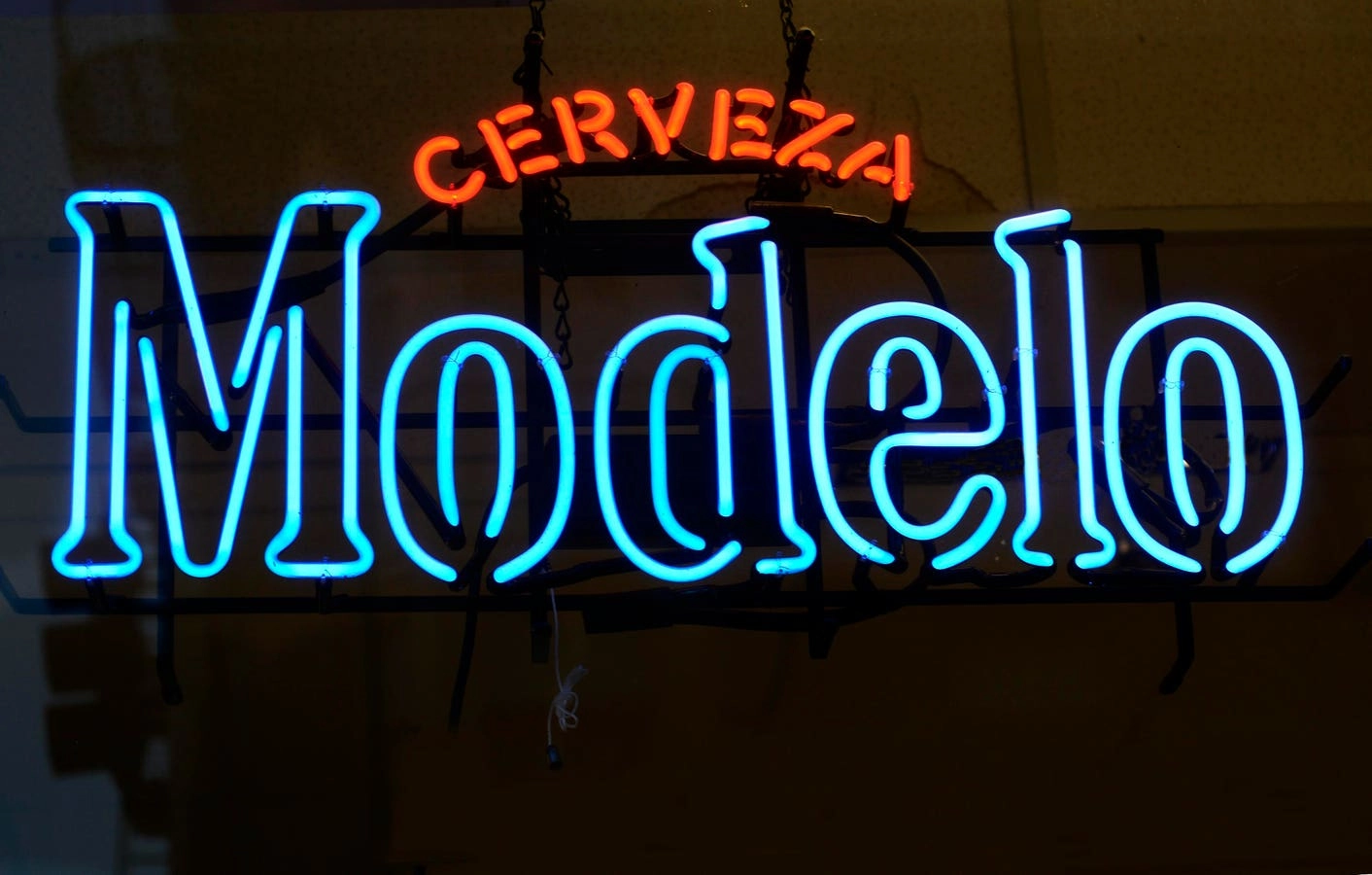
A neon sign advertising Modelo Mexican beer.
In June 2023, Modelo Especial surpassed Bud Light to become the top-selling beer brand in America. Since that time, the sales difference between the two brands has increased—and Michelob Ultra has also surpassed Bud Light to claim the second-best selling spot in the country—continuing a trend of growth that has been evident for several years.
“Modelo, and to some extent other Mexican import beer brands, have managed to resonate with consumers through a lifestyle message that is both targeted and universally appealing,” noted Kate Bernot, lead analyst with Sightlines, a beverage alcohol insights platform, during a phone interview. “Miller and Coors, in their attempt to appeal to a broad audience, lost their special appeal to anyone. Then along came Corona, Modelo, and Pacifico, offering a fresher and more authentic experience.”
“They are simply cooler brands,” Bernot remarked, referring to the Mexican import beers.
Although some attribute the recent drop in Bud Light sales to the Dylan Mulvaney controversy, the brand had been experiencing a sales decline for several years. During this period, imports from brands, especially those from Mexico, have been gaining popularity. Predictions from Sightlines had indicated that Modelo Especial would surpass Bud Light in sales, and while the Mulvaney incident did expedite shifts in the rankings of America’s leading beers, this change has been in motion for some time.
As noted by Bernot, first-generation immigrants often influence trends in the food and beverage sector, which is reflected in the rising popularity of Latin American culture. “We can see this in music,” Bernot remarked, referencing artists like Bad Bunny and Nathy Peluso. “The significance of these beers is amplified by the current prominence of Hispanic cultural contributions—whether in food, music, or art—within mainstream American culture.”
Bernot references figures from the Beer Institute, indicating that in 2023, beer imported from Mexico constituted approximately 81% of the total imported beer volume in the U.S., marking a 2% increase from the previous year. A decade ago, Mexican beer accounted for only 61% of total beer imports.
This growth cannot be solely ascribed to the Hispanic market. Bernot points out that in 2023, a larger proportion of non-Hispanic households (61%) purchased Modelo compared to Hispanic households (39%). Moreover, the craft beer sector has also witnessed a notable rise in the popularity of beers labeled as “Mexican lager.”
In an interesting twist within the beer industry, Constellation Brands holds the exclusive rights to sell Modelo beer brands, such as Corona and Pacifico, within the United States, while the world’s largest beer conglomerate, AB InBev, maintains rights globally. Following AB InBev’s acquisition of Grupo Modelo in 2012, the Justice Department intervened and required AB InBev to divest the rights to sell Modelo’s beer brands in the U.S.
Constellation stepped in as the buyer and has witnessed remarkable growth of these brands since then. “Constellation is just really good at marketing and selling their beers,” noted Bernot. As for why AB InBev, despite its immense size and marketing power, struggled to adapt, Bernot explained, “They tried. They anticipated the threat from Mexican imports and launched Bud Light Lime back in 2008. It had some success, but Bud Light can’t easily shake off a century of marketing history.”
Further fueling Constellation’s rise with its Mexican beer labels is its collaboration with Reyes Beverage Group, the largest beer distributor in the United States. “Combining these in-demand brands with one of the most ambitious wholesalers in the nation is like throwing gasoline on a fire,” remarked Bernot.
The very threat posed by Mexican import brands prompted AB InBev’s acquisition of Grupo Modelo in 2012. However, the anti-trust concerns raised by the Justice Department led to Constellation Brands obtaining the Modelo brands in the U.S., ultimately resulting in Modelo Especial surpassing AB InBev’s Bud Light to become the top-selling beer in America.
One Community. Many Voices. Create a free account to express your thoughts.
Our community aims to connect individuals through open and meaningful discussions. We encourage our readers to share their perspectives and exchange ideas and information in a secure environment.
To facilitate this, we ask that you adhere to the posting guidelines outlined in our site’s Terms of Service. Below are some of the essential rules in summary. In simple terms, please keep the conversation respectful.
Your submission will be declined if we find that it contains:
User accounts may be suspended if we detect or suspect that users are involved in certain activities:
So, what does it take to become a power user?
We appreciate you taking the time to read our community guidelines. For a complete overview of our posting rules, please refer to our site’s Terms of Service.
Celebrated Food & Wine Editor Celebrates Local Wineries in Exciting New Book

Ray Isle is set to host a book signing and discussion for his best-selling title “The World in a Wineglass” at an upcoming dinner held at Dry Creek Kitchen in Healdsburg.
Recognized as a leading figure in wine media, Ray Isle had a multitude of themes he could have selected for his first book on wine.
As the executive wine editor at Food & Wine magazine and with 25 years of experience as a wine writer, Isle was determined to steer clear of producing a typical “wine 101” guide or revisiting topics that had already been extensively explored.
Instead, he opted to delve into a subject that resonates personally with him and is also experiencing significant growth around the globe.
“A few years back, my enthusiasm for the environment and wine came together, prompting me to write for a magazine,” remarked Isle, a resident of Brooklyn, New York. “I sensed we were at a pivotal moment where numerous individuals globally were starting to create wine in innovative ways that were beneficial to the environment. My goal was to showcase those producers.”
Released in November, Isle’s book, “The World in a Wineglass: The Insider’s Guide to Artisanal, Sustainable, Extraordinary Wines to Drink Now” (Simon & Schuster, 2023) quickly became a national bestseller.
The book highlights over 270 independent wineries from 15 different countries, concentrating on winemakers dedicated to environmental sustainability while crafting exceptional wines.
Besides featuring producers from France, Italy, Argentina, Chile, South Africa, and Lebanon, it also includes numerous wineries from California’s North Coast. Some noteworthy names mentioned are Bedrock Wine Co., Carlisle Winery, Cobb, Littorai, Matthiasson, Navarro Vineyards, Pax Wines, Spottswoode, Ridge Vineyards, and others.
“Cultivating grapes for wines that possess individuality and uniqueness, reflecting the essence of their origin—wines of terroir, as one may call them—naturally necessitates a distinct farming methodology,” states Isle in his publication.
For Isle, this methodology includes organic, biodynamic, regenerative, and/or “genuinely sustainable” agricultural techniques carried out by individuals who reside on and own the cultivated land.
“I aimed to focus on individuals who have certifications, though that wasn’t always achievable,” he mentioned. “Sometimes, people just choose not to pursue certification. Ultimately, I relied on my conscience to navigate these choices.”
A significant aspect highlighted in the book is that most of the wines are priced below $100 a bottle, making them “accessible to those beyond the affluent elite.”
“I had to exclude several well-known names (like Romanée-Conti) due to their high prices,” said Isle. “My goal was to showcase wines that are accessible for everyday drinkers like myself.”
Throughout his exploration, Isle was taken aback by the wine industry’s awareness of climate change and the various regions being impacted by it.
“What truly surprised me, though, was the dedication of individuals striving to create a positive impact,” Isle remarked. “I emerged from this experience feeling more hopeful than when I began. That was quite uplifting.”
At 6 p.m. on Sunday, November 10, Isle will be collaborating with Dry Creek Kitchen in Healdsburg for a Sunday Supper, featuring four wineries from Sonoma County highlighted in his book: Littorai Wines, Pax Wines, Cobb Wines, and Hirsch Vineyards.
Hosted by wine director and general manager Jon Macklem, the family-style dinner is part of Dry Creek Kitchen’s “Niche & Unique Varietals” series. This monthly event showcases the lesser-known wine grapes native to the area.
“Sonoma County features a stunning array of microclimates, diverse plantings, and unique personalities,” commented Isle. “I have a strong affinity for this region. The drawback of a book like this is that I could easily mention around 20 newer wineries in Sonoma County if I was aware of them earlier.”
Tickets are priced at $245 per person, excluding tax and gratuity. Each ticket purchase includes a signed copy of Isle’s book (limited to one book per two guests).
To reserve your spot or to check out the menu, please visit drycreekkitchen.com/events.
Dry Creek Kitchen is located at 317 Healdsburg Ave. in Healdsburg. For inquiries, you can contact them at 707-431-0330.
You can get in touch with Staff Writer Sarah Doyle by calling 707-521-5478 or via email at sarah.doyle@pressdemocrat.com. You can also follow her on Instagram under the username @whiskymuse.
Spooktacular Delights: Your Guide to Halloween Specials and Events in Baltimore

Imagine an ice cream flavor featuring ketchup, mustard, and relish! What a nightmare!
This unusual concoction, fittingly named “Hot Dog Race,” is part of the latest offerings at The Charmery’s annual Halloween event known as “The Harmery,” which co-owner David Alima describes as “genuinely frightening yet somewhat tasty.”
Based in Baltimore, this ice cream shop is among the many local establishments embracing the Halloween spirit with eerie specials and haunting decorations. Whether you’re in search of tricks or treats, we’ve compiled a list of places to immerse yourself in the seasonal fun.
This year’s Halloween offerings at The Charmery are themed around baseball, possibly reflecting the disappointment of another brief Orioles playoff run.
Among the intriguing flavors are a “crabby mac” cheddar and Old Bay ice cream mixed with noodle fragments; a delectable, salty soft pretzel ice cream; and a chili-inspired variety reminiscent of Washington’s famous Ben’s Chili Bowl, present at Nationals Park. The “Harmery Challenge” dares patrons to sample all these unique options.
The themed ice creams will be offered at every Charmery store until Friday or until supplies run out.
Various locations: Hampden, Medfield, Towson, Columbia, Chevy Chase, Bethesda.
Celebrating Halloween in Baltimore would be incomplete without special deals on buns and bowls at Ekiben. This beloved Asian fusion eatery will feature buns for $4 and bowls for $7 this Thursday at all three of its locations, from 4:30 p.m. until closing time.
To take advantage of this special offer, be sure to wear a Halloween costume. Please note that the promotion is limited to one per individual and is available for in-store orders only.
Participating locations include: Fells Point, Hampden, South Baltimore.
This year, Hampden is fully embracing the Halloween spirit.
Bring your little ones to the neighborhood for a trick-or-treat event organized by the Hampden Village Merchants Association, happening from 5 to 6 p.m. Participating businesses will be offering treats along Falls Road, 36th Street, and Chestnut Avenue. Among those taking part is Tia’s Italian Ice, which will be providing complimentary Italian ice and ice cream from 5 to 8 p.m.
From 6:30 to 8 p.m., the community invites everyone to join in an all-ages costume contest. For those interested in a more adult atmosphere, make your way to Frazier’s on the Avenue, where a costume contest will be underway, offering prizes for the top three costumes.
The Avenue, Hampden.
Skip Platform 9 ¾ and head over to Johnny’s for a magical Harry Potter-themed Halloween pop-up.
The Roland Park eatery, part of the Foreman Wolf family, is beautifully transformed into Hogwarts School of Witchcraft and Wizardry. On Thursday, there will be special delights from the wizarding world, including chocolate frog cupcakes, Harry Potter-themed cookies, and a variety of “potions” available, both with and without alcohol.
The restaurant warmly invites children to enjoy a special Halloween menu designed just for them, making it a fun stop during their trick-or-treat outings.
4800 Roland Ave., Roland Park.
In Timonium, The Valley Inn has created a Halloween maze to embrace the eerie ambiance of the season.
This maze is free to explore and welcomes both adults and children accompanied by a parent. Don’t forget to visit the restaurant afterward to enjoy a Halloween-themed cocktail or take advantage of their drink specials (three drinks for $30 or four drinks for $100).
10501 Falls Road, Timonium.
Put on your Halloween costume and visit La Food Marketa at Quarry Lake where you can enjoy a complimentary spooky dessert when you dine for lunch or dinner. The special treat, “Trick or Churros,” features a delightful blend of torched marshmallow, chocolate, tres leches, and festive Halloween candy. Please note, this offer is exclusively for those in costume and is limited to one per table.
In Howard County, make your way to La Food Marketa’s sister establishment, The Food Market Columbia, which has recently introduced a coffee counter. On Halloween, they are providing customers in costume a fantastic deal of half off cafe orders.
La Food Marketa: 2620 Quarry Lake Drive, Baltimore. The Food Market Coffee: 10480 Little Patuxent Parkway, Columbia.
If you’re in the mood for a night of dancing, don’t miss the Swann House, the new event venue at Hotel Ulysses, which is hosting a Halloween party with a disco theme this Thursday night.
Disco at the Swann Dive will feature a live DJ, signature cocktails, a Polaroid pop-up station, along with delicious sliders, sandwiches, and fries from the Ash Bar food truck. The best costume will win a complimentary night’s stay at the Hotel Ulysses, but if you don’t take home the grand prize, there’s still a treat: a 20% discount on rooms for all attendees.
Tickets are available for $12 and include a complimentary “Hell-O” shot.
909 N. Charles St., Mount Vernon.
Got a news tip? Reach out to reporter Amanda Yeager at ayeager@baltsun.com, 443-790-1738 or follow her on X @amandacyeager.
How Rock & Roll and Irish Whiskey Rescued Slane Castle: A Tale of Revival
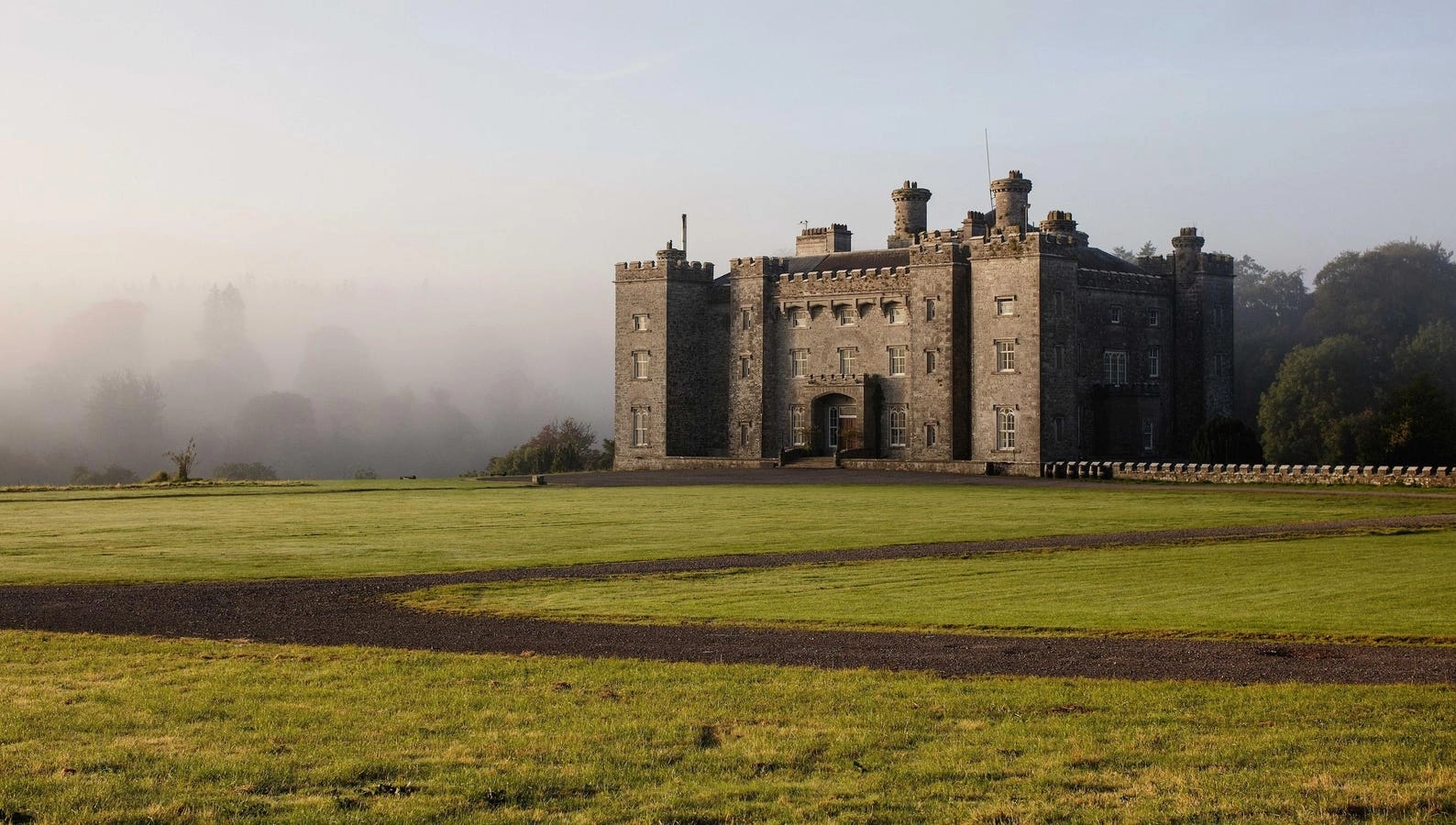
The tale of the Conyngham family illustrates their efforts to blend tradition with modernity by investing in music festivals and whiskey production, ensuring that their 300-year-old estate remains significant and secure for the future.
A glimpse of the family’s historic property.
Situated peacefully along the River Boyne, nestled between the quaint towns of Navan and Drogheda, Slane Castle possesses a unique charm. Like numerous ancient estates, it must continually adapt to stay relevant and financially viable. Having been the home of the Conyngham family since 1703, preserving the estate for future generations is a deeply heartfelt mission for Lord Henry Mountcharles and his son, Alex Conyngham. To achieve financial stability, they have turned to music and whiskey as vital components of their strategy.
In the warm spring of 1992, the world’s most prominent rock band arrived at Dublin airport for one of the most awaited performances in Ireland. Guns N’ Roses, still enjoying the success of their Appetite for Destruction album, were set to perform. Slane Castle, renowned for having previously hosted iconic acts like Thin Lizzy, Queen, Bruce Springsteen, and Bowie, boasts a natural amphitheater and a picturesque landscape, making it an ideal venue for large outdoor concerts.
However, with his latest choice for the headline act, Lord Henry Mountcharles had taken an enormous risk. At this point, Guns N’ Roses were on the verge of falling apart. After five years on the road, their relationships were strained, and chaos often accompanied their performances. Back in 1989, a tragedy occurred when a fan was crushed at Donnington Park, and another show in St. Louis ended in violence after lead singer Axl Rose abruptly left the stage.
Looking back on that tumultuous occasion, Lord Henry later referred to it as a “typhoon of chaos,” remarking that “if everyone who claimed to be at that concert had truly attended, there would have been over two hundred thousand at Slane.” Despite the underlying tensions, the concert proceeded and has since become a significant part of musical history, solidifying Slane Castle’s reputation as one of the premier outdoor music venues globally.
In fact, the band’s agent was eventually discovered, inebriated and with his trousers around his ankles, attempting to fish by the river. Calls were made to numerous Dublin pubs, and eventually, one pub was able to track down a unconscious Rose in a corner, managing to get him back to Slane just in time to perform.
Fans at Slane during a Queen concert in 1986.
The concert series was initiated as a means to preserve Slane Castle. As Alex Conyngham, son of Lord Mountcharles, shares, the family has always viewed themselves as stewards of the estate rather than just its owners. “We’ve inhabited this estate since 1703, and each generation has contributed in its own way to sustain the property,” Conyngham reflects. His father saw the potential within the estate and transformed it into a premier music venue in 1981, at a challenging time for Ireland. “He had faith in the ability of music to unite people, and that was truly demonstrated at our inaugural show featuring Thin Lizzy and U2—there were no issues, just music.”
These performances, featuring artists from U2 to Queen, David Bowie, Oasis, and Robbie Williams, generated essential income for Slane Castle, enabling the family to maintain the estate. Following a catastrophic fire in 1991, the revenue from these concerts played a crucial role in restoring sections of the castle. Yet, as Conyngham points out, they quickly understood that depending solely on these musical events was insufficient. “Our upbringing included a restaurant and even a nightclub within the estate, but we recognized that we were over-depending on the major gigs. It’s challenging to manage maintenance during years when concerts don’t take place.”
It was then that Lord Mountcharles conceived a new venture—whiskey. With its historical significance and strategic location in the Boyne Valley, Slane Castle was ideally suited for whiskey production. Thus, a new venture was launched.
Alex at Slane Castle
In 2017, the family formed a partnership with Brown-Forman, the American company famous for Jack Daniel’s. “Dad and I understood that we couldn’t fund the distillery or grow the brand alone,” Alex acknowledges. “Brown-Forman was the ideal partner because of their ability to craft exceptional whiskey and develop spirit brands, especially in the U.S., which is the leading market for Irish whiskey. Their knowledge and access to fine whiskey casks have significantly influenced the robust character of Slane Irish Whiskey.”
An aerial perspective of the newly established Slane Castle distillery.
The journey to build the distillery came with its obstacles. “Initially, we had no whiskey to offer,” Alex recounts. “Securing funding for the distillery’s design, paying equipment deposits, and covering architectural costs was challenging.” Given that the buildings at Slane are recognized as protected structures, they also needed to persuade officials that the project would sustainably rejuvenate the estate. “It was a gamble, but we had faith in our vision,” he reflects. Today, the distillery churns out approximately half a million bottles annually, with the capacity to escalate production to 1.2 million.
Entering the whiskey industry felt natural to Alex. “We have a deep appreciation for Irish whiskey, and we were already cultivating the main raw material—barley—on our land.” Dr. Geroid Cahill, the master blender and distillery manager, emphasizes the significance of local sourcing: “For our Pot Still and Grain whiskeys, we exclusively utilize barley that is grown and malted in Ireland, and in recent years, we have focused solely on barley sourced from the castle estate.” The family cultivates both spring and winter barley, and Alex mentions that they have embraced environmentally friendly farming methods such as cover crops, crop rotation, and promoting biodiversity, ensuring that their barley is produced with a reduced ecological footprint.
Alongside barley, the mineral-rich waters of the River Boyne are vital to the whiskey-making process. Geroid shares, “We draw our brewing water straight from the Boyne, which provides exceptional mineral content for the brewing process,” infusing the whiskey with a unique local essence that ties it profoundly to the surroundings of Slane Castle.
For Dr. Cahill, the excellence of Slane Irish Whiskey is not only dependent on the quality of the ingredients but also on the meticulous care applied during the distillation. “Precision in grain selection, milling to the appropriate texture, optimizing mashing times and temperatures, ensuring robust fermentations, and controlling the distillation process is crucial,” he notes. Every phase is intentional, from achieving the perfect mash texture to reaching precise cut points during distillation, ultimately resulting in a high-quality base spirit.
Slane Irish Whiskey is made with a distinctive triple cask process that includes virgin, seasoned, and Sherry casks. Dr. Cahill elaborates, “the virgin cask imparts flavors of vanilla, toffee, and spice, while the seasoned cask introduces smooth notes of banana and brown sugar. The Sherry cask, my favorite, adds depth with dried fruits such as figs and dates, along with a delightful Christmas spice.”
This combination of cask types creates a whiskey that showcases remarkable balance and complexity, setting it apart within the premium category. The market has responded positively, with consumers enjoying the well-rounded flavor profile and lengthy finish. Notably, during tastings of the individual cask components, preferences are evenly divided between the flavors of the virgin and Sherry casks.
Slane Irish Whiskey is now firmly established in the premium segment, featuring its signature Triple Casked Blend designed for versatility—able to be savored neat or in cocktails. “It possesses the complexity necessary for tropical-style beverages, such as a Colada,” states Alex Conyngham. “Additionally, we have been aging Single Malt, Pot Still, and Grain whiskeys for over five years, which will soon elevate us into the ultra-premium market.”
After nearly ten years of preparation and the establishment of a cutting-edge distillery, Slane Irish Whiskey is ready to unveil thrilling new offerings. The significant investment from Kentucky’s Brown-Forman has played a crucial role, not only in realizing this vision but also in providing essential expertise in distribution and strategic business development.
While the iconic Slane Castle serves as a striking backdrop for the brand, Alex insists that the whiskey itself must establish its own reputation. “The concerts put us on the map, but whiskey has allowed us to diversify and bring long-term stability to the estate,” he shares. “It’s about honoring our family legacy and ensuring that Slane Castle remains a place of cultural and historical significance for future generations.”
Today, Slane Castle thrives on two primary fronts: rock concerts and whiskey making. Although the concerts are not an annual occurrence, they are still a vital source of income for the estate, attracting large audiences and creating unforgettable experiences that solidify its cultural heritage. At the same time, Slane Irish Whiskey acts as a means to establish the brand beyond the borders of Ireland, highlighting the entrepreneurial spirit of the Conyngham family. With a dedication to maintaining and evolving their heritage, the family’s efforts guarantee that Slane Castle continues to be a lively landmark, merging history with innovation for the future.
One Community. Many Voices. Create a free account to express your opinions.
Our community focuses on bringing people together through open and meaningful discussions. We encourage our readers to voice their perspectives and share ideas and information in a secure environment.
To achieve this, please adhere to the posting guidelines outlined in our site’s Terms of Service. We’ve highlighted some of the essential rules below. In short, maintain civility.
Your contribution will be declined if it appears to contain:
User accounts may be suspended if we observe or suspect that users are involved in activities such as:
So, what does it take to become a power user?
We appreciate you taking the time to read our community guidelines. For a complete list of posting rules, please refer to our site’s Terms of Service.