Rum-Infused Gulab Jamun: The Viral Dessert That’s Captivating Netizens as ‘Heaven’
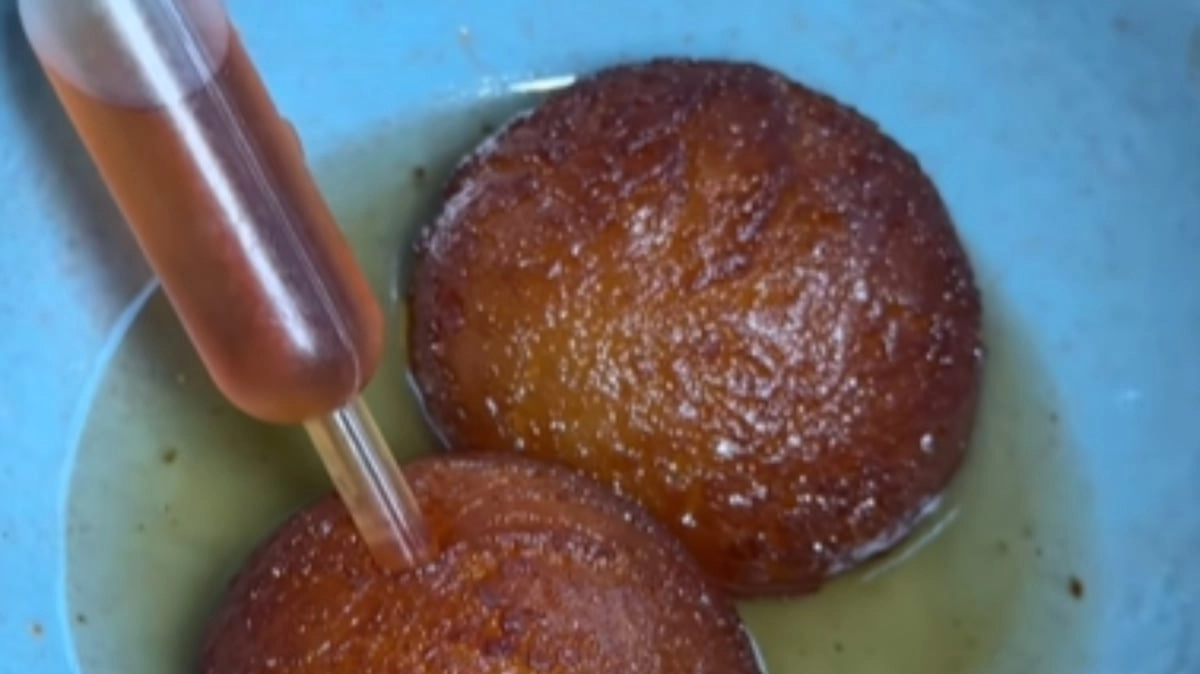
Do you enjoy rum? For those who savor a few shots of Old Monk or Bacardi, there’s an exciting viral creation that combines this beloved spirit with one of India’s favorite desserts.
A video gaining traction online shows the fascinating process of infusing rum into a piece of Gulab Jamun. We can already hear your reaction of “Wow!” as you become intrigued by this unique recipe.
Check out the video below
A post shared by Tastethis Bangalore (@tastethisbangalore)
“Rum + jamun = heaven”
The video began with a close-up of two pieces of Gulab Jamun nestled in a bowl, generously drenched in sugar syrup. It showcased a restaurant staff member adding what appeared to be rum to the delectable dessert.
As the clip circulated on the internet, the unique recipe garnered admiration, being celebrated as “Heaven.” A food blogging page on Instagram highlighted this divine combination, captioning the post with the phrase, “Rum + jamun = heaven.”
This video is now gaining popularity and capturing the hearts of rum enthusiasts everywhere.
The recipe was discovered at a pub called “Enne” located in Bengaluru.
Netizens expressed varied opinions
Many users who had not yet tasted the dish showed enthusiasm about trying it, while a few firmly opposed it.
In response to the rum-infused Gulab Jamun, one user stated, “Seems Yum.” Conversely, another user shared their experience of trying it but found it unappealing, saying, “I tried its disaster bro.”
Discover Bethlehem’s Newest Beer Store: Your Go-To Spot for Alcoholic Slushies, Seltzers, Ciders, and More!
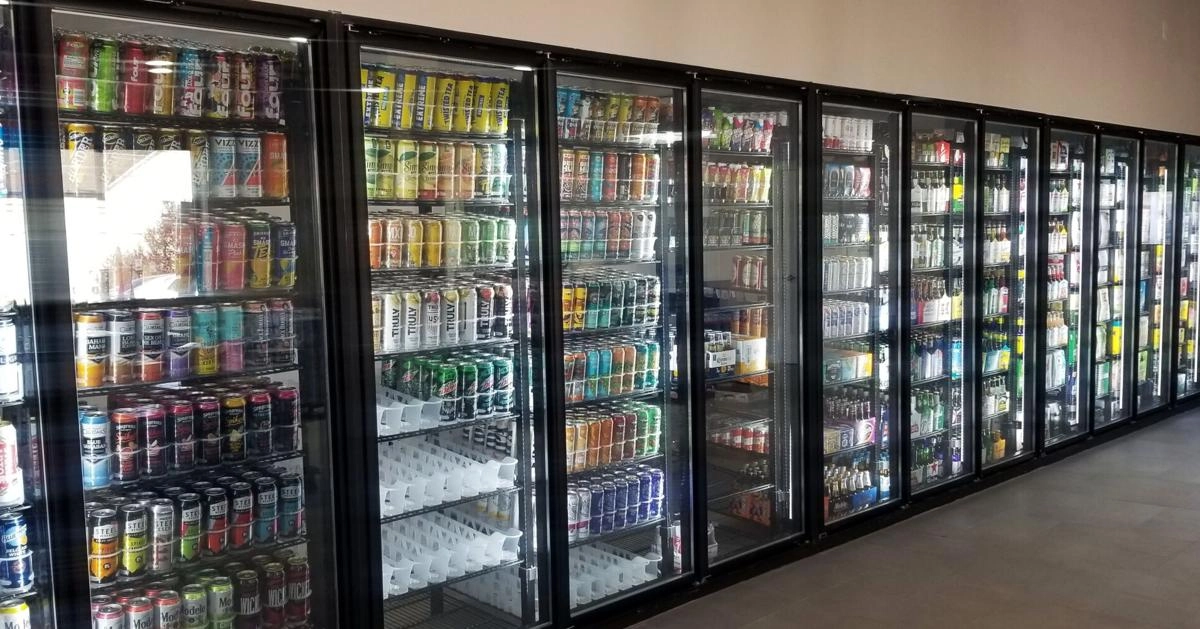
Jack’s Beverage is located at 746 N. New St. in Bethlehem.
BETHLEHEM, Pa. – Just in time for the festive season, a new beverage store has launched in Northampton County.
Jack’s Beverage, featuring a diverse selection of beers, hard ciders, hard seltzers, and various other drinks, opened its doors in late October at 746 N. New St. in Bethlehem.
The refurbished building, situated at the southeastern corner of North New Street and East Union Boulevard, was formerly the site of an AES auto repair shop.
Owned by Romy Lodia, Jack’s offers an impressive selection of over 100 beer varieties. Customers can find well-known domestic brands like Budweiser, Coors Light, Miller Lite, Yuengling, Busch, and Blue Moon, alongside popular imports including Amstel Light, Corona, Dos Equis, Grolsch, Guinness, and Heineken.
The store has been upgraded with new flooring, lighting, coolers, and counters, and it proudly features beers from local Lehigh Valley craft breweries, such as Fegley’s Brew Works and Funk Brewing Company, as well as notable regional breweries including Victory Brewing Co. from Downingtown and Tröegs Independent Brewing from Hershey.
Jack’s Beverage is located at 746 N. New St. in Bethlehem.
Customers can purchase beer in singles, six-packs, and cases, and there is a convenient walk-in cooler and freezer available for ice.
Customers have the opportunity to explore a variety of beer selections from well-known national breweries, including Brooklyn Brewery from New York, Cape May Brewing Co. representing New Jersey, Deschutes Brewery from Oregon, Dogfish Head Brewery located in Delaware, Shipyard Brewing Company from Maine, SweetWater Brewing Company of Georgia, and Kona Brewing Co. hailing from Hawaii, among others.
In addition, customers can find alcoholic slushies, cigarettes, and an array of convenience items available for purchase.
Jack’s Beverage operates daily from 9 a.m. to 9 p.m.
{{description}}
Email notifications are dispatched just once a day, and will only be sent if there are new relevant items available.
Receive the latest news, headlines, and weather updates directly in your inbox.
Success! A confirmation email has been sent to with a link to verify your subscription.
Error! An error occurred while processing your request.
Stay updated with the latest news from 69News.
Your go-to source for significant local government and business happenings, available from Tuesday to Saturday.
Get the full weather forecast from 69 News meteorologists each morning at approximately 6am.
Catch the latest headlines and discover what’s in store for tonight on 69News, with updates every weekday afternoon.
11 Enchanting Cocktails Inspired by ‘Wicked’ to Toast the Magic of Oz
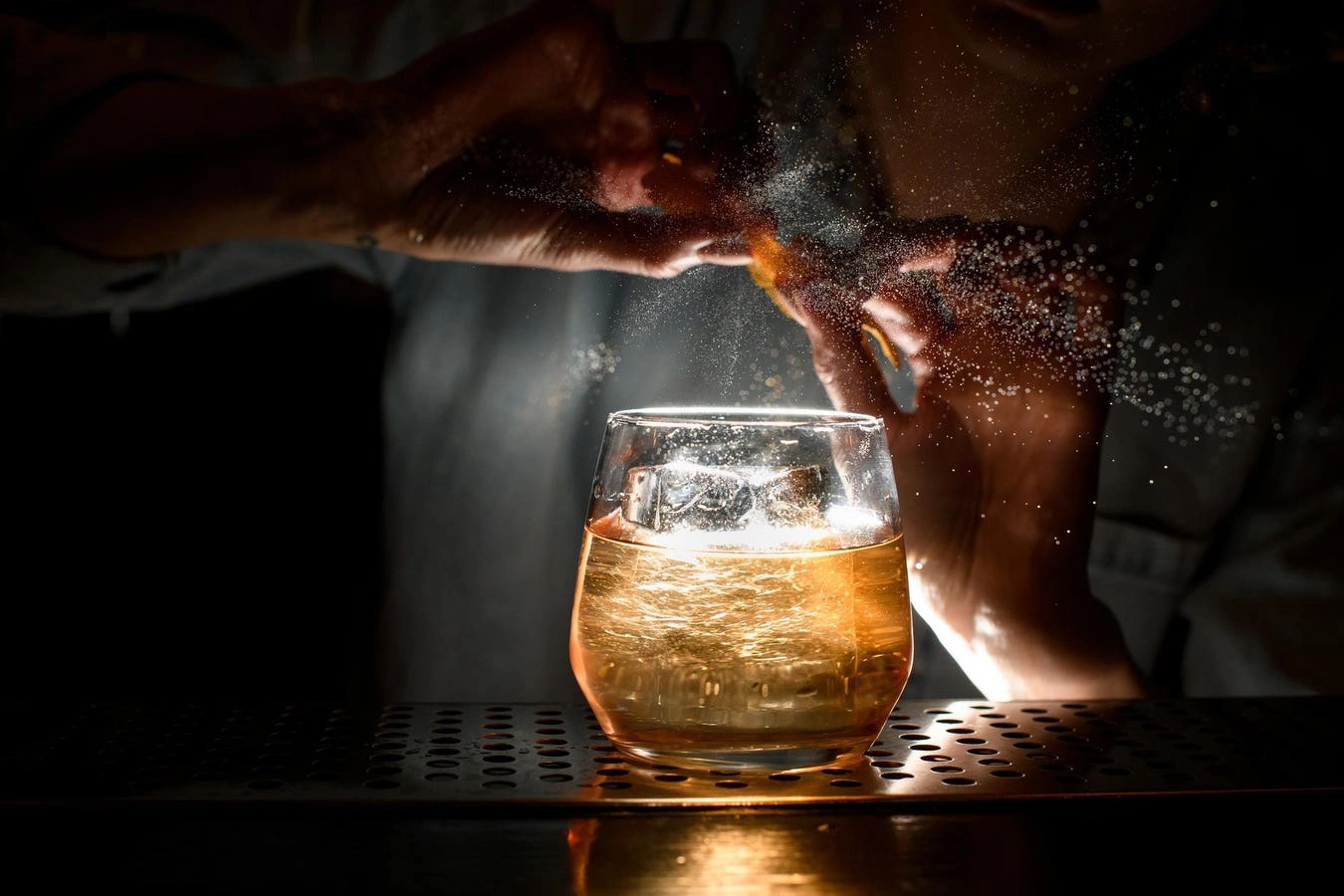
Close-up. A female bartender at a dimly lit bar carefully adds citrus juice to a glass holding a cocktail on the countertop.
With the Wicked movie’s release set for November 22, enthusiasts of Oz can toast to their favorite characters and the magic of this cherished tale with cocktails. From drinks shimmering in green tones to sparkling sips, these concoctions are ideal for celebrating premieres or enjoying intimate evenings at home.
Ariana Grande and Cynthia Erivo participate in the “Journey Through Oz” Tour, marking the Australian premiere of “Wicked” at State Theatre on November 03, 2024, in Sydney, Australia.
Whether you side with Elphaba or support Glinda, these Wicked-themed cocktails provide a whimsical, Oz-inspired way to elevate your gatherings. So invite your friends, whip up these delightful beverages, and let the magic of Oz carry you away—no broomstick needed.
A Glittering Toast to Dorothy’s Journey
A shimmering raspberry bramble that sparkles with golden luster, inspired by Dorothy’s magical journey.
Click your heels and enjoy this ruby-inspired bramble, combining elderflower, raspberry, and a touch of golden shimmer. It’s a dazzling nod to Dorothy’s adventure.
Ingredients:
Directions: Combine gin, lemon juice, and simple syrup in a shaker filled with ice. Strain over crushed ice, then gently layer in raspberry liqueur to create a stunning gradient. Finish off with fresh raspberries and a touch of gold dust for garnish.
A Vibrant and Refreshing Mezcal Mix
A delightful mezcal cocktail that features watermelon, cucumber, and lime, offering a lively burst of flavor to enhance your Oz-inspired celebration.
This mezcal cocktail delivers a refreshing and vibrant flavor profile with the perfect combination of watermelon, cucumber, and lime, ideal for brightening up any celebration inspired by Oz.
Ingredients:
Directions: Combine all ingredients in a shaker and shake well. Use a fine strainer to pour into a rocks glass and top with a slice of cucumber for garnish.
A Dark and Mysterious Take
A mezcal variation that brings forth a smoky and enigmatic flavor, capturing the allure of Oz’s more shadowy aspects.
This delightful cocktail, crafted with mezcal, boasts a smoky richness and delightful pink tones, reminiscent of the mystery and charm surrounding the darker figures of Oz.
Ingredients:
Directions: Assemble the drink over ice in a rocks glass and gently stir to blend, resulting in a captivating and smoky experience.
A Glamorous Toast to Glinda
Glamorous and sparkling, this rosy cocktail has received the seal of approval from Glinda and is poised to make you the center of attention at the party.
Bubbly and effervescent, this drink is a perfect homage to Glinda’s allure and elegance. With a touch of sparkle and a splash of rosé, it’s sure to become a crowd favorite at any event!
Ingredients:
Directions: Combine gin, lemon juice, and simple syrup in a shaker with ice. Strain the mixture into a champagne flute and crown it with sparkling rosé. For an extra touch of glamour, sprinkle in edible glitter and garnish with a twist of lemon.
Sweet, Fruity, and Vibrant
Bright and lively, this fizzy Lambrusco spritz encapsulates the spirited essence of Oz, all in one delightful glass.
Refreshing and deliciously fruity, this spritz made with Lambrusco and pomegranate-cranberry juice embodies the joyful moments of Oz’s happiest scenes.
Ingredients:
Directions: In a tall glass filled with ice, mix Lambrusco and juice, then top it off with sparkling water. Finish with a garnish of maraschino cherries for a delightful fizzy treat.
A Mystical Mix of Spirits
A mystical blend of tequila, chartreuse, and pineapple juice, this cocktail reflects the layered essence of the Wizard’s character.
Inspired by the grandeur of the Wizard, this tequila-based drink offers a medley of flavors, combining aloe, chartreuse, and pineapple for a complex taste experience that pays tribute to the great Oz.
Ingredients:
Instructions: Combine all ingredients in a shaker with ice, then double-strain the mixture into a coupe glass. Finish by adding a slice of pineapple as a garnish.
Indulgent Delight for Glinda Enthusiasts
Indulgent and delightful, this Irish cream martini featuring a graham cracker rim celebrates the sweet essence of Glinda.
This martini, reminiscent of a dessert, features Irish cream and apple liqueur, making it a delightful choice for those who appreciate Glinda’s sugary charm, finished off with a graham cracker rim infused with cinnamon.
Ingredients:
Directions: Combine the ingredients in a shaker with ice, then strain into a martini glass that has been rimmed with crushed graham crackers. Top it off with a sprinkle of cinnamon for that touch of enchantment.
A Tropical Twist on a Classic
Tropical and lively, this Mai Tai captures the essence of Oz’s most spirited characters.
Embrace the whimsical and naughty vibe of Oz’s flying monkeys with this refreshing Mai Tai crafted from smooth rum, zesty lime, and a hint of bitters.
Ingredients:
Directions: Combine ingredients in a shaker with crushed ice, then serve over fresh ice. Garnish with a sprig of mint and a pineapple frond for a delightful finish.
Raise a Glass to the Verdant Splendor of Oz
Vivid, fresh, and invigorating—this cucumber and melon cocktail embodies the enchanting charm of Oz’s Emerald City.
Inspired by the lush beauty of the Emerald City, this refreshing green cocktail showcases the elegance of Oz’s most recognized landmark. The combination of cool cucumber and sweet honeydew melon lends a delightful freshness and vibrant color to this drink.
Ingredients:
Directions: Combine gin and agua fresca with ice in a shaker, then strain the mixture into a Collins glass filled with ice. Finish by adding sparkling water and garnish with a sprig of mint and a cucumber ribbon.
To prepare the agua fresca: Blend cucumber, honeydew, mint, sugar, and water until the mixture is smooth, and then strain it.
A Bold Finale with a Coffee Kick
Rich and potent, this espresso martini serves as a dark and delightful tribute to the Land of Oz.
To conclude your evening with a touch of darkness and intensity, this espresso martini combining vodka and freshly brewed espresso serves as a fitting tribute to Oz’s daring spirit.
Ingredients:
Instructions: Combine all ingredients in a shaker with ice, shake well, strain into a martini glass, and top with coffee beans for a refreshing touch.
Perfectly Chic for the Enchanting Audience
Effortlessly cool and tinged with bittersweet notes, this spritz is an ideal selection for a night inspired by Oz.
This spritz offers a lighter, bittersweet taste, adding a refreshing element to any Oz-themed celebration. It’s casual yet delightful, making it a great fit for laid-back gatherings.
Ingredients:
Instructions: Combine in a white wine glass filled with ice and top with a grapefruit slice for a vibrant, citrusy note.
One Community. Many Voices. Create a free account to express your opinions.
Our community focuses on bringing individuals together through meaningful and respectful discussions. We encourage our readers to express their thoughts and share insights within a supportive environment.
To help facilitate this, we ask that you adhere to the posting guidelines outlined in our site’s Terms of Service. Below, we have highlighted some important rules to follow. In simple terms, please maintain a respectful tone.
Any post may be denied if it appears to include:
User accounts will be blocked if we notice or believe that users are engaged in:
So, how can you be a power user?
Thank you for taking the time to read our community guidelines. For a comprehensive overview of posting rules, please refer to our site’s Terms of Service.
Warm Up Your Holidays: Celebrate with Fireside Mules and Expanded Read-to-Drink Cocktail Sales!
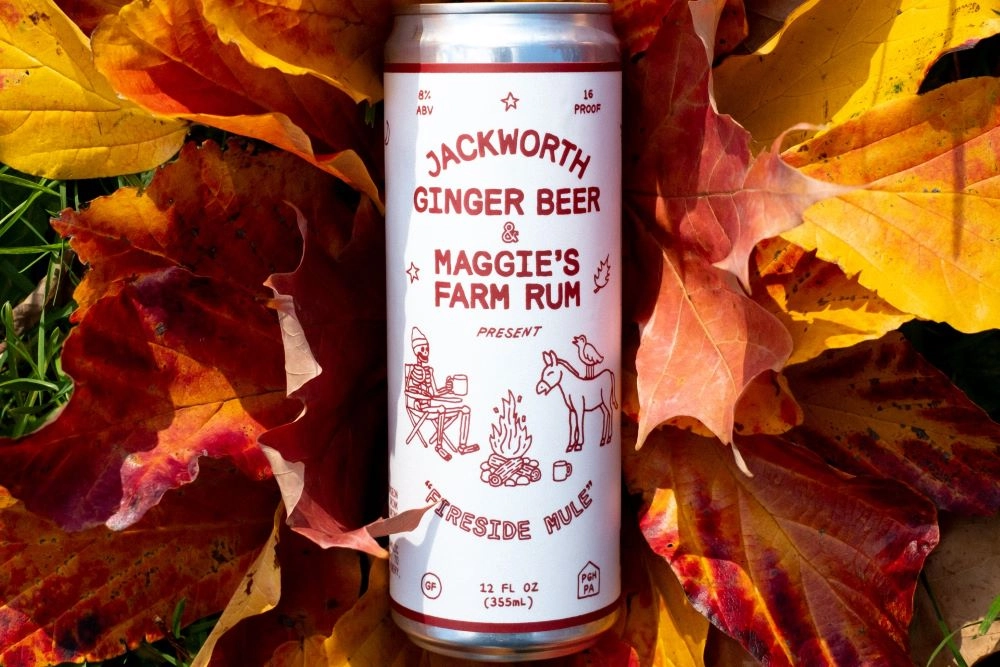
PHOTO COURTESY OF JACKWORTH GINGER BEER BREWERY AND MAGGIE’S FARM RUM
Halloween has just passed, and we find ourselves deep into the festive season. However, I’m not quite ready to part ways with the charm of fall. It hardly felt like a proper fall! The weather remains warm at 70 degrees and sunny.
To help ease my transition from the cozy vibes of autumn to the cheerful celebrations of the upcoming holidays, I crave something festive and spirited. Ideally, it should involve skeletons and perhaps a delightfully unique twist. Thankfully, Maggie’s Farm Rum and Jackworth Ginger Beer Brewery have collaborated to create just the thing.
The Fireside Mule is a sparkling concoction combining the flavors of baking spice-infused rum, organic ginger, lime, and cane sugar. This ready-to-drink cocktail offers a merry lift with a refreshing kick, boasting an alcohol by volume of 8%. As an added touch, the can’s label showcases the artwork of Miller McCormick, depicting Special Agent Dana Skully, the whimsical skeletal mascot of Maggie’s Farm Rum, enjoying a cozy moment by the fire.
Related: 12 Pittsburgh Distilleries to Explore
A warm and cozy image comes to mind as I think about Jackworth co-founder Tyler Lewis’s recent comments about a unique throw blanket they created for a promotional photo shoot. So far, just one was made, but Tyler mentioned that they might consider making more if there’s enough interest. As someone who loves cocktails, is a fan of “The X-Files,” and bears skull tattoos while often feeling chilly, I feel like the perfect fit for their target audience.
The collaboration also highlights the recent passage of State Senate Bill 688. This past summer, when Gov. Josh Shapiro signed it into law as Act 86 of 2024, it marked an important milestone, allowing certain retail establishments that already sell beer and wine products with equivalent or lower alcohol content to legally sell to-go packs of ready-to-drink cocktails with an ABV of 12.5% or less for the first time in 91 years.
The Pennsylvania Liquor Control Board, established after the end of Prohibition in 1933, oversees state-operated liquor stores, which were historically the only retailers in the Commonwealth where residents could buy to-go packs of these canned beverages. However, with the introduction of new legislation, these products are now available at supermarkets, convenience stores, beer distributors, and restaurants.
Will Grove, who has long led development for Maggie’s Farm, believes that the law provides greater options for consumers and creates opportunities for craft producers and distributors. It was a natural choice to partner with a budding business that launched through a similar grassroots initiative as his own.
“We are walking the same path just separated by time,” he says. “Both companies started without a significant financial backing, both are incredibly resourceful, and both are dedicated to excelling in what they do.”
In the past, Maggie’s Farm ventured into the non-beer segment of the liquor market with the introduction of 5% ABV Personal Day Hard Seltzers, crafted from purified water, vodka, and real fruit juice. Jackworth, a company that was established just six months ago in Larimer, produces non-alcoholic ginger beer, alongside a 5% ABV offering, as well as a range of wines, ciders, beers, and spirits produced in Pennsylvania.
The Fireside Mule is available in limited quantities at Jackworth and Maggie’s Farm tasting rooms located in the Strip District and Upper St. Clair. A broader distribution to off-premise accounts is set to occur during the week of November 11.
They have produced 2,955 cans (approximately 120 cases) of this beverage. Should it achieve the seasonal success they expect, there will likely be another batch produced to help Pittsburghers endure the long, cold winter months. Furthermore, if the weather remains warm and sunny in January, they are considering creating a beach-inspired variant by incorporating pineapple.
It is important to mention that the Fireside Mule is gluten-free, which brings a bit of good news following the unfortunate announcement that Aurochs Brewing, an award-winning gluten-free brewery in Emsworth, will be closing by year’s end.
I learned about the partnership between Jackworth and Maggie’s Farm when I met Lewis at Baked True North in McCandless in late October. To my surprise, the gluten-free bakery was hosting a fall festival featuring local vendors. As a result, I departed with not only lemon squares, brownies, and cookies, but also a plethora of story ideas, a four-pack of hard ginger beer, a bottle of Hammajack Heat Co. hot sauce, and a Urban Myth Apparel T-shirt adorned with a skeleton design.
Autumn is undeniably the most delightful season of the year. Let’s savor it just a bit longer.
Maggie’s Farm can be found at 3212A Smallman St. in the Strip District and at 1387 McLaughlin Run Road in Upper St. Clair. Jackworth Ginger Beer Brewery is situated at 6615 Hamilton Ave. in Larimer.
How Chattanooga Whiskey Revived Bourbon in the Heart of Chattanooga
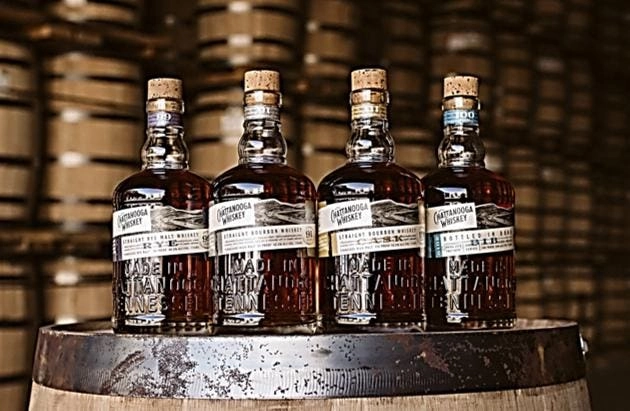
Chattanooga employs a unique high malt mash bill featuring a variety of malted grains, complemented by lengthy fermentations and low-proof distillation methods, resulting in a richly complex flavor profile.
There are several whiskeys available in the Chattanooga Whiskey lineup.
In 2011, Tim Piersant and Joe Ledbetter established Chattanooga Whiskey. After enduring over a century of prohibition, these two visionaries sought to revive whiskey distillation in Chattanooga, Tennessee. Here is a concise history of Chattanooga Whiskey along with tasting notes for the current whiskey collection.
Prior to 2009, only three counties in Tennessee were permitted to distill whiskey. However, in 2009, new counties were added to the mix. Unfortunately, Hamilton County, where Chattanooga is located, was not among them. By the time Piersant and Ledbetter laid out their proposal, legal whiskey production had not occurred in Chattanooga since before the Prohibition era.
The founders initiated a campaign dubbed “Vote Whiskey” aimed at altering the law that prohibited distilling in Chattanooga. In 2013, due to their dedicated efforts and strong community backing, the Tennessee General Assembly broadened the scope of counties where distillation was permissible, including Hamilton County. This new legislation represented a pivotal moment in the history of Tennessee whiskey and enabled the team to establish the distillery.
In 2015, Chattanooga Whiskey inaugurated its Experimental Distillery, a compact facility intended to explore the frontiers of whiskey-making by experimenting with unique grains, alternative fermentation methods, and various barrel aging practices. Two years later, the Riverfront Distillery, the primary production site, commenced its operations.
The standout innovation from Chattanooga Whiskey was the creation of a bourbon featuring a high-malt mash bill, imparting a distinctive creamy flavor profile to their whiskey. In 2019, they introduced their flagship whiskey, Chattanooga Whiskey 91, which was noteworthy as it marked the first legal production of whiskey in Chattanooga in over a century.
The Chattanooga Whiskey Distillery
Chattanooga Whiskey stands out due to its innovative production techniques.
To start with, it utilizes a unique high malt mash bill that blends various malted grains, referred to as Tennessee High malt. This method results in a flavorful profile that is both complex and creamy.
In addition, the distillery adopts an extended, low-temperature fermentation process lasting seven days. This careful approach fosters the emergence of intricate flavors, enhancing the whiskey with richer fruit and spice characteristics.
Moreover, the whiskey is distilled at a low proof, followed by maturation in a combination of #4 charred barrels and barrels that have been previously toasted and then charred to a #3 level.
Chattanooga’s Experimental Distillery is dedicated to small-batch innovations, experimenting with new mash bills, barrel finishes, and fermentation methods. Their adventurous spirit allows them to create limited-edition whiskies that challenge the traditional norms of bourbon production.
Beyond conventional aging techniques, Chattanooga Whiskey employs a solera barrel aging system. This unique fractional blending approach integrates both older and newer whiskies within a 4,000-gallon oak vat.
Each bottling is capped at 10% of the vat’s total volume, ensuring that every bottle of whiskey reflects the character of the distillery’s oldest reserves. The Solera system guarantees a consistent aroma and flavor profile across various batches while enabling layered and intricate flavors.
Chattanooga Whiskey Straight Bourbon Whiskey 91
Chattanooga Whiskey 91 bourbon represents the flagship offering from the company, crafted using a mash bill that consists of 75% corn, 12% malted rye, 6% honey malted barley, and 7% caramel malted barley. The name Experimental Batch No. 91 pays homage to the use of the original mash bill, yeast selection, and distillation methods employed in Barrel #91.
Caramel malted barley is distinguished by its roasting process, conducted at elevated temperatures compared to regular malts. This intense kilning allows for the caramelization of sugars within the grains, leading to the development of sophisticated flavors in the bourbon, including sweet, toffee, caramel notes, and occasionally a subtle toasted or nutty profile. This technique, while typical in the production of Stouts and Porters, is quite rare in the realm of whiskey.
Honey malt is a specialty barley malt recognized for its unique sweetness and rich, honey-like flavor profile. This malt is created through a special malting method that protects the grain’s natural sugars, yielding a product that boasts a notably strong sweetness often likened to honey or light caramel.
The distinctive profile of Chattanooga’s bourbon is attributed to the infusion of caramel malted and honey malted barley, along with an extended low-temperature fermentation process lasting seven days. These unique malts contribute layers of sweetness and depth, characterized by aromas of caramel, toasted malt, dried fruits, stone fruits—especially apricots—and an array of spices.
The palate reveals deep flavors of toffee, a touch of malt sweetness, notes of vanilla, and a hint of spice, all culminating in a smooth, well-balanced finish that features traces of seasoned oak and spicy rye. The malt profile is particularly pronounced, setting this bourbon apart from others that lean more heavily on corn.
Chattanooga Whiskey Straight Bourbon Whiskey Cask Strength
This variant of whiskey is a more robust version of Chattanooga 91, maintaining the same mash bill and fermentation process. The key distinction between the 91 Straight Bourbon and the Cask Strength expression lies in the selection of barrels. Chattanooga produces its whiskey in batches consisting of 8 to 10 barrels.
Once the whiskey has matured, the blenders sample each barrel. Barrels with fruity characteristics are designated for the 91 expression, while those with a stronger oak influence are allotted to the Cask version. Whiskey that is planned for bottling as 91 Straight Bourbon is integrated into the solera blending system. In contrast, the bourbon destined for the Cask bottling is processed as a small batch release and is not included in the solera system.
The cask strength expression, with its higher proof, intensifies the flavors and delivers a richer experience. The selection of barrels further amplifies the wood character. Notably, the elevated proof enriches the caramel and malt notes while adding distinctive flavors of dark chocolate, dried cherries, baking spices, and prominently, toasted oak. The mouthfeel is sumptuous, oily, and full-bodied, culminating in a prolonged, warming finish. Enjoy it on the rocks; it’s perfect for those who appreciate the complexity and richness of cask-strength spirits.
Chattanooga Whiskey Bottled-in-Bond 2020 Bourbon
The Bottled in Bond (BIB) expression showcases a blend of different whiskies derived from a range of mash bills curated by the Experimental Distillery. Each BIB release offers a distinct blend that embodies the aroma and flavor profile chosen by the blending team.
This particular Bottled in Bond iteration is matured for a minimum of four years and crafted in a single distillation season. The tasting notes pertain to the latest BIB release from 2020.
The aroma of this whiskey reveals notes of toasted grains, honey, and a hint of oak. On the palate, it presents layers of honey, dried fruit, and spices, culminating in a silky smooth finish. The aftertaste is elongated, leaving a sweet honey essence that lingers.
Chattanooga Whiskey Founders 12th Anniversary Blend
This unique whiskey is a proprietary blend made from three different spirits: 12% 1816RES, 60% SB091, and 28% Infinity.
The 1816 RES is a high rye bourbon sourced from MGP, aged for a minimum of four years, and crafted with a mash bill consisting of 75% corn, 21% rye, and 4% malted barley.
SB091 represents Chattanooga Whiskey’s standard high-malt bourbon, presented in its Chattanooga 91 and Chattanooga 111 Cask Strength variants. This bourbon has been matured for a minimum of two years and features the distillery’s distinctive mash bill.
Infinity is a straight whiskey crafted at Chattanooga’s Experimental and Riverfront Distilleries. This whiskey is a blend of five-year-old, high-malt whiskies derived from various, undisclosed mash bills, which typically do not adhere to the standards of bourbon mash bills.
Founder’s whiskey offers a rich and intricate aroma, showcasing scents of dark chocolate, toasted malt, dried fruits, and gentle hints of vanilla. It encompasses subtle layers of caramel and honey, enhanced with a spiced note from the oak aging that rounds out the experience.
On the palate, the whiskey is bold and full-bodied, presenting flavors of dark fruits such as dried cherries and plums, complemented by sweet caramel, vanilla, and a hint of brown sugar. The impact of the high-malt element is clearly evident, with notes of malted chocolate and a touch of nuttiness.
The finish is lengthy, featuring a blend of spice, well-seasoned oak, and a hint of roasted malt character. This whiskey is intricately layered, and the extended aging brings forth a mature complexity that lingers on the palate. The Anniversary Blend exemplifies Chattanooga’s creative approach to high-malt bourbon, presenting a harmonious balance of sweetness, spice, and mature oak.
Chattanooga Whiskey Port Cask Finished
Part of the Barrel Finishing Series, this whiskey draws from a blend of various whiskies originating from different mash bills. The Port cask previously held White Port.
On the nose, the Port Cask finish reveals a vibrant fruitiness, with aromas of ripe plums, figs, and red berries. Additionally, there are rich undertones of caramel accompanied by notes of vanilla, cinnamon, and oak.
The influence of white port wine is evident on the palate, showcasing flavors of ripe fig, golden raisins, and berries, all enhanced by sweet toffee, caramel, and subtle hints of spice from the rye. The malt content enriches the whiskey, providing a smooth and velvety texture.
The finish presents a medium to long duration, slightly drying as the sweetness of the dried fruits gradually gives way to lingering notes of spice and oak. This particular expression is perfect for those who prefer sweeter whiskeys with a fruit-forward finish. The port cask introduces a layered complexity that balances the sweetness and spice of the bourbon while imparting a rich, wine-like character.
Chattanooga Whiskey Pinot Cask Finish
The Pinot Cask expression is also a feature of the Finishing Series, based on a blend of various whiskies, though the specifics of the blend components remain undisclosed. Each Cask Finish expression utilizes a distinct combination of whiskies.
This whiskey captivates the senses with its vibrant and aromatic profile, featuring fresh red fruit notes that include cherries, raspberries, and hints of cranberries, thanks to the influence of the Russian River Pinot Noir casks. The malt contributes a balanced sweetness enriched by subtle oak and soft vanilla touches.
The finish from the Pinot Noir brings a gentle fruitiness to the palate, highlighting red berries and light plum nuances that blend harmoniously with the sweetness of the corn and malt. Its medium body, complemented by malted barley, creates a smooth and creamy mouthfeel. A hint of rye spice elegantly cuts through the fruit profile, introducing a delicate balance with notes of cinnamon and white pepper.
The whiskey concludes with a long and graceful finish. The slight dryness from the Pinot casks is expertly balanced by lingering fruit sweetness, nuanced spice, and a whisper of seasoned oak.
The Pinot Cask Finished whiskey is both delicate and rich in flavor, presenting a complex layering where bright red fruit flavors meet underlying malt sweetness. It is a nuanced and sophisticated expression that exemplifies the distillery’s skill in cask finishing.
Grant McCracken, who is the Founding Distiller and Chief Product Officer, has announced that the upcoming Cask Finished expression will be a Triple Islay Cask Finish. This whisky will be aged using three distinct types of barrels. While the specific origins of these barrels cannot be revealed, it has been acknowledged that they are sourced from the Kildalton region of Islay. Since this area is home to only three distilleries – Ardbeg, Lagavulin, and Laphroaig – determining where the barrels come from is quite straightforward.
Furthermore, McCracken shares that Chattanooga Whiskey employed three unique peating protocols, utilizing various types of peat and different peating levels, alongside three separate mash bills for their production.
For those interested, a Chattanooga Whiskey Straight Rye Malt Whiskey is available, though it may be difficult to find. Additionally, several expressions from the Experimental Single Batch Series are exclusively sold at the Experimental Distillery.
The malt-forward bourbons and experimental finishes crafted by Chattanooga Whiskey are not only bold but also innovative, which helps the company carve out its niche in the competitive whiskey landscape. Their unique production methods, particularly the use of high malt mash bills and the solera aging process, position them as a creative and distinctive entity in the contemporary bourbon scene, delivering a variety of rich and intricate expressions. If you have yet to experience Chattanooga Whiskey, it’s certainly worth a taste.
One Community. Many Voices. Create a free account to express your ideas.
Our community focuses on bringing people together through engaging and meaningful discussions. We encourage our readers to voice their opinions and share knowledge in a respectful environment.
To facilitate this, please adhere to the posting guidelines outlined in our site’s Terms of Service. Below, we have highlighted some of the important rules. In short, maintain civility in your interactions.
Your contribution will be declined if it appears to include:
User accounts will be blocked if we notice or believe that users are engaged in:
So, how can you be a power user?
Thanks for reading our community guidelines. Please read the full list of posting rules found in our site’s Terms of Service.
Sip and Sustain: 7 Delightful Election Night Cocktails to Enjoy While Waiting for the Vote!

Election nights bring a mix of excitement, celebration, and sometimes a bit of anxiety. Whether you’re rooting for your candidate or anxiously waiting for the results, a beautifully crafted cocktail can enhance the experience and ease the tension.
As election night approaches, whether you’re celebrating victories, feeling anxious, or steering clear of election-themed drinking games, these cocktails are designed to elevate your gathering during what could be an extended evening. Each beverage has its unique narrative, blending bold flavors that reflect the intensity of the occasion. From energizing espresso martinis to intriguing mezcal variations, here are some ways to keep your glass filled and your spirits high as the results unfold.
With a blend of bold and harmonious flavors, The Delaney combines smoky scotch with a hint of citrus to help calm nerves on election night.
This cocktail features a mix of smoky scotch, vermouth, and bitter Campari, creating an elegant drink to soothe your apprehensions. It balances sweetness and bitterness with a layer of smoky richness, ideal for those calmly awaiting the outcome throughout the night.
Instructions: Combine the Fior, vermouth, and Campari in a cocktail shaker filled with ice. Shake gently until well chilled, then strain the mixture into a pre-chilled glass. Garnish with a twist of orange for a delightful finish.
A creamy, spiced espresso martini that’s ideal for keeping your energy up as you await the results.
This one’s tailored for caffeine enthusiasts.
If you’re prepared for a lengthy night, the espresso martini marries espresso with the deep, spiced characteristics of Grand Brulot, delivering a smooth yet vigorous boost. Amaretto contributes a hint of sweetness that nicely balances the coffee’s bitterness, making it an excellent choice for sipping while tracking the incoming numbers.
Instructions: In a shaker, mix together Grand Brulot, espresso, and Amaretto along with ice. Shake vigorously for about 25 times before straining the mixture into a chilled martini glass. For an aromatic touch and a bit of elegance, top it off with cracked coffee beans and an orange twist.
This lively watermelon and mezcal margarita infuses summer flavors into the fall, creating a refreshing choice for a light … [+]
Bright, invigorating, and with a hint of smokiness, the Agua Fresca Margarita is a delightful option that maintains rich flavor. Featuring watermelon juice and lime, this drink reintroduces summer flavors into the fall, with Desolas Mezcal lending a layer of complexity.
Instructions: Mix all ingredients with ice and strain the blend into a rocks glass filled with fresh ice. Add a slice of watermelon as a seasonal garnish for a fresh, election-night twist.
Delicate and refreshing, the Lychee Sakatini™ blends floral lychee with sake, making it perfect for a calm, cool election evening.
If you’re seeking something more subtle, the Lychee Sakatini™ is a sweet, floral cocktail that offers a unique, exotic flair to the night. This drink is light yet invigorating—ideal for those who want to keep things easy as they await the latest news.
Directions: Start by chilling a martini glass in the freezer. Optionally, rub a lychee or lemon wedge around the rim, then shake all ingredients with ice for 15–20 seconds. Strain the mixture into the chilled glass and finish with a whole lychee or a twist of lemon as garnish.
A sweet and salty indulgence for election night—this Salted Chocolate Peanut Butter Pretzel cocktail is a creamy and decadent way to celebrate the occasion.
When election night beckons for a little treat, the Salted Chocolate Peanut Butter Pretzel cocktail offers a delightful experience. Featuring Skrewball Peanut Butter Whiskey and sumptuous chocolate liqueur, this beverage presents a harmonious blend of sweet and salty, providing a silky, dessert-like finish for your evening.
Directions: Begin by dipping the rim of a chilled coupe or martini glass into a thin layer of caramel sauce, then coat it lightly with sea salt. In a shaker, mix Skrewball and chocolate liqueur with ice, shake thoroughly, and strain the mixture into the prepared glass.
This striking Mezcarajillo merges the smoky notes of mezcal with the robust flavor of espresso, creating a cocktail that is rich in coffee undertones … [+]
For a smoky yet indulgent take on the traditional carajillo, the Mezcarajillo fuses Mezcal Amarás Espadín Reposado with espresso, resulting in a bold and memorable drink. This mezcal variation enriches the coffee experience while balancing the smooth smokiness of the mezcal—perfect for those aiming to remain alert and enjoy every moment as the results unfold.
Directions: Begin by combining the mezcal, espresso, and agave honey in a shaker filled with ice. Shake thoroughly and strain this mixture into a glass filled with fresh ice.
As election night unfolds, this gin and tonic offers a delightful, earthy variation on a traditional recipe. Utilizing the award-winning gin from Mine Hill Distillery, which is infused with black walnut and nutmeg, and complemented by a hint of toasted walnut and spiced nutmeg syrup, this cocktail showcases rich flavors that are ideal for enjoying while following the election results.
A comforting, nutty rendition of the classic G&T, this drink is well-suited for crisp fall evenings, featuring Mine Hill Distillery’s nutmeg-infused gin.
On this election night, indulge in a gin and tonic that delivers a warm, earthy twist to a well-loved favorite. Crafted with gin that boasts the essence of black walnut and nutmeg, along with a touch of toasted walnut and spiced nutmeg syrup, this cocktail’s complex flavors are perfect for sipping as you absorb the unfolding results.
Instructions: Fill a glass with ice, pour in the gin, and finish with tonic water. Incorporate the toasted walnut and nutmeg syrup for added flavor, and adorn with a lemon slice or a dash of grated nutmeg to emphasize the gin’s distinctive botanicals.
As the election night progresses and results begin to emerge, these drinks are designed to accompany you—whether you’re in celebration, sharing sorrows, or simply observing the unfolding events. So, lift your glass, enjoy every sip, and toast to the experience—because such nights are rare, but a delightful cocktail is timeless.
One Community. Many Voices. Create a free account to express your opinions.
Our community focuses on bringing individuals together through open and meaningful discussions. We encourage our readers to voice their thoughts and share ideas and information in a welcoming environment.
To proceed, please adhere to the posting guidelines outlined in our site’s Terms of Service. We’ve highlighted some of the essential rules for you below. In essence, maintain a respectful tone.
Your submission may be denied if it appears to include:
User accounts may be suspended if we detect or suspect that individuals are participating in:
Now, how can you maximize your user experience?
Thank you for taking the time to read our community guidelines. For a comprehensive overview of our posting rules, please review the complete list located in our site’s Terms of Service.
National Rums Takes Legal Action Against JIPO’s Ruling: What’s at Stake?

NATIONAL Rums of Jamaica Limited (NRJ), which oversees Long Pond Distillers and Clarendon Distilleries Limited, has approached the court to contest the ruling made by the Jamaica Intellectual Property Office (JIPO) on October 2 concerning the geographical indication of ‘Jamaica Rum’.
The dispute over the specifications defining Jamaica rum has spanned nearly four years, culminating with JIPO’s decision to incorporate the term “only” into the definition, thereby preventing the aging of the spirit outside of Jamaica.
This modification was one of eight additional guidelines included in the geographical indication for Jamaica rum as JIPO resolved the conflict between NRJ and the Spirits Pool Association.
In response, NRJ has turned to the legal system, asserting that it aims “to protect the heritage and value of its brands, along with those of its partners who have contributed to establishing Jamaica rum as a high-quality product on the global stage”.
As reported by NRJ, an appeal was submitted to the Supreme Court on October 31, 2024, addressing significant issues that require the court’s evaluation and resolution.
NRJ, which matures some of its rum internationally, has urgently requested the court’s assistance while awaiting the appeal hearing, due to what it claims are the immediate implications stemming from the ruling and the actions taken by the registrar following it.
“For more than 200 years, NRJ and its predecessor companies and distilleries have made significant contributions to Jamaica’s rum legacy, building a global reputation that bolsters both Jamaica’s economy and its vibrant cultural heritage,” stated NRJ’s CEO Martha Miller.
“This longstanding tradition, supported by leading international spirits brands that procure Jamaica rum from NRJ, has not only enhanced our brands’ worldwide presence but also sustained countless Jamaican families, enterprises, and communities — particularly in Clarendon and Trelawny. We are looking forward to the court’s evaluation of the decision,” Miller further remarked.
She stated that NRJ is dedicated to maintaining the true character of Jamaica rum and upholding the traditional practices that have earned it global recognition.
The Spirits Pool Association encompasses four prominent distilleries — National Rums, J Wray & Nephew, Worthy Park, and Everglades Farms Limited.
In light of the decision from JIPO, the Spirits Pool Association announced in a media statement, “This ruling ensures that Jamaica rum can exclusively be produced in Jamaica, utilizing naturally filtered limestone water sourced from designated geographical areas, aged in small barrels not exceeding 250 litres, crafted from food-grade wood, and derived from sugar cane materials such as molasses and sugar cane juice, employing unique copper distillation stills. Most significantly, it prohibits the addition of sugar or any other substances post-distillation and mandates that it be aged solely in Jamaica.”
NRJ’s legal representation in court is provided by Lindo Legal, which has engaged Patrick Foster, KC, Grace Lindo, and Mark Paul Cowan for the appeal.
The Ultimate Wine Guide for Your Perfect Thanksgiving Dinner

Your ultimate guide to wine selections for the perfect Thanksgiving dinner with over 20 wine suggestions from across the globe and in every price point—including some amazing values.
Thanksgiving Turkey Dinner
We’re here again for our annual discussion about which wines to pair with Thanksgiving dinner. This holiday season, make it a priority to enjoy good wine—after enduring another turbulent election year, we all deserve a nice glass of something remarkable to share with our loved ones. I consulted with Melanie Mann, the principal wine category manager at Whole Foods, about the trends she’s noticing for the upcoming season and what she recommends for hosts to have on hand (definitely Sauvignon Blanc, rosé, and lighter-bodied reds), but she is particularly enthusiastic about Lambrusco. “I’m always willing to champion a finely crafted Lambrusco. I can’t understand how anyone gets through life without sparkling red wines. I prefer them on the drier side, but there’s a Lambrusco suitable for every palate and occasion.” This year’s selection features wines from around the world, with delicious options ranging from a $16 sparkling wine to an extravagant $125 Barolo.
Nini Lambrusca Bianco or Nini Lambrusca Rosso: Looking for a dry, crisp, zesty Lambrusca? Absolutely! These wines represent the true essence of Lambrusca, and the Lini family are experts in crafting this style. Awarded the title of Best Sparkling Wine in the World by Wine Spectator, you won’t find a better deal on bubbles today. The Bianco is made from 100% Lambrusco Salamino and features notes of ripe pear, lemon zest, and a delightful juicy finish. The Rosso, a blend of Lambrusco Salamino and Ancellotta, showcases a ruby red color with vibrant raspberry and cherry notes, complemented by a refreshing mineral finish. Priced at $16.
Dofpp & Irion Blanc de Blancs Brut, Cremant d’Alsace: This sparkling wine is bright and refreshing, featuring flavors of ripe pear complemented by a hint of citrus. Crafted using traditional Champagne methods, it delivers a delightful texture and fruitiness for a price of $24.99.
Ernesto Catena Alma Negra Brut Nature Rosé is a charming sparkling rosé that sets the tone for a delightful evening. This blend of malbec and pinot noir hails from Mendoza, Argentina, showcasing lovely wild strawberry and lime zest notes, perfect for any occasion at $23.99.
Champagne Delamotte Brut Rosé NV: A stunning expression from one of the Champagne’s historic houses, this rosé is a meticulously crafted blend of chardonnay and pinot noir. It features delightful ripe raspberry and strawberry flavors accented by a subtle mineral note, and its creamy texture justifies its splurge-worthy price of $119.
Domaine Allimant Laugner Brut Rose: This is an exceptional value rosé from a historic, family-run estate in Alsace. The taste profile reveals cranberry and raspberry fruit, enriched with a hint of lemon cream. Aged for up to 18 months in the bottle before disgorgement, it features a soft dosage of only 4g/L and is priced at $21.
Nicolas & Jay L’Ensemble Pinot Noir, Willamette Valley, 2022: This exquisite blend of grapes from four different AVA’s throughout the Willamette Valley showcases the region’s finest offerings. It presents vibrant raspberry and bing cherry flavors on the palate, transitioning to a smooth and refined texture that highlights its elegant structure. The refreshing savory nuance makes it a splendid choice for both sipping and food pairing. $75
Rockpile Zinfandel, Jack’s Cabin Vineyard, 2021: The Mauritson family established their roots in the Rockpile region of Sonoma in 1868. This zinfandel embodies the rugged essence of the Rockpile landscape. Grown at an elevation of 950 feet, the grapes contribute intense concentration and depth, presenting ripe blue-black fruit nuances. Notes of warm spice are beautifully balanced with a touch of freshness, and medium tannins make it a fantastic option for roasted turkey with traditional sides. $55
Pestoni Sangiovese, 2021: This delightful sangiovese is produced by one of Napa’s pioneering families—the Pestoni family has been cultivating their estate vineyards since 1892. The wine is rich with notes of dried cherry, currant, and vanilla, making it a sure hit at gatherings and pairs well with roast turkey. A unique feature for Napa visitors is that Pestoni offers a winery and tasting room experience where patrons are welcome to bring their own picnic to enjoy while tasting their wines—truly a taste of All American hospitality. $70
Arista Russian River Valley Chardonnay, 2021: This chardonnay departs from the traditional oak-heavy style and instead features lively notes of lemon cream, citrus zest, and a hint of toasted marshmallow. Its depth and complexity are beautifully complemented by a fine tension that runs throughout the palate. Enjoy it now or cellar it for five years; it remains delightful at both moments. $70
Abbey Road Farm Wines Aligote, 2022: A deliciously tropical rendition of Aligote, a white wine grape, featuring mineral and citrus undertones that linger on the palate. It’s worth mentioning that this winery is family-operated and focuses on organically farmed wines from Oregon’s Yamhill-Carlton AVA.
Ballentine Chenin Blanc, Betty’s Vineyard, 2022: This winery boasts the largest Chenin Blanc planting in Napa. Bruce Devlin, the winemaker at Ballentine for 25 years, asserts, “Chenin Blanc can offer great value while being just as delicious and versatile as Sauvignon Blanc.” I wholeheartedly agree—this wine showcases rich tropical fruit notes with an invigorating finish, priced at $35.
Reyneke Vinehugger Chenin Blanc 2023: A wine with moderate alcohol content, crafted from organic grapes sourced from South Africa’s Western Cape. It offers notes of ripe peach and creamy lemon, complemented by a bright acidity and a refreshing finish. Priced at $17.99.
Dessert comes first—Larresingle VSOP Armagnac NV: Armagnac serves as the ideal conclusion to a Thanksgiving feast. This offering is a great value, providing a world-class tasting experience at an attractive price, serving as an excellent alternative for aficionados of Cognac and bourbon. It is silky and opulent on the palate, with alluring notes of toffee, caramel, and a hint of dark chocolate—crafted from a blend of Armagnacs aged between 5 to 7 years. Priced at $65.
Domaine Pichot Vouvray Le Peu de la Moriette 2023, $23 This delightful off-dry Chenin Blanc from the Loire Valley offers a silky and fresh profile, with beautiful tropical notes and a juicy finish.
Domaine Christian Moreau Pere et Fils, Chablis, 2023: $33.99 This Chablis showcases a classic style with 100% Chardonnay from Burgundy. It features lush notes of lemon cream, layered with tropical fruits and a mineral finish.
Famille Hugel Gewurztraminer Classic, 2019: $26.99 An ideal choice for spicy dishes or cheese. This classic Alsatian variety is rich in tropical flavors like lychee and peaches, along with exotic floral aromas.
Château de La Chaize Fleurie, 2022: $27.99 A remarkable Cru Beaujolais featuring delicate floral notes, smooth red fruit, and a minerality that contributes to a delightful mouthwatering finish.
Umani Ronchi Campo San Giorgio Conero Riserva 2020: This robust and glossy red wine is crafted entirely from Montepulciano grapes, sourced from the prestigious Conero Riserva appellation in Italy. With vines that are carefully bush trained and influenced by the Adriatic Sea, this wine showcases exceptional depth and complexity. Expect notes of ripe black cherry, spice, a hint of vanilla, and cassis, all culminating in a long-lasting finish. The tannins are polished, making it beautifully balanced. Priced at $89.99.
Tenuta di Arceno Gran Selezione Campolupi, 2021: This limited-production Chianti Classico wine represents a new horizon for Tenuta di Arceno. Grown at an impressive elevation of 1800 feet, the name pays homage to the wolves that roam the vineyard. The wine offers a rich and supple palate, featuring notes of black cherry and spice, with a lingering finish highlighted by satiny tannins, making it delightful to enjoy at present. Priced at $75.
Poderi Gianni Gagliardo Barolo DOCG Lazzarito Vigna Preve 2020: As one of Italy’s most prestigious wines, this Barolo stands out. It is rich with aromas of ripe black cherry, mint, and a delicate balsamic note. The wine is elegant, complex, and powerful, characterized by firm yet precise tannins. Its savory and mouthwatering texture is also imparted with a silky quality, making it an exquisite experience. Approximate online price is $125.
Nardi Brunello di Montalcino 2019: This exceptional Sangiovese wine is highlighted by its complex and savory notes of black cherry combined with warm spices. With a rich and densely woven texture, it is supported by a harmonious structure, polished tannins, and an elegant finish. The price stands at $95.
Montefili Vechie Terre di Montefili Gran Selezione Chianti Classico, 2019: This exceptional sangiovese wine is sourced from high elevations (1700 feet) and showcases a delightful balance with flavors of juicy cranberry and blackberry, complemented by refined tannins and a hint of warm spice. It is both concentrated and complex, priced at $84.99.
One Community. Many Voices. Create a free account to share your thoughts.
Our community is focused on fostering connections among individuals through open and meaningful discussions. We encourage our readers to express their opinions and share ideas in a safe and respectful environment.
To facilitate this, please adhere to the posting guidelines outlined in our site’s Terms of Service. We have highlighted some of the essential rules below. In simple terms, please maintain civility in your interactions.
Your post may be rejected if we detect any of the following issues:
User accounts will be suspended if we suspect any involvement in the following activities:
So, what steps can you take to become a power user?
We appreciate you taking the time to read our community guidelines. For a comprehensive overview of posting rules, please refer to our site’s Terms of Service.
The Ultimate Guide to Thanksgiving Whiskey Pairings: Elevate Your Feast from Turkey to Pumpkin Pie
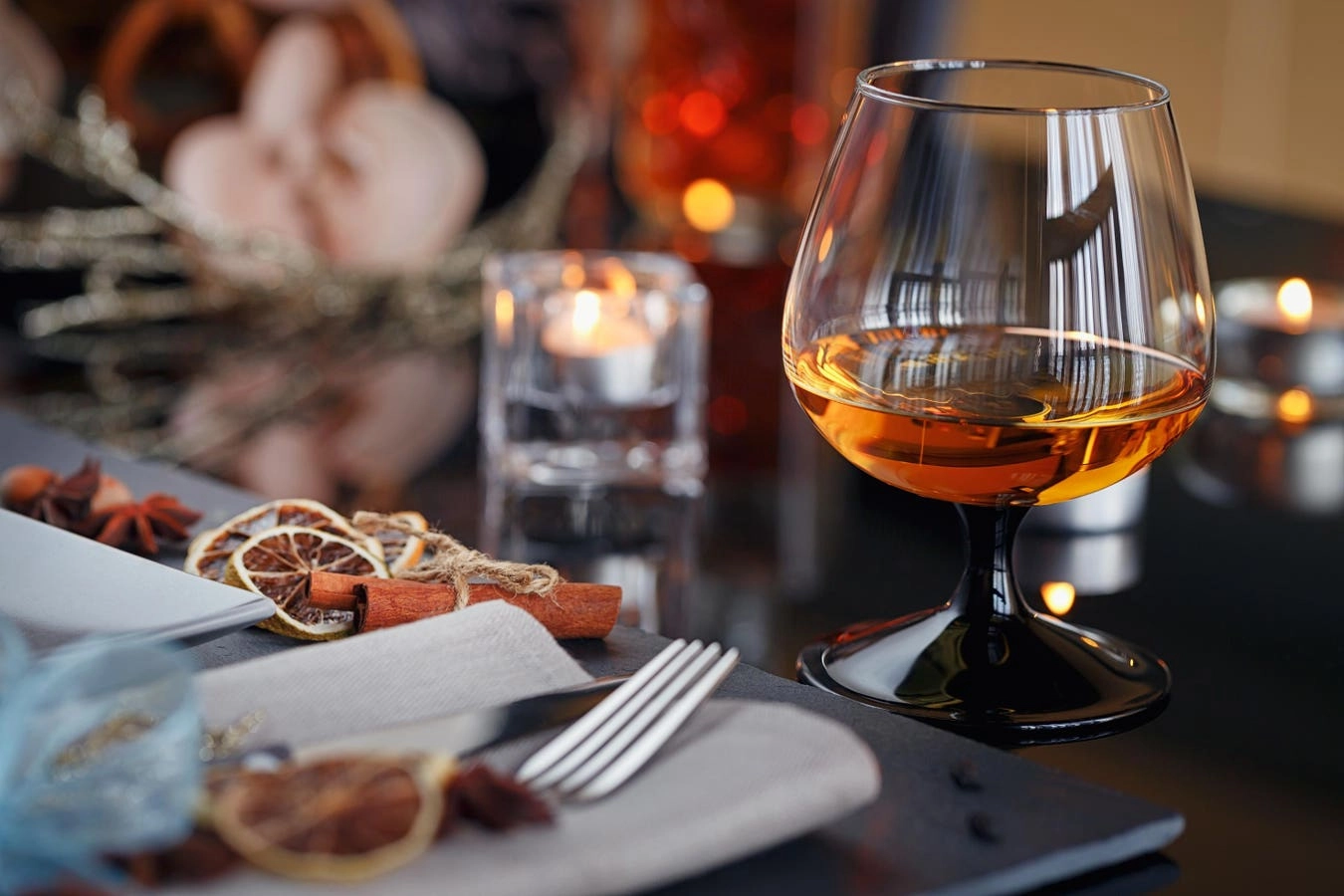
Table setting adorned for the holidays, setting the stage for a romantic dinner.
Thanksgiving goes beyond being just a celebration for wine and cocktails. It serves as the perfect backdrop to explore various whiskeys, harmonizing their distinct flavors with each traditional dish presented on the table. Whether entertaining friends, family, or welcoming new faces, aligning whiskey with each course adds a layer of warmth and richness to the dining experience. Here’s a guide on selecting the ideal whiskey for your Thanksgiving feast.
Entirely Homemade Thanksgiving Turkey Accompanied by All the Sides
The centerpiece of the meal certainly calls for something as rich and flavorful as it is, with bourbon standing out as an exceptional choice. The sweet undertones of caramel, vanilla, and oak found in bourbon pair beautifully with the roasted essence of turkey, whether it’s seasoned to perfection or enhanced with a glaze.
Homemade Thanksgiving Pork Sage Stuffing in a Casserole Dish
Stuffing comes in a variety of flavors, ranging from sage and thyme to hearty sausage or even sweet additions like apples and cranberries. The spiciness of rye whiskey pairs beautifully with these rich, earthy flavors, creating a delightful contrast with the herb-infused bread mixture.
A bowl of delectable mashed potatoes topped with melted butter.
The creamy and buttery texture of mashed potatoes smothered in gravy calls for a drink that complements without overpowering it. A lightly peated Scotch serves as the perfect match, introducing a touch of earthiness and smoke that enhances the luxurious flavors of the potatoes and gravy.
Homemade Red Cranberry Sauce for the Holidays
The tart and fruity brightness of cranberry sauce harmonizes beautifully with a sweeter whiskey that complements its zest. A smooth bourbon or Tennessee whiskey can add a honeyed sweetness that enhances the sauce’s tangy flavor.
Sweet Potato Casserole with Pecans and Marshmallows
The sweetness of a wheated bourbon perfectly aligns with the comforting flavors of sweet potato casserole, particularly when marshmallows are included. Wheated bourbons offer a gentler, slightly sweeter profile that pairs wonderfully with this side dish.
Delicious Homemade Pumpkin Pie Ready for Thanksgiving
The delightful combination of nutmeg, cinnamon, and clove in pumpkin pie pairs wonderfully with whiskey that has similar spicy notes. Opting for a spiced or flavored whiskey can beautifully highlight the pie’s rich taste without overshadowing it.
When considering whiskey to accompany Thanksgiving dishes, focus on achieving a harmonious balance rather than intense flavors. Sipping a small amount with each bite can enhance the flavors of both the food and the whiskey, resulting in a memorable feast for everyone gathered around the table.
While it might be tempting to pour larger servings (after all, it’s a festive occasion) — choosing smaller portions allows for a wider selection to savor with your meal.
One Community. Many Voices. Create a free account to share your thoughts.
Our community is dedicated to connecting individuals through open and respectful dialogue. We encourage our readers to express their opinions and engage in idea exchanges within a secure environment.
To achieve this, please adhere to the posting guidelines outlined in our site’s Terms of Service. We have highlighted some of the essential rules below. In short, please maintain a level of civility.
Your post will be declined if it appears to include:
User accounts may be suspended if we observe or suspect that users are participating in:
What steps can you take to become a power user?
We appreciate you taking the time to read our community guidelines. For a complete overview of our posting rules, please refer to our site’s Terms of Service.
Pouring Perfection: George Lenker’s Top 5 Favorite Beers
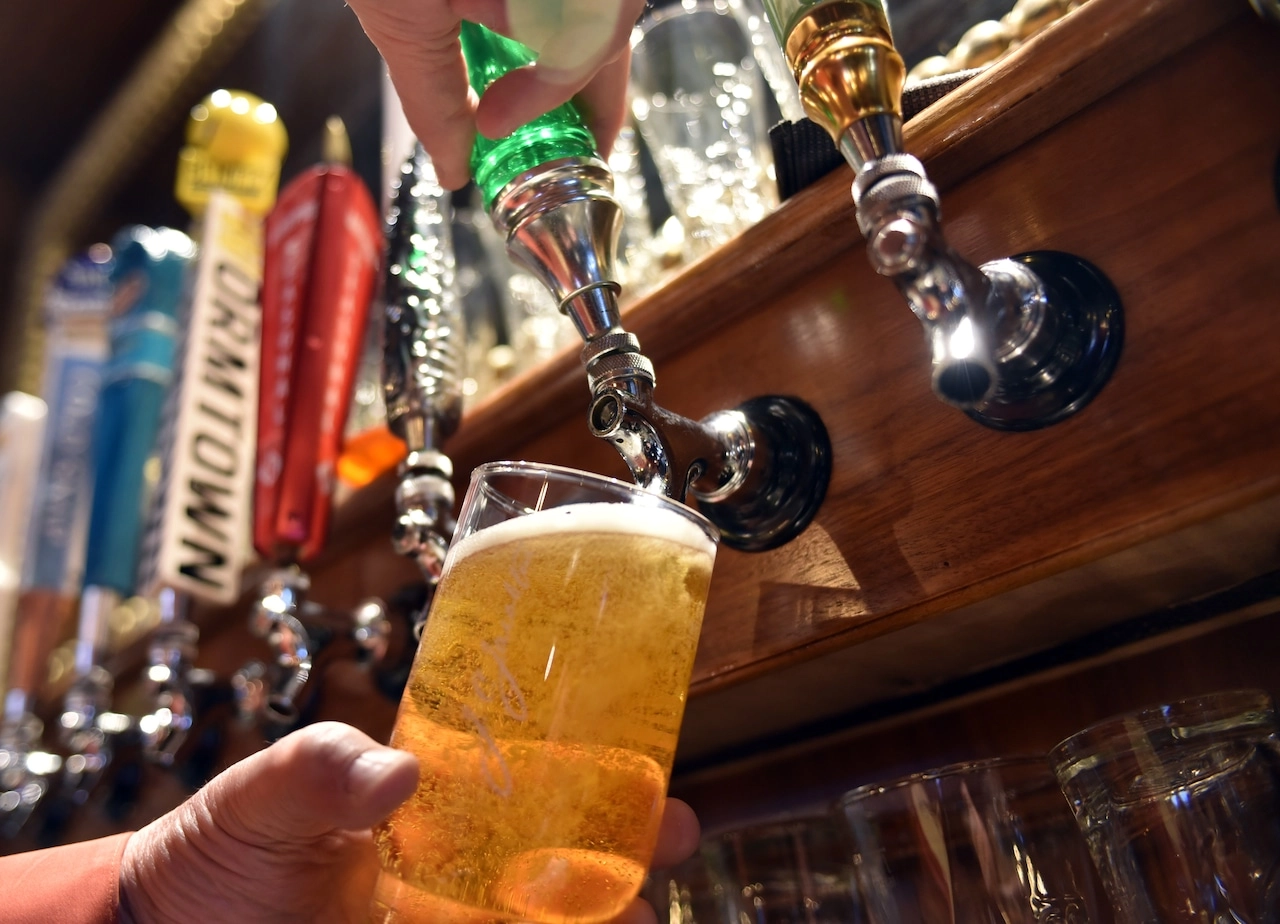
I have been writing this column for almost 21 years, so I often receive numerous questions about beer whenever I meet people in public.
Many of these inquiries focus on whether I’ve sampled a particular beer or ask for my opinions on different brews. However, the question I get asked most frequently, and one I tend to avoid answering, is: “What is your favorite beer?” (My humorous response is generally, “The one you’re about to buy for me.”)
There are plenty of reasons I shy away from such questions. For one, aside from The Beatles and my beloved late dog TJ, I don’t tend to have absolutes when it comes to favorites. Additionally, beer encompasses a wide range of styles and flavors. Some days I might crave something rich and malty; on other days, I might lean towards a light yet hoppy option.
But when I decline to choose a favorite, I occasionally receive light-hearted teasing about being indecisive or evasive. After all, surely I must have a favorite and simply want to keep it a secret for some mysterious or conspiratorial reason, right?
Well, not quite. My hesitation is genuine, but I will confess that there are certain beers I appreciate much more than others. To bring a conclusion to this discussion, at least for now, I’ve decided to share my top five favorite beers with the understanding that these choices might evolve over time (though not rapidly or easily) and that I will only select one from each beer style. I’m implementing this rule to maintain a variety, but rest assured, I am not including any beer just for the sake of variety; these are genuinely my favorites as of now.
I have even chosen to arrange them in ascending order, if nothing else to stir up some friendly debate. So, without further delays, here are my top five beers of all time. (Note: While most of these are still on the market, one, unfortunately, is not.)
5. Aecht Schlenkerla Rauchbier – I’m kicking off with what might come as a surprise. I’ve often stated that Schlenkerla Rauchbier isn’t a beer I’d want to consume in large quantities, and that’s accurate. This is due to the intensity of its smokiness, which can be overwhelming if you’re not in the right mindset; one is generally sufficient at any given moment. However, honestly, I’ve found many occasions where I could go for a second or third. When you’re in the mood for a smoky drink, this one is unbeatable.
4. Fuller’s ESB – This is a timeless classic and represents a beautifully balanced beer. Founded on a delectable malt backbone, Fuller’s might deserve a higher position, as it could be the ideal “desert island” beer: it’s the kind you could enjoy indefinitely. However, the three beers ranked above it simply offer too many other qualities that keep it at No. 4.
3. O’Hara’s Leann Folláin Extra Irish Stout – While a classic pint of Guinness holds a special place in my heart, the remarkable dark brew from Carlow Brewing Co. presents a stunning combination of flavors that demands attention. Some people appreciate a touch of cocoa in their stouts; others crave a hint of vanilla. There are also those who desire coffee to join the mix. Why not savor all three harmoniously blended into a delightful ensemble of flavors? That’s precisely what Leann Folláin delivers.
RECOMMENDED•masslive.com
Off the Menu: Restaurants offering military deals for Veterans Day weekendNov. 4, 2024, 12:00 p.m.
Live Wire: Westfield’s Madison Curbelo to play Majestic TheaterNov. 4, 2024, 10:14 a.m.
2. Pretty Things Meadowlark IPA – It’s quite ironic that this beer is on the list since the now-closed Pretty Things Beer & Ale project never truly concentrated on IPAs or hoppy beers. However, when Dann and Martha Paquette set out to create one, they undeniably cast a spell of sorts. It’s worth mentioning that Dann had previously crafted the classic Leatherlips IPA at The Tap in Haverhill, giving him the expertise to produce an excellent IPA. There have been many delightful IPAs over the years, yet this one stands out as my favorite. Regrettably, Meadowlark vanished when Pretty Things ceased operations in 2015.
1. Trappistes Rochefort 10 – While numerous quadrupel aficionados might argue that Westvleteren 12 is the definitive example of the style, I personally lean towards Rochefort 10. I suspect that the scarcity factor plays a role here. It’s exceptionally challenging to source Westie 12, and that rarity tends to make it more appealing. And, indeed, it is an excellent beer. Nevertheless, I would gladly choose Rochefort 10 for its superb blend of flavors: caramel, dark fruits, molasses, bread, and a hint of herbal hops.
What are your favorites? Feel free to drop me a line at geolenker@yahoo.com.
If you make a purchase or sign up for an account via a link on our website, we might receive compensation. By using this site, you agree to our User Agreement and acknowledge that your clicks, interactions, and personal information may be collected, recorded, or stored by us and social media, as well as other third-party partners, in line with our Privacy Policy.