iCohol

  • Home
  • Liquor
  • Beer
  • Wine
  • Recipes
  • Buzz
  • Contact Us

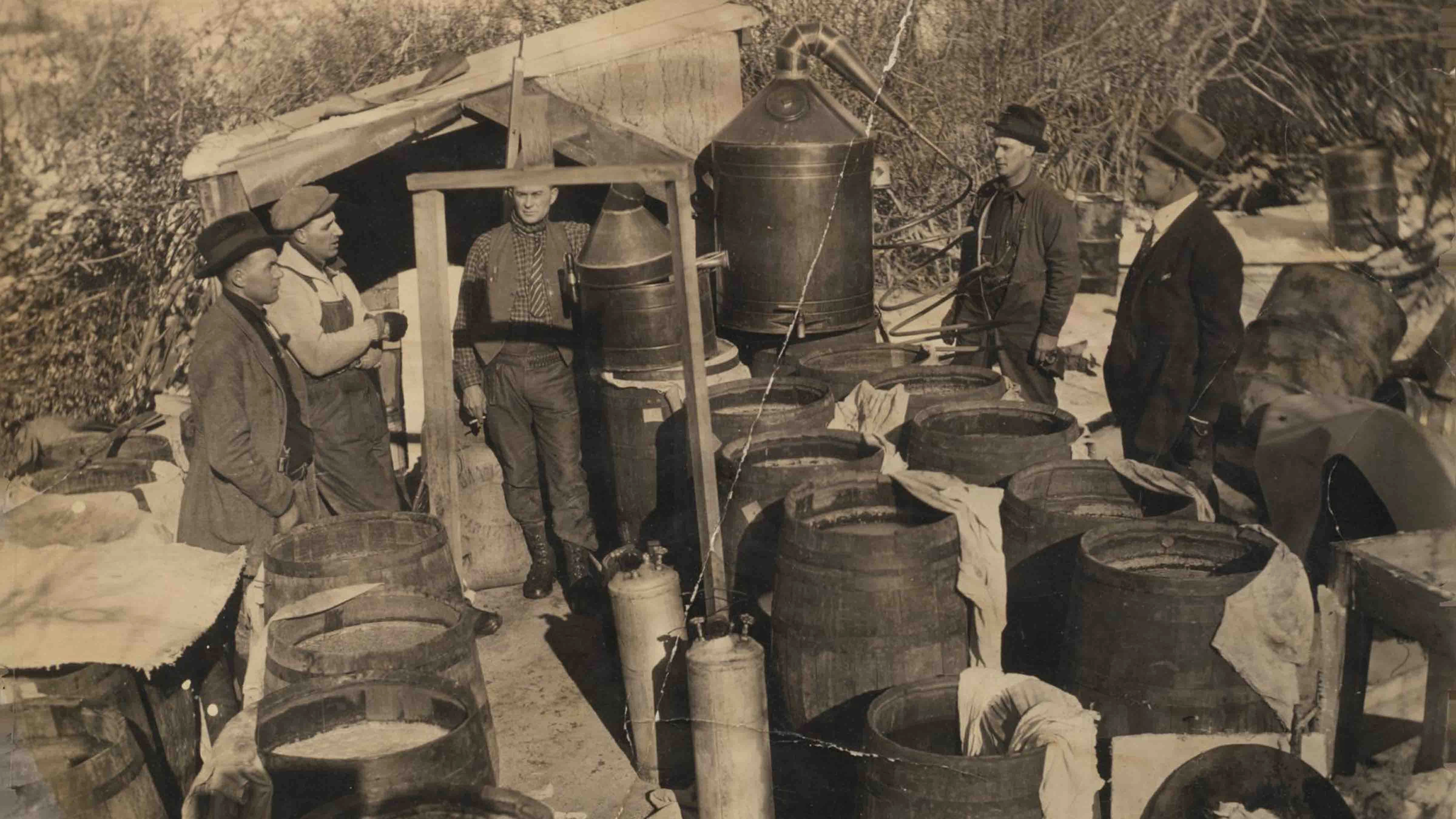
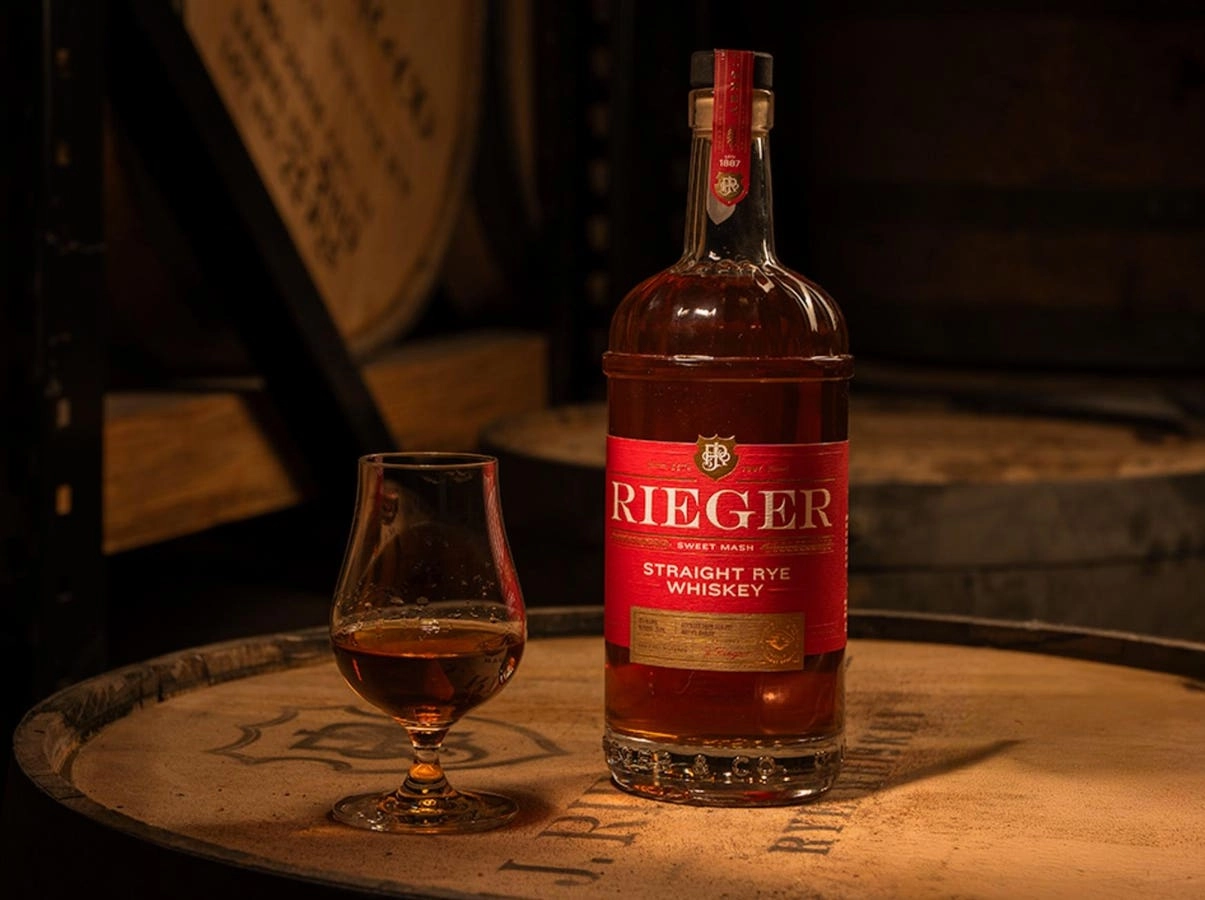
Three Generations of Craftsmanship: Unveiling Jim Beam’s Latest Whiskey Creation

New Release

New Release

August 27, 2024 liquor-articles

The Vodka Pasta Sauce Recipe Going Viral: Why Everyone’s Heading to the Store

Despite the signs of autumn like school buses and the array of pumpkin-flavored treats, it’s technically still summer. The U.S. Open, starting the last Monday of August, signals this with its annual commencement. Over the next two weeks, tennis enthusiasts will flock to the Billie Jean King National Tennis Center in Queens or watch from home to see their favorite tennis stars compete. If you’re attending or tuning in, keep an eye out for the Honey Deuce, the U.S. Open’s official cocktail.

Last year, the tournament sold over 400,000 Honey Deuce cocktails, a blend of raspberry lemonade priced at a hefty $22 each! Fortunately, it’s quite simple to make this drink at home with just three ingredients, allowing you to enjoy it in your air-conditioned living room while saving money. Here’s everything you need to know about crafting the Honey Deuce cocktail at home.

Related: How to Make Cheap Red Wine Taste 10x Better

The Honey Deuce consists of vodka, lemonade, and raspberry liqueur, typically garnished with honeydew melon balls that mimic the appearance of tennis balls. Created by restaurateur Nick Mautone in 2007, this cocktail has been a staple of the tournament ever since.

Grey Goose, a sponsor of the U.S. Open, enlisted him to create a distinctive yet simple cocktail for the high-volume event. During his experiments, a visit to a farmer’s market led him to discover honeydew melon balls, which resembled tennis balls and sparked the idea for the perfect garnish for the Honey Deuce cocktail. The cocktail’s name, Honey Deuce, cleverly refers to the tennis term “deuce,” which represents a 40-40 score.

Related: The Chef-Approved Way to Make the Best-Ever Strawberry Lemonade

This homemade version of the cocktail includes the same ingredients used by the tournament’s bartenders: crushed ice, vodka, lemonade, Chambord (or any other raspberry liqueur), and skewered honeydew melon balls as a garnish.

Related: Homemade Strawberry Lemonade Recipe

In a highball glass, add crushed ice, 1 ¼ oz. vodka, 3 oz. lemonade, ½ oz. Chambord. Stir (or shake in a shaker if you prefer) and pour into your highball glass. Garnish with honeydew melon balls threaded on a drink skewer. For a frozen twist, blend the vodka, lemonade, Chambord, and ice together, then serve in a glass with a garnish.

If you prefer not to make it but still want to try, and you’re in Chicago or New York, good news. DoorDash offers a Honey Deuce kit until September 8, which includes premixed Honey Deuce cocktails in cans, metal straws, melon balls, and a Grey Goose insulated tote bag.

Related: The Secret Iced Coffee Trick We Wish We’d Known About Sooner

Courtesy of Jessica Wrubel

This easy-to-make cocktail, bursting with a tart yet sweet flavor, has become my favorite for winding down the warm summer days. Its appealing color paired with the right mix of lemonade sweetness (homemade in my case), raspberry tartness, and the smooth flavor of vodka make it irresistible. The adorable melon ball garnish, resembling tiny tennis balls, adds a fun twist that elevates the entire drink.

Although the official recommendation for the U.S. Open is to use Grey Goose vodka because they sponsor the event, I used my favorite Aspen vodka that I already had at home. Feel free to use whatever vodka you prefer; it will still turn out beautifully refreshing and delicious—no wonder it’s a popular choice.

Many others share this sentiment. One enthusiast commented, “The Honey Deuce cocktail was easy to make, refreshing, and sweet. The melon balls were a fun garnish!” Another remarked, “I love to prepare the Honey Deuce throughout the year. Since I live in Miami where the weather is mostly hot, this drink is perfect for BBQs or a day at the beach.” Indeed, it seems it’s game, set, match with this drink.

Up Next:

Related: 20 Best Summer Cocktails You Need to Try

August 27, 2024 liquor-articles

Michigan Breweries Embrace Sober Curiosity: Expanding Offerings Beyond Beer

Michigan breweries such as Short’s Brewing Company and Founders Brewing Co. have broadened their offerings by introducing hop water – a non-alcoholic beverage. Charlie Nick | MLive.com

A fresh type of six pack has been appearing in Michigan coolers this summer. It offers the familiar features of being bubbly and hoppy as expected of craft beverages, but comes with a unique twist – it’s non-alcoholic.

Enter: Hop water.

Michigan breweries are joining the trend of non-alcoholic drinks, spurred by the increasing interest in the “sober curious” movement. This shift is influenced by individuals wanting to reduce their alcohol intake or those seeking non-alcoholic alternatives.

Founders Brewing Co., Short’s Brewing Company, and New Holland Brewing each introduced a hop water version on shelves this summer.

Non-alcoholic labels currently represent only a small fraction of total alcohol sales in the United States — not even a full 1% — but the market has been expanding steadily over the years.

In 2023, non-alcoholic drinks reached $565 million in sales, achieving a 35% increase in dollar sales year-over-year, according to market research firm NielsenIQ.

For breweries, hop water is a new creation that utilizes a well-known ingredient.

Hops themselves don’t contain alcohol – that buzzy feeling is born during the fermentation process. Hop water, in contrast, is infused with hops to add the aromatics – that bitterness made famous by IPA-style beers.

Hop waters are not non-alcoholic beers mimicking a lager, stout or hazy IPA. Hop water is its own beverage.

For breweries, adding non-alcoholic to the product lineup isn’t just about being trendy. They have found real value in re-introducing themselves to new and younger audiences, they told MLive.

RELATED: Alcohol-free drinks flow in Michigan as more businesses enter market

Founders Brewing Co., rooted in the heart of Grand Rapids’ Beer City, garnered its reputation and growth from the fervent support of dedicated fans. This fan base originally grew through personal recommendations from that one friend who was enthusiastic about craft beer.

In recent times, the landscape has shifted, with social media now playing the role of influencer, continually pushing recommendations. The online world buzzes with attempts to sway consumer choices, presenting challenges for businesses to genuinely understand consumer behavior.

With the introduction of their new product, Hoppy Mood, Founders aims to attract a broader audience.

“We see an opportunity with consumers choosing to opt out of alcohol, modify their alcohol preferences, or explore beyond traditional beer. These individuals could potentially become enthusiastic supporters too,” explained Sandy Anaokar, Chief Marketing Officer. “It’s about broadening our community.”

RELATED: NFL’s Kelce brothers eyeing Founders Brewing Co. to make their personal beer brand

Gen Z, or those born between 1997 and 2012, is leading the non-alcoholic trend.

The latter half of Gen Z has already reached drinking age, but they only make up 6% of beverage alcohol buyers, according to NielsenIQ’s report. Even more telling, 45% say they’ve never consumed alcohol.

Digging deeper into consumer statistics, NielsenIQ found the 45-54 age group and those with income over $100,000 over index for non-alcohol consumption, meaning it’s not just the younger generations looking for moderation.

RELATED: Buying a motel to attract summer staff wasn’t plan A for Short’s Brewing. But it’s working

Numbers help, but the secret ingredient to the craft beer industry is its heartbeat, said Kerry Lynch, sales director at Shorts Brewing Company.

“I think the second the craft beer industry starts looking at business trends as its primary source of information is the second that is no longer craft,” she said.

The Bellaire-based brewery had the idea for their hop water, Thirst Mutilator, since 2019.

The concept emerged organically as team members began starting families and sought a non-alcoholic drink that maintained a craft quality, according to Lynch.

However, the timing was not right initially due to market conditions and technological limitations, Lynch explained. Nevertheless, the idea persisted.

During the pandemic, the opportunity for a musical collaboration surfaced.

Shorts collaborated with Michigan bluegrass artist Billy Strings, who began his career performing in Northern Michigan at venues such as Short’s Bellaire Pub and Brewery.

Strings has been sober since 2016 and has publicly shared his experiences in his music and through the media, marking a perfect moment to reintroduce hop water, according to Lynch.

In partnership with Strings, Shorts is launching new hop water variants reminiscent of the Faygo beverages typically found in a garage refrigerator, starting with lemon lime in 2022 followed by grape this summer.

RELATED: Short’s Brewing partners with Grammy-winner Billy Strings to release first non-alcoholic beverage

Last year, the product was introduced at Meijer, leading the expansion of what has become a competitive non-alcoholic beverage shelf.

When Short’s introduced grape hop water this summer, their sales for Thirst Mutilator had already doubled from the previous summer, according to Lynch.

“There is a chance that if we had not launched Thirst Mutilator in 2022, and we waited and launched it in 2025, that it wouldn’t work. We might have already missed the opportunity,” Lynch stated. “I often ask our team, is the effort worth the outcome?”

The beverage industry is known for its volatility, with new trends sparking rapidly.

White Claw was released in 2016, marking the beginning of the canned cocktail trend. Presently, even brands like Mountain Dew and Sunny D are offering seltzers.

Short’s and Founders have both forayed in and out of other beverages: seltzers, hard teas and ginger beers, to name a few.

RELATED:Founders reopens Grand Rapids taproom after pouring nearly $1M into renovations

The time when you’d only go to a brewery for a beer is over, said Founders Brewmaster Jeremy Kosmicki.

“We have expanded our own facilities to the point where we can house a lot more people and changing palates are going to force us to do some other things which are not that far out of our wheelhouse,” he said.

You can take beer out of the brewery, but innovation is core to craft.

If you purchase a product or register for an account through a link on our site, we may receive compensation. By using this site, you consent to our User Agreement and agree that your clicks, interactions, and personal information may be collected, recorded, and/or stored by us and social media and other third-party partners in accordance with our Privacy Policy.

August 27, 2024 beer-articles

When Wine Became Warfare: The Historical Clash Over the Gamay Grape Led by the Duke of Burgundy

On July 31, 1395, the Duke of Burgundy declared a war of annihilation on an “evil and disloyal” enemy and invader: a purple, acidic grape known as “Gamay.”

According to the ordinance issued by Philip the Bold, Gamay not only threatened the livelihoods of honest vignerons who used higher-quality grapes, but also ruined Burgundy’s reputation for fine Pinot Noir wines with its bitter taste and apparently harmful effects on public health. In order to safeguard the esteemed Pinot Noir and the well-being of Philip’s people, the ordinance declared, all Gamay vines were to be cut down within a month and completely uprooted by the following Easter: “ripped out, eradicated, destroyed, reduced to nought … forever.”

If the language of the edict seemed needlessly vindictive, perhaps it was because this war was personal to Philip, a keen economic steward who had worked assiduously to develop Burgundian wine production. As a younger son to King John II of France, Philip had received Burgundy as a compensation prize while his elder brother Charles V succeeded to the throne. With royal authority now disintegrating under the latter’s mentally unstable son Charles VI, the ambitious Philip sought not only to rule his appanage as an effectively independent duke, but also to outshine all other fiefdoms in power, riches, and magnificence.

In this competition, Philip understood that wine, with the trade revenue and prestige it brought to him and his duchy, was a most valuable currency.

In the Late Middle Ages, Burgundian Pinot Noir was rapidly establishing itself as a superior variety of wine, yet it faced considerable threats from both natural disasters and human actions. The Hundred Years’ War brought English soldiers who wreaked havoc in the region, and not long afterward, the Black Death hit Burgundy hard in 1348 and even harder in 1360.

The path to recovery was sluggish, and during the 1390s, Philip the Bold became alarmed by a new challenge. The Gamay grape, originating from a small village near Beaune, started to proliferate in Burgundian vineyards. It was productive, yielding about triple the wine per acre and maturing two weeks earlier than the Pinot grape.

Although high yields were not inherently a problem, the abundance of what was considered an inferior grape compared to Pinot was troubling to the duke. He was concerned that the Gamay vines would dominate the land, displacing the more esteemed Pinot or other more valuable crops. Philip lamented that vineyards best suited for high-quality wine were being neglected for the sake of maximizing output of lesser wines. He criticized the use of organic fertilizer on vines for imparting undesirable flavors and accused some vendors of diluting Gamay wine with hot water to mask its bitterness, which would later revert, rendering the wine “quite foul.”

Philip described this inferior wine as harmful to human health, a claim based not on his own experience but on hearsay—believing that its bitterness was indicative of broader dangers. In contrast, he praised the Pinot Noir as being highly beneficial for health. This negative view toward Gamay led to a decrease in the overall prestige of Burgundian wines, as it began to be identified not by the renowned Pinot variant but by the ubiquitous Gamay vine. This shift deeply troubled Philip, leading him to vocalize significant concern for his land and people, emphasizing the urgent need for intervention to preserve the reputation and quality of Burgundian wine.

That remedy was an order for the destruction of all Gamay vines within a month. Because Philip issued the ordinance at the end of July, vignerons would have to cut down their own harvest just as the grapes were beginning to ripen. Most poorer vignerons, more concerned about feeding and sheltering their families than the lofty ambitions and tastes of a royal prince, appreciated the Gamay for its easy harvest and high yield, which offered a reprieve that the temperamental and needy Pinot could not provide.

While Philip threatened a heavy fine for infractions, the prospect of losing much of their 1395 vintage would ruin Gamay growers who could not have foreseen the new orders. It’s probable that many of them, staying true to the healthy medieval tradition of popular resistance against unjust laws, disobeyed Philip’s ordinance, preferring to risk a fine than guarantee their own ruin.

Philip claimed in the ordinance to receive support from “many bourgeois [townspeople] and others of our good towns of Beaune, Dijon, and Chalon and their environs” who benefited from the influx of revenue and goods that came with selling good wine, but the actual reaction told an entirely different story. On August 9, 1395, the municipal council of Dijon, the largest city in the duchy proper (not counting the Flemish possessions of Philip’s wife), denounced the ordinance as a violation of their civic privileges and refused to publish or implement it. The duke responded by throwing the mayor in prison and appointing a governor to take control on the pretext of dealing with the alleged Gamay-and-water malpractice, possibly violating Dijon’s original charter that gave its own citizens responsibility for supervising the city’s economic life.

If the duke thought his heavy hand would stabilize Burgundy’s wine sector and move the region towards prosperity, he was wrong. The destruction of Gamay vines, which had emerged as a natural response to the already-declining productivity that Philip sought to reverse, plunged the region into a recession. Productivity fell ever more steeply, speculation in wine sales collapsed, and poverty gripped a population shorn of their precious trade. Few places were struck more severely than Beaune, the birthplace of Gamay, where records show a drop in the annual local wine monopoly bid from 65 livres in 1394 to just 27 livres in 1400.

Within that same time period, the proportion of financially solvent households in Beaune dropped from 41% to 13%. The Burgundian vineyards would eventually grow back after decades of re-cultivation, by which time commerce had fallen into the hands of foreign merchants and Burgundy had become a backwater in its own namesake polity (a modern label, of course) compared to the trade-enriched Low Countries, which Philip and his descendants acquired through strategic marriages.

Still, the ordinance may have accomplished some of Philip’s objectives. While the ordinance targeted Gamay, the political independence of cities like Dijon and Beaune also fell victim to its enforcement, a possibly intended effect for a ruler seeking to extend his authority. And by imposing prototypical measures designed to address quality control and shape economic output, Philip resembled the head of a modern administrative state using the powers at hand to sketch out the boundaries and character of what would eventually become the official Vin de Bourgogne regional appellation (AOC).

Scatterings of Gamay survived in reduced form, with many of its vines exiled to Beaujolais, an area south of the duchy. There, warmed by golden summers and nurtured by granite-flecked soil, the hated grape re-emerged in triumph, producing a cheerful, elegant variety of wine that, when released and consumed at a young age, shed the bitterness that so offended the ducal tongue. While Beaujolais red remained a cherished table wine for the locals over the next several centuries, its redeeming qualities eventually earned it worldwide popularity and a long-awaited appellation in 1936, followed by a 2011 re-classification as AOC Bourgogne Gamay under the broader Burgundian appellation.

Fortunately for Philip, he did not live to see his defeat at the hands of a grape.

August 27, 2024 Wine

Mixology Magic: Crafting Cocktails That Complement Horton Coconut Rum’s Bold Flavors

Welcome back to FTW’s Beverage of the Week series. Here, we mostly chronicle and review beers, but happily expand that scope to any beverage (or food) that pairs well with sports. Yes, even cookie dough whiskey.

Horton Coconut Rum is not a brand with which I’m familiar. In fairness, though, I could only really name Parrot Bay and Malibu when it comes to the genre.

A little sleuthing tells me it is not, in fact, an established spirit but a brand extension from a mom-fluencer named Krista Horton. I don’t know who this person is, but it seems Reddit does not care for her. She saw a crowded market of canned cocktails and added her own twist; charging $44 per 12 pack for them ($59 after shipping).

That all seems very exhausting. But I like coconut rum. Or I liked it, back when I was in college or playing a hacked version of the Oregon Trail. Let’s see if Ms. Horton can make a cocktail worth nearly $4 per can.

Let’s dive into an unconventional take on a classic cocktail: the pina colada. This iteration seems to utilize a type of pineapple soda, possibly akin to Fanta, yet it bears no distinct hue. The scent is a balanced mix of pineapple and alcohol—a combination that’s quite appealing. With a strength of seven percent ABV, anticipate a slight kick.

The customary coconut undertone often reminiscent of sunscreen is present, yet it doesn’t detract from the experience. Horton brings a bold sweetness to this cocktail, opting for pineapple—one of the boldest mixers—to dominate the flavor. The initial coconut taste soon gives way to a vibrant tropical surge, propelled by robust carbonation.

Interestingly, the alcoholic aroma doesn’t carry over to the palate; it tastes more of soda than rum. The flavor battle between coconut and pineapple tilts towards overly sweet, where a drier counterpart might have balanced the scales better. Nonetheless, this sweetness does a commendable job of masking the higher ABV.

While not my top pick, this variant is rich and novel. Horton aimed for a different mark and met it successfully, if not perfectly. They’ve scored, even if it’s not a direct hit.

This one pours yellow, which is where I thought the pineapple would be. That’s slightly concerning, but it’s kola, not cola, so I don’t feel too weird about it. It smells like a craft soda, spicy with a little vanilla and cinnamon to it.

The rum inside seems to disappear inside that kola smell. That’s not the case when you drink it. While the coconut barely makes an appearance — it’s much stronger in the pineapple — you get some spicy, sugary rum working with a weak Coke knockoff. It’s a little stale, and between the limited carbonation and weak kola flavor it’s… not great.

It brings me back to Sammy Hagar’s Beach Bar cocktails, which hit the same levels of disappointing with its rum-and-not-Coke mix. It tastes like a better cocktail you left out in the sun too long at a pool party. It’s not undrinkable, and you can sip your way through it amidst awkward conversation. But you don’t really want it, and you’d pass on a second one.

This one pours clear again and smells like sour lime and citric acid. That’s more like a generic hard seltzer than a canned cocktail, and if there’s any coconut in there I’m not getting it.

Despite its apparent oddity, the drink has a sweeter disposition. The lime adds a genuine zest, while the coconut smoothly rounds out the drink with a creamy texture. Although the rum is subtle, it makes its presence known towards the end, affirming that this is no ordinary soft drink.

While not outstanding, it surpasses its cola counterpart. It appears that coconut rum is more enjoyable when paired with robust flavors. Here, the lime is sweet and vibrant, particularly when the drink is chilled. However, as it warms, the drink’s imperfections become increasingly apparent with each sip.

Personally, I wouldn’t choose it again, but for those who favor coconut rum, it could satisfy their preference.

My evaluation criterion is simple: I compare any beverage I try to my go-to inexpensive beer – Hamm’s from the land of sky-blue waters. Essentially, would I opt for a Horton Coconut Rum cocktail over a chilled Hamm’s on any given day?

The pineapple one, maybe, if it didn’t cost $5 a can to have delivered. Those are fancy microbrew prices, not airplane-bottle-of-Malibu-and-a-Coke prices. This seems almost predatory in practice. It’s not a premium spirit and can’t justify its price. No thanks.

This article originally appeared on For The Win: Horton Coconut Rum cocktails only work with flavors bold enough to wrestle coconut rum

August 27, 2024 liquor-articles

Mastering the Art of Coffee Cocktails: 5 Essential Tips for the Perfect Mix

The ubiquitous espresso martini has served as a gateway libation into the world of coffee cocktails. Its velvety balance of sweet coffee liqueur and bitter caffeine fuse for a sip so delightful that its renaissance is equivocal to a movement.

Still, the espresso martini can’t reign forever, and there are other coffee cocktails deserving of your time.

Here are five tips for elevating your coffee cocktail game.

Black Russian Cocktail

Choosing a superior base for your coffee cocktails, whether you’re after a caffeine hit or its flavorful mimic, is essential. Mr Black Cold Brew is popular among espresso martini lovers due to its richer flavor. For those who prefer tequila, Quintaliza Tequila offers a unique double-distilled reposado that ages in coffee barrels, bringing a complex profile of caramel and nutty notes. Straightaway’s Accompani Coffee Liqueur incorporates cold brew from Stumptown Coffee Roasters and local Meadowfoam honey, creating a warm, smooth taste ideal for enhancing any coffee cocktail.

The presentation of many coffee cocktails mirrors that of their café counterparts, with barista art replaced by a mixologist’s garnish – beginning with a delicate layer of cream atop the deep, coffee-inspired concoction. Experts at The Polo Bar in Dubai highlight the critical role of a dry shake in crafting coffee cocktails. Initially, mix all ingredients with ice, strain, then shake again without ice to develop a creamy layer for an exquisitely structured drink.

Irish Coffee is perhaps the sole cocktail where using black coffee is appropriate, though it’s less dense than espresso and can dilute the drink or diminish its robustness. A clever workaround is to employ Nespresso pods, particularly their iced espresso varieties engineered for optimal flavor when mixed with milk or ice. “Although you can use any Nespresso capsule for cocktails, the Ice Leggero and Ice Forte pods are specifically designed for iced drinks, accounting for ice melt and creating the ideal sipping experience,” explains James Pergola, Nespresso’s Coffee Ambassador. “These were intentionally crafted without an intensity rating to serve as perfect coffee cocktail ingredients.”

Nespresso Ice Leggero and Ice Forte pods are perfectly suited for coffee cocktails.

When drinks curdle, they segregate the flavors and create a dissonant taste experience. This often happens when mixing a hot, acidic base like coffee with cold or less acidic substances, which is common in cocktail making. To prevent this, cool your coffee prior to mixing and avoid dairy, as it promotes curdling.

While coffee beans make a simple and effective garnish for coffee cocktails, other options can enhance both the visual appeal and taste of the drink. Consider using freshly grated nutmeg, cinnamon, coconut flakes, or dehydrated orange slices, which all rest beautifully atop foamy drinks after a thorough shake. “For an elegant touch, try a sugared rim,” suggests Pergola. This involves moistening a glass’s rim with simple syrup and dipping it in sugar. Alternatively, a fresh orange slice adds a “zesty punch” that complements the intense flavors of a coffee cocktail.

One Community. Many Voices. Create a free account to share your thoughts.

Our community focuses on fostering connections through open and thoughtful dialogue. We encourage our readers to engage, share perspectives, and discuss ideas in a respectful environment.

In order to do so, please follow the posting rules in our site’s Terms of Service. We’ve summarized some of those key rules below. Simply put, keep it civil.

Your post will be rejected if we notice that it seems to contain:

User accounts will be blocked if we notice or believe that users are engaged in:

So, how can you be a power user?

Thanks for reading our community guidelines. Please read the full list of posting rules found in our site’s Terms of Service.

August 27, 2024 Recipes

Experience the Delight of Whiskey & Cheese Pairing at Kansas City’s Irish Festival

KC Irish Fest is devoted to highlighting the culture, music, character, and history of Ireland and the Irish community in Kansas City. This year’s festivities introduce a new feature, Jameson Cheese pairings!

August 26, 2024 liquor-articles

BACARDÍ Rum Announced as the Official Spirits Partner for the 2024 MTV Video Music Awards

BACARDÍ Joins Forces with MTV and Paramount Brand Studio for a Second Time,
Celebrating the Year in Music with an Experiential Event ‘Last Drops of Summer,’
Limited-Edition Bottle, and More

HAMILTON, Bermuda, Aug. 26, 2024 /PRNewswire/ — BACARDÍ Rum continues its partnership with MTV and Paramount Brand Studio as the Spirits Partner of the 2024 “VMAs” for the second year. BACARDÍ will be featured in the “VMAs” ceremony on September 11, celebrating pop icon and global face of the brand, four-time “VMAs” winner Camila Cabello, who is nominated in the “Best Pop” category. Cabello will return LIVE to the iconic MTV stage for the third time to deliver a can’t-miss performance from her fourth studio album, C, XOXO. In celebration of her return, BACARDÍ Rum will bring “Camilizer” super-fans along for a once-in-a-lifetime experience that includes a special awards-night fan tribute produced by Paramount Brand Studio.

In addition to this marquee partnership, BACARDÍ will give fans a chance to celebrate leading up to the awards, via an interactive “Last Drops of Summer” event celebrating the best songs of the season, as well as the release of a special “VMAs”-edition BACARDÍ bottle, available exclusively here. On “VMAs” night, nominees and guests alike will enjoy a selection of BACARDÍ cocktails, including the Moonwalk Mojito, BACARDÍ That Mango Fuego, BACARDÍ 808, and an exclusive cocktail for guests on site.

“We are excited to continue our partnership with Paramount Brand Studio and MTV,” shares Lisa Pfenning, BACARDÍ’s Vice President of North America. “The ‘VMAs’ gives us a chance to celebrate the music that moved us throughout the year, the artists that defined the sound of 2024, and the fans themselves that forge a deep-rooted connection between music and culture. With a bit of help from Camila Cabello, the new global face of BACARDÍ, we plan to raise a glass to this year in music, while putting the fans first and creating unforgettable experiences throughout the weekend.”

“Creating fan-centric music experiences is our top priority for the ‘VMAs’, and we’re excited to partner with BACARDÍ Rum again this year to bring this vision to life,” Matthew Newcomb, Paramount Brand Studio’s SVP of Integrated Marketing, Activation. “This partnership gives fans the opportunity to engage with MTV and BACARDÍ Rum through fun, authentic and shareable marketing activations that honor the best of music and create meaningful connections.”

To commemorate the partnership with the 2024 “Video Music Awards,” BACARDÍ will bring the joy of music to consumers in New York and nationwide through:

Last Drops of Summer Event in New York City: The week leading up to the 2024 MTV Video Music Awards, BACARDÍ will take over New York City with one last epic party of the summer ahead of the awards. During the event, guests will have the opportunity to dance to the biggest hits of the season, enjoy specially curated BACARDÍ Rum cocktails inspired by the featured songs, and raise a glass to the artists and fans that had us moving in 2024.

Limited-Edition BACARDÍ x “VMAs” Bottle: Celebrating music and the 2024 MTV Video Music Awards, this bottle of BACARDÍ Superior brings a whole new meaning to “Limited Edition.” Utilizing AI, each label is different, so it’s just as unique as you. The bottle showcases MTV’s Moon Person alongside the iconic New York landmarks that serve as backdrop to the 2024 awards, including the Brooklyn bridge, yellow taxi, the Statue of Liberty, alongside the brand’s signature BACARDÍ bat. The limited-edition bottle is available for purchase exclusively here.

BACARDÍ Performance Partnership and Exclusive Custom Content: In the 2024 “VMAs” broadcast, BACARDÍ will collaborate with “VMAs” to highlight Camila Cabello’s performance together with “Camilizers”, and will also premiere special custom content spotlighting superfans. This content, developed by Paramount Brand Studio, will emphasize the celebration of music, the enjoyment of rum, and BACARDÍ’s dedication to bringing communities together through dance and self-expression.

Moonwalk Mojito, Official Cocktail of the 2024 “VMAs”: The award ceremony at UBS Arena in New York will feature BACARDÍ being enjoyed by audience members and celebrities alike. The Moonwalk Mojito, a delicious minty-lime cocktail, will be the official beverage. It will be showcased along with other cocktails like BACARDÍ That Mango Fuego and BACARDÍ 808. A special cocktail enhanced with BACARDÍ Superior Rum and coconut water will be offered to the nominees during the event for a refreshing experience.

For more information follow @bacardi and @MTV on all social channels to stay updated.

1 1/2 oz BACARDÍ Superior Rum

3/4 oz lime juice

3/4 oz Monin Mojito Mint syrup

2 oz club soda

5-6 fresh mint leaves

Method: Combine BACARDÍ Superior Rum, lime juice, syrups and mint leaves in a shaker tin with ice and shake vigorously. Strain into a cup over fresh ice and top with a splash of club soda, stir incorporated. Garnish with a mint sprig.

BACARDÍ That Mango Fuego
Ingredients

1 1/2 oz BACARDÍ Mango Chile Rum

3 oz grapefruit soda

Tajin & lime wedge

Method: Fill a cup with ice. Combine BACARDÍ Mango Chile Rum, lime juice, and grapefruit soda in glass and stir to incorporate. Garnish with a lime wedge and a sprinkle of Tajin over top.

BACARDÍ 808
Ingredients

1 1/2 oz BACARDÍ Reserva Ocho Rum

1/5 oz Giffard Banna du Brasil liqueur

2 dashes Angostura bitters

Orange half wheel

Method: Mix BACARDÍ Reserva Ocho Rum, banana liqueur, and bitters in a cup. Stir with ice until chilled. Top with more ice and garnish with a slice of orange.

About BACARDÍ® Rum – The World’s Most Awarded Rum
Founded in 1862 in Santiago de Cuba by Don Facundo Bacardi Massó, BACARDÍ revolutionized the spirits industry with its light-bodied, smooth rum. This distinctive rum led to the creation of classic cocktails like the BACARDÍ Mojito, BACARDÍ Daiquiri, BACARDÍ Cuba Libre, BACARDÍ Piña Colada, and BACARDÍ El Presidente. With over 1,000 awards for quality, taste, and innovation, BACARDÍ rum is the world’s most awarded spirit. Currently produced mainly in Puerto Rico, BACARDÍ ensures its rum maintains the consistent flavor that originated in 1862. http://www.BACARDÍ.com/

The BACARDÍ brand is under Bacardi Limited, based in Hamilton, Bermuda. Bacardi Limited encompasses the Bacardi group of companies, including Bacardi International Limited.
LIVE PASSIONATELY. DRINK RESPONSIBLY.

About SHOWTIME/MTV Entertainment Studios & Paramount Media Networks
SHOWTIME/MTV Entertainment Studios & Paramount Media Networks operates a global network of media properties accessible to over one billion people across more than 180 countries. It includes popular brands like SHOWTIME, MTV, Comedy Central, and Paramount Network. Its Studios division produces over 120 series each year, including hits like Yellowstone, Yellowjackets, Emily in Paris, 1883, 1923, George & Tammy, South Park, Tulsa King, RuPaul’s Drag Race, The Challenge, and Jersey Shore.

Media contact: BACARDÍ® Team, bacardi@nikecomm.com

View original content to download multimedia:https://www.prnewswire.com/news-releases/bacardi-rum-returns-as-spirits-partner-of-the-2024-mtv-video-music-awards-vmas-302229839.html

SOURCE BACARDÍ® Rum

August 26, 2024 liquor-articles

Seahawks Face Tough Decisions on Cut Day: From Former Top Pick to Recent Beer Delivery Man

As the Seahawks initiated their training, Jamie Sheriff found himself distributing beer.

Back in Mississippi, the former junior-college player wasn’t on any team’s radar. After going undrafted as a linebacker from South Alabama, and previously overlooked by college football programs out of Terry High School in Mississippi in 2018, Sheriff had to pave his path at Mississippi Gulf Coast Community College.

By the time May, June, and July rolled around, no NFL team had expressed interest in signing him, even as an undrafted free agent, a common practice for hundreds of players in the league.

“I didn’t know where I was going to be,” Sheriff admitted.

The Seahawks encountered Sheriff, who stands at 6 feet 1 inch and weighs 254 pounds, at South Alabama. They extended an invitation to him for a rookie minicamp in Renton during May on a trial basis.

Unfortunately, they chose not to sign him following the camp.

“Honestly, I was surprised,” he admitted. “Because I believe I possess the talent required to compete in this league.

“However, I remain prepared for any opportunity. I never gave up or allowed anything to discourage me.”

“They said I was on their ‘short list,’ Sheriff said.

But by summer he needed a job. He took one delivering beer for Southern Beverage in Ridgeland, Mississippi.

After a while he decided he didn’t like that work, so he quit.

“And then two days after, I ended up getting a call,” he said. “So I was like, ‘Look at God!'”

The “call” was from the Seahawks. After injuries at linebacker early in training camp, coach Mike Macdonald and his defensive staff remembered the overlooked edge rusher who’d impressed them in that spring minicamp.

On Aug. 6, they signed Sheriff. Camp had already been underway for two weeks.

Three weeks and three impressive preseason games later, Sheriff is vying for a spot on the Seahawks as a highly improbable linebacker.

The final roster decisions following the NFL preseason occur on Tuesday. Seattle is required to reduce its team size from 90 players down to 53. Among them, Sheriff stands as one of the few rookie free agents with a tangible shot at securing a position on the roster.

The others are running back George Holani and kick returner Dee Williams.

On fourth down in the fourth quarter of a one-score preseason game Saturday at Lumen Field, Sheriff lined up at what effectively was right defensive end. Hand on the ground, the outside linebacker bulled into and through Cleveland left tackle Lorenzo Thompson. Sheriff overpowered Thompson and slammed into quarterback Tyler Huntley for a sack and turnover on downs.

That set up Jason Myers’ field goal, the clinching points in Seattle’s 37-33 win to end the preseason.

It was the third sack in three games for Sheriff. He had seven pressures on opposing QBs entering Saturday, then added a couple more against the Browns.

“He’s a guy that really stood out during the rookie tryout,” Macdonald said. “Just kind of the message with all the guys: If there’s not a spot for you right now, we’re still invested in your growth and development. To his credit, he didn’t skip a beat since he’s been here.

“He should be proud of the way he played.”

The Seahawks traded edge-rushing outside linebacker Darrell Taylor, their co-leader in sacks two seasons ago, to Chicago Friday. Saturday night, top edge rusher and outside backer Uchenna Nwosu injured his knee on a Browns chop block in the first quarter.

That — and his production that has exceeded what he did in college — has Sheriff a candidate to make the 53-man roster.

Macdonald and general manager John Schneider are considering whether Sheriff will go unclaimed on league waivers, should they release him by Tuesday. If Sheriff clears waivers, the Seahawks could then add him to their 17-member practice squad starting Wednesday. Recent changes in league regulations make it much easier for practice-squad players to participate in weekly games than it was several years ago.

Sheriff’s fate will be known by Tuesday 1 p.m.

Despite the uncertainty, he prefers this situation to his previous job of handling kegs back home.

“I was ready for this,” he stated late Saturday night. “I take setbacks in stride.”

He mentioned that MacDonald’s updated defensive strategy in Seattle, introduced by the NFL’s youngest head coach after his successful tenure coordinating Baltimore Ravens’ leading defense, allows him to perform optimally.

“The approach here is much more engaging,” Sheriff commented. “It allows me to focus on pass rushing, which is at the core of my skill set.”

Following three difficult seasons marred by injuries and subpar performances on the field, and a league suspension due to an off-field incident involving a woman last year, wide receiver and kick returner Dee Eskridge approached Saturday’s game as potentially his last with the Seahawks.

“I’m putting everything I have into this game,” stated Eskridge, who was the first among three selections by the team in the 2021 draft.

“So I just came out here with the mentality that if it’s my last time ever coming out here to play on this field, then so be it. God has a bigger plan. But I’m going to go out here, have fun, keep joy, and then make plays like I did.”

The biggest play, maybe of his career given the stakes, came with 4 minutes left in the second quarter Saturday.

After weeks of undrafted rookie Dee Williams wowing on kick returns while Eskridge was hurt again, Eskridge fielded a Browns punt late in the second quarter on the left. He stopped and cut right. He out-ran would-be tacklers across the field, then cut inside. His sprint went 73 yards the end zone for a touchdown.

That gave Seattle a 24-10 lead.

When he reached the end zone, Eskridge placed his index finger on his lips over his face mask.

What was that about?

“Removing the noise,” he explained, addressing his numerous detractors.

“He’s able to perform such plays. That’s the kind of player he is,” Macdonald commented. “Proud of Dee. He has diligently worked to put himself in a favorable spot here. He ought to be proud.”

After Saturday’s game, Eskridge was contemplating whether he would be cut by Tuesday. The team’s wide-receiver roster has strong contenders for the fifth and sixth spots who have had outstanding preseasons and have shown greater availability than Eskridge: Laviska Shenault, Cody White, and Easop Winston Jr.

“It’s been a little adversity. Obviously, last week I didn’t play,” Eskridge mentioned.

“I would love to be a Seahawk. But, obviously, we know this business. Wherever I land, wherever I stay, that’s a blessing, regardless,” he added.

Dee Eskridge expressed that he entered this game thinking it might be his last with the #Seahawks and was determined to give his all. He stated that nothing was going to stop him from scoring on that punt return touchdown.

The gesture of putting a finger to his lips in the end zone?
“Taking the talk out of it.”

— Gregg Bell (@gbellseattle) August 25, 2024

August 26, 2024 beer-articles

Deko Cocktails Debuts in the US: A New Line of Expertly Crafted Ready-to-Serve Cocktails Now Available in Over 40 States

NEW YORK, Aug. 26, 2024 /PRNewswire/ — Today, Deko Cocktails, a newly launched line of expertly crafted ready to serve cocktails, is excited to announce their official US launch in over 40 initial states.

Deko Cocktails is redefining the ready-to-drink market by elevating the home drinking experience with our ultra-premium, ready-to-sip cocktails. We blend high-quality spirits like hand-macerated cucumber vodka and barreled aged bourbon whiskey with unique botanicals and all-natural ingredients such as yuzu, elderflower, and English lavender.

Our cocktails recreate those from the world’s most prestigious bars, offering a luxury cocktail experience at your fingertips. With Deko Cocktails, you can enjoy expert mixology at home, transforming your evenings with indulgent and sophisticated flavors.

“We couldn’t be more excited to unveil Deko Cocktails to the world – this has been a project in the making for quite some time and we believe we offer consumers a new spin outside of traditional canned cocktails,” states Michael Handman. Handman continues, “The time is now for the ready-to-pour sector and we have no doubt that we’ll become a leader in the space in the year to come, as a result of the liquid at-hand, the team on-board and the clear vision we have for the business in 2024 and beyond.”

Deko’s go-to-market strategy involves launching in key states, including California, Florida, New York, and New Jersey, through Park Street Importers.

Deko Cocktails are also available in Massachusetts via Craft Massachusetts, part of the Sheehan Family Companies, and in Illinois through LibDib. We are excited about our strong partnership with Total Wine & More, as well as offer our products through our direct-to-consumer platform, reaching over 40 states.

“Between NIPYATA! and LiquidRails we’ve been in the bev alc e-commerce industry for over a decade and we’ve seen (and tasted) a wide array of hundreds of Ready To Drink Cocktails,” states Will Hench, Co-Founder of LiquidRails and NIPYATA!

Hench continues, “I can confidently say that I’ve never been more excited nor bullish about a Ready To Drink Cocktail launch as I am about Deko. Without question, this product is the highest quality, most delicious we’ve experienced since our launch. I want to run a ‘Pepsi Challenge’ style campaign against the best bartenders in the world and see how Deko Cocktails stand up. The product is that good. We are honored to have Deko running on LiquidRails for their DTC e-commerce fulfillment and digital marketing. The Deko team is positive, innovative and awesome to work with – we cannot wait for cocktail lovers across the United States to be able to enjoy this fantastic product.”

To learn more visit www.dekococktails.com or check us out via @dekococktails on social media.

Company Contact
Michael Handman
Deko Cocktails
347-833-8743
michael@dekococktails.com

Communications Contact
Taylor Foxman
The Industry Collective
609-432-2237
382336@email4pr.com

View original content to download multimedia:https://www.prnewswire.com/news-releases/deko-cocktails-a-newly-launched-line-of-expertly-crafted-ready-to-serve-cocktails-announces-official-us-launch-in-over-40-states-302230402.html

SOURCE Deko Cocktails

August 26, 2024 Recipes
Page 191 of 420« First«...102030...189190191192193...200210220...»Last »
Search
Footer Sidebar 1

Drop a widget on "Footer Sidebar 1" sidebar at Appearance > Widgets page.

Footer Sidebar 2

Drop a widget on "Footer Sidebar 2" sidebar at Appearance > Widgets page.

  • YouTube
  • Twitter
  • Facebook
  • RSS
Footer Sidebar 4

Drop a widget on "Footer Sidebar 4" sidebar at Appearance > Widgets page.

2026 © iCohol
Grimag theme by StrictThemes