Bryan Advocates for Visa Waiver Program, Permanent Rum Cover-Over, and Refinery Reopening at IGIA Meeting

Governor Albert Bryan Jr. has been actively promoting crucial economic initiatives for the U.S. Virgin Islands, primarily during the recent 2025 Interagency Group on Insular Areas (IGIA) meeting. His proposed measures aim to secure a permanent extension of the rum cover-over tax rate, facilitate the reopening of the St. Croix refinery, and establish a visa waiver program in order to bolster the territory’s economy and workforce.
During the meeting, the governor expressed gratitude to U.S. Department of the Interior Secretary Doug Burgum for his leadership and emphasized the need for collaboration between the federal government and U.S. territories. Bryan highlighted the rum cover-over program, which channels federal excise taxes from rum produced in the Virgin Islands back to the territory’s treasury, as vital for the local economy. This funding has historically constituted roughly 33% of the USVI’s general revenue, essential for supporting public services and infrastructure projects. However, since the expiration of the $13.25 per proof gallon rate in 2021, revenues from this program have dropped by 20%, straining the territory’s budget. Bryan urged Congress to consider a permanent restoration of this tax rate to ensure financial stability and provide retroactive relief.
In addition to the rum tax, Bryan focused on the St. Croix refinery, which has been closed since 2022 due to regulatory hurdles, despite private efforts to revitalize its operations. Reopening the refinery could restore approximately $25 million in annual tax revenue and create numerous job opportunities in the region. Bryan asserted that doing so would not only revive local employment but also enhance energy security for the surrounding area.
Another significant component of Bryan’s strategy is the implementation of a visa waiver program designed to stimulate tourism and mitigate labor shortages. Modeled after existing programs in Guam and the Northern Mariana Islands, this initiative would facilitate short-term, visa-free visits from neighboring Caribbean countries and select international markets, thereby boosting tourism and providing essential labor for the territory’s recovery and construction initiatives.
Governor Bryan assures that appropriate security measures would be implemented to screen travelers as the Virgin Islands fall outside the U.S. customs zone.
Throughout his presentation, Bryan underscored the necessity of strong federal partnerships and commended Secretary Burgum’s insights based on his governance experience. He stated his commitment to advocating for the Virgin Islands in Washington, emphasizing that the rum cover-over, refinery reopening, and visa waiver program are key elements crucial to the territory’s economic resilience and long-term recovery. He expressed optimism about collaborating with federal partners to turn these initiatives into reality.
For the latest updates, you can check the VI Consortium app on Google Play or the Apple Store.
Stag’s Leap Wine Cellars Acquires Vineyard of Late Founder in Napa Valley

Stag’s Leap Wine Cellars has announced the purchase of Arcadia Vineyard, a 135-acre property in the Coombsville appellation northeast of Napa, on February 14, 2025. This acquisition returns a vital source of grapes to the winery, as the vineyard was originally bought by Warren Winiarski, a co-founder of Stag’s Leap Wine Cellars, nearly 30 years ago.
The specific purchase price was not disclosed, but the acquisition marks a significant moment for the winery. Winiarski retained ownership of Arcadia Vineyard when he sold the winery in 2007 to Ste. Michelle Wine Estates and the Italian wine company Marchesi Antinori. Unfortunately, Winiarski passed away in June 2023 at the age of 95.
Arcadia Vineyard includes 84 planted vineyard acres, comprising 59 acres of Cabernet Sauvignon, 22 acres of Chardonnay, and 3 acres of Merlot. Piero Antinori, a 25th-generation vintner, expressed delight in reuniting the vineyard with Stag’s Leap Wine Cellars, recognizing Coombsville as a promising area for wine production.
For more information on the vineyard’s history and ownership changes, you can refer to the related articles on its sale and Winiarski’s legacy.
Brenae Royal: Trailblazing Vineyard Manager Launches Her Own Exquisite Wine Collection

Brenae Royal’s journey in the world of winemaking has taken a remarkable turn following a transformative year in 2024. After leaving her position as director of the historic Monte Rosso Vineyard in Sonoma Valley and briefly managing St. Supéry Vineyards in Rutherford, she faced personal challenges, including the loss of her beloved dog, Violet Mae.
Determined to honor Violet Mae, Royal decided to create her own wine label, Violet’s Paradise. This month marks the presale of her first wine, a sparkling wine made in collaboration with J Vineyards in Healdsburg, priced at $65. Notably, 50% of the proceeds will benefit The Veraison Project, a nonprofit dedicated to fostering diversity within the wine industry, while the other half will support the Violet’s Paradise Agriculture Scholarship, an initiative Royal has launched.
With an ambition to raise approximately $50,000 for her scholarship program, Royal aims to grant funds in $1,000 increments to support college students in agriculture. “A big piece of my own inspiration is just being able to give back,” she explains. Her involvement with The Veraison Project and The Roots Fund reflects her commitment to empowering underrepresented communities in the wine world.
Royal’s passion for agriculture began in her childhood and became more pronounced through her experiences in programs like 4-H and Future Farmers of America. Initially hesitant about entering winemaking, Royal found her path when a former colleague offered her a barrel of 2023 Monte Rosso Cabernet Franc. This opportunity reignited her drive and creativity, paving the way for her new venture.
The upcoming release will feature not only the sparkling wine but also five additional wines throughout the year, all sourced from Monte Rosso Vineyard. These include Cabernet Franc, Semillon, Grenache, Zinfandel, and Cabernet Sauvignon, showcasing her commitment to her roots.
Despite expanding into winemaking, Royal emphasizes that farming remains her true passion. She is currently exploring vineyard ownership opportunities in Napa or Sonoma counties. “Farming is really my calling and what I enjoy most,” she states.
To find out more about her inaugural wine and to partake in the presale, visit brenaeroyal.com or follow her on Instagram @_cabrenae.
Mastroberardino: Unraveling the Ongoing Legacy of Campania Wine

Piero Mastroberardino is the President of Mastroberardino, a family-owned winery in Atripalda, Avellino, Campania. This winery is a vital link to Italy’s rich winemaking history, which dates back several millennia, particularly in the Campania region. The Mastroberardino family has dedicated over two centuries to the wine industry, spanning ten generations.
Mastroberardino is particularly known for three key wines: Fiano di Avellino, Greco di Tufo, and Taurasi, with the latter being the most renowned. Taurasi is primarily made from the Aglianico grape, known for its deep purple color and distinctive aromas of morel cherry and black chocolate. It typically offers robust tannins and good acidity, allowing it to age exceptionally well—many examples can last for 18-20 years or longer. The winery boasts a commitment to preserving Taurasi’s legacy, with bottles dating back to the 1920s and 1930s still available, showcasing their long-term aging potential.
Currently, Mastroberardino produces four variations of Taurasi, each demonstrating exceptional aging capabilities. Reflecting on the wine, Piero noted that Taurasi possesses a unique quality that allows it to be enjoyed even after a century.
While Taurasi garners much of the attention, the winery also excels in producing Fiano di Avellino and Greco di Tufo, two notable white wines. The Fiano di Avellino "Radici" and Greco di Tufo "Novaserra" are particularly esteemed, sourced from grapes grown at altitudes exceeding 1600 feet. These wines showcase vibrant acidity and have aging potentials ranging from 10-20 years or beyond, especially in favorable vintages.
Innovation remains a priority for Mastroberardino, with newer releases like Falanghina "Morabianca" and an intriguing Aglianico white called Neroametà reflecting their commitment to quality and variety.
Mastroberardino proudly identifies as the "historic winery of Campania," thanks to its significant contributions to the region’s viticulture, largely attributed to Piero Mastroberardino’s leadership.
Current Wine Reviews
- Falanghina Morabianca 2023: Aromas of orange rind, apricot, and melon; medium-bodied; enjoyable now or within 6-7 years. (91)
- Fiano di Avellino “Radici” 2023: Aromatic notes of lemon zest and green herb; ideal for now or 8-10 years. (92)
- Greco di Tufo “Novaserra” 2023: Features orange zest and lilac; best over 6-12 years. (93)
- Fiano di Avellino Riserva “Stilèma” 2019: Offers complexity with a finish that lasts 10-15 years. (94)
- Greco di Tufo Riserva “Stilèma” 2019: Rich on the palate with excellent persistence; peak in 10-15 years. (95)
- Taurasi “Radici” 2019: Classic aromas with great purity; best in 15-20 years. (93)
- Taurasi Riserva “Naturalis Historia” 2016: A modern take on Taurasi with great aging potential; drink over 12-20 years. (96)
Sip in Style: Discover the Best Cocktails at Elsa’s
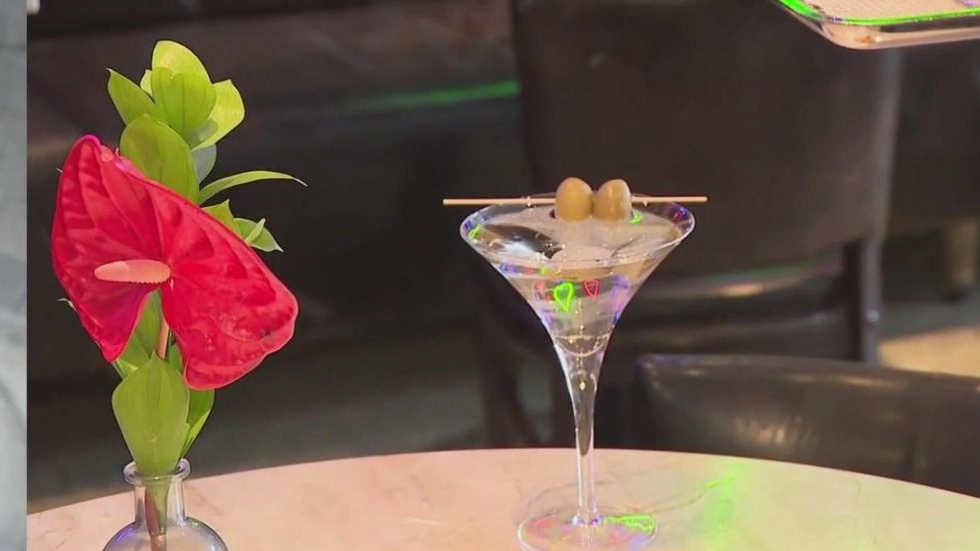
Elsa’s On The Park has established itself as a popular destination for locals looking to relax and socialize. Known for its vibrant atmosphere, the venue offers an impressive cocktail menu crafted by bartender Brian Kramp. Guests visiting can enjoy a selection of specialties that not only satisfy the palate but also encourage patrons to indulge in another round while enjoying the lively people-watching experience.
Green River Whiskey Makes a Haunting Comeback to Advertising After Over a Century
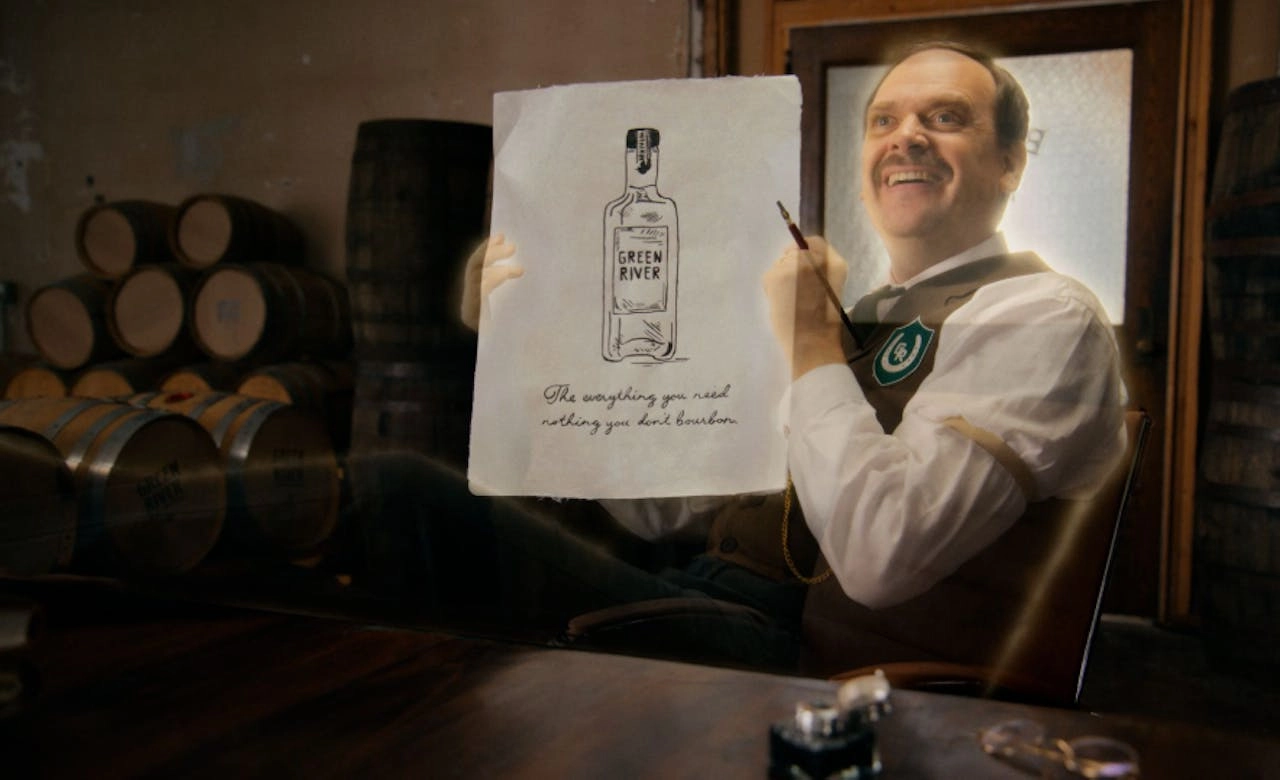
Some spirits never fade. Green River Distilling Co., the 10th oldest licensed distillery in Kentucky, is re-entering the national advertising scene after more than a century.
The new campaign, titled "Raise Your Spirits," was crafted by Forsman & Bodenfors, combining humor, history, and a spectral twist by introducing G.R., the Ghost of Green River, as the brand’s unexpected spokesperson.
Founded in 1885 by J.W. McCulloch in Owensboro, Kentucky, Green River once stood as one of the most recognized whiskeys globally. It won the Best of Show award at the 1900 Paris World’s Fair and was even the official medicinal whiskey for the U.S. Marine Hospital for 18 years. However, a devastating fire and the effects of Prohibition threatened to erase it from existence. Fortunately, the distillery has been restored to its original site, where Green River Kentucky Straight Bourbon Whiskey is now distilled, aged, and bottled as it once was.
The centerpiece of the campaign is a humorous advertisement set within the historic distillery, where a team of marketers brainstorms ideas for reviving the brand. Their plans take an unexpected twist when they inadvertently awaken G.R., who offers witty insights and wisdom from the past.
"Green River’s legacy is not just about our storied past; it’s about the spirited persistence that drives us forward,” stated Pete Marino, president of Bardstown Bourbon and Green River Distilling Co. He emphasized the need to navigate new challenges while investing in the brand’s growth, believing the campaign will introduce Green River’s premium whiskey and rich heritage to a broader audience.
In 2022, Green River was acquired by Bardstown Bourbon Company, a leading spirits producer in the U.S. This merger not only provided the brand with a larger distribution network but also allowed it to stay true to its traditions. This year, Green River anticipates distribution in 45 states, solidifying its presence in today’s whiskey market.
The advertising campaign aims to reach 10 million consumers nationwide through a partnership with Colin Cowherd’s show, The Herd, along with digital placements in Major League Baseball. The ads, running in 30- and 15-second slots, will be further supported through retail promotions for both on- and off-premise sales and a comprehensive social media strategy spanning multiple platforms.
New Surcharge on Beer and Wine Sales Proposed Amid Grocery Expansion Plans

Consumers in Maryland may soon face a surcharge on beer and wine purchased from grocery stores if a proposed bill moves forward. Delegate Marlon Amprey (D-Baltimore City) introduced this amendment as part of his legislation aimed at expanding beer and wine sales beyond traditional retailers to grocery stores and large retailers. This legislation has sparked significant debate and concern among various stakeholders.
House Bill 1379 seeks to modernize Maryland’s liquor laws, which currently do not permit beer and wine sales in grocery stores. Amprey emphasizes that this bill could provide greater convenience for consumers without harming existing smaller retailers. However, opponents like Jack Milani, owner of Monaghan’s Pub, argue that larger grocery stores could severely undercut prices, threatening the survival of smaller establishments.
Jaskinder Gill, who invested his life savings into a liquor store, shared a personal story about how his investment could be jeopardized. With a community presence packed with other opponents, Gill voiced concern that many of them share similar fears regarding the future of their businesses.
Despite these concerns, Amprey dismissed them as "sky-is-falling rhetoric," asserting that small businesses would not disappear overnight. He cited examples in Montgomery County and Baltimore City where grocery stores that sell beer and wine coexist with traditional liquor stores.
During a lengthy hearing, committee members raised questions about the potential impact of the proposed expansion on small businesses. Delegate Pam Queen, who pointed out the vast number of grocery stores in Montgomery County, pressed Amprey for more substantial evidence supporting his claims.
To address concerns about small businesses, Amprey proposed amendments to the bill, including a 5% surcharge on beer and wine sales in newly authorized stores. The revenue from this surcharge would be directed toward incentivizing grocers to set up shop in food deserts, particularly in communities with limited access to grocery options.
Amprey also highlighted a “dignity component” to the bill, mentioning that many people feel unsafe in certain liquor stores within predominantly Black communities. His aim is to create an environment where purchasing alcohol feels safe and welcoming.
The legislation has garnered backing from Governor Wes Moore, who believes the initiative aligns with public support for expanding alcohol sales. However, the bill also faces united opposition from alcohol distributors and industry stakeholders who argue it could threaten existing businesses.
As discussions surrounding the proposal continue, House Economic Matters Chair C.T. Wilson expressed skepticism about the bill’s prospects, indicating a lack of appetite among committee members for further discussion. The bill’s future remains uncertain as it must navigate significant legislative challenges.
For more information, visit Maryland Matters.
Exploring the Thriving Craft Beer Scene in This Northern Florida City

Due to its expansive reach, Jacksonville holds the title of Florida’s most populous city. Although other cities like Oakland Park and Tampa are often highlighted for their craft beer scenes, Jacksonville is emerging as a hidden gem for beer lovers. Situated just south of the Georgia border, the Jacksonville area boasts numerous exceptional breweries dotted throughout the metro region, from Atlantic Beach to the downtown district. For those wanting a curated experience, the city provides a guide through the Jax Ale Trail.
Celebrating its tenth anniversary, the Jax Ale Trail features a variety of Jacksonville’s best breweries, mixing long-established institutions with trendy new spots. Guests can pick up a brewery passport at any participating location, either in print or digitally via the Visit Jax app, and earn stamps as they sample different brews. Several prizes await dedicated visitors—collecting four stamps leads to a free Jacksonville-themed koozie, while completing the entire trail rewards enthusiasts with a koozie, an Ale Trail t-shirt, and a special secret prize.
Kicking off on February 25th, 2025, the Jax Ale Trail will also conduct a campaign for the best brewery in Jacksonville.
Currently featuring over twenty participating venues, the trail includes some of the city’s long-standing favorites. For instance, beginning at Aardwolf Brewing Company in the San Marco area south of the St. Johns River is an excellent choice. This cozy brewery, operational since 2013, is popular for its flavorful offerings, including SOUTHBANK Hazy IPA and Nonchalant Session IPA. Afterward, fans of lagers can head north to Intuition Ale Works for a pint of El Guapo or First Coast Kolsch, or opt for a beachside vibe at Green Room Brewing, a quaint microbrewery just steps from the shore.
The Jax Ale Trail also welcomes newer additions like Flying Fish Taphouse, which is perfectly located near the airport and serves as a great pre-flight stop with live music and delicious seafood. Meanwhile, in Atlantic Beach, Reve Brewing & Bones Pizza pairs its unique pizzas with various craft beers, and Tepeyolot Cerveceria offers Mexican dishes complemented by their flagship Biscoff La Bruja Vienna Lager.
Although Jacksonville may not receive the same tourist attention as Miami or Orlando, its craft brewing scene is robust. With breweries spanning from polished downtown venues to colorful establishments near the beach, there is a wealth of outstanding breweries to explore across Duval County. For travelers seeking an underrated destination for a craft beer getaway, Jacksonville shines as one of Florida’s best-kept secrets.
Join the Rum Revolution: Appleton Estate’s Club Takeover Featuring Alastair Walker’s Curated Cocktails!
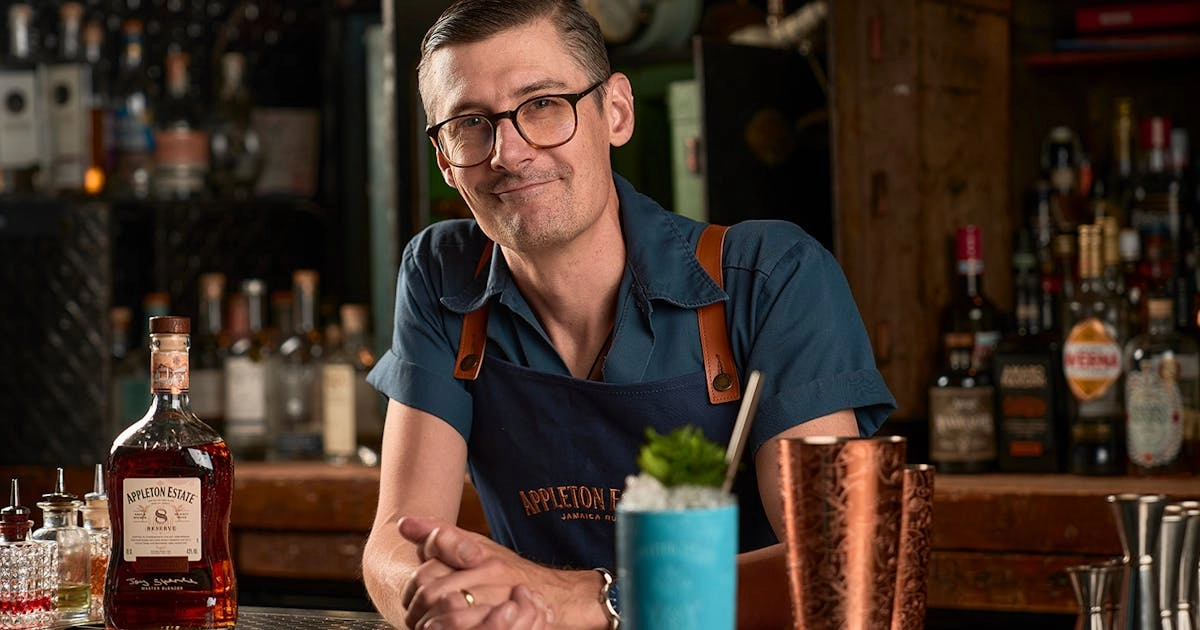
Renowned bartender Alastair Walker will be making a splash in Ōtautahi on March 1 as part of the 2025 DramFest Trail. This event will take place at Christchurch’s beloved speakeasy, The Austin Club, where Walker will introduce an exclusive cocktail menu inspired by Appleton Estate.
Walker, known for his unique approach to cocktail creation, co-owns popular bars such as Deadshot, Rocketman, and Caretaker. His passion for the industry began with a simple taste of gin during his first bar job, which revealed to him the intricacies of spirit flavors and the art behind craft cocktails.
His journey in bartending started in Manchester while pursuing a Theology degree. After meeting renowned bartender Michael Madrusan, Walker began working at The Everleigh in Australia. There, he was joined by his now-wife, Heather. Together, they established their own venues, kicking off with Caretaker in 2016, followed by Deadshot in 2018 and Rocketman in 2024.
Growing up in the UK influenced Walker’s appreciation for spirits, particularly the variety of bitters and access to diverse spirits. One pivotal moment in his career came from a conversation with his mother, who likened bartending to hosting a daily party—a sentiment that continues to fuel his passion.
Walker highlights the excitement and challenges of New Zealand’s spirit scene, praising the unique character of its craft. As he prepares for the Austin Club takeover, he emphasizes his aim to showcase the distinct flavors of Appleton Estate rum, encouraging attendees to experience cocktails as crafted in the golden era of mixology.
He shares that his favorite rum is the Appleton’s Aged 12 Year, ideal for both sipping and stirring in cocktails. If he could only choose one drink for life, it would be a Sazerac, praising its transformative nature as it warms.
Join Walker on March 1 for an unforgettable evening of exquisite cocktails. For more details and to secure your spot, check out the Austin Club’s upcoming event. Additionally, the festival will feature various exciting activations for Appleton Estate fans.
Supermarkets Slash Prices on Viral ‘Chicken Wine’ Dupes, Leaving Foodies Buzzing

Two major UK supermarkets have recently sparked excitement among shoppers by significantly reducing the prices of beloved ‘chicken wine’ dupes. La Vieille Ferme Rosé, affectionately dubbed ‘chicken wine’ due to its rising popularity among wine enthusiasts, has witnessed a remarkable surge in popularity on platforms like Instagram and TikTok, leading to a staggering 96 percent increase in sales at Sainsbury’s from the previous year.
Previously priced at £7.25 with a Nectar card for a 75cl bottle, it now faces competition from a new contender. The fellow bird-themed wine, Belorante, has joined the fray with a lower price point. For instance, the Belorante Pecorino, originally £8, is now available at Asda for just £6.94, along with other blends like the Belorante Primitivo, now priced at £7.98. Meanwhile, Sainsbury’s has put its own offerings of Belorante Montepulciano D’Abruzzo and Belorante Grillo at £7.75 to encourage customers to compare.
In a surprising twist, Aldi has also entered the competition, with a rosé priced under £2 causing a stir among shoppers. This discovery was highlighted by wine expert Carla Nokes on TikTok, where she enthusiastically shared her experience of finding a bottle priced at just £1.99 in her local Aldi. Nokes was left astounded by both the price and the quality, comparing it favorably to Echo Falls.
As wine lovers continue to explore these affordable options, this playful rivalry between chicken and peacock-themed wines is captivating the attention of both casual drinkers and connoisseurs alike.