New Jersey Man Uncovers Unopened Prohibition-Era Whiskey Bottles on Margate Beach

A man playing with his dog on the beach in Margate, New Jersey, made a surprising discovery last month—eleven unopened whiskey bottles believed to be from the Prohibition era. The bottles, found near the Margate Pier by Austin Contegiacomo, piqued his interest when his sheepadoodle, Koda, unearthed a bottle from the sand.
Contegiacomo soon realized that the items were some form of liquor, with each bottle etched with the name "Lincoln Inn" and an image of a man on horseback. Looking for insights about their origins, he shared images of the bottles on the Whiskey and Bottle Digging subreddits. Enthusiastic commenters helped him trace the history of the Lincoln Inn brand, revealing it was produced in Montreal and packaged in bottles from Dominion Glass, one of Canada’s largest glass manufacturers.
The presence of these bottles amidst other beach debris suggested they may have been recently washed ashore, likely due to dredging activities offshore. The unique diamond mark on the bases of the bottles indicates they were produced after 1928, a time when illegal liquor smuggling was rampant along the New Jersey coast during Prohibition. With Margate’s proximity to Atlantic City—a notorious hub for smuggled liquor—the circumstances raised questions about whether the bottles were left behind by smugglers.
As unopened whiskey retains its quality indefinitely when stored properly, Contegiacomo decided to keep one bottle for himself, displaying it prominently in his kitchen. He shared the ten remaining bottles with friends, who, like him, understand the historical significance of the find. According to him, the allure lies in the bottles’ mystery and the story of their journey rather than consuming them.
"I think right now, nobody is willing to open it," he remarked, appreciating the history behind his remarkable discovery. Koda, his canine companion, received special treats for the exciting find, adding to their beach adventures.
Indulge in Elegance: Shiv Supper Club in Scottsdale – A Feast of Cocktails, Truffle Bread Service, and Captivating Renderings

Scottsdale will soon unveil the ‘Shiv Supper Club,’ a new high-end dining destination positioned to enhance the local culinary scene. This will mark the 15th establishment for the Riot Hospitality Group, emphasizing their commitment to developing upscale dining options in the Valley.
Lissa Druss, a spokesperson for Riot Hospitality Group, described Shiv as a unique supper club that features a high-end steakhouse experience, complete with extravagant cocktails, a dessert room, and engaging entertainment. Druss elaborated, saying, "This is the first supper club in Scottsdale, and we’re proud to bring it to everyone."
The name ‘supper club’ conveys the idea of a delightful, immersive experience, influenced by the need to create a vibrant dining environment. The venue will welcome families, couples, and those seeking a memorable night out. Reservations are recommended, as membership will not be required.
The menu is set to include exceptional offerings such as a ‘truffle bread service,’ designed by their culinary director with assistance from Michelin star chef Jeff Mahin. The establishment will also boast a dedicated dessert room, appealing to sweet-toothed patrons who may wish to indulge solely in desserts.
Cocktails will feature prominently at Shiv, promising unique mixes and a selection of fine wines and spirits. Druss mentioned that items like the signature ‘Well Dressed’ and ‘Burst & Bloom’ cocktails will be highlights of the drink menu.
The opening is slated for early 2025 at 7373 E Camelback Rd, Scottsdale. As the launch date approaches, visitors can stay updated through the Shiv Supper Club’s social media channels and official website.
Abita Beer Expands with Second Location on Tchoupitoulas in New Orleans’s Brewery Row

Abita Brewing Company has expanded its presence in New Orleans by opening a new brewery and taproom at 2375 Tchoupitoulas St. on March 14, 2025. This location is set along the city’s emerging "brewery row," which is gaining traction as a popular destination for craft beer enthusiasts.
The new Abita taproom features 35 beer taps and a seven-barrel brewing operation. It also boasts a spacious outdoor area that welcomed families during its opening weekend, with large projectors available for special events and game days.
Abita plans to utilize this new site for smaller-scale beer production while continuing to serve its well-known beers, including Abita Amber, Andygator, and Jockamo Juicy IPA. Additionally, the brewery has introduced limited-edition offerings such as DeltaGator and Bourbon Barrel Aged Pecan.
Heidi Guerra, Abita’s vice president of marketing, remarked on the success of the soft opening, noting that the new location allows for experimentation and innovation in brewing. "This location gives us the opportunity and freedom to experiment and develop innovative beers," Guerra stated.
Abita Brewing, which originally outgrew its first location and moved to Covington in 1994, has been a significant player in the craft beer scene. The new taproom strategically positions itself among other breweries in the neighborhood, including NOLA Brewing and Urban South Brewery.
There are plans for a ribbon-cutting ceremony on March 26, and while the taproom currently doesn’t offer food, Abita intends to invite local food trucks and vendors in the future. With this expansion, Abita aims to further solidify its role within the vibrant New Orleans craft beer community.
For more details, you can refer to NOLA’s article on the opening.
A Sommelier’s Journey: Tasting Every Trader Joe’s Liquor
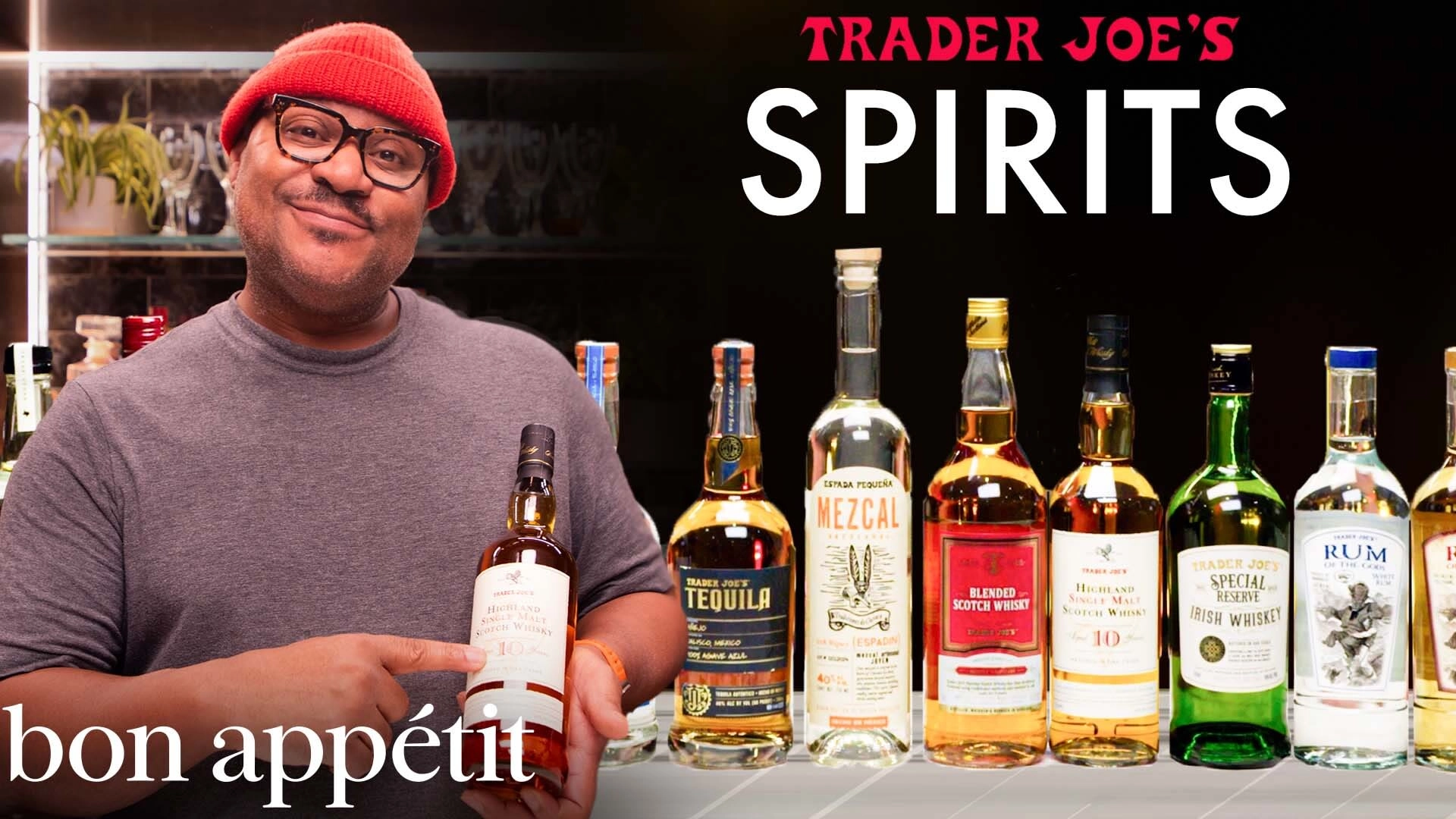
Sommelier André Hueston Mack visits Trader Joe’s to evaluate a selection of liquors and spirits, assessing their quality versus their budget-friendly prices.
The review begins with Texas Vodka, priced at $10.99. Mack notes that it resembles Tito’s Vodka, but it’s actually bottled by Dynasty Spirits. He describes it as clean with a hint of cut grass, stating that it lacks a burning sensation.
Next is Trader Joe’s Versatile Spirit Vodka ($10.99), which is made from grapes instead of grain, resulting in a rustic taste. Although Mack finds it rough around the edges, he acknowledges its potential for experimentation.
The Kentucky Bourbon Straight Whiskey ($15.99) boasts the authentic qualities of a bourbon, thanks to its 51% corn content and aging requirements. Mack praises the notes of caramel and richness, appreciating its price point compared to other bourbons.
He then samples Tennessee Bourbon Whiskey at $14.99. While it claims to be produced in Tennessee following strict rules, Mack finds it underwhelming and prefers authentic brands like Jack Daniel’s.
Trader Joe’s Blanco Tequila ($19.99) passes muster as a raw spirit, showcasing good agave character without overwhelming heat. Mack deems it ideal for summer cocktails.
The review continues with Trader Joe’s Anejo Tequila ($22.99), which, despite its promise of oak aging, did not impress Mack with its subdued flavors.
Next, Espada Pequena Mescal ($21.99) offers a distinct smoky profile, although Mack notes an underlying chemical taste that detracts from the experience.
Trader Joe’s Blended Scotch Whiskey at $11.99 is dismissed as watered-down, reminiscent of family trickery with watered liquor. In contrast, the Highland Single Malt Scotch Whiskey Ten Year ($26.99), earns mixed reviews for not fully delivering on flavor commensurate with its age statement.
He finds Trader Joe’s Special Reserve Irish Whiskey ($15.99) to be easier to drink and offers great value but raises questions about its labeling transparency.
Mack evaluates Rum of the Gods White Rum ($8.99) and its darker counterpart, indicating both lack character, though he prefers the dark rum for its slight sweetness.
Finally, he expresses enthusiasm for Art of the Still Organic Gin ($15.99), which features strong botanical notes, further solidifying its place in cocktail creations.
Overall, Mack’s tasting notes reveal a mix of winners and forgettable spirits, reinforcing the notion that budget options don’t always equate to poor quality, especially at Trader Joe’s.
For more information, check out Trader Joe’s Spirits.
The Ultimate Guide to the World’s Best Vodkas: Insights from the Beverage Testing Institute

One vodka brand received a Platinum medal, while 23 others were awarded Gold Medals at the 2025 Beverage Testing Institute (BevTest) Vodka Judging. The list of winners includes a variety of historic brands, emerging craft producers, and innovative new expressions.
elit Vodka, 40% ABV, 750 ml. – $39
elit Vodka emerged as the top-rated vodka in the 2025 BevTest evaluation, achieving a score of 97/100 points. Produced in Latvia by the Stoli Group, elit Vodka is known for its remarkable smoothness and purity, credited to a sophisticated distillation and freeze-filtration process. This three-times distilled vodka offers a delicate aroma of grains and a soft, silky mouthfeel with minimal harshness. The BevTest Judging Panel noted that it features aromas of bread, dough, and subtle hints of almond, with flavors of honey-citrus peels and warm milk, making it ideal for sipping or as a high-end cocktail ingredient.
Zubrówka Bison Grass Flavored Vodka, 40% ABV, 750 ml. – $28
The highest-rated flavored vodka, Zubrówka Bison Grass Flavored Vodka, scored 95/100 points. Hailing from Poland, this vodka is infused with bison grass from the Białowieża Forest, which imparts a unique herbal and slightly sweet flavor. In North America, the vodka is artificially flavored to replicate the taste of bison grass due to import restrictions on Coumarin—a natural compound found in the grass. Zubrówka is celebrated for its smooth profile with tropical aromas of honey, tonka bean, and coconut, making it versatile for cocktails or enjoyed neat.
Gold Medal Winners
In addition to these, 19 other vodkas earned Gold Medals in the 2025 BevTest review. Noteworthy mentions include:
-
Nykur Limited Edition Super Premium Organic Jaeger Corps Vodka, 42% ABV, 750 ml – $60: With a score of 95/100, it fragrance includes wet sidewalk and golden apple notes, and a clean palate with citrus and berry nuances.
-
Yacht Life Vodka, 40% ABV, 750 ml – $69: Also scoring 95/100 points, it boasts baked sweet potato and pizza dough aromas and flavors reminiscent of vanilla pound cake.
-
Chopin Family Reserve Extra Rare Young Potato Vodka, 40% ABV, 750 ml – $149: Characterized by aromas of toasted nut muffin and marmalade, it is known for its velvety texture.
-
Hi Post Handmade American Vodka, 40% ABV, 750 ml – $15: This notably affordable vodka received acclaim for its clean and delicate profile, exhibiting flavors of lemon chai and white strawberry.
Other distinguished Gold Medalists include Ramsbury Single Estate Vodka, Rosa Vodka (rose-infused), and Robert’s Organic Vodka, all showcasing unique aromas and flavor profiles.
Jerald O’Kennard, President of the Beverage Testing Institute, highlighted the trend of naturally flavored vodkas, which are gaining popularity due to their unique infusion processes and potential for creative mixology. As the vodka scene evolves, enthusiasts have much to explore, whether sipping straight or crafting innovative cocktails.
For more vodka recommendations, check out the articles on The World’s Best Vodka According to the International Wine & Spirit Competition and The World’s Best Vodka According to the Wine & Spirits Wholesalers of America.
Celebrate March Madness with Novelty St. John’s Beer at This Popular NYC Bar

NEW YORK CITY – In celebration of March Madness, Stout NYC, a popular bar with multiple locations in Manhattan, is serving a special beer called "Storm Pilsner." This novelty drink, created by Long Island’s Jones Beach Brewing Co., has a distinctive red label reading "The Storm" and is available in a one-pint can.
The bar has embraced Red Storm pride leading up to St. John’s game tonight against Creighton, which takes place at 6:30 p.m. for the Big East Championship. Stout NYC hosts watch parties, even featuring renditions of Jimmy Fallon’s “Red Storm Sea Shanty” to rally fans.
Purchases of the "Storm Pilsner" will support the Red Storm’s initiatives aimed at helping local athletes succeed. This beverage can be found at Stout’s location on 33rd Street and at Féile, another pub nearby.
The Red Storm boasts an impressive 20-2 record against Big East opponents this season and looks to further their success in their upcoming matchup.
Brewers Association Advocates for Legalizing Beer Shipments to Consumers Across the U.S.

Shipping beer across state lines remains illegal in most parts of the U.S., while wine can be shipped freely in 48 states. A significant number of beer enthusiasts believe this should change, as revealed by a recent survey indicating that 83% of craft beer drinkers and 64% of U.S. adults aged 21 and older support updating laws to allow direct-to-consumer shipping of beer.
Despite the challenges, beer lovers face issues when trying to obtain beer from out-of-state breweries, which is a frustrating experience. The survey was conducted by Sovos ShipCompliant and the Brewers Association, highlighting the discrepancy between shipping laws for wine and beer.
According to Alex Koral, regulatory general counsel at Sovos ShipCompliant, allowing direct shipping would not only enhance consumer choice but also boost brewery revenues. Many beer drinkers expressed intent to visit retail stores for beers they tried through direct shipping, further supporting the notion that changing these laws could benefit the industry overall.
Currently, only 12 states along with D.C. permit beer shipping, including Alaska, Kentucky, Nebraska, New Hampshire, North Dakota, Ohio, Oregon, Vermont, Virginia, Pennsylvania, and Rhode Island, though the last two have specific restrictions. Koral encourages consumers to advocate for changes by contacting local legislators and joining state guilds, pointing to the successful campaigns for wine shipping, such as the efforts from the Free the Grapes! initiative.
The brewing industry, especially craft breweries, has faced struggles with reduced alcohol consumption and increased competition from other beverages, such as THC seltzers and ready-to-drink cocktails. Loosening restrictions on shipping could provide new revenue opportunities for breweries and increase consumer choices in the diverse world of beer.
For more information on the need for shipping changes and the current state of the brewing industry, you can explore these links: Brewers Association and Sovos ShipCompliant.
Exciting Updates for the North Coast Wine Challenge: What You Need to Know This Year!

The North Coast Wine Challenge is gearing up for its 13th annual event, which will take place from April 1 at the Sonoma County Fairgrounds. This year, the competition will feature significant updates aimed at enhancing participants’ experiences and showcasing more diverse wine styles.
Judged by a panel of 34 regional experts, including winemakers, sommeliers, and wine buyers, the challenge is committed to focusing exclusively on wines produced from grapes grown in California’s North Coast AVA, which includes Sonoma, Napa, Mendocino, Marin, Lake, and Solano counties. The competition’s criteria for entry require that the winery not only be located in California but that the wine also be labeled to reflect one of these specific AVAs.
In a notable shift, the competition will now categorize orange wines and nouveau-style reds separately, aiming to give these styles the attention and recognition they deserve. Chief judge Daryl Groom highlighted the growing popularity of these wine styles among consumers and expressed optimism that the new categories would encourage local wineries to enter.
Additionally, a new category for nonalcoholic wines has been introduced, reflecting a trend recognized by retailers that indicates growth in this segment. Groom hopes that adding this category will inspire local winemakers to explore nonalcoholic options, even if entries may be limited at first.
This year will also see the introduction of the Winemaker of the Year award, which will be based on the number of gold medals a winemaker earns throughout the competition. This award will join the existing “Best of the Best” honor, which recognizes the highest-rated wine.
Last year, the top honor went to Trentadue Winery for their 2021 La Storia Cuvée 32. The winners of this year’s challenge will be announced via Facebook Live on April 2, with a complete list of gold and double-gold awardees published in The Press Democrat’s Feast section on April 16.
Wine lovers are encouraged to mark their calendars for the North Coast Wine & Food Festival on June 14, where they can taste the winning wines alongside culinary offerings from local restaurants.
For more information about the event, visit the North Coast Wine & Food Festival website. For details on the competition, check the official North Coast Wine Challenge site.
The Pogues’ “Rum, Sodomy & The Lash”: A Deep Dive into a Folk-Punk Classic

The Pogues, a genre-defining band in the Irish folk-punk scene, celebrated the 40th anniversary of their iconic album Rum, Sodomy & The Lash in 2025. Formed in London in 1982, The Pogues emerged from the punk movement, fusing traditional Irish music with punk rock energy. Their second album, released in the summer of 1985, showcased lead singer Shane MacGowan’s evolved songwriting while rapidly expanding the band’s popularity.
The band, originally named Pogue Mahone, meaning "kiss my arse" in Irish, was fronted by MacGowan, whose lyrical sophistication drew from various literary and historical sources. The album opener, "The Sick Bed of Cúchulainn," depicts the surreal imagery of a dying warrior, interweaving themes of life, death, and the indomitable spirit to persevere.
Drummer Andrew Ranken suggested the provocative album title, which quoted a supposed comment by Winston Churchill on naval traditions—a humorous nod to the turbulent themes within the album. The artwork, inspired by Théodore Géricault’s The Raft of the Medusa, reflected the album’s mortuary themes and the emotional weight of songs like "A Pair of Brown Eyes," a sorrowful tale of loss that became a fan favorite.
Each track on Rum, Sodomy & The Lash traversed themes of Irish history and identity, encapsulating both celebration and lament. The Pogues also innovatively included covers that melded their sound with Americana, notably a version of "Jesse James" that captured the overlapping cultures of American and Irish folk.
Produced by Elvis Costello, the album was noted for its raw yet disciplined recording process, a stark contrast to their debut. The Pogues expressed gratitude for Costello’s straightforward approach, which preserved the essence of their sound while elevating the production quality.
Throughout their history, the band’s tumultuous relationship with substance use and chaotic lifestyle often clouded their artistic pursuits. Yet, this was symbiotically reflected in MacGowan’s lyrics, particularly in "The Old Main Drag," a moving tale believed to draw from his own life experiences.
In later years, internal struggles led to shifts in the lineup, with MacGowan being replaced by Spider Stacy on vocals for subsequent albums. Despite this, The Pogues maintained a significant influence on the Celtic punk movement, inspiring a new wave of artists.
Fast forward to the release of their anniversary show, The Pogues emphasize their desire to be remembered for their authenticity and the ability to convey reality without masking it with overly romantic notions of escapism. As they look back on their legacy, they showcase not just a reflection of their tumultuous journey but a celebration of the collective spirit of those who resonated with their music.
Join the Lorain Historical Society for an Evening of Cocktails and Conversation!

The Lorain Historical Society is hosting an evening of cocktails and conversation on April 1, from 5 to 8 p.m. at Speak of the Devil Cocktail Bar, located at 201 W. 5th St. in Lorain. This event will showcase the city’s vibrant restaurant and bar scene, particularly honoring the historic Heilman’s establishment that played a significant role in Lorain’s dining history.
For just $35, attendees can enjoy a special menu featuring Heilman’s cocktails, receive a keepsake Old-Fashioned Heilman’s glass, and participate in a fun quiz focused on local food trivia. The event promises to be both entertaining and educational, providing a unique opportunity for locals and visitors alike.
Ticket sales are currently open and will close at the end of the day on March 24. Only 60 tickets are available for purchase through the Lorain Historical Society’s website: lorainhistory.org.