AI in Wine and Whiskey Investing: A Smart Tool or a Sour Strategy?
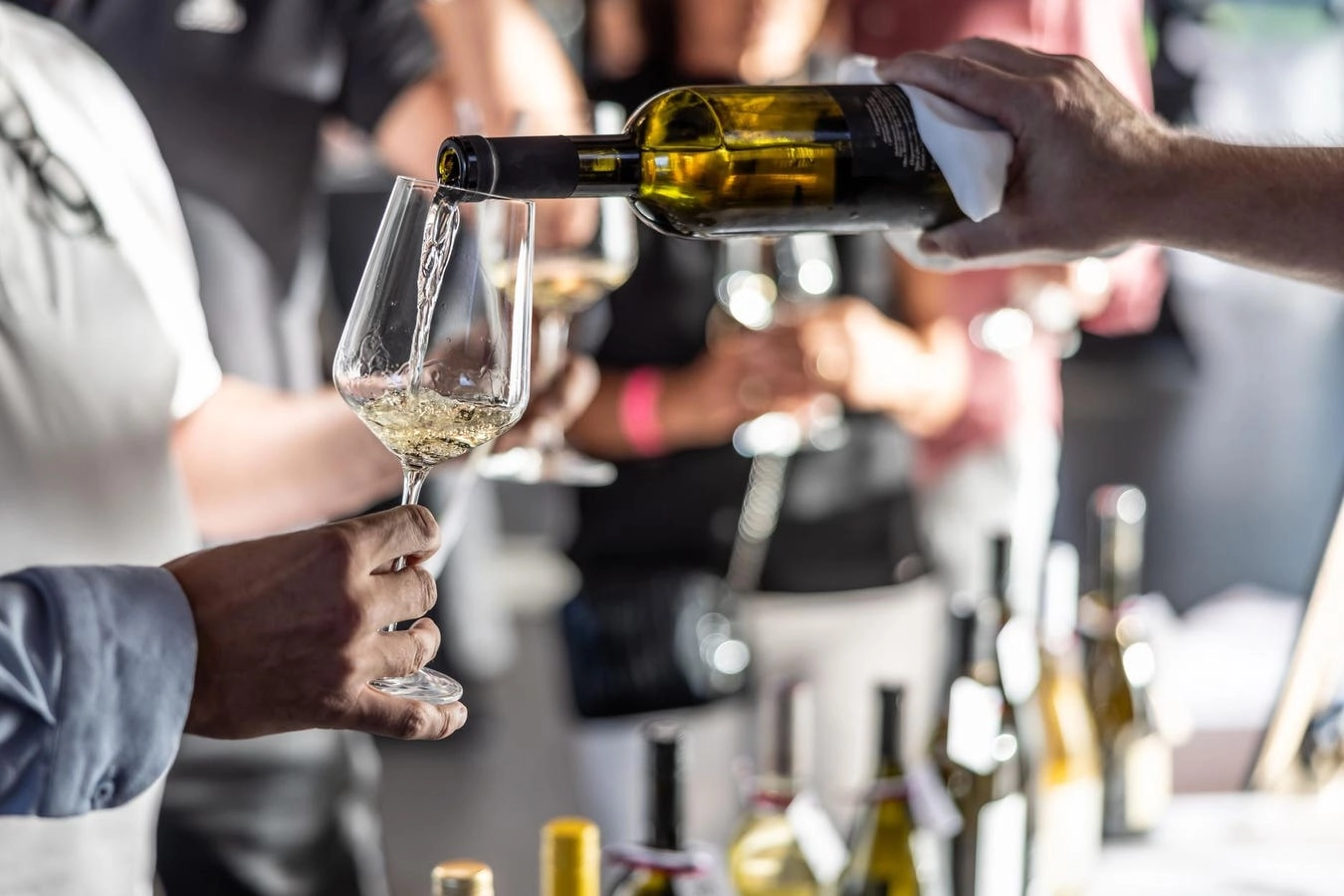
Fine wine and whiskey have transitioned from mere collector’s items to significant alternative assets, often providing better returns than traditional investments. For instance, the Knight Frank Luxury Investment Index reveals that rare whisky prices have risen by 280% in the past decade, while fine wine prices increased by 146%.
With the recent advancements in AI technology, investors are now exploring how to leverage AI to better navigate these complex and lucrative markets. Although AI can effectively handle large datasets, it cannot fully substitute human expertise in areas such as brand value, cultural influences, and sensory assessments.
Where AI Excels in Wine and Whiskey Investing
1. Predicting Price Trends
AI’s analytical capabilities allow it to utilize auction results, critic ratings, and market sentiment to forecast prices. For example, platforms like Liv-ex leverage machine learning to track fine wine appreciation, yielding meaningful returns over time. Likewise, Rare Whisky 101 employs AI to identify undervalued distilleries, as evidenced by The Macallan 1926, which recently sold for an astonishing $2.7 million at auction.
2. Risk Management and Diversification
AI-driven investment platforms analyze various factors, such as market fluctuations, climate conditions impacting vintages, and inventory levels, to assess risks. They assist investors in diversifying their portfolios by balancing established assets like Château Lafite Rothschild with emerging contenders like German Pinot Noir.
3. Fraud Detection and Authentication
AI plays a crucial role in combating counterfeiting, a significant concern in high-value transactions. Utilizing image recognition and blockchain technologies, startups like Entrupy can effectively identify counterfeit labels, engravings, and cork patterns.
Limitations of AI in this Domain
1. Understanding Brand Prestige and Collector Sentiment
While AI can handle data, it cannot quantify the intangible aspects of brand prestige or collector psychology. The value of a bottle like Macallan 1926 is influenced not solely by its rarity, but also by historical significance and brand heritage. Similarly, the global rise of Japanese whisky is rooted in cultural narratives that AI cannot fully grasp.
2. Sensory Evaluation and Aging Potential
AI isn’t capable of tasting or smelling. Although it can analyze chemical components, it lacks the nuanced judgment of a master sommelier or distiller regarding how flavors might evolve over years.
3. Navigating Private Sales and Off-Market Transactions
Rarest and most valuable bottles are often traded through private collectors and winery allocations, where personal relationships and negotiation skills are critical. In these situations, human expertise remains indispensable.
The Balanced Approach: AI and Human Expertise
The most successful investment strategies will likely blend AI capabilities with human intuition. While the future may see an increased reliance on AI in this sector, the importance of human insight and expertise will endure, particularly in a market as intricate and specialized as fine wine and whiskey investing.
Red Flags at the Bar: Why You Should Be Concerned When Bartenders Don’t Ask About Your Martini Preferences
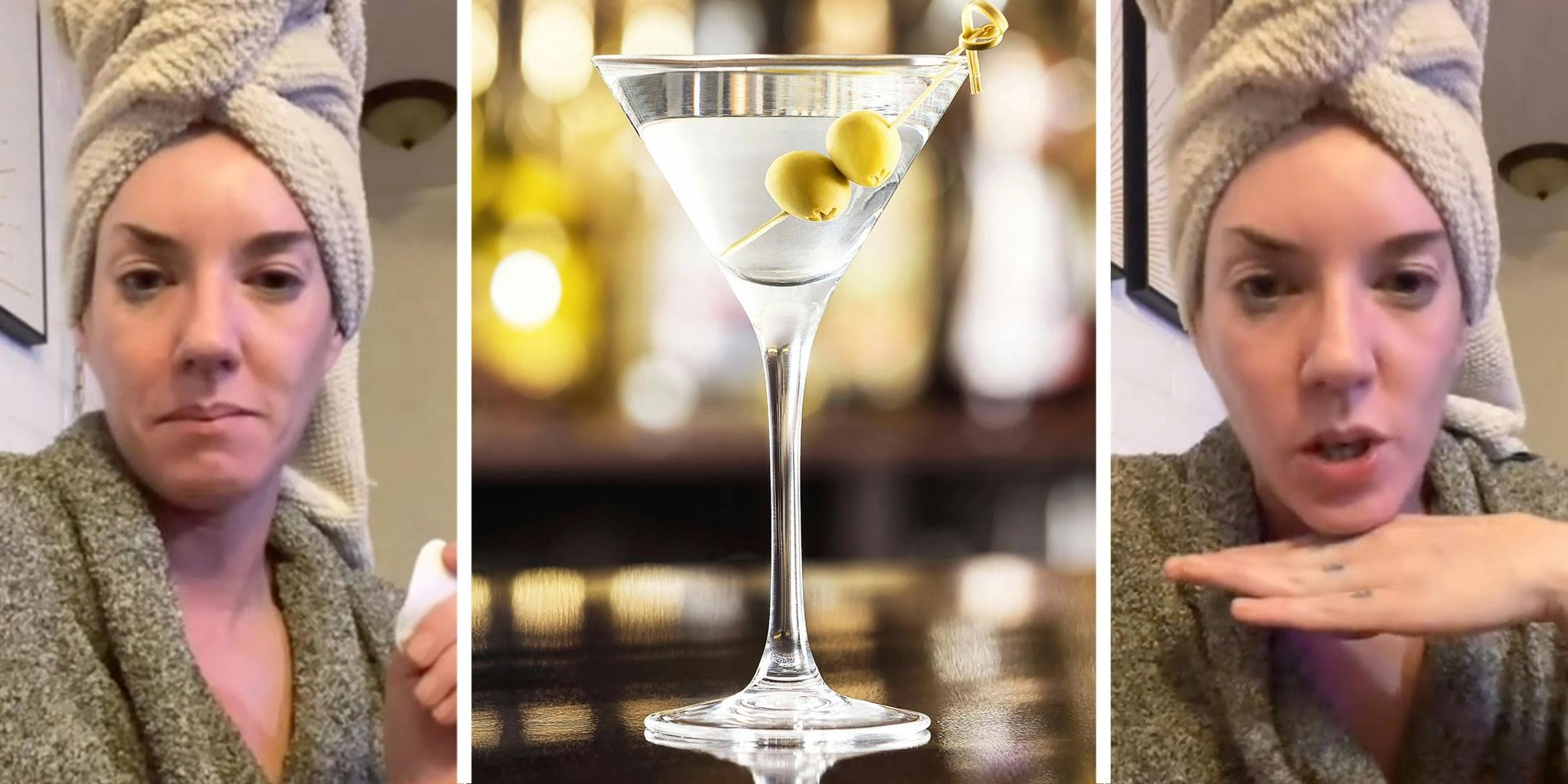
Ordering a martini can seem straightforward, but a popular TikTok has highlighted the complexities that come with it. In a video with over 471.3K views, bartender @hellqueencocktails cautions that simply saying "dirty martini" might leave bartenders guessing your preferences.
The traditional martini consists of liquor (vodka or gin), olives, and dry vermouth. However, the variations—including dirty, dry, and wet martinis—depend on personal taste. For instance, while gin is the classic choice, vodka has also gained popularity. Without specifying the preferred liquor, customers might receive the bar’s house brand, which is often lower quality.
The type of olives is also critical. Bars typically offer various choices, such as regular olives, Spanish olives with pimentos, or even unique flavors like blue cheese or jalapeño. Furthermore, ordering it "dirty" means adding olive juice, which alters the flavor. The amount of dry vermouth plays a significant role too; requesting a wet martini means you want more vermouth, while a dry martini means less.
It’s also important to consider the drink’s garnish, typically either olives or a lemon twist, and even whether you prefer your drink shaken or stirred—shaking chills the drink, while stirring keeps it stronger.
Many commenters on the TikTok post shared their thoughts about ordering martinis. Some argued that true martini drinkers should specify their preferences, while others suggested creating a “martini card” for customers to complete their orders. Ultimately, knowing how to order a martini not only helps the bartender but also ensures you get exactly what you want.
For anyone new to martinis or looking to refine their ordering skills, here are key questions to ask before placing your order:
- What liquor do you want: vodka or gin?
- Which brand of liquor should be used?
- What type of olives: regular, Spanish, blue cheese, jalapeño, etc.?
- Do you want your martini dirty with olive juice?
- How much vermouth do you desire: dry or wet?
- Would you prefer it shaken or stirred?
- What garnish would you like: olives or a lemon twist?
Being informed can transform the way you enjoy your martini, ensuring it’s perfect every time.
Why You Should Explore the Rich World of Irish Whiskey: A Guide for Enthusiasts

In recent years, Irish whiskey has begun to emerge from the shadows of bourbon and Scotch, gaining recognition for its complexity and quality. Historically dismissed as a cheap dive bar option or primarily associated with St. Patrick’s Day celebrations, Irish whiskey is now experiencing a renaissance, bolstered by a resurgence in distillery numbers and consumer interest.
Oscar Adrian Montes Iga, an education team manager at Uncorked Vintage Academia in Austin, notes that the number of distilleries in Ireland has grown from fewer than ten a few years ago to approximately 40 today, suggesting a potential return to the nearly 100 distilleries that existed in the early 1800s. This renewed production is driven by an increasing demand from consumers who are beginning to appreciate the nuanced flavors that Irish whiskey can offer.
Mark McLaughlin, director of Irish spirits at The Dead Rabbit in New York City, observes that consumer perception is shifting away from a Jameson-centric view, revealing a broader spectrum of offerings in Irish whiskey. He emphasizes that what’s happening now in Irish whiskey is more than just a fleeting trend—it is a momentum that could define the category for decades to come.
Current producers are diversifying their approaches, experimenting with unique grains and innovative aging processes. Here are some standout selections representing the frontier of Irish whiskey:
Redbreast 18-Year-Old
This beloved single-pot still whiskey enhances its classic profile with maturation in ex-bourbon and oloroso sherry casks. McLaughlin praises the precision of the new master blender, Dave McCabe, highlighting the depth and balance achieved in this exceptional offering.
Lost Irish
Lost Irish leverages a mix of barrels from six continents, creating a complex whiskey with flavors from ex-bourbon, rum, sherry, and brandy casks. Abigail Gullo, creative director at Loa Bar in New Orleans, notes its depth of character and multitude of flavors.
Egan’s Fortitude Irish Single Malt
This unique expression is aged entirely in Pedro Ximénez sherry casks, resulting in a rich profile characterized by date, fig, and bittersweet notes. Montes Iga describes its qualities as showcasing both single malt attributes and unique flavors brought on by its unconventional aging process.
Waterford Cuvée Gaia
Exemplifying innovation, Waterford’s approach focuses on the terroir by sourcing barley from organic farms. The Gaia Cuvée blends multiple single malt distillates, producing a complex flavor that reflects its unique agricultural origins.
Clonakilty Single Pot Still Irish Whiskey
Celebrating tradition, Clonakilty combines malted and unmalted barley, offering a unique profile that includes candied ginger and orchard fruits, enhanced by the influence of various ex-bourbon and sherry casks.
Shortcross Distillers Duo
This blend combines single malt and single-pot still whiskeys from the same distillery, creating a bold and youthful spirit that features both characters. McLaughlin notes the vibrancy and complex flavor profile produced by this innovative blend.
The Irish whiskey landscape is rapidly evolving, showcasing a new generation of distillers committed to quality and innovation. With this growth, Irish whiskey is not merely having a moment; it is carving out a lasting legacy in the world of fine spirits.
Irish Whiskey: Seizing Opportunities Amidst Challenges for American Whiskey

The American whiskey market is currently grappling with significant challenges, including layoffs at major companies like Brown-Forman and reduced production from key distillers like MGP. A recent report from the Distilled Spirits Council noted a revenue decline of 1.8% in the whiskey category from 2023 to 2024.
Conversely, Irish whiskey is experiencing rising popularity in the U.S. market, with sales increasing by 1.8%, ranking it as the fourth fastest-growing spirit by revenue. Premium and super-premium Irish whiskey categories have enjoyed remarkable growth, with increases of 816% and 1,874% respectively since 2003.
Irish distilleries like The Muff Liquor Company and Boann Distillery are seizing this opportunity to expand their presence in the U.S. market. The Muff Liquor Company launched in February 2025, distributing products across 31 states. Its founder, Laura Bonner, indicated that their first order in America was about 30,000 cases, exceeding the distillery’s entire global sales from the previous year. Bonner emphasized the appeal of Irish heritage and craftsmanship, which resonates well with American consumers.
Similarly, Boann Distillery has been involved in the U.S. market since 2020 under their brand The Whistler and is now expanding with a premium line of single pot still whiskeys. Co-founder Peter Cooney noted the challenges of entering the U.S. market, citing the complex regulations and competition for shelf space. To address these challenges, Boann focuses on a strategic approach, targeting key states and premium pricing to reach the right consumer demographic.
Both distilleries aim to position themselves as craft alternatives to established brands like Jameson, which currently dominates over 70% of Irish whiskey sales. The Muff emphasizes its unique potato-based spirits, while Boann highlights its custom cask programs and single pot still expressions.
Looking ahead, the prospects for Irish whiskey in the U.S. appear promising. Cooney pointed out that American consumers are well-informed about whiskey, which creates a favorable environment for Irish brands. Additionally, potential tariff advantages may arise if European Union tariffs on American bourbon are reinstated, a prospect likely to benefit Irish whiskey under current trade negotiations.
As trends shift toward premium and craft spirits, Irish whiskey is well-positioned to leverage both market dynamics and policy changes, potentially reshaping its reputation in the U.S. spirits landscape.
Score Big This March Madness: 7 Cocktails to Cheers Your Way Through the Season!
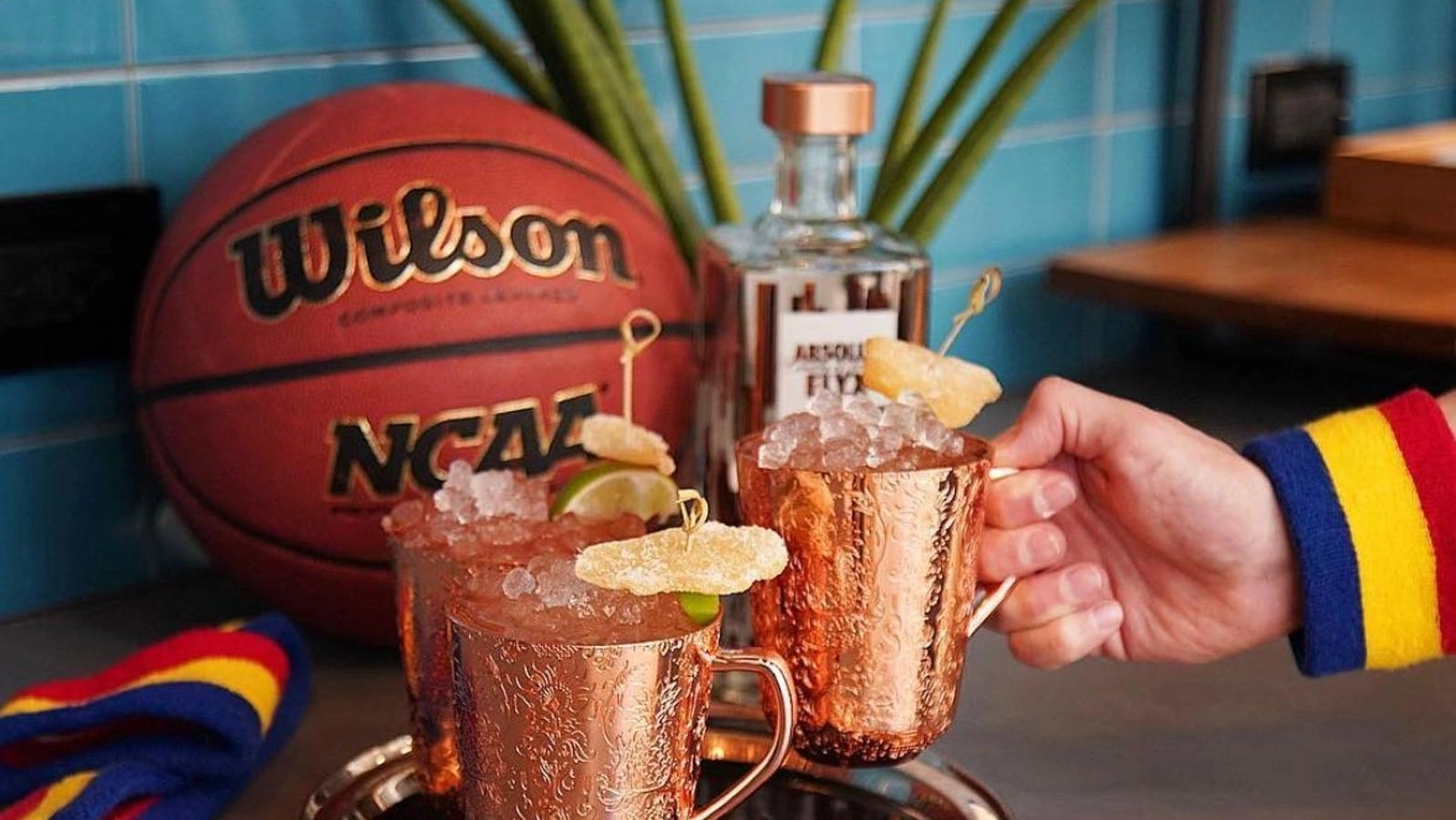
March Madness is an exhilarating time for basketball fans, filled with teams, brackets, and tournaments that can be daunting for newcomers. For enthusiasts, the season is about excitement, camaraderie, and of course, cocktails. Here are seven cocktail suggestions for the March Madness season:
Slam Dunk
At Pier 5 in Miami, the Slam Dunk combines Don Q Cristal rum, Triple Sec, lime, orange juice, and mint, topped with a splash of Starry. Garnished with an orange wheel and a sugarcane stick, it’s described as refreshing and bold, perfect for celebrating March Madness.
Final Fourange
Served at Sweetwater Tavern & Grille in Chicago and Old Town Pour House in Oak Brook and Naperville, the Final Fourange features Ketel One Oranje, triple sec, orange juice, grenadine, and lemon-lime soda. Senior Beverage Manager Doug Wise highlights the balance of flavors and the fun name that embodies the spirit of the tournament.
Madness Mule
A twist on the classic Kentucky Mule, the Madness Mule at Recreation in New York City mixes bourbon with ginger beer and citrus. Chef Julieta Vera emphasizes that this drink encapsulates the high-energy moments of March Madness, making it a perfect companion for fans.
Big-Blue Buzzer Beater and Cardinal Slam
At Whiskey Thief Distilling Co. in Louisville, these cocktails cater to fans of both the Kentucky Wildcats and Louisville Cardinals. The Big-Blue Buzzer Beater features pea flower syrup for a blue hue, while the Cardinal Slam combines bourbon with strawberry basil syrup and blueberry tea. Bartender Jessi Mosqueda mentions that these drinks are crafted to appeal to both rival fan bases.
The Hooper
At J. Rieger & Co in Kansas City, The Hooper is a tribute to basketball fans, using Rieger’s Straight Rye Whiskey, fino sherry, banana liqueur, fresh lemon juice, orgeat, and orange bitters. Garnished with mint and an orange wheel, it reflects the local basketball culture.
The Espress-Go Martini
Found at Bar Stilwell at the Loews Kansas City Hotel, this cocktail features espresso, Rieger Cafe Amaro, and Madagascar vanilla. Rob Edgington notes it’s a favorite among fans, especially during the Big 12 Tournament.
With these vibrant cocktail options, fans can enjoy the excitement of March Madness to the fullest!
Discovering the North American Charm of West Village’s Trendy Wine Bar
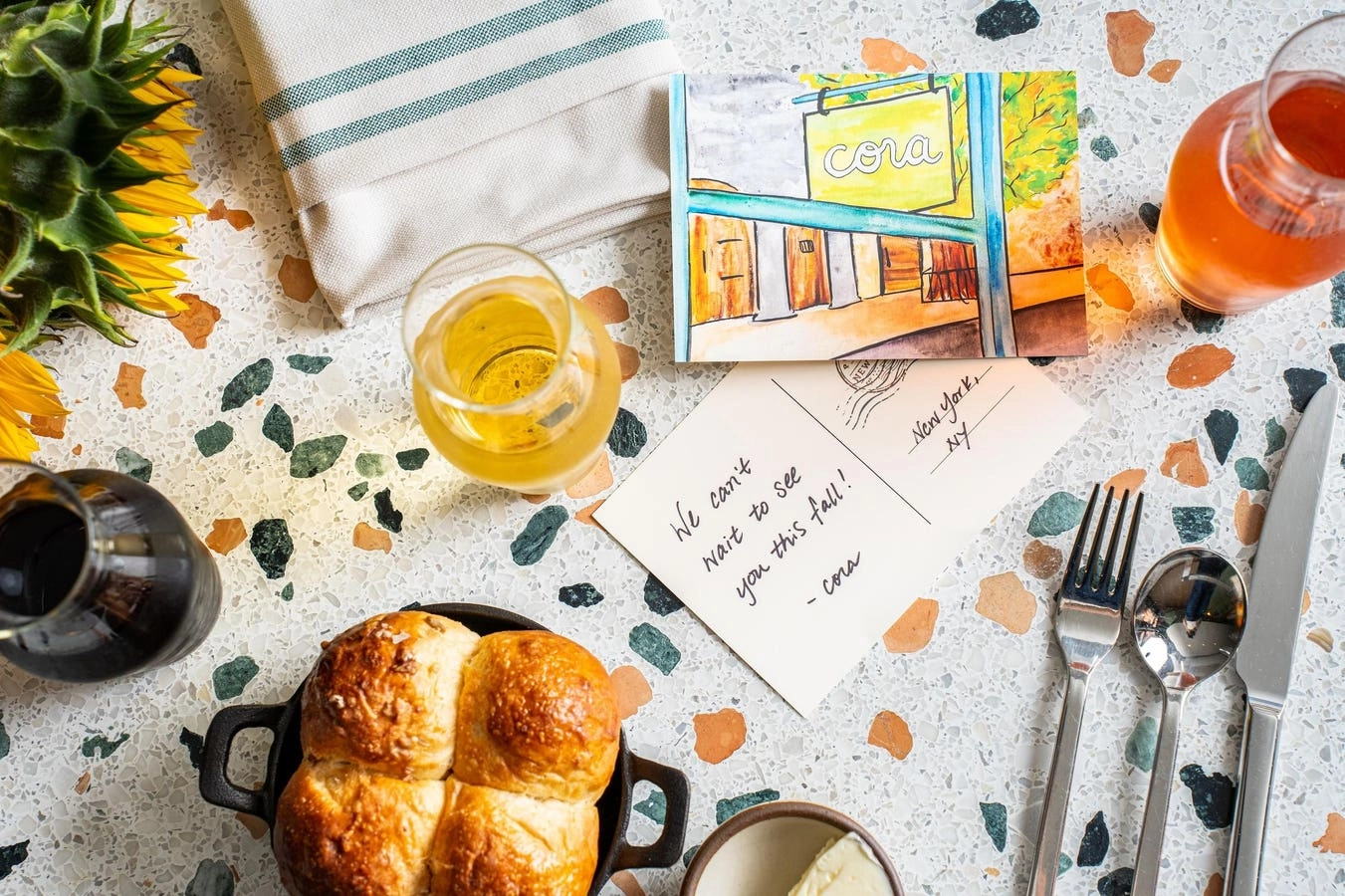
Located in New York’s West Village, Cora is a New-American wine bar defined by an impressive focus on North American wines. Led by sommelier Emmeline Zhao, executive chef Joseph Bliffen, and pastry chef Janice Sung, Cora sets itself apart in a city where European wines typically dominate.
Cora features a curated wine list that emphasizes sustainability and highlights winemakers from diverse backgrounds, a refreshing change in New York’s dining scene. According to Zhao, this approach complements their culinary mission: "If the food celebrates who and where we are, why wouldn’t the wines?”
The team behind Cora also previously operated Dogwood Café, known for its Chinese-American pastries. This expertise can be seen in Cora’s menu, which combines innovative dishes such as kinako twice-baked croissants with classics. Their commitment to crafting everything in-house, from bread to pasta, showcases their dedication to quality and sustainability.
Cora offers nearly 20 wines by the glass, including selections from lesser-known regions like Minnesota, Texas, and Virginia, alongside the more recognized wines from California and Oregon. This comes at a time when the U.S. wine market is facing challenges, with a noted decline in demand for still wines, but Zhao remains optimistic about the value of domestic wines and hopes others will follow suit.
Despite the hurdles of opening in a bustling city—supply chain delays and regulatory obstacles—Zhao maintains a collaborative attitude toward neighboring restaurants, emphasizing community over competition. With over 1,000 wine bars in New York state, including 677 in the city, Zhao and her team are focused on establishing Cora as a beloved fixture in the West Village rather than pursuing immediate expansion.
Looking ahead, Zhao emphasizes the importance of providing quality food, beverage, and hospitality, aiming to create a warm atmosphere that nourishes and uplifts their guests.
The Caribbean’s Finest: Gold Medal Rums Ranked by Top Rum Competitions

The Caribbean is home to some of the world’s finest rums, particularly those that have consistently won gold medals in international spirits competitions. Here’s a look at twelve standout options, noted for their exceptional craftsmanship and unique flavor profiles.
Mount Gay XO (Barbados)
Mount Gay, established in 1703, is recognized as one of the oldest rum distilleries. The XO blend, aged 8 to 15 years, is crafted from molasses through a combination of pot and column stills, typically aged in ex-bourbon casks. Its rich aromas include vanilla, toffee, toasted oak, and dark chocolate, offering a palate of caramel, tropical fruits, especially bananas, and dried fruits. The finish is long, smooth, and slightly spiced.
Angostura 7-Year-Old (Trinidad & Tobago)
Produced since the early 20th century, this rum consists of a blend of light and heavy rums distilled from molasses. Aged in ex-bourbon barrels, it has notes of vanilla, dried fruits, and seasoned oak on the nose, with a rich and smooth palate featuring caramel, spice, and nuttiness.
Appleton Estate 12-Year-Old Rare Blend (Jamaica)
Established in 1749, Appleton Estate’s 12-Year-Old blend combines rums aged from 12 to 18 years. Aromas of candied orange peel, spices, and toasted oak greet the nose. The palate reveals flavors of toffee, dark chocolate, and coffee, with a long, smooth finish.
Rhum J.M XO (Martinique)
Famed for its Rhum Agricole, Rhum J.M produces its XO expression from fresh sugarcane juice. Distilled using a Creole column still and aged in oak barrels, the rum boasts a nose of vanilla, oak, and dried fruit, leading to flavors of tropical fruits and spices.
Rhum Saint James VSOP (Martinique)
This VSOP expression is another example of high-quality Rhum Agricole, distilled from fresh sugarcane juice and aged for at least four years. With aromas of vanilla and caramel, it provides a smooth palate with tropical fruits and a light spice finish.
Mount Gay Eclipse (Barbados)
Mount Gay Eclipse is a vibrant, medium-bodied rum made from a blend of 2-5 year old rums. It combines notes of vanilla and tropical fruit on the nose, while the palate experiences flavors of caramel and light spice with a refreshing finish.
Barbancourt 8-Year-Old (Haiti)
This distinguished rum is crafted from fresh sugarcane juice and aged in oak barrels. It offers a nose with vanilla and dried fruit, while the palate showcases caramel and a touch of spice, concluding with a long finish featuring a slight pepperiness.
Zaya Gran Reserva (Trinidad)
Known for its rich flavor, Zaya Gran Reserva is a blend of rums aged for up to 12 years. It presents aromas of caramel and dark chocolate, with pronounced flavors of toffee and spices on the palate, resulting in a smooth and slightly spicy finish.
Pyrat XO Reserve (Anguilla)
This premium rum, crafted from molasses and aged in bourbon and sherry casks, features a nose of orange peel and honey. The smooth palate reveals flavors of vanilla and citrus, finishing with a lingering touch of wood spice.
Ron Zacapa 23 (Guatemala)
Aged between 6 to 23 years, this Guatemalan rum is distilled from sugarcane honey and aged in various casks. It offers aromas of brown sugar and dark chocolate, with a silky palate showcasing dried fruits and a long, spicy finish.
The Real McCoy 12 YO (Barbados)
Distilled at the Foursquare Distillery, this rum aged in heavily charred oak barrels presents a nose with vanilla and caramel. Its smooth palate is enriched with honey and a subtle fruitiness, boasting a slightly spicy finish.
Foursquare Rum 12-Year-Old (Cask Strength)
This limited-edition release from the Foursquare Distillery displays intense flavors, crafted from molasses and aged for 12 years. With notes of caramel and dark chocolate, it offers a rich palate of toffee and spices, culminating in a long-lasting finish.
These rums highlight the quality and complexity of Caribbean spirits, each bringing a unique character to the table, appreciated by rum enthusiasts globally. For further insights into the best rums, you can explore more about The World’s Best Rum According to the 2024 IWSC Judging and The Rum of the Year According to the Beverage Testing Institute.
Sip into Spring: Discover This Season’s Sharp and Fresh Vodka Cocktails

This spring, the cocktail scene is embracing freshness, with a focus on using seasonal ingredients to create vibrant and flavorful drinks. Bartenders are crafting recipes that feature sweet and juicy components, and vodka proves to be a versatile base for these concoctions.
One standout cocktail from the Ketel One brand is the Sea Breeze. This refreshing blend combines Ketel One Vodka with tart cranberry juice and freshly squeezed pink grapefruit juice, making for a deliciously tangy drink that captures the essence of spring. To prepare it, simply shake the ingredients with ice, strain into a chilled glass, and garnish with a lime wedge and orange zest.
Another innovative offering is the Ketel One King’s Mary, which takes a creative approach by incorporating carrot and apple juices for a unique flavor and vibrant color. The addition of tamarind and ginger paste adds an intriguing zest, complemented by a garnish of an orange slice or carrot.
Ketel One Sea Breeze
Ingredients:
- 50.0 ml Ketel One Vodka
- 75.0 ml Cranberry Juice
- 30.0 ml Freshly Squeezed Pink Grapefruit Juice
- Lime wedge for garnish
Method:
- Chill a coupe glass.
- In a shaker, combine the vodka, cranberry juice, and grapefruit juice with ice.
- Shake well and strain into the chilled glass.
- Garnish with orange zest shavings.
Ketel One King’s Mary
Ingredients:
- 50.0 ml Ketel One Vodka
- 100.0 ml Equal parts Carrot & Apple juice
- 30.0 ml Freshly Squeezed Orange juice
- Pinch of rock salt, pepper, cayenne pepper, and dried chili flakes
- 0.5 tsp Tamarind
- 0.5 tsp Ginger paste
- Orange slice or carrot for garnish
Method:
- In a highball glass, add all the ingredients over ice.
- Stir gently and finish with a garnish of an orange slice or carrot.
These cocktails exemplify how vodka can be leveraged to create fresh and invigorating flavors, perfect for enjoying in the warmer months. Whether you prefer a classic Sea Breeze or are excited to try the King’s Mary, these drinks are sure to impress.
8 Stunning Wine Decanters to Showcase Your Latest Bottle Purchase

Regardless of the views of your wine-loving friends, there is no universally accepted method for serving wine. You can pour wine into a water glass, and you might just find an article that supports that idea—just as easily as you’ll find one arguing against it. As a casual wine drinker myself, I don’t hold strong opinions on the matter, yet I recognize the benefits of a quality wine decanter, particularly when it comes to enhancing the drinking experience.
Decanting wine involves transferring it from the bottle to another vessel. This technique serves two primary purposes: separating sediment that may have formed at the bottom and aerating the wine. Aeration allows the wine to interact with oxygen, softening any bitter tannic flavors and enabling its aromatic qualities to fully express themselves.
Though the importance of decanting may vary depending on the specific bottle, I remain a strong advocate for using decanters. These vessels are designed to enhance air exposure, often resulting in some striking designs that can elevate your dinner table aesthetics. A beautiful decanter not only makes your wine more enjoyable but also acts as a functional piece of art.
Here are some standout wine decanters that are not only cool but also sure to impress at your next dinner party:
-
Holcomb Birdie Glass Wine Decanter: This decanter features a unique stainless-steel aerator modeled after a badminton birdie and comes with a chic wood trivet. Priced at $150.
-
Alessi Eugenia Wine Decanter: This elegantly designed decanter captures a modern touch with exaggerated angles reminiscent of midcentury retrofuturism. Available for $65.
-
La Riccia Pinch Decanter: Handblown from recycled glass, each piece has an organic quality, showcasing the craftsmanship that goes into it. Priced at $275.
-
Fazeek Vice Versa Carafe: This multi-purpose carafe boasts a playful design, adding a splash of color to your dining table, and is available for $129.
Each of these choices has its own unique flair, making them not just decanters but conversation starters at any gathering. Investing in one could elevate your wine-drinking ritual and transform it into an unforgettable experience.
Canadian Liquor Stores Boycott American Products in Protest of Trump Tariffs
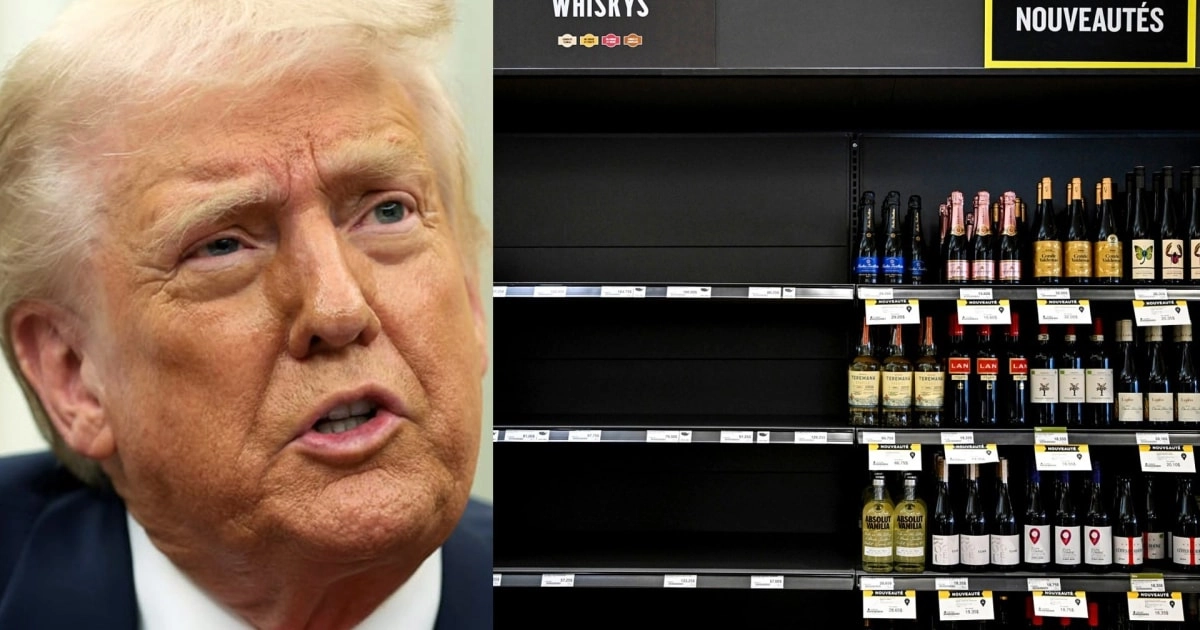
Canadian stores have recently embarked on a notable movement by removing American liquor and wine from their shelves in direct protest against President Trump’s tariffs. This initiative reflects a growing wave of nationalism in both Mexico and Canada, driven by Trump’s "America First" policy.
The situation has garnered attention as the Canadian response has been framed by some media outlets, including the New York Times, as Canada taking Trump’s rhetoric of being treated as the "51st state" quite seriously. With the trade tensions escalating, Richard Haass, a senior counselor at Centerview Partners, joined Chris Jansing to discuss the implications of the ongoing trade war and its impact on both nations.
This protest is part of a broader backlash against U.S. trade policies, which are perceived as detrimental to cross-border relationships and economic ties. As retailers in Canada make this symbolic gesture, it signifies not only their economic grievances but also a rallying cry for national pride amid external pressures.
For more insights into the unfolding situation, visit MSNBC.