Teetotal Trump: Unraveling the Former President’s Unlikely Affinity for Whiskey

Shane Lowry capped off an incredible week by sinking a 30-foot birdie putt on the 18th hole at Doonbeg, securing victory at the Amgen Irish Open by a record margin of 11 shots. The American president, Donald Trump, who owns the golf resort, was in attendance and presented the trophy to Lowry. However, the ceremony took an unexpected turn when Trump shifted the conversation from golfing achievements to tariffs on Irish whiskey.
He remarked that many had been inquiring about the 10 percent duty on Irish whiskey, which had also been addressed by Ireland’s Taoiseach, Micheál Martin. In a surprising announcement, Trump declared he would eliminate the tariff on behalf of the U.S., prompting cheers from the audience. The Irish Whiskey Association valued the annual U.S. export at approximately €450 million ($519 million). While Trump did not specify when the change would take effect—circumstances echoing a similarly delayed tariff decrease on Scotch whiskey—it raised hopes for an imminent positive shift for the Irish whiskey industry.
Interestingly, Trump maintains that he does not drink alcohol, having absorbed warnings about the dangers of alcoholism from his late brother. Yet, alcohol has frequently surfaced in his trade policies, often utilized to negotiate or exert pressure in trade disputes. Earlier this year, in a similar situation, Trump lifted tariffs on British whiskey as a favor during King Charles III’s state visit.
Whiskey has transitioned into a nuanced tool for trade diplomacy under Trump’s administration. Notably, both the U.S. and U.K. governments credit successful tariff exemptions to concerted efforts and ongoing engagement, hinting at a strategic move rather than mere coincidence. The Irish Whiskey Association had lobbied for similar treatment since the Scotch exemption was announced, highlighting the discrepancies in tariff applications based on geographic distinctions within Ireland.
While the announcement at Doonbeg was welcomed, it reflects a broader trend in Trump’s dealings, where alcohol serves as a vehicle for personalized political maneuvering without the need to reignite wider tariff wars. This trend has implications that extend beyond Irish whiskey, as seen when Trump previously responded to potential tariffs on American whiskey with threats against European spirits.
As discussions continue about the actual implementation of these tariff exemptions, questions linger regarding reciprocal arrangements and the potential influence of public appeals. At present, with whiskey as a focal point, Trump’s stated commitment remains just a promise. For now, he may choose to sip on a Diet Coke while negotiations remain in flux.
7 Outstanding 6-Packs of Beer You Can Snag for Under $10
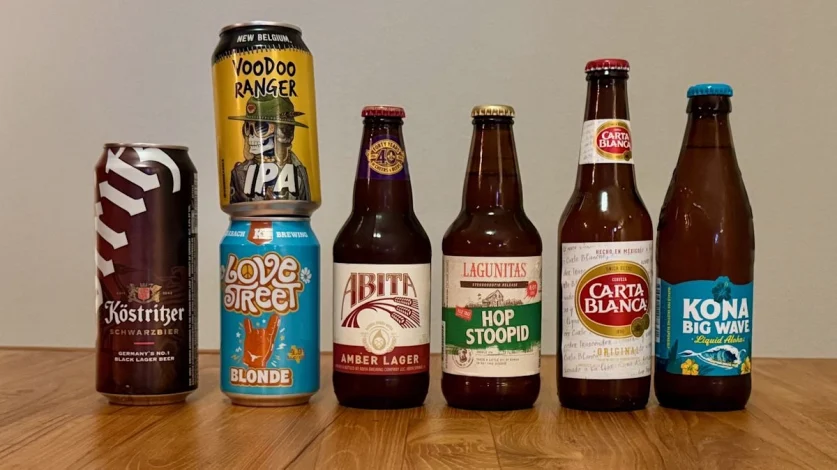
These days, with rising prices on essentials like gas and groceries, finding quality beers at budget-friendly prices is essential for many enthusiasts. In Austin, Texas, a recent search unearthed seven noteworthy six-packs, all priced under $10.
Voodoo Ranger IPA
Voodoo Ranger, a flagship of New Belgium Brewing Company, stands out as the best-selling IPA in the U.S. Known for its fruity and floral aroma, this classic IPA offers a picturesque golden hue. It’s distinctively hoppy, carrying a bitterness level of 50 IBU, appealing to both IPA aficionados and casual drinkers alike.
Köstritzer Schwarzbier
Köstritzer Schwarzbier is a German black lager and one of the few imports in this selection. This smooth brew defies the expectations often associated with dark beers, offering mellow flavors that blend cocoa and coffee. It’s a refreshing option for those looking for something unique yet familiar.
Abita Amber Lager
Hailing from Louisiana, Abita Amber features a light amber color and a smooth profile characterized by caramel and malt flavors with minimal bitterness. This beer is ideal for relaxing on a warm day and complements traditional southern dishes like gumbo.
Kona Big Wave
Brewed in Hawaii, Kona Big Wave is a thirst-quenching beer for summer days. Its light, tropical notes make it reminiscent of a beach getaway, perfect for outdoor socializing. With a mere 16 IBU, it balances aromatic profiles without overwhelming bitterness.
Lagunitas Hop Stoopid
This double IPA proudly showcases a very high IBU of 102, which denotes its intense hoppiness. Despite its potential bitterness, it remains a pleasing beer for those who appreciate complex flavors, making it ideal for a leisurely sip.
Karbach Love Street Blonde
A tribute to Texas’s beer history, Love Street is a Kölsch-style blonde ale that embodies a classic German brewing spirit with a Texan twist. This easy-drinking option features subtle fruitiness and is perfect for casual gatherings or outdoor activities.
Carta Blanca
This Mexican lager has been popular since the 1800s, known for its smooth, crisp profile. Carta Blanca’s refreshing taste pairs well with lime and salt, making it a staple for fans of Mexican beers.
Conclusion
These beers represent the growing trend of quality craft brews available at modest prices. They provide diverse flavor profiles that cater to various preferences without breaking the bank. Whether you’re lounging at home or enjoying time outdoors, these selections are sure to please.
For more details on these beers, check out the full reviews and insights.
Sazerac’s Strategic Acquisition of Au Vodka: Fueling Global Growth and Expanding Brand Diversity
Sazerac, a prominent player in the global spirits industry, has successfully completed the acquisition of Au Vodka, a rapidly growing vodka and ready-to-drink (RTD) brand based in the UK. The transition from a binding agreement to closure follows customary completion conditions, though specific details regarding the financial terms of the deal have not been disclosed.
Jake Wenz, the President and CEO of Sazerac, expressed admiration for Au Vodka’s impressive growth since its inception in 2015. He highlighted the brand’s unique trajectory and noted that Sazerac intends to leverage its family-owned structure to enhance Au’s market presence while preserving its distinctive identity.
Au Vodka was founded in Swansea by friends Charlie Morgan and Jackson Quinn. Their vision was to disrupt the vodka market with innovative marketing and a focus on social media. The brand gained traction quickly, characterized by its iconic gold bottle and a diverse range of flavors. Since then, Au Vodka has expanded its reach beyond the UK and is recognized for its strong appeal among consumers.
Morgan remarked on the collaboration with Sazerac, emphasizing the compatibility of their values and the potential for expanding Au Vodka’s availability in new markets. The acquisition joins Au Vodka into a diverse portfolio including iconic brands like Buffalo Trace, Fireball, and SVEDKA.
Sazerac’s strategic acquisitions and long-term brand investments have increased its standing in the spirits sector, underlined by its broad international footprint with distilleries in various countries including the United States and France. With the integration of Au Vodka, Sazerac aims to foster further growth while enhancing its portfolio of innovative and disruptive brands.
For more information on the acquisition, visit the original news release here.
Value Wine vs. Cheap Wine: Understanding the Key Differences
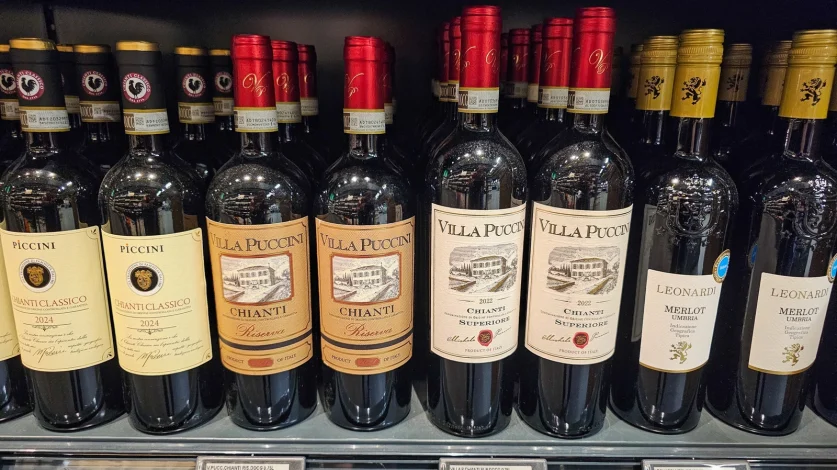
The world of wine can often feel perplexing, especially when trying to differentiate between cheap and value wines. While many shoppers want to simply enjoy a glass without delving into the complexities of tannins and oakiness, understanding the distinction between wines that are just inexpensive and those that offer true value is essential.
According to David Kravitz, the beverage director for The Group Hospitality, a value wine is characterized by its ability to deliver a tasting experience that feels more expensive than it actually is. He explains that while cheap wines are merely low-cost, value wines offer higher quality for their price. This notion of wines providing more value than their price tag has been discussed widely, with publications like The Guardian outlining factors that contribute to a wine’s value, recognizing that every wine drinker values different attributes. Pricing alone may not indicate quality, as preferences and tastes vary.
Kravitz highlights that wines produced in smaller quantities by families or individual makers are often of higher quality, whereas large-scale production can lead to more generic, lower-quality options. Producing wines with care and respect for the environment is crucial. He advises consumers to explore styles and grapes from regions that are often overlooked, which may offer delightful surprises without the hefty price tag.
It’s important to remember, as pointed out by publications like Wine Enthusiast, that value wines are not always the cheapest, and cheap wines may not provide true value. Labels with terms such as "Barrel Select" can sometimes mask inferior products. Thus, doing research and asking the right questions before purchasing can better inform decisions and lead to discovering genuinely valuable wines.
For more insights on wine selection, consider reading about cheap wines that taste expensive or the 14 questions to ask before buying wine.
Unraveling the Mystery: Why Do Some Beer Cans Have Dots on the Bottom?
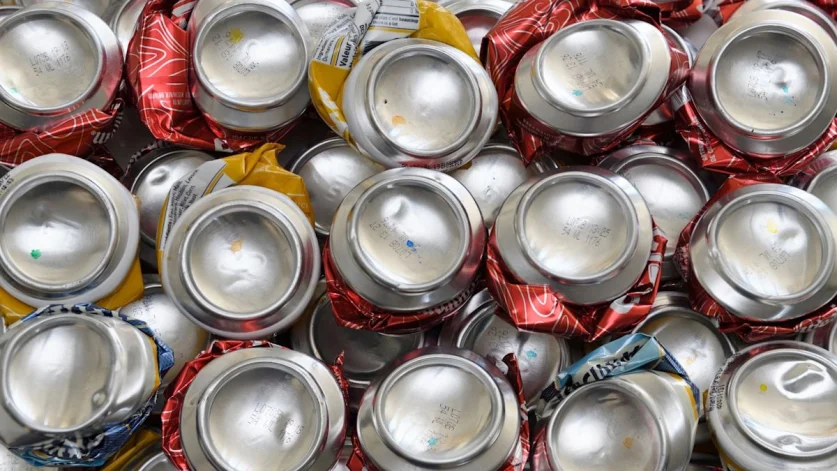
When browsing through a liquor store’s beer selection, you might notice small colored dots on the bottoms of some beer cans. These dots, varying in color and size, often lead to speculation among beer enthusiasts, with theories ranging from government tracking to even concerns about poison. The reality, however, is grounded in production efficiency rather than mystery or conspiracy.
During the manufacturing process, a machine applies these colored dots on the bottom of each can immediately before they enter an internal coating machine. This machine is crucial as it sprays a protective coating on the inside of the can, preventing the aluminum from reacting with the beer, thus preserving the taste and quality by shielding it from corrosion. Each internal coating machine can process thousands of cans per minute, and companies often operate several machines in tandem.
The colored dots serve a practical purpose; each color represents a specific coating machine. If an inspector identifies a flaw in the coating, they can easily trace it back to the corresponding machine by flipping the can over. This allows maintenance personnel to rectify issues swiftly without halting the entire production line.
Canned beer has been around since 1935, when the American Can Company revolutionized beer packaging, making it lighter, more storied, and easier to transport than bottled beer. Today, aluminum cans account for a significant portion of beer packaging across the U.S., meeting consumer demand while maintaining production efficiency.
In conclusion, while the dots on the bottom of beer cans might spark curiosity, they play an essential role in ensuring quality control during the canning process, highlighting the blend of manufacturing efficiency and consumer safety in the beverage industry.
The Ultimate Classic American Beer: A Toast to Tradition and Flavor
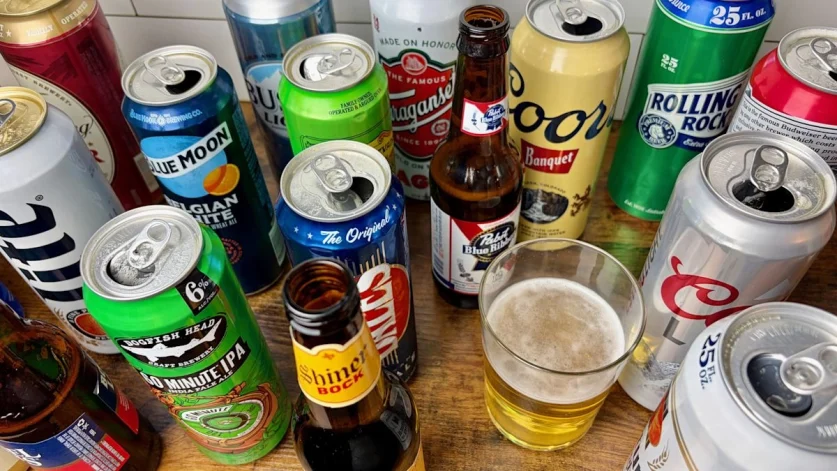
What defines a great classic American beer? Is it merely the contents of the glass, or the legacy it carries? A recent taste test explored this question, ranking various classic American beers, and the standout winner was none other than Yuengling Traditional Lager, a beer that sets itself apart not just by its flavor but also by its storied history.
Yuengling Traditional Lager, produced by America’s oldest brewery established in 1829 in Pennsylvania, is classified as an amber lager, differing from the more common pale ales or light lagers found in American beer selections. This beer utilizes American Cascade and Cluster hops, resulting in a balanced flavor profile that is perceived as smooth and not overly bitter. Reviewers noted Yuengling had a pleasant taste while ending up as a more enjoyable choice in comparison to lighter brands like Michelob and Busch.
Despite having higher calories and carbs than many light beers—141 calories and 12 grams of carbs per serving—Yuengling strikes a chord with drinkers looking for a full-bodied option that also maintains a low alcohol by volume (ABV) of 4.5%. The blend of tradition and flavor likely contributes to its appeal, especially considering the brewery’s long-standing history of perfecting beer recipes amidst the changing tides of American brewing.
Beyond flavor, Yuengling’s narrative enhances its status as a classic American beer. Founded by David G. Yuengling, the company originally operated under the name Eagle Brewery. It adeptly navigated Prohibition by producing "near beer" and even ventured into ice cream production. The brewery’s historical significance is enriched by the fact that its underground caves, dug by coal miners, were utilized to keep beer kegs cold long before refrigeration became widespread.
Yuengling has merged into the culture of its region, becoming synonymous with local bars throughout Pennsylvania and the Northeast. The beer’s less-commercial presence compared to giants like Bud Light lends it an air of exclusivity while being well-regarded for both its quality and price point. This combination of rich history and reliable flavor has solidified Yuengling Traditional Lager’s position as a quintessential American classic.
For more insights into the world of beer, check out this comprehensive list of classic American beers ranked worst to best.
Reviving History: Campo’s Vintage Wine Train Returns This Fall Featuring FDR’s Historic Rail Car

Southern California’s only wine train is making a comeback this fall, departing from the Pacific Southwest Railway Museum in Campo. The Backcountry Wine Train has two scheduled runs on October 4 at noon and 3 p.m., offering a scenic 90-minute journey through the picturesque highlands of eastern San Diego County on a restored vintage train.
During the trip, riders will enjoy a specially curated six-glass tasting flight of wines sourced from local Southern California wineries, complemented by individual charcuterie plates and macaroons from a San Diego bakery. For those who prefer not to partake in alcohol, an alternative six-glass tasting flight of handcrafted nonalcoholic beverages will be available. However, all passengers must be at least 21 years old to board.
The ticket prices reflect the luxurious experience aboard the train, with three different tiers available. The premium class is priced at $100 per person, providing access to a restored 1920s train car. The first-class option costs $150 per person, which includes two or four-person tables, an extra glass of sparkling wine or nonalcoholic cider, and access to the train’s open-air platform. The VIP tier, which grants access to the Robert Peary presidential Pullman car, is available at $250 per person, requiring the booking of the entire car for up to eight guests. This exclusive tier also features personalized tableside service by sommelier Lisa Redwine.
The Robert Peary car has an impressive past, having been used by President Franklin D. Roosevelt 34 times between 1934 and 1936 and has hosted numerous Hollywood stars and corporate executives. Now preserved by the Pacific Southwest Railway Museum Association, it is available for private charters and special events.
The train tracks themselves boast historical significance, established between 1907 and 1919 by John D. Spreckels, designed to create a direct rail link to the east. This line, known as "The Impossible Railroad," included the construction of 21 tunnels and significant trestle bridges.
The entire operation is run by the Pacific Southwest Railway Museum Association, established in 1961 and staffed by volunteers who maintain the trains and offer excursions. The museum houses an extensive collection of historical railroad equipment and works to preserve the history of train travel.
San Diego County’s wine industry is flourishing, home to 172 active wineries growing 43 grape varieties. The region’s American Viticultural Areas such as San Pasqual Valley AVA and Ramona Valley AVA enhance the credibility and marketability of local wines.
The Backcountry Wine Train is one of the limited seasonal offerings scheduled by the museum, kicking off on October 4, followed by events like the Pumpkin Express and the North Pole Limited, making it a unique addition to fall festivities in San Diego. Riders are encouraged to plan ahead and check for accessibility options concerning the trains.
Jack Daniel’s Black vs. Green Label: Understanding the Key Differences in Whiskey Quality and Flavor
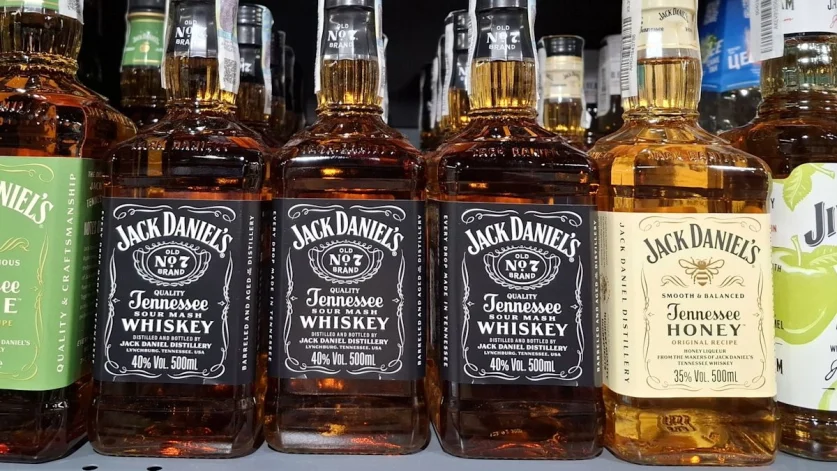
Few spirits boast the recognition of Jack Daniel’s, a brand synonymous with quality whiskey. While many are familiar with its iconic Black Label, the distinctions between Black and the lesser-known Green Label deserve exploration, particularly their aging processes, which significantly affect flavor and aroma.
Both Black and Green Labels share identical production methods, distilled from the same mash of corn, rice, and barley and mellowed through sugar maple charcoal. However, their key differences emerge during the aging process. Black Label, or "Old No. 7 Tennessee Whiskey," is a staple in bars and liquor stores, known for its complex and harmonious flavor profile including hints of dried fruits, oak, and a touch of spiciness. Priced affordably between the high teens and low $20s for a 750-milliliter bottle, it remains a popular choice among whiskey drinkers.
In contrast, Jack Daniel’s Green Label is positioned as a more niche offering, often overlooked even by longtime whiskey enthusiasts. It is described as a "lighter, less mature whiskey," primarily due to its aging conditions. Green Label whiskey is kept in cooler temperatures on the lower floors of the warehouse, which slows the maturation process. This results in a lighter color and a flavor profile that some describe as having a subtle "banana" note, setting it apart from the traditional Black Label.
Availability is another striking difference; while Black Label is widely accessible, Green Label is often harder to find, with discussions on platforms like Reddit suggesting its discontinuation in recent years. As a result, it can fetch significantly higher prices on the secondary market, ranging from $100 to over $200 per bottle.
Furthermore, it’s important to note that not all green-label offerings are the original Green Label whiskey. Variants such as Jack Daniel’s Tennessee Apple may have similar packaging but differ entirely in flavor profile. Additionally, the Jack Daniel’s Legacy Edition, although it features a green label, is bottled at a higher proof of 86, presenting a stronger character compared to the standard Black Label.
Overall, while the differences between Jack Daniel’s Black and Green Labels may seem subtle at first glance, they hold significant implications for whiskey enthusiasts who appreciate the nuances of their favorite spirits.
WTOP’s Beer of the Week: Discovering Hill Farmstead’s Memoria – A Classic Old World German-style Helles
Inside the D.C. Convention Center on September 11, thousands of volunteers came together to commemorate the day by packing red lentil jambalaya to provide 700,000 meals for local families. “September 11 was a tragedy. But we really try to focus on what happened after that—Americans coming together, looking to see what they can do for their neighbor,” Mieka Sanderson, senior director of programs and grants for the nonprofit organization 9/11 Day, stated.
This year marked the 25th anniversary of 9/11, and the organization aimed to inspire a movement for a million good deeds across the nation. On that day alone, volunteers managed to pack a staggering 18 million meals at more than 50 events happening concurrently across the country.
In the spirit of reflection and service, these efforts highlighted the resilience and unity within communities, turning a day of sorrow into one of hope and collaboration.
For more details about the volunteer efforts, you can read here.
Healdsburg Wine Academy Joins Forces with Commonwealth Wine School: A New Era in Wine Education

The Odyssey Wine Academy, renowned for being Sonoma County’s first in-person Wine & Spirit Education Trust (WSET) certification school, has officially merged with the Commonwealth Wine School, a Massachusetts-based institution specializing in wine, spirits, sake, and beer education. Founded in 2022 by Julie Rothberg, the academy has quickly become a destination for wine enthusiasts and aspiring professionals, offering WSET’s recognized certification programs across four levels of increasing complexity.
Rothberg emphasized that the merger was partly motivated by a desire to balance work and family life. She intends to focus on enhancing marketing efforts and expanding course offerings as she remains actively involved with the academy. Previously hosted at Bacchus Landing in Healdsburg, Odyssey’s classes will now transition to "The Friend" room at Maison Wine Bar near the Healdsburg Plaza starting this fall.
Maison co-owner Evan Hufford, a certified sommelier and veteran instructor from the San Francisco Wine School, expressed enthusiasm about the partnership, viewing it as an opportunity to promote wine education and collaboration in a space designed for industry networking. The new venue is expected to continue offering classes, including WSET Level 1 sake courses. Enrollment is currently open for the upcoming courses slated to begin this September.
For more information, visit Odyssey Wine Academy and Commonwealth Wine School.