From Muddy Beginnings to a Grand Celebration: Hudson Valley Wine & Food Fest Marks 25 Years with 15,000 Guests

In its 25th year, the Hudson Valley Wine & Food Festival evolved from a small gathering in a muddy field to a renowned event attracting up to 20,000 attendees annually. The festival originated at Greig Farm in Red Hook, New York, founded by Michael Babcock, who recalls the first festival in 1996 with an overwhelming amount of rain. Despite challenging weather conditions, attendees enjoyed themselves, showcasing the spirit and potential of the festival.
This year’s festival, held at the Dutchess County Fairgrounds, boasts a lineup that includes 42 wineries, 29 distilleries, several cideries, 24 craft beers, and 64 gourmet food producers. Over the years, the festival has transitioned from its initial struggles with weather into a lively celebration of New York’s culinary landscape, transforming it into the state’s largest gathering of wineries on that weekend.
Inspired by Babcock’s visits to food and wine festivals in Aspen, Colorado, the Hudson Valley’s inaugural gathering aimed to connect local producers with consumers. Initial years were financially tough, but the support led to a partnership with the fairgrounds, providing necessary infrastructure that significantly upgraded the festival experience.
The festival has become known for its culinary demonstration stage, emphasizing the connection between food and wine through live cooking shows by regional chefs. Notable figures, such as Marcus Guiliano and Hudson Valley’s Ric Orlando, have participated, teaching techniques using locally sourced ingredients.
Babcock notes the festival’s role in boosting local agriculture, granting access to Southern Tier markets for Finger Lakes wineries that previously lacked distribution avenues. The collaboration has fostered a thriving agritourism economy in Dutchess County, celebrating the evolution of local vineyards, which now produce award-winning wines.
As the festival’s audience expands, it retains an intimate connection with its roots. Attendees who’ve been coming for decades now bring their families, creating a shared legacy that highlights the festival’s community-centered mission. Babcock emphasizes that the event is about more than just food and wine; it’s about fostering connections and celebrating local culture.
For more information on the Hudson Valley Wine & Food Festival, visit hudsonvalleywinefest.com.
Savor the Flavors: The Best Pumpkin Beer of 2026 – A Chocolaty Pumpkin Pie Milkshake Experience

When the cool autumn weather begins, craft beer enthusiasts tend to gravitate towards the divisive yet beloved category of pumpkin beers. Among these, Southern Tier Brewing Company’s Nitro Warlock Imperial Pumpkin Stout has emerged as the standout selection for 2026, captivating beer lovers with its innovative use of nitrogen technology. This method, also known for giving Guinness its signature creaminess, enhances Nitro Warlock’s luxurious profile, making it a high-ABV option ideal for chilling autumn evenings.
Why Nitro Warlock is the Top Pumpkin Beer of 2026
The nitrogen infusion bestows a silky mouthfeel along with a creamy foam head, elevating the beer’s dessert-like quality. As a result, Nitro Warlock transforms into an indulgent concoction that conjures flavors of a chocolaty pumpkin pie milkshake with a hint of coffee. This brew, part of Southern Tier’s Blackwater Series, triumphs over their flagship imperial pumpkin ale, Pumking, as the top pick in the 2026 Best Beers Awards.
While Pumking focuses on bright pumpkin pie spices, graham cracker crust, and sweet vanilla, Nitro Warlock shifts the emphasis to roasted dark grains, cocoa, and mild coffee bitterness. Its rich profile makes it a perfect pair for those autumn evenings spent handing out Halloween treats.
- Style: Pumpkin Ale
- Brewery: Southern Tier Brewing Co., Lakewood, NY
- ABV: 8.6%
Methodology for Selection
The selection process for the best beers involved personal tasting alongside expert recommendations, industry accolades, and online reviews. Inputs from favorite platforms such as Untappd further informed the rankings. As a seasoned expert in the craft beer field, with over two decades of writing experience and six published books on the subject, the evaluation criteria encompassed appearance, flavor, head retention, and overall finish, assessed through multiple sips in proper glassware.
With this rigorous methodology, Nitro Warlock Imperial Pumpkin Stout not only claims its title for the season but also solidifies its position in the broader landscape of craft beer excellence.
MGP Unveils First Namesake Bourbon, ‘Out of the Shadows’: A Pleasant Surprise for American Whiskey Lovers

American whiskey enthusiasts have something to celebrate: MGP, the renowned distiller in Indiana, has launched its first namesake bourbon, titled MGP Chapter One: Out of the Shadows. Scheduled for release nationwide this fall with a retail price of $69.99, this bourbon highlights MGP’s signature high-rye mashbill.
Chapter One is crafted with a 110-proof, 10-year-old straight bourbon, blended from barrels using the historic LBSV mashbill consisting of 60% corn, 36% rye, and 4% malted barley. Aged in Rickhouse G for a decade, it features enticing aromas of butterscotch, burnt sugar, molasses, and cherry, coupled with flavors that include cola, raspberries, chocolate, sassafras, and leather.
Julie Francis, MGP’s president and CEO, expressed excitement about returning the brand’s name to the forefront. "Bringing the MGP name back to the distillery and launching MGP Chapter One: Out of the Shadows is an exciting opportunity to share that story directly with consumers."
Historically, MGP has operated under the radar, known primarily for providing bulk whiskey to other brands. It was the creator behind many well-known labels including Bulleit Rye and Redemption Bourbon. However, the company faced recent challenges, reporting a staggering 59% drop in whiskey sales for its Distilling Solutions arm. This downturn prompted MGP to reduce its white-label whiskey production in response to a softening whiskey market and elevated barrel inventories.
In light of these shifts, MGP is focusing more on its Branded Spirits division, which includes in-house labels like Penelope Bourbon and Yellowstone whiskey. In recent earnings reports, it was noted that these premium brands have outperformed others in MGP’s portfolio, showing promising growth in a challenging market.
As MGP launches Chapter One, it represents a pivotal moment for the distiller as they position themselves as a direct contender in the bourgeoning whiskey market, leveraging their reputation to attract consumers.
For more details, visit The Daily Pour.
Skrewball’s New Peanut Butter & Strawberry Jelly Whiskey: A Nostalgic Twist on a Classic Combo
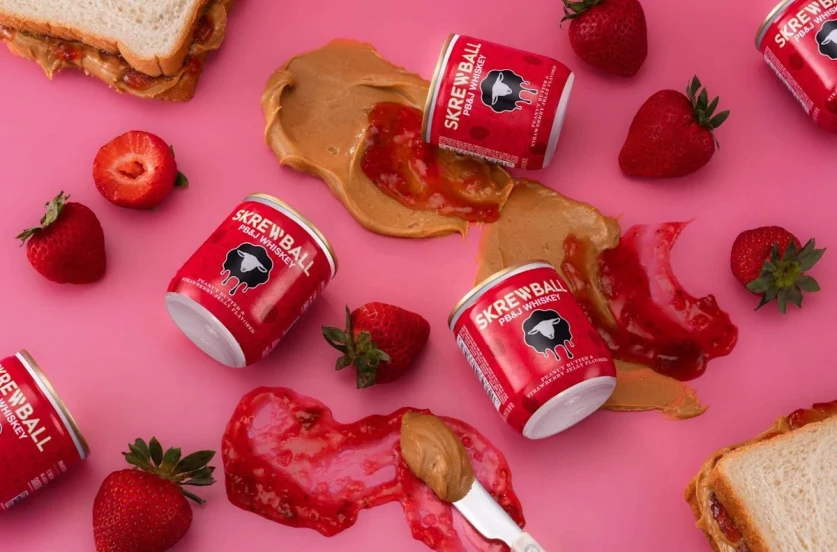
As nostalgia sweeps through various aspects of our lives, Skrewball has joined the trend by launching a unique product that combines childhood flavors with an adult twist. Enter Skrewball’s new Peanut Butter and Strawberry Jelly Flavored Whiskey, a creative fusion that encapsulates the taste of a classic PB&J sandwich in a bottle.
Currently in an era defined by nostalgia, many brands are revamping older products to appeal to today’s consumers, and Skrewball’s latest offering is no exception. This new whiskey brings together the rich, peanut butter-forward flavor that the brand is known for, now enhanced with a hint of sweet strawberry jelly. Bottled at 70 proof (35 percent ABV), it’s designed for sipping straight or using as a base for cocktails.
The new flavor not only aims to evoke fond childhood memories but is also cleverly packaged in convenient 100mL cans and 50mL bottles, suitable for gatherings or spontaneous moments of reminiscence. It’s received positive feedback, with fans expressing a sense of joy reminiscent of their youth. While it leans towards the sweeter side, it’s perfect for anyone looking to indulge in nostalgia without having to let go of adult luxuries.
Scheduled for release in September, this innovative whiskey could mark the beginning of even more adventurous flavors from Skrewball. Many are already hoping for future variations, like a peanut butter banana flavor. If you’re a fan of PB&J, this new whiskey is worth a try as it brings childhood comfort into a sophisticated experience.
For more information, you can visit Skrewball.
Time Travel in a Bottle: Comparing 1969 Cabernet Sauvignon to Modern Wines

We were intrigued yet skeptical when tasting a 1969 cabernet sauvignon—the 1969 Robert Mondavi, to be precise. Historically, wines from that era have been lackluster, surviving more as relics than memorable experiences. However, this particular bottle proved to be an exception. It was vibrant and astonishingly well-preserved, exuding elegance reminiscent of fine Burgundies, enriched with dried red fruits. While the tannins had mellowed over time, the wine still showcased impressive acidity and structure, much like an aging architectural masterpiece.
As we savored the wine, our minds wandered back to the late 1960s Napa Valley. At that time, the number of established wineries was limited to a few, including Beaulieu Vineyards, Louis Martini, and Beringer. The emergence of iconic producers such as Robert Mondavi and his contemporaries would soon elevate Napa’s status in the wine world. In 1969, Mondavi had already begun to carve out his legacy after a split from Charles Krug, purchasing land in To Kalon and establishing a winery in Oakville.
Backed by talented hands like Warren Winiarski, who would later establish Stag’s Leap Wine Cellars, and Mike Grgich, the 1969 cabernet marked the start of Mondavi’s mission to create high-quality wines akin to renowned Bordeaux.
Though Mondavi passed away in 2008, we spoke to Kurtis Ogasawara, the winery’s current director of winemaking, who has not tasted the 1969 vintage but is familiar with the evolution of wines since then. He noted that the alcohol content of the 1969 cabernet stands at 12%, a stark contrast to today’s offerings, which average between 14.5% and 15%. Various factors, including climate change and advancements in vineyard management, play a role in this change.
Ogasawara explained how winemakers in that era had a different approach; the picking process was more reliant on vineyard teams than on precise timing by winemakers, as is standard now. He pointed out that while the 1969 cabernet included fruit from To Kalon, it also sourced grapes from several Napa vineyards, reflecting a broader winemaking philosophy of that time.
Robert Mondavi was notable for introducing French oak barrels to the Napa Valley scene, elevating the production methodology from standard American oak, and producing wines that were likely unfined and unfiltered, a novel approach at the time.
Reflecting on his predecessors, Ogasawara admitted the weight of their legacy could be daunting but expressed his focus on continuous improvement without becoming paralyzed by comparison.
As we concluded our tasting, we pondered the future of wines today, wondering if the bold and fruit-forward styles of modern vintages would age as gracefully as Mondavi’s wines. Ogasawara remained optimistic, citing confident future outcomes based on the promising attributes of his own wines.
For those interested in experiencing Robert Mondavi’s more recent offerings, some notable selections include:
- Robert Mondavi Winery Cabernet Sauvignon 2022 ($55): A juicy blend showcasing red fruit flavors.
- Robert Mondavi Winery The Estates Cabernet Sauvignon 2022 ($105): Rich, complex with plum, black cherry, and mint notes.
- Robert Mondavi Winery The Estates Red Blend 2022 ($95): Balanced and structured, it encompasses all five noble Bordeaux grape varieties.
- Robert Mondavi Winery The Estates Fume Blanc Napa Valley 2023 ($65): This unique blend includes semillon, adding layers of dimension.
Siren’s Tale Vodka Joins Fast Moving Consumer Goods Incubator: A New Chapter in Innovation

Fast Moving Consumer Goods, Inc. has announced the addition of Siren’s Tale Vodka to its national incubator program. This premium vodka brand emphasizes craftsmanship and storytelling, particularly drawing inspiration from maritime mythology and the strength of the female spirit.
As it joins the FMCG portfolio, Siren’s Tale Vodka will benefit from a comprehensive suite of resources offered by FMCG, including direct-to-consumer sales and marketing, retail sales management, and support for e-commerce strategies. The brand aims to provide consumers with a high-quality vodka experience while expanding its reach across retail, hospitality, and wholesale channels in the U.S. and Mexico.
Sandro Piancone, CEO of FMCG, emphasized that Siren’s Tale Vodka is exactly the kind of premium brand FMCG seeks, highlighting the resilience and popularity of the spirits category in consumer packaged goods. The collaboration is set to leverage FMCG’s extensive operational infrastructure and marketing expertise, particularly in engaging strategies such as TikTok Live Selling.
Brad Starkey, CEO of Siren’s Tale Vodka, expressed confidence that joining FMCG will facilitate the brand’s growth by providing access to an established platform for reaching consumers. He envisions Siren’s Tale Vodka will stand out not only for its quality but also for the compelling story behind its creation.
The addition of Siren’s Tale Vodka expands FMCG’s portfolio of consumer brands, which includes various beverages and supplements, focusing on those with unique positioning and strong consumer appeal. As the premium spirits market continues to grow, Siren’s Tale Vodka aims to establish a notable presence backed by FMCG’s support in distribution and comprehensive branding strategies.
Consumers interested in exploring the brand further can visit its official website and engage with FMCG’s distribution partners to experience what Siren’s Tale Vodka has to offer.
Indulge in the Cozy Flavors of Winter with Our Hot Brown Buttered Rum Cookies
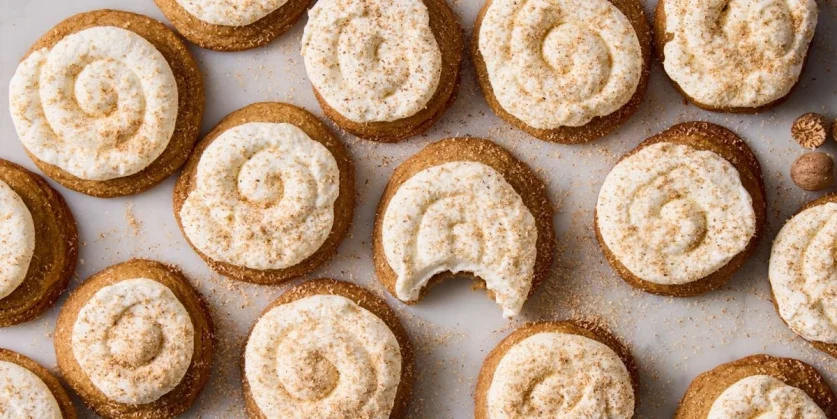
Here’s a delicious twist on the classic winter drink, hot buttered rum, transformed into a cookie! These hot brown buttered rum cookies bring the cozy flavors of the cocktail into a delightful treat. The cookie dough starts with nutty brown butter, which wonderfully complements the caramel notes of dark rum. Rich spices and a splash of vanilla extract make this a must-try recipe for the upcoming chilly season.
Frosting:
The cookies are crowned with a swirl of stabilized whipped cream—thanks to a touch of powdered gelatin—and finished with freshly grated nutmeg, mimicking the signature touch of the cocktail.
Rum Choice:
Using dark rum is essential here. While rum extract is common, it doesn’t compare to the deep flavor added by dark rum in both the cookie and the frosting. You’ll have plenty of rum left over to enjoy in holiday favorites like coquito and eggnog.
Preparation Tips:
It’s crucial to let the brown butter cool for about 10 minutes before incorporating sugar; otherwise, it can adversely affect the texture. Patience is also key during the refrigeration stage—allow the dough to chill for at least four hours, or even overnight for best results.
Storage Instructions:
These cookies can be made up to three days in advance. Once baked, store them in a single layer in an airtight container in the fridge.
Recipe for Hot Brown Buttered Rum Cookies
Yields: 12 servings
Prep Time: 10 minutes
Total Time: 5 hours 20 minutes
Ingredients
For the Dough
- 3/4 cup (1 1/2 sticks) unsalted butter
- 1/4 cup dark rum
- 1 tsp pure vanilla extract
- 1 1/4 cups (266 g) packed light brown sugar
- 1 large egg
- 2 cups (240 g) all-purpose flour
- 1 1/2 tsp ground cinnamon
- 3/4 tsp baking soda
- 3/4 tsp kosher salt
- 1/4 tsp grated fresh nutmeg
For the Frosting and Assembly
- 1 1/2 tbsp dark rum
- 1 1/2 tsp unflavored powdered gelatin
- 1 1/2 cups heavy cream, cold
- 2/3 cup (75 g) confectioners’ sugar
- 1/4 tsp kosher salt
- Grated fresh nutmeg and/or ground cinnamon, for dusting
Directions
For the Dough
- In a medium saucepan over medium heat, melt butter while stirring occasionally, until it turns golden brown with a nutty aroma (about 5-7 minutes). Remove from heat, then whisk in rum and vanilla. Allow to cool for at least 10 minutes.
- Whisk in brown sugar (the mixture will be grainy). Add the egg and whisk until slightly thickened, about 1 minute.
- In a bowl, whisk together flour, cinnamon, baking soda, salt, and nutmeg. Gradually stir the dry ingredients into the butter mixture until just combined.
- Transfer the dough to a large bowl, cover with plastic wrap, and refrigerate for at least 4 hours or overnight.
- Preheat the oven to 350°F and position racks in the upper and lower thirds. Scoop dough in large tablespoons onto two parchment-lined baking sheets, spacing them 2 inches apart.
- Bake cookies, rotating sheets halfway through, until lightly golden (10-12 minutes). Let cool slightly, then transfer to a wire rack to cool completely.
For the Frosting and Assembly
- In a small microwave-safe bowl, mix the rum with 1 1/2 tablespoons of cold water and sprinkle the gelatin over it. Let sit for about 5 minutes until it solidifies.
- In a cold medium bowl, whip cream, confectioners’ sugar, and salt until it thickens to just shy of stiff peaks, about 3 minutes.
- Microwave the gelatin until melted (about 10 seconds) and slowly drizzle it into the cream mixture while mixing on low. Increase speed to medium-high until stiff peaks form (1-2 minutes).
- Use a piping bag to swirl frosting on cookies and dust with nutmeg before serving.
These cookies are perfect for sharing during chilly evenings or holiday gatherings, blending the spirit of a beloved cocktail into each delicious bite!
Sapporo Shifts Beer Production from Canada to the US Amid Tariff Challenges
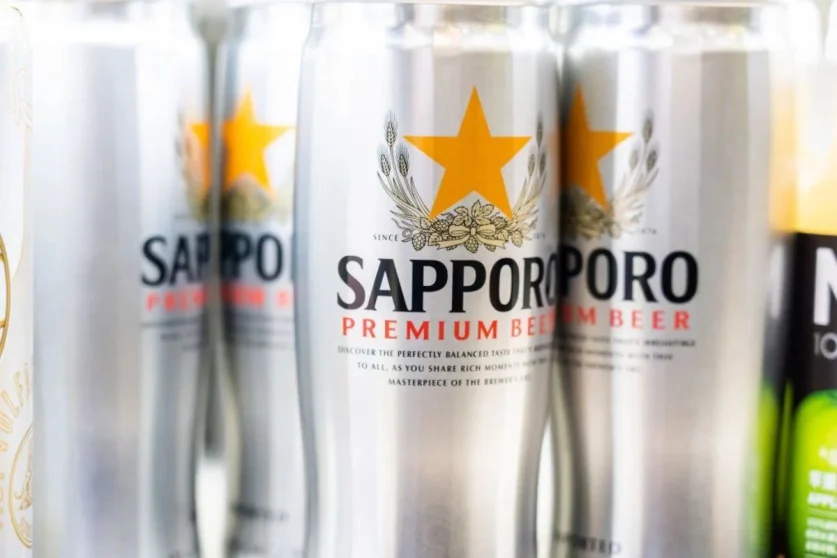
Japanese brewer Sapporo has announced plans to relocate some of its beer production from Canada to the United States in response to the recent implementation of a 50% tariff on beer imported from Canada. This significant cost increase has prompted Sapporo to consider localizing its production.
Rieko Shofu, the chief strategy officer at Sapporo, stated that the tariffs are beyond the company’s control, leading them to reinforce local production efforts. The brewery aims to shift the production of its non-alcoholic beer—currently manufactured in Canada for the U.S. market—to the U.S. by the first half of 2027.
The U.S. is a crucial market for Sapporo, and this change could directly impact operations at its Canadian subsidiary, Sleeman Breweries. To offset the rising costs, Sapporo is exploring options to enhance its production capabilities on the U.S. West Coast, which may involve building new facilities, purchasing existing breweries, or collaborating with third-party manufacturers.
Sapporo has been expanding its presence in the U.S. for several years and has become the best-selling Asian beer brand in the country. As the company aims for further international growth, with plans to invest up to ¥400 billion ($2.6 billion) by 2030, a significant portion of this capital is allocated for international markets due to stagnating sales in Japan.
Additionally, the company announced a partnership with Danish brewer Carlsberg in July to enhance its reach in Southeast Asia.
This strategy shift by Sapporo is indicative of a broader trend, as many companies reassess their production locations amid increasing tariffs and trade barriers worldwide.
For further insights on the implications of tariffs, you can check the following links:
Skrewball Unveils New Peanut Butter & Strawberry Jelly Flavored Whiskey: A Sweet Twist on a Classic!
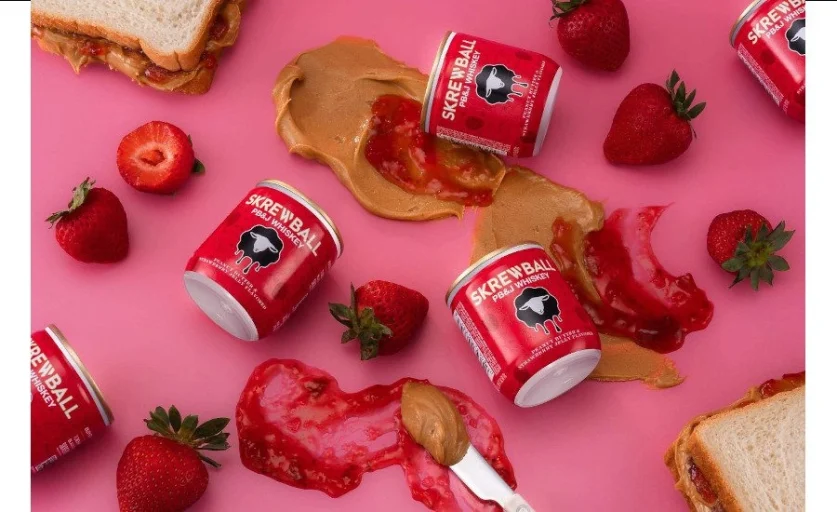
Skrewball Whiskey has officially launched Skrewball Peanut Butter & Strawberry Jelly Flavored Whiskey, marking its first flavor innovation since it established the peanut butter whiskey category in 2018. This new offering combines Skrewball’s signature peanut butter taste with the sweetness of strawberry jelly, reminiscent of a classic sandwich.
Starting this September, consumers in the United States can find this unique whiskey available in 100-ml cans and 50-ml bottles, perfect for various social occasions like tailgates and concerts. The co-founders of Skrewball, Steve and Brittany Yeng, emphasized their aim to deliver bold flavors in convenient packaging, urging customers to enjoy the memorable pairing with friends.
Richard Black, Managing Director of North American Distillers, highlighted that this launch represents Skrewball’s continued exploration of unexpected whiskey flavors. The new release retails at a suggested price of $3.99 for 100-ml cans which contain two servings, and $1.99 for each 50-ml bottle. Both formats feature a 70 proof (35% ABV).
As Skrewball looks to the future, consumers can anticipate additional exciting innovations later in the fall. The brand continues to encourage its followers to "Skrew the Usual" and embrace the unexpected in their beverage choices.
For more details, visit Skrewball Whiskey.
Uncork Your Perfect Pairing: Finding Your Ideal Wine Based on Birth Date and Personality Traits

According to numerology, your birth date can reveal a wine that mirrors your personality, whether you gravitate towards a bold red or a crisp white. Each day of the month corresponds to a different wine style, reflecting the influence of celestial bodies at the time of your birth. Here’s a breakdown of which wine complements your birthday:
Wine Pairings Based on Birthdays
-
1st, 10th, 19th, 28th – Energetic Drinkers: Orange WineThis complex wine, made from white grapes fermented with their skins, showcases flavors such as dried apricot and hazelnut. Known for its unique amber hue, it appeals to bold spirits.
-
2nd, 11th, 20th, 29th – Cosmic Connection: Biodynamic WineFor those born under the Moon’s rule, biodynamic wines, produced with minimal intervention and aligned with lunar phases, suit your evolving moods.
-
3rd, 12th, 21st, 30th – Forward Thinkers: ShirazOptimistic and adventurous individuals enjoy Shiraz, an Australian wine known for its rich and spicy flavor profile, perfect for sharing among friends.
-
4th, 13th, 22nd, 31st – Originality in a Bottle: LambruscoReflecting your vibrant personality, this lightly sparkling Italian red wine combines the refreshing quality of rosé with the fruitiness of red wine, creating a delightful experience.
-
5th, 14th, 23rd – Social Butterflies: Sauvignon BlancAs a sociable individual, you’ll find Sauvignon Blanc, known for its bright citrus notes and versatility in food pairing, to be a crowd favorite.
-
6th, 15th, 24th – Celebration in Every Sip: Sparkling RoséThose born under Venus’s influence adore sparkling rosé, a festive wine with vibrant notes of raspberry and citrus, perfect for social gatherings.
-
7th, 16th, 25th – Sweet and Dreamy: RieslingWith a magical essence, Riesling offers a wide range of sweetness and intense aromas, embodying the dreamy qualities of those born on this date.
-
8th, 17th, 26th – Timeless Tradition: BordeauxThe structured and age-worthy Bordeaux wine, a blend of Cabernet Sauvignon and Merlot, resonates with those who appreciate the beauty of time and maturity.
-
9th, 18th, 27th – Bold and Unique: MalbecMars-born individuals will appreciate Malbec’s adventurous character, evolving from French origins to the heights of Argentina, making it exceptional in flavor and value.
Discovering your ideal wine based on your birth date not only adds a personal touch to your selection but could also lead to delightful exploration of flavors that match your unique personality.