Old Monk is Not Rum? FSSAI’s Bold Claim Leaves Rum Enthusiasts in Disbelief
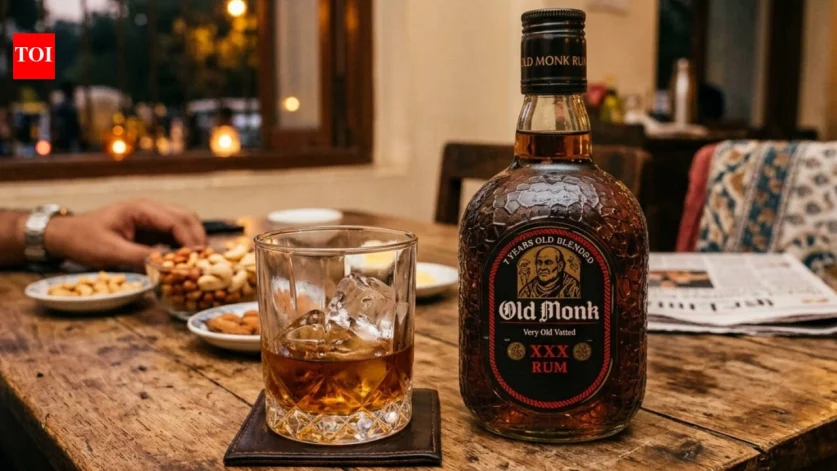
For many Indians, Old Monk is more than just a whiskey; it embodies nostalgia, evoking memories of winter evenings, college days, and cherished conversations. Its iconic status came under scrutiny when the Food Safety and Standards Authority of India (FSSAI) informed the Bombay High Court that Old Monk cannot be labeled as "rum" due to its specific formulation and labeling. The FSSAI argues that the drink is primarily made from neutral spirit with rum flavoring added, disqualifying it from being marketed simply as rum.
This revelation has stirred a wave of disbelief and humor on social media, with many expressing their emotional ties to the brand. Remarks like “Old Monk is not rum! Hum rahe na hum,” reflect the heartache felt by loyal consumers. The drink, enjoyed over years, carries significance for many, tying it to specific moments in their lives.
In its legal stance, FSSAI contends that the nature of Old Monk goes beyond a simple labeling issue. It suggests that the term "7 years old blended" on its packaging is misleading since the product contains a substantial amount of unmatured neutral spirit rather than the aged rum it’s associated with. Under regulations, any age claims for blended spirits should pertain to the youngest component.
The manufacturer, Mohan Rocky Springwater Pvt Ltd, has acknowledged the issues raised and has proposed changes to the label, including clearer indications of "added flavor" and removing the misleading age statement. However, the Bombay High Court has yet to resolve the matter, with the next hearing scheduled for September 11.
As the regulatory debate continues, many Old Monk fans are left to ponder the identity of the beloved drink they’ve known for decades. The question lingers: can a drink that has defined social experiences genuinely remain "rum" in the eyes of its loyal patrons?
EU Beer Production Declines as Demand for Alcohol-Free Options Grows
EU beer production experienced a decline in 2025, reaching a total of 34.4 billion liters. This decrease is notable as the shift toward alcohol-free beer continues to expand within the market. Germany has maintained its position as the largest beer producer in the European Union, followed closely by Spain, which also saw an increase in its beer production.
Of the 34.4 billion liters produced in the EU, 32.3 billion liters were beers with an alcohol content greater than 0.5% ABV, while the alcohol-free segment constituted approximately 2.1 billion liters, representing just over 6% of total production. This aligns with trends from previous years, showing a stagnation in conventional beer production, which contrasts sharply with the growth in the alcohol-free sector.
While Germany leads in production of alcohol-free beer, with output doubling over the past decade, Spain holds the highest consumption rates. In fact, one in four alcohol-free beers consumed in the EU is enjoyed in Spain, where sales of alcohol-free beer increased by 4.6% to 3.3 million hectoliters last year. Notably, this category now makes up about 14% of all beer consumed in Spain, highlighting its mainstream acceptance.
Interestingly, alcohol-free beer does not appear to be completely replacing regular beer. Research indicates that about 90% of those who drink alcohol-free beer also consume traditional beer. This evolution in consumer preferences reflects not only a growing acceptance of alcohol-free alternatives but also an improvement in the quality and marketing of these products, making them more appealing to the mainstream demographic.
Overall, the continued penetration of alcohol-free beer into the market signifies a shift in consumer trends, with younger drinkers leading this transition. As breweries adapt to declining sales of alcoholic beverages, the emphasis on quality and variety in the alcohol-free segment is likely to expand further.
The Hidden Costs of Alcohol-Free Beer: Why It’s More Expensive at Checkout
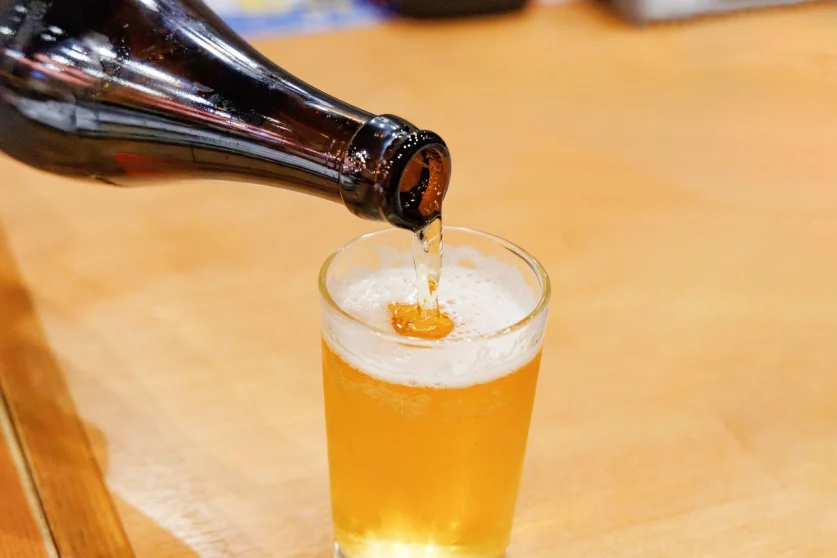
Researchers observing trends in alcohol-related liver cancer deaths noticed a decline in these fatalities prior to the COVID-19 pandemic. However, this downward trend experienced a significant reversal during the pandemic years.
This shift prompted concerns among health experts, who are working to analyze how socio-economic factors linked to the pandemic, including increased alcohol consumption due to stress and isolation, may have contributed to this troubling development. The data highlights the need for ongoing public health initiatives addressing alcohol use and its consequences, especially in the wake of global crises that can impact mental health and lifestyle choices.
For more information, refer to Alcohol-related liver cancer deaths were falling. Then the trend reversed during the COVID-19 pandemic.
FSSAI Declares Old Monk Not Rum, Maharashtra Ban Remains in Effect
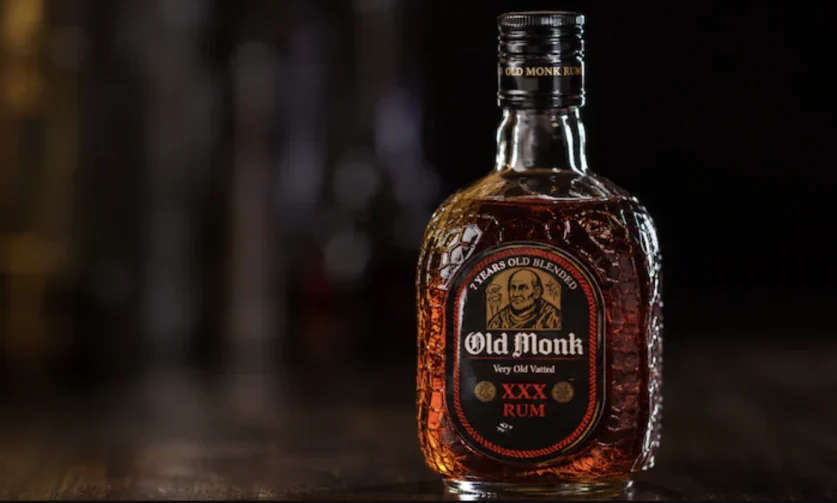
A controversy has arisen around Old Monk, a well-known Indian rum, after the Food Safety and Standards Authority of India (FSSAI) informed the Bombay High Court that it cannot be marketed as “rum” due to not adhering to the regulatory definition. Instead, the FSSAI suggests it be relabeled as a “rum-flavoured spirit.” This dispute has ignited a broader discussion regarding the beverages consumed by Indians for decades.
The FSSAI’s argument isn’t simply a matter of terminology; it states that Old Monk utilizes neutral spirit mixed with artificial flavoring and coloring—elements that disqualify it from being classified as true rum. According to their claims, if Old Monk derives its character from rum flavoring added to a neutral alcohol base, it fails to qualify as rum under existing laws.
The Bombay High Court is expected to revisit this issue on September 11.
This situation reveals the complexities surrounding India’s large Indian-made foreign liquor (IMFL) market. Typically, whisky around the world is produced from fermented grains and rum from sugarcane. However, many Indian spirits capitalize on extra neutral alcohol (ENA) or grain neutral spirit (GNS) as their primary base, predominantly sourced from molasses—a sugar production by-product. These neutral spirits are then flavored and colored to simulate different types of liquors.
The reliance on neutral spirits stems from historical and economic factors. India’s alcohol industry emerged focusing on molasses rather than food grains, which helped create a practical foundation for mass-market drinks. In contrast, premium brands such as single malts often employ traditional production methods.
This dispute transcends mere flavor; it raises significant questions about the necessity of consumer awareness regarding the production processes of alcoholic beverages. The FSSAI’s intensified oversight has led several brands to reevaluate their labeling and product descriptions. For consumers, this matter is about more than just semantics; it is about clear communication regarding the contents and crafting of their preferred drinks.
Old Monk’s deep-rooted presence within Indian culture complicates these regulatory discussions. Launched several decades ago, the brand has gained a devoted following without extensive marketing efforts, engendering strong emotional responses among its loyal consumers. The current debate is perceived not just as a technical issue, but a challenge to the nostalgic connections many have with this iconic drink.
Ultimately, this controversy could compel India’s alcohol industry to enhance transparency regarding product ingredients while regulators and producers collaborate to establish how traditional Indian IMFL products should be defined and marketed.
For further reading, see the India Today article.
Carpe Wine: Embracing the Finer Sips Beyond the Stein
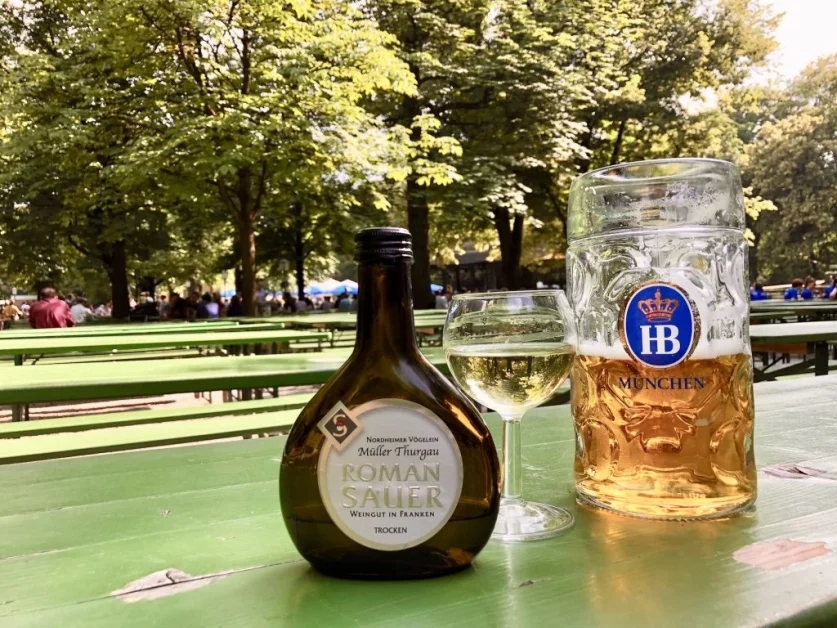
This weekend marks the start of Oktoberfest celebrations across the valley, which are primarily known for featuring German beer. However, it’s also a great opportunity to explore another of Germany’s renowned products: wine. Unfortunately, the festivals in Beaver Creek, Vail, and Gypsum won’t include German wines this year, but wine enthusiasts can still find some domestic options if beer isn’t appealing.
Germany is famous for much more than beer, especially its riesling, which constitutes nearly 25% of all wine produced in the country. While riesling often dominates, Germany also grows a significant number of red grape varieties, making the wine industry dynamic as climate changes influence viticulture.
Historically, Germany faced challenges regarding its wine quality in the 1980s due to exports of subpar, overly sweet bulk wines, like Liebfraumilch and Blue Nun. Fortunately, there has been a substantial transformation since then. With 13 officially recognized wine regions, German wines include an array of styles, from sparkling to sweet.
Riesling is at the forefront of German wines, thriving in the country’s cool climate and offering a range of flavor profiles from apple and lemon to wet slate. While most understand riesling as a sweet wine, the trend is shifting towards drier versions, gaining popularity among winemakers.
In addition to riesling, German vineyards produce other excellent white wines such as Müller-Thurgau and pinot varieties. Notably, Germany ranks as the third-largest producer of pinot noir worldwide, or spätburgunder, which has increasingly flourished due to improved farming practices and warmer climates.
Interestingly, not all rieslings are sweet. The sweetness level depends largely on whether fermentation is allowed to complete, thereby consuming all natural sugars. Labels indicating "Trocken" usually denote drier wines, which carry higher alcohol content, while those bearing lower ABV percentages tend to be sweeter.
For anyone looking to venture beyond the festivals, local spots like Ein Prosit, Alpen Rose, and Pepi’s supply a selection of German wines for sampling. When shopping at home, retailers such as Beaver Liquors offer a variety, particularly dry rieslings.
As you revel in the Oktoberfest atmosphere, consider elevating your experience with a glass of German wine. Happy sipping!
Get Savvy: Essential Wine Lingo for Aspiring Collectors with Dr. Lori
Building a wine collection involves more than just acquiring bottles; it requires understanding the language of wine. Collectors today are driven by a fascination with rare vintages, esteemed vineyards, and unique characteristics that elevate certain bottles to high value.
The landscape of wine collecting has evolved, nearly rivaling the art world in its allure. International wine auctions see bids that soar to astonishing heights, showcasing the cultural significance and investment potential of fine wines. As you embark on your own collection, it’s crucial to familiarize yourself with the terminology associated with wine.
Key Considerations for Collecting Wine
-
Labels: The wine label can reveal vital information, including alcohol content and whether it is estate bottled, a mark of quality indicating the wine was bottled on the premises where the grapes were grown.
-
Regions: Wines hail from diverse locations around the globe. For example, French wines typically name the region on the label, while American wines focus on the vineyard or winery.
-
Corks: Besides labels, corks can also offer insights into authenticity.
Learning the Lingo
Understanding wine terminology is essential for any collector. Here are some key terms:
- Tannin: Acid found in grape skins, stems, and seeds.
- Body: Refers to the weight or fullness of the wine, often related to its alcohol content.
- Depth: The complexity of flavors within a wine.
- Clarity: The visual appeal of the wine.
- Acidity: A crucial element for the structure of the wine.
- Nose: The wine’s aroma.
Evaluation Process
When evaluating wine, use a systematic approach: observe its appearance, inhale its aroma, and taste it. Developing an understanding of what you enjoy may take time but is fundamental to building a satisfying collection. Ultimately, the process of exploring and enjoying wine can be just as fulfilling as the collection itself.
For those looking to expand their knowledge or appraising abilities in collectibles, Dr. Lori Verderame advises learning the nuances of what makes a wine exceptional. With practice, you can discern good bottles that enhance both your collection and your palate.
FSSAI Informs Bombay HC: Old Monk Cannot Be Labeled as Rum
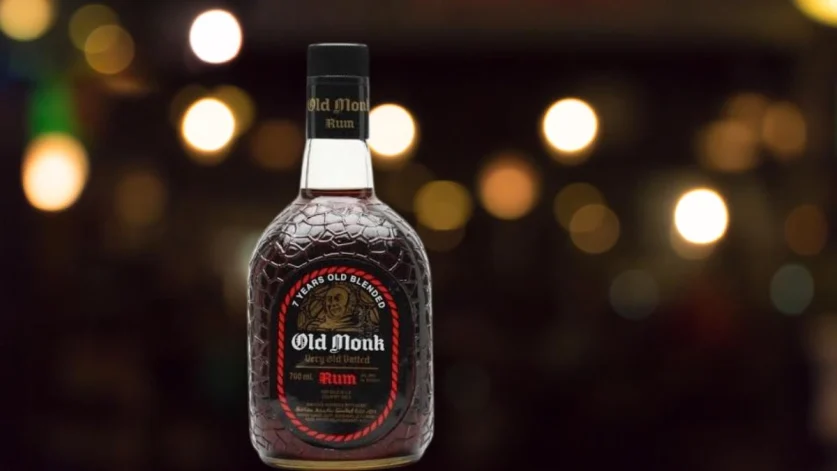
The Food Safety and Standards Authority of India (FSSAI) recently informed the Bombay High Court that Old Monk, a popular rum brand, cannot be classified as rum due to its composition, which includes neutral spirit and rum flavoring. FSSAI’s counsel stated that the product should not be marketed as rum but could instead be labeled as a “rum-flavored spirit.”
This decision follows complaints about the accuracy of Old Monk’s labeling, particularly concerning a claim that the beverage is "7 years old blended." FSSAI posits that the bulk of Old Monk consists of neutral, unmatured spirit, with only a slight percentage of matured rum included. The Bombay High Court raised concerns about whether the "7 years old blended" description could mislead consumers regarding the aging process of the entire product.
Mohan Meakin, the manufacturer of Old Monk, has submitted revised labels for review after agreeing to eliminate the "7 years old blended" claim and enhance the visibility of added flavor information. FSSAI has requested more time to evaluate these new labels, with the next court hearing scheduled for September 11.
The controversy also leads to broader implications as FSSAI has issued sales prohibitions on various products from several manufacturers, including Mohan Rocky Springwater and United Spirits. Notably impacted brands include Old Monk rum variants, McDowell’s No.1 Rum, and several whiskies.
For additional insights about this ruling, visit FSSAI clarification.
Matthew Lillard’s Ghost Face Vodka Returns with a Bloodier Sequel!
Matthew Lillard’s Ghost Face Vodka is making a return with an exciting new addition: Ghost Face Blood Orange, the brand’s first flavored vodka. This latest release, crafted from their original German potato vodka and infused with blood orange, will be available through Total Wine & More, which started stocking it earlier this month.
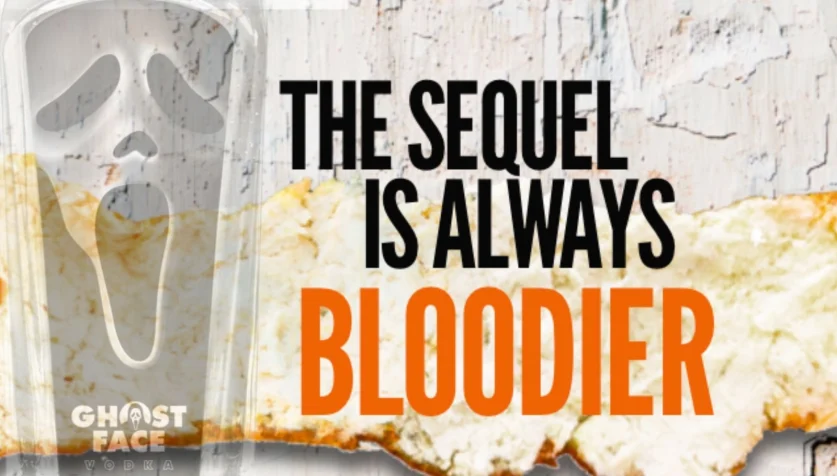
The new packaging of Ghost Face Vodka features a vibrant redesign of the classic Ghost Face mask, now with an orange hue, differentiating it from the traditional black-and-white look.
In addition to the vodka, a special box set called the Ghost Face Blood Orange Killer Collection will be available for pre-order starting September 29, exclusively online. This set will include not just the vodka but also other exciting items, reminiscent of the prior Killer Collection that featured a hand-signed bottle, custom glassware, a pin, and a party game called Killer Bash.
Lillard, co-founder of the brand in partnership with Fun World, expressed excitement about the release, stating, “Ghost Face always comes back, and the best sequels always have a twist.” The launch is perfectly timed as it coincides with the 30th anniversary of the Scream franchise this December.
As the spooky season approaches, enthusiasts can start to stock up on Halloween-themed spirits, including a variety of options available at Total Wine. The arrival of the Blood Orange vodka and the box set paves the way for a festive Halloween celebration with eerie yet enjoyable concoctions.
The Most Popular Beer in Every State: A Comprehensive Guide
Since it’s Labor Day weekend, a study examined America’s favorite adult beverage—beer. Innerbody Research analyzed Google Trends to determine the most popular beers across all 50 states and Washington, D.C. over the past year, leading to a ranking based on search interest scores.
For the second year running, Wisconsin tops the list as America’s beer capital. The rankings, along with the states’ search interest scores, are as follows:
- Wisconsin 98.53
- Wyoming 86.54
- Kansas 82.4
- Nebraska 81.77
- Iowa 76.37
- New Hampshire 74.25
- Pennsylvania 72.92
- North Dakota 71.75
- South Dakota 70.54
- Missouri 67.79
- Nevada 66.37
- Illinois 66.12
- Colorado 61.96
- West Virginia 61.1
- Michigan 60.45
- Montana 58.46
- Minnesota 57.5
- Ohio 55.24
- Maine 54.85
- Indiana 51.31
- Arizona 50.94
- Oklahoma 49.93
- South Carolina 49.42
- Florida 49.26
- Delaware 47.94
The list continues with other states, showcasing a diverse appreciation for beer throughout the country. The top ten most popular beers include:
- Michelob Ultra
- Bud Light
- Stella Artois
- Budweiser
- Guinness
- Coors Light
- Busch Light
- Miller Lite
- Blue Moon Belgian White
- Corona
Interestingly, the percentage of U.S. adults who consume alcohol has decreased to 54%, marking a record low according to Gallup. This decline also aligns with a growing awareness among Americans of the health implications associated with alcohol consumption, which correlates with a noticeable drop in beer sales reported by the Brewers Association.
Throughout history, beer has held a significant place in the fabric of American society. George Washington even ensured his troops received a quart of beer with their rations during the Revolutionary War. His legacy as a brewmaster is documented in his handwritten recipes, available for viewing at the New York Public Library.
As for present-day recommendations, the Beer Institute advocates "low and slow" consumption of alcoholic beverages, promoting moderation as a means to achieve responsible drinking and greater public health awareness.
For further insights on beer consumption patterns, the complete study can be accessed here.
New Wine Shop Opens Its Doors at Hartness Village Center in Greenville

GREENVILLE — A new wine shop called Wine House has officially opened its doors in Greenville’s Hartness Village Center as of September 1. Located at 3000 Society St., the shop aims to provide a welcoming wine bar experience alongside its retail bottle shop, offering wine by the glass or bottle along with curated pairings of meats and cheeses.
The shop’s mission is to foster a local wine community, creating a relaxed environment for residents and visitors alike. Sean Hartness, President and CEO of Hartness Development, expressed excitement over this new addition, envisioning it as a gathering place that will enhance community engagement and social interaction.
Wine House’s opening coincides with the closure of its original location on Haywood Road, while they also operate another store on Main Street. The Hartness location welcomes customers every day starting at 11 a.m.