Why Spritz Cocktails Are the Year-Round Trend You Can’t Miss
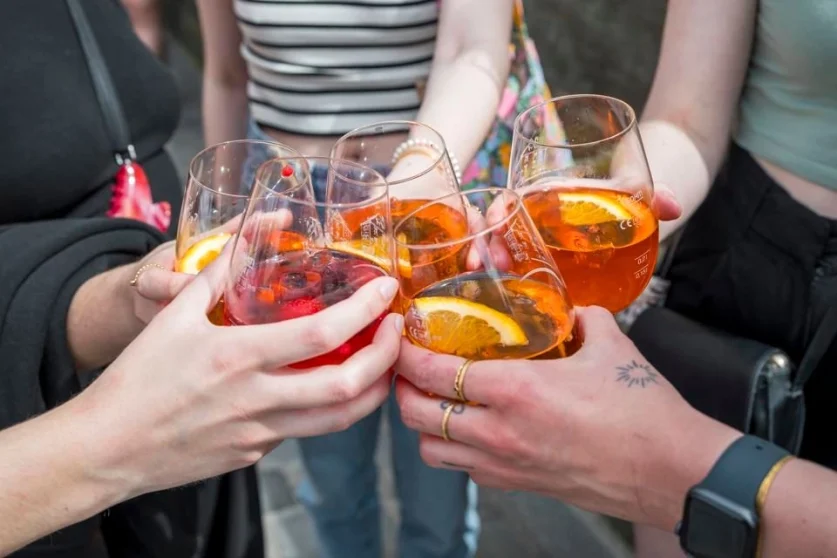
The spritz cocktail, which traces its roots back to 19th-century Northern Italy, has evolved from a summer favorite to a year-round drink. With the traditional recipe featuring Aperol, Prosecco, and soda, this cocktail is now being adapted for fall and beyond. Featuring a flexible 3-2-1 build that combines bubbly, liqueur, and club soda, it allows for creative variations perfect for different seasons.
JoJo Fletcher, co-founder of Saint Spritz, underscores the drink’s rise in popularity. People today crave light, refreshing cocktails that enhance social experiences, ideally suited for daytime gatherings or casual brunches. This shift embraces the aperitivo culture—enjoying a refreshing drink with friends before dinner—which has gained traction in the U.S. in recent years.
Marshall Dawson from Gallo Winery notes that the spritz not only offers flavor but also an experience that is less heavy on the stomach. The cultural rituals surrounding aperitif hour and socializing at home have contributed to its appeal.
The spritz has seen numerous modern adaptations, moving beyond the classic combination of Prosecco and Aperol. For instance, floral flavors are gaining popularity. Mixologist Rafaela Francisco highlights the emerging elderflower and limoncello spritzes, which provide a lighter taste compared to traditional bitters. Similarly, the Sarti Spritz, made with the fruity Sarti Rosa liqueur, is attracting attention for its distinct sweetness.
Locations such as American Social in Florida are now serving the Sarti Spritz, showcasing its refreshing fruitiness while maintaining the core spritz qualities. The cocktail’s portability is also a key factor behind its popularity; ready-made options like canned Saint Spritz serve to bring the spritz experience to more casual settings.
Since the spritz relies heavily on Prosecco, selecting a quality base is essential. Dawson recommends La Marca Prosecco for its bright notes that enhance the overall cocktail experience. Vittorio Marzotto from Santa Margherita emphasizes the balance and freshness provided by quality prosecco, which is crucial for a refreshing drink that invites repeated enjoyment.
When selecting Prosecco, the recommendation is to look for the Prosecco DOC label, as it ensures both authenticity and quality. According to Arianna Pizzolato from the Prosecco DOC Protection Consortium, choosing wines with this designation guarantees they come from specific regions and production guidelines, contributing to the cocktail’s desired freshness and effervescence.
In summary, the spritz cocktail is more than just a summer drink; it has transformed into a versatile, all-year beverage that reflects current social drinking trends. With numerous variations on the classic recipe and a focus on quality ingredients, the spritz continues to enchant aficionados and newcomers alike.
BACARDÍ: Honoring Tradition While Building a Vibrant Brand Legacy in Rum
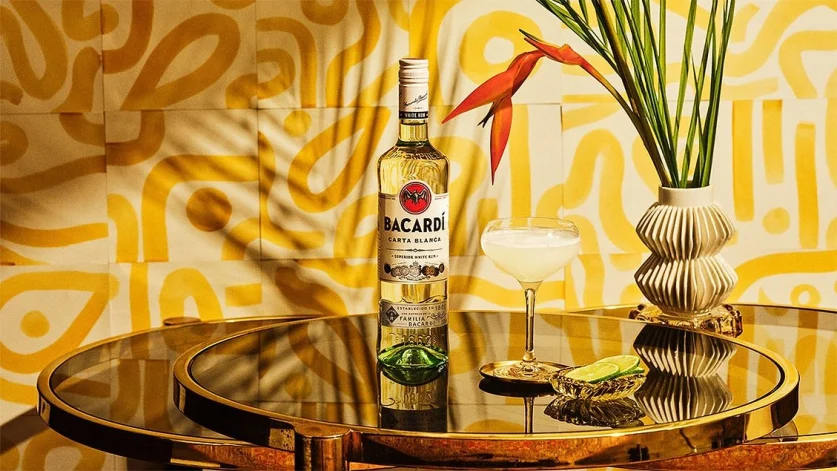
BACARDÍ continues to enhance its brand presence and legacy in the rum category while engaging consumers through innovative experiences and educational initiatives. As August draws to a close, signaling the end of National Rum Month, the role of rum in various celebration contexts remains significant.
Lisa Pfenning, the Americas Vice President of BACARDÍ Rum, emphasizes the brand’s focus on the evolving preferences of U.S. consumers who are now more intentional about their drink choices. They seek premium and authentic spirits that promote quality experiences. This shift creates opportunities for BACARDÍ to revisit its heritage while innovating for modern drinkers.
The popularity of cocktails like Mojitos and Rum and Coke continues, highlighting rum’s versatility in today’s cocktail culture. BACARDÍ has taken steps to strengthen its brand visibility through partnerships with music festivals and bartender-led campaigns.
Notably, there is a growing interest in classic cocktails, particularly the Daiquiri, which offers endless interpretations despite its simple three-ingredient composition. Darnell Holguin, BACARDÍ’s national brand ambassador, points out that this cocktail allows bartenders to showcase their creativity and individuality, moving it beyond a mere ‘safe order’ into a platform for innovation.
Pfenning mentions that educating consumers about rum’s versatility is vital. While many still associate rum with traditional tropical drinks, there are opportunities to promote it as suitable for various occasions, including brunch and daytime socializing. This approach not only broadens rum’s appeal but also aligns with BACARDÍ’s commitment to maintaining its legacy while adapting to new trends.
BACARDÍ has announced an immersive experience called the Maestro’s Walk tour at its Puerto Rico facility. This 90-minute tour enables visitors to explore the rum-making process and sample rum straight from the barrel. This initiative is part of BACARDÍ’s commitment to building on its 160-year heritage in rum production, with a particular focus on its Puerto Rican operations.
Pfenning states that BACARDÍ aims to shape the future of rum by expanding its consumer base, fostering relationships with bartenders, and driving cultural moments, particularly in music. The brand intends to highlight both traditional rum cocktails and new interpretations, creating a vibrant narrative around rum and its diverse possibilities in contemporary drinking culture.
This dedication to innovation and education reinforces BACARDÍ’s longstanding aim of inviting new generations to explore and enjoy the world of rum, ensuring the brand not only remains relevant but thrives in a competitive spirits landscape.
2026 Minnesota State Fair Beverage Review: Surprisingly Palatable Ranch Beer and More!
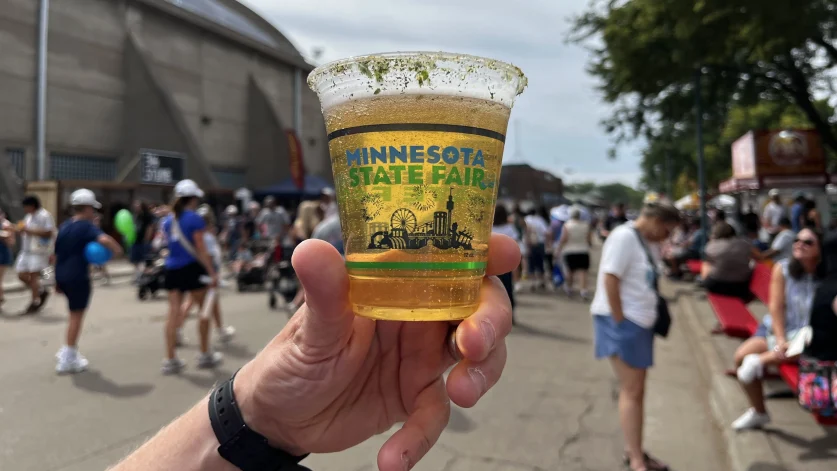
As the Minnesota State Fair kicked off its 2026 edition, visitors were treated to a vast array of new alcoholic beverages, sparking discussions about the latest trends and flavors. Among the standout offerings was a ranch dressing-flavored beer, intriguingly named "Old Ranch Hand." Despite its unconventional flavor, tasters found it surprisingly palatable, even if the ranch salt on the rim drew mixed reactions.
The Fair’s sampling team tested 65 out of 75 new drinks on their second day, uncovering a blend of innovative concoctions and some less successful attempts. While many brewers leaned towards less sweet profiles, numerous products still fell into the overly sugary category characterized by artificial fruit flavors.
Here’s a snapshot of some memorable drinks sampled at the Fair, organized by their location:
Ball Park Cafe
- Homer Black Pepper IPA: A lack of black pepper flavor was disappointing, though it did offer a pleasant citrus bitterness.
- Rare Candy Pink Lemonade Sour: Sweet with a confusing flavor profile, tasting neither completely sour nor sweet.
Shanghai Henri’s (International Bazaar)
- Midway Sparkling Ale: A light beer lacking pronounced citrus notes but easy to drink.
- Key Lime Colada Slushie: A refreshing coconut-flavored drink, perfect for hot weather.
Aldo’s and Sabino’s
- Tropical Fruit West Coast IPA: A fruity yet balanced beer, well-received by tasters.
- Old Ranch Hand: Again mentioned, its ranch flavor garnered mixed reviews but wasn’t outright rejected.
The Blue Barn
- Hugo Spritz: Tasting like an elderflower cocktail, it received positive remarks for its authentic flavor.
- Espressotini Frozen Seltzer: This innovative drink was praised for its creamy coffee flavor and refreshing characteristics.
Various Locations
- Candyman Blue Raspberry Lager: This drink confused tasters with its overly sweet profile that left them unimpressed.
- Juicy Apricot Tangerine Hazy IPA: Highly rated for balance and flavor, noted as a fun drink for strolling around the Fair.
While attendees faced a mix of successes and disappointments in the beverage offerings, the overall atmosphere remained festive and exploratory. With many drinks leaning towards extreme flavors, there was something for everyone, proving that the creativity of brewers continues to escalate year after year at this beloved annual event.
For a deeper dive, check out:
California Lawmakers Push to Make Cocktails-to-Go Permanent as Bill Reaches Governor Newsom’s Desk
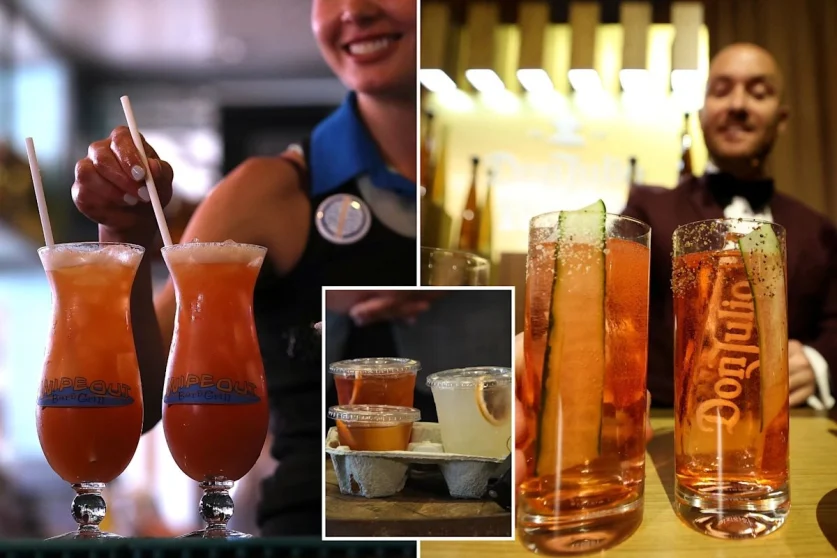
Californian lawmakers have passed a significant piece of legislation that will allow citizens to continue ordering cocktails to-go until 2029. This extension has been prompted by Assembly Bill 2663, which is on its way to Governor Gavin Newsom for his approval. The existing law, which permits restaurants to sell cocktails for off-site consumption, was set to expire on December 31, 2026.
Originally implemented during the COVID-19 pandemic, this policy served as a lifeline for restaurants coping with indoor dining restrictions. Now, it appears that the demand for cocktails to-go remains strong among consumers, prompting lawmakers to seek further extension.
The legislation stipulates that restaurants can sell cocktails only in manufacturer-sealed containers or those with secure lids. However, there is a requirement that these alcoholic beverages must be purchased alongside a meal.
Adam Smith, the vice president of state government relations at the Distilled Spirits Council of the US, expressed the positive impact this measure has had, noting that it has evolved from a temporary solution to a popular convenience for consumers, enabling them to enjoy restaurant-quality cocktails in the comfort of their own homes.
California is among a decreasing number of states where cocktails to-go are still available on a temporary basis, with only a few such as New Jersey and New York having similar provisions. In contrast, 32 states and Washington, D.C. have moved to make cocktails to-go a permanent option, highlighting a national trend towards more flexible alcohol licensing as consumer preferences evolve. If Governor Newsom signs the bill, Californians will have the opportunity to continue enjoying cocktails with their meals through the year 2029.
A Taste of the Fair: Reviewing the Best and Worst Beverages from the 2026 Minnesota State Fair
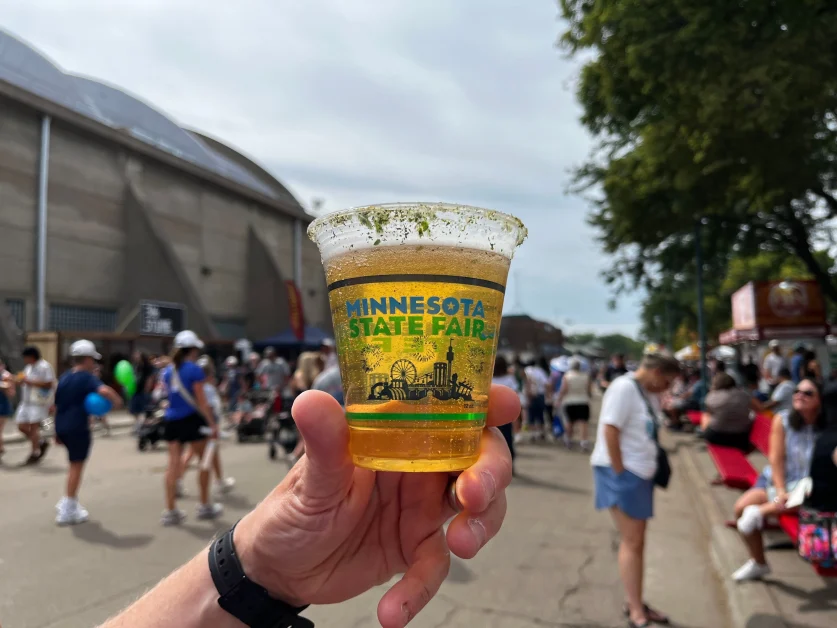
As the Minnesota State Fair progresses, a tasting group sampled a wide variety of the 75 new alcoholic beverages available this year, confirming that the ranch-dressing flavored beer, titled "Old Ranch Hand," wasn’t the worst of the bunch.
Day two of the Fair saw an impressive turnout, which caused some offerings to sell out quickly. The tasters managed to sample 65 different drinks, revealing a mix of flavors—many leaning towards the overly sweet and artificial.
Key Highlights from the Tasting
-
Ball Park Cafe
- Homer Black Pepper IPA: A missed opportunity for black pepper flavor, but overall pleasant with citrus notes (7% ABV).
- Rare Candy Pink Lemonade Sour: A sour with sweet elements that confused some tasters (5% ABV).
-
Shanghai Henri’s
- Midway Sparkling Ale: Refreshing but lacking significant citrus flavor (4.9% ABV).
- Key Lime Colada Slushie: Enjoyed by coconut lovers, it provided a refreshing taste (5.9% ABV).
-
Livelihoods in the Coliseum
- Tropical Fruit West Coast IPA: A well-balanced fruity IPA that garnered positive reviews (7% ABV).
- Old Ranch Hand: Surprisingly better than expected, although some described it as tasting like “sour cream and onion potato chips.” This beer boasts a 5% ABV.
-
The Blue Barn
- Hugo Spritz: A hit, reminiscent of cocktails rather than a typical Fair drink (6.5% ABV).
- Espressotini Frozen Seltzer: Very well received, likened to coffee ice cream (5% ABV).
-
The Hangar
- Lemon Agua Fresca Lager: Panned for tasting excessively sweet and reminiscent of floor cleaner (4.5% ABV).
- Aurora Tropical Drift: Received mixed reviews due to its complicated profile (6.9% ABV).
Considering the spectrum of flavors available, the ranch beer stood out for its novelty, even if it wasn’t altogether enjoyable. With a plethora of drinks ranging from sours to slushies, this year’s beverage offerings captured almost every conceivable taste preference at the Fair.
For more insights on this year’s fair drinks, follow along for further reviews and updates.
Raising the Bar: Vodka’s Growing Popularity in India, Peg by Peg
Vodka is gaining a significant foothold in India’s liquor market, traditionally dominated by whisky, with younger consumers and women leading this change. The vodka segment’s market share has surged to 6.1% from 3.8% in just one year, indicating a pivotal shift towards white spirits. Abhishek Khaitan, MD of Radico Khaitan, noted that the appeal of vodka lies in its mixability and a variety of flavors that attract new customers.
This expansion within the vodka category represents more than just a trend; it’s a notable structural change within a market that exceeds 400 million cases annually. Notably, the recent growth in vodka sales exceeds even that of gin and tequila combined, encroaching on the traditionally dominant brown spirits like whisky, rum, and brandy, which collectively comprise about 90% of the market.
Khaitan, who previously considered selling Radico Khaitan, invested years into building the vodka brand before witnessing its current growth trajectory. The vodka category has experienced consistent annual growth of 20% over the last five years. States like Rajasthan and Uttar Pradesh report particularly quick gains for vodka, with established brands gaining ground at the expense of their brown spirit counterparts.
Globally, vodka commands around 28% of the spirits market, leaving ample room for growth in India. Radico’s leading vodka brand, Magic Moments, recorded 3.25 million cases sold in the last quarter alone, reflecting a 43% growth compared to the previous year, securing approximately 60% of India’s vodka market share.
In light of these changes, Radico also endeavors to position itself in the premium spirits segment, traditionally dominated by multinational brands. Their whisky products, like Virasat and Rampur, cater to various price segments, allowing Radico to mitigate dependence on lower-priced liquor and to adapt to market fluctuations. Their premium portfolio’s share has risen from about 40-43% to 52%, showcasing a deliberate shift away from commodity selling.
While the brand plans to maintain a stable portfolio only in jurisdictions that yield sufficient margins, it signifies a strategic repositioning within the industry to lean towards premium offerings that promise better profitability.
Jack Daniel’s Unveils Exclusive Whiskey Finally Available to American Consumers
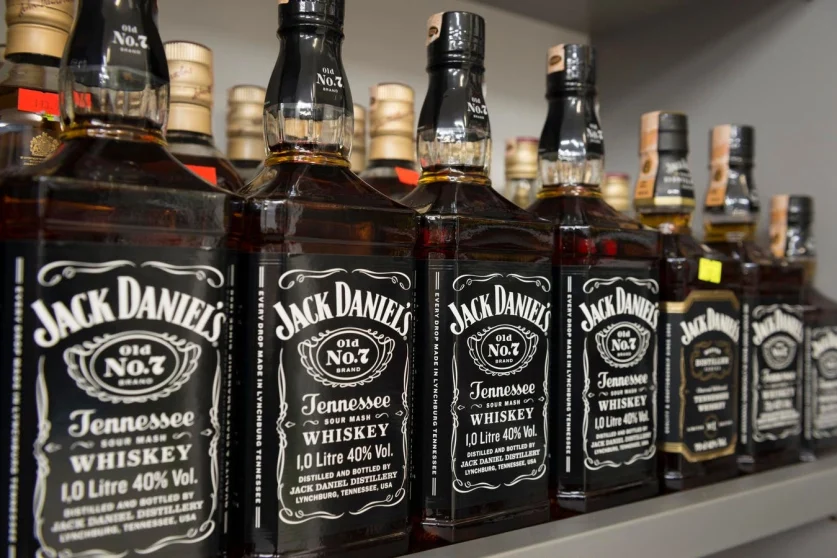
Jack Daniel’s is set to release a new whiskey variant that diverges from its traditional offerings. The Jack Daniel’s American Single Malt Whiskey, made entirely from malted barley and finished in Oloroso Sherry casks, will be available across the United States starting this fall. This limited edition will be sold in one-liter bottles priced at $74.99.
Marking a significant moment, this release not only adds to the Jack Daniel’s portfolio but also represents a milestone for American single malt whiskey, which was formally recognized as a distinct category by the Alcohol and Tobacco Tax and Trade Bureau (TTB) in January 2025. The official definition specifies that producers must distill the whiskey at a single U.S. distillery using 100% malted barley, with aging and bottling standards set in place.
Jack Daniel’s Master Distiller, Chris Fletcher, emphasized the brand’s aim for innovation in whiskey crafting, reflecting the positive responses from international markets where the American Single Malt was previously available primarily through duty-free shops.
This new whiskey incorporates the iconic elements of Jack Daniel’s, including its unique charcoal mellowing process and aging in new charred American oak barrels, before being finished in Sherry casks. The resulting whiskey presents a complex profile with notes of oak, fruit, cocoa, and a hint of Sherry sweetness.
The American Single Malt Whiskey will not join the permanent lineup but will be released in limited quantities for a limited time, making it a collectible item for whiskey enthusiasts eager to explore this new avenue of flavor from one of the world’s most recognized whiskey brands.
For those interested, this limited edition whiskey will be available nationwide beginning fall 2026.
Sinless Vodka Cocktails: Why Gen Z is Shaping the Future of Beverage Trends

Gen Z has become the focus of a new survey from Sinless Vodka Cocktails, revealing their thirst for romance is not only about drinks but also the complexities of modern dating. The survey highlights how this generation engages in a range of behaviors that complicate romantic relationships—ranging from ghosting to love bombing—at higher rates than Millennials.
The findings from the "Modern Dating Sindex" uncover the realities of dating in today’s world. A staggering 92% of U.S. adults aged 25-45 admit to experiencing at least one hallmark of modern romance, demonstrating widespread engagement in these "little dating sins."
Key insights from the survey indicate:
-
Higher Incidence of Dating Disappointments: Gen Z reported higher instances of ghosting (79% vs. 75% for Millennials), double texting (59% vs. 50%), and being love bombed (55% vs. 46%). However, they also set firmer boundaries, with more considering dealbreakers such as chronic lateness or inconsiderate behavior.
-
Dating Rosters Are Common: Nearly two-thirds (65%) of respondents have maintained a casual dating roster. About 42% consider a "party companion," while 39% have a "hookup" option.
-
Ghosting Statistics: Over three-quarters (76%) have been ghosted, with 58% admitting to having done the same. The average ghoster has left about 11 relationships unfinished.
-
Digital Research Prior to Dates: The data suggests that 76% of people look into their potential dates online, revealing the lengths to which individuals will go before going on a date.
-
Strategic Relationship Endings: More than two in five (42%) have ended relationships purposefully before significant holidays or events, often to avoid complications or emotional baggage.
-
Partner Behavior Impact: Nearly 90% agree certain behaviors can turn a partner into a dealbreaker, with rudeness to service staff topping the list.
Overall, the "Modern Dating Sindex" serves as a vivid portrayal of the current dating landscape, characterized by both modern temptations and the universal experiences that bind people together. Sinless Vodka Cocktails encourages individuals to embrace these dating truths—recognizing that many of the "sins" prompt a shared understanding rather than shame.
Uncovering the Rise of Black Fungus Amidst Ireland’s Whiskey Boom: What You Need to Know
Irish whiskey has seen a significant boom, with exports surpassing €930 million in 2025, and demand continues to grow even amidst global trade challenges. As the whiskey industry flourishes, an unexpected development has emerged: the presence of a black fungus, Baudoinia, also known as whiskey fungus. This fungus thrives near whiskey maturation facilities, covering surfaces such as walls and trees with a dark patina.
The fungus benefits from ethanol alcohol released during the whiskey maturation process, a phenomenon referred to as the “angels’ share.” Despite its appearance resembling soot, Baudoinia is primarily fed by this airborne alcohol, leading to noticeable growth around distilleries. While its presence has been recorded for over a century, research on its potential health impacts and environmental effects remains limited.
A notable investigation by the Irish Environmental Protection Agency (EPA) in 2022 looked into complaints from residents near the Midleton distillery concerning black discoloration on homes. The study found Baudoinia in a whiskey warehouse but not on nearby residential properties, raising questions about the fungus’s spread and behavior related to alcohol emissions.
Further research is crucial for understanding the dynamics of this fungus and its ecological impact, especially as ethanol emissions from whiskey production contribute to ground-level ozone—this is a harmful air pollutant linked to respiratory issues and environmental concerns.
The ongoing project at Dublin City University aims to study ethanol emissions from whiskey maturation facilities and the biology of Baudoinia in Ireland. This research will consider factors such as the distance from sources of ethanol, humidity, and environmental conditions that may affect fungal growth and spread.
As Ireland balances the growth of its whiskey industry with environmental considerations, the goal is to ensure that both communities and ecosystems are protected while supporting this vital sector. Understanding the implications of whiskey fungus and its connection to environmental health is essential as the industry continues to prosper.
Exploring Uniqueness: The Wine Warehouse Experience in Willoughby
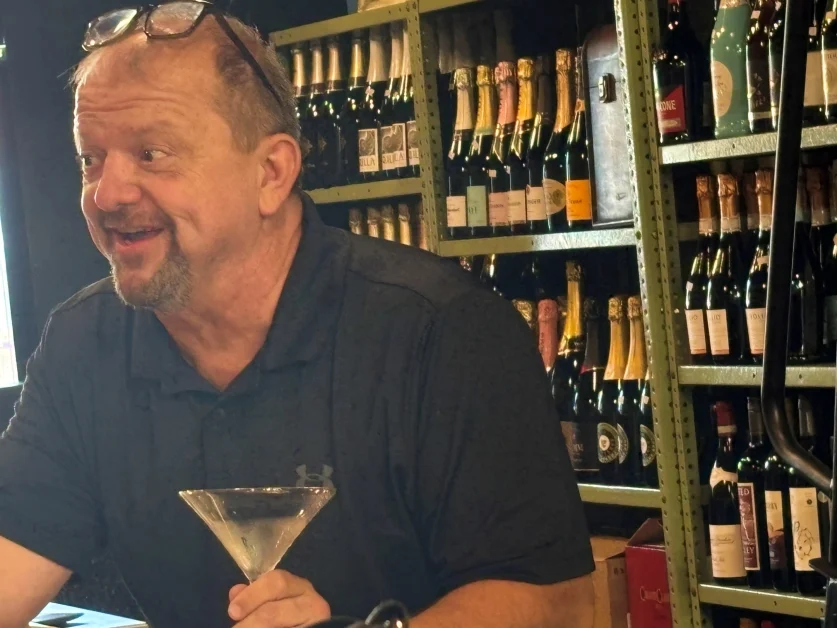
A medical emergency that resulted in surgery and a prolonged hospitalization delayed the opening of Mark Danford’s latest venture, The Wine Warehouse in Willoughby. However, Danford, a certified sommelier, views this setback as a blessing. At 56, he reports feeling healthier than ever, having adopted better lifestyle habits since his recovery.
Danford, who was certified as a sommelier in 2015, is now providing guidance to customers in selecting wines and making food pairings. His journey to opening The Wine Warehouse involved over 100 doctor visits due to a severe gastrointestinal condition, yet he persevered with the support of friends and family, transforming the location into a welcoming space situated just blocks from historic downtown Willoughby.
The Wine Warehouse offers an extensive selection of more than 300 wine varieties, each sold at state-minimum prices. Patrons can enjoy their chosen wines with a $10 corkage fee at the bar, alongside cocktails crafted from 40 different bourbons and ryes. Despite being relegated to operating alone until next year due to the store’s liquor license, Danford skillfully manages the bar, which has a cozy seating arrangement of just 10 bar seats and four tables.
Originally from Willoughby, Danford has a rich history in the hospitality industry, previously operating several local venues before spending time working at restaurants in Florida. He returned to help establish various dining spots in Willoughby, witnessing firsthand the supportive nature of local business officials.
Danford’s love for Italian wines is evident, as he recommends the dry and refreshing Soave for its pleasant flavors that pair well with seafood and pasta. His enthusiasm for wine is matched by his goal to expand the wine list to 1,000 bottles by 2028, showcasing his commitment to his craft and community.
The Wine Warehouse is located at 37812 Vine St., Willoughby, with operational hours varying throughout the week:
- Tuesday to Thursday: 4 PM – 9 PM
- Friday: 1 PM – 9 PM
- Saturday: 12 PM – 10 PM
- Closed on Sunday and Monday
For more information, Danford can be reached at 440-725-9921 or via their website.