Wine 1106
Boosting Profits: President of Treasury Americas Unveils New Wine Strategy

Ben Dollard, President of Treasury Americas
With reports of global wine sales volume declines for the past two years, it was refreshing to learn that one of the world’s largest publicly traded wine corporations, Treasury Wine Estates, actually achieved an 8% increase in profit during its recent fiscal year (ending July 30, 2024).
Given Treasury’s flurry of both acquisitions and divestments, many people have been curious about how these results were achieved. Therefore, I reached out to Ben Dollard, President of Treasury Americas, and in an online interview he explained how the company’s new focus on the ultra-premium and luxury wine segments was allowing them to pull ahead of the pack.
“We are pleased with the outcome of our results – specifically with our U.S. wine businesses,” stated Dollard. “Highlights include the acquisitions of Daou and Frank Family wineries to complement our other brands. And we became a $1 billion business for the first time (in Australian dollars).”
The net profit for Treasury Wine Estates was AU$407.5 million (fiscal year 2024), marking an 8% increase from the previous fiscal year, as detailed in their annual report.
What strategies did Treasury Wine Estates, a unique publicly traded wine-only company (unlike its diversely invested competitors), employ to record such a success?
During our discussion, Dollard highlighted five key strategic focus areas that have been instrumental in bolstering Treasury’s profitability.
With a collection of over 70 renowned wine brands worldwide, including historic names like Penfolds Grange in Australia, Georges de Latour at Beaulieu Vineyards, and Beringer Private Reserve in Napa Valley, Treasury has developed a strong and flexible global portfolio.
For example, when China imposed tariffs of up to 200% on Australian wines in 2021 (they were just lifted in March of 2024), Treasury was able to focus on other markets.
“Penfolds was already distributed throughout Europe and the U.S., so we pivoted to other markets,” explained Dollard. “It shows the great strength of our relationships and distribution capability around the world.”
Carefully curating the portfolio is part of this strategic focus, and explains the flurry of acquisitions and divestitures Treasury has embarked upon in the last few years.
“We are focused on the luxury wine market of $20 per bottle and above, and are divesting commercial brands priced at $10 per bottle or less,” reported Dollard.
To this end, they have recently announced they are selling lower priced brands within Blossom Hill, Lindeman’s, Wolf Blass and Yellowglen.
On the luxury side, their acquisition of Frank Family Vineyards in Napa Valley and Daou in Paso Robles, both well-known brands in the U.S. with price points ranging from $20 to $300 per bottle, match this strategy well.
“Both brands filled out important parts of the portfolio over $20, and they are growing rapidly,” said Dollard. Treasury defines luxury wine brands as over $20 per bottle and premium brands as $11 to $20 per bottle.
Indeed, according to Tim Ford, Treasury Wine Estates CEO, more than 75% of their revenues are derived from their luxury brands.
Daou Winery in Paso Robles, California – Part of the Treasury Americas Portfolio
Treasury doesn’t solely focus on high-end wines, understanding that past financial downturns urged a shift back to more economical choices. Thus, they sustain their popular premium wines, priced between $11 and $20, known as their ‘Bold Brands’ category.
Brands like Matua, 19 Crimes, Squealing Pig, and Pepperjack comprise this division. “These brands help us engage new consumers and invigorate innovation,” stated Dollard.
Innovation is evident through Matua’s innovative label from New Zealand, featuring a thermometer that changes its color to signal the wine’s ideal chill temperature. Similarly, 19 Crimes uses augmented reality technology on its labels to animate narratives of notorious Australian outlaws.
“We believe in investing in digital marketing, technology, and innovation to connect with consumers,” stated Dollard.
“We have a consumer lens, and spend a lot of time trying to understand how consumers want to engage with us and our brands.”
Treasury spends a lot of time focusing on the wine consumer and their needs, and is especially interested in understanding the needs of new consumer segments.
“We have a consumer lens, and spend a lot of time trying to understand how consumers want to engage with us and our brands,” stated Dollard. “We like to be there to engage with consumers in the market and at events, as well as when they visit our wineries.”
Therefore, Treasury creates a variety of consumer experiences at different locations. “We recently participated in the luxury car show in Monterey (Pebble Beach Concours d’Elegance), and showcased our Daou wines. It was a great experience with wonderful consumer engagement,” he reported.
Other consumer engagement experiences have included Treasury wines poured at New York Fashion Week, The Daily Front Row events in LA and the Hamptons, Beach Life and the Santa Barbara Film Festival.
Another way they engage with consumers is through philanthropy, especially with their Frank Family brand. “Frank Family has a long tradition of giving back to different charitable causes, and so we want to continue that. It is a great way to show our gratitude and responsibility.”
Portfolio of Wine Brands Offered by Treasury Americas
Major players in the wine industry recognize the importance of maintaining robust relationships with distributors, particularly in the U.S. where the predominant method of selling wine involves the 3-tier system. This system facilitates distributors in promoting and distributing wines to a variety of vendors including grocery stores, restaurants, and wine shops.
“Building strong, enduring connections with our distributors is vital,” noted Dollard.
The strategy involves a collaborative method where the unique competencies of each party are optimized. Treasury, similar to other companies within the sector, collaborates with numerous distributors to expand their market reach across numerous U.S. states and over 70 countries globally.
Considering that Treasury Wine Estates is based in Australia, a nation recognized for its rainwater harvesting expertise since the 1800s, their forward-thinking stance on water conservation and management across their vineyards and production facilities is notable. Their environmental initiatives extend beyond water management.
“Sustainability is part of our DNA. Every day that we wake up we have a responsibility in how we think about the footprint of our wineries. We are always concerned with water management, but also the use of solar, the equipment that is used in the vineyard, and energy conservation,” explained Dollard.
Since Treasury owns 11,300 hectares (27, 933 acres) of vineyards around the world, and is one of the largest landholders in Napa Valley, this type of focus on sustainability is important in the communities in which they operate.
Dollard said that they are also concerned with social responsibility, and have active “community engagement in Napa Valley.” The company currently employees 2,500 team members, and has several programs to promote DEI (diversity, equity and inclusion).
When asked if Treasury has anymore winery acquisitions in mind for the future, Dollard replied: “We are always open to considering opportunities, as long as the winery has amazing and authentic stories to tell.”
In the future, Treasury Wine Estates is committed to prioritizing their luxury and ultra-premium brands while still fostering the growth and innovation of their ‘Bold Brands’.
“Our goal is to remain engaged with our consumers by sharing our brands, telling our stories, offering experiences, and strengthening our distribution and retail partnerships. We also aim to anticipate the preferences of new generations and illustrate how wine can play a vital role in a joyful lifestyle,” stated Dollard.
Penfolds Winery in Australia – A significant part of the Treasury Wine Estates Portfolio
One Community. Many Voices. Create a free account to share your thoughts.
Our community is dedicated to fostering connections through open and thoughtful discussions. We encourage our readers to express their opinions and exchange information and ideas in a respectful environment.
Please adhere to the posting guidelines specified in our site’s Terms of Service. Below, we have highlighted some of the key guidelines to maintain civility.
Your contributions may be declined if they appear to include prohibited content as outlined in our policies.
Additionally, user accounts might be suspended if they are found or suspected to be involved in violating community standards.
So, how can you be a power user?
Thanks for reading our community guidelines. Please read the full list of posting rules found in our site’s Terms of Service.
Europe’s Strategy to Combat Declining Wine Sales: A Detailed Plan of Action

17-Sep-2024
– Last updated on
17-Sep-2024 at 09:38 GMT
Grape and wine producers confront significant obstacles due to increased production costs, and labor shortages are intensifying these challenges.
The impact of climate change compounds these issues, with elevated temperatures and more frequent extreme weather events disrupting the timing of harvests, the quantity of crops, and the quality of grapes. Such alterations make agricultural planning highly difficult, and in some cases, lead to devastating losses. Notably, global wine production in 2023 fell by 9.6% due to severe climatic conditions(source).
France, Italy, and Spain, the leading global wine producers, collectively account for nearly half of the world’s wine output. The production figures for 2023 highlight the varying impacts of these challenges. France saw a production increase of 4.4%, whereas Italy and Spain experienced significant declines in production, 23% and 22% respectively(source).
And wine is in a long-term structural decline. The category has always relied on older drinkers, and has done little to attract younger drinkers who are much more interested in trending categories such as RTD alcohol and craft beer.
And, in general, alcohol is increasingly under fire as trends shift towards health and wellness – leading to what CEEV calls the ‘demonization of wine’ in health policy. The result is that supply and demand simply don’t match up.
The decline in consumption – along with disruption of trade exchanges from geopolitical disputes and trade conflicts – has created uncertainty in the world wine trade: a big issue for an industry that enjoyed €17.9bn worth of exports in 2022-2023.
This month, the European Committee of Wine Companies (CEEV) participated in a high-level meeting on the future of wine policy with the European Commission: setting out its vision to tackle the challenges facing the wine sector and its key proposed solutions for long-term sustainability.
The effectiveness of solutions for challenges in the wine industry depends on the operations and regulations of wine markets. The approach is dual-pronged: enhancing the competitiveness and adaptability of wine businesses to market demands, and bolstering their resilience against climate related challenges through mitigation and adaptation strategies.
“The EU wine sector faces both long-standing and immediate challenges,” said Mauricio González-Gordon, President of CEEV. “This meeting was critical for strategically discussing the future of EU wine policy. We appreciate the Commission’s efforts in initiating this. The future of the EU wine industry depends on operators who are dedicated to sustainable and continued growth, and it’s important that EU policies support and prioritize these operators.”
There are complex issues in the industry. One significant issue is finding the balance between preserving traditional wine making practices and innovating to meet the needs of newer generations.
One solution might be to enhance the flexibility of geographical indications, which are usually very restrictive, to allow for easier adaptation to climate changes.
Or it might involve revising the production and labeling standards to effectively include dealcoholized, partially de-alcoholized wines, and aromatized wine products, thereby aiding the expansion of no and low alcohol wine options.
There’s another complex issue – perhaps even more challenging to address – which is to discern the role of wine in a society where negativity towards alcohol is growing. The CEEV suggests that addressing this involves distinguishing the harmful effects of alcohol abuse from the moderate consumption of wine.
Yet, the primary focus of the CEEV’s varied policy objectives is to reduce the bureaucracy that vineyards, wineries, and others in the supply chain deal with. Notably, 99% of wine producers in the EU are small or medium-sized enterprises, which are more susceptible to being burdened or confused by diverse and evolving regulations.
Access the CEEV’s policy documents here.
To secure the future of EU wine companies, CEEV proposed a range of policy priorities.
Copyright – Unless otherwise stated all contents of this web site are © 2024 – William Reed Ltd – All Rights Reserved – Full details for the use of materials on this site can be found in the Terms & Conditions
Related topics
Capturing the Spirit of Celebration: A Photo Essay from the Maryland Wine Festival

Pictures from the Maryland Wine Festival on the grounds of the Carroll County Farm Museum on Saturday, Sept. 14.
Celebrating 150 Years: Top Pinot Noir and Chardonnay Vineyards Craft Exclusive Champagne Wine

A widow was instrumental in pioneering the popular Brut Champagne style 150 years ago, and today, a notable woman commemorates her legacy with the launch of an exclusive champagne.
Two glasses of Champagne
The cellar of Champagne Pommery
An unexpected explosion, followed by a cascading fountain of champagne and flying glass shards, alarmed the visitors greatly, some of whom trembled with fear. Yet, this did not deter them from returning, often with more friends and family in tow. They were drawn to a captivating adventure, plunging more than 100 feet below ground by descending 116 steps into a vast subterranean realm adorned with dramatic sculptures etched into the chalk walls. This extraordinary experience, a pinnacle of amusement during those times, was surprisingly the achievement of one individual—a widow from the late 19th century in the renowned Champagne wine region.
A tableau carved into the Pommery cellar walls
In 1868, Madame Pommery initiated a significant construction project in Reims, located in the illustrious Champagne region of France. This venture extended over 11 miles and delved deep into the earth’s chalk-rich strata. Being an art enthusiast, Madame Pommery had an artist sculpt legendary scenes into the chalk walls, which came to life as visitors illuminated them with candles while touring the tunnels beneath the Champagne Pommery estate. At the time, creating thicker glass Champagne bottles to withstand internal pressure was unknown, leading to occasional bottle explosions. Ingeniously, Madame Pommery supplied visitors with fencing masks for protection against such accidents.
In a groundbreaking move in 1874, Madame Pommery introduced the iconic Pommery Brut Champagne. Before this, most Champagnes were sweetened heavily with sugar and considered dessert wines. Madame Pommery’s creation of the dry Brut style redefined Champagne as a beverage suitable for consumption before, during meals, or on its own.
To commemorate this significant innovation, the Vranken family, current owners of Champagne Pommery, led by the formidable Nathalie and her daughter Pauline, is releasing a special cuvée named Apanage 1874.
Champagne Pommery ‘Apanage 1874’ Brut NV
Six years prior, Champagne Pommery’s cellar master Clément Pierlot was entrusted by Nathalie Vranken with the significant duty to craft a special champagne to celebrate Madame Pommery’s illustrious accomplishments. He concocted a blend predominantly sourcing great vintages from 2018, 2015, and 2012, supplemented with 18% reserve wines from the ancient Pommery vaults for added intricacy. The blend primarily involves Chardonnay and Pinot Noir from stellar vineyards including those of Premier or Grand Cru status, and rare plots such as the Les Clos Pompadour on Pommery’s estate. This vineyard is among the esteemed enclosed vineyards in the Champagne region, renowned globally. Clément believes that Apanage 1874 aligns with the maison’s historic practices, merging the “delicacy and precision of a modern creation with the depth and complexity of the Pommery legacy.”
Madame Pommery
Madame Pommery was a celebrated supporter of the arts, transforming the Pommery cellars into a stunning art gallery through her patronage. Continuing this legacy, current proprietor Nathalie Vranken mirrors this profound art enthusiasm, annually hosting the EXPERIENCE POMMERY exhibit for two decades, featuring over 300 international artists within the Gallo-Roman cellars of the estate. Acknowledging its cultural and historical significance, the Pommery estate has been recognized as a UNESCO World Heritage Site since 2015.
Pommery Victorian-style estate
Art has always been a driving force in Nathalie’s life and everything about Pommery, the innovation to excel with making sparkling Champagne wine, the gorgeous Pommery Victorian-style estate with Gallo-Roman cellars and the dedication to art for over a century, represents everything she loves about her favorite artists: innovation, excellence, commitment, beauty and soul. Yet recently, other famous Champagne houses have also taken on art projects and Nathalie thought that perhaps it was time to stop her art exhibition at Pommery as it seemed the combination of art and Champagne was everywhere now. For a brief moment, she questioned herself, saying, “Is this it? Am I done?” then, the minute she said it, that passion reignited within her and she fiercely stated, “No, I want to do it forever.”
And so, she called her latest exhibition “Forever,” bringing in many of the past creative works of art that have thrilled guests over the years. At the center of the exhibition is a gigantic sculpture in the shape of a pink heart that represents a heart that beats forever. The heart started with Madame Pommery and today it continues with Nathalie, 150 years of devotion that would transport Champagne lovers to a world of radiance and magic.
Champagne Pommery ‘Apanage 1874’ Brut NV
Champagne Pommery ‘Apanage 1874’ Brut NV features primarily Pinot Noir and Chardonnay, sourced from premium Grand Cru and Premier Cru locations, including Pommery’s exclusive Les Clos Pompadour, with a minor addition of Pinot Meunier. This exceptional Champagne is crafted using top vintages from the last 15 years, predominantly from 2018, 2015, and 2012, complemented by 18% older reserve wines. This combination provides an intricate complexity, celebrating a significant milestone. It exhibits a captivating aroma of freshly baked brioche, complemented by hazelnut and white flowers, with a palate of creamy fine bubbles, vivid lemon curd, and peach crumble, all balanced by sharp acidity and a lingering mineral-laden finish.
One Community. Many Voices. Create a free account to engage with your thoughts.
Our community fosters connections through open and thoughtful discussions. We encourage our readers to share their perspectives and engage in exchanges of ideas and information in a respectful environment.
For a positive experience, please adhere to the guidelines stated in our site’s Terms of Service. Below are some key points to remember to maintain civility in your postings.
Your post will be rejected if we notice that it seems to contain:
User accounts will be blocked if we notice or believe that users are engaged in:
So, how can you be a power user?
Thanks for reading our community guidelines. Please read the full list of posting rules found in our site’s Terms of Service.
Chateau Ducru-Beaucaillou Marks 300 Years of Prestigious Winemaking

This narrative was photographed on June 23, 2024 at Chateau Ducru-Beaucaillou, located in Saint-Julien-Beychevelle, approximately 50 kilometers from Bordeaux, southwestern France. The chateau and winery is set to celebrate its 300th anniversary in October 2024.
Winemaking in the Bordeaux region has a rich history dating back 2000 years to the Roman era when the first vineyards were established. It gained further prominence during the Middle Ages following the royal marriage between Henry Plantagenet and Eleanor of Aquitaine, which helped introduce Bordeaux’s wines from the French coast to Britain and beyond.
The Bordeaux region has been a major hub of winemaking for centuries. A significant landmark, Château Ducru-Beaucaillou, is celebrating its 300th anniversary with events that offer a unique glimpse into the intricate world of French winemaking.
On an online wine seller’s site, a bottle of Chateau Ducru-Beaucaillou 2021 Saint-Julien 2e cru classe is listed for $250. In contrast, a bottle from the 2020 vintage is priced at $1584. The description mentions that the wine, made from 98% Cabernet Sauvignon and 2% Merlot, features a “Pure and concentrated” nose, blending crème de cassis with floral (fresh violet) and fruity (blackberry, blueberry) aromas. Upon aeration, it evolves to reveal exotic spices, cedar, cigar box, and smoked graphite notes.
The 300th anniversary celebration will be observed during the annual Harvest Festival scheduled for October 19th at the historic château. The festival honors a winery and château with a rich history, enduring through the French Revolution, the era of Napoleon, both World Wars, and the notable Judgement of Paris in 1976 where American wines were deemed on par with French vintages.
Consider how seldom Americans celebrate the 300th anniversary of anything. The United States marked the 200th year of the Declaration of Independence in 1976, but few will witness its 300th anniversary in another 52 years.
HOUSTON, TEXAS – JUNE 11, 1982 Jean-Eugène Borie, previous owner of the winery Bordeaux’s Château Ducru-Beaucaillou, was known for a classic vintage. (Information sourced from David Breslauer/Houston Chronicle via Getty Images)
The Ducru-Beaucaillou Harvest Festival will be overseen by co-owner Bruno Borie, who is passionate about cooking, hosting, and wine. The festival will feature:
A culinary workshop where participants can learn the intricacies of preparing duck stew with a wine sauce under the guidance of Chef Anthony Roy from Ducru-Beaucaillou.
An exclusive session to sample the varied wines from the Maison’s collection, presented by Ducru-Beaucaillou’s Master of Wine, Tracey Dobbin.
A “Concurs d’élevage bogin” event allowing attendees to admire some of France’s most exquisite animals as they gracefully march to violin accompaniment on the château grounds.
Experience the traditional craft of barrel making with a live demonstration by Master Coopers, detailing the steps to create the perfect oak barrel vital for aging wine.
In addition, guests will be able to enjoy a communal lunch at the Ducru-Beaucaillou harvest table.
Guests can also participate in masterclasses and wine discovery workshops, and enjoy the refined tastings. Outdoor games will be organized to bring conviviality to the event. Guided tours of the cellar will show the secrets of making great wines, and there is a ‘beef competition.’
Tickets to the festival are 60 euros but guests have the option to take a master class. If they opt to do so, tickets are 85 euros. The Chateau is a private residence so guests will be finding their own lodging.
A picture taken on August 23, 2019 shows the Cordouan lighthouse off the coast of Le Verdon-sur-Mer, southwestern France. – The Cordouan lighthouse is France’s oldest lighthouse still active. It has been in service since 1611 and is located seven kilometers offshore at the mouth of the Gironde estuary.
Bordeaux is renowned for its vineyards, picturesque countryside, local markets, and exquisite dining options. It is also famous for river cruises historically used by winemakers to transport barrels on flat-bottom boats. The region is home to the oldest operational French lighthouse, Le Phare de Cordouan, established in 1611, which is also celebrated as “the Versailles of the Sea” due to its magnificent architecture.
The area is increasingly well-known for surfing along the Atlantic coast. There are around 50 surfing schools offering activities like stand-up paddleboarding or surfboard yoga.
Bordeaux is 580 km from Paris, accessible easily by train. The fastest trains between Paris and Bordeaux take about 2 hours and 3 minutes, with tickets costing around $52 if booked a week in advance. By car, the Spanish border lies just 120 miles south.
The renowned Château Ducru-Beaucaillou, a Grand Cru classé within the Saint-Julien appellation, stands out in the Médoc region. The château’s website extols “In praise of voluptuousness”. Numerous other vineyards in the Médoc offer château visits and wine tastings. Bordeaux is particularly captivating in autumn, and its harvest festival provides a deep dive into both the local wine culture and broader regional traditions.
As noted by the Millesima website, “In the past 300 years, six families have worked ceaselessly to elevate this estate to the international reputation it enjoys today. A property of the Borie family since 1941, Chateau Ducru-Beaucaillou takes its name from its terroir of ‘beautiful pebbles’ made up of Gunzian gravel.”
A worker carries a wicker basket full of grapes during the harvest at the Corton-Charlemagne vineyard, in Pernand-Vergelesses, Bourgogne region south-eastern France on September 5, 2018.
One Community. Many Voices. Create a free account to share your thoughts.
Our community is about connecting people through open and thoughtful conversations. We want our readers to share their views and exchange ideas and facts in a safe space.
In order to do so, please follow the posting rules in our site’s Terms of Service. We’ve summarized some of those key rules below. Simply put, keep it civil.
Your post will be rejected if we notice that it seems to contain:
User accounts will be blocked if we notice or believe that users are engaged in:
So, how can you be a power user?
Thanks for reading our community guidelines. Please read the full list of posting rules found in our site’s Terms of Service.
Mastering the Art of Crafting the Perfect Wine List: Essential Tips and Tricks

Size as needed (160 dpi, 25p x 33p), Philip Brooker color illustration of people looking at wine list as waiter with bottles stands in background. (The Miami Herald/Tribune News Service via Getty Images)
The majority of wine lists I encounter are quite inadequate. Often, large restaurant chains and hotels feature core lists that require branches to carry certain bottles everywhere. This restricts a wine director’s ability to introduce new selections that might better complement the menu or locale.
In my recent move to Miami, I was intrigued by how sommelier Jorge Mendoza crafts a truly international wine list at Ritz-Carlton Key Biscayne Miami. Highlights from my latest visit include Pierre Péters Grand Cru Champagne and El Sueño de la Alondra 2021 from Ribera del Duero. I was particularly impressed with the extensive variety in the hotel’s selection in a city often limited to more typical offerings.
All responses have been edited and condensed for clarity.
Liza B. Zimmerman (L.B.Z.): How do you approach a new wine list for a new restaurant menu?
Jorge Mendoza is the sommelier at the Ritz-Carlton Key Biscayne.
Jorge Mendoza (J.M.): When approaching a wine list for a new restaurant, I start with an open mind and a deep understanding of the chef’s cuisine and signature flavors. It’s essential to stay in tune with both local preferences and global trends. Every community has its flavor profile, and knowing what excites the local palate allows me to craft a wine list that’s not only relevant and dynamic, but also makes good business sense.
L.B.Z.: Are there set, core wines, that you always add to a restaurant list such as Champagne or Burgundy?
J.M.: Absolutely—Champagne is a must. As the saying goes, “When in doubt, Champagne.” Burgundy is another favorite, especially for those who appreciate its depth and complexity. I also have a soft spot for Riesling as well, which pairs beautifully with many dishes here in Miami. Spanish wines, with their great variety and value, often make the cut, as do Italian white wines, which offer a delightful range of flavor profiles.
Arial view of Key Biscayne Bay overlooking Miami Downtown
L.B.Z.: Do you have to carry some of the wines that the other Ritz properties carry?
J.M.: Yes, there are certain wines that you will find across all our properties. These selections reflect the hotel’s commitment to offering a consistent wine experience.
L.B.Z.: Is there a set number of wines by the glass that you like to offer in a restaurant?
J.M.: We typically offer six reds, six whites, four sparkling wines, and one or two rosés by the glass. Occasionally, we introduce a “Sommelier Selection” that features a lesser-known wine to keep the selection fresh and exciting, in line with current market trends.
The dining room at Lightkeepers.
L.B.Z.: How often do the wine by-the-glass (btg) and by-the-bottle (btb) offerings change?
The selections of btg often change with the seasons or each year, and btb options might shift as frequently as every week. At times, my inventory includes only a limited number of a specific wine, and once those are sold, I need to update our offerings—sometimes this happens daily!
L.B.Z.: When it comes to crafting the wine list, how do you balance considerations like food pairings, pricing, or customer interests? Additionally, do you prioritize the preferences of locals over tourists, or how do you cater to both groups?
J.M.: Food pairings play an essential role in the development of a wine list, yet the foremost concern is always the quality of the wine. While prices are factored into the decision-making process, the primary focus is on delivering outstanding value with the wines. We strive to serve a diverse clientele, be they local patrons or out-of-town visitors.
L.B.Z.: How do wine preferences of different types of guests differ?
Preferences do vary based on background, but ultimately, everyone is looking for a wine with character that enhances their dining experience.
L.B.Z.: How did your wine list change when you switched from an Italian restaurant concept to Lightkeepers? This was a change that happened in 2017.
Oysters in Key Biscayne.
J.M.: The shift was significant—Italian wines went from dominating 60 percent of the list to making up just around 10 percent. We also streamlined the selection, cutting the number of offerings in half.
L.B.Z.: How do you source allocated wines?
J.M.: Building and maintaining relationships is key. I make a point of attending fairs, visiting vineyards, and participating in tastings whenever possible. Meeting winemakers and vignerons personally help establish the connections necessary to source these exclusive wines.
One Community. Many Voices. Create a free account to share your thoughts.
Our community is focused on fostering connections through open and thoughtful dialogues. We encourage our readers to express their opinions and exchange knowledge and ideas in a respectful environment.
To maintain this atmosphere, we ask you to adhere to the guidelines outlined in our Terms of Service. Here is a brief overview of these essential rules: please maintain a respectful tone at all times.
Your contribution will be declined if it appears to include:
Additionally, user accounts will be suspended if we determine or suspect that members are participating in:
So, how can you be a power user?
Thanks for reading our community guidelines. Please read the full list of posting rules found in our site’s Terms of Service.
Unveiling the Desires of Wine Enthusiasts: New Study Sheds Light on Emerging Wine Tourism Trends

Amid concerns about the state of the wine industry, a new study from the Wine Market Council offers findings that may help local wineries navigate the ever-evolving landscape of wine tourism.
One of the key findings in the nonprofit trade organization’s DTC (direct to consumer) Study is that more diverse wine consumers are interested in visiting wineries, while interest in wine tasting among white consumers is waning.
More than 9,100 wine consumers, primarily wine club members from all over the United States, responded to the survey. Of those, 83% reported being “White-Caucasian,” with only 24% saying they intend to visit wineries this year.
Meanwhile, Black, Hispanic, and Asian American wine consumers are more likely to plan visits to wineries, the study revealed.
Despite their lower representation among U.S. wine club memberships, 58% of Black, 39% of Hispanic, and 38% of Asian American participants in the study indicated plans to visit wineries this year.
Based on these statistics, the Wine Market Council has recommended that wineries should broaden their marketing strategies to attract a more diverse clientele.
“While I wouldn’t suggest wineries focus on just one strategy, the primary move should be to diversify their customer base,” stated Christian Miller, the research director at the Wine Market Council.
The survey further highlighted that contemporary wine enthusiasts and club members are seeking more than standard wine tastings at vineyards. Over half of the respondents desire “a variety of tasting experiences,” and nearly 48% showed interest in sampling vintage or rare wines.
“Based on the survey results, I would suggest always having at least one special wine in every flight for people to try,” remarked Liz Thach, Wine Market Council president and Master of Wine. “It could be an older vintage, a rare varietal only available at the winery or a special barrel. People want to feel special and this type of treatment assists with that.”
Thach also recommended that wineries consider offering less expensive tastings, which would give them a broader reach among consumers. A price point of $20 per person would appeal to those on a budget, she mentioned. (A few Sonoma County wineries still offer free tastings.)
Vineyard tours focused on sustainability is another way to attract visitors, according to Thach.
“A sustainability tour would get people out in the vineyard and remind them that wine is an agricultural product, close to the earth and nature,” she explained. “These tours could point out sustainability practices — owl boxes, water preservation, solar panels, and sheep as natural fertilizers.”
Keeping a wine club member engaged and committed is crucial once they have joined your club. A Wine Market Council study suggests that one effective tactic is text message communication with members about their club shipments, with 19% of consumers expressing openness to this form of updates.
The study advises against using text messaging for promotional advertisements. It also highlights that beyond price cuts, factors like flexibility in choosing wines and complimentary shipping play a significant role in member satisfaction. The current trends indicate a rise in the popularity of wine subscriptions which allow more freedom and include shipping costs, particularly prevalent among younger demographics.
An additional point made by the study is that wine club members often find themselves with more wine than they and their guests can enjoy, with 39% admitting to stockpiling excess wine. Consequently, a notable 22% of members have left wine clubs due to an overabundance of wine, suggesting a need for clubs to create more opportunities for members to consume their wine.
The remedy? “Wineries should consider communications or social media postings designed to spur consumption of club wines specifically,” advised the Wine Market Council study.
The trade organization’s “Wine Is …” social media campaign offers wine consumers a list of “wine occasions,” or reasons to uncork a bottle, such as “Wine is a night on the town,” “Wine is cocktail hour,” “Wine is relaxation,” “Wine is catching up with friends,” and “Wine is date night.”
Other practices wineries might implement, according to the study, include sending wine club members recipes that pair well with recent shipments, ideas for do-it-yourself tastings, and lists of local restaurants that permit bringing your own wine.
Another insight from the study highlighted the potential for “pop-up events,” or taking tastings to key cities across the U.S., as a way for wineries to engage with club members and attract new consumers directly where they are.
“Pop-up events are an untapped opportunity. I know of very few wineries that are doing this but those that are, seem to find them quite successful,” Thach said.
“Pop-up restaurants are all the rage so why not pop-up wineries — as long as they obtain the correct permits, etc. to be able to do it.”
You can reach wine writer Peg Melnik at peg.melnik@pressdemocrat.com. On X (Twitter) @pegmelnik.
Celebrated Wine Expert to Conduct Exclusive Tasting Classes at Holyoke Community College
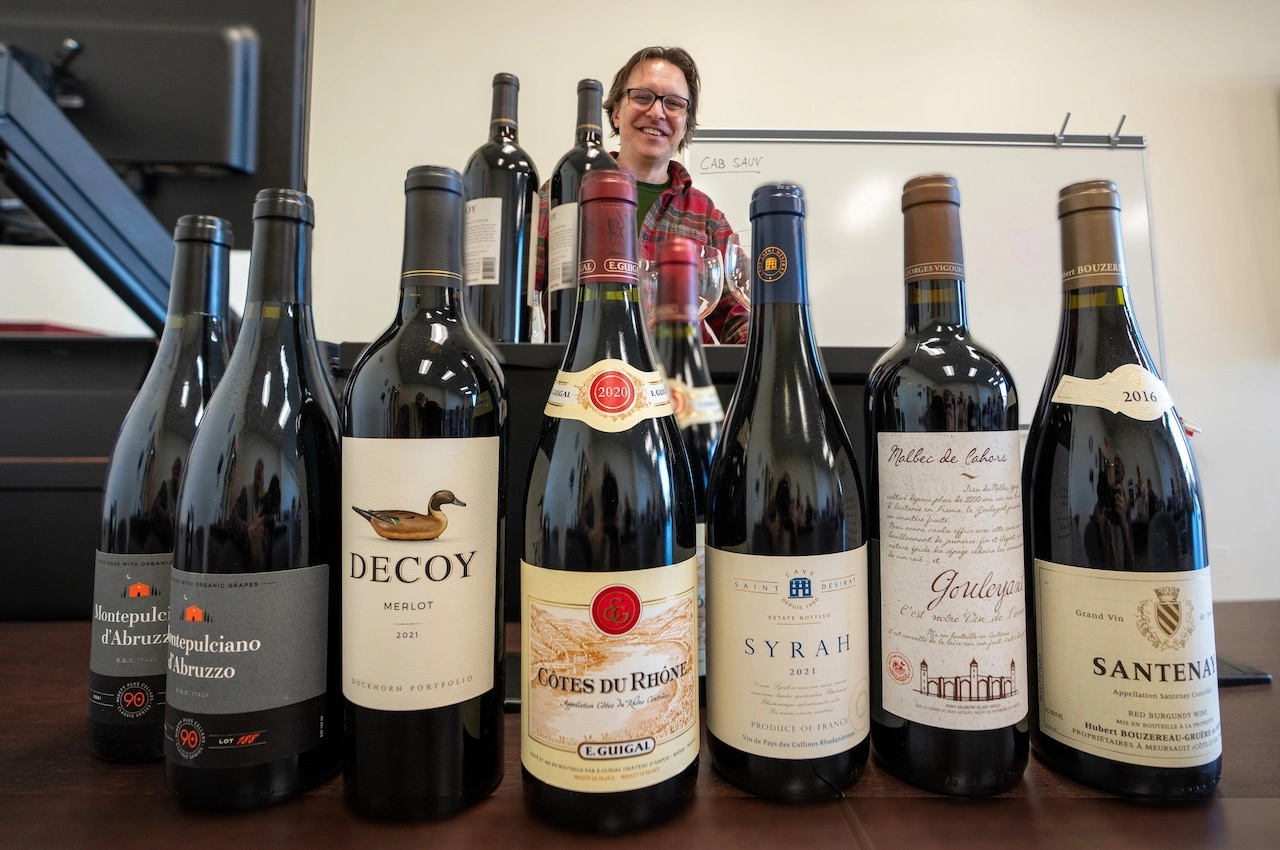
HOLYOKE — Valley wine writer Ken Ross will lead four noncredit wine-tasting classes this fall at Holyoke Community College.
The monthly sessions will run from 6-8 p.m. starting Tuesday, Sept. 17, and continue on Tuesday, Oct. 8, Tuesday, Nov. 12, and Tuesday, Dec. 10, at the HCC MGM Culinary Arts Institute, 164 Race St., Holyoke.
Each of the four stand-alone sessions will focus on wines from a different region: California, Chile and Argentina, Spain, and Italy.
Each class is $59 and includes wine and light snacks.
To register for one or more classes, go to hcc.edu/wine.
Ross lives in Ware and writes the weekly Wine Press column for The Republican and MassLive.
Sept. 17, California wines:
Taste great wines from California that cost less than $25 a bottle — red, white and sparkling wines from Napa, Sonoma, and other lesser-known wine regions in California, and learn more about each wine region.
Oct. 18, Wines from Argentina and Chile:
Discover South America’s two best wine-growing countries. Try Malbecs from Argentina, Cabernet Sauvignons from Chile and learn more about other outstanding, affordable wines from both countries.
Nov. 12, Spanish wines:
RECOMMENDED masslive.com
Wine Press: French cloudy wines perfect for warm, sunny daysSep. 9, 2024, 1:00 p.m.
Off the Menu: Fair season marks return of inventive, ‘outlandish’ foodsSep. 9, 2024, 11:00 a.m.
Spain produces some of the best, affordable wines in the world. This class will explore some of the best red, white and sparkling wines from Spain as well as provide information about Spain’s best-known wine-growing regions, including Rioja and Ribera del Duero
Dec. 10, Italian red:
Italy is renowned as one of the top wine-producing nations globally. Discover the key wine regions of Italy such as Tuscany and Piedmont in this class, which will cover affordable Italian wines, including an assortment of red, white, and sparkling varieties from across the country.
If you buy a product or sign up for an account via a link on our website, we might be compensated. By using this website, you agree to our User Agreement and acknowledge that your interactions, clicks, and personal details may be gathered, recorded, and stored by us and by our partners in social media and other third parties according to our Privacy Policy.
Unveiling the Shelf Life of Red Wine Vinegar: Does It Ever Spoil?
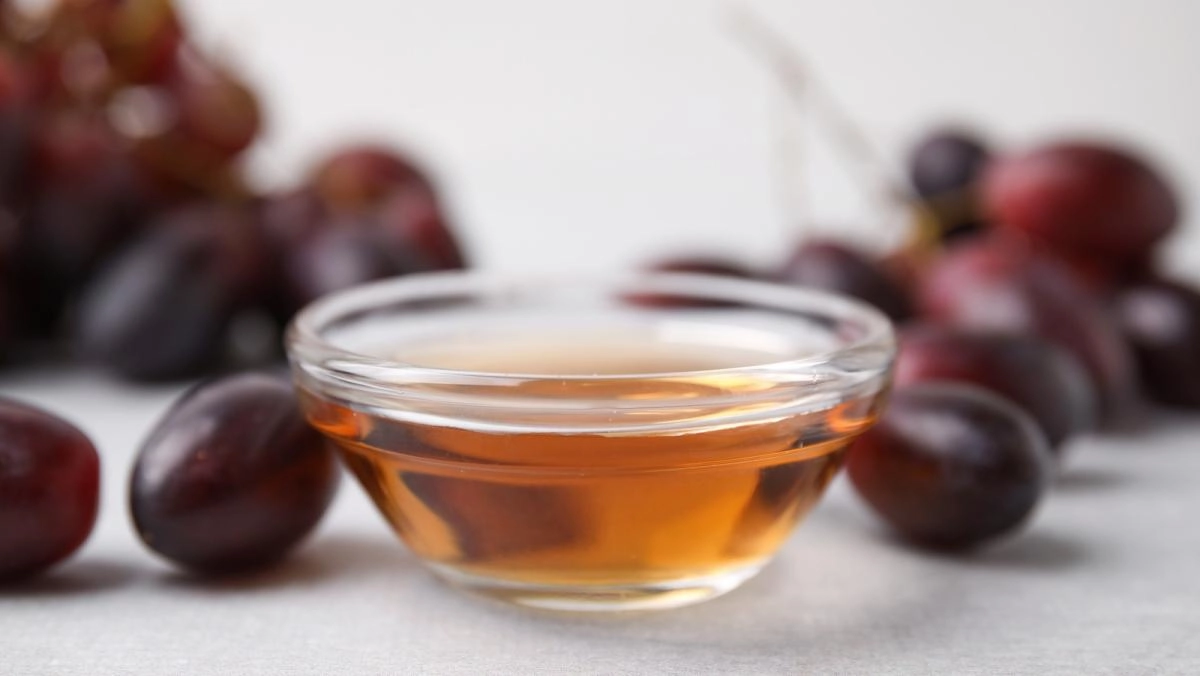
Red wine vinegar, known for its unique tart aroma and taste, serves as an invaluable addition in the culinary world, enhancing flavors in sandwiches, salads, and even homemade salad dressings, as well as your Thanksgiving turkey. Encountering an old bottle in the depths of your pantry might raise questions about its safety for use.
Fortunately, red wine vinegar is known for its longevity, due to its fermentation process and high acidity, allowing it to remain safe to consume long after its opening. With a pH of 3, it stands as one of the more acidic products available, which not only staves off spoilage but also inhibits bacterial growth, thus remaining potent even when exposed to oxygen.
Learn more about food rankings: Peanut Butter, Ranked From Worst To Best
While the shelf life of red wine vinegar extends almost indefinitely, its quality may diminish over time if not stored correctly. It does not require refrigeration but should be kept in a cool place away from significant temperature swings, such as not near a stove, and should ideally be stored in a dark cupboard to maintain its quality.
It is recommended to keep the liquid in its original bottle, but if necessary, transferring it to a glass airtight container, such as a mason jar, is preferable. This minimizes oxidation since oxygen can permeate through plastic and degrade the quality of the vinegar. Each time the vinegar is exposed to air when the lid is opened, it oxidizes slightly. Always ensure to close the lid tightly after use.
Although red wine vinegar does not spoil or become unsafe, its flavor can deteriorate to a degree that it negatively impacts the taste of the dishes in which it is used. An indication of aging vinegar is a color change from vibrant ruby to a murky rust color or even a lighter shade. Additionally, sediment at the bottle’s bottom is normal as the vinegar ages, yet it suggests a reduction in quality and flavor. Sometimes, a gelatinous mass known as a mother, consisting of bacteria and yeast, may form. This mother can be used to make your own red wine vinegar at home; however, if undesirable, it can be discarded for a fresh bottle.
For more insights into food and drink, join The Takeout’s newsletter. You’ll find taste tests, latest food and drink news, special deals, recipes, cooking tips, and more!
Read the original article on The Takeout.
Understanding French Wine Labels: A Comprehensive Guide to Decoding What’s in Your Bottle
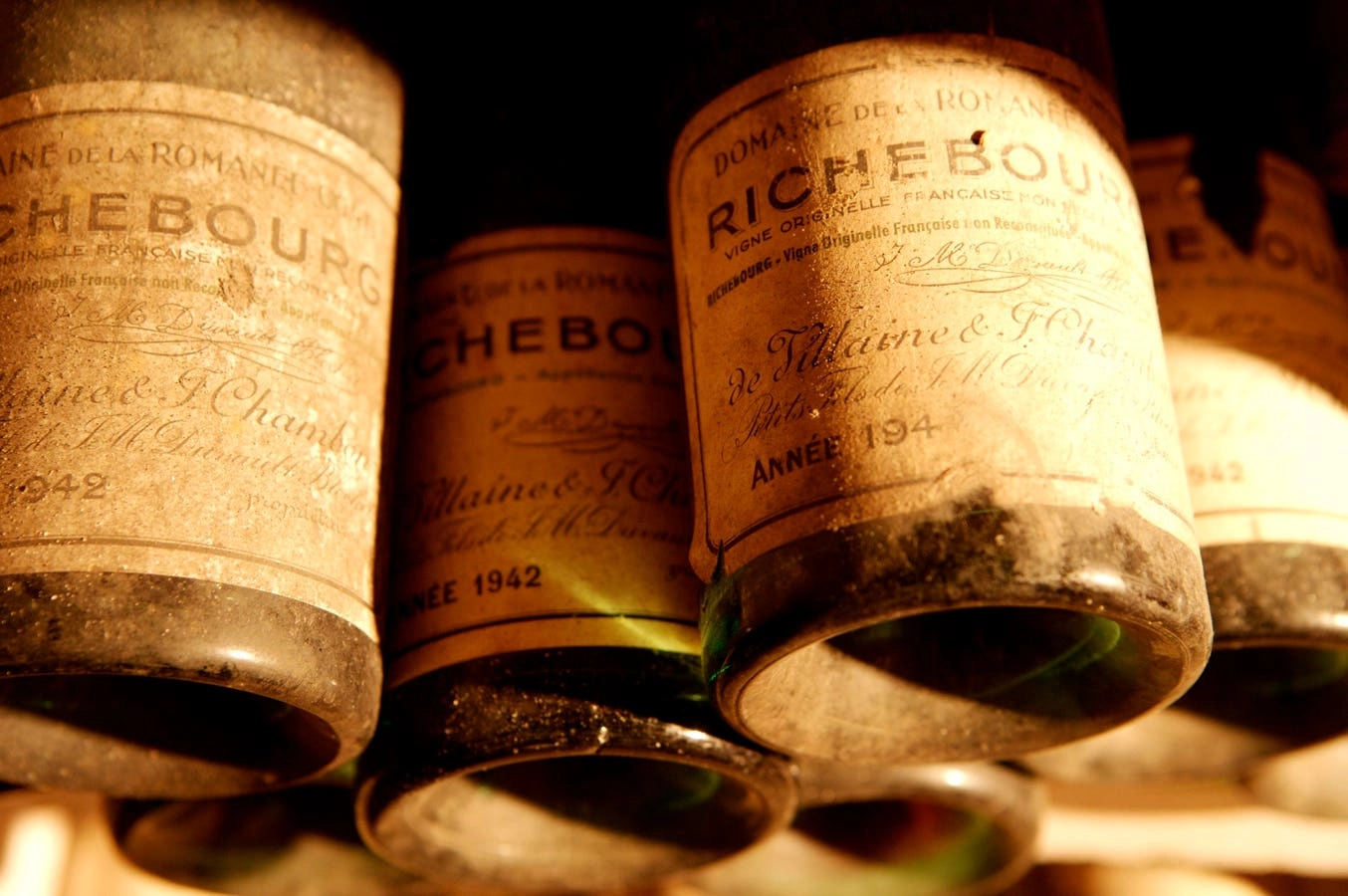
Wine labels can unlock more secrets than you’d expect.
Decoding a French wine label can feel like unraveling a mystery, especially for those new to the world of wine. Unlike many New World wines that prominently display grape varieties and easy-to-understand information, French labels often offer a more subtle, nuanced approach.
But behind this complexity lies a tradition and a wealth of information that, once understood, can enhance your appreciation of the wine in your glass.
Florent Latour, CEO at Maison Louis Latour, a family-owned wine merchant in Burgundy, France, recently shared more with Forbes about the key elements of a French wine label and how to decipher its meaning, understand its origins, and select the perfect bottle for any occasion.
The primary distinction in labeling between French wines and those from newer wine regions like the New World lies in the French emphasis on the wine’s region rather than its grape variety. French wine labels typically prioritize the appellation and producer, underscoring the significance of terroir and localized wine-making traditions.
Appellation: The appellation on a French wine label specifies where the grapes were cultivated. It is usually featured prominently on the label and includes names like “Chablis” or “Puligny-Montrachet.” The French appellation system, known as AOC or AOP, is fundamental in certifying the wine’s geographic authenticity and conformity to specific regional standards.
Producer: The label also includes the name of the producer or winery, for example, “Louis Latour,” to indicate the origin of the wine.
Vintage: This refers to the harvest year of the grapes, which influences the taste and aging capacity of the wine.
Classification: In some areas, terms like “Grand Cru” or “Premier Cru” signify the level of quality and the renown of the vineyard. The idea of terroir is integral, meaning the quality is based more on the exact location than on who produces the wine.
Wine labels contain deeper information than what initially appears.
When checking a French wine’s label, look for the appellation name to identify the wine’s region and sub-region. This usually appears right below the name of the producer and provides insight into the grape variety used. Some well-known regions on French wine labels are Burgundy, Bordeaux, Champagne, Rhône Valley, and Alsace. Each region is celebrated for distinctive wine styles and terroirs.
Beneath the appellation, the sub-region is listed, highlighting the specific village where the grapes originate. For instance, a wine marked “Louis Latour Chassagne-Montrachet” comes from the village of Chassagne-Montrachet in Côte de Beaune. Knowing these regional names aids in understanding the expected flavor profile and quality of the wine, as each Burgundy sub-region provides unique attributes to the wines shaped by distinct terroirs.
To discern the varieties of grapes in French wines, begin by looking at the appellation and geographical origin. Knowing what grapes are typically grown in each region aids in informed speculations.
For instance, wines from Burgundy are usually made from pinot noir or chardonnay grapes, while those from the Rhône are typically blends of grenache, syrah, and mourvèdre. The style and taste of the wine also give hints; lively red fruit tastes may indicate pinot noir or gamay, while hearty, dark fruit tastes suggest cabernet sauvignon or syrah.
Moreover, winemaker websites and tasting notes can often confirm the specific grape varieties used, providing additional insights. Utilizing wine reference books is beneficial too, as they list prevalent grape varieties across different appellations, offering valuable guidance to those new to French wines.
The vintage date on French wine labels points to the harvest year, important for assessing the wine’s quality and distinct characteristics. Since annual climate variations affect the growing conditions, the vintage can play a significant role in the resulting flavor profile and cellar potential of the wine.
For example, a vintage known for favorable weather conditions might produce a wine with excellent balance and complexity. In contrast, a less favorable year might produce a lighter or less developed wine.
In French wine classifications, terms like Premier Cru and Grand Cru indicate levels of quality and specific vineyard designations, while “Appellation d’Origine Contrôlée” (AOC) ensures adherence to strict regional standards.
Grand Cru: This is the highest classification in the French wine hierarchy. For regions like Burgundy, Grand Cru refers to the most prestigious vineyards known for producing exceptional-quality wines with unique characteristics reflective of their terroir. These wines are often limited in production and have significant aging potential. Maison Louis Latour proudly boasts the largest collection of Grand Cru vineyards in Côte d’Or. Only 2% of the wines produced in Burgundy are Grand Cru. These wines are hugely the most coveted and expensive in the region.
Premier Cru: Below Grand Cru, Premier Cru designates high-quality vineyards but not at the pinnacle of the Grand Cru. These vineyards produce excellent wines that are highly regarded but are generally more accessible and affordable than Grand Cru wines. In Burgundy, they are usually located on mid- to higher slopes and are limited. We can compare these in some ways to Single Vineyards designated.
Appellation d’Origine Contrôlée (AOC): This designation indicates that the wine originates from a designated region and complies with strict production standards. The AOC label assures consumers that the wine adheres to specific rules concerning grape types, vineyard management, and winemaking processes, confirming its authenticity and quality. For instance, a wine marked as “Chablis AOC” must be produced in the Chablis area and follow precise production regulations that mirror the unique characteristics of that region.
Some critical factors can help differentiate high-quality French wine from more common varieties. Look for acclaimed categories such as Grand Cru or Premier Cru, which signal superior quality, particularly in areas like Burgundy.
Examine the appellation villages for distinguished names like Chassagne-Montrachet, Pommard, Nuit St Georges, or Meursaut. These names usually denote premium quality in comparison with broader appellations such as “Bourgogne” (which refers to Burgundy in a wider sense). The vintage of the wine can also serve as an indicator, where older or notable years typically denote wines of greater complexity and quality. As you delve into the world of wines, understanding which years were favorable becomes essential.
Furthermore, detailed labels that include specific vineyard names or designations often point to a higher-grade wine, while simpler labels might suggest more economical options. Although the price may broadly reflect the quality, assessing it alongside other factors offers a more definitive insight.
The label on a wine not only shows the winemaker but signals the quality as well. A main responsibility of a winery is to ensure consistent quality across various vintages and types, thus choosing a bottle from a reputable producer is a good way to assure quality.
One Community. Many Voices. Create a free account to share your thoughts.
Our community emphasizes on connecting individuals through earnest and open dialogue. We encourage our readers to express their perspectives and engage in discussions by sharing ideas and information in a respectful environment.
To achieve this, kindly adhere to the guidelines stipulated in our site’s Terms of Service. Below are some key points from these rules: always maintain civility.
Your post will be rejected if we identify content that includes:
User accounts will be suspended if we find or suspect participation in:
So, how can you become a power user?
Thank you for reviewing our community guidelines. Please consult the complete set of posting rules available in our site’s Terms of Service.