Liquor-articles 2100
Whiskey Myers Captivates Fans with Mesmerizing New Single “Tailspin

Whiskey Myers, the Southern rock band from Palestine, Texas, has released a new single titled "Tailspin." This track is the second offering from their upcoming album, Whomp Whack Thunder, set to launch on September 26th through their label, Wiggy Thump Records. The album is produced by Jay Joyce, who has previously worked with notable artists such as Eric Church and Ashley McBryde.
Lead guitarist John Jeffers expressed that the band approached the recording sessions without specific goals in mind, allowing their inspirations to direct the outcome. He noted, "We didn’t set out to chase a specific sound—we set out to make a Whiskey Myers record." This freedom in creativity has resulted in what Jeffers describes as a "fearless" album that reflects their journey and the challenges they’ve faced.
The new single "Tailspin" opens with an electrifying guitar riff and follows the story of a man grappling with his self-destructive tendencies. He recalls a brief period of stability but ultimately decides to embrace chaos over conformity, hinting at a life led astray by vices.
The lyrics of "Tailspin" feature a gritty perspective, showcasing how quickly one can spiral downward while yearning for relief. Fans who attended the Tailgates N’ Tallboys were given an early preview of the track and responded with excitement, praising its upbeat energy and impressive instrumentals.
In addition to the release of their new single, Whiskey Myers is gearing up for an extensive tour this year, titled "What We Were Born To Do Tour," starting in Des Moines, Iowa, on June 6. The band will perform at various venues across the U.S., ending the summer with live shows in multiple cities before moving into the fall.
For more about Whiskey Myers and their latest updates, visit their official site or follow them on social media.
Senate Bill Aims to Permanently Establish Increased Rum Tax Reimbursement

Washington D.C – Republican Senator Bill Cassidy from Louisiana has introduced a bill that aims to permanently establish the increase in federal excise tax reimbursement for rum imported from Puerto Rico and the U.S. Virgin Islands.
This measure represents a significant potential financial benefit for the Puerto Rican government, with projections indicating it could secure tens of millions of dollars annually. The reimbursement increase is part of federal efforts to support the local rum industry, which is crucial for Puerto Rico’s economy.
For added context, this legislative proposal follows previous discussions about the importance of the rum tax on maintaining the island’s economic stability and supporting local jobs within the sector.
The bill’s introduction marks a key moment in the ongoing dialogue about enhancing economic benefits for Puerto Rico and demonstrates legislative commitment to ensuring sustained support for its rum production.
Altamura Distilleries Unveils Premium Vodka Launch in the UK: A Taste of Luxury at 43% ABV
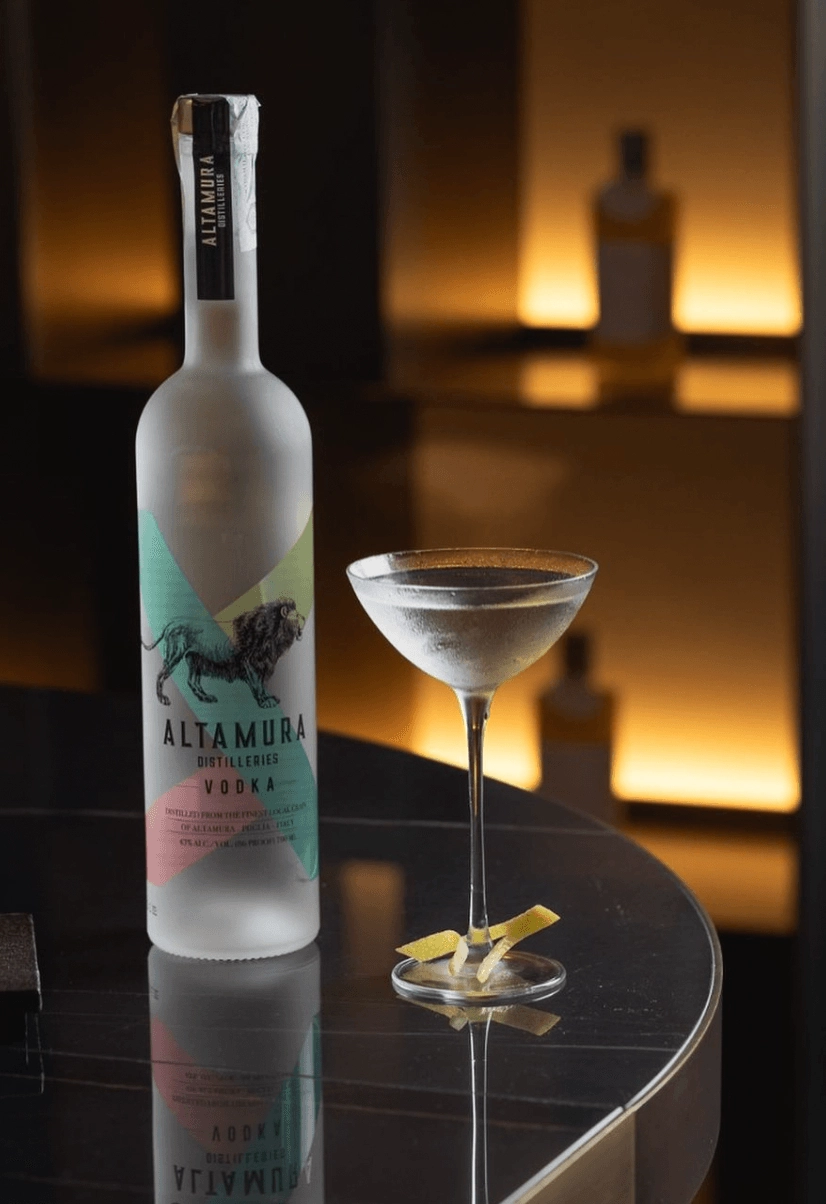
Altamura Distilleries has announced the launch of its premium vodka in the UK, available for purchase at Master of Malt for £32.50. This vodka, with an impressive alcohol by volume (abv) of 43%, is crafted from 100% Altamura wheat, a heritage grain that has been cultivated for over two millennia in the Puglia region of Italy.
The meticulous distillation process enhances the unique flavors of the wheat, resulting in subtle notes of aniseed, lemon zest, and pepper, reflective of the Italian landscape. Altamura Vodka boasts a distinctive bottle design featuring a lioness symbolizing strength and pride, a nod to the heritage of Puglia. The three stripes on the bottle represent the vibrant elements of the region—sun, sea, and earth.
Frank Grillo, the founder of Altamura Distilleries, expressed his enthusiasm for this new spirit, describing it as a celebration of life that is both strong and elegant. He invites vodka aficionados to explore the exceptional taste and values represented by the brand. Altamura Vodka aims to captivate discerning consumers looking for unique experiences in their culinary adventures.
Vodka, Gin, Whiskey, or Rum: Ranking Your Favorite Spirits on the Health Scale
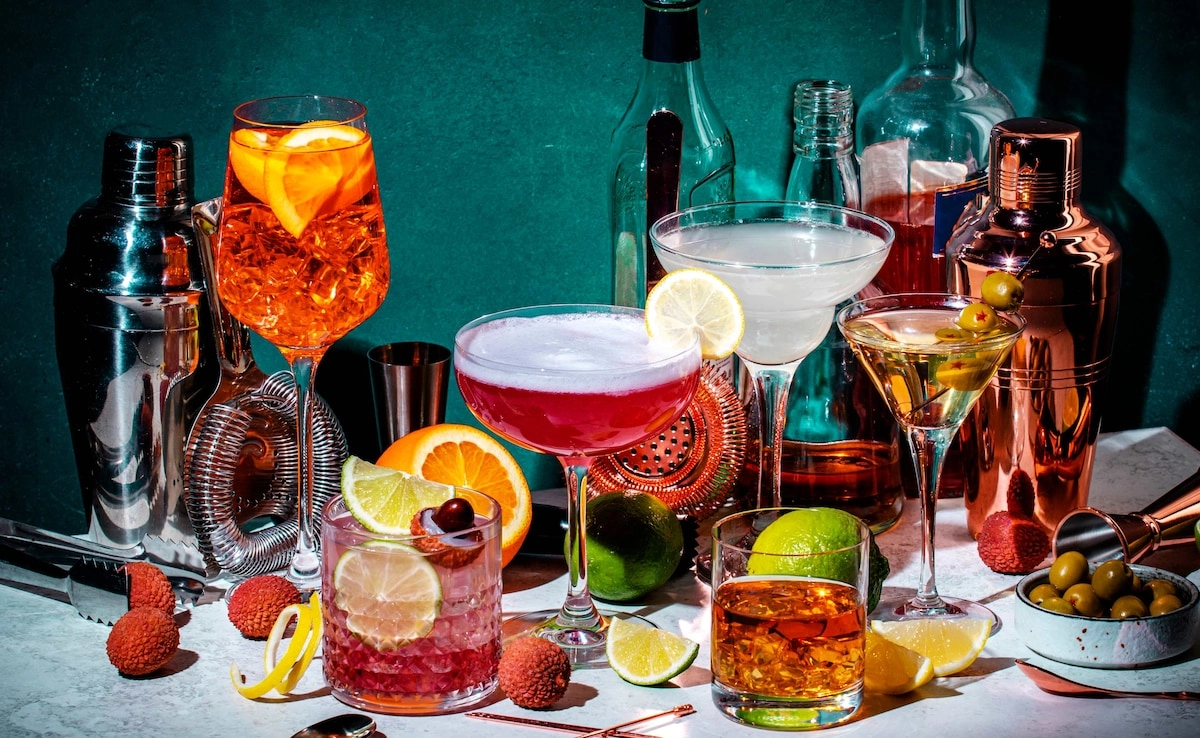
Are all types of alcohol equally harmful, or are there some that are less detrimental? This is a question many health-conscious individuals grapple with when contemplating drinks.
The World Health Organization (WHO) classifies alcohol as a toxic substance and a Group 1 carcinogen. Even small amounts can raise blood pressure and heart disease risks. Red wine is often touted as the least harmful choice, but moderation is crucial for any potential benefits.
Studies, including those from the American Heart Association and Harvard, suggest that moderate consumption may benefit heart health, such as raising HDL ("good") cholesterol levels. However, many of these studies have limitations, often relying on self-reported data, which can be skewed.
Dr. Swapnil Sharma emphasizes that no alcohol is considered "safe" in excess. It can harm liver cells and lead to more severe health issues like fatty liver disease and cirrhosis. Notably, alcohol is linked to at least seven cancer types, as noted by the WHO.
Given this, when it comes to choosing a drink, the context matters. Experts have weighed in on which types are "healthier." Dr. Rajesh Jaria recommends drinks with lower alcohol content, such as vodka or light rum, over darker spirits. Red wine is often cited as the best option, due to its antioxidant content, with one glass a day for women and two for men being the suggested maximum. Excessive drinking negates any protective effects.
Conversely, flavored spirits, sugary cocktails, and high-proof liquors are considered the worst choices. These drinks not only pose a higher risk for liver damage but also elevate blood sugar and exacerbate digestive issues. Dr. Manish Dodmani warns that country liquor with high alcohol content is particularly harmful.
To make healthier alcohol choices, consider the alcohol by volume (ABV), aiming for lower percentages, as well as avoiding added sugars and artificial flavors. In summary, while no alcohol can be deemed "healthy," some options are less harmful than others. Moderation is key, and the best choice is always to stay hydrated with water.
For more detailed health insights related to alcohol consumption, visit the World Health Organization.
Revealed: The World’s Best Vodka from the 2025 International Wine and Spirit Competition
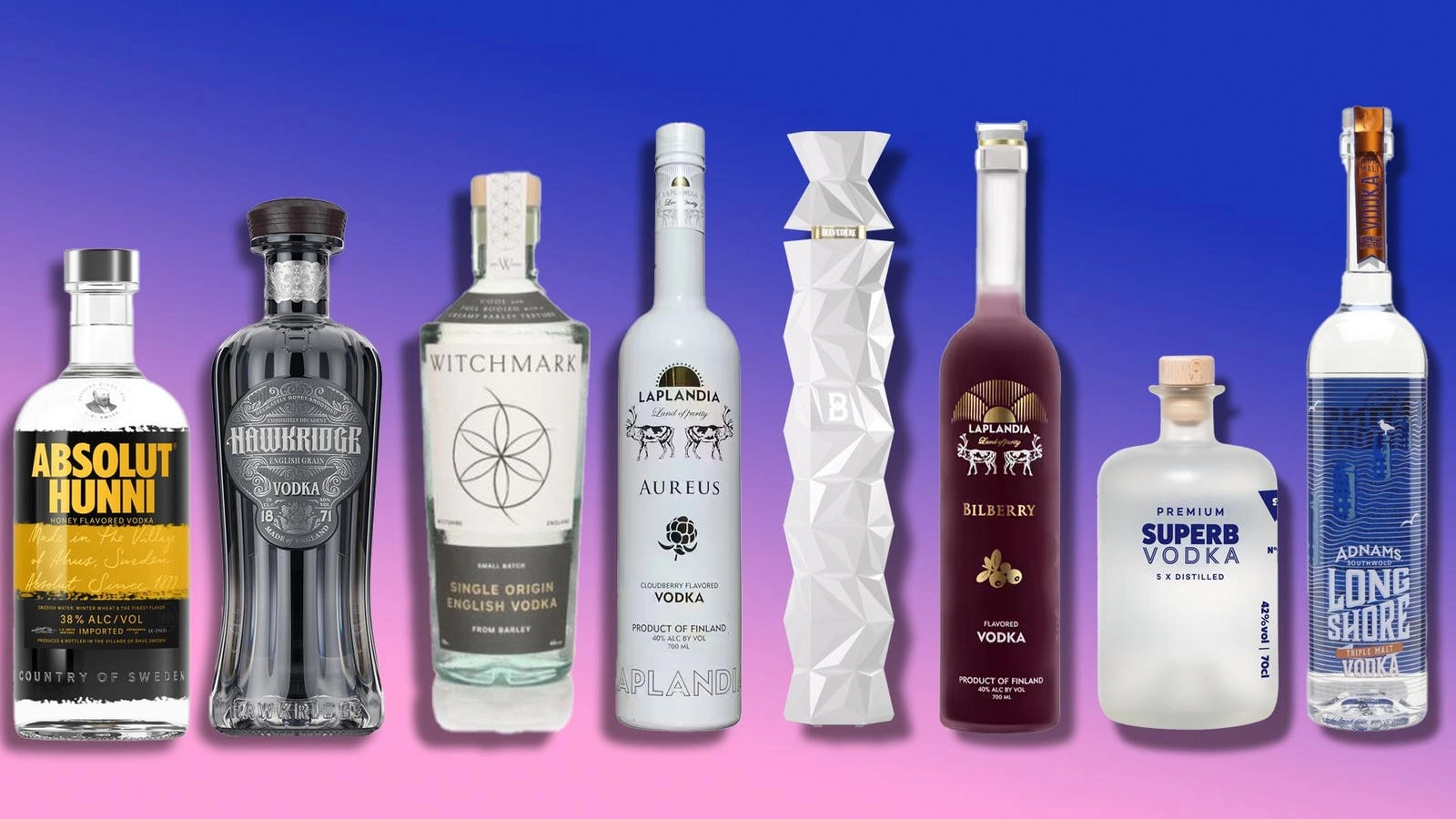
Ten vodkas have received Gold Outstanding medals at the 2025 International Wine and Spirit Competition (IWSC), competing for the coveted Vodka Trophy. This year’s IWSC featured over 12,000 alcoholic beverages evaluated by a panel of judges through rigorous blind tasting. To win a medal, each vodka had to score at least 98 out of 100 points.
Vodka, often overlooked in favor of spirits like gin and whiskey, has a wide range of premium offerings showcasing various flavor profiles depending on the base ingredients used, from rye to potato.
Gold Medal Winners
-
Witchmark Distillery Single Origin English Vodka
- This creamy vodka, made from local barley in Wiltshire, England, offers exceptional smoothness and has gained acclaim for its rich flavors.
- Judges’ Notes: Rich and malty with cocoa and mint notes, leading to a warming finish.
-
Eimverk Distillery Kría Single Grain Vodka
- Crafted from Icelandic barley and pure spring water, this unique vodka has not been released yet but is highly anticipated.
- Judges’ Notes: Fragrant with sesame pastry and sweet cream cheese, rich in honey and grain flavors.
-
Adnams, Southwold Longshore Triple Malt Vodka
- This vodka is distilled from a blend of barley, wheat, and oats, providing a creamy texture with butterscotch notes.
- Judges’ Notes: Creamy with floral notes, offering strawberry and apple pie flavors.
-
Belvedere Vodka 10 Vodka
- Known for its smoothness, this vodka is made from Dankowskie Diamond Rye, embodying luxury and purity.
- Judges’ Notes: Aromas of caramel and spice with a peppery finish.
-
Laplandia Bilberry Vodka
- Infused with bilberry, this vibrant vodka has a unique sweet-tart profile, crafted using pure artesian waters.
- Judges’ Notes: Fruity with wild blueberries and sweet vanilla, offering a refreshing finish.
-
Laplandia Cloudberry Vodka
- A distinctive vodka infused with rare cloudberries, delivering a sweet and aromatic flavor profile.
- Judges’ Notes: Sweet orange marmalade notes with a captivating sweetness from clove and honey.
-
Hawkridge Distillers Sexy Fish Vodka
- Created in collaboration with London’s Sexy Fish restaurant, this vodka emphasizes smoothness and purity.
- Judges’ Notes: Floral and fruity aroma with creamy hints and crisp citrus on the palate.
-
Eckerts Wacholder Brennerei GmbH Superb 5 X Distilled Vodka
- A local gem from Germany, this small-batch vodka impresses with its mineral notes and creamy vanilla.
- Judges’ Notes: A harmonious blend with caramel undertones and a refreshing finish.
-
Eckerts Wacholder Brennerei GmbH Korol Black Vodka
- Another limited release from Eckerts, this vodka features sweet wheat and creamy icing sugar flavors.
- Judges’ Notes: A delightful bouquet with a rounded finish.
-
Absolut Hunni Vodka
- A new addition from Absolut, crafted with Swedish wheat and natural honey flavorings, delivering a fresh honey profile.
- Judges’ Notes: Sweet and floral with a lingering warmth.
These outstanding vodkas highlight the versatility of this often-underappreciated spirit, showcasing a range of flavors and styles worthy of recognition.
For further updates on the spirits industry, readers can follow the author for insights and more information.
El Dorado Rum Sponsors the National 8 Ball Team Championship: Cheers to Greatness!

GUYANA’S Cue Sports Association (CSAG) is getting ready to launch its most ambitious event yet, the National 8 Ball Team Championship, backed by El Dorado Rum. This championship promises to showcase talent from across the nation, featuring a total of 168 players competing in 24 teams from various regions, including Bartica, Linden, Berbice, and Georgetown. The tournament kicks off on Sunday, June 8, at the Embassy Sports Bar in Movietowne.
The excitement doesn’t stop there: matches will take place at six venues stretching from Berbice to West Coast Demerara, bringing the competition to local communities. The entire event is scheduled to unfold throughout June, culminating in a grand final on July 7, where a new national champion will be crowned.
Larry Wills, the Brands Manager for Demerara Distillers Limited, the parent company of El Dorado Rum, expressed pride in sponsoring this game-changing event. He noted that the championship embodies the values of talent, unity, and community engagement that are central to both the tournament and the El Dorado Rum brand.
Alfred Mekdeci, President of CSAG, declared the event a significant milestone for cue sports in Guyana, made possible by the crucial partnership with El Dorado Rum. The tournament’s team-based format is expected to spark fierce local rivalries and foster strategic teamwork among players.
CSAG received recognition for its commitment to developing cue sports and elevating competitive standards in the country. A range of partners, including KM Technology, WM Services, and local businesses, are also supporting the championship. Organizers anticipate that this event will raise the profile of 8-ball pool in Guyana and inspire aspiring players to engage with the sport.
For further details and updates, check out the Guyana Chronicle’s official page.
FTC Launches Investigation into Practices in the Rum Market: What You Need to Know

The Fair Trading Commission (FTC) has initiated an investigation into allegations of anti-competitive behavior in Jamaica’s rum industry, following a complaint from National Rums of Jamaica (NRJ). This complaint, filed in January, arises after a ruling from the Jamaica Intellectual Property Office (JIPO) that limited the use of the "Jamaica Rum" label to only those rums aged and blended in Jamaica.
NRJ’s complaint contends that competitors, including J Wray & Nephew, Everglades Farms, and Worthy Park Estate, have engaged in practices that harm competition, particularly through the Spirits Pool Association Limited (SPA). The SPA’s new regulations specify that rum must be made using local resources and aged in Jamaica, which NRJ claims restricts its business model that involves exporting rum for overseas aging and branding.
NRJ alleges that the dominant players in the market may be conducting price fixing and other anti-competitive activities to maintain their market share. The ruling by JIPO established stringent criteria to protect the authenticity of Jamaican rum, which the SPA argues is crucial for preserving the industry’s heritage and reputation globally.
However, NRJ argues that these measures unfairly limit competition and could endanger its operations, as it has historically exported rum for aging abroad. The FTC’s examination of this case could significantly influence the future landscape of the rum industry in Jamaica.
As this investigation progresses, both local distillers and rum enthusiasts are closely monitoring developments, especially with a Supreme Court hearing related to NRJ’s appeal of the JIPO ruling scheduled for later this year. The outcome could redefine how Jamaican rum is produced and marketed both locally and internationally.
For further details on this story, you can follow updates from Jamaica Observer.
7 Exciting New Bourbon and Whiskey Releases to Discover This Month

There are several exciting new releases in bourbon and whiskey this month that enthusiasts should know about.
Heaven Hill’s Grain to Glass Kentucky Straight Bourbon Whiskey has debuted its highly anticipated second edition. Each year, Heaven Hill collaborates with Beck’s Hybrids to select a unique corn seed varietal, with this year’s release featuring corn seed varietal Beck’s 6225 grown by Peterson Farms in Nelson County, Kentucky. This bourbon has a mash bill of 52% corn, 35% rye, and 13% malt, aged for six years and bottled at 105 proof. The project highlights the legacy of family farmers and aims to create unique grain varieties locally sourced in Kentucky. More information can be found at Heaven Hill.
In time for Father’s Day, J. Mattingly 1845 Distillery is offering a custom double-staved bourbon. Customers can select a mash bill from hundreds of proprietary double-staved barrels, along with personalized bottle shapes, wax colors, and labels. This unique gift experience allows bourbon lovers to give a truly one-of-a-kind present, retailing for $155 for a 750mL bottle. Find more details at J. Mattingly 1845 Distillery.
Knob Creek has introduced a new option in its Single Barrel Select Program: the Single Barrel Select Cask Strength bourbon. Bottled directly from the barrel without water, this offering ranges in proof from 110-130 for bourbon and 100-120 for rye, adhering to the brand’s tradition of bold flavors. Discover more at Knob Creek.
Milam & Greene released Unabridged Volume 3, a blend of straight bourbon whiskeys. This cask-strength bourbon showcases a blend of 49 select barrels, offering notes of caramel, almond, and a smooth mouthfeel. It retails for $94.99 and is a part of their Blender’s Reserve Collection.
The Old Forester Distillery is debuting the highly sought-after President’s Choice bourbon alongside a new rye expression. Previously exclusive to their distillery, these rare offerings will now be available in select retail locations. Each expression is aged between seven to nine years and will retail for $225.
Additionally, Rebel Bourbon and Childress Vineyards collaborated to produce Rebel 100 Childress Vineyards Cabernet Franc Barrel Finish, a unique bourbon aged in Cabernet Franc barrels, highlighting sweet berries and honey notes, offered at $39.99.
Lastly, Woodford Reserve has released the new Tawny Port Finish bourbon. This limited-edition whiskey blends rye and bourbon, finished in Tawny Port barrels for a complex taste profile, available for $64.99.
These releases present a delightful array of options for whiskey aficionados, making this month an exciting time for bourbon lovers.
Liz Truss Endorses Whiskey Brand Launched by Controversial Fighter Recently Released from Jail

Liz Truss recently promoted a new Irish whiskey from Dougie Joyce, a former bare-knuckle fighter with a controversial past. Joyce, aged 36, was jailed for 19 months in 2023 after assaulting a 78-year-old man during a pub altercation. The incident involved excessive violence, with police describing him as an "aggressive and violent man" targeting a vulnerable elderly individual. After his release, Joyce has pivoted to business, launching his whiskey brand.
Truss attended the whiskey launch event at Scunthorpe United’s stadium, where she was photographed alongside Joyce. In a promotional video shared on social media, Joyce presented Truss with a bottle, to which she responded, “Liz Truss loves you.” Despite speculation, sources close to Truss indicated that she did not receive payment for her attendance.
Joyce took to Instagram following the event, expressing gratitude for Truss’s support and discussing the plans for his brand. Critics have pointed out the implications of her association with someone with Joyce’s violent history. A close source commented that Truss “either doesn’t understand the implications or doesn’t care,” highlighting concerns over her public judgment.
This isn’t the first time Truss has faced backlash for her public engagements; she previously drew criticism for interacting with controversial figures at political events in the United States.
The Ultimate Father’s Day Gift Guide: Boating, Fine Whiskey, and Cycling Adventures in Connecticut

Make Father’s Day memorable this year with a selection of unique gifts crafted right in Connecticut. Here are some standout options across various budgets:
Unique Walking Sticks
For dads who enjoy hiking, consider a hand-crafted walking stick made from local wood by artisan Carl Wolf. Priced between $20-$30, these sticks are beautiful and functional.
Hand-Rolled Cigars
If your dad cherishes a good cigar, surprise him with hand-rolled cigars from the Connecticut Cigar Company. Their original blend, featuring a combination of 10-year-old fillers from Nicaragua, is priced at $10 and available in various formats. More details can be found at ctcigarco.com.
Custom Sketchbooks
Shuttle Bindery offers handcrafted hardcover journals in upcycled leather, perfect for doodling or journaling. Prices range from $54 to $78, and custom orders can be made at shuttlepressbindery.com.
Cruise on the Mystic River
Why not take Dad on a scenic cruise aboard the Sabino, a historic vessel at Mystic Seaport? A 30-minute tour is available for $8 in addition to admission fees, with tickets sold at the museum or online. Visit mysticseaport.org for more information.
Handcrafted Lamps
For the reading dad, consider a beautifully crafted floor lamp from James Gardner Woodworks of Deep River, priced at $1,400 plus a delivery fee. You can reach out via email at Jggwoodworks@Outlook.com for inquiries.
Exceptional Whiskey
Connecticut Distilling’s crafted whiskey, named Charred, blends flavors from malt-forward craft beers for a smooth experience. It retails for $39.95 to $44.95 and is available at their tasting lounge in Waterbury as well as local outlets. For further details, see ctdistillingco.com.
Cycling Gear
For the cycling enthusiast, a set of luxury carbon wheels by Princeton CarbonWorks can elevate his ride. Priced between $3,150 and $4,500, they are available through local bike stores and online at princetoncarbon.com.
Each of these gifts celebrates the unique interests and passions of fathers, ensuring you will find something special for him this Father’s Day.