Beer-articles 1026
Nonalcoholic Beer and Mocktails: A Sober Solution for Some, but Not for Everyone
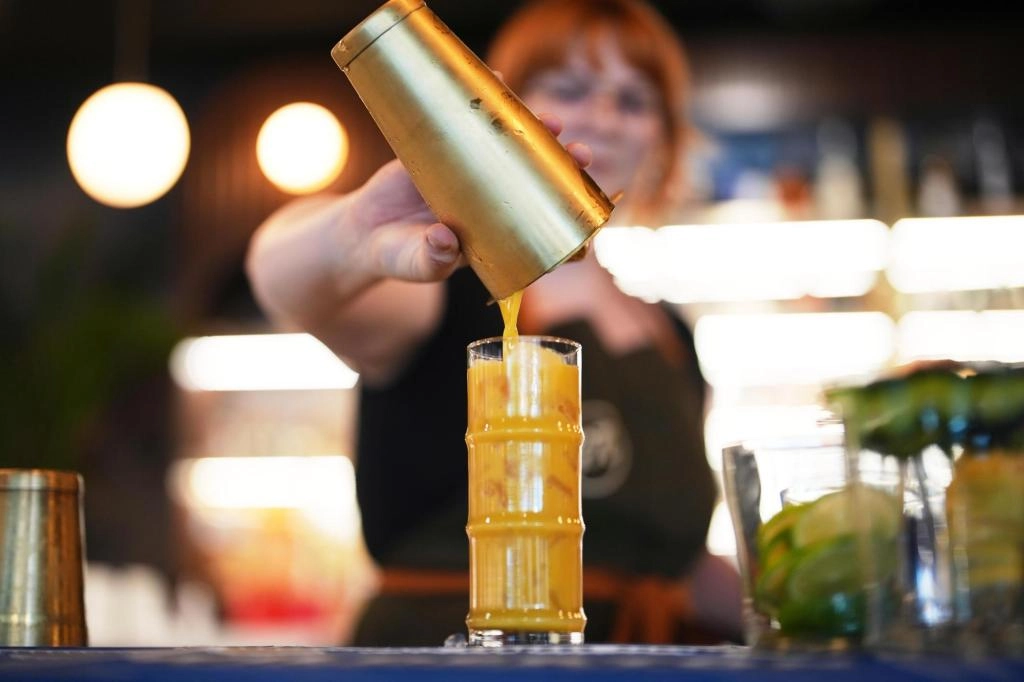
Several years into her sobriety, Logan Denzer turned to nonalcoholic beer and mocktails, seeking an enjoyable alternative while socializing in environments filled with drinkers. Living in Los Angeles, she found these beverages to be a great solution for those who feel out of place when others indulge in alcoholic drinks.
Declining alcohol consumption has gained traction, particularly among recovering alcoholics, individuals aiming to reduce their drinking, and a growing demographic of young adults opting to avoid alcohol entirely. This shift has spurred a booming industry focused on nonalcoholic options. Recent studies highlight the health benefits of reducing or eliminating alcohol consumption, which is linked to various health risks like cancer and injuries.
Despite the positive aspects, experts caution that nonalcoholic beverages might not be suitable for everyone, especially those with a history of addiction. The mimicry of alcohol’s appearance and flavor in these drinks could lead some individuals to experience cravings for real alcohol. Researcher Molly Bowdring from Stanford University emphasizes the individuality of each person’s experience with these beverages, suggesting that they are not universally beneficial.
Retail sales for nonalcoholic wines, beers, and spirits have surged significantly, exceeding $823 million last year. Many consumers adopt a "zebra striping" approach, alternating between alcoholic and nonalcoholic drinks at social events to enhance their experience without full intoxication.
Health specialists like Dr. Joseph Lee, from the Hazelden Betty Ford Foundation, view the increase in mocktails on restaurant menus as a promising public health trend. However, they also caution that many mocktails can contain high sugar levels, which might negate some health benefits. For context, the American Heart Association suggests daily sugar limits well below what’s found in some sweetened mocktails.
While many transitioning drinkers have found success in using nonalcoholic drinks to moderate consumption, others, particularly those newly entering recovery, may struggle due to the alcohol-like cues present in these products. Denzer recounts her initial opposition to nonalcoholic options early in her sobriety due to fear of associating the flavor with past drinking habits. Yet, over time, she and her friends became more open to them.
Professionals agree that nonalcoholic drinks may work best for those further along in their recovery journey. They stress the importance of self-awareness, urging individuals to assess the impact these beverages may have on their health and recovery.
In conclusion, while nonalcoholic beers and mocktails offer a healthier social option for many, they are not a one-size-fits-all solution. Individuals are encouraged to monitor their own reactions and make informed choices based on their unique experiences and health risks.
Mark Cuban Defends Michael Finley’s Bold Move: “If He Didn’t Do It, I Would Have Done It

Former Dallas Mavericks majority owner Mark Cuban has always been known for his strong connections with players and advocacy during controversies. However, he took the side of Mavericks VP of Basketball Operations Michael Finley regarding the recent incident involving Luka Doncic’s beer after Game 5 of the 2024 Western Conference finals.
In a widely circulated video, Doncic was seen holding a beer in the tunnel while celebrating with his father after the Mavs secured the Western Conference title. Finley intervened, taking the beer from Luka’s hand, which left the young star visibly surprised.
This moment drew considerable attention, especially after Doncic was subsequently traded to the Los Angeles Lakers. Cuban, during an appearance on "The Arena" with Gilbert Arenas, defended Finley’s actions, stating that it was more about presentation than any concerns about Doncic’s drinking habits. He explained, "It wasn’t because he didn’t want him to drink it… it’s not just cool when a player’s doing an interview with a beer." Cuban expressed that he would have acted similarly if it had come down to it.
The narrative surrounding Finley’s actions has intermingled with allegations about the Mavericks’ concerns regarding Doncic’s off-court behavior, suggesting they were wary of his lifestyle choices, including drinking and smoking. After the trade, rumors surfaced that the Mavs believed these habits could jeopardize Doncic’s career longevity. In response to the criticisms, Doncic committed an entire summer to transforming his physical condition, eventually showcasing his impressive transformation on the cover of Men’s Magazine.
Cuban clarified that the motivation behind Finley’s intervention was not about Doncic’s health but rather about maintaining professionalism in front of the media. He emphasized that having a beer during an interview was not appropriate, insisting, “If it was wrong, I’d be like ‘Get him another one.’”
Conversely, former NBA player Marcus Morris voiced a dissenting opinion, suggesting that if he were in Doncic’s position, he would feel disrespected. Morris reasoned that after winning a significant game, players should be free to celebrate without fear of someone snatching their drink, stating, "We just won, we celebrating. I have a beer. There’s cameras, and you kind of take that away from me…"
While Doncic did not make any public comments about the incident, it appears he did not view it as significant as the media portrayed, likely understanding the rationale behind Finley’s actions.
For further details, you can explore more on the incident and reactions here.
Crafting Your Taste: Exploring the Two Flavor Camps of Beer Lovers

Researchers have identified two distinct flavor camps among beer drinkers, according to a study presented at the American Chemical Society meeting in Washington, DC. Beer enthusiasts tend to either favor strong flavor chemicals or prefer milder ones.
To investigate these preferences, the researchers, led by Devin Peterson, a food scientist at Ohio State University, recruited around 135 self-identified beer aficionados. Participants tasted 18 different lagers across three sessions, rating them without any prior training, which allowed insights into the general consumer behavior rather than relying solely on trained sommeliers.
The team standardized the tasting process, ensuring that all beers had similar alcohol content and bitterness levels. Participants evaluated various characteristics, including sweetness and aroma intensity. Using mass spectrometry, researchers measured the predominant flavor chemicals in each lager.
The results revealed a significant split among participants based on their flavor preferences. Those who preferred stronger flavors gravitated towards brands like Samuel Adams and Brooklyn, while they rated Budweiser unfavorably. In contrast, the group that favored mellower flavors placed the same brands in the opposite order, demonstrating how two differing tastes can lead to polarized responses to the product.
This research emphasizes the diversity among beer drinkers and could provide valuable insights for brewers aiming to cater to varying consumer preferences.
Co-op’s Bold Move: Stocking Palestinian Beer Following Ban on Israeli Produce

Co-op is set to stock Palestinian beer in its UK stores, marking a significant move just weeks after it imposed a ban on products sourced from Israel. The retailer plans to offer Taybeh Brewing’s lagers, which is known as Palestine’s first microbrewery, starting next month. This announcement follows a recent decision by Co-op to restructure its international supply chain and to cease purchasing items from countries associated with human rights abuses, a list that controversially included Israel.
The beer, named Sun & Stone, will be brewed in Scotland in collaboration with Brewgooder, allowing Taybeh to continue producing its product despite operational challenges in Palestine due to various restrictions. The brewery, which is located in the West Bank, has been struggling with exports due to customs delays and operational expenses exacerbated by current socio-political issues.
Madees Khoury, Taybeh’s owner, expressed that despite the increasing challenges in the region—such as settler attacks and threats—his team remains committed to their craft. He views the partnership with Brewgooder as a positive step, allowing for continued production and distribution to the UK.
Co-op’s decision to support Taybeh was influenced by member pressure calling for ethical sourcing and a boycott of Israeli goods, in response to concerns over human rights conditions in the region. The initiative has received mixed reactions; some see it as a commendable stance on moral grounds, while others criticize it as a divisive measure that could hinder peace efforts.
Revenue from the sales will support both Taybeh Brewing and the Disaster Emergency Committee, aiming to assist those impacted by conflict in the area. As the distribution of Taybeh Beer kicks off in 1,600 stores from September 10, it emphasizes Co-op’s commitment to ethical sourcing, highlighting its broader social responsibilities as a community-focused retailer.
Saving Water with Brew: How Beer is Tackling Groundwater Issues in Ottawa County
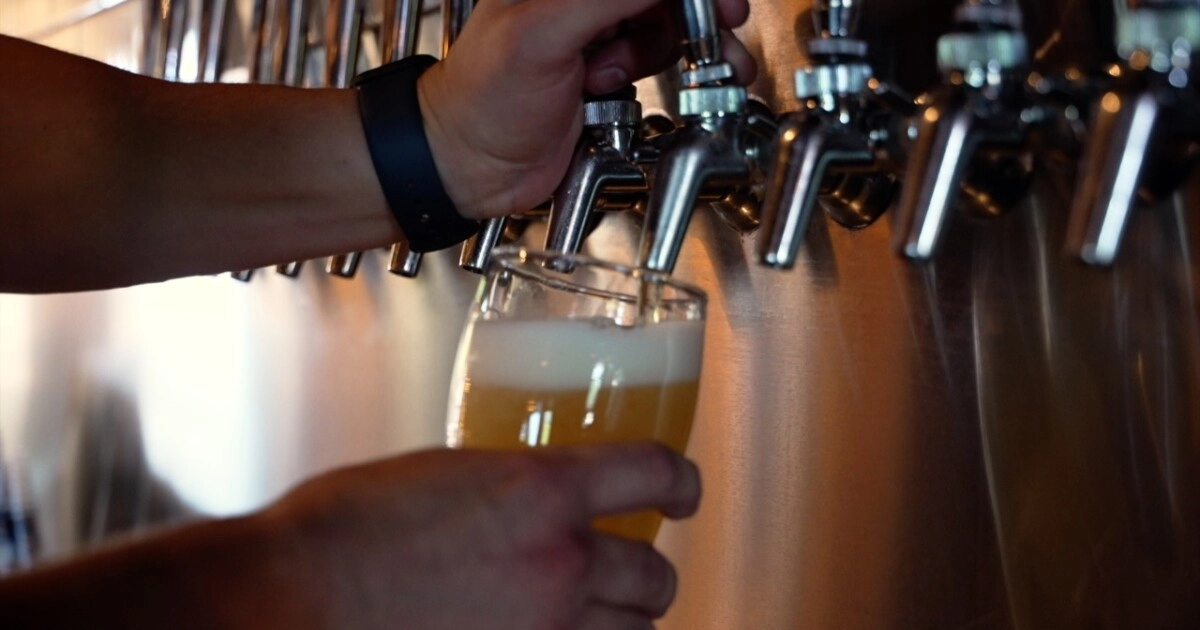
Ottawa County, despite its proximity to Lake Michigan, faces significant groundwater shortages, with approximately one in four residents relying on wells that tap into dwindling aquifers. The local irrigation systems have struggled, particularly during dry spells, leaving many lawns parched.
Paul Sachs, the director of the Ottawa County Department of Strategic Impact, explains that water is drawn from two underground sources—glacial and sandstone aquifers. As the primary aquifer is gradually disconnected from Lake Michigan, the rate of extraction exceeds the rate of replenishment, leading to declining water levels.
In response to this ongoing issue, county officials are urging residents to conserve water and consider adopting native landscaping, which requires less irrigation compared to traditional lawns. "It’s a behavioral shift," Sachs noted, emphasizing the need for a change in mindset regarding water usage.
To raise awareness about these groundwater challenges, Restoration Earth has collaborated with Oddside Ales to create a new beer called The Bergabowski. This unique brew features wild bergamot, a drought-tolerant plant native to the area. Oddside Ales General Manager John Motz shared that the idea came out of casual conversations about beer and native plants.
The introduction of this beer has sparked discussions regarding native landscaping, and there is hope that such plants will become a more common choice for maintaining yards, much like traditional turf grasses.
Ben DiNucci Lightens the Mood with Airport Beer Order Post After Falcons Tryout Cut
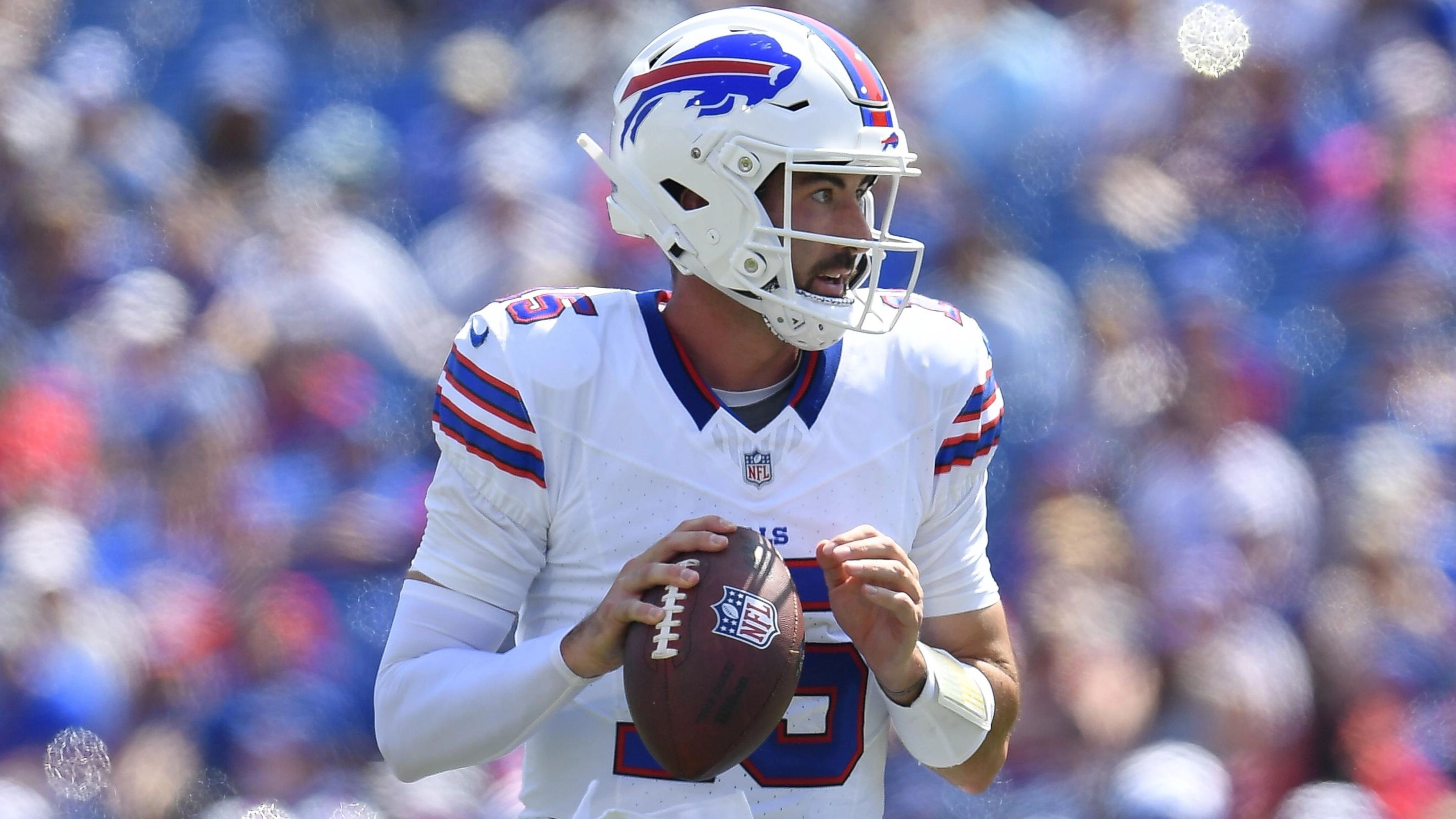
Free-agent quarterback Ben DiNucci recently went viral after sharing a photo of himself enjoying a beer at an airport, following his release from the Atlanta Falcons. His post humorously read, "Not many beers better than the airport ‘I just got cut from the NFL for the 7th time’ beer. Trust me, you wouldn’t understand."
On Saturday, the Falcons announced they had cut DiNucci along with 11 other players as they began to finalize their roster ahead of the deadline for the 2025 season. DiNucci had been signed just a few days earlier due to an injury to reserve quarterback Emory Jones. He had a brief appearance during the Falcons’ recent preseason game against the Dallas Cowboys, where he attempted two passes and thrown an interception.
With Michael Penix Jr. and Kirk Cousins firmly entrenched as the top two quarterbacks on the depth chart, and Easton Stick as the third, DiNucci faced an uphill battle to make the final roster.
Originally selected by the Dallas Cowboys in the seventh round of the 2020 NFL Draft, DiNucci logged 219 passing yards in three games during his rookie season. His journey has included stints with the Buffalo Bills and New Orleans Saints, but each time, he found himself back on the free-agent market.
As DiNucci reflects on his uncertain NFL future leading into the 2025 season, he seems to maintain a sense of humor about his situation, sharing insights on social media about his experiences.
Why Anthony Bourdain Never Explored Craft Beer Breweries on His Shows
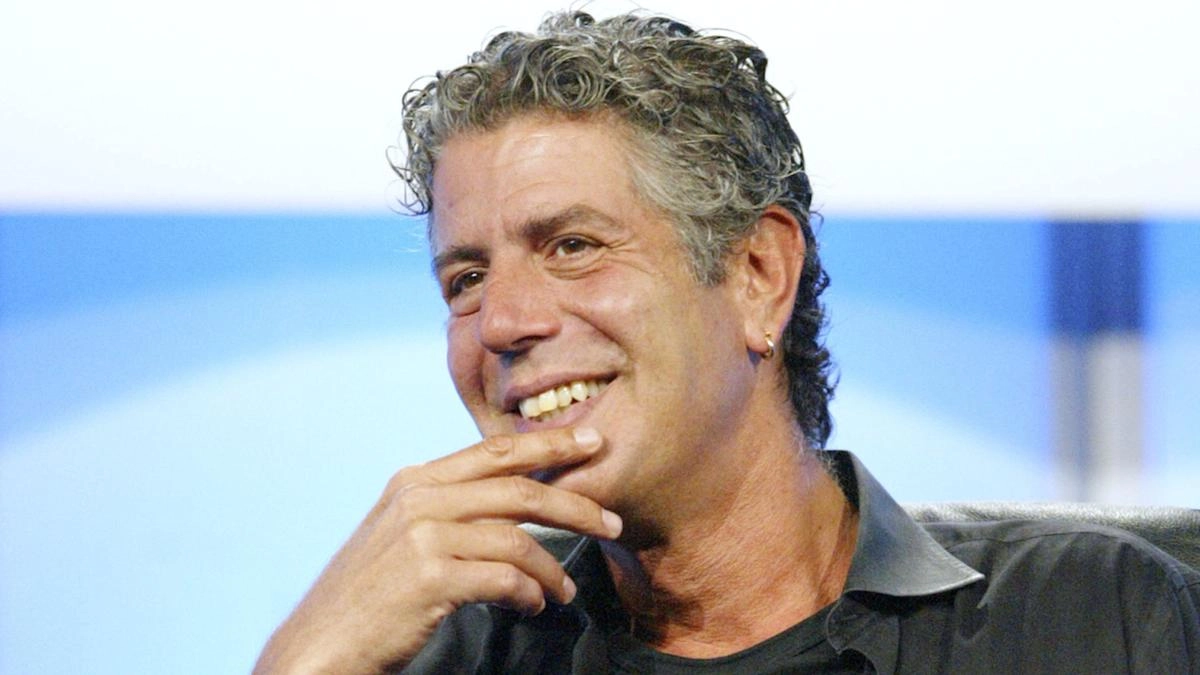
Anthony Bourdain was known for his love of good beer, often spotted enjoying a cold one during his shows like "Parts Unknown." However, he steered clear of craft breweries and beer culture on screen. He once compared the craft beer movement to "Invasion of the Body Snatchers," reflecting his skepticism toward the overly analyzed craft beer scene. In a 2016 interview with Thrillist, he expressed that beer and bars should be enjoyed without scrutiny, noting his preference for the experience rather than the minutiae.
Bourdain believed that viewers would find more interest in vibrant food preparations than watching a pint being poured. He never included craft breweries or pubs in his shows, opting instead for traditional breweries in unique locations. This choice highlighted his professional ethos: engaging content matters more than presenting forms of beverage.
Moreover, his attitude toward wine mirrored his feelings on craft beer; he preferred enjoying good wine without delving into its complexities. Bourdain emphasized the importance of local and abundant flavors over a beverage’s pedigree, often surprising many who expected a more refined wine-tasting approach from someone with his culinary background.
Ultimately, his decision to avoid wineries and craft breweries was deliberate, aiming to showcase authentic cuisine, making for more captivating television than simply highlighting drink selection. This perspective provides insight into Bourdain’s complex relationship with food and beverage that remained true to his style and narrative focus.
Discovering the World’s Best Pilsner: Highlights from the U.S. Open Beer Championship

Pilsners, known as one of the purest beer styles, are often the first choice for brewers to showcase their skills. Brewed in a variety of styles including German, American, Italian, and Bohemian, these beers are regarded for their craft and subtle complexities. According to Dow Scoggins, founder of the U.S. Open Beer Championship, "Brewing pilsners takes more time, and flaws are harder to hide."
At the recent U.S. Open Beer Championship, which is among the largest beer competitions in the U.S., pilsners were a significant focus. This year, over 8,000 beverages were submitted, with pilsners evaluated across five subcategories. Only gold, silver, and bronze medals are awarded in each category, highlighting the competitive nature of these awards.
The winners of the best pilsners for 2025 include:
- American-Style Pilsner: Bullpen – Atlas Brew Works – Washington, D.C.
- Bohemian-Style Pilsner: Quiet Light – Nine Giant Brewing – Ohio
- German-Style Pilsner: An Honest Man – New Berlin Brewing Company – Ohio
- International-Style Pilsner: Famosa – Cervecería Centro Americana S.A. – Guatemala
- Italian Pilsner: Antico – Geisthaus Brewing Company – California
Many of the top pilsners are produced by breweries with limited distribution, often making it necessary to visit these locations to sample the award-winning beers. For those unable to travel, contacting the breweries directly might provide options for purchasing or finding their beers locally.
Freshness is critical for these beverages, emphasizing the advantage of enjoying a freshly brewed beer at a local brewery. Moreover, many exceptional beers, not showcased in competitions, can be discovered in various breweries, adding to the excitement for enthusiasts seeking unique flavors.
Colorado’s Largest Beer Festival Expands: Now Introducing Liquor Too!

Tickets are now available for the 2025 Great American Beer Festival (GABF), set to take place from October 9-11 in Denver. This year marks a significant change: for the first time in its 43-year history, the festival will feature liquor alongside its traditional beer offerings, introducing what they are calling "The Distilling Experience."
At this year’s festival, twenty spirits companies, primarily from Colorado, will be serving quarter-ounce samples of various liquors, including whiskey, gin, and vodka, all free of charge. This expansion reflects a shift in consumer preferences, prompting GABF organizers to diversify their beverage selection. In recent years, the festival has gradually incorporated other drink options like seltzers, ciders, and ready-to-drink cocktails.
Breweries have also started to expand their product lines to attract broader clientele. For instance, WeldWerks Brewing Co. in Greeley has branched out into the ready-to-drink market, offering popular cocktails like Strawberry Margarita and Orange Creamsicle at the festival. Additionally, Montrose-based Shelter Distilling will showcase both its spirits and beers at the event.
The GABF will feature themed areas, including a traditional German biergarten, sports-themed sections, and a Halloween-themed area. Attendees can expect costume contests, a silent disco, and surprise flash mob performances, enhancing the festival’s celebratory atmosphere. The festival’s ancillary "Paired" event, which connects culinary pairings with beverages, will also return, requiring a separate ticket for attendance.
Ticket prices vary, with general admission at $85 on Thursday and $95 on Friday and Saturday. A three-day pass costs $220. More details and ticket information can be found here.
Hudson-Landsberg Biergarten Set to Launch with Beer, Brats, and Live Music!

The Hudson-Landsberg Biergarten is set to return to Park Lane Green on August 8-9, offering visitors a blend of German culture through food, beer, and music. This event has free admission and aims to support the Hudson-Landsberg Sister City, a nonprofit focused on enhancing relations between Hudson and Landsberg, Germany, through various cultural exchanges and scholarships.
The Biergarten will operate on Friday from 5 PM to 10 PM and Saturday from noon to 10 PM. Attendees can enjoy performances from NorthCoast Mix, known for their polka tunes, on Friday evening, while Saturday includes presentations of Grimm fairy tales by the Great Lakes National Puppet Theater, along with a community sing-along led by the Greater Akron Beer Choir.
Local breweries, including Green Valley Brewing and HiHO Brewing Co., will provide a selection of beers for sale. Reinecker’s Bakery will offer warm pretzels, while the Hudson Rotary Club will sell bratwurst, hot dogs, and soft drinks.
Additionally, the Hudson-Landsberg Sister City will host baseball games featuring Hudson against the Landsberg Crusaders on August 11 and 13 at Hudson High School, with the first pitch on August 11 at 7 PM thrown by Hudson Mayor Jeff Anzevino.
For more information, visit the official Hudson-Landsberg Biergarten site.