Beer-articles 1026
Brewing Change: Popular Beers Lower Alcohol Content Amid Sales Slump
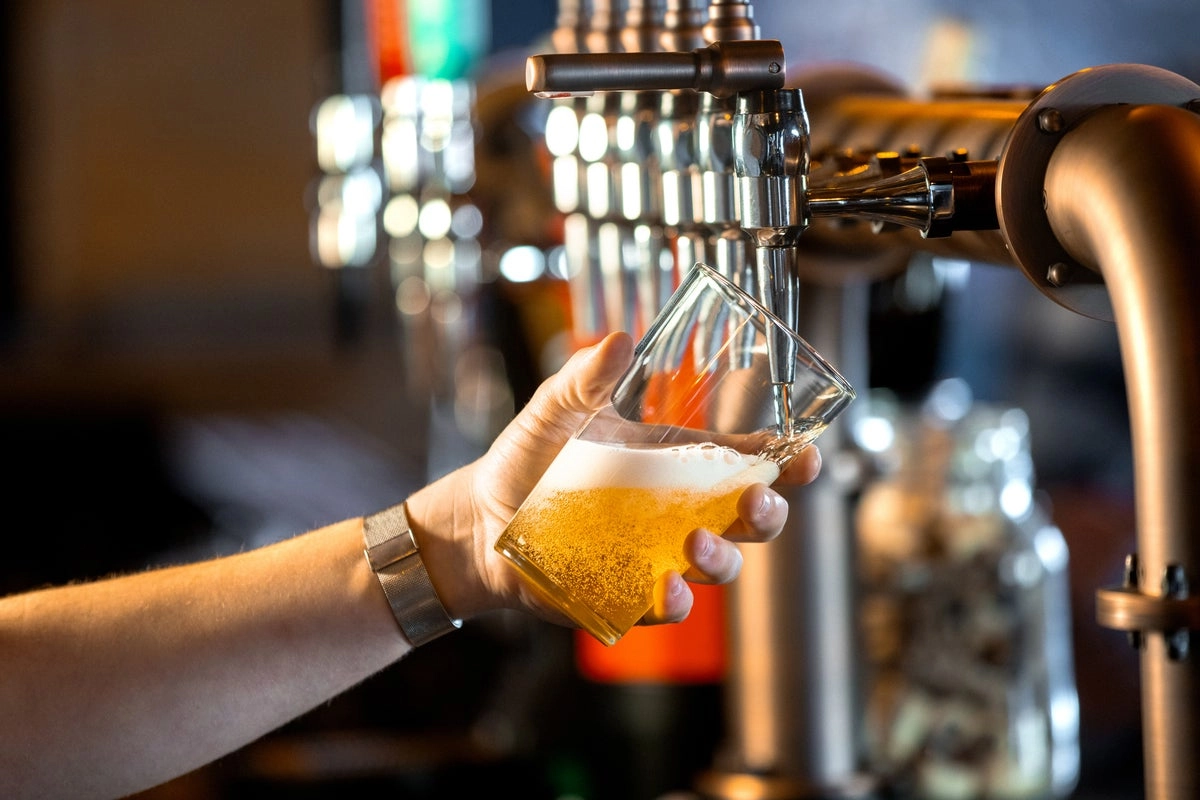
Heineken UK has announced plans to reduce the alcohol content of its popular Foster’s lager from 3.7% to 3.4%, effective February 2025. This decision comes in response to a notable decline in sales, with off-trade sales reportedly falling by 13.7% to £252.8 million in the year ending in April.
The move aims to leverage duty savings on weaker beers, allowing customers to enjoy more competitive pricing amidst ongoing inflationary pressures. Heineken noted that this adjustment aligns with new duty rates introduced by the UK government, which encourage breweries to innovate with lower alcohol by volume (ABV) beverages. This strategic shift also intends to assist pubs and retailers by providing a competitively priced classic lager.
The alcohol content of Foster’s has already been on a downward trend, having decreased from 4% to 3.7% in January 2023. Heineken emphasized that despite the lower ABV, extensive efforts have gone into refining the flavor to ensure it remains true to its crisp, balanced, and refreshing identity.
This is part of a broader trend in the beverage industry, as other brands like Carlsberg Pilsner, Coors Light, and Grolsch have also reformulated their products to align with the recent duty changes aimed at lower ABV beers. Challenges stemming from the rising cost of living have prompted many consumers to limit their spending on dining and socializing, prompting brands to adapt their offerings accordingly.
Overall, Heineken’s alterations reflect a commitment not only to consumer safety and responsible drinking practices but also to bolstering sales in a competitive and price-sensitive market.
How Travis and Jason Kelce’s Garage Beer Became the Perfect Companion for ‘Predator: Badlands’

The Kelce brothers, Travis and Jason, have creatively combined their love for films and beer with the launch of their new venture, Garage Beer, alongside the promotion of the upcoming movie Predator: Badlands. They collaborated with 20th Century Studios to produce a short film titled Thermal Buzz, which pays homage to the original 1987 Predator film featuring Arnold Schwarzenegger.
Predator: Badlands, which stars Elle Fanning and Dimitrius Schuster-Koloamatangi, premiered at the TCL Chinese Theatre in Hollywood. The short film, directed by Jordan Phoenix, features professional wrestler Matt Cardona and former Super Bowl champion Beau Allen and was filmed near Orlando, Florida.
Described by the Kelce brothers as inspired by the original film but "only dumber," Thermal Buzz takes audiences on a comedic adventure where Jason and his friends attempt to hunt down the Predator, only to have their efforts thwarted as Jason hilariously uses "beer-flavored" Garage Beer to confuse the creature’s heat vision.
Jason Kelce expressed his excitement about the project, mentioning, "As a 90’s kid, there’s nothing I loved more than a good action movie… I can’t wait to see Predator: Badlands.”
Thermal Buzz serves as a fun lead-in to the film, which hits theaters on November 7.
For more information on Predator: Badlands, you can visit Men’s Journal.
Shocking Study Reveals Beer Consumption Could Lead to Hair Loss – Tips to Keep Your Locks Healthy!

Boozing can contribute to baldness, according to a study by researchers from the University of Porto. They analyzed 17 studies involving over 60,000 participants and discovered that alcohol consumption, including beer, is linked to a higher risk of hair loss.
In contrast, the study highlighted various nutrients that could help prevent or alleviate hair loss. Vitamins—particularly vitamin D—and iron are beneficial for hair health. A diet rich in leafy greens, such as broccoli and kale, was recommended due to their anti-inflammatory and antioxidant properties.
Excessive vitamin A, which can be found in foods like cheese, eggs, and fish, was identified as potentially harmful. Additionally, research from Sydney University indicated that a natural sweetener derived from the stevia plant, known as stevioside, could potentially combat both male and female pattern baldness by enhancing the efficacy of hair loss treatments like minoxidil.
Recent trends and expert advice also suggest that certain environmental factors, such as hot showers, can dehydrate the scalp, increasing the risk of hair loss. Also, frequently tying hair into tight styles can lead to traction alopecia, a condition caused by repeated tension on the hair roots.
Maintaining good hair health involves not only being mindful of dietary choices but also adopting healthy hair care practices.
Millennials: The Driving Force Behind the Crisis for Iconic American Beer Brands

Beer sales in the United States are facing a significant decline, largely attributed to changing preferences among millennials and Generation Z. In recent years, younger consumers are opting for wine and spirits over traditional beer, leading to a notable drop in sales for iconic brands like Coors Light, Budweiser, and Heineken. Reports indicate that in 2017, beer was chosen by drinkers less than half of the time, marking a steep decrease from 60.8% in the mid-1990s.
Industry giants are not immune to this shift. Molson Coors has reported declining sales for four consecutive quarters, with Heineken experiencing a high-single-digit decline in sales during the first half of the year. AB InBev, the parent company of Budweiser, revealed a 3.1% drop in U.S. revenues in the second quarter, coupled with a loss of market share for its flagship beers.
Analysts suggest that millennials show a consistent lack of interest in major beer brands. Data shows beer penetration in the U.S. market fell one percentage point from 2016 to 2017, while wine and spirits remained stable. More alarmingly, Budweiser has fallen off the list of America’s top three best-selling beers for the first time since the 1970s.
Looking forward, the situation could worsen with Gen Z projected to prefer spirits and wines over beer. This dynamic creates a looming crisis for the beer industry.
In response to these challenges, beer companies are pivoting towards nonalcoholic beverages and cannabis-infused drinks to rejuvenate sales. AB InBev announced plans to enhance its nonalcoholic-beverages division, aiming for a 20% contribution to sales by 2025. Meanwhile, Molson Coors has entered a joint venture to produce cannabis-infused drinks. Companies are increasingly innovating to adapt to this changing landscape in a bid to capture the interests of younger consumers.
For more details:
How Applebee’s Pioneered the Iconic Beer Glass: A Toast to Their Creation
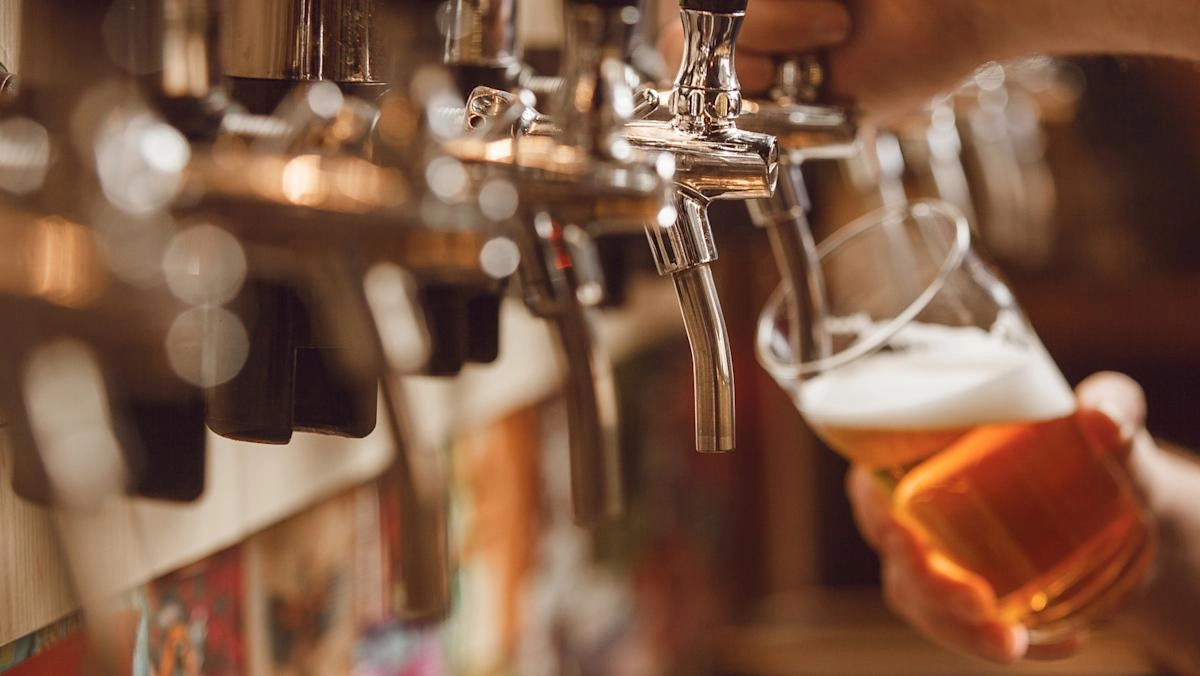
What makes ordering a beer at Applebee’s a unique experience? While the chain offers a variety of domestic and international beers, the standout feature lies in the Brewtus glass. This 20-ounce glass, introduced in 1992, is designed not just for aesthetics but to enhance the flavor of beer. Its wide top promotes foam formation, allowing aromatic compounds of the beer to be released, while its long, narrow base helps maintain the drink’s temperature.
The Brewtus glass incorporates design elements from two classic styles—the pilsner and the tulip pint glass. The pilsner glass showcases the golden hue and aroma of pilsner beer, while the tulip pint glass, often associated with Guinness, is favored for its shape that enhances flavor when pouring. The Brewtus combines the sturdy feel of a pint glass with a shape that improves both aroma and visual appeal, making it a functional and distinctive choice for Applebee’s.
When it comes to which beers pair best with the Brewtus, it performs well with almost any draft option, but shines particularly with pilsners like Miller High Life. Its wide rim is also excellent for garnished beers, such as a Blue Moon with an orange slice. Other popular choices to enjoy in a Brewtus include Michelob, Stella Artois, and Modelo Especial.
However, if you’re a fan of the Brewtus and wish to have one at home, you’re out of luck since Applebee’s doesn’t sell the glasses. Your best bet is to explore online marketplaces like eBay for a chance to find one.
For more insights into food, subscribe to our newsletter, which helps food enthusiasts expand their culinary knowledge, and check out the full article on Chowhound.
Brewing the Past: How Prehistoric Yeast is Leading to a New Era of Beer Production
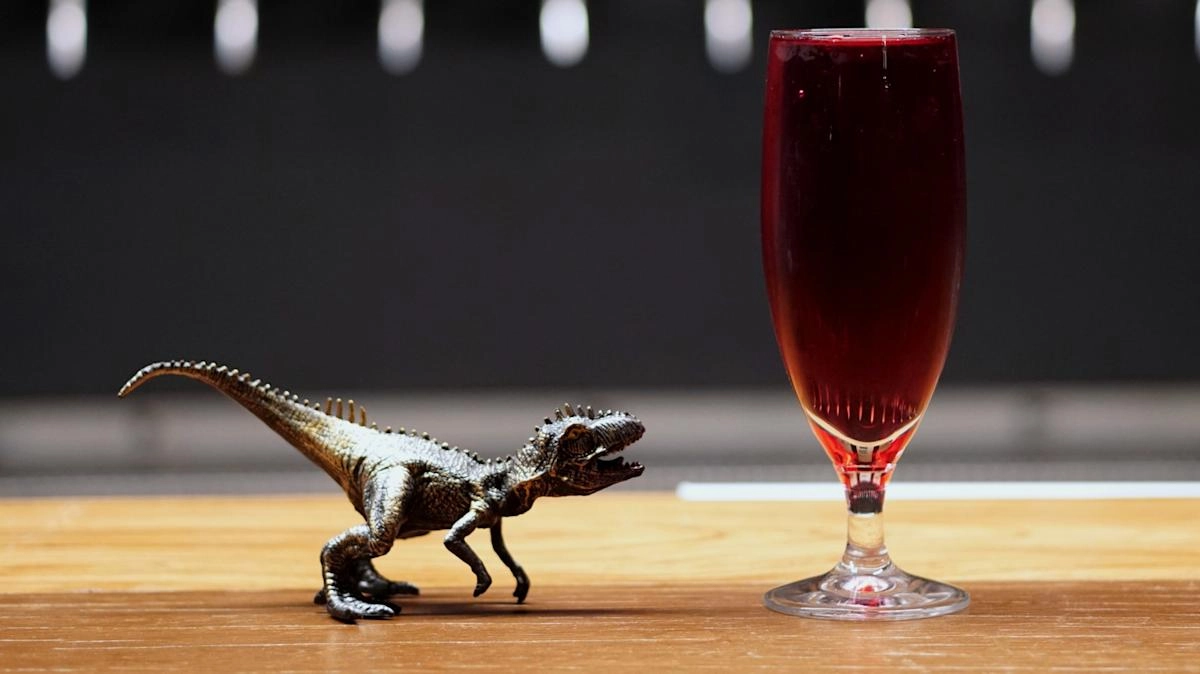
In a surprising development in the world of brewing, Fossil Fuels Brewing Company from the San Francisco Bay Area has demonstrated that it is indeed possible to make beer using ancient yeast. Dubbed the "45 Million Saison," this unique brew utilizes yeast extracted from a 45-million-year-old amber fossil containing a bee, a feat made possible by microbiologist Dr. Raul Cano, who first revived the yeast in 1995.
Despite initial skepticism, the revived yeast proved viable for brewing. Ian Schuster of Schubros Brewery collaborated with Dr. Cano and others to create what they called the world’s oldest beer. The resulting saison has an amber hue, a lively fizz, and a nuanced flavor profile with hints of grapefruit.
The brewing process began with finding the right yeast, which required careful consideration and several attempts before they found a suitable candidate. Their choice to brew a saison not only highlights the yeast’s unique characteristics but also inspired the beer’s catchy name, referencing its ancient origins and perhaps paying homage to popular culture.
However, while the beer gained attention and even raised funds through an Indiegogo campaign, the Fossil Fuels Brewing Company has since closed its doors and is no longer producing this extraordinary beer. Those interested can still hunt down limited stock at select online retailers.
For beer enthusiasts looking for other ancient options, Lost Rhino Brewing Company utilizes yeast from a 35-million-year-old whale bone in their Bone Dusters Paleo Ale. Additionally, brewers like Dylan McDonnell are experimenting with ancient yeast, including some that is 3,000 years old. Those eager to recreate a taste of history can even brew their own version of Pharaoh Ale at home, inspired by ancient Egyptian techniques.
For those interested in further exploration, you can find more about this amazing brew and its journey from prehistoric yeast to your glass.
New Beer’s High ABV Faces Legal Restrictions in Oregon and 14 Other States
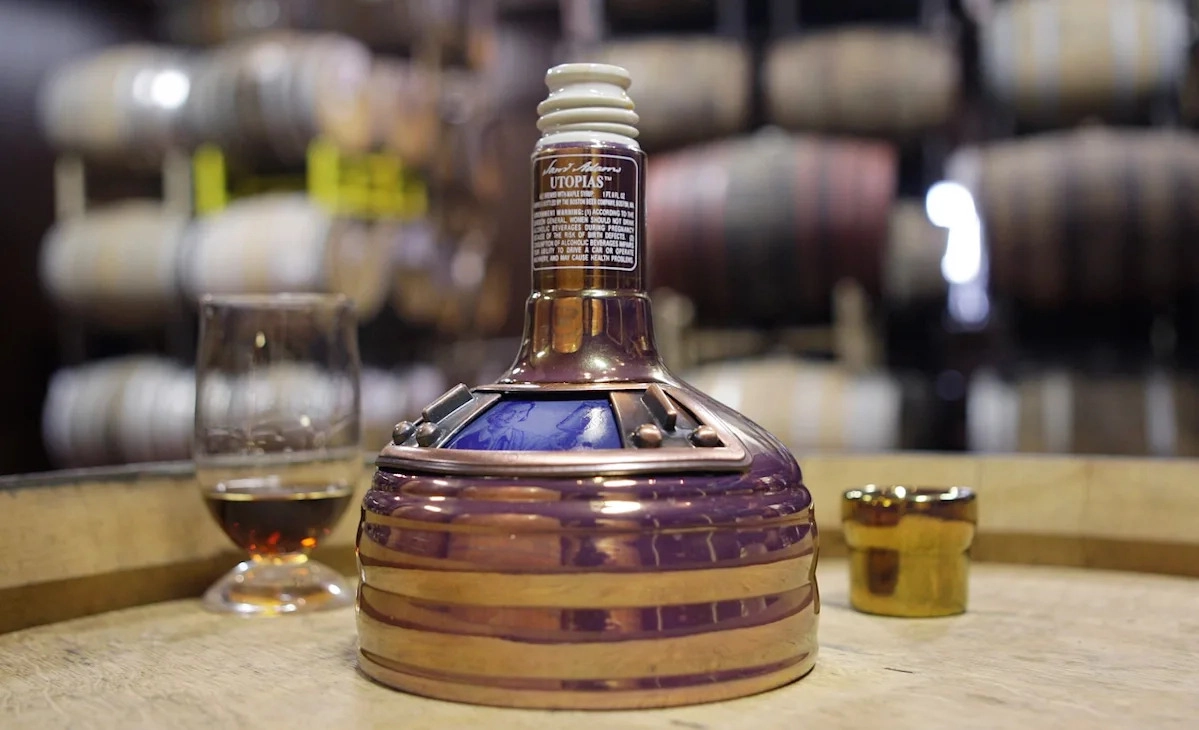
If you’re a fan of high-alcohol beers, you’ll have to look outside of Oregon and 14 other states to grab a taste of Samuel Adams’ latest release, Utopias. This limited edition beer boasts an extraordinary alcohol by volume (ABV) of 30%, making it potentially the strongest beer available. The 2025 release has led the company to label it as "perhaps the strongest beer on Earth."
Oregon has a strict limit on the ABV for malt beverages sold in bottles or cans, capped at 16%. This means that Utopias is banned within its borders due to its staggering potency.
Samuel Adams has brewed Utopias since 2001, with previous versions generally falling within the 24% to 28% ABV range, which is still significantly higher than the average beer’s 5% ABV, according to Alcohol.org. The company’s mission with Utopias has been to challenge conventional perceptions of beer, making it a sought-after item on many beer enthusiasts’ lists.
Alongside Oregon, the beer is illegal in states including Alabama, Arkansas, Georgia, Idaho, Missouri, Mississippi, Montana, New Hampshire, North Carolina, Oklahoma, South Carolina, Utah, Vermont, and West Virginia.
In states where it is legal, the beer is available for a price of $240 for a 24.5-ounce bottle. Samuel Adams founder Jim Koch remarked that achieving a 30% ABV is a major achievement and highlights the commitment of the brewery to craft without compromise.
For more details, you can check the official Samuel Adams webpage.
Justin Herbert’s Heroic Basketball Save: Madison Beer Goes Viral!

Justin Herbert, quarterback for the LA Chargers, recently captured attention when he defended his girlfriend, Madison Beer, during a recent Lakers game. As the couple enjoyed a courtside seat at the Crypto.com Arena, a stray basketball headed their way. In a swift act of chivalry, Herbert sprang into action, swatting the ball away before it could hit Beer, showcasing his athleticism while earning major brownie points as a boyfriend.
The moment quickly went viral, with fans sharing photos online that highlighted Herbert’s protective gesture. The two were dressed stylishly, with Herbert opting for a black shacket paired with blue light-washed jeans, while Beer donned a sleek black halter top and matching denim, accessorized with silver jewelry. Their outing came shortly after the Chargers secured a victory against the Minnesota Vikings in the NFL season.
Rumors of their romance began swirling in August 2025, when they were seen leaving a music video shoot together. They publicly confirmed their relationship on October 5, 2025, during a Chargers game where they shared a sideline kiss. Their appearance at the Lakers game marked their first public outing as an official couple, further endearing them to fans and followers.
Justin Herbert’s Heroic Moment: How He Saved Madison Beer at the Lakers Game

Justin Herbert, the LA Chargers quarterback, recently caught the attention of fans as he showcased his impressive reflexes during a Lakers game. Accompanied by his girlfriend Madison Beer, he instinctively swatted away a basketball that was heading straight for her.
This scene unfolded while the couple enjoyed courtside seats at a game against the Minnesota Timberwolves at the Crypto.com Arena. As the stray ball bounced off the court, Madison flinched in surprise, but Justin was quick to act, swatting the ball away with poise reminiscent of a football interception.
The moment was captured in photos that quickly went viral, eliciting admiration from fans for Herbert’s chivalrous act. Their outing followed the Chargers’ recent victory and marked what many consider their first public appearance as a confirmed couple.
Justin and Madison first sparked romance rumors in August 2025 after being spotted together post a music video shoot, later officially confirming their relationship with a sweet kiss during a Chargers game in October.
Dressed casually, Herbert sported a black shacket paired with light-washed jeans, while Madison looked stylish in a black halter top and jeans, completing her outfit with matching accessories.
Get Ready for the Traveling Beer Circus at City Center Bishop Ranch in San Ramon!

On October 26, 2025, City Center Bishop Ranch in San Ramon will host a unique event combining fun and fitness with the "Beer City Half Northern California Series" featuring a beer circus. The festivities will kick off at 8:30 a.m. as runners embark on a half marathon, 10K, and 5K across picturesque routes around Annabel Lake and along parts of the Iron Horse Trail. Participants in the half marathon will compete for the coveted Golden Growler, with $5,000 in prize money up for grabs.
Following the race, runners will head straight to the Beer City Festival, described as a "traveling beer circus." Here, attendees can enjoy craft beers, live music, food, and interactive games, offering a festive atmosphere to celebrate the completion of their run. The pre-race party will start on Saturday, October 25, from 4 p.m. to 7 p.m. at Fieldwork Brewing, featuring music from Radio Veloso and, of course, plenty of beer options.
On the same day, another entertaining event, the "Howl-O-Ween Costumed Pet Parade," will commence at 2 p.m. This family-friendly activity encourages pet owners to showcase their furry friends in Halloween costumes while navigating fun challenges such as haunted obstacle adventures and a sniff patch, creating an engaging experience for attendees of all ages.
According to Jeff Dodd, senior vice president at Sunset Development, events such as the Beer City Run and Howl-O-Ween illustrate the joy of community gatherings and the creation of shared memories.
Event Details:
- Date: Sunday, October 26, 2025
- Time: 8:30 a.m. to 5 p.m.
- Location: City Center Bishop Ranch, San Ramon
- More info: beercityfest.com