Beer-articles 1026
Innovative Brewing: Beer Crafted from Purified Shower Water in “Morning in America

From shower drain to beer can? A California company has introduced two new beers made from recycled water, aiming to shift public perception about water reuse. Epic Cleantec, co-founded by Aaron Tartakovsky, emphasizes sustainability in their efforts to craft these unique brews, which will soon be available on a national scale.
The beers are part of a broader initiative to educate consumers on the importance of rethinking water sources, especially in regions affected by drought. As more businesses explore recycling methods out of necessity and ecological responsibility, products like these could lead to more sustainable practices in other industries as well.
Tartakovsky believes that these beers not only offer a quirky alternative for craft beer lovers but also serve as a conversation starter regarding environmental challenges. The venture signals a growing trend in the beverage industry towards sustainable sourcing and increased awareness of water conservation.
For more information about this innovative approach to brewing, you can read further about their mission and product launch here.
Beer and Food Pairing 101: Mastering the Three C’s for Delicious Combinations

As the holiday season approaches, it’s time to start planning festive meals—including the perfect beer pairings. Beer expert Jay R. Brooks provides a guide to successfully match beer with food, emphasizing three key concepts: complement, contrast, and cut.
Complement
Pairing beer with food can be delightful when you align similar flavors. For instance, a dark stout can enhance chocolate brownies, while a hoppy IPA or smoked beer is ideal for barbecued dishes. Consider the flavors in both the beer and the food; if a beer is malty with caramel notes, a thick steak could be the perfect accompaniment.
Contrast
Contrast involves pairing opposites to enhance the dining experience. A classic example is the combination of oysters with stout—where sweet and briny flavors of oysters meet the roasty, bitter notes of stout. Likewise, pairing a sugary beer with sour dishes—like sauerkraut or kimchi—can create a striking balance. The bitterness of hops or roasted malts can cut through sweetness, making each bite more enjoyable.
Cut
The third principle involves using beer to “cut” through rich or fatty foods. High-carbonation beers work well with greasy meals by cleansing the palate. For example, pairing a citrusy lager with fried foods not only refreshes but also accentuates the dish’s flavors.
Additional Considerations
When deciding on pairings, consider the beer’s strength—darker, heavier beers pair better with hearty foods, while lighter dishes call for more delicate options. It’s often best to start with lighter beers during multi-course meals, progressively moving to stronger varieties.
Finally, creating your own pairings can lead to delightful discoveries. Casual yet well-rounded combinations, like pizza with lager or brown ale with shepherd’s pie, stand the test of time. John recalls a serendipitous pairing of chili con carne with blue cheese and an IPA that became a favorite through experimentation.
As you prepare for holiday gatherings, invoke these tips to explore beer and food pairings that elevate your dining experience. Don’t hesitate to share your own innovative combinations as you dive into this flavorful journey.
Exploring Torrance: The Perfect Blend of Beer, Ramen, and Buffy’s Iconic House

I was initially skeptical when someone suggested a tour of Torrance, a hidden gem in the South Bay, especially coming from the San Gabriel Valley where I often visited iconic spots like the Rose Bowl or the historic San Gabriel Mission. But as I learned more about the city, I realized there was more than meets the eye.
Torrance is home to delightful treats such as the renowned divine paradise cakes from two King’s Hawaiian locations and has historical significance, notably as the studio where the hip hop group N.W.A recorded "F— tha Police." But did the city, with its population of around 140,000, really warrant a tour?
I met with Debbie Hays, a Torrance resident and docent of the Torrance Historical Society, ready to uncover the city’s layers. Our tour began at the Historical Society, where Debbie provided insights into Torrance’s origins, from a Spanish land grant to its establishment by financier Jared Sidney Torrance in 1912. The narrative prominently featured Louis Zamperini, the “Torrance Tornado,” an Olympic athlete and war hero whose incredible story inspired the film Unbroken.
Zamperini, an Army Air Force bombardier, became a legend after surviving a plane crash and drifting at sea for 47 days, only to endure two years of captivity. The Historical Society showcased a wealth of memorabilia, including trophies and documents donated by the Zamperini family. Hays emphasized, “No other place in the world has more information and pieces of history tied to Louis than we do.”
Aside from historical highlights, Torrance boasts impressive culinary experiences, particularly on its Ramen Trail, claiming the title of the “Ramen Capital of Southern California” due to its significant Japanese population, which is about 15,000 strong. Alongside the foodie scene, Torrance capitalizes on its growing craft beer industry, featuring numerous microbreweries worth exploring.
Film buffs can explore over 200 filming locations within the city, where popular movies like Scarface and Boogie Nights were shot, showcasing Torrance’s cinematic backdrop. One highlight during the tour included a Craftsman-style home at 1313 Cota Ave., famously known as “the Buffy home,” where Buffy the Vampire Slayer was filmed. The home attracts fans from all over who want to connect with their beloved show’s legacy.
Torrance combines rich history, gourmet delights, and pop culture appeal into a unique experience that offers more than one might expect. Whether it’s savoring paradise cakes, slurping ramen, enjoying craft beers, or connecting with Zamperini’s story, there’s something for everyone in Torrance. Truly, one doesn’t have to be a Buffy fanatic to appreciate what this city has to offer.
Rice University Introduces Free Treats and Swag to Boost Attendance for North Texas Clash

In a bid to boost student attendance for a crucial matchup, Rice University is offering free beer to students of legal age attending their game against No. 22 North Texas on Saturday night. This matchup marks Rice’s second occasion facing an AP Top 25 team this season, and it also has bowl eligibility implications.
Rice’s undergraduate population numbers around 5,000, and campus officials are hopeful that the free beer promotion will entice students to stay for the game, especially considering many will be heading home for Thanksgiving soon after. Alongside the free beer, the school is providing the first 500 students with free t-shirts, a $15 food truck voucher, and ice cream.
Kevin Dwan, Rice’s deputy athletic director for external affairs and revenue, emphasized the significance of the game being broadcast on national television and the importance of encouraging students to attend. The beer will not be sold at concession stands but distributed from a kiosk behind the student section, with strict monitoring to ensure responsible consumption. Students can retrieve one beer per visit to the kiosk without a time limit, provided they do not show visible signs of intoxication.
Although the initial promotion was shared on social media with a straightforward “Free Beer” message, it was later removed for lacking necessary context. Dwan noted that while Rice has held similar promotions in the past, it had been at least two seasons since the last instance.
Rice’s home attendance has fluctuated throughout the season, with its highest drawing 30,116 fans during their opener against Houston, while subsequent games averaged around 22,000 attendees. Recently, attendance dipped to their lowest of the season with just over 20,000 fans present for a game against No. 25 Memphis, which adds to the urgency for initiatives like the free beer promotion in promoting a more vibrant game-day atmosphere.
Madison Beer Survives Wardrobe Mishap: A Close Call on the Red Carpet
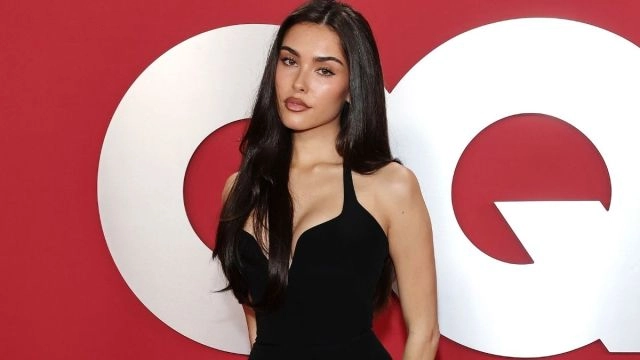
Madison Beer, the 26-year-old singer, showcased her style at the GQ Magazine "Men Of The Year 2025" event held at the Chateau Marmont. She donned a stunning black halter-neck dress with a plunging neckline and a daring high slit. Despite the risks of a wardrobe malfunction, Madison demonstrated quick thinking as she strategically layered her right leg over the slit to prevent any embarrassing exposure while the photographers snapped her picture.
This clever maneuver ensured she avoided any mishaps as she graced the red carpet. Her outfit was complemented with black pumps, delicate earrings, and an array of rings, while her glam makeup accentuated the night’s festive vibe.
Her appearance did not go unnoticed; fans flooded social media with admiration. Commenters praised her stunning looks, with one saying, “Oh look, it’s Madison Beer, the MOTHER OF THE YEAR!!!” while another exclaimed, “The face card, the hair, BODY IS TEA, you ate princess.” The overwhelming positivity continued with enthusiastic messages, underscoring her appeal.
The GQ event celebrated its 30th anniversary, featuring a lavish ’90s Hollywood theme and a performance from MJ Lenderman. Alongside Madison, A-list attendees included Hailey Bieber, Sydney Sweeney, Stephen Colbert, and Seth Rogen.
In addition, Madison delighted her fans with a social media post showcasing her glamorous outfit, set to “Take It on the Run” by REO Speedwagon, which quickly amassed a million likes and thousands of comments, shares, and retweets, demonstrating her strong connection with her audience.
Madison Beer’s Unmissable LBD: A Closer Look at Its Stunning Neckline
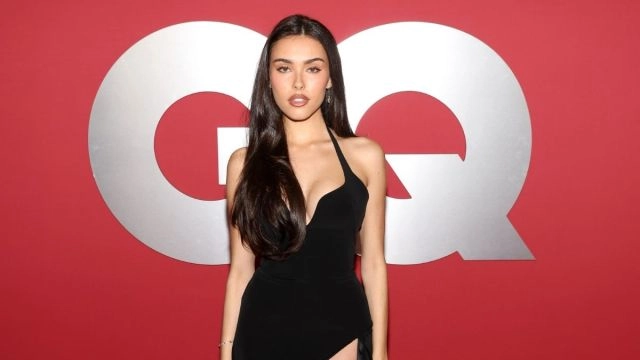
Madison Beer recently made a stunning appearance at the 2025 GQ Men of the Year event in Los Angeles, showcasing a daring little black dress (LBD) that turned heads. The outfit featured an eye-catching halter neckline and a high slit that elevated her look, while the back of the dress draped elegantly.
The singer complemented her look with chic, pointed-toe black pumps and styled her hair down, enhancing her captivating presence. Her makeup included defined eyes and nude brown lips, rounding out a flawless red-carpet appearance.
For additional details, refer to the original source at RealityTea.
Cheers to Sunshine: The Perfect Thanksgiving Beer That Elevates Your Feast
For many years, I have embraced Thanksgiving as a time to gather with my chosen family, inviting anyone who needs a warm meal and companionship. My traditional spread includes the classic roast turkey alongside mashed potatoes, green bean casserole, and both pecan and pumpkin pie, along with some adventurous preparations like paella over a wood fire.
This year, I’m adding a twist to the classic fare with Swedish meatballs made from ground turkey and sage, served over mashed potatoes, while a pecan pie will satisfy the dessert cravings. As I think about drinks to accompany this feast, the world of beer pairings comes to mind, particularly with my friends joining this year’s celebration. After a little taste exploration, I have chosen three exceptional beers that will complement my Thanksgiving meal beautifully.
1. Samuel Smith’s Nut Brown Ale
Samuel Smith’s Nut Brown Ale stands out for its earthy maltiness, making it an excellent match for turkey with crispy skin and stuffing. With hints of dried fruit, it also pairs wonderfully with cranberry sauce. This beer’s nutty flavor blends seamlessly with desserts like pecan pie and even complements the spices in pumpkin pie. At a moderate 5% ABV, it’s versatile enough to enjoy throughout the meal.
Buy: Samuel Smith’s Nut Brown Ale – $11.49 for a four-pack.
2. Lindeman’s Framboise
Lindeman’s Framboise serves as a delightful counterpoint to the richness of Thanksgiving dishes, akin to cranberry sauce. Its sweet, raspberry flavor combined with a hint of herbs complements herb-seasoned turkey perfectly. The beer’s fruity acidity provides a refreshing cleanse for the palate. Given its low 2.5% ABV, it’s a delightful option for every course of the meal.
Buy: Lindeman’s Framboise – $11.99 for a 750 mL bottle.
3. Mayflower Porter
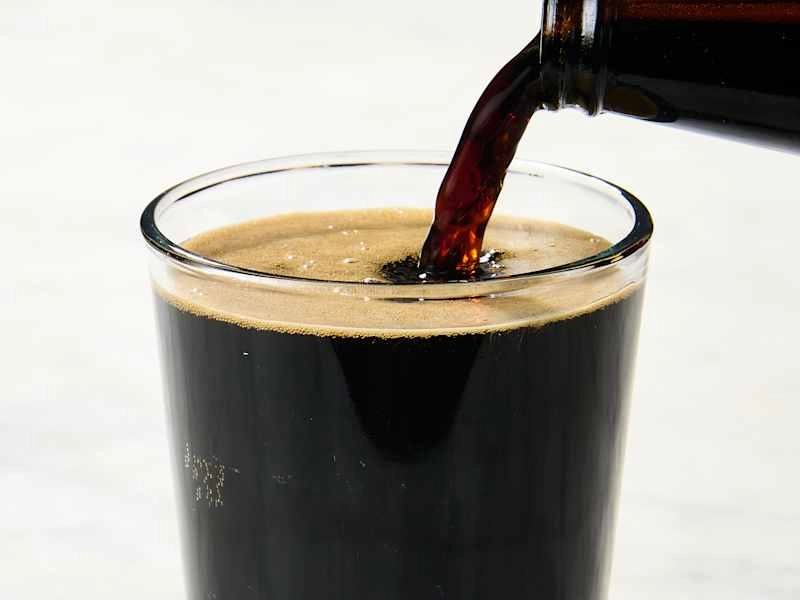
Mayflower Porter comes highly recommended towards the end of the meal, especially alongside a slice of pecan pie. Its sweet and toasty notes, reminiscent of molasses, combined with deep flavors of dark chocolate and coffee, make it a rich experience akin to enjoying a mocha. With a 5.2% ABV, it is the strongest of the three, offering a strong finish to the festivities.
Find it in stores: Mayflower Porter.
What’s your favorite Thanksgiving beer? I’d love to hear your recommendations!
Madison Beer’s Slinky Dress Stuns Fans: Here’s Why Everyone is Obsessed!

Madison Beer recently captivated fans in a stunning black slinky dress at GQ’s Men of the Year 2025 event held at Chateau Marmont in Los Angeles. The Georges Hobeika halter dress, characterized by a high slit and bold neckline, provided a glamorous look that had many calling her the “prettiest.”
As she graced the red carpet, Beer enhanced her ensemble with dangling earrings, statement rings, and a bracelet from Melinda Maria. The overall appearance was complemented by glossy black pointed-toe heels, highlighting her fashion-forward style.
Following the event, Madison shared a carousel of mirror selfies on Instagram, further impressing her followers. Her fans responded with admiration, labeling her a “diva” and a “stunning queen.” The excitement surrounding her look has generated significant buzz on social media.
For more on Madison Beer’s fashion moments, you can view her posts here and other related articles about her stunning appearances.
Madison Beer Stuns in Curve-Hugging Black Dress at the 2025 GQ Men of the Year Awards

Madison Beer made a stunning appearance at the 2025 GQ Men of the Year Awards, captivating her followers with a series of glamorous photos shared on Instagram. The 26-year-old singer donned a form-fitting black halter dress that featured a plunging neckline and an open back, showcasing her elegance.
To accent her outfit, Beer accessorized with dangling earrings and styled her hair in a voluminous blowout. Among the images she posted, one stood out—a black-and-white shot capturing her playful side, radiating joy and confidence.
Fans quickly flocked to the comments, expressing their admiration. Comments ranged from praises calling her “the prettiest” to others declaring her simply “stunning.” One follower even remarked on the collection of photos, stating it was “one of the best selfie dumps we’ve seen.”
Madison Beer continues to raise her profile in the fashion world while balancing her music career and numerous public appearances.
For more details on her dazzling fashion choices, you can check out the full article on Star Magazine.
Madison Beer Sizzles in Ultra-High-Slit Gown, Just Dodges Wardrobe Malfunction
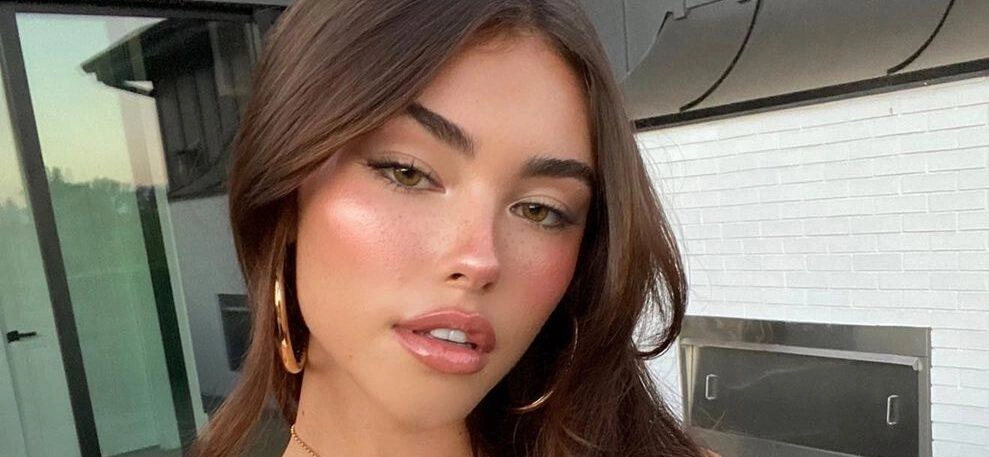
Madison Beer turned heads at the GQ party held at the Chateau Marmont, where she wore a stunning black gown with a dangerously high slit that nearly resulted in a wardrobe malfunction. The singer’s daring outfit featured a plunging neckline and halter-style straps, emphasizing her style and confidence. Accompanying the attire were sleek black pumps, making a powerful fashion statement that caught the attention of many, including notable attendees like Hailey Bieber and Kendall Jenner.
As Madison posed against the GQ backdrop, fans showered her with compliments on social media, praising her appearance and declaring her a fashion icon for the night. Alongside her stylish appearance, Madison’s relationship with Los Angeles Chargers quarterback Justin Herbert continues to be in the spotlight, as the couple has garnered considerable attention since going public earlier in the year. Their frequent appearances together have only added to the buzz surrounding their blossoming romance.
This notable night followed Madison’s recent performance at the Victoria’s Secret Fashion Show, where she also stole the spotlight wearing a pale pink corset and matching shorts, complete with angel wings. Her appearance was well-received, marking a significant moment in her fashion journey and affirming her presence in the industry.
Madison’s GQ appearance was not without its own drama. She previously faced challenges with her costume at the 2024 Victoria’s Secret Fashion Show, where the original wings designed for her were too cumbersome to wear. Fortunately, the design team quickly provided a viable alternative, allowing her to shine without concerns over her balance on stage. Madison Beer continues to navigate the fashion scene and public eye with poise, solidifying her status as a rising star in both music and fashion.